This Unassuming Texas Restaurant Is a Slice of Puerto Rico on Every Plate
The first time I tasted real mofongo, I was standing in a friend’s kitchen in San Juan. Her abuela pressed garlic into a wooden pilón. Without looking up, she told me I was about to eat the best thing I would ever put in my mouth. She was not wrong.
Years later, I did not expect to feel that exact wallop of garlic and pride again in a strip-mall storefront off a two-lane road in Collin County. But that is exactly what happened.
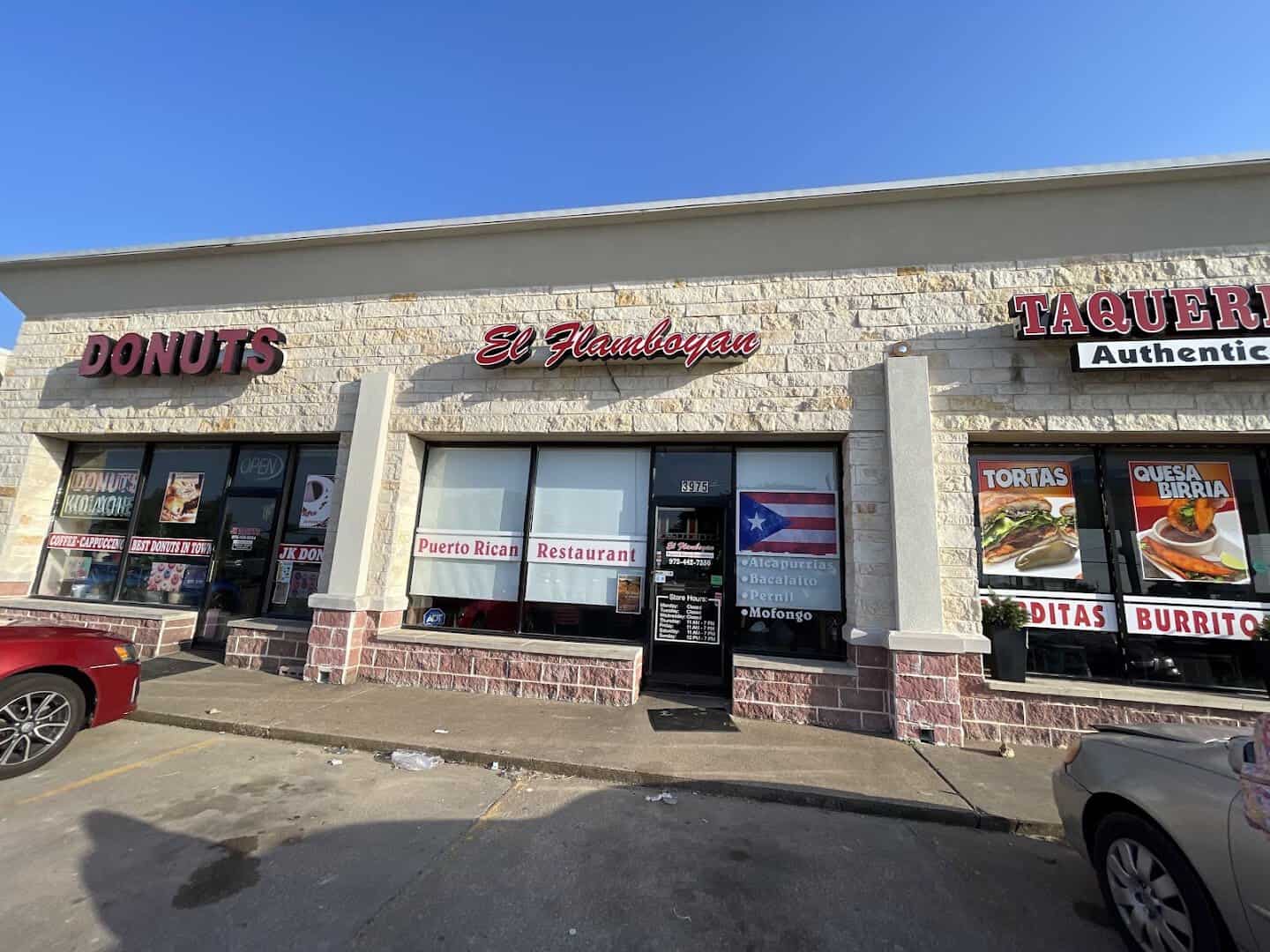
Then I walked into a little Puerto Rican spot in Wylie and got hit with garlic and salsa, the smell of frying plantains and a trumpet coming out of a speaker in the corner. El Flamboyan does not look like much from the parking lot.
Below, here is why that plain front door hides one of the most joyful plates of food in North Texas.
A Flame Tree on a Wylie Storefront
The name is the first clue. El flamboyán is the flame tree, the one that lights up roadsides across Puerto Rico every summer in a blaze of orange and red. Ask any Puerto Rican about it and their face changes. It stands for pride, for home, for the island itself.
So a restaurant named after that tree is making a promise before you ever read the menu. It is telling you this food comes from somewhere loved.
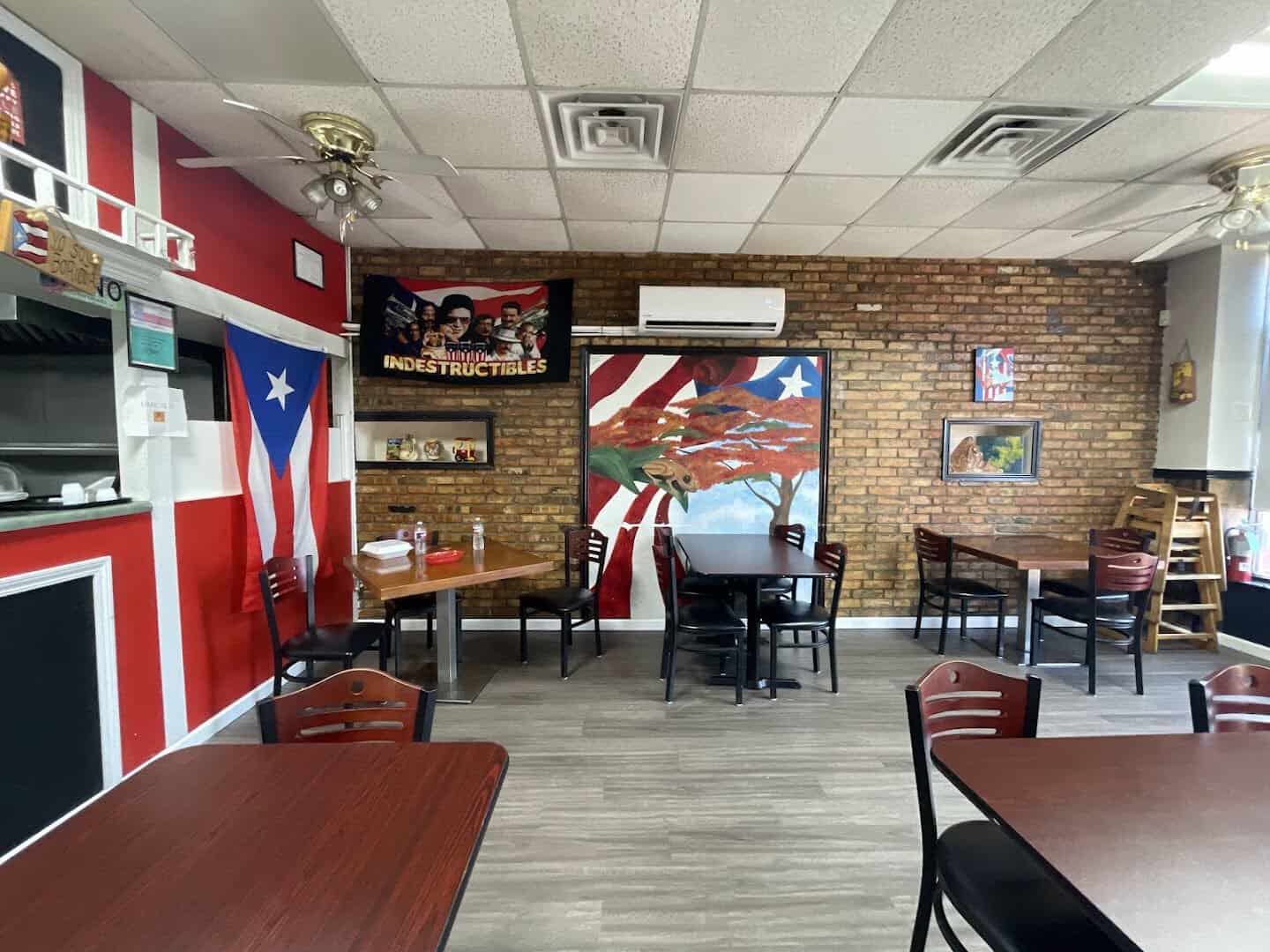
Inside, the room is small and warm. There are a handful of tables, salsa and bomba playing, and the kind of easy chatter you hear when the people cooking actually want you there. You can speak Spanish with the owners, and plenty of regulars do.
This is a family-run kitchen, not a chain doing an impression of one. That difference lands on the plate every single time.
Wylie is not the first place most people picture when they think of Puerto Rican food. It is a growing town northeast of Dallas, better known for its lake and its old downtown square. That is exactly what makes finding this kitchen feel like a small secret.
The dining room does the rest of the work. There is no fussy decor, no theme, no gimmick. Just clean tables, good music, and the smell of the kitchen doing what it does. You settle in fast.
The Mofongo Is the Whole Point
The mofongo is the dish I drove out there for, and the dish I will drive back for.
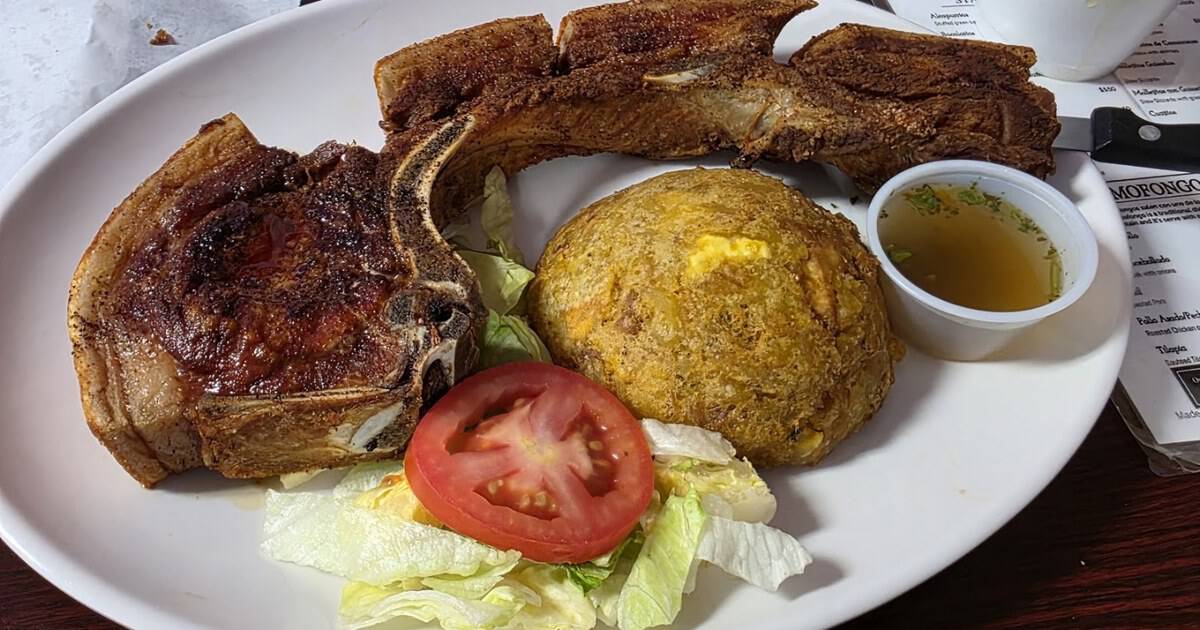
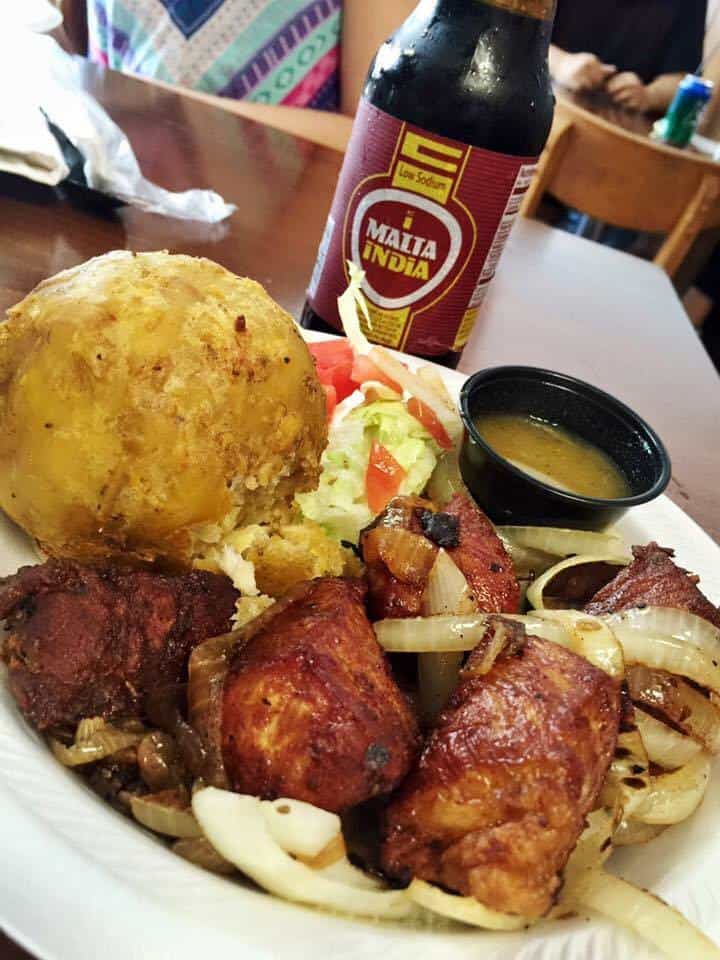
Green plantains get fried, then mashed in that same wooden pilón with garlic, a little pork, and enough love to make it dense and rich. It arrives as a golden dome, savory and garlicky, and you break into it with your fork like you are opening a present.
You pick your protein. Roasted chicken runs about $22, roasted pork or fried pork chunks around $23, and shrimp closer to $24.50. My vote goes to the pork, every time, because the crispy fried edges against that soft garlic mash is the reason this dish exists.
Ask for a little cup of caldo, the light chicken broth, to spoon over the top. Regulars swear by it, and after one bite I understood why. It keeps everything moist and pulls the whole thing together.
Did you know mofongo traces back to West African fufu, carried to the island and made Puerto Rican? You are eating history when you eat it here. Teachers of the dish will tell you the pilón matters, and this kitchen still uses one.
Order it once and you understand the fuss. The garlic is loud, the plantain is dense and satisfying, and the pork gives it that salty crunch. It is comfort food and celebration food at the same time, which is a rare and wonderful thing for one plate to be.
Pernil, Carne Frita, and the Rest of the Island
If mofongo is the headliner, the pernil is the soul. This is slow-roasted pork shoulder, marinated in garlic, oregano and adobo, then cooked until it pulls apart and the skin crackles. It comes with rice and beans, white or yellow, and runs about $21.
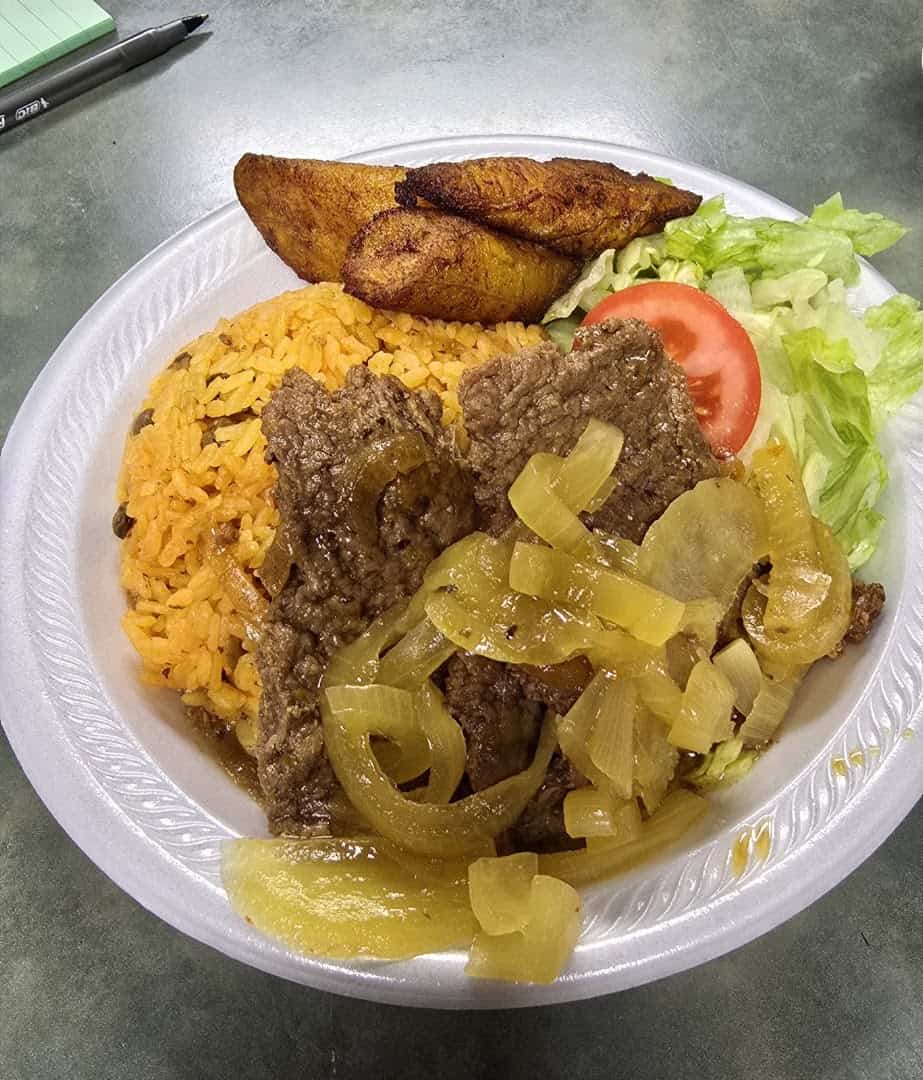
A visitor from New York told the room his pernil was moist and his rice and beans had real flavor, and he said it like a man who had eaten a lot of both. High praise from that crowd.
On the island, pernil is the centerpiece of Christmas and every big family gathering. So ordering it on an ordinary weekday in Wylie feels a little like being invited to a holiday you did not know was happening. That is the magic of the place.
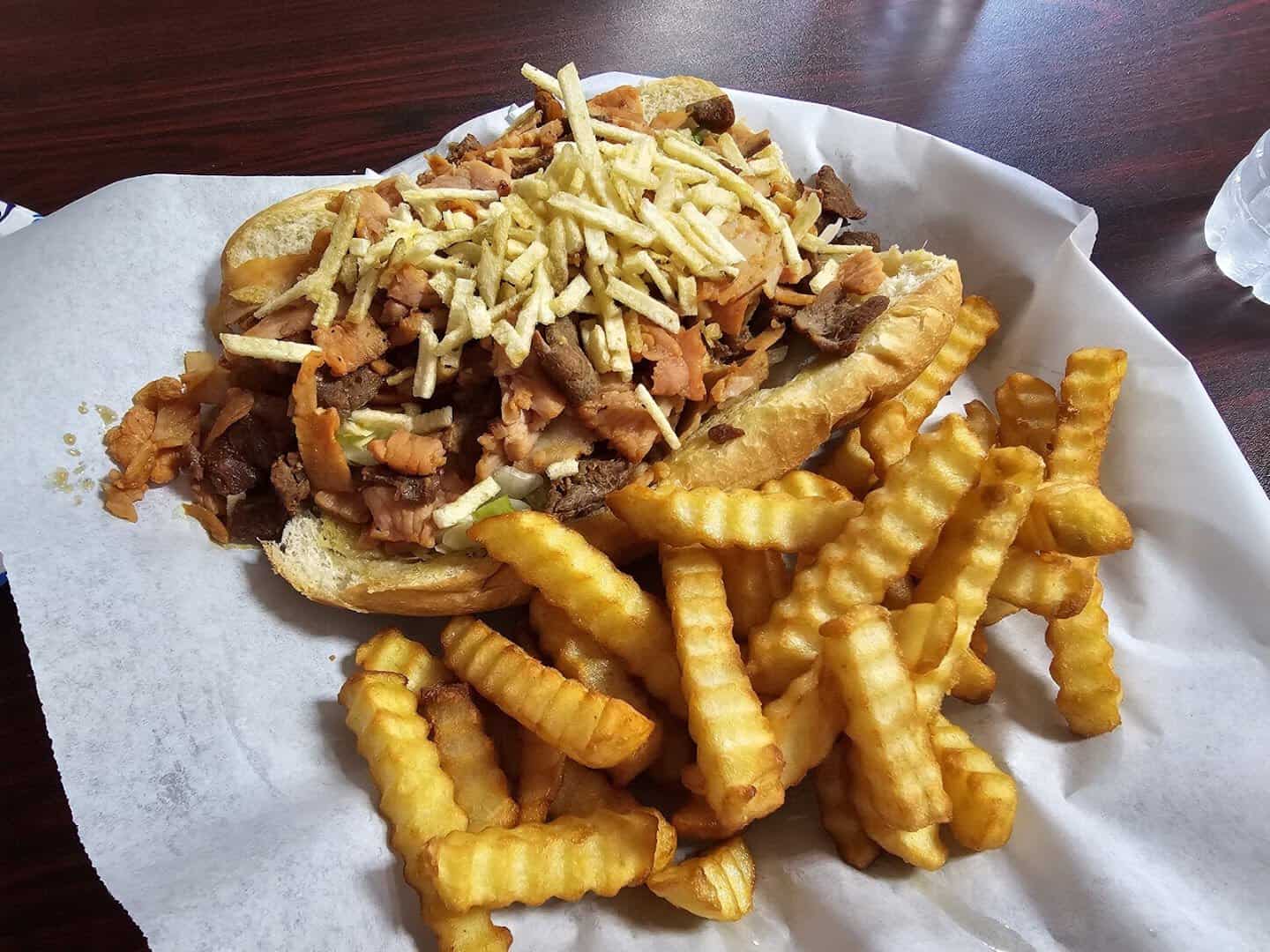
The carne frita is another favorite, chunks of fried pork with crunchy edges and tender centers, served with arroz y habichuelas for about $21.50. There is bistec encebollado, cube steak smothered in onions, and pollo asado for the table that wants roast chicken done right.
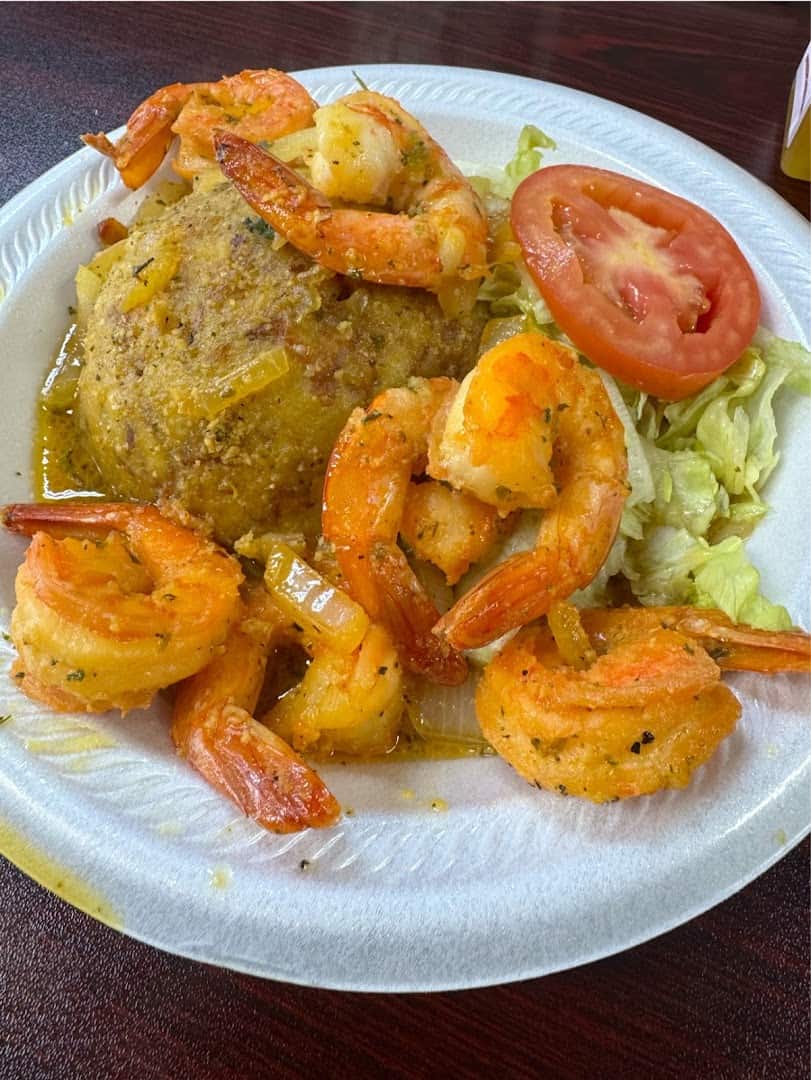
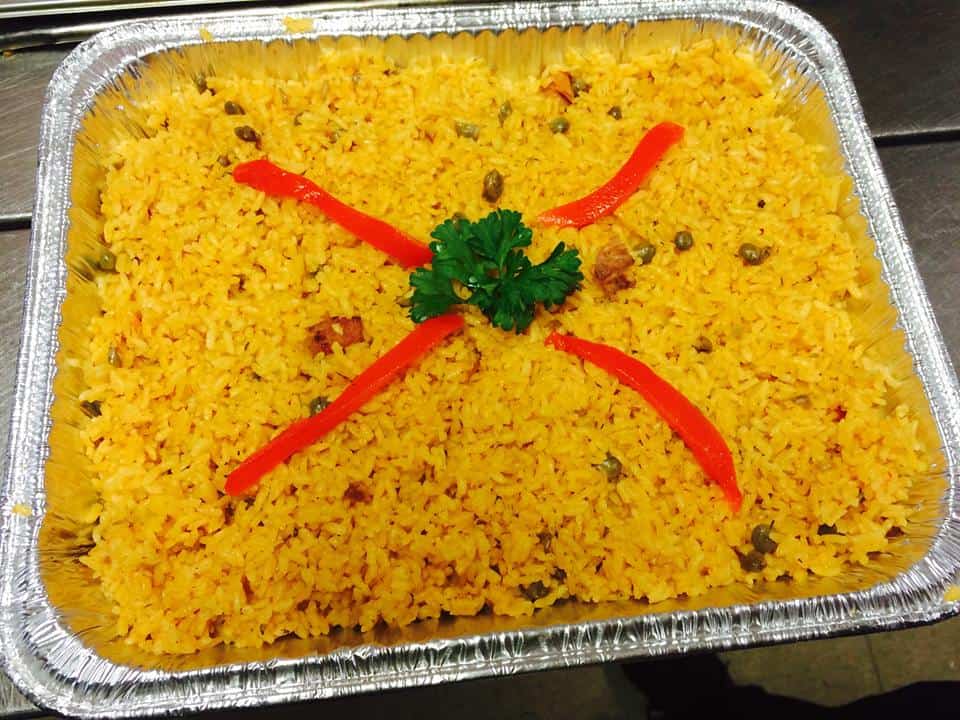
For seafood there is camarones al ajillo, shrimp cooked in garlic and oil, and a sautéed tilapia filet for the lighter appetite. Almost every plate comes with a side of arroz con gandules, rice with pigeon peas, which is the Puerto Rican rice you came for.
For something sweet at the end, there is flan, both the vanilla and the cream-cheese quesito style, plus pastelillo de guayaba, a flaky pastry filled with guava paste. On a hot day, ask for a limber, the frozen Puerto Rican treat that tastes like the island in a cup.
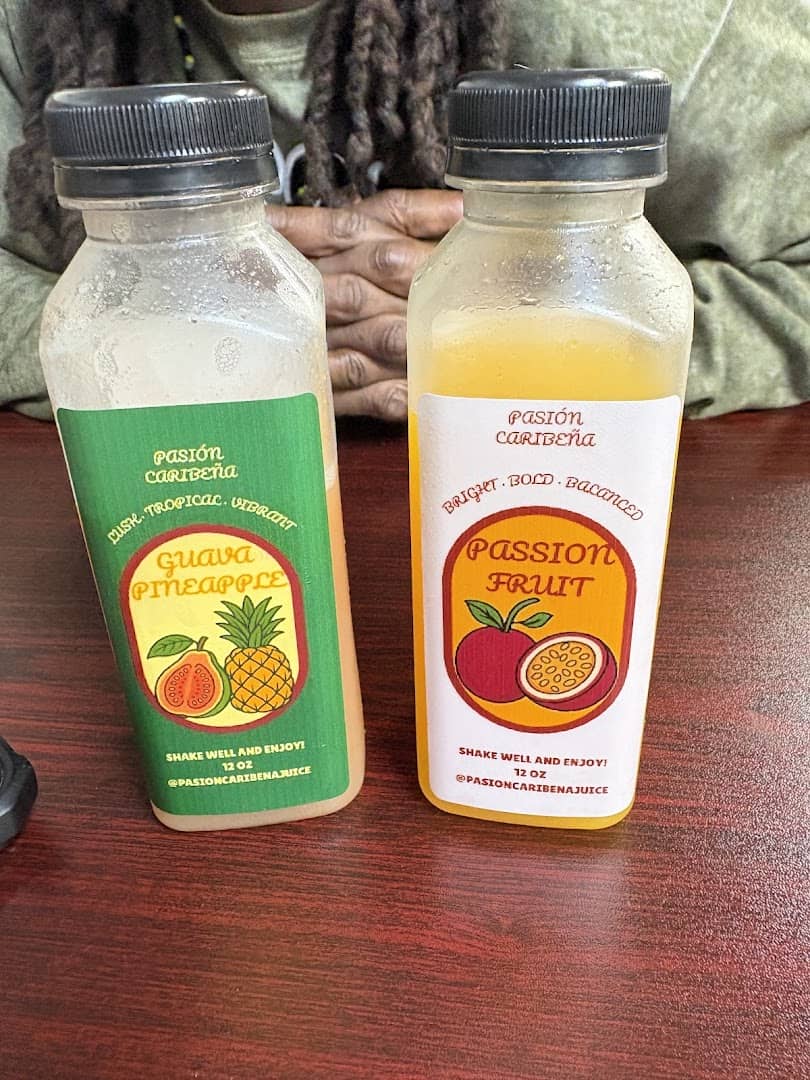
Wash it all down with a cold Malta, the malt soda that is a childhood staple across the island, or a fresh tropical juice. It is the small touches like these that tell you the people behind the counter are cooking the way they were raised to.
Start With the Fritters
Before the big plates arrive, do what the regulars do and get some fritters on the table. This is the fun part of a Puerto Rican meal, the crunchy handheld stuff meant for sharing while the kitchen works.
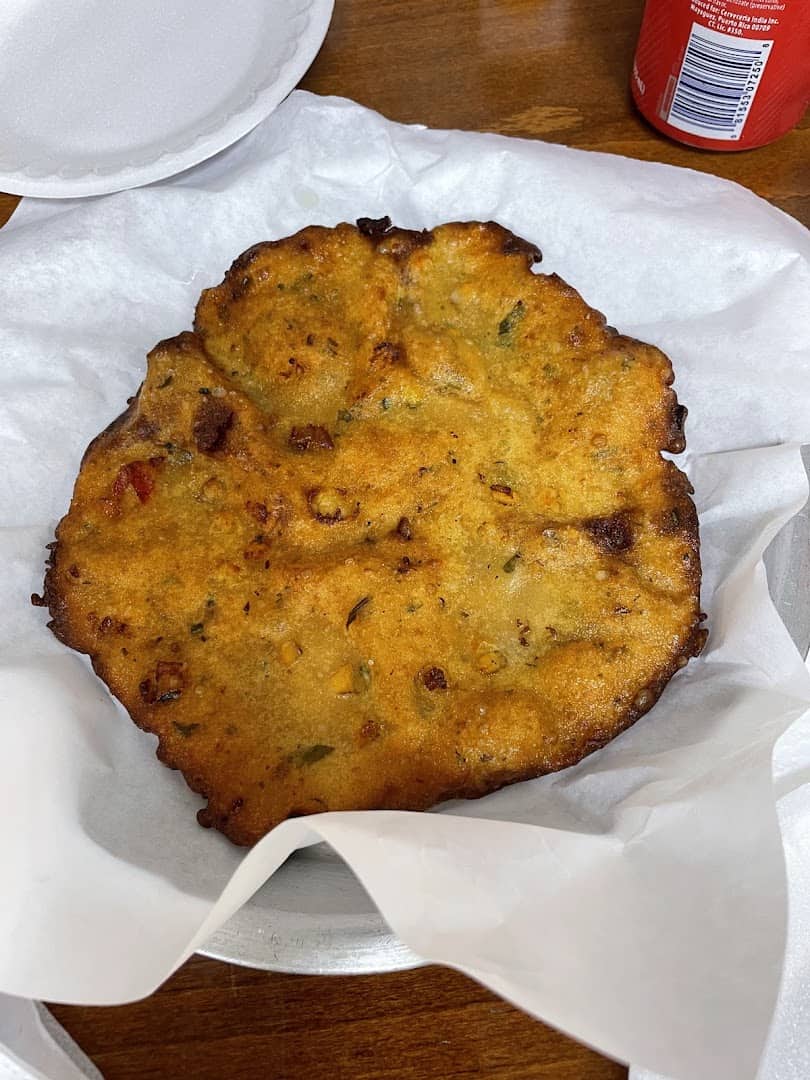
The bacalaito is my favorite. It is a thin, crackly salt-cod fritter, wide as a saucer, salty and a little addictive. The alcapurria is denser, a fried pocket of grated green banana and root vegetable wrapped around seasoned meat.
Then there are the tostones, those twice-fried green plantain rounds you dip in garlic sauce, and the maduros, sweet ripe plantains fried soft and caramelized. Get both. The salty and the sweet play off each other beautifully.
None of these cost much, most land in the four-to-six-dollar range, and a spread of them is the best way to start. Order too many. You will finish them.
Portions Built for Sharing
Here is a fair warning. The plates are big. Puerto Rican home cooking does not do dainty, and El Flamboyan cooks like it is feeding family, because in a way it is.
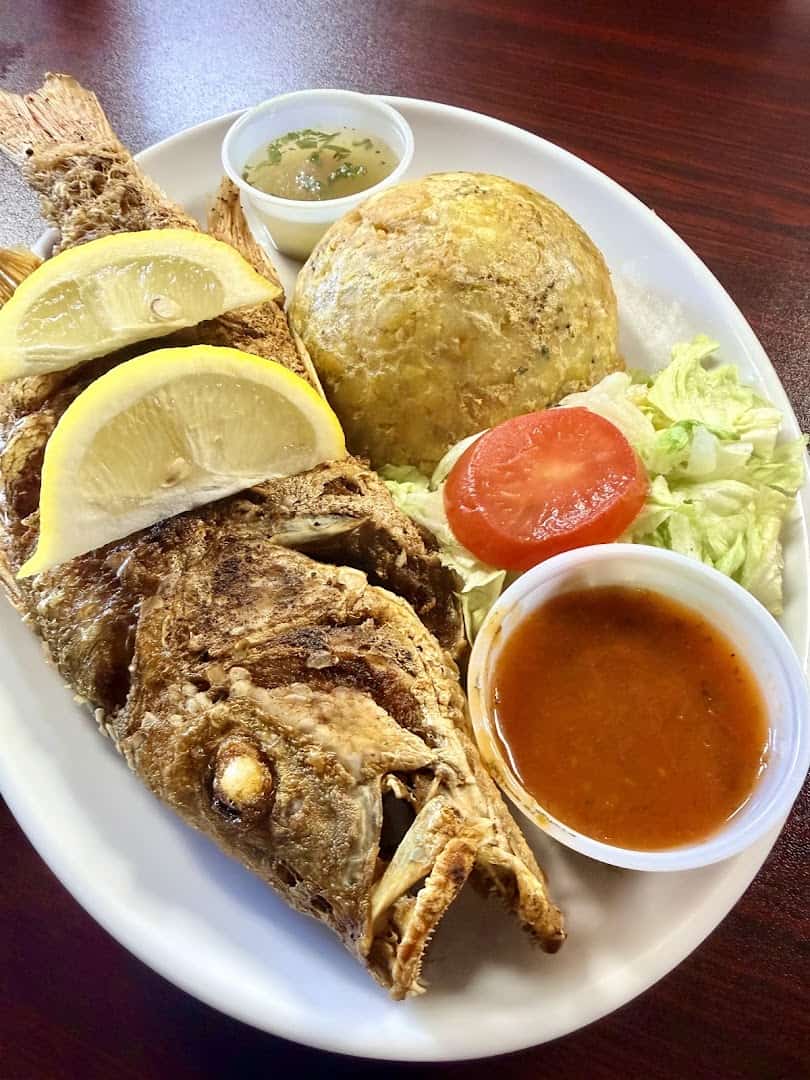
Regulars talk about leaving with a box and being glad for it the next day. One reviewer said the food carried her straight back to family meals from childhood, which is about the highest compliment a kitchen like this can earn.
Pro tip: come hungry, and bring someone. Two people can order a mofongo, a pernil plate, and a round of tostones and eat like royalty for the price of a chain dinner for one.
The service matches the food. Staff are friendly, they will steer you if it is your first time, and they seem genuinely pleased when you love what they made you. That warmth is not an accident. It is the whole point of a place like this.
Why This Spot Feels Like Puerto Rico
What makes El Flamboyan special is not one dish. It is the feeling that you have been let into someone’s kitchen.
The music, the Spanish floating between tables, the smell of garlic and fried plantains, the owners who cook the way their families cooked. It all adds up to something you cannot fake and cannot franchise.
Puerto Rican food is one of the great cuisines of the Caribbean, built on Taíno, Spanish and African roots and layered over centuries. You taste all of it here, in a strip mall, in Wylie, of all the wonderful places.
There is real history in why this food is in Texas at all. Puerto Rico became a United States territory in 1898, and Puerto Ricans have been U.S. citizens since 1917. Over the decades, families carried their recipes to the mainland.
Today Texas is home to one of the fastest-growing Puerto Rican communities in the country. Kitchens like this one are how that community keeps its flavors alive, one plate at a time.
So a kitchen like this one is not a novelty. It is a piece of a much bigger story, cooked in a wooden pilón and served with rice and beans to whoever walks in the door.
That is the joy of Texas eating. The best plate of your week can be hiding behind the most ordinary door in a town you were only driving through.
What to Know Before You Go
A few practical notes. The restaurant keeps limited days, so plan around them. It is open Thursday through Saturday from 11 in the morning to 7 in the evening, and Sunday from noon to 7, with the early part of the week reserved for rest.
It is a small room, so weekend afternoons fill up fast, especially when families come in after church on Sunday. If you want a quieter table, aim for a late Thursday or Friday lunch.
Tip: if you have never had Puerto Rican food, tell them. They will happily point you to the mofongo, the pernil, and a tostone or two, and send you home a convert. This is a kitchen that likes making new fans.
How to Get There
El Flamboyan sits just off Old Parker Road in Wylie, an easy drive northeast of Plano and the greater Dallas area, tucked into Collin County near Saint Paul.
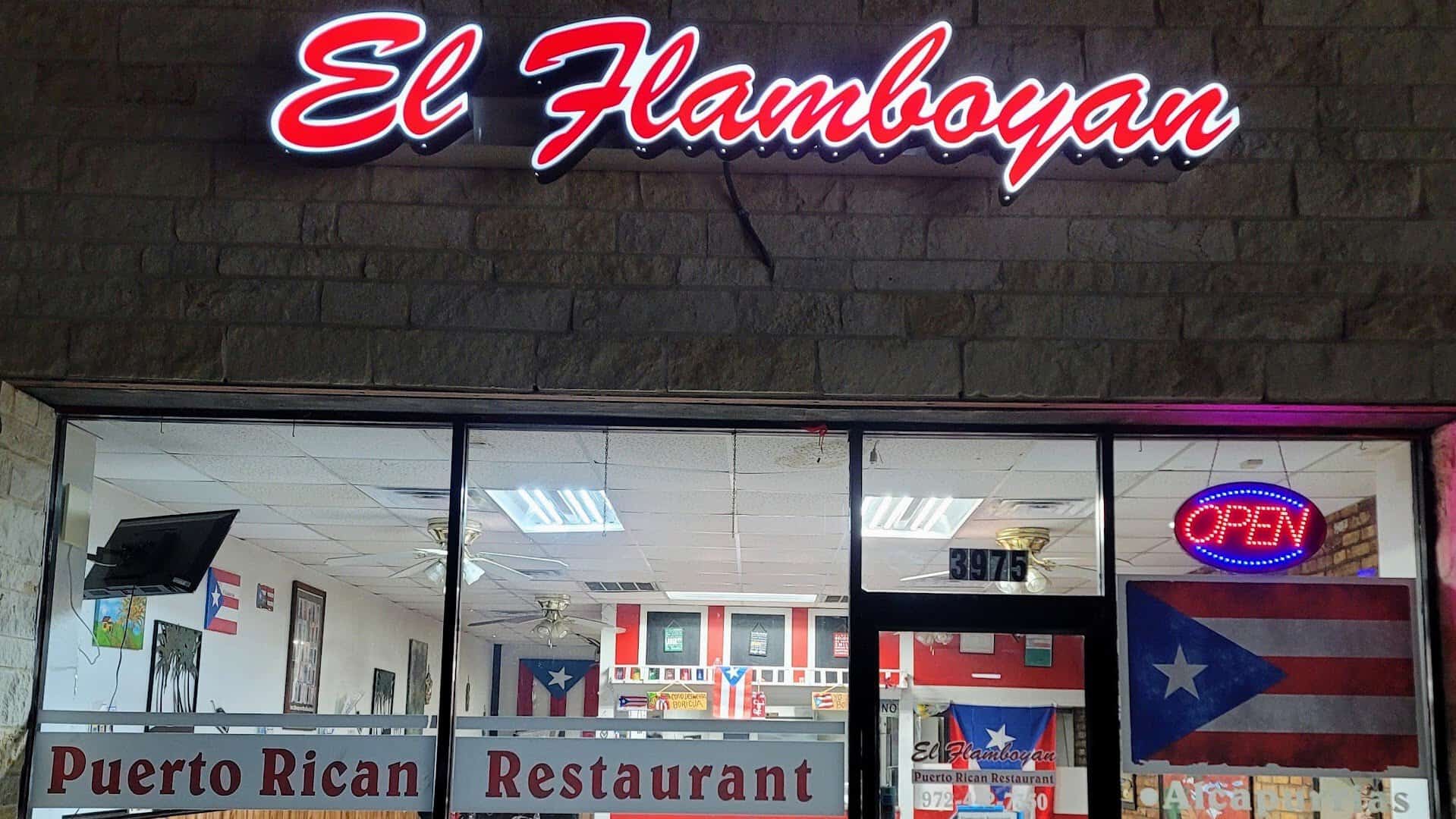
Where: El Flamboyan, Puerto Rican Restaurant, 3975 Old Parker Rd, Wylie, TX 75098.
Parking is simple and the location is quiet, which is part of the charm. You are not fighting downtown traffic to get here. You are just showing up hungry.
Plan Your Puerto Rican Feast in Wylie
Some of the best food in Texas does not come with a fancy sign or a famous name. It comes from a family, a wooden pilón, and a plate of garlicky mofongo that tastes like somebody’s abuela is back in the kitchen.
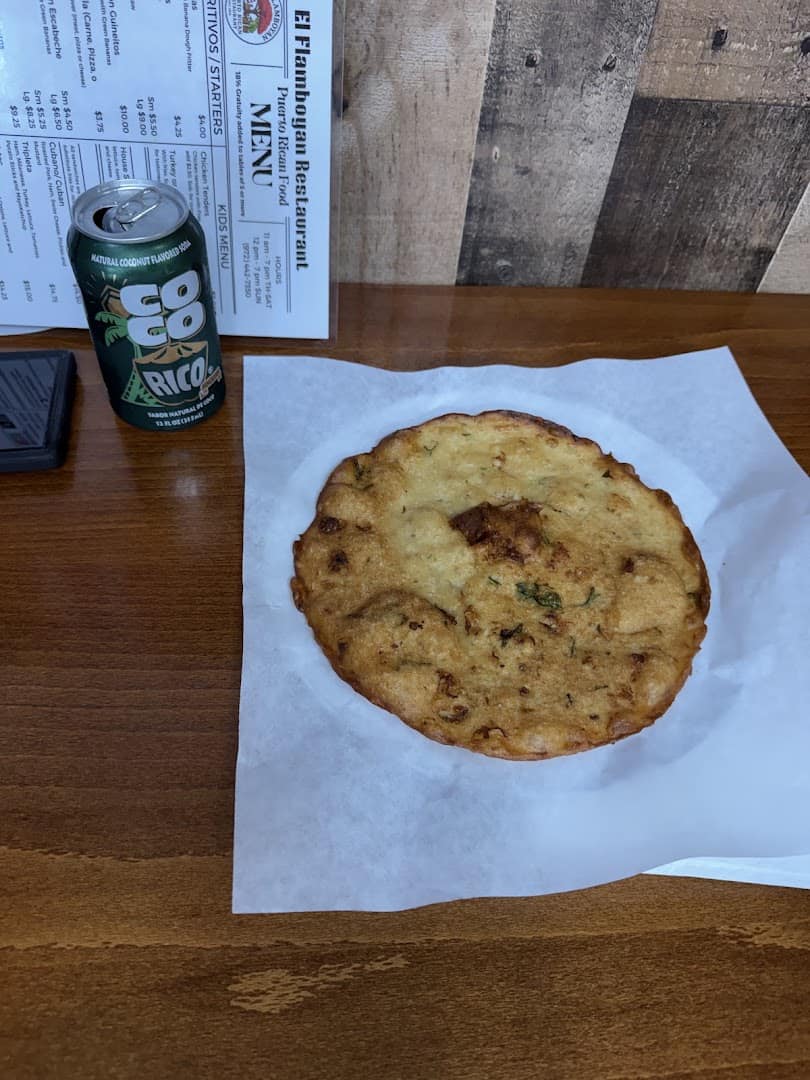
So point the car toward Wylie, order the mofongo with pork, ask for a little cup of caldo on the side, and save room for flan. It is worth the drive from anywhere in the Metroplex.
Whether you grew up on this food or you are trying it for the first time, El Flamboyan will make you feel like you just came home to an island you have never even visited.
Featured image: Kevin Cuevas via El Flamboyan

Stella Raines
Editor-in-Chief
Stella brings over a decade of storytelling experience to TX Headlines. With roots in West Texas and a love for road trips, she leads the editorial team with an eye for the hidden stories that make Texas unforgettable.
More Stories
This Family-Run Texas Shrimp House Is Worth the Ferry Ride for Its Piled-High Gulf Platters
This Laid-Back Texas Beach Bar Has 200 Feet of Gulf Views and a Deck Made for Lingering
This All-You-Can-Eat Mexican Buffet in Texas Is a Weekend Feast Four Generations in the Making
This Iconic Texas Bakery Never Closes, and Its Kolaches Are Worth Getting Off the Highway For
Tags