This Sprawling Texas Nursery Grows Acres of Rare Cacti, Succulents, and Desert Plants
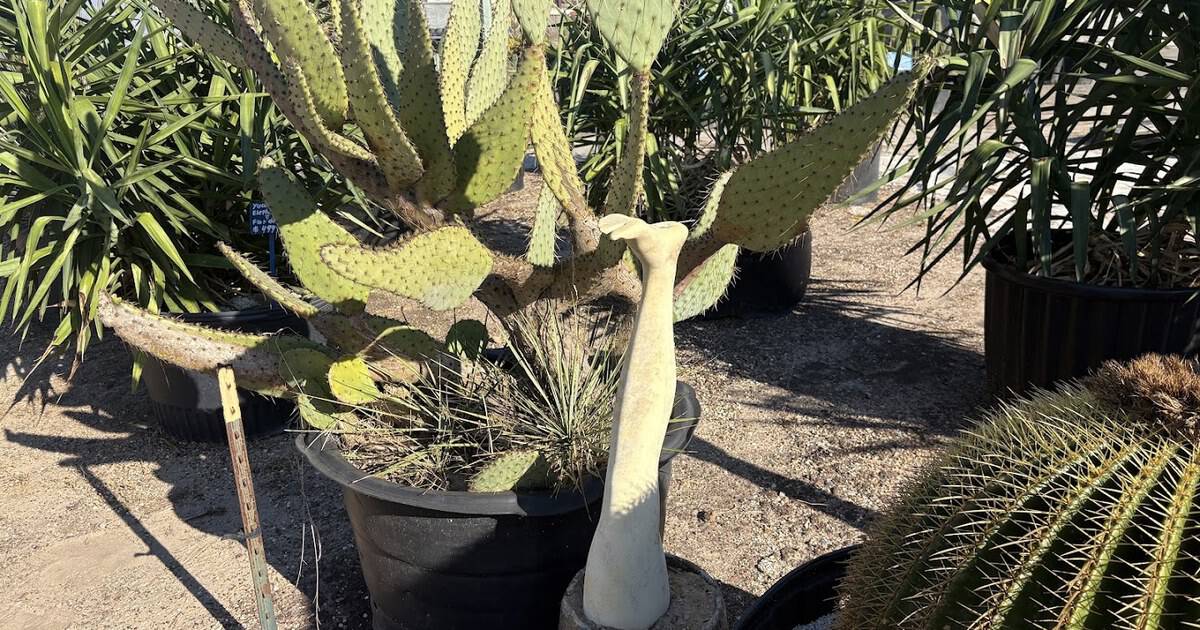
I have a weird amount of affection for plants that refuse to die. Not the fussy fern that dries to a crisp the second I look away.
My real loyalty is to the cactus on the windowsill that I forget for a month and find thriving out of pure spite. That is my kind of houseplant, and it turns out I am not the only one who feels that way.
For a long time that was the whole of what I knew about cacti. One prickly green blob, watered twice a year, ignored the rest of the time. Then I fell down the rabbit hole of desert plants and learned how wildly strange they get.
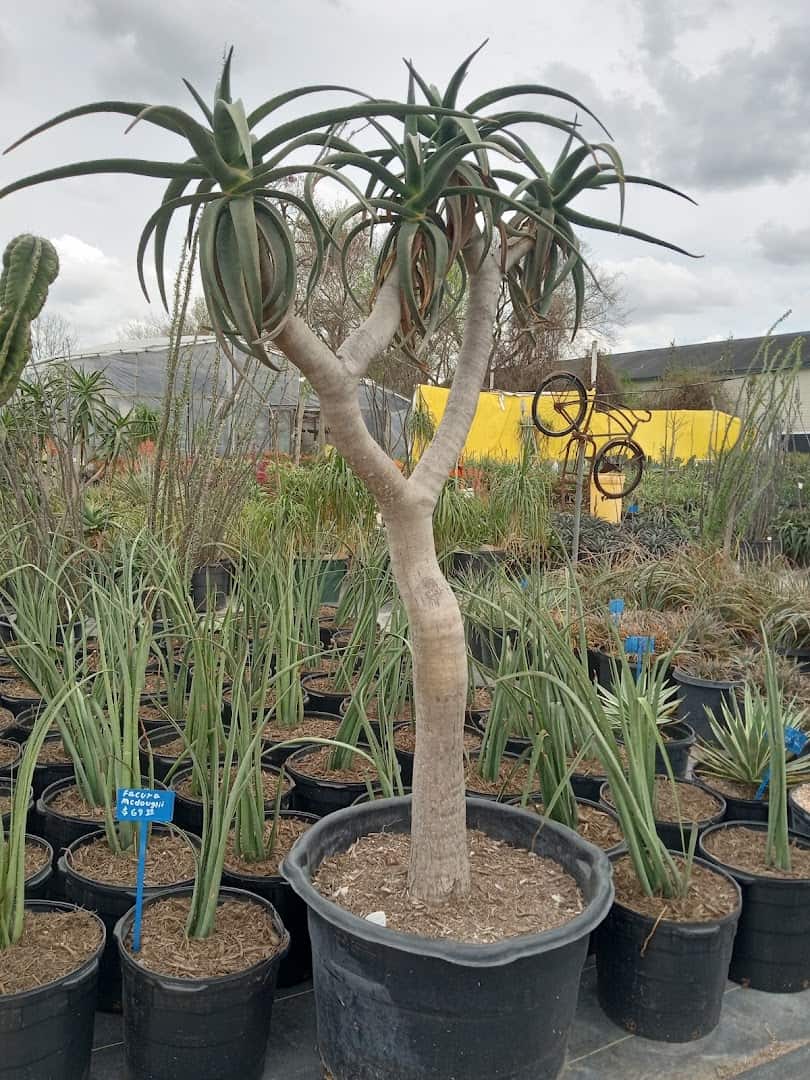
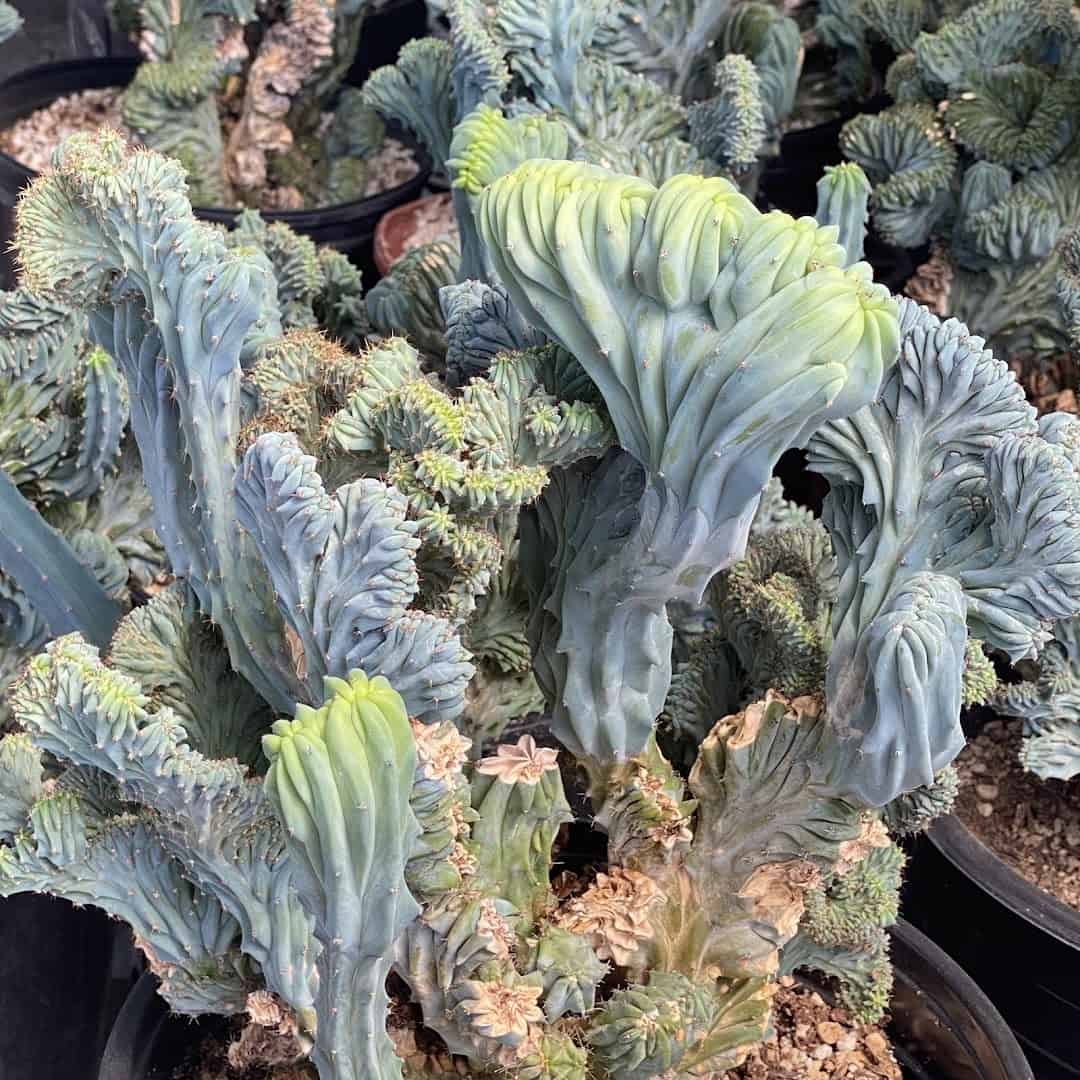
There are cacti that spiral like soft-serve. Aloes the size of small trees. Succulents that trail down a shelf in little curls that look, honestly, like tiny green dolphins.
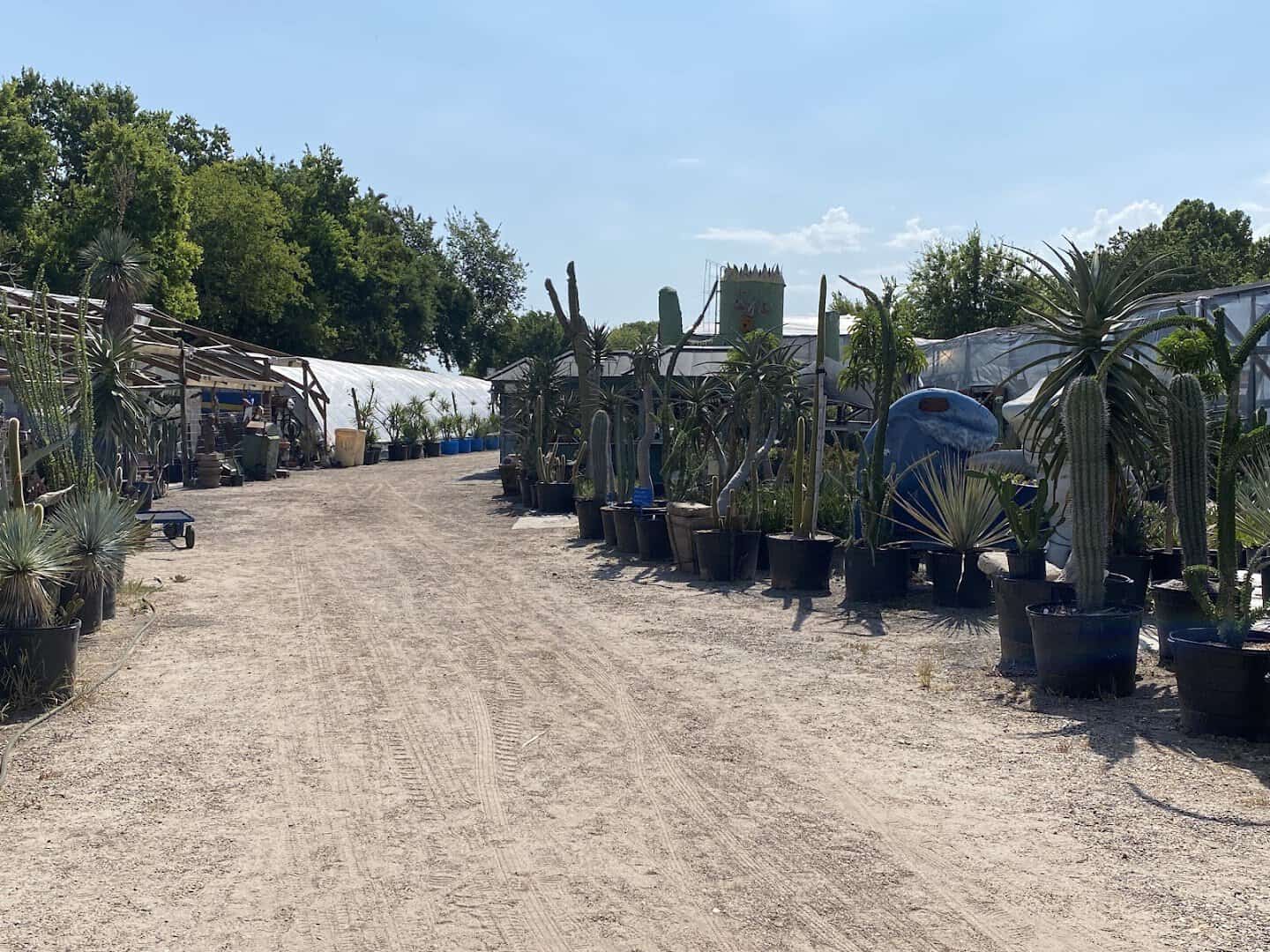
There is a place in Texas where all of that grows out in the open, across six acres. The effect is less garden center and more desert dreamscape.
It is called The Cactus King, and it holds what its owner calls the largest collection of cacti and succulents for sale anywhere on the planet.
Below, we’ll wander the grounds, meet the botanist who built the whole thing, and figure out exactly how to go see it for yourself.
A Garden That Feels Like a Movie Set
The first thing you notice is that this does not feel like Houston. It barely feels like Earth.
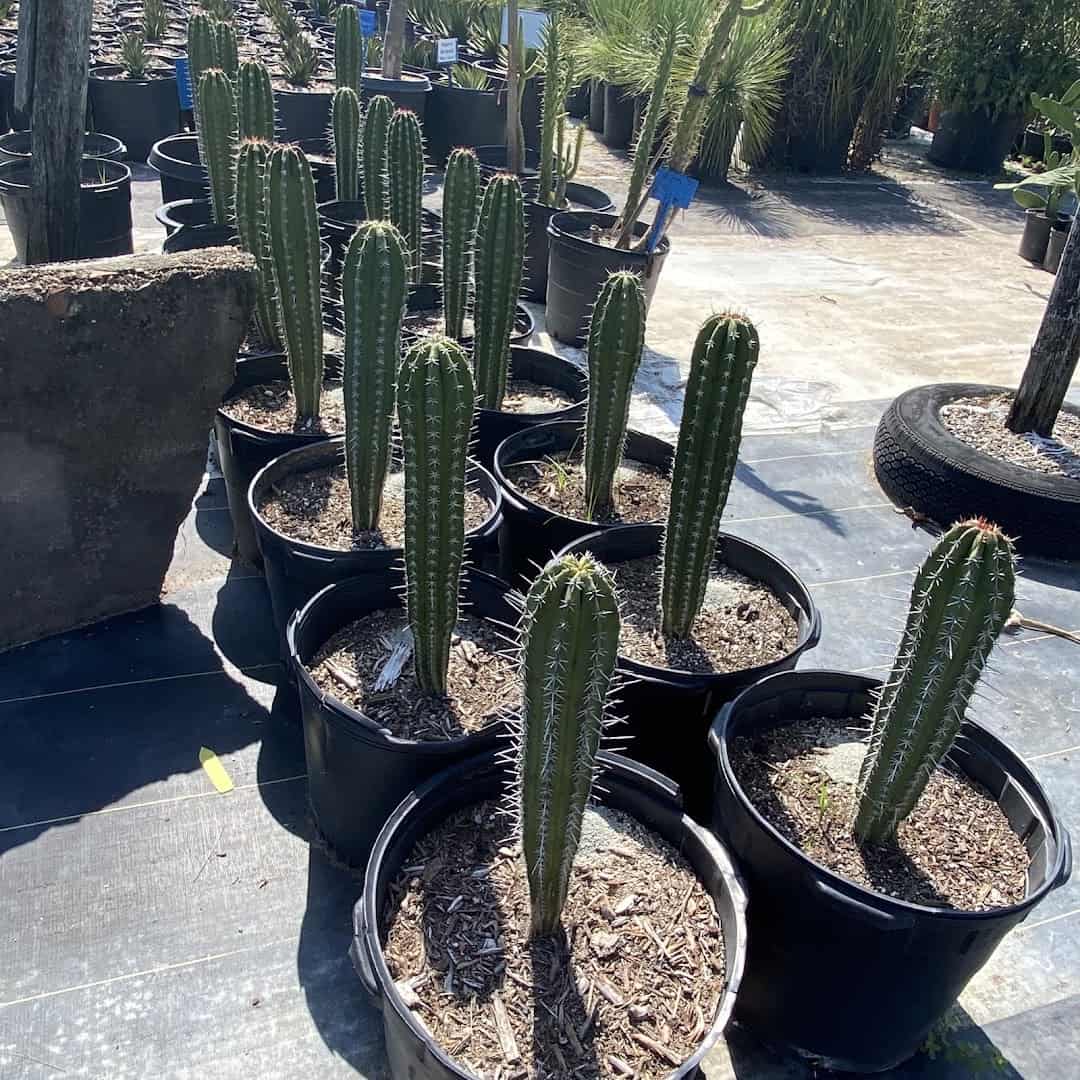
Narrow paths wind between plants taller than you are. Cereus cacti rise like green columns, some higher than a telephone pole. Spiral forms twist in on themselves. Fat barrel cacti sit in rows like props from a science-fiction set.
Then you spot the mannequins.
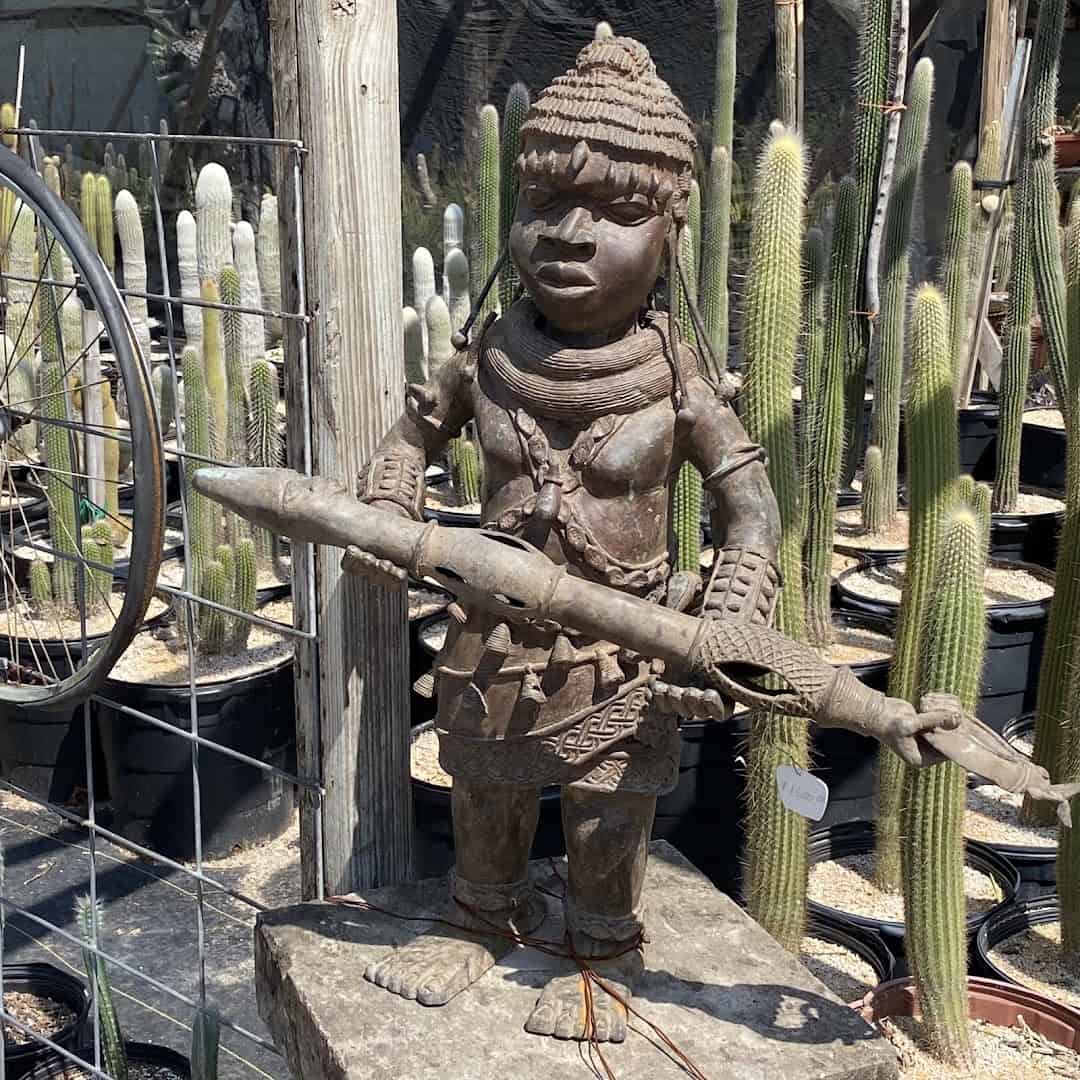
The founder has salted the grounds with found art and oddities, and they turn up where you least expect them. A mannequin peers out from behind a spiny giant. Rusted metal leans against old stone.
Sculptures and salvaged objects sit tucked among the living plants, placed with just enough intention that visitors keep reaching for the same comparison. It looks, they say, like a Tim Burton film set.
I love that this is a working nursery and someone still decided a headless mannequin belonged next to the Euphorbias. It tells you the person in charge is having fun, and it makes the whole place feel like a treasure hunt instead of a sales floor.
There is no map handed to you at the gate, and that is the point. Half the fun is losing the path on purpose, doubling back, and realizing the giant you passed on the way in looks completely different from the other side.
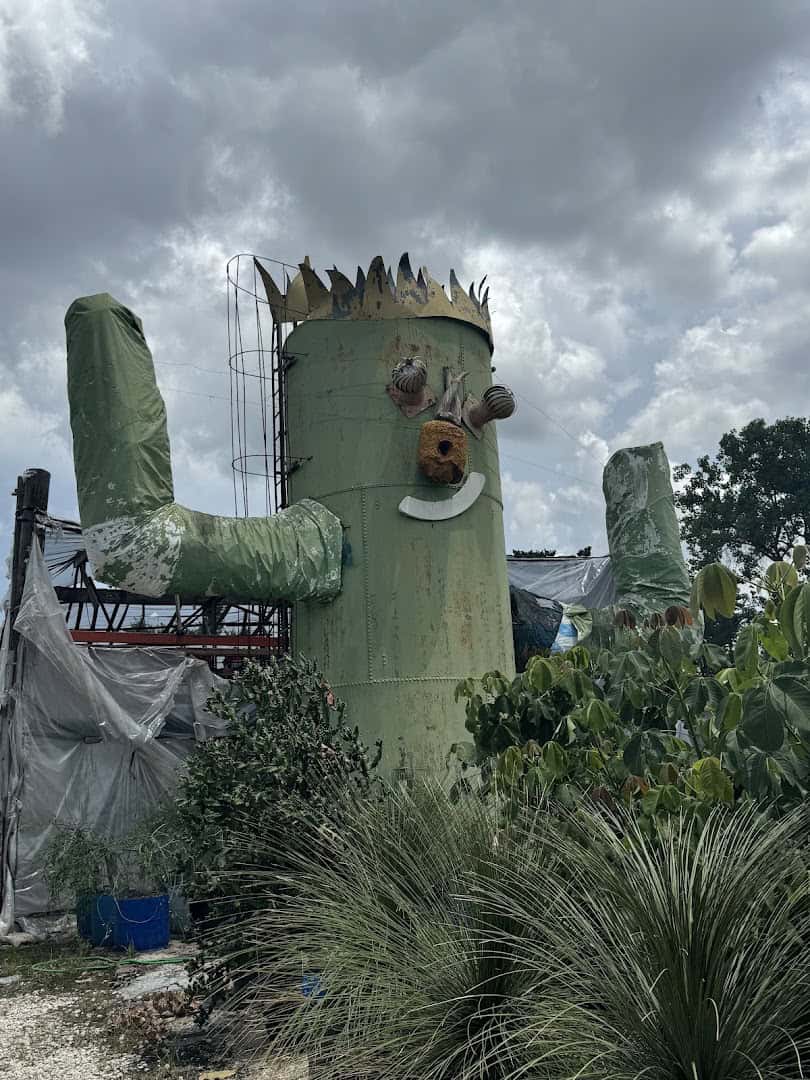
You could hurry through in twenty minutes. You won’t want to. The place is built to slow you down and send you around each corner wondering what is waiting on the other side.
Plants You Won’t Find at the Hardware Store
The garden-center cactus rack sells maybe a dozen kinds of plants. This is not that.
Hundreds of species grow here, gathered from deserts on multiple continents. There is Aloe Hercules, a tree aloe so big it dwarfs the person standing beside it. There is the String of Dolphins, a succulent whose leaves curl into shapes that really do look like tiny dolphins mid-leap.
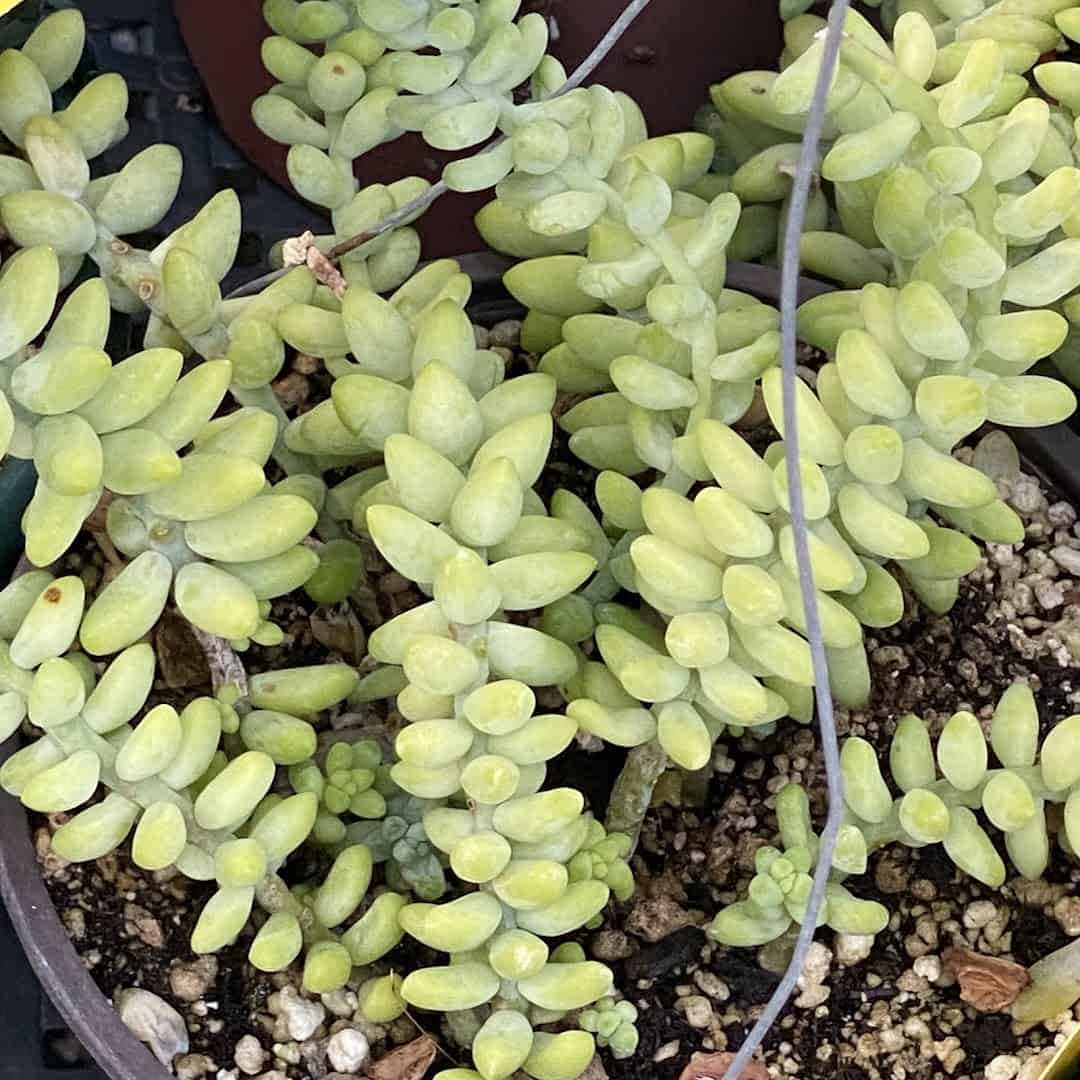
There are Pachypodiums and adeniums, Madagascar palms, and Euphorbias in dozens of forms. Plenty of them you will have to look up, because you have simply never seen anything like them in person.
The plants are sorted by where they come from, so you can walk from an African corner to a South American one in a few steps. It is a geography lesson disguised as a shopping trip, and nobody makes you feel silly for asking what something is.
You will also find the small and affordable next to the enormous and rare. A four-inch starter cactus for a few dollars sits within sight of a specimen that has been growing since before you were born. Both go home with somebody.
My favorite from the catalog is the Trichocereus hybrid called Western Red. Most of the year it is an unassuming green column, the kind of plant you would walk right past.
Then it throws out blooms in vivid red-pink, huge and papery, the kind of flower that stops you where you stand. It is the plant equivalent of a quiet person suddenly singing opera.
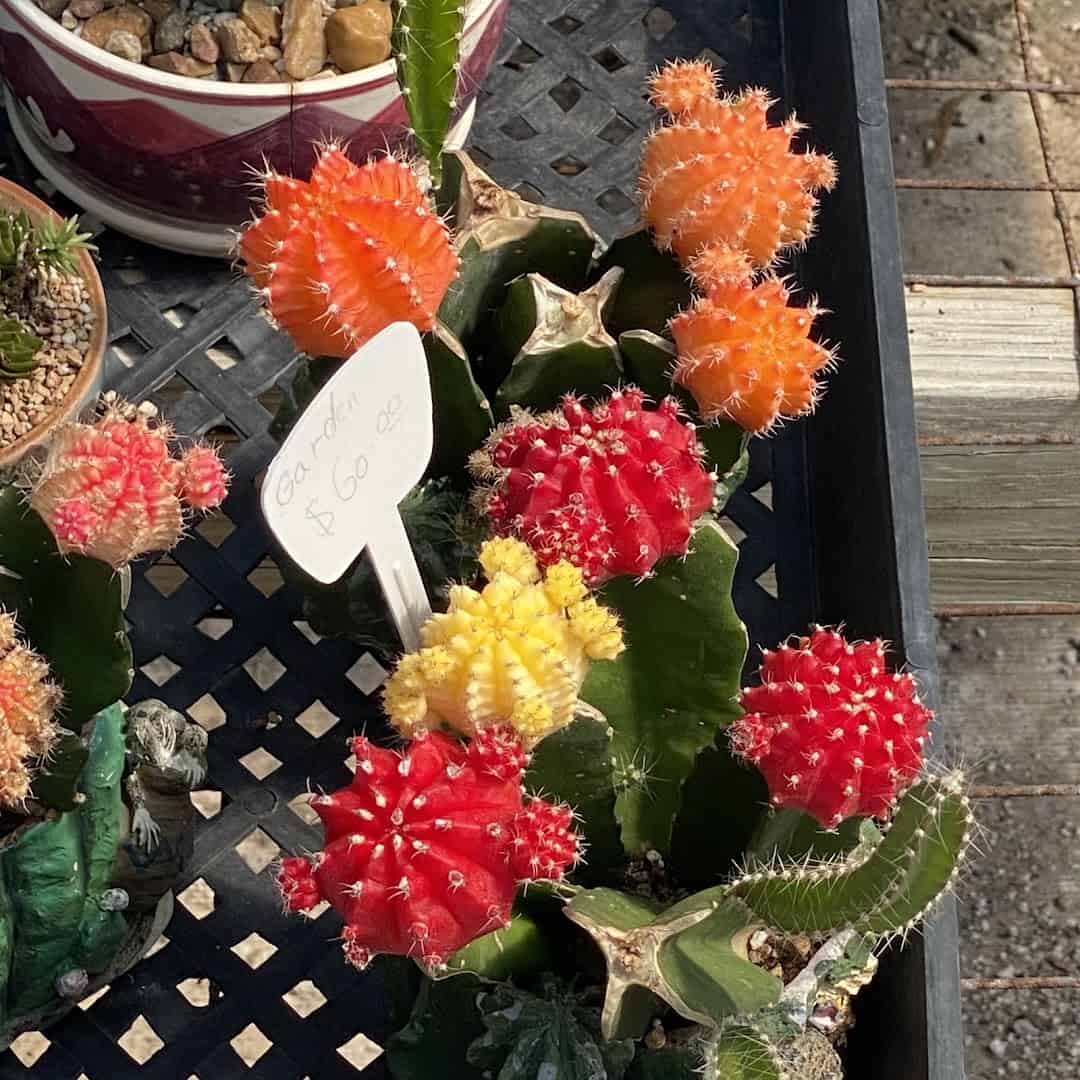
If you can time it, come in April. That is when dozens of cactus species bloom at once, and the whole property lights up with color you did not expect from a plant most people file under dust and thorns.
Did you know a single cactus flower can last just a day or two? That is part of why April is the magic window. Miss it and you wait a full year for the encore.
More Farm Than Nursery
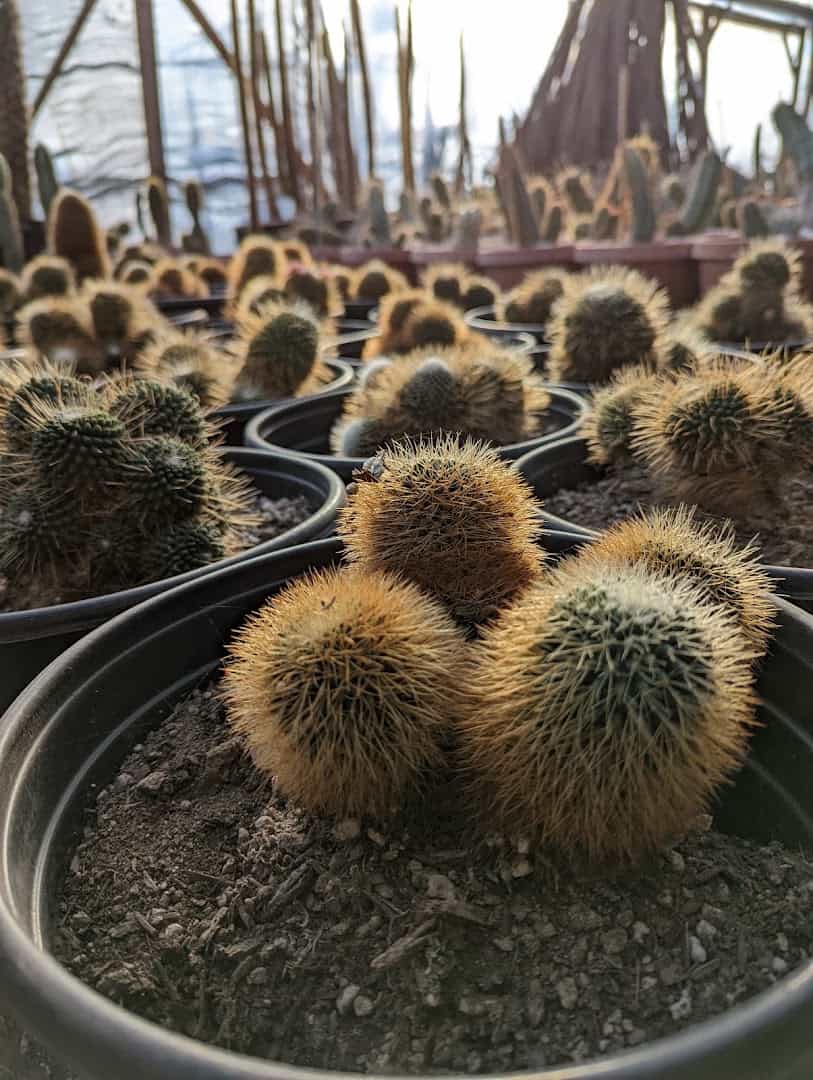
Here is the detail that changes how you see the place. Almost every plant is grown from seed, right here on the property. That makes it closer to a farm than a nursery.
Growing a specimen cactus from seed is a patience game measured in years, sometimes decades. A slow grower can spend a lifetime becoming the towering thing you eventually see for sale.
Think about that for a second. Some of the giants on this lot are older than the people wheeling them out to a truck, coaxed up from a seed the size of a speck of pepper.
The people who work here understand that math. The team of roughly ten goes through months of intensive training before they are trusted to answer a customer’s questions, because these plants are that specialized.
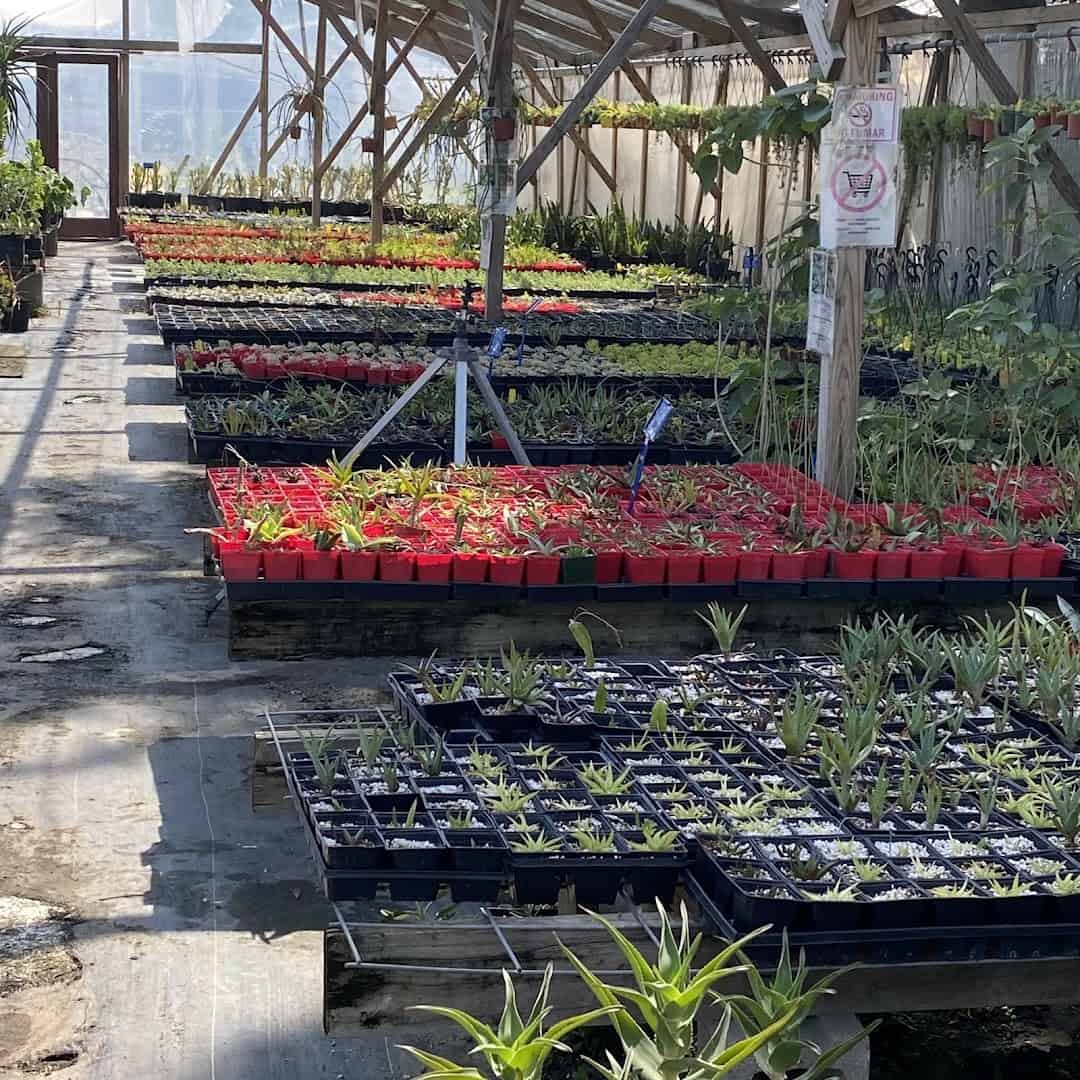
There is a quiet environmental story running through all of it too. Desert plants survive on almost nothing, and it shows up in the water bill.
The nursery uses around 250,000 gallons of water a year. A nursery of the same size growing thirsty ornamentals can burn through 5 to 12 million gallons in a single month. That is not a rounding difference, that is a different way of using the planet.
Pro tip: if you have ever killed a houseplant by loving it too much, a cactus might be your redemption arc. These plants want to be left alone, and six acres of them is proof of how far a little neglect will take you.
The Botanist Who Built It
None of this happened by accident. It started in 1983 with one man and a fascination that never let go.
Lyn Rathburn founded The Cactus King and grew it plant by plant over four decades. He is a trained botanist working inside an already narrow corner of the field, and he spent years traveling the globe to track down rare and unusual species.
He brought them back to Houston and built a living collection that many botanical institutions would envy. Piece by piece, seed by seed, a stretch of Gulf Coast Texas turned into a global desert.
Ask him why he keeps prices where regular people can afford them and the answer is simple. He wants the community at large to have the same access to these plants that a museum does.
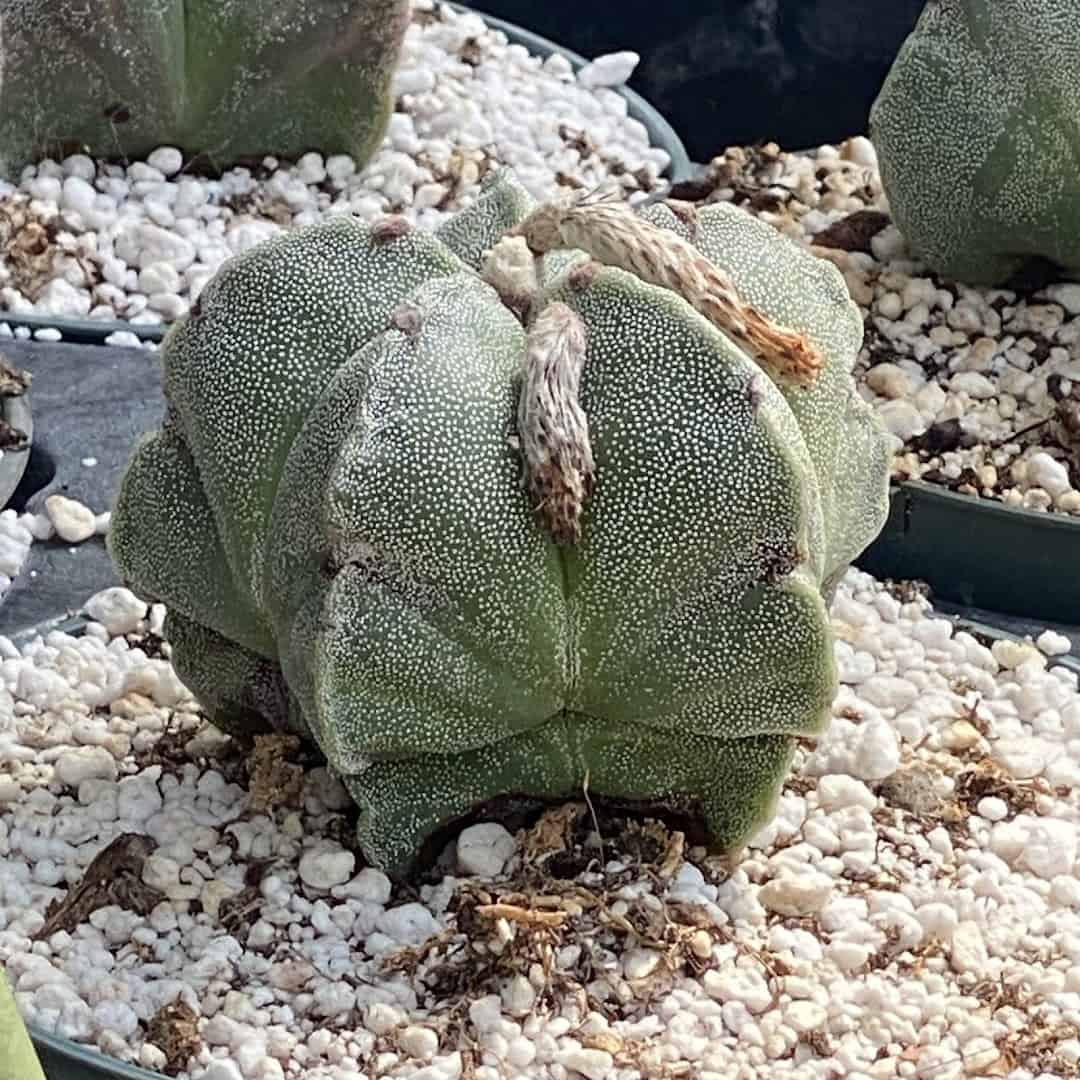
That part gets me. The rarest specimen in the place and the little starter cactus a kid picks for their bedroom window come from the same patch of Texas dirt. It is serious horticulture, run by someone who clearly still finds all of it magical.
From Hollywood to Botanical Gardens
Plants from this one Texas nursery have traveled a lot farther than most of the people who buy them.
They have supplied major botanical gardens, including the New York Botanical Garden. They have gone to zoos and arboretums, among them the Oklahoma City Zoo. They have even shipped overseas, to the Chimelong Ocean Kingdom in China.
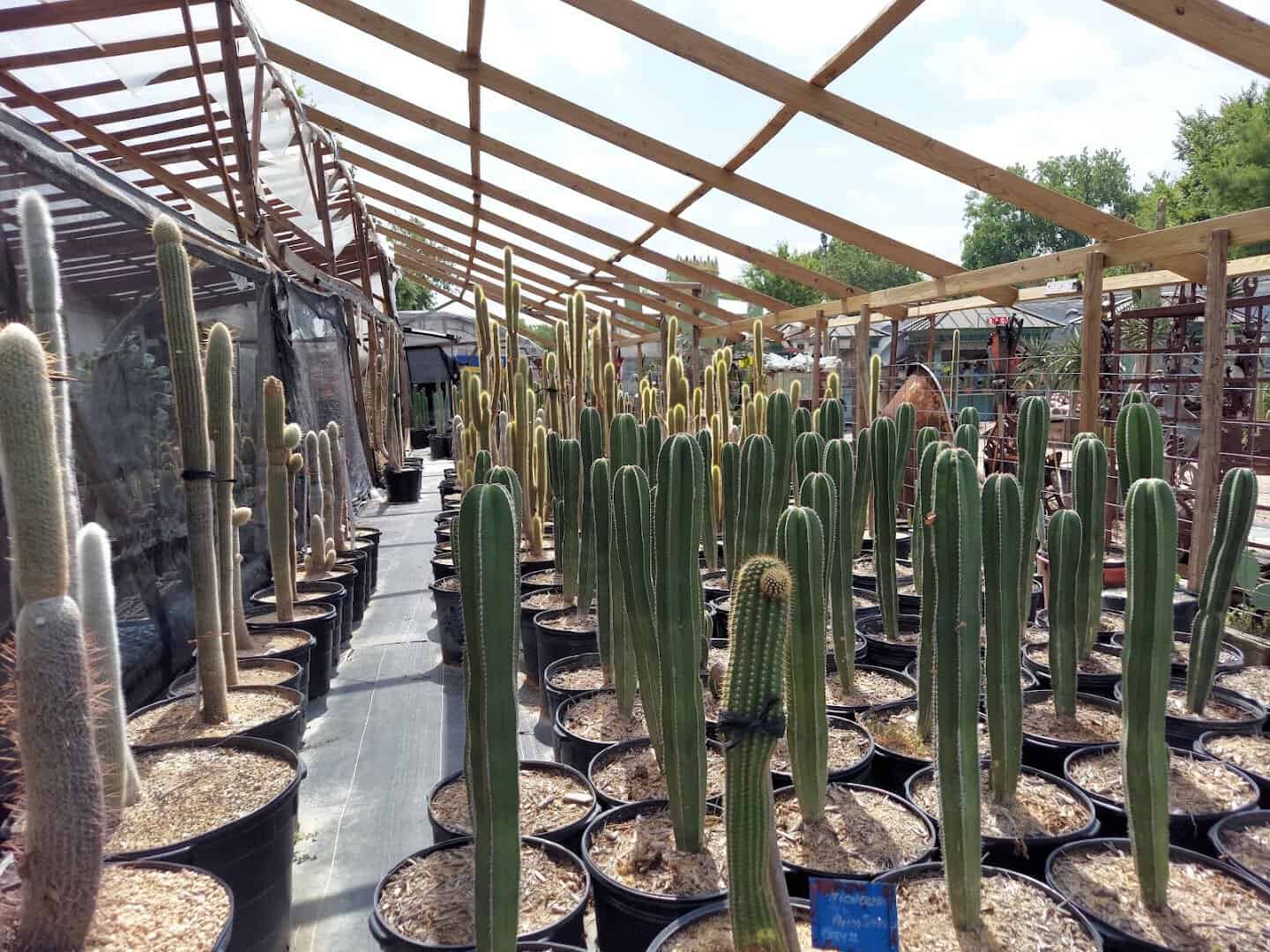
And yes, they have been on screen. Cacti from here have turned up in films in the RoboCop series and in Hot Pursuit, and on television in Queen of the South.
So the next time a desert scene rolls by in the background of a movie, look twice. There is a real chance you are staring at a plant grown a few miles off a Houston freeway.
It has earned its hometown fans, too, landing on lists of the top nurseries in the greater Houston area. That is no small thing in a city with more plant shops than you could visit in a month.
What keeps people coming back is not the celebrity resume, though. It is the feeling of finding something you did not know existed, run by folks who can tell you exactly how to keep it alive once it is yours.
What to Know Before You Go
A few practical things make a visit smoother.
Bring cash. The nursery does not take credit or debit cards. Cash, checks, money orders, and eChecks are the accepted forms of payment, which catches plenty of first-timers who are used to tapping a card everywhere.
Give yourself time. Most visitors spend one to two hours wandering, and that feels about right for six acres of plants and oddities you have never seen before.
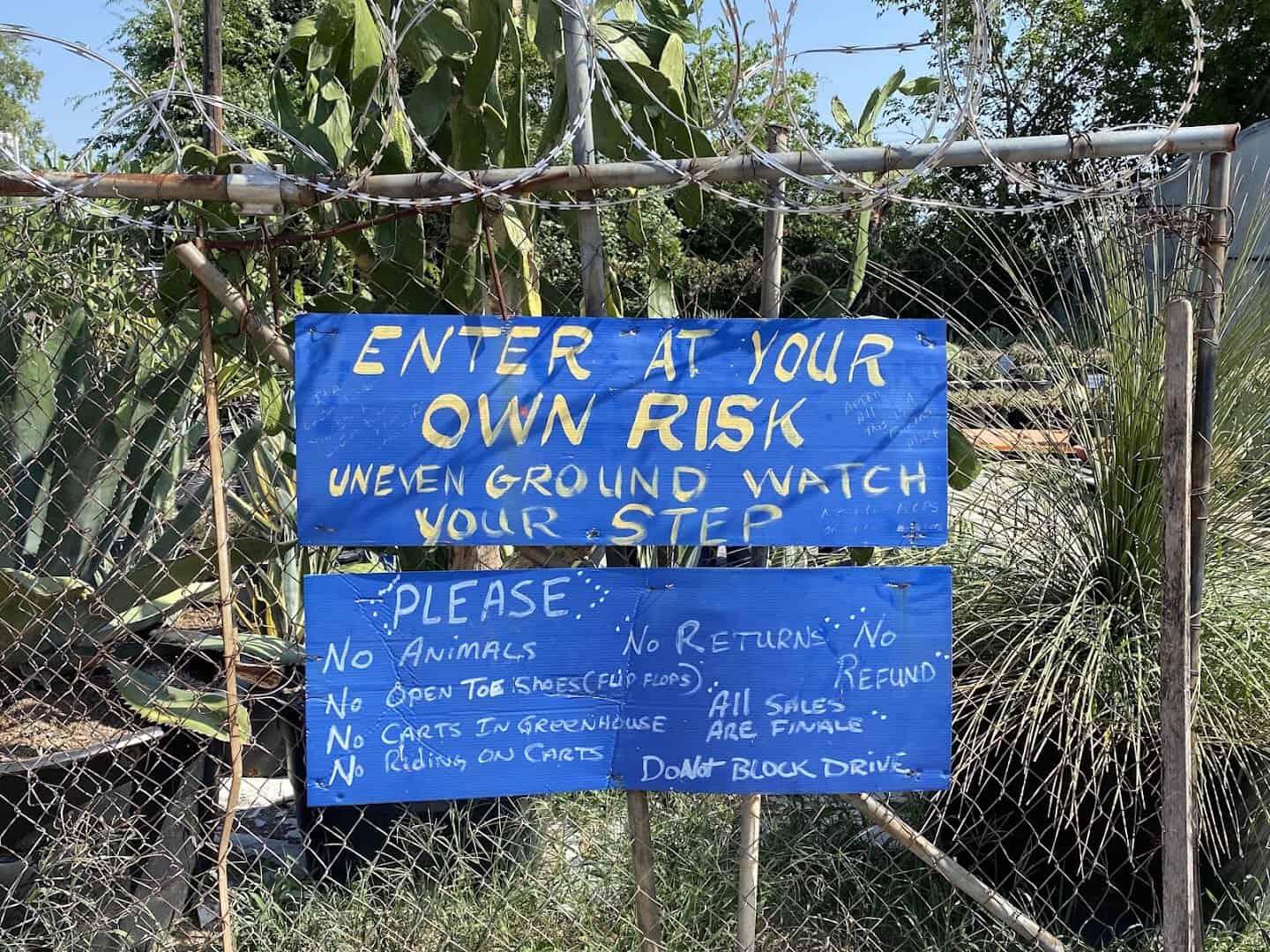
Personal photos are welcome, so bring your phone. Formal photo shoots, the kind with a real camera and a plan, run about $40 for a half hour, so arrange those ahead.
Can’t make it in person? The collection ships nationwide, and gift packs of several plants start at $20.99. Out-of-state buyers pay no sales tax, which makes it a genuinely good way to bring a piece of the place home.
How to Get There
After four decades on the Houston freeway, the King is putting down new roots. The nursery is moving its home base southwest to Ganado, in Jackson County, so check the official site for current hours and the exact address before you drive out.
Where: The Cactus King, 7825 Hwy 59 North, Ganado, TX 77962. Phone: (281) 591-8833. Confirm the days and hours online first, since the operation is mid-move.
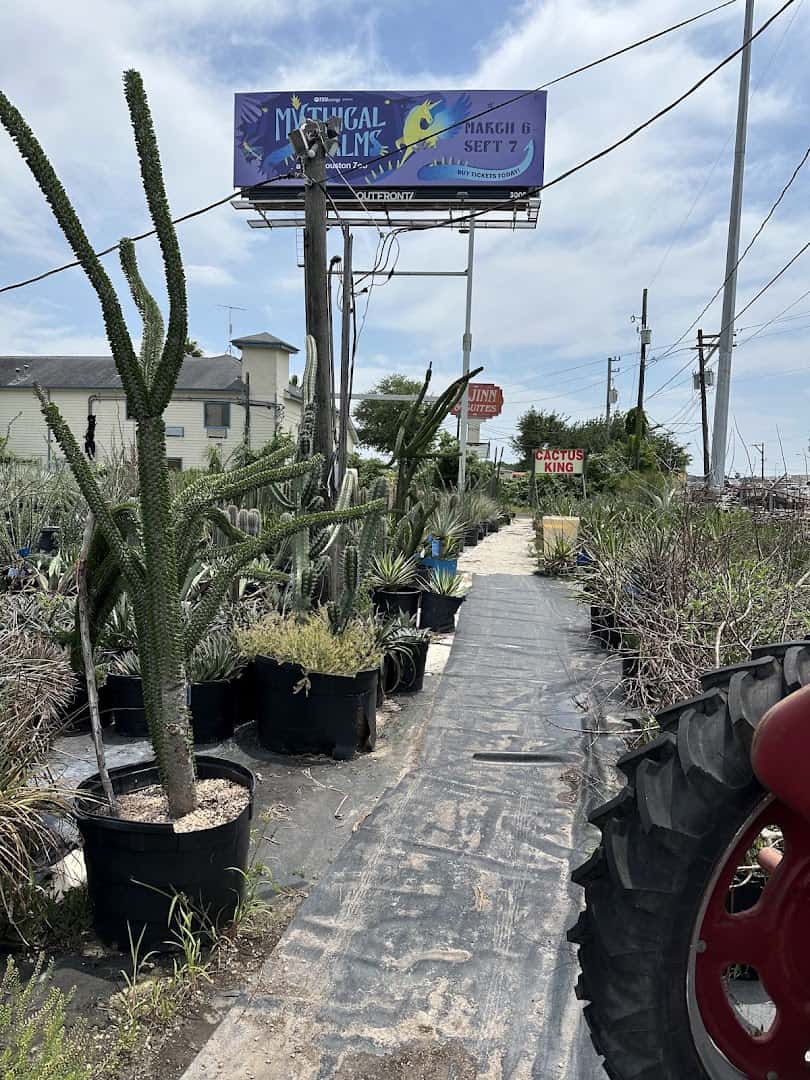
Ganado sits along Highway 59 between Houston and Victoria, an easy detour if you are already road-tripping the Gulf Coast or aiming for the water for the weekend.
Go Find the Desert in the Middle of Texas
There is something wonderful about a place that turns a patch of Texas into a slice of the desert, then fills it with rare plants, giant blooms, and mannequins hiding among the cacti. It is part nursery, part farm, part outdoor art project, and entirely one of a kind.
So pick an April weekend if you can, bring some cash and a little patience, and go get lost among the succulents. Just try not to come home with more plants than you have windowsills, because I promise you will be tempted.
Featured image: George Zemanek via The Cactus King

Stella Raines
Editor-in-Chief
Stella brings over a decade of storytelling experience to TX Headlines. With roots in West Texas and a love for road trips, she leads the editorial team with an eye for the hidden stories that make Texas unforgettable.
More Stories

This Colorful Texas Fabric Shop Is a Creative Wonderland for Quilters

This Glowing Texas Museum Lets You Wander Through Hundreds of Antique Stained-Glass Windows
This Under-the-Radar Texas Craft Store Is Where Artists Hunt Down Supplies for Next to Nothing

This Tiny Texas Town Is Home to One of the Most Beautiful Painted Churches in America
Tags