This Small Texas Town Is Quietly Famous for Kolaches, a Brick Main Street, and an Easy Highway Detour
I have a rule for long Texas drives. If a small town on the route has a real bakery, I take the exit, no matter how many miles I have left to go. It has cost me time. It has never once cost me a good morning.
That rule is how you find Weimar, a Colorado County town most drivers blow past at seventy miles an hour on Interstate 10. It sits quietly between Houston and San Antonio, and it kept something most of Texas traded away for drive-throughs.
What it kept is a working brick Main Street, a bakery that still hand-fills its kolaches, and a downtown standing since the 1800s. This is the kind of slow-morning charm you cannot fake or rebuild. Below, here is why that exit sign is worth taking.
The Kolache Stop That Locals Guard
Let me be honest about my priorities. I plan road trips around bakeries. If a small Texas town has a genuine Czech bakery, the rest of the itinerary rearranges itself around getting there before the fresh trays sell out.
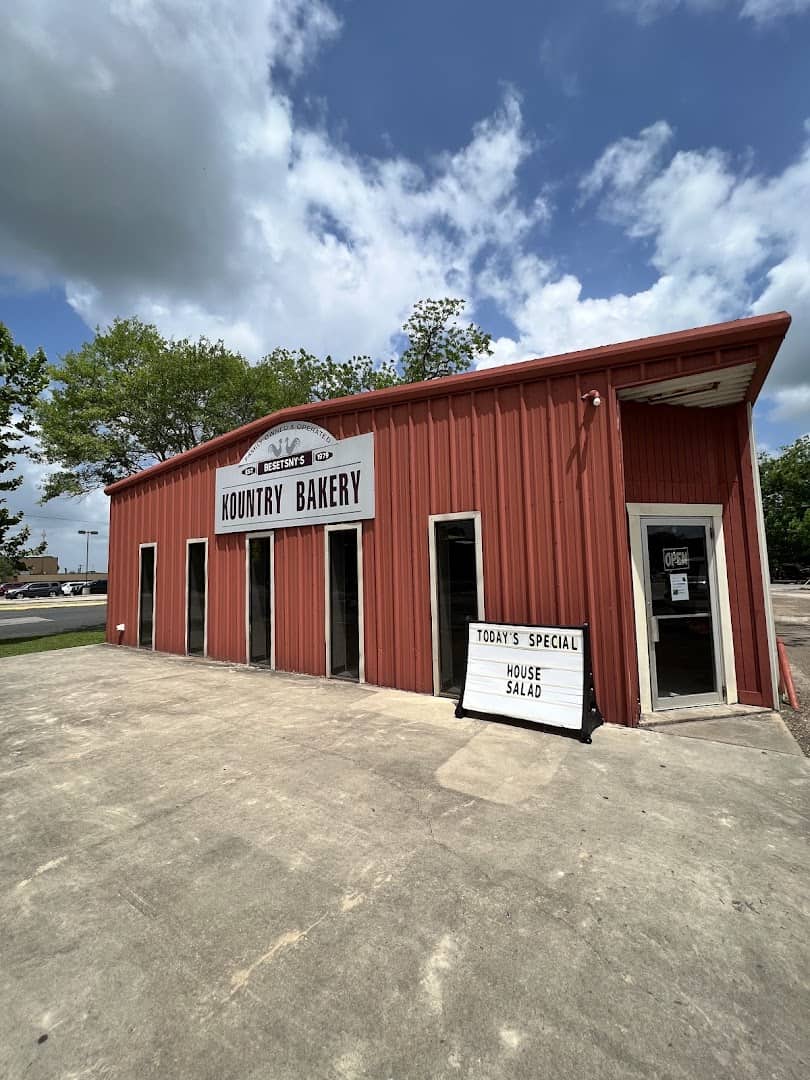
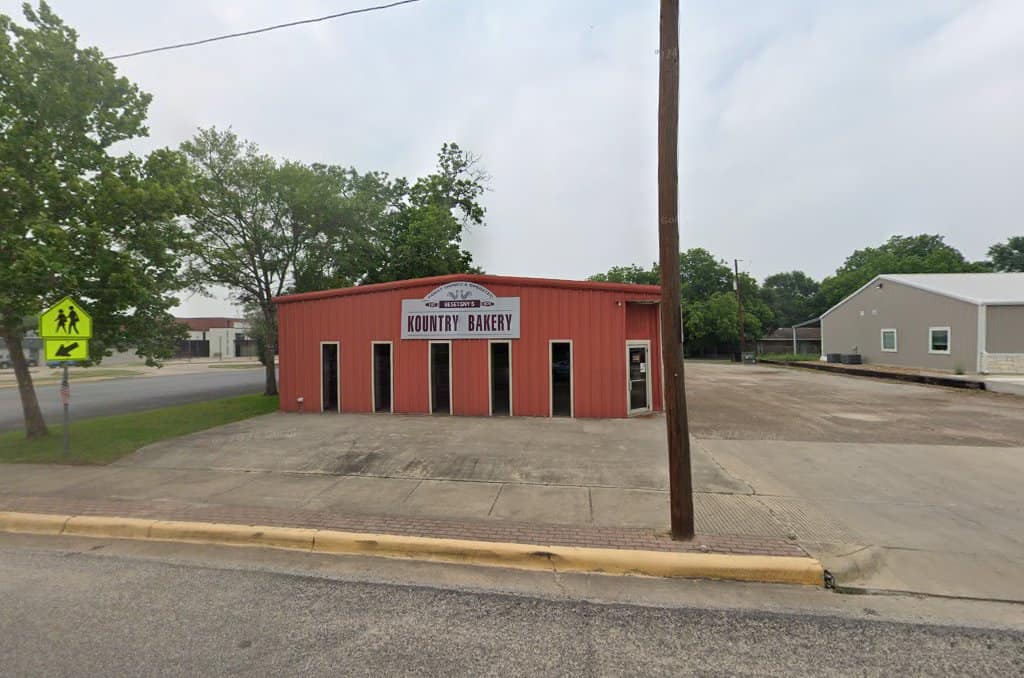
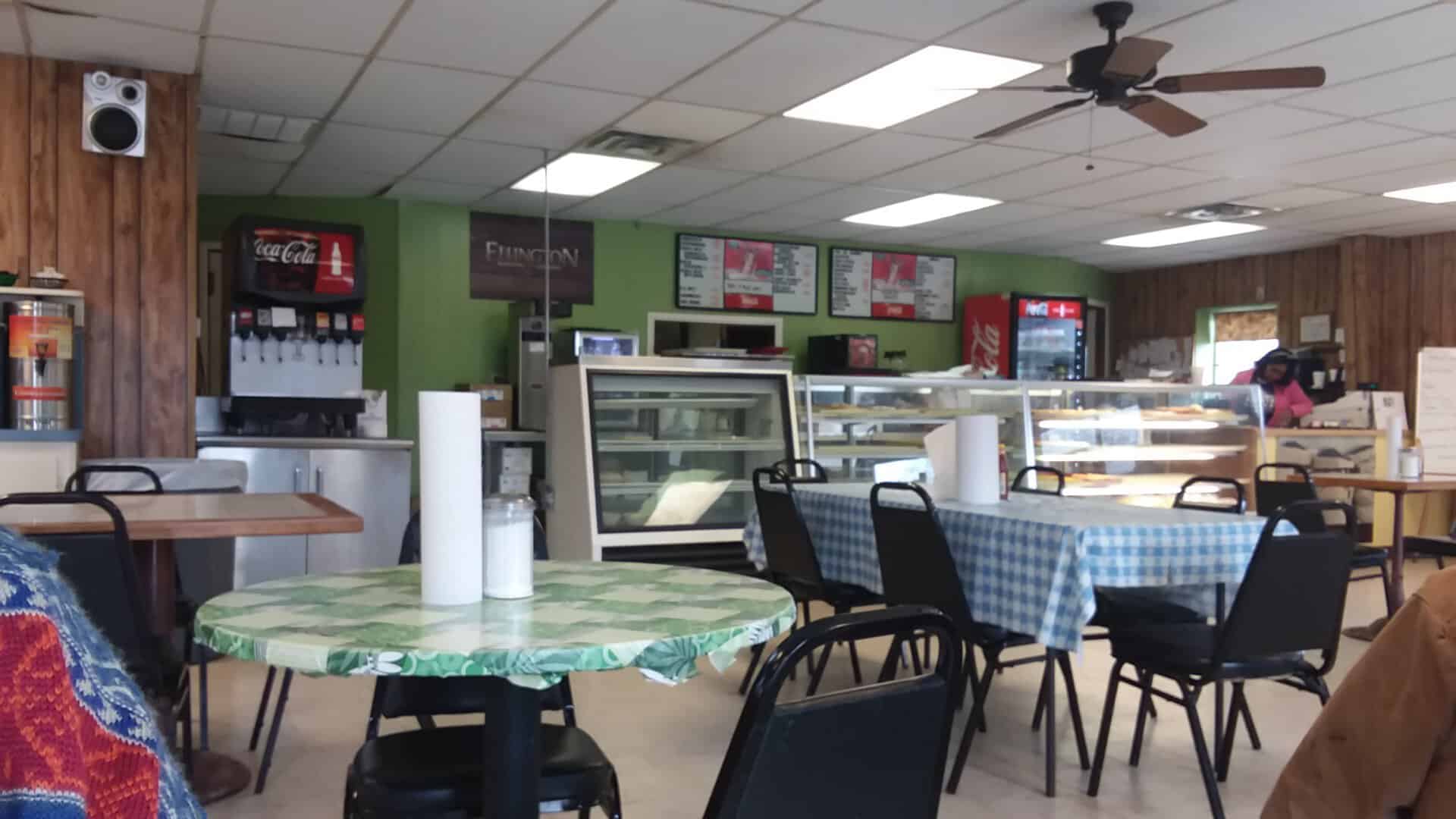
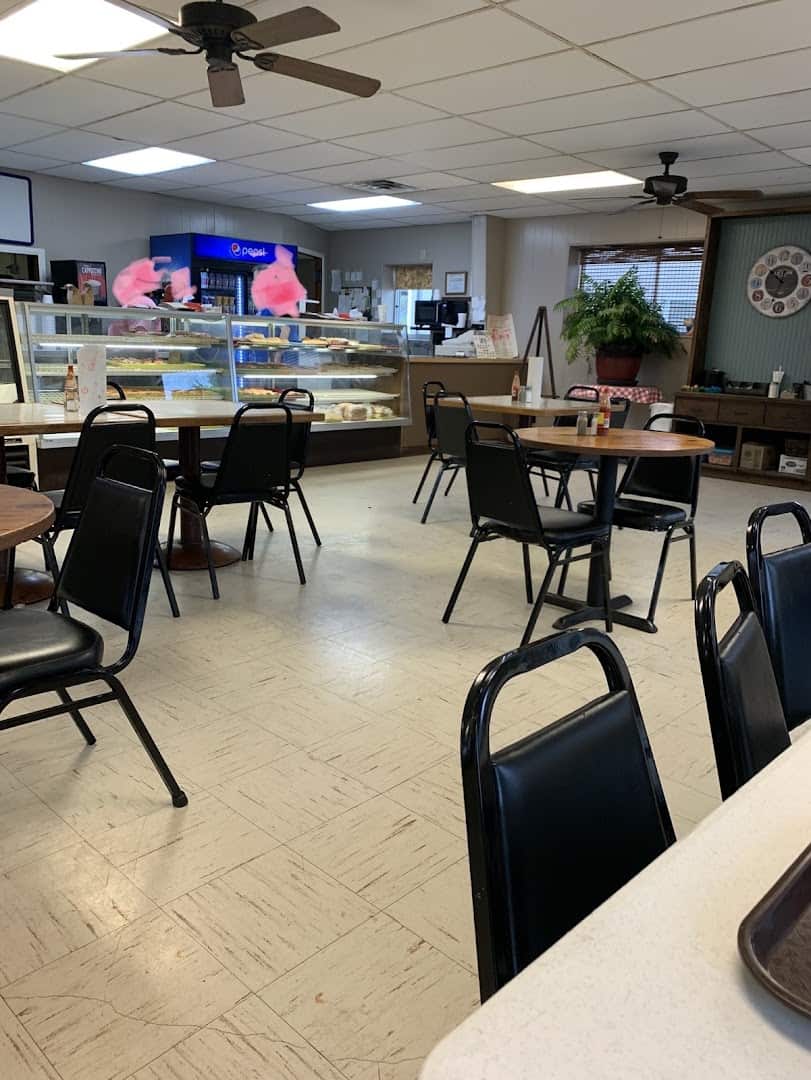
In Weimar, that bakery is Kountry Bakery, at 408 West Main Street. It is a family operation that started about thirty-six years ago, when Clarence and Evelynn Besetsny moved their pastry-making out of the home kitchen and into a storefront. Three generations later, the recipes have not changed.
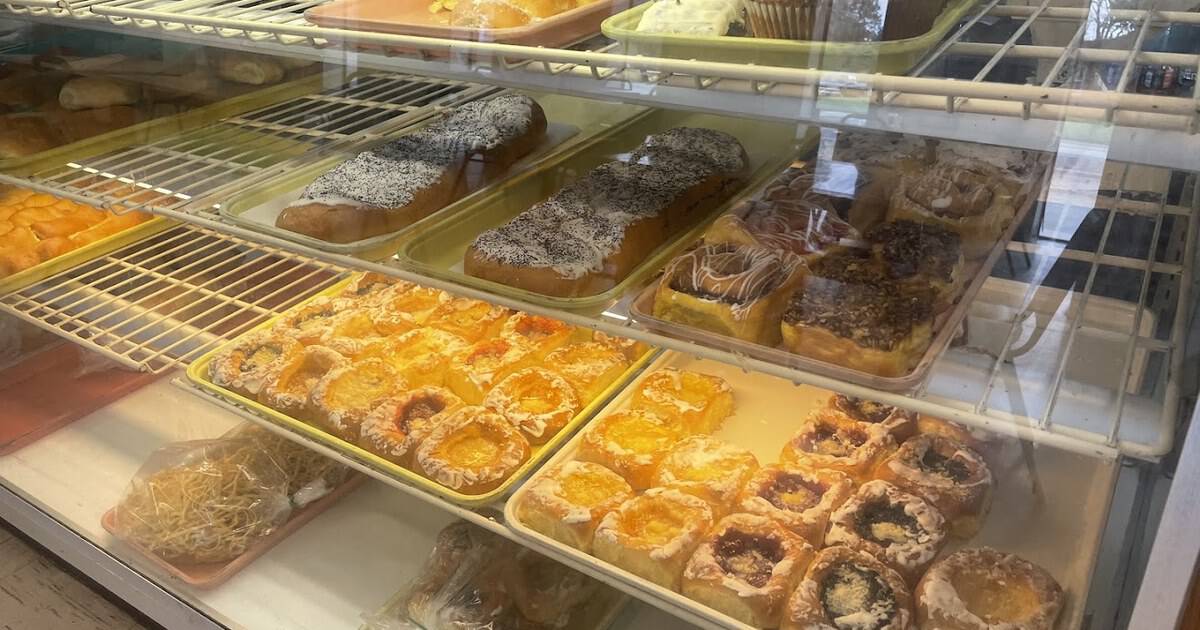
The kolaches are the reason to come. If you have never had one, picture a soft, pillowy roll of sweet dough with a filling tucked inside. The sweet ones hold fruit, cream cheese, or poppy seed.
The savory ones, technically klobasniki, wrap sausage, pork, or even venison in that same tender dough. That sausage version has a small legion of fans, and they are loud about it.
One traveler put it plainly in a review: “this sausage stands alone as so good you don’t need to put other stuff in it to make better.” That is the whole appeal of the place. One outstanding ingredient, done right, no shortcuts.
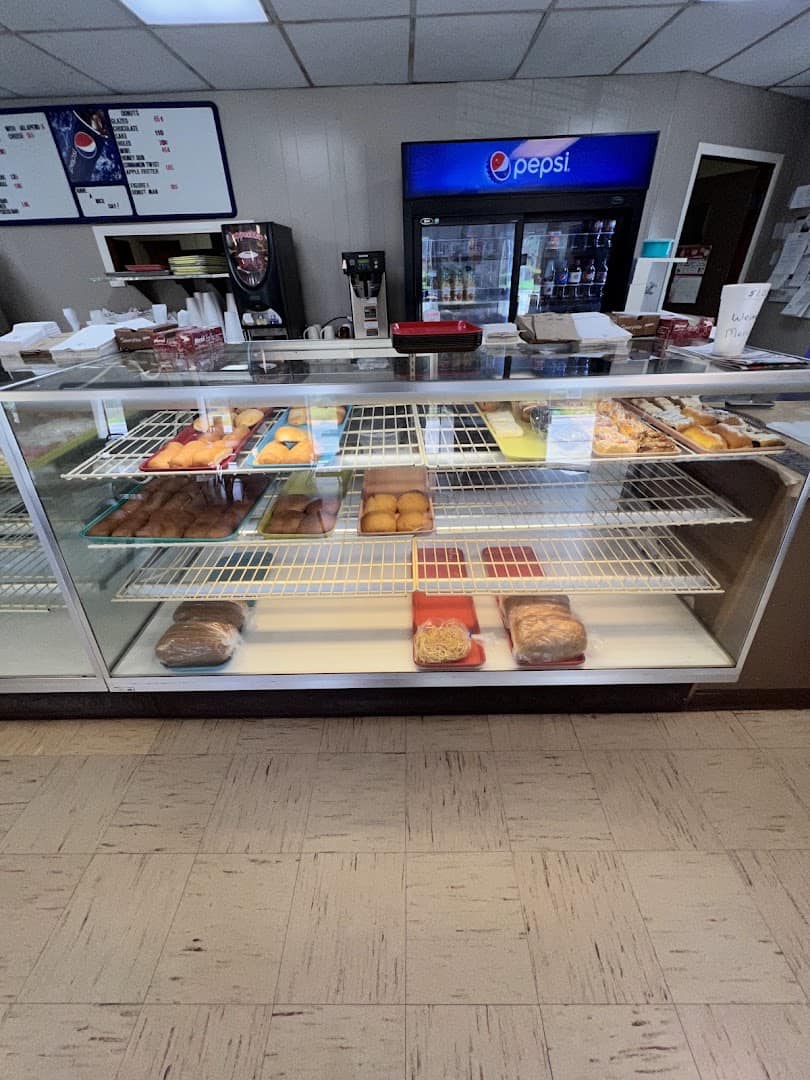
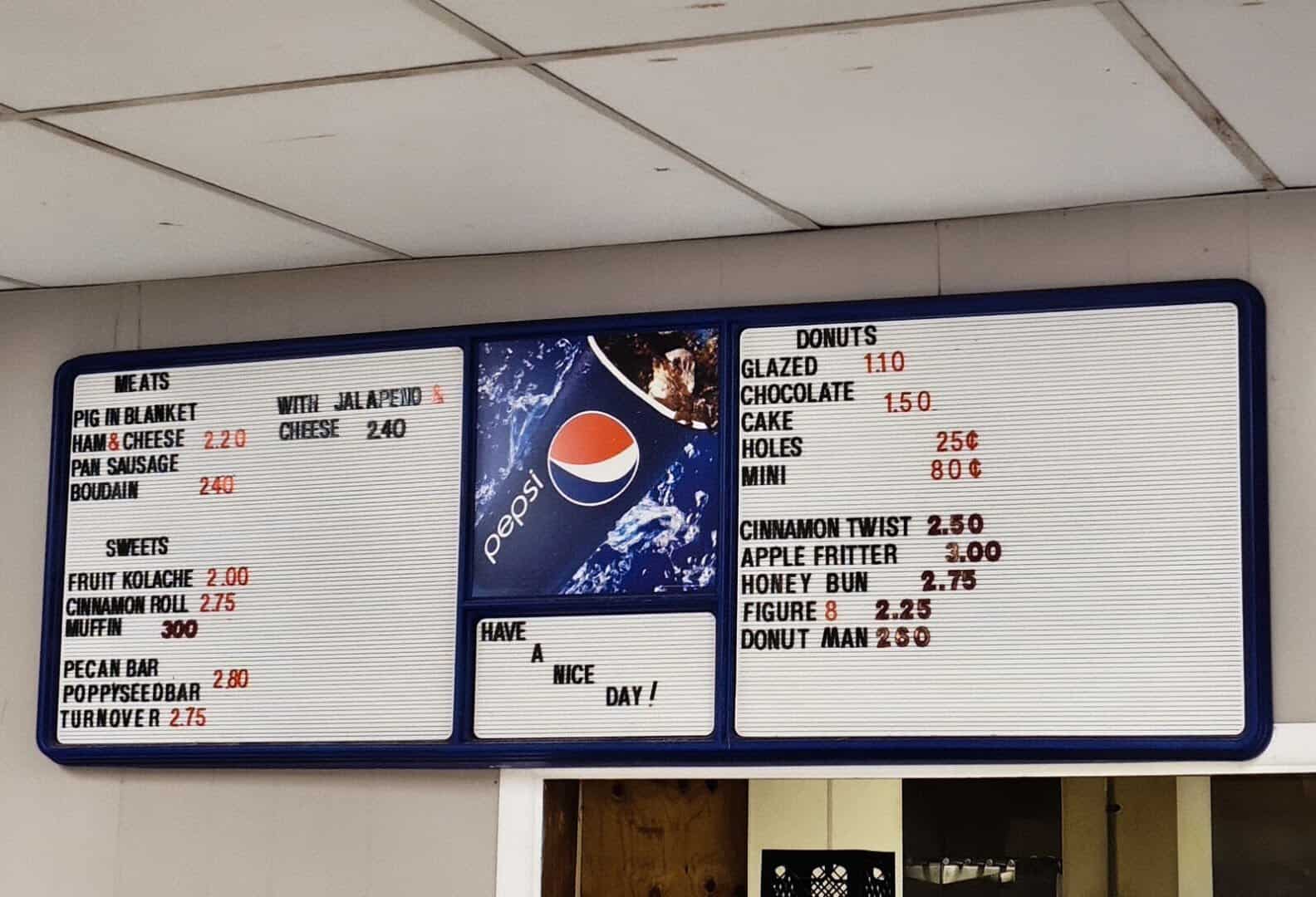
Come in dewberry season and you might catch kolaches crowned with the local wild berries, a purple-black cousin of the blackberry that grows along fence lines all over Colorado County. The pies, the apple fritters, and the fresh bread round out a case that is hard to walk past.
Pro tip: get there early. Bakers work on baker hours, and the best trays come out in the morning. By early afternoon the shelves thin out, and the thing you drove for might already be in someone else’s box.
A Main Street That Never Got Torn Down
Here is what makes Weimar rare. Its downtown is not a reconstruction. It is not a themed shopping village built to look old.
The brick buildings on Main Street have simply been there, in continuous use, since the late 1800s. You can read the decades in the storefronts.
There is German masonry work, human-scaled facades, tall windows, and the kind of proportions that were normal before parking lots reorganized American towns. Shops, offices, and community spaces now fill structures that once held a cotton-era economy.
When you step onto the sidewalk here, the pace changes. There are no chain logos competing for your eye. The businesses are independent, the antique shops carry real vintage kitchenware and farm tools, and places like Gathered Goods stock locally made things you will not find at a mall.
It is the sort of downtown that rewards wandering. Park once, walk the block, look up at the cornices, and let the town set the speed. You came off the highway to slow down, and Main Street is built for exactly that.
When you get hungry again, the Rodeo Grill handles the other half of a small-town meal, the chicken-fried steak and homemade sides and pie half. Between one bakery and one diner, you can eat very well here without ever seeing a franchise sign.
The Museum Inside the Old Bank
If you want the story behind those brick walls, walk into the Heritage Society Museum of Weimar at 125 East Main Street. It lives inside the old Hill Bank building, which is a fitting home for a place that keeps the town’s memory.
Inside, the museum builds a small indoor Main Street of its own. There is a dentist office, a department store, a bank, a blacksmith forge, a barber shop, and a beauty salon, each staged from the town’s own past.
There is even a facsimile of the old Mercury newspaper print shop, which is a nice touch in a town whose paper is still running. The staging is homemade and warm, the way the best small museums always are.
The newest addition honors the Weimar volunteer firefighters, with a vintage Seagrave pumper, an 1890 hose cart, old uniforms, and photographs. The town’s history reaches back further than the buildings themselves, all the way to an 1831 Spanish land grant made to Henry Austin.
Did you know? The museum keeps short hours, generally Wednesday afternoons and Saturday mornings, so it pairs best with a weekend bakery run. Check ahead and you can fold the whole visit into a couple of easy hours.
A Brief History of Jackson Station
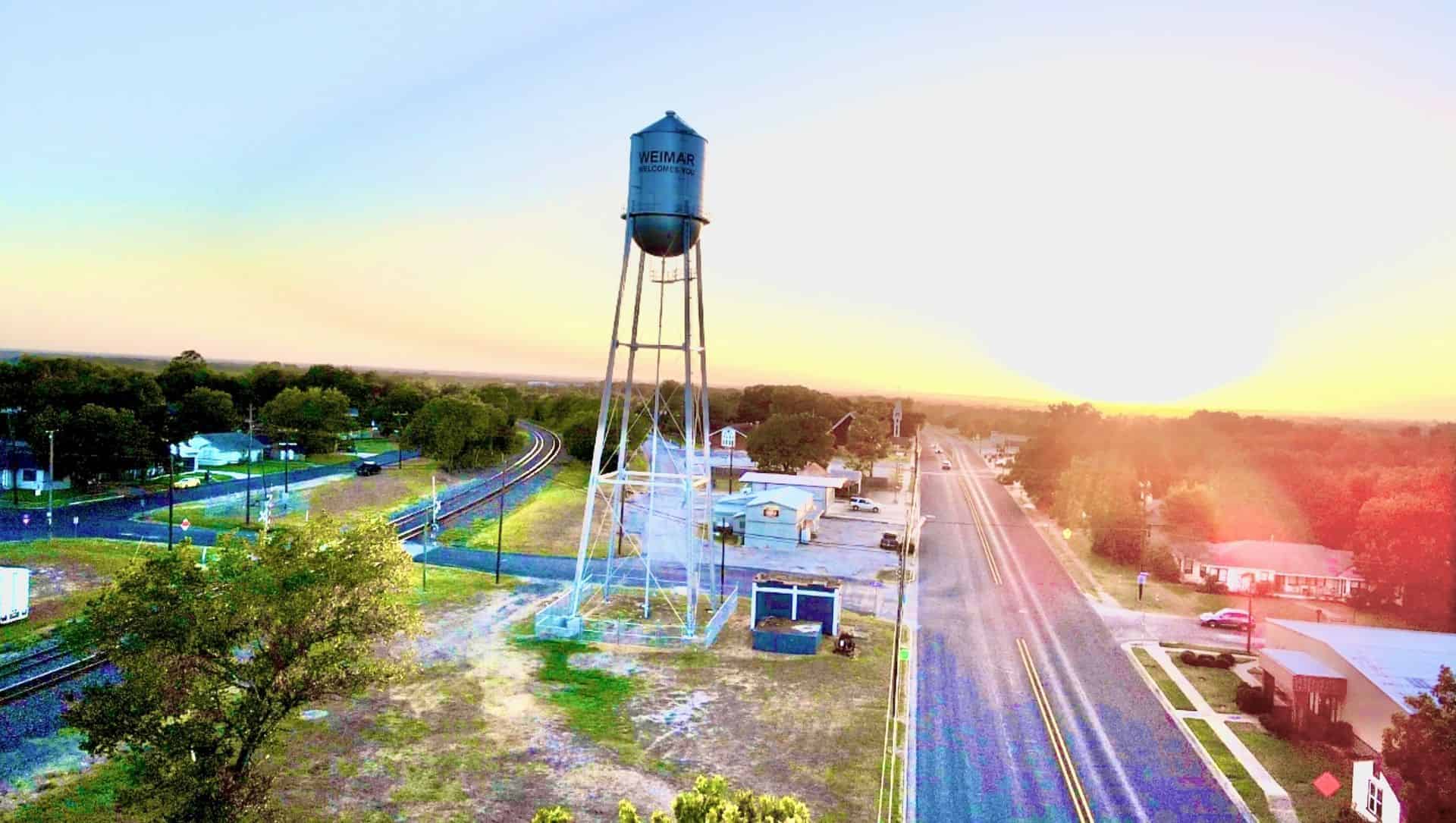
Weimar owes its existence to the railroad. In 1873, the Galveston, Harrisburg and San Antonio line pushed through Colorado County, and a depot went up on land owned by a Georgian named D. W. Jackson. The stop was first called Jackson Station.
The name did not last. T. W. Peirce, the railroad’s president, had traveled to Weimar, Germany, and come away impressed. He renamed the young Texas stop after the European city, and the town was formally incorporated in 1875.
Growth came fast. By 1887 Weimar was riding a prosperous cotton economy, with a full row of stores and two competing newspapers. An opera house had gone up around 1880, one of the first between Houston and San Antonio, back when a small town could still dream that big.
The railroad thread never really snapped. The original depot was replaced in 1925, and in 1972 the Southern Pacific Railroad donated that depot building to serve as the Weimar Public Library.
The library even keeps a caboose out front, a nod to the tracks that put the town on the map in the first place. I have a soft spot for a town that turns its old train station into a place to read.
One newspaper from that era is still around. The Weimar Mercury was established in 1888 and continues to publish, which makes it one of the quiet constants in a town full of them.
One more thread of history is worth carrying with you. Etta Moten Barnett, the celebrated actress and contralto known for her role as Bess in Porgy and Bess, was born in Weimar in 1901. She lived to 102, and her story started on these same quiet streets.
Gedenke, or the Weekend the Whole Town Remembers
Once a year, Weimar throws its arms open. The Gedenke! Festival runs every Mother’s Day weekend, and the name is German for “remember” or “think of.” The idea is simple and sweet: come home, and remember where you are from.
The festival leans into the town’s German and Czech roots without turning them into a costume. Expect a biergarten, live bands, a parade down Main Street, an arts and crafts market, a barbecue cook-off, and a 5K fun run for anyone who wants to earn their kolaches.
Here is the part I love. Admission is free, and so is parking. This is not a ticketed spectacle engineered for tourists.
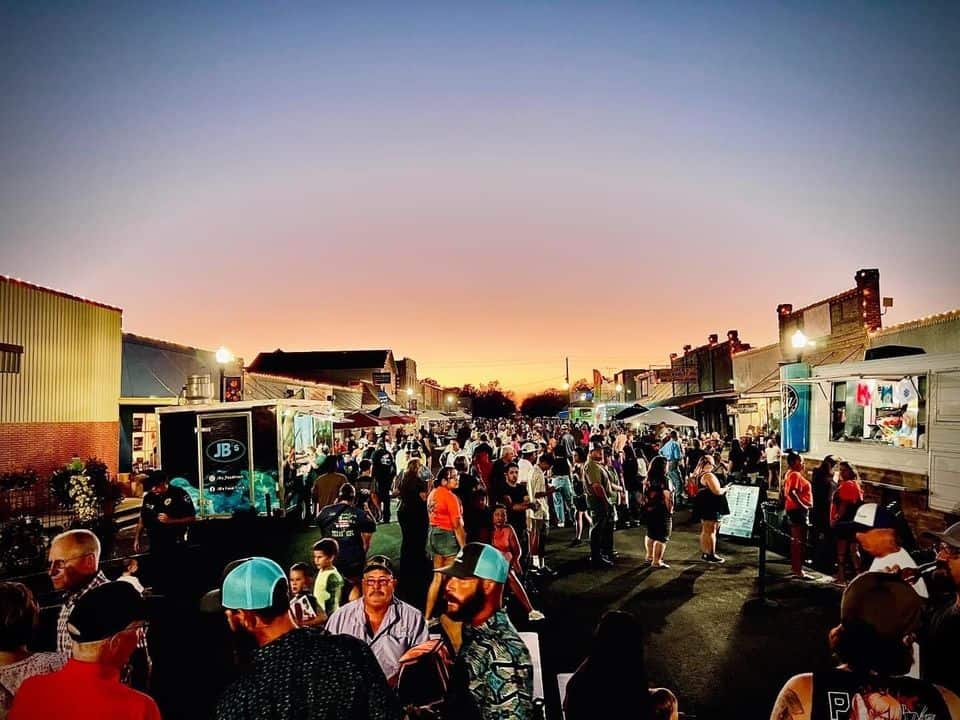
It is a hometown reunion that happens to welcome anybody who shows up, which is the most Texan kind of hospitality there is. If you can time a visit for that weekend, do it.
More to Do Than You Would Guess
For a town of roughly two thousand people, Weimar hides a surprising amount to do. The Weimar Golf Course is the standout. It opened in 1920 as a three-hole layout carved out of a cow pasture, with tiny sand greens about fifteen feet across.
Today it is a nine-hole course that pulls players from across South Texas, and the Dallas Morning News once ranked it number seventeen among the top twenty-five in the state. Not bad for a place that started with sand ovals and a few holes in a field.
There is baseball history here too. Veterans Park, built in 1948, held the first lighted baseball field between San Antonio and Houston, and the town hosted a Babe Ruth League World Series tournament in 2005. Small town, big-league lights.
Round it out with the local farmers market for fresh produce and homemade goods, a few area vineyards for a tasting, and the town parks for a stretch of your legs.
It adds up to a full, unhurried day that costs almost nothing. That is exactly the kind of day a small town does best.
Why the Detour Actually Pays Off
Weimar sits right on Interstate 10, about eighty-eight miles west of Houston and a hundred and nine miles east of San Antonio. It is squarely on the route thousands of Texans drive every weekend, which is exactly why so few of them ever stop.
That is the quiet magic of the place. It is close enough to be easy and overlooked enough to feel like a find. One traveler summed it up by calling the bakery “a must stop off I-10,” and honestly the whole town earns that line.
You do not need a plan. Take the exit, park on Main Street, and grab a warm sausage kolache and a slice of pie. Walk the brick sidewalks, poke into the museum, and let a town that never rushed catch you up in its pace for an hour or two.
How to Get There
Where: Weimar, TX 78962, in Colorado County, directly off Interstate 10 between Houston and San Antonio. Kountry Bakery is at 408 West Main Street, and the Heritage Society Museum of Weimar is at 125 East Main Street.
The town is an easy day trip from either big city and an obvious break on the long haul between them. Fuel up, but save your appetite for downtown, because the good stuff is a few blocks off the frontage road.
Plan Your Kolache Detour
Some towns shout for your attention. Weimar just keeps its ovens warm and its brick streets swept and waits for the drivers smart enough to pull off. Whether you live in Texas or you are only passing through, this is the detour that turns a drive into a memory.
So next time the interstate stretches out ahead of you, take the exit. Grab a dozen kolaches, wander the old Main Street, and try not to finish the whole box before you reach the county line.
Featured image: Summer Rose via Kountry Bakery

Stella Raines
Editor-in-Chief
Stella brings over a decade of storytelling experience to TX Headlines. With roots in West Texas and a love for road trips, she leads the editorial team with an eye for the hidden stories that make Texas unforgettable.
More Stories
This Quirky Texas Town Has a Giant Pecan, a Haunted Saloon, and Small-Town Charm to Spare
This Tiny Texas Town Has the State’s Oldest Dance Hall, and a River Runs Right Past It
This Epic Texas Rail-Trail Stretches 130 Miles Past 19 Small Towns and Over 100 Old Trestles
These Charming Texas Towns Feel Like a Trip to Europe
Tags