This Secret Underground Texas Steakhouse Is a Quiet Gem With Serious Flavor
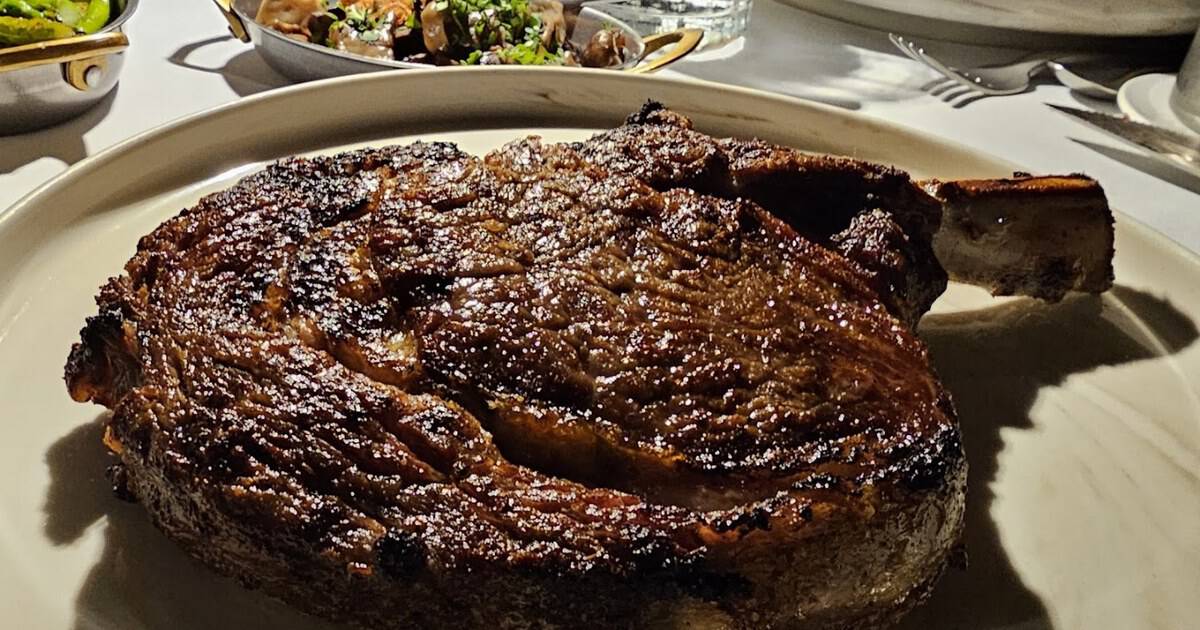
Here is a thing I believe about cities: the best rooms are almost never the ones with the view. They are the ones you have to go looking for, tucked behind a plain door or down a set of stairs nobody else seems to notice.
Downtown Dallas has one of those, and it takes the idea about as far as it can go. You do not walk in at street level. You step into a glass elevator on a busy corner and sink eighteen feet below the sidewalk into a cool stone hush.
This is Dakota’s Steakhouse, and it may be the most quietly dramatic entrance to a meal in the whole state. Above you, downtown traffic keeps moving. Below you, a waterfall is running.
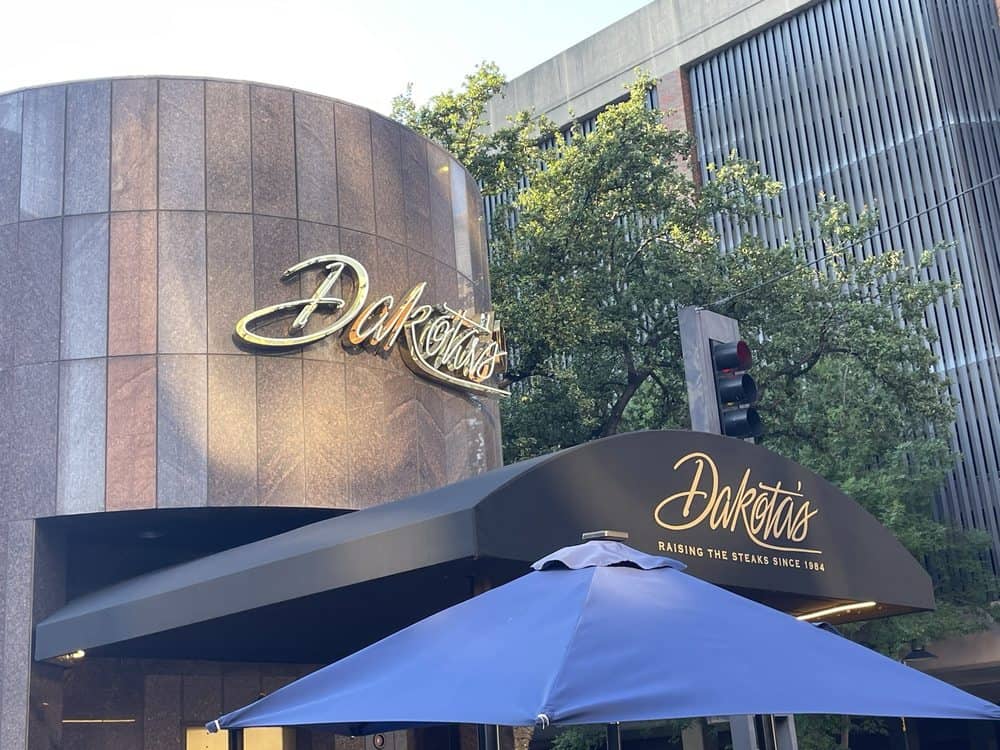
Here is what waits at the bottom of that ride: a five tiered granite waterfall, dry aged prime beef, and a backstory that begins with a church, a deed, and one very clever loophole.
An Elevator Ride Beneath the City
Most restaurants greet you with a host stand. This one greets you with a descent. The elevator is glass on the sides, so the climb down doubles as a slow reveal, street noise fading as the dining room rises up to meet you.
When the doors open, the air changes. It is cooler down here, the way a wine cellar feels cooler than the kitchen above it. You are standing in an 1,800 square foot courtyard carved out of the ground, open to a slice of Dallas sky far overhead.
The centerpiece is the water. A granite wall spills across five tiers, and the sound of it softens everything else. There is greenery threaded through the terraces and a lava rock fire feature glowing against the stone.
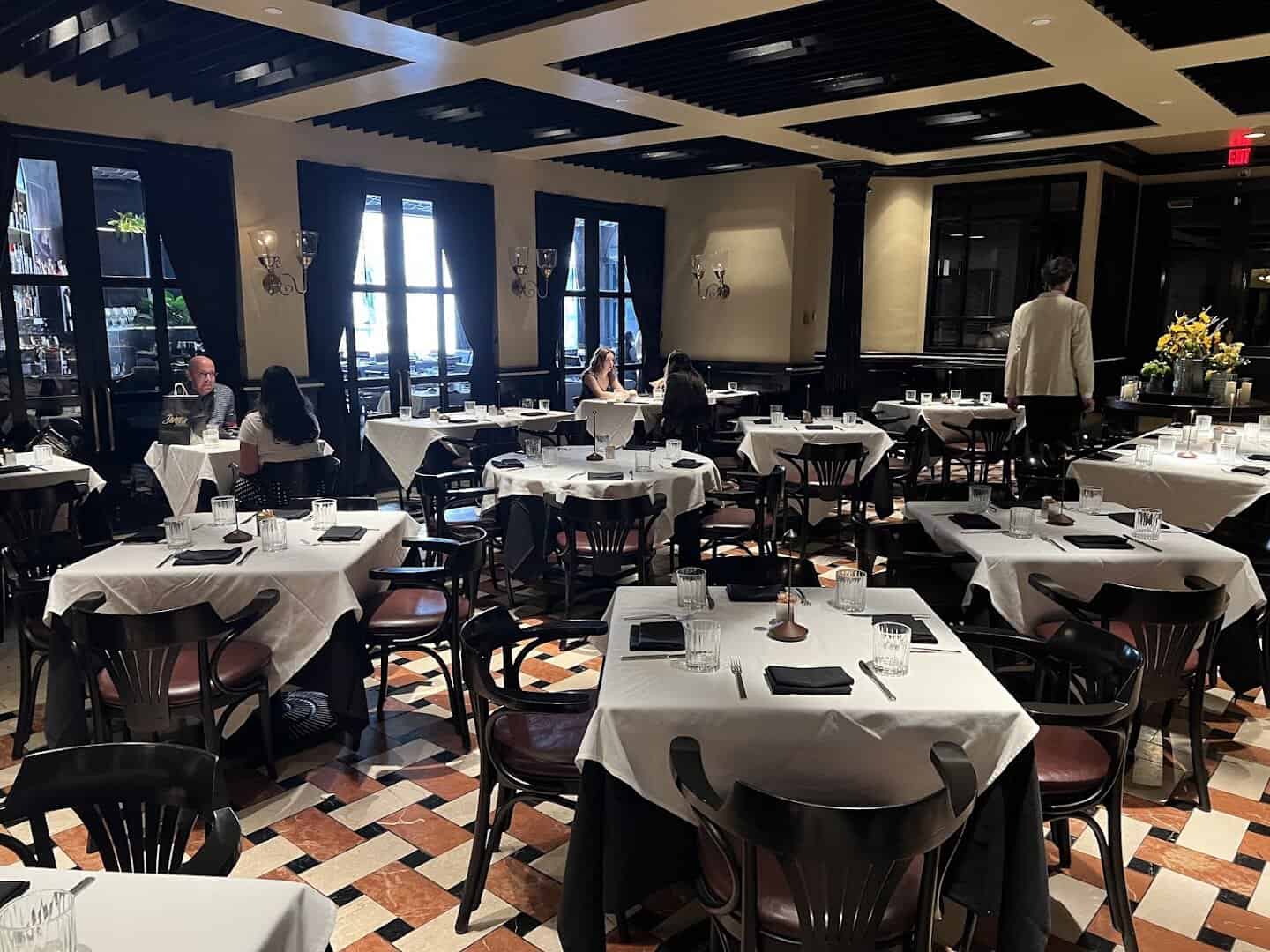
Warm gas lamps nod to old New Orleans. It feels less like a basement and more like a secret garden that happened to find a chef. Near the entrance sits an old bourbon barrel, a small wink at what the night ahead has in store.
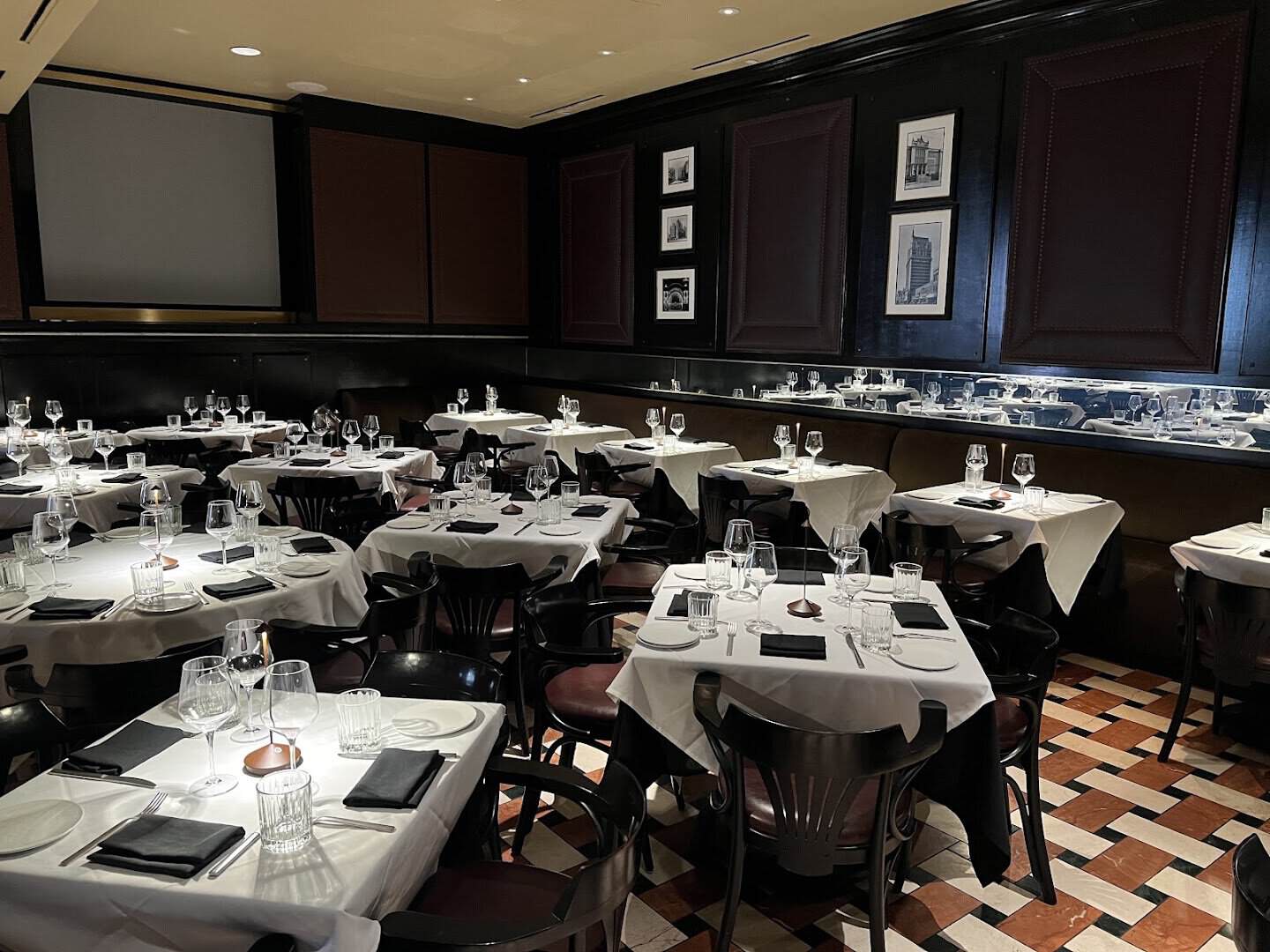
Step inside and the mood shifts from garden to grand. There is hand cut Italian Carrera marble, dark wood paneling, crisp white tablecloths, and black and white photographs on the walls. A 1941 Steinway piano stands near the door, and on many evenings someone is playing it.
Did you know a critic on The Infatuation once called this a place that manages to be “upscale without being intimidating”? That is the trick Dakota’s pulls off. It is polished, but it does not make you feel like you wandered in wearing the wrong shoes.
Steaks Worth the Whole Descent
Let us talk about why you really came down here. The beef is the point, and it is treated like the point. The kitchen builds its steak list around dry aged, corn fed USDA Prime cuts.
Those cuts come from the storied Allen Brothers of Chicago, the same century old purveyor that supplies some of the country’s best known chophouses. It is a serious pedigree for a serious steak list.
You will find the classics done right: a tender filet mignon, a generous boneless ribeye, and a New York strip with a proper crust. Each one arrives seared hard on the outside, then rested so the center stays exactly where you asked for it.
Feeling bold? The tomahawk is the showpiece, a long bone ribeye crowned with black truffle compound butter that melts into the meat as it hits the table. It is a lot of steak. It is meant to be a lot of steak.
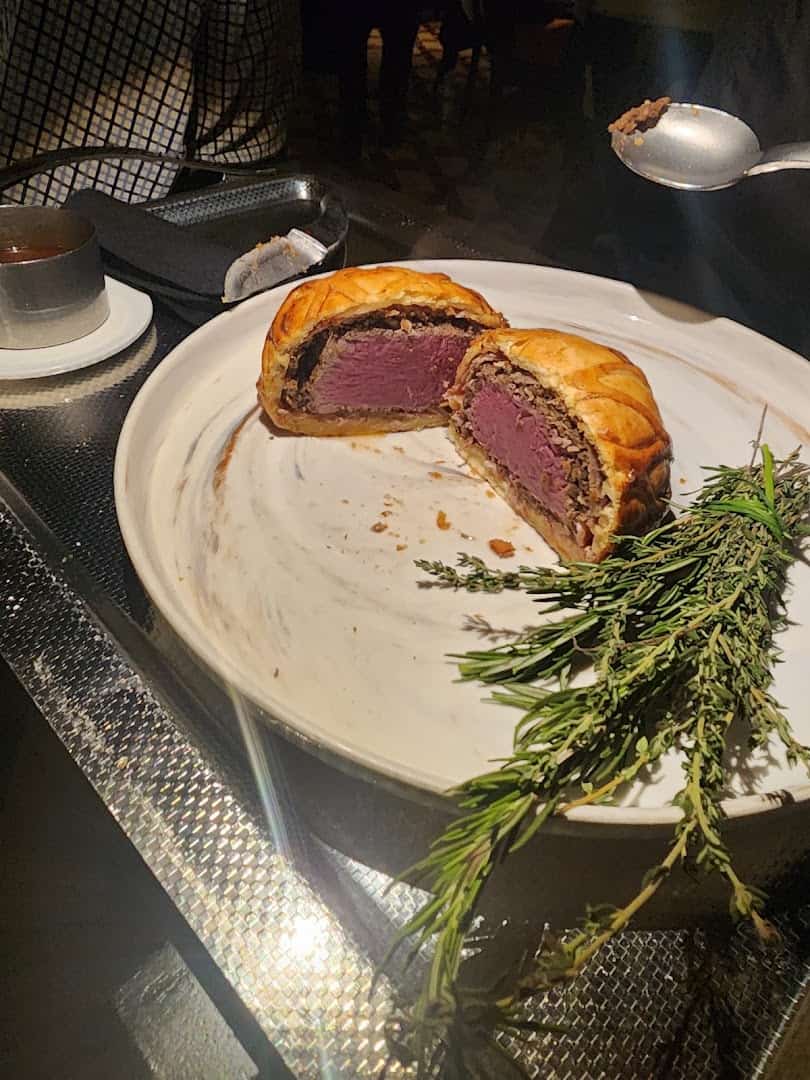
There is also a 36 ounce Prime porterhouse built for two, described by one reviewer as “charred to an audibly crisp crust.” When a critic reaches for the word audibly, you know the sear did its job. Bring a partner and an appetite.
The dry aging is what you are tasting under all that char. Weeks of controlled rest concentrate the flavor and tenderize the meat, so a Dakota’s steak lands deeper and nuttier than a fresh cut ever could. It is why the crust matters and the middle sings.
My rule at a room like this is simple: order the thing the kitchen is proudest of, then get out of its way. A great steakhouse does not need you to dress the beef up. It needs you to let it be beef.
Beyond the Beef
A steakhouse lives on its steaks, but the supporting cast at Dakota’s is having just as much fun. The menu reaches past the grill into Berkshire pork, Colorado lamb chops, and Scottish salmon, so the one guest who does not want a ribeye is not stuck with an afterthought.
The seafood pulls real weight. Jumbo lump crab cakes anchor the appetizers, and the kitchen turns out a lobster and king crab rigatoni that has become a quiet signature since the reopening. A short rib agnolotti is right there beside it.
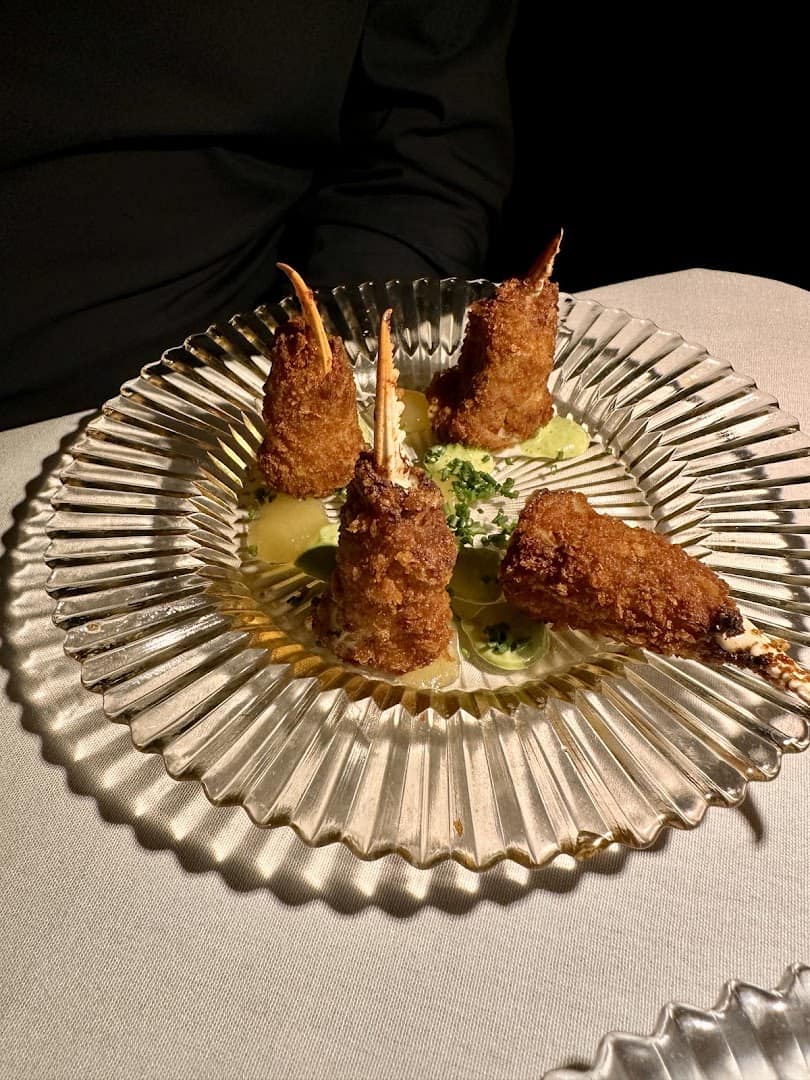
The starters lean playful. There are crab cake lollipops, a plate of deviled eggs, a bowl of clam chowder, and a single luxe chicken nugget dressed with herby ranch and a little caviar. It is the kind of wink that tells you the kitchen is not taking itself too seriously.
Order the wedge salad while you are at it. One review called it “huge and comforting,” loaded with bacon and blue cheese, a cold crisp counterweight to all that rich meat. It quietly steals a bite or two off everyone else’s fork.
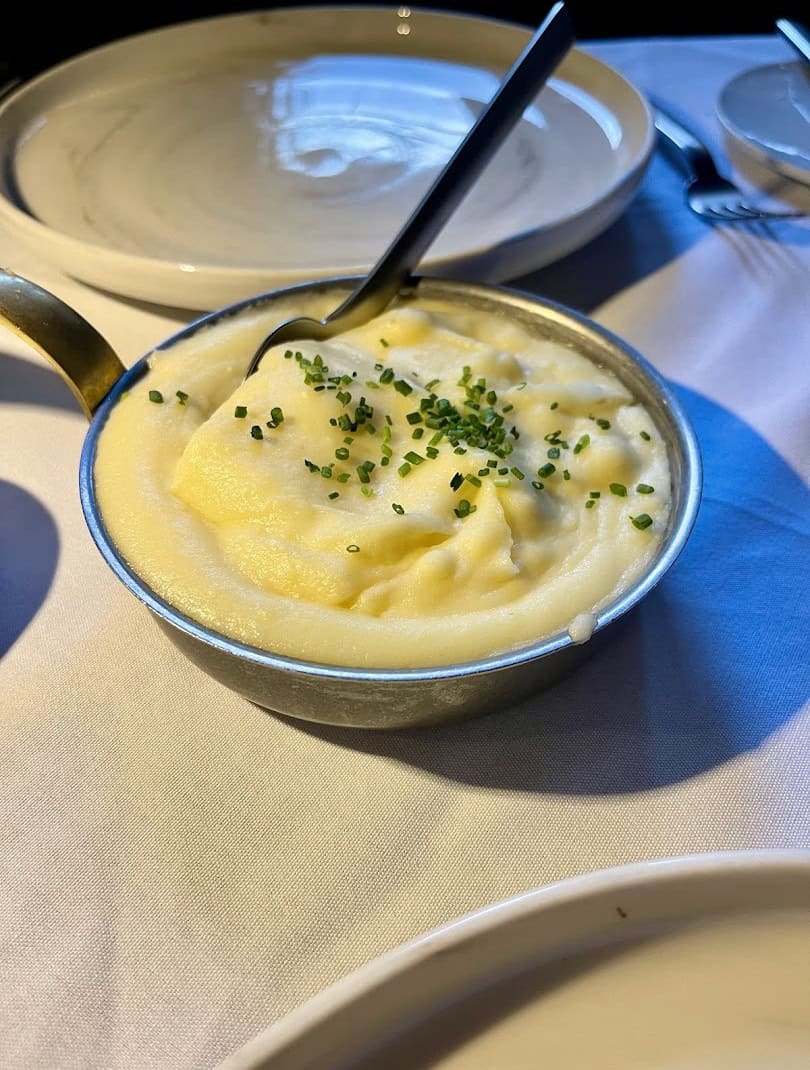
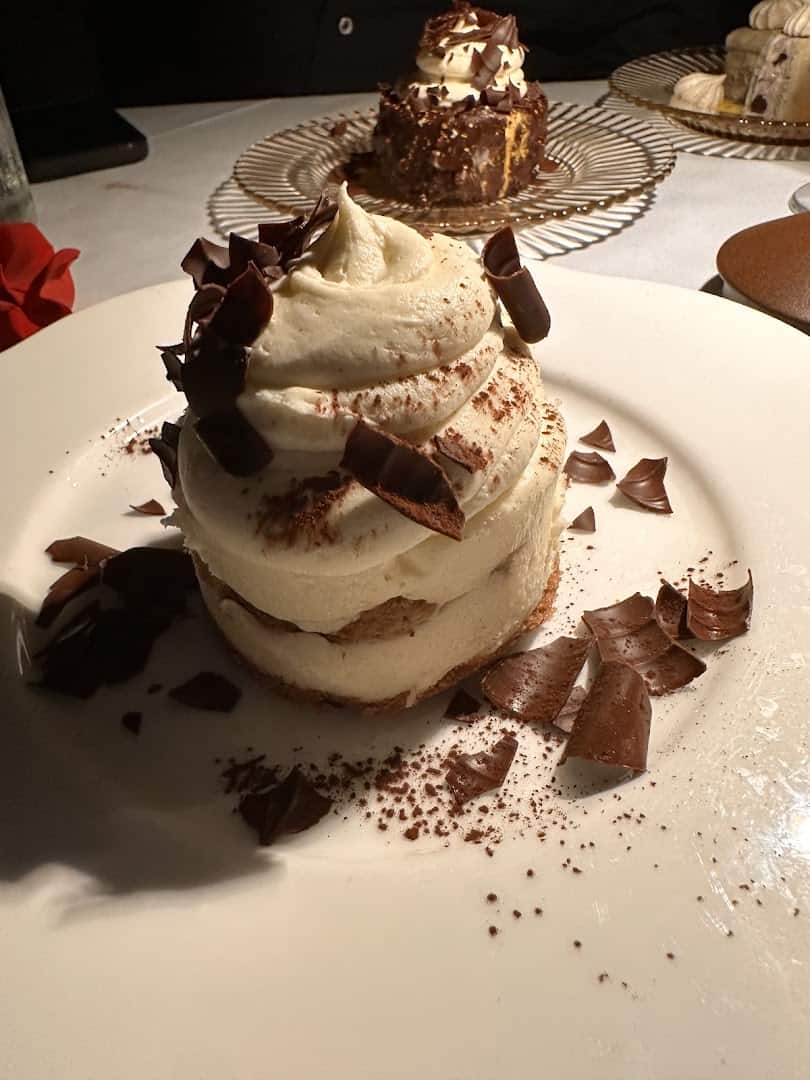
Then the sides, which are their own small parade: truffle fries, creamy mashed potatoes, risotto, and potatoes au gratin. Save room, if you can, for the lavender creme brulee served with warm madeleines. It is a gentle way to end a hearty night.
The drinks keep pace with the food. There is a black granite bar for a martini before your table is ready, a deep wine list to walk a porterhouse through, and a patio out by the waterfall for a nightcap when the weather cooperates.
Pro tip: come hungry and come to share. The best way through a menu like this is to order across the table and pass plates, so one dinner turns into a tour.
Why a Steakhouse Ended Up Underground
Here is the part that makes Dakota’s more than a pretty room. The restaurant opened in 1984, built by Lincoln Property Company, which wanted a signature restaurant to anchor its downtown headquarters. There was just one problem in the paperwork.
The land had belonged to the First Dallas Baptist Church, and the deed carried a clause forbidding the sale of alcohol on the former church grounds. For a restaurant hoping to pour wine with a porterhouse, that was a real obstacle.
So the developers read the fine print very carefully. The prohibition, they realized, applied to the grounds, not to what lay beneath them. Their solution was audacious: excavate eighteen feet straight down and build the dining room below the restricted earth entirely.
The name is a small history lesson too. Dakota’s is named for the Dakota granite used throughout the interior, the same stone that gives the waterfall wall and the bar their weight and shine. Every surface is a reminder of how the place was made.
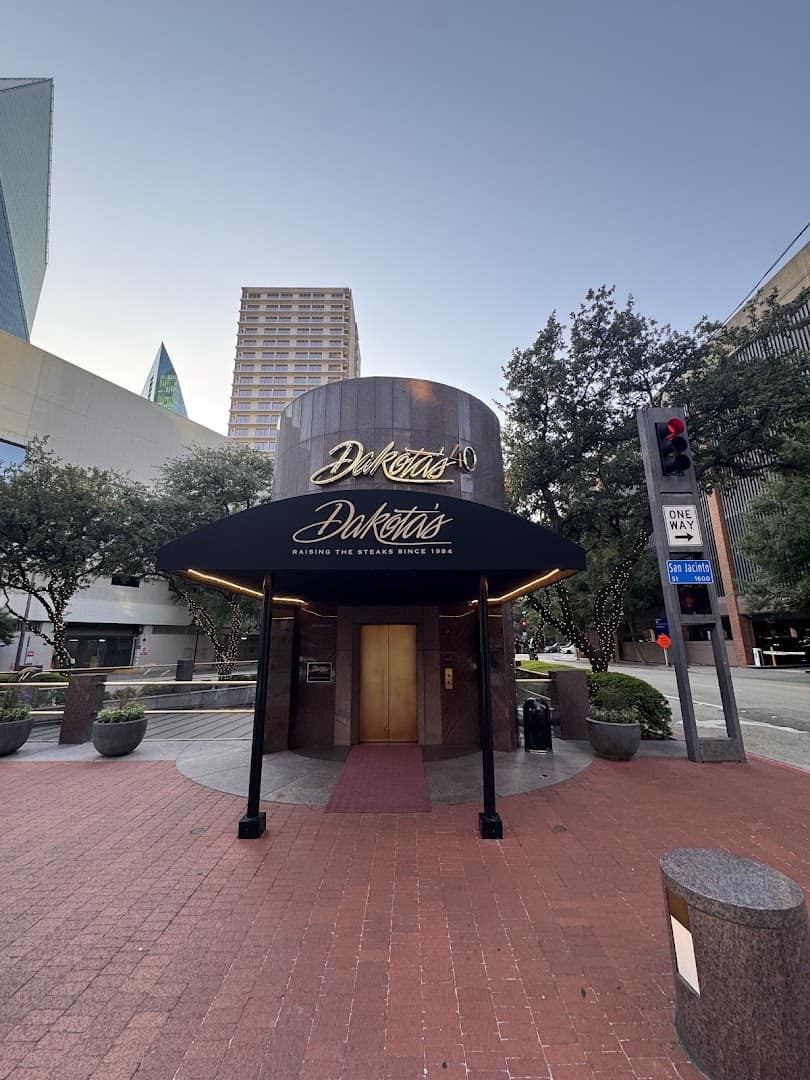
Over the years the kitchen became a proving ground for Dallas talent, and a long list of the city’s respected chefs passed through it on the way up. The room trained cooks as reliably as it hosted anniversaries.
For thirty six years it ran as one of downtown’s most beloved special occasion rooms, the go to spot for anniversaries and proposals. Then, in May 2020, like so many restaurants that year, it went dark and closed its doors.
A Second Act Below the Skyline
A room this singular does not stay empty for long. In September 2021, Dakota’s came back to life under new owner Meredith McEneny, part of a Dallas restaurant family, who reopened the subterranean landmark after a careful revival.
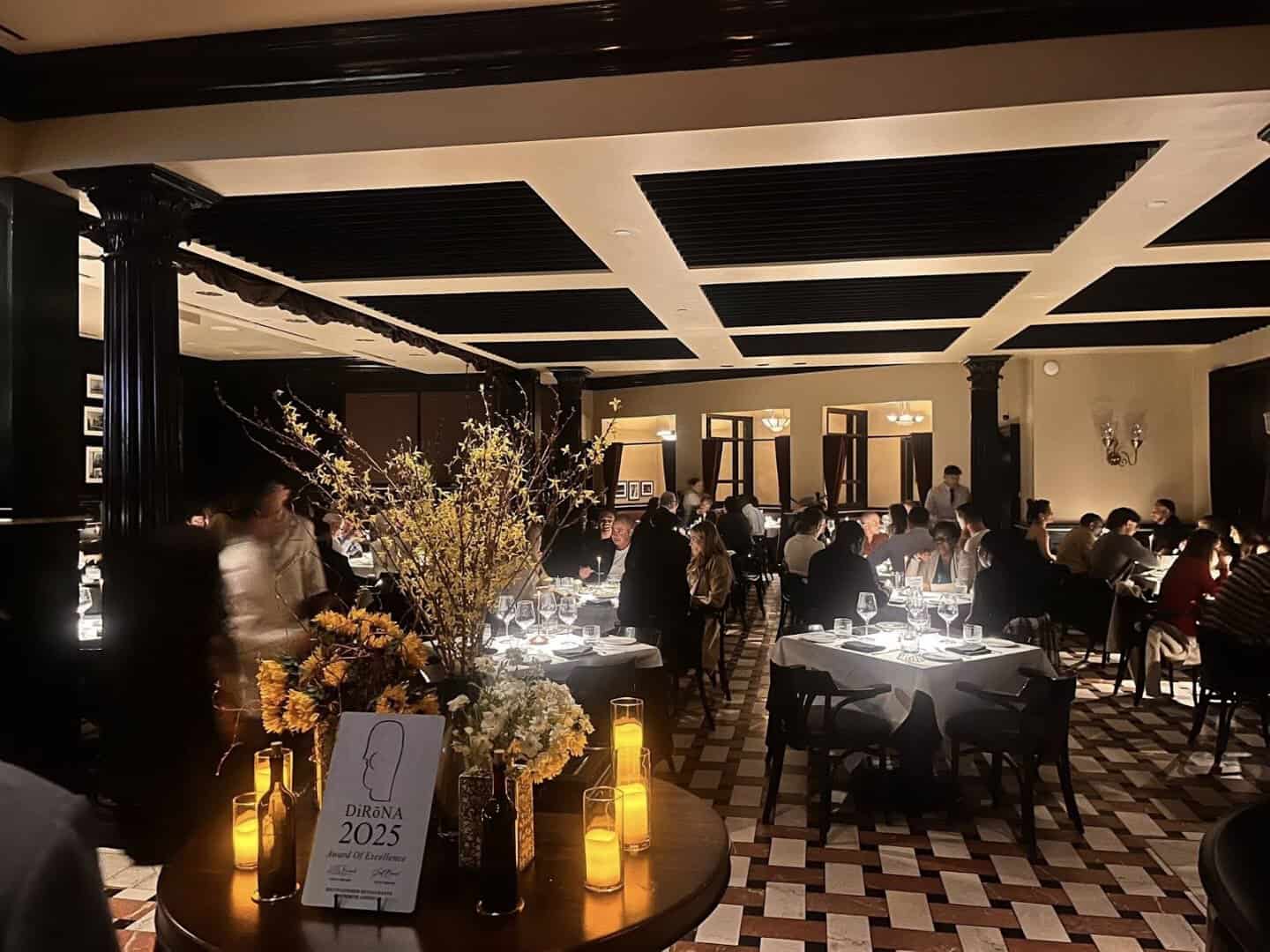
She kept the bones that made it famous. The glass elevator still drops eighteen feet. The waterfall still runs. The marble, the paneling, and the New Orleans gas lamps all stayed, because you do not gut a room that people fell in love with.
What changed was the kitchen’s ambition. Chef Ji Kang, who earned a following at Sloane’s Corner, rebuilt the menu around the Allen Brothers beef. He added the modern touches the room had been missing, from the short rib agnolotti to that lobster and king crab rigatoni.
The result feels both old and new at once. The history stayed, the theater stayed, and the food finally matches the drama of the descent. One recent diner summed the place up in two words: “hidden treasure.”
What to Know Before You Go
Dakota’s is easiest to catch in the evening, when the piano plays and the waterfall glows. The lunch crowd knows a secret of its own, though, since the kitchen serves lunch on weekdays too.
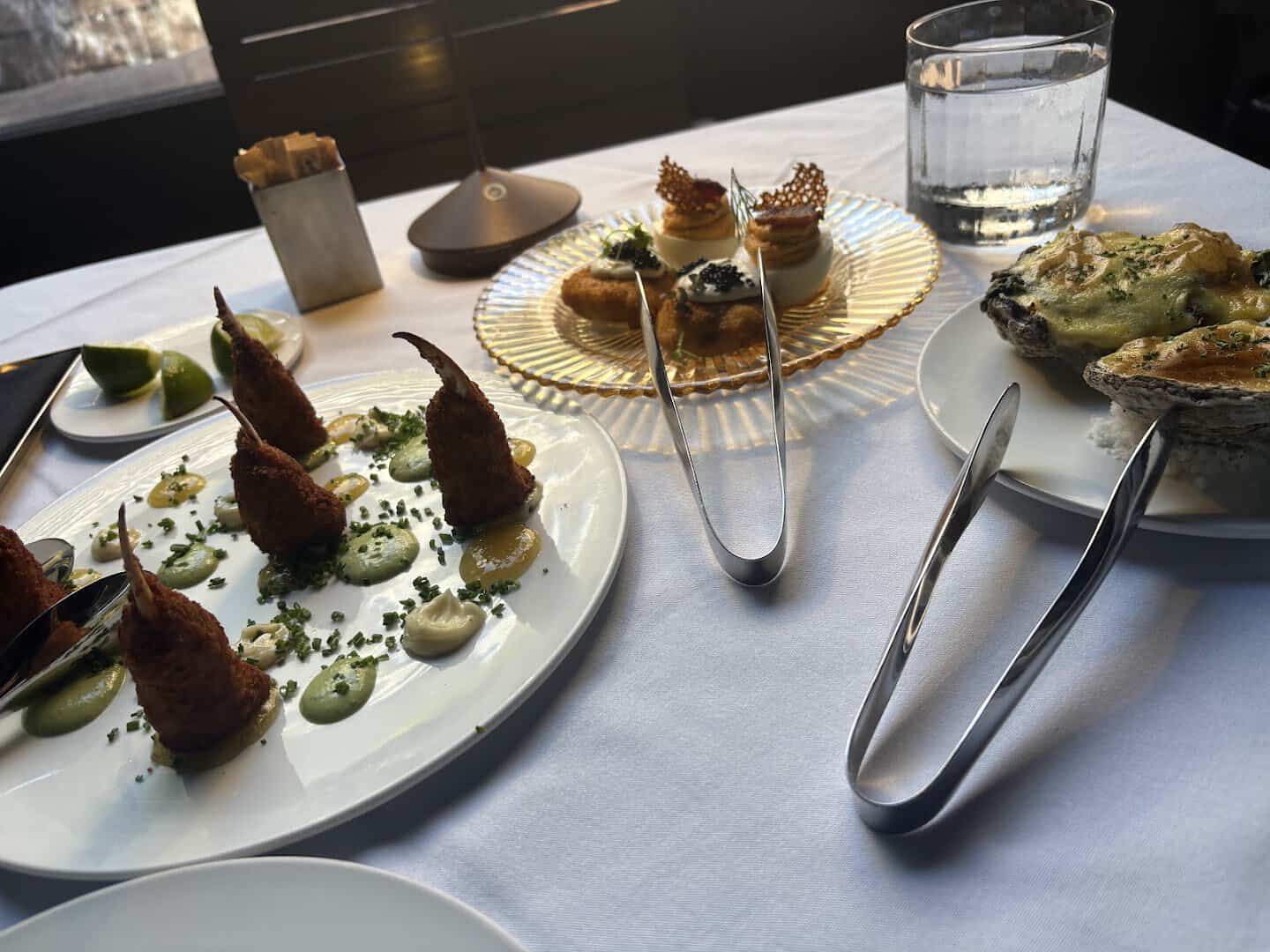
Dinner runs six nights a week, with a slightly earlier close on Sundays, and there is a weekday happy hour in the late afternoon if you want the room without the full commitment. That happy hour is the quietest way to sample the place.
This is a special occasion room, and it dresses like one. You will feel most at home in something a step above casual, though nobody is going to hand you a jacket at the door. The vibe is celebratory, not stiff.
Reservations are your friend here, especially on weekends and around holidays, when the tables fill with birthdays and anniversaries. The dining room is genuinely romantic, so if you are planning a milestone, this is a room built to carry it.
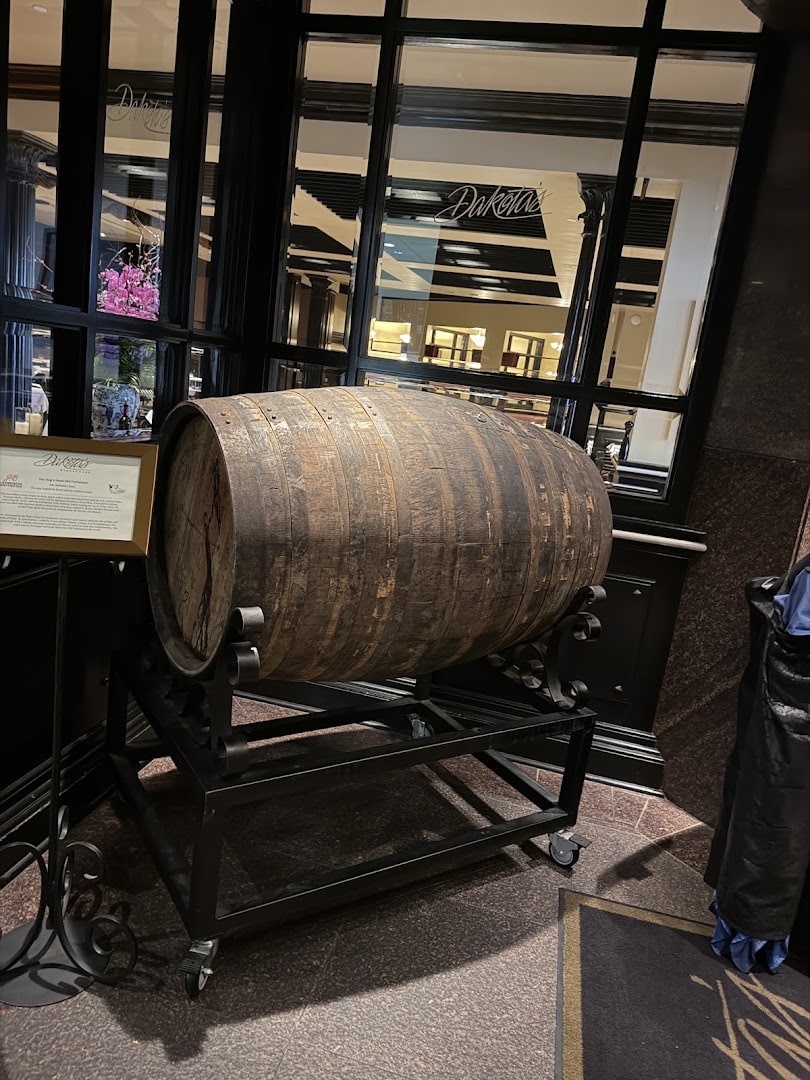
One more tip: give yourself a minute at the bottom of the elevator before you rush to your table. The courtyard, the water, and the sky overhead are half the experience. Stand still and take it in.
How to Get There
Where: Dakota’s Steakhouse, 600 N Akard St, Dallas, TX 75201. The entrance sits at street level downtown, and the elevator does the rest. Reservations can be made by phone at (214) 740-4001 or online.
It is right in the heart of downtown Dallas, walkable from the Arts District and easy to fold into a night in the city. The hardest part is remembering that the front door is not the whole story.
Plan Your Trip Below the Sidewalk
Some of the best meals hide in plain sight, and this one hides better than most. It is proof that in Texas, the biggest flavor is not always where you would think to look for it.
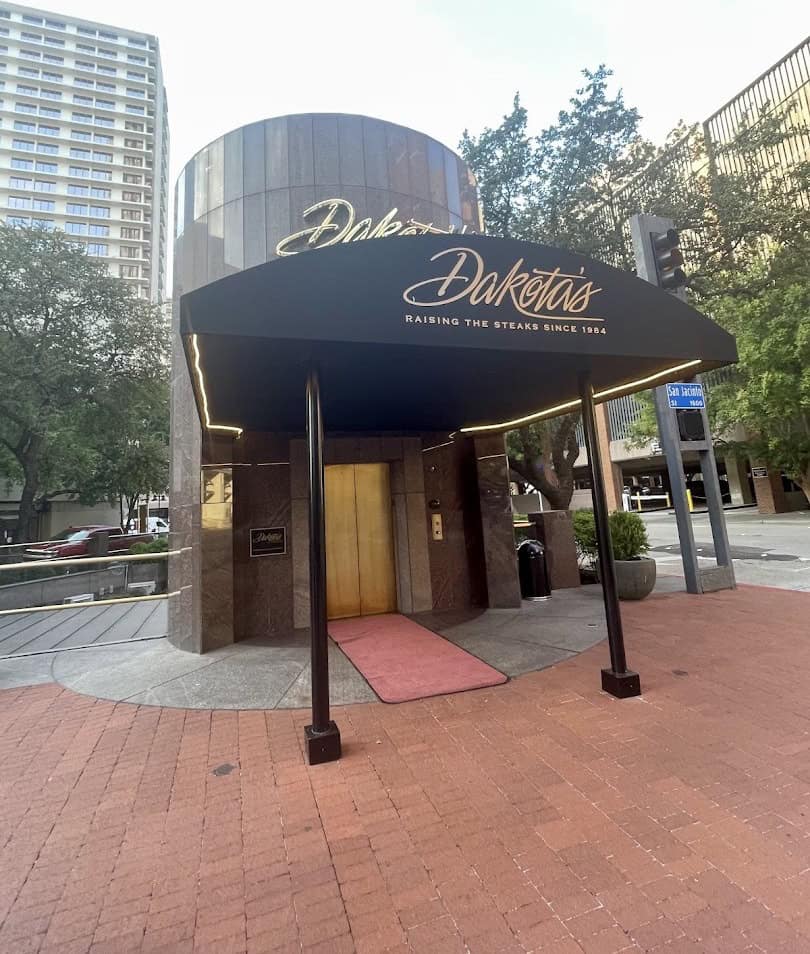
So the next time you are downtown, do the thing the sidewalk crowd never does. Step into that glass elevator, let the city fall away above you, and go find the quiet gem waiting eighteen feet below. Order the ribeye, listen to the water, and stay for dessert.
Featured image: Johnny Blue via Dakota’s Steakhouse

Stella Raines
Editor-in-Chief
Stella brings over a decade of storytelling experience to TX Headlines. With roots in West Texas and a love for road trips, she leads the editorial team with an eye for the hidden stories that make Texas unforgettable.
More Stories
These 10 Legendary Texas Chicken-Fried Steaks Are Worth the Drive

This Immersive Texas Restaurant Lets You Watch Fish Swim Past While You Dine
This Under-the-Radar North Texas Italian Restaurant Makes Handmade Pasta So Good You’ll Swear You’re in Rome
This Beloved Texas Ramen Shop Serves Bowls That Taste Like a Bite of Tokyo
Tags