This Secret Butterfly Sanctuary Has Recorded Over 240 Species
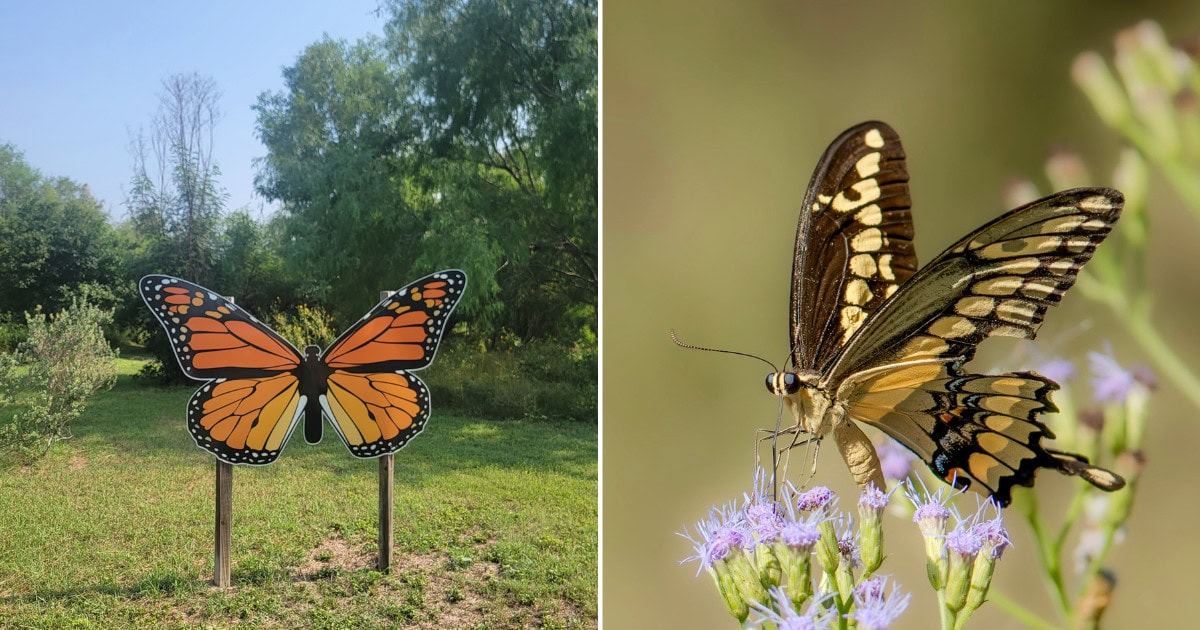
Butterflies have never been at the top of my list of things to seek out, but I have learned that sometimes the most unexpected destinations leave the biggest impressions.
There is something meditative about walking through a garden filled with hundreds of butterflies, watching them float from flower to flower in complete silence.
It slows you down in a way that few other experiences can.
There is a sanctuary in South Texas that has recorded over 240 species of butterflies, and it draws visitors from around the world.
From Onion Field to Botanical Garden
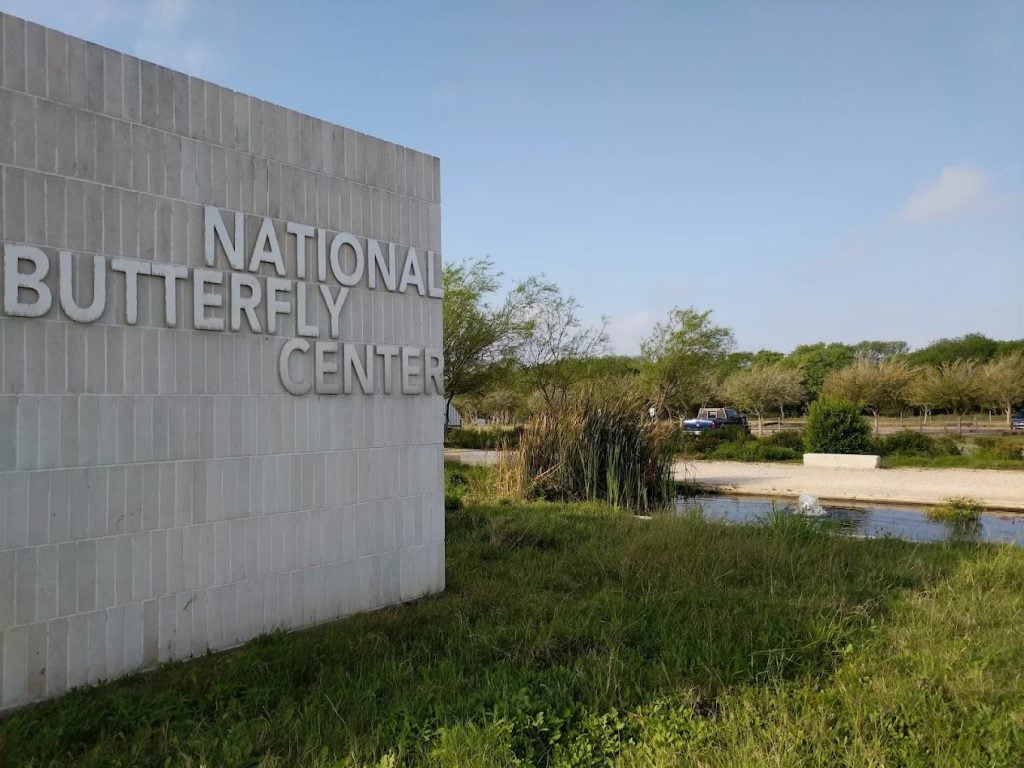
The Lower Rio Grande Valley hosts a butterfly diversity unmatched anywhere else in the continental U.S.
Nearly 150 species can only be seen here or across the border in Mexico. Positioned at the northern edge of the tropics, the Valley’s subtropical climate and geography create unique conditions.
As a result, almost 40 percent of all butterfly species documented nationwide have been recorded in this three‑county stretch of South Texas.
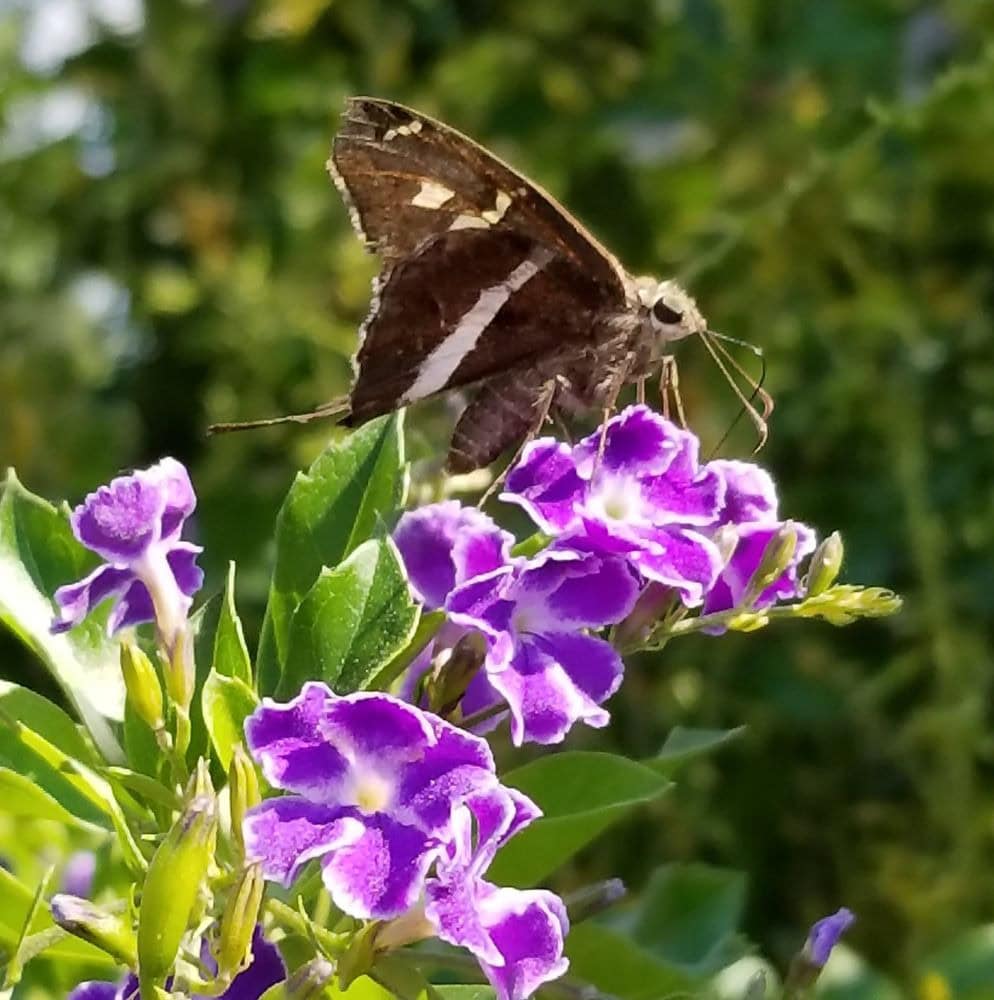
At the center of this paradise is the National Butterfly Center, a 100‑acre preserve that was once an onion field.
Since opening in the early 2000s, it has documented more than 240 species, including rare U.S. records.
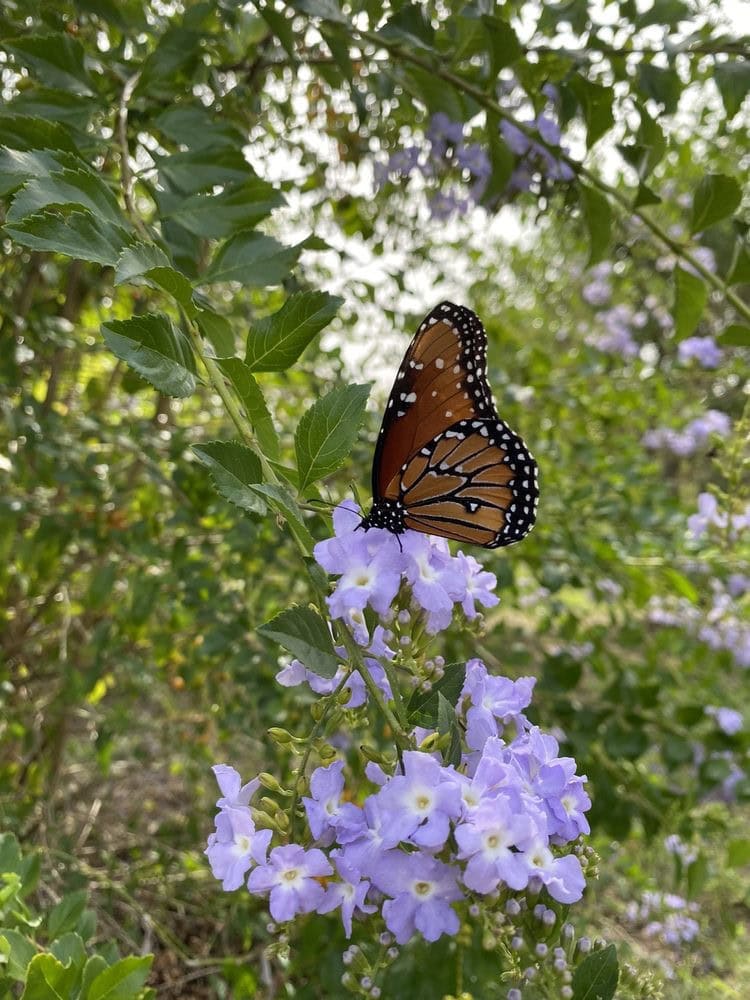
Operated by the North American Butterfly Association, the center has helped make Mission, Texas, known as the butterfly capital of the nation.
Walking the Trails
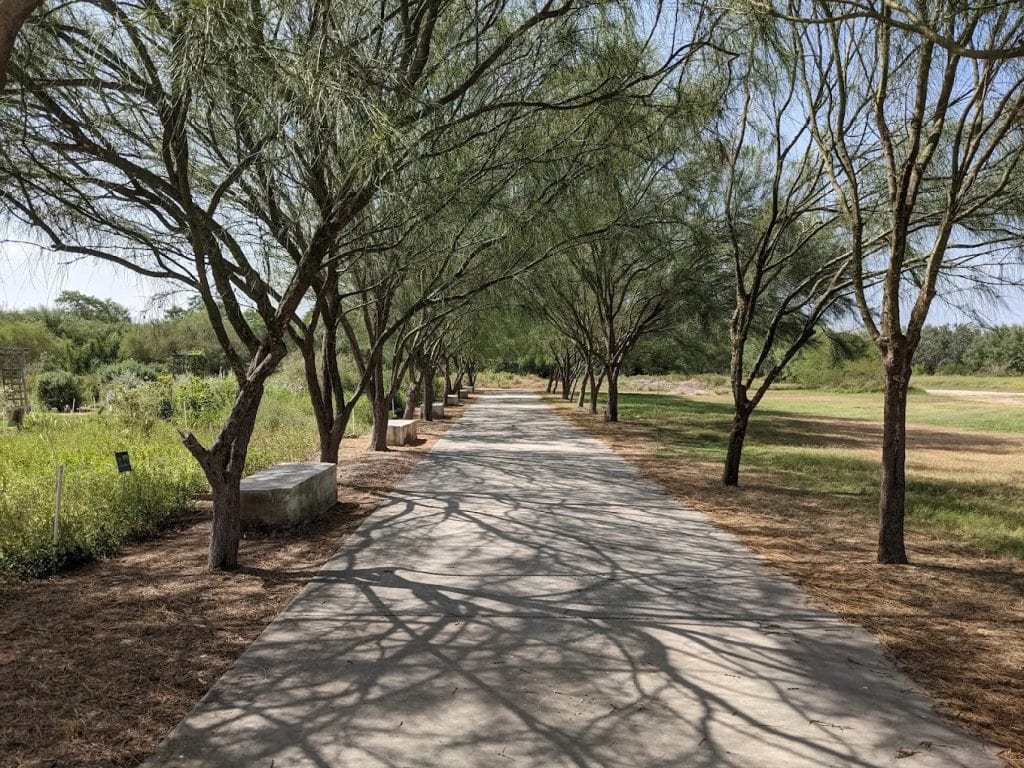
The National Butterfly Center is not a butterfly house. This distinction matters. Visitors won’t find butterflies enclosed in a glass conservatory.
Everything here is wild and free-roaming, part of the same ecosystem that extends into the surrounding conservation corridor.
The trails wind through restored habitats where different butterfly species concentrate depending on season and weather.
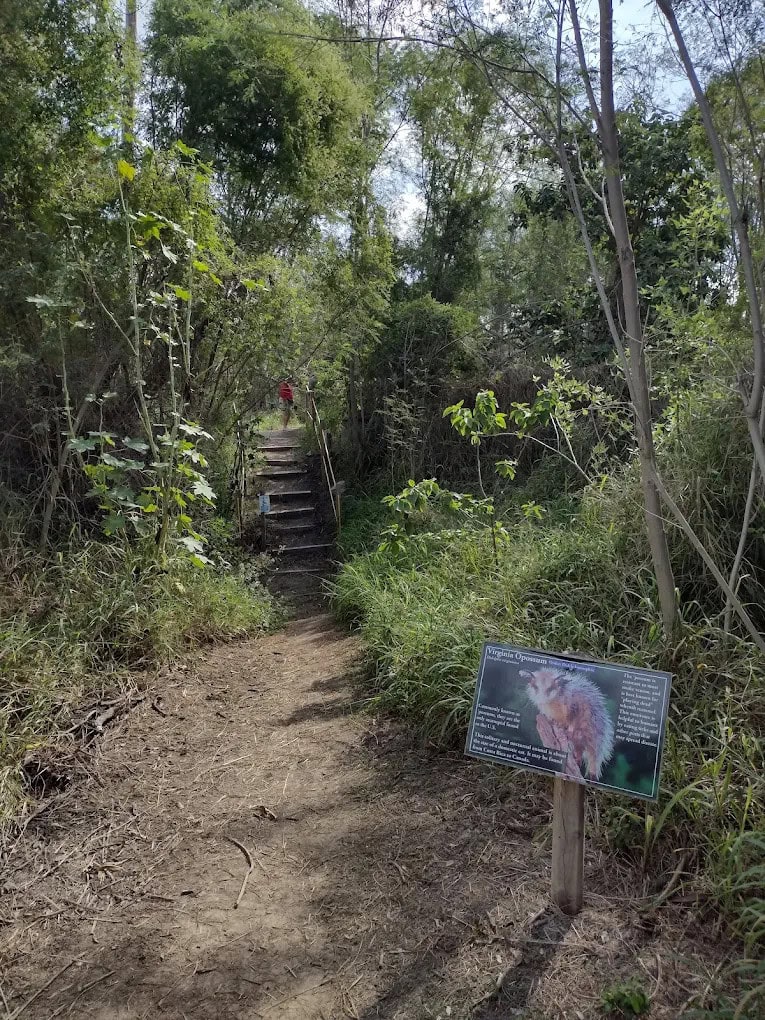
The Lower Hackberry Trail passes through a forest where staff applies “banana brew”—a mixture of overripe bananas, brown sugar, and dark beer—to logs and branches, mimicking rotting fruit nectar.
Other trails lead through meadows where yellow butterflies hover above tangles of native plants.
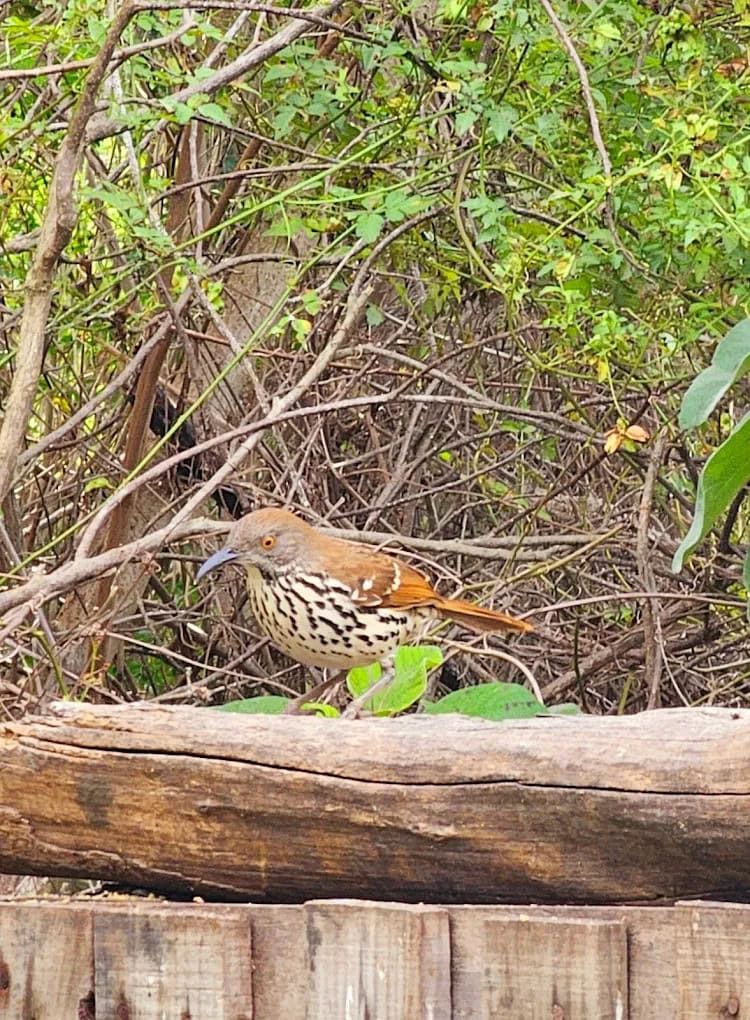
Two designated birding areas and a photography blind accommodate visitors who want to observe without disturbing the wildlife.
Best Times to Visit
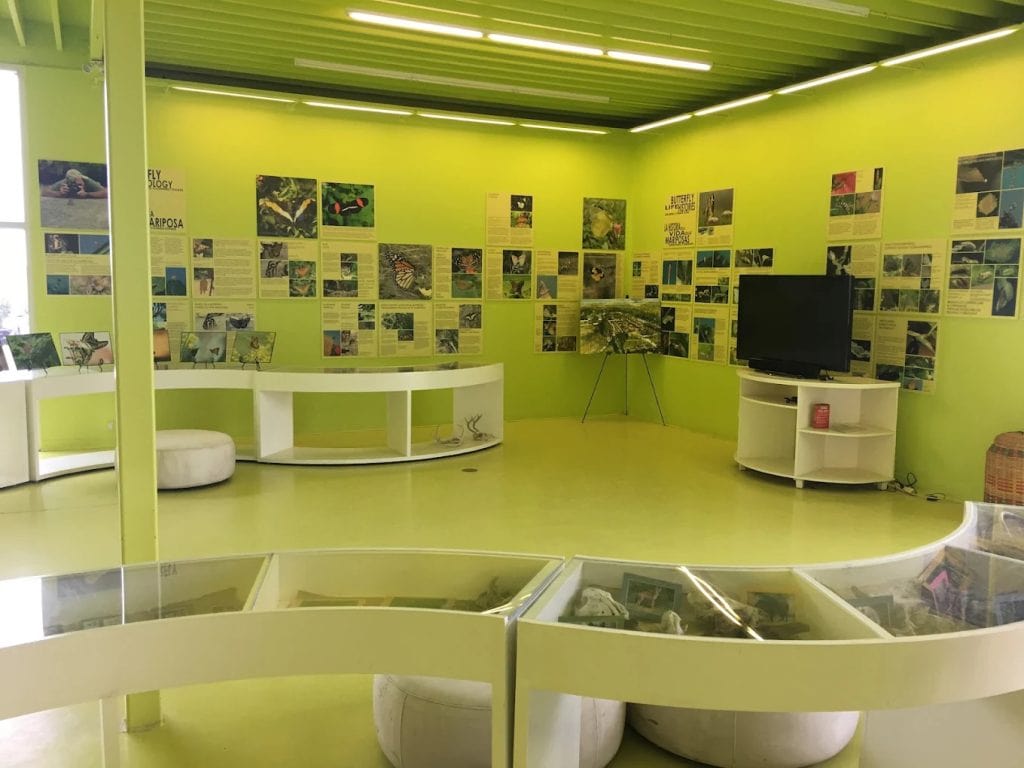
Butterflies prefer sunny days with temperatures above 70 degrees. The peak of butterfly season typically occurs in late October and early November and may continue until the first prolonged cold snap.
But the subtropical climate means productive viewing is possible year-round, unlike northern locations where butterflies disappear entirely during winter months.
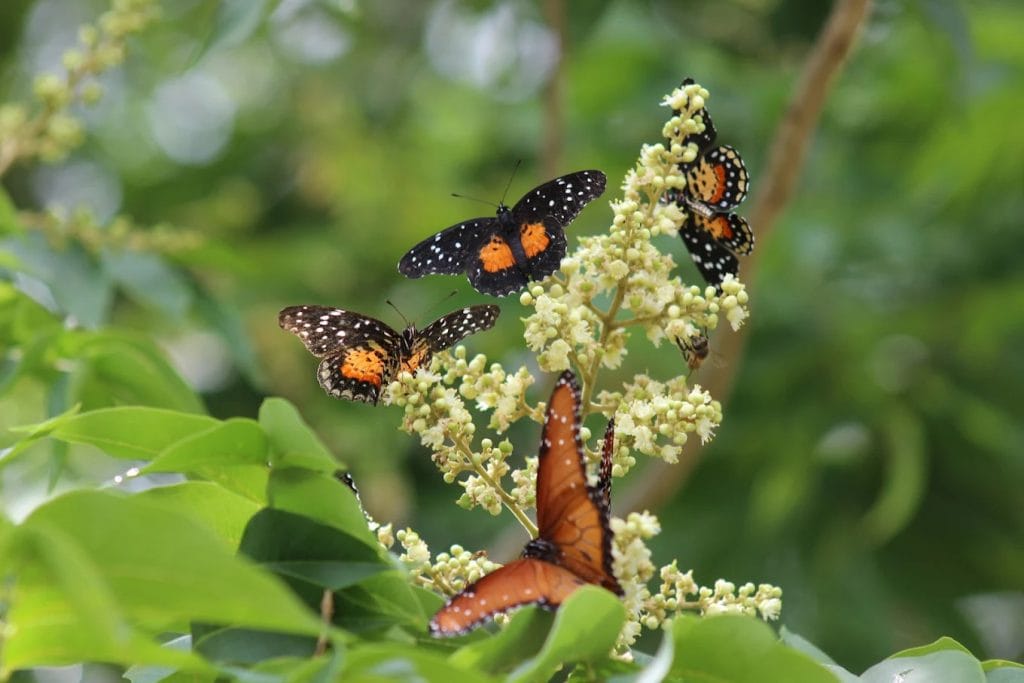
Warm sunny mornings tend to be the most active. After rainfall, when flowers bloom fresh, butterfly activity often increases.
The annual Texas Butterfly Festival, held each November at the National Butterfly Center, attracts attendees from across the country.
The event features field trips led by world-class experts, educational activities, a photo contest, and a free Community Day. The 29th annual festival is scheduled for November 1-4, 2025.
Beyond Butterflies
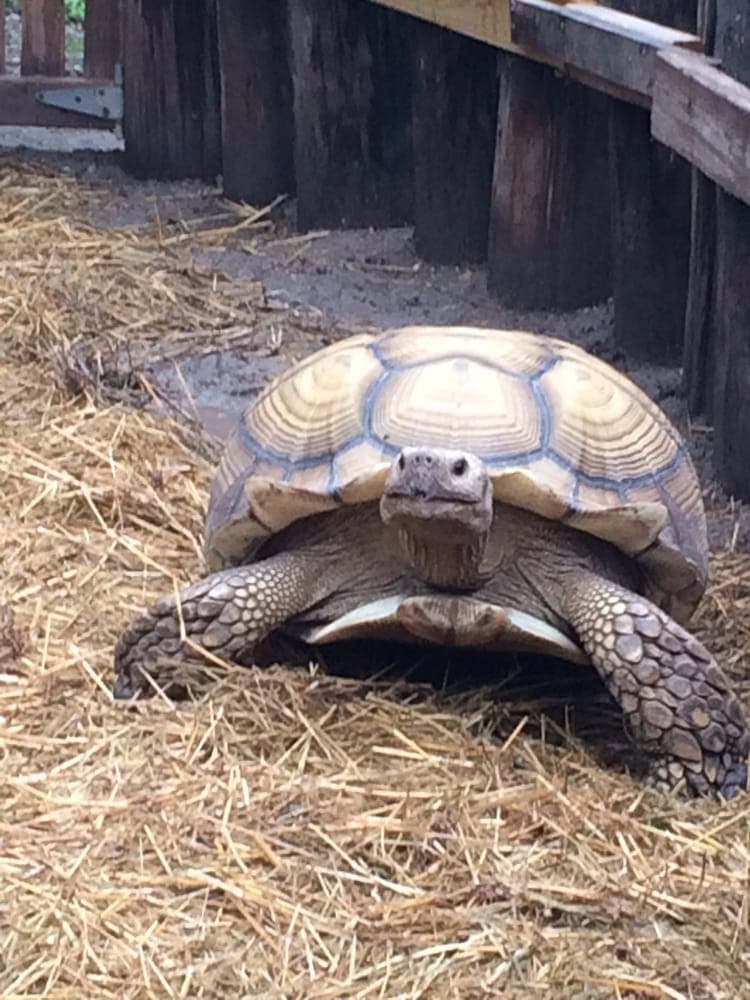
The habitat restoration has attracted bird species that cannot be seen anywhere else in the continental United States.
Green jays with sapphire heads and emerald-green overfeathers hop through the branches. Chocolate-colored chachalacas issue their discordant calls.
The preserve’s bird checklist documents nearly 300 species; a dragonfly checklist records approximately 60.
For photographers and birders, the center offers year-round opportunities unavailable elsewhere in Texas.
Visiting Information
The National Butterfly Center is open seven days a week, 8:00 AM to 5:00 PM, except during severe weather and some holidays. Call ahead if in doubt.
General admission is $10 for adults and $5 for children ages 5-12. Children aged 4 and under enter free. A week pass costs $35.
Local residents of Hidalgo, Cameron, Willacy, and Starr counties receive reduced rates with ID: $5 for adults, $2.50 for children. Winter Texans who present their park badges qualify for local rates.
Group rates are available for parties of ten or more who schedule educational tours and activities in advance. Professional nature and portrait photographers pay a fee starting at $75.
For more information about the National Butterfly Center in Mission, visit nationalbutterflycenter.org or call 956-583-5400 for seasonal sightings, events, and conservation updates.
Use the map to explore the surrounding Rio Grande Valley nature sites and nearby Mission communities that make this region a biodiversity hotspot.
Where: 3333 Butterfly Park Drive, Mission, TX 78572
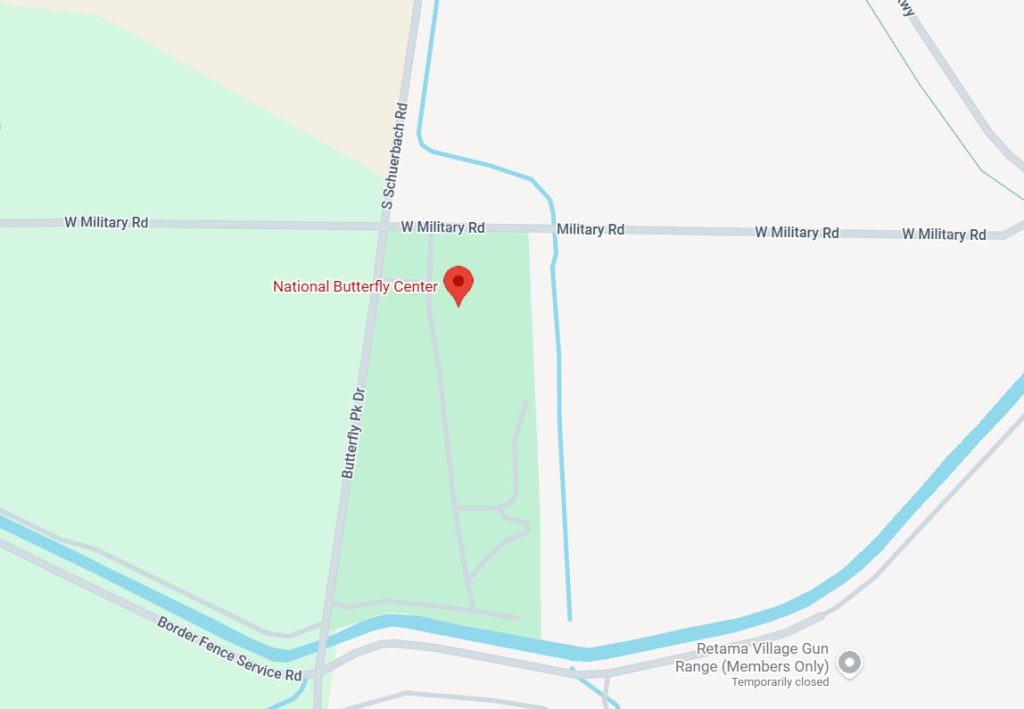
The National Butterfly Center isn’t just a garden—it’s a living sanctuary where native plants, migrating butterflies, and South Texas wilderness come together in what may be the most biodiverse butterfly habitat in the United States.
Featured image credits: Cheri Freeman

Stella Raines
Editor-in-Chief
Stella brings over a decade of storytelling experience to TX Headlines. With roots in West Texas and a love for road trips, she leads the editorial team with an eye for the hidden stories that make Texas unforgettable.
More Stories
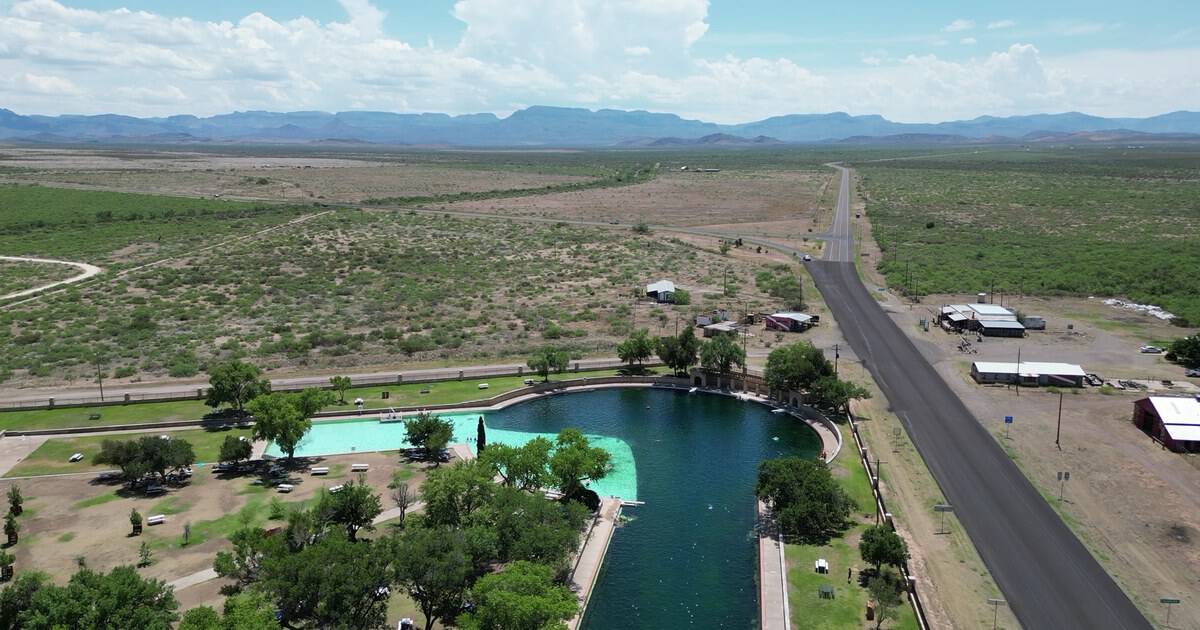
This Crystal-Clear West Texas Pool Is the World’s Largest Spring-Fed Swimming Hole, and It Stays 72 Degrees Year-Round
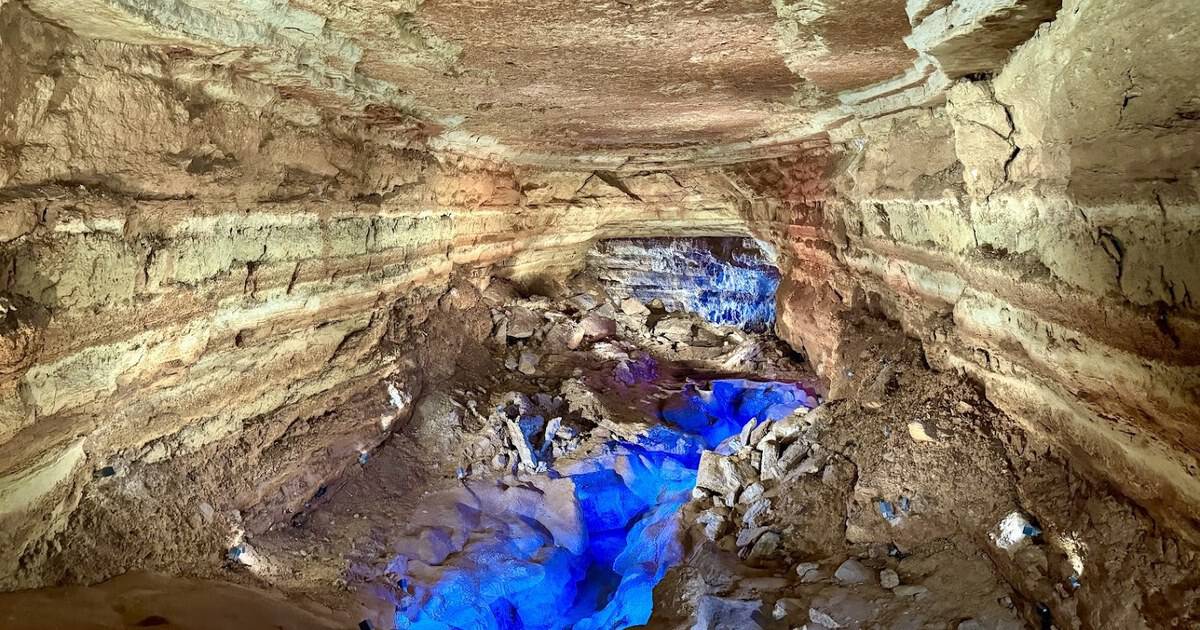
This Adventurous Texas Cavern Hides Glowing Blue Pools 180 Feet Underground
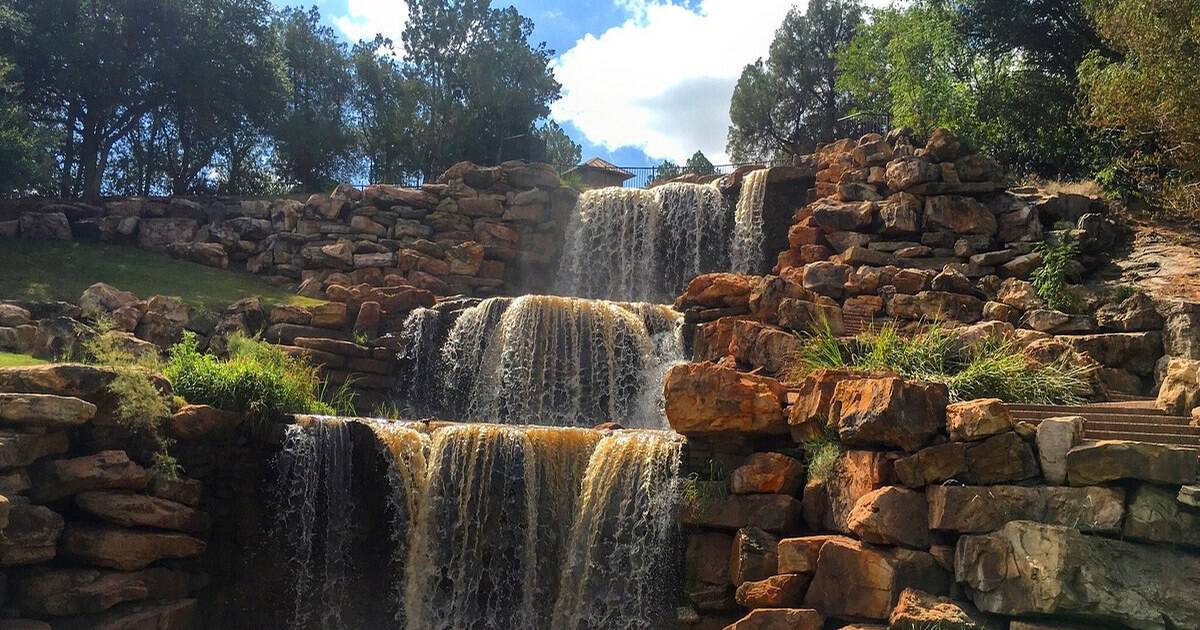
This Quiet North Texas Park Ends a Swaying Bridge at a 54-Foot Waterfall
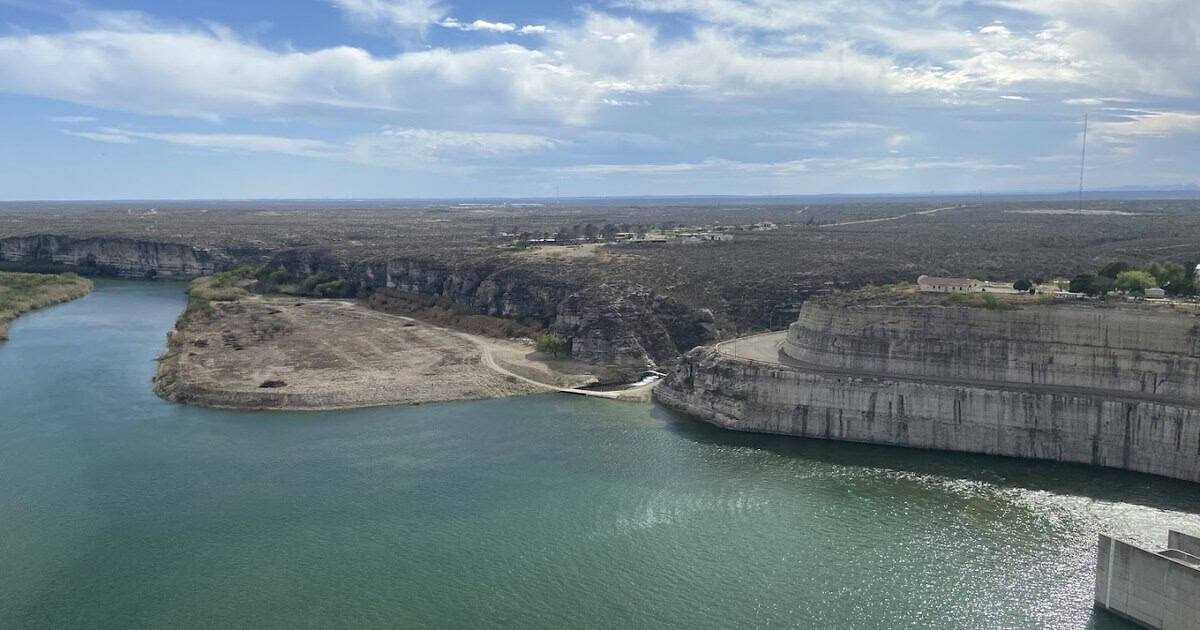
This Crystal-Clear Texas Lake Is the Deepest in the State, and Its Water Is Clear Enough for 100-Foot Dives
Tags