This Remote Texas Observatory Lets You See Saturn’s Rings and Distant Galaxies With Your Own Eyes
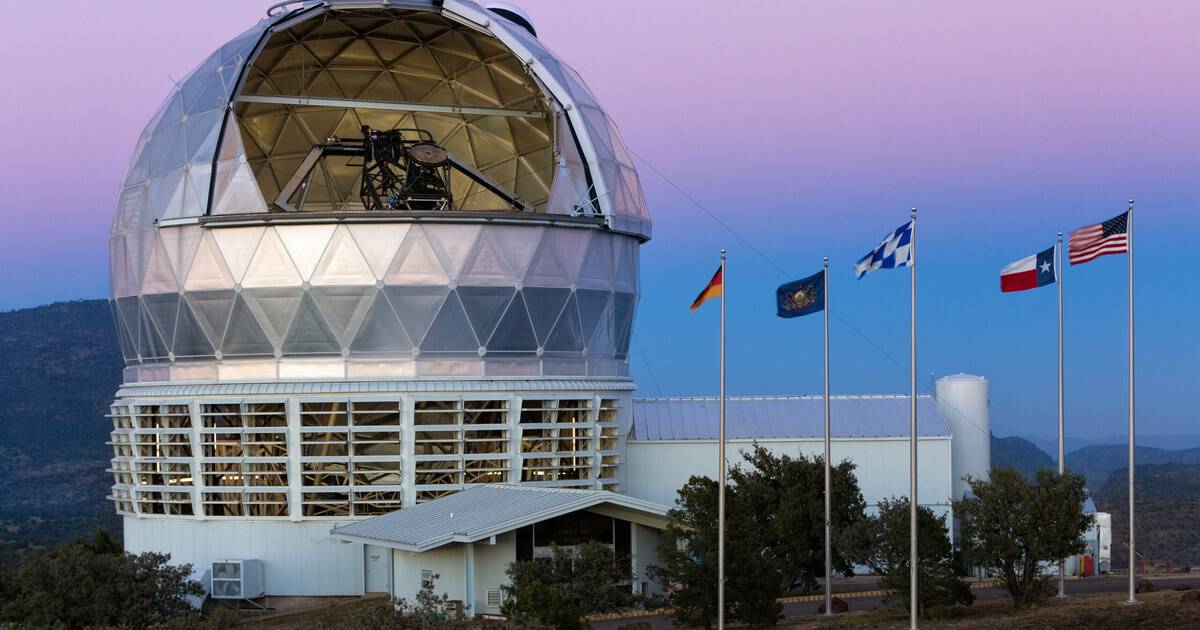
I have chased dark skies my whole life. Grow up under city lights and the Milky Way is just a rumor, a faint smudge you half believe in until you finally drive far enough to meet the real thing.
For Texans, the surest place to keep that promise sits on a mountaintop in the Davis Mountains. McDonald Observatory is a working research station that throws open its telescopes to the public, and the draw is a genuine star-drenched darkness you cannot find near any city.
Come at the right hour and the sky here goes deeper than you knew a sky could go, thousands of stars overhead. Below, I’ll walk you through the famous Star Parties, the giant research domes, its history, and how to plan your own night under these skies.
A Night at the Star Party
The Star Party is the reason most people make the drive, and it is worth every mile. Three nights a week, a guide gathers everyone into an open-air amphitheater as the last light drains from the sky.
Before full dark there is a short twilight program, a warm-up while your eyes adjust and the first bright planets appear. The guides use the fading light to explain what the night will hold, so nobody is fumbling in the dark wondering what they are looking at.
Then the real show begins. Your host lifts a giant green laser, the beam reaching up like a pointer that touches the actual stars, and traces the constellations one by one. You learn to find Scorpius, Sagittarius, and the swan-shaped Cygnus flying down the Milky Way.
The quiet is the part that gets me. Out here the sky is so dark that the Milky Way can cast a faint shadow, and you can watch satellites drift silently between the stars while the guide talks you through what you are seeing.
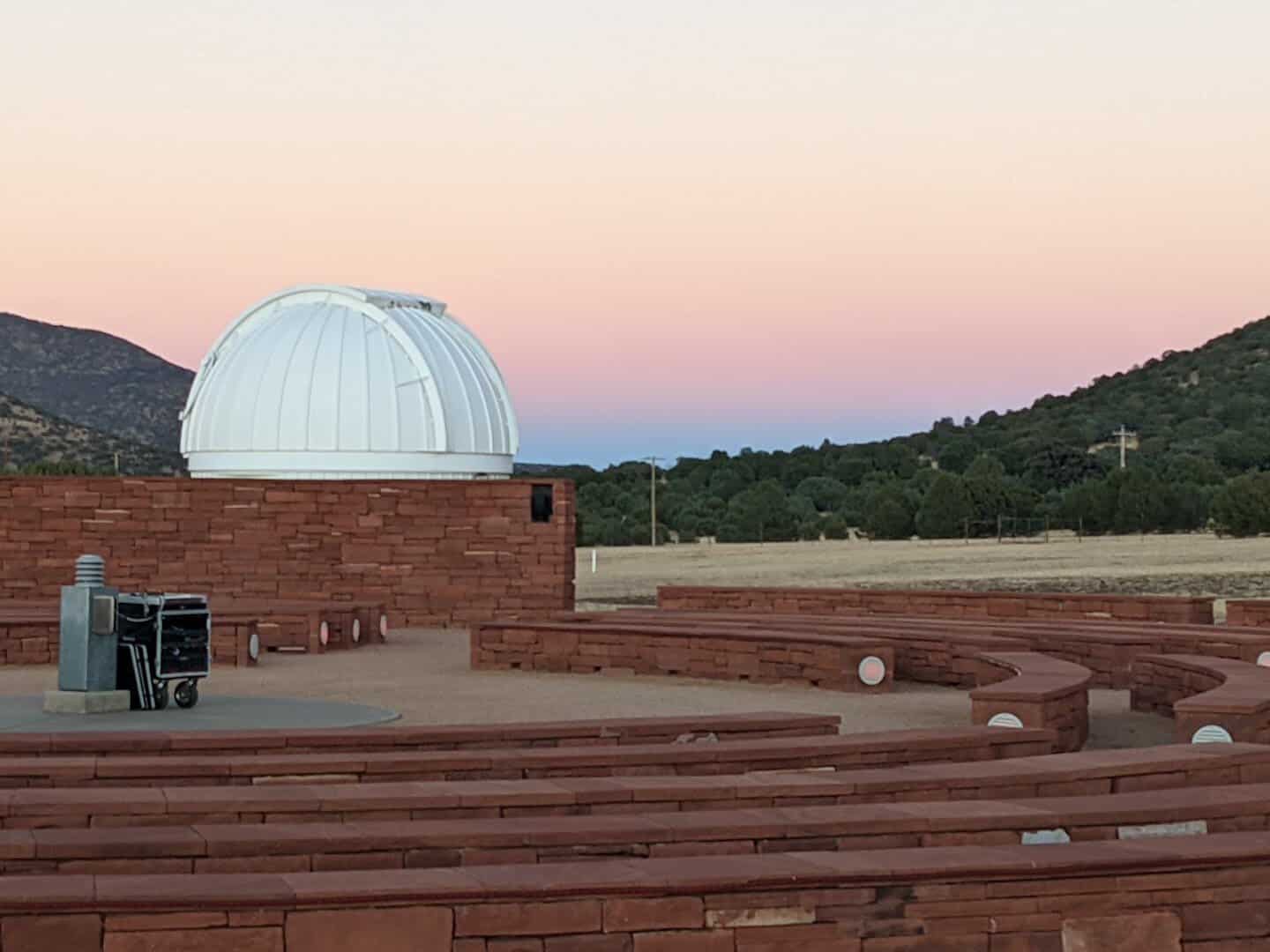
After the constellation tour, everyone fans out to the telescopes waiting in the Rebecca Gale Telescope Park behind the visitors center. Volunteers stand ready at each one, having already aimed them at the best targets of the night.
Step up to the first eyepiece and Saturn hangs there with its rings tilted and sharp, a tiny perfect toy. At the next scope, Jupiter shows its cloud bands and four of its moons strung out in a line, exactly the way Galileo first saw them.
Down the row waits the Ring Nebula, a ghostly smoke ring left behind by a dying star, and a glittering cluster of stars so tight it looks like spilled sugar. Each telescope is a different door onto the same enormous sky.
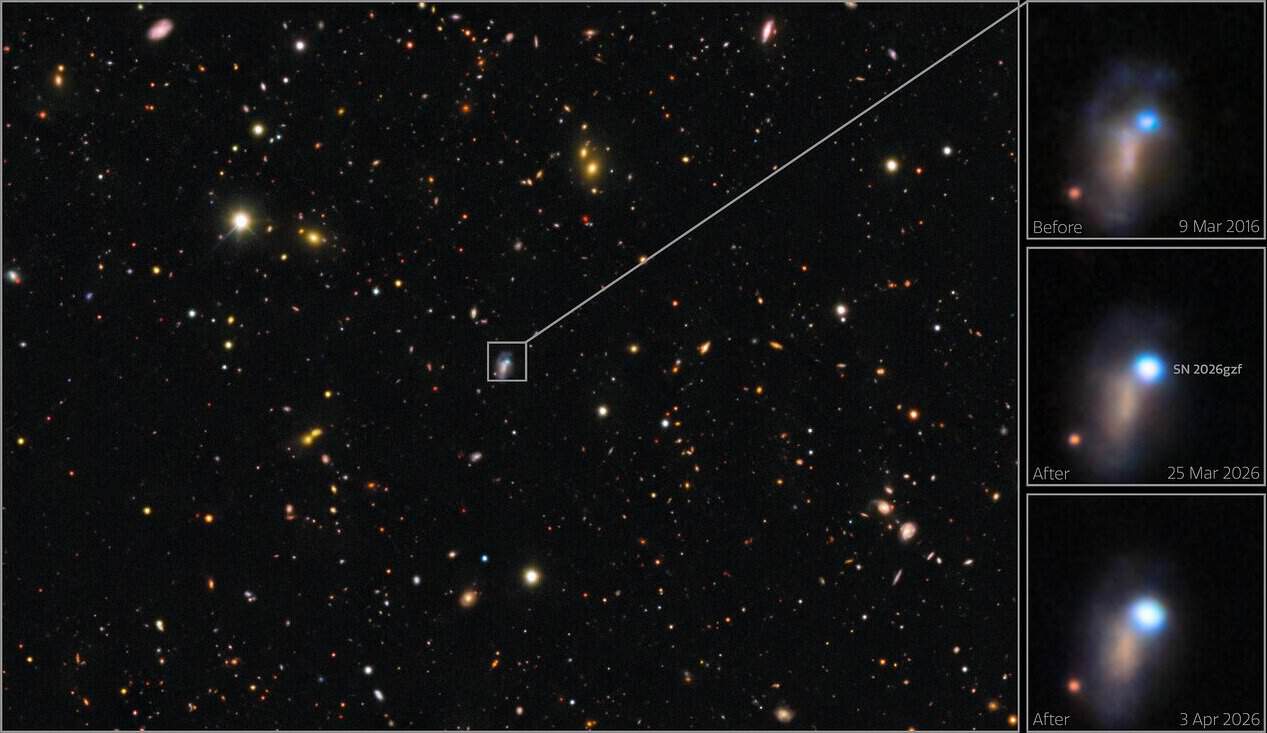
On the darkest nights the guides swing a scope toward a distant galaxy, a faint oval of light that turns out to be billions of stars too far away to tell apart. You are catching light that set out before there were people here to look for it.
The volunteers clearly love this part, nudging a scope and grinning every time a new person leans in and goes quiet. The light reaching your eye from Saturn left the planet about ninety minutes earlier. A small fact, but in the cold dark it lands like something enormous.
Whole families move down the line together, kids on tiptoe at the eyepieces, and nobody is checking a phone because the screens would wreck everyone’s night vision. For two hours the only glow allowed is the dim red of the guides’ flashlights and the stars themselves.
Where the Dark Skies Come From
You can only see all of this because the darkness here is protected on purpose. The Davis Mountains sit far from any big city, and the observatory has spent years fighting to keep it that way.
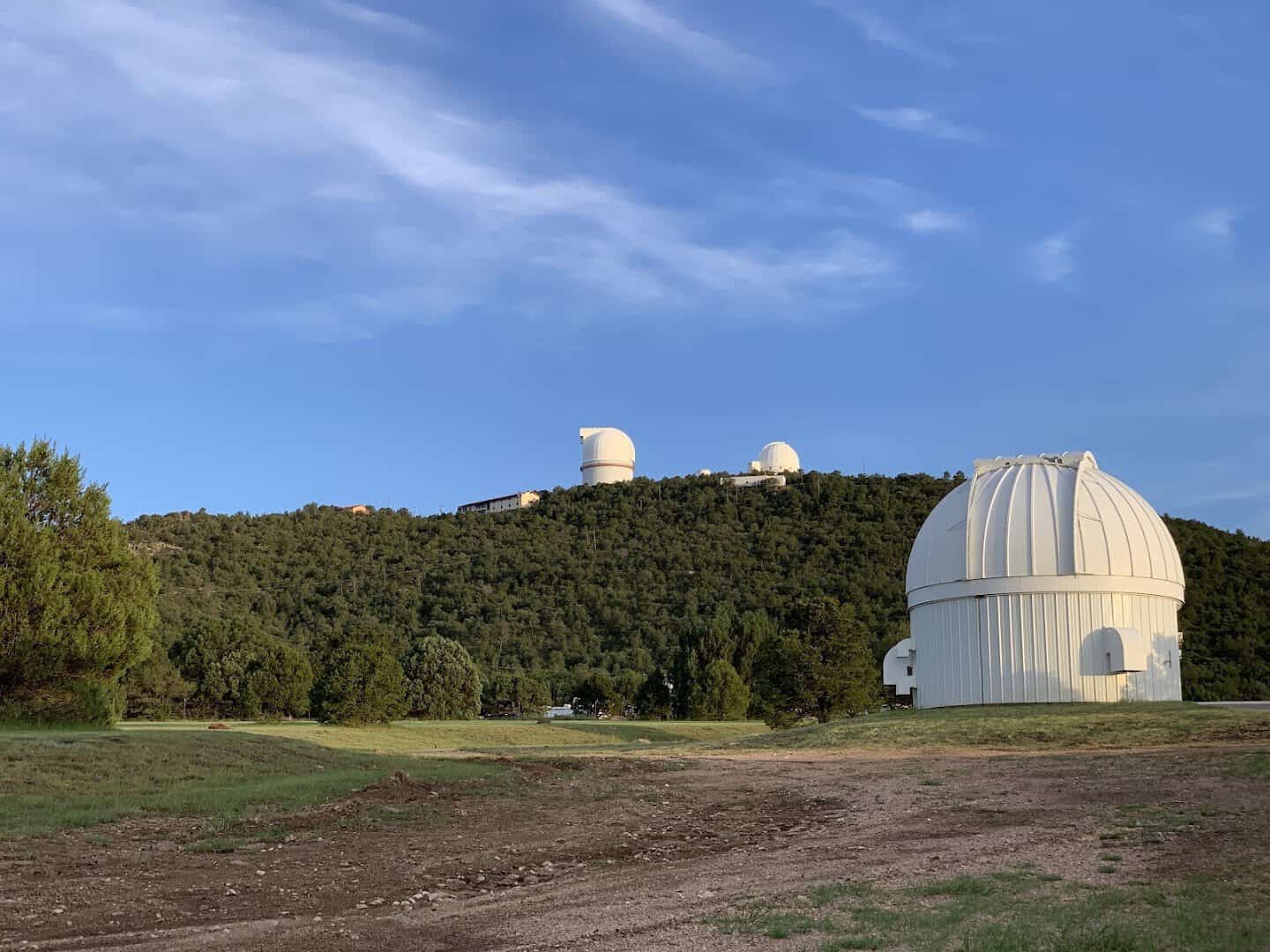
In 2010 the observatory launched its Dark Skies Initiative, working with nearby towns, ranches, and even oil operations across the Permian Basin to shield outdoor lights and point them down. The result is one of the darkest night skies left in the continental United States.
Astronomers measure sky darkness on a scale from one to nine, where one is the blackest sky on Earth. West Texas nights up here land near the very top of that scale, which is why both researchers and stargazers guard it so fiercely.
The darkness draws amateur astronomers too. Since 1979, hundreds of them have hauled their own telescopes out to the nearby Davis Mountains each spring for the Texas Star Party, a legendary week of camping and stargazing under skies most people never get to see.
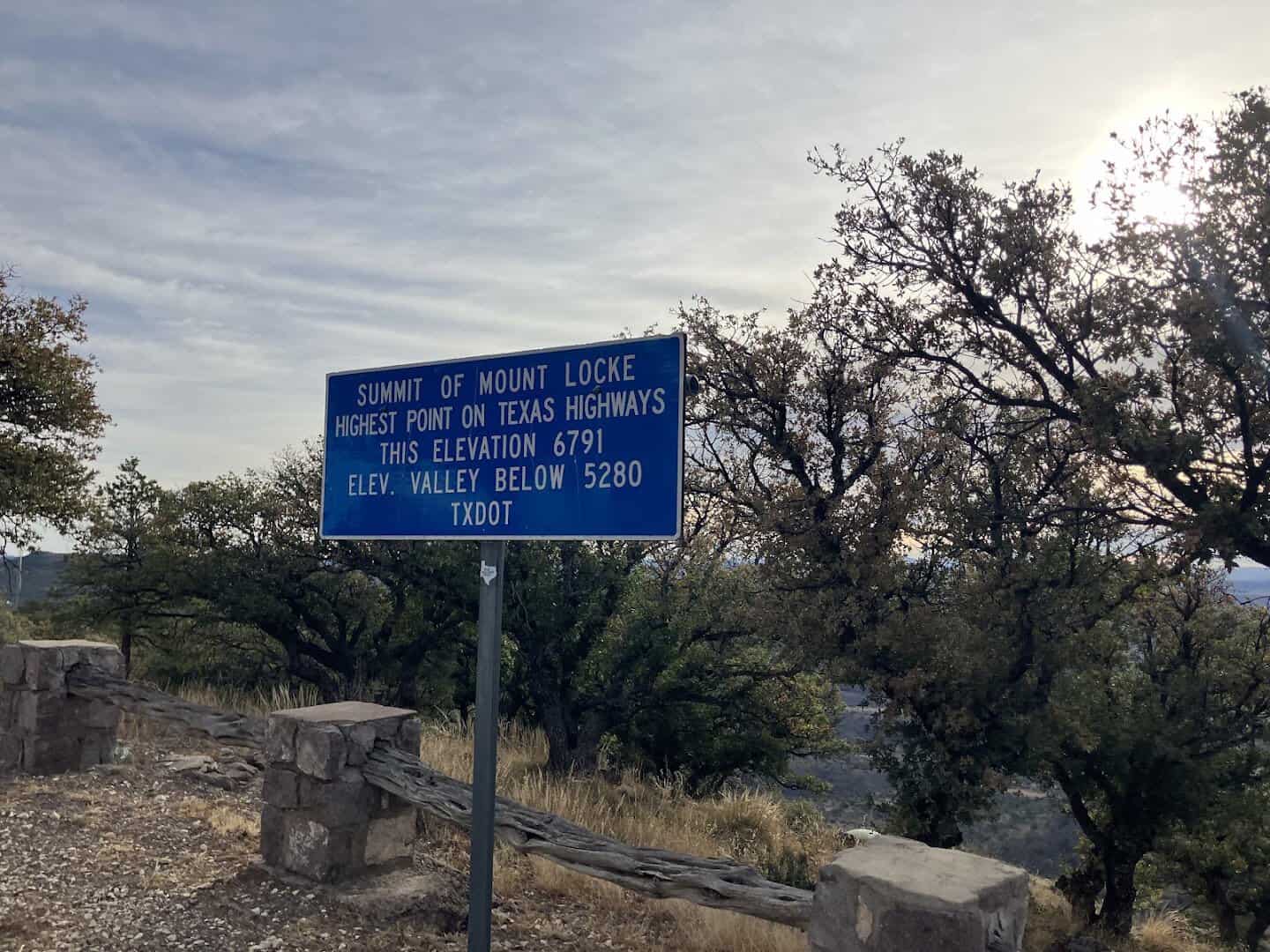
Did you know? The observatory sits high on Mount Locke, whose summit rises to about 6,790 feet. That altitude lifts you above a good chunk of the atmosphere’s haze, making the stars steadier and brighter than they are down on the plains.
The Giant Telescopes on the Mountain
By day, the same mountain reveals its other life as a serious research observatory operated by the University of Texas at Austin. Guided tours take you up to the great white domes that crown the ridgeline.
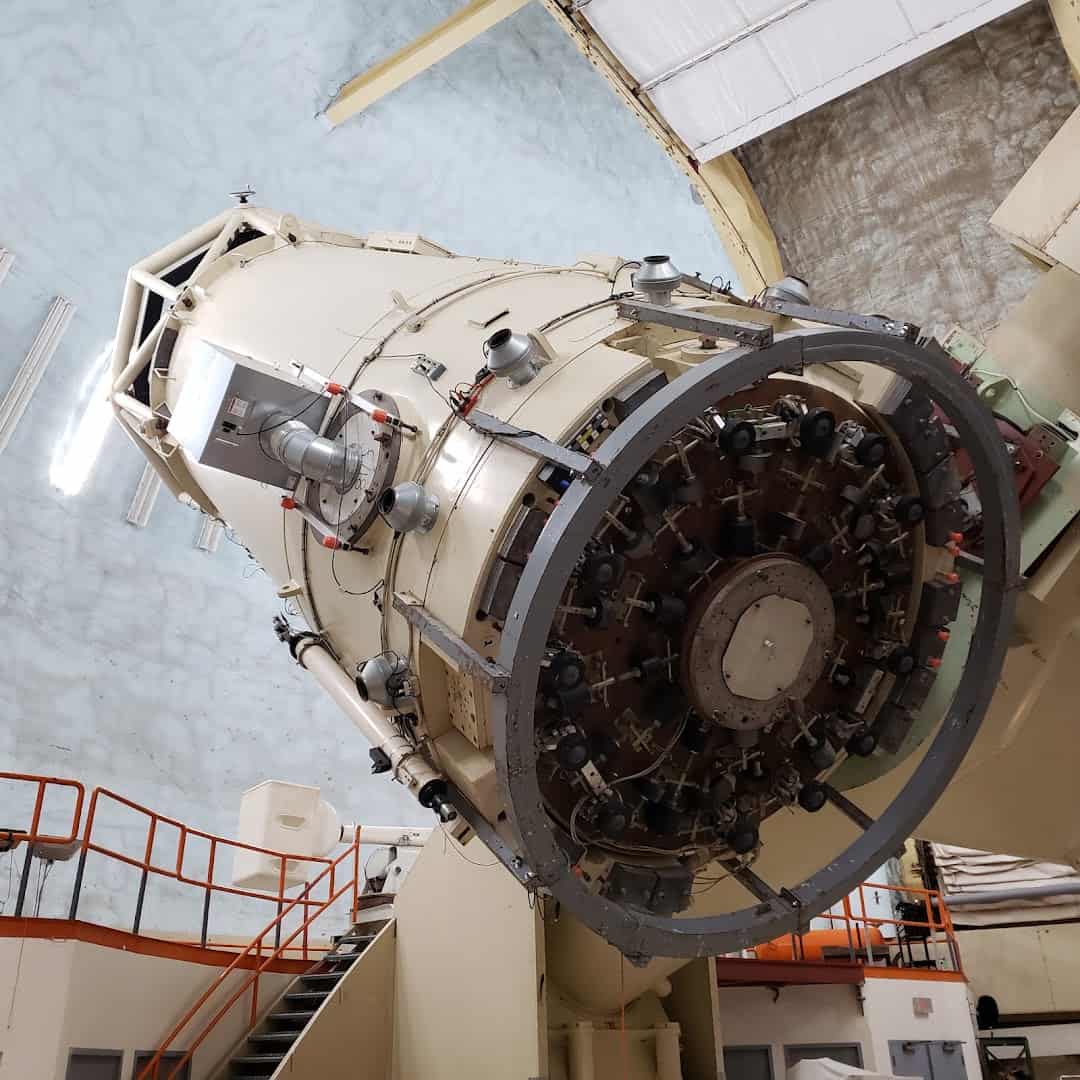
The elder of the pair is the Otto Struve Telescope, an 82-inch giant dedicated in 1939. When it first opened its shutter it was the second largest telescope in the world, and its mirror was ground and fitted by the Warner and Swasey Company of Cleveland.
Nearby stands the Harlan J. Smith Telescope, a 107-inch instrument finished in 1968. NASA helped pay for it so astronomers could map the Moon and planets before spacecraft were sent to visit them, and its mirror later helped bounce laser beams off reflectors the Apollo crews left behind.
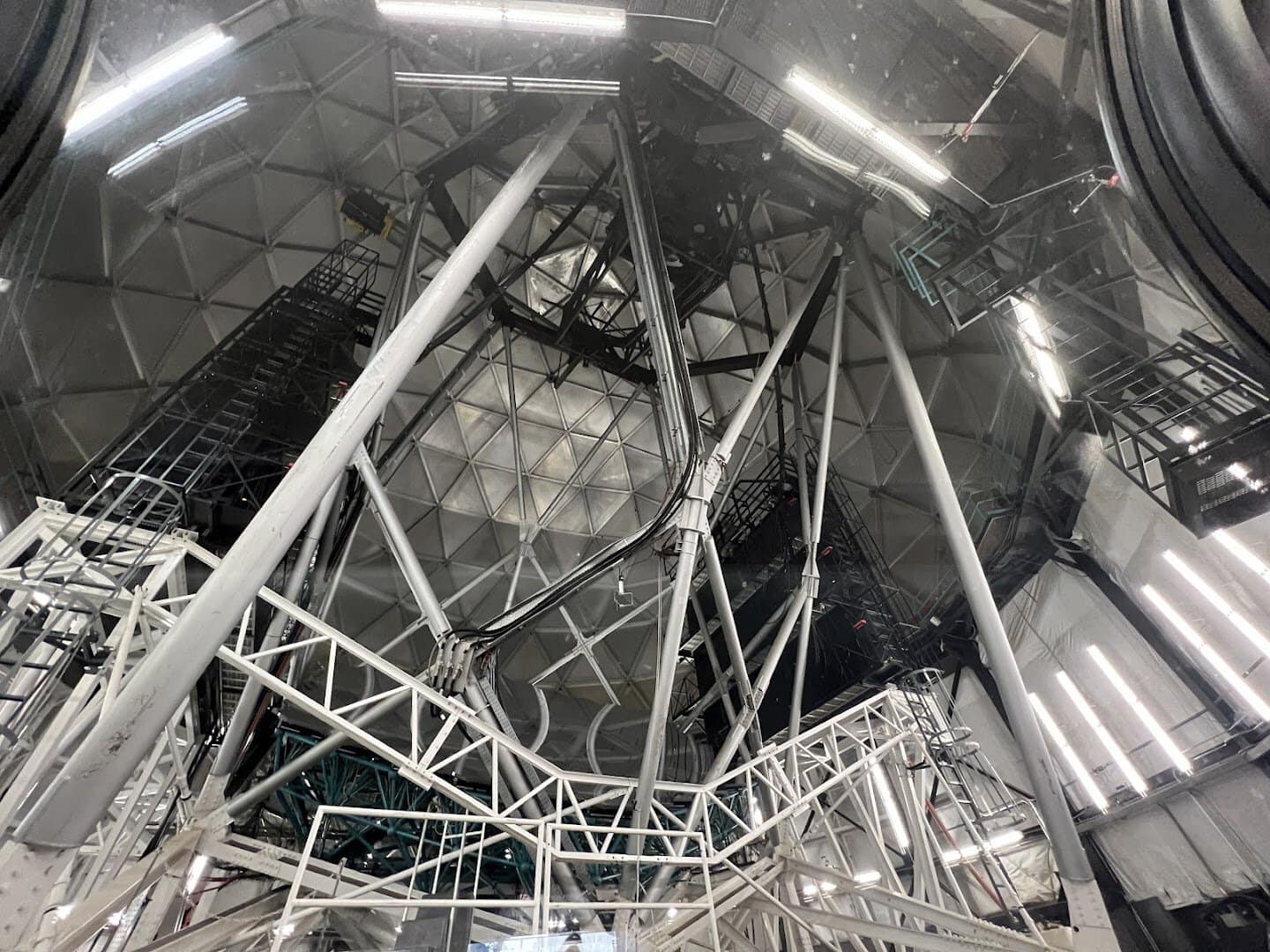
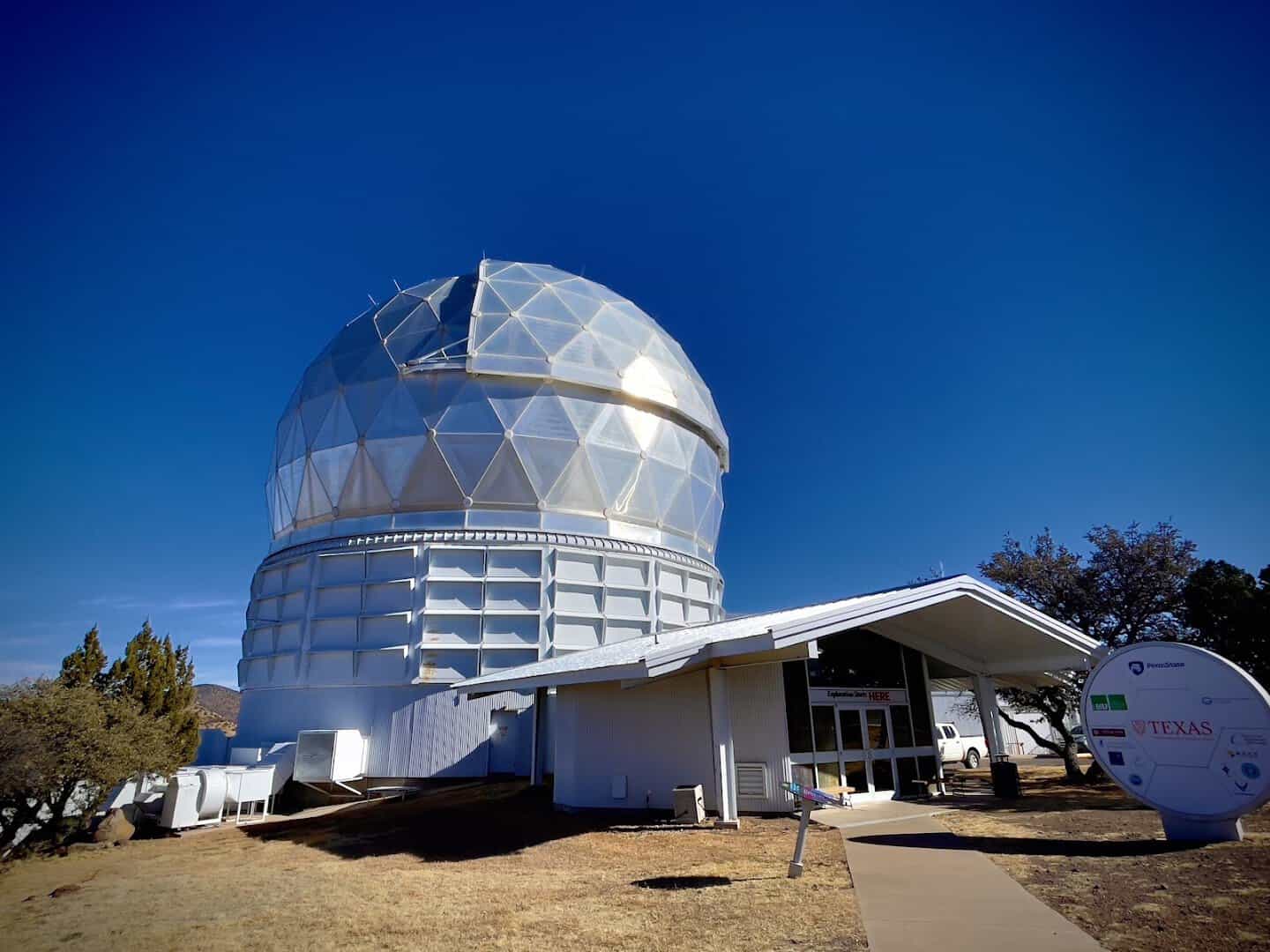
The true giant sits on a neighboring peak called Mount Fowlkes. The Hobby-Eberly Telescope, dedicated in 1997, carries a segmented mirror about 10 meters across, making it one of the largest optical telescopes anywhere. Today it hunts for clues about the mysterious dark energy pushing the universe apart.
Standing beneath a dome that size, listening to it rumble as the roof rotates, you feel very small in the best possible way. These are not museum pieces. Real discoveries are still being made here on clear nights.
On select evenings the observatory runs Special Viewing Nights that put small groups at the eyepiece of the historic research telescopes on the summit. You look through the same instruments the professionals use. Those nights sell out early, so grab one if the timing lines up.
The Banker Who Started It All
The whole observatory traces back to one unlikely person. William Johnson McDonald was a bachelor banker in Paris, Texas, a small town in the far northeast corner of the state, who quietly loved science.
When he died in 1926 at the age of 81, his will left the bulk of his fortune, around 850,000 dollars, to the University of Texas to build an astronomical observatory. His relatives contested it, but after a long legal fight the university kept enough to make his dream real.
There was one problem. The university had no astronomers of its own at the time. So in 1932 it struck a deal with the University of Chicago, where Texas would build the telescope and Chicago would supply the scientists to run it.
The astronomer who led the search for a site was Otto Struve, a Russian-born stargazer from a long line of astronomers. He scouted the clear, high desert of the Davis Mountains and chose Mount Locke, and the observatory has been reaching for the stars from that peak ever since.
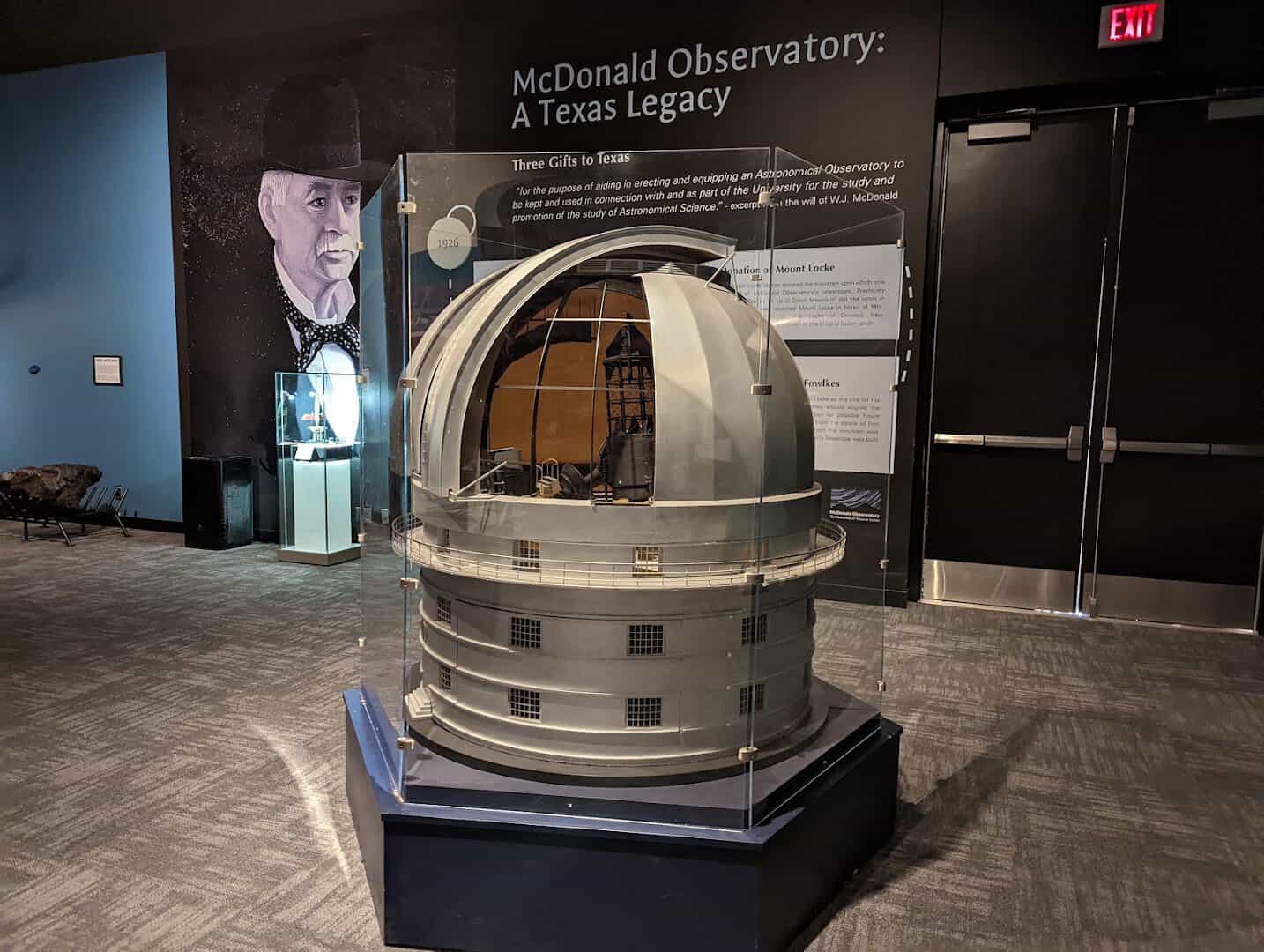
It is a lovely irony that a banker who never studied astronomy gave Texas one of the great observatories on the planet. McDonald reportedly spent his own evenings reading about the stars, and his gift turned that quiet hobby into a place where the whole state can share the view.
The Sun Gets a Turn Too
You do not have to wait for dark to enjoy a visit. On clear days the visitors center hosts solar viewing sessions, usually late morning and early afternoon, using telescopes fitted with heavy filters that make it safe to stare straight at our nearest star.
Through those filters the Sun turns into a living thing. You can watch dark sunspots freckling its face and fiery loops called prominences arcing off the edge, a reminder that the star lighting your picnic is a churning ball of plasma.
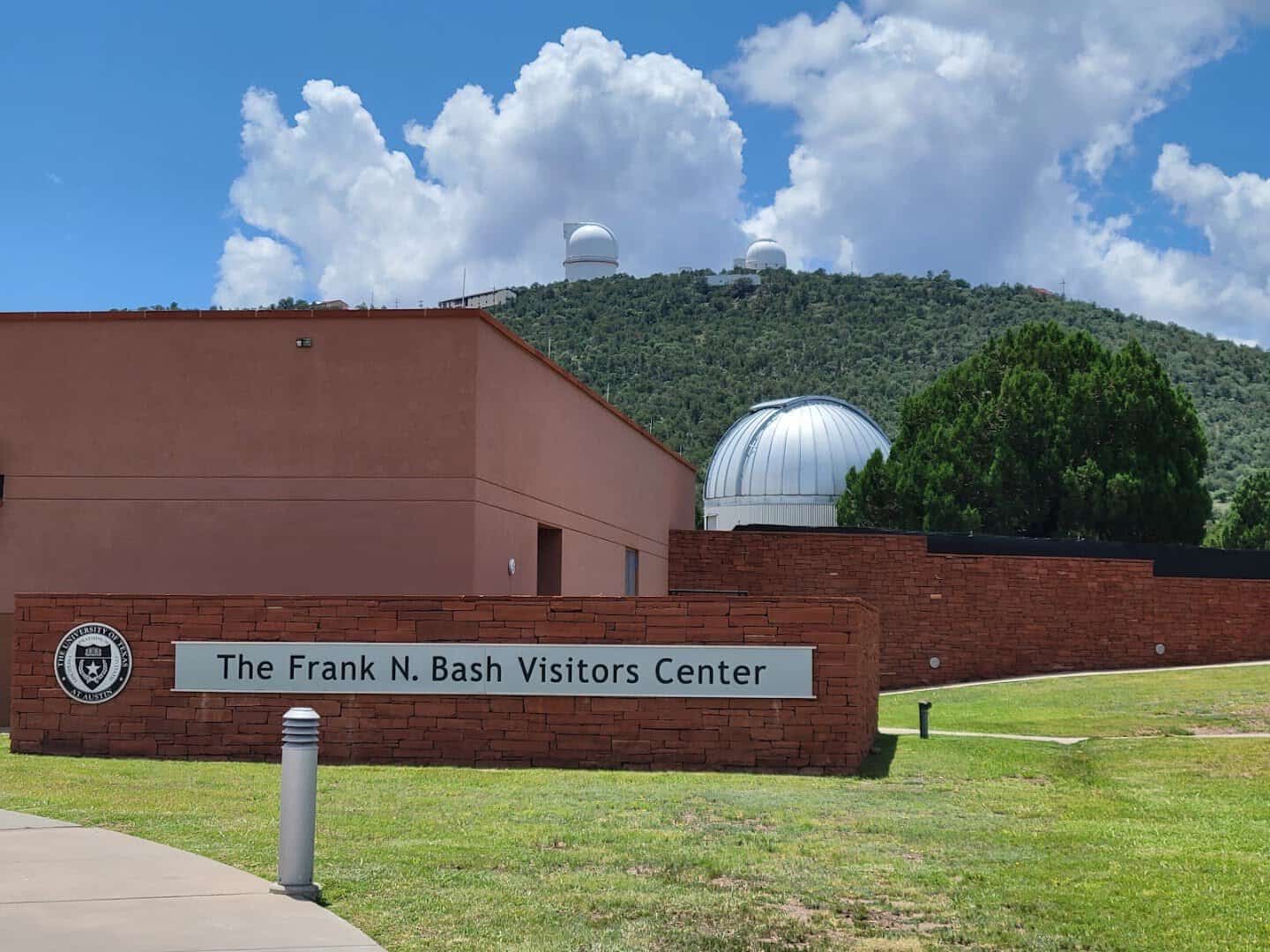
Inside the Frank N. Bash Visitors Center you’ll find hands-on exhibits, a theater, and the StarDate Cafe, named for the observatory’s long-running radio program that has been sharing a daily minute of sky news for decades. Grab a coffee and a green-chile something before the evening program.
Pro tip: bring layers, and then bring more layers. Even in summer, the temperature on the mountain drops hard after sunset, and standing still at a telescope for two hours in the mountain wind gets cold faster than you expect.
Planning Your Trip Up the Mountain
Star Parties run on Tuesday, Friday, and Saturday nights and last about two hours, though start times shift with the seasons as sunset moves earlier and later through the year. Tickets are gentle on the wallet, generally somewhere between 5 and 25 dollars depending on age and program.
Book ahead. The parties are popular and regularly sell out around spring break, holidays, and long weekends, so reserving your spot online before you drive out is the safe move. Everyone checks in first at the Frank N. Bash Visitors Center.
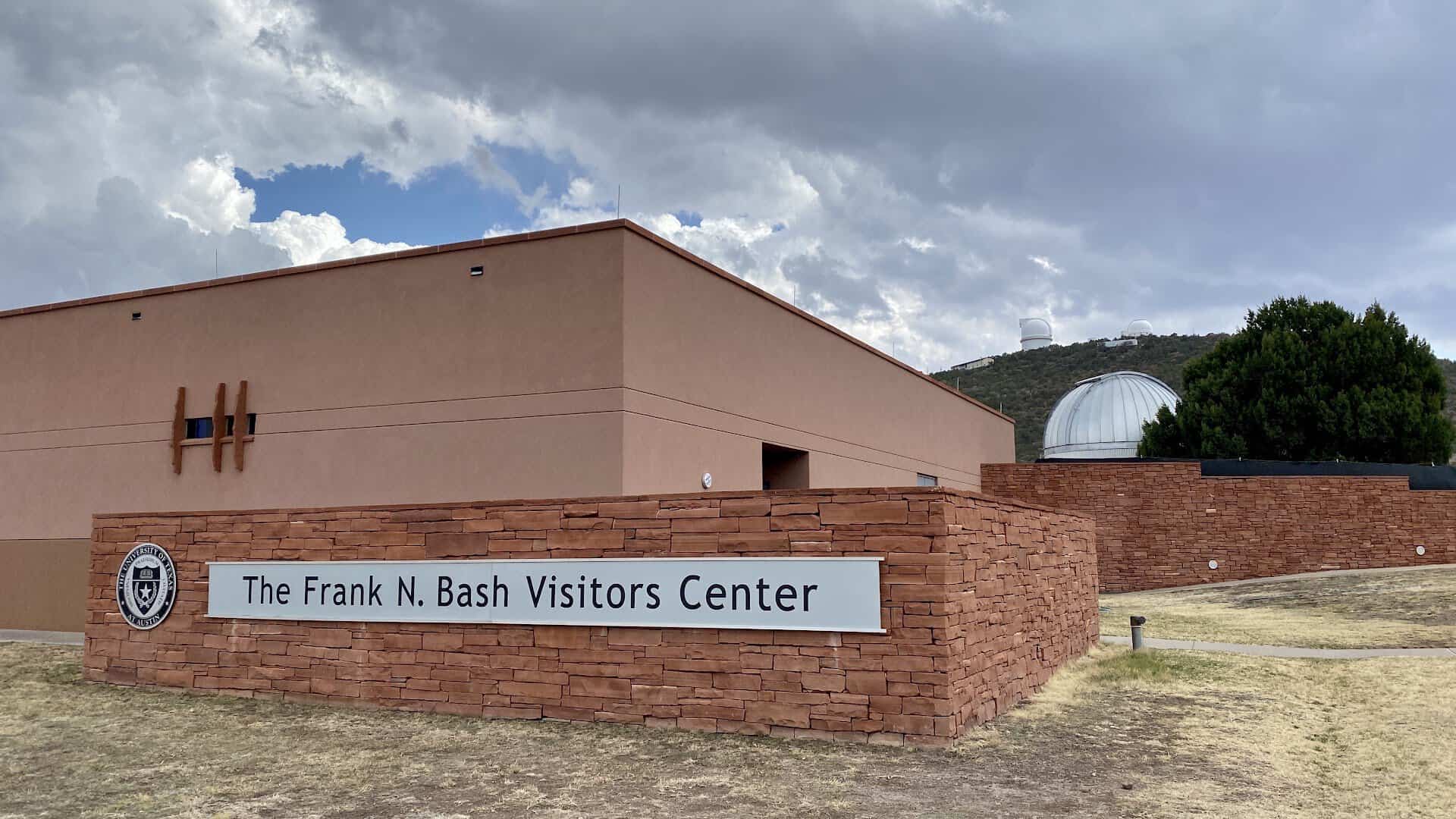
The observatory is remote by design, so plan your fuel, food, and lodging around the nearby town of Fort Davis or the artsy desert outpost of Marfa down the road. This is a place to slow down and stay a night or two, not to rush.
Try to time your trip near a new moon, when our own bright Moon is out of the sky. The darkness deepens and the fainter wonders like the full band of the Milky Way come roaring out. Clear, moonless nights here are the kind people remember for life.
How to Get There
Where: McDonald Observatory, 3640 Dark Sky Drive, Fort Davis, TX 79734
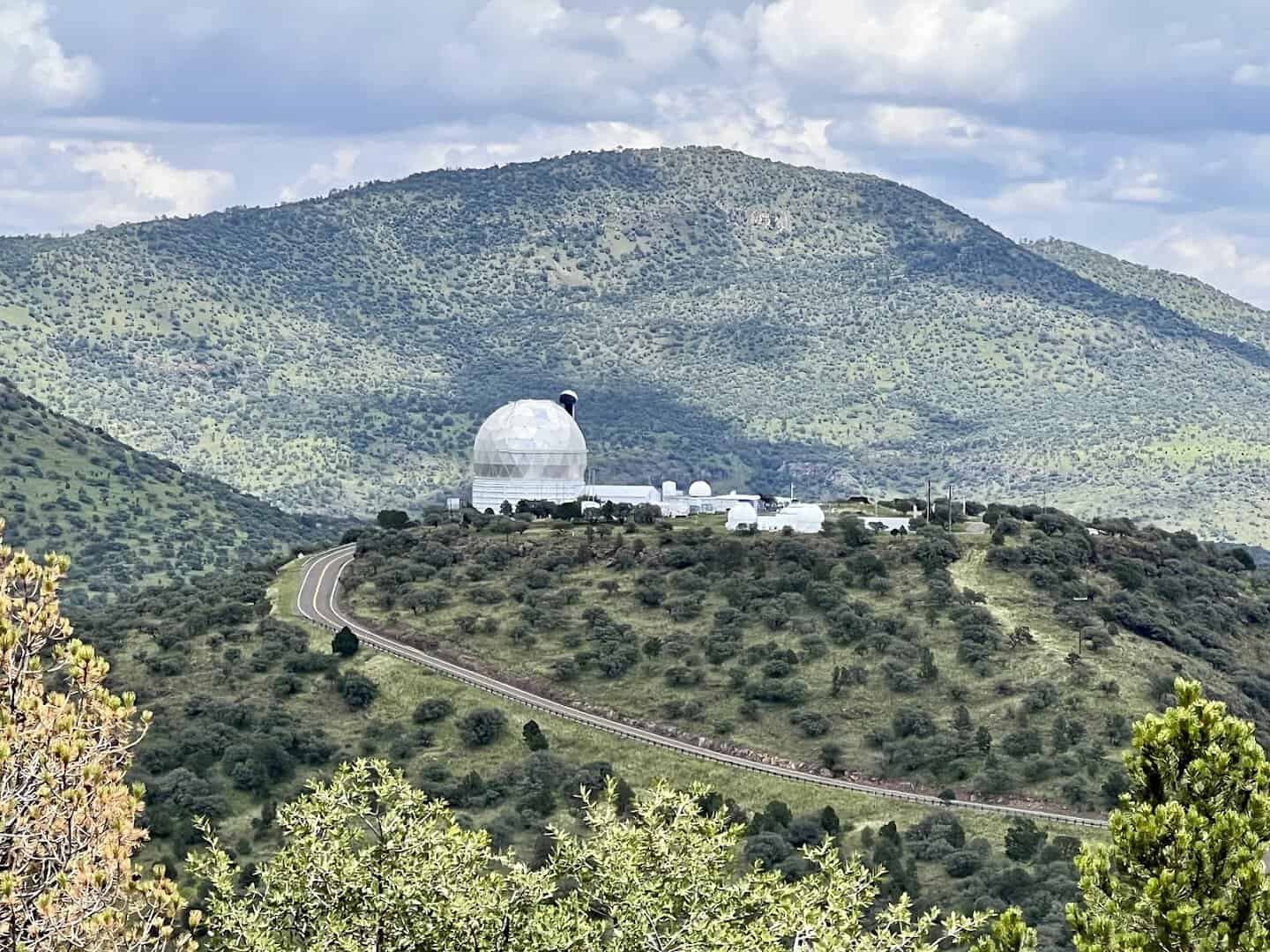
The observatory sits about 16 miles northwest of Fort Davis along State Highway 118, up a winding mountain road with pullouts for the views. From most of Texas it is a long haul into the Big Bend country, so most visitors fold it into a wider West Texas road trip.
That drive is half the fun. The road climbs through the Davis Mountains past ranchland and rock, and the scenic loop nearby is one of the prettiest stretches of pavement in Texas. By the time you reach the summit, you already feel like you have left the ordinary world behind.
Go See the Universe for Yourself
There is something humbling about standing on a Texas mountaintop and looking at light from a galaxy that left home millions of years ago. Whether you are a lifelong stargazer or have never found the Big Dipper, this place will crack the night sky wide open for you.
So pack a jacket, pick a clear night, and point your car toward the Davis Mountains. Go let the stars lean in and look back.
Featured image: @ McDonald Observatory

Stella Raines
Editor-in-Chief
Stella brings over a decade of storytelling experience to TX Headlines. With roots in West Texas and a love for road trips, she leads the editorial team with an eye for the hidden stories that make Texas unforgettable.
More Stories

This Historic Texas Market Is Full of Handmade Goods You Won’t Find in Any Store

This Pay-What-You-Want Texas Art Store Lets You Fill a Bag and Name Your Price
This Centuries-Old Texas Cathedral Transforms Into a Dazzling Light Show After Dark
This Charming Small Texas Town Guards the World’s Largest Pecan and the State’s Best Barbecue
Tags