This Longtime Texas Cuban Cafe Serves Authentic Sandwiches, Strong Espresso, and Homemade Plates Worth the Drive
I will happily drive an hour for good barbecue, and I have stood in my share of taco lines. But Texas sleeps on one of the best sandwiches you can eat here. Say the words Cuban sandwich and most people picture something they had once, on vacation, in Florida.
That is a genuine loss, because the best version of it might be sitting quietly in a Houston suburb, pressed to order in a kitchen that has been doing this the same way for decades.
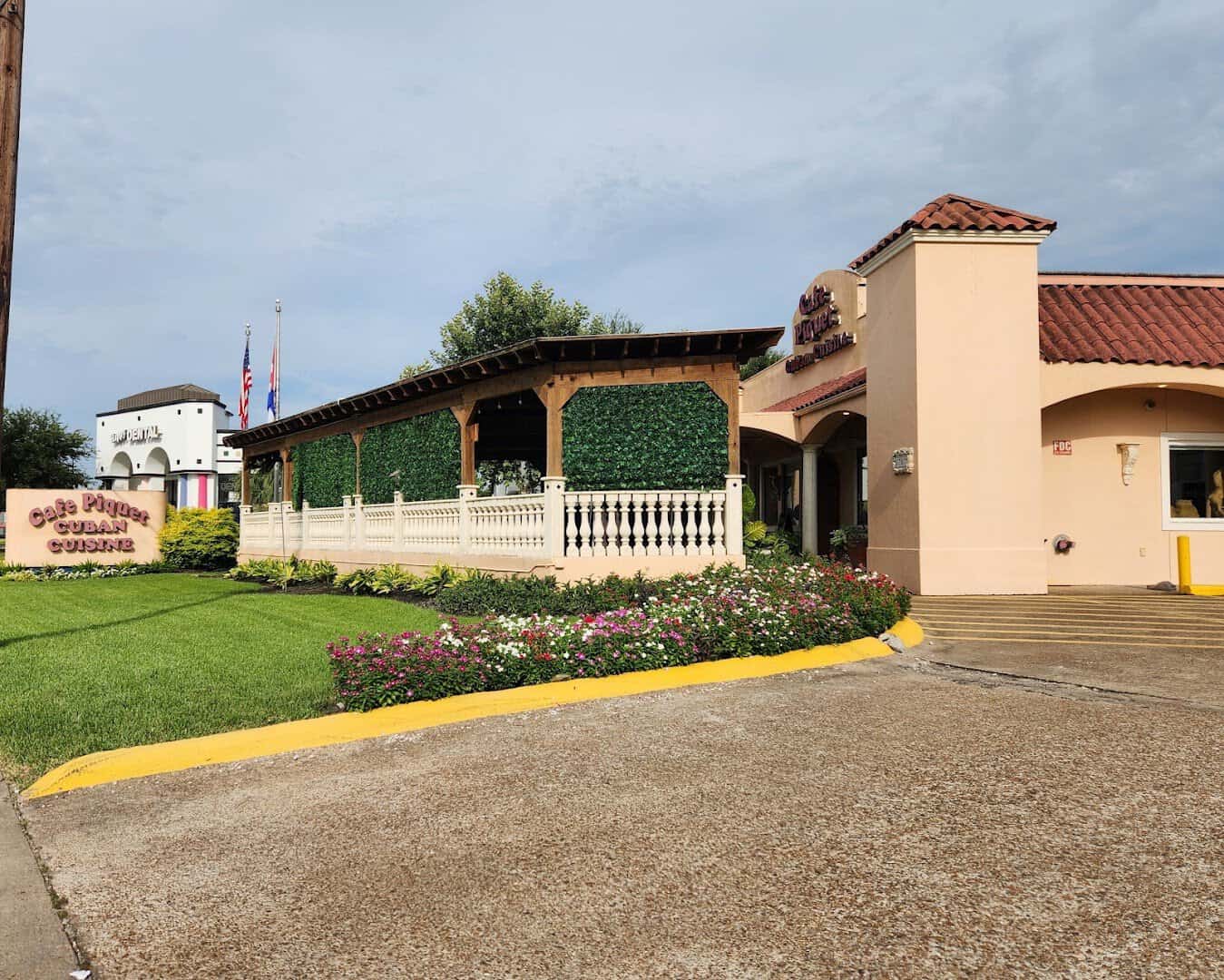
Tucked into a Spanish mission-style building in Bellaire, Cafe Piquet has been turning out crackling Cuban bread, garlic-soaked roast pork, and coffee strong enough to reset your whole afternoon since 1996.
Below: the sandwiches, the homemade plates, the espresso, and the one dessert you should save room for no matter how full you are.
The Sandwich Everyone Comes For
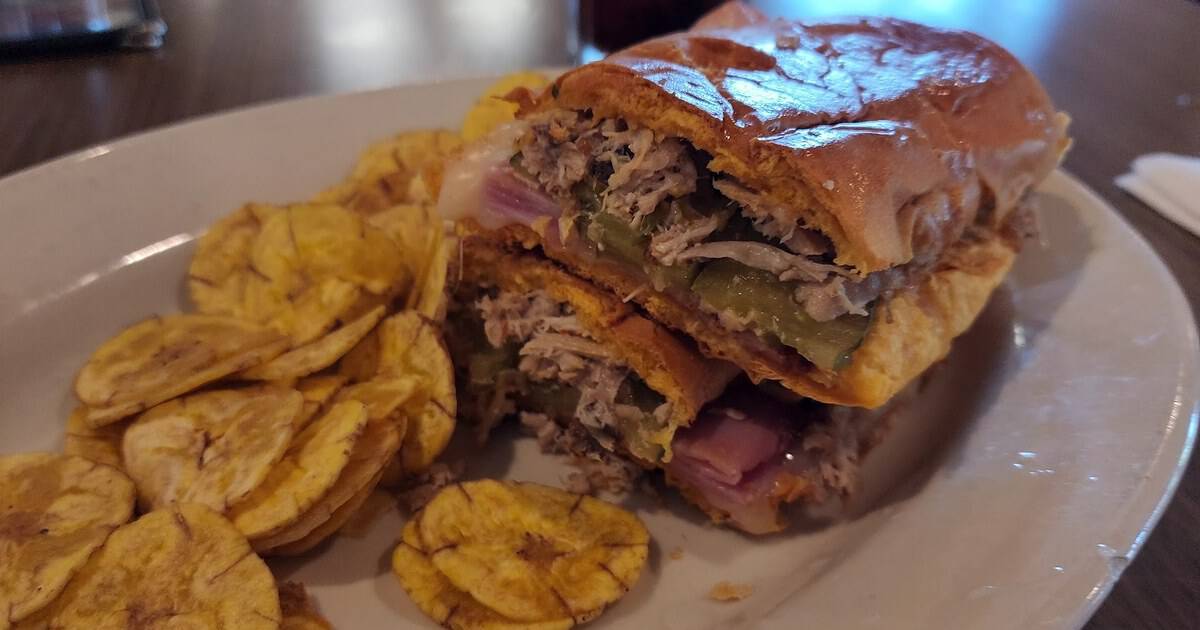
Start where the crowd starts, with El Cubano. Swiss cheese, sweet ham, slow-roasted pork, a swipe of mustard, and pickles, all layered into Cuban bread and pressed until the crust shatters and the cheese goes molten.
Here it comes con chicharitas, with a tangle of house-fried plantain chips on the side, and it runs about $9.99. That is a lot of sandwich for the money, and it is the kind you think about days later.
The bread is the whole argument. Real Cuban bread is lighter and crisper than a French loaf, and when it hits the press it crackles into shards that hold up to all that pork and ham without going soggy.
If you want something a touch richer, the Media Noche swaps in a soft, faintly sweet egg bread that turns the same fillings into a mellower, midnight-snack version of the classic. Pan con Bistec is the move for steak lovers, palomilla beef piled with grilled onions and shoestring potato sticks.
There are lighter plays too. A pressed chicken sandwich for the poultry crowd, and simpler options for anyone who wants the flavors without the full pork-and-ham heft. The menu here is long enough that you can come back a dozen times and keep finding new favorites.
What unites all of them is the press. Each sandwich goes onto a hot plancha that flattens it, warms the fillings through, and fuses the whole thing into one crisp, handheld package. That is the moment the magic happens.
Did you know? The Media Noche, or “midnight,” earned its name in old Havana as the sandwich you ate after the theater let out. It has been feeding night owls ever since.
Plates Like Somebody’s Cuban Grandmother Made
The sandwiches pull people in, but the homemade plates are why they keep coming back. This is the food of a Cuban home kitchen, cooked low and slow, and the portions are frankly enormous.
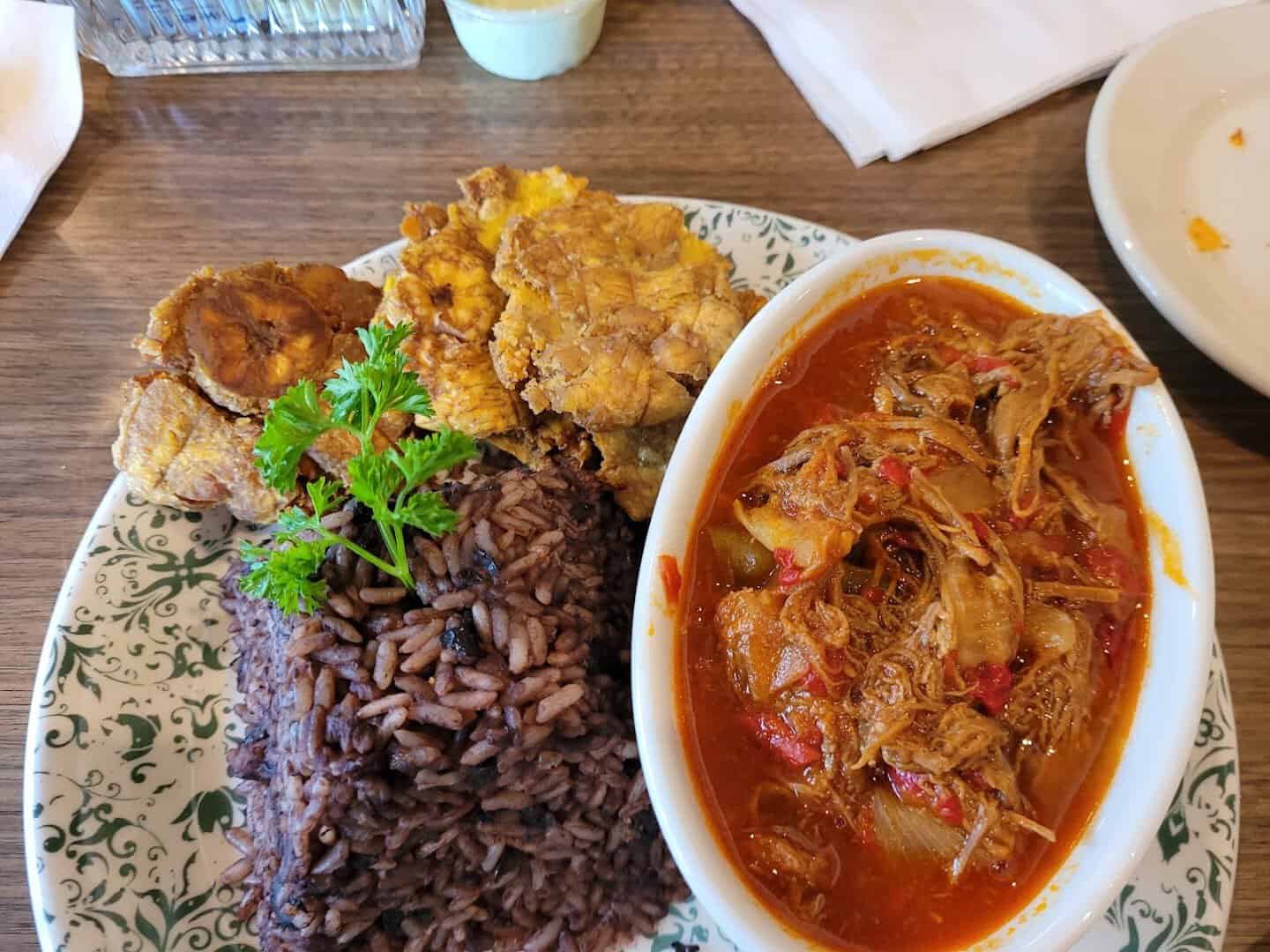
Ropa vieja is the one to know: beef simmered for hours until it shreds into ribbons, then folded into a bright tomato and pepper sofrito. The name means “old clothes,” a nod to the way the strands look piled on the plate.
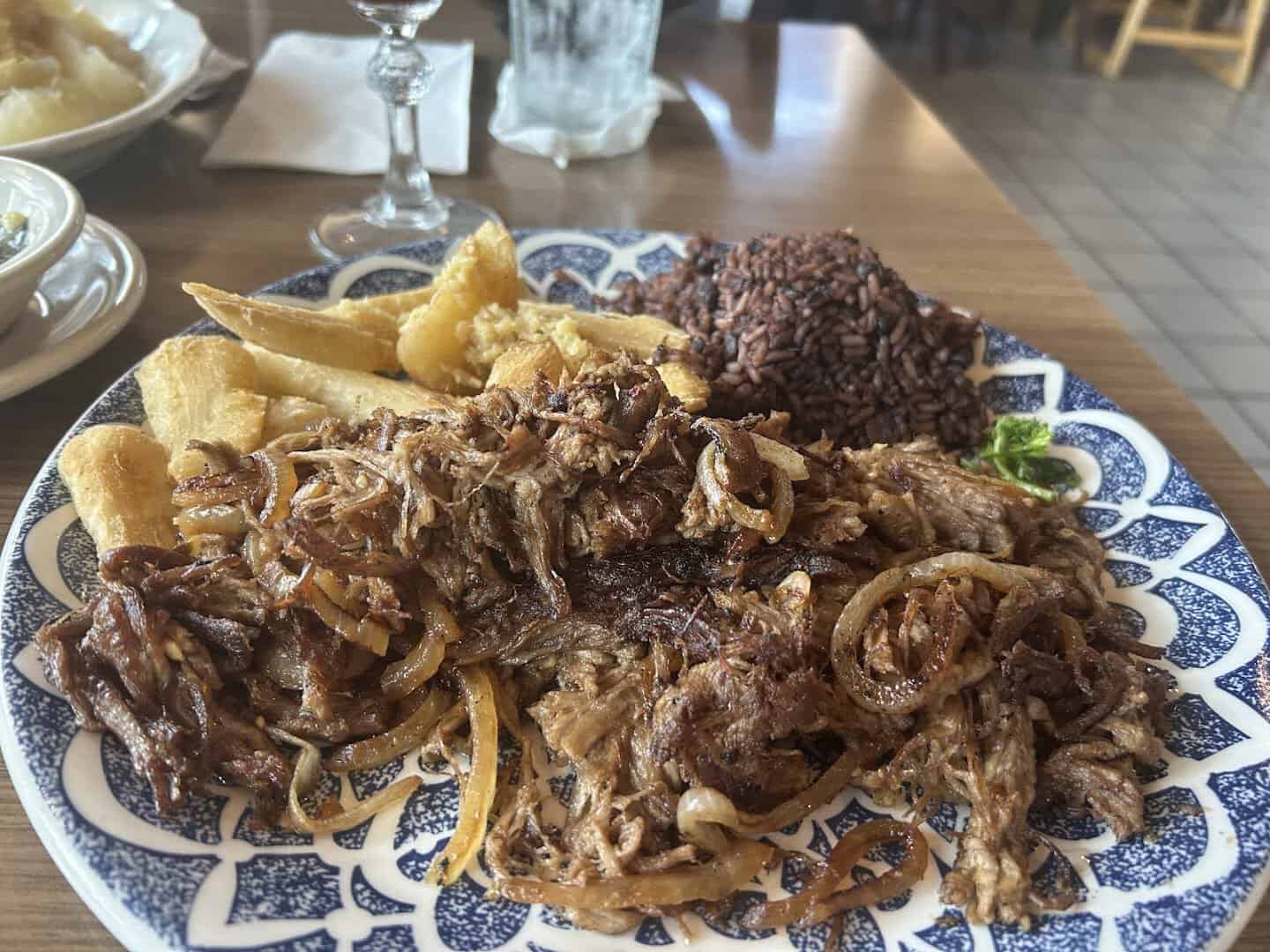
Then there is vaca frita, its crispier cousin, shredded beef fried hard at the edges with onions and a squeeze of lime until it crackles. Picadillo brings seasoned ground beef with olives and raisins, sweet and savory at once.
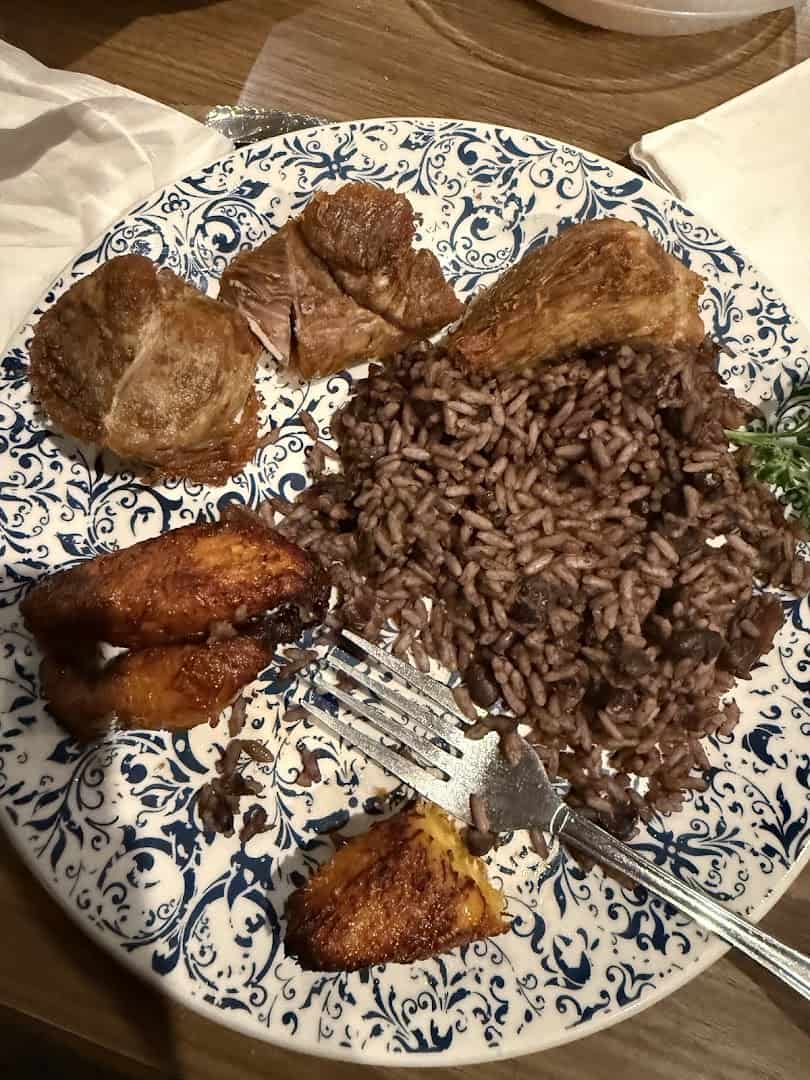
For pork lovers, the roast pork comes blanketed in mojo, that punchy garlic and sour-orange sauce that defines so much Cuban cooking. Shrimp fans order the camarones enchilados, plump shrimp in a Creole sauce over white rice and black beans, around $19.50 and easily shared.
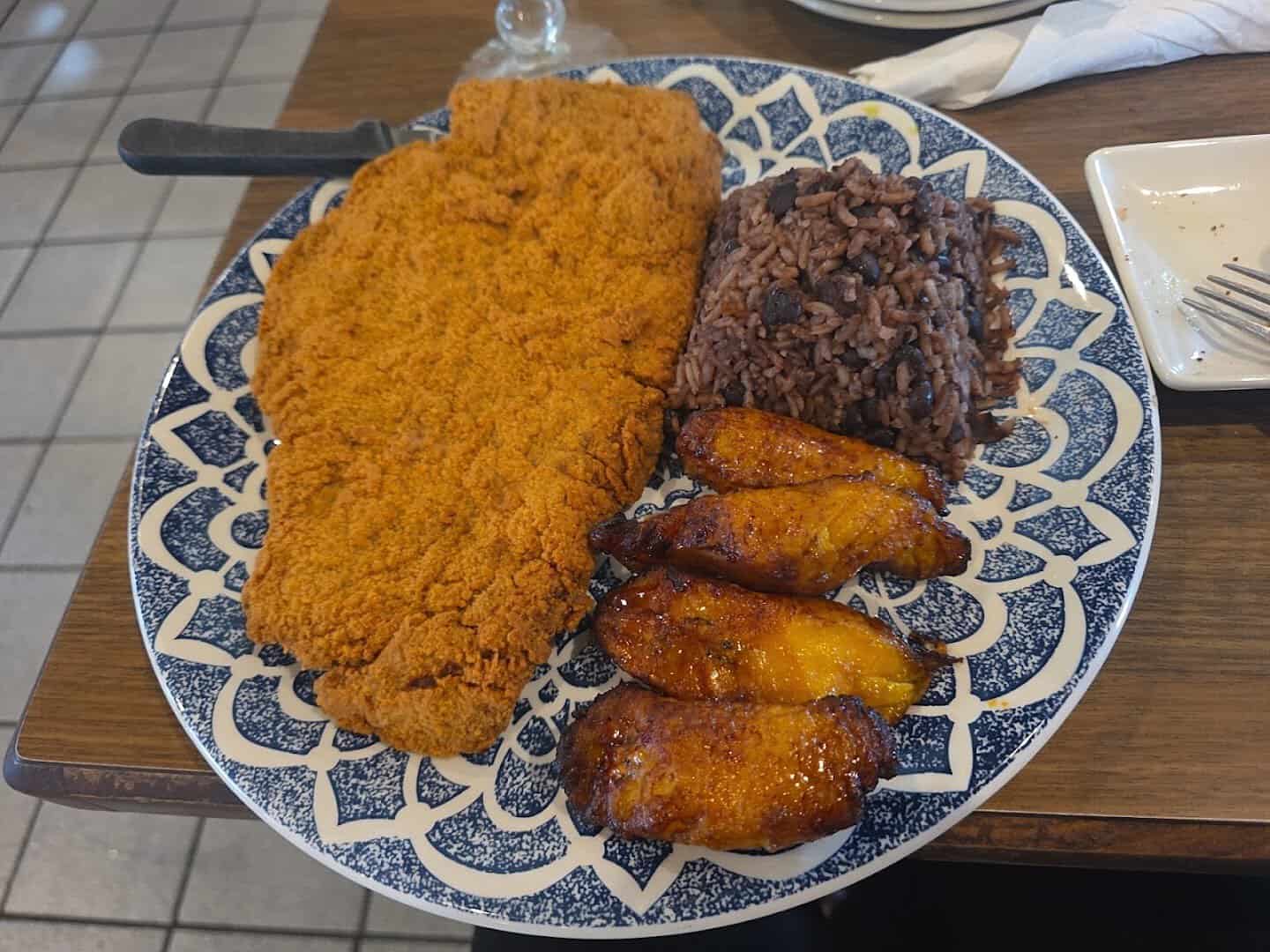
Everything arrives with the supporting cast that makes Cuban food so comforting: fluffy white rice, silky black beans, sweet fried plantains, and yuca frita con mojo, fried cassava drowned in that same garlic sauce, for about $5.50.
Pro tip: the plates here are built for sharing. Order two or three between a table, add a couple of sandwiches, and you get to taste half the menu instead of committing to one giant entree.
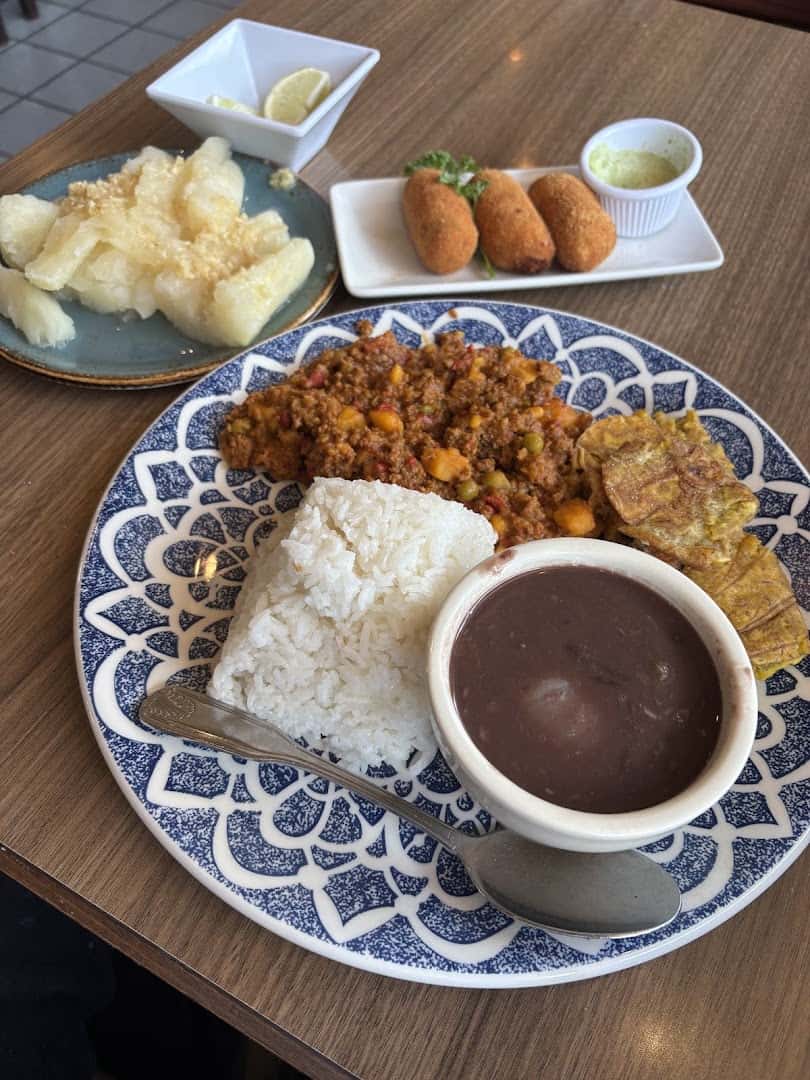
Give the starters their due, too. The croquetas, little fried logs of creamy ham, disappear fast, and the mariquitas, those thin fried plantain chips, are dangerously easy to keep reaching for.
Empanadas make a fine opener too, their pastry shells packed with seasoned beef and fried until golden. And the tostones, twice-fried green plantains smashed flat and crisped, land somewhere between a chip and a fry, ready for a dunk in mojo.
One more thing the regulars know: the kitchen likes to experiment inside the tradition. Ribs turn up with a few creative flavor twists, a small wink of invention on a menu that otherwise guards the old recipes like heirlooms.
The Coffee That Runs This Place
You cannot leave without the coffee, and honestly you should not want to. Cuban coffee is its own tradition, and Cafe Piquet treats it with the seriousness it deserves.
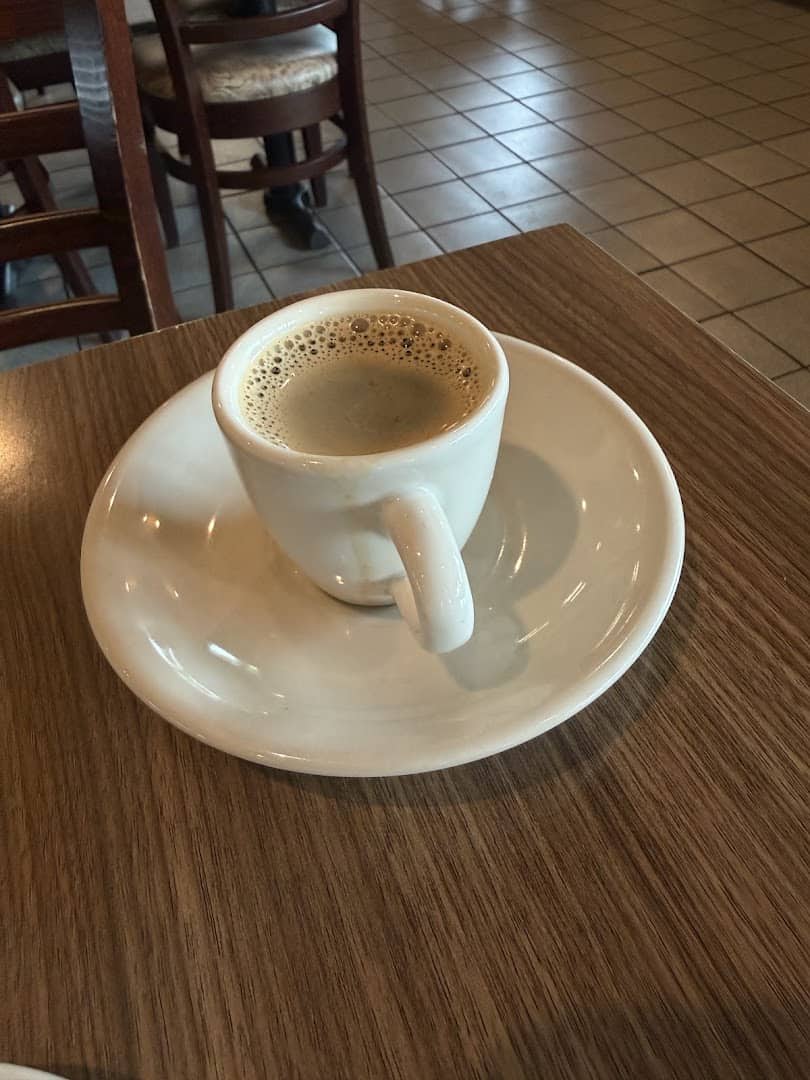
The cafe cubano is the foundation: a tiny, potent shot of espresso whipped with sugar as it brews, so it comes out with a caramel-colored foam on top and a jolt that lasts. It is dessert and rocket fuel in the same little cup.
Want it gentler? Order a cortadito, that same strong shot cut with a splash of steamed milk, or a cafe con leche, the full milky morning version that pairs perfectly with buttered Cuban toast. Any of the three is the right way to end a meal.
The little cup is also a social ritual. In Cuban culture the afternoon coffee break, the colada shared around an office or a shop counter, is a fixture, and something of that generosity carries over here in the way a cafe cubano seems designed to be enjoyed with company.
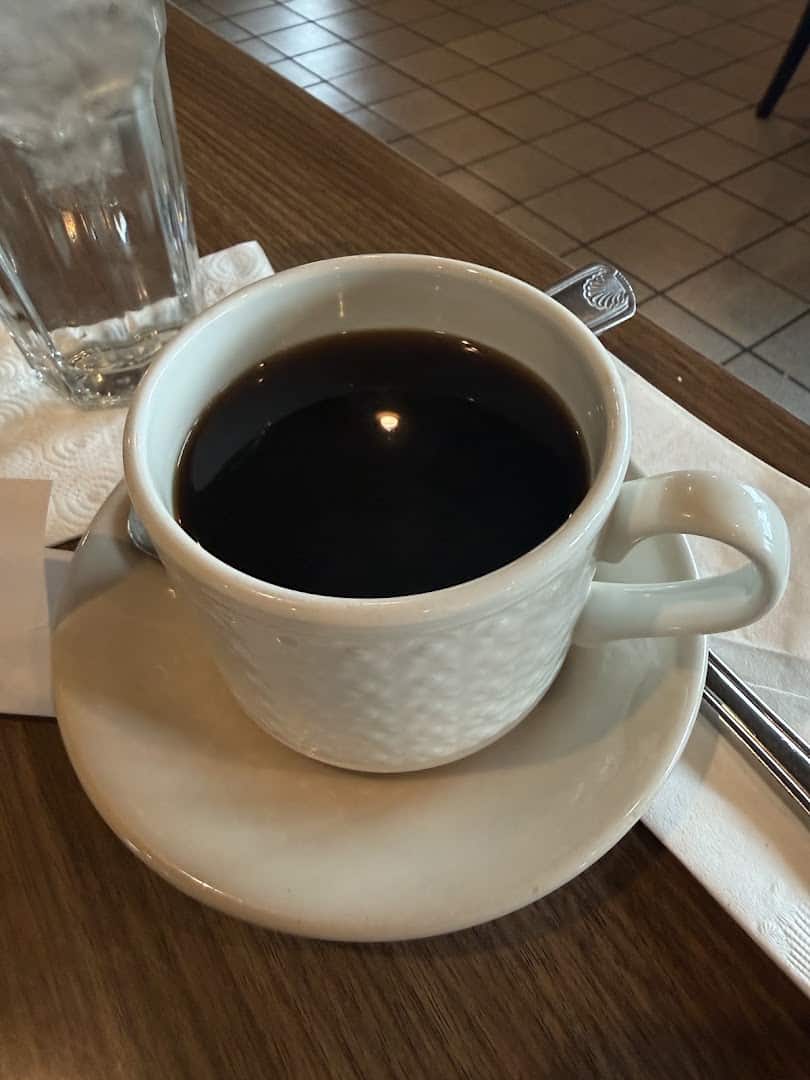
There is a reason regulars linger over these cups. The coffee is where a Cuban meal slows down, and this is a room built for lingering.
Save Room for the Flan
Here is my one non-negotiable: do not leave without the flan. It is the dessert that turns first-timers into regulars, a dense, silky custard under a slick of dark caramel.
One reviewer put it better than I could, writing that the flan left them speechless: “I literally stopped all conversation and sighed it was so good. It tasted like home.” That is the whole point of a place like this.
If flan is not your thing, the case usually holds other Cuban sweets and pastries, the kind of things meant to be eaten with a strong little coffee in hand. Order both. You have earned it.
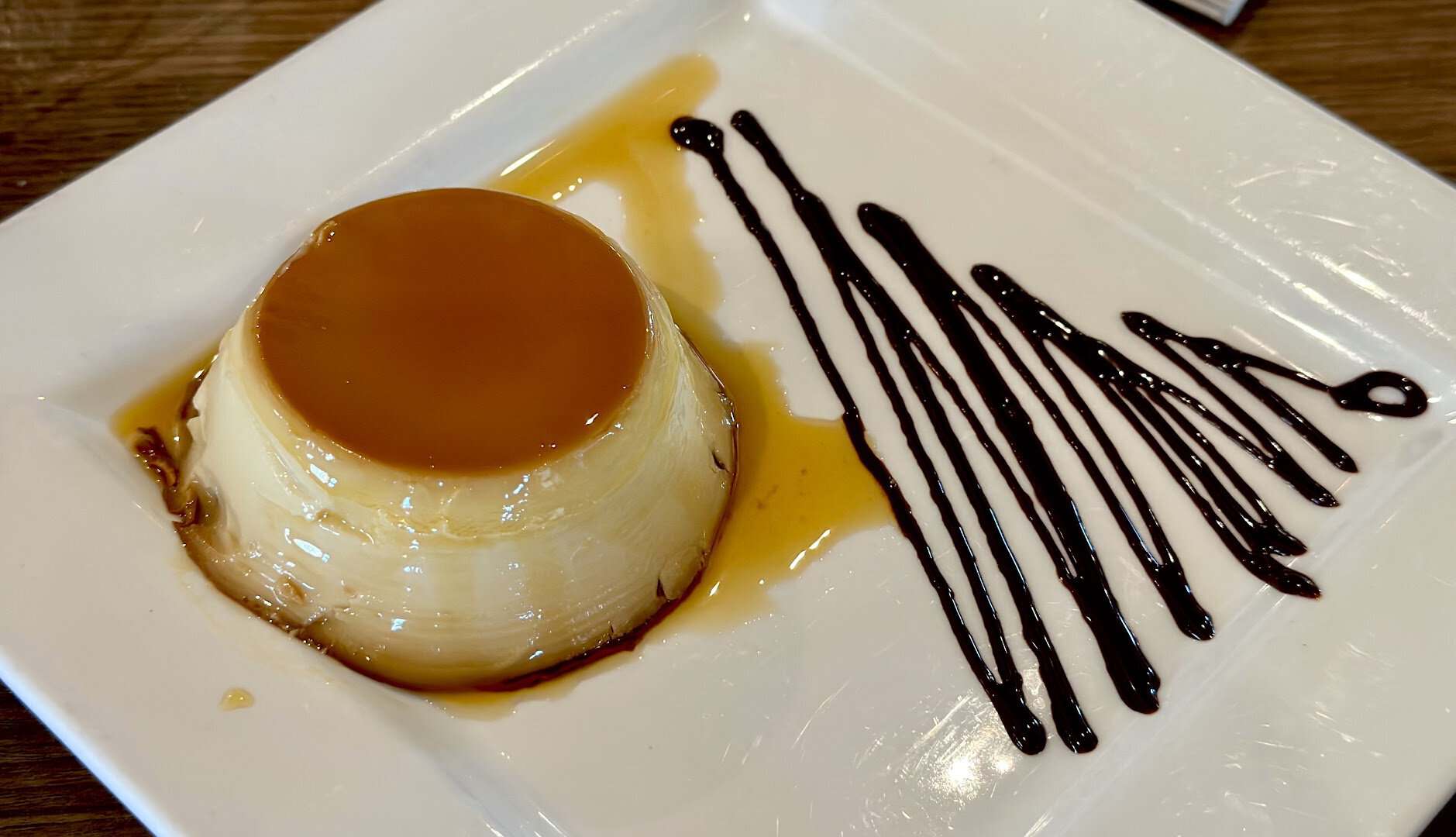
Cuban desserts tend toward the rich and the milky, all caramel, custard, and condensed-milk sweetness, and they are built to close out a big, savory meal. After a table of pork and plantains, that final sweet bite feels less like indulgence and more like the proper ending to a story.
A Love Story That Became a Restaurant
The story here starts in the early 1970s, when the Piquet family opened Piquet Market in Southwest Houston. It was a Cuban grocery, a place to find the hard-to-get ingredients and goods a growing Cuban community could not get anywhere else in town.
Meanwhile, in Southern California, a woman named Nelly and her family ran their own Cuban restaurant. In 1989 she moved to Houston, where she met Guido Piquet. The market family and the restaurant family became one.
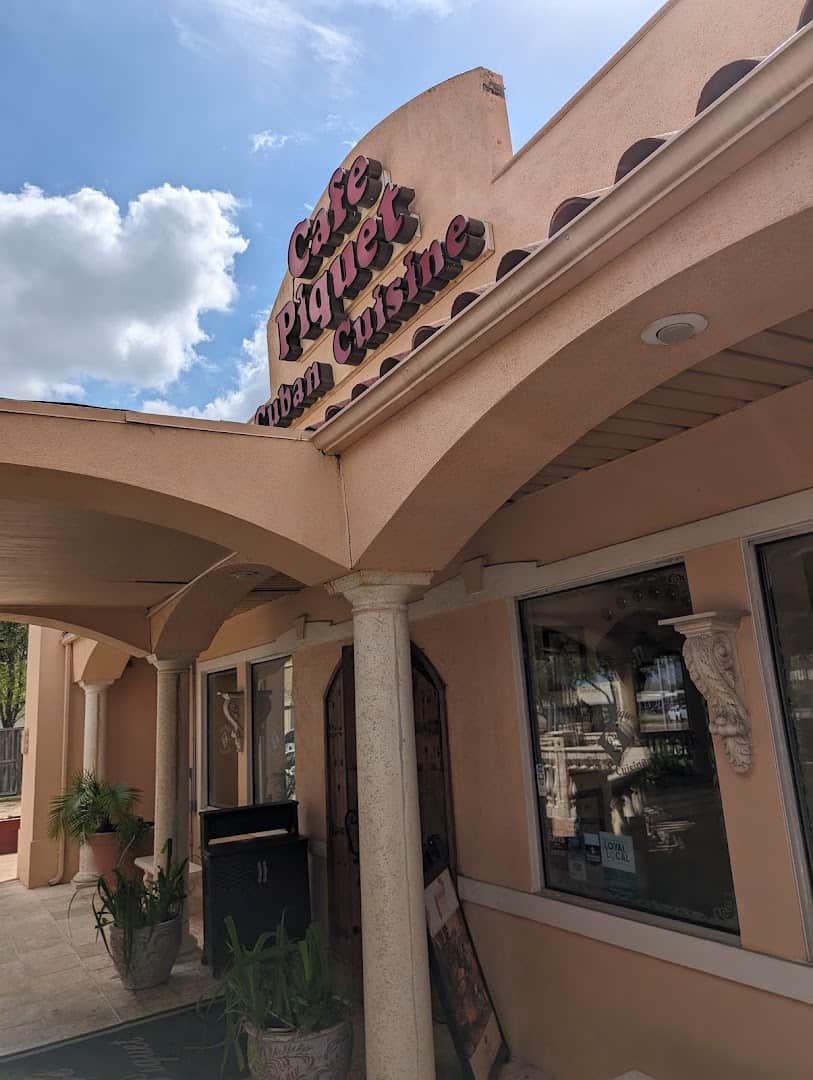
After the market eventually closed, Nelly and Guido took what they knew and opened Cafe Piquet in 1996. In 2006 they moved the restaurant into its current home on Bissonnet Street, the columned, mission-style building it occupies today.
When Guido passed away, his stepdaughter Cristina Benitez stepped in, taking over co-ownership alongside her mother Nelly in 2007. She has run it ever since, and she is fierce about keeping it exactly as it was.
Part of that faithfulness is the cooking itself. The kitchen still leans on traditional recipes carried straight from the family’s roots, an unbroken line back to those grocery-store days. When a place tells you it is authentic, this is what it should mean.
That continuity is rarer than it sounds. Restaurants change hands, chase trends, and quietly swap out the dishes that made them. Cafe Piquet has instead spent nearly three decades protecting a recipe box, which is why generations of Houston families treat it as their own.
It also filled a real gap. Houston is a great food city, but its Cuban corner has always been small. For a long stretch this was one of the only places in town to find the real thing done right, and regulars say it still is.
Step Inside the Columned Dining Room
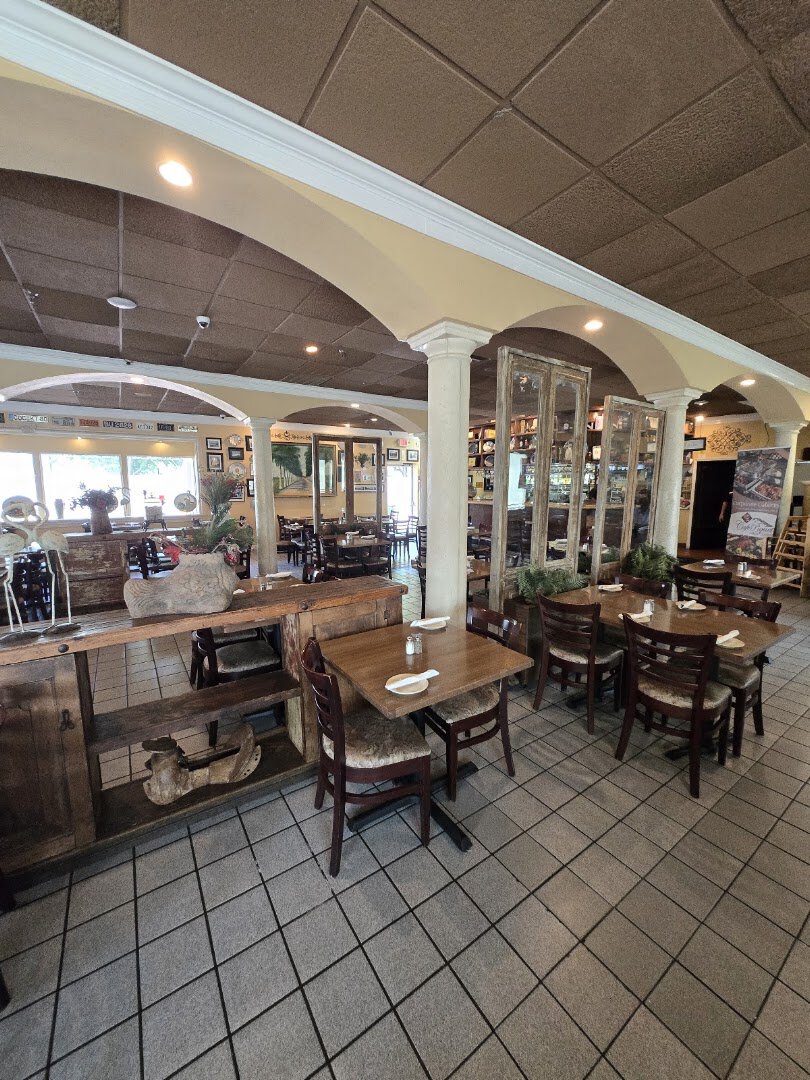
The building alone is worth the trip. Cafe Piquet was built to resemble an ornate Spanish mission-style mansion, and the dining room is dotted with almost as many decorative columns as there are items on the very long menu.
It is casual, warm, and unpretentious, the kind of neighborhood spot where families crowd big tables and the staff treats you like they have known you for years. Come hungry and come with people, because sharing is the whole idea.
The praise it earns says plenty. One Miami transplant, a person with high Cuban-food standards, offered maybe the ultimate compliment: “I live in Miami and I eat great Cuban all the time, this place is on par with any of the good ones in Miami.”
What to Order Your First Time
A menu this long can freeze a first-timer, so here is a simple plan. Get one El Cubano for the table so everyone tastes the sandwich, then anchor the meal with a big plate of ropa vieja to pass around.
Add an order of yuca frita and a plate of tostones, because the sides here are half the fun, and both of them exist mostly to carry that garlicky mojo to your mouth. Two people can eat like royalty for very little.
Then finish the way every Cuban meal should end: a cafe cubano or a cortadito, and a slice of flan between you. That is the whole experience in four or five dishes, and it is a wonderful introduction to a cuisine Texas does not celebrate nearly enough.
How to Get There
Cafe Piquet sits in Bellaire, an easy drive from just about anywhere in the Houston area, with parking right there so you are not circling the block.
Where: 5757 Bissonnet St, Bellaire, TX 77081
Come hungry, bring a few friends, and plan to stay a while. It is the kind of place that rewards a slow afternoon.
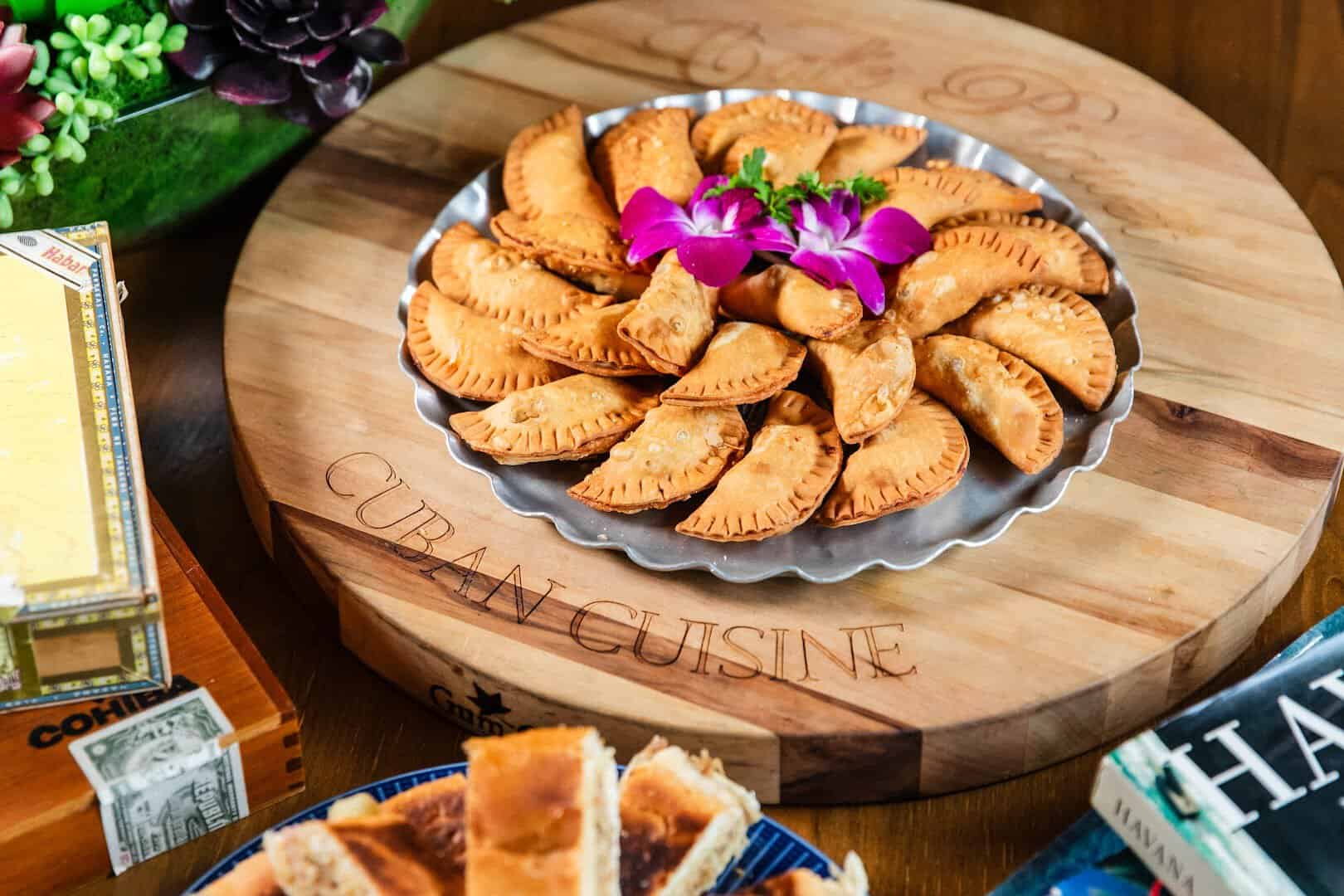
Plan Your Cuban Feast in Houston
So drive right past the fast-food lane and point the car toward Bellaire instead. Order El Cubano, get a plate of ropa vieja for the table, chase it with a cafe cubano, and whatever you do, save room for the flan.
You came for a sandwich and you will leave planning your next visit, which is exactly what nearly three decades of Houston regulars have been doing all along.
Featured image: G T via Cafe Piquet

Stella Raines
Editor-in-Chief
Stella brings over a decade of storytelling experience to TX Headlines. With roots in West Texas and a love for road trips, she leads the editorial team with an eye for the hidden stories that make Texas unforgettable.
More Stories
This Small-Town Texas Restaurant Serves Catfish So Legendary People Drive an Hour for a Plate
This Family-Run Texas Restaurant Brings the Bold Flavors of Puerto Rico to Every Plate
This Tiny Texas Catfish Shack Fries Up a Golden Plate Worth the Drive
This Unassuming Texas Cafe Serves the Best Chicken Fried Steak in the State
Tags