This Little-Known West Texas Park Is Home to the Country’s First Town of Wild Prairie Dogs
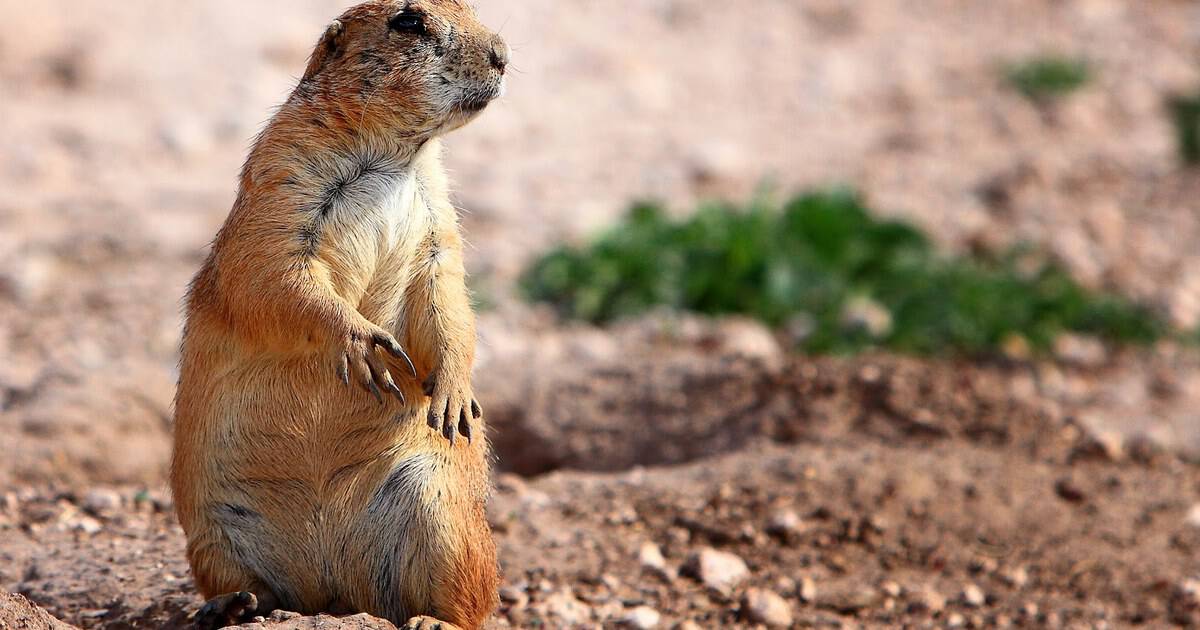
I fell for prairie dogs the day I learned they have words. Not just sounds, but different barks for a hawk, a coyote, and a human in a yellow shirt.
Once you know that, you cannot look at a grassy field of little standing sentries the same way again. They are cute with a whole civilization attached, and that is a different thing entirely.
Out on the edge of a West Texas city sits a park with a resident population in the hundreds, all of them furry, all of them talkative, and all of them living in the oldest protected town of its kind in the country.
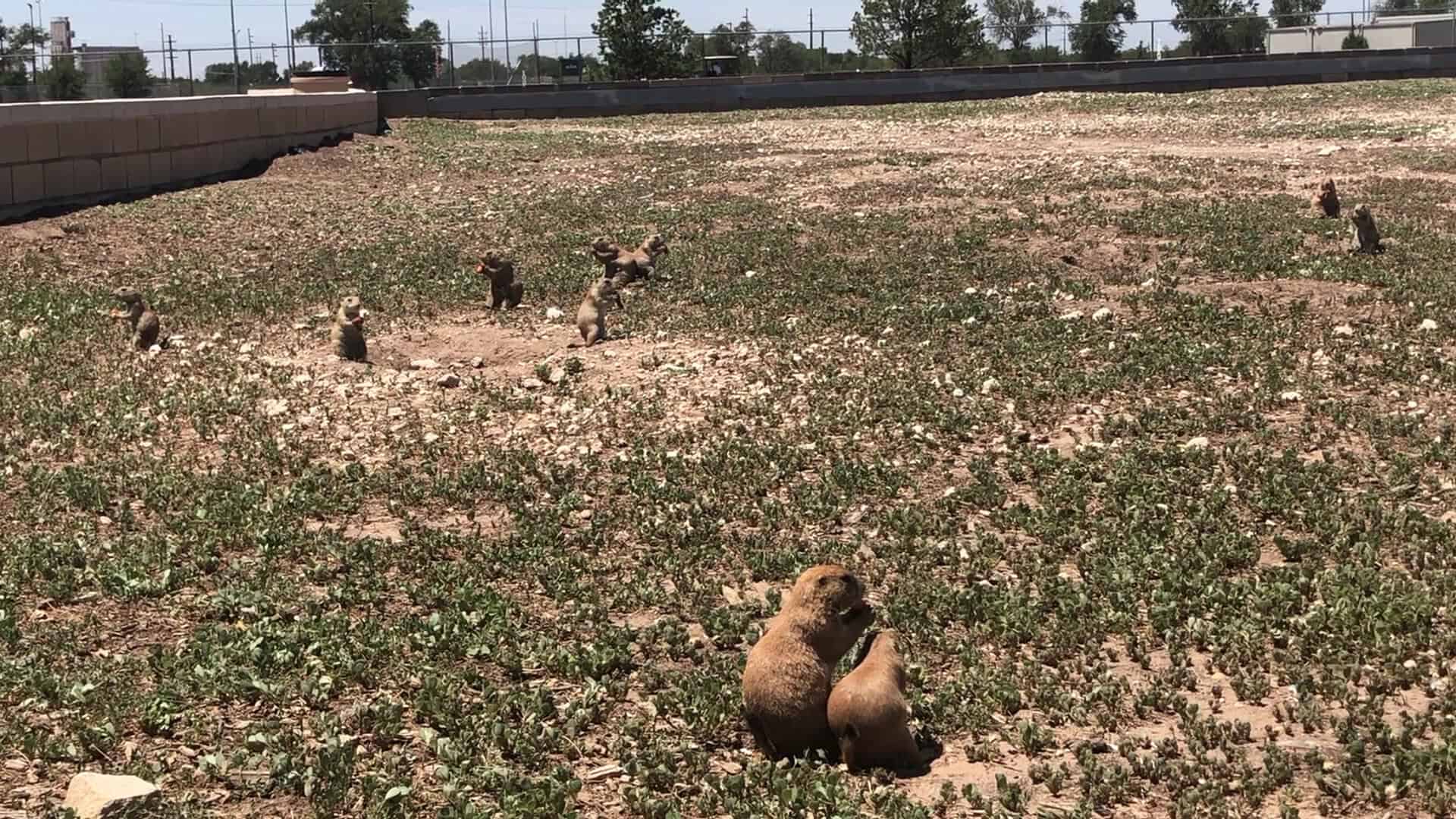
Below, the story of how it got there, who to thank for it, and how to spend a golden hour watching a real prairie dog metropolis go about its day.
A Town Run Entirely by Prairie Dogs
Picture a wide, flat stretch of short grass pocked with dozens of burrow mounds, ringed by a low stone wall. That wall is the town limit. Everything inside belongs to the prairie dogs.
You walk up, and at first the field looks empty. Then a head pops from a hole. Then another. Within a minute the whole colony is out, standing tall on their hind legs, scanning, chewing, chasing each other in short bursts across the dirt.
They are constant motion. One grooms at a burrow mouth while another sprints past for no reason you can see.
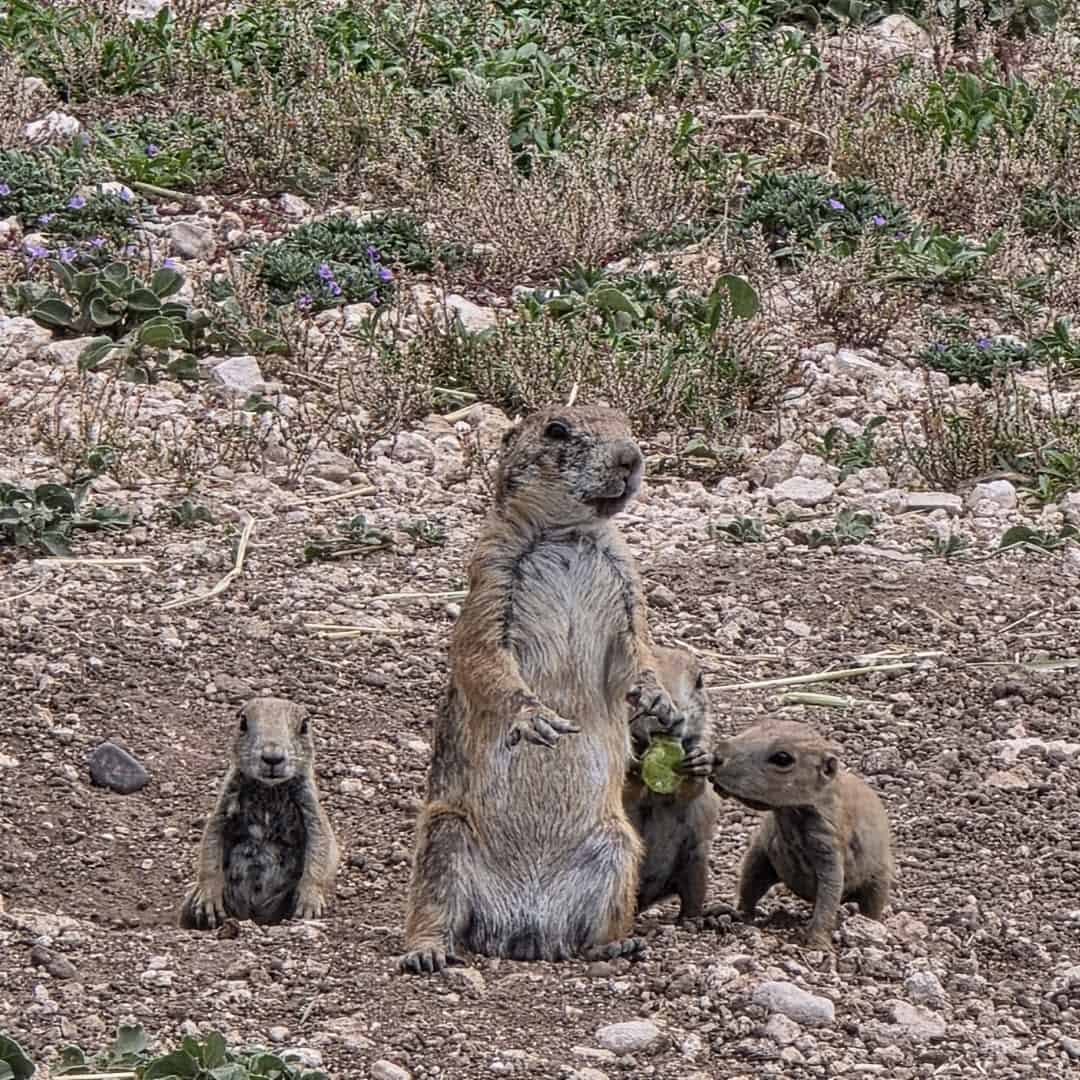
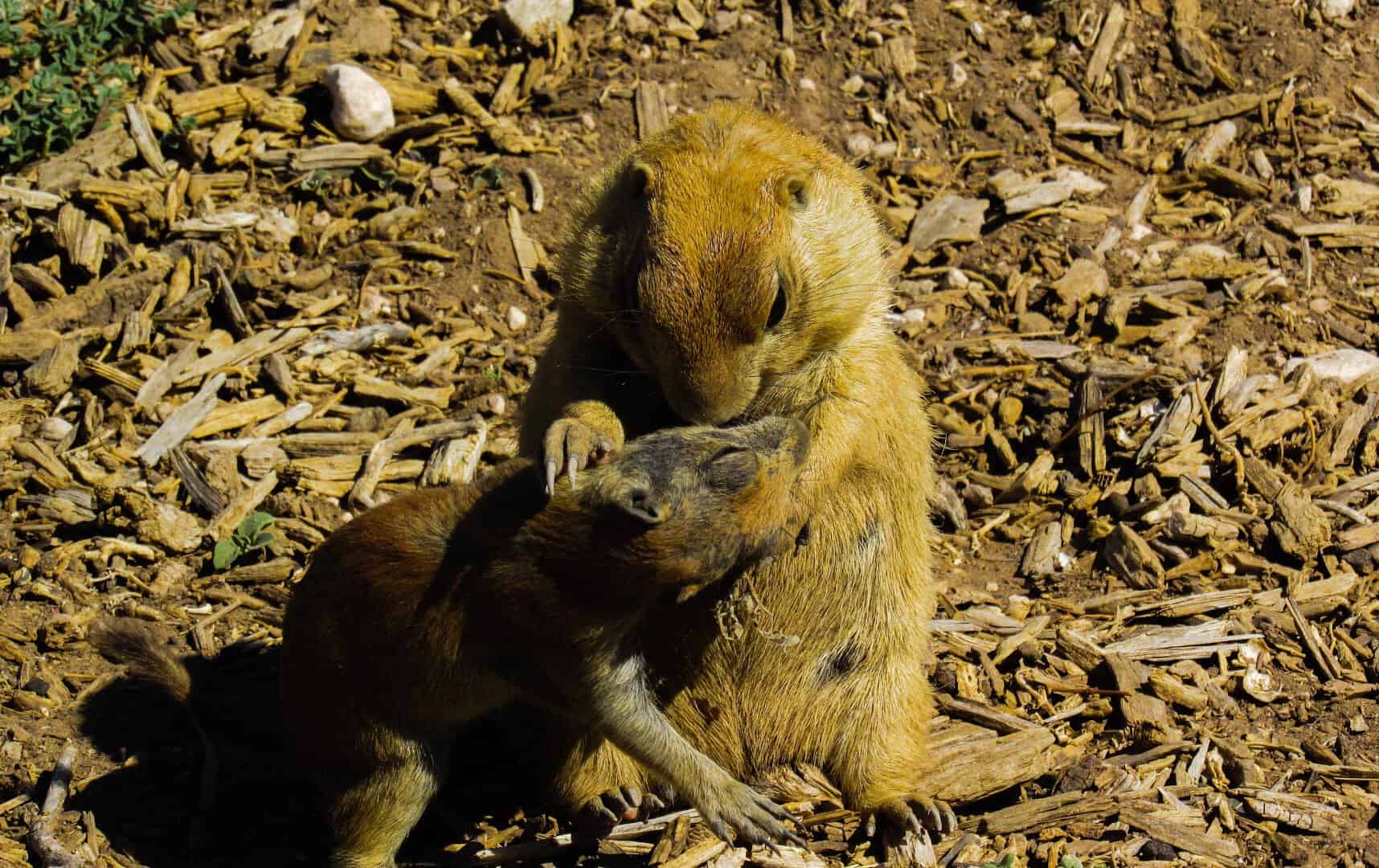
A pair touches noses, which is how prairie dogs greet family. Somewhere a sharp bark goes up and every animal freezes at once, then relaxes when the threat turns out to be a pigeon.
The colony organizes itself into family groups called coteries, and once you know that, the chaos starts to make sense. Each patch of burrows is a household, and the residents defend their few square yards of dirt with real conviction.
There is a low hum to the place, part chirp, part rustle, part wind moving over open ground. It is the sound of a town going about its business, and it is oddly soothing once you settle into it.
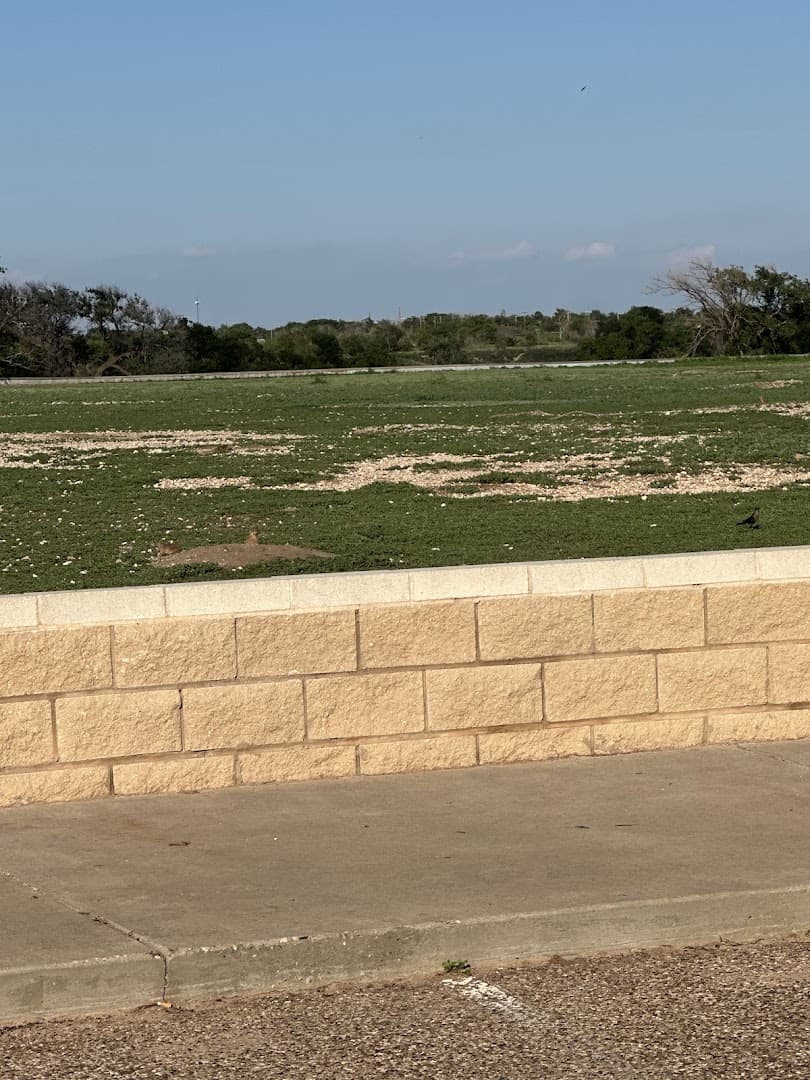
You could stand at that wall for an hour and not get bored. Kids press their faces to it. Grown adults narrate the drama out loud. One longtime visitor put the appeal simply: “There’s just a joy in seeing new things, different things.”
Meet the Black-Tailed Locals
The residents are black-tailed prairie dogs, the species that once carpeted the High Plains in colonies so vast they stretched for miles. They are not dogs at all. They are ground squirrels, named for a bark that early settlers thought sounded like a small dog.
That bark is the best part. Prairie dogs run one of the most sophisticated warning systems in the animal world. Researchers who study them argue the calls carry real detail, the size of a threat, the direction it came from, even its color.
Watch long enough and you see the system work. A sentry rises at the edge of the colony, catches something, and lets out a string of sharp yips. Heads swivel. Bodies drop underground in a ripple. Minutes later the all-clear passes and the town refills like nothing happened.
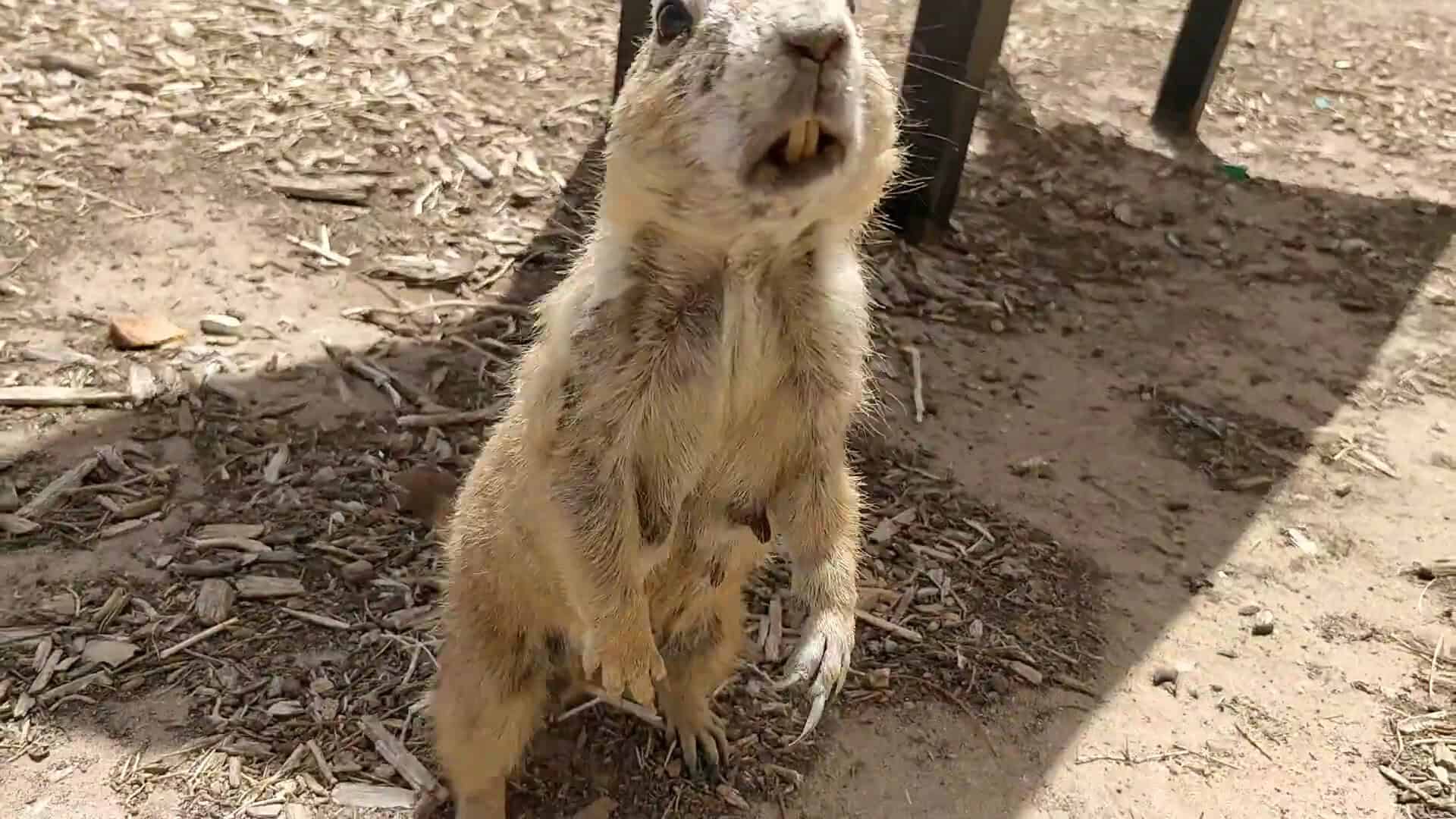
It is hard to picture now, but these colonies were once enormous. Around 1900 a naturalist estimated a single prairie dog town across West Texas sprawled some 25,000 square miles and held hundreds of millions of animals, one of the largest gatherings of mammals ever recorded.
They are relentlessly social, too. They groom each other, share burrows, and greet family with that open-mouthed nuzzle that looks for all the world like a kiss. Spend a while watching and you stop seeing rodents and start seeing neighbors.
They earn their keep on the plains. The colonies turn and aerate the soil, and the old burrows shelter burrowing owls, snakes, and other grassland creatures. Naturalists call the prairie dog a keystone species, the animal a whole ecosystem leans on.
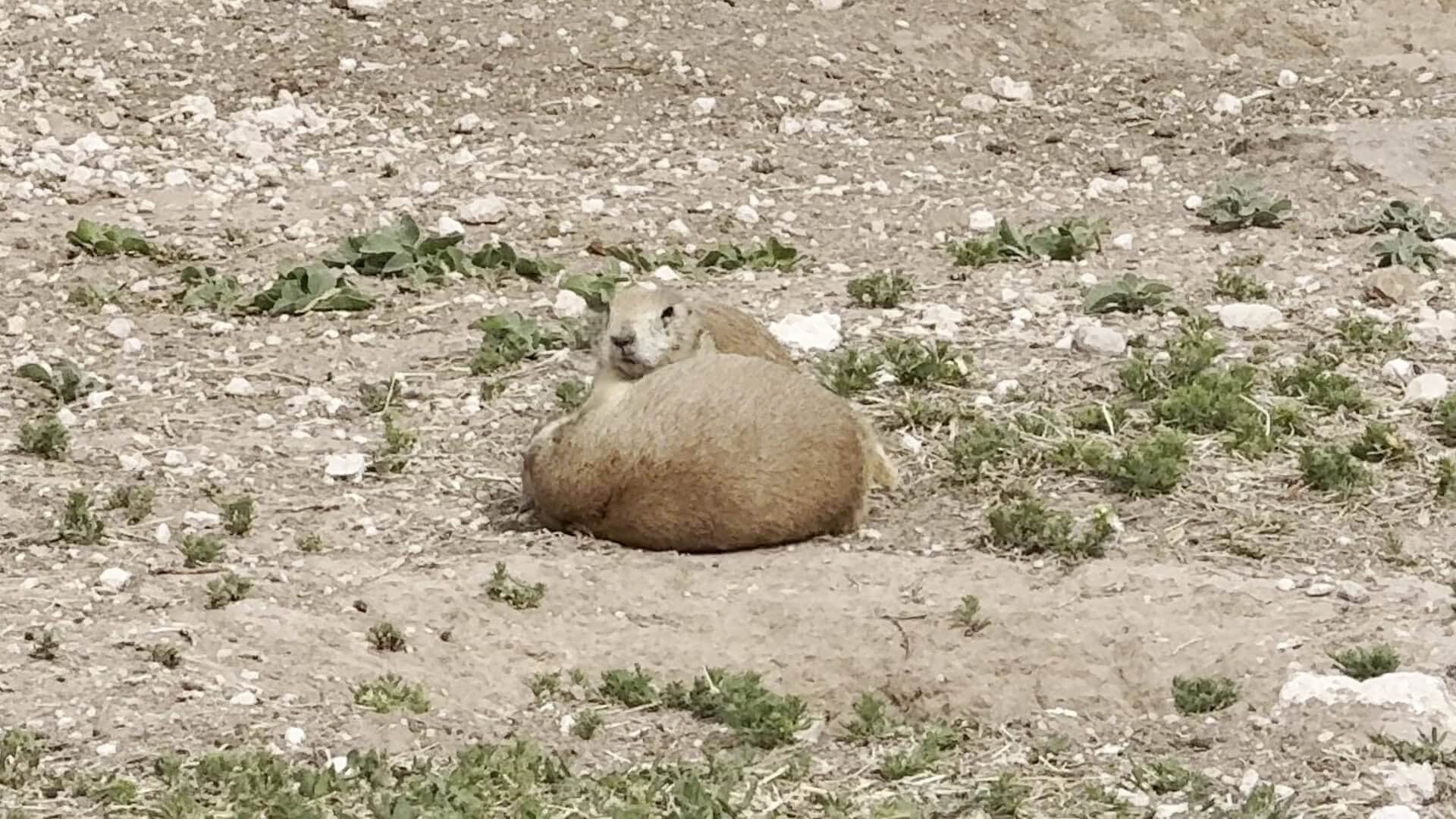
Do not let the round cheeks fool you. These are tough little animals, fierce when they need to be and built to survive a landscape that swings from summer heat to hard winter. The softness is the disguise.
Did you know? A prairie dog “jump-yip,” where one throws its front paws to the sky and calls out, can ripple across a whole colony like a stadium wave. Nobody fully agrees on what it means, which somehow makes it better.
The Man Who Made Himself Mayor
The town exists because of one stubborn Lubbock naturalist named Kennedy N. Clapp. In the early 1930s the federal government was poisoning prairie dogs across the plains as farmland pests, and the poisoning was working a little too well.
Clapp, then chairman of the local parks board, decided the animals deserved a refuge. He designed an enclosure and, by most accounts, started the colony around 1935 with just four black-tailed prairie dogs and two burrows.
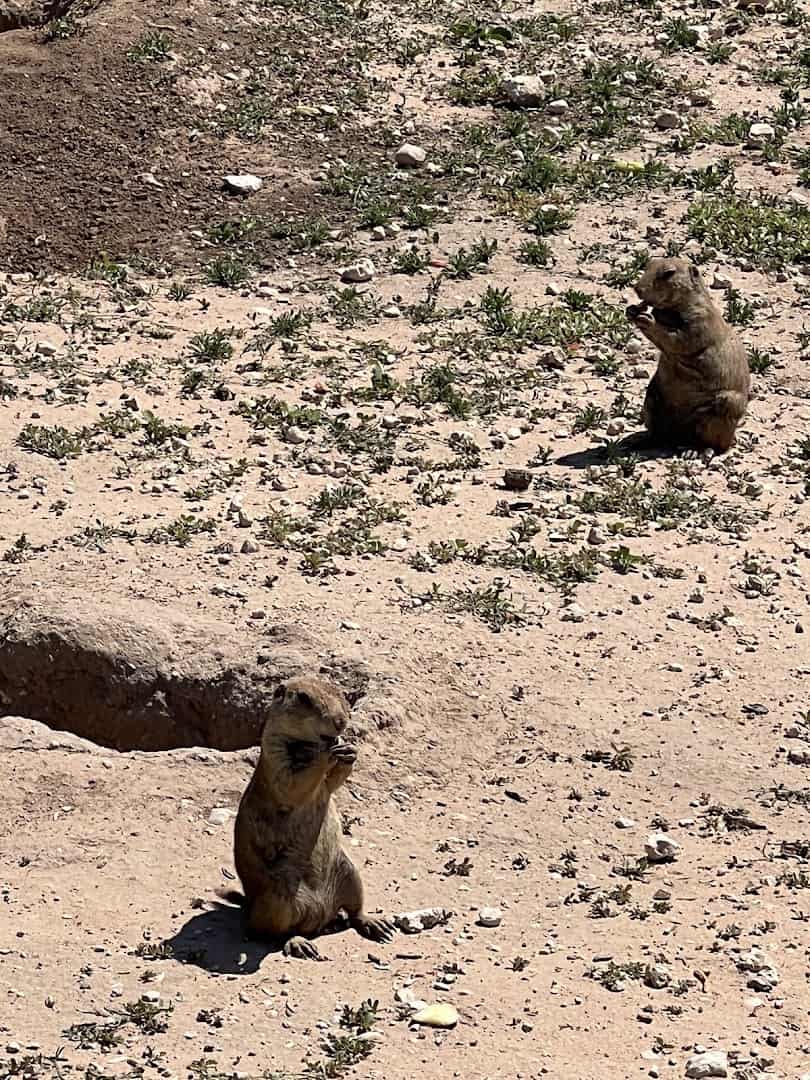
He did not do it alone. With a friend named Ross Edwards he trapped the first pairs and set them loose inside the new wall, and the prairie dogs took to the spot immediately.
Four became forty, forty became a crowd. It is remembered as the first protected prairie dog colony of its kind anywhere in the country, and within about five years the little town had turned into a genuine tourist draw for the city.
Consider what that took in the 1930s. Prairie dogs were treated as vermin, competition for the grass cattle needed, and here was a man building them a home and inviting the public to come admire them. It was a stubborn, generous idea, and it stuck.
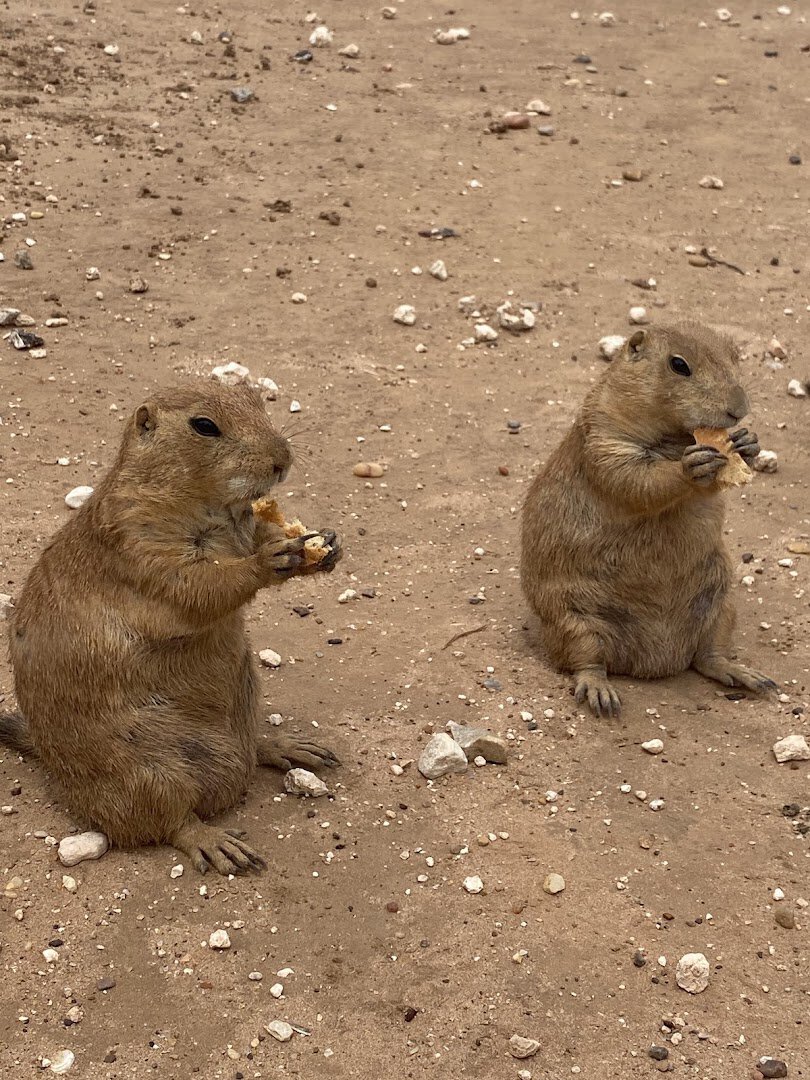
The town wove itself into local identity from there. One 2004 study of Lubbock tourism ranked it among the city’s most visited attractions, and the prairie dog became such a fixture that the city adopted a cartoon mascot, Prairie Dog Pete.
Clapp oversaw its care until his death in 1969. For his trouble, the city gave him a title that outlived him: Mayor of Prairie Dog Town, in perpetuity. As far as I can tell, no one has run against him since.
That origin story is why the place still matters beyond the cute factor. This was a conservation idea before that word was fashionable, one man deciding a maligned animal was worth saving, and being right.
About Feeding the Locals
You will read a lot of old advice about tossing the prairie dogs a snack, and for decades that is exactly what visitors did. The current thinking has shifted, and it is worth knowing before you go.
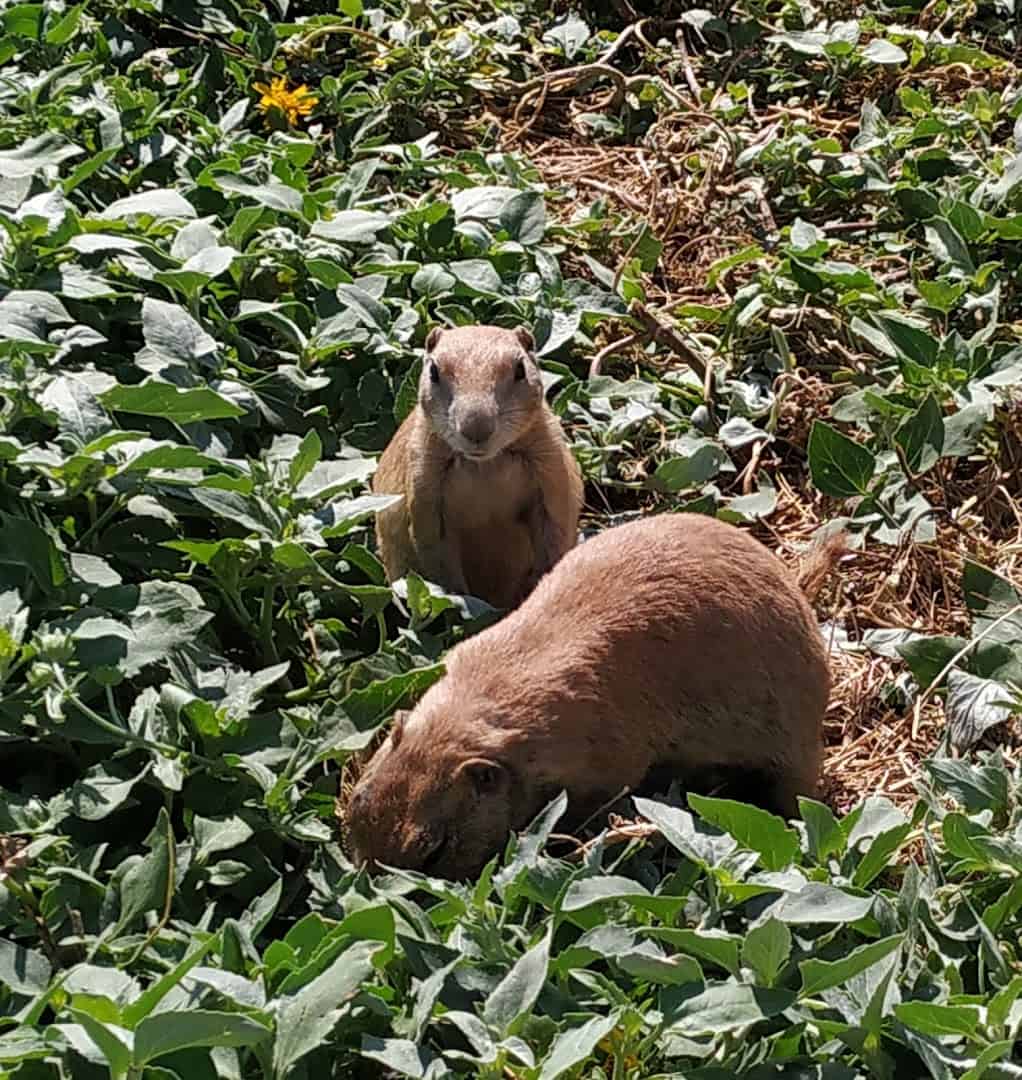
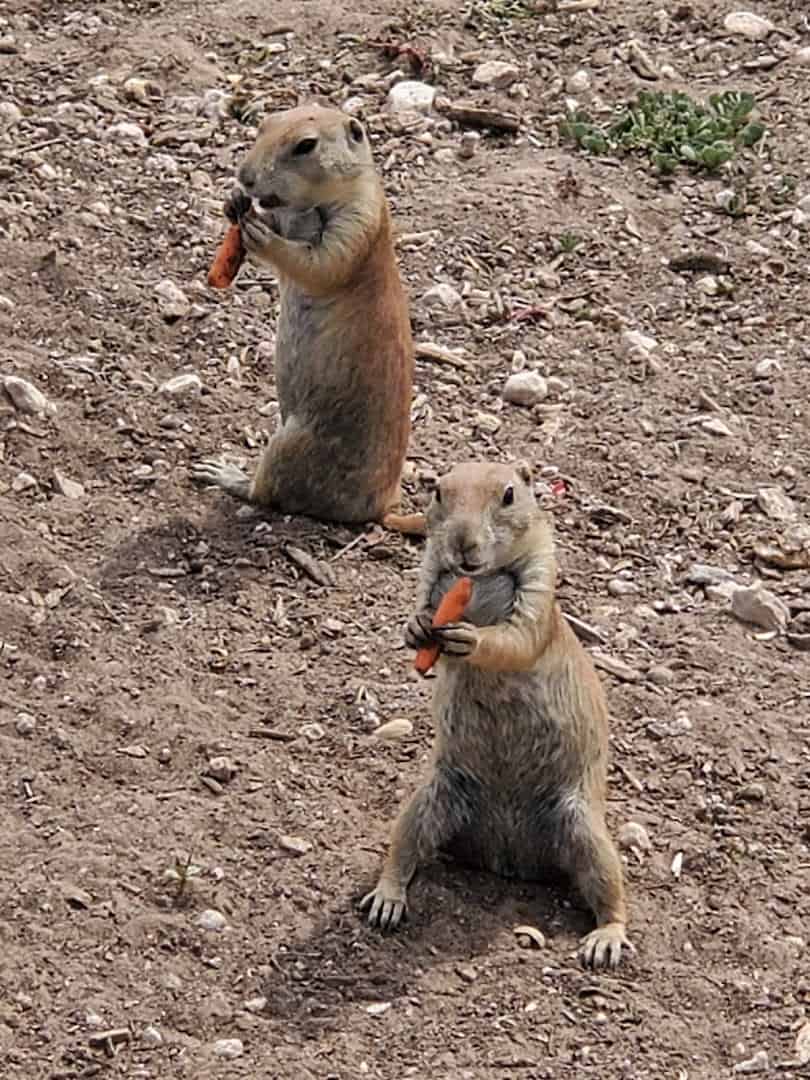
Prairie dogs have sensitive stomachs and thrive on grasses, not human food. Signs and local guidance now lean toward letting them eat what they are built to eat, and steering well clear of chips, salty snacks, and anything sugary, which do them real harm.
Honestly, the feeding was never the good part anyway. The magic is watching a wild colony behave like a wild colony: the sentries, the sprints, the arguments, the barking. You get more from ten quiet minutes of observation than from any handful of carrots.
Pro tip: Bring a zoom lens or binoculars instead of a bag of snacks. The animals relax when you hang back, and a patient camera catches the jump-yips and the nose-touches that a crowd at the wall usually scares off.
More Than the Prairie Dogs
The colony sits inside a big, handsome city park that is worth an afternoon on its own. It fills a stretch of Yellow House Canyon on the northeast side of town, roughly 600-plus acres of rolling ground carved by an old fork of the Brazos River.
Much of the park was shaped in the mid-1930s by the Civilian Conservation Corps, the Depression-era work program that built so many of Texas’s early parks. It carries the name of General Ranald S. Mackenzie, a cavalry officer tied to the region’s frontier history.
Today the grounds hold a golf course, walking and biking trails, ball fields, disc golf, an amphitheater, and plenty of picnic tables. You can easily build a whole outing around the prairie dogs and never feel you drove all that way for one attraction.
Every so often an enterprising prairie dog tunnels under the wall and sets up shop out on the golf course or a ball field, which the locals treat as less a problem than a running joke. The town limit is more of a suggestion.
When to Go for the Best Show
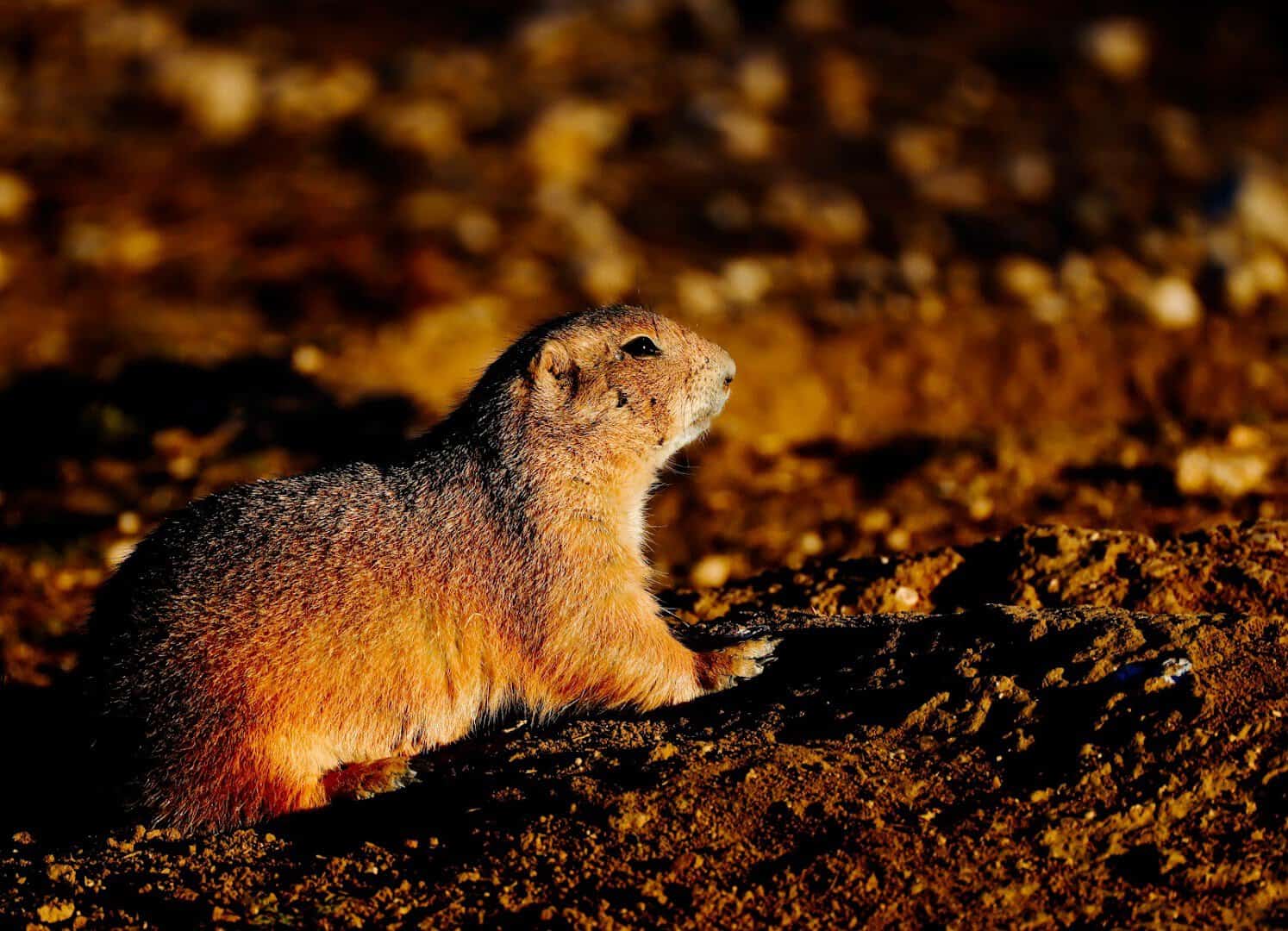
Timing is everything with these animals. Come early in the morning or in the late afternoon, when the colony is most active and the light is soft and golden across the grass.
Steer clear of the middle of a summer day. When the West Texas sun really cranks, the prairie dogs do the sensible thing and retreat underground, and you will find yourself staring at an empty field of holes wondering where everybody went.
Spring and fall are the sweet spots, mild enough that the colony stays out and busy for hours. Bring water, wear a hat, and plan for wind, which is a near-constant companion out on the Caprock.
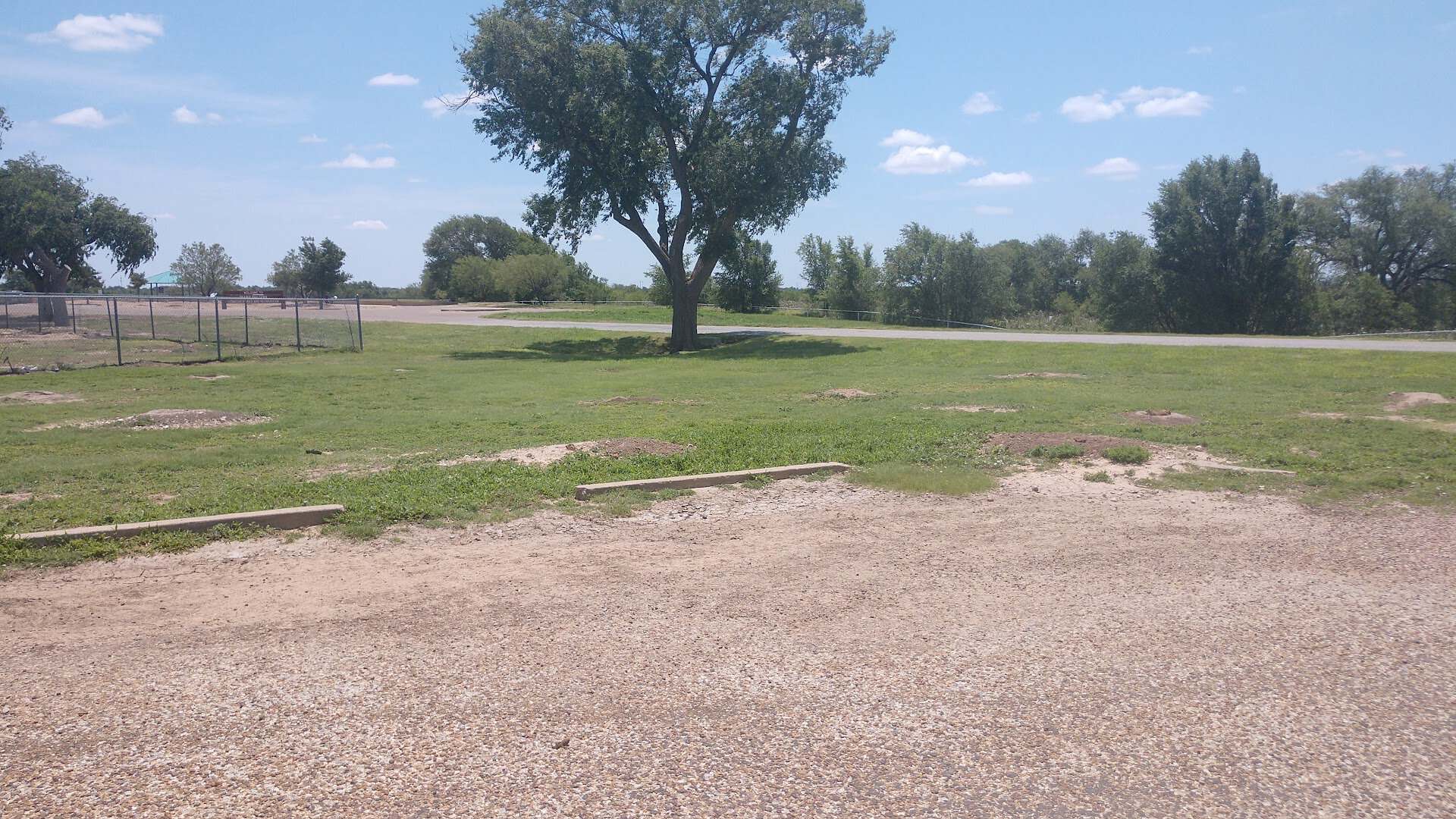
The park keeps generous hours, open daily from early morning until around midnight, and there is no admission fee to see the town. The ground near the enclosure is flat and there is parking close by, so it works for visitors of just about any mobility level.
Give yourself more time than you think you need. People arrive planning a quick look and end up rooted at that wall, quietly rooting for whichever prairie dog is winning the current chase.
How to Get There
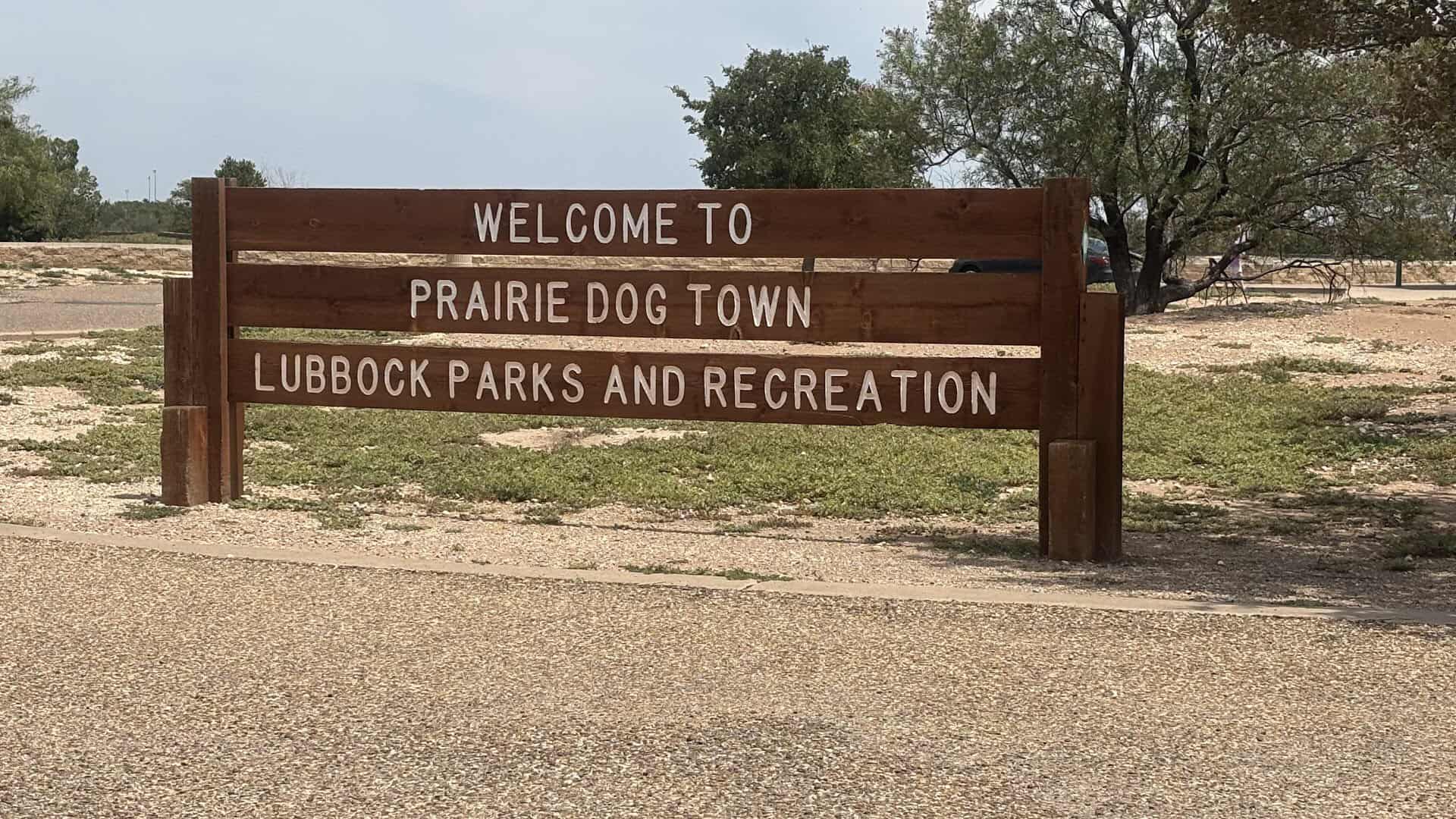
The colony sits inside Mackenzie Park in Lubbock, easy to reach off Interstate 27 and East 4th Street on the northeast side of the city. Follow the park roads and the signs point you straight to the town.
Where: Prairie Dog Town, Mackenzie Park, Mackenzie Park Rd, Lubbock, TX 79401
Lubbock makes an easy anchor for a wider West Texas trip, and the prairie dogs pair naturally with the city’s Buddy Holly sights, its wineries, and a plate of something smoky before you point the car home.
Go Meet the Mayor’s Town
There is something quietly wonderful about a place a whole city decided to keep for the sake of a small animal nobody else wanted around. Nearly ninety years on, the town is still full, still loud, still going.
Bring the kids if you have them. Few things hold a child’s attention like a hundred small animals popping in and out of the ground and barking orders at one another.
Pack a camera, aim for golden hour, and give yourself an hour at the wall. Say hello to a few hundred of the mayor’s constituents, and try not to fall as hard for them as I did.
Featured image: Marc Morales via Prairie Dog Town

Stella Raines
Editor-in-Chief
Stella brings over a decade of storytelling experience to TX Headlines. With roots in West Texas and a love for road trips, she leads the editorial team with an eye for the hidden stories that make Texas unforgettable.
More Stories
These 5 Surreal Texas Places Are So Stunning You Won’t Believe They’re in Texas
5 Abandoned Texas Places That Are Eerie, Empty, and Still Open to Explore
8 Hidden Texas Bookstores That Book Lovers Will Want to Get Lost In
This Abandoned Texas Zoo Closed Nearly 90 Years Ago, and You Can Still Walk Through Its Ruins
Tags