This Hilltop Texas Sculpture Garden Feels Like a Piece of the Holy Land
I have driven past a lot of roadside crosses in Texas, and most of them are the kind you glance at and forget. Then someone tells you about the one near Kerrville that you can walk inside, and the whole idea of a roadside cross changes.
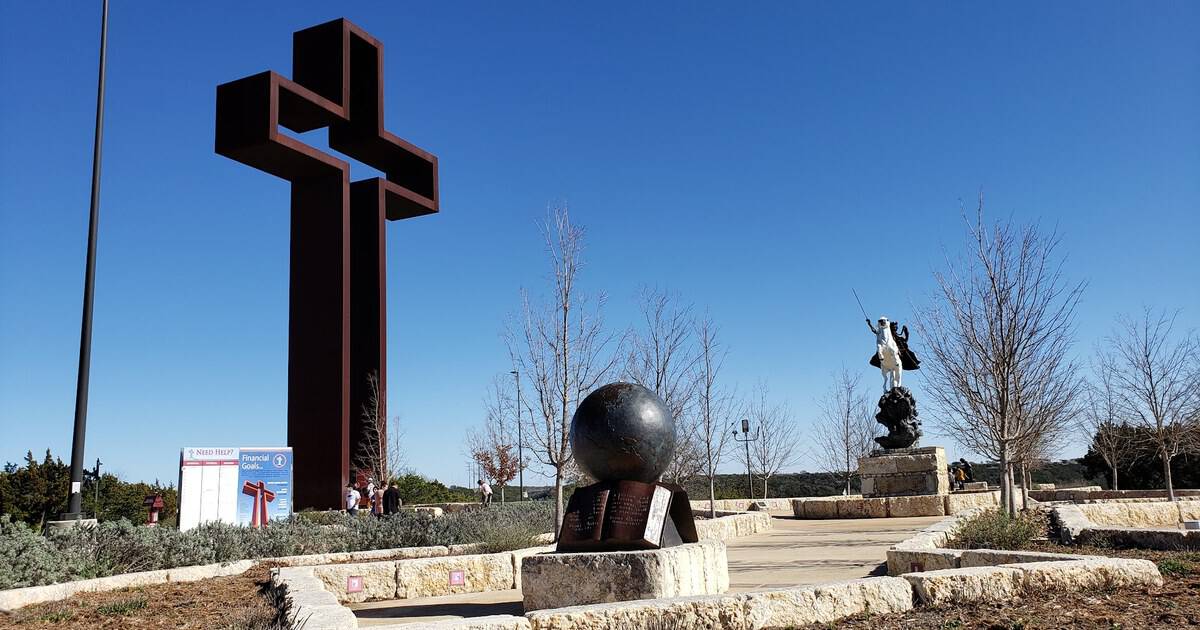
The Coming King Sculpture Prayer Garden sits on a hilltop above Interstate 10, and its centerpiece is a hollow steel cross seven stories high. Around it spread nearly 25 acres of bronze figures, scripture paths, and a sun-warmed, rust-red hush that feels closer to Jerusalem than to an exit ramp.
Below, I will walk you through the cross, the sculptures, the prayer rocks, the long fight to build the place, and everything you need to plan a stop. It is free, it is open every day of the year, and it is unlike anything else in the Hill Country.
The Cross You Can Walk Inside
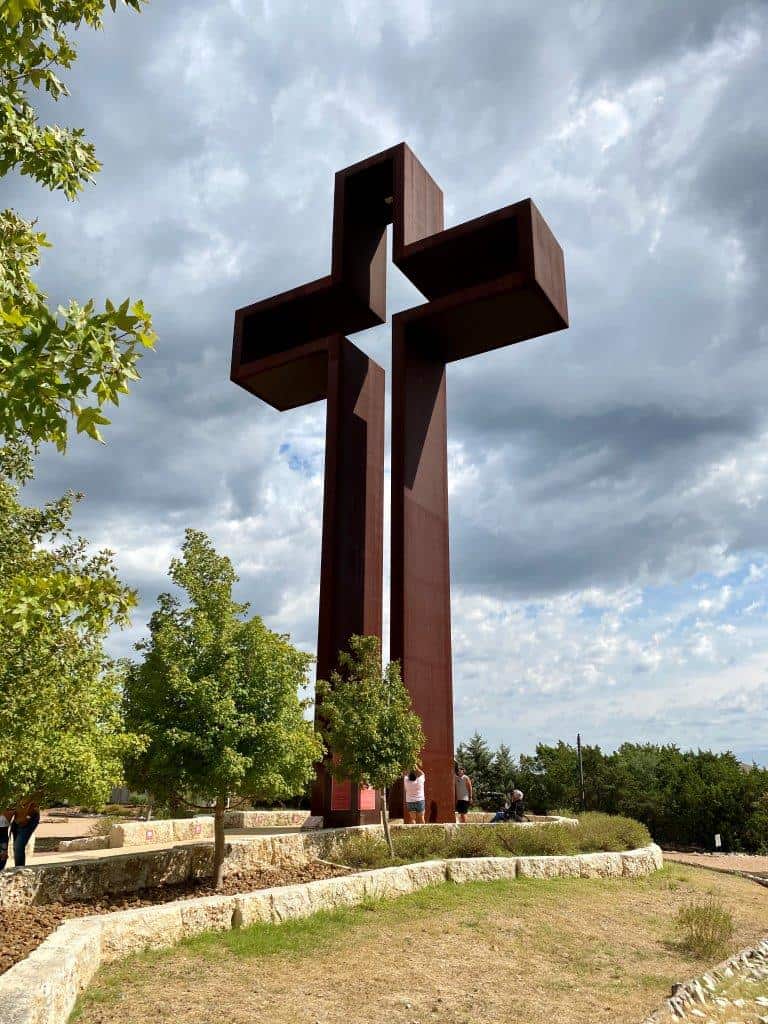
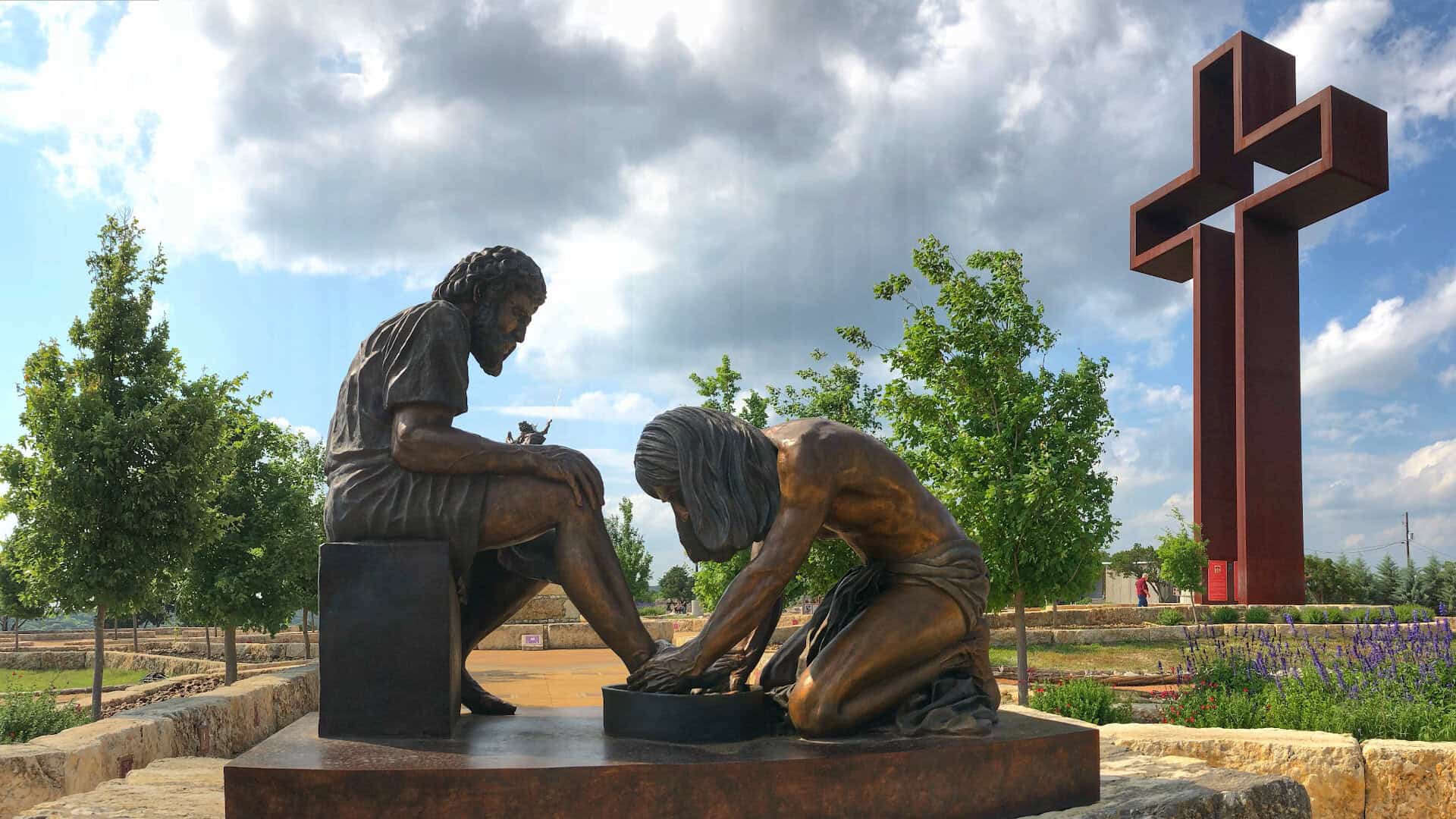
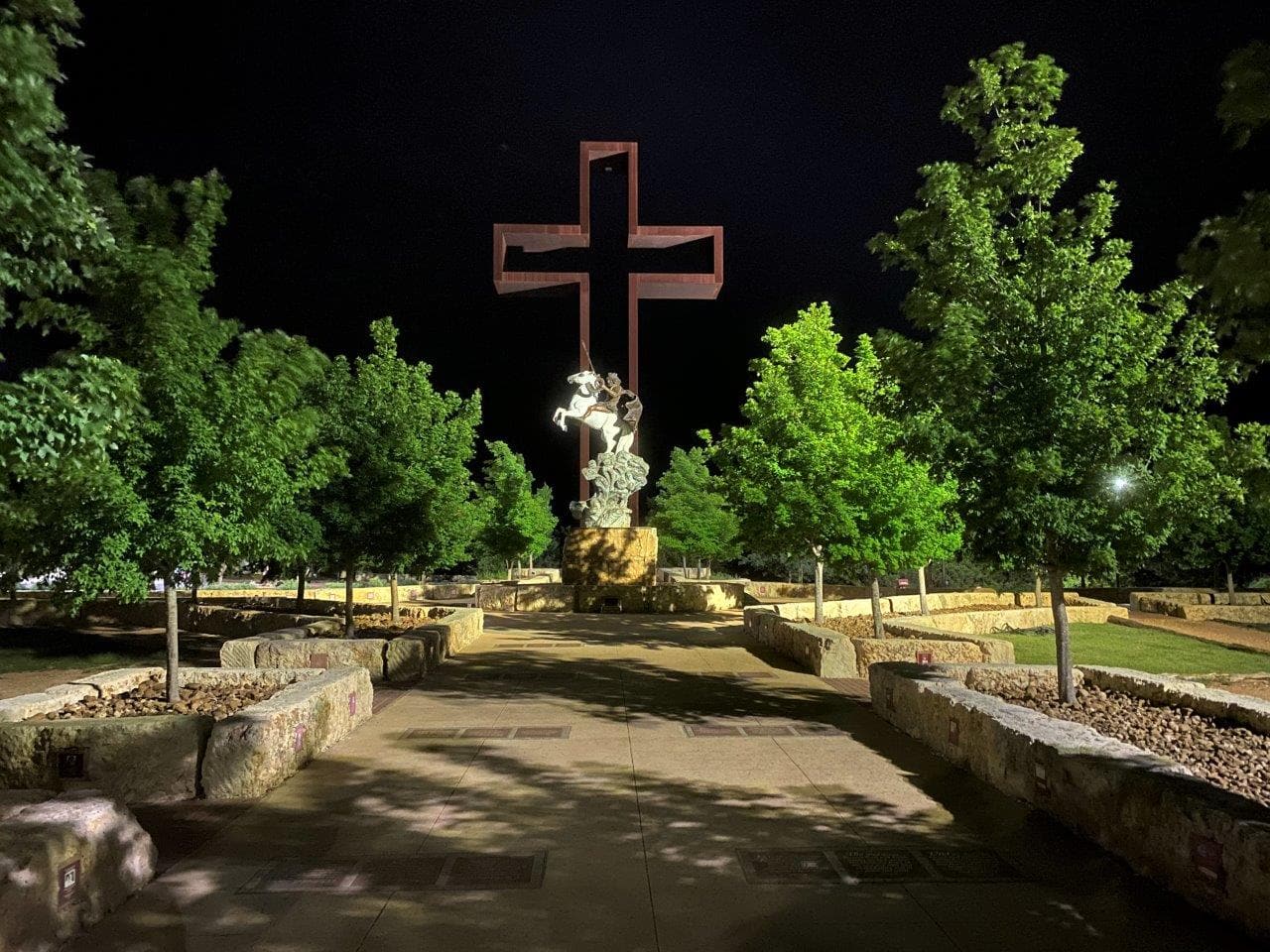
The Empty Cross is the first thing you see, and honestly it is the first thing everybody sees. It stands 77 feet 7 inches tall, its arms span 40 feet, and the foundation says the whole thing weighs about 70 tons once you count the steel in the footing.
It is made of Cor-ten steel, the kind that is meant to rust. After sandblasting, the surface settled into a deep reddish brown patina that the artist chose on purpose. Against a blue Hill Country sky, that color reads from a mile away.
What makes it different from every other big cross in America is the hole in the middle. The center is open, seven feet wide, so you can step through it and stand inside. Four plaques mounted within describe scriptural paths for salvation, healing, the Holy Spirit, and miracles.
The hollow shape is the point. The artist, Max Greiner Jr., built it empty to represent the resurrection, the open door, and light passing through. Visit near sunset and the low sun pours straight through the opening. It is the photo everyone takes, and I understand why.
Did you know? The foundation counts roughly 36,000 vehicles passing beneath the cross on I-10 every single day. A lot of drivers see it. Far fewer pull off and climb the hill.
A Garden Laid Out Like a Cross
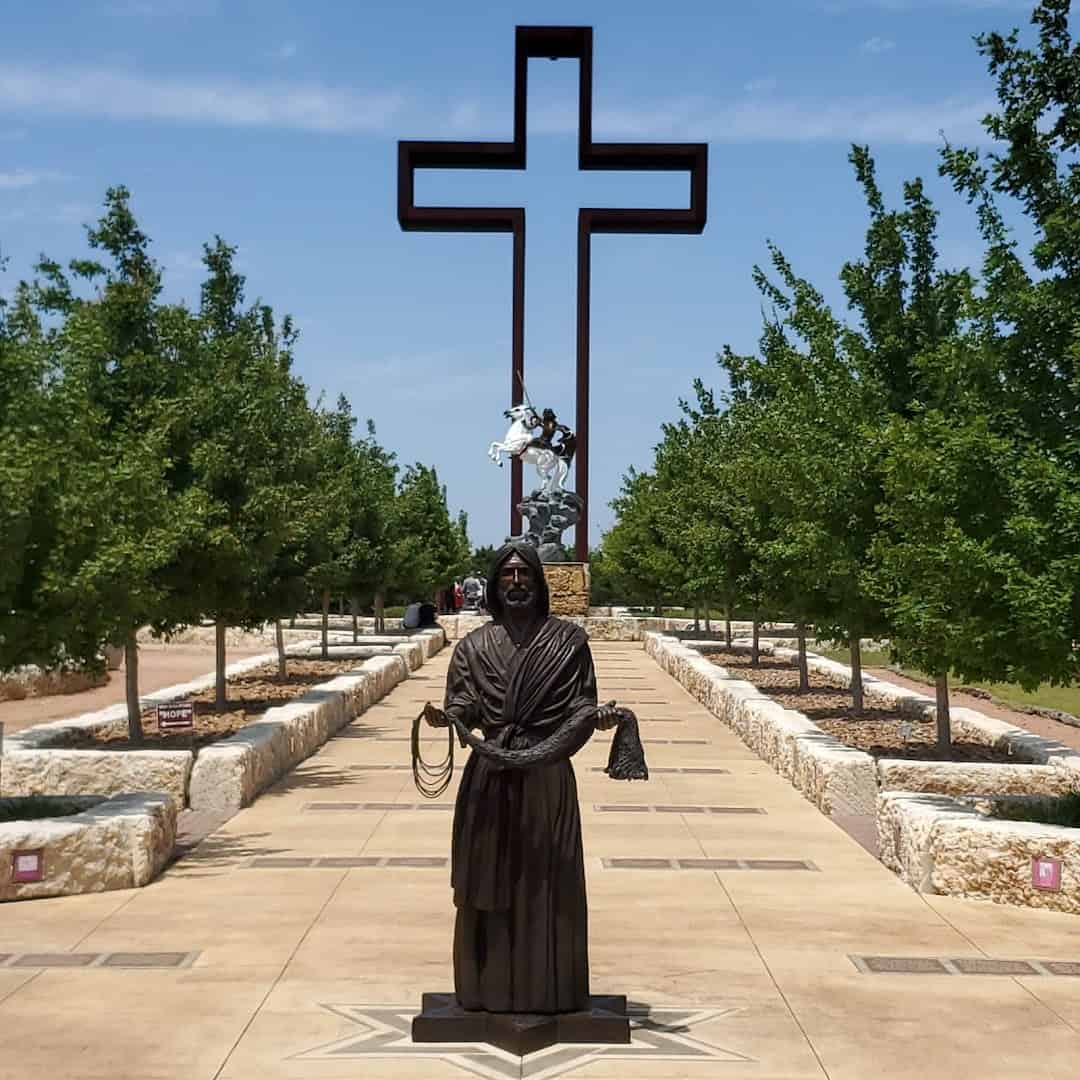
Step past the big sculpture and the ground itself is shaped like a cross. The main walkway, which the foundation calls the Path To Heaven, forms a cross roughly 100 yards long, with 77 scripture tiles set into the pavers in English, Spanish, and German.
The concrete main path is smooth and wheelchair friendly. Side paths are crushed granite that crunches underfoot, and that sound, plus wind moving through the cedars, is most of what you hear up here. Traffic from the interstate fades to a soft hiss below the hill.
Water shows up in two places. The Jordan River Crossing is a small waterfall that spills across the path, an echo of the river the Israelites crossed to reach the Promised Land. Nearby, the Living Water Fountain gives the garden its one constant, cooling sound.
Look for the 12 Stones near the water. In the Book of Joshua, twelve stones were pulled from the Jordan riverbed to mark the crossing. The garden repeats that memorial, and the connection to the Holy Land starts to feel less like a theme and more like a map.
Trees matter here too. Forty-two big tooth maples were planted across the 1,930-foot hilltop, and big tooth maples are the Hill Country’s best shot at real fall color. Come in November and the rust of the cross gets a matching frame of orange leaves.
Bronze That Tells the Whole Story
The cross gets the attention, but the bronzes are what turn a landmark into a sculpture garden. The foundation says it holds about three million dollars in donated monumental work by three artists: Max Greiner Jr., Beverly Paddleford, and David Broussard. Fourteen pieces are on display.
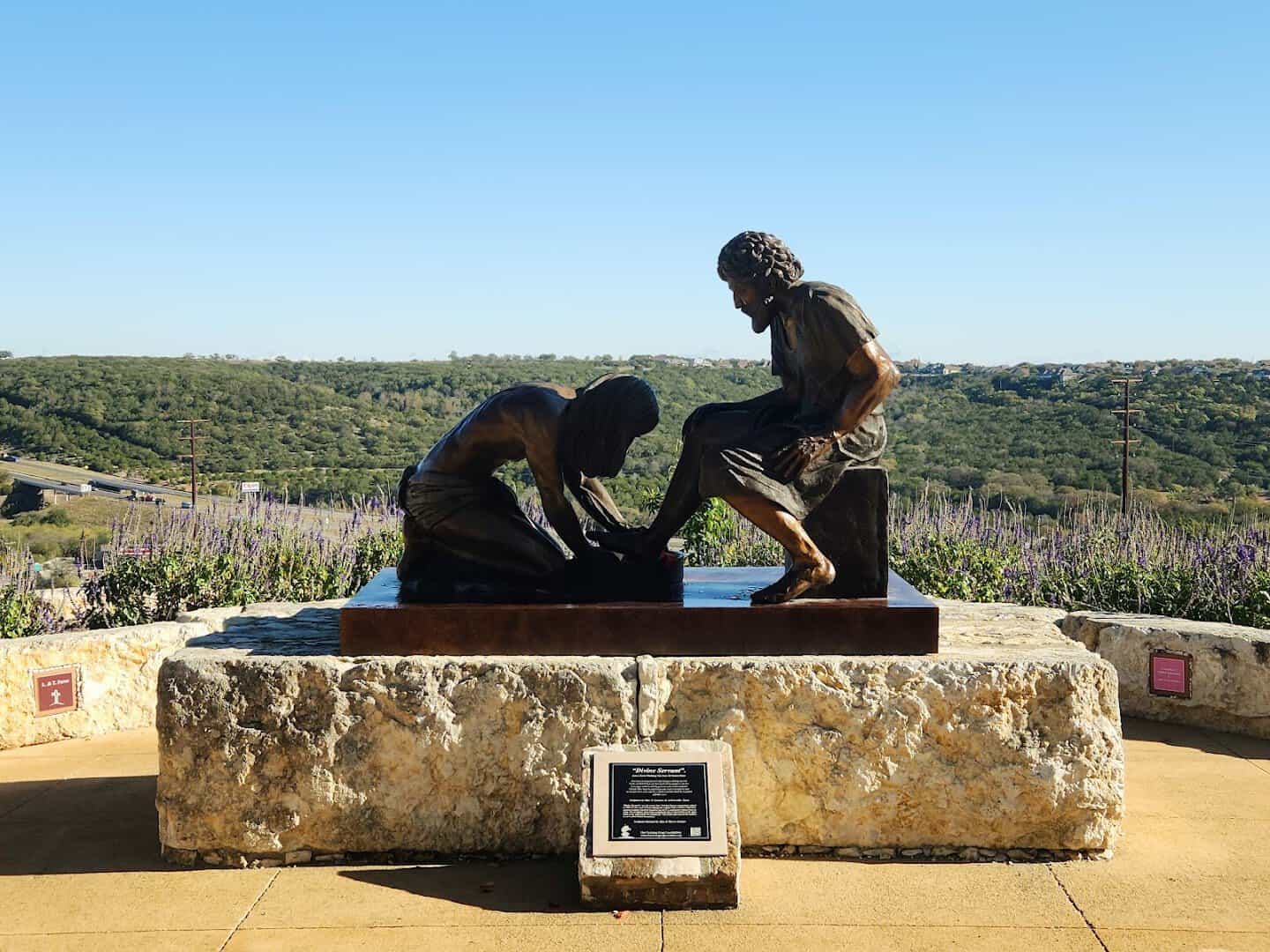
My favorite is Divine Servant. It shows Jesus kneeling to wash the feet of Simon Peter. Greiner based the faces on what he describes as the oldest known drawings of the two men, found in the catacombs of Rome. The 1,200-pound bronze arrived in November 2012.
Here is the Holy Land detail that stopped me cold. The basin in that sculpture was modeled on a real ceramic basin dug up in Israel and dated to the time of Christ. You are looking at a copy of a bowl someone used two thousand years ago.
The Coming King bust is the opposite mood, sculpted in 2000. It shows Christ returning as a king, shofar in one hand and sword in the other, under a crown carrying a lion, a lamb, and a dove. Nearby, a second Coming King rides a rearing horse, sword raised.
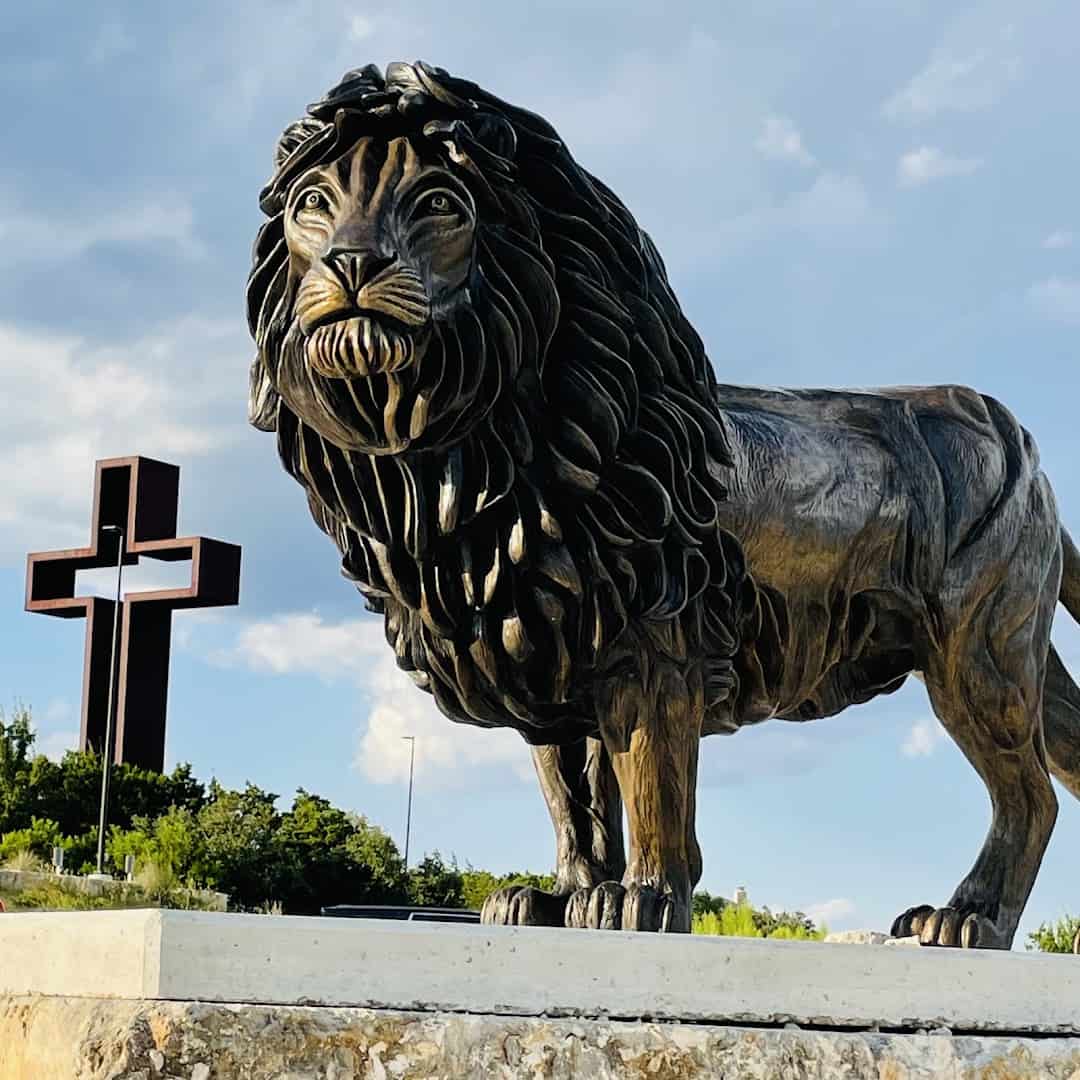
Then there is the Lion of Judah, eleven feet from nose to tail and cast at 105 percent of the largest known male lion. Greiner started it in 2007 and finished about a decade later. Its base is carved with the Ten Commandments and the names of God.
The foundation notes that the number one casting of that same lion overlooks Mount Zion in Jerusalem. The Kerrville copy overlooks the Guadalupe River valley. Two lions, two hills, and a straight line between Texas and the old city.
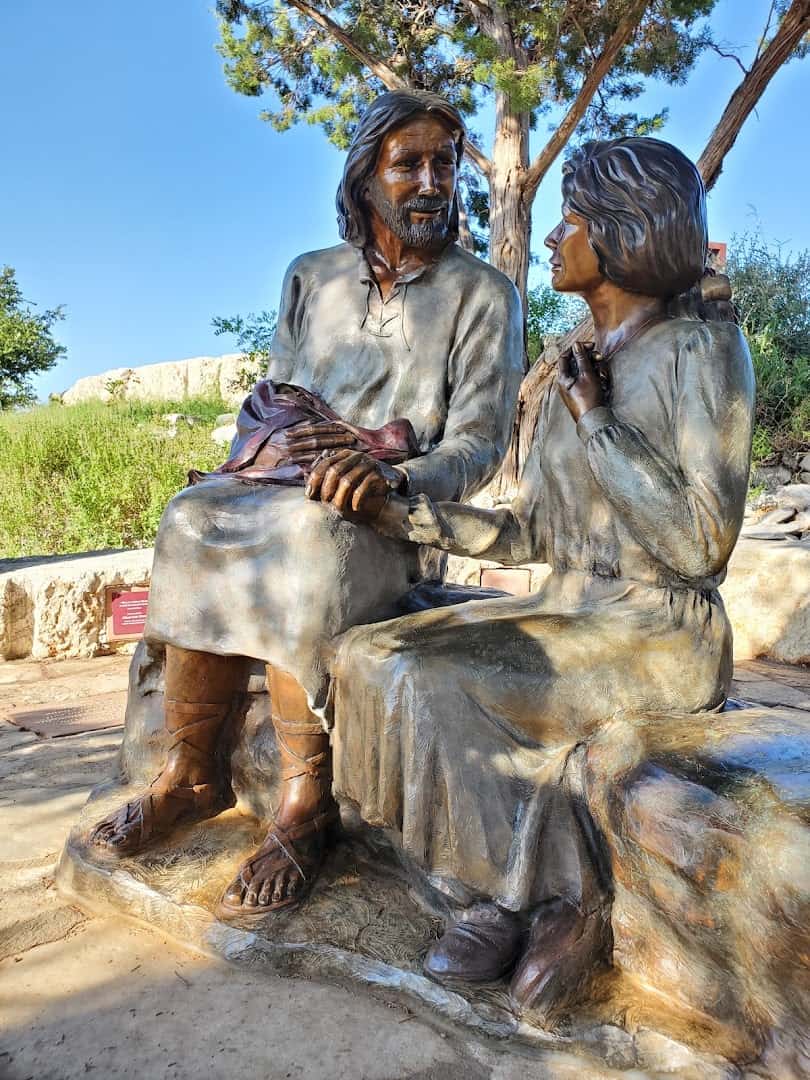
Beverly Paddleford’s piece is called Hope, and there are also figures titled Fisher of Men, The Great Commission, Mary Mother of Jesus, and It Is Finished scattered along the paths. Each one has room to breathe. Nothing is crowded, which is rare for an outdoor gallery.
Why It Feels Like the Holy Land
Plenty of churches build gardens. This one keeps circling back to Israel on purpose, and the geography helps. The foundation likes to point out that the hill sits at roughly the same latitude as Israel, about halfway between the Atlantic and the Pacific along I-10.
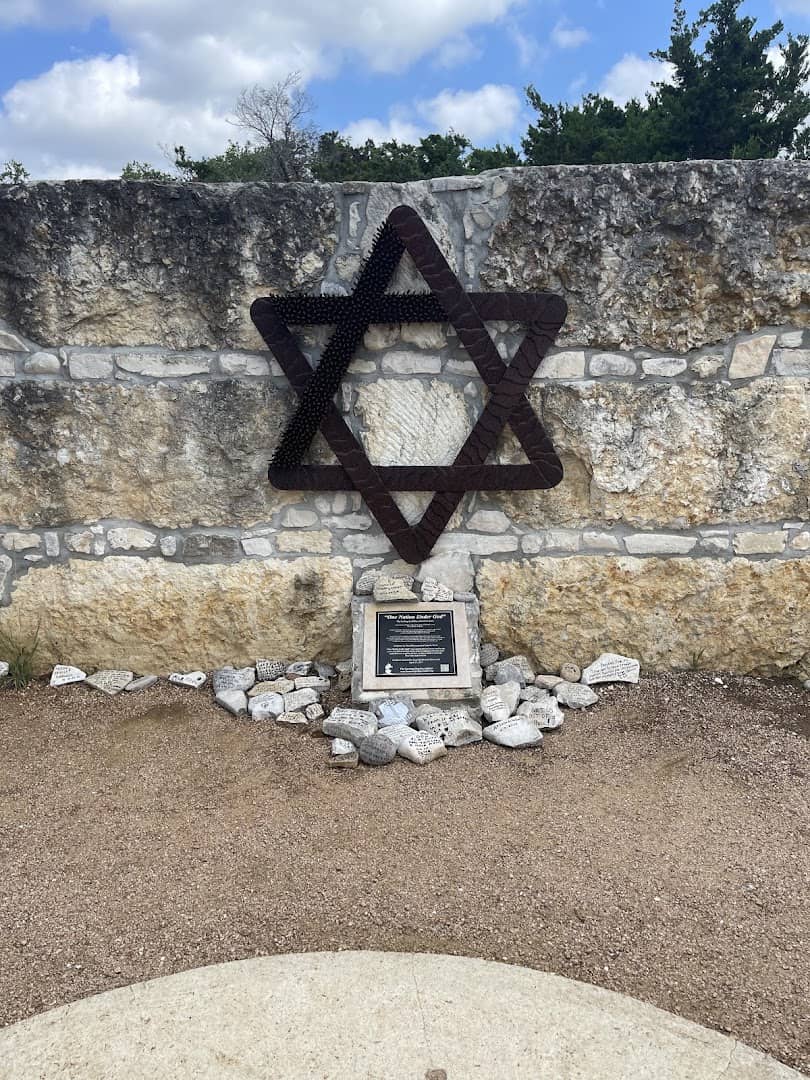
Walk the whole loop and you pass a Jordan River, twelve memorial stones, a Names of God Wall, a Wall of Nations, and a lion whose twin guards Jerusalem. Even the cross’s rust color was chosen to recall the blood of Christ rather than to look pretty.
The scenery does the rest. Kerrville’s hills are dry, rocky, and dotted with scrub, not so different from the Judean hill country if you squint. Add a hot afternoon wind and a lone cross on a high point, and the comparison stops sounding like a stretch.
Thousands of Prayers Written on Rocks
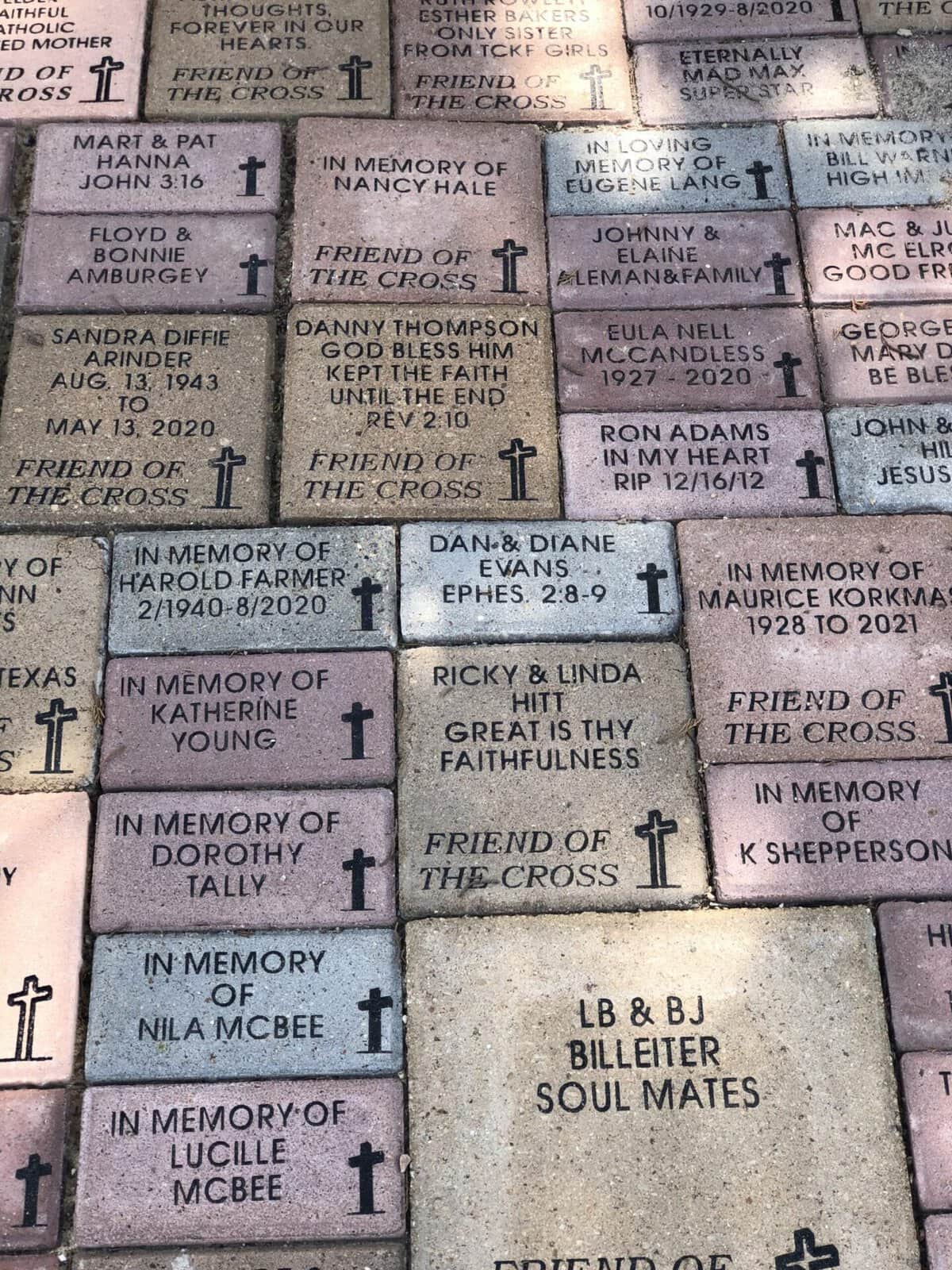
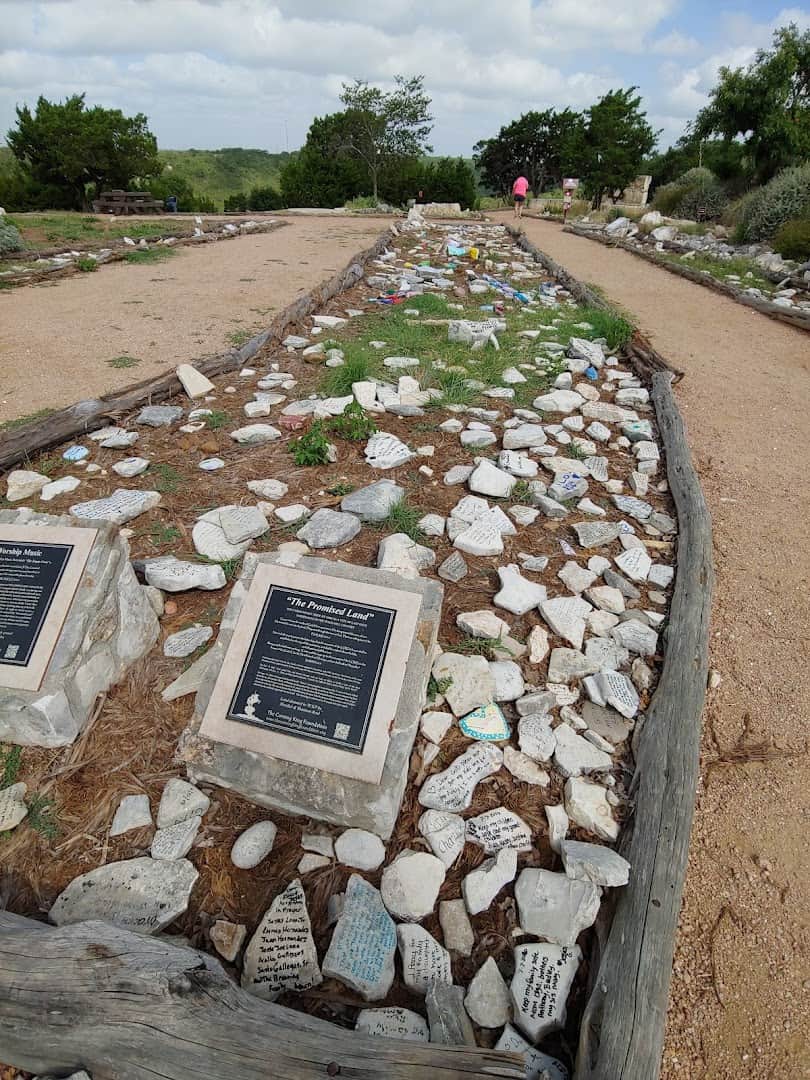
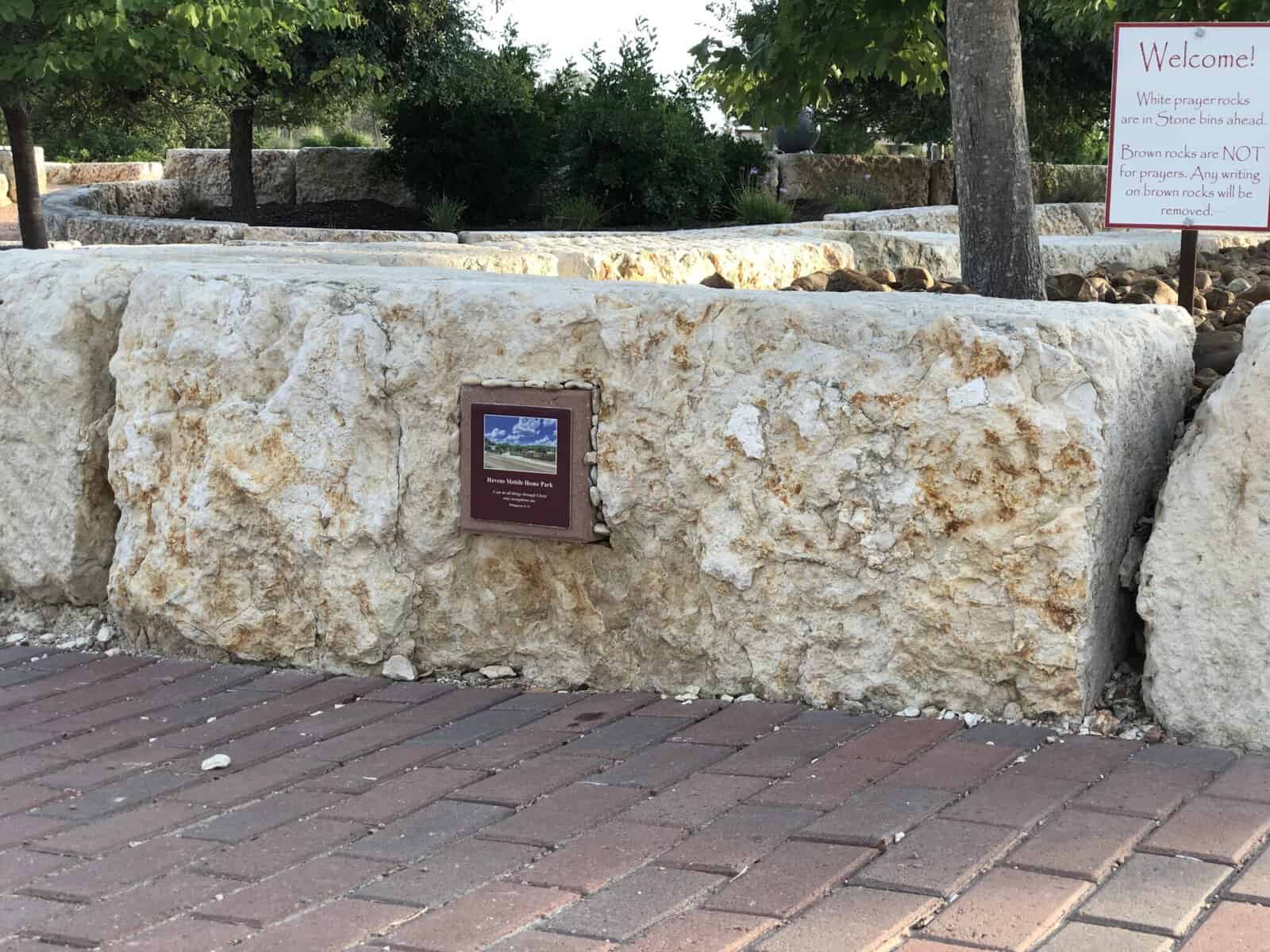
If the cross is the garden’s landmark, the Prayer Path is its heart. It is a 600-foot trail that circles the cross garden, and the edges of it are lined with prayer rocks. Not dozens. Thousands.
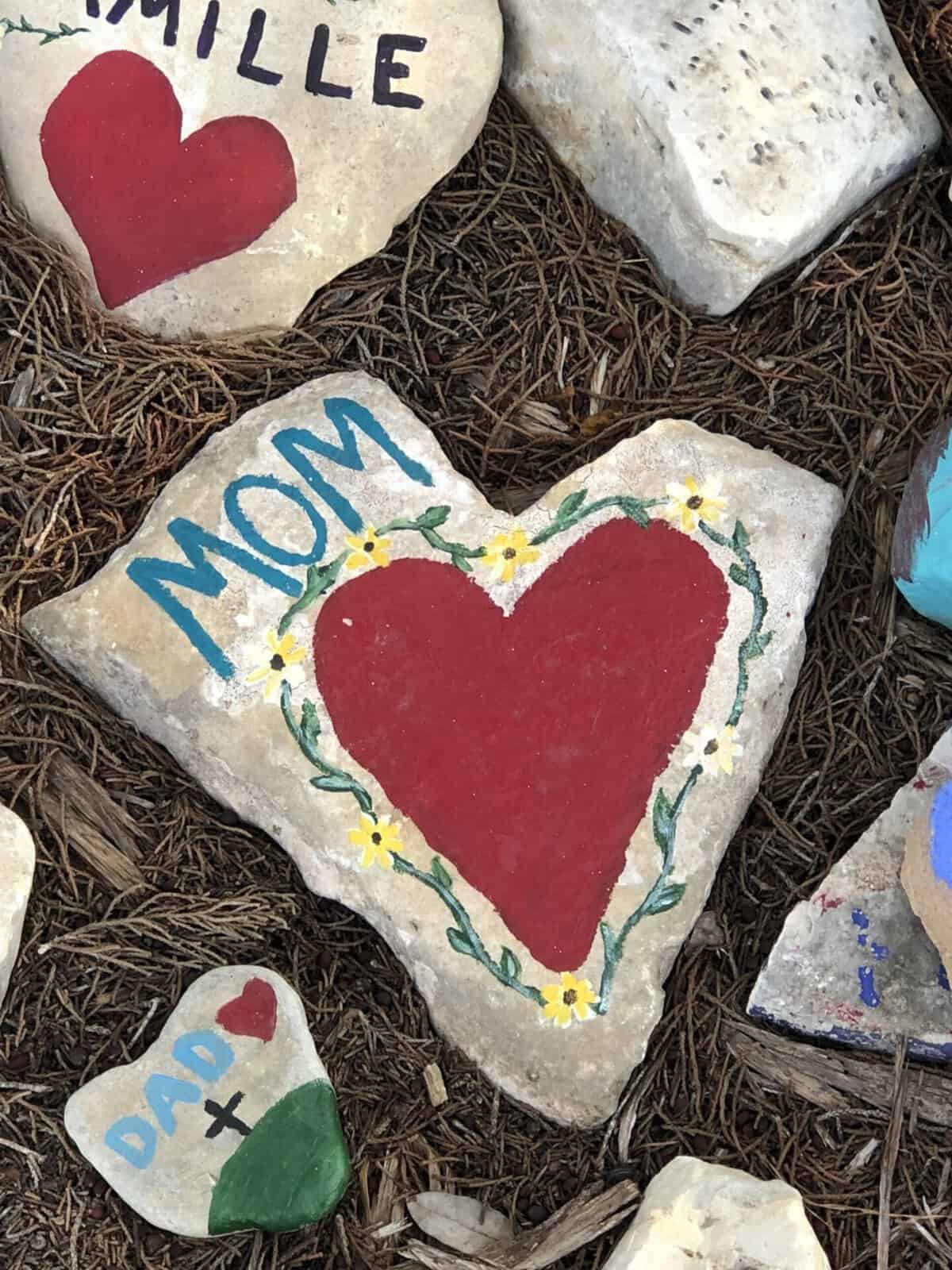
The idea is simple. Pick up a stone, write a prayer or a name on it with a marker, and set it down among the others. Visitors have done this for years, and the path has become a long, quiet record of what people carry up that hill.
Reading the rocks is the part I would budget the most time for. Some are in Spanish, some in German, plenty in shaky handwriting. Reviewers mention music playing softly near the cross while they walked, which fits the mood better than silence would.
Pro tip: bring your own permanent marker. Stones are easy to find on the grounds, but a fresh marker means your words will outlast the next rainstorm.
One visitor put it plainly on the Tour Texas listing: “The garden is my favorite place away from home!” That line came from a woman named Kathy Adams, and after everything I read, I believe her.
A Brief History of a Nine Year Climb
The garden did not go up quickly. The story starts in 2001, when Greiner, a Kerrville artist and evangelist, says he received the vision for a cross on the interstate. In 2002, a friend emailed him proposing a cross exactly 77 feet 7 inches tall on I-10.
On May 6, 2004, founders Max and Sherry Greiner formed The Coming King Foundation as a nonprofit art museum with seven trustees. The next year, a 23-acre hilltop above the highway was priced at $500,000, and a donor named Hershel Reid ended up giving the land to the foundation.
Groundwork began in December 2005. Then came the part nobody expected. In December 2008, opponents filed a lawsuit to stop the cross from being raised on its $100,000 concrete base. The finished sculpture arrived in October 2009 and sat on the ground under a restraining order.
The foundation won the case on March 1, 2010. On July 27 of that year, a volunteer crew finally stood the cross upright on the hill. Nine years had passed since the vision, which is where the “epic struggle” language in the foundation’s own press release comes from.
Here is my favorite footnote. Days before the raising, someone found Kerrville’s 1956 centennial commemorative plate. It shows a giant hollow cross standing on a hill above the town, drawn half a century before anyone proposed one. The foundation still tells that story to every tour group.
The bronzes arrived through the following years, with Divine Servant and the Coming King bust donated in 2012. The foundation dedicated the completed garden on September 13, 2015, and in July 2022 Tripadvisor put it in its top ten percent of attractions worldwide with a Travelers’ Choice award.
Tips for Your Visit
The garden is open every day of the year, and the foundation lists hours of 7 a.m. to 10 p.m. Admission is free, with no tickets and no gate. The whole thing runs on donations, and the foundation says it operates debt free with no government money.
The Donor Artists Gallery and Gift Shop keeps shorter hours, roughly 10 a.m. to 6 p.m., and that is where you will find smaller castings, books, and a restroom that meets ADA standards. Tour guide chaplains are available if you call ahead and schedule a walk.
Plan on 45 minutes to an hour for a relaxed loop, longer if you read every scripture tile and prayer rock. Picnic tables sit under the trees, so a sandwich from town travels well. Bring water and a hat in summer, because the shade comes in patches.
Timing matters more than you would think. Early morning is cool and nearly empty. Late afternoon puts the sun behind the cross and lights the opening like a window. If you can only pick one, I would pick the hour before sunset every time.
Did you know? The garden is non-denominational, and the foundation says guests arrive from all 50 states and more than 80 countries. You do not have to share the faith to appreciate the craft, the quiet, or the view.
How to Get There
Where: The Coming King Sculpture Prayer Garden, 520 Benson Dr, Kerrville, TX 78028
The entrance sits right off Interstate 10 at the eastern approach to Kerrville, about an hour northwest of San Antonio and roughly 40 minutes from Fredericksburg. Watch for the cross on the hill and follow Benson Drive up to the free parking lot.
Kerrville itself is a fine base. The Guadalupe River runs through downtown, and the town’s shops and cafes are a ten-minute drive from the garden. Pair the two and you have a full, easy day in the Hill Country.
Take the Exit This Time
You have probably passed this cross already if you have driven I-10 west of San Antonio. Next time, take the exit. Climb the hill, step inside the steel, read a few of the rocks, and watch the light come through at sunset.
Whether you go to pray, to look at bronze, or just to stand somewhere quiet for an hour, this hilltop will hold you longer than you planned. Bring a marker, leave a stone, and see if the Holy Land comparison still sounds like a stretch on the drive home.
Featured image: Duane Moore via The Coming King Sculpture Prayer Gardens

Stella Raines
Editor-in-Chief
Stella brings over a decade of storytelling experience to TX Headlines. With roots in West Texas and a love for road trips, she leads the editorial team with an eye for the hidden stories that make Texas unforgettable.
More Stories
This Historic Texas Church Was Built by 100 Sicilian Families and Glows With Painted Arches
This Unusual Texas Store Is Packed With Treasures Confiscated at Airport Security
This Quiet Texas Peninsula Is Best Reached by a Free Ferry Ride With Dolphins
This Quiet East Texas Site Is a Hauntingly Beautiful Portal to an Ancient Ancestral World
Tags