This Hidden Texas WWII Site Tells a Story You Won’t Find in Any Textbook
Nobody told me in school that thousands of German soldiers spent the war picking cotton in Central Texas. I learned it from a historical marker, and I have been a little obsessed ever since.
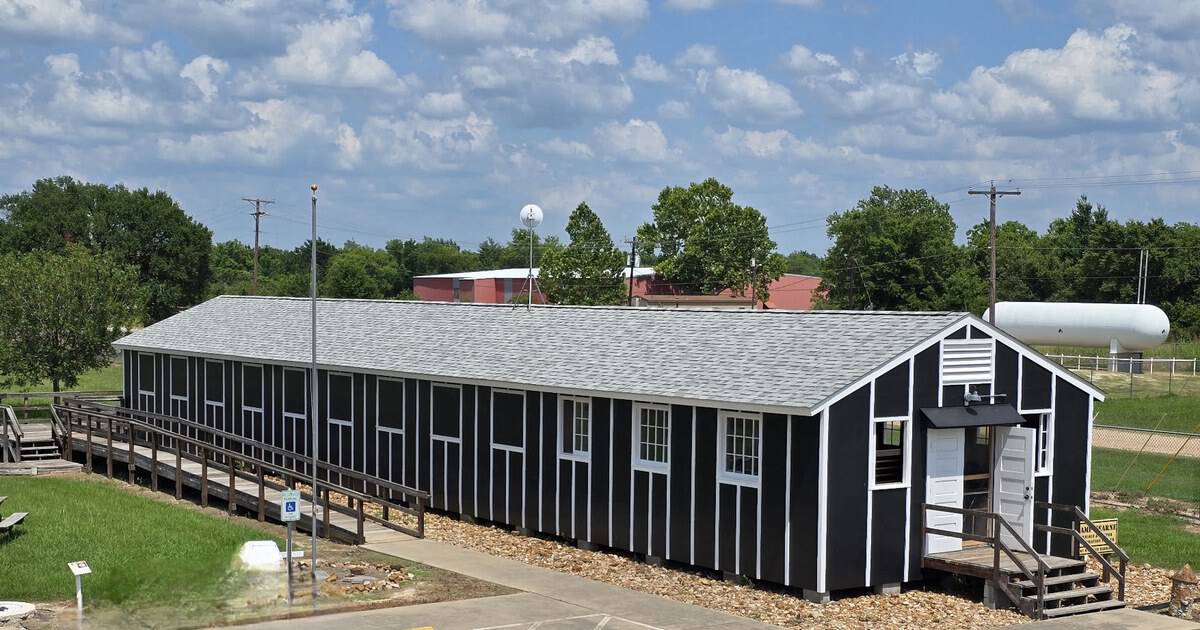
The place is Camp Hearne, a World War II prisoner of war camp just outside the railroad town of Hearne in Robertson County. Today it is a small museum, a rebuilt barracks, and a walking trail through sun-bleached concrete foundations where a city of nearly 5,000 men once stood.
Below, I will walk you through what is left, what the prisoners built with their own hands, and why this quiet field holds one of the strangest chapters of the war. Then I will tell you how to go see it yourself.
A Barracks Rebuilt, Board by Board
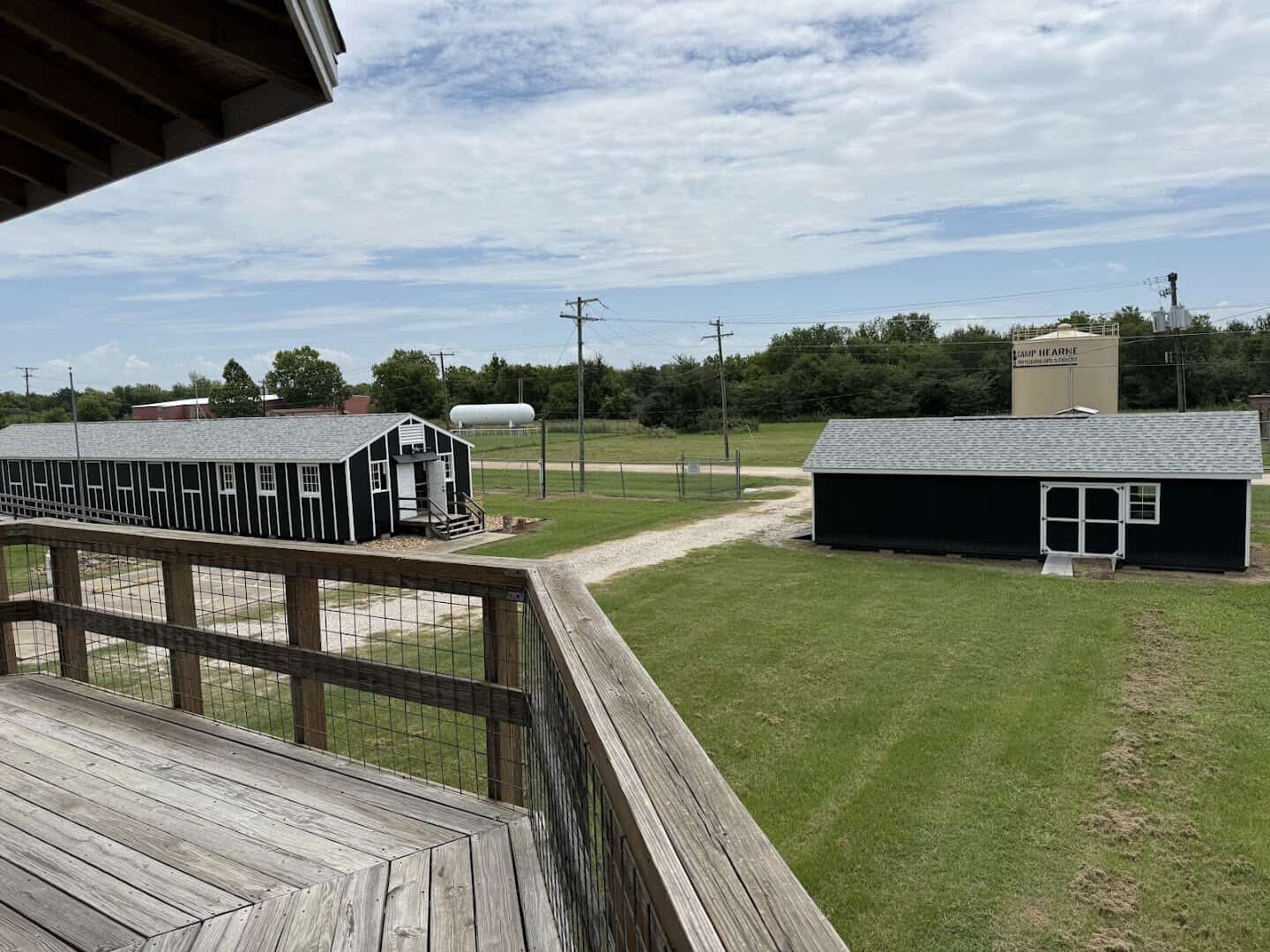
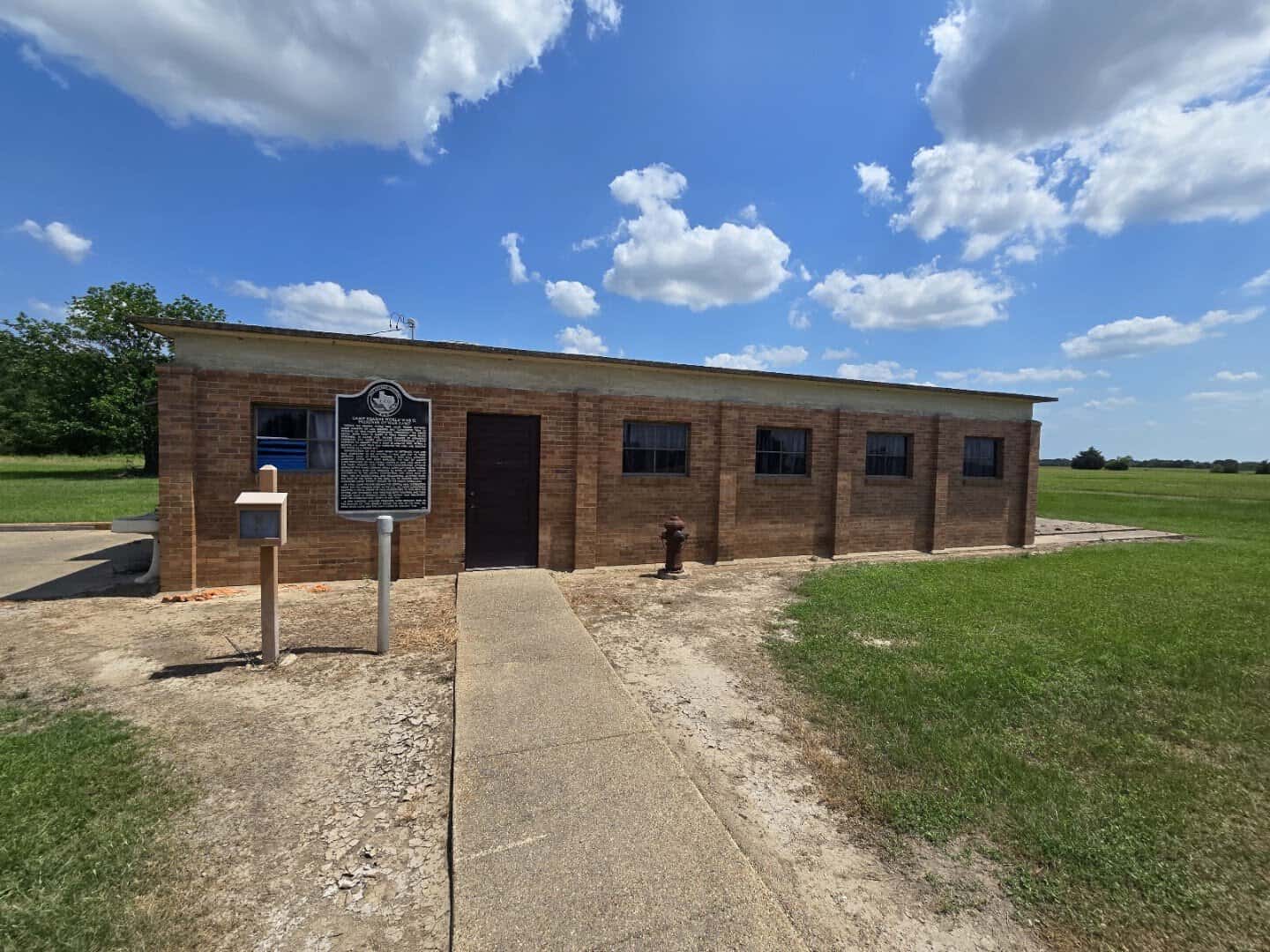
The first thing you see when you pull up is the replica barracks. It is a long, plain, metal-sided building, the same shape the Army stamped out by the hundreds in 1942. Inside is where the story starts.
The exhibit room lays out an ordinary day behind the wire. There are original uniforms, field equipment, mess kits and canteens, some of them engraved by the men who carried them. Photographs from the camp line the walls, and the captions carry most of the story.
What surprised me most, reading about it, is how normal the routine was. Reveille, roll call, work details, meals, and then hours of free time that the prisoners filled in ways nobody expected.
A docent usually walks you through. Visitors on Tripadvisor keep saying the same thing, that the guide is “very knowledgeable and extremely informative,” and that the tour turns a dry list of dates into actual people. Plan on 60 to 90 minutes inside.
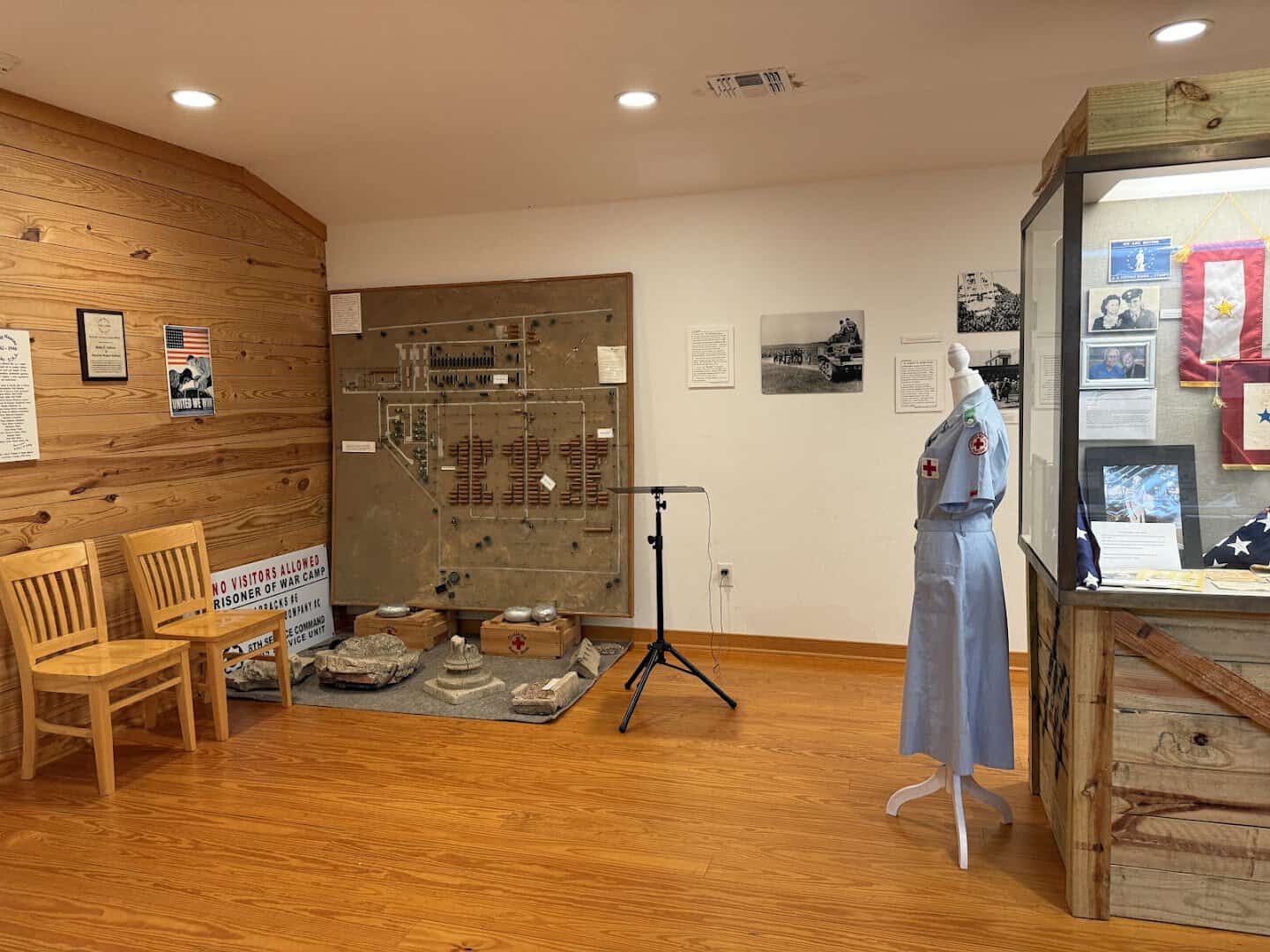
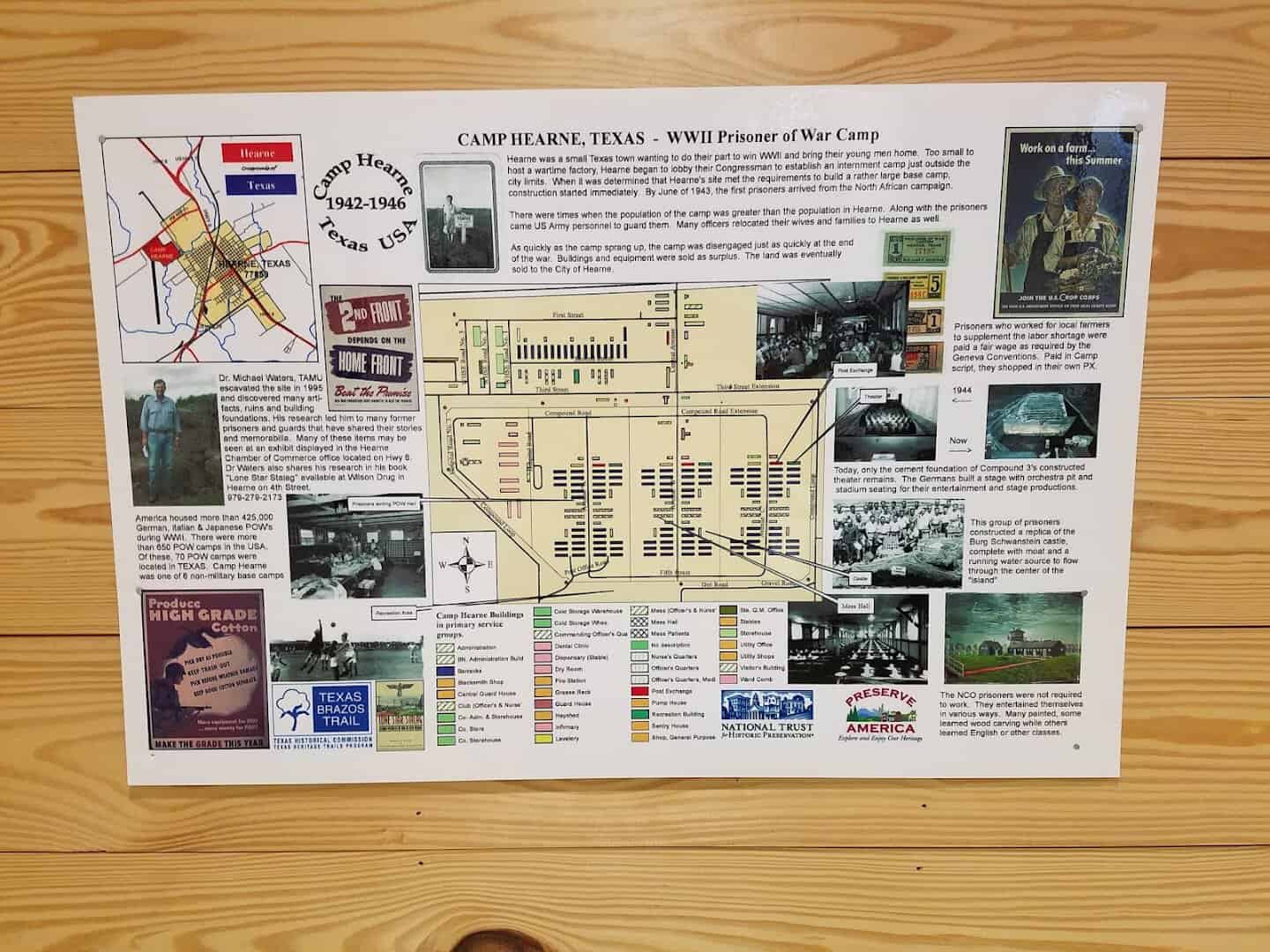
Step back outside and the foundations begin. Concrete slabs and clusters of brick mark where mess halls, barracks and support buildings stood, laid out in a grid you can still trace on foot. A map in the exhibit helps you match each slab to the building that sat on it.
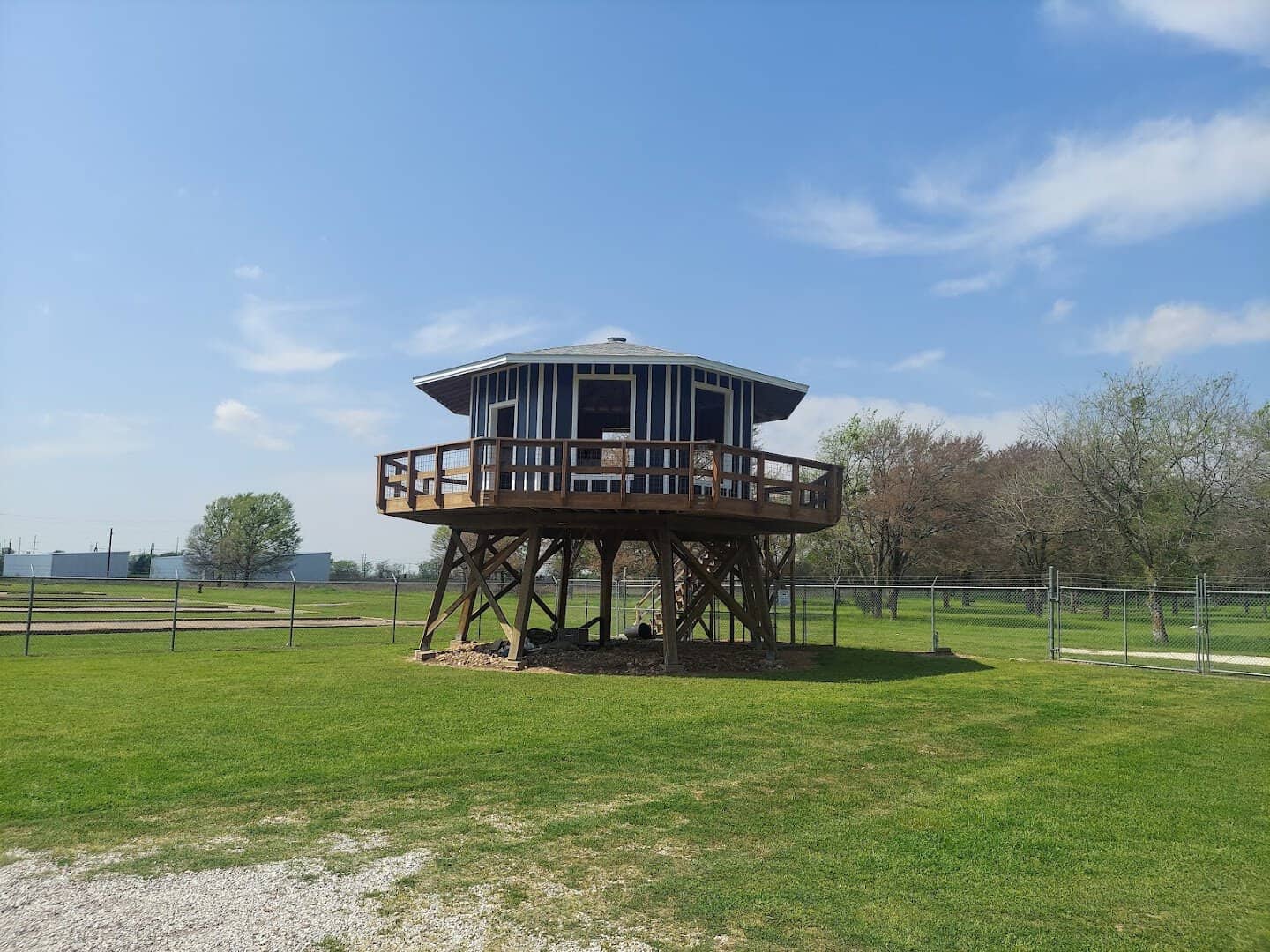
Outside the barracks stands a replica guard tower, one of seven that once ringed the compound. Stand under it and picture a young Texan soldier up there watching men from Rommel’s army play soccer below.
Artifacts That Came Out of the Dirt
For fifty years, the camp was mostly forgotten. The buildings were sold off or torn down after 1946, and the land went back to pasture and scrub. Then, in the mid-1990s, a Texas A&M archaeologist named Michael Waters got curious.
Waters brought more than 300 anthropology students out to the site over several seasons. They mapped the foundations and dug carefully through what the prisoners left behind. The haul was more than 1,400 artifacts.
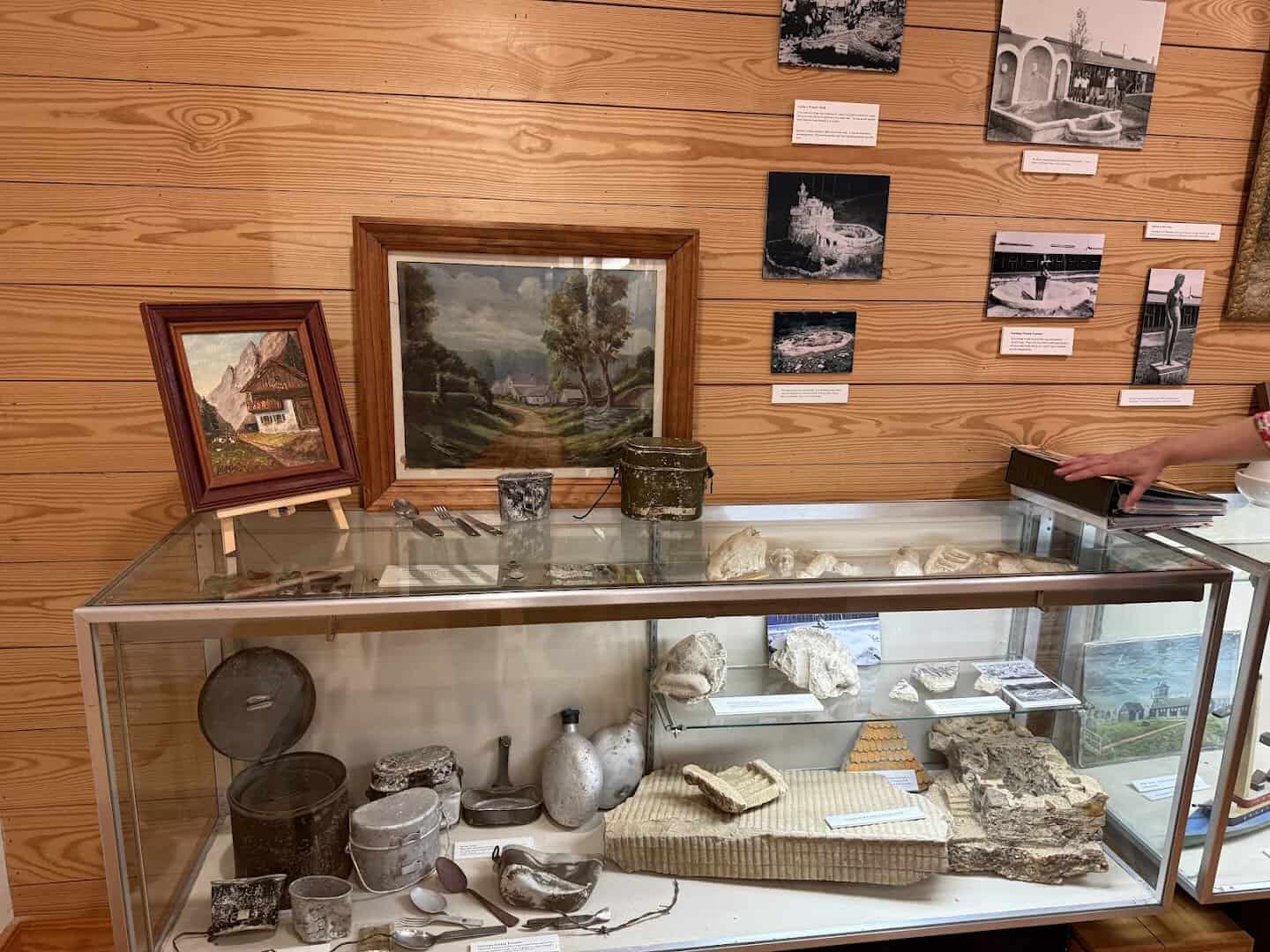
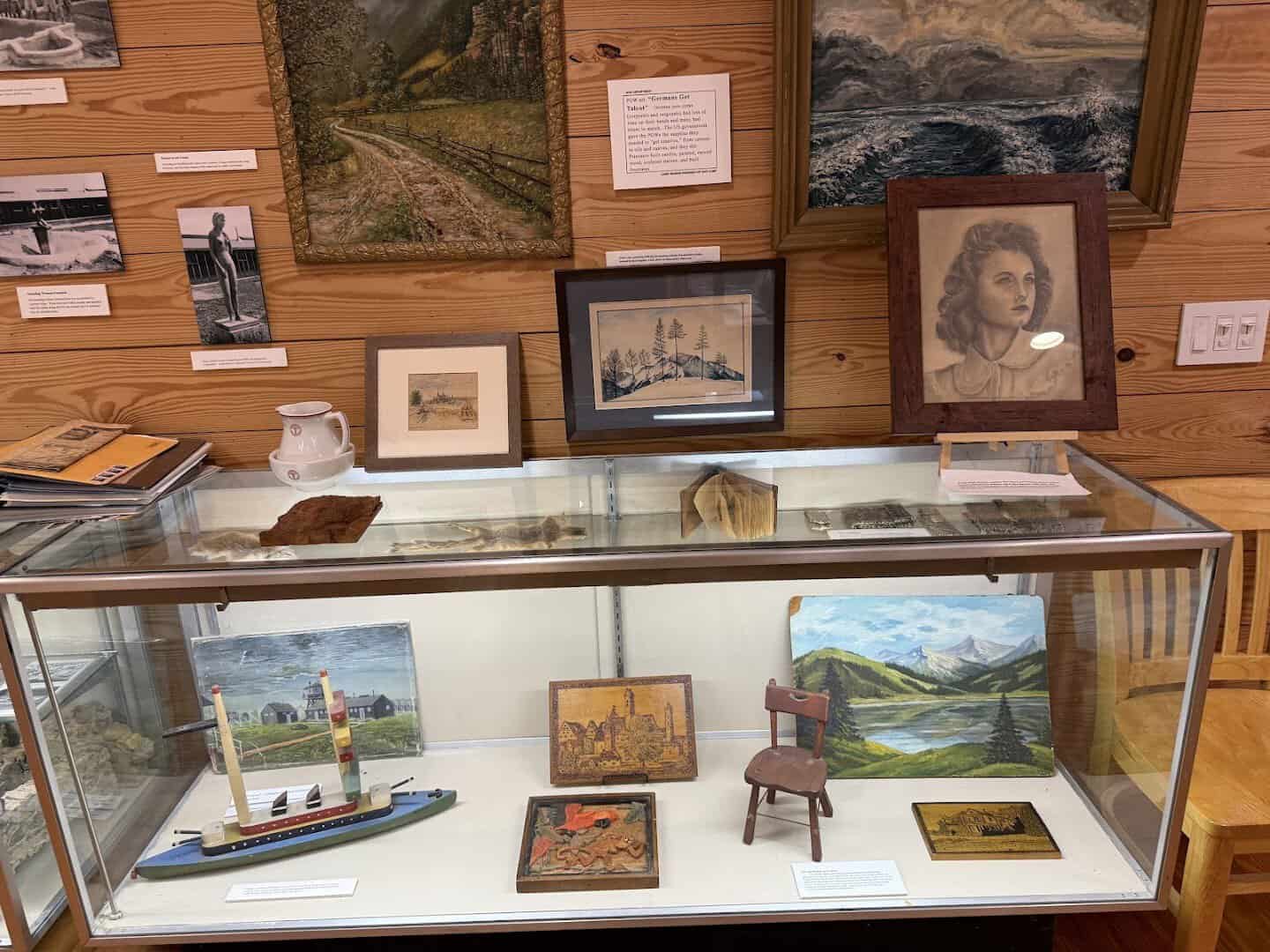
Rings hammered from coins. Knives. Badges. Canteens with names and hometowns scratched into the metal. Small carved figurines. Every one of those objects now has a home in the exhibit, and seeing them together is the moment the camp stops being abstract.
My favorite pieces are the watercolors. Prisoners painted the camp, the Texas sky, the barracks, and scenes from home between 1942 and 1946, and several of those delicate paintings survived. They are the closest thing you will get to seeing the place through a prisoner’s eyes.
Did you know? Camp Hearne was one of the few camps in the country that held prisoners from all three Axis powers. The Germans were the vast majority, but Italian and Japanese prisoners passed through as well.
Fountains, a Castle, and an Orchestra Behind the Wire
This is the part I cannot get over. Given free time, cement, and Texas rocks, the German prisoners built art.
The excavations uncovered portions of three fountains the prisoners constructed in the compound gardens. They have names now: “The Kneeling Woman,” “The Devil,” and “The Castle.” Alongside them the men built waist-high replicas of old German castles, complete with little moats and detailed stonework.
Trails lead from the museum into the wooded part of the old camp footprint, where you can find the remains of those fountains and the outdoor theater. The theater had stadium-style seating and an orchestra pit, and each compound had one that could hold 200 or more.
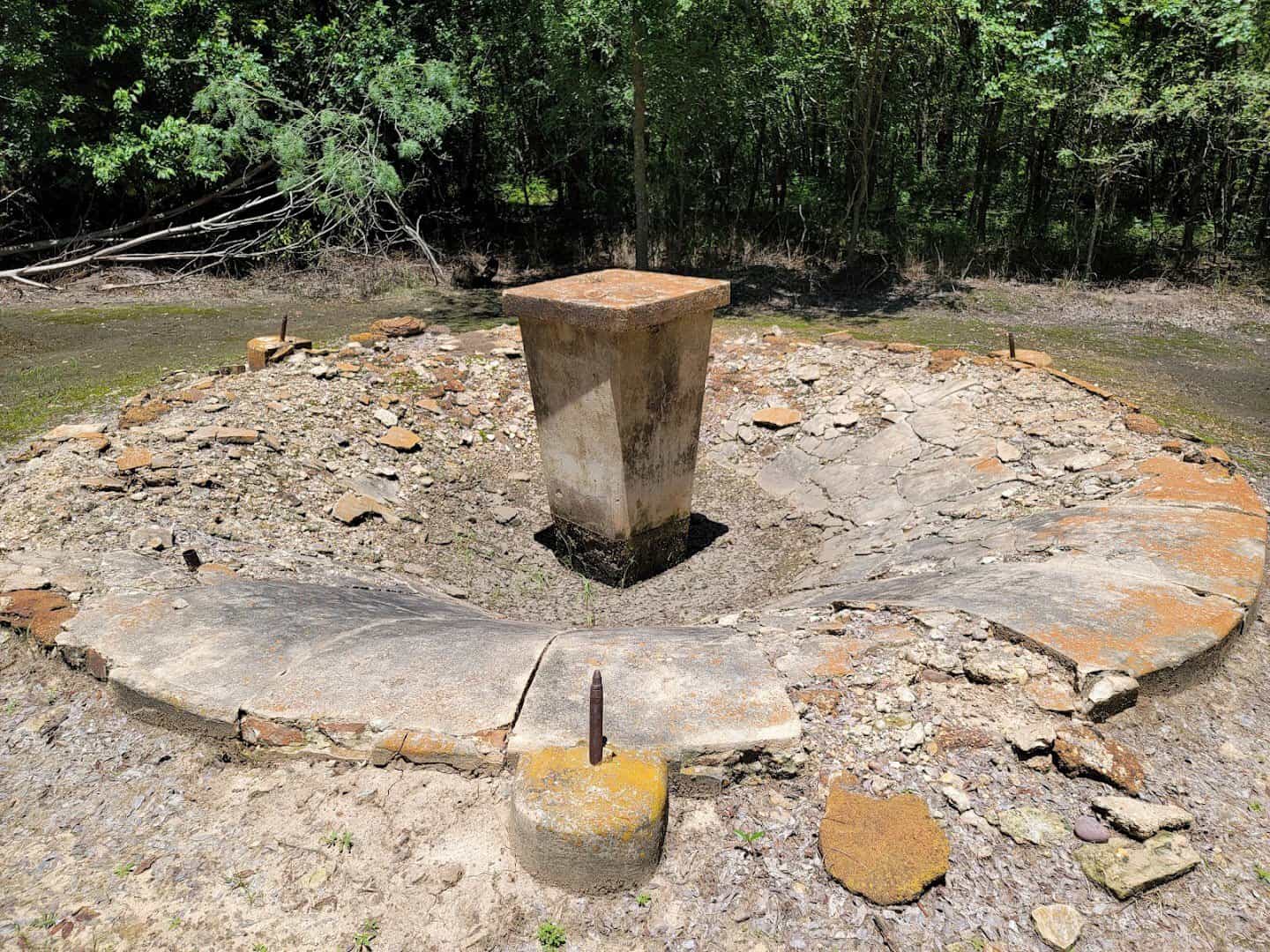
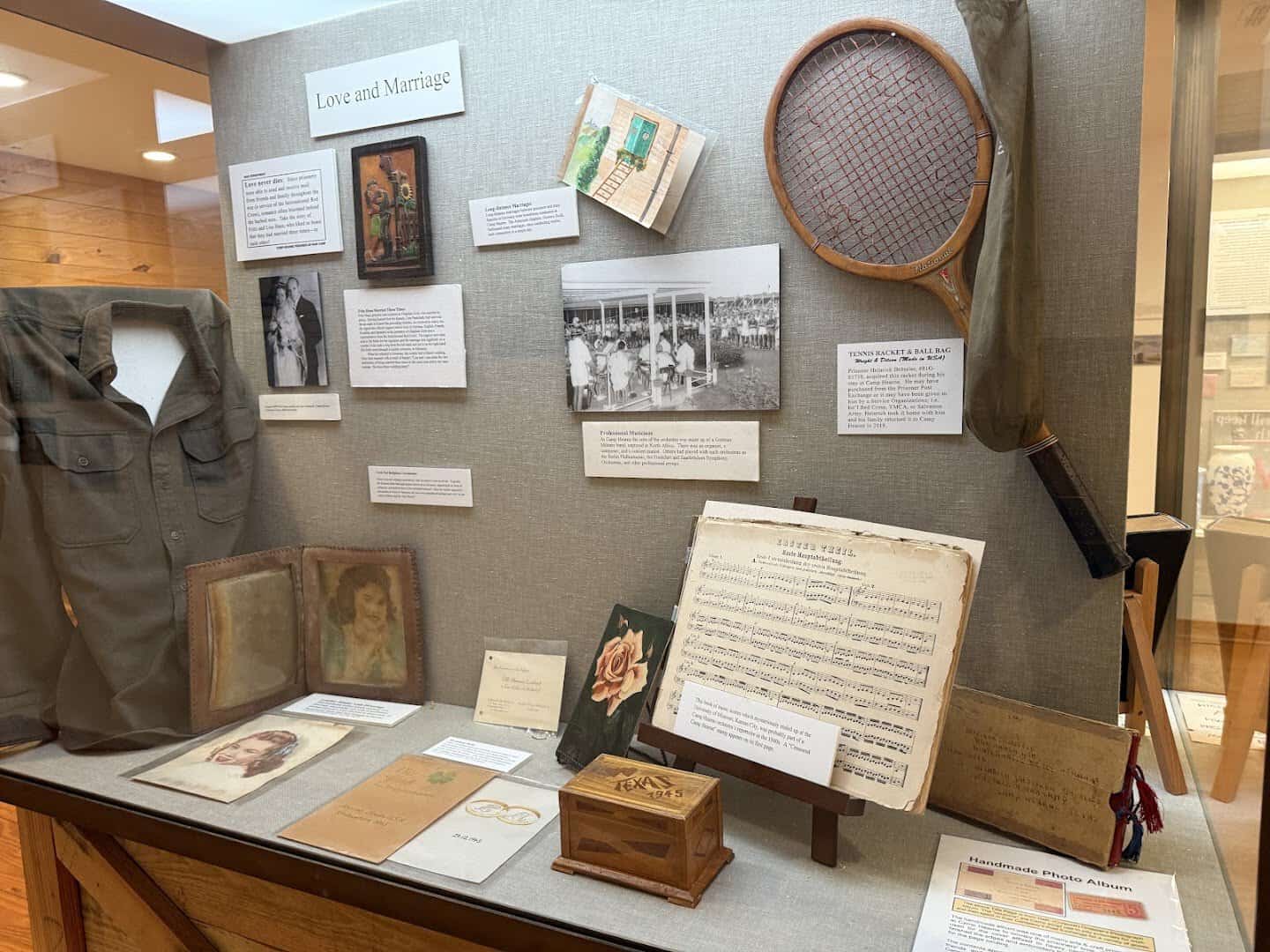
Yes, an orchestra pit. Camp Hearne may have been the only POW camp in America with a full prisoner orchestra, made up of musicians from Rommel’s Afrika Korps band. They put on real productions, including “The Merry Widow,” for an audience of fellow prisoners and, sometimes, curious locals.
Pro tip: wear closed shoes and bring water for the trail. The fountain and theater remains are a genuine walk from the barracks, and the shade is patchy. Give yourself the full two hours if you want to see everything.
The prisoners also read. By 1945 the camp library held roughly 7,000 German books and 500 English ones. Baylor University sponsored college courses in business, chemistry, history and bookkeeping, and men earned credit for them while sitting inside a fence in Robertson County.
The Post Office That Handled Every Letter
This one made me put my coffee down. Starting in March 1944, Camp Hearne became the central post office for every German prisoner of war in the United States.
Every letter, every parcel, every scrap of mail going to or from a German POW in the country was routed through this one camp in the middle of Texas farmland. Prisoners staffed the sorting operation themselves, working under American supervision.
The scale is hard to picture. More than 425,000 Axis prisoners were held in the United States by the end of the war, and Texas alone housed close to a tenth of them in more than 70 camps. Much of that mail crossed sorting tables here in Hearne.
The exhibit tells this story with photos of the postal unit and examples of the censored envelopes and forms. If you have ever wondered how a soldier captured in Tunisia got a letter from his mother in Bavaria, this is your answer.
Why the Locals Called It the Fritz Ritz
The nickname is not an insult. Locals coined “the Fritz Ritz” because the prisoners, by every account, were treated well. The United States held to the Geneva Conventions, and that meant food, shelter, clothing, medical care, and real pay for real work.
A prisoner who went out on a work detail earned ten cents an hour in canteen coupons. Every man also received three dollars a month in coupons to spend on tobacco, soap, and small comforts. That was the economy behind the wire.
The work mattered to Hearne. With so many local men overseas, the prisoners picked cotton and worked farms across the region. Farmers came to depend on the labor so much that some repatriations were delayed until the harvest was in.
I like that detail because it flips the usual story. These were not men hidden away. They were part of the town’s wartime economy. At least one, a prisoner named Heino Erichsen, liked it enough to come back after the war and become an American citizen.
A Brief History of the Camp Nobody Meant to Remember
The Army chose Hearne for practical reasons. Flat terrain, plenty of distance from the coast, a rail line running right through town, and a serious shortage of farm labor. It bought 720 acres north of town for $27,500 and activated the camp on December 15, 1942.
About 250 buildings went up in a matter of months. Seven guard towers rose along the perimeter, and the fencing ran to 1,800 miles of wire once you counted every strand.
The first prisoners arrived in June 1943, weeks after the German Afrika Korps surrendered in Tunisia. The camp was built for 4,800, and on V-E Day in May 1945 it held 3,855 men.
When the war ended, the prisoners went home over the following year, and the camp closed in 1946. The buildings were scattered, the site went quiet, and for decades the only trace was a name on a road sign.
The rescue came from the town itself. A nonprofit called ROLL CALL: Friends of Camp Hearne formed to preserve the site, and in 2010 it opened the visitor center and exhibit you can walk through today.
Cathy Lazarus has served as the group’s president, with Melissa Freeman directing the exhibit program. Between them, a handful of volunteers, and the docents, the whole place runs on people who simply decided this history was worth keeping.
Their long-term plans include more trails to the fountain and theater remains and replicas of the structures the prisoners built. Every visit and every dollar in the donation box moves that along.
The camp even reached Germany again. Novelist Hannes Köhler set his 2018 book “Ein mögliches Leben” at Camp Hearne, after learning that his own grandfather’s generation had spent the war in places just like it.
Tips Before You Go
The museum keeps short hours, so check the calendar before you drive out. It is normally open Wednesday through Saturday from 11 a.m. to 4 p.m., and the grounds are best seen in daylight anyway.
There is no fixed ticket price. The site runs on donations and gift shop sales, so bring a few dollars for the box and maybe a book from the shop. It is the cheapest history lesson in Texas.
Ask questions. The docents love a side path, and half the best stories are not on the placards. If you have a family connection to the camp, or to any POW camp, tell them. They keep an archive and are always looking for photographs and letters.
Pair the trip with a stop in downtown Hearne, which sits at the junction of two old rail lines and still looks the part. Bryan and College Station are about half an hour south if you want a bigger meal afterward.
How to Get There
Where: Camp Hearne WWII Historic Site and Exhibit, 12424 Camp Hearne Road, Hearne, TX 77859.
From downtown Hearne, head north on Highway 6 for about a mile, turn west onto FM 485, and go another mile. Watch for the green sign pointing toward the county fairgrounds and turn left. The barracks and guard tower come into view almost immediately.
Call ahead at 979-314-7012 if you are making a special trip, especially around holidays. Group tours and school visits can be arranged through the Friends of Camp Hearne.
Go Walk the Footprint Yourself
I keep thinking about those fountains. Men a long way from home, on the losing side of a war, spent their free hours building something beautiful out of Texas rock. Then Texas forgot about it for fifty years.
That is the story you will not find in a textbook, and it is sitting in a field half an hour north of College Station, open four days a week, for whatever you feel like dropping in the box.
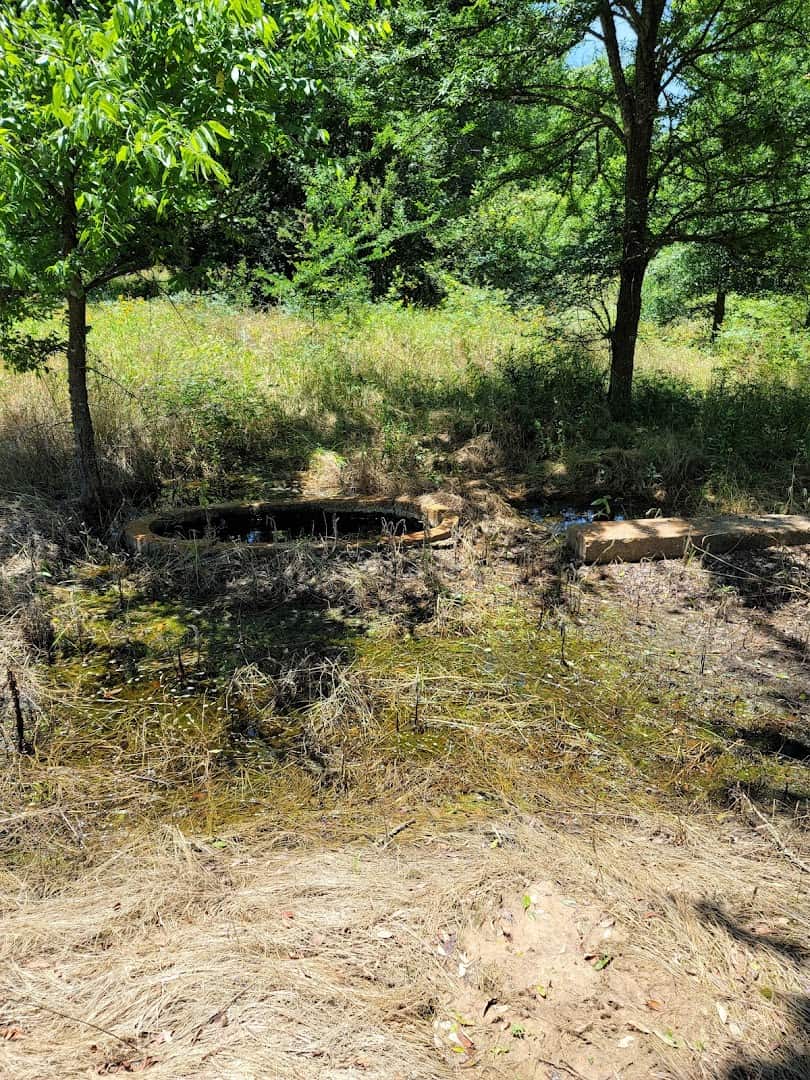
So pick a Saturday, fill the tank, and drive to Hearne. Walk the barracks, follow the trail out to the fountains, and stand in the orchestra pit for a minute. You will drive home knowing something about your own state that almost nobody else does.
Featured image: Jeremy Cartwright via Camp Hearne

Stella Raines
Editor-in-Chief
Stella brings over a decade of storytelling experience to TX Headlines. With roots in West Texas and a love for road trips, she leads the editorial team with an eye for the hidden stories that make Texas unforgettable.
More Stories
These 5 Surreal Texas Places Are So Stunning You Won’t Believe They’re in Texas
5 Abandoned Texas Places That Are Eerie, Empty, and Still Open to Explore

8 Hidden Texas Bookstores That Book Lovers Will Want to Get Lost In
This Abandoned Texas Zoo Closed Nearly 90 Years Ago, and You Can Still Walk Through Its Ruins
Tags