This Hidden Gem Has The Tallest Mountain in All Of Texas
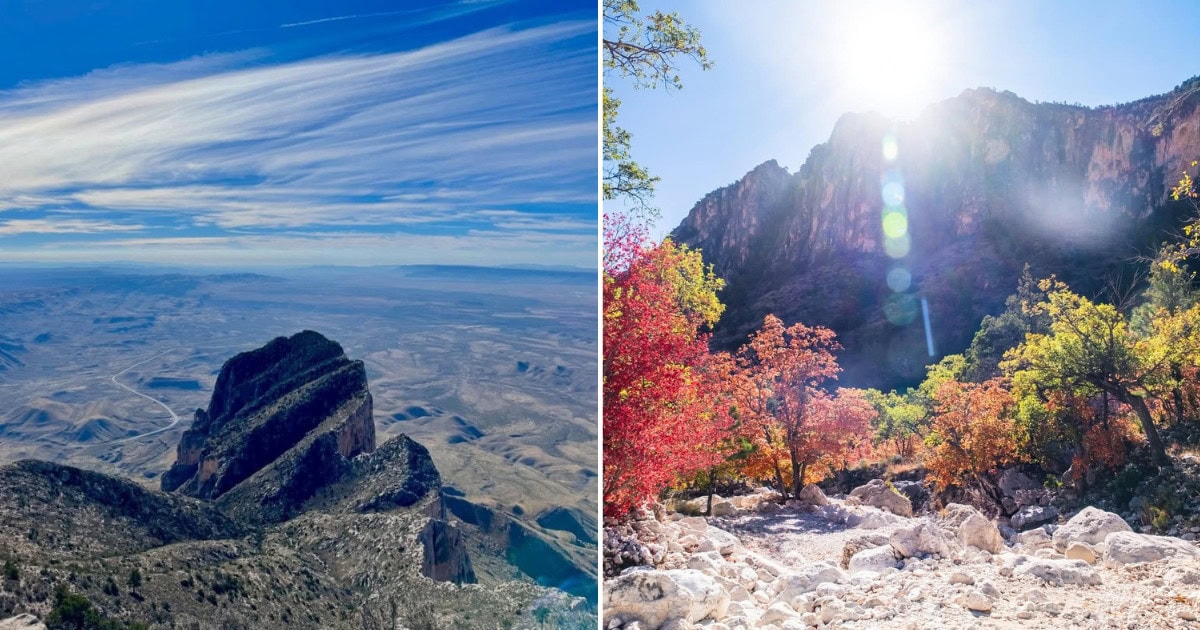
While 12 million people crowd into Great Smoky Mountains National Park each year, roughly 226,000 visit Guadalupe Mountains National Park. That’s not a typo. It’s a gift.
Drive Highway 62 east from El Paso and you’ll watch the mountains rise from the salt flats like something from another planet—jagged limestone peaks that were once a massive underwater reef, now thrust 3,000 feet above the Chihuahuan Desert floor.
The squared summit of El Capitan has guided travelers for centuries.
What lies beyond it remains one of America’s best-kept secrets: Guadalupe Mountains National Park, home to the highest point in Texas and some of the emptiest trails in the national park system.
For those willing to make the journey, the reward is a wilderness experience increasingly rare in America.
Where the Reef Meets the Sky
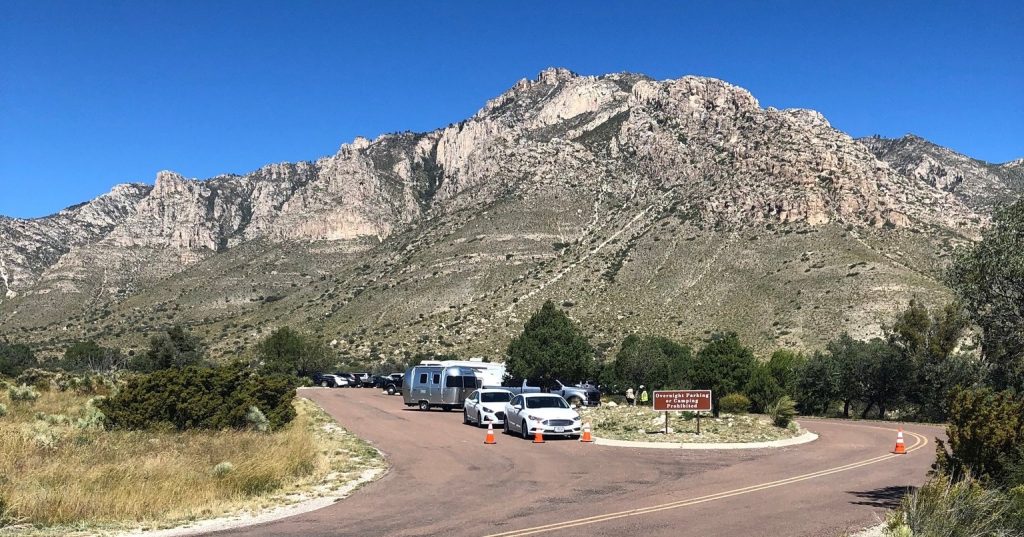
Guadalupe Mountains National Park occupies 86,367 acres in far West Texas, roughly 110 miles east of El Paso and 55 miles southwest of Carlsbad, New Mexico.
What makes this place geologically extraordinary: the mountains are exposed remnants of the Capitan Reef, a 400-mile-long fossilized reef complex formed during the Permian Period roughly 265 million years ago.
This is the world’s most extensive Permian fossil reef—a prehistoric ocean floor now standing nearly 9,000 feet above sea level.
Hike these trails, and you’re walking on ancient seabeds, with fossils visible in the limestone beneath your boots.
The Pine Springs Visitor Center serves as the main hub. The $10 entrance fee covers seven days.
Hiking to the Roof of Texas
Guadalupe Peak Trail
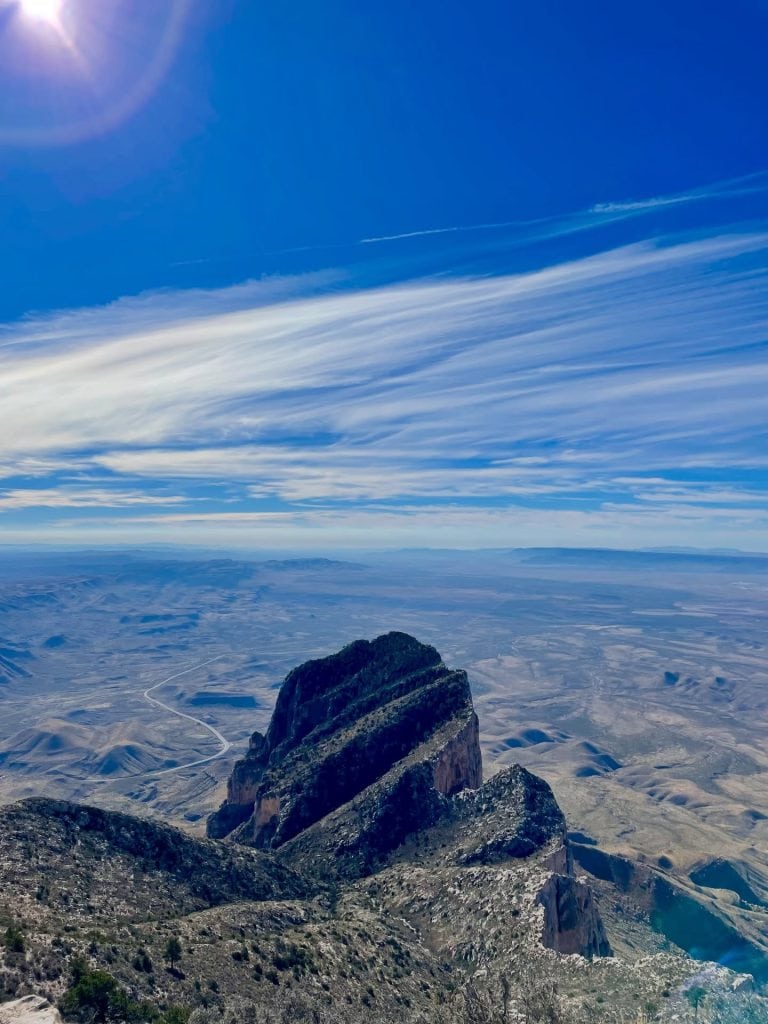
The signature experience is climbing to the “Top of Texas”—Guadalupe Peak, elevation 8,751 feet. The trail covers 8.4 miles round-trip with roughly 3,000 feet of elevation gain, taking most hikers six to eight hours.
The route winds through multiple ecosystems: desert scrub gives way to piñon pine, then Douglas fir as you climb.
At the summit stands a stainless-steel pyramid monument, installed in 1958 to commemorate the Butterfield Overland Mail stagecoach route. Views stretch into New Mexico and over 100 miles across West Texas.
Start early to avoid afternoon heat and thunderstorms. The trail is strenuous but not technical.
Devil’s Hall Trail
Devil’s Hall Trail offers 4.2 miles round-trip through a rock-walled canyon to a natural “hallway” formed by towering limestone cliffs.
The first mile follows a constructed trail, then drops into a rocky wash requiring boulder-scrambling. The canyon culminates in the Hiker’s Staircase and Devil’s Hall itself: a slot approximately 200 feet long and 15 feet wide.
Most hikers complete it in two to four hours. Avoid when wet—the wash becomes dangerous after rain.
McKittrick Canyon
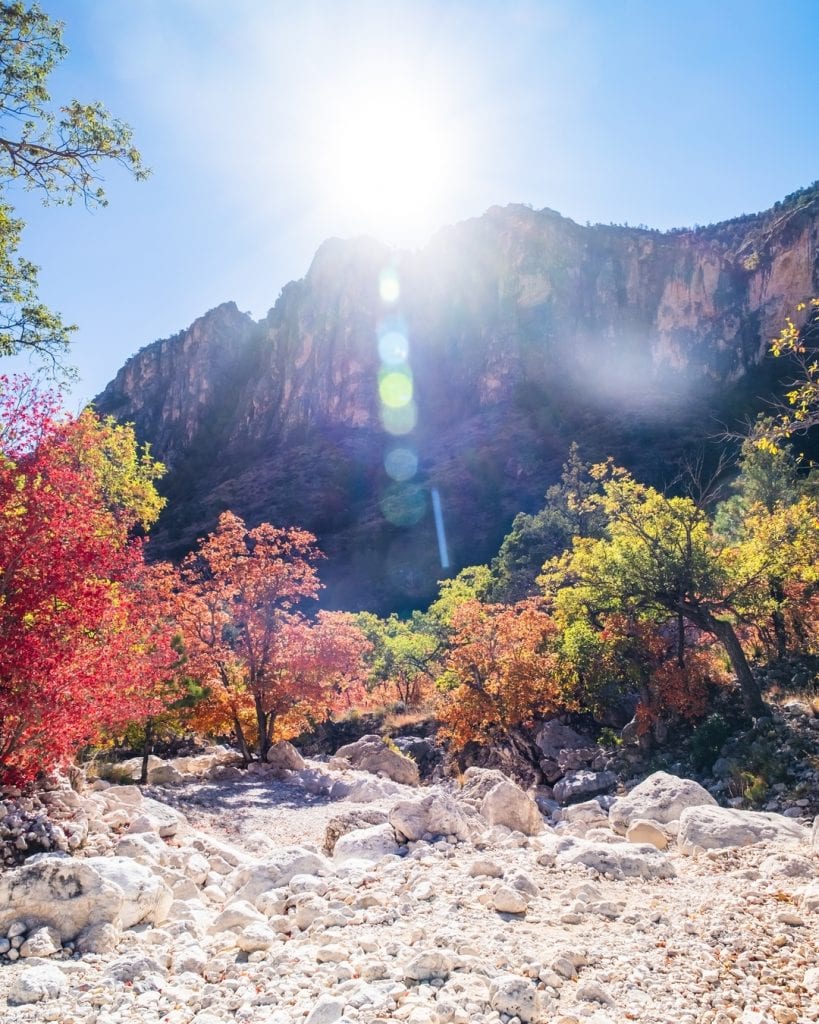
McKittrick Canyon draws visitors seeking Texas’s best fall foliage. Bigtooth maples, oaks, and Texas madrones create a forested corridor that erupts in color from late October through mid-November.
The main trail runs 4.8 miles round-trip to Pratt Cabin, a stone structure built in the 1930s by petroleum geologist Wallace Pratt, who later donated the land.
Continuing to the Grotto reaches a cave-like limestone formation; the Notch requires 9 miles round-trip but rewards with sweeping canyon views.
McKittrick Canyon gates close in the afternoon (6 PM summer, 4:30 PM winter), so plan accordingly.
Camping Under Dark Skies
Campgrounds
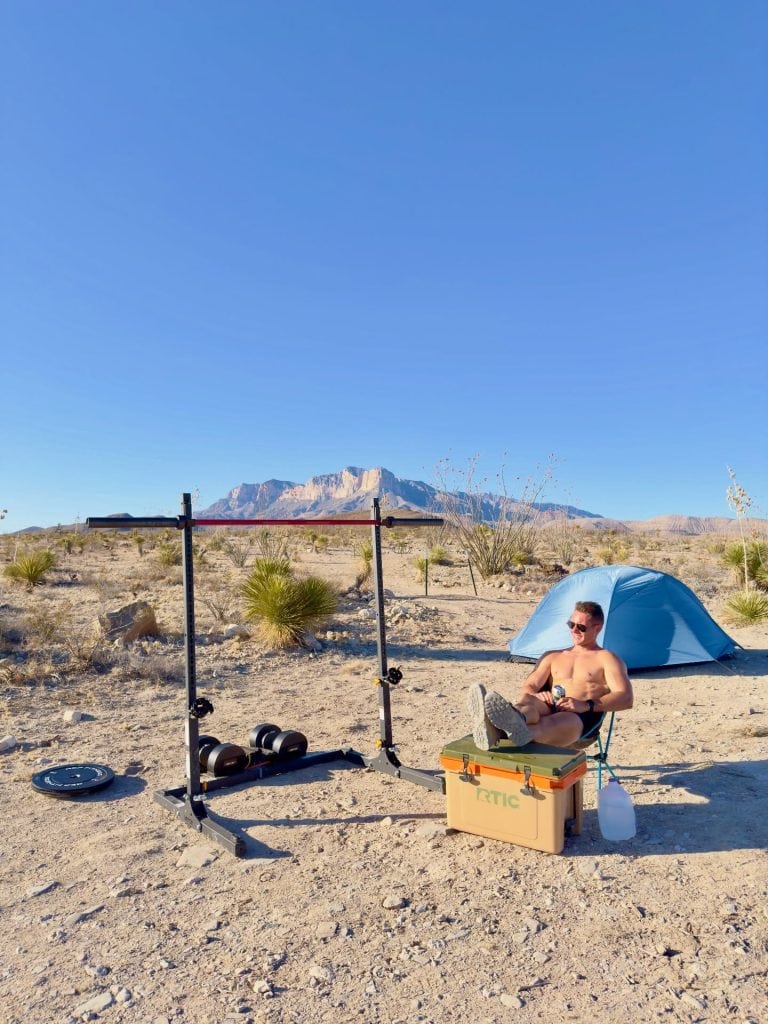
Pine Springs Campground sits near the park’s main trailhead, offering 35 sites: 20 tent-only walk-in sites, 13 RV sites (up to 55 feet), and 2 group sites.
Amenities include potable water, flush toilets, and picnic tables—no hookups or showers.
Dog Canyon Campground, accessible via a two-hour drive through New Mexico, provides a more remote option at 6,300 feet. Reservations can be made six months in advance through Recreation.gov.
For true solitude, backcountry camping with free permits (self-registered at visitor centers) allows access to ten wilderness campsites across the park’s 80-plus miles of trails, including Texas’s highest campground near Guadalupe Peak.
Stargazing
The park’s isolation translates to extraordinary night skies.
The Guadalupe Mountains are designated an International Dark Sky Park, with light pollution virtually nonexistent.
The Milky Way arcs overhead with clarity that urban visitors find startling. Rangers lead night-sky programs at the Pine Springs Amphitheater.
Worth the Distance
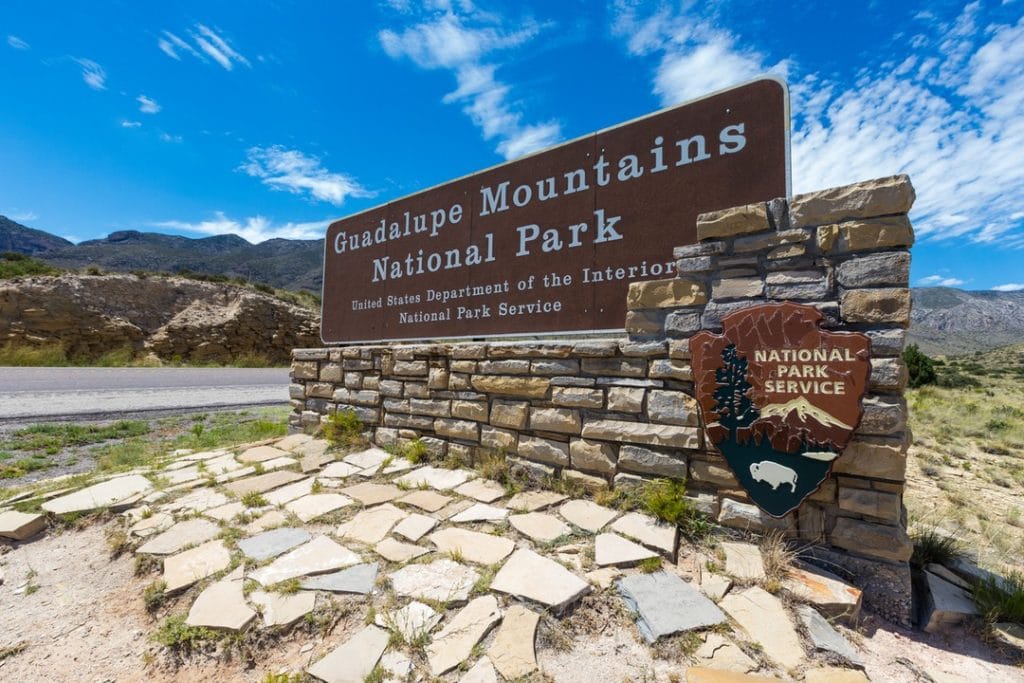
Guadalupe Mountains National Park asks more of visitors than most parks—more driving, more preparation, more physical effort.
In return, it offers something increasingly precious: genuine wilderness. The trails here aren’t crowded. The night skies aren’t light-polluted. The landscapes aren’t overrun with tour buses and gift shops.
Some travelers will keep driving toward Carlsbad, El Paso, or wherever their GPS points next.
But for those who stop—who lace up boots and climb toward that steel pyramid at 8,751 feet—the roof of Texas waits, unhurried and uncrowded, exactly as it has for millennia.
FB post credit: Travel With Rolando

Stella Raines
Editor-in-Chief
Stella brings over a decade of storytelling experience to TX Headlines. With roots in West Texas and a love for road trips, she leads the editorial team with an eye for the hidden stories that make Texas unforgettable.
More Stories

This Underrated Texas State Park Gives You a Full Day of Swimming and Hiking for Just $5

This Small Texas Church Is Called the Queen of the Painted Churches, and Its Ceiling Will Stop You Cold

This Radiant Texas Museum Lets You Walk Through Nearly 200 Stained Glass Windows

This Serene Texas Garden Is Free to Explore and Still Somehow Feels Exclusive
Tags