This Hidden East Texas Spring Has Crystal-Clear Water and a Wonderfully Laid-Back Pace
There is a specific kind of misery to a Texas afternoon in late August. The air feels like a wet towel, and the pool at the edge of town is the temperature of a warm bath. I have spent summers hunting for water cold enough to make me gasp.
The best of it almost never sits where you would expect. It hides at the end of a county road, in the deep pines of East Texas, in a spring-fed pond so clear you can count the pebbles on the sandy bottom.
This one has a rope swing, a herd of tame deer, and a pace so unhurried it feels almost illegal. It is the kind of place that makes you wonder how it stayed off your radar for so long.
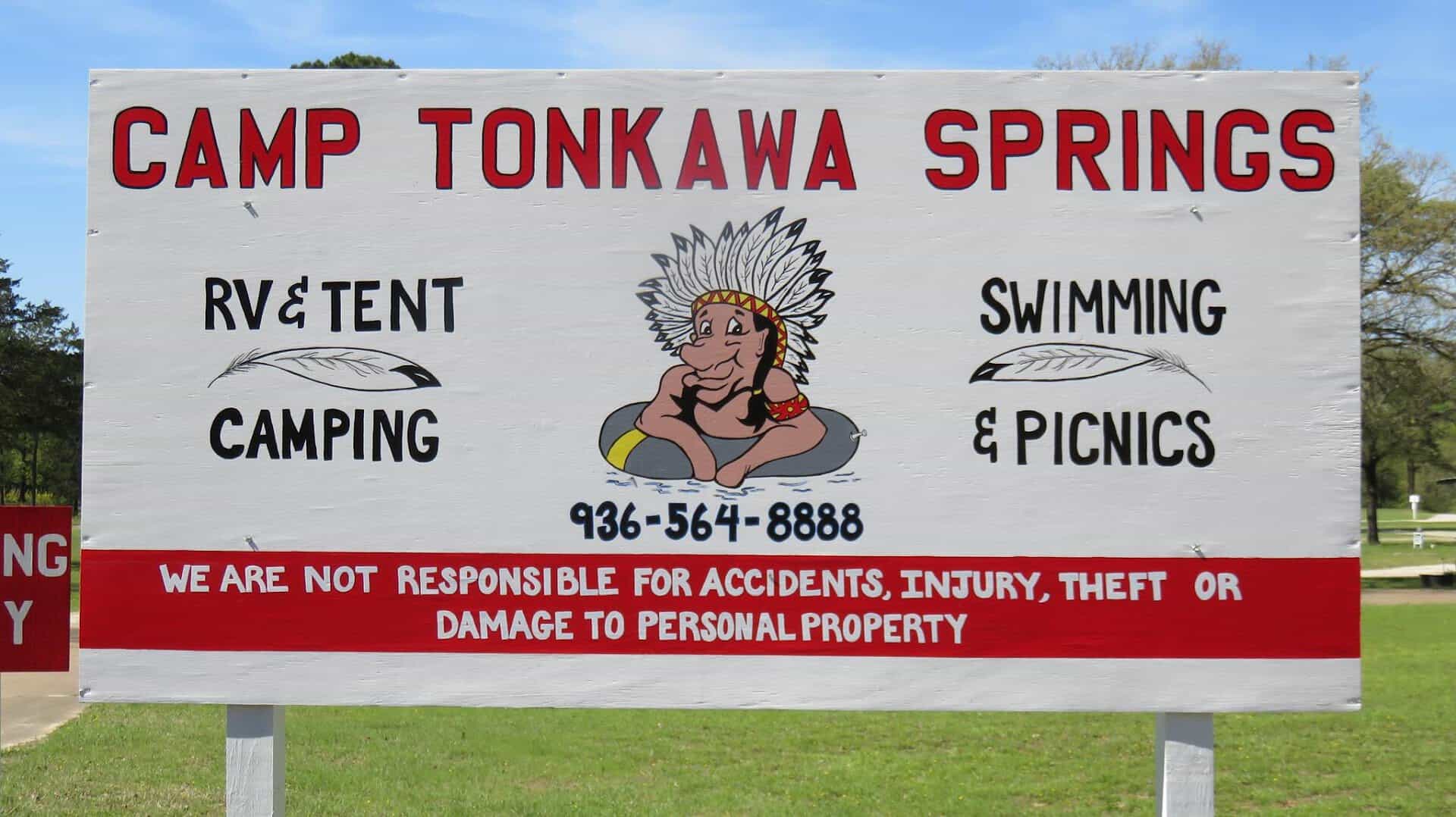
Its name is Camp Tonkawa Springs, and it sits about 12 miles north of Nacogdoches, near the little town of Garrison. Below, here is what makes this quiet corner of the Piney Woods worth the drive, from the ice-cold water to the century of history hiding under those stone walls.
The Water Is the Whole Point
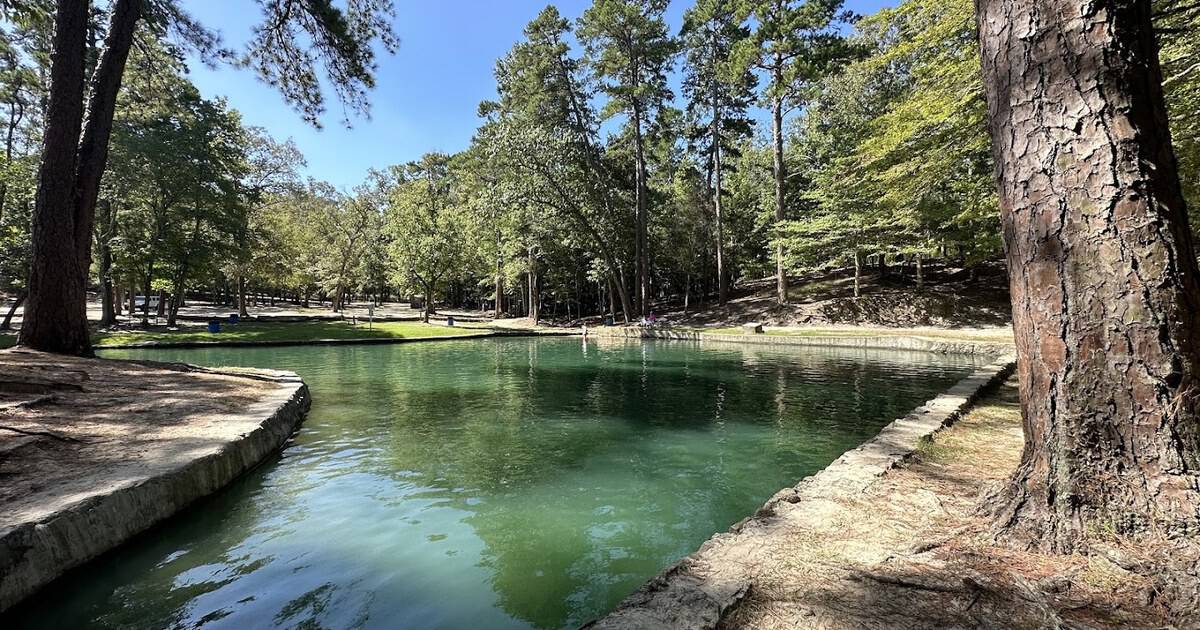
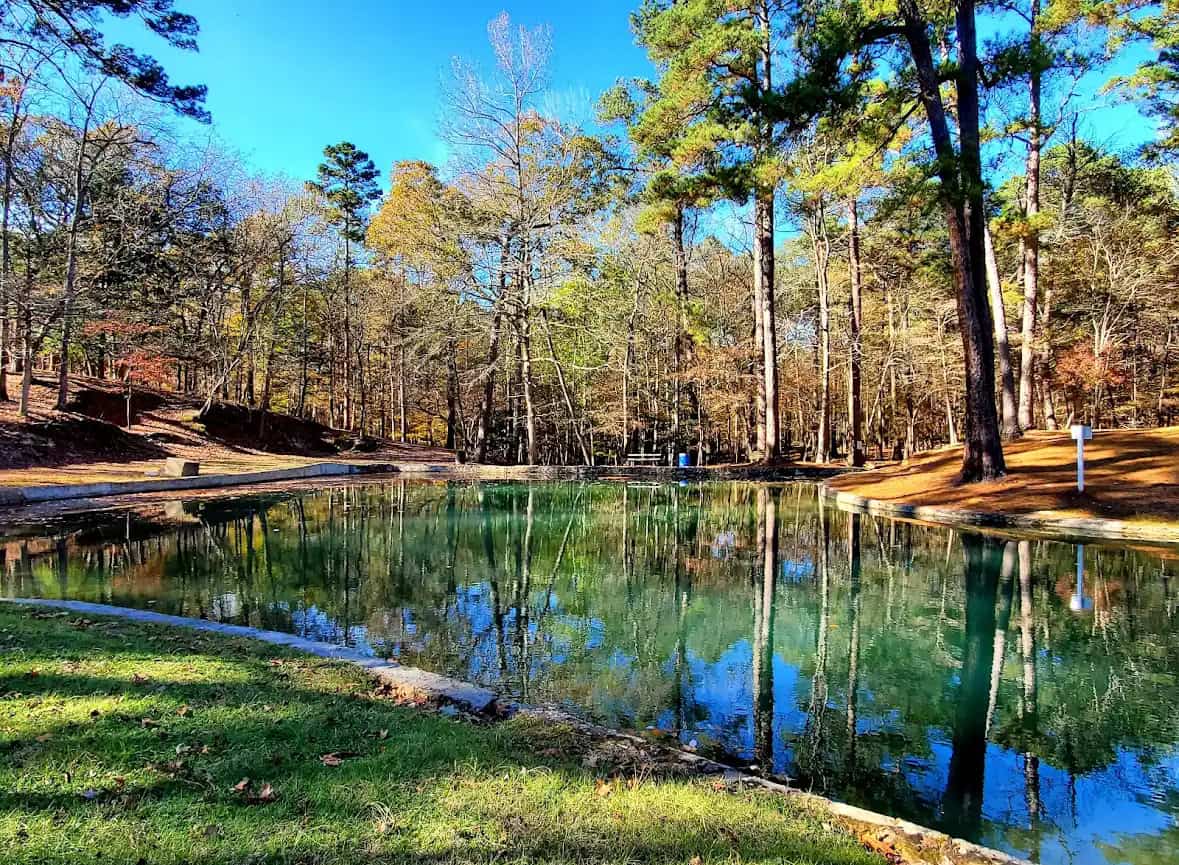
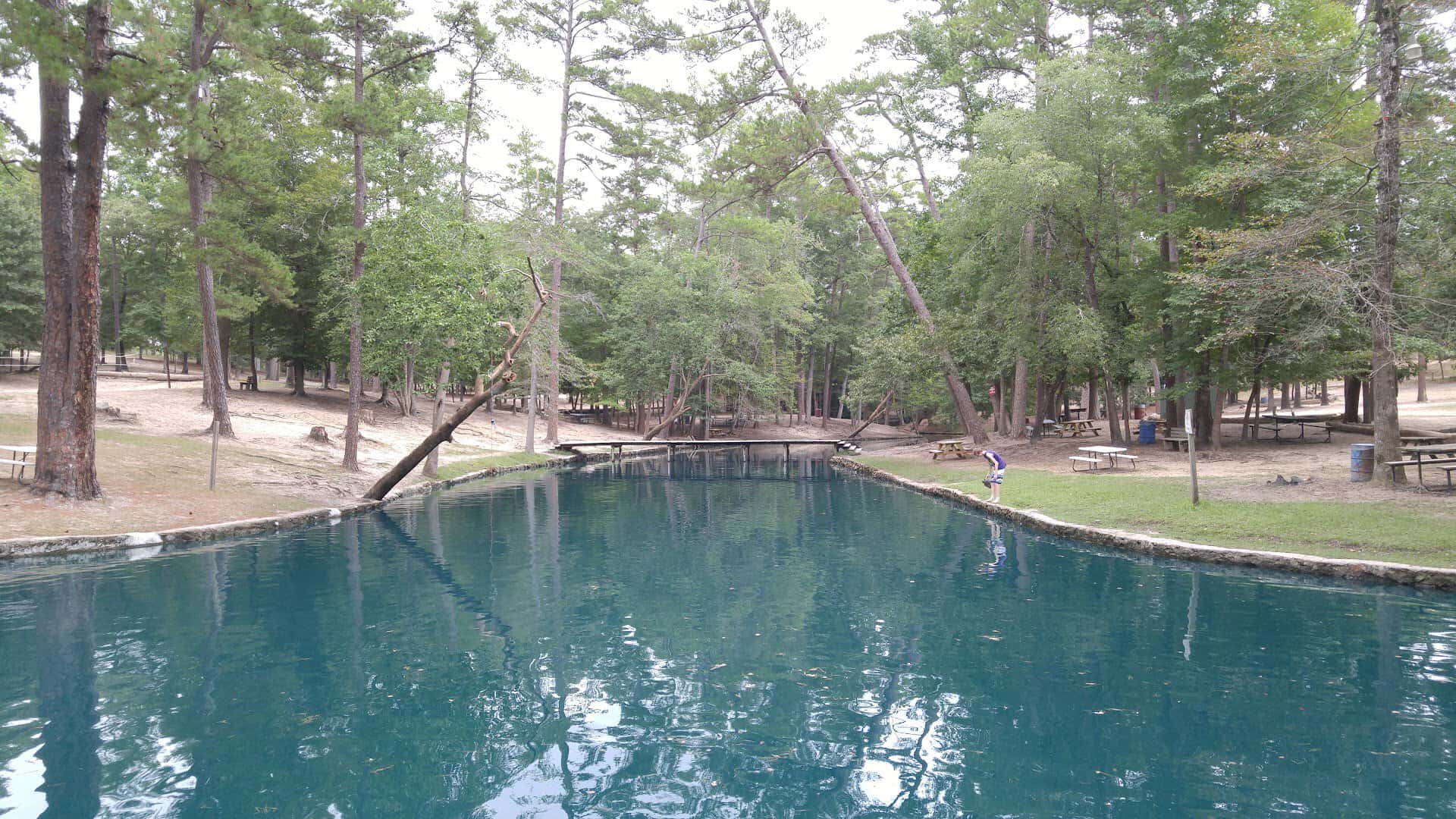
You smell the pines before you see the water. Then the trees open up and there it is: a rock-lined pond fed by a natural spring, the surface so still and clear it looks like glass laid over white sand.
The water hovers around 68 degrees year round. That is the same steady cool that keeps Austin’s famous Barton Springs swimmable in the dead of January, and it hits you the same way here, a clean shock that chases off the heat in a single plunge.
You can see straight to the bottom. Real clarity is rare in Texas swimming water, and it changes how the whole place feels. Swimmers drift over the sand, the light bends and wobbles across the floor of the pond, and everything below the surface stays in sharp focus.
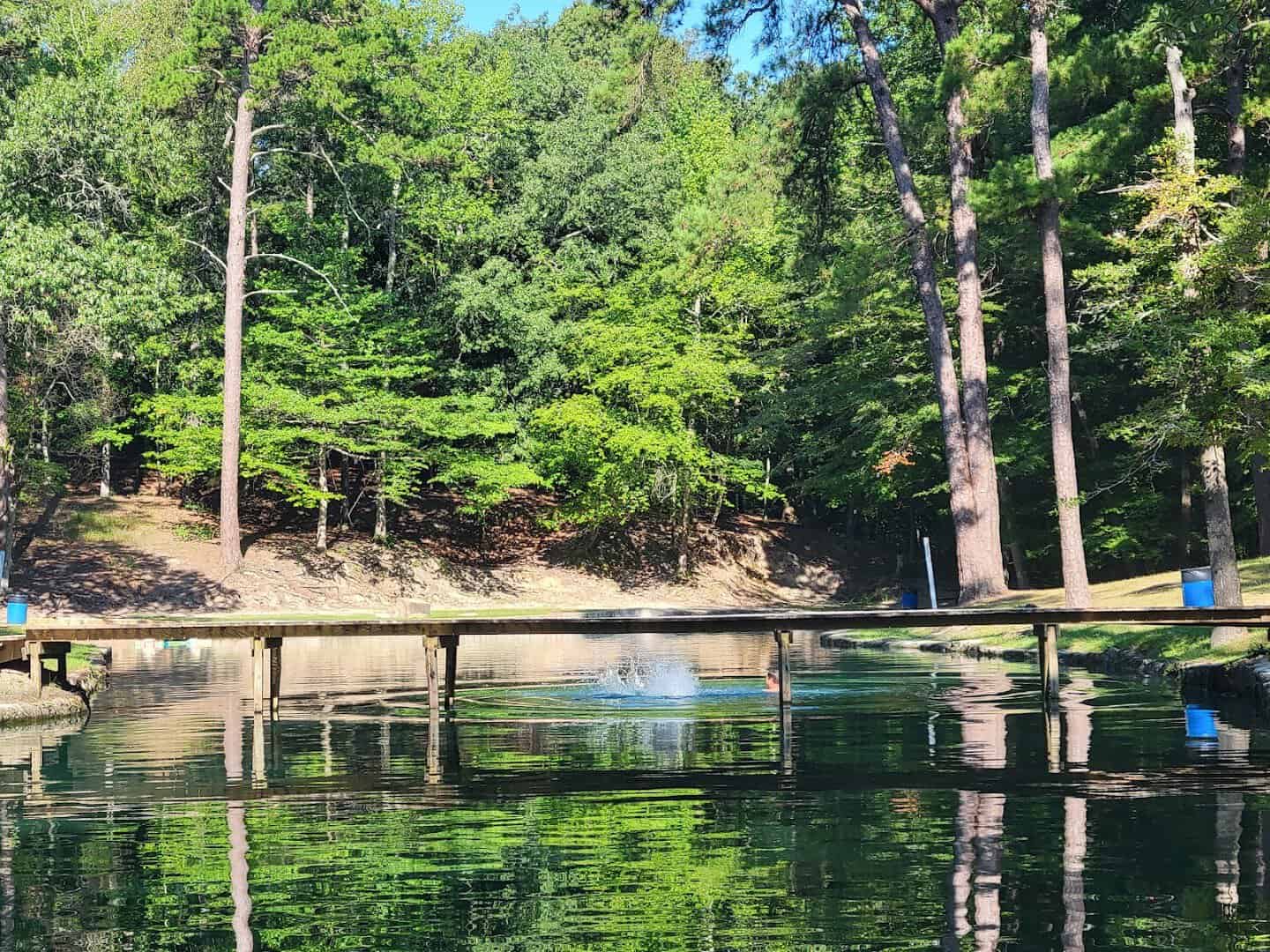
That white sandy bottom deserves its own mention. So many Texas swimming holes give you mud between your toes and murky green water you cannot see through. Here the floor is pale and firm, and the spring keeps pushing fresh, filtered water up from below.
Old stone walls hold the pond in shape, curving along the edges like the rim of a natural pool. They give you somewhere to sit, somewhere to climb out, and a clean line between the cool water and the shady grass above it.
There is a rope swing, because of course there is. Grab it, run off the bank, and let go over the deepest part. The cold does the rest. One visitor on Tripadvisor summed the whole place up in three words: “a Texas hidden gem.”
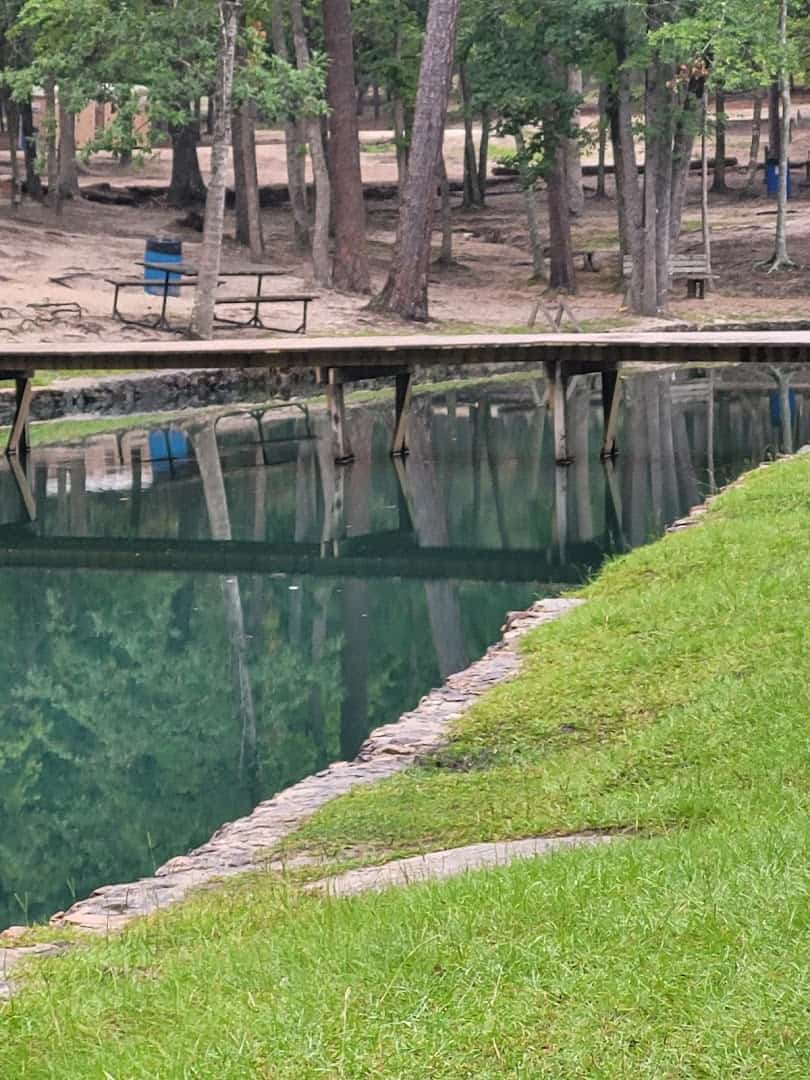
Because the spring keeps its own temperature, the pond stays refreshing on the days you need it most. When the heat index climbs past 100 in the rest of the state, the water here is doing exactly what it always does, running clear and cold straight out of the ground.
You settle into a rhythm without meaning to. Swim until the cold wins, then climb out and warm up on the bank in a patch of sun. Wade back in when the heat creeps up again.
An afternoon disappears that way, and it is one of the better ways I know to lose a summer day. There is no clock out here, no schedule pulling at you, just the water and the shade and the next dip whenever you feel like it.
A Spring That Once Powered a Gristmill
This is not a new discovery, whatever the quiet suggests. People have been drawn to this water for well over a century, and the story runs deeper than most roadside swimming holes can claim.
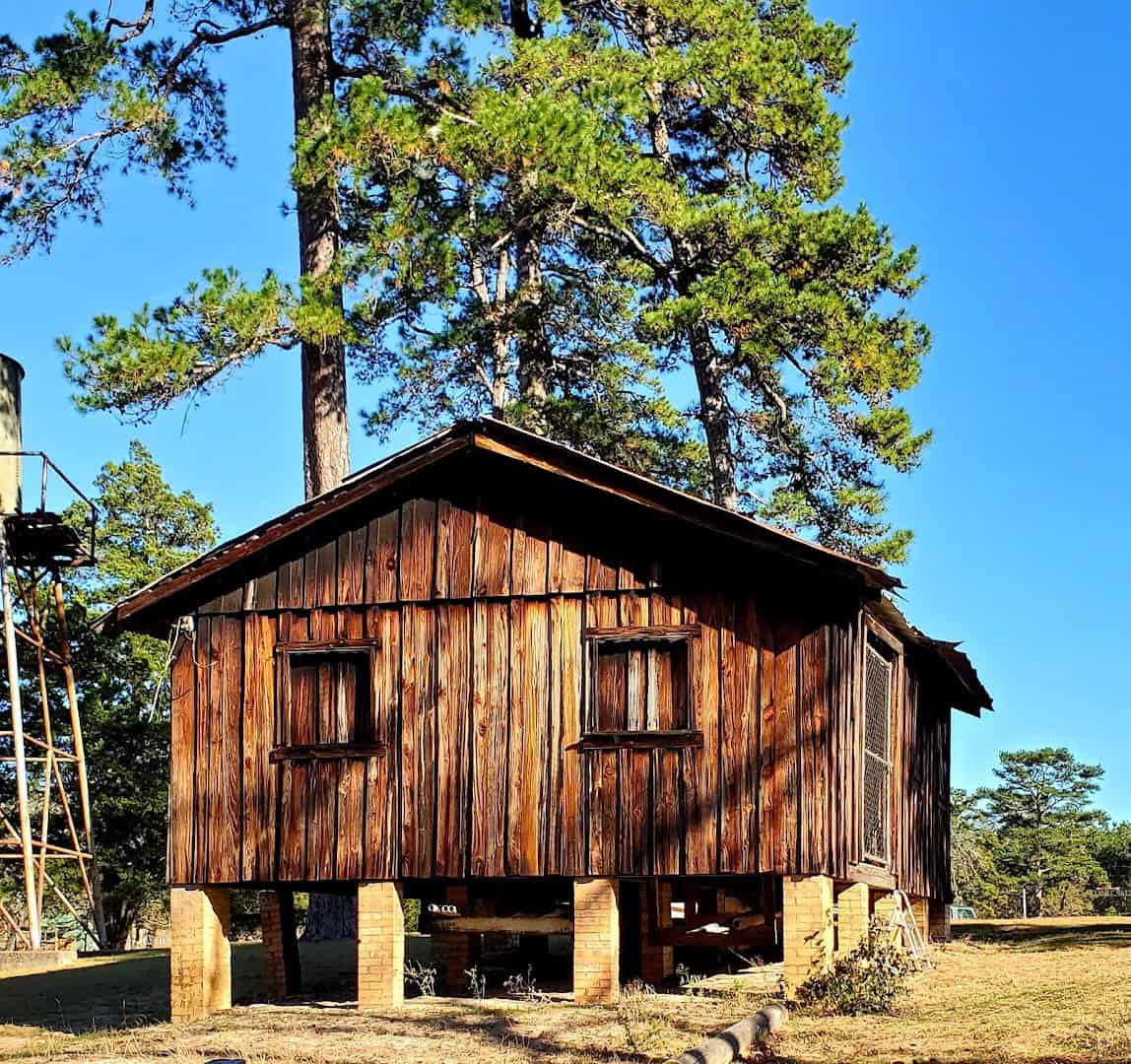
In the 1800s, the springs and roughly 300 acres around them passed to a Native American man through a government land grant. The name Tonkawa, carried by one of the tribes native to this part of Texas, settled onto the land and never left.
By the early 1900s, the spring was doing real work. Its flow turned a wheel that powered a gristmill on the property, grinding corn and grain for families across the surrounding countryside. The same water that cools swimmers today once fed a working piece of frontier machinery.
The 1930s brought the biggest change. The Civilian Conservation Corps, the Depression-era work program that built so much of park Texas, laid the stone retaining walls that still ring the spring today. Around the same time, the Boy Scouts began leasing the property for campouts.
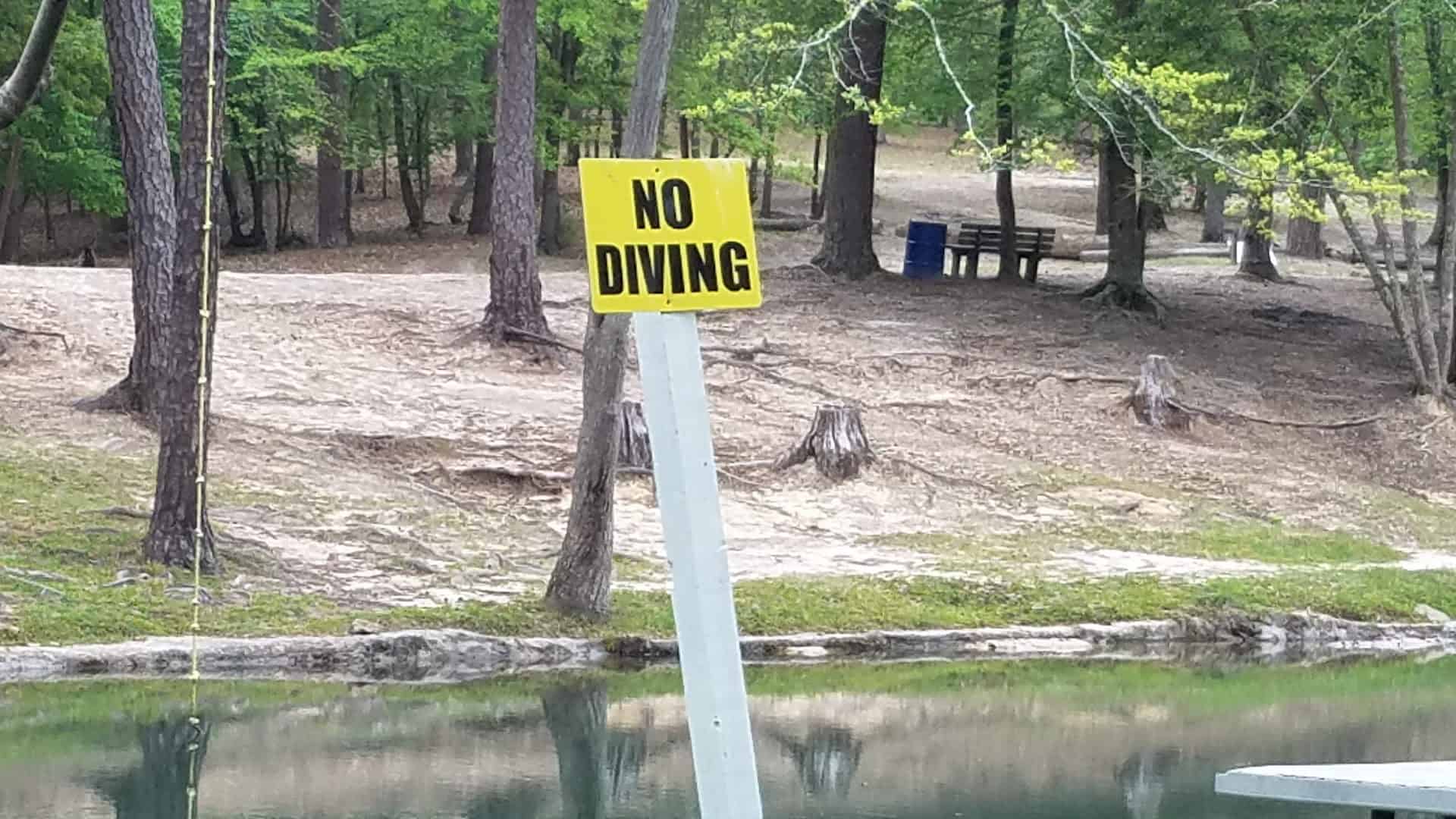
Troops came here for decades. Scouts pitched tents in these pines and swam in this pond straight through into the 1960s, learning to build fires and read the woods on ground that had already been a gathering place for generations before them.
The swimming hole finally opened to the general public in 2001. That is the moment the rest of us got let in on the secret, and by then the water had already been drawing people to this exact spot for the better part of two hundred years.
Did you know? Those tidy stone walls around the water are close to 90 years old. Run your hand along them and you are touching Depression-era craftsmanship built to last, and it has held up beautifully.
The Deer Will Walk Right Up to You
The surprise that gets the biggest reaction is not the water. It is the deer.
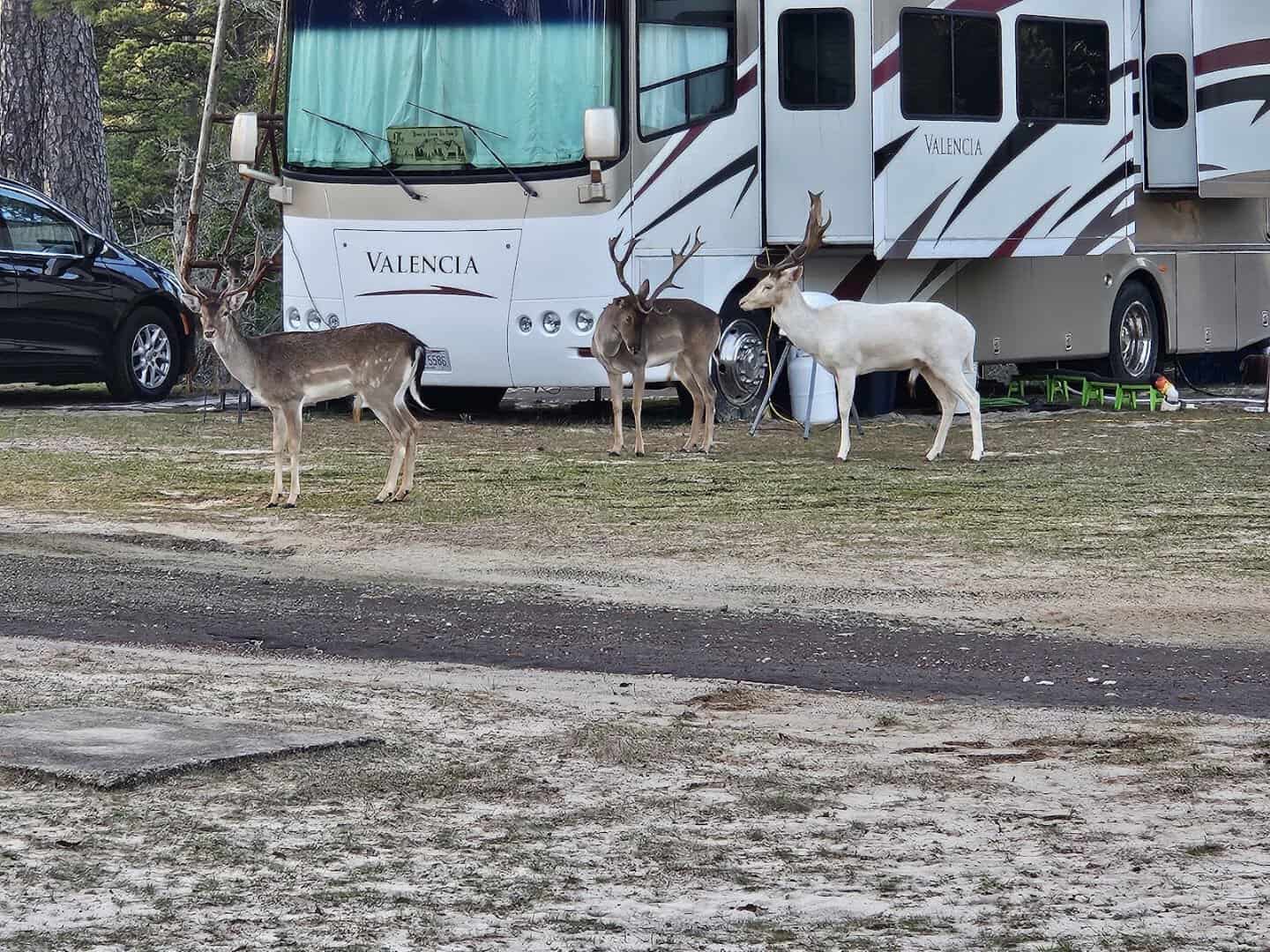
A herd of tame fallow and Sitka deer roams the grounds freely, and they are entirely used to people. They wander between the campsites and the trees, and if you have a handful of feed they will step right up and take it from your palm.
For a kid, it lands somewhere close to magic. For the rest of us, it is a reminder of how gentle this whole place is, a spot where wildlife strolls through camp instead of bolting for the brush the second a car door slams.
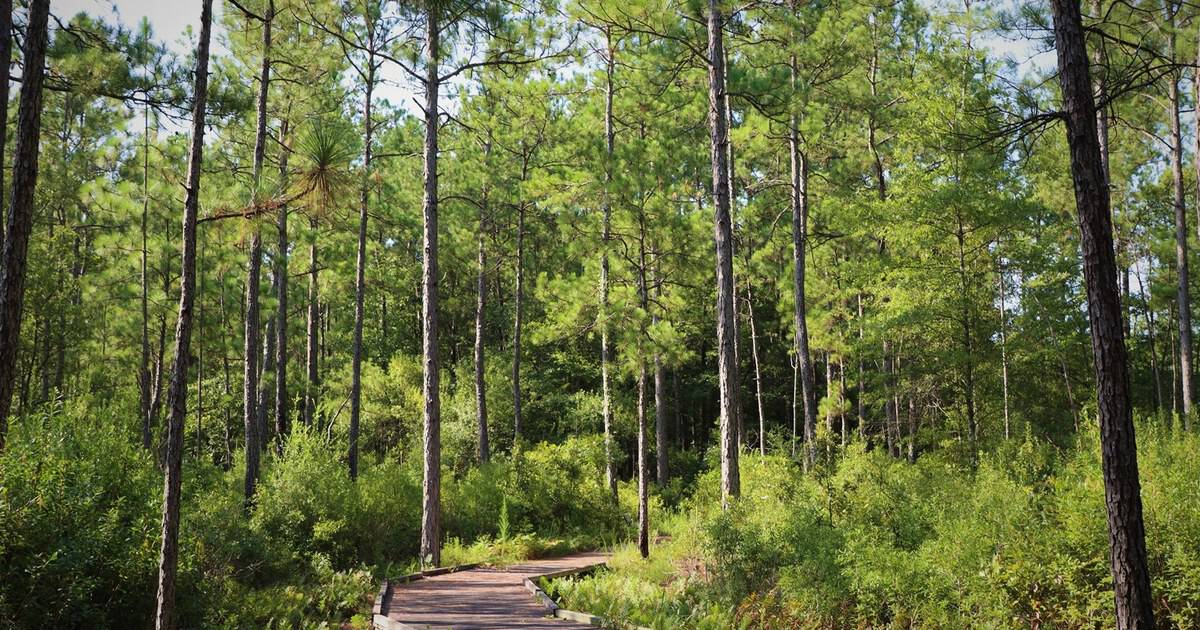
The setting does the deer justice. This is classic Piney Woods country, dense with tall pines that throw long shade over the water and the campsites, filtering the harsh summer light into something soft and green. Birdsong is usually the loudest thing you will hear all morning.
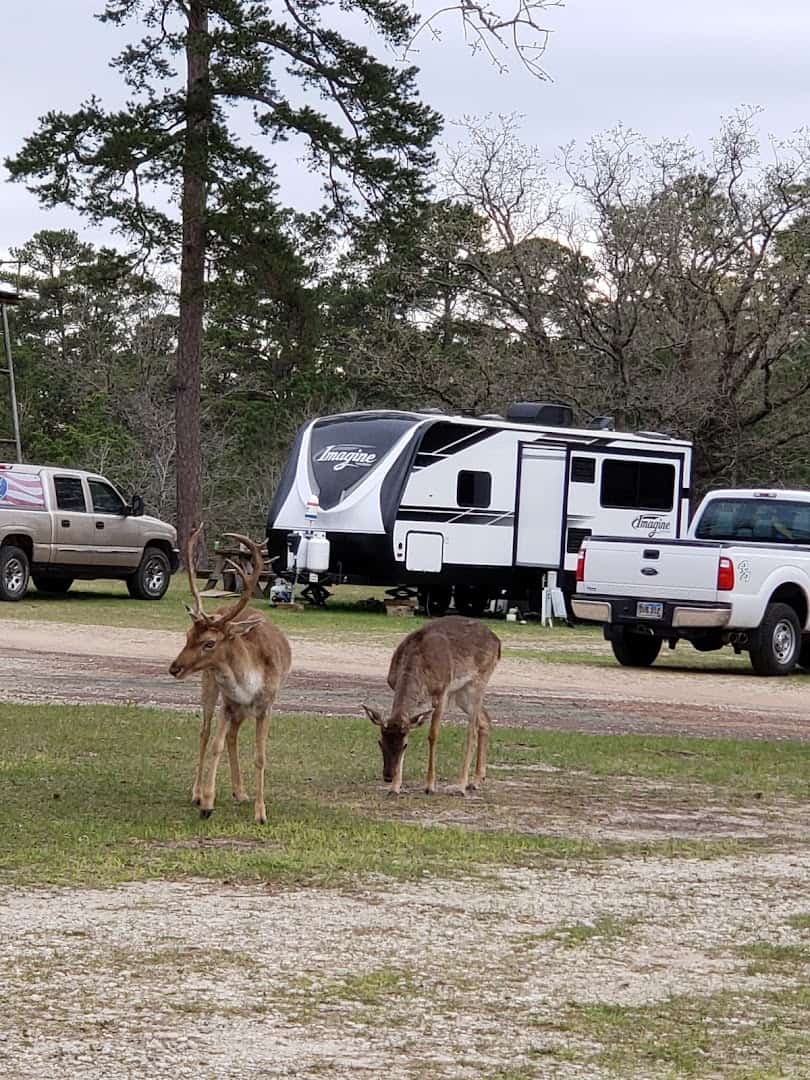
Bring a few dollars for deer feed and let the kids do the feeding. Watching a wild-looking animal take a bite from your open hand is the sort of small thrill that sticks with people long after they have forgotten how cold the water was.
Why East Texas Hides Water Like This
Most people picture Texas as flat, dry, and brown, and most people have never driven the far eastern edge of it. Up here the land turns green and rolling, thick with pine and hardwood, closer in feel to Louisiana than to the Hill Country.
This is the Piney Woods, and it is quietly full of water. Creeks, bayous, and cold springs thread through the forest, fed by an aquifer that keeps pushing clean water toward the surface no matter how brutal the summer above gets.
Nacogdoches, the town just down the road, calls itself the oldest town in Texas, and this stretch of country has been settled and worked for centuries. A spring that people have swum in for generations fits right into that long, slow story.
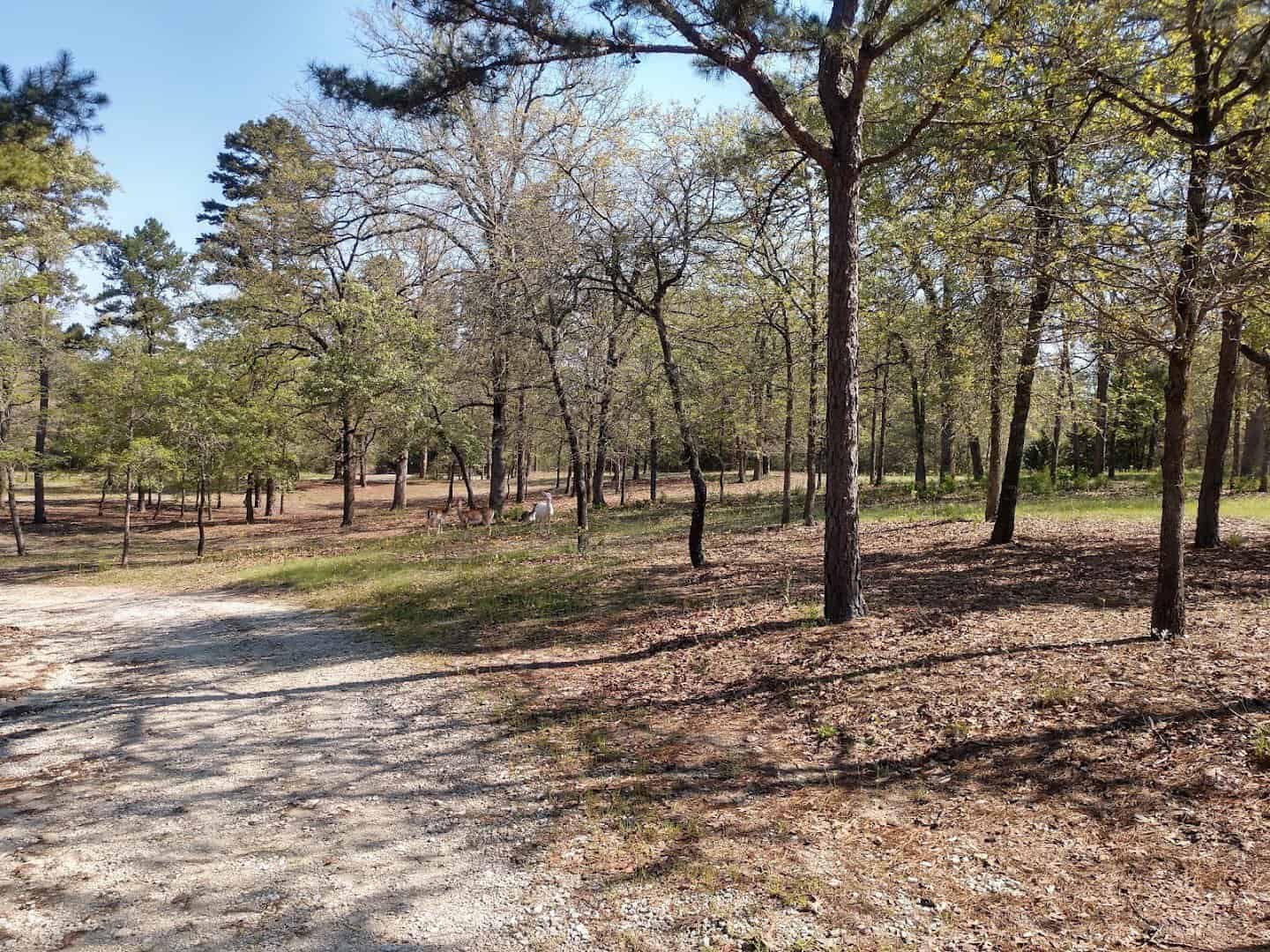
It also means the drive out here is half the pleasure. You leave the interstate behind, roll past pine plantations and old farmhouses, and watch the road narrow with every mile.
By the time you reach the water, it feels like you have slipped a hundred years into the past and the rest of the world has fallen away.
Make a Whole Weekend of It
You can come just to swim, but the land is set up for you to stay. This is a full campground, and a genuinely comfortable one, tucked into the same woods that surround the spring.
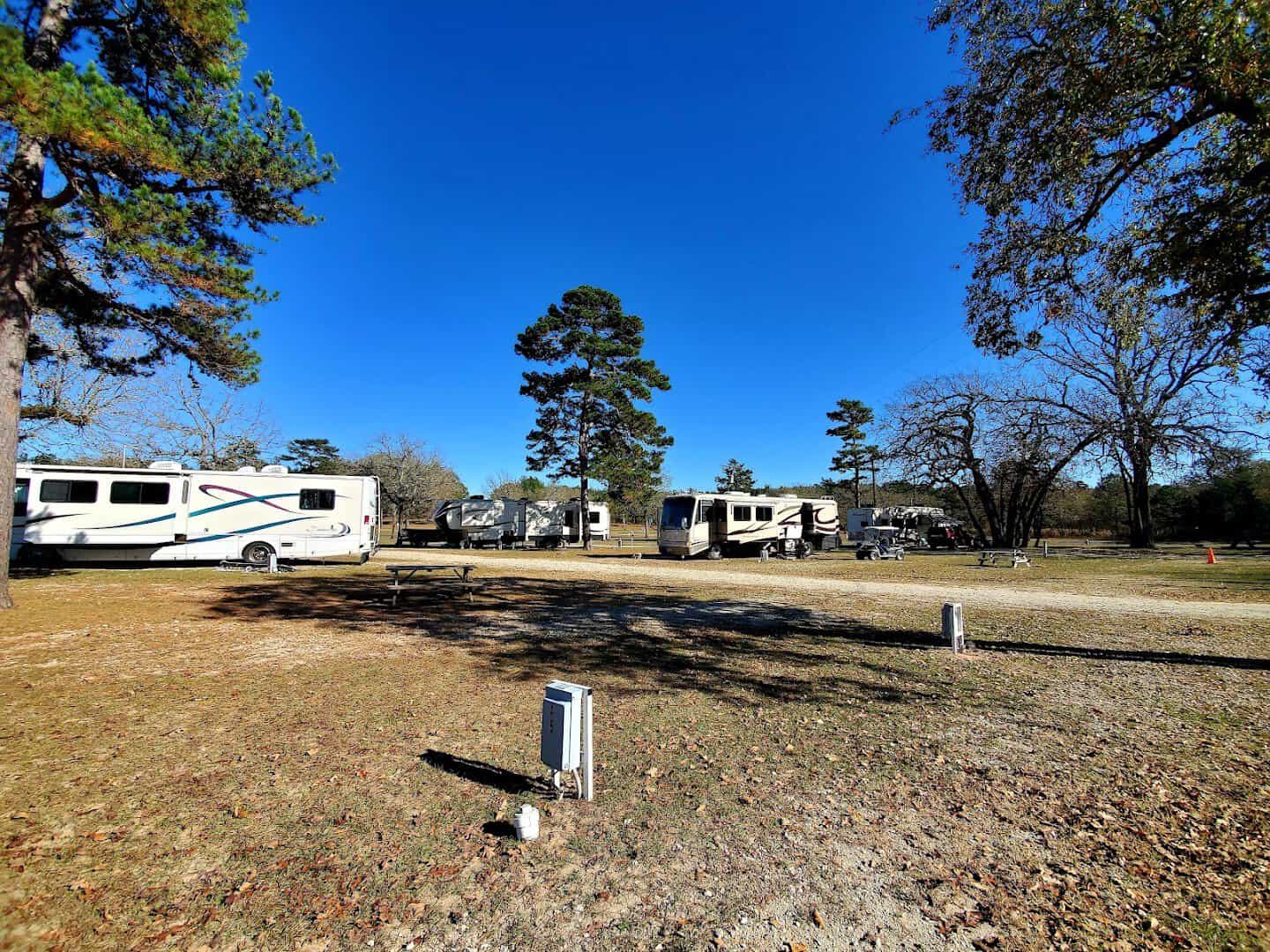
There are 75 RV sites, most of them long pull-through spaces that handle even big rigs up to 60 feet, with electric hookups at 20, 30, and 50 amps. If you would rather sleep on the ground, ten tent sites sit back in the pines, shaded and quiet.
The extras cover the things that make a weekend easy: clean restrooms and hot showers, laundry, two clubhouses, and a covered pavilion for when a group wants to gather out of the sun. It is the kind of setup that turns a day trip into “let’s just stay another night.”
Between swims there is plenty to fill the hours. Volleyball and horseshoes give the afternoons a little friendly competition, and the woods invite slow walks and serious birdwatching. Nobody here is in a rush, and after an hour or two, neither are you.
It is the kind of place that rewards leaving your phone in the car. The pines close in, the water does its quiet work, and the whole weekend slows to the pace of the deer wandering past your site.
Come evening, the campground settles into exactly the kind of quiet you drove out here for. The pines go dark, the temperature finally drops, and the only real decision left is whether to build a fire or just sit and listen to the woods.
What to Know Before You Go
The essentials are refreshingly simple. Day use to swim runs about $7 per person, which has to be one of the better deals in Texas for water this clear and this cold. A whole afternoon in a natural spring costs less than a fast-food lunch.
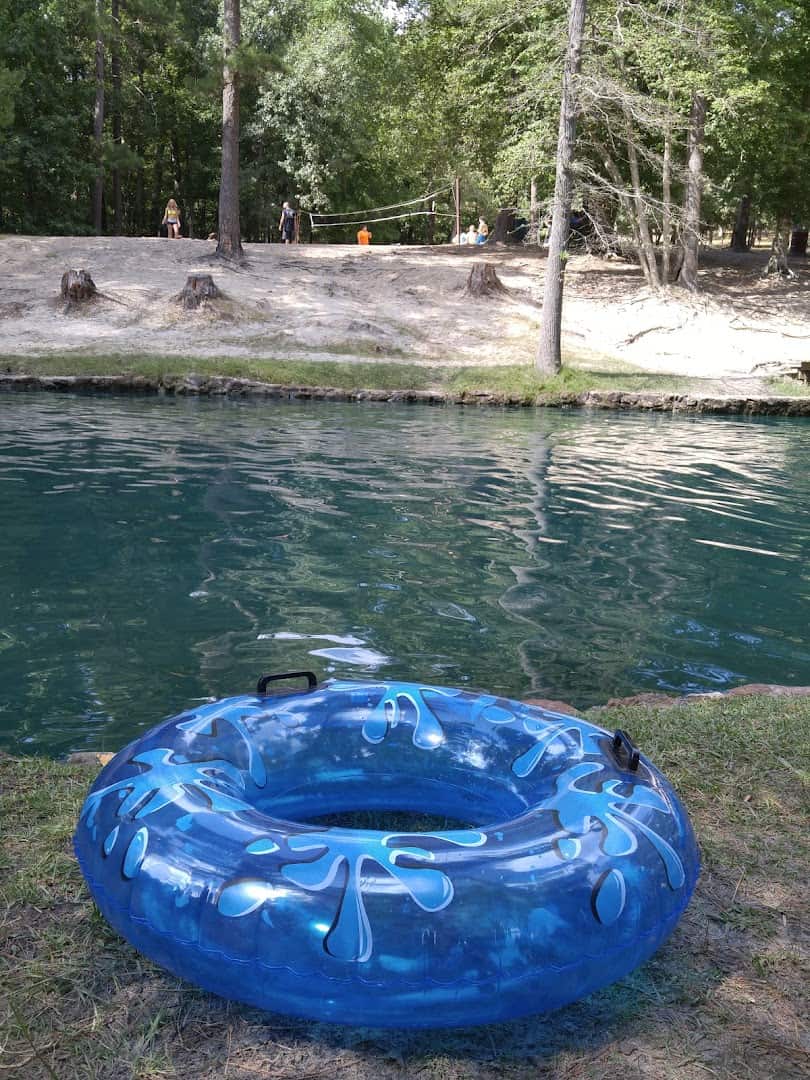
Pack like you mean to stay a while. Bring water shoes for the walk to the bank, a towel, plenty of sunscreen for the open stretches, and a few dollars in cash for deer feed. A float or an inner tube turns the pond into an afternoon-long affair.
Pro tip: get there early on a summer weekend. The spring is a well-kept secret, but secrets travel, and the shady spots near the water fill up first. An early start means you claim your patch of bank and beat the midday heat to the good cold water.
Because this is a working campground as well as a swimming spot, it is worth a quick phone call ahead to confirm day-use hours and availability before you load the car, especially if you are bringing a group or hoping to camp overnight.
How to Get There
Camp Tonkawa Springs sits down a county road in Nacogdoches County, deep enough into the Piney Woods that the drive itself starts to feel like part of the trip. The last stretch trades highway for tall trees and quiet.
Where: 4675 County Road 153, Garrison, TX 75946. It is roughly 12 miles north of Nacogdoches; call ahead at 936-564-8888 to check hours and camping availability.
Go Find the Cold, Clear Water
Texas hides its best water on purpose. The lakes everyone knows get the crowds, while a spring like this one keeps running clear and cold at the end of a country road, waiting for the people willing to look for it.
So pack the cooler, throw in the water shoes, and point the car toward the pines. Grab that rope swing and let the cold knock the breath out of you. Save a handful of feed for the deer on your way out.
Some summers, this is exactly the kind of quiet you need. The lake crowds can have their wake boats and their jet skis. I will take a cold clear spring and a shady bank any day.
Featured image: Michael Young via Camp Tonkawa Springs

Stella Raines
Editor-in-Chief
Stella brings over a decade of storytelling experience to TX Headlines. With roots in West Texas and a love for road trips, she leads the editorial team with an eye for the hidden stories that make Texas unforgettable.
More Stories
This Forgotten Texas State Park Lets You Stand Beside a 1,000-Year-Old Tree
This Wild Texas Coastal Preserve Puts a Boardwalk Over the Marsh and 300 Birds at Eye Level
This Hidden Texas Waterfall Is a Peaceful Oasis Tucked Where You’d Least Expect It
This Wild Texas Nature Preserve Has Boardwalk Trails Winding Through Swamp, Bog, and Forest
Tags