The Ultimate Tex-Mex Bucket List: 9 Iconic Restaurants to Try
Here in Texas, Tex-Mex isn’t just food, it’s Texas’s most significant cultural and culinary export, a cuisine born from Mexican traditions adapting to Texas ingredients and tastes over 150+ years.
While countless restaurants serve Tex-Mex, certain establishments stand as institutions where the cuisine was invented, perfected, or preserved through generations.
These aren’t necessarily the “best” by contemporary food critic standards but rather the most historically significant, culturally famous, and authentically Texan restaurants that tell Tex-Mex’s story.
So, here’s the ultimate Tex-Mex bucket list for understanding and honoring Texas’s greatest food.
1. El Fenix — Dallas (Since 1918)
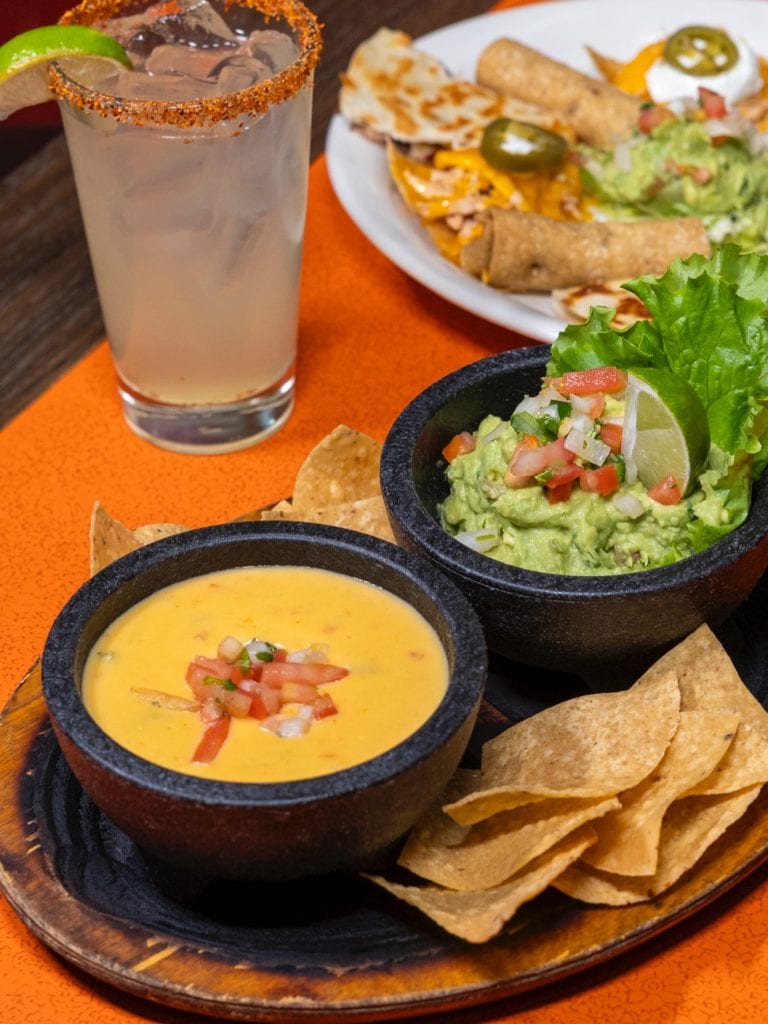
The oldest continuously operating Tex-Mex restaurant chain in the United States, El Fenix, popularized Tex-Mex across Texas and claims to have invented the combination dinner plate.
The Martinez family has operated El Fenix for over a century, creating the template for Tex-Mex restaurants statewide.
The cheese enchiladas with chili gravy, the massive portions, and the family atmosphere define what Tex-Mex means to generations of Texans.
2. Mi Tierra Café y Panadería — San Antonio (Since 1941)
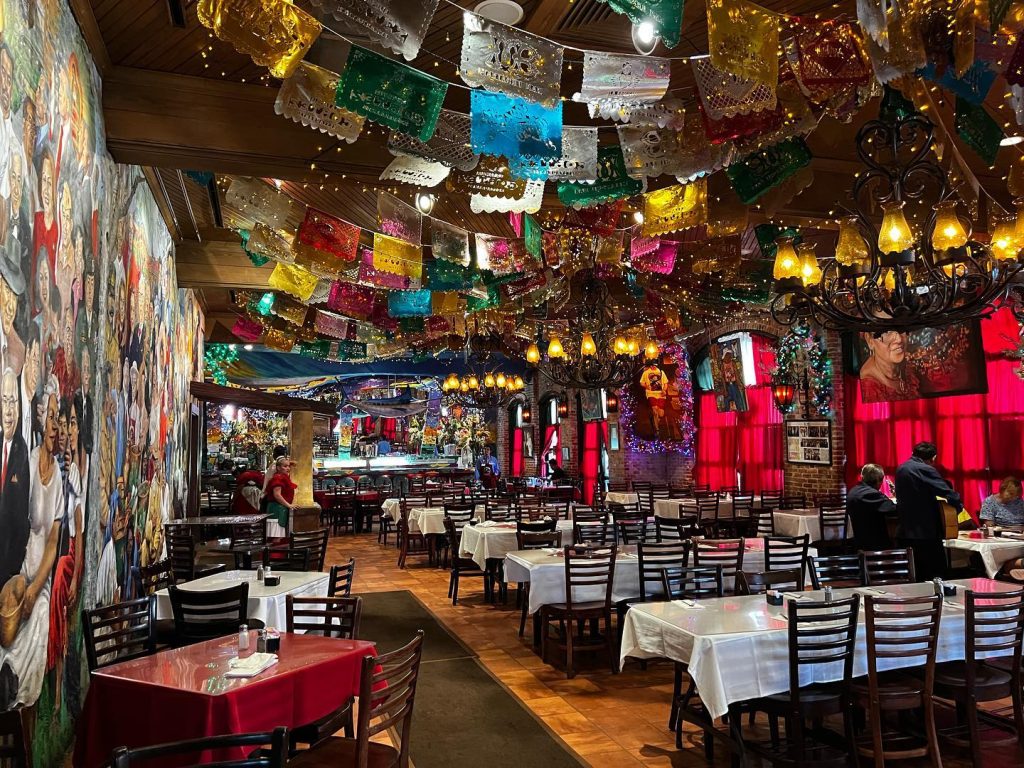
This 24-hour Market Square institution serves traditional Mexican and Tex-Mex in an overwhelming atmosphere of mariachi music, Christmas lights year-round, and constant celebration.
The Cortez family operation represents San Antonio’s deep Mexican heritage while serving Tex-Mex favorites to tourists and locals alike.
The bakery attached to the restaurant, the festive atmosphere, and the commitment to tradition make this essential San Antonio dining.
3. Joe T. Garcia’s — Fort Worth (Since 1935)
This Fort Worth landmark serves only two options — enchilada dinner or fajitas — in a beautiful courtyard setting that’s made it legendary across generations.
The restaurant maintains old-school Tex-Mex traditions through a limited menu, family recipes, and an atmosphere that’s changed little since the 1930s.
The enclosed patio dining, the massive margaritas, and the simple perfection of what they do make Joe T’s pilgrimage territory.
4. Matt’s El Rancho — Austin (Since 1952)
The Martinez family’s Austin institution invented the Bob Armstrong Dip and maintains Tex-Mex traditions in the original South Lamar location despite Austin’s explosive growth.
The restaurant preserves a 1950s-60s interior, complete with vintage booths and Mexican folk art, creating a time-capsule atmosphere.
The enchiladas, massive margaritas, and family operation spanning generations make Matt’s essential Austin dining and Tex-Mex history.
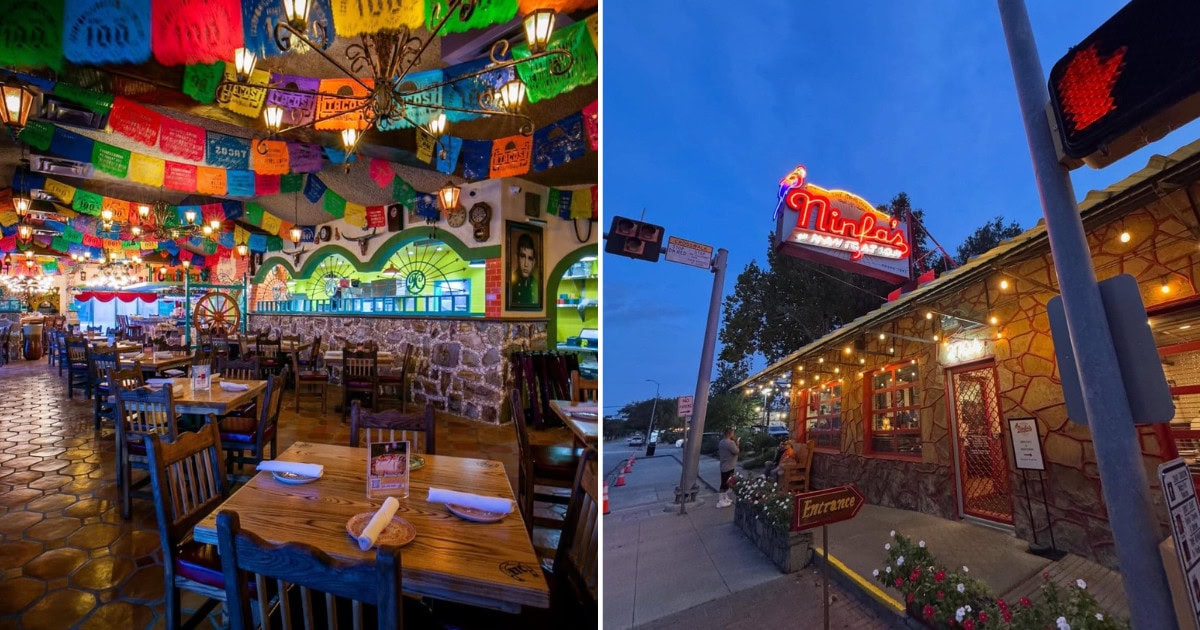
5. The Original Ninfa’s on Navigation — Houston (Since 1973)
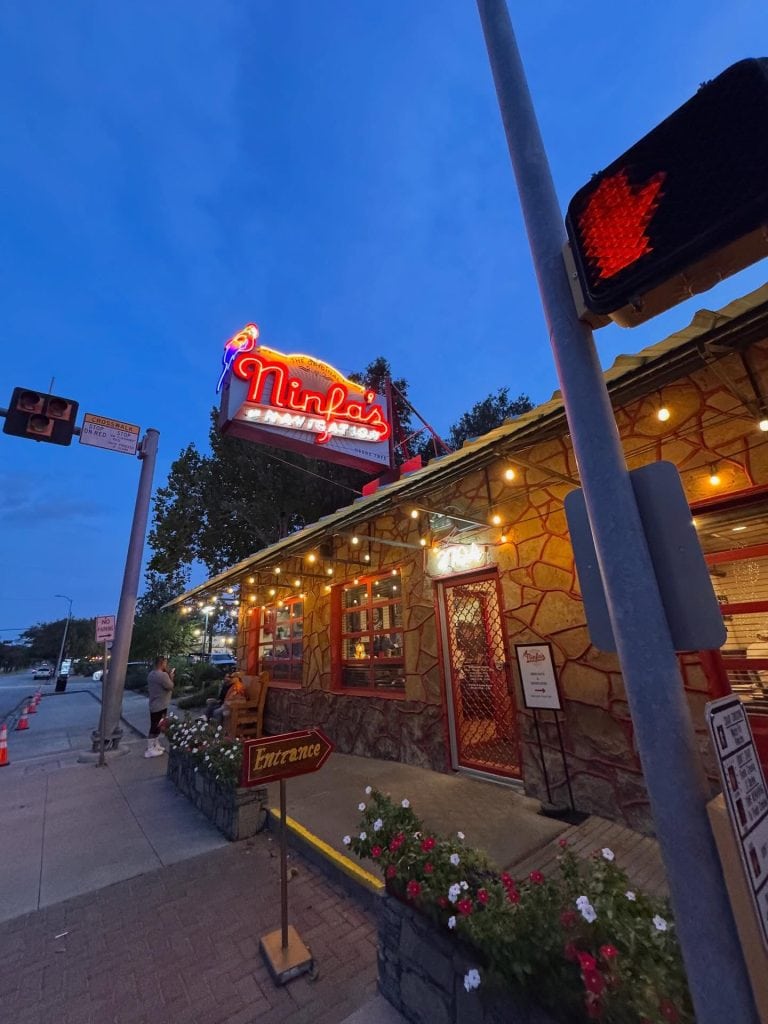
Ninfa Laurenzo revolutionized Tex-Mex by popularizing fajitas and creating the casual upscale Tex-Mex format that influenced restaurants nationwide.
The original Navigation location maintains the recipes and atmosphere Mama Ninfa created, serving the tacos al carbon and fajitas that transformed Tex-Mex.
The tableside guacamole, the green sauce, and the innovation Ninfa brought to traditional recipes make this historically significant beyond just being delicious.
6. El Arroyo — Austin (Since 1975)
Famous for its roadside sign delivering daily humor and social commentary, El Arroyo serves reliable Tex-Mex in a landmark Austin location that’s become a cultural institution.
The Mexican martinis, the Tex-Mex favorites, and especially the sign’s wit make El Arroyo represent Austin’s irreverent character.
The restaurant demonstrates how Tex-Mex establishments become community gathering places beyond just serving food.
7. El Tiempo Cantina — Houston (Multiple Locations)
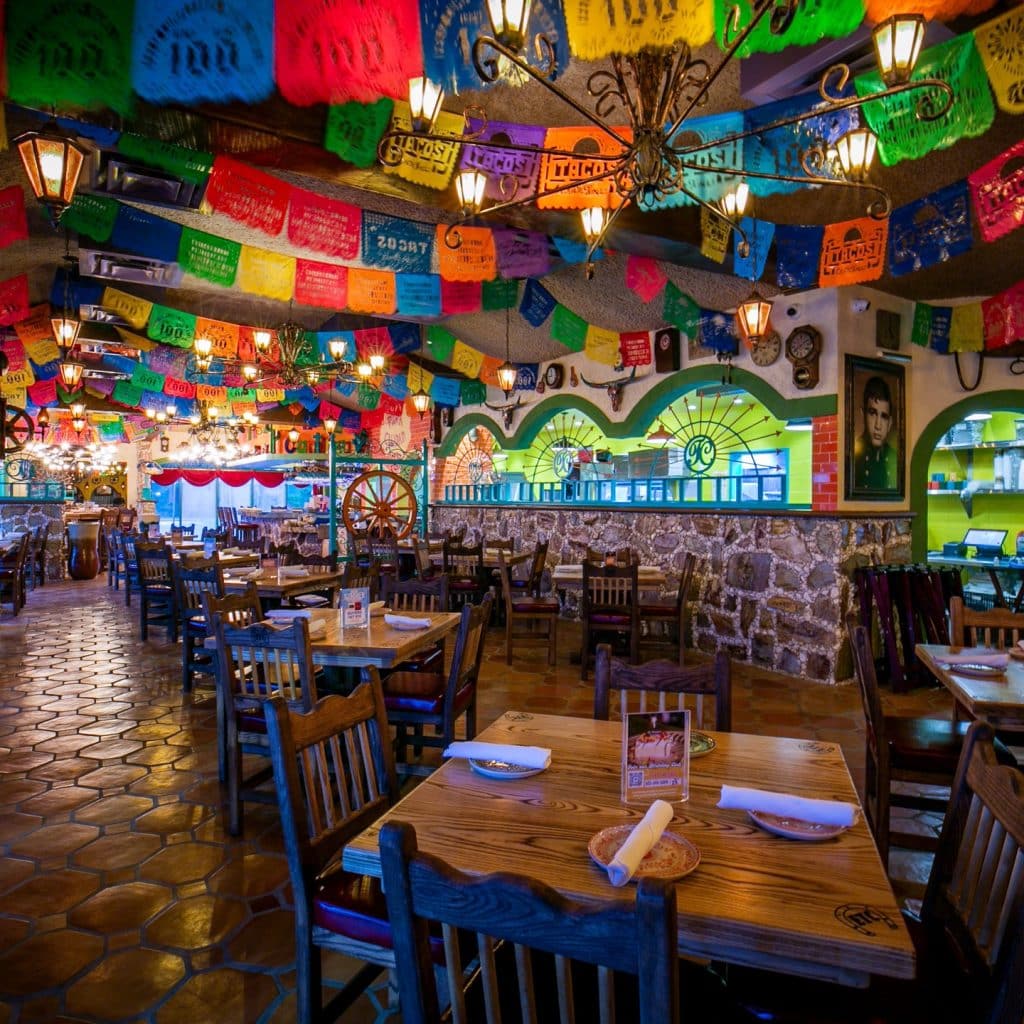
The Laurenzo family’s upscale Tex-Mex concept elevated the cuisine while maintaining traditional flavors and techniques Mama Ninfa pioneered.
The sleek contemporary atmosphere, premium ingredients, and sophisticated presentations prove Tex-Mex can be both authentic and upscale.
The Sunset Fajitas sizzling tableside and the modern approach to traditional dishes represent Tex-Mex’s evolution while honoring its roots.
8. Chuy’s Tex-Mex — Austin (Original Location, Since 1982)
The original Barton Springs location launched what became a chain while maintaining the quirky “Nacho Car” atmosphere and fresh-made tortillas that made Chuy’s special.
The creamy jalapeño dip, the hand-rolled tortillas, and the commitment to fresh ingredients rather than shortcuts differentiate Chuy’s from typical Tex-Mex.
While now a chain, the original location maintains the character and quality that created Chuy’s cult following.
9. La Fogata — San Antonio (Since 1978)
This San Antonio institution serves traditional Tex-Mex and interior Mexican dishes in a hacienda-style setting with beautiful outdoor dining and flaming mesquite.
The restaurant bridges Tex-Mex and regional Mexican cuisines while maintaining the warm atmosphere and generous portions defining the genre.
The margaritas, the outdoor fire pits, and the authentic approach to both Tex-Mex and Mexican food make this essential San Antonio dining.
Eat Your Heart Out, The Texan Way
These nine restaurants represent Tex-Mex’s evolution from Mexican immigrant family operations to beloved institutions defining Texas identity.
Through this bucket list approach, we hope that you get to visit these spots to understand their historical and cultural significance rather than just eating.
Talk to staff about the restaurants’ histories, observe the family photographs and memorabilia documenting decades of operation, and notice how generations of families dine together, maintaining traditions.
The food matters, but these restaurants’ importance extends beyond menus to their roles as cultural institutions preserving and evolving Tex-Mex through changing times.
Which Tex-Mex institutions would you add to this bucket list, and what restaurants represent essential Tex-Mex experiences in your region?
Share the family operations and legendary spots that tell Tex-Mex’s story beyond these nine, helping preserve knowledge of restaurants maintaining traditions that define Texas’s culinary identity.
FB post credit: Manuel Rangel

Stella Raines
Editor-in-Chief
Stella brings over a decade of storytelling experience to TX Headlines. With roots in West Texas and a love for road trips, she leads the editorial team with an eye for the hidden stories that make Texas unforgettable.
More Stories
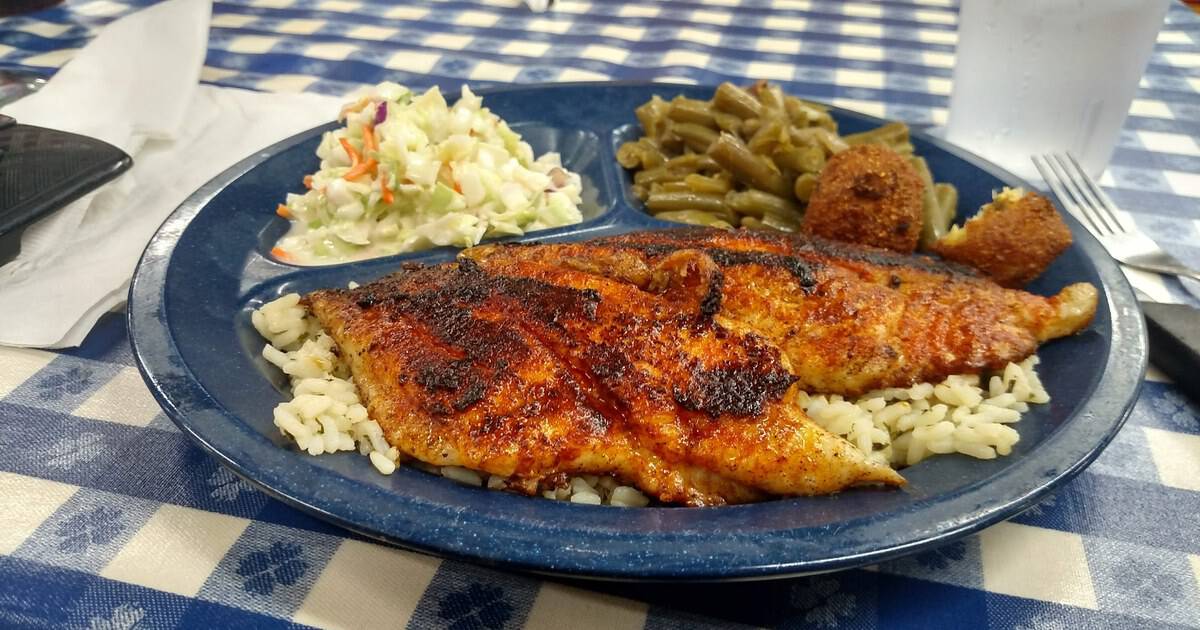
This Small-Town Texas Restaurant Serves Catfish So Legendary People Drive an Hour for a Plate
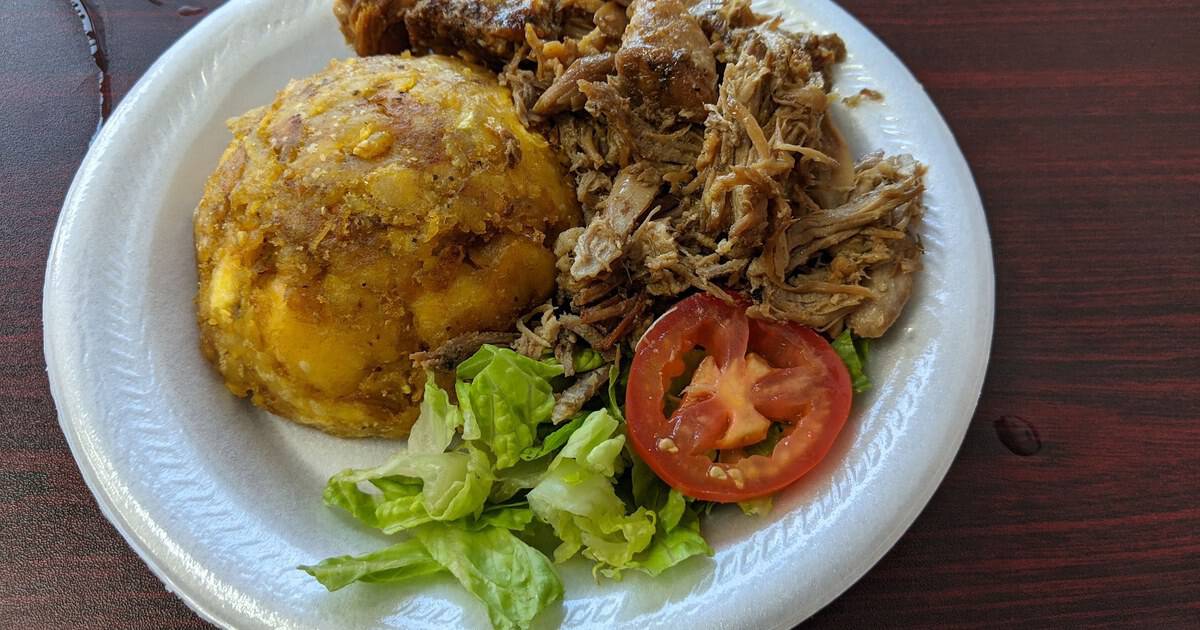
This Family-Run Texas Restaurant Brings the Bold Flavors of Puerto Rico to Every Plate
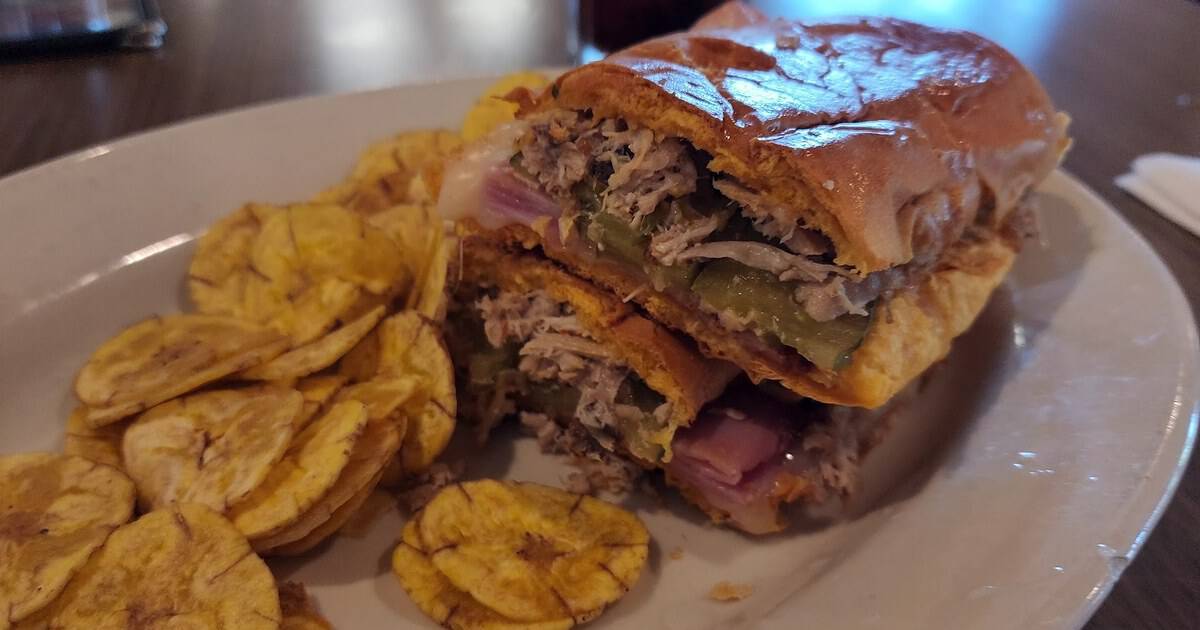
This Longtime Texas Cuban Cafe Serves Authentic Sandwiches, Strong Espresso, and Homemade Plates Worth the Drive