The Secret Wildlife Corridor Is One Of The Last Places To See Ocelots
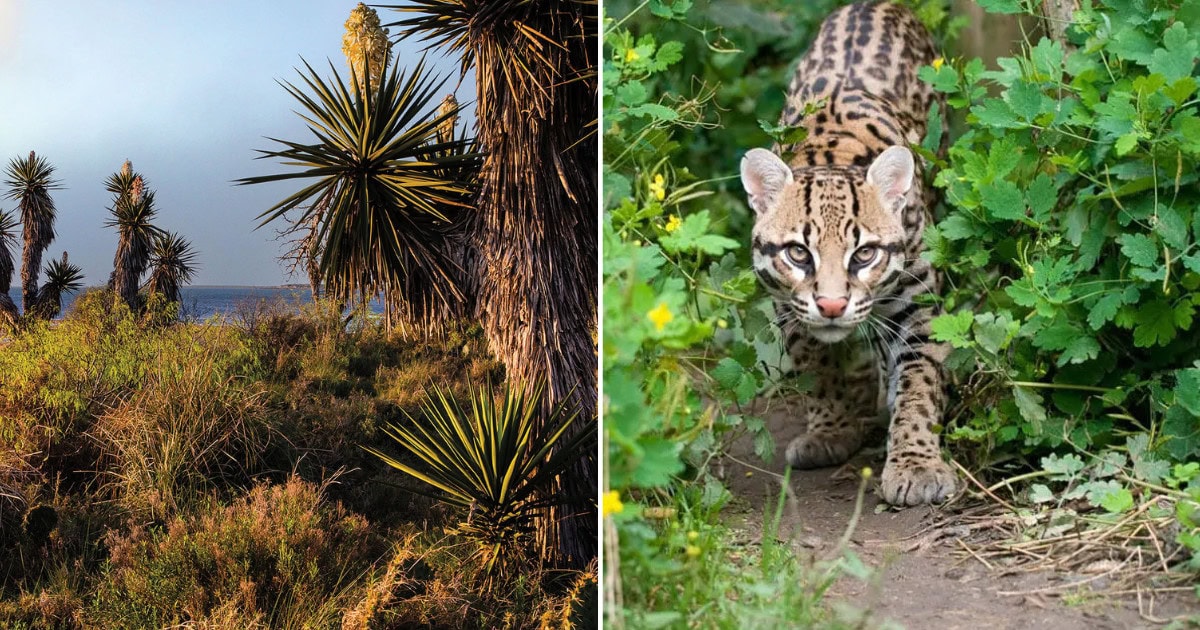
Somewhere in the dense thornscrub of deep South Texas, a small spotted wildcat slips through the brush at dusk, its movements invisible to all but the remote cameras that document its existence.
The ocelot—medium-sized, with parallel stripes running down its neck and a coat marked like a miniature leopard—once roamed from Louisiana to Argentina.
Today, scientists estimate fewer than 80 remain in the entire United States, and every single one lives in the Lower Rio Grande Valley.
Laguna Atascosa National Wildlife Refuge protects one of the last two breeding populations of these endangered cats, offering them more than 110,000 acres of coastal prairie where they can hunt, hide, and—against formidable odds—survive.
Where the Refuge Is Located
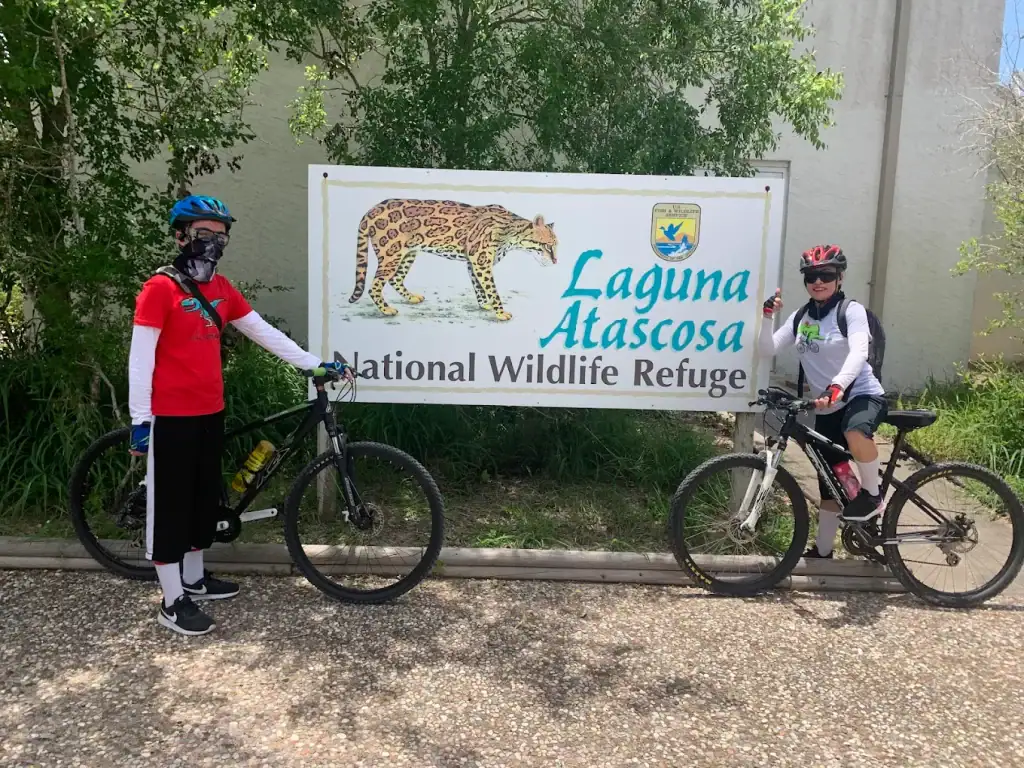
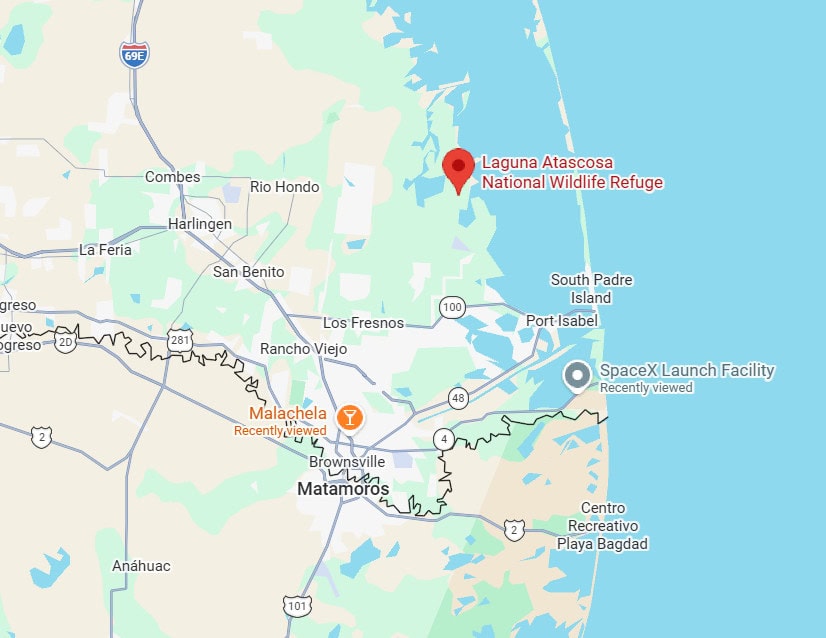
Laguna Atascosa sits in Cameron County at the southernmost tip of Texas, about 25 miles east of Harlingen and north of Brownsville near the town of Los Fresnos.
The refuge occupies part of the Lower Rio Grande Valley, a region where temperate, subtropical, coastal, and desert habitats converge to create one of the most biodiverse landscapes in North America.
Mexican species reach the northern edge of their range here while migratory birds from across the continent funnel through on the Central Flyway.
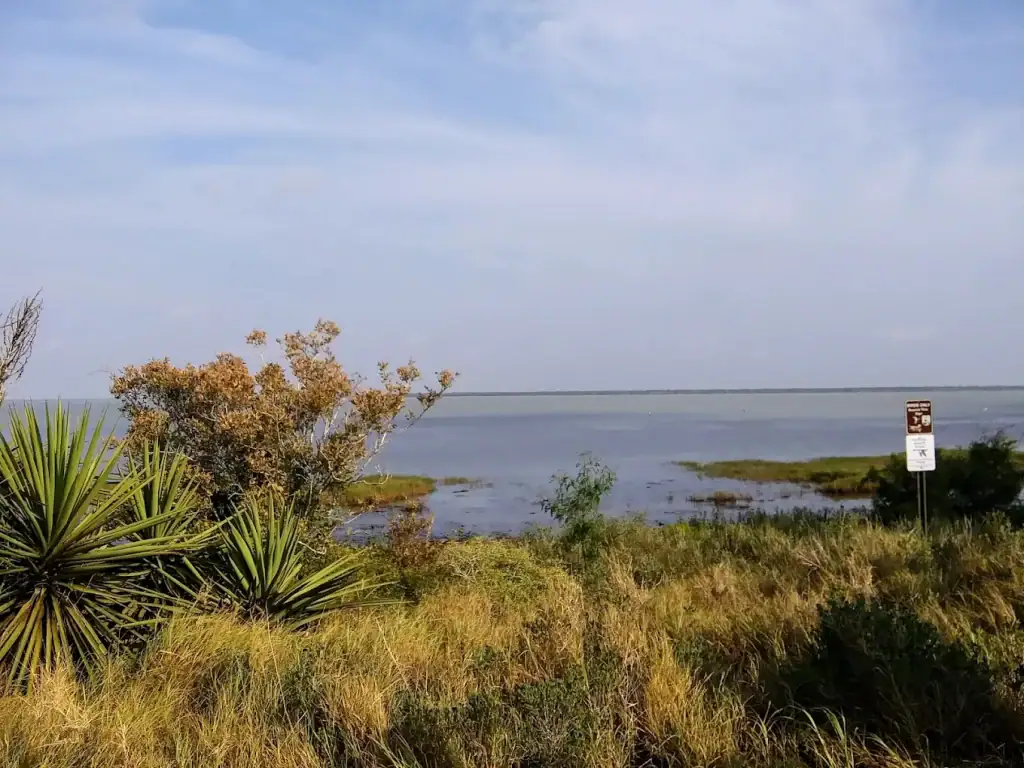
Established in 1946 to protect wintering waterfowl, particularly redhead ducks, Laguna Atascosa has grown into something far more significant.
Nearly half of all bird species found in the continental United States rest, feed, nest, or migrate through this landscape.
More than 417 bird species have been documented here—more than any other refuge in the National Wildlife Refuge System.
One of the Last Ocelot Habitats in the U.S.
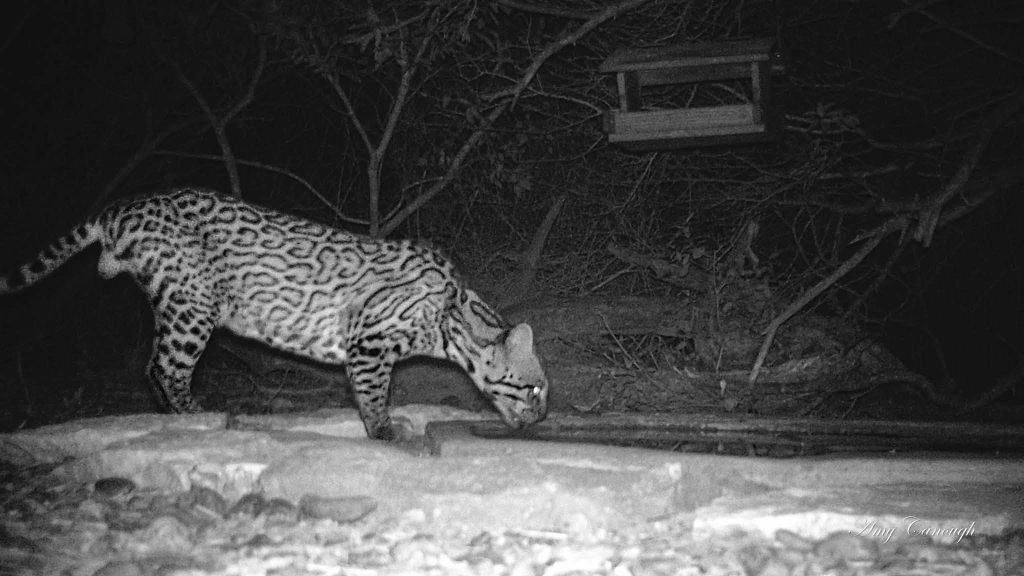
The ocelot’s story in Texas is one of loss. When Spanish explorer Alonzo Alvarez de Pineda arrived in the Rio Grande Valley in 1519, he found 3 million acres of coastal prairies and brushlands.
Today, more than 95% of that native habitat has been converted to agriculture, ranches, and development.
The ocelots that remain cling to scattered fragments of Tamaulipan thornscrub, the dense tangle of mesquite, ebony, and cactus they require for cover.
Conservation efforts continue to expand the refuge and connect fragmented habitats.
In 2021, the U.S. Fish and Wildlife Service added two key properties—Holly Beach and Dulaney Farms—totaling thousands of additional acres.
A planned ocelot breeding facility in Kingsville will raise captive-born cats for eventual release at a third site in Jim Hogg and Starr counties.
The hope is to establish a new population and improve genetic diversity across the species’ Texas range.
Wildlife and Nature Experiences
You will almost certainly not see an ocelot. The cats are nocturnal, secretive, and exist at densities that make encounters extraordinarily rare.
But the refuge that protects them teems with wildlife you will see.
Birding is the primary draw.
The late Roger Tory Peterson, pioneer of modern American birdwatching, made six trips to Laguna Atascosa in search of uncommon sightings.
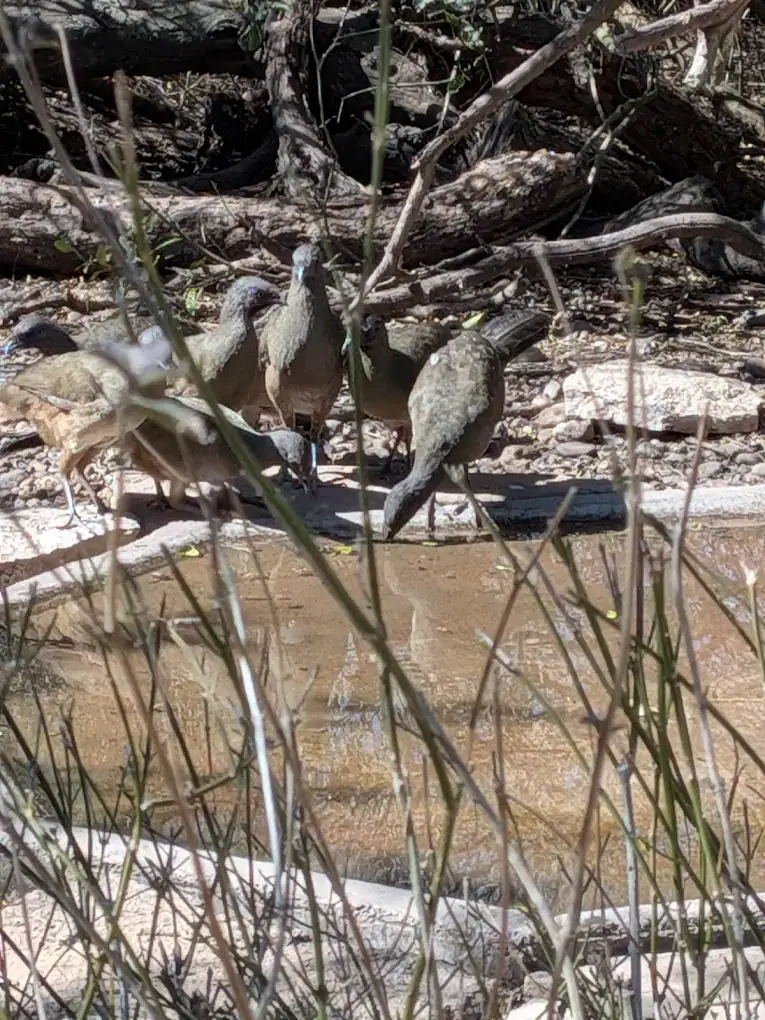
Green jays—brilliant Neotropical birds rarely seen elsewhere in the United States—gather by the dozens at the visitor center feeders.
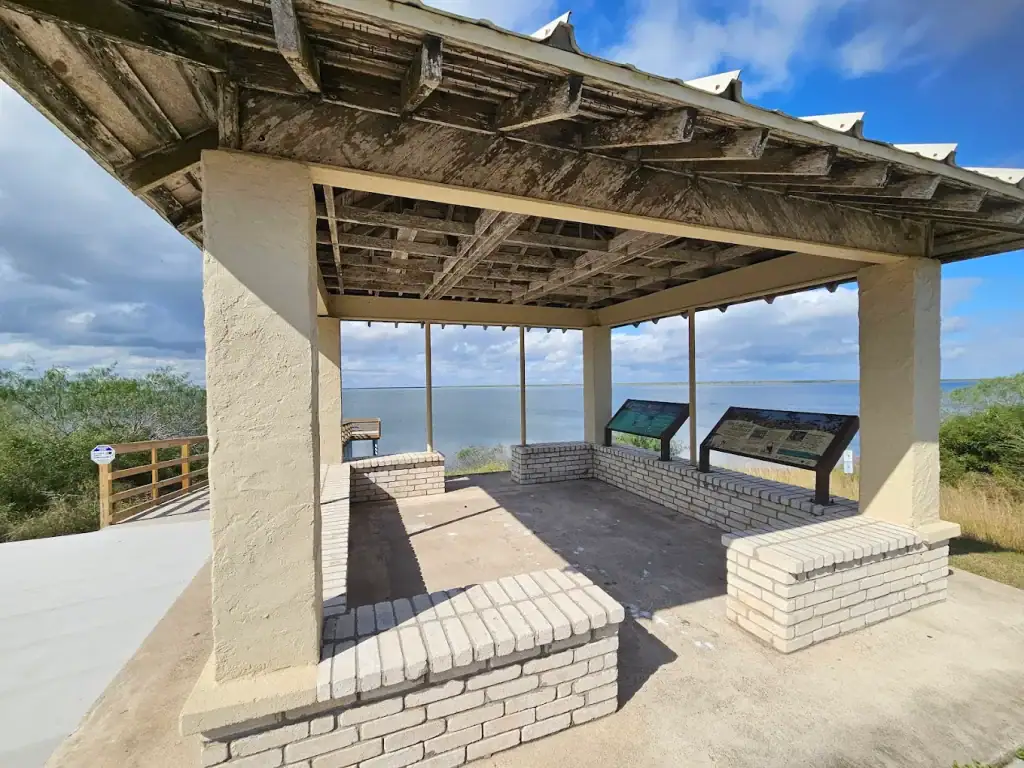
Osprey Overlook, a covered platform with sweeping views of the 3,500-acre Laguna Atascosa lake, draws pelicans, herons, egrets, and roseate spoonbills.
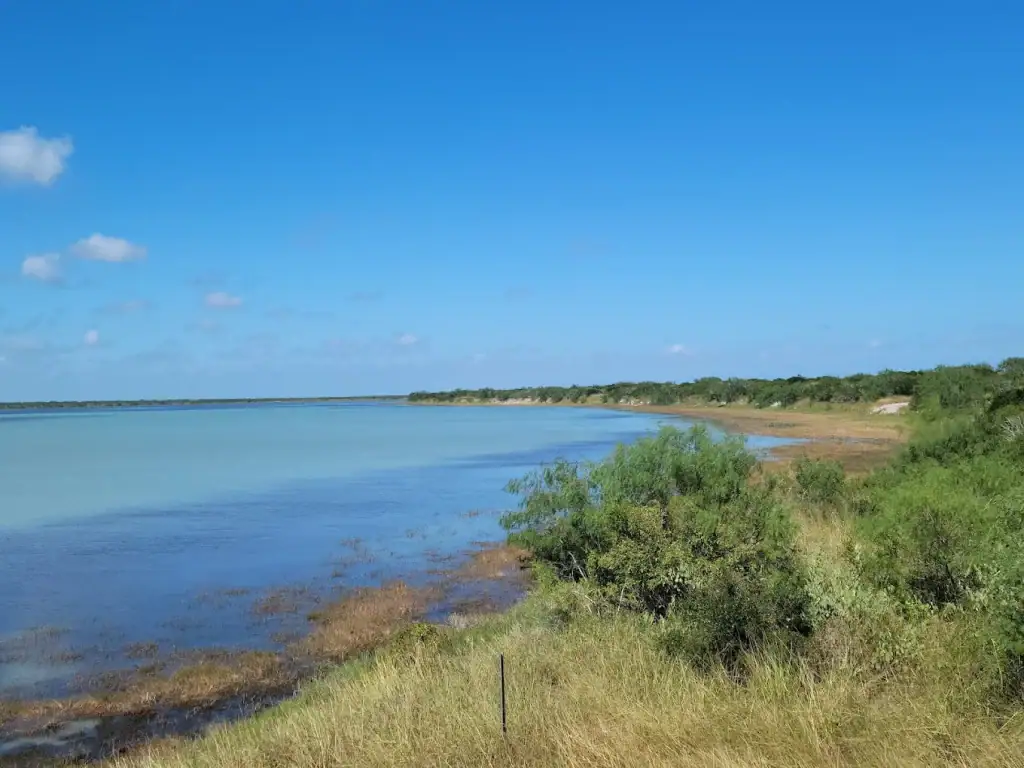
During winter, 85% of the redhead ducks in North America congregate in these waters. More than 20 species of waterfowl pass through during migration.
Beyond birds, the refuge supports 45 mammal species, 44 reptile and amphibian varieties, 130 butterfly species, and 450 plant species.
Visiting Laguna Atascosa
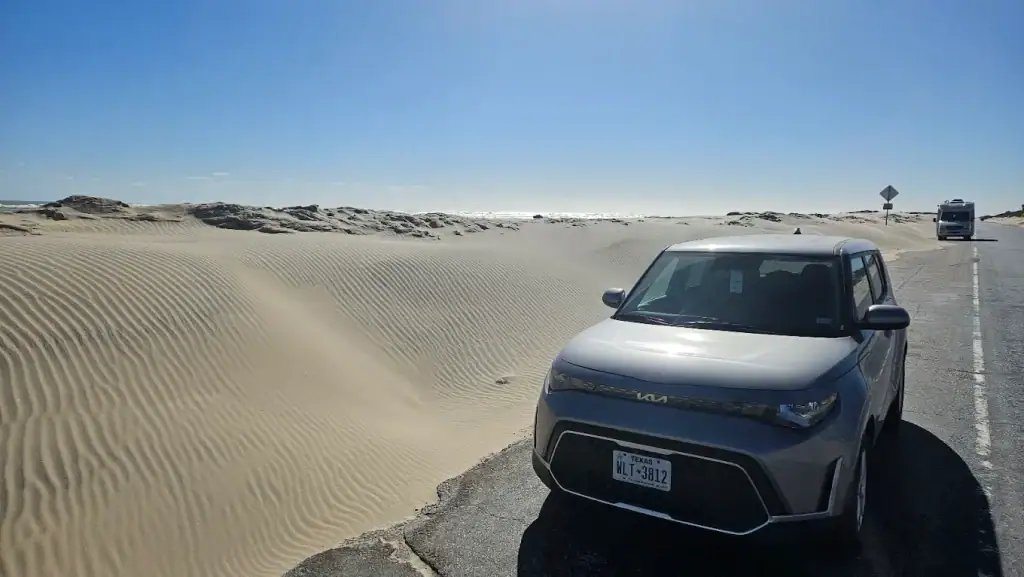
The refuge is open 365 days a year from sunrise to sunset. More than 60 miles of hiking and biking trails wind through the landscape, and the Steve Thompson Wildlife Drive offers a 14.2-mile loop accessible by bicycle or on foot.
Lakeside Drive is the only trail open to vehicles, leading to Osprey Overlook and trailheads for Gator Pond, Scum Pond, and County Trail.
The Visitor Center, open Monday through Saturday from 8:00 a.m. to 3:30 p.m., provides maps, permits, and information.
Five bird feeding stations and four water features surround the building, making the 0.8-mile ADA-accessible visitor center trails an excellent starting point.
The Friends of Laguna Atascosa Nature Shop sells field guides, walking sticks, and other supplies.
Come prepared. Staff recommends wide-brimmed hats, bug repellent, sunscreen, long pants, high socks, and sturdy closed-toe footwear regardless of season.
Ticks, chiggers, thorns, and snakes are constant concerns. Bring plenty of water—there’s no food or drink for sale, and fuel is 15 miles away.
The best wildlife viewing happens at dawn or dusk, when temperatures are cooler, and animals are most active. Winter brings peak birding season and more comfortable hiking weather.
Day admission costs $2.50 per vehicle. An annual pass is $9.
Planning Your Visit
For more information about Laguna Atascosa National Wildlife Refuge, check the U.S. Fish & Wildlife Service website at fws.gov/refuge/laguna-atascosa or visit flanwr.org for programming and events.
Use the map to explore refuge roads, viewing areas, and surrounding Lower Rio Grande Valley habitats.
Where: 22688 Buena Vista Blvd, Los Fresnos, TX 78566
Laguna Atascosa is one of the last strongholds for wild ocelots in the United States—a quiet, expansive refuge where South Texas wilderness still thrives along the borderlands.

Stella Raines
Editor-in-Chief
Stella brings over a decade of storytelling experience to TX Headlines. With roots in West Texas and a love for road trips, she leads the editorial team with an eye for the hidden stories that make Texas unforgettable.
More Stories

These 10 Texas Spots Bloom Into Seas of Bluebonnets Each Spring

This Enchanting Texas Nature Trail Feels Like Hiking Through a Fairytale Forest

This Underrated Texas State Park Gives You a Full Day of Swimming and Hiking for Just $5

This Easy Texas Hike Leads to a Swinging Suspension Bridge Hidden in the Pines
Tags