See Texas’s Secret Bioluminescent Waters Before It’s Too Late
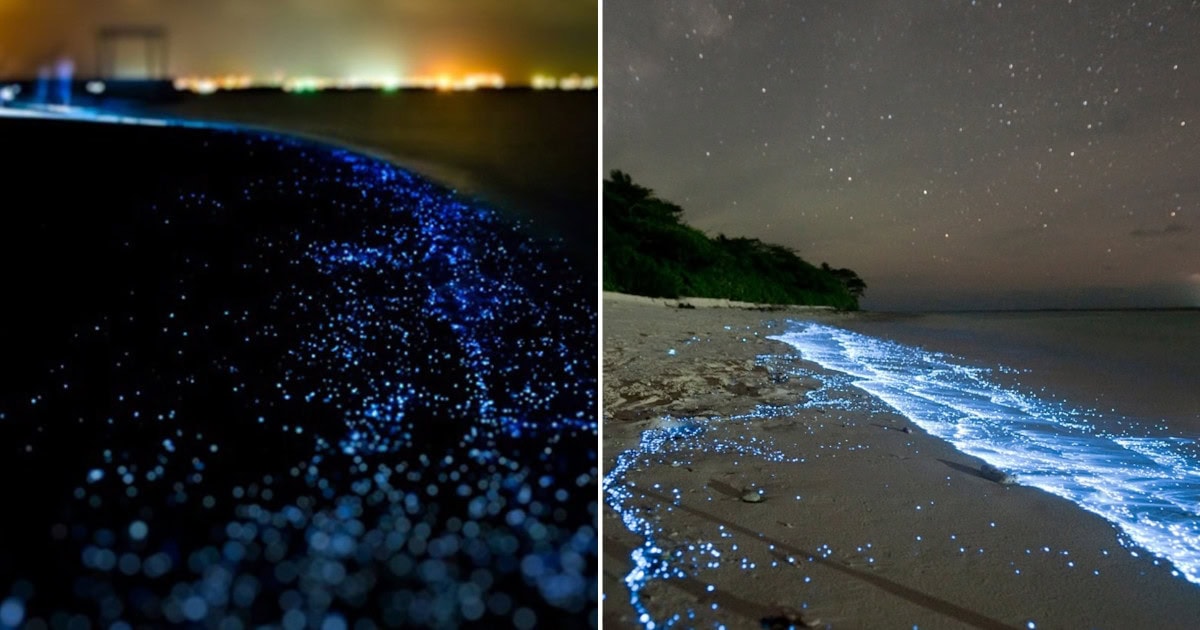
Most Texans think you have to fly to Puerto Rico or the Maldives to see glowing water. Turns out, it happens right here, along the South Texas coast near South Padre Island.
Bioluminescence, that ethereal blue glow that looks like something from another planet, has been spotted in Texas waters more often than most people realize.
It’s rare, unpredictable, and absolutely unforgettable when conditions align.
And the fact that it happens in the Lone Star State at all feels like one of nature’s best-kept secrets.
What Causes the Glow
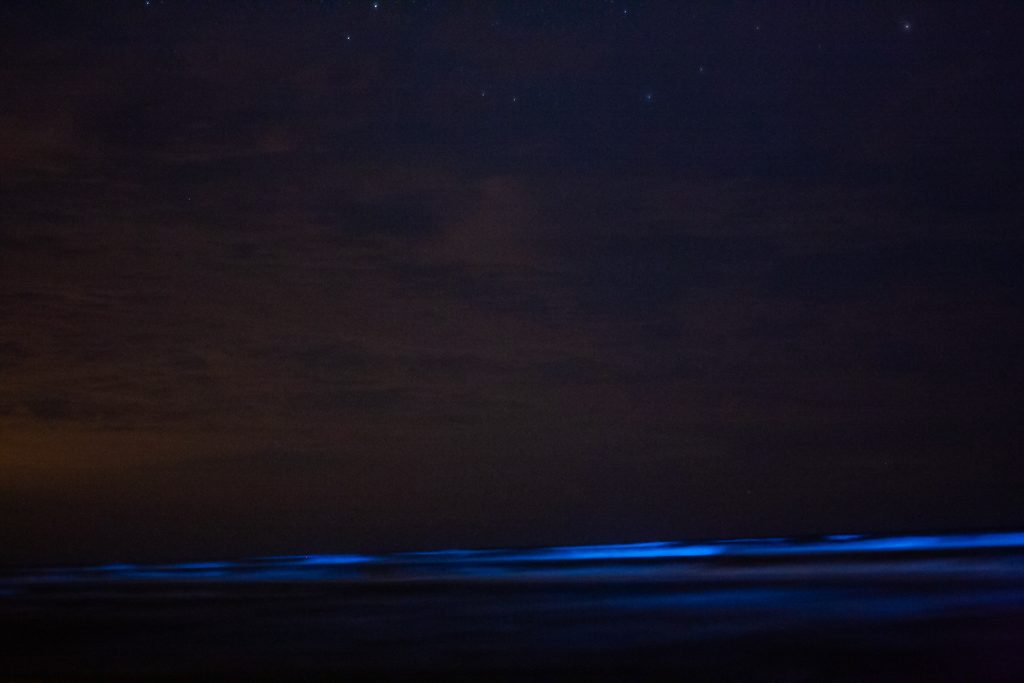
The light show comes courtesy of microscopic organisms called dinoflagellates, specifically two species found along the Texas coast: Noctiluca and Pyrodinium.
These single-celled creatures produce light through an internal chemical reaction when they’re physically disturbed.
It’s essentially a defense mechanism, thought to either startle predators or attract even larger predators to eat whatever’s bothering them.
The Texas coast creates surprisingly favorable conditions for bioluminescent blooms. Warm water temperatures during summer and early fall help dinoflagellate populations grow.
The shallow, relatively calm waters along South Padre Island and the surrounding coastline allow these organisms to concentrate near the surface, where they’re more visible.
When You’re Most Likely to See It
Bioluminescence sightings along the Texas coast have been reported from summer through early winter, with late summer and fall appearing to be the most active periods.
Warmer water temperatures during these months promote dinoflagellate growth and increase the likelihood of blooms dense enough to create a visible glow.
Recent sightings have been reported at South Padre Island in January 2025 and August 2025, proving that the phenomenon can occur at various times throughout the year.
If you’re hoping to spot bioluminescence, darkness is non-negotiable.
The organisms don’t glow when exposed to light, so new moon phases and locations away from artificial lighting offer the best visibility.
Calm, clear nights allow you to see the subtle flashes more easily, though the glow itself is triggered by water movement.
Where to Experience It
South Padre Island and Padre Island National Seashore
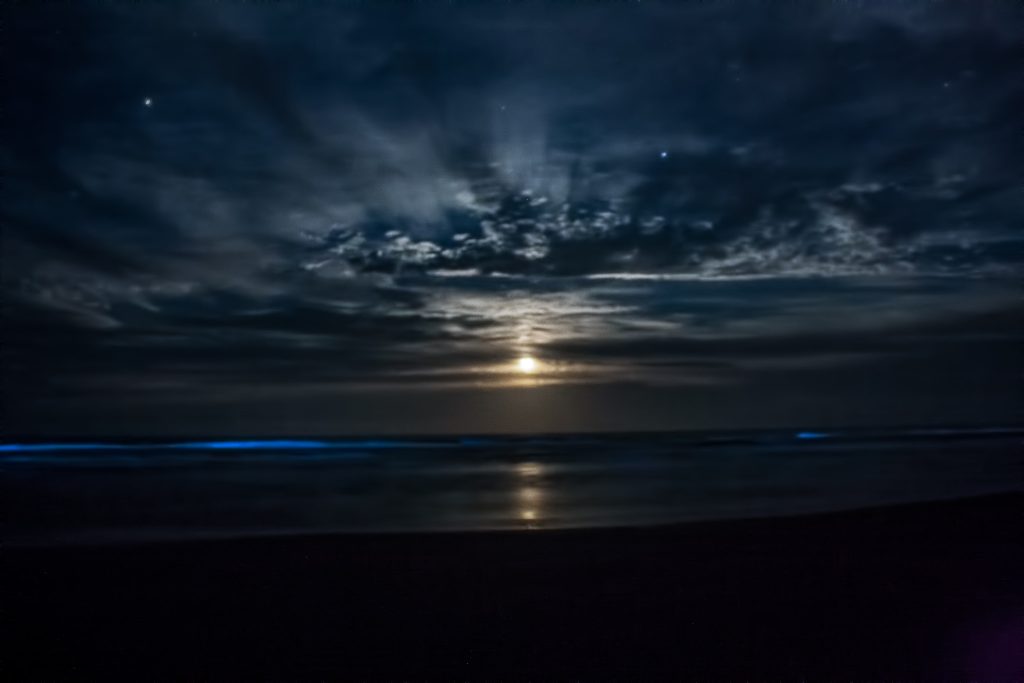
Most Texas bioluminescence sightings occur along the Gulf-facing beaches of South Padre Island and Padre Island National Seashore.
The surf zone is where the action happens, as crashing waves provide the physical disturbance that triggers the glow. Port Aransas beaches have also reported sightings.
For the best chance, choose beaches away from concentrated development and bright lights.
The more remote stretches of Padre Island National Seashore offer darker skies and less light pollution, though getting there at night requires planning.
On South Padre Island itself, walking away from the main tourist strips to quieter beach access points improves your odds of seeing the glow clearly.
What to Know Before You Go
Managing Expectations
Here’s the reality check: bioluminescence along the Texas coast is rare and impossible to predict.
Padre Island National Seashore officials emphasize that sightings depend entirely on environmental conditions that can’t be forecast.
UTRGV Coastal Studies confirms that while the phenomenon has occurred before at South Padre Island, there usually aren’t many witnesses since it’s only visible at night and doesn’t last long.
Some locals go years between sightings. Others, like fishing guides who spend countless nights on the water, see it more regularly but still can’t predict when it will happen.
The honest truth is that you may visit multiple times without ever seeing the glow. But when it does appear, witnesses consistently describe it as one of the most magical natural experiences of their lives.
Responsible Viewing
If you’re lucky enough to witness bioluminescence, remember that you’re observing a living ecosystem. The dinoflagellates themselves are harmless to humans, and the phenomenon doesn’t indicate pollution or danger.
However, basic respect for the marine environment applies: don’t use soaps or chemicals in the water, avoid disturbing wildlife unnecessarily, and leave the beach as you found it.
Night beach visits require common-sense safety precautions. Bring a flashlight for walking, but turn it off when you reach the water’s edge to let your eyes adjust.
Stay aware of tides and currents, especially in unfamiliar areas. And check local regulations, as some beach areas have nighttime restrictions.
When Magic Meets the Gulf
Texas bioluminescence remains one of the state’s most elusive natural phenomena.
There are no tour operators guaranteeing sightings, no apps predicting when it will appear, and no way to schedule this experience into a vacation itinerary with any certainty.
And maybe that’s part of what makes it special.
In a world where almost everything can be planned and photographed on demand, the glowing waters off South Padre Island remind us that nature still holds genuine surprises, even in places we think we know well.

Stella Raines
Editor-in-Chief
Stella brings over a decade of storytelling experience to TX Headlines. With roots in West Texas and a love for road trips, she leads the editorial team with an eye for the hidden stories that make Texas unforgettable.
More Stories
This 2-Mile Texas Trail Follows One of the Last Pristine Creeks in the State
This Hidden Texas Trail Leads to Limestone Waterfalls and Spring Wildflowers
This Rugged Texas Ranch Has Nearly 30 Miles of Twisting Mountain Bike Trails That Keep Riders Coming Back
This Epic Texas Rail-Trail Stretches 130 Miles Past 19 Small Towns and Over 100 Old Trestles
Tags