Explore McKenna Children’s Museum: A Family Guide to Fun
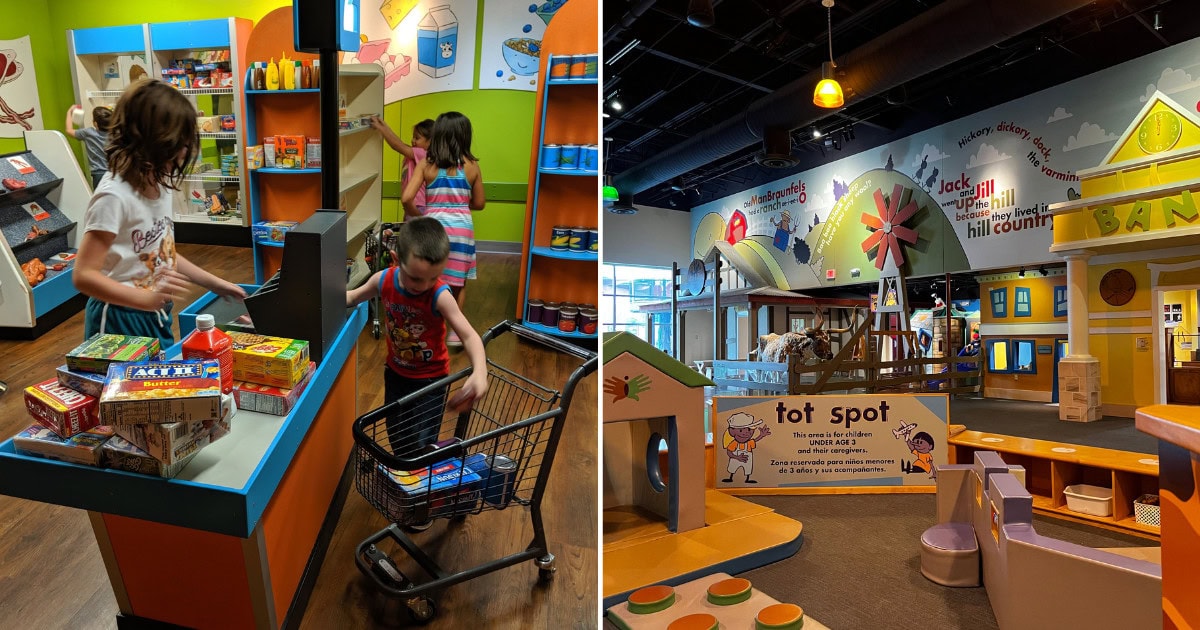
In a world increasingly dominated by screens and passive entertainment, where children spend hours absorbed in tablets and phones, the McKenna Children’s Museum stands as a colorful testament to the power of hands-on learning and imaginative play
The McKenna Children’s Museum operates on the educational philosophy that young children learn best through active engagement rather than passive instruction, and that play isn’t frivolous but rather the serious work of childhood.
For families visiting New Braunfels, this beloved spot among local attractions and museums will surely be the new favorite place in town for your little ones.
This guide provides you with everything you need to know about this adventure-filled facility.
Location, Hours, and Admission
The McKenna Children’s Museum occupies 801 West San Antonio Street in New Braunfels, positioning it conveniently near the downtown core while maintaining easy access from major roads.
Operating for 6 days a week, the museum is open from Monday to Saturday from 9 AM to 4 PM. Sundays are reserved for maintenance and preparation for the week ahead.
Unfortunately, the museum does close for major holidays, including Thanksgiving, Christmas, and New Year’s Day, allowing staff to spend these important days with their own families.
Admission to the McKenna Children’s Museum is straightforward and affordable, with entry priced at $9.00 per person for both adults and children ages 12 months and older.
For safety, all children must be accompanied by an adult at least 16 years old, and adults may only enter when accompanying a child. The museum does offer guided tours specifically for adult groups, but these must be arranged in advance.
Payment is flexible, as the museum accepts cash, checks, and major credit cards, including Visa, MasterCard, American Express, and Discover. Guests should note that no ATM is available on-site, so it’s best to secure enough cash during your visit.
For families wanting to visit repeatedly, the museum also offers membership deals that include discounts on birthday parties, educational programs, exclusive family events, and gift shop purchases.
What to Expect Inside the Museum

Among the several exhibits that children can visit and experience inside the museum are the following:
Hill Country Campgrounds
True to its Texan roots, the Hill Country Campgrounds exhibit invites kids to step into a playful, outdoor‑themed world—tents, bridge crossings, rugged “peaks,” and even a simulated campfire.
It comes complete with camping gear, a kayak, batwing costumes for creature‑feature fun, and a cave to explore.
The exhibit is designed to spark children’s imaginations, encouraging them to “camp out” indoors while pretending they’re under the stars of the Texas Hill Country.
Destination Space
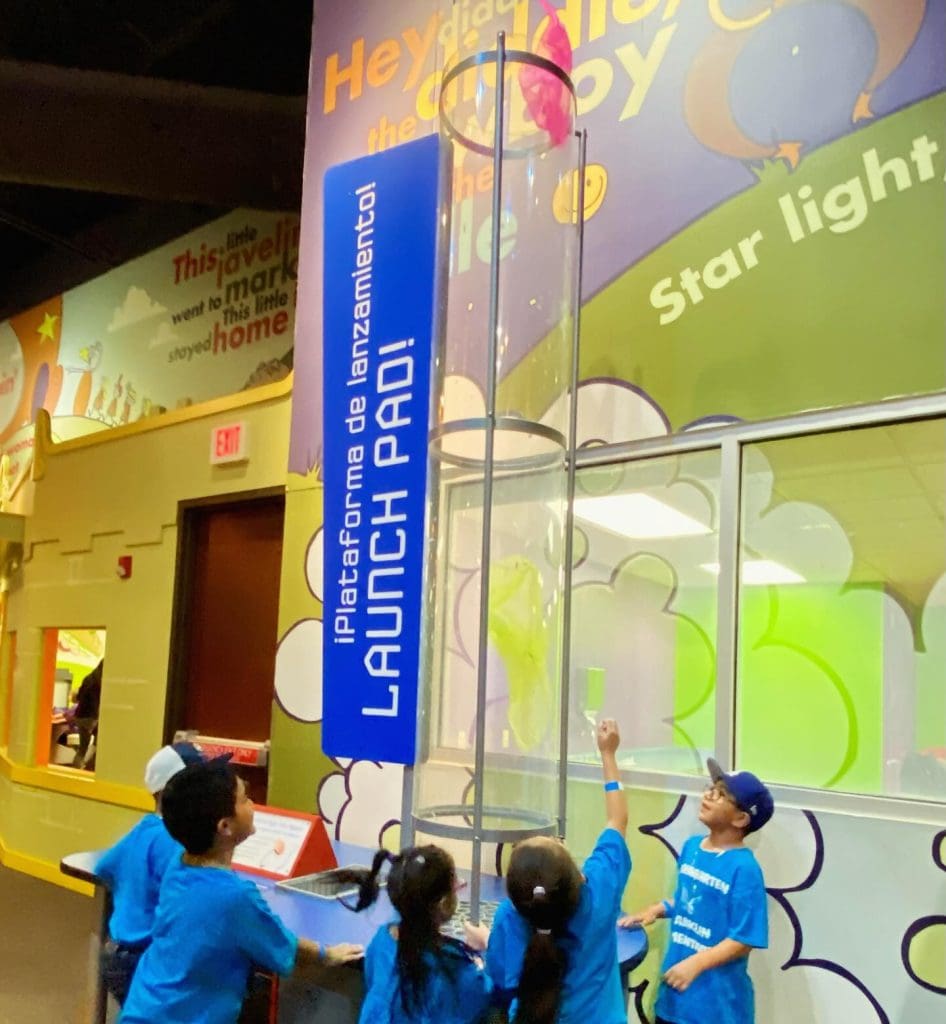
In the Destination Space exhibit, kids become space explorers. They can climb into a space module or flying saucer cockpit and experiment with concepts related to space travel, sparking curiosity about science, physics, and the universe.
The exhibit encourages imaginative play and early STEM thinking—whether they’re pretending to launch into orbit or just fiddling with virtual controls, children learn cause and effect, coordination, and abstract thinking through fun, hands‑on interaction.
Kids Clinic
The Kids Clinic exhibit invites little ones to “play doctor,” complete with a mock hospital, ambulance, and emergency room features.
Kids can pretend to check vital signs, care for patients, or operate an ambulance — a safe, playful way to teach empathy, responsibility, and basic health awareness.
This hands‑on role‑play lets children explore medical tools and scenarios in a child‑safe environment, helping them understand how care and health services work while building confidence and social skills.
The Great Outdoors
The Great Outdoors area gives kids a chance to enjoy physical, outdoor‑style play even while indoors—or under shelter—through climbing structures, playsets, and a water‑play zone.
For families, this exhibit provides an active, dynamic break from structured play, encouraging kids to explore, climb, splash, and imagine. It’s especially great for energetic children who need movement and sensory stimulation during a museum visit.
Aquarium
In the Aquarium, children can observe fish and aquatic life up close, offering a calm yet fascinating contrast to the excitement of other exhibits. It becomes a quiet, sensory-rich environment where kids can learn about aquatic animals, ecosystems, and the concept of living creatures in enclosed habitats.
This exhibit not only teaches natural science and biology in an approachable way, but also offers a moment of calm curiosity for kids who may benefit from slower‑paced exploration.
Grocery Store
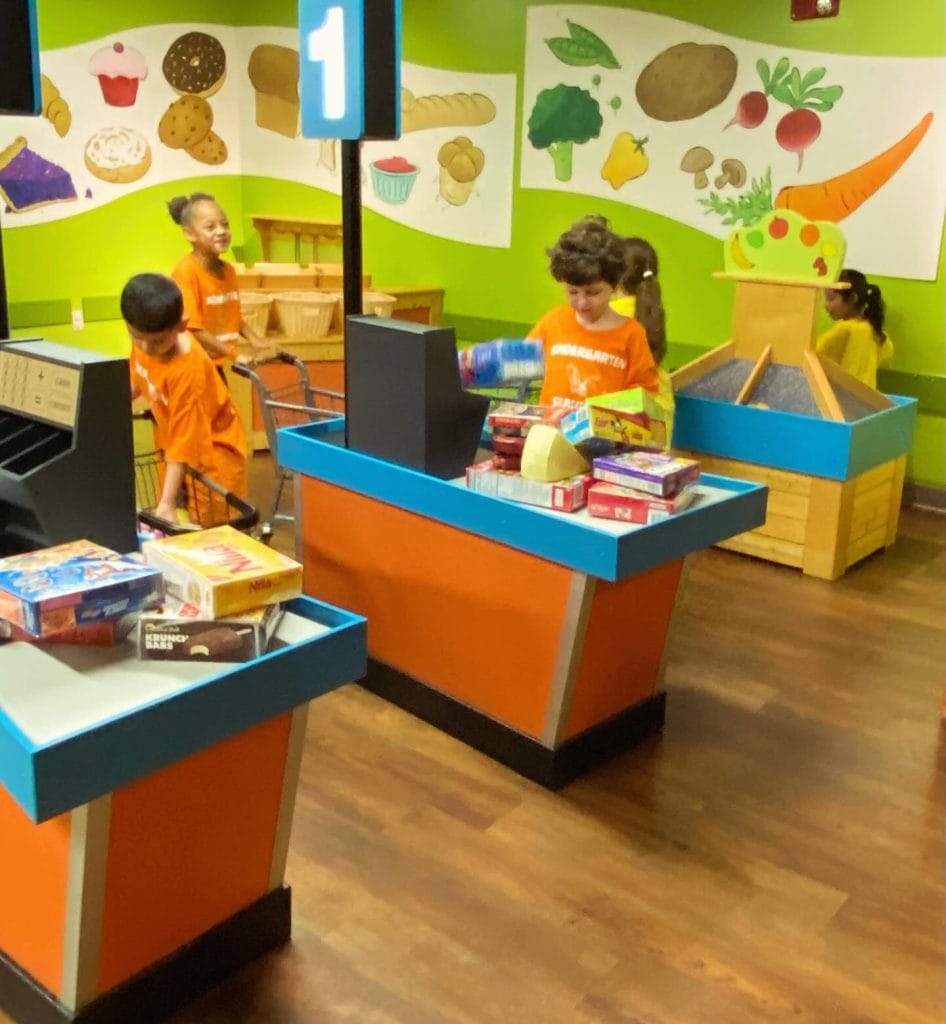
The Grocery Store transforms everyday errands into imaginative play. Kids can stock shelves, push mini-shopping carts down painted aisles, choose items, check out at the register, and even “bag” groceries.
This exhibit offers a playful, hands-on simulation of real shopping that builds counting, sharing, and decision‑making skills.
It also encourages social interaction, cooperation, and healthy eating awareness as children role‑play shoppers, cashiers, or store staff.
Wonder Shop
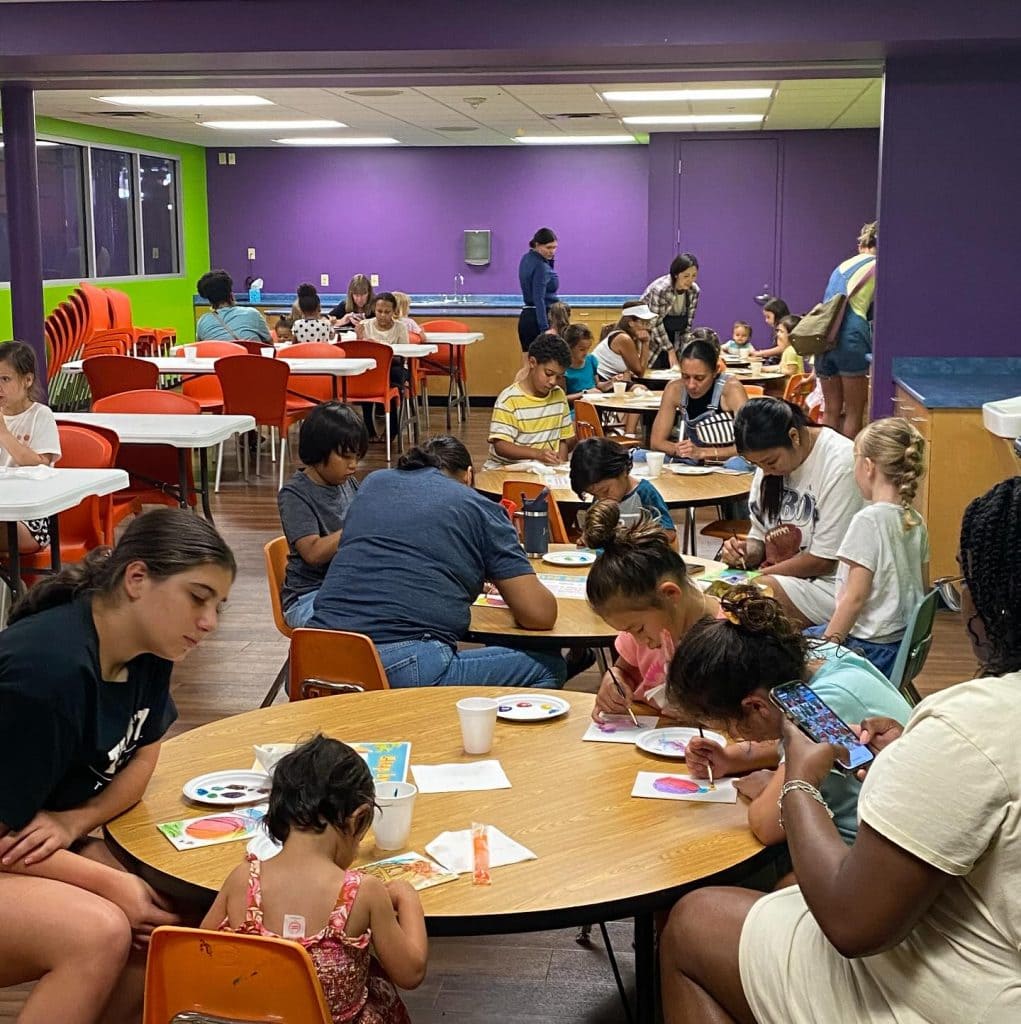
The Wonder Shop exhibit invites kids into a curious world of discovery and creativity, where playful learning meets hands‑on exploration.
Children can experiment with sensory materials, explore interactive displays, and engage with objects designed to spark curiosity, wonder, and imaginative thinking. It provides an open‑ended environment perfect for creative play.
This exhibit offers a slower-paced alternative to the museum’s more active zones, giving kids space to explore textures, experiment with cause-and-effect, and develop fine motor and cognitive skills in a relaxed setting.
It’s ideal for children who enjoy quiet discovery, for families wanting a sensory-friendly experience, or for anyone needing a break from the high-energy activities elsewhere in the museum.
Museum Rules and Safety Regulations
The McKenna Children’s Museum emphasizes active adult supervision to ensure a safe and positive experience for all visitors.
Children must remain with their accompanying adults at all times, as the museum is designed for family engagement rather than drop-off childcare.
This supervision helps prevent wandering, manage behavioral issues, and protect exhibits from accidental damage, creating a safe environment while encouraging families to participate in children’s play.
To support safety, the museum uses wristbands or check-in procedures that match children with their adults, ensuring kids leave only with the correct guardians.
Food and drink are restricted to designated areas to protect exhibits and maintain cleanliness, preventing spills, sticky hands, and equipment damage.
Additionally, families are asked to keep sick children home to minimize the spread of illness, while staff maintain regular cleaning and sanitizing routines throughout the day and after closing.
These rules and procedures work together to ensure a safe, orderly, and enjoyable experience for families exploring the museum.
A Must-Visit Museum for Families
The McKenna Children’s Museum represents what children’s museums do best when they stay true to their educational missions while creating genuinely engaging environments.
For families visiting New Braunfels, especially those with young children, the museum earns must-do status not because it’s the most dramatic or famous attraction but because it serves needs that outdoor recreation and other area attractions cannot.
Beyond the rivers and waterparks, New Braunfels offers families quality experiences like the McKenna Children’s Museum that make the town worth extended stays and repeated visits.
Explore this museum along with the other kid-friendly attractions throughout the area, and you’ll discover that New Braunfels serves families remarkably well with diverse options for entertainment, education, and connection.
The McKenna Children’s Museum awaits with exhibits ready for small hands to touch, imaginations ready to be engaged, and learning ready to happen through the serious work of childhood play.