Most Texans Don’t Know About This Enchanting Fairy Forest
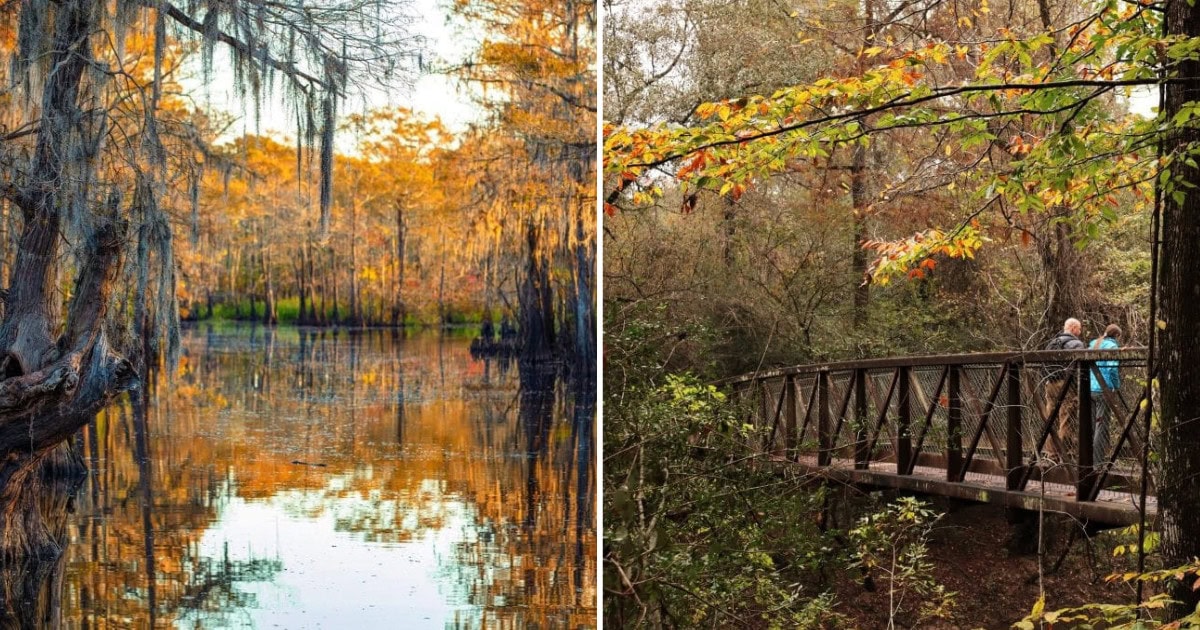
Imagine walking through an enchanted forest where Spanish moss drapes like curtains from ancient cypress trees, sunlight filters through dense canopy creating ethereal green light, and carnivorous plants grow at your feet.
This national preserve protects the incredible diversity of life that thrives where multiple habitats converge in southeast Texas
Big Thicket was the first Preserve in the National Park System, established on October 11, 1974, and protects an area of rich biological diversity.
This isn’t a fantasy novel—it’s Big Thicket National Preserve in East Texas, and most Texans have never heard of it. It’s like stepping into another world.
The Biological Crossroads
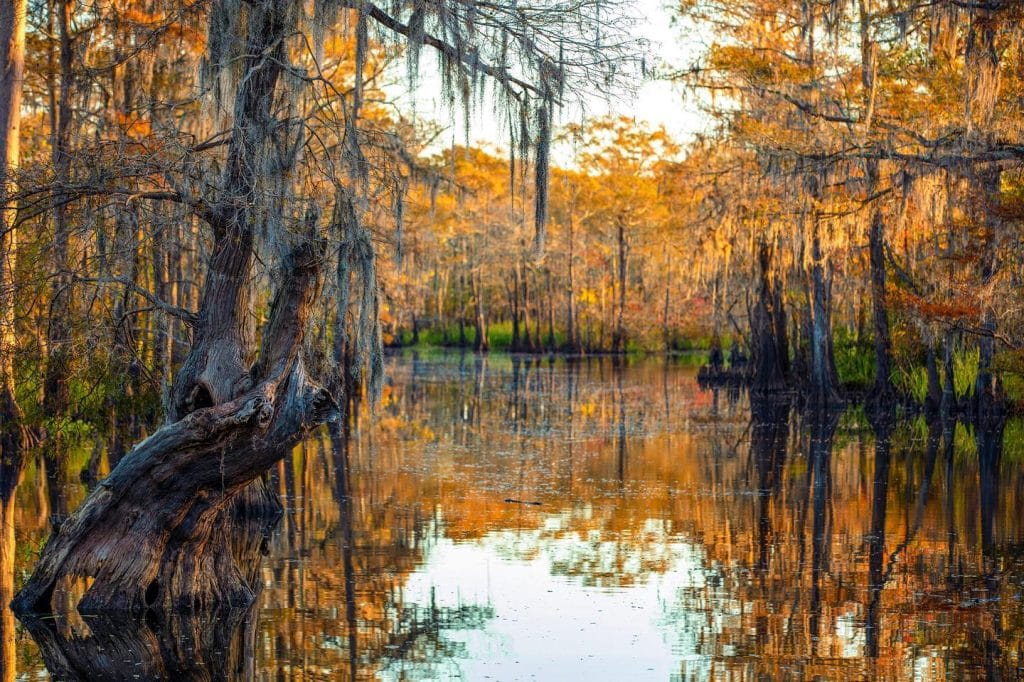
People have called the Big Thicket an American ark and the biological crossroads of North America, established to protect its complex biological diversity.
A convergence of ecosystems occurred here during the last Ice Age, bringing together in one geographical location the eastern hardwood forests, the Gulf coastal plains, and the Midwest prairies.
The preserve consists of nine land units and six water corridors encompassing more than 113,000 acres, creating an otherworldly landscape where desert plants meet swamp species and mountain ecology meets coastal ecosystems.
On December 15, 1981, the preserve was designated an International Biosphere Reserve by UNESCO, and on July 26, 2001, the American Bird Conservancy recognized it as a Globally Important Bird Area.
The “fairy forest” atmosphere comes from dense, mysterious woods draped in Spanish moss, filtered green light creating an enchanted glow.
Throughout the preserve, sounds echo strangely through the thick canopy. Plus, it has that ancient, untouched feeling that makes you question whether you’re still in Texas.
The preserve is home to approximately 1,320 species of trees, shrubs, vines, and grasses, and at least 300 bird species.
The Enchanted Trails
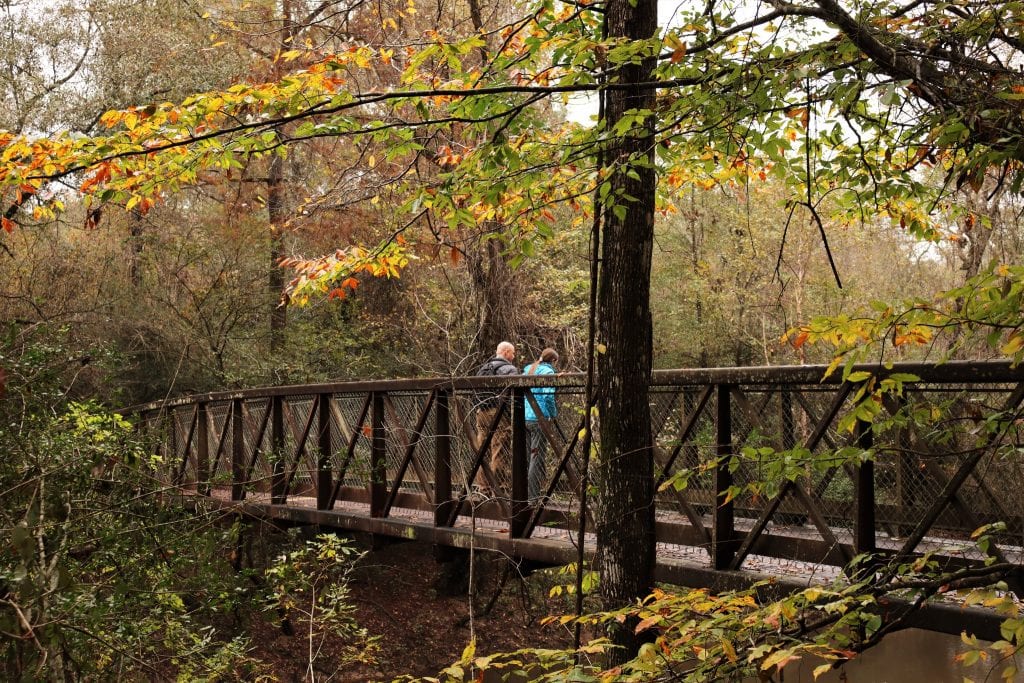
Big Thicket offers over 30 miles of hiking trails, with some offering the most magical experiences found anywhere in Texas.
The Kirby Nature Trails include inner and outer loops with a surface mostly soil covered with leaves and pine needles, well-maintained and easy to follow, with a bonus good shade coverage by tall trees.
The trail winds through cypress sloughs on boardwalks, past Spanish moss-draped trees rising from dark water that reflects the canopy like a mirror, creating the preserve’s most fairy-tale atmosphere.
The Sundew Trail features carnivorous plants—pitcher plants, sundews, and bladderworts—growing in bog ecosystems unlike anything most people associate with Texas.
These insect-eating plants create an otherworldly landscape accessible via boardwalk trails with educational signs explaining this fascinatingly weird flora.
Spring brings blooming pitcher plants in four different species, their colorful blooms adding to the already surreal scenery.
Other trails, including Big Sandy Creek Trail, Woodlands Trail, and Pitcher Plant Trail, offer variety for different fitness levels and interests.

Options range from short walks to multi-hour treks through diverse landscapes, all revealing ecosystems that shouldn’t logically coexist but somehow thrive together in this biological crossroads.
What Makes It Magical

With over 300 bird species to spot, especially during migration seasons, the preserve buzzes with life.
The preserve sits on two migratory bird flyways: the Central and Mississippi, with excellent birding from mid-April to mid-May and less active during the fall.
The sounds create an enchanted forest soundtrack—bird calls echoing through dense woods, rustling leaves, water dripping from cypress knees, frogs croaking in chorus, and insects humming constantly.
The light filtering through the thick canopy takes on a green tint, with shafts of sunlight spotlighting specific trees or plants like nature’s own stage lighting.
Misty mornings create particularly magical atmospheres, while golden hour transforms the preserve into something that belongs in a storybook.
Each time visitors go, it’s a perfect way to get away from the fast world we live in and walk into the beautiful East Texas woods.
Planning Your Visit
The visitor center is located at the intersection of US 69/287 and FM 420, about 7 miles north of Kountze and 30 miles north of Beaumont.
A stop by the Big Thicket Visitor Center is recommended for a map and brochure of the various trails and activities available, with the center also including exhibits and a small gift shop.
The preserve receives over 55 inches of annual rainfall each year, creating the lush, humid environment that supports this incredible biodiversity.
Spring (March-May) offers the best weather and blooming plants, while fall (October-November) brings comfortable temperatures. Avoid summer when heat, humidity, and mosquitoes reach intense levels.
The humid environment means mosquitoes and ticks can be common, so bring insect repellent and wear protective clothing.
Also pack water, a hat, a camera, comfortable walking shoes that can handle muddy conditions, and binoculars for bird watching.
Rangers offer free programs and special events, including night hikes, nature walks, canoe trips, and much more, adding educational value to the enchanted atmosphere.
The Enchanted Secret
Big Thicket is Texas’s fairy forest hiding in plain sight—Spanish moss, carnivorous plants, cypress swamps, and mystery all within 90 minutes of Houston, yet feeling worlds away.
Most Texans will never see it, which is honestly their loss and your gain.
Visit in spring when pitcher plants bloom, walk the Kirby Trail through moss-draped cypress groves, and question whether you’re still in Texas or somehow crossed into Middle-earth.
Just bring bug spray—the magic is real, but so are the mosquitoes.

Stella Raines
Editor-in-Chief
Stella brings over a decade of storytelling experience to TX Headlines. With roots in West Texas and a love for road trips, she leads the editorial team with an eye for the hidden stories that make Texas unforgettable.
More Stories
This Easy Texas Hike Ends at a Swinging Rainbow Bridge Tucked Deep in the Woods

This Scenic Texas Nature Preserve Hides a Secret Beach Where You Can Dig for Prehistoric Shark Teeth
This Riverside Texas State Park Hides a Beautifully Rebuilt 1700s Spanish Mission
This Lush Texas Wildlife Sanctuary Has an 18-Foot Boardwalk That Lets You Walk Among the Treetops
Tags