History of New Braunfels, TX: German Roots to Present
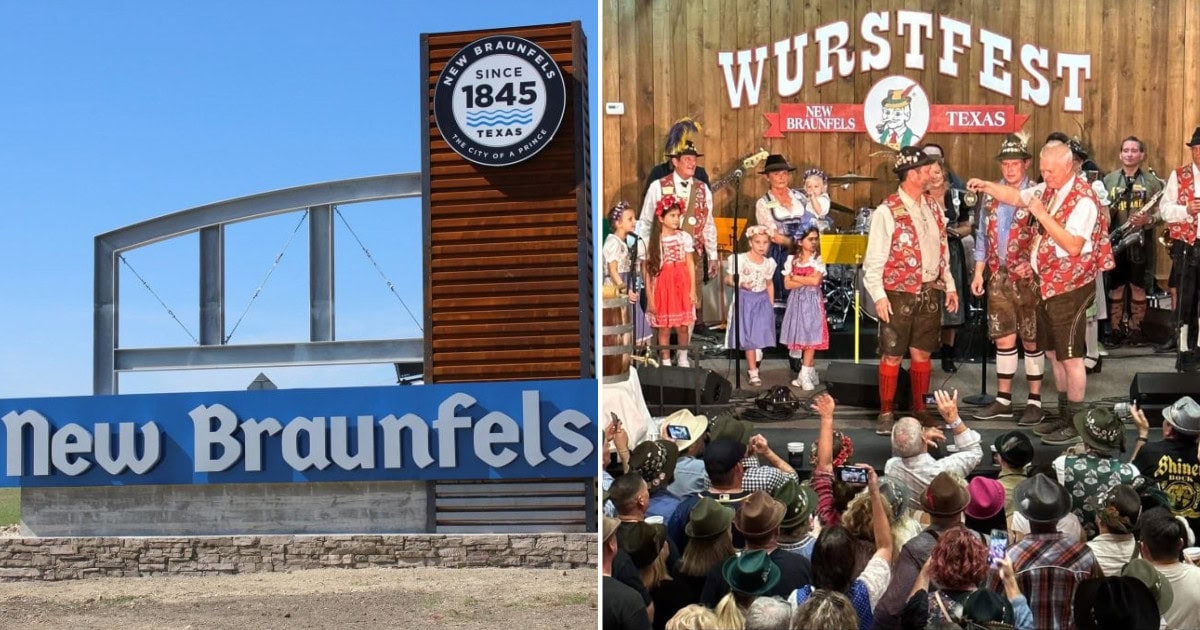
New Braunfels was born from a mix of German aristocratic ambition and immigrant desperation, and somehow, against steep odds, it worked.
Today, let’s walk down memory lane as we discover why this city has festivities about beers and German sausages, and bask in the beauty of the several springs that every local is proud of.
Here’s how a group of Germans turned a patch of Hill Country wilderness into one of the most unique cities in Texas.
The German Founding (1845)
Why Germans Came to Texas

The 1840s were rough in Germany.
Overpopulation meant there wasn’t enough farmland to go around. Political unrest made life uncertain. Failed harvests pushed people toward poverty. Meanwhile, stories about Texas—wild, abundant, and full of opportunity—spread through German towns like wildfire.
In 1842, the Adelsverein, or the Society for the Protection of German Immigrants in Texas, was founded. The organization had a grand vision of creating a “New Germany” in Texas.
They purchased a massive land grant and started selling settlement packages to Germans desperate for a fresh start.
Prince Carl Picks a Spot
Prince Carl of Solms-Braunfels arrived in Texas in 1844 as the Adelsverein’s commissioner. His job was to find the perfect location for a German colony.
After scouting the area, he chose a spot that had everything a settlement needed: Comal Springs provided reliable water, the land was fertile, and the location sat strategically between San Antonio and Austin.
On March 21, 1845, Prince Carl officially founded the settlement, naming it after his hometown of Braunfels, Germany.
Reality Hits Hard
The first settlers who arrived expected something resembling civilization. What they got was wilderness. No buildings, no infrastructure, just Texas in all its unforgiving glory.
The heat alone was a shock to people accustomed to European weather. Disease spread quickly through the temporary tent cities. Supply shortages were constant. Many didn’t survive those first brutal months.
Prince Carl, it turned out, was better at founding towns than running them. He left in 1845, and that’s when John O. Meusebach stepped in.
The Leader Who Actually Made It Work

Meusebach was practical, whereas Prince Carl was idealistic. Instead of dreaming about German aristocracy in Texas, he focused on keeping people alive.
His biggest achievement came in 1847 when he negotiated a peace treaty with the Comanche, one of the few treaties between Native Americans and settlers that was actually honored by both sides. This agreement allowed the settlement to expand safely.
Meusebach got the community back on stable financial ground and pushed for growth beyond New Braunfels. His efforts led to the founding of Fredericksburg, the biggest new settlement about 80 miles northwest.
Building a German Town (1850s-1890s)
German Culture Takes Root
By the 1850s, New Braunfels was becoming a proper town.
Both Catholic and Protestant churches were built. Schools opened, teaching in German. Singing societies were also formed because Germans took their music seriously.
German was the language heard on the streets. German newspapers reported the news. In fact, in 1852, German Texan botanist Ferdinand Lindheimer started a local paper called the Zeitung. It’s still around today, now known as the Herald-Zeitung.
Beer gardens and breweries soon popped up—it was a German town, after all, and few things say “German heritage” quite like a good beer. One of these is the Phoenix Saloon, which was originally established in 1871 and was the first bar in Texas to serve women.
The Railroad Changes Everything
When the railroad arrived in the 1880s, New Braunfels hit a growth spurt. Suddenly, the town had reliable connections to San Antonio and Austin. Manufacturing expanded, and agriculture became more profitable.
People also started visiting the Comal Springs as tourists, marking the beginning of New Braunfels as a destination, not just a settlement.
Tourism Era and Modern Growth (1960s-Present)
The Birth of Wurstfest

Fast forward to the 1960s. For a while, open displays of German culture in Texas had faded, especially during and after the World Wars, when being openly German in America wasn’t exactly celebrated.
Many families kept their traditions quiet, passing them down privately. By 1961, though, the local community in New Braunfels felt ready to embrace its heritage again.
A group of proud locals decided to celebrate what made their town unique, founding Wurstfest, a ten-day festival dedicated to sausage, beer, and German culture. Today, it’s one of Texas’s most iconic festivals.
Rivers, Water Parks, and Population Boom
Photo:
The first-ever tube chute at the waterpark, the Hillside Tube Chute, opened in 1980. Credit: Schlitterbahn New Braunfels via Facebook
Around the same time, river tubing on the Guadalupe and Comal became increasingly popular. What started as a local pastime turned into a major draw for visitors from across Texas.
Then in 1979, Schlitterbahn—an American brand of waterparks—opened its first location in New Braunfels, and consequently stamped the city on the map as a serious tourist destination.
As Austin and San Antonio expanded, New Braunfels found itself perfectly positioned between two booming cities. People started moving here for the small-town feel with big-city access. The population exploded.
Preserving History Amid Growth
The challenge became balancing rapid growth with preservation. Gruene, once a separate community, was restored as a historic district rather than bulldozed for development.
Downtown’s German architecture was also protected. Comal Springs—the whole reason Prince Carl chose this spot—became a conservation priority.
Today’s New Braunfels is still figuring out how to grow without losing what makes it special.
Visiting New Braunfels Today
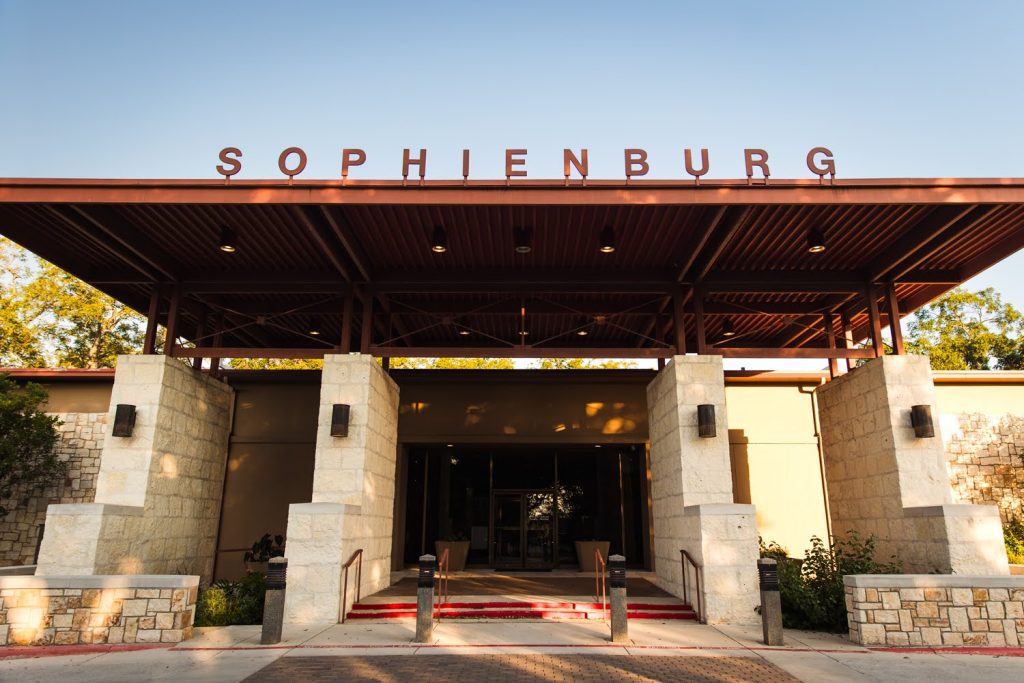
If you want to understand this history beyond just reading about it, start at the Sophienburg Museum. It’s dedicated specifically to the German settler experience and houses artifacts, documents, and exhibits that bring those early years to life.
I also invite you to walk through the historic downtown area, where you’ll see the Conservation Plaza, featuring several well-preserved original German buildings. New Braunfels awaits your visit!