This Floating Campsite In Texas Is The Ultimate Place To Stay Overnight
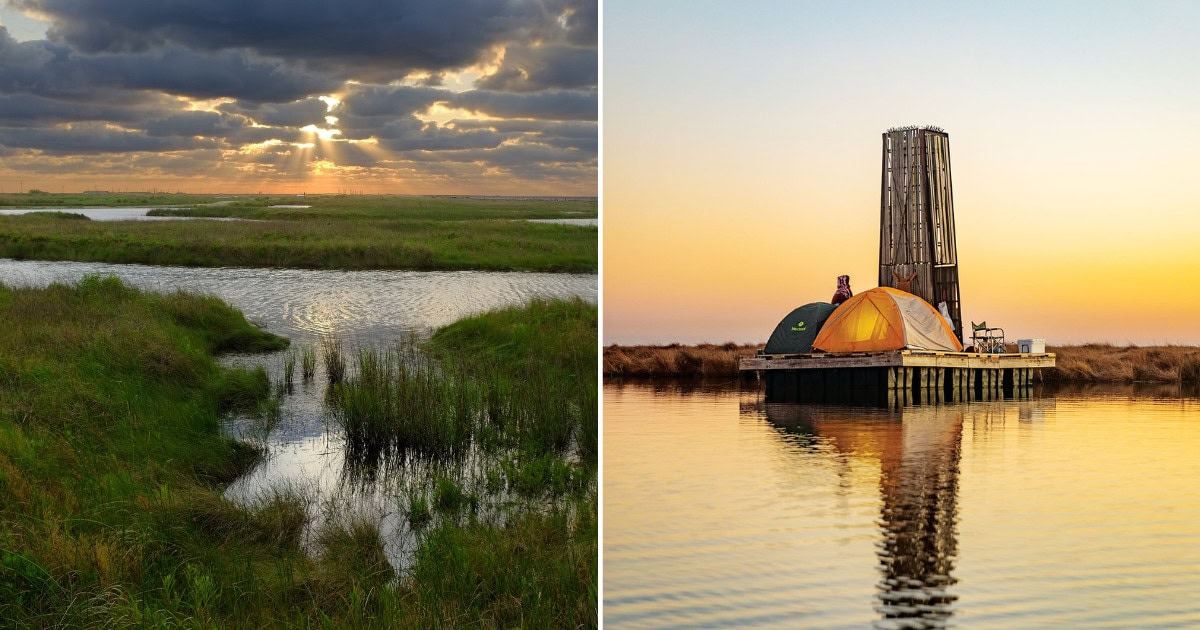
How relaxing would it be to sleep on the water in the middle of a coastal marsh, surrounded by nothing but sky, wetlands, and whatever creatures call this place home?
Well, you don’t have to wonder because Sea Rim State Park offers exactly this experience.
The park gets its name from the “sea rim”—that narrow threshold where ocean and salt marsh collide. Most Texas beaches are crowded with condos and traffic.
Sea Rim offers the opposite: miles of undeveloped shoreline, vast wetlands teeming with wildlife, and an overnight experience that strips camping down to its most elemental form.
Where the Gulf Meets the Marsh
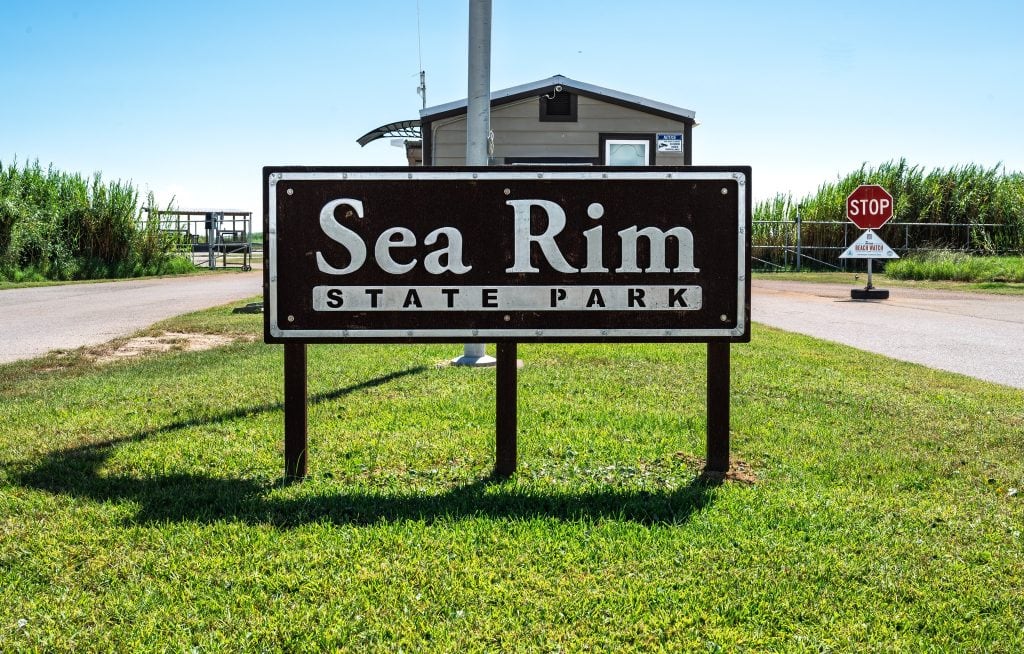
Sea Rim State Park occupies the upper Texas Gulf Coast near the Louisiana border, about 10 miles west of Sabine Pass and roughly 24 miles from Port Arthur.
The address is 19335 South Gulfway Drive, accessible via Highway 87 South. The drive passes through industrial refineries before abruptly yielding to green marsh and unimpeded views.
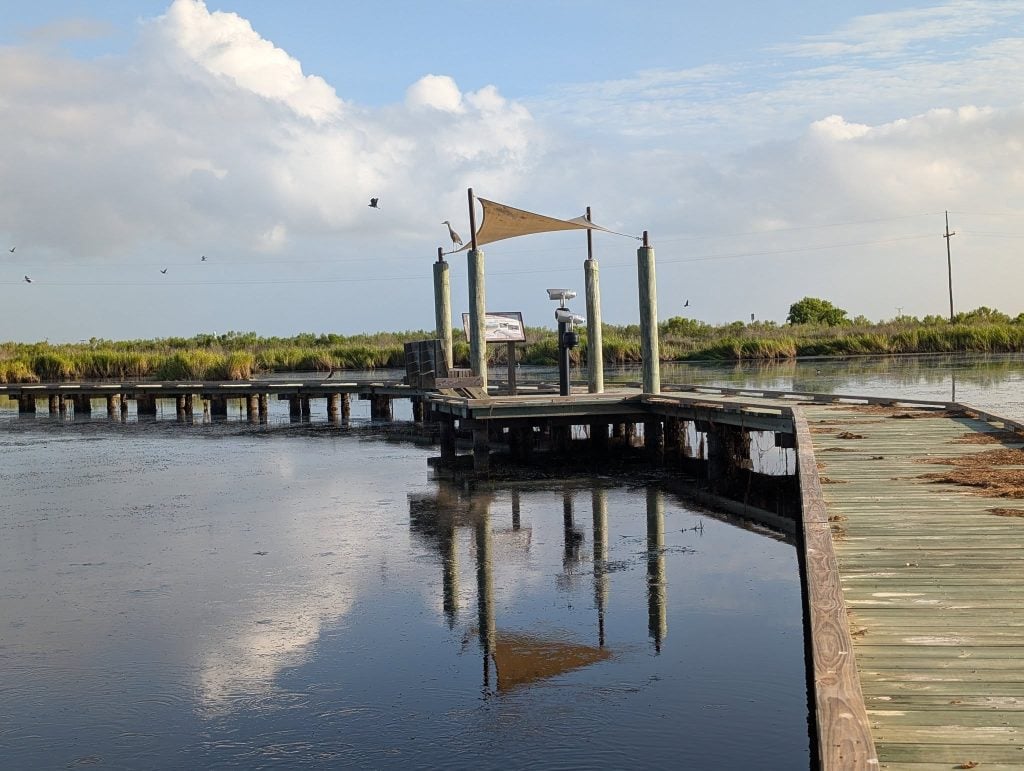
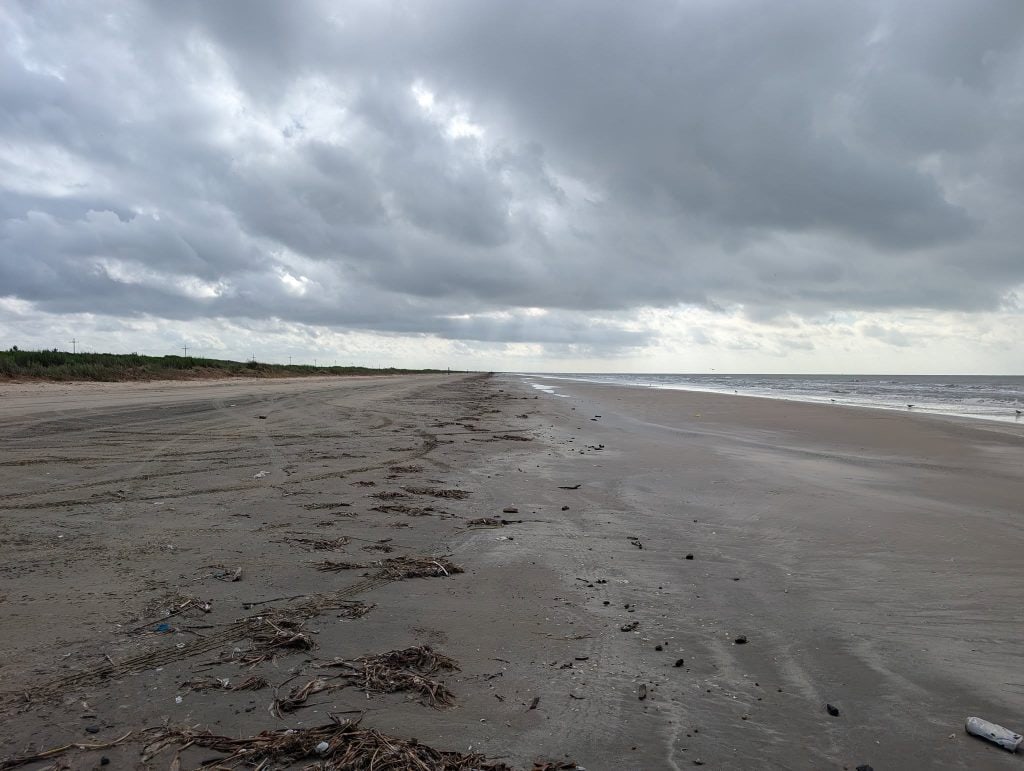
The park is divided into two zones. The Beach Unit fronts the Gulf with nearly five miles of sandy shoreline.
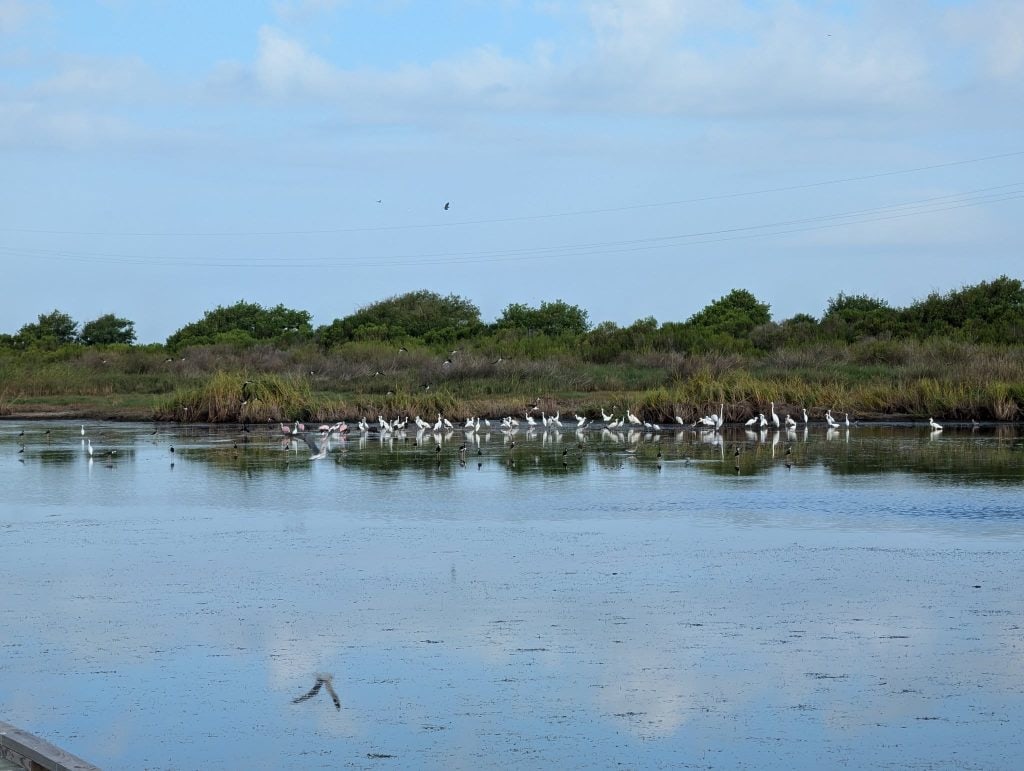
Across Highway 87, the Marsh Unit encompasses thousands of acres of coastal wetlands, boat launches, paddling trails, and that singular floating campsite.
Camping on the Water
The Floating Platform
The floating campsite wasn’t built by park staff—it was designed in 2016 by architecture students at the University of Texas at Austin’s Gulf Coast DesignLab.
Construction was completed in July 2017, and the project, called “Float,” won the 2017 Texas American Institute of Architects Design Award.
The platform measures 13 by 20 feet, sitting about 18 inches above the waterline, accommodating up to four campers.
An 18-foot wooden tower rises from one corner, serving as both a wayfinding landmark and a concealed toilet area.
The platform includes “alligator rails” to prevent reptilian visitors from climbing aboard. The structure bobs gently on Platform Flats pond, surrounded by reeds stretching toward the horizon.
Important note: As of December 2023, the floating campsite is closed for extensive repairs. Check with the park before planning a visit.
What to Expect
Reaching the platform requires paddling roughly two miles from the Marsh Unit boat ramp—about an hour by kayak. Campers can bring their own shallow-draft boat or rent kayaks at the park’s self-serve kiosk starting at $15 per hour.
This is primitive camping at its most literal.
There’s no electricity, no running water, no bathroom beyond what you bring. The park requires campers to carry a 5-gallon bucket and chemically treated waste bags—available at the park store.
Cooking must be done on containerized fuel stoves; no fires producing ash are permitted. Pets aren’t allowed.
Nights on the platform offer surreal quiet. The cosmos wheels overhead while a steady breeze usually keeps mosquitoes at bay. The isolation is complete; once you paddle out, you may not see another person until you return.
Planning Your Stay
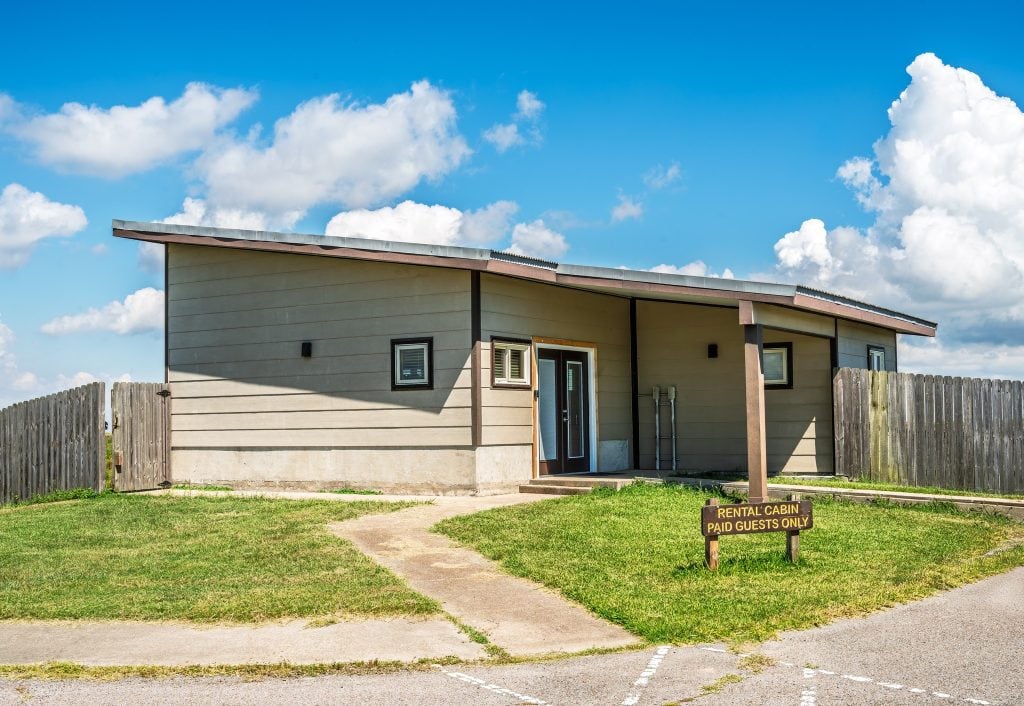
Beyond the floating platform, Sea Rim offers multiple overnight options. The Marsh Unit cabin overlooks the canal near the boat ramp, sleeps six, and includes a full kitchen, bathroom, air conditioning, and screened porch.
Guests must provide their own bedding and utensils. The cabin runs around $120 per night.
Fifteen RV campsites with water and electric hookups line the Piping Plover Loop behind the dunes.
Additionally, 75 primitive beach camping sites are available first-come, first-served—pitch a tent right on the sand for $10 per night.
What to Know Before You Go
The mosquitoes at Sea Rim are legendary. The park sits in marshland, and insects can be a major nuisance year-round, particularly in calm conditions away from the beach breeze. Pack serious bug spray.
Weather conditions affect both water levels and beach access. High tides can flood primitive sites; low tides can strand kayakers. Check conditions before arriving. Cell service may be unreliable.
Reservations can be made up to five months in advance. The park frequently reaches capacity; advance booking is strongly recommended.
Where Land Dissolves Into Water
Sea Rim State Park exists at a threshold—between beach and marsh, land and water, civilization and wilderness.
The floating campsite embodies that liminality, placing visitors literally on the boundary between elements.
It demands preparation, tolerance for discomfort, and a willingness to accept what the marsh offers: solitude, wildlife, mosquitoes, and nights under stars most Texans never see.
For those willing to paddle out and pitch a tent on a platform bobbing in alligator country, Sea Rim delivers exactly what it promises: a night spent sleeping on the water, in the middle of a marsh, at the edge of everything.

Stella Raines
Editor-in-Chief
Stella brings over a decade of storytelling experience to TX Headlines. With roots in West Texas and a love for road trips, she leads the editorial team with an eye for the hidden stories that make Texas unforgettable.
More Stories
This Towering Texas Hotel Was Left for Dead, Until a Hometown Kid Spent $30 Million Bringing It Back
This Grand West Texas Hotel Has Guarded Its 1930s Glamour for Nearly a Century

This Working Texas Ranch Has Been Turning City Folks Into Cowboys for Nearly 90 Years
This Tiny Texas Hideaway Sits So Close to the Water It Feels Like Its Own Private Island
Tags