This Remote Texas Park Protects One Of The State’s Last Wild Rivers
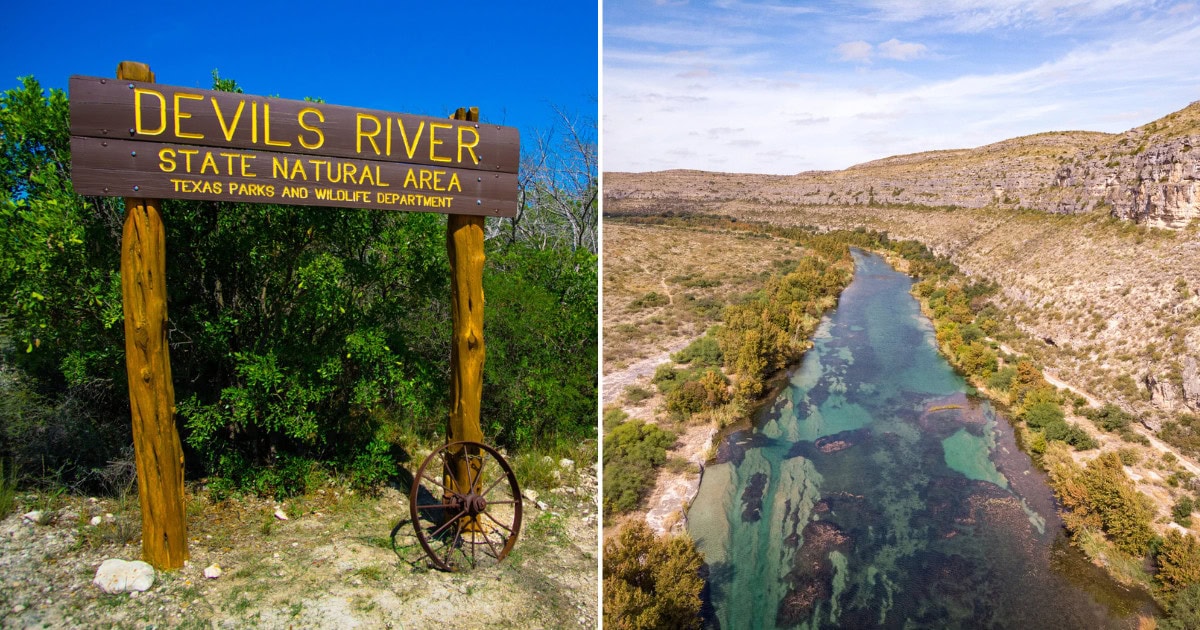
There’s a river in Texas so pristine, so untouched by human hands, that you’ll need permission just to set eyes on it. And getting there? Well, that’s an adventure all its own.
Devils River State Natural Area spans 37,000 acres where three distinct ecosystems converge: the Edwards Plateau, the Tamaulipan mezquital, and the Chihuahuan Desert.
Located 66 miles north of Del Rio in Val Verde County, this state natural area protects one of the most pristine rivers in Texas, where clear spring-fed water tumbles past rugged ridges, scenic canyons, and brushy banks.
This isn’t your typical state park with manicured picnic areas and paved trails. The Devils River remains essentially primitive and unpolluted, a rare glimpse of what Texas looked like before highways and cities carved up the landscape.
And it’s going to stay that way — the park strictly controls access to protect this delicate wilderness.
Why It’s Called the Devils River
Don’t let the ominous name fool you. The area was once part of a large working ranch before the Texas Parks and Wildlife Department purchased it in 1988.
The river earned its devilish reputation from early travelers who struggled through its remote canyons and treacherous rapids, but those willing to face the challenge discover something truly heavenly.
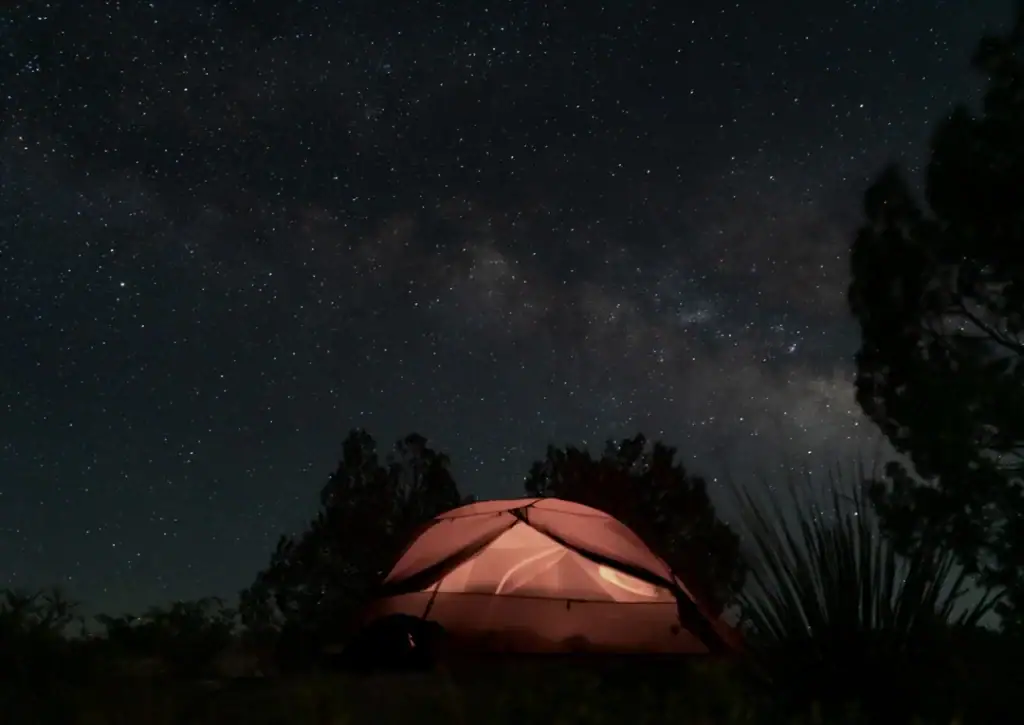
In January 2019, Devils River State Natural Area became one of only six International Dark Sky Sanctuaries, meaning it’s one of the darkest places in the world.
When the sun sets out here, you’ll see stars as you’ve never seen them before — the Milky Way sprawling across the sky in brilliant detail, countless constellations revealing themselves with stunning clarity.
Where Three Worlds Collide

The convergence of three ecological regions makes the Devils River State Natural Area biologically diverse.
You might spot a Mexican free-tailed bat colony roosting in a cave, watch a black-capped vireo flit through live oak trees, or witness migrating monarch butterflies passing through on their journey.
The wildlife here ranges from black bears and mountain lions to countless bird species that make birders travel hundreds of miles just to add them to their life lists.
The river itself is fed by springs, including substantial flows from Finegan Springs, creating an oasis in an otherwise harsh landscape.
Long, deep pools alternate with wide shallow areas and turbulent rapids, offering paddlers and swimmers crystal-clear water that’s refreshingly cool even in the brutal Texas summer heat.
Not For Beginners or the Faint of Heart
Let’s be clear: Devils River State Natural Area is remote, rugged, and requires serious preparation.
The Del Norte Unit is open Friday through Monday from 8 a.m. to 4 p.m., and access requires completion of an orientation at headquarters.
The natural area is reached via Dolan Creek Road, a rough gravel surface stretching 22 miles from Highway 277.
Cell phone service? Forget about it — you won’t have any near or on the river. This is wilderness in the truest sense.
Day use fees are $5 per person ages 13 and older.
If you’re planning an extended paddling trip, you’ll need a Devils River Access Permit (DRAP), which costs $10. Reservations are required and can be made by calling 512-389-8901.
Activities You Can Do
For paddlers, over a thousand adventure-seekers now visit the Devils every year, though only a limited number are allowed on the river at a time by design.
Only experienced paddlers with at least three days of supplies should attempt extended downriver trips. If you’re not confident in your paddling skills, several approved outfitters offer shuttle and guide services.
Fishing is also popular here, with catch-and-release regulations for smallmouth and largemouth bass.
The river supports an abundance of fish, and anglers often find themselves hooking trophy-sized catches in these pristine waters.
For those less interested in water-related activities, the park offers over 25 miles of trails for hiking and biking through this landscape where ancient Native American peoples once lived.
The terrain is rugged and dotted with cactus, but the rewards include stunning canyon views, wildflowers in season, and wildlife encounters you won’t experience in more developed parks.
Wild Texas at Its Finest
Have you braved the journey to Devils River State Natural Area?
This hidden gem proves that some of Texas’s most spectacular places still exist beyond the reach of development and easy access.
Whether you’re paddling the pristine river, hiking through rugged canyons, or simply sitting under that impossibly dark sky watching stars wheel overhead, you’ll experience a side of Texas that’s increasingly rare.
Just remember: this is not a park for the unprepared or faint of heart.
But if you’re ready for a true wilderness adventure, the Devils River is waiting to reward your effort with something most people will never see — wild Texas exactly as it was meant to be.

Stella Raines
Editor-in-Chief
Stella brings over a decade of storytelling experience to TX Headlines. With roots in West Texas and a love for road trips, she leads the editorial team with an eye for the hidden stories that make Texas unforgettable.
More Stories
This Crystal-Clear Texas River Park Costs Just $7 to Enter and Feels Like a Million Bucks
These 10 Peaceful Texas Walking Trails Are Made for an Easy, Scenic Stroll
This Easy Texas Hike Ends at a Swinging Rainbow Bridge Tucked Deep in the Woods
This Scenic Texas Nature Preserve Hides a Secret Beach Where You Can Dig for Prehistoric Shark Teeth
Tags