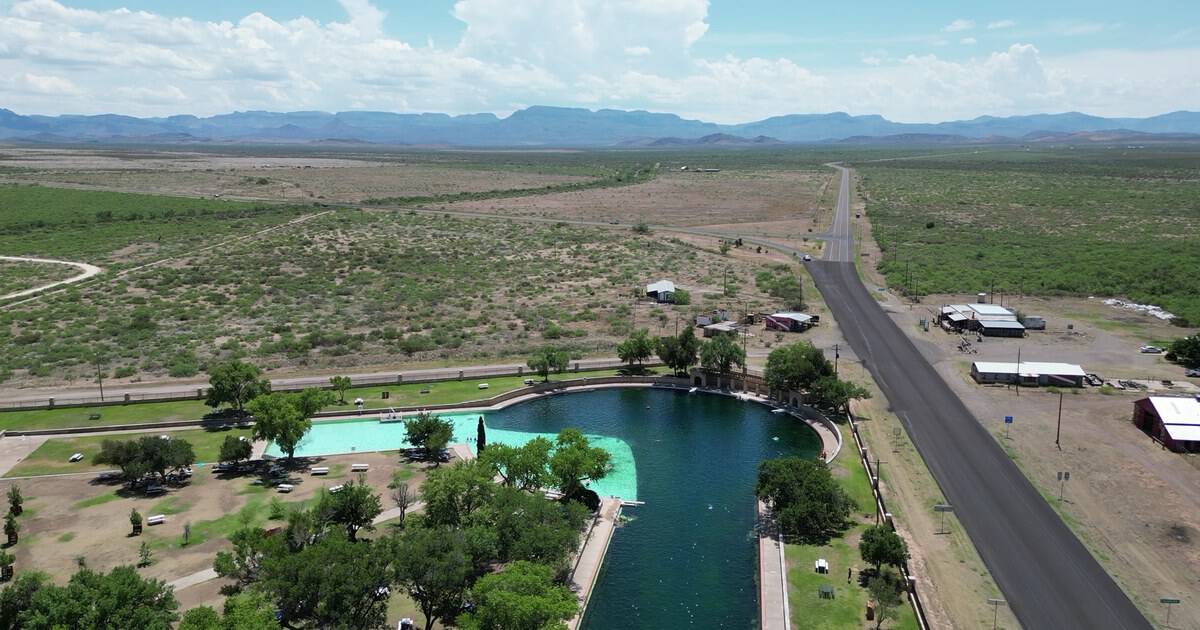
7 Best Bird Watching Spots in Texas (And What You’ll See)
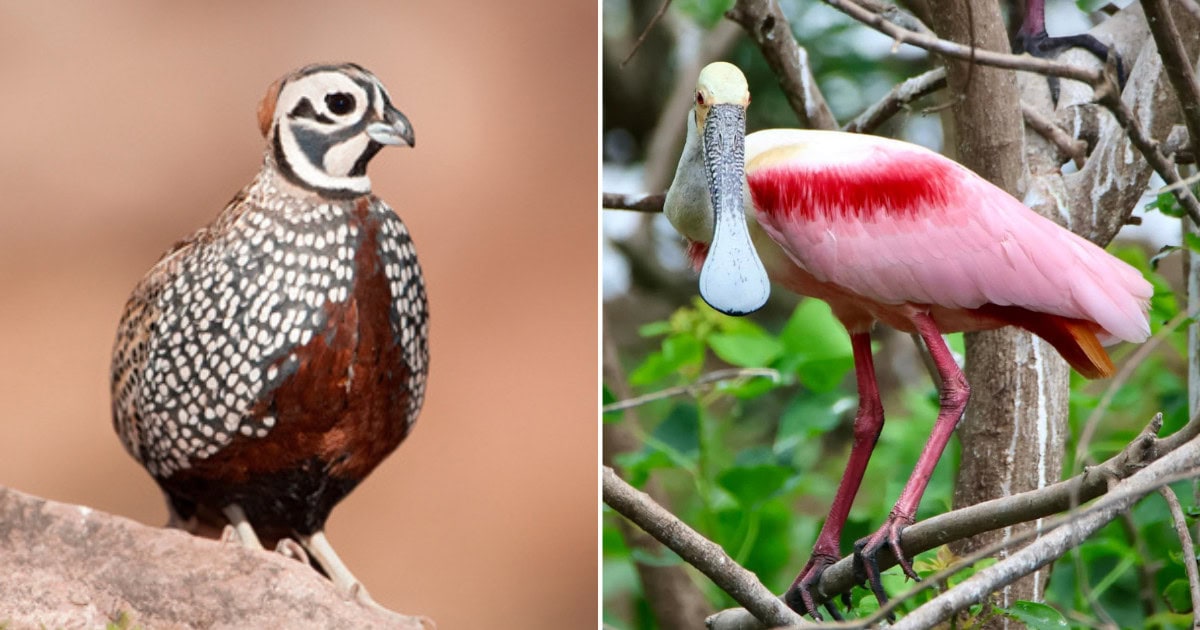
It’s no secret that Texas claims the top spot among U.S. states for bird diversity, with over 650 recorded species — more than any other state.
This remarkable variety results from Texas’s size, geographic diversity, and position along major migration routes.
From coastal marshes to desert mountains, from piney woods to High Plains, the state’s varied habitats attract an incredible array of resident and migratory birds.
That’s why we’ve compiled a list of exceptional spots where you can experience Texas birding at its finest.
1. High Island — Galveston County

This tiny coastal community becomes one of North America’s premier birding destinations during spring migration, when exhausted neotropical migrants make landfall after crossing the Gulf of Mexico.
The Houston Audubon Society maintains four sanctuaries here featuring native greenery that provides crucial habitat for migrating songbirds arriving from Central and South America.
The phenomenon called “fallout” occurs when weather forces massive numbers of migrants to land simultaneously, creating spectacles where hundreds of colorful birds fill every tree.
Peak migration runs from mid-April through early May, though birds pass through from March into June.
The compact sanctuaries mean you don’t need to walk far to see remarkable birds, making this ideal for those with mobility limitations.
2. Santa Ana National Wildlife Refuge — Hidalgo County
Located in the Lower Rio Grande Valley near McAllen, Santa Ana protects 2,088 acres of subtropical forest and wetlands harboring species found nowhere else in the United States.
This refuge is famous for specialty birds, including Green Jays, Plain Chachalacas, Altamira Orioles, and Great Kiskadees that reach the northern limits of their range here.
The refuge features several miles of paved trails and a tram that tours the property, making it accessible for all fitness levels.
The refuge’s location in the Rio Grande Valley, one of America’s premier birding destinations, means you can easily visit multiple exceptional sites in a single trip.
Photography blinds and observation platforms provide excellent viewing opportunities, and the refuge hosts regular bird walks led by knowledgeable volunteers.
3. Big Bend National Park — Brewster County

This vast park in West Texas offers mountain, desert, and riparian habitats supporting over 450 bird species, including the Colima Warbler, which breeds almost exclusively in the Chisos Mountains.
The Chisos Basin provides relatively easy access to mountain species, while the Rio Grande corridor supports distinctly different riparian birds.
Spring and fall migration bring waves of warblers and other songbirds, while summer monsoons attract breeding species.
The park’s remote location and varied elevations create distinct birding zones from the desert floor to the mountain peaks.
While some prime birding spots require hiking, many excellent locations are accessible from roads and short trails.
4. Anahuac National Wildlife Refuge — Chambers County
This 37,000-acre refuge on the Texas Gulf Coast protects coastal marshes and prairies hosting spectacular numbers of wintering waterfowl and wading birds.
The refuge is famous for its accessibility, with over 12 miles of auto tour roads allowing comfortable birding from your vehicle.
Winter brings massive flocks of Snow Geese, numerous duck species, and crowds of Sandhill Cranes.
Spring and fall migration sees shorebirds, terns, and songbirds passing through in impressive numbers.
The refuge’s proximity to High Island makes combining both locations feasible in a single trip.
The flat terrain and vehicle-based birding make this exceptionally accessible for those with mobility limitations, while the sheer numbers of birds create unforgettable spectacles.
5. Davis Mountains State Park — Jeff Davis County
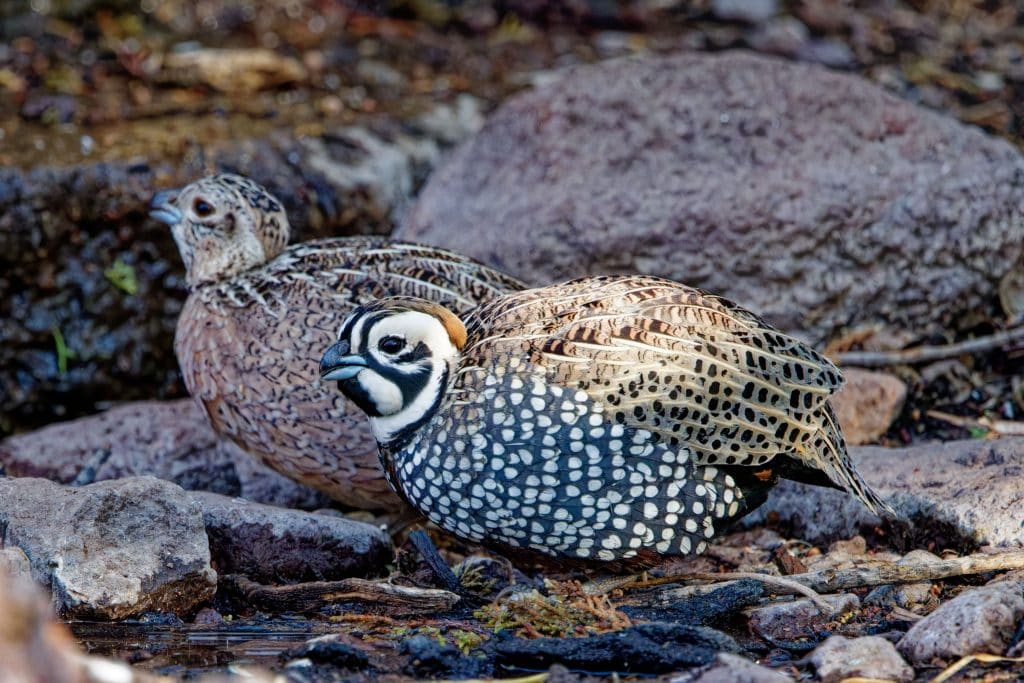
The Davis Mountains in West Texas provide habitat for species typically associated with Mexico and the southwestern states, making this area crucial for birders seeking specialty species.
Montezuma Quail, Zone-tailed Hawks, and various hummingbird species attract birders to this remote region.
The town of Fort Davis features the Chihuahuan Desert Research Institute, which maintains hummingbird feeders attracting multiple species during migration.
The remote location means less crowding than more accessible Texas birding hotspots, and the clear air and dark skies add to the experience.
Combining birding with the McDonald Observatory stargazing program creates a memorable multi-day destination.
6. Aransas National Wildlife Refuge — Aransas County
This 115,000-acre refuge between Corpus Christi and Rockport serves as the winter home for the world’s only wild population of Whooping Cranes, North America’s tallest bird and one of its rarest.
From November through March, roughly 500 cranes winter in the refuge’s coastal marshes.
Beyond the famous cranes, the refuge hosts over 400 other bird species, including numerous waterfowl, wading birds, and raptors.
The 16-mile auto tour loop provides comfortable birding from your vehicle, with observation towers offering elevated views over the marshes.
Several walking trails provide closer access to different habitats. Boat tours from nearby Rockport and Fulton offer alternative perspectives and better crane viewing opportunities.
7. Balcones Canyonlands National Wildlife Refuge — Travis/Burnet Counties
Located northwest of Austin, this 27,000-acre refuge protects endangered Golden-cheeked Warblers and Black-capped Vireos while providing habitat for numerous Hill Country species.
The refuge is only open for guided tours on weekends from March through June, limiting visitors but ensuring quality experiences.
The canyon and juniper-oak habitats represent classic Hill Country ecology, and the refuge’s conservation focus means habitats remain in excellent condition.
Beyond the endangered species, the refuge hosts typical Hill Country birds, including Canyon Towhees, Rufous-crowned Sparrows, and various woodpecker species.
The limited access and guided tour format mean knowledgeable volunteers lead every visit, significantly enhancing the birding and educational experience.
Essential Birding Equipment and Preparation
Quality binoculars transform the birding experience, allowing you to observe details and behavior impossible with the naked eye.
Birders generally recommend 8×42 or 10×42 binoculars as the best all-around choice, balancing magnification with field of view and light gathering.
A good field guide specific to Texas or regional guides covering your target area prove invaluable for identification.
Many birders now use smartphone apps like Merlin Bird ID or eBird Mobile, which include calls, photos, and range maps while allowing you to record sightings.
A small notebook for recording observations helps track your sightings and creates a personal record of your birding experiences over time.
Building Your Texas Bird List
Many birders maintain life lists tracking all species they’ve observed, creating long-term goals and motivation for exploration.
Texas-specific lists become equally engaging, challenging you to see the remarkable diversity within the state.
Setting goals like seeing 200 Texas species or finding all regularly occurring hummingbirds gives structure to your birding adventures.
The key is finding an approach that enhances your enjoyment rather than creating stress or competition.
What Texas birding locations have provided your most memorable sightings?
Share your experiences and favorite spots to help fellow birders discover the remarkable diversity that makes Texas a world-class birding destination.

Stella Raines
Editor-in-Chief
Stella brings over a decade of storytelling experience to TX Headlines. With roots in West Texas and a love for road trips, she leads the editorial team with an eye for the hidden stories that make Texas unforgettable.
More Stories
This Hidden Texas Trail Leads to Limestone Waterfalls and Spring Wildflowers
This Rugged Texas Ranch Has Nearly 30 Miles of Twisting Mountain Bike Trails That Keep Riders Coming Back
This Epic Texas Rail-Trail Stretches 130 Miles Past 19 Small Towns and Over 100 Old Trestles