These Charming Texas Towns Feel Like a Trip to Europe
The first time I wandered off a Texas highway and onto a limestone Main Street lined with bakeries, I did a double take. There was a man in lederhosen tuning an accordion. The smell of warm strudel drifted from an open door.
A stone church stood at the end of the block, and it looked lifted straight out of the Rhine Valley. I checked my map twice. I had not left the state.
I had just found one of Texas’s old-world pockets, the little towns that German and Alsatian settlers built to look and feel like the homelands they had sailed away from.
Below, discover seven of them. Each one is a slice of Europe you can reach on a single tank of gas, no passport required.
1. Fredericksburg
Fredericksburg is the crown jewel, and it earns the title the moment you step onto Main Street. In 1846, one hundred and twenty German immigrants arrived under the Society for the Protection of German Immigrants in Texas, better known as the Adelsverein.
Their leader, commissioner John O. Meusebach, laid out one long, wide street to mirror the villages along the Rhine they had left behind. Walk it today and the plan still holds.
At the heart of it all sits the Marktplatz, the town square. It is crowned by a replica of the octagonal Vereins Kirche, the little “society church” the settlers raised in 1847 to serve as church, school, and meeting hall all at once.
You can wander from a German bakery stacked with pretzels and apple strudel to a wine room pouring Hill Country vintages. Then head out to a beer garden where the polka never quite stops. Come fall, Oktoberfest fills the Marktplatz. It feels like Bavaria with a Texas drawl.
Pro tip: come at Christmas. The Marktplatz lights up with a German-style pyramid and market stalls, and the whole square smells like roasted nuts and mulled cider.
Look for the tiny Sunday Houses too, the pint-sized cottages that farm families built so they had somewhere to stay when they rolled into town for market and church each weekend.
Where: Fredericksburg, TX, in the heart of the Hill Country, about 70 miles west of Austin and 70 miles north of San Antonio.
2. Gruene
Just up the road from New Braunfels, tiny Gruene feels frozen in a gentler century. Ernst Gruene, a German immigrant, arrived in 1845 and built the first home here in the old fachwerk timber style.
His son Henry brought in dozens of families in the 1870s to farm cotton along the Guadalupe. When the boll weevil and the Depression emptied the town, it simply went to sleep. That is exactly why it charms.
The 1878 mercantile still stands as the Gruene General Store, and the old cotton gin is now a riverside restaurant called the Gristmill. You can order a plate on a deck above the Guadalupe and watch the water roll by.
The star, though, is Gruene Hall, built in 1878 and still the oldest continually operating dance hall in Texas. Step inside and the worn wooden floor, the open screen doors, and the fiddle music make it easy to imagine a Saturday night a hundred years ago.
On many weekends the little district fills up for Gruene Market Days, when vendors line the lanes and the smell of kettle corn mixes with the music spilling out of the hall. It is a small place with a big Saturday.
On a hot afternoon you can rent a tube and float the Guadalupe right below the town’s landmark water tower, then dry off to a fiddle tune drifting out of the old hall.
Where: Gruene, TX, a historic district within New Braunfels, right on the Guadalupe River.
3. Boerne
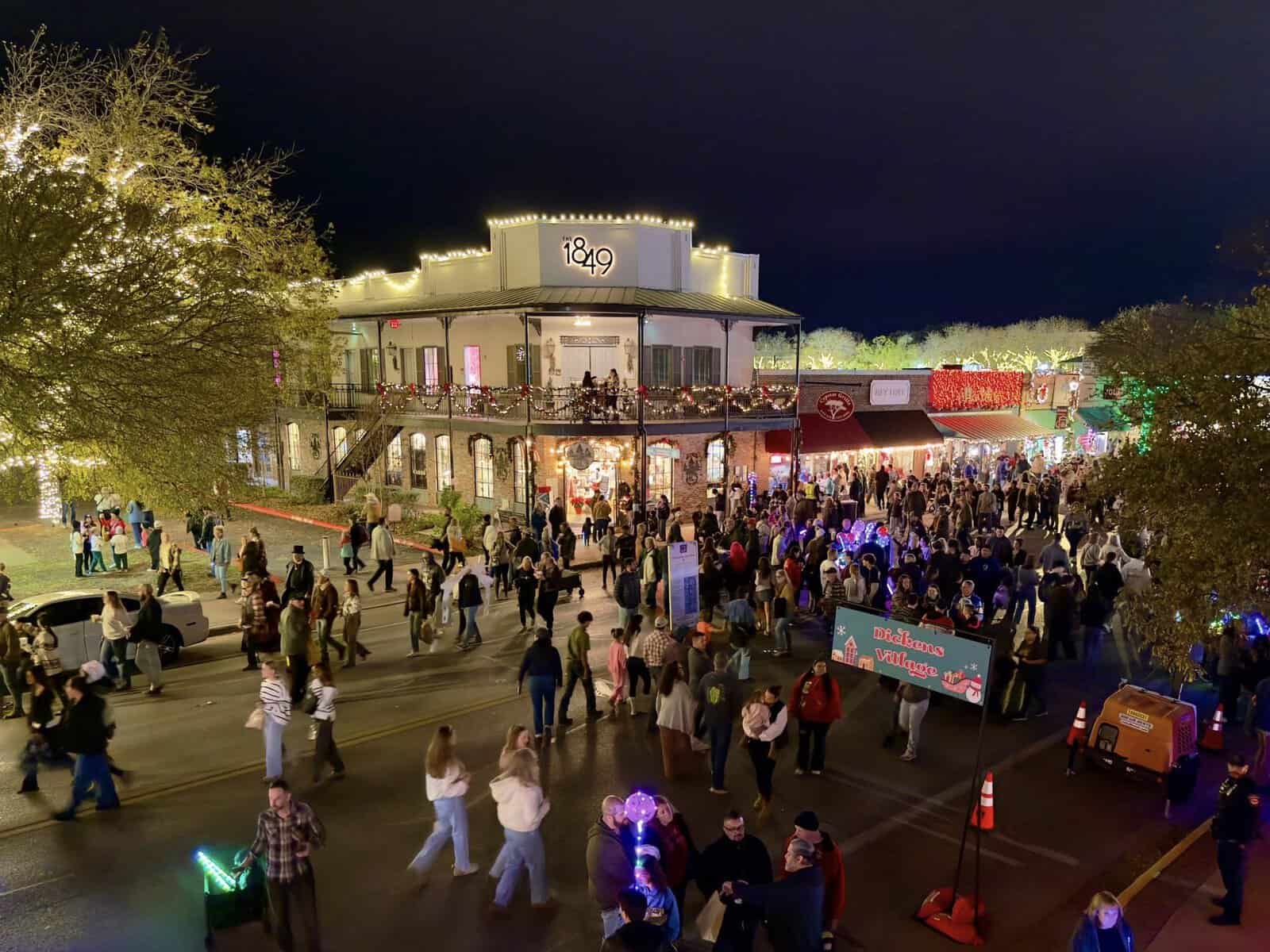
Boerne began in 1849 as a camp of free-thinking German idealists who fled Europe after the revolutions of 1848. They called it Tusculum at first, then platted and renamed it in 1852 for the German writer Karl Ludwig Börne.
Main Street here is still called Hauptstrasse. It runs a little over a mile past limestone storefronts, bakeries, cafes, and antique shops, part of more than 140 historic buildings the town has carefully kept.
Music runs deep here. The Boerne Village Band, organized around 1860, still plays as the oldest continuously organized German band outside of Germany.
Time a visit for a summer evening and you might catch it in the plaza, brass ringing off the old stone. Every June the town also throws Berges Fest, the “festival of the hills,” complete with a parade down Hauptstrasse.
Give yourself an afternoon to just amble Hauptstrasse. Duck into a bakery for a kolache, poke through the antique shops, and let the pace of a slower century catch up with you.
When you need a break from the shops, the nearby Cibolo Center for Conservation lays out quiet trails along the creek, and a pair of famous caverns hide in the hills just outside town.
Where: Boerne, TX, about 30 miles northwest of San Antonio on Interstate 10.
4. Comfort
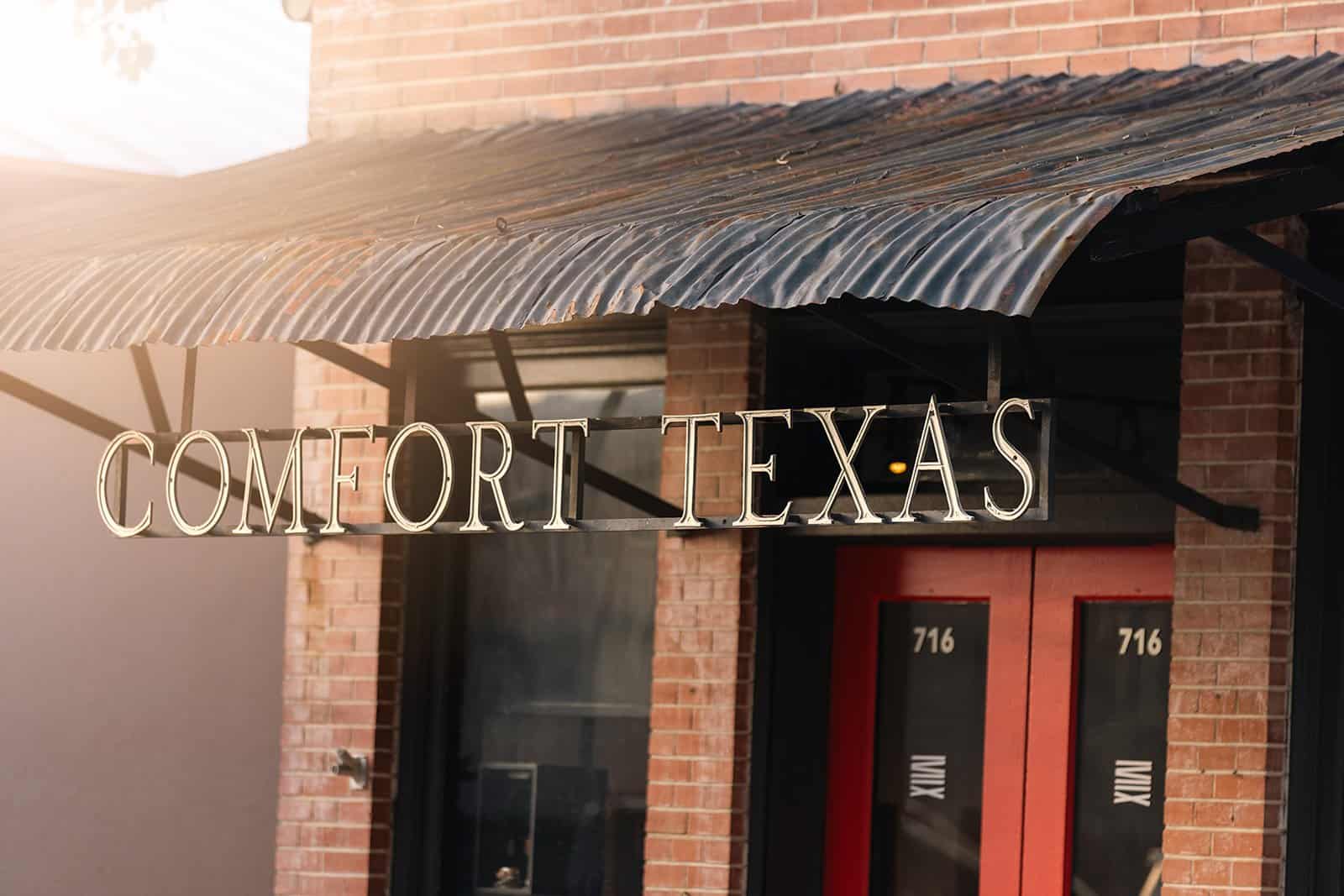
Comfort was laid out in 1854 by German freethinkers who settled where the Guadalupe River meets Cypress Creek. A twenty-two-year-old named Ernst Hermann Altgelt surveyed the lots.
The settlers built with limestone that has weathered beautifully ever since. The reward for today’s traveler is one of the most intact 19th-century downtowns in the whole state.
More than a hundred old structures fill the historic district, and most of downtown sits on the National Register of Historic Places. You can browse antique shops in buildings that have not changed their bones in a century.
Downtown you will also find the Treue der Union monument, raised in 1866 to honor German settlers who stayed loyal to the Union. Sip a coffee where a German mercantile once stood and you feel the unhurried pace these settlers prized.
Because Comfort never boomed, it never tore down its past to build something new. That quiet luck left the town looking much as it did when the settlers first raised it, which is a rare and lovely thing to walk through.
Push open the door at one of the old mercantiles and you will find coffee, pie, and shelves worth a slow browse. There is no rush in Comfort, and that is the whole point.
Where: Comfort, TX, in the Hill Country about 45 miles northwest of San Antonio.
5. Castroville
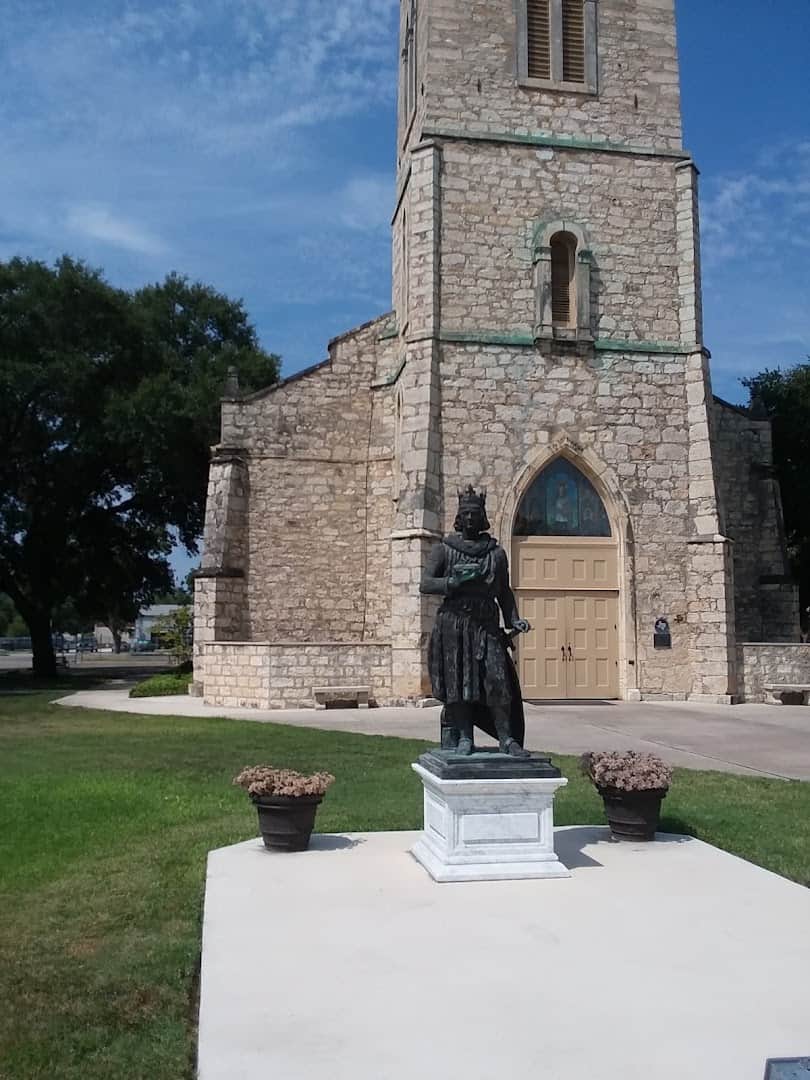
Castroville is the outlier, and a delightful one. It is not German at all but Alsatian, founded in 1844 by empresario Henri Castro with families he recruited from the Alsace region of France. Locals proudly call it “The Little Alsace of Texas.”
Walk its streets and you will see steep-pitched roofs, thick limestone walls, and shuttered windows straight out of a French village. Some older families here still speak the Alsatian dialect their ancestors carried across the ocean.
The centerpiece is the Steinbach Haus, an authentic 17th-century Alsatian home. It was taken apart in France and rebuilt here, timber by timber, in 2002.
Stop at a local bakery for Alsatian breads and pastries, then wander over to the historic Landmark Inn. Few places in America let you touch European heritage this directly.
Every August the town gathers for St. Louis Day, a parish celebration that locals count among the oldest community festivals in Texas. Expect Alsatian sausage, homemade sides, and a whole town that treats you like family.
Time slows on the shady streets, where whitewashed cottages sit behind low stone walls and the Medina River loops around the edge of town. Bring a camera, because every corner looks like a postcard from Alsace.
Where: Castroville, TX, along the Medina River about 25 miles west of San Antonio.
6. Walburg
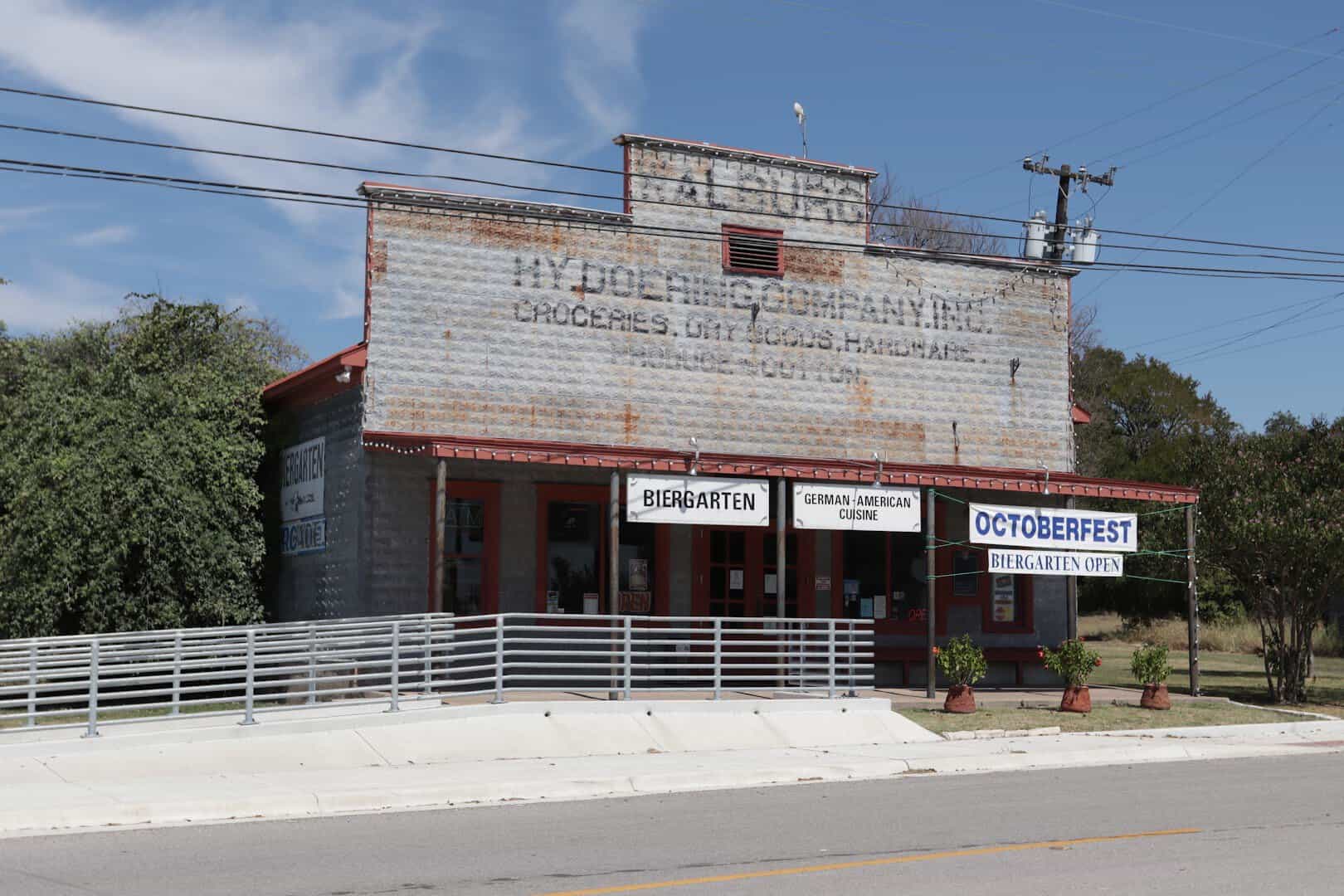
Walburg is small enough to blink past, but its heart beats in Bavarian time. A German immigrant named Henry Doering settled here in 1881 and opened a general store the next year.
He named the town for his birthplace of Walburg, Germany, when the post office opened in 1886. Two Lutheran churches from the 1880s still stand and still hold services.
The 1882 Walburg Mercantile building now houses a German restaurant and biergarten run by an owner who hails from Munich. Out back, under a canopy of oak trees, a big open beer garden fills with picnic tables, two stages, and live music.
Order a schnitzel and a stein, listen for the yodeler who keeps the old traditions alive, and you will swear you slipped across the Atlantic for the evening.
The crowd here skews friendly and a little rowdy in the best way, with accordion music, long communal tables, and strangers clinking glasses by the second song. It is Oktoberfest energy any weekend of the year.
Getting here is half the charm, a drive through open Williamson County farmland until the little cluster of buildings appears. Come hungry, come with friends, and plan to stay for the second set.
Where: Walburg, TX, in Williamson County about 33 miles northeast of Austin.
7. Muenster
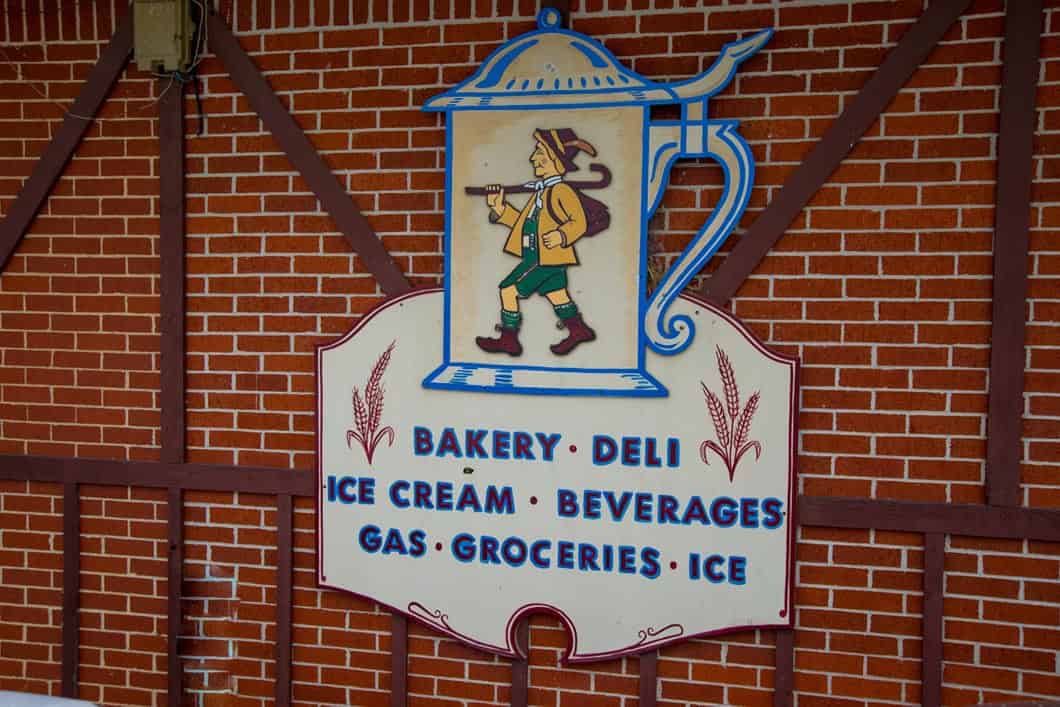
Up in North Texas, far from the Hill Country crowd, sits Muenster, founded in 1889 by German Catholic immigrants who came with the railroad. The Flusche brothers, seasoned land agents, laid out a colony and named it for Münster in Germany.
The first Mass was celebrated that December in a land office, and faith still anchors the town. Its little downtown gathers around the tall spires of Sacred Heart Catholic Church.
The chamber of commerce sums up the mood as Texas hospitality with a German flair. Storefronts wear painted German scenes, and the local shops still turn out sausage the old way.
Every spring since 1976, the town throws Germanfest, drawing thousands for food, bier, and music. It is proof that the old-world spirit reaches all the way to the Red River.
Did you know? Muenster has kept its meat-market traditions alive for generations, and a stop for smoked German sausage is practically required. It is the taste that keeps this little Red River town firmly rooted in the old country.
Fischer’s Meat Market has anchored the main street since 1927, curing and smoking sausage the way the founders’ families once did. Pack a cooler, because the summer sausage travels home better than any souvenir.
Where: Muenster, TX, on U.S. 82 about 90 miles north of Fort Worth.
Plan Your Texas Trip to Europe
The beauty of these towns is how close they sit to one another and to home. Six of them cluster within an easy drive of San Antonio and Austin.
That means you can visit two or three of them in a single weekend. Pick your days, gas up the car, and string together a few of the Hill Country stops in one easy loop.
You can go from a Fredericksburg strudel to a Gruene two-step to a Castroville bakery without ever leaving the map. Pack your appetite, learn a word or two of German, and get ready to fall in love with the Europe hiding in your own backyard.
Featured image: @ Comfort Texas Historic District

Stella Raines
Editor-in-Chief
Stella brings over a decade of storytelling experience to TX Headlines. With roots in West Texas and a love for road trips, she leads the editorial team with an eye for the hidden stories that make Texas unforgettable.
More Stories
This Charming Small Texas Town Guards the World’s Largest Pecan and the State’s Best Barbecue
This Tiny Texas Town Hides a Hand-Painted Church Locals Call the Queen

This Small Texas Town Is the Official Bluebonnet City, and Every Spring 40 Miles of Wildflower Trails Bloom Around It