This Crystal-Clear Texas Lake Is the Deepest in the State, and Its Water Is Clear Enough for 100-Foot Dives
The first time I slipped underwater in a Texas lake and could still see my own feet, I actually laughed into my regulator. I had grown up thinking Texas lakes were all the color of sweet tea.
Then I dropped below the surface here and watched a limestone wall fall away beneath me into blue that just kept going. It was the last thing I expected to find a few miles from the desert.
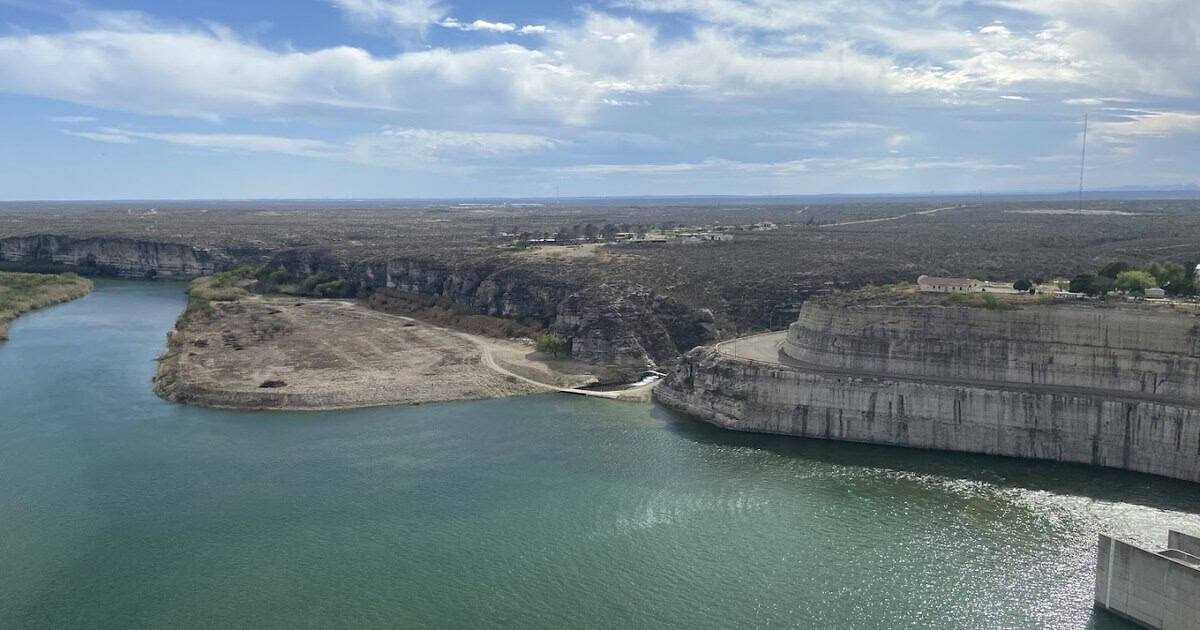
That lake is Amistad, the shimmering reservoir on the Rio Grande just outside Del Rio, and it is the deepest lake in the whole state. It holds a kind of clear-water magic that most Texans never expect to find within their own borders.
Below, discover why anglers, divers, and houseboat families keep making the long drive out to this far West Texas oasis, and why so many of them come back the next season.
Amistad is the Spanish word for friendship, and the name fits the place in more ways than one. The lake is a shared gift between two countries, and it welcomes you like an old friend the moment you catch that first glint of water.
A Lake That Doesn’t Look Like Texas
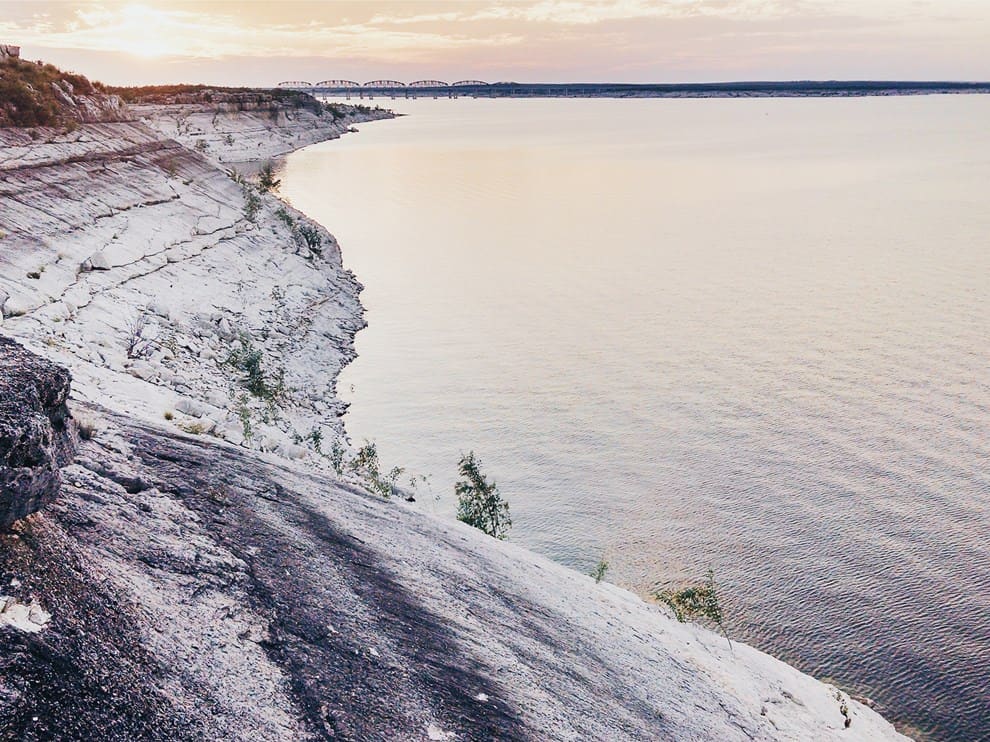
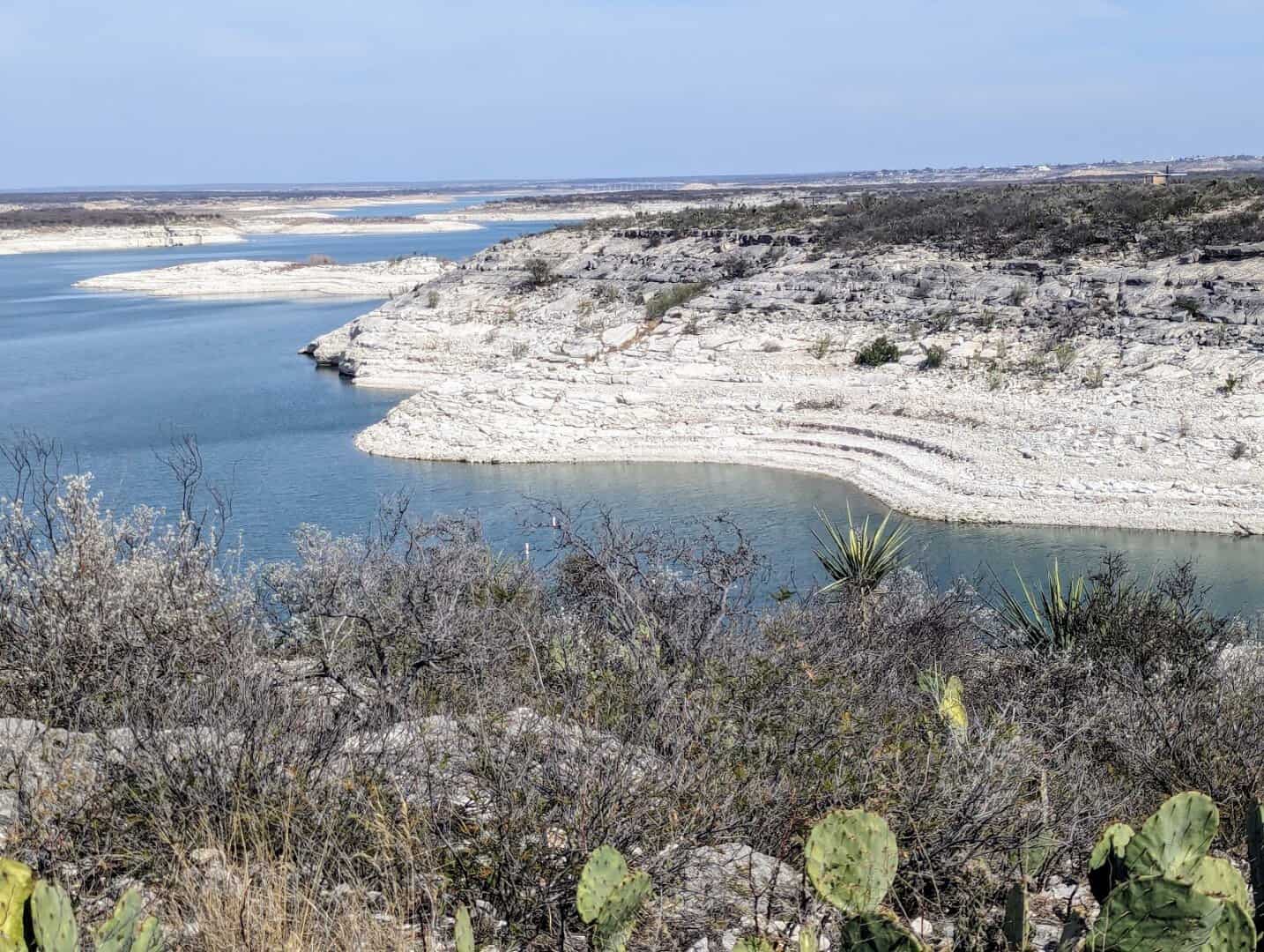
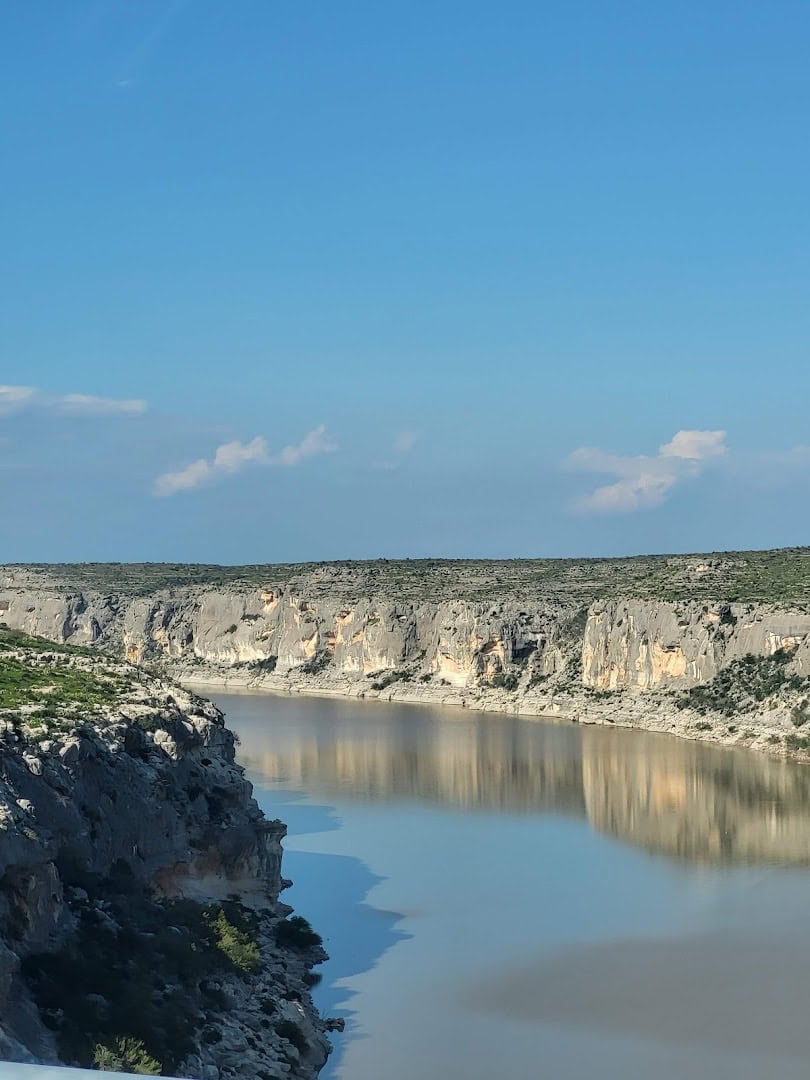
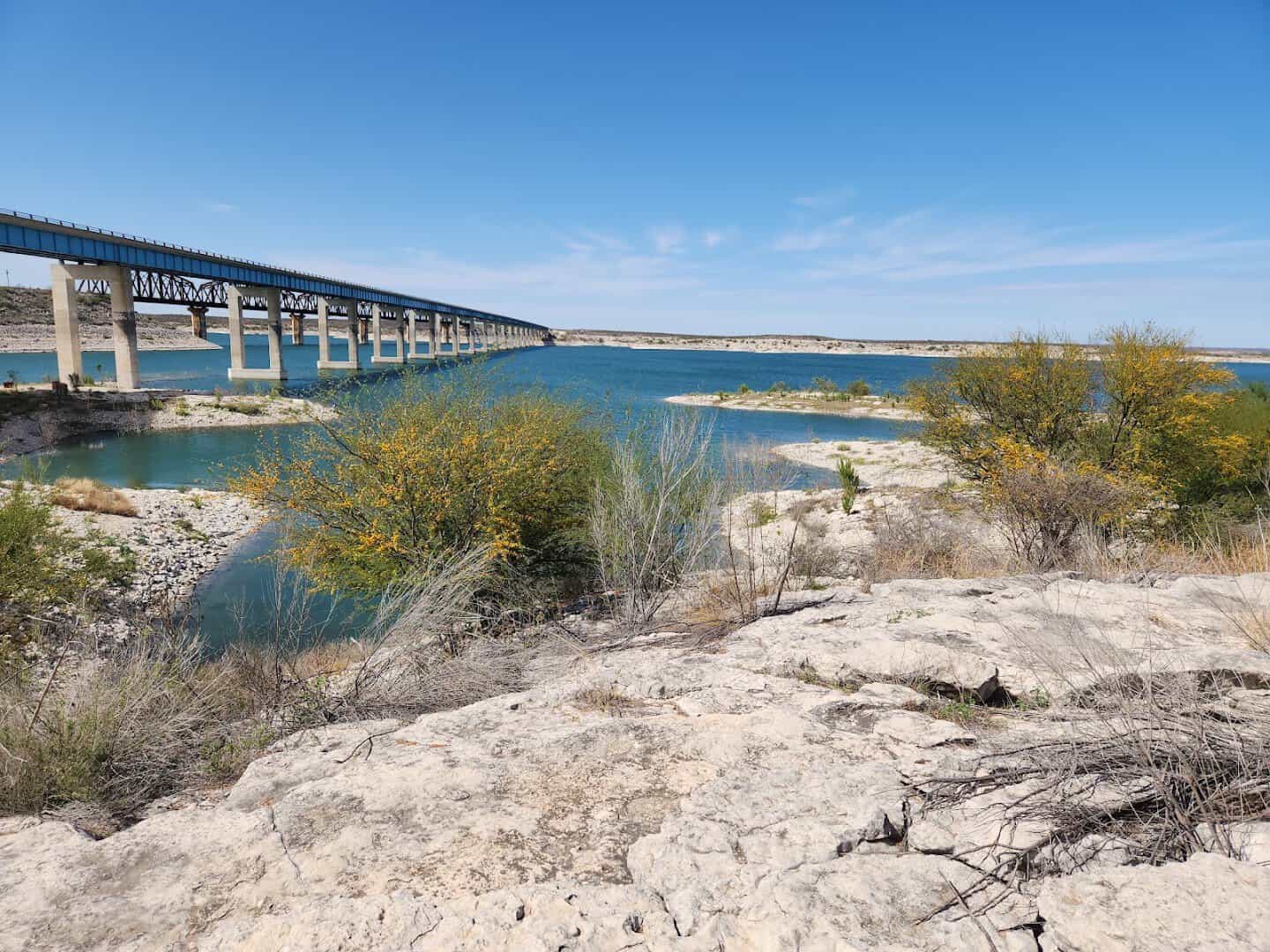
You come around the bend on Highway 90 and the land just opens up. Wide, sun-washed water spreads out between pale limestone bluffs, and the whole thing glows a deep turquoise that feels borrowed from the coast.
Amistad covers about 64,900 acres when it is full, with roughly 800 miles of shoreline folding into coves and canyons. You could spend a lifetime of weekends here and never tuck into the same quiet inlet twice.
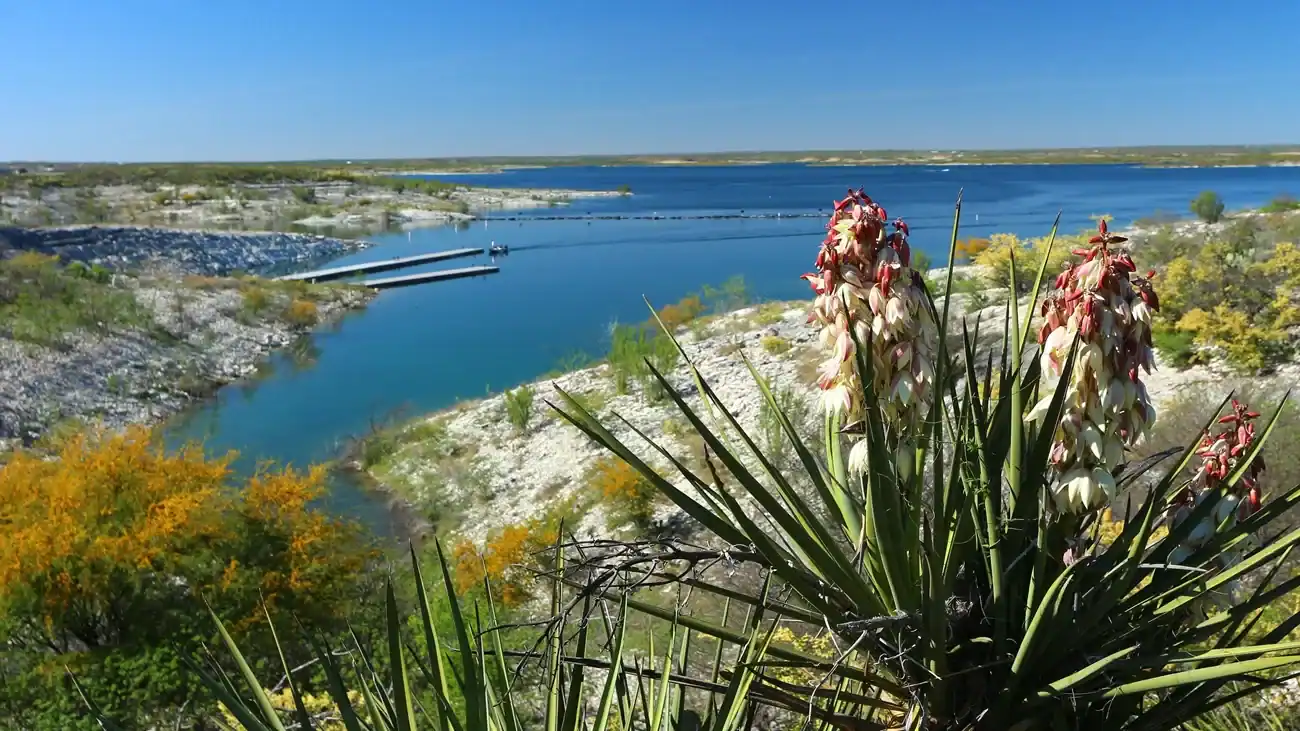
The water is some of the cleanest and clearest in Texas, fed by three rivers: the Rio Grande, the Pecos, and the Devils. Each one pours in cool water that keeps the lake bright and alive all year.
Then there is the depth. Amistad drops to about 217 feet at its deepest, which makes it the deepest lake in the state. Standing on the shore, you would never guess how much water is stacked up below you.
That combination of clarity and depth is what sets it apart. Most reservoirs go murky within a few feet. Here the light keeps traveling down, so the lake reads as a hundred shifting shades of green and blue depending on the hour.
Why Divers Love This Border Oasis
Here is the part that surprises everyone. You can scuba dive in Texas, in water clear enough to watch limestone ledges drop past a hundred feet. The National Park Service maintains several popular dive sites across the lake.
My favorite is Scuba Cove near Diablo East, a diver-only area marked off with buoys so no boats can wander in. It is quiet down there, all soft light and stone shelves, and the clarity in the cool months feels almost unreal.
The water runs clearest in winter, when temperatures drop into the low 50s and the summer algae fades away. Divers plan whole trips around those crisp, glassy months, when visibility stretches farther than you would think possible.
Some of the dive spots reach past 100 feet, so a few are best left to certified, experienced divers. But even a shallow snorkel along a rocky shelf, mask down and fins kicking slowly, shows you a side of Texas water almost nobody knows is there.
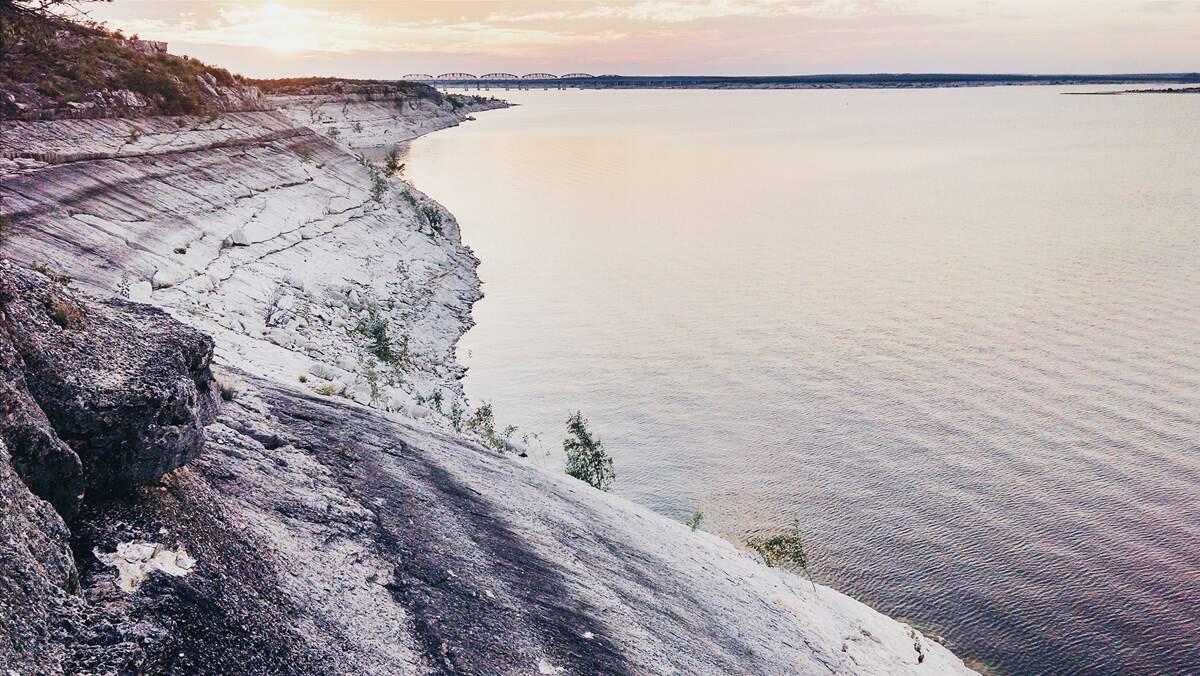
Pro tip: pack a good wetsuit for a winter dive. The water is clear precisely because it is cold, and the payoff for a little chill is some of the best freshwater visibility in the Southwest.
One of the Best Bass Lakes in the Country
If fishing is your thing, you have heard of Amistad already. Serious anglers speak about this lake the way food lovers talk about a legendary barbecue joint. It has a reputation, and it earns it.
Largemouth bass are the stars here, and they grow big. Anglers regularly haul in fish topping 10 pounds, and catches over 15 pounds are part of the lake’s legend. The submerged brush and rocky points give the bass everywhere to hide and grow fat.
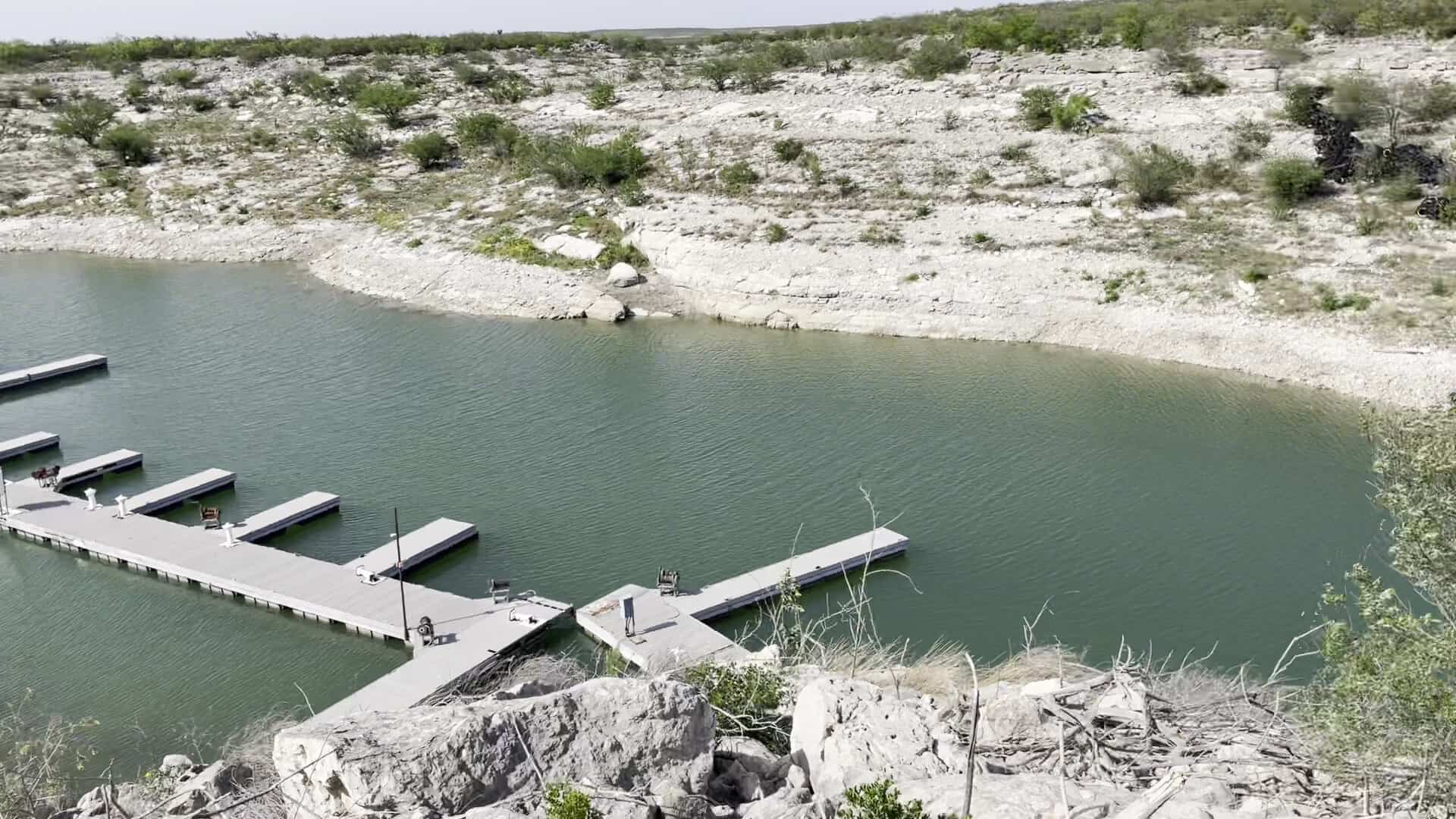
Smallmouth bass, striped bass, and catfish round out the mix. Many anglers swear the smallmouth bite is best up the clear, rocky Devils River arm, where the water runs cold and the fish run feisty.
The lake straddles the international border, so you can legally fish both the Texas and Mexican sides with the proper permits, which you buy on the Texas side. Bass tournaments have made the old Diablo East parking area a regular gathering spot for weigh-ins.
My own best day here ended with three solid largemouth and a sunburn I earned honestly. None of them were record breakers, but pulling a fat green bass out of water that clear, watching it flash up from the rocks, is a feeling that sticks with you.
Boating, Coves, and Floating Homes
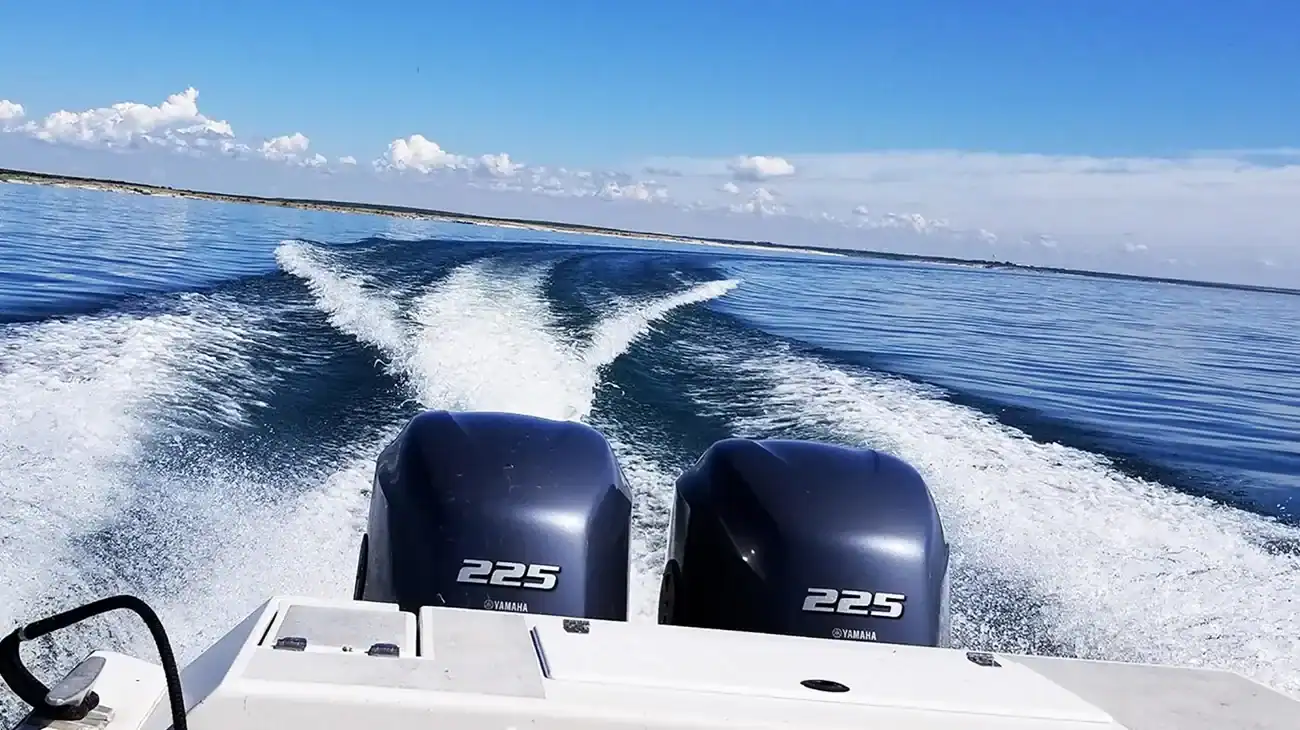
Amistad was made for boats. The protected coves lie calm and glassy in the morning, and the open water is wide enough to open up the throttle in the afternoon. Kayakers and canoeists get their own quiet corners too.
The park boundary follows the old river channels far upstream, reaching about 74 miles up the Rio Grande, 25 miles up the Devils River, and 14 miles up the Pecos. That means canyon walls, hidden inlets, and camp spots you can only reach by water.
For the full experience, you rent a houseboat. Picture a floating cabin, some of them 70 feet long and built to sleep 10, drifting into a quiet cove for the night. You wake up on the water with nothing but bluffs and birdsong around you.
The National Park Service marks out paddle trails on the U.S. side too, so even a first-time kayaker can follow a route into the coves without worrying about getting turned around out on the big water.
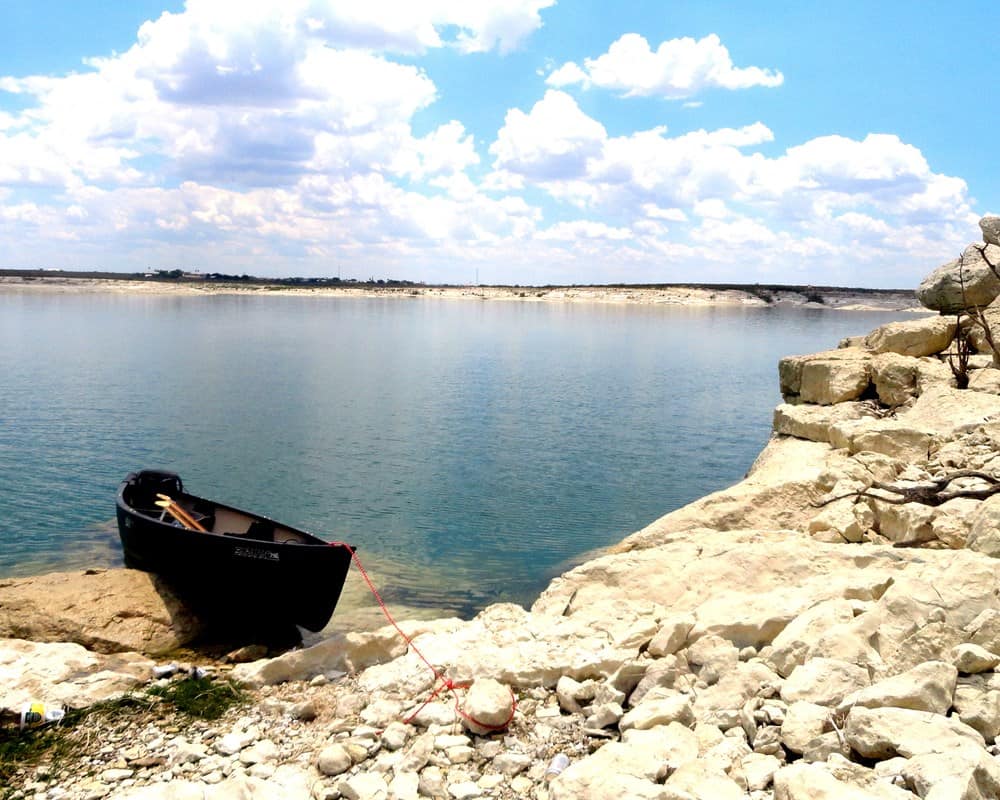
Spend a morning drifting into one of the narrow, steep-walled canyon arms and the boat traffic disappears behind you. The walls climb straight out of the water, swallows dart along the rock, and the whole world shrinks down to sky, stone, and that impossible blue below your hull.
Ancient Art Hidden in the Canyons
Amistad holds a secret that predates the dam by thousands of years. Tucked into the rock along the Pecos River arm is Panther Cave, a shallow rock shelter covered in some of the oldest paintings in North America.
The star of the panel is a leaping panther stretched across the stone, the largest figure in a gallery of Pecos River style pictographs. Archaeologists date this art to roughly 4,000 years ago, painted by people who knew these canyons long before anyone knew the word Texas.
You can only reach Panther Cave by boat, gliding up to a viewing platform across the water from the shelter. Seeing that leaping cat glow on the rock, with the lake lapping below, is the kind of moment that gives you goosebumps.
Did you know? The whole region around Amistad is one of the richest rock art areas on the continent, and nearby Seminole Canyon State Park protects even more of these astonishing prehistoric galleries for anyone who wants to go deeper.
A Dam Built on Friendship
The lake owes its name and its existence to a genuine act of international friendship. Amistad Dam was a joint project between the United States and Mexico, built together across the Rio Grande and managed jointly ever since.
The reservoir began filling on May 31, 1968, and the finished dam was dedicated on September 8, 1969. The ceremony was led by President Richard Nixon and Mexican President Gustavo Díaz Ordaz, two leaders shaking hands over a brand-new lake.
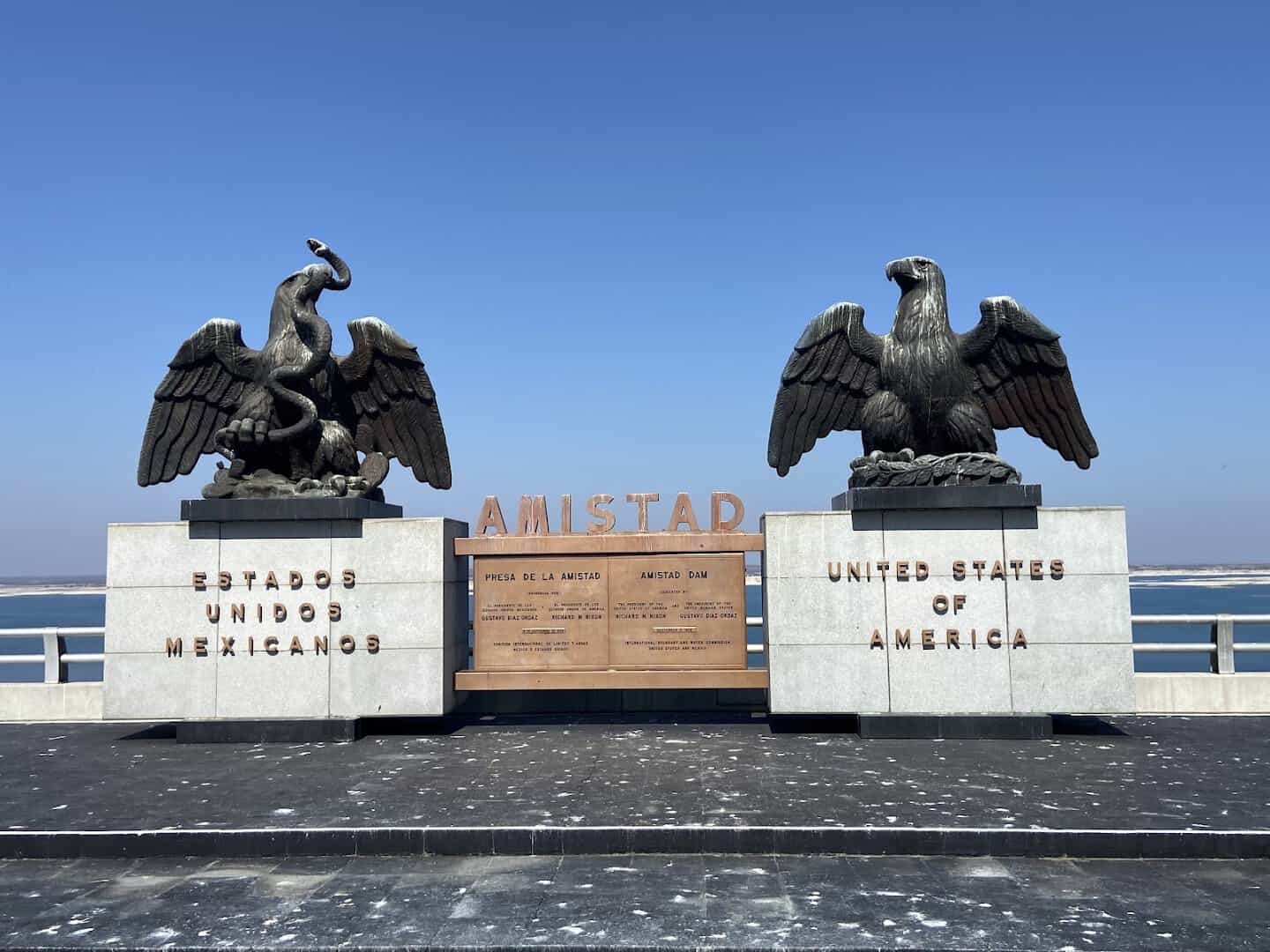
At the center of the dam stand two enormous bronze eagles, one facing each country, placed there as a symbol of the cooperation that made the whole thing possible. They watch over the border the way the name promises: as friends.
That spirit still runs through the place. The Spanish word for friendship is not just a label on a map here. It is the whole story of how the lake came to be, and you feel it in the easy, welcoming rhythm of a day on the water.
Camping Under Big Desert Skies
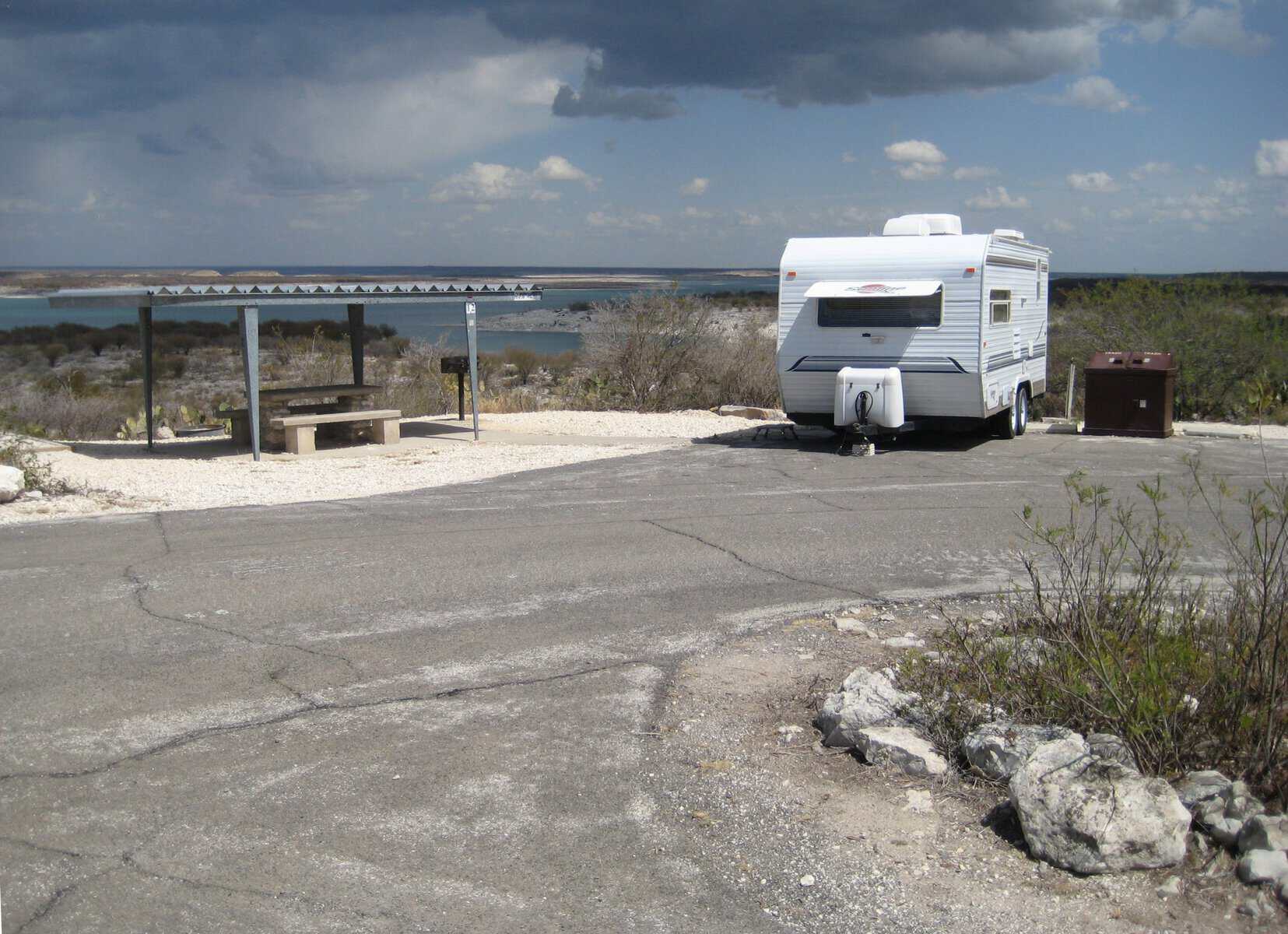
Amistad is part of a national recreation area, which means the shoreline stays wild and open. You can pitch a tent at simple, first-come campsites scattered around the lake, most of them a short walk from the water.
The desert night here is worth the trip on its own. Del Rio sits far from any big-city glow, so the stars come out thick and bright, and the only sounds are water against the rocks and the occasional splash of a feeding fish.
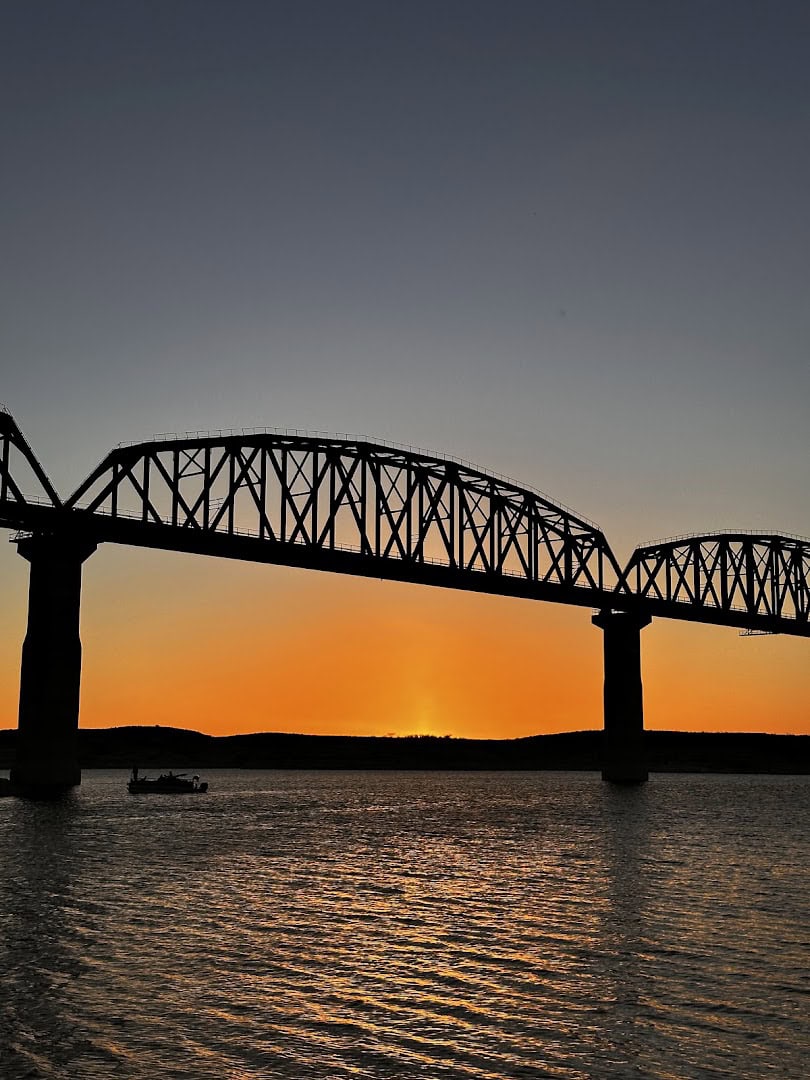
Bring your own shade and plenty of water, since this is West Texas and the sun means business. In return you get sunsets that light the limestone on fire and mornings so still the whole lake looks like a sheet of glass.
Birdwatchers should keep their eyes up, too. The lake and its brushy shoreline draw herons, kingfishers, and hawks, and the mix of desert and water here pulls in species you will not spot anywhere else in the state.
If you would rather sleep with walls and air conditioning, Del Rio itself is only minutes away, with plenty of places to stay and a warm border-town welcome. You can base yourself in town, load the boat each morning, and still be back for dinner and a good night’s rest.
How to Get There
The lake sits just northwest of Del Rio, an easy drive from San Antonio out along Highway 90. The Amistad National Recreation Area headquarters is your best first stop for maps, ramp information, and current lake conditions.
Where: Amistad National Recreation Area, 10477 US-90, Del Rio, TX 78840
Diablo East, one of the main access points with a boat ramp, sits about 10 miles west of Del Rio just off Highway 90. From there the whole shimmering lake opens up in front of you and the day is yours to shape.
Plan Your Escape to Texas’s Deepest Water
Whether you come to chase a trophy bass, drop into that clear blue on a winter dive, or simply drift a houseboat into a quiet cove, Amistad rewards you for showing up. Every visit hands you a slightly different lake.
It is proof that Texas keeps a few surprises tucked away for the people willing to drive out and find them, well past the last big highway sign.
So pack the cooler, grab the rods or the fins, and point the truck west. Somewhere out past Del Rio, the deepest water in Texas is waiting to show you a side of the state you never knew it had.
Featured image: Jesus De Lira via Amistad National Recreation Area

Stella Raines
Editor-in-Chief
Stella brings over a decade of storytelling experience to TX Headlines. With roots in West Texas and a love for road trips, she leads the editorial team with an eye for the hidden stories that make Texas unforgettable.
More Stories
This Adventurous Texas Cavern Hides Glowing Blue Pools 180 Feet Underground
This Quiet North Texas Park Ends a Swaying Bridge at a 54-Foot Waterfall
This Easy Texas Trail Leads to a 105-Degree Hot Spring Right on the Rio Grande
This Thousand-Year-Old Texas Live Oak Has Outlasted Pirates, Hurricanes, and a Civil War Battle
Tags