This Easy Texas Trail Leads to a 105-Degree Hot Spring Right on the Rio Grande
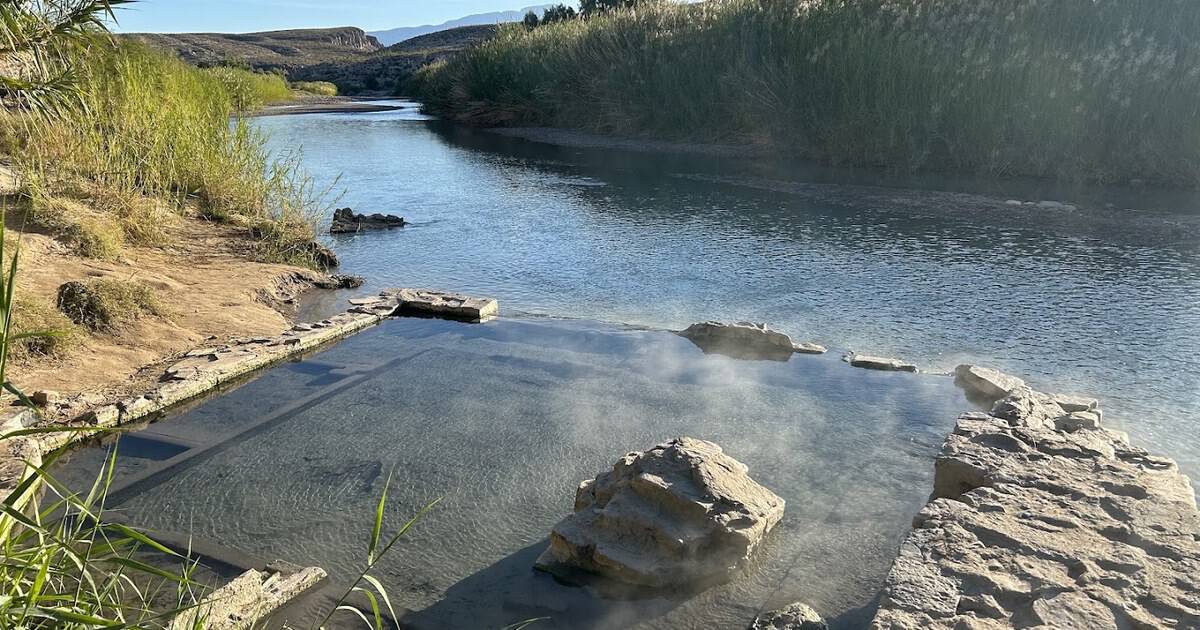
The first time I lowered myself into that stone pool, the desert had already worn me down to the bone. I had spent the day squinting into the West Texas sun, my shoulders sunburned and my boots full of grit.
I was half-convinced the reward at the end of the trail could not be worth the drive. Then the warm water closed over my legs, the Rio Grande slid past a few feet away, and I let out a sound I did not plan to make.
My hiking partner laughed at me. “Told you,” she said, sinking in beside me.
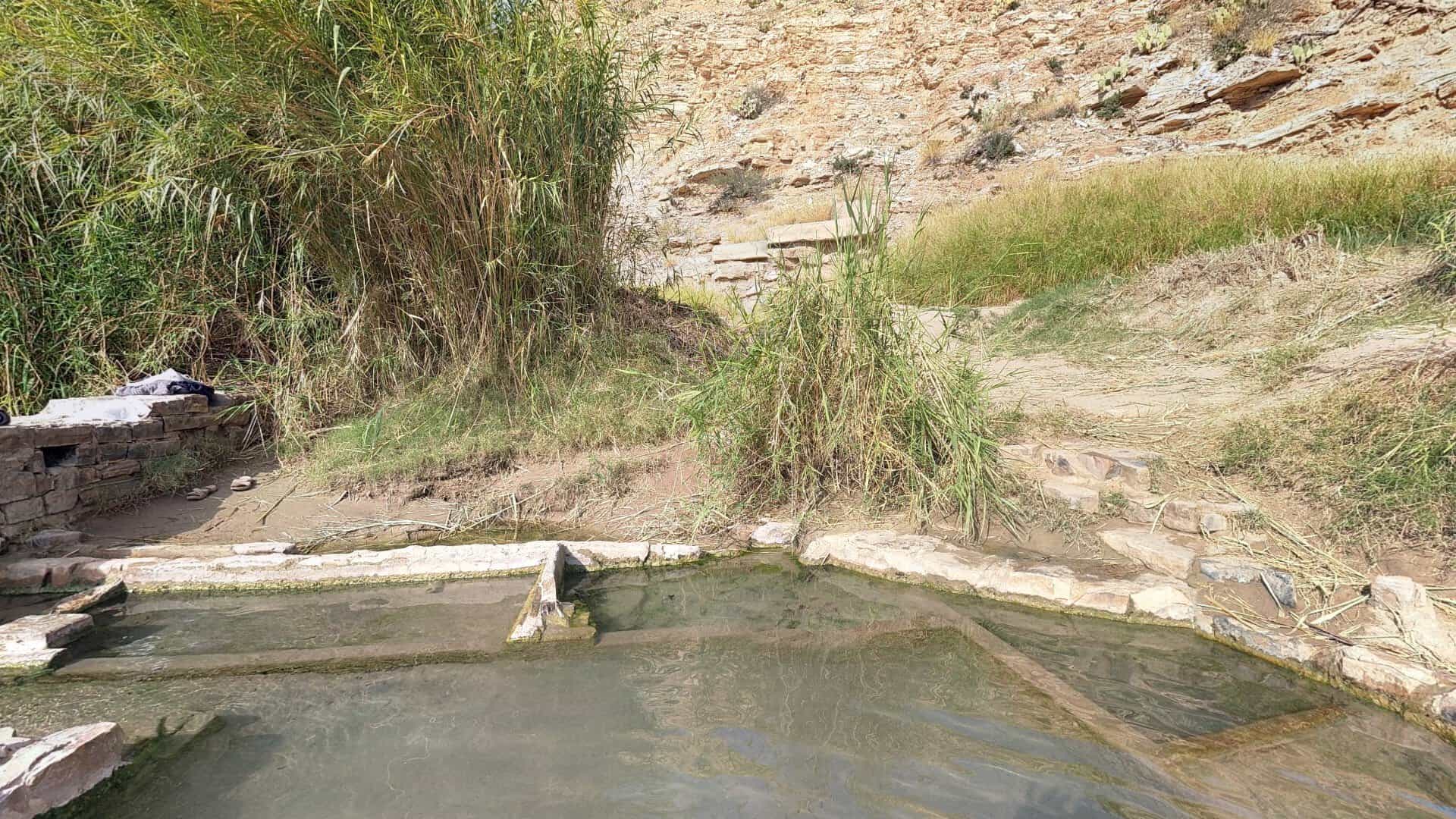
That pool sits at the far end of an easy trail in Big Bend National Park, a rectangle of warm mineral water that holds a steady 105 degrees. It has stayed that warm for thousands of years, long before anyone thought to build a bathhouse around it.
Below, discover why this short walk to the river is one of the most rewarding hours in the whole park, and everything you need to plan your own soak.
A Short Walk to Warm Water
People get one thing wrong about this place, so let me fix it first. The famous soaking pool is not a hard-won summit. It is a flat, forgiving stroll of about half a mile each way, roughly a one-mile loop if you take the full historic route.
The path follows the Rio Grande, hugging a low limestone bluff. On one side, cliffs the color of toast. On the other, the river, moving slow and green and quiet. You can hear it the whole way, a muffled murmur under the rustle of river cane.
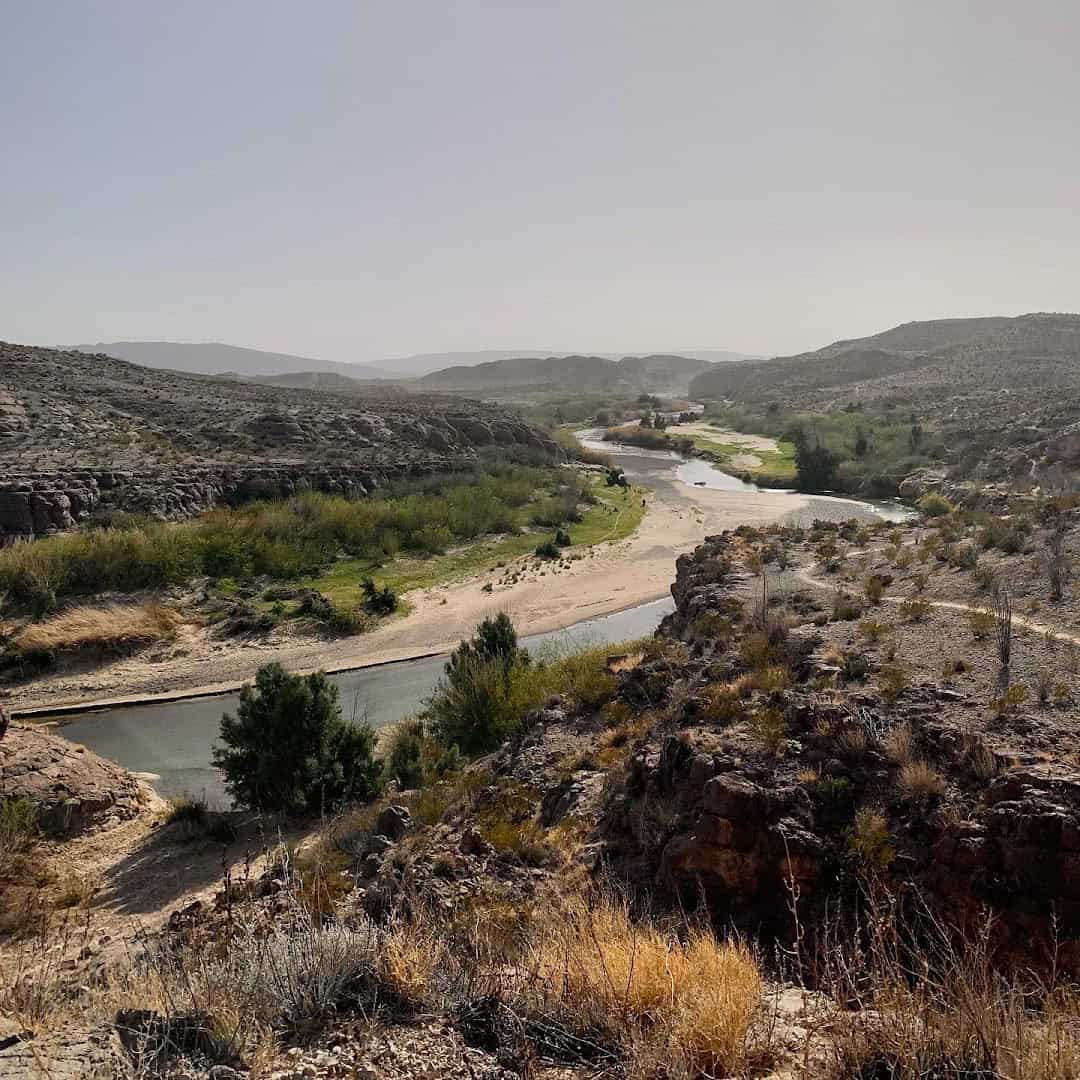
You will gain maybe 200 feet in elevation, and only in gentle nudges. Families do it. Grandparents do it. I have watched kids in flip-flops do it, towels flapping like capes behind them.
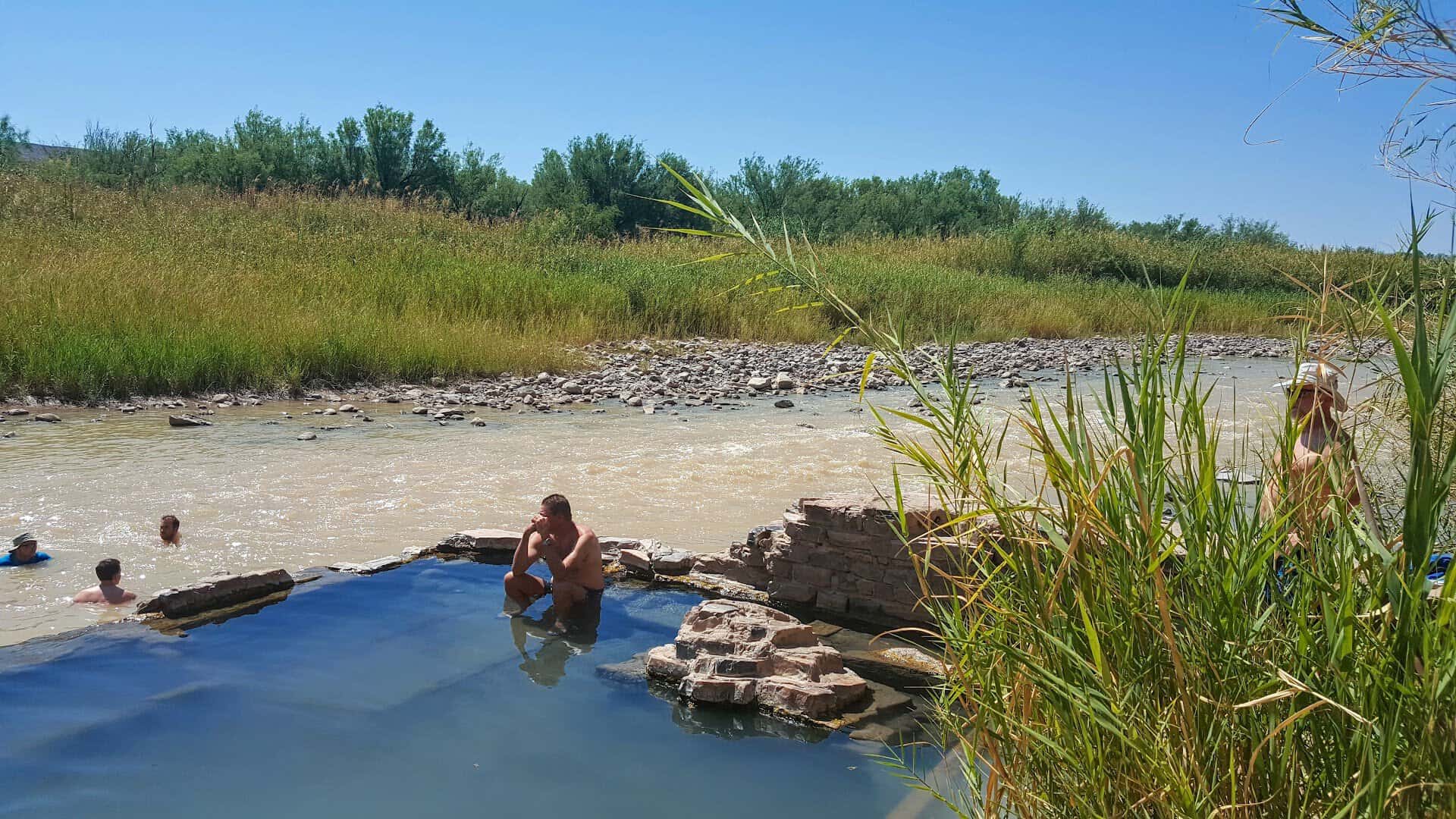
The reward waits at the water’s edge: a simple rectangular pool, stone-lined, tucked right where the hot spring meets the cold river. Step in, and you are soaking in warm mineral water while a whole different country sits on the far bank.
Fossil Water, Straight From the Ground
The water in that pool is old. Not old like your grandmother’s recipes. Old like it fell as rain thousands of years ago, sank deep into the earth, warmed against the rock, and only now is surfacing.
Geologists call it fossil water. It rises crystal clear at a constant 105 degrees, carrying a whole pharmacy of dissolved minerals with it: calcium, sodium, sulfates, chloride, even a trace of lithium.
People have believed in those minerals for a very long time. Whether they cure anything is a debate for someone else. What I can tell you is that after a long day on the trails, sitting in that warm water feels like being unknotted from the inside out.
The pool itself is shallow and small, room enough for a handful of soakers at a time. The floor is smooth stone, warm underfoot. Slide down until the water reaches your chin, tip your head back, and the whole desert seems to exhale with you.
Pro tip: go early, right after sunrise. The pool is small, it gets popular, and the quietest, most magical soak of my life happened at 7 a.m. with steam rising off the surface and no one else in sight.
Looking Across to Mexico
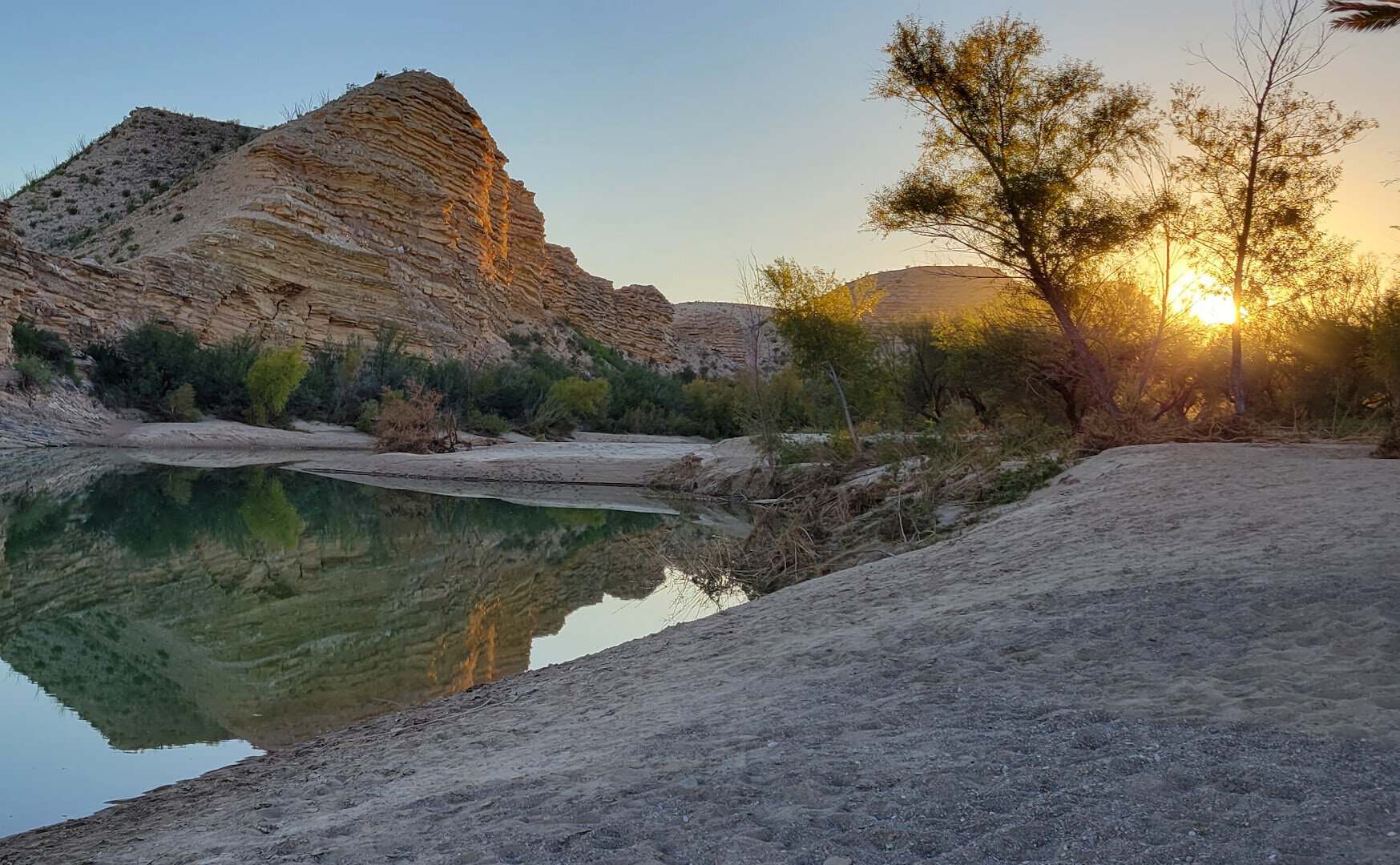
Soak long enough and you will notice you are staring at another country. The far bank of the Rio Grande is Mexico, the little village of Boquillas del Carmen tucked into the hills just downstream.
The river here is narrow and gentle, more creek than the mighty border of the maps. Cliffs rise on both sides, and the whole scene glows gold in the late afternoon when the light comes in low.
Bring a hat and sit still for a while. Herons stalk the shallows, and swallows cut low over the water. It is one of the quietest, most peaceful patches of Texas I know, and you are soaking in it.
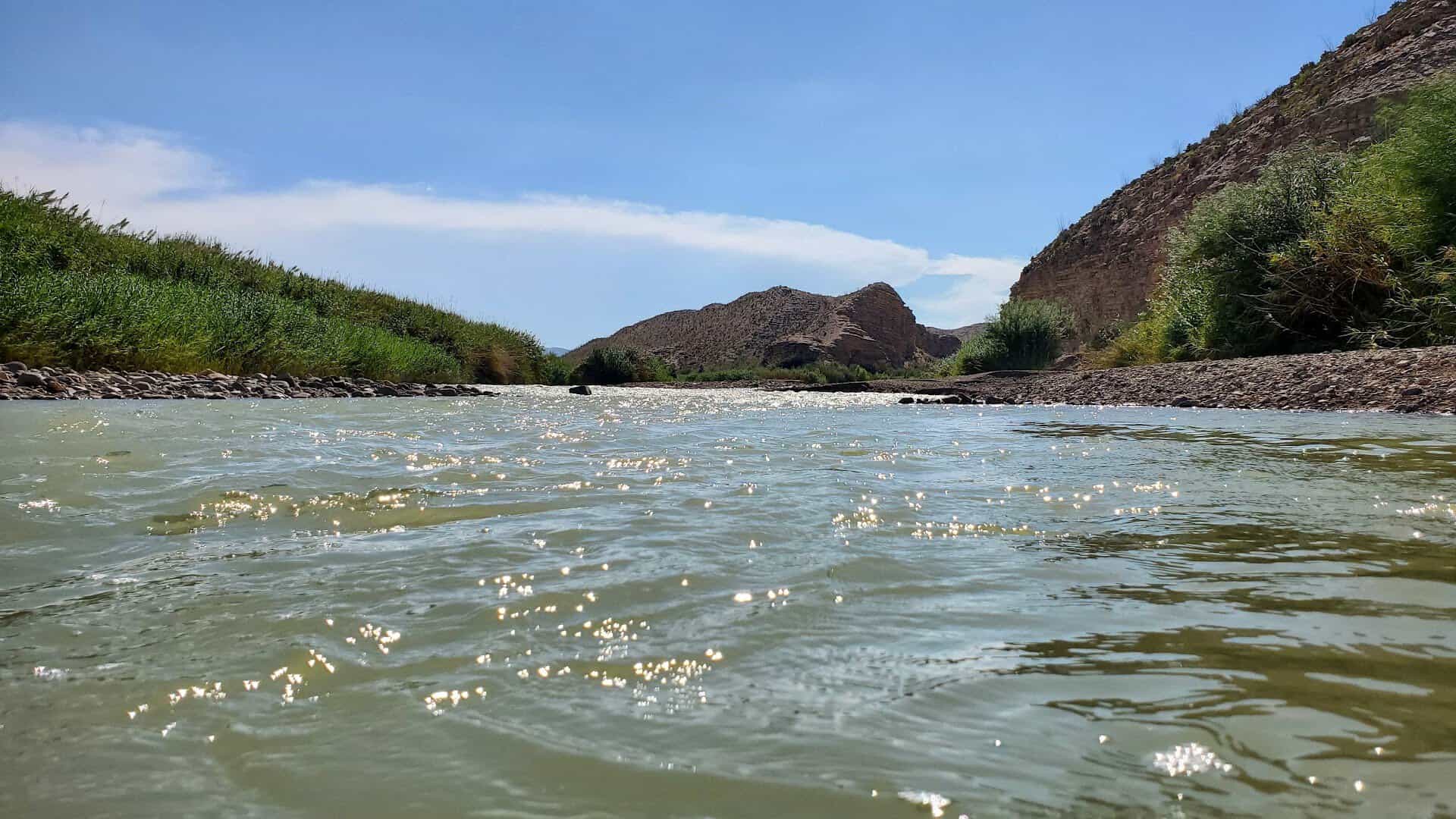
Big Bend hugs more than a hundred miles of this river, and the hot springs give you one of its most intimate views. No fence, no crowd of boats, just the current, the cliffs, and the hush that comes with being a long way from anywhere.
Messages Left on the Rock
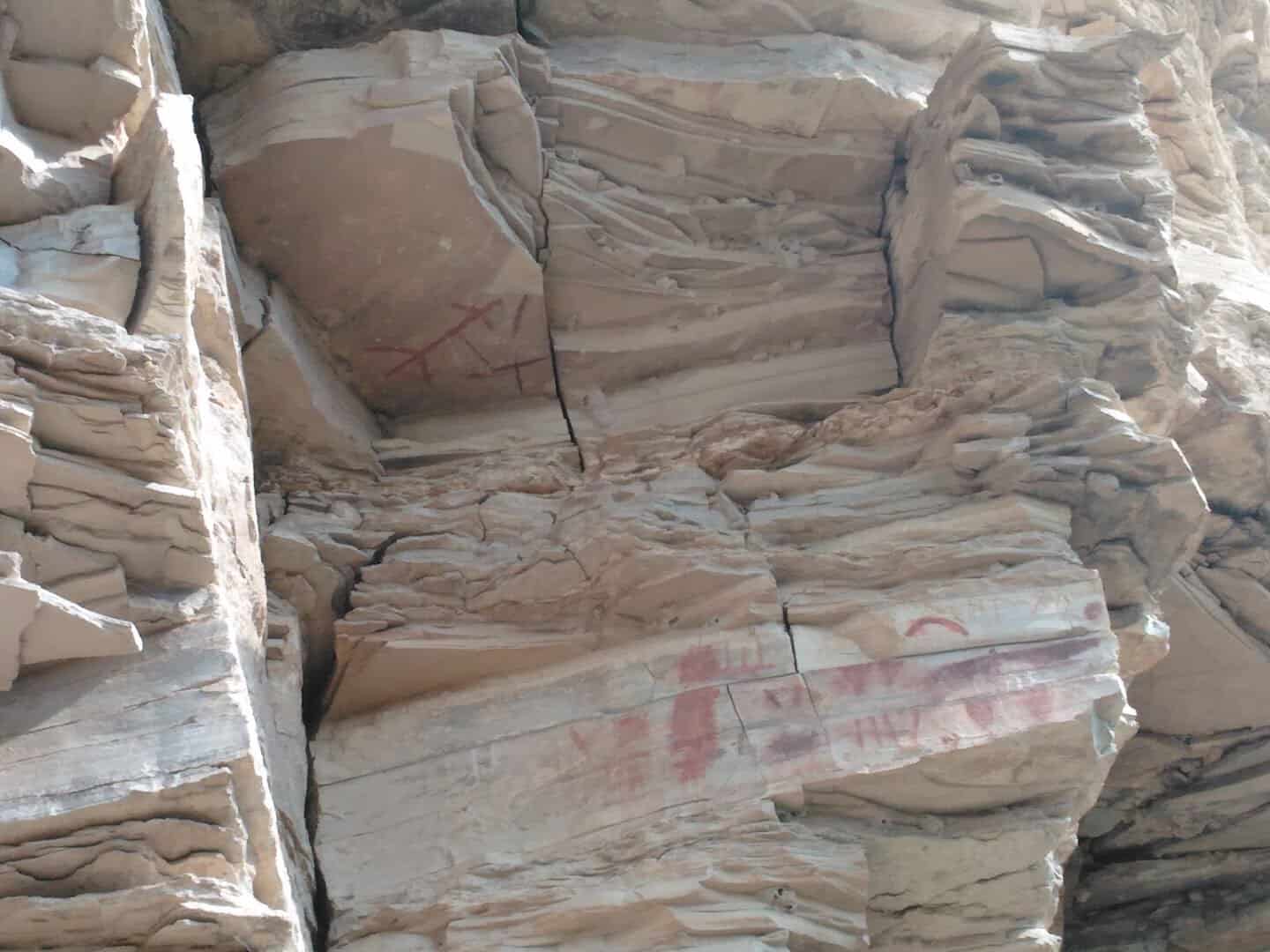
About halfway between the parking area and the pool, look up at the cliff face. You are not the first person to find this warm water worth the walk. Not by a long way.
Indigenous peoples came here for hundreds of years, and they left something behind. Painted onto the limestone are pictographs, faded red figures that researchers believe represent dart points. Some estimates place them between 1,000 and 200 B.C.
I stood under them longer than I expected to. Someone reached this same spot, drawn by the same warm water, and picked up a pigment to mark it. The mark is still here. Did you know a hot spring could hold that much history? This one does.
The Man Who Came to Get Well
The modern story starts with a sick man and a rumor. In 1909, Joseph Oscar Langford, a Mississippi native worn down by malaria, heard talk in Alpine of healing waters far to the south along the Rio Grande.
He filed a homestead claim on the land, sight unseen, and moved his wife and daughter out to the edge of nowhere. Then he soaked. For twenty-one straight days he bathed in the spring, and by the end of it he swore the malaria had left him.
Convinced, Langford hired a German stonemason and built a proper bathhouse, a two-story limestone building, twenty feet by twenty, right over the spring. Word spread, and people came from all over to take the waters.
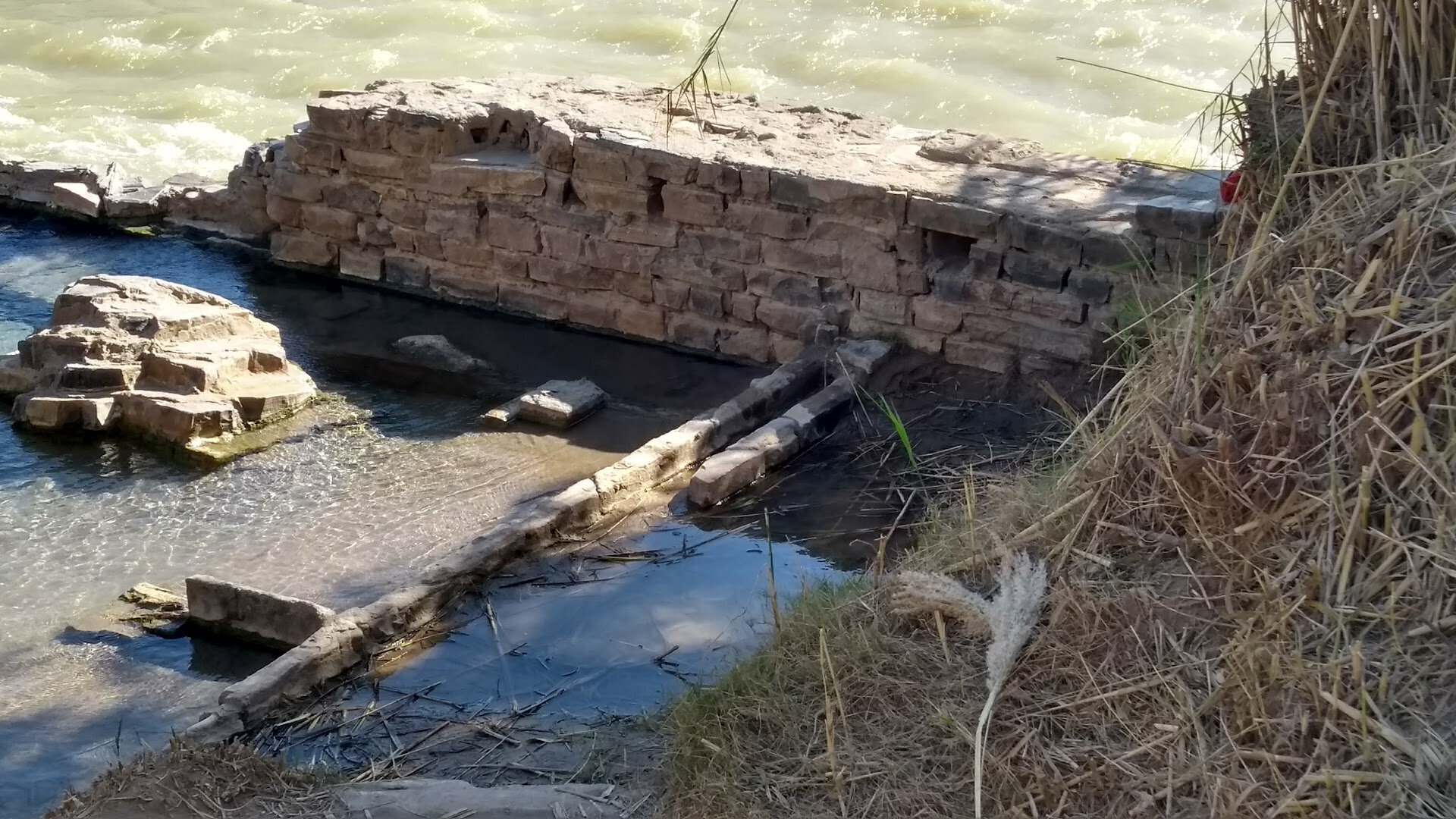
Then history got in the way. Border unrest around the Mexican Revolution made the area unsafe, and the Langfords left in 1912. The desert kept the spring warm and waited.
A Resort Rises, Then Returns to the Park
The family came back in 1927 and found their bathhouse worse for the years away. They rebuilt it, this time with a canvas roof, and went bigger. Langford added a store, a post office, and a little motor court of seven attached cabins for travelers.
Through the 1930s and early 1940s the place hummed. Concessionaires ran it, first a legendary borderland figure named Maggie Smith, then Pete and Etta Scott, and the hot springs became a genuine desert getaway.
Then came the park. On May 27, 1942, the Langford family sold the whole property to the state of Texas for ten dollars. The one condition was that it be used for park purposes only.
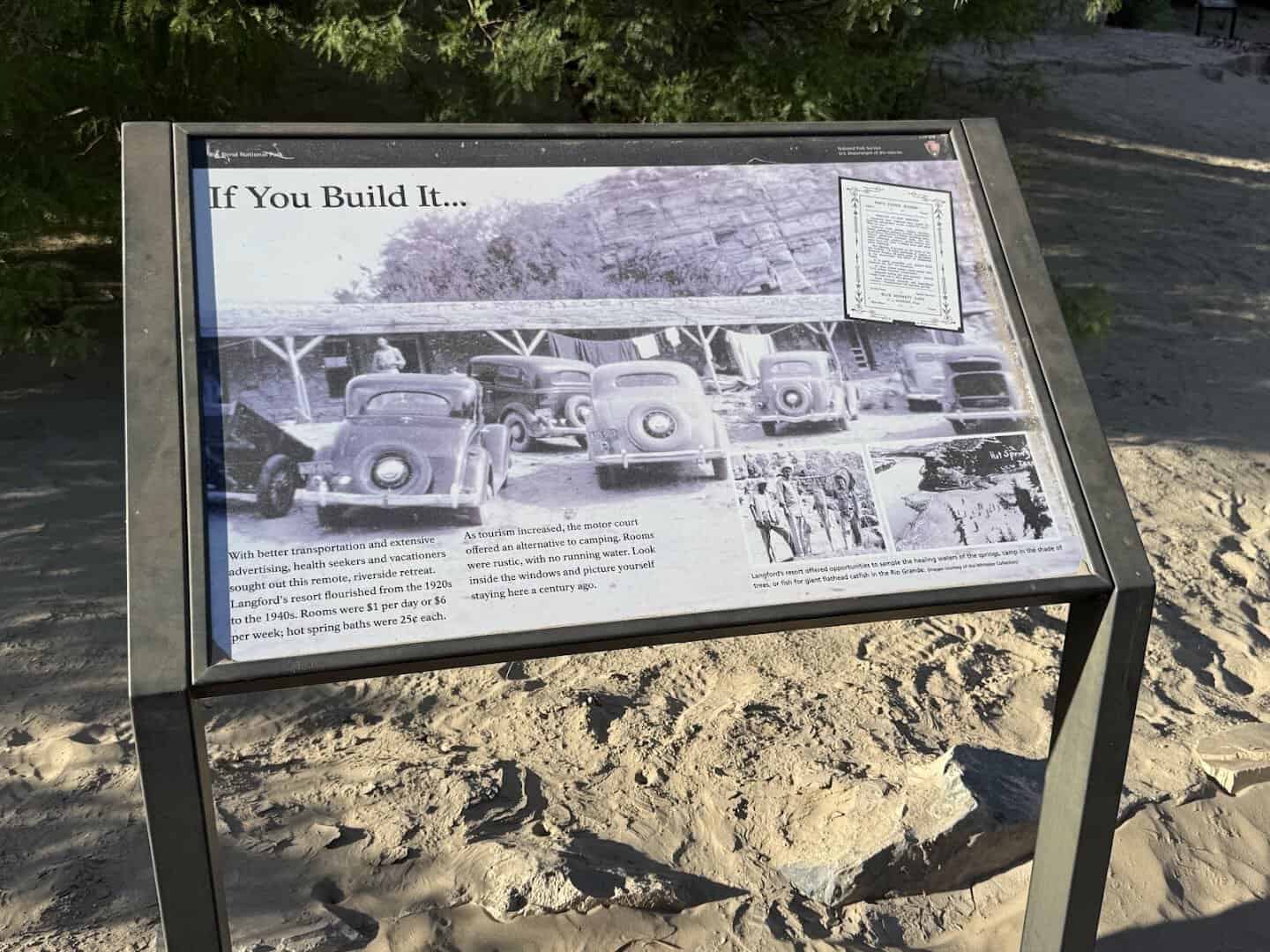
In 1944 it folded into the brand-new Big Bend National Park, and it has belonged to all of us ever since. What began as one man’s private cure is now a soak anyone can drive out and share.
The two-story bathhouse is gone now, dynamited in the early 1950s. But the foundation remains, and it is that foundation the stone soaking pool sits on today. You are bathing in Langford’s dream, quite literally.
Walking Through the Ruins
The Park Service made a wise call here. Instead of scrubbing the old resort clean or rebuilding it into a museum, they let it stand as it is, weathered and honest.
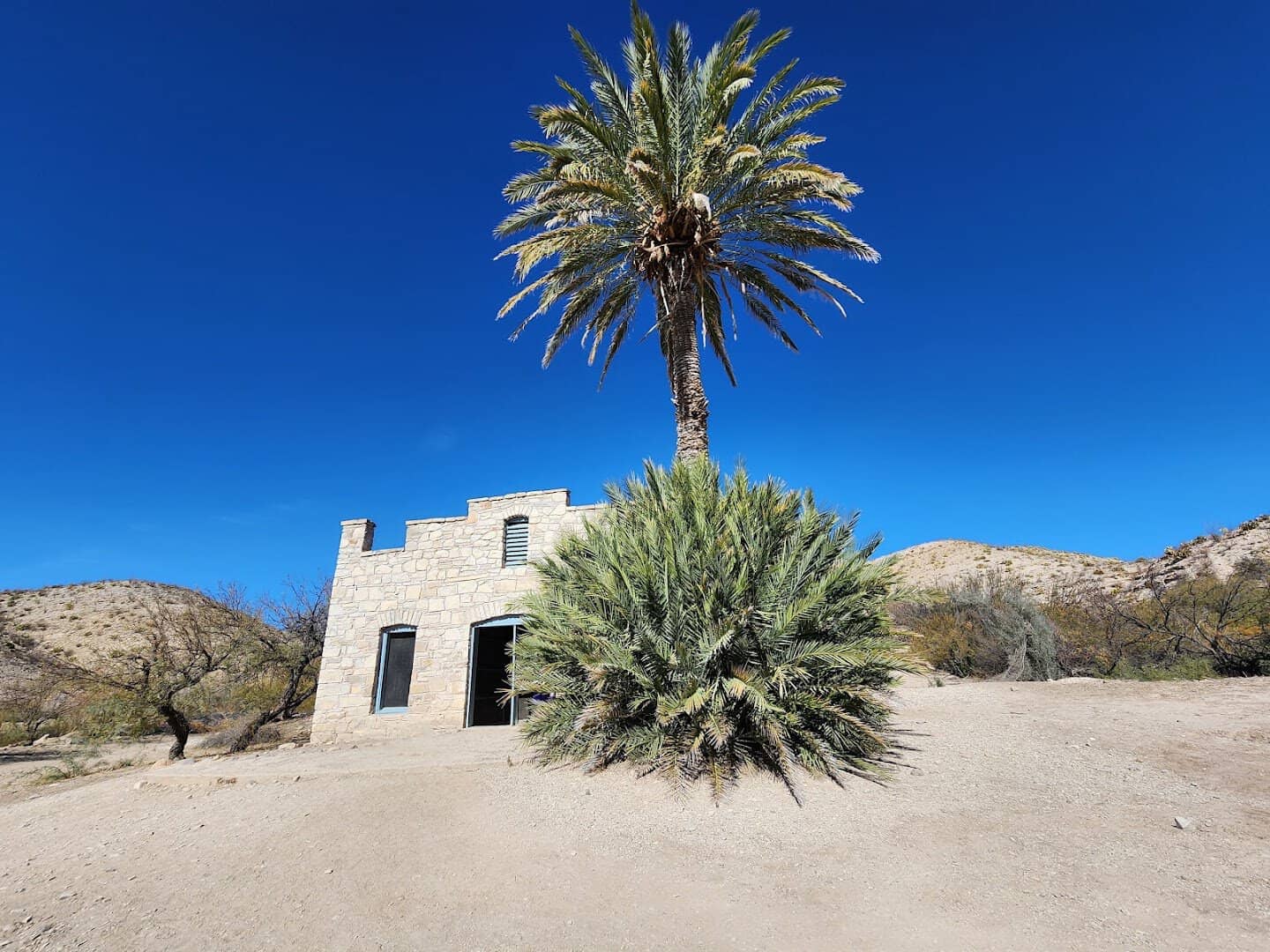
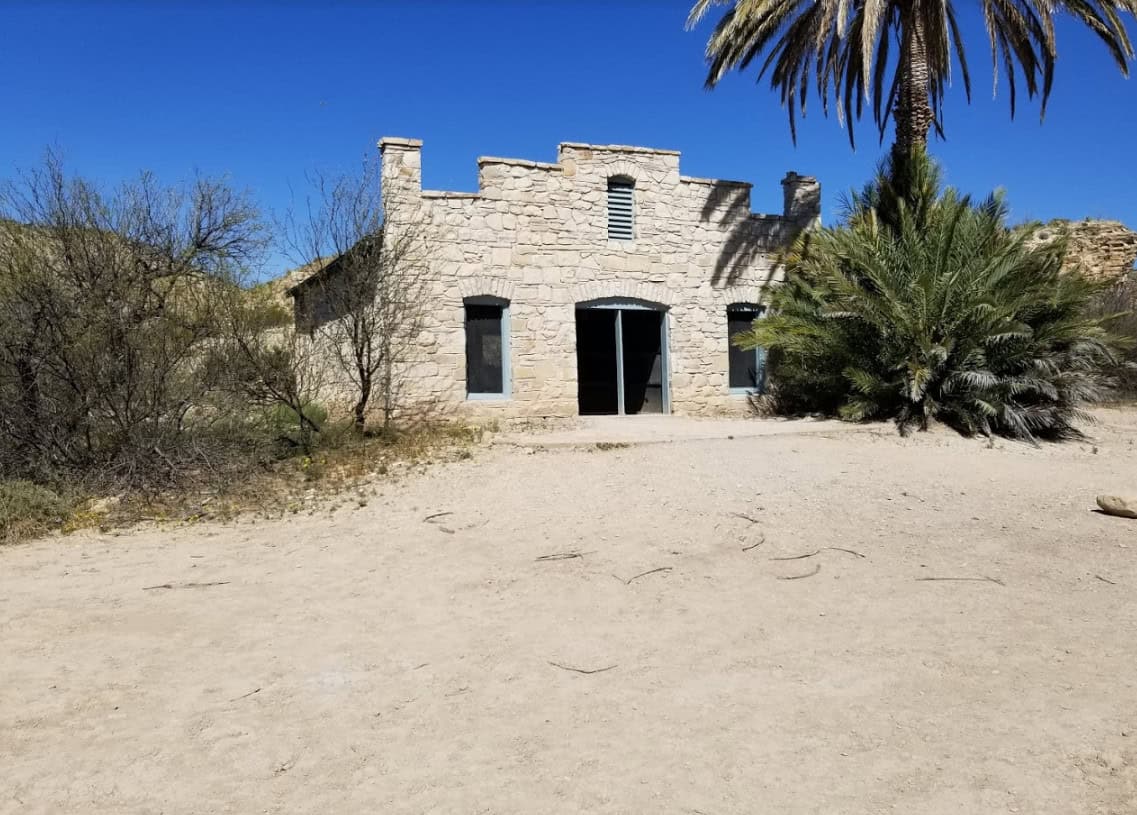
So the trail becomes a walk through a ghost of a resort. The old General Store and Post Office still stands near the trailhead, its stone shell open to the sky. You can trace the outlines of the motor court cabins where guests once slept.
Up on the bluff above the spring sat Langford’s own home, the family watching over their little empire of warm water. It is quiet up there now, just wind and the river below.
Interpretive signs fill in the gaps as you walk, so you piece the story together in the same order the desert reveals it. By the time you reach the pool, you understand exactly whose foundation you are sinking into.
I love that they left it this way. There is something honest about a place that shows its age instead of hiding it, that lets you fill in the rest with your own imagination.
What to Know Before You Soak
A few practical things, because the desert does not forgive the unprepared. This is soaking only. No soap, no oils, no shampoo in that water, ever. Keep it clean for the next person and for the minerals.
There is no drinking water at the trailhead, so carry your own, plenty of it, at least a liter per person per hour of activity. Salty snacks help you hold onto that water in the dry heat. Sunscreen and a hat are not optional out here.
Cell service is essentially nonexistent, which is part of the charm and part of the risk. Tell someone your plan before you go. Bring a swimsuit and a towel, and leave the alcohol, the litter, and any thought of camping at the pool behind.
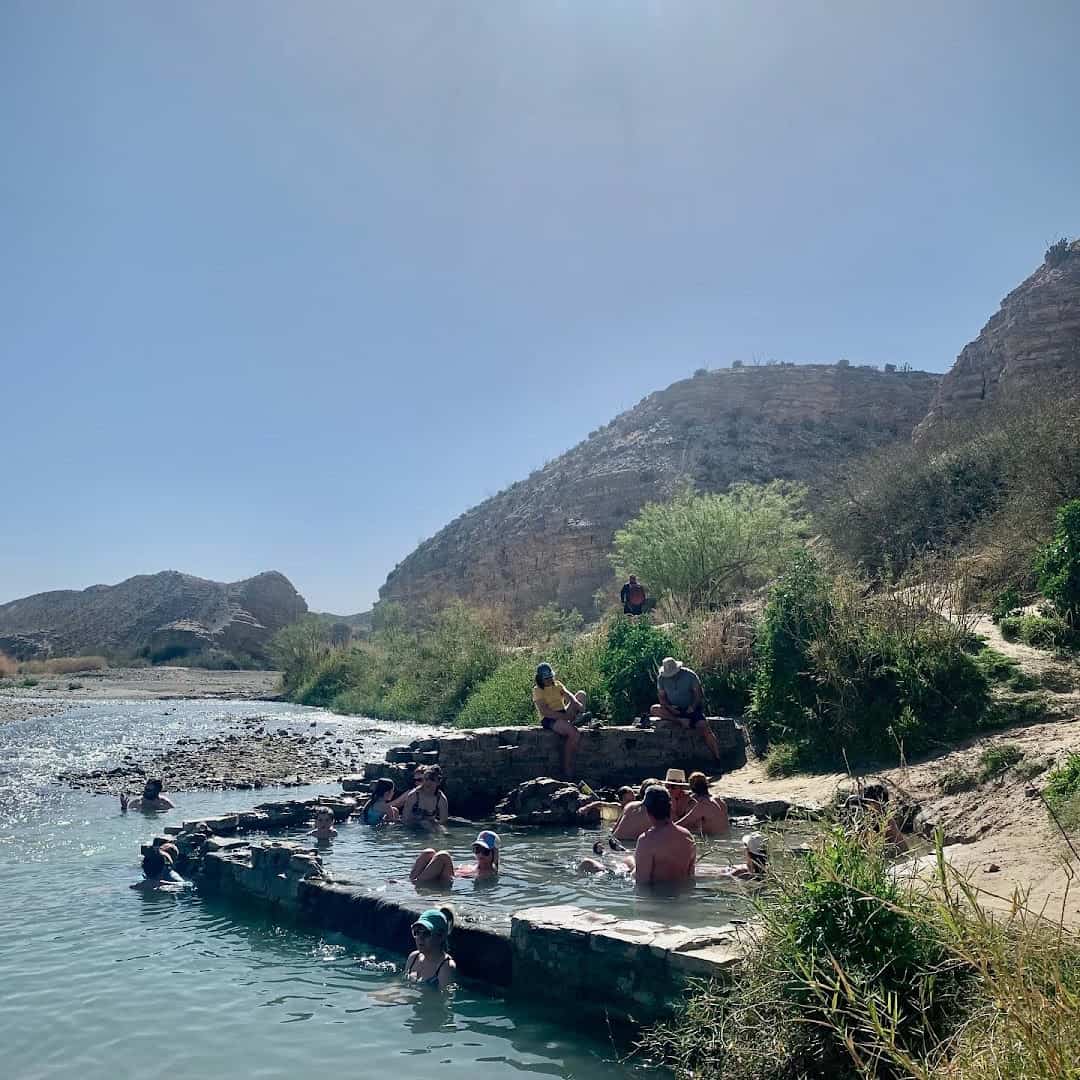
One more thing worth knowing: the Rio Grande occasionally floods, and when it rises it swallows the little pool entirely. The springs close until the water drops and the park clears them. Check conditions with the park before you drive out, especially after heavy rain.
How to Get There
The springs sit in the southeastern corner of Big Bend National Park. From the main park roads, you turn onto Hot Springs Road off Park Road 12 and follow about two miles of narrow gravel to the trailhead.
Be honest with yourself about that road. It is one lane in places, with steep drop-offs and tight turns, and it is not friendly to large RVs or trailers. Take it slow, and a regular car will manage in dry conditions.
The nearest town with supplies and a bed is Terlingua, roughly an hour’s drive away. A park entrance fee applies, around $30 per vehicle and good for a week, and the America the Beautiful annual pass gets you in.
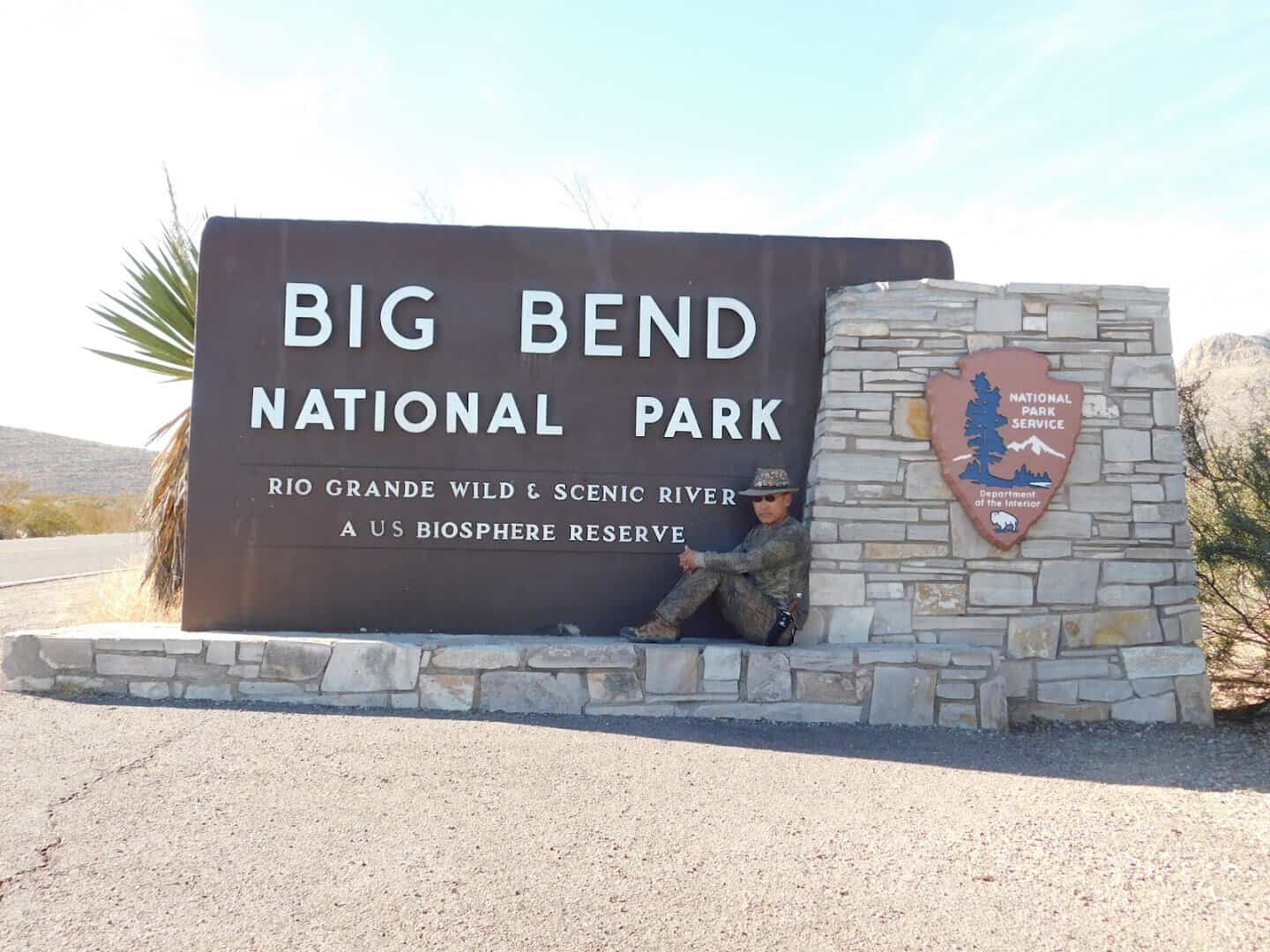
Where: Hot Springs Trailhead, Big Bend National Park, TX 79834
Go Soak Under a West Texas Sky
There are grander hikes in Big Bend, taller peaks and deeper canyons that ask more of your legs. But few of them end the way this one does, with warm water, an ancient river, and a foundation someone poured a century ago out of pure hope.
Pack your swimsuit, fill your water bottles, and point the car toward the far edge of Texas. Get there early, sink in slow, and let the desert do the rest.
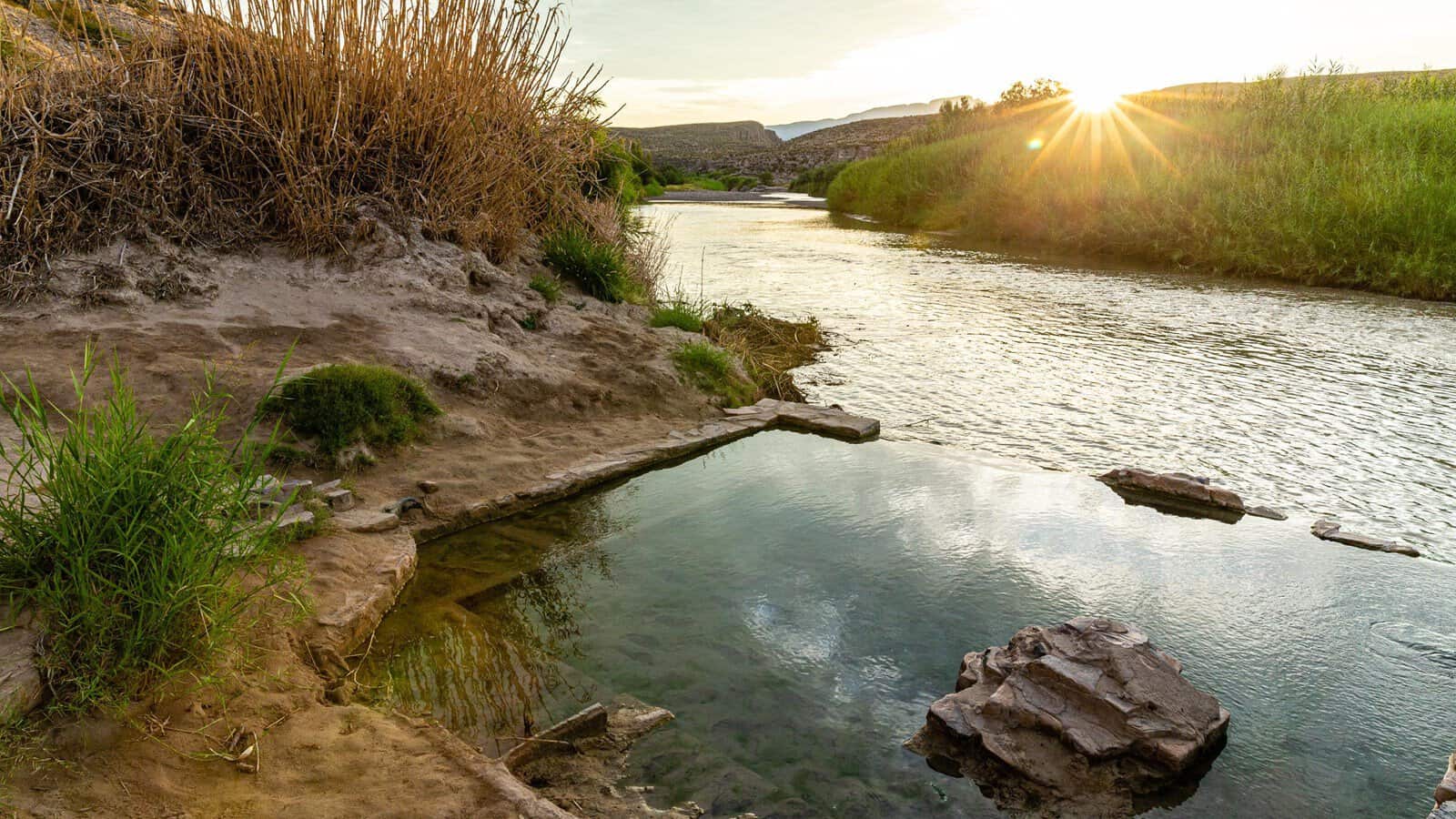
Give yourself the whole morning for it. Wander the ruins, find the pictographs, then earn your soak and watch the river drift by from the warmest seat in the park. You will make that sound too, I promise.
Featured image: Jacob Groz via Langford Hot Springs

Stella Raines
Editor-in-Chief
Stella brings over a decade of storytelling experience to TX Headlines. With roots in West Texas and a love for road trips, she leads the editorial team with an eye for the hidden stories that make Texas unforgettable.
More Stories
This Adventurous Texas Cavern Hides Glowing Blue Pools 180 Feet Underground
This Quiet North Texas Park Ends a Swaying Bridge at a 54-Foot Waterfall
This Crystal-Clear Texas Lake Is the Deepest in the State, and Its Water Is Clear Enough for 100-Foot Dives
This Thousand-Year-Old Texas Live Oak Has Outlasted Pirates, Hurricanes, and a Civil War Battle
Tags