This Charming Small Texas Town Guards the World’s Largest Pecan and the State’s Best Barbecue
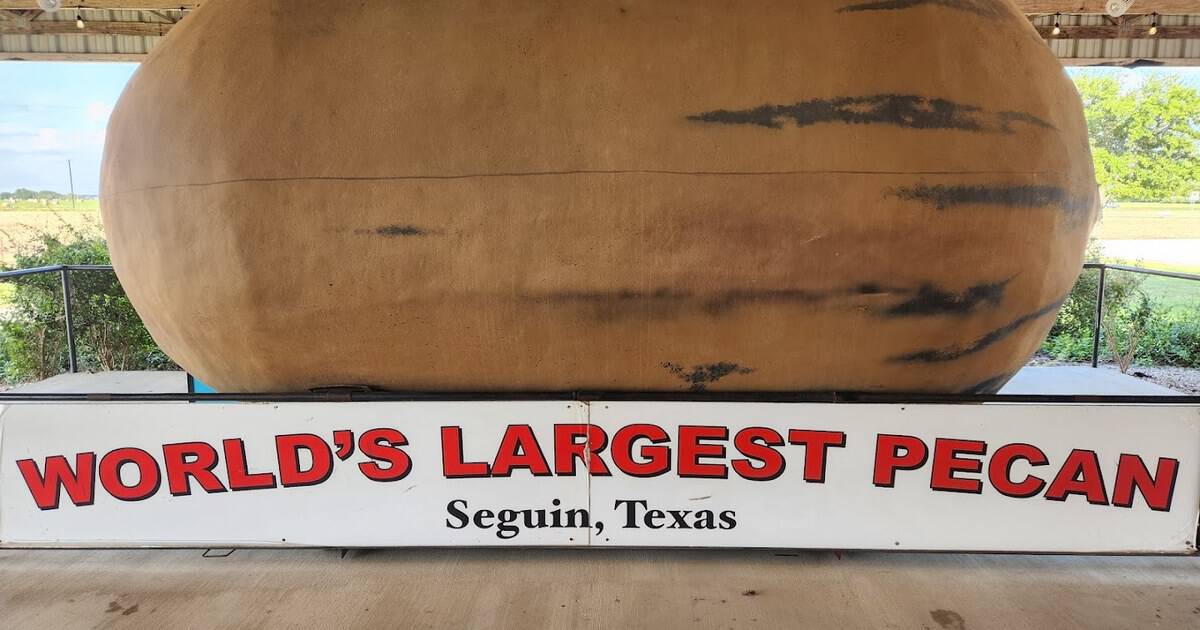
The first time I stood under the World’s Largest Pecan, I laughed out loud. It sat there on its little pedestal, a thousand pounds of painted concrete shaped like a nut, and a family beside me was taking turns posing next to it like it was a movie star.
A little boy asked his mom if it was real. She told him no, but the trees all around town were, and that was the whole point. He seemed perfectly satisfied by this answer, then ran off to touch the giant nut anyway.
Welcome to Seguin, a town about thirty miles east of San Antonio where the Guadalupe River curls through and the pecan trees have been showing off for centuries. This is small-town wonder at its most joyful.
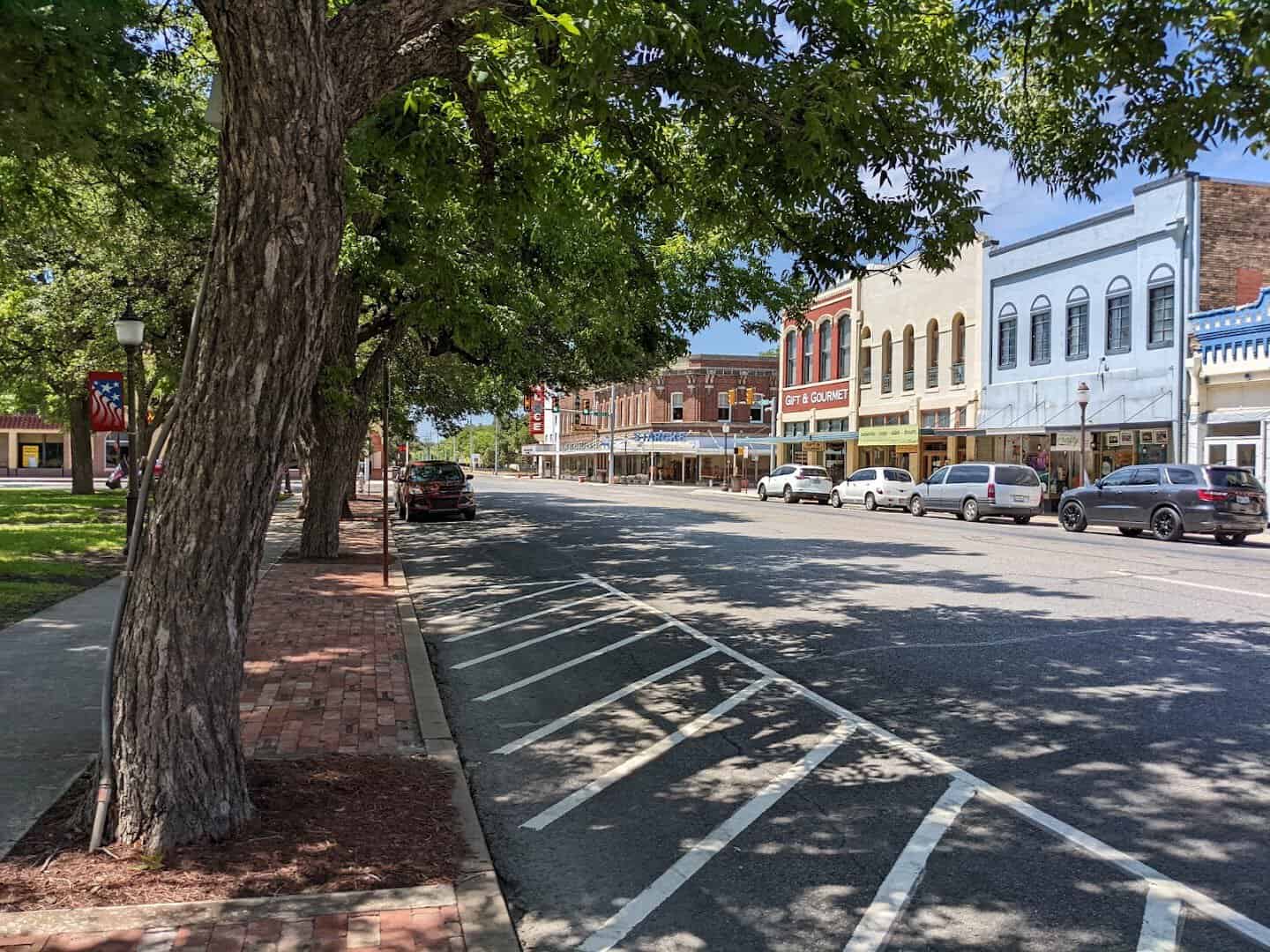
It is a place that leans all the way into its own quirks and dares you not to smile. Giant nuts, painted squirrels, a haunted old saloon, and world-class barbecue, all in one friendly little grid of streets.
Below, I’ll walk you through the giant nut, the ghost-friendly saloon, the barbecue that just got crowned the best in Texas, and the river that started it all.
A Nut Worth Bragging About
Here is the fun part. Seguin has claimed the World’s Largest Pecan since 1962, when a local dentist named Dr. Fritz Engel built a five-foot, thousand-pound concrete version and set it proudly beside the county courthouse.
He named it in honor of Cabeza de Vaca, the Spanish explorer who wandered through in the 1500s and called the Guadalupe “the river of nuts” for the pecan trees crowding its banks. The nickname stuck for good reason. This corner of Texas grows a serious amount of pecans.
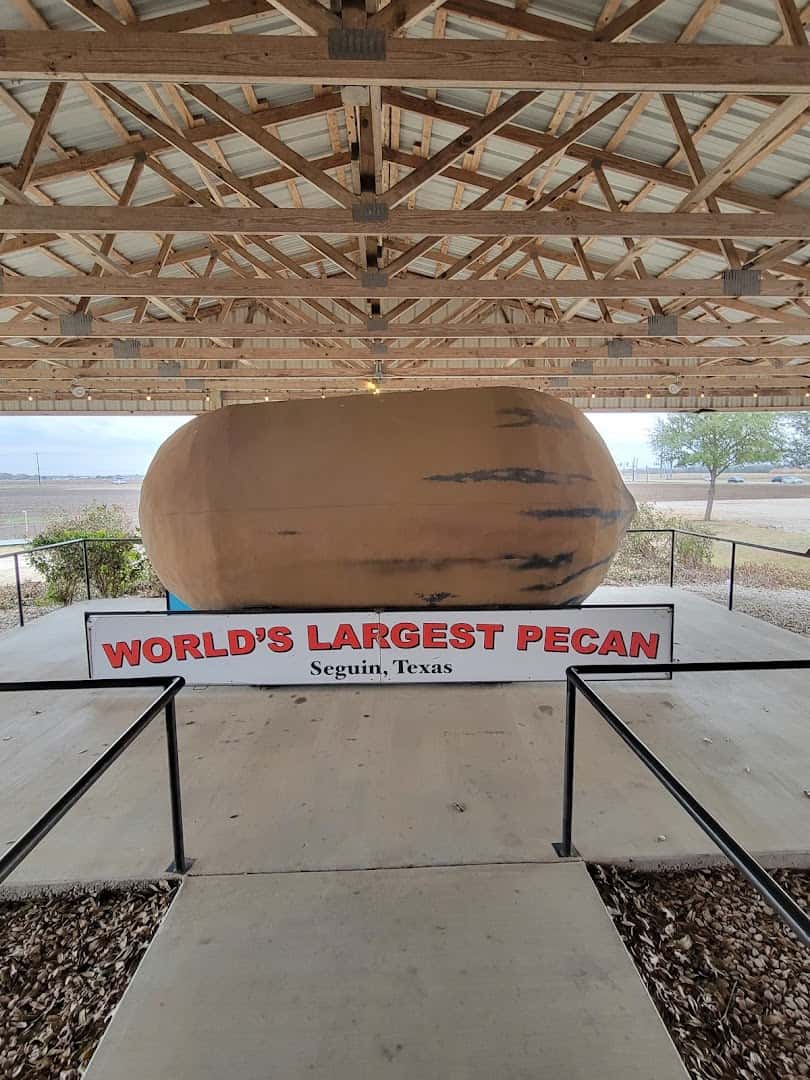
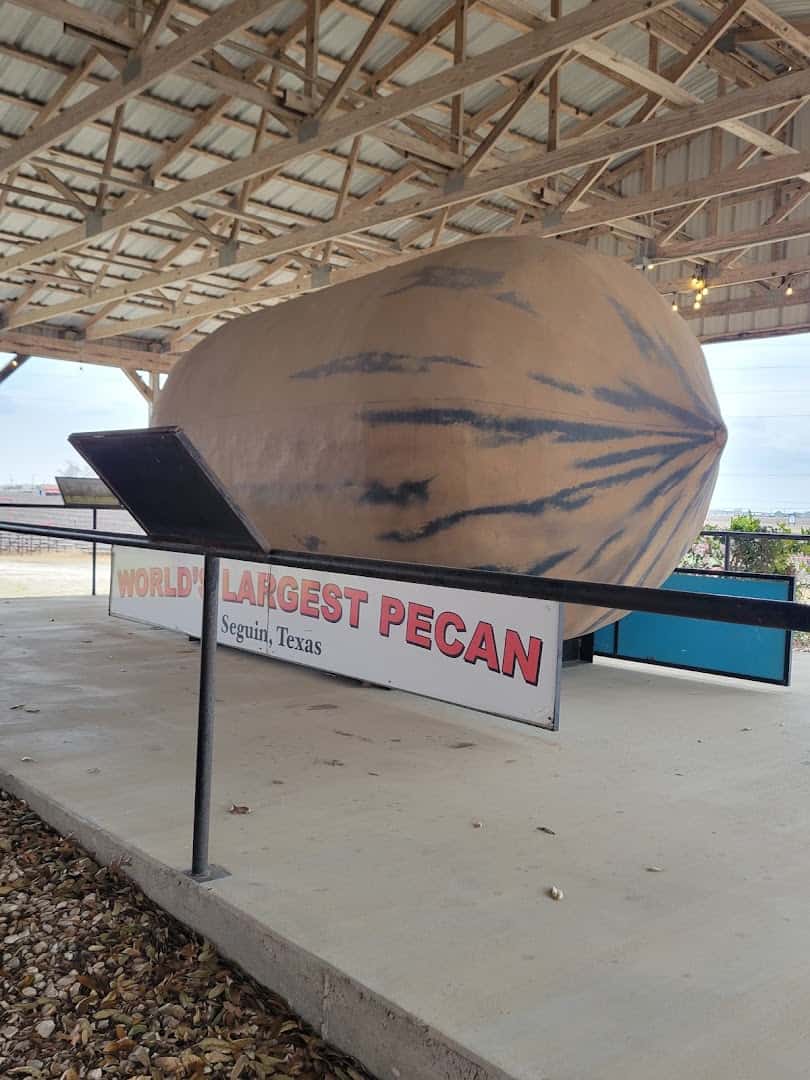
The town took the joke and ran with it. A newer fiberglass giant, sixteen feet long and eight feet tall, now sits at the Texas Agricultural Education and Heritage Center on the edge of town.
Local pecan man John Pape even built an eleven-foot version mounted on a trailer, so it can roll right through the holiday parade. When your town has three claims to the World’s Largest Pecan, you clearly love a good pecan.
Standing on the courthouse lawn, you get the whole spirit of the place in one glance. A stately old county courthouse, a giant concrete nut out front, and a steady trickle of travelers pulling over just to grin at it.
Did you know Texas actually named the pecan its official state tree back in 1919? Seguin simply decided to celebrate that fact harder than anyone else in the state.
The Mother of Concrete Cities
Long before the giant pecan, Seguin earned a stranger and grander title. Founded in 1838 as Walnut Springs by a band of volunteers called the Gonzales Rangers, the town was renamed six months later for Juan Seguin, the Tejano hero of the Texas Revolution.
Then something remarkable happened. In 1847, a local doctor and chemist named John Park perfected a limecrete recipe, pouring building walls from a mix of lime, gravel, and river sand instead of stacking brick or timber. He even patented the process.
The idea caught fire. Homes, churches, cisterns, and garden walls went up in the poured concrete, and by the mid-1800s Seguin held the largest concentration of early concrete buildings in the entire country.
Locals still call it the Mother of Concrete Cities, and roughly twenty of those original structures are standing today. Not bad for a recipe a country doctor mixed up in his own backyard.
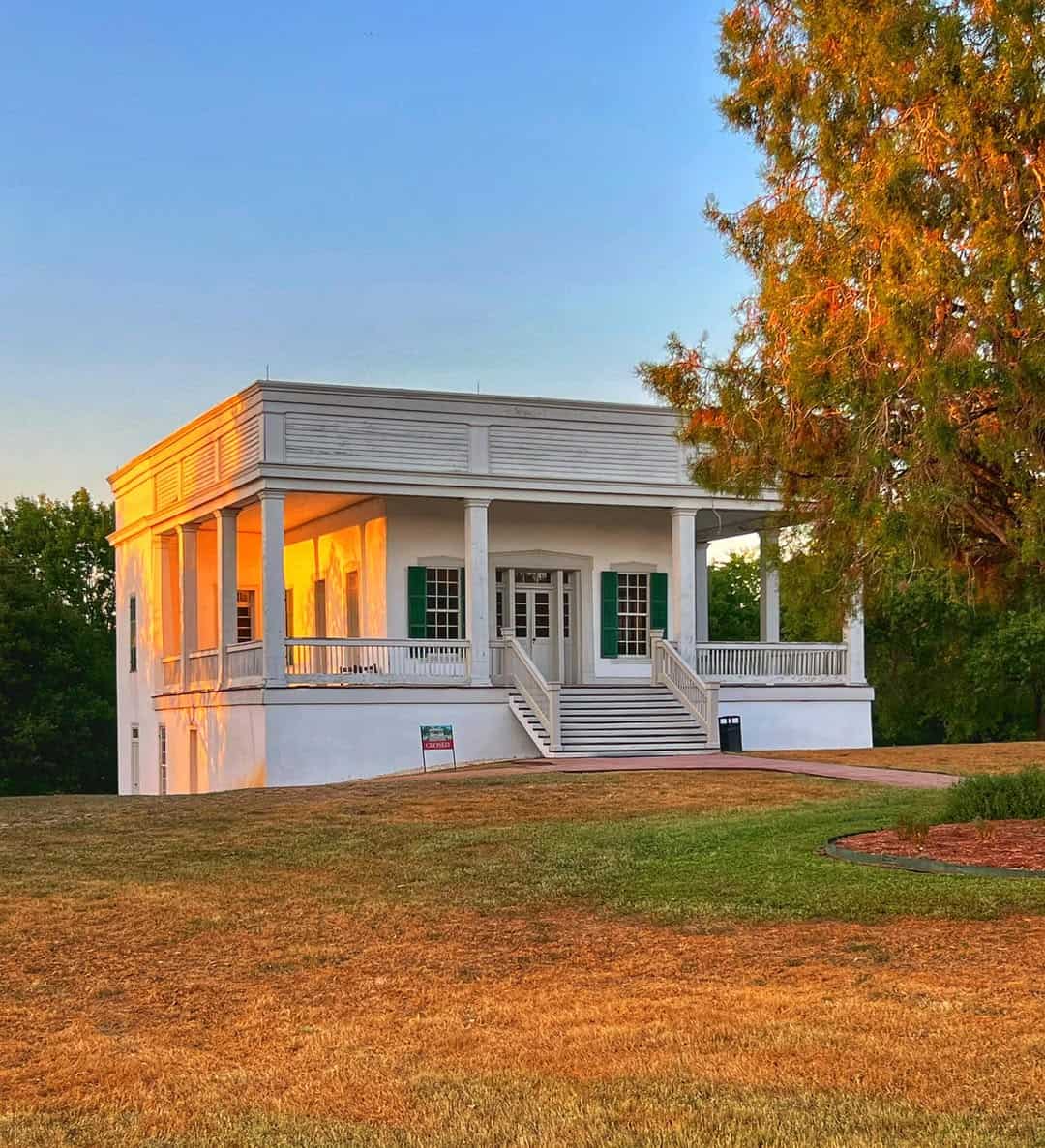
The crown jewel is Sebastopol House, a graceful limecrete home built between 1854 and 1856 by Joshua Young for his sister, Catherine LeGette. It is now a state historic site, and stepping inside feels like touching the exact moment a small frontier town decided to build something to last.
I love that a place best known for a giant nut is also quietly one of the most historically important little towns in Texas. Take the tour, run your hand along a wall poured before the Civil War, and you feel it.
The Saloon That Never Quite Emptied Out
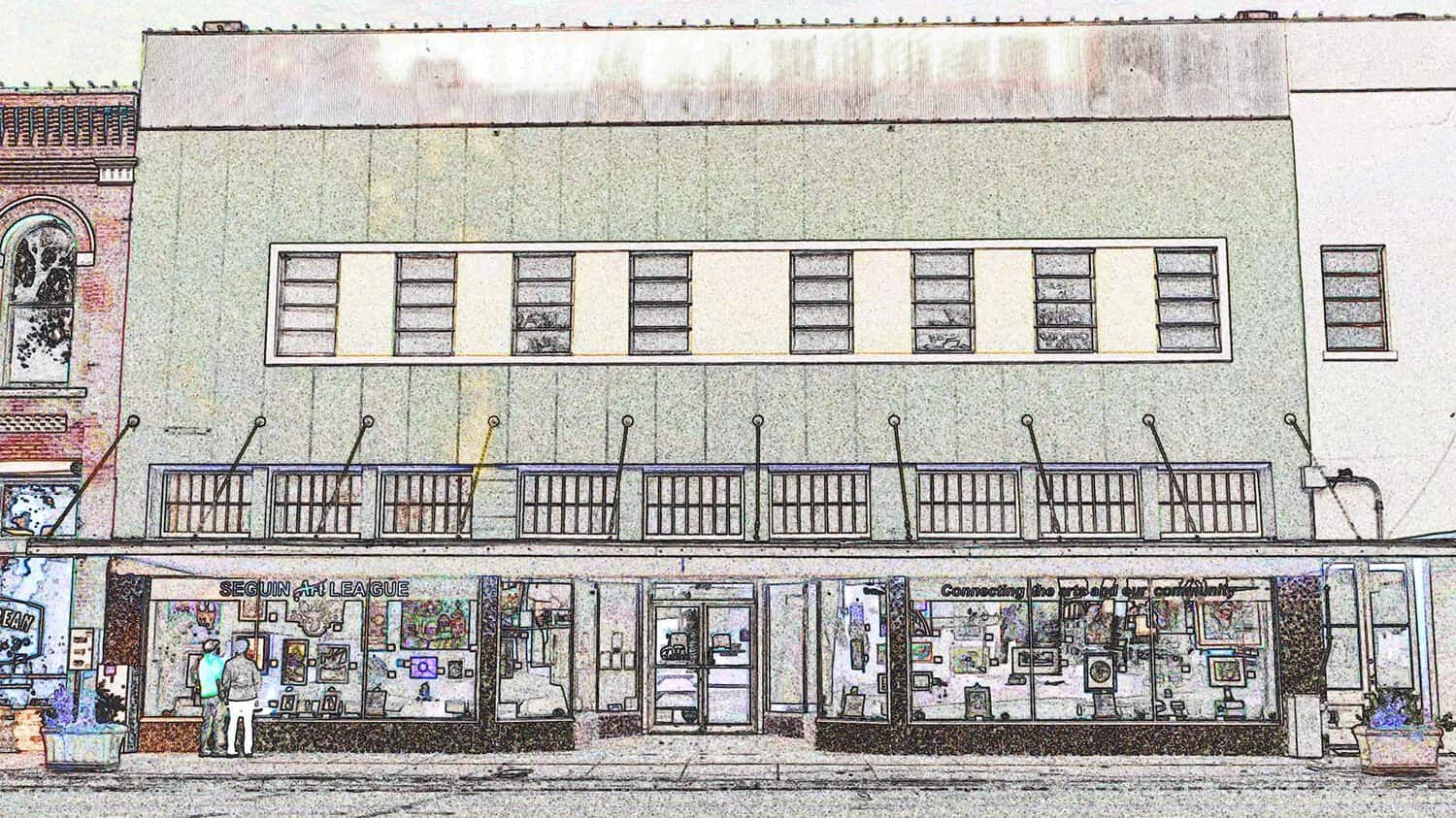
If you like a little history with your goosebumps, meet the Magnolia Hotel. It started in 1840 as a humble two-room log cabin built by Texas Ranger James Campbell, one of the town’s founders.
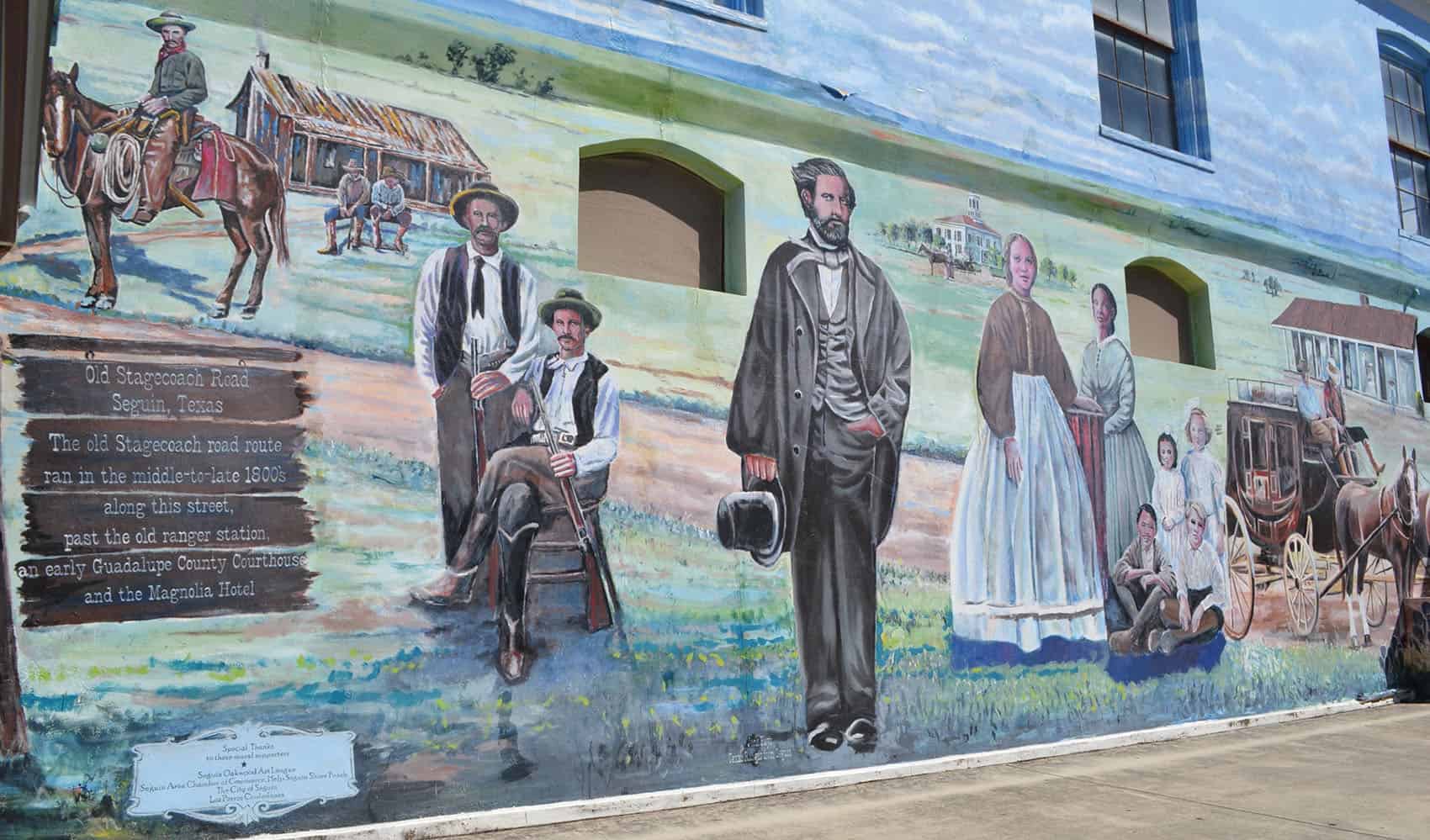
Within a few years it grew into Seguin’s first frontier hotel, a bustling stop that packed a stagecoach station, a saloon, and a restaurant under one roof. Legendary Texas Ranger captain Jack Hays got married here in 1847, back when this was the liveliest corner in town.
These days the beautifully restored Magnolia is a bed and breakfast famous for its ghost stories, and the owners lean into the fun with lantern-lit tours that spin tall tales of the old saloon days. It is playful, not scary, more Wild West campfire story than horror movie.
Pro tip: even with just an afternoon to spare, the daytime history tour is a charming way to hear how a rough-and-tumble stagecoach saloon became one of the most beloved buildings in town. Kids and grandparents both eat it up.
Wandering the Downtown Square
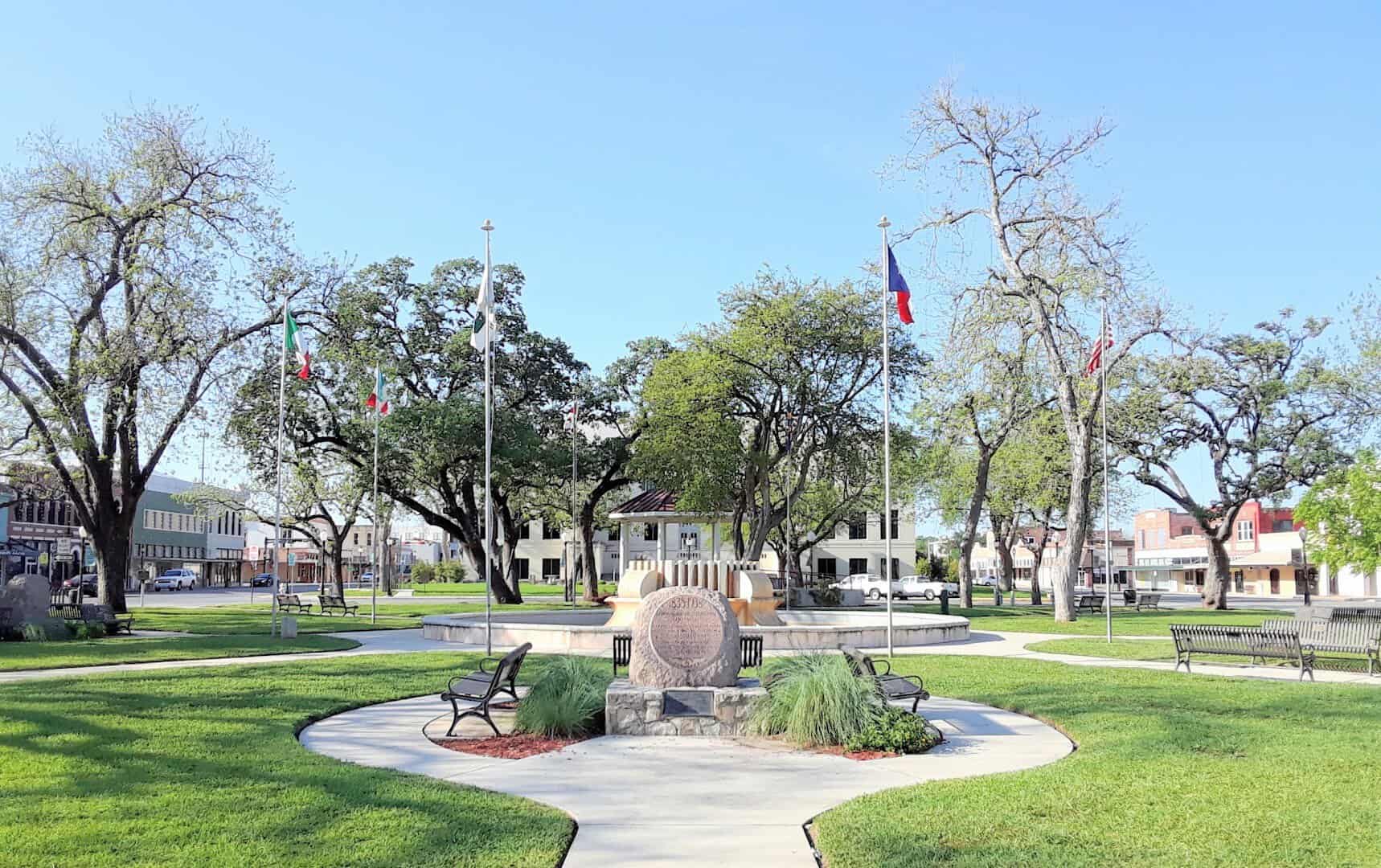
The best way to see Seguin is on foot, and downtown makes it easy. The courthouse anchors a walkable square lined with old storefronts, coffee shops, boutiques, and the kind of local businesses that actually know their regulars by name.
You can spend a slow morning drifting from window to window, poking into an antique shop, then settling onto a bench with a coffee to watch the small-town world go by. There is no rush here, and honestly that is half the appeal.
Tucked among the shops you will spot historic markers on building after building. This is one of those rare downtowns where the pretty old facades are not a recreation. They are the real thing, some of them poured from that famous limecrete more than 150 years ago.
Grab a coffee, wander the storefronts, and let yourself get pleasantly lost. Half the fun of Seguin is simply strolling a downtown that still feels like a real small town.
Barbecue Worth Driving For
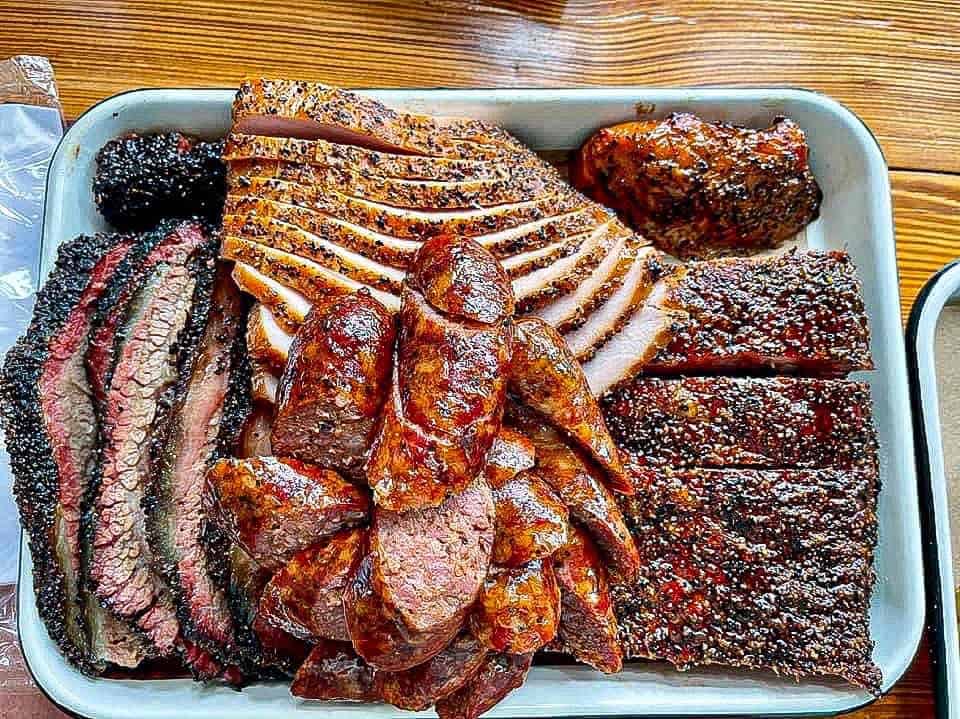
Now for the part I think about on the drive home. In a converted old building on South Austin Street, two competition pitmasters named Ernest Servantes and David Kirkland opened Burnt Bean Co. and quietly started smoking some of the finest brisket in Texas.
The smell hits you in the parking lot, that deep post-oak sweetness that tells you good things are happening inside. The brisket is tender and glossy, the ribs pull clean, and the sausage snaps the way great sausage should.
These two were not new to smoke. Servantes spent years as a corporate chef, including a stint running the kitchen at Texas Lutheran University right here in town, and both men racked up barbecue competition wins before joining forces around 2020.
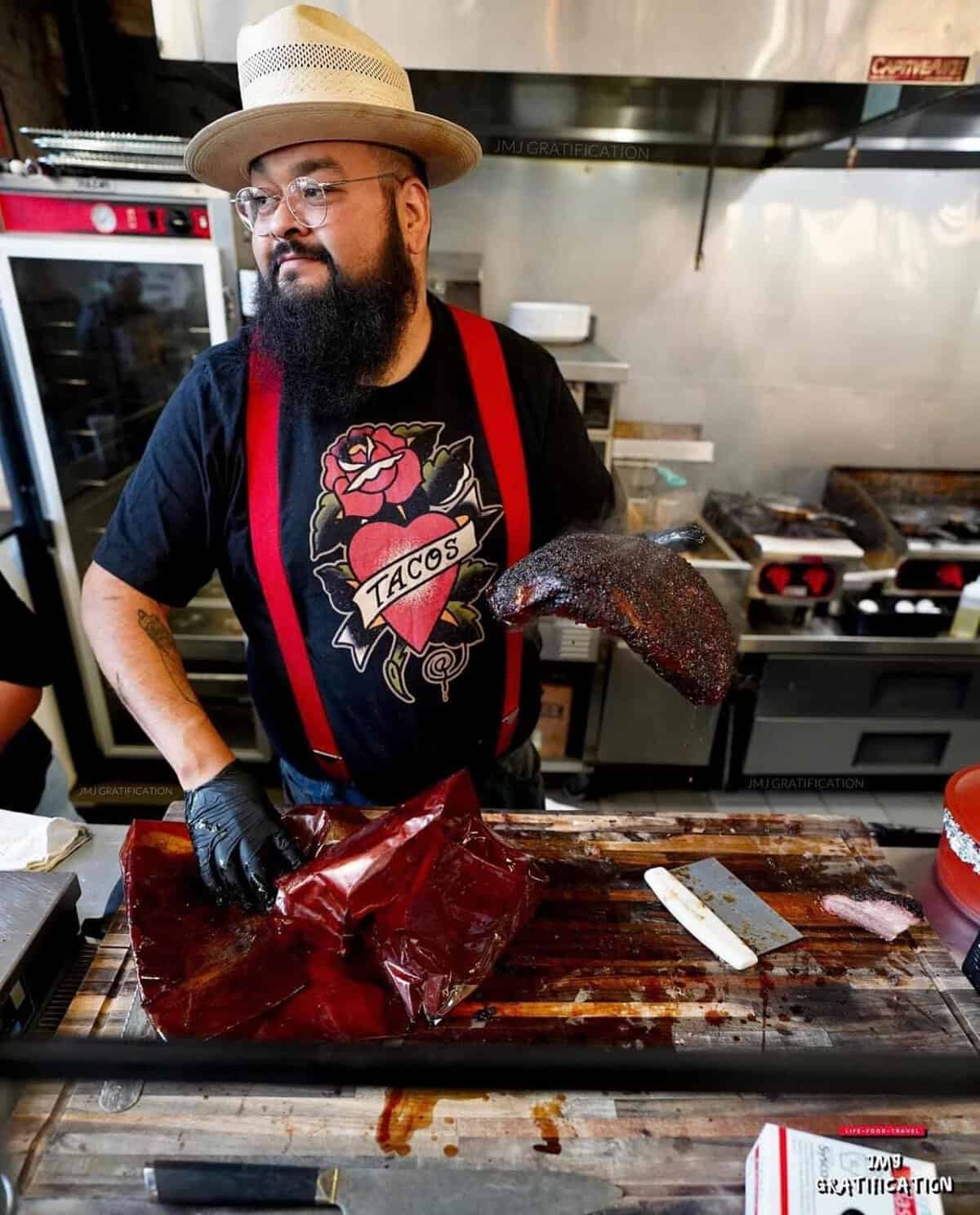
The rest of the world caught on fast. Texas Monthly crowned Burnt Bean the number one barbecue joint in the whole state on its 2025 Top 50 list, the Michelin Guide handed it a Bib Gourmand, and the founders earned James Beard Award recognition along the way.
Save room for the sides, too. The smoked beans that gave the place its name are worth the trip on their own, and the mac and cheese has its own loyal following around town.
My advice is simple. Get there early, because the best cuts sell out, and order the brisket and those famous beans. Then sit outside, lick your fingers, and understand why people drive an hour just for lunch.
The River of Nuts
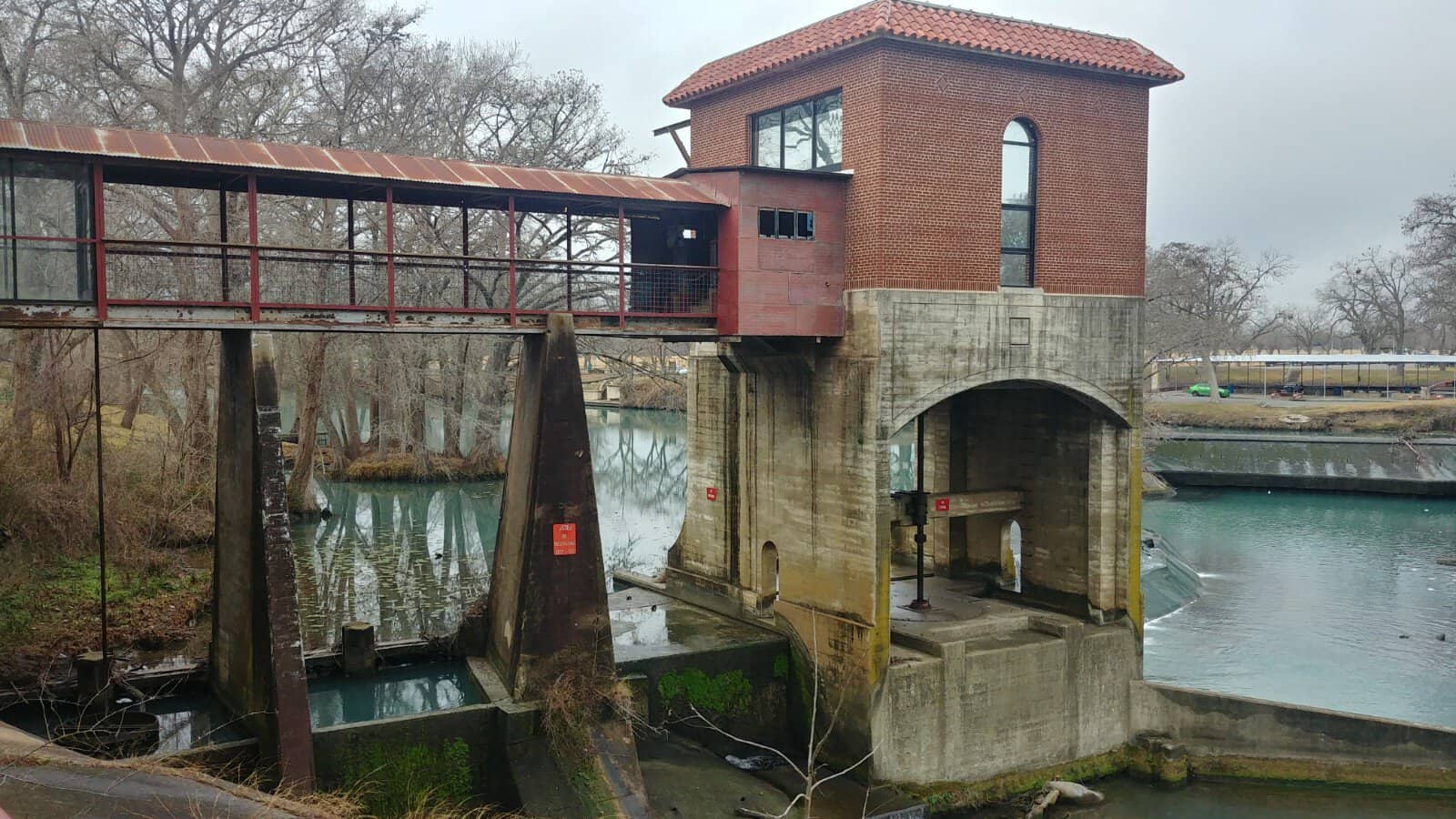
Everything in Seguin comes back to the Guadalupe. The same green, spring-fed river that gave the pecans their water is still the heart of a warm-weather afternoon here.
The center of it all is Max Starcke Park, a sprawling 227 acres hugging the riverbank. You can grab a tube and float a lazy stretch of the Guadalupe, cool off in the wave pool, cast a line, or play the 18-hole golf course tucked under the shade trees.
There is a paddling trail for kayakers, a walking path for slower mornings, and enough grassy space for a picnic that stretches into the evening. On a hot Texas day, few things beat drifting down that cool water with the pecan trees leaning overhead.
The first time I floated this stretch, I remember thinking how green everything was, cypress roots dipping into the water and turtles sunning on the rocks. It is the kind of easy, unhurried river a family can enjoy together all afternoon.
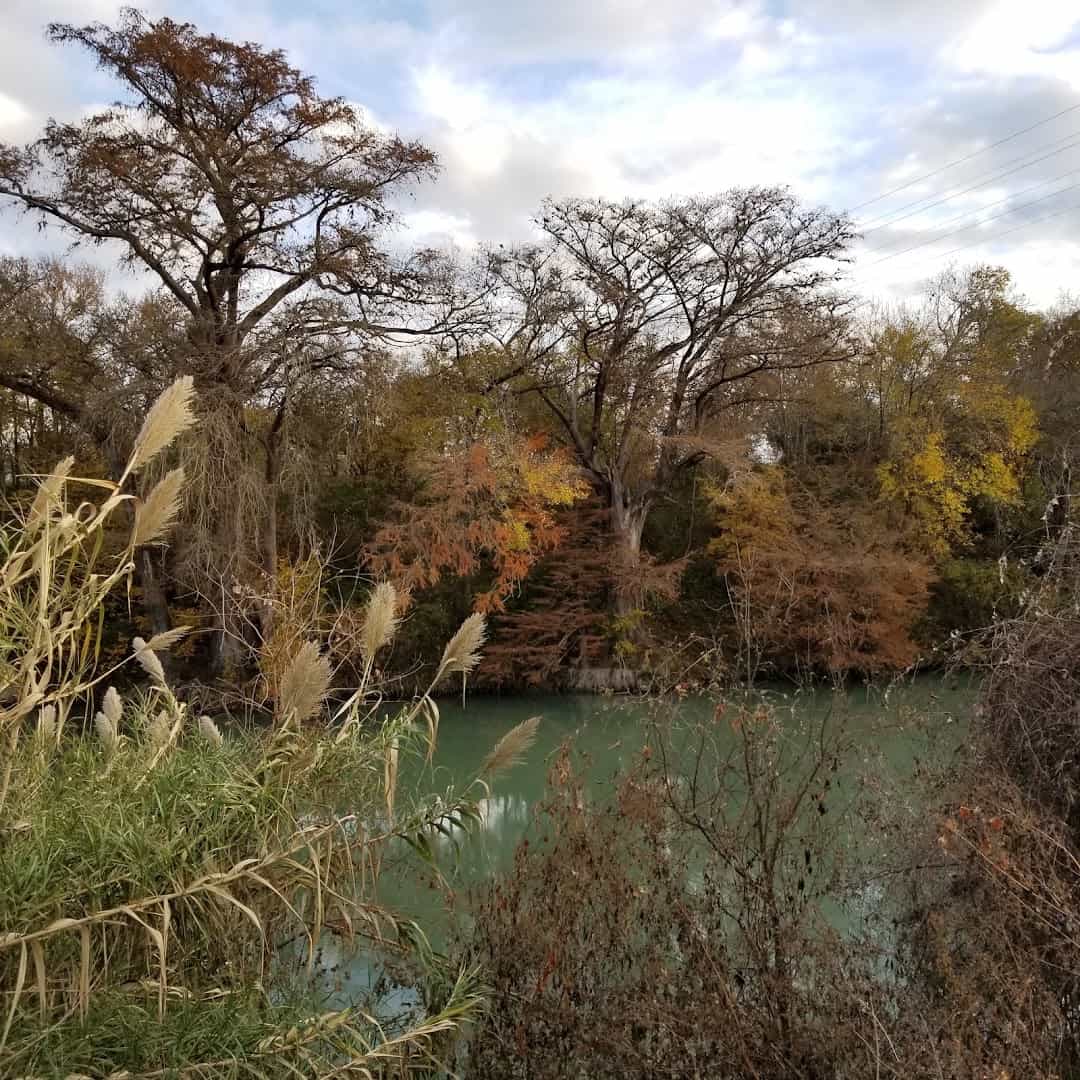
When you climb out, damp and happy, you understand exactly why settlers looked at this bend in the river and decided to stay. The water made the town, and it is still where the town comes to play.
Sweet Souvenirs and Painted Squirrels
You cannot leave the River of Nuts without taking a little of it home. Local shops still sell Texas pecans by the bag, fresh, roasted, and glazed, and it is exactly the kind of souvenir that actually gets eaten before you reach the highway.
Save a stop for something sweet, too. Downtown bakeries and cafes turn out pralines, cookies, and pretty little pastries, the perfect reward after a morning of chasing giant nuts and old ghost stories.
And keep your eyes open as you go. Scattered across town are dozens of brightly painted fiberglass squirrels, part of the Seguin Squirrel Trail, each one dressed up by a different local artist and tucked outside shops or along the trails.
Hunting them down turns a simple stroll into a scavenger hunt. Between the squirrels, the giant nuts, and the ghost tours, Seguin never pretends to be anything but happily, proudly one of a kind. That is exactly why it is so easy to love.
How to Get There
Seguin sits right off Interstate 10, about thirty minutes east of San Antonio and an easy day trip from Austin. Park downtown and most of the good stuff is within a short walk.
Where: Seguin, TX 78155. The World’s Largest Pecan sits near the Guadalupe County Courthouse at 101 E Court St. Burnt Bean Co. is at 108 S Austin St. Max Starcke Park runs along the river at 900 W Kingsbury St.
Start Planning Your Trip to the River of Nuts
Seguin is the kind of place that reminds you small towns still have big personalities. You can pose with a giant pecan, chase painted squirrels, tour a haunted old saloon, and eat the best barbecue in Texas, all before floating the river at sunset.
So point the car east, bring your appetite, and let a nutty little town on the Guadalupe show you exactly what small-town Texas charm feels like. Just try not to fill up on brisket before you find every last squirrel.
Featured image: Rob Meyer via World’s Largest Pecan

Stella Raines
Editor-in-Chief
Stella brings over a decade of storytelling experience to TX Headlines. With roots in West Texas and a love for road trips, she leads the editorial team with an eye for the hidden stories that make Texas unforgettable.
More Stories

This Tiny Texas Town Hides a Hand-Painted Church Locals Call the Queen
This Small Texas Town Is the Official Bluebonnet City, and Every Spring 40 Miles of Wildflower Trails Bloom Around It
This Quiet Texas Coast Town Is a Working Fishing Village Where the Shrimp Comes Straight Off the Boat
This Tiny Texas Town on Route 66 Is a Neon-Lit Time Capsule of Roadside Americana
Tags