This Small Texas Town Is the Official Bluebonnet City, and Every Spring 40 Miles of Wildflower Trails Bloom Around It
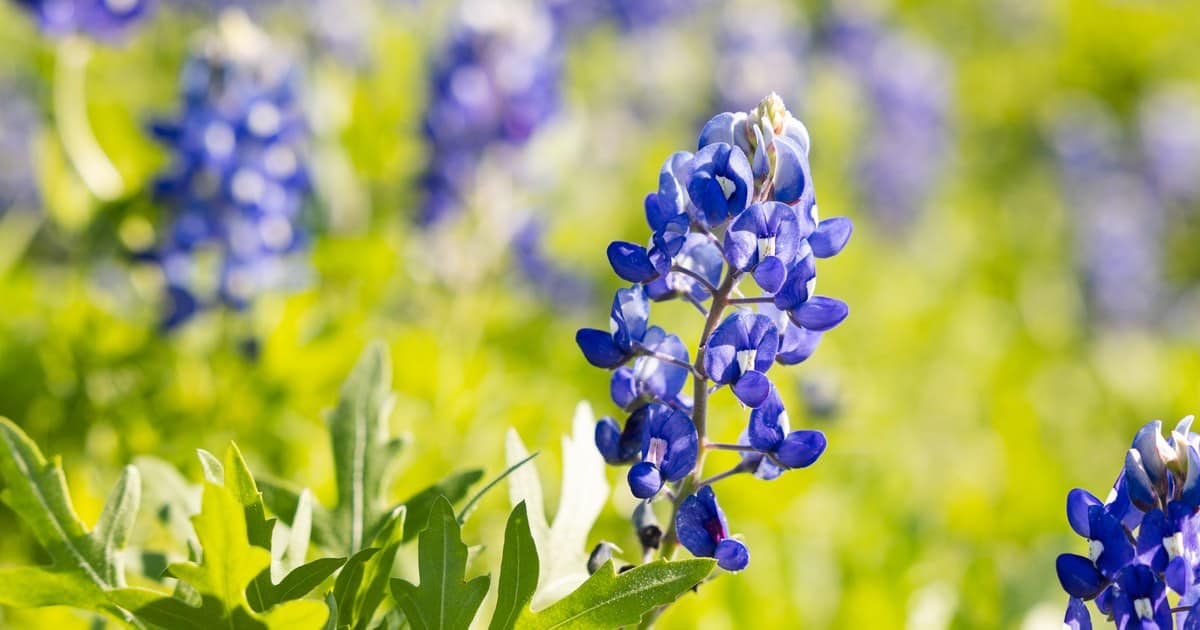
The first time I pulled onto a country road and saw a whole field gone blue, I actually gasped out loud in an empty car. It was late April, and the low light was going gold across the pasture.
The shoulder was already lined with families crouched low among the flowers, phones out, toddlers in sun hats parked gently between the blooms. Everyone had the same look on their face, the one you get when a place is even prettier than the pictures promised.
I parked crooked, half in the grass, and just stood there for a minute. Bluebonnets do that to Texans. They are our state flower, and every spring they turn ordinary ditches and pastures into something that looks painted.
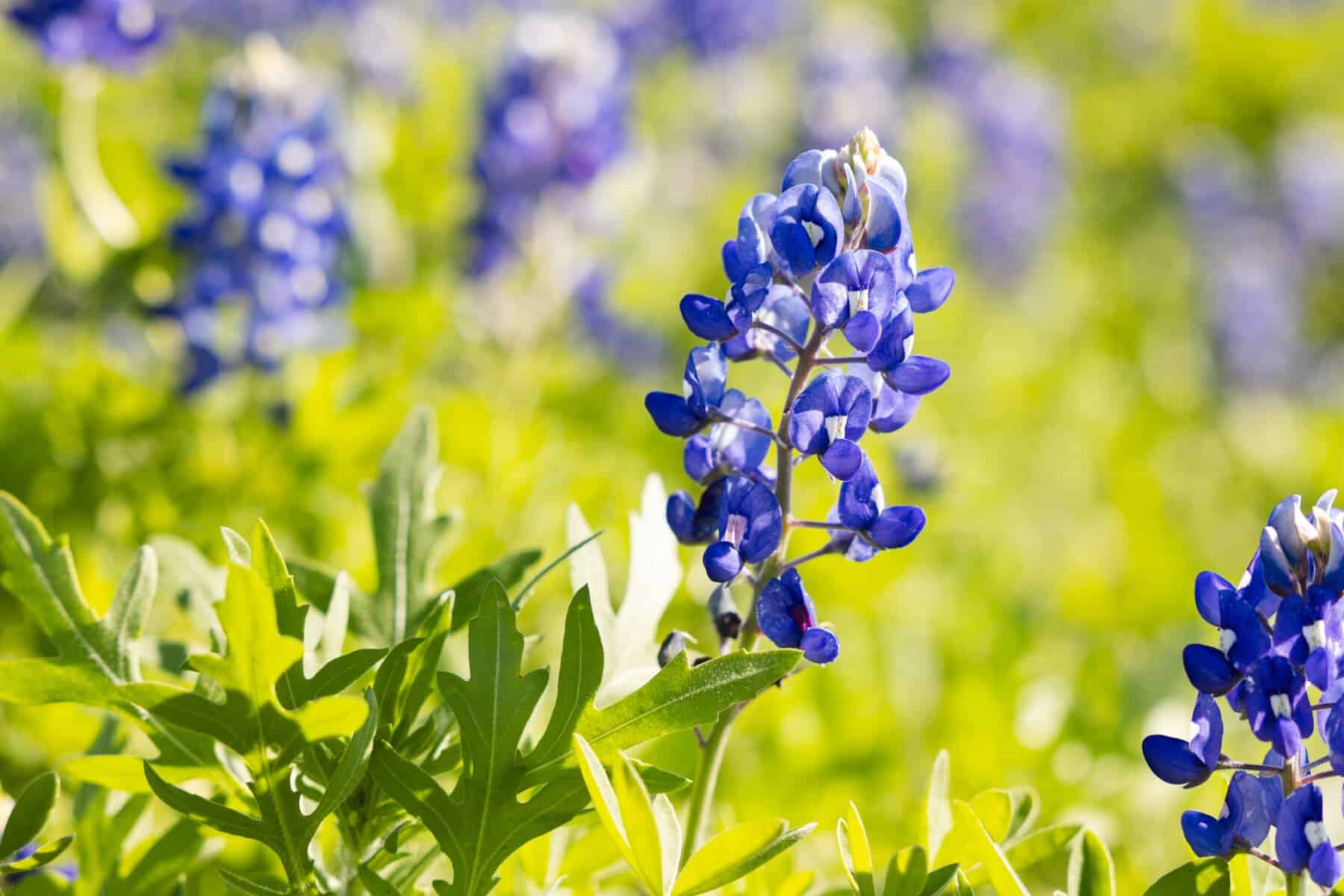
Up close, a single bluebonnet is a small tower of blue petals capped in white, and a whole field of them smells faintly sweet and grassy, like warm hay. Orange Indian paintbrush usually mixes in, so the blue is threaded with little licks of red.
That road was in Ennis, a small town in Ellis County about forty minutes south of Dallas. It turns out I had stumbled into the closest thing Texas has to a wildflower capital, and it earns the name honestly every single spring.
Here’s why one modest railroad town became the official home of the bluebonnet, how the fields got so reliable, and how to plan a whole spring day around them without missing the best blooms.
Forty Miles of Blue, Mapped Just for You
Ennis does not leave the flowers to chance. Every April, the town publishes over forty miles of mapped driving routes called the Bluebonnet Trails, and they wind through the countryside past pasture after pasture of blue.
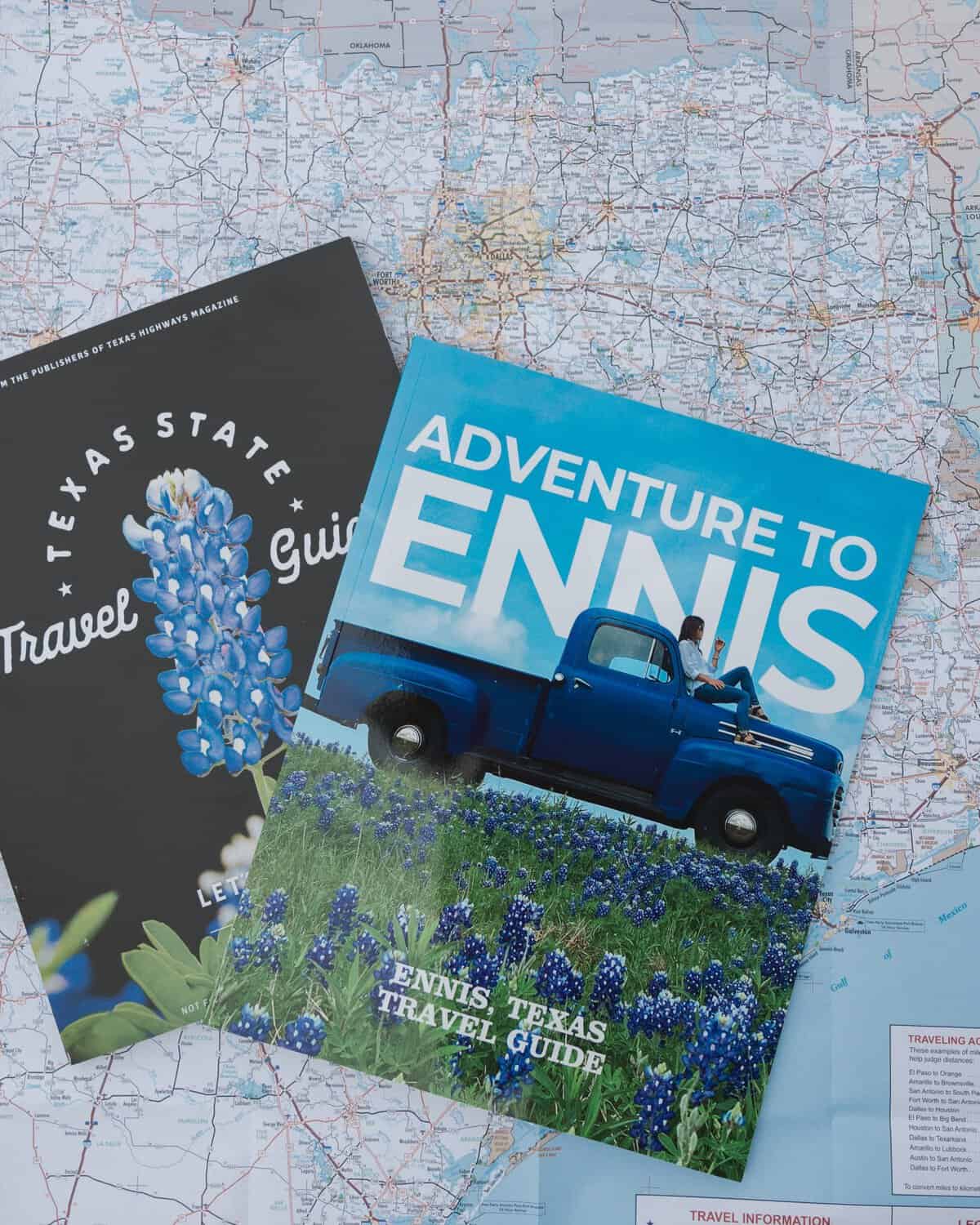
You do not hike these. You drive them, slow, with the windows down. Pull over where a field opens up, wander a few careful steps in, and let the next carful of people find their own patch down the road. It is the most relaxed sightseeing in Texas.
The trails run the full month, April 1 through April 30, and the best blooms usually land around the third week of April. Weather moves that target every year, which is exactly why the mapping matters so much.
Here is the part I love. Members of the Ennis Garden Club actually drive the trails every week during April, check where the flowers are thickest, and report back to the Welcome Center. So the map you pick up is not last year’s guess. It is this week’s blooms.
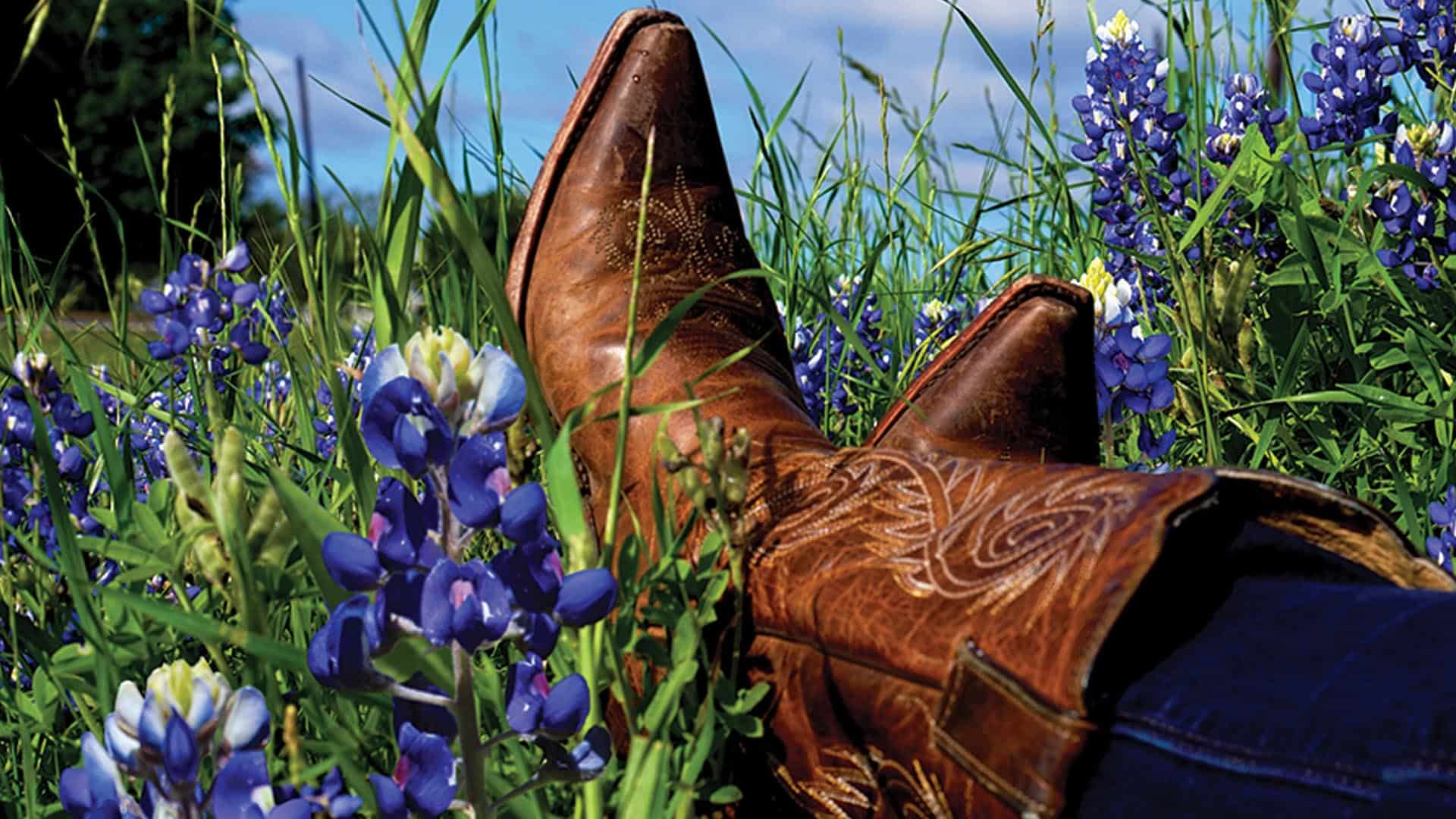
Give yourself a couple of hours for the loop, longer if you keep stopping, and you will. The trails run through gentle farm country, all low rolling hills and old fence lines, and the fields sneak up on you around bends where you least expect them.
The Roads Where the Fields Get Loud
Regulars have their favorite roads, and after a few visits you will too. Sugar Ridge Road, Andrews Road, Slate Rock Road, Stacks Road, and Union Hill Road come up again and again as the ones where the blue goes on and on.
Out near the Sugar Ridge area on the North Trail, there is a wide field that is not fenced or posted, so you can walk right in and stand waist-deep in wildflowers. It is the shot everyone drives home with.
Then there is my favorite surprise. Along Sugar Ridge Road, not far from the winery, a couple of big Belgian draft horses lean over the fence beside a bin of oats set out for visitors. My niece fed them a handful and talked about those horses the whole ride home.
That is the thing about the Ennis trails. You come for the flowers and you leave with a fistful of small, silly memories: the horses, a hawk over a field, a stranger who waved you toward the best patch just up the road.
Pro tip: go on a weekday morning if you can. The light is soft, the roads are quiet, and you will have whole fields nearly to yourself instead of sharing the shoulder with a hundred other cars.
A Whole Festival Built Around a Flower
One weekend every April, downtown Ennis throws the Bluebonnet Trails Festival, and it is a genuine small-town party. In 2026 it lands April 17 through 19, spread across the historic downtown streets.
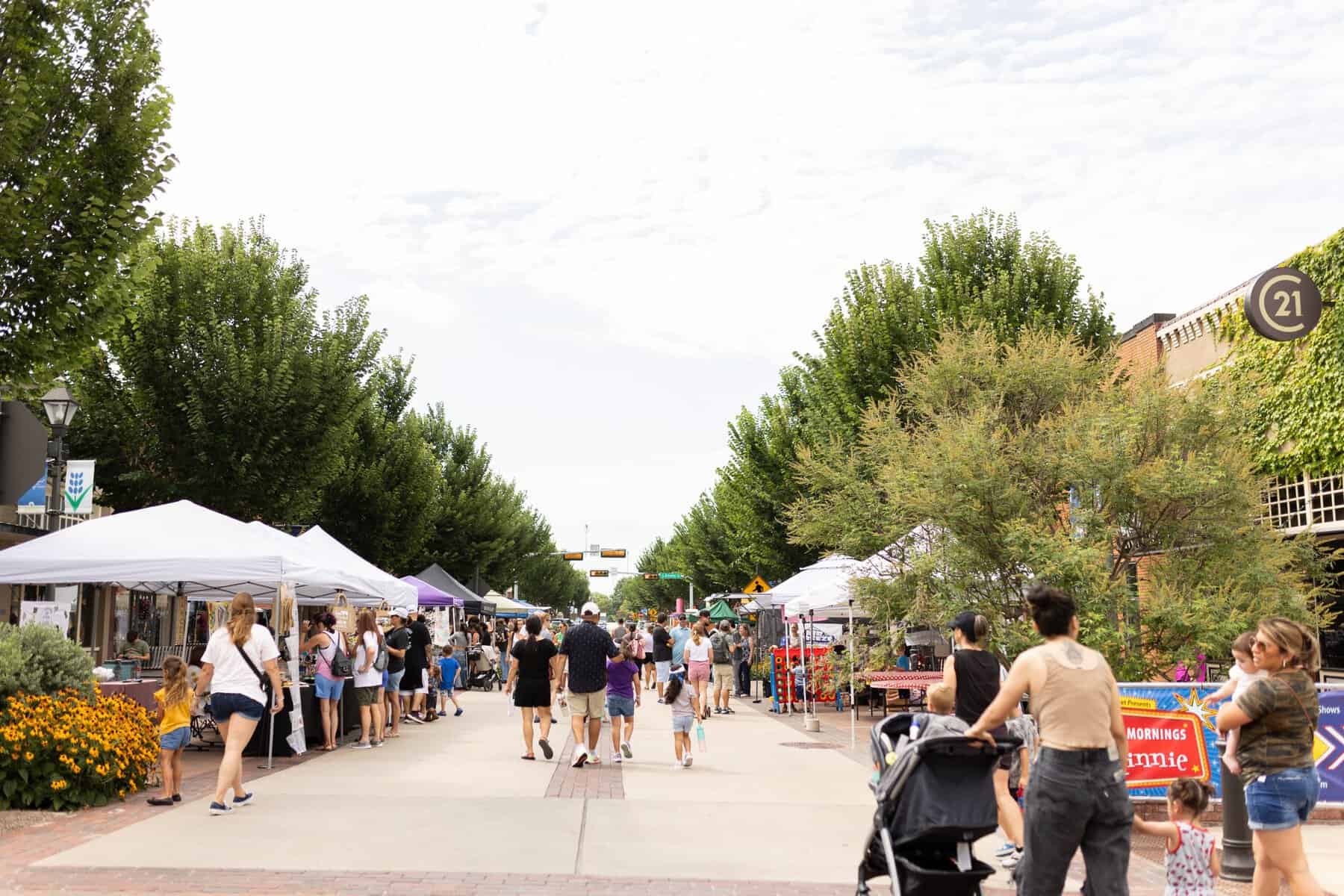
Admission is free, and children twelve and under get in free too, so a whole family can wander the festival for the cost of a funnel cake. There is a small carnival with a carousel, a Ferris wheel, and a flying-elephant ride for the little ones.
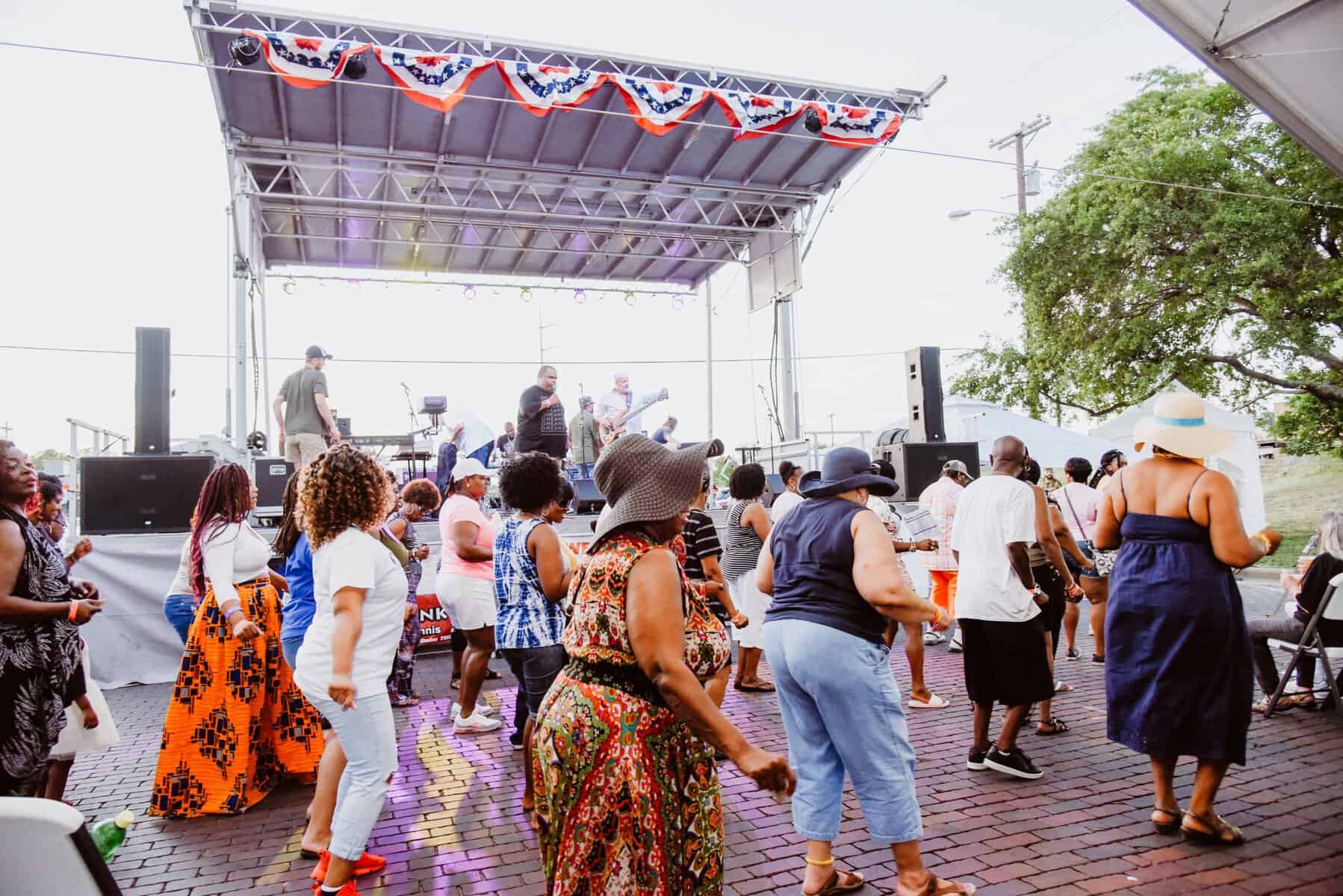
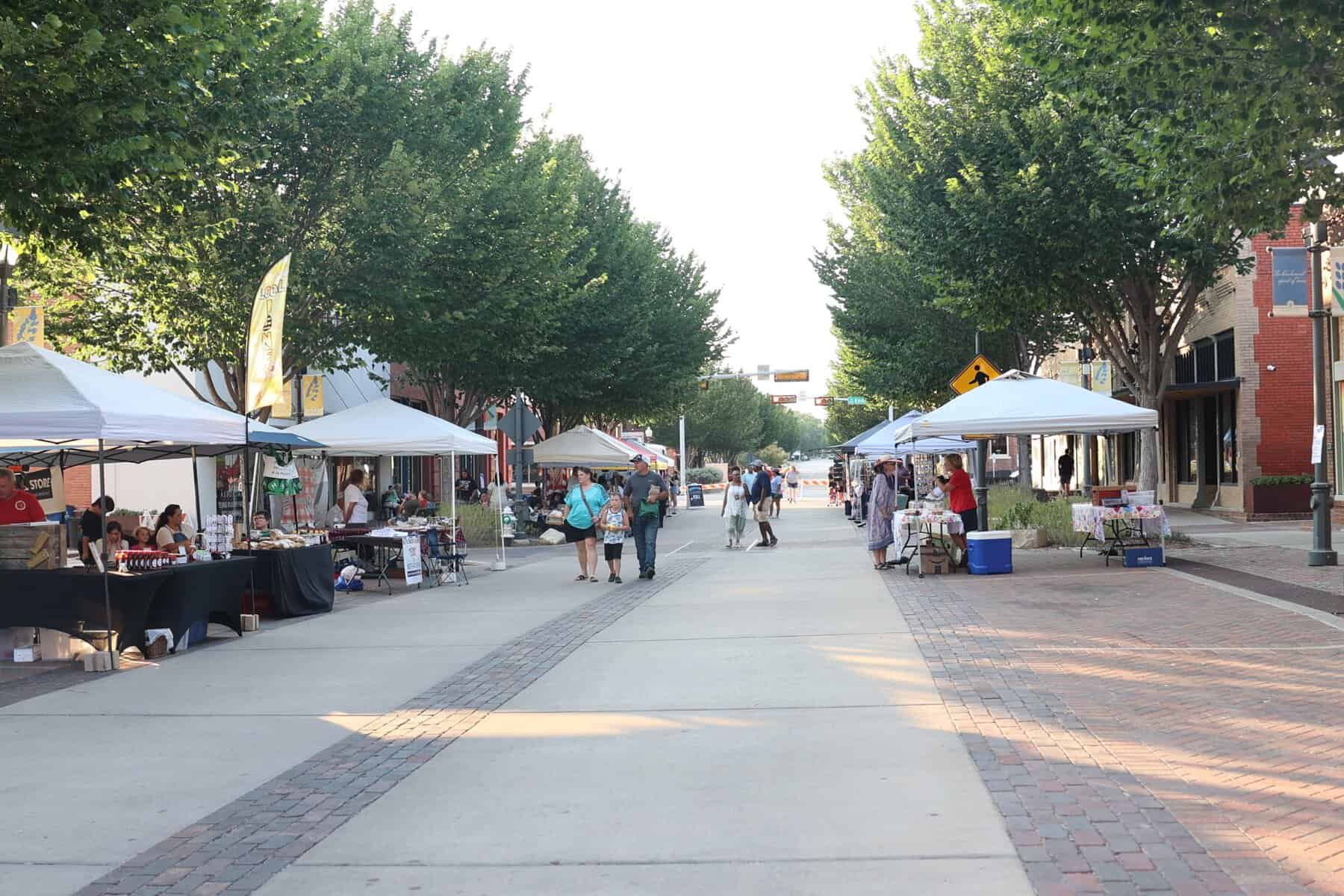
Live music stages anchor the middle of it all, and food trucks and vendor booths line the streets. You can pick up bluebonnet-print tote bags, local crafts, and enough kettle corn to ruin your appetite.
Giant letters spelling out ENNIS stand ready for the family photo, and there is a wildflower photo contest each year, which tells you exactly how seriously this town takes its flowers. Everyone here is a little bit of a photographer come April.
“Is the festival free?” a first-timer asked the volunteer next to me at a booth. “Every year,” she said, handing over a trail map without being asked. That is the whole spirit of the weekend. Nobody is trying to sell you the flowers.
Downtown, Trains, and a Polka Beat
The festival spills across a historic downtown worth a slow walk on its own. Brick storefronts line the old railroad blocks, and the whole district still carries the feel of a town that grew up next to the tracks.
That railroad past has its own home at the Ennis Railroad and Cultural Heritage Museum, where exhibits trace how the trains built the town. It is a cool, quiet stop when the afternoon sun on the trails gets to be too much.
Ennis is also one of the largest Czech communities in Texas, settled by families who arrived from central Europe in the town’s early decades. That heritage still throws a party of its own: the National Polka Festival, an accordion-and-kolache celebration held here every year.

Prairie, Water, and a Bronze Buffalo
If you want to actually walk among the flowers instead of driving past them, Ennis has spots for that. Kachina Prairie is a thirty-five-acre preserve of native Blackland Prairie, the same rich black soil that makes the bluebonnets so happy here.
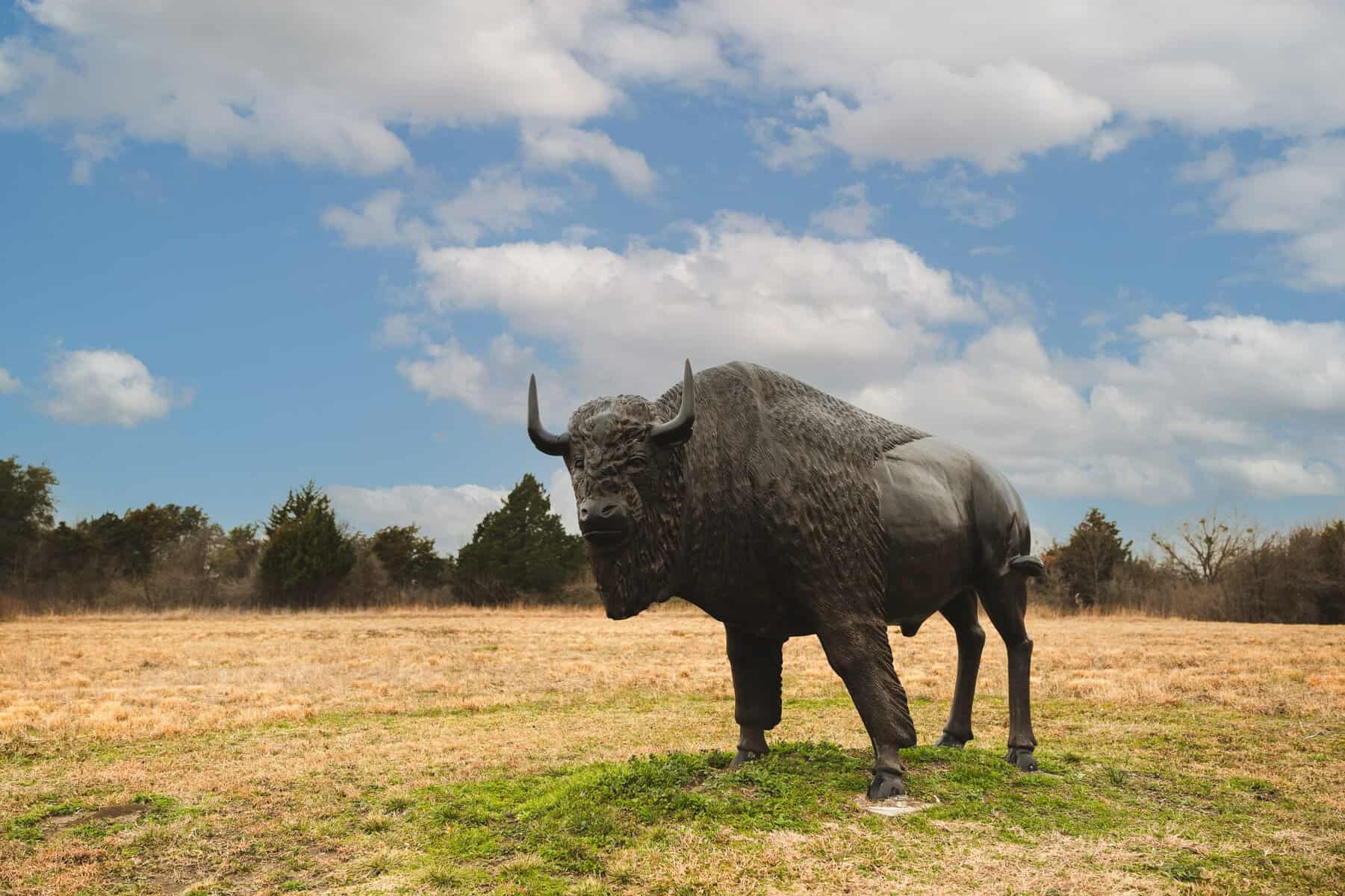
Mowed trails cut through the tall grasses, and partway along you meet a bronze buffalo statue, a nod to the herds that once roamed this prairie. It is quiet, uncrowded, and a lovely stretch of the legs after a morning in the car.
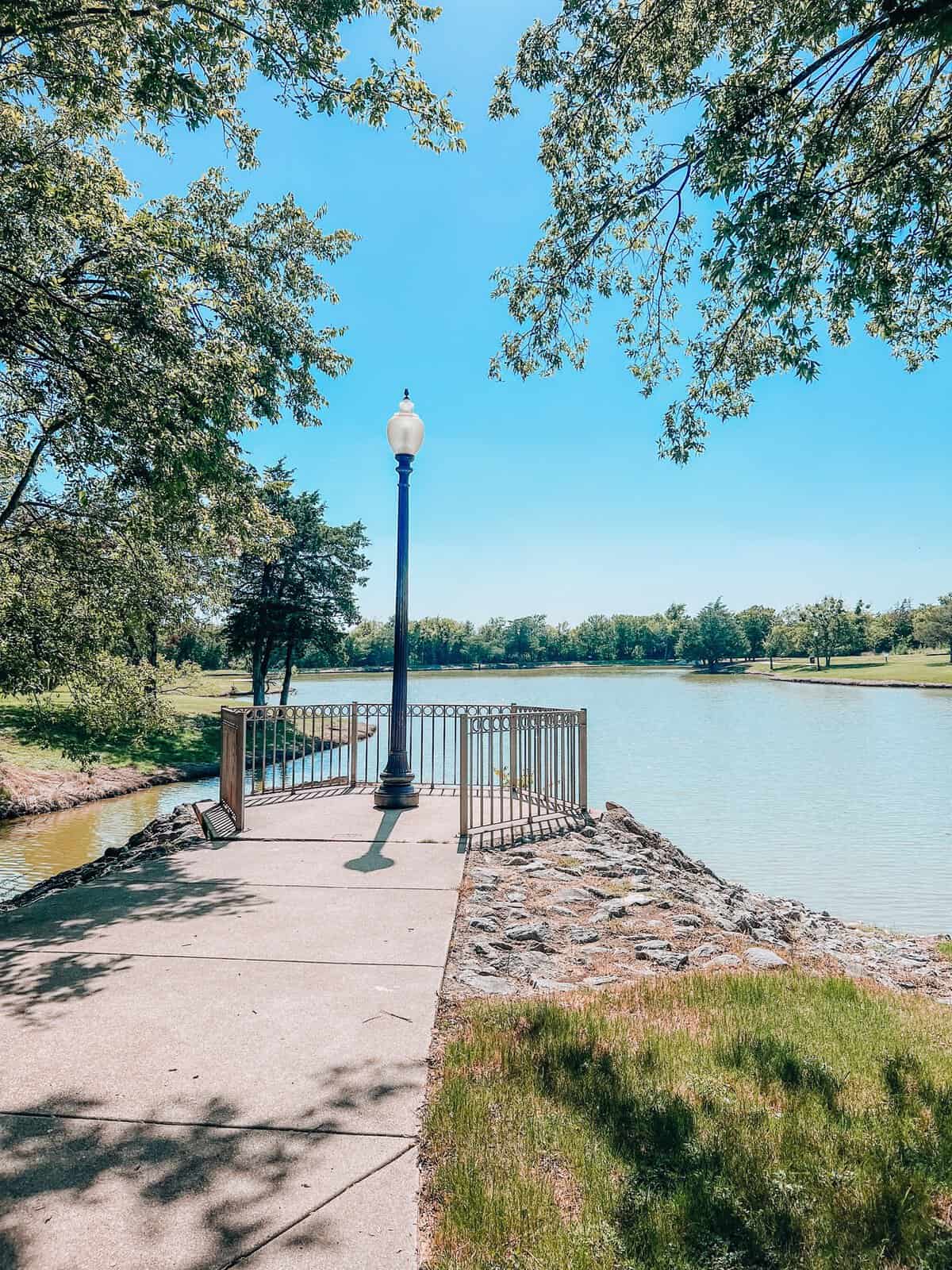
Out at Meadow View Nature Area, the fields run right up against Lake Bardwell, a big Army Corps reservoir. Photographers love it because you get blue flowers in the foreground and open water behind them, all in one frame.
Did you know the whole reason any of this works is the dirt? Ennis sits on the Blackland Prairie, a band of dark, sticky, nutrient-rich soil that bluebonnets adore. The town did not plant its way to fame. The land simply wanted to bloom.
A Railroad Town That Grew Up in Black Soil
Long before the flowers made it famous, Ennis was a railroad town, plain and simple. In 1871 the Houston and Texas Central Railroad reached this spot as it pushed north toward Dallas, and the city was formally established on June 8, 1872.
It took its name from Cornelius Ennis, a founder and director of that railroad who had also served a term as mayor of Houston in the 1850s. The town was, quite literally, built to keep the trains running.
And run it did. Between 1874 and 1890 the population grew tenfold, from around three hundred people to three thousand. In 1891 the railroad chose Ennis as its northern division headquarters, and the machine shops and roundhouse employed several hundred men.
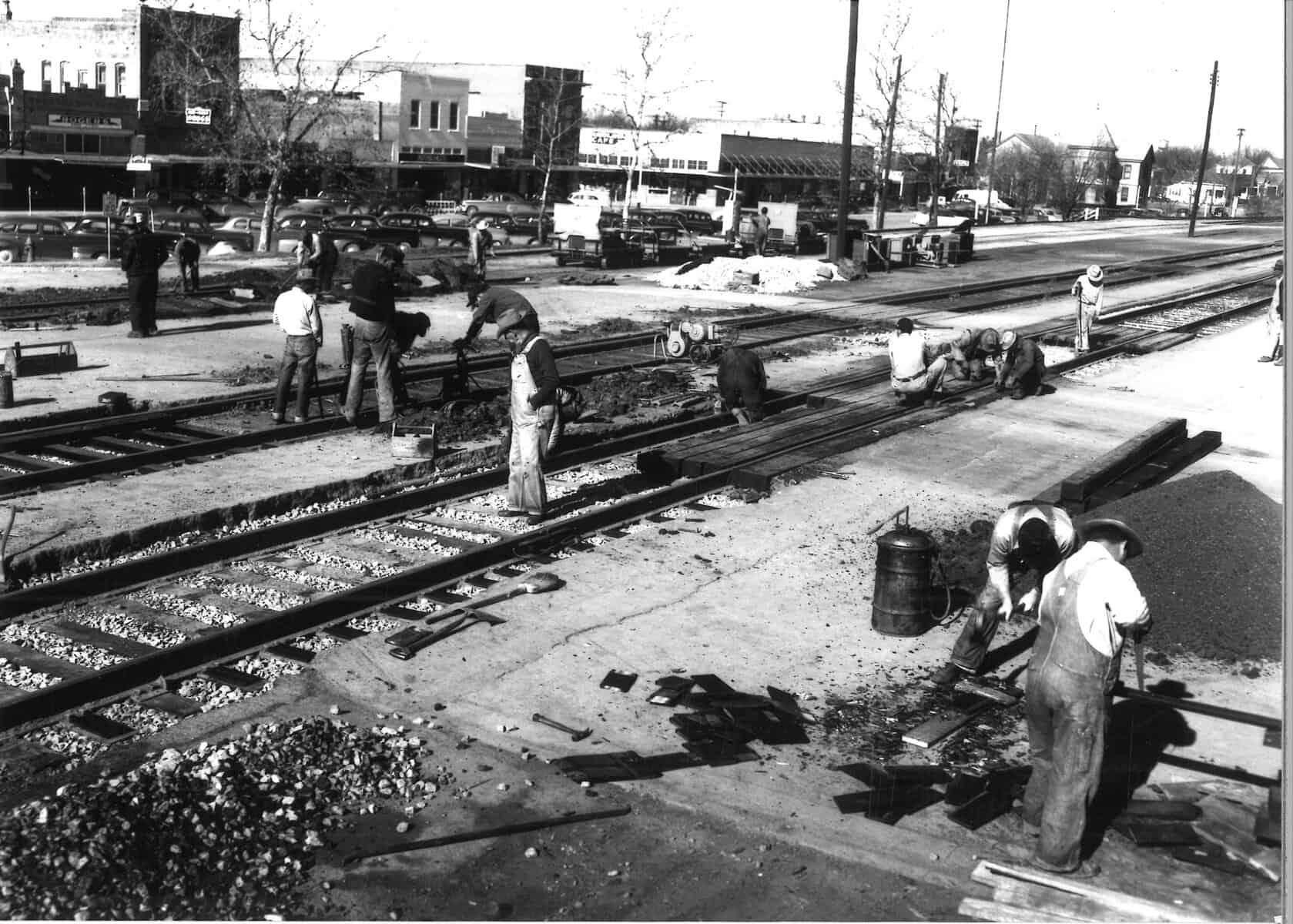
Many of the new arrivals came from the lands that would become Czechoslovakia, and their descendants gave Ennis one of the largest Czech communities in Texas. That heritage still shows every year at the town’s beloved National Polka Festival.
How the Bluebonnets Became Official
The flower tradition is older than most visitors realize. The Ennis Garden Club started the Bluebonnet Trails back in 1951, which makes them the oldest known bluebonnet trails in the state.
The idea caught on, and it kept growing for decades. In 1997 the Texas Legislature made it official, naming Ennis the home of the Official Texas Bluebonnet Trail and crowning it the Official Bluebonnet City of Texas.
That is not a marketing slogan somebody dreamed up. It is a title voted on under the dome in Austin, and Ennis has worn it proudly ever since. Roughly a hundred thousand people now make the spring trip each April to see for themselves.
When to Go and What to Know
Aim for the middle of April if the flowers are your main goal, and check the bloom report before you drive out. The Welcome Center posts the latest status, so a quick call or click saves you from arriving a week early to a green field.
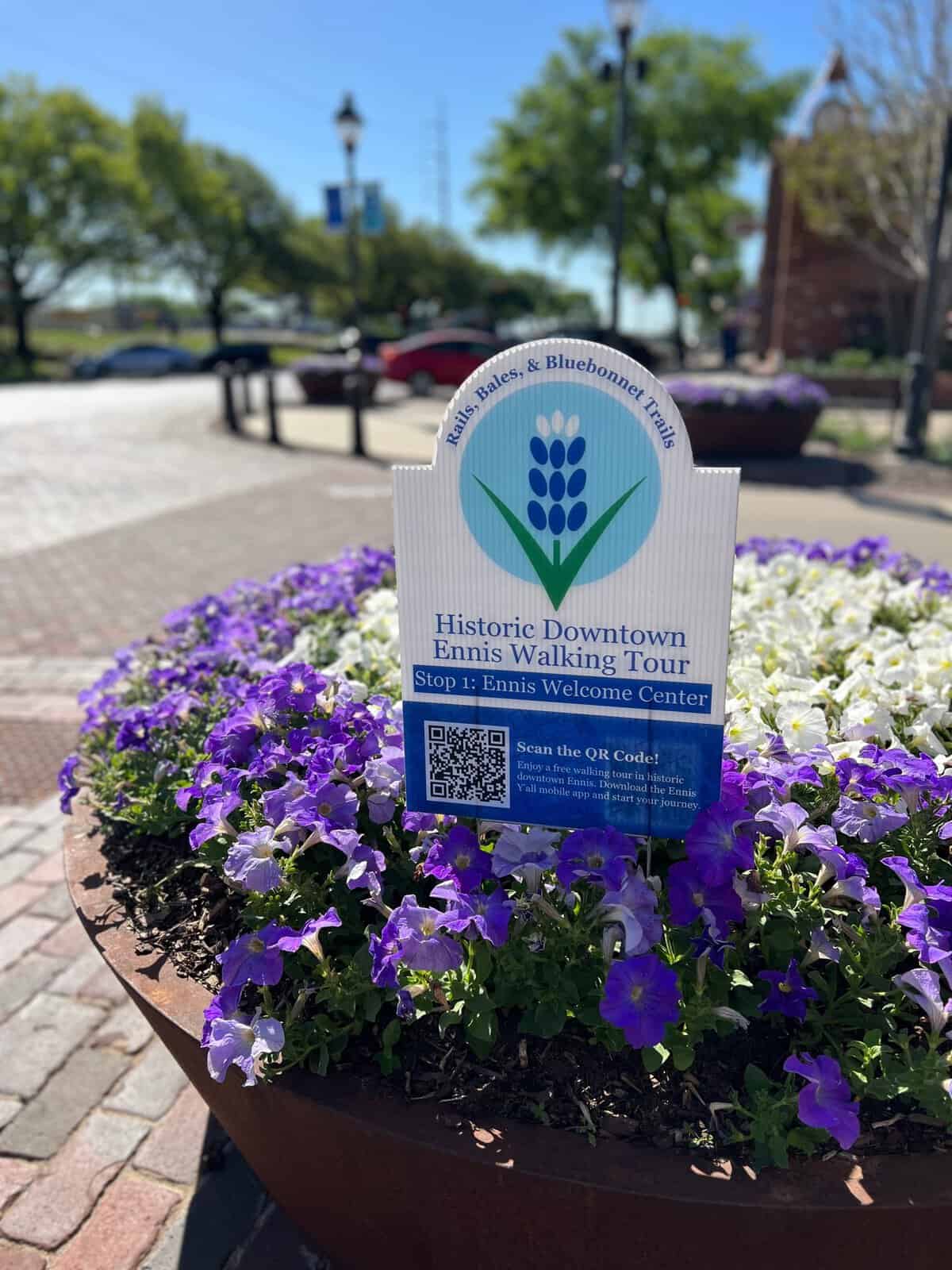
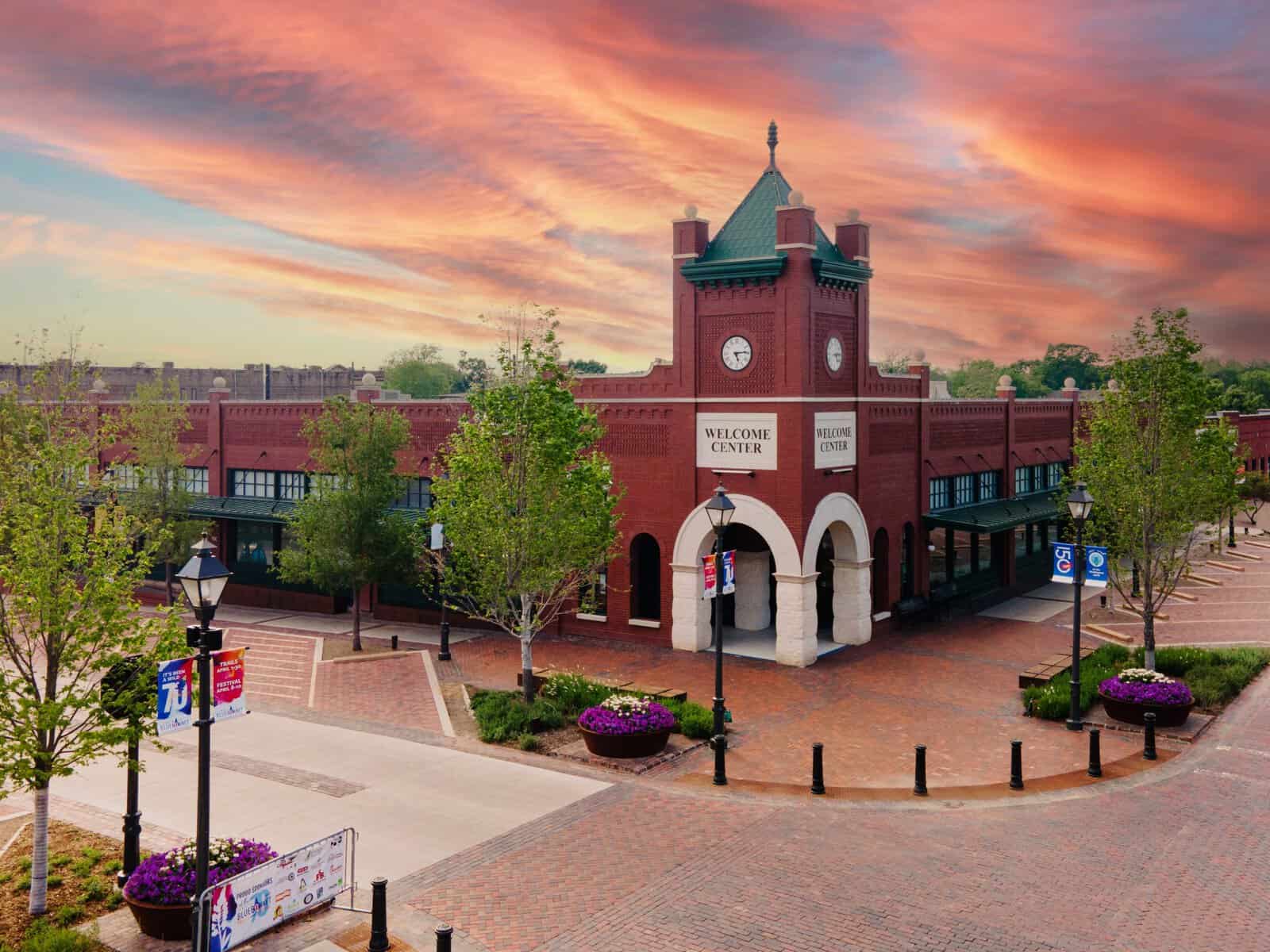
Start your day at the Ennis Welcome Center, grab a printed trail map, and ask which roads are peaking that week. It is the single best five minutes you will spend, and the map turns a random drive into a guided one.
Wear shoes you do not mind getting muddy, bring water, and stick to the worn paths where fields have gotten popular, so the blooms survive for the next carful of visitors. And please, keep an eye on little ones near the roads.
When you need lunch, downtown has you covered. The Bluebonnet City Grill leans all the way into the theme, right down to a bluebonnet mural painted across its front windows, and it is a cheerful place to refuel before round two on the trails.
How to Get There
Ennis sits just off Interstate 45, about forty minutes south of downtown Dallas, which makes it an easy day trip from anywhere in the Metroplex. Follow the signs into town and start where the locals point everyone: the Welcome Center.
Where: Ennis Welcome Center, 201 NW Main Street, Ennis, TX 75119
Plan Your Bluebonnet Run
Some Texas trips are about a landmark. This one is about a season. For a few short weeks each spring, an old railroad town turns its back roads into rivers of blue and simply invites you to come drive them.
So pick an April weekend, air up the tires, grab a trail map, and go stand in a field of bluebonnets while they are here. Just watch where you step, and try not to gasp too loudly when that first blue pasture comes into view.
Featured image: @ Ennis Bluebonnet Trail

Stella Raines
Editor-in-Chief
Stella brings over a decade of storytelling experience to TX Headlines. With roots in West Texas and a love for road trips, she leads the editorial team with an eye for the hidden stories that make Texas unforgettable.
More Stories
This Quiet North Texas Park Ends a Swaying Bridge at a 54-Foot Waterfall
This Crystal-Clear Texas Lake Is the Deepest in the State, and Its Water Is Clear Enough for 100-Foot Dives
This Easy Texas Trail Leads to a 105-Degree Hot Spring Right on the Rio Grande
This Thousand-Year-Old Texas Live Oak Has Outlasted Pirates, Hurricanes, and a Civil War Battle
Tags