This Untouched Texas Barrier Island Is Five Miles of Wild Gulf Beach Where You Can Camp on the Sand
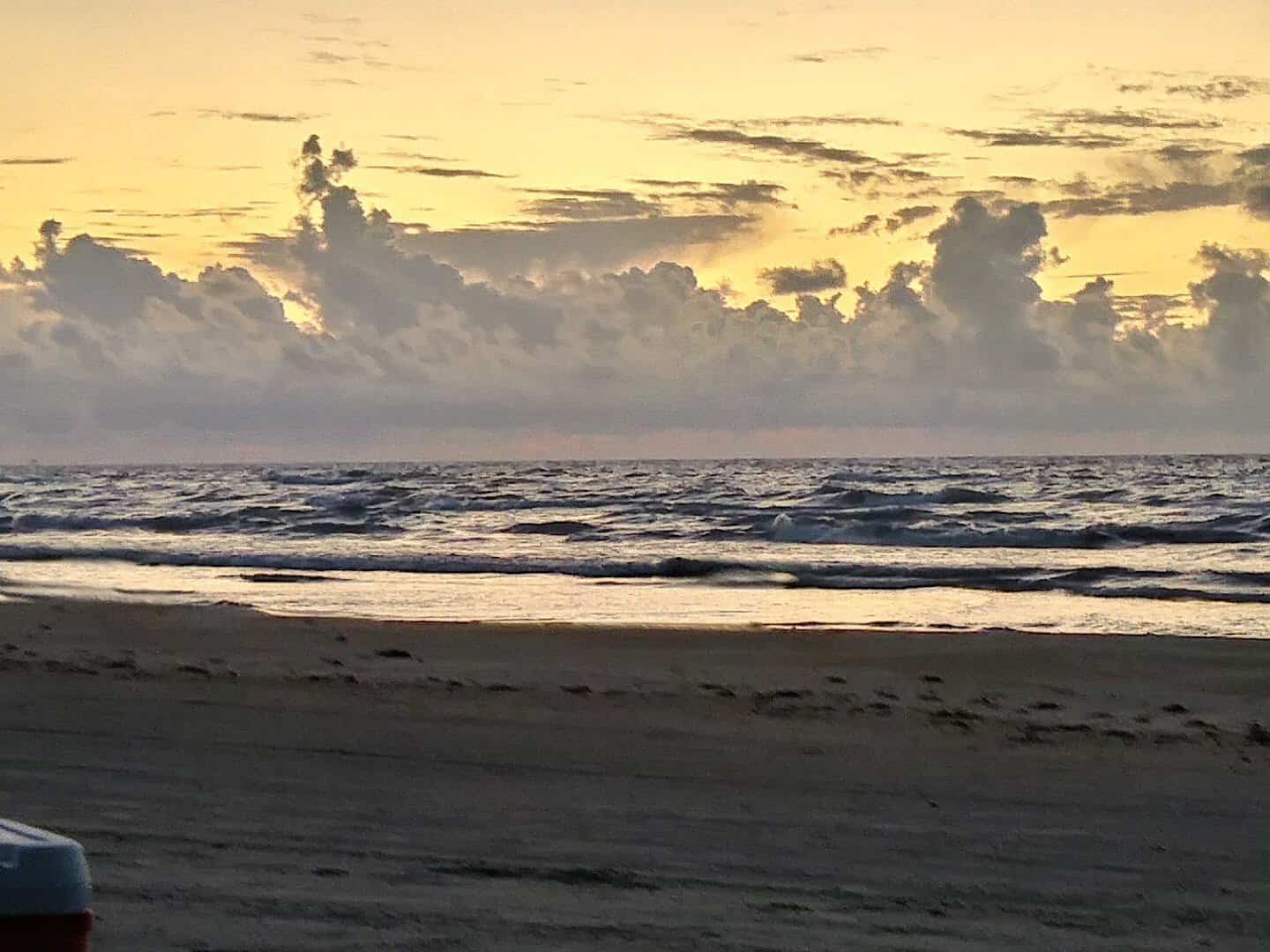
The first time I slept on a Texas beach, I woke up before the sun did. The tent was still dark, but the walls glowed a faint pink. Outside, the Gulf kept up that slow, endless breathing it does all night.
I unzipped the flap and crawled out onto sand that was cool and damp under my bare feet. There was nobody there. No boardwalk, no snow-cone stand, no hotel throwing shade across the water.
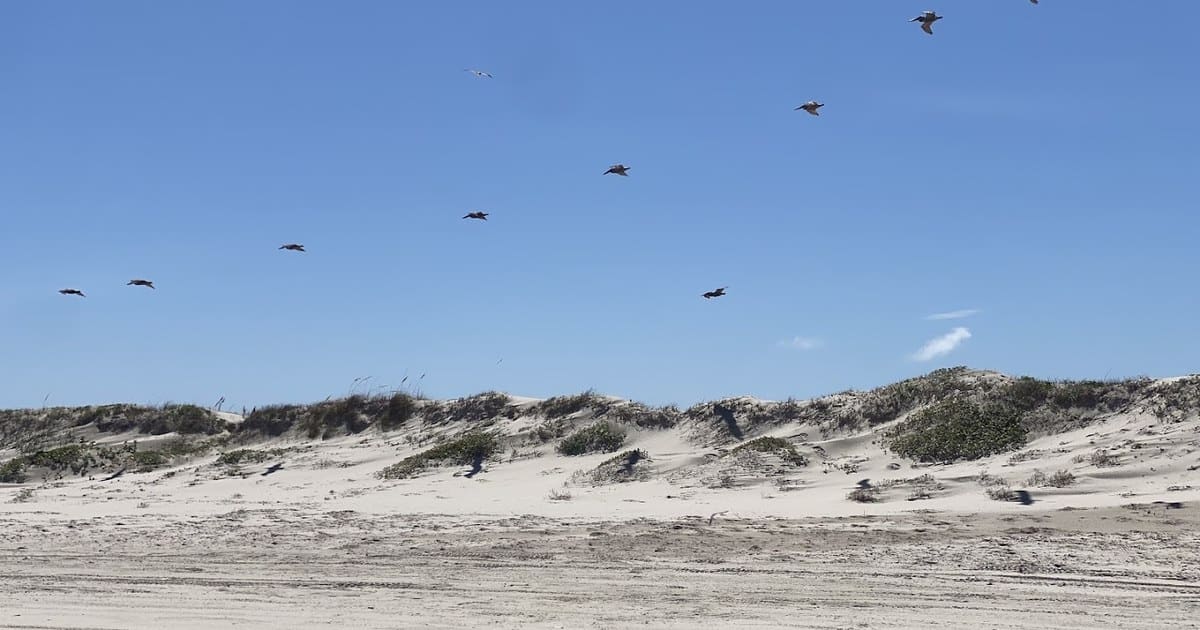
Just five miles of open beach, a line of dunes at my back, and the sky going from gray to gold while a flock of pelicans skimmed the waves in single file.
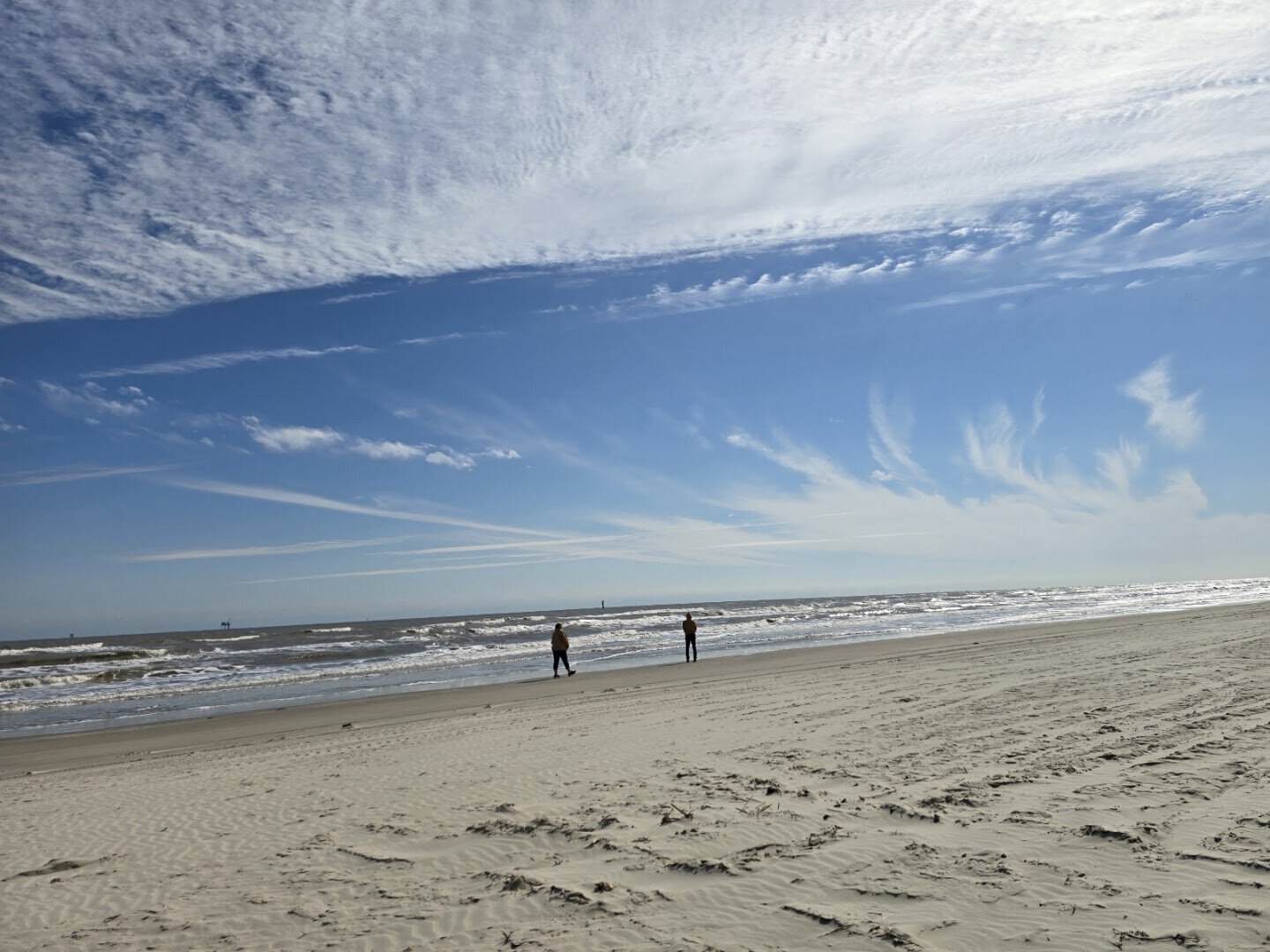
That morning is why I keep coming back to this wild barrier island south of Port Aransas. The beach here still looks the way the Texas coast used to look, before the high-rises arrived.
Below, I’ll walk you through the whole place, from the dunes to the deer to the little ferry that once burned and never came back. Then you can go find your own quiet morning by the water.
Five Miles of Beach and Not a High-Rise in Sight
Most of the Texas coast has been built up, boxed in, and rented out. This stretch has not. You drive in off State Highway 361, pass the low ranger station, and the road just opens onto sand and sky.
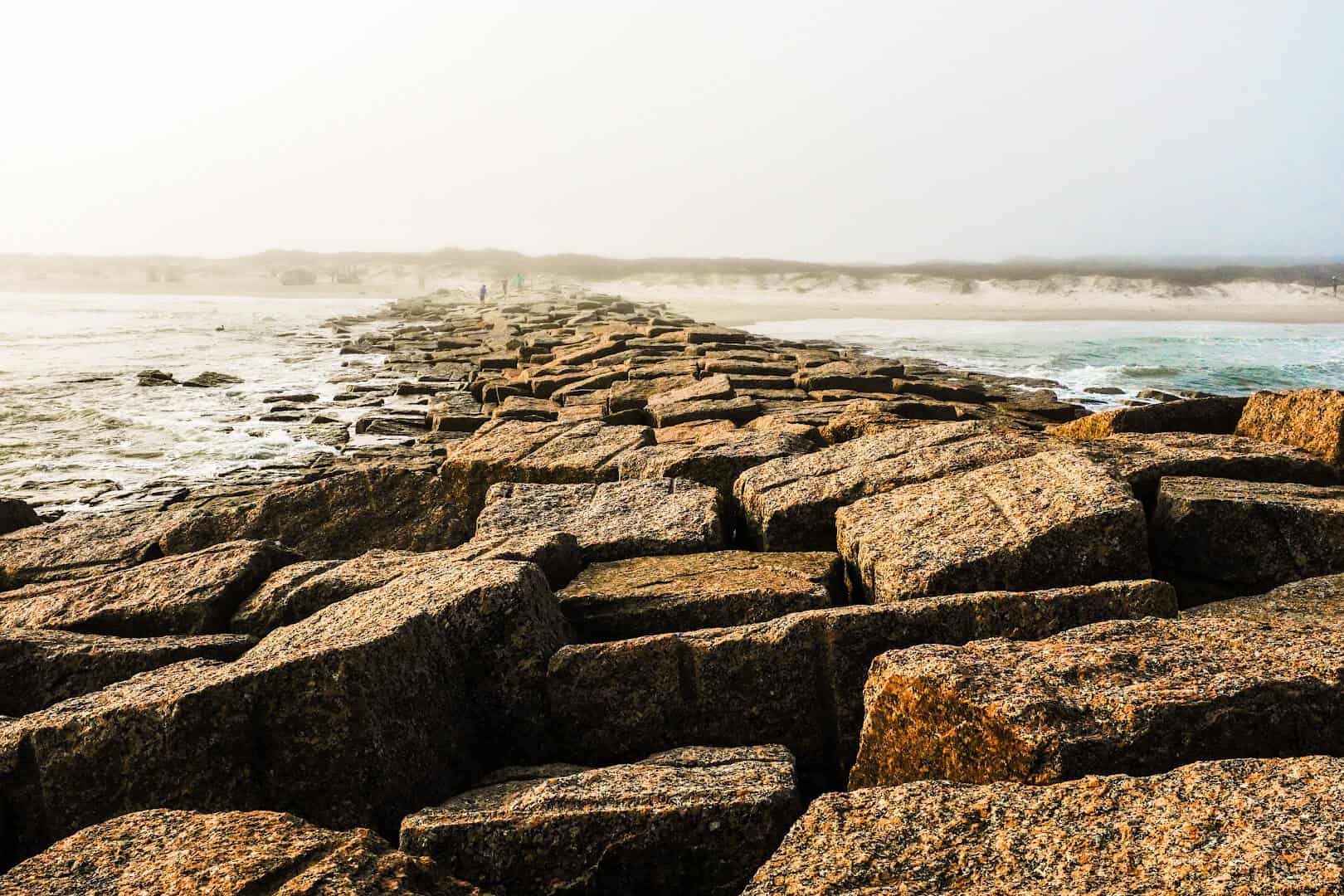
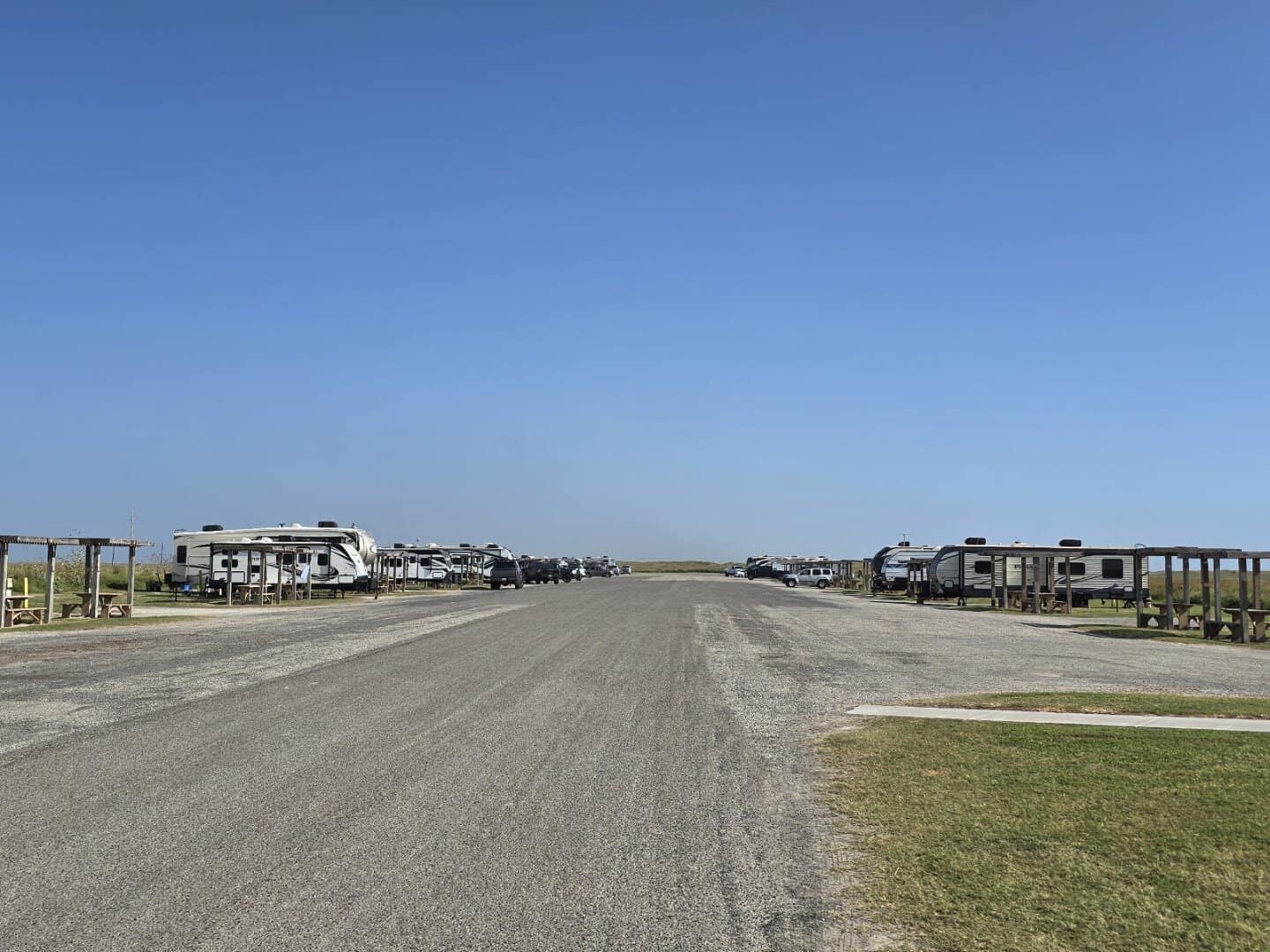
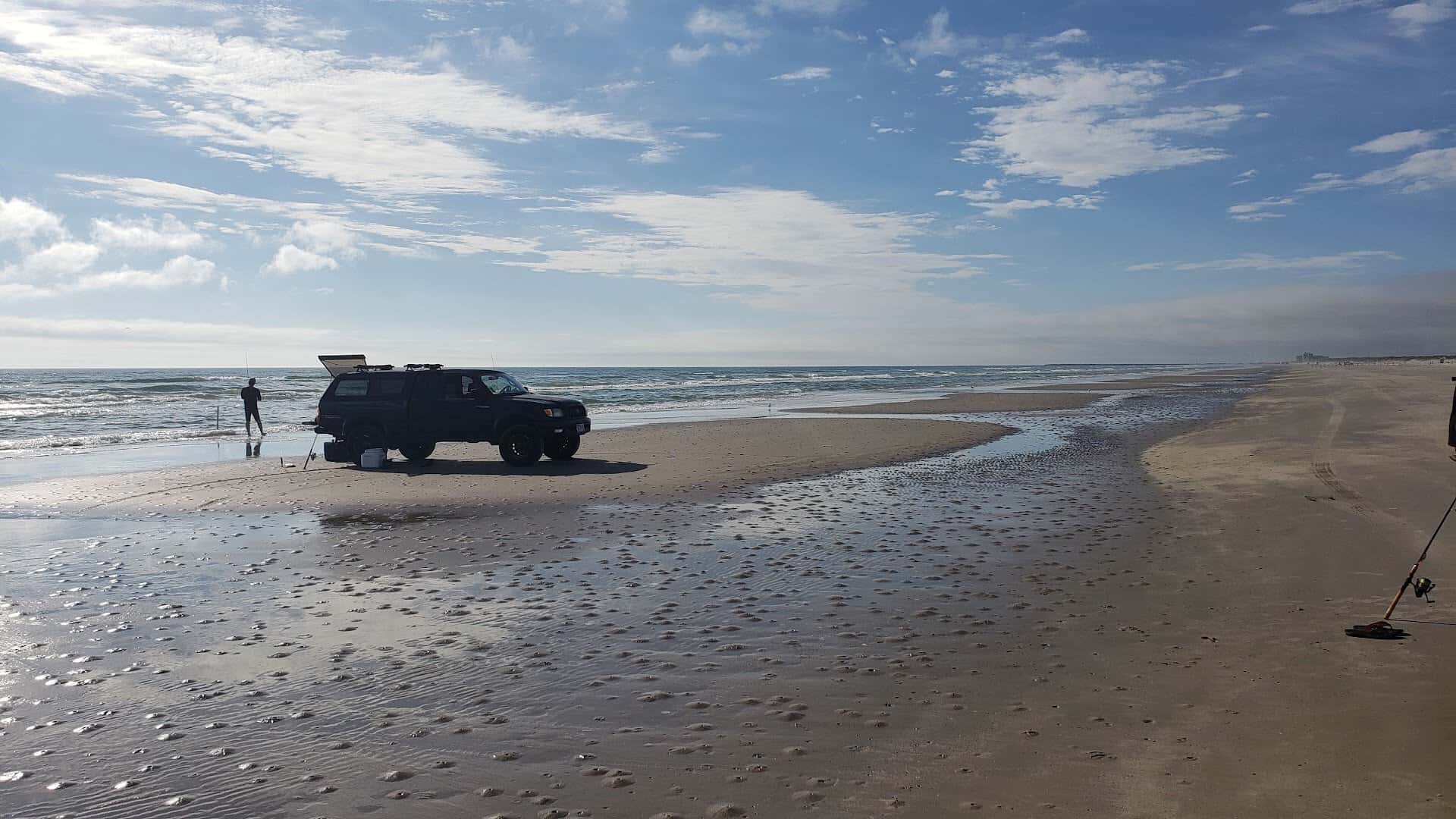
The park protects 3,954 acres of barrier island and five full miles of Gulf beachfront. At the primitive sites you can park right on the sand and fall asleep to the surf a few yards from your bumper.
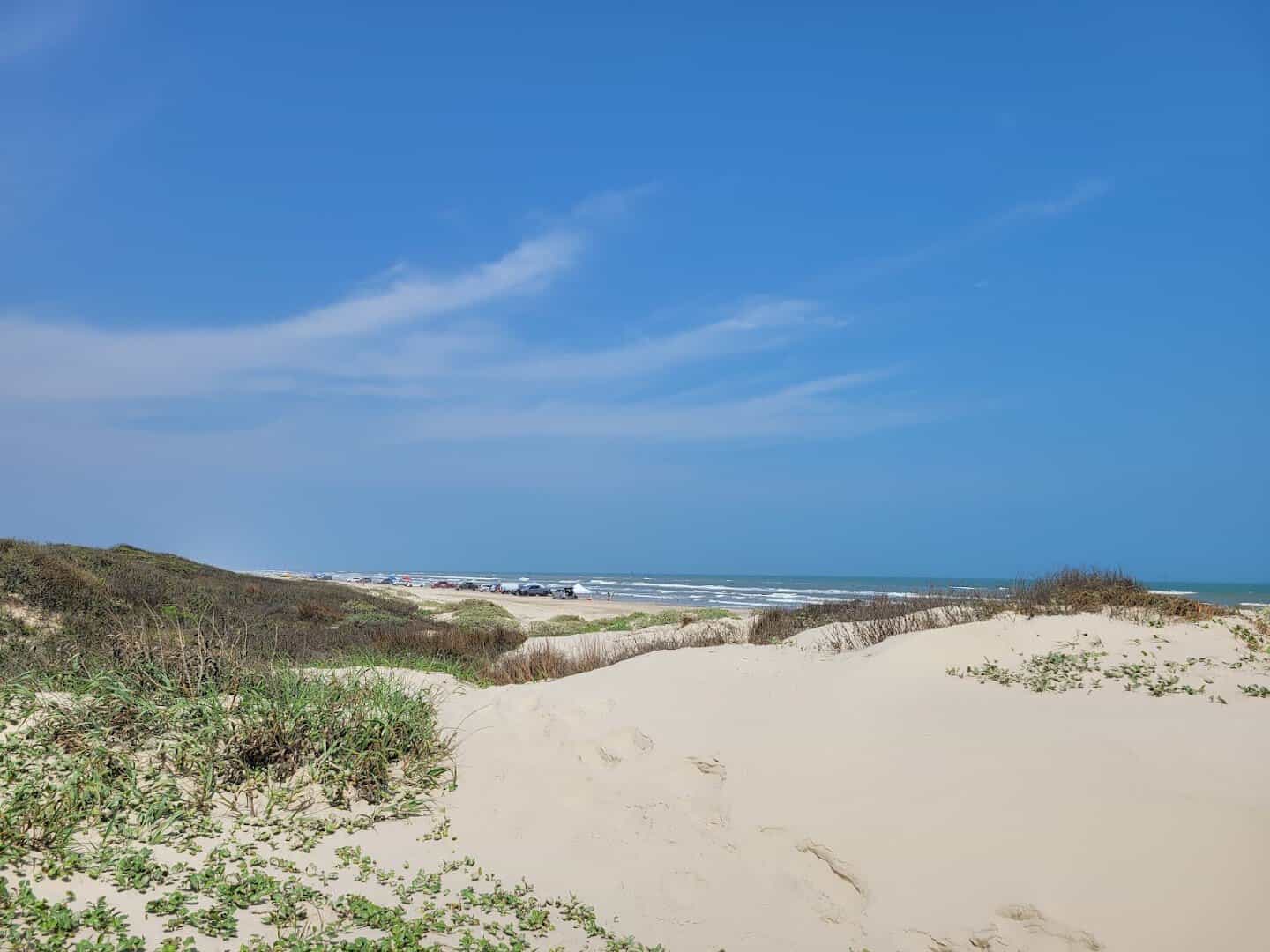
What makes it feel wild is the dunes. They roll up behind the beach in soft, sea-oat-covered ridges, and they are protected, so nobody flattens them for a parking lot.
Sea oats and beach morning glory hold the sand in place with roots that reach deep for fresh water. Those humble plants are the reason the whole island does not simply blow away.
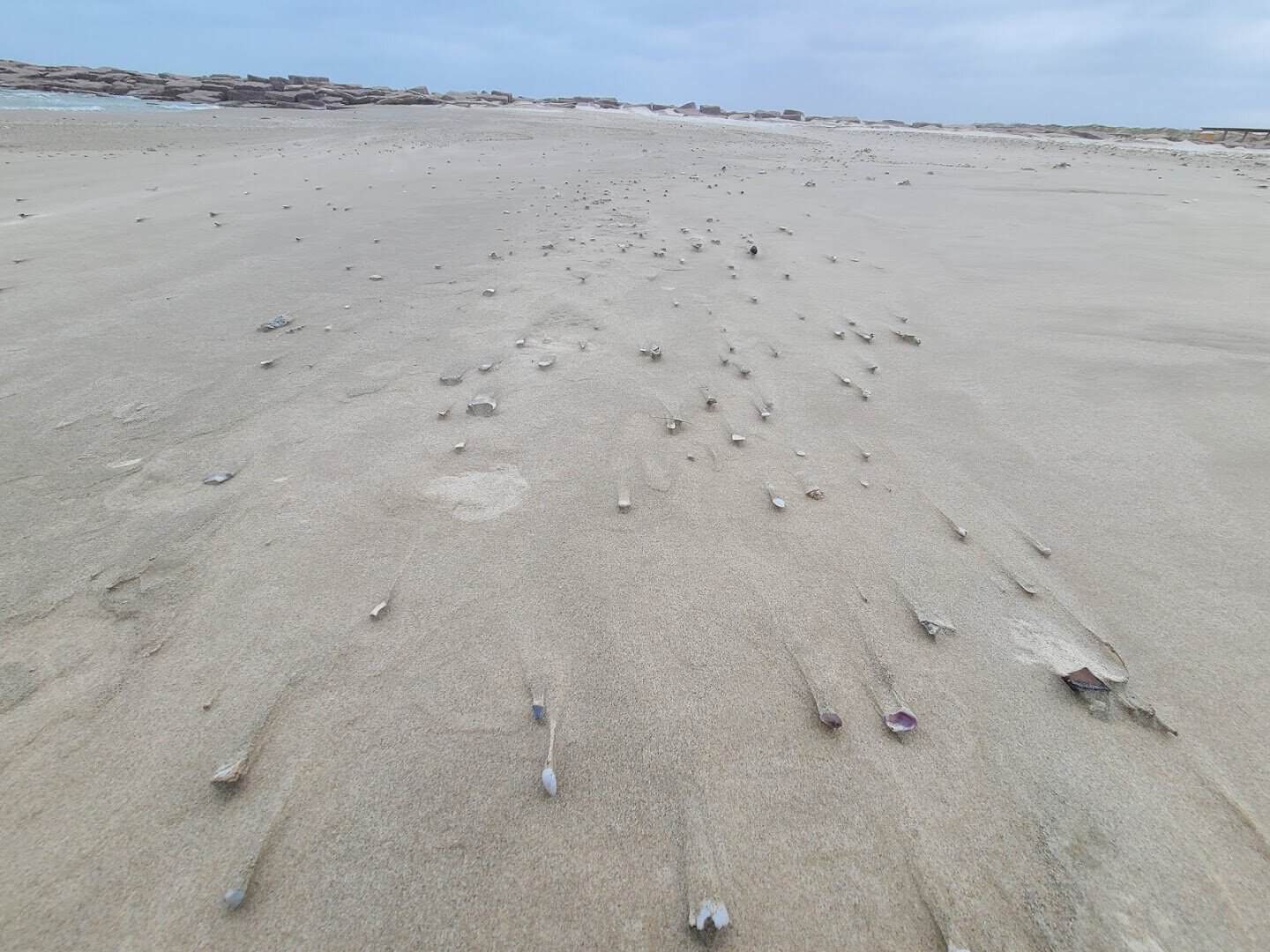
Walk the beach at low tide and you’ll find the sand printed with tracks: the neat stitching of a sandpiper, the drag-line of a ghost crab, sometimes the wide crawl of something that came ashore in the night.
There’s a smell to it too, that clean salt-and-seaweed tang the Gulf gives off at dawn, mixed with the warm-straw scent of the dunes. I’ve never been able to bottle it, so I keep driving back for it.
Shelling and Slow Mornings on the Sand
Some people come here to do things. I mostly come here to slow down, and the beach makes that easy.
Beachcombing is a real event on these five miles of shore. The Gulf tosses up lightning whelks, moon snails, sand dollars, and the occasional big conch. The best hunting is early, right after the tide pulls back.
My routine never changes. Coffee first, poured from a thermos while the sky is still peach-colored. Then a slow walk south, eyes on the sand, a pocket that gets heavier as I go.
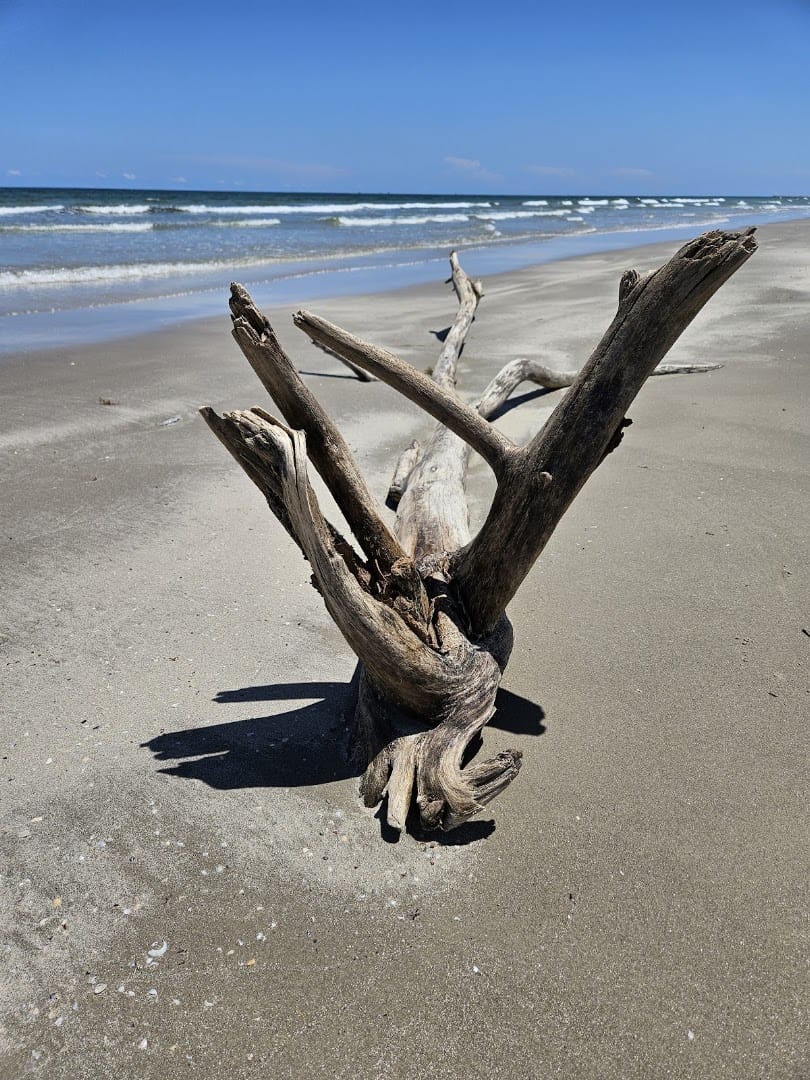
It is the cheapest treasure hunt there is, and the beach restocks it every single tide.
Birds, Deer, and the Occasional Dolphin
This island sits right on the Central Flyway, the great highway migrating birds ride between Canada and the tropics twice a year. That location makes the park one of the best places in the state to stand still and watch the sky.
More than 400 bird species have been recorded here. I’ve seen brown pelicans dive-bomb the surf and reddish egrets do their drunken little dance in the shallows. Black skimmers cut the bay with their lower beaks slicing the water like a knife.
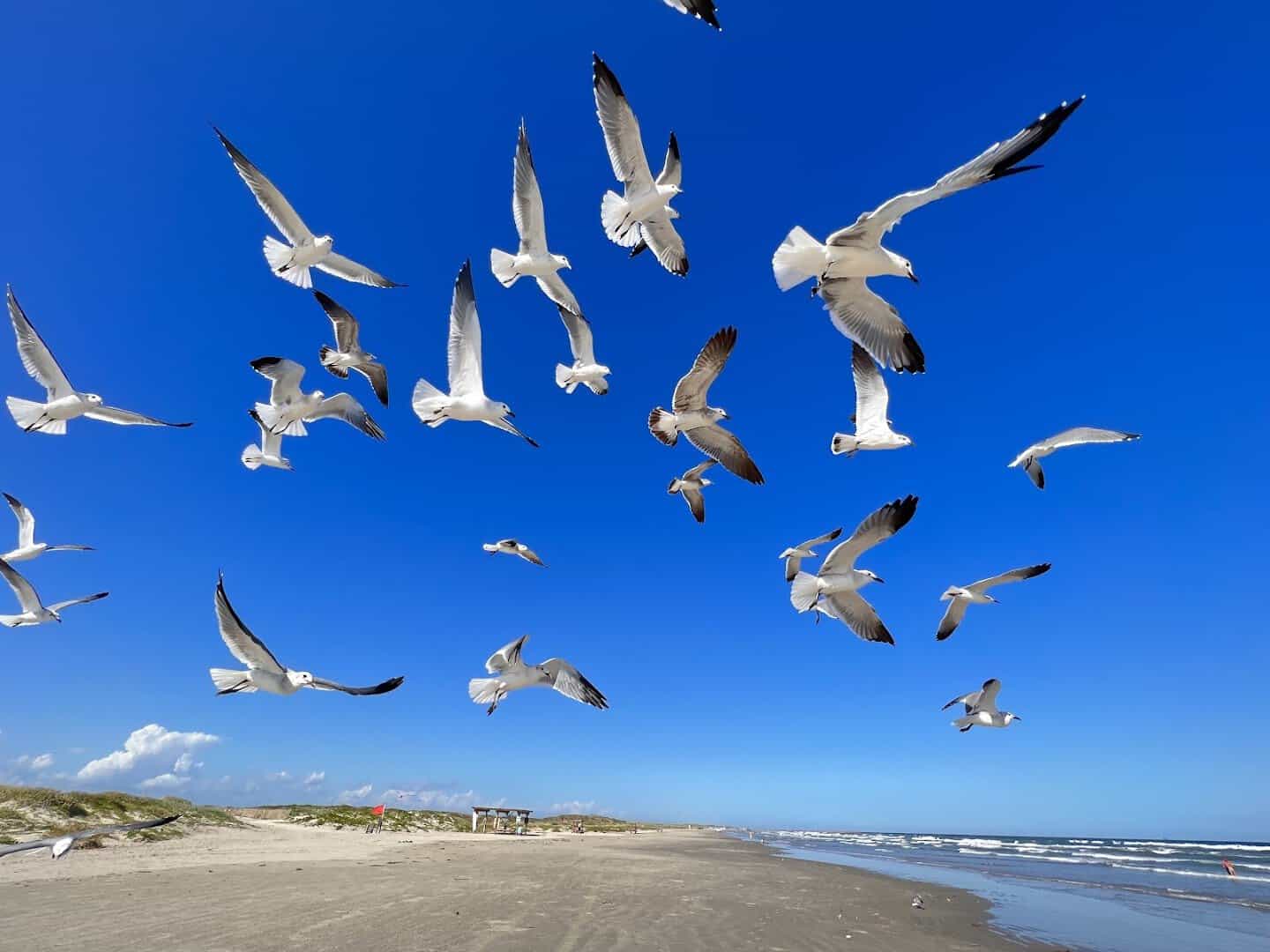
In spring the migrants pour through, exhausted and hungry, and the whole island buzzes.
It isn’t only birds. White-tailed deer pick their way through the dunes at dusk, and coyotes trot the tide line at dawn. Out past the breakers you’ll often spot dolphins arcing along the sandbar.
Sea turtles nest on these Gulf beaches too, which is a quiet kind of wonder when you think about how far they swim to lay their eggs on this exact sand.
Bring binoculars if you have them. The rangers run nature programs through the busy season, and a good one will show you birds you’d walk right past on your own. I learned to tell a willet from a marbled godwit standing in a small crowd on this very beach.
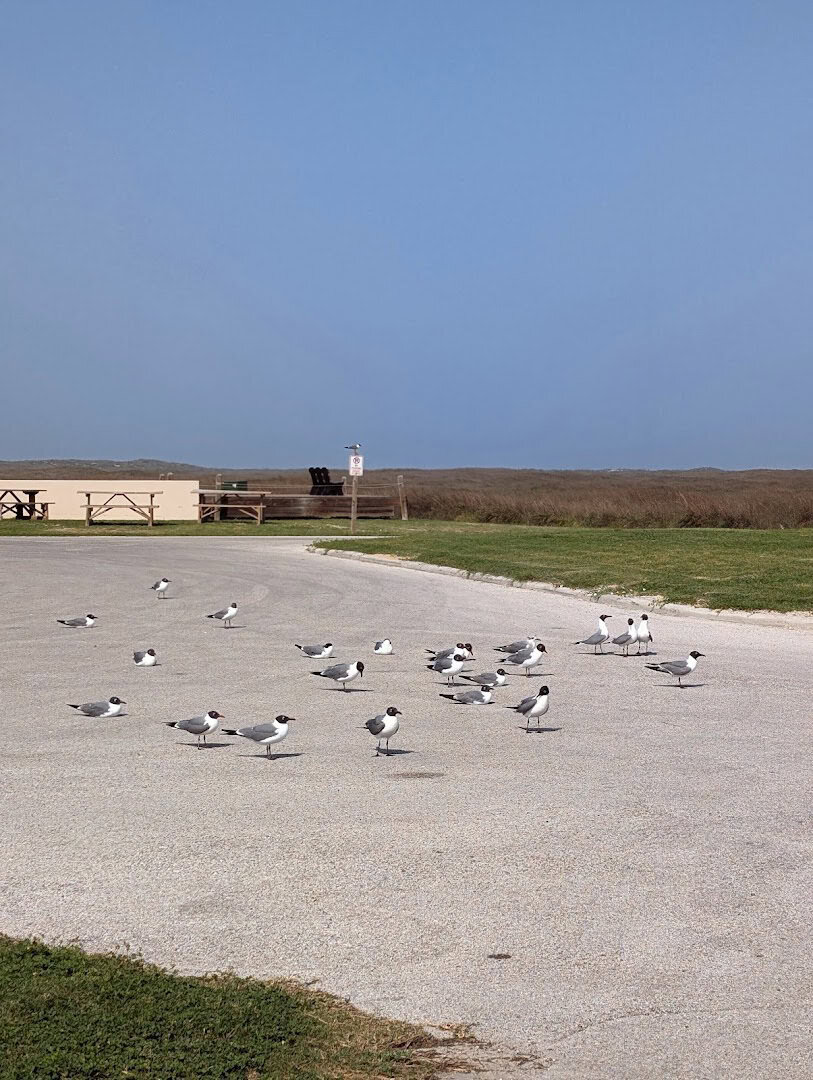
“Look, there,” a park ranger told me once, pointing at a pale shape stalking the flats. “White-tailed hawk. You don’t see those just anywhere.” He was right, and I’ve been hooked ever since.
Casting a Line Where the Fish Actually Bite
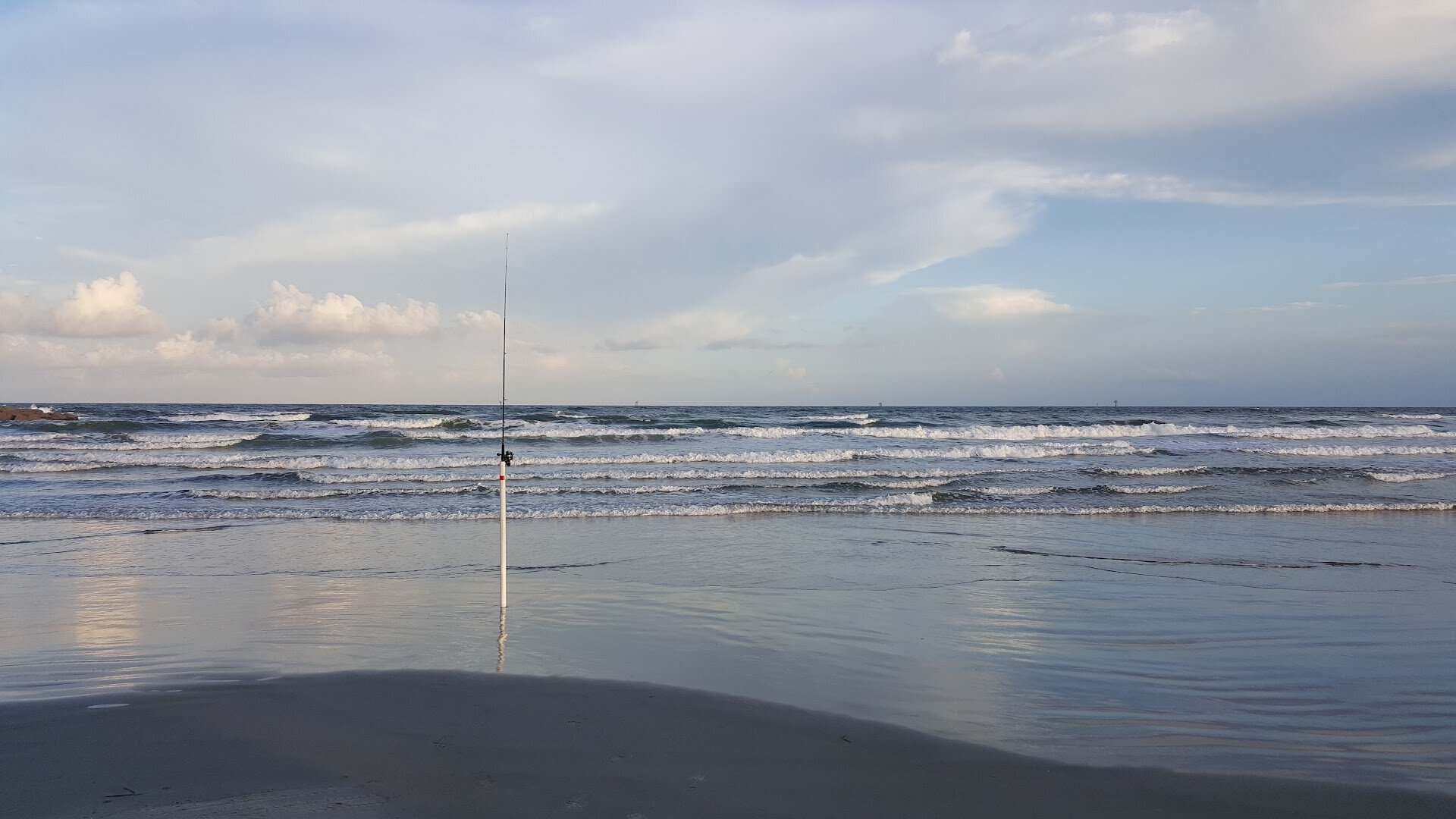
Anglers love this island, and it’s easy to see why. You can wade out from the beach and cast straight into the Gulf, or fish the calmer bay side where the water is shallow and warm.
The catch list reads like a Texas coast greatest-hits: redfish, speckled trout, and flounder are the big three. Plenty of people fill a cooler without ever leaving the sand. You’ll need a Texas fishing license, but the water does the rest.
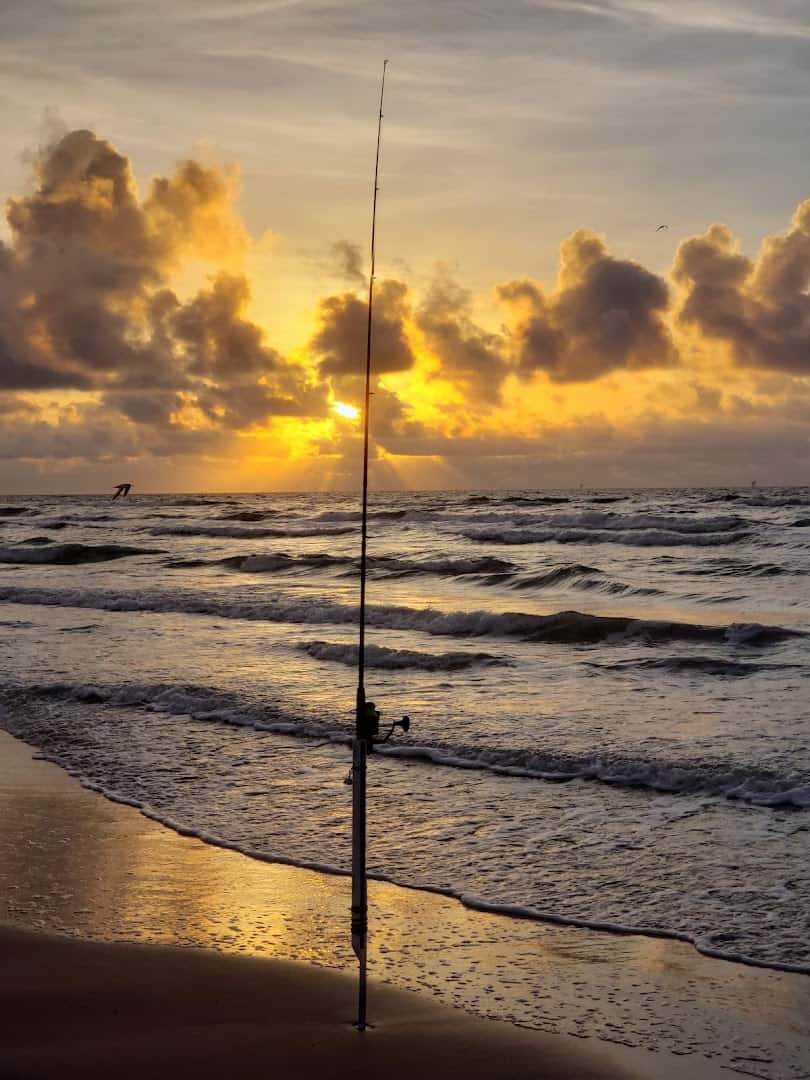
Pro tip: fish the early morning or the last hour before dark. The heat backs off, the light goes soft and golden, and the fish move into the shallows to feed.
Some of my favorite evenings here have been spent standing knee-deep with a rod, not catching much, and not minding at all.
The swimming is good too. The Gulf here is warm most of the year, the slope is gentle, and on a calm day the water turns a soft green-blue that begs you to wade in. Surfers turn up when the swell is right, chasing the little rollers off the sandbar.
Paddling the Quiet Back Side of the Island
Almost everyone comes for the Gulf beach, but the secret side of this park is the bay behind it. On the western shoreline, three marked paddling routes wind through shallow flats, grassy islands, and hidden coves in Corpus Christi Bay.
Together the trails run about 20 miles. There’s the North Trail at 8.5 miles, the Shamrock Loop at just over 5, and the Ashum Trail at nearly 7. You can pick a short loop that needs no shuttle or make a long, lazy day of it.
Out there the water is glassy and knee-deep. You glide over a stingray one minute and a school of mullet the next. Herons stalk the grass edges, and the only sound is your paddle dipping in and out.
If you don’t have a kayak, don’t let that stop you. Outfitters in Port Aransas rent boards and boats by the hour, and the shortest loop is gentle enough for a first-timer. Launch early, before the wind picks up.
A Brief History of the Wild Horses
The island got its name honestly. Wild mustangs really did roam here, running in loose herds across the dunes until ranching operations pushed them out in the late 1800s. The horses are gone, but the name kept the memory.
The island itself is old, built up from sand and shell over roughly the last 2,500 years as Gulf currents dropped their load along this line of the coast. It’s still shifting today, one storm and one tide at a time.
People go back much further. The Karankawa, a tall, seafaring people, lived along these shores for centuries. They moved between the island and the mainland with the seasons, living on fish, shellfish, and whatever the tide brought in.
In 1519 the Spanish explorer Alonso Álvarez de Pineda charted the island as he mapped the Gulf coast, one of the first Europeans to lay eyes on it.
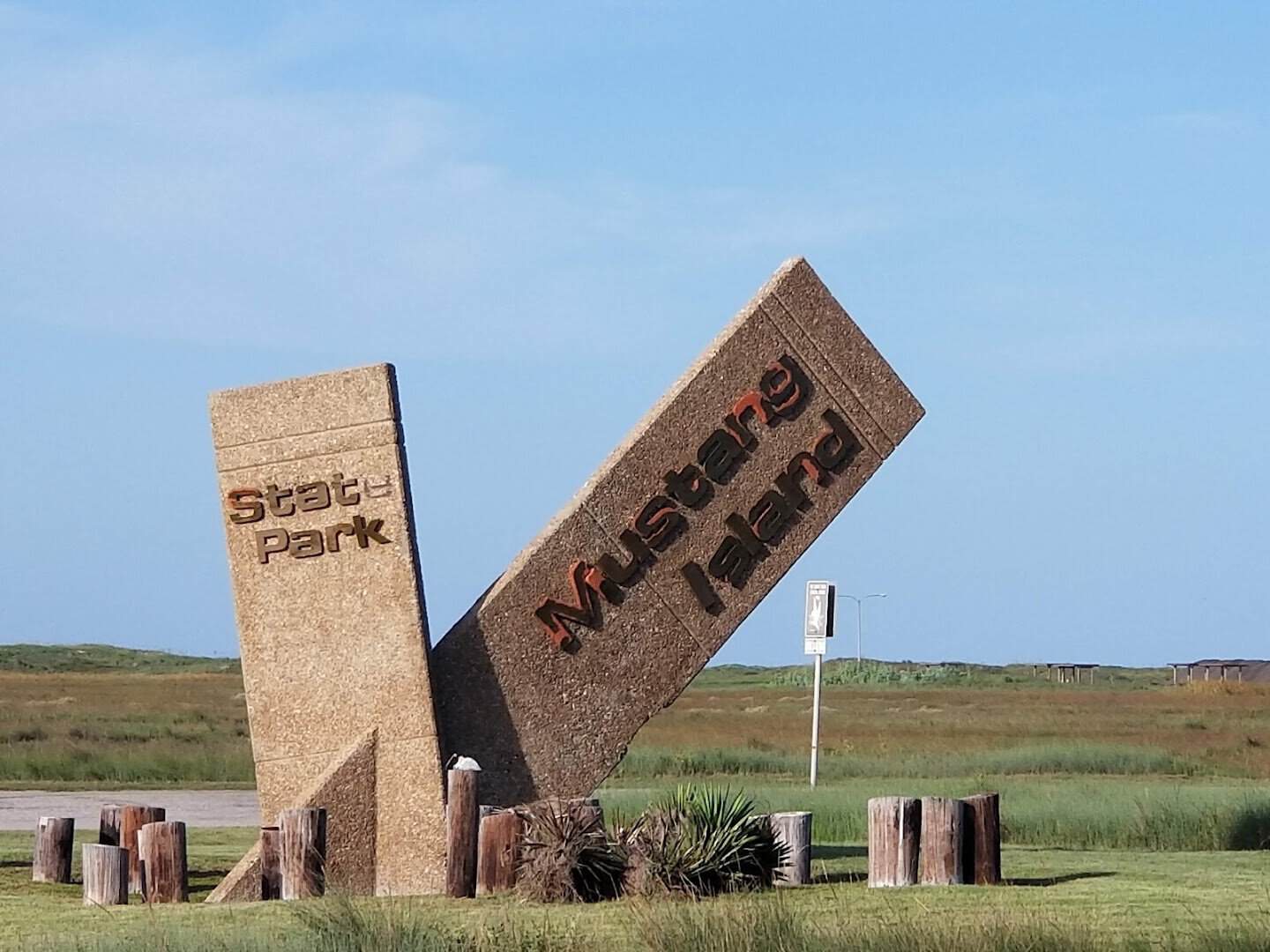
By the 1850s cattlemen ran the land, and later it passed to Sam Wilson Jr. and his wife Ada. With a push from Texas figure Sissy Farenthold, the state bought the property in 1972 to keep it from being paved over.
The park opened to the public in 1979 and has been the wild anchor of this coast ever since.
Did you know? For a while in the 1980s a little ferry called the Easy Rider II carried visitors to a sister park on nearby Matagorda Island. The ferry burned, was never replaced, and that neighbor turned into a boat-only wildlife refuge.
Camping With the Surf as Your Soundtrack
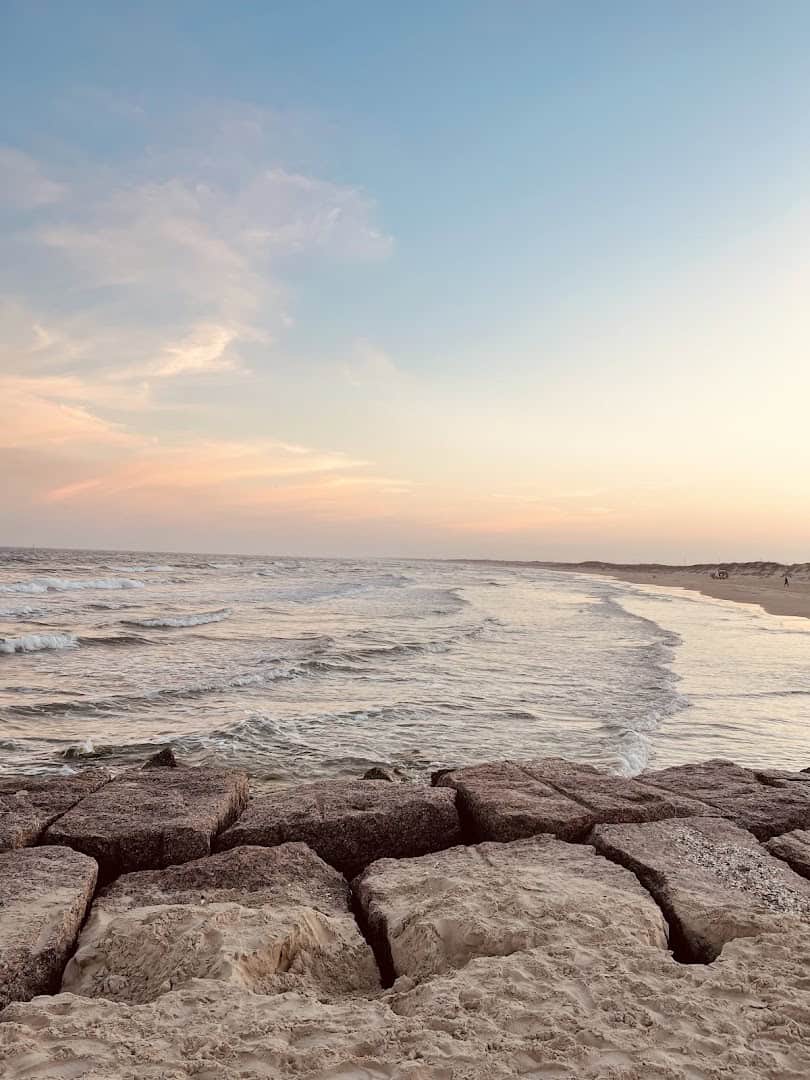
This is the part I love most. You can actually sleep here, right on the edge of the Gulf, and wake up to the water.
There are 48 campsites with water and electricity, set about a third of a mile back from the beach with a bathhouse and shade shelters. For the real thing, choose one of the 50 drive-up primitive sites and park straight on the sand.
Nights out here are the payoff. The park sits far enough from city glare that the stars come out thick and bright. More than once I’ve laid on the still-warm sand and watched satellites slide across the sky while the surf kept time.
Whether you’re a first-time camper or an old hand, a night on this beach rearranges something in you.
What to Know Before You Go
Entry is easy on the wallet. Admission runs about $7 a day for adults, and kids 12 and under get in free, which makes a family beach day genuinely cheap.
The park is popular, drawing more than 173,000 visitors in 2025, so campsites book up on holiday weekends. Reserve ahead if you want a spot, and pack in your own water and sunscreen. The Gulf sun is no joke, with July highs near 94 degrees.
Tip: if you plan to drive on the beach, let a little air out of your tires for better grip on soft sand, and always check the tide before you park. The beach is firmest and widest near low tide.
How to Get There
Where: Mustang Island State Park, 9394 State Highway 361, Corpus Christi, TX 78418
The park sits on the Gulf Coast just south of Port Aransas, about a 25-minute drive from the beach town’s ferry and roughly 45 minutes from downtown Corpus Christi. The headquarters is open daily from 8 a.m. to 5 p.m., and the beach stays open around the clock for campers.
Start Planning Your Wild Beach Escape
Some beaches you visit. This one you feel. It’s five miles of open sand, a wall of golden dunes, a sky full of pelicans, and a night so dark the stars pour down to the waterline.
So load the cooler, air down the tires, and point the car toward the coast. Pitch your tent where the dunes meet the Gulf, and let the surf wake you before the sun does.
This little slice of wild Texas coast has been waiting right where it always was, and it is more than ready for you.
Featured image: Tiffany Irwin via Mustang Island State Park

Stella Raines
Editor-in-Chief
Stella brings over a decade of storytelling experience to TX Headlines. With roots in West Texas and a love for road trips, she leads the editorial team with an eye for the hidden stories that make Texas unforgettable.
More Stories
These 10 Unforgettable Texas Day Trips Look Like Five Different States
This Easygoing Texas State Park Pairs Blue-Green Water With Billion-Year-Old Pink Granite
This Serene Texas State Park Was Built by Hand to Help You Leave Your Worries Behind
These Texas Roads and Gardens Explode With Wildflowers Every Spring
Tags