This Majestic West Texas Canyon Feels Like Stepping Into an Untouched World
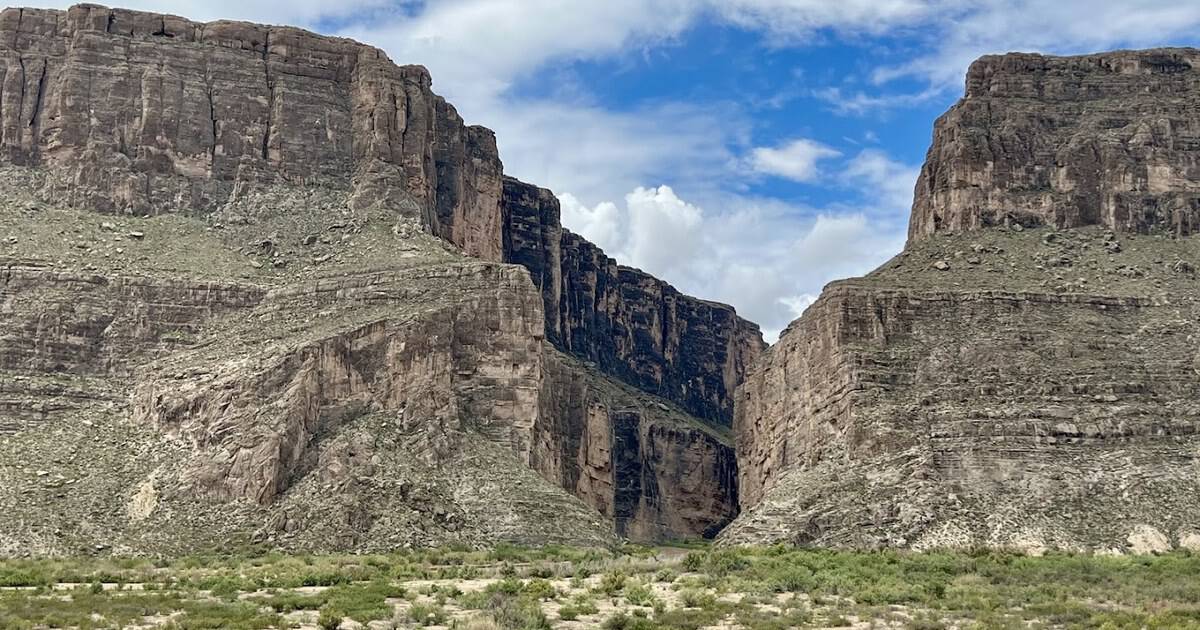
The first time I walked into Santa Elena Canyon, I stopped talking mid-sentence. My friend was saying something about her water bottle. Then the walls closed in around us and swallowed the sound.
One moment we were out in the wide-open desert glare. The next we were standing in a cool, blue shadow that felt older than anything I could name. I forgot all about the heat we had just left behind.
I remember tilting my head back until my hat fell off. The limestone went up and up and up, and I still could not find the top. A canyon wren let loose its tumbling little song, and it echoed off the rock like the whole place was answering back.
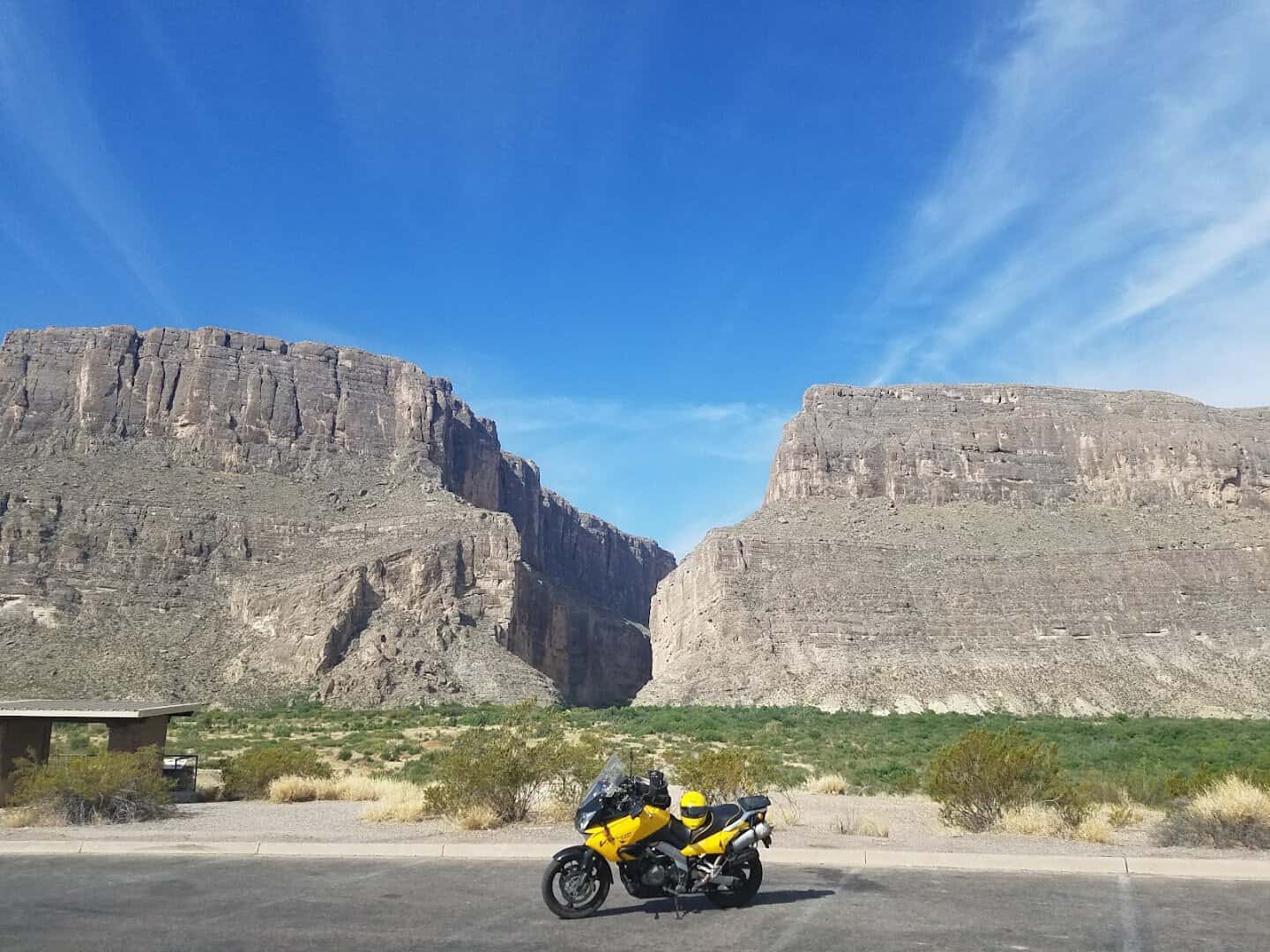
That is Santa Elena Canyon, tucked into the far southwest corner of Big Bend National Park in West Texas. It is a genuine stone cathedral, carved by a patient river over millions of years. Walking into it feels like stepping into a vast and untouched world.
Here’s why this remote slice of the Texas borderland belongs at the very top of your road-trip list, and everything you’ll want to know before you go.
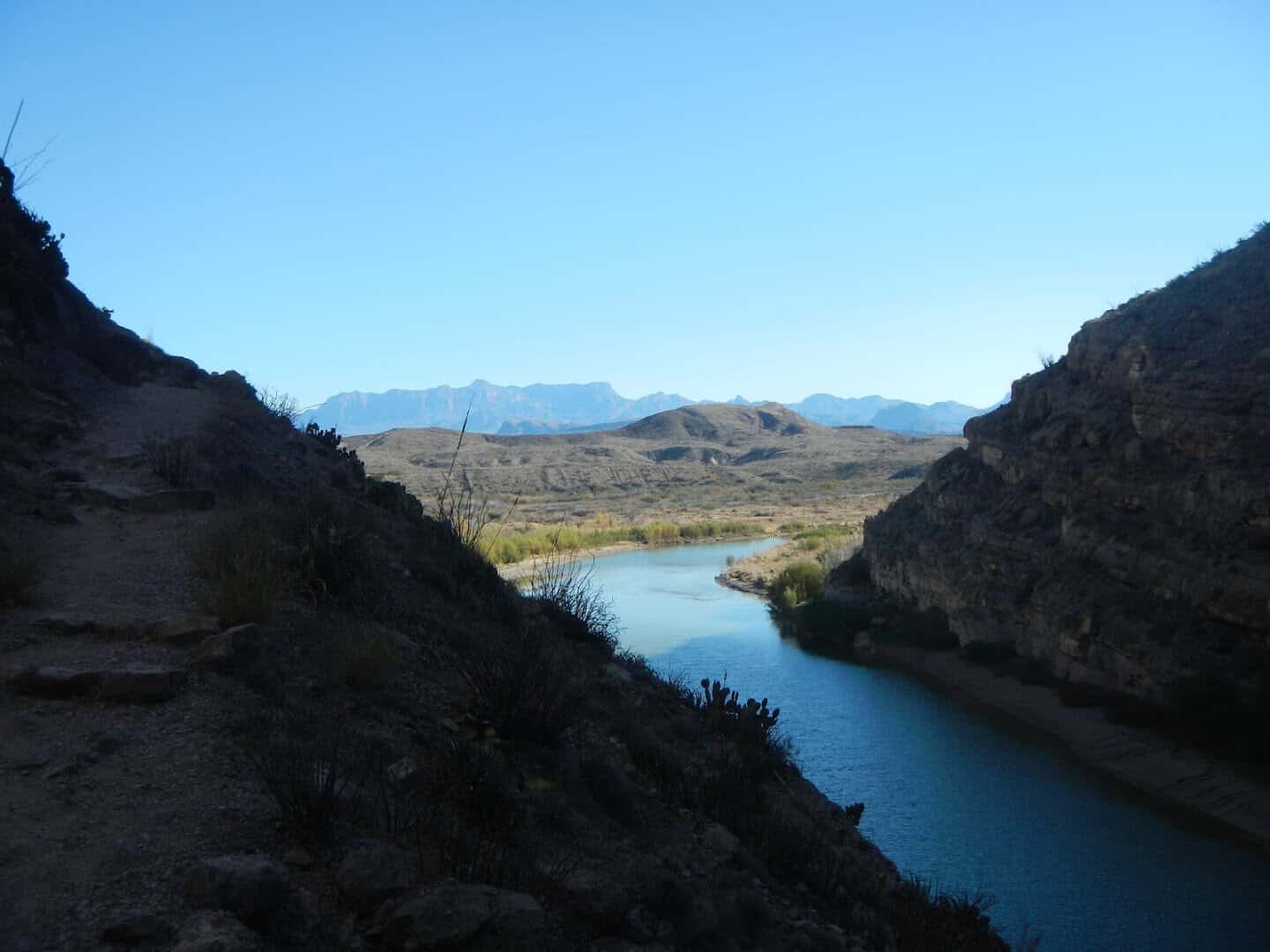
Walking Into the Canyon’s Cool Blue Shadow
The hike itself is short and friendly, which is part of the magic. You do not need to be a hardcore backpacker to stand in the heart of this landscape. The whole trail runs under two miles round trip, and most folks finish in an hour or two.
It starts at a gravel lot at the very end of the road. This is where the Rio Grande makes its abrupt turn and the canyon mouth yawns open in front of you. It is a dramatic first look.
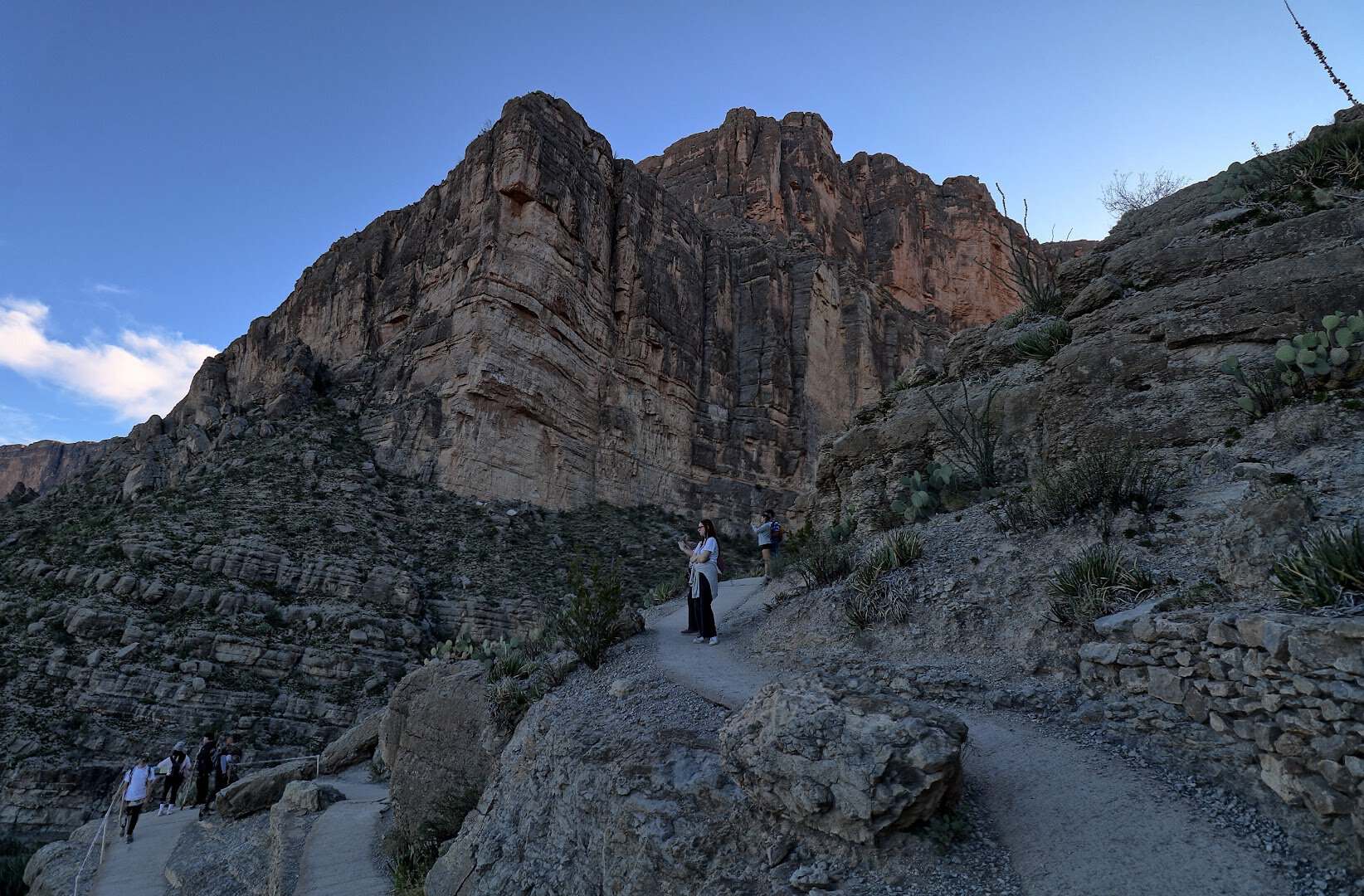
Your first task is crossing Terlingua Creek. Some days it is bone dry and you stroll right across. Other days you splash through a few inches of cool, muddy water. Either way, it is a fun little wade to start the adventure.
Pro tip: check with a park ranger before you go if there has been recent rain. Terlingua Creek can run higher after a storm, and the crossing is easiest when the water is low.
Once you are across, the trail climbs. A set of paved ramps and stone steps switchbacks up the canyon wall. This is the part that gets your heart going, and it is worth every single step.
From the top of the climb you get your first real look down the throat of the canyon. The green river threads between towering cliffs, and you finally grasp the scale of where you are standing.
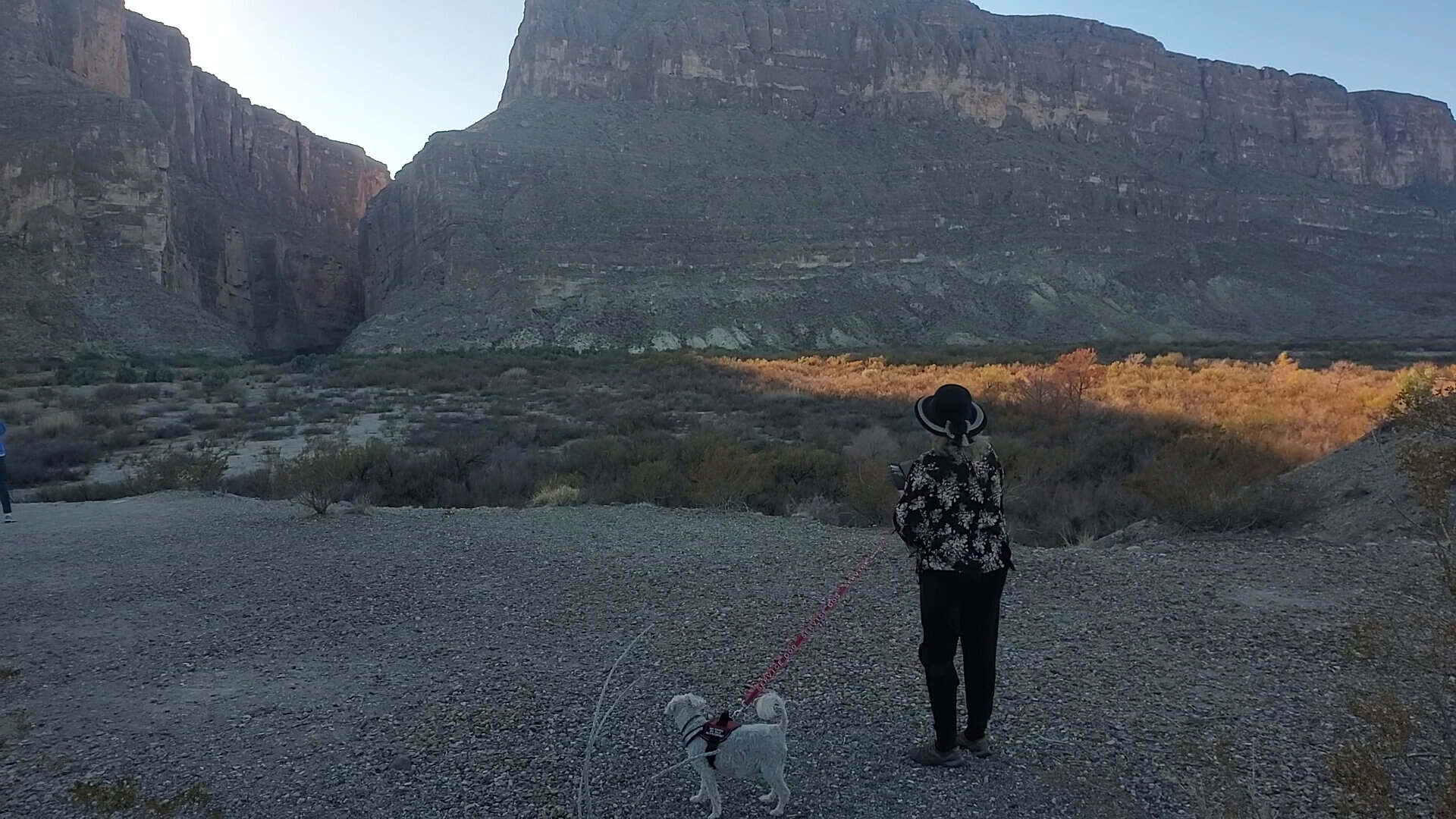
Then the path tips back down toward the water. The last stretch is flat and easy, winding through river cane and desert brush until you reach the sandy bank.
And there you are, standing on the floor of the canyon. Walls soar on both sides and the Rio Grande slides by at your feet. I could have stayed there all afternoon.
People sat on rocks with their shoes off, dipping their toes in the water. A dad pointed up at the cliffs, showing his kids how small the birds looked way up high. The light bounced off the water and painted the walls in shifting gold.
Nobody was in a hurry. That is the spell of this place. The desert teaches you to move slowly, and the canyon makes you glad you did. I watched a young couple simply lie back on the warm sand and stare straight up.
Walls That Seem to Touch the Sky
Let’s talk about those walls, because they are the whole show. The limestone cliffs of Santa Elena rise more than 1,500 feet straight up from the surface of the river.
That is taller than the tallest skyscraper in most Texas cities, and it goes on for miles. Standing at the bottom, you feel wonderfully, deliciously small.
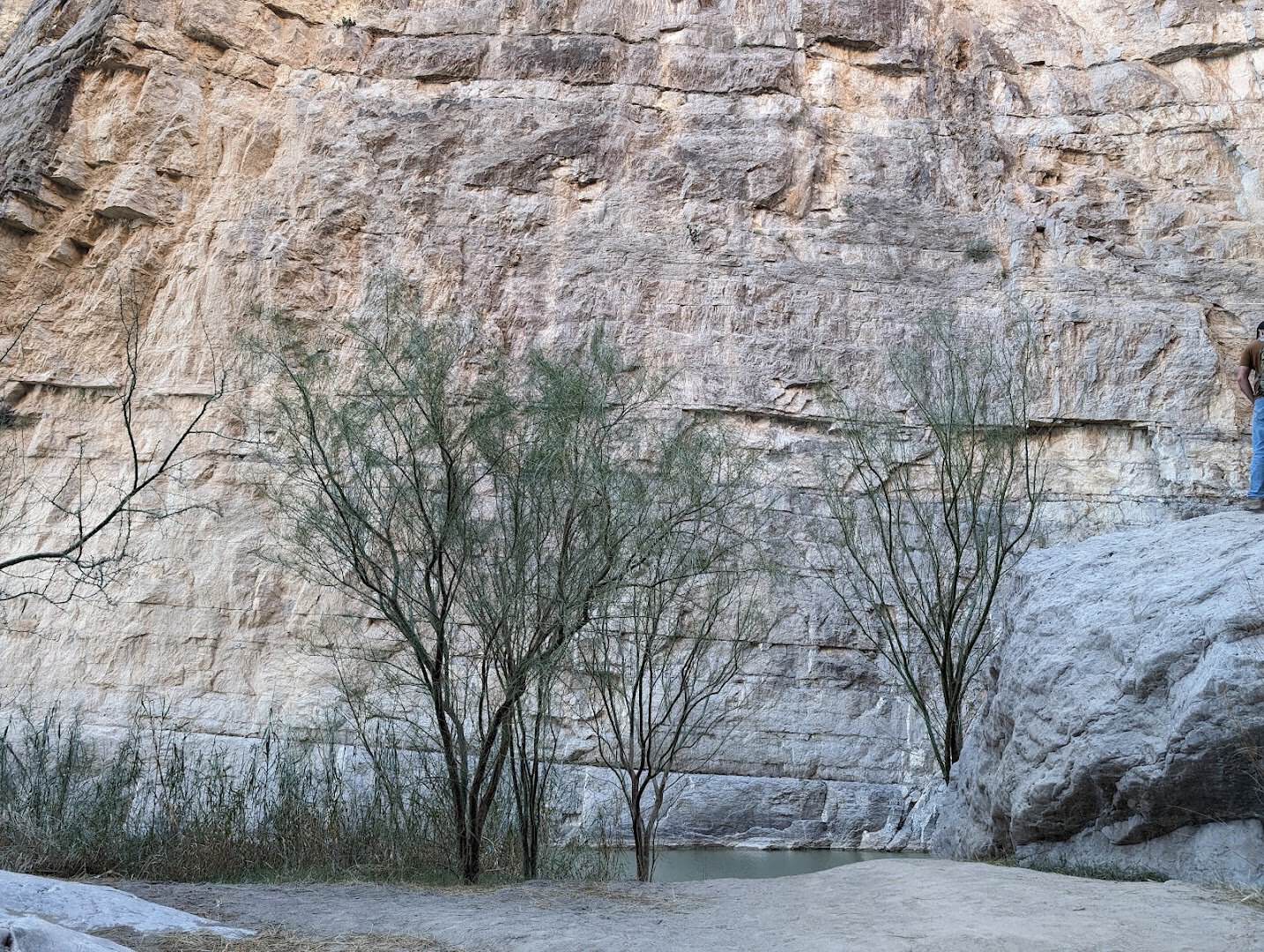
The rock is layered in bands of cream, rust, and deep smoky gray. Each stripe is a page in a book millions of years thick. In the narrowest spots, the two walls lean so close that only a ribbon of sky shows overhead.
What gets me every time is the quiet. Sound behaves strangely down here. Your voice comes back to you a beat later, softened and rounded.
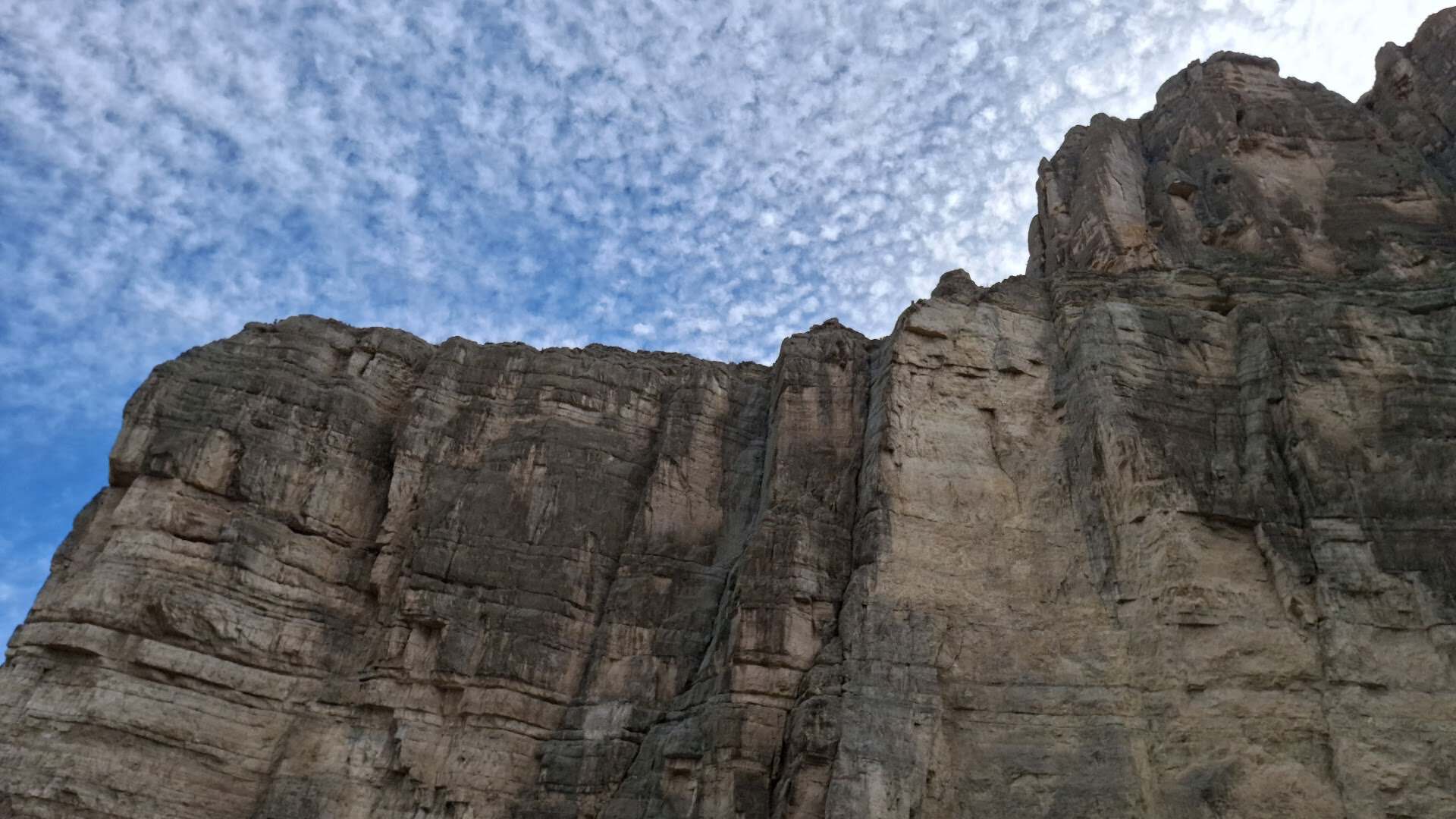
When a canyon wren sings, its song ricochets off the stone and seems to come from everywhere at once. It is the kind of hush that makes you want to whisper.
The cliffs on the Texas side belong to a long tableland called the Mesa de Anguila. Directly across the water, on the Mexican side, the same limestone rises up as the Sierra Ponce.
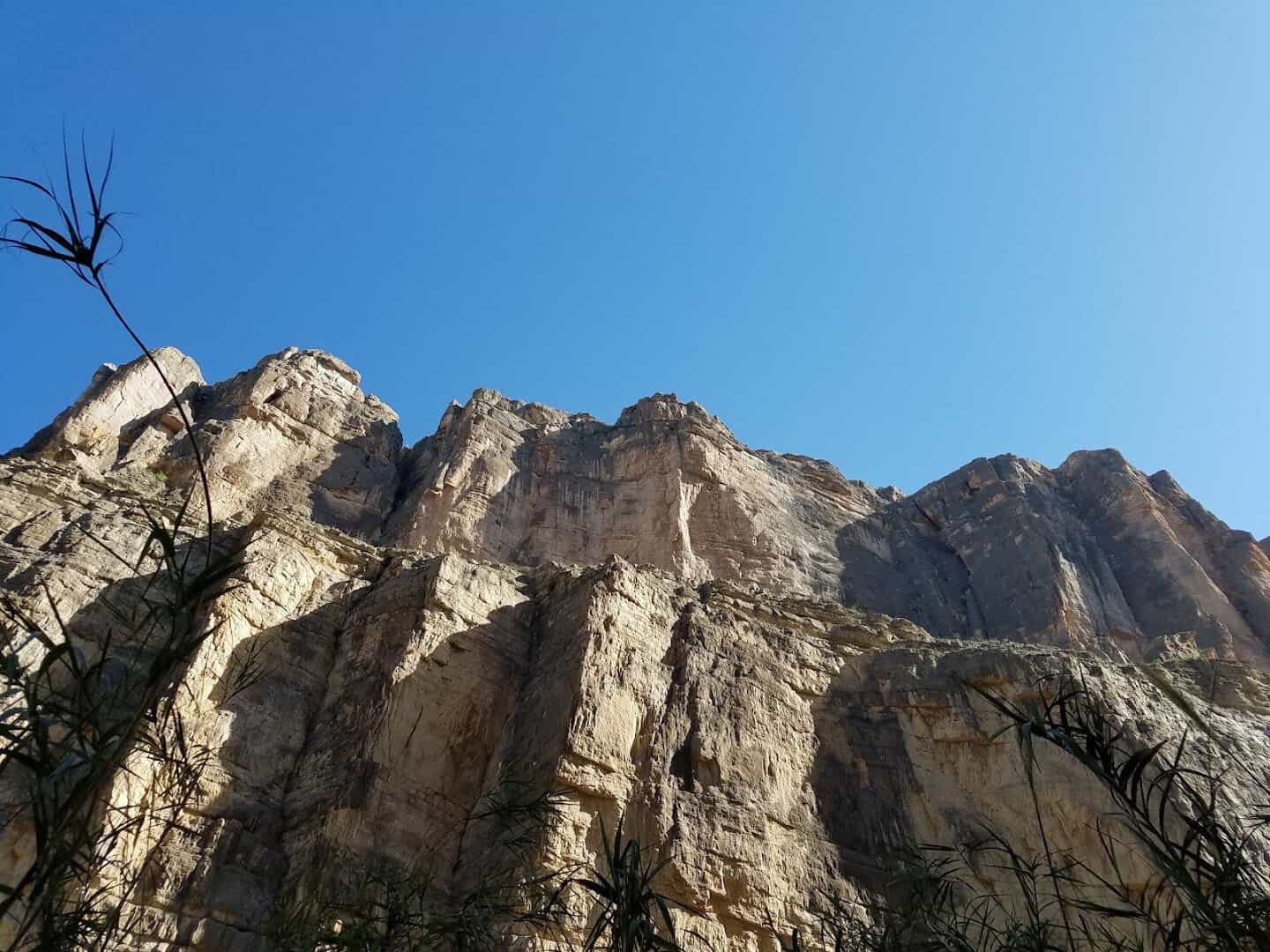
The two are really one giant block of rock, split down the middle by the river. You can spot the canyon from more than ten miles away, a dark notch in the horizon that pulls you closer.
The River That Carved It All
The hero of this whole story is the Rio Grande. It looks gentle from the bank, greenish and unhurried, but this is the tool that cut the entire canyon.
Over countless years, the river held its course while the land slowly rose around it. It simply sawed downward through the solid limestone, one grain of sand at a time.
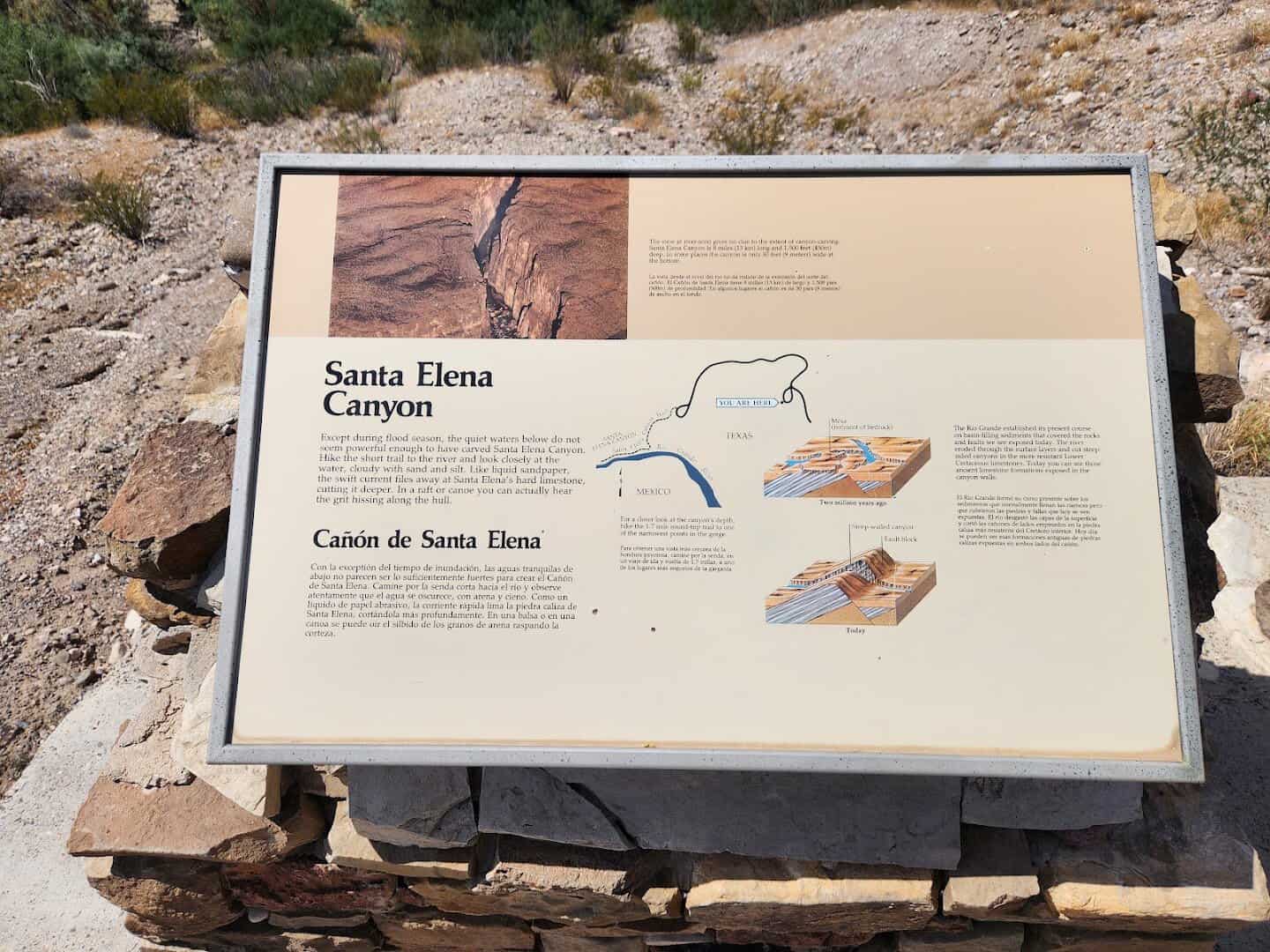
Think about that for a second. The water did not go around the mountain. It went through it, until it had carved a slot fifteen hundred feet deep. That is the kind of patience that humbles you.
The Rio Grande is also an international border. The water at your feet is the line between the United States and Mexico. Stand on the sandy beach at the end of the trail, and the far wall is another country.
There is something quietly wonderful about a natural wonder that two nations share. The Mexican side is protected wild land too, so what you see across the river is not development or highways.
It is more of the same rugged, beautiful desert country, kept safe on both sides of the water. The whole scene feels untouched because, in the ways that matter, it truly is.
A Brief History of Big Bend
Santa Elena Canyon sits inside Big Bend National Park, one of the great treasures of the American Southwest. The park was officially established on June 12, 1944.
That makes it one of the older national parks in the country, and the very first national park in Texas. Generations of Texans have grown up planning a trip out here.
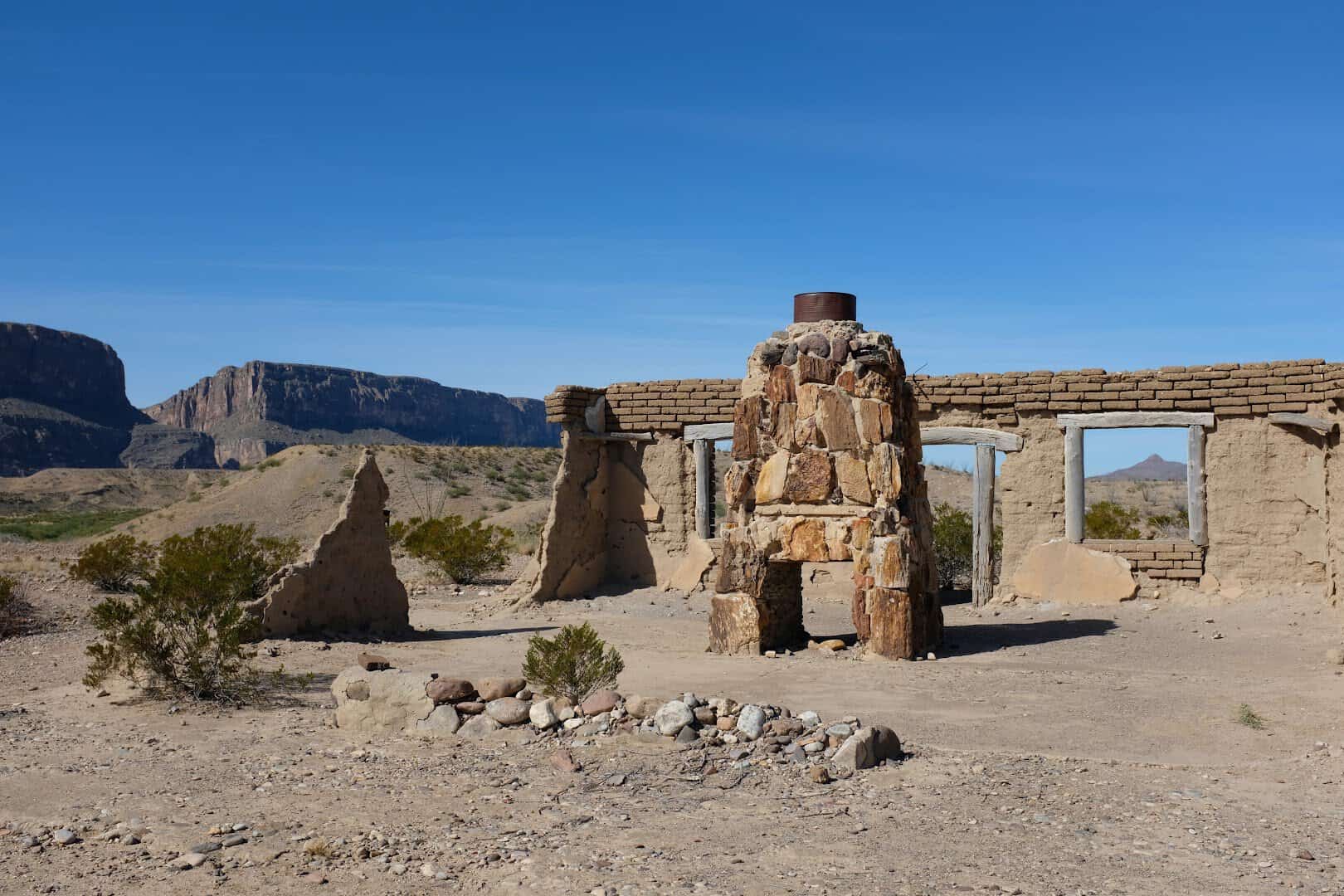
The road to protection started earlier. In the 1930s, Texans recognized that this remote bend in the Rio Grande held something extraordinary. The land was first set aside as a state park before the federal government stepped in.
President Franklin D. Roosevelt authorized the national park in 1935, and years of careful land acquisition followed before it opened. Ranchers, state officials, and ordinary donors all had a hand in piecing the land together.
Today the park sprawls across more than 800,000 acres of mountain, desert, and river country. The Rio Grande winds along its southern edge for well over a hundred miles, carving a whole family of canyons.
Santa Elena is the most famous and the most photographed of them all. Did you know its name has been on maps of this region for generations? Explorers, artists, and river runners have been drawn here for well over a century.
When you stand on that beach, you are joining a very long line of people who traveled a very long way just to look up. Something about the canyon has always pulled folks across the desert to see it in person.
Life Along the Desert River
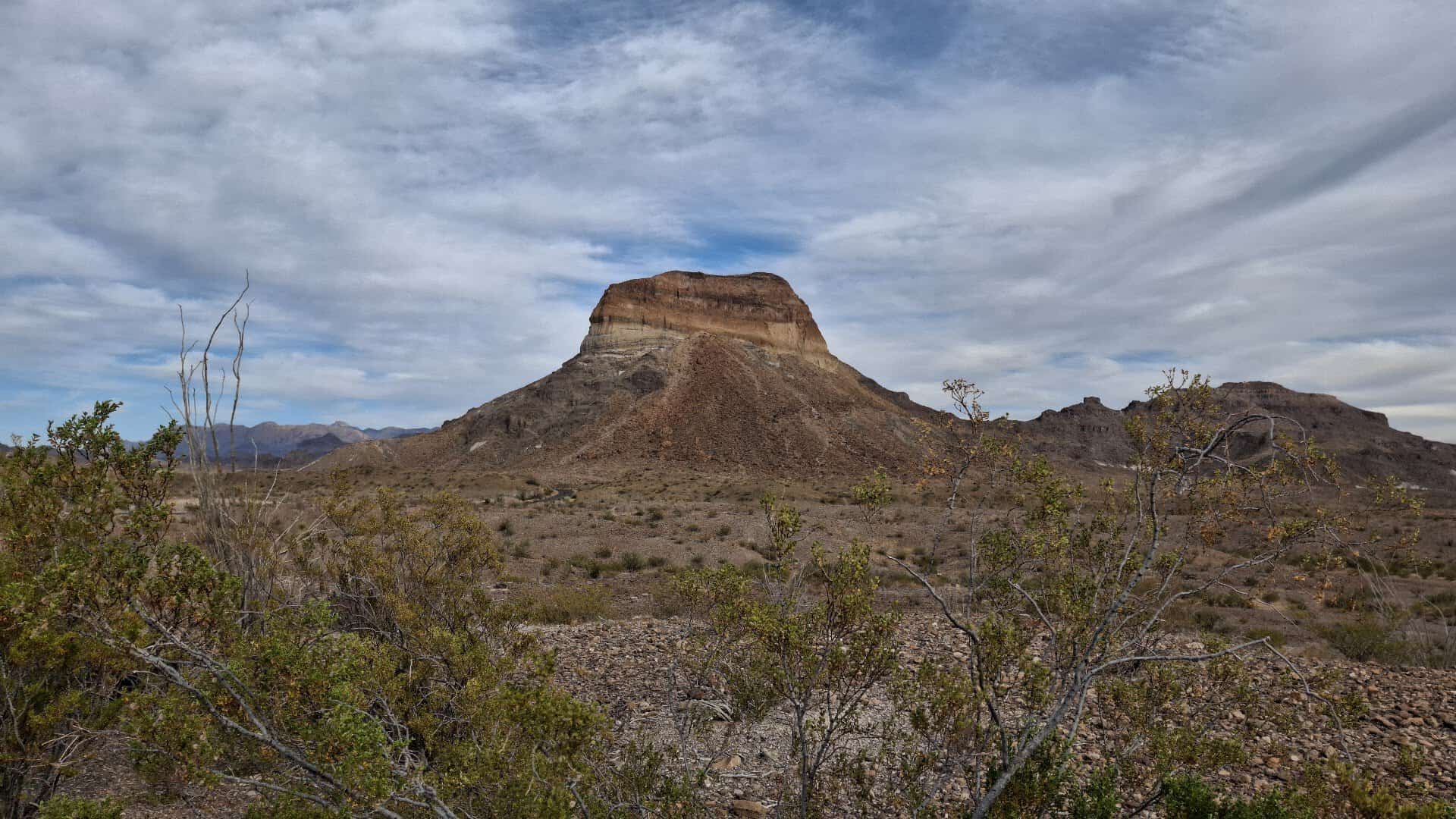
For a place that looks so stark from a distance, Santa Elena is buzzing with life. The desert around the trailhead is dotted with classic Chihuahuan Desert plants.
You will spot the spiky rosettes of lechuguilla, the tall wands of ocotillo, and a whole cast of cacti waiting for their moment to bloom. Each one is perfectly built for this dry, sun-soaked country.
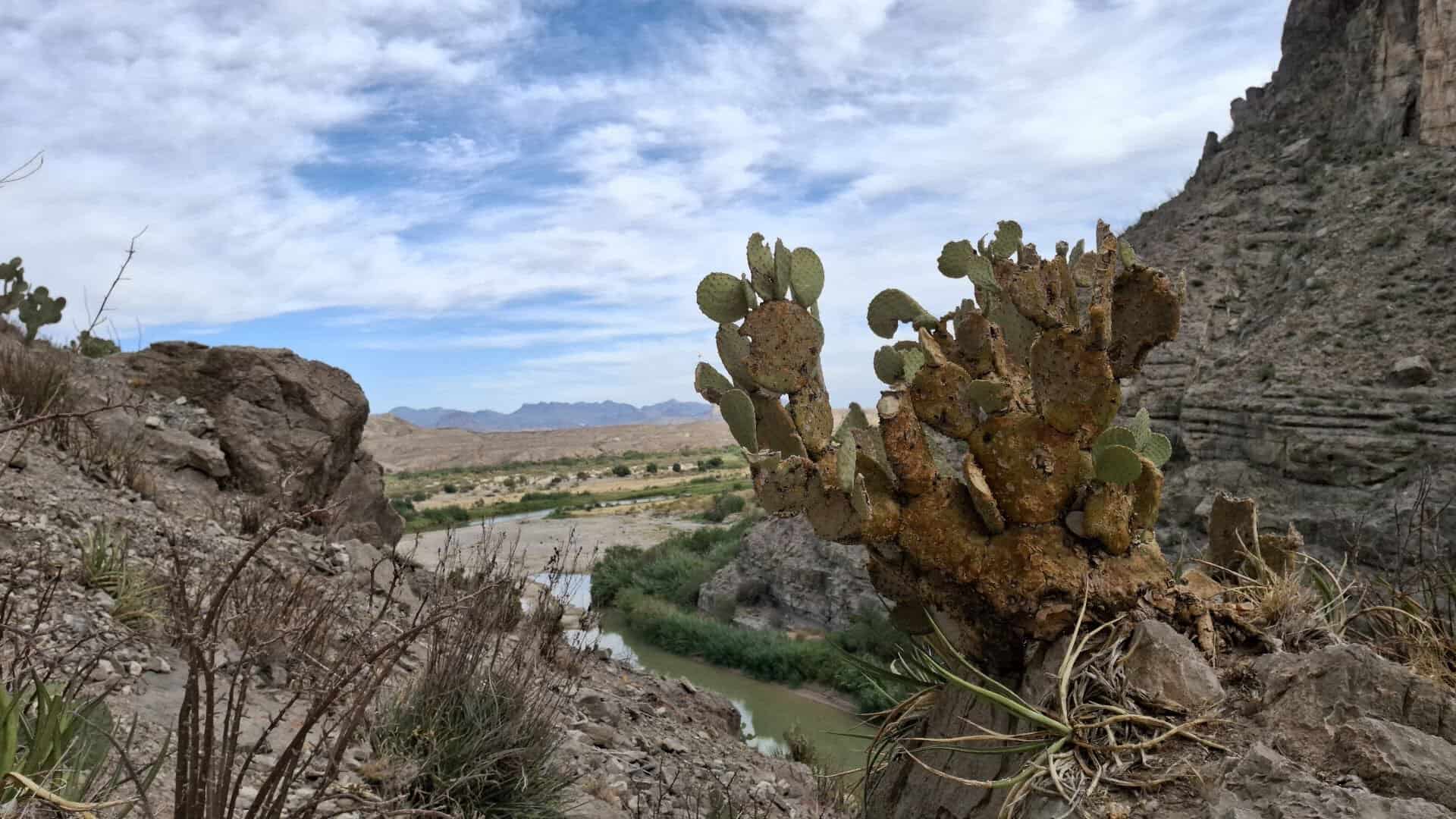
Down by the water, everything shifts to green. River cane grows in thick stands, and cottonwoods find just enough moisture to thrive. The contrast is striking.
It is a lush green ribbon running straight through the dry desert, all thanks to the river. That single thread of water changes everything it touches.
The birds are a joy. Canyon wrens are the soundtrack, but keep your eyes open for other desert species darting between the rocks. Butterflies and dragonflies hover over the calm water near the bank.
I love how the canyon rewards you for slowing down. Sit still for ten minutes and the place opens up. A wren pops out on a boulder, a butterfly loops past, and the river keeps murmuring its ancient tune.
This is not a spot to rush through. It is a spot to soak in. Pack a little patience along with your water, and the desert will show you far more than a quick walk ever could.
Seeing the Canyon From the Water
As stunning as the hike is, there is another way to experience Santa Elena that takes it to a whole new level. You can float right through it.
Local outfitters run canoe and raft trips on the Rio Grande. Gliding between those towering walls with a paddle in your hands is the stuff of lifelong memories.
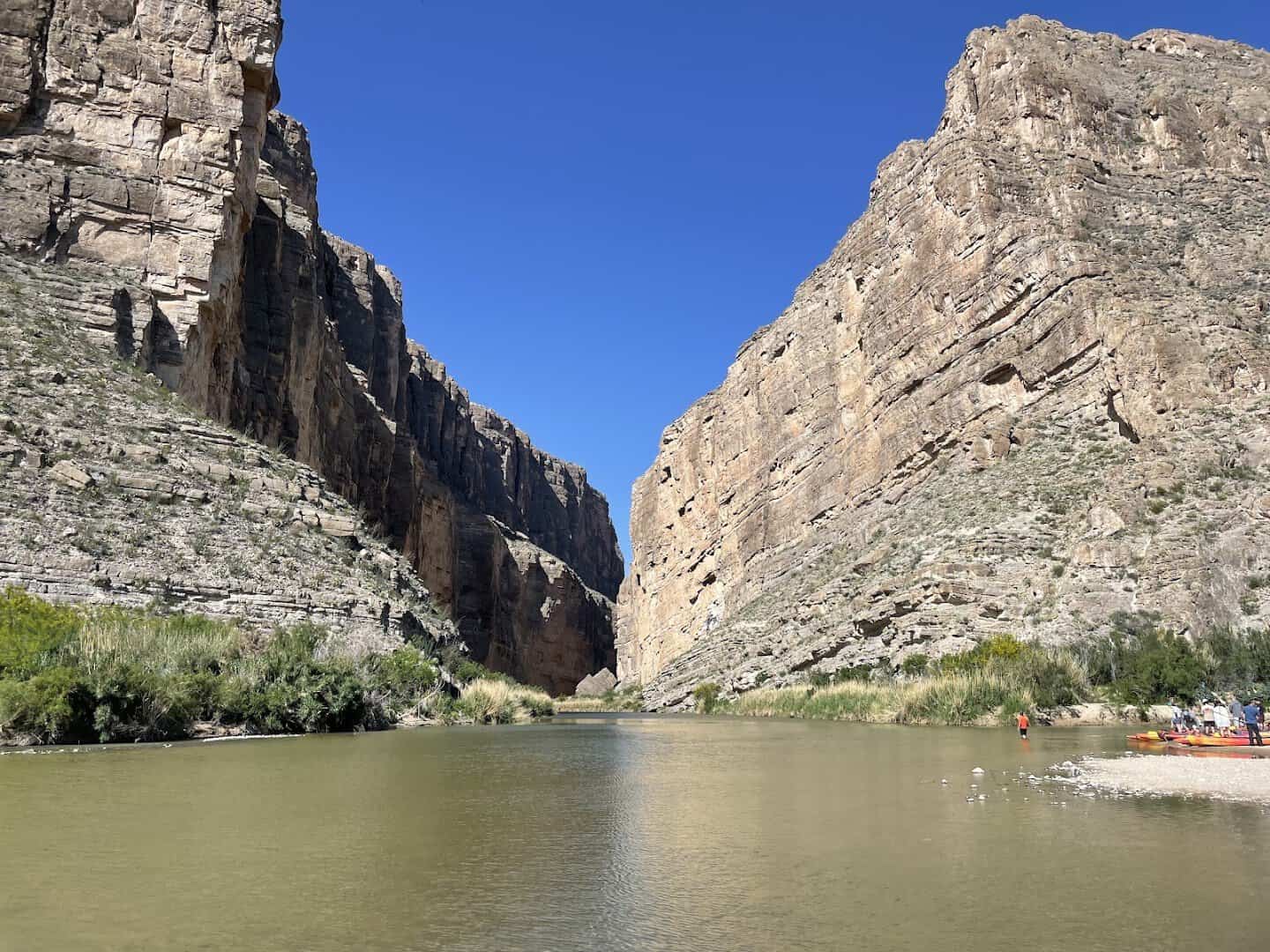
These trips range from gentle half-day floats to multi-day expeditions. On the longer runs, you camp on sandbars under a sky absolutely stuffed with stars.
Experienced paddlers relish the famous Rockslide, a boulder-strewn stretch that gives the trip a jolt of adventure. Guides know the river well and match the route to your comfort level.
Even if you are brand new to paddling, an outfitter can set you up with a calm, guided float. You get to drift and gawk at the scenery instead of worrying about your technique.
Seeing those walls rise straight out of the water, right beside your boat, is a perspective the trail simply cannot give you. It is well worth building into your trip.
Floating deep into the canyon, you pass through stretches where the sky shrinks to a thin blue seam far overhead. The temperature drops, the light turns cool and silvery, and the only sound is your paddle dipping in the current.
Local guides love to point out the little details you would miss on your own. A nest tucked into a ledge, a spring seeping from the rock, the exact spot where the morning sun first spills over the rim. Their knowledge makes the trip richer.
Chasing the Best Light
If you want the canyon at its most spectacular, time your visit for early or late in the day. When the sun is low, its light slants into the canyon mouth and sets the walls glowing.
Photographers call this magic hour, and Santa Elena earns the name. The warm gold and amber on that ancient stone is a sight you will carry home with you.
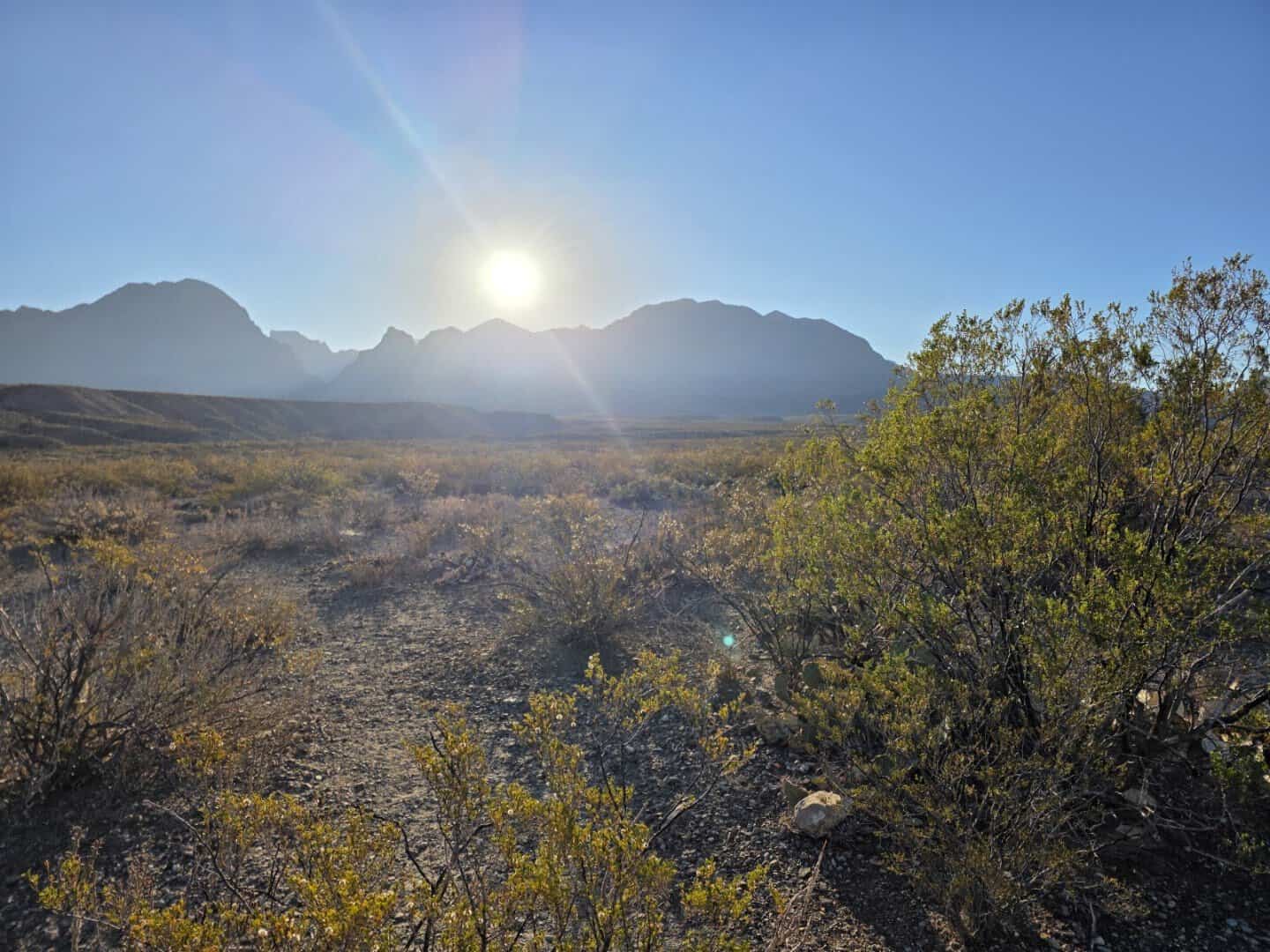
Sunrise is my personal favorite. The desert is cool, the crowds are thin, and the first light creeping down the cliffs is something you will never forget.
Bring a thermos of coffee, find a rock, and just watch the canyon wake up. It is one of the most peaceful mornings you can spend in Texas.
Sunset works its own kind of spell, with the whole western sky catching fire behind the rim. Midday has its charms too, because the high walls throw generous shade.
In a park where shade is precious, Santa Elena is a cool and welcome retreat when the desert sun is blazing. You can linger comfortably long after you would have wilted out in the open.
Visitors tend to run out of superlatives for this place. One hiker called it “simply breathtaking,” and another described the whole canyon as “magical.” I would add that it somehow exceeds the hype.
Tips for Your Visit
A few practical notes will make your trip smoother. First, bring more water than you think you need. West Texas is dry and warm, and even a short hike goes better with plenty to drink.
Wear sturdy shoes you do not mind getting a little muddy at the creek crossing. A hat and sunscreen are your friends out here, and a small snack never hurts.
Second, plan for the drive. Santa Elena sits at the far end of the park, and getting there is part of the experience.
The Ross Maxwell Scenic Drive that leads to the trailhead is a jaw-dropping route in its own right. It winds past overlooks and rock formations that are worth a stop of their own.
Third, give yourself time. Cell service is nonexistent out here, and that is a gift. Slow down, look up, and let the sheer scale of the place work on you.
Big Bend is one of the most remote parks in the country. That remoteness is exactly what keeps Santa Elena feeling so wild and untouched.
How to Get There
Santa Elena Canyon is in the southwest corner of Big Bend National Park, about eight miles west of the historic Castolon area. The trailhead sits where the pavement runs out at the edge of the Rio Grande.
Where: Santa Elena Canyon Trailhead, Ross Maxwell Scenic Drive, Big Bend National Park, TX 79834. The nearest gateway town is Terlingua, Texas 79852, with lodging, food, and river outfitters.
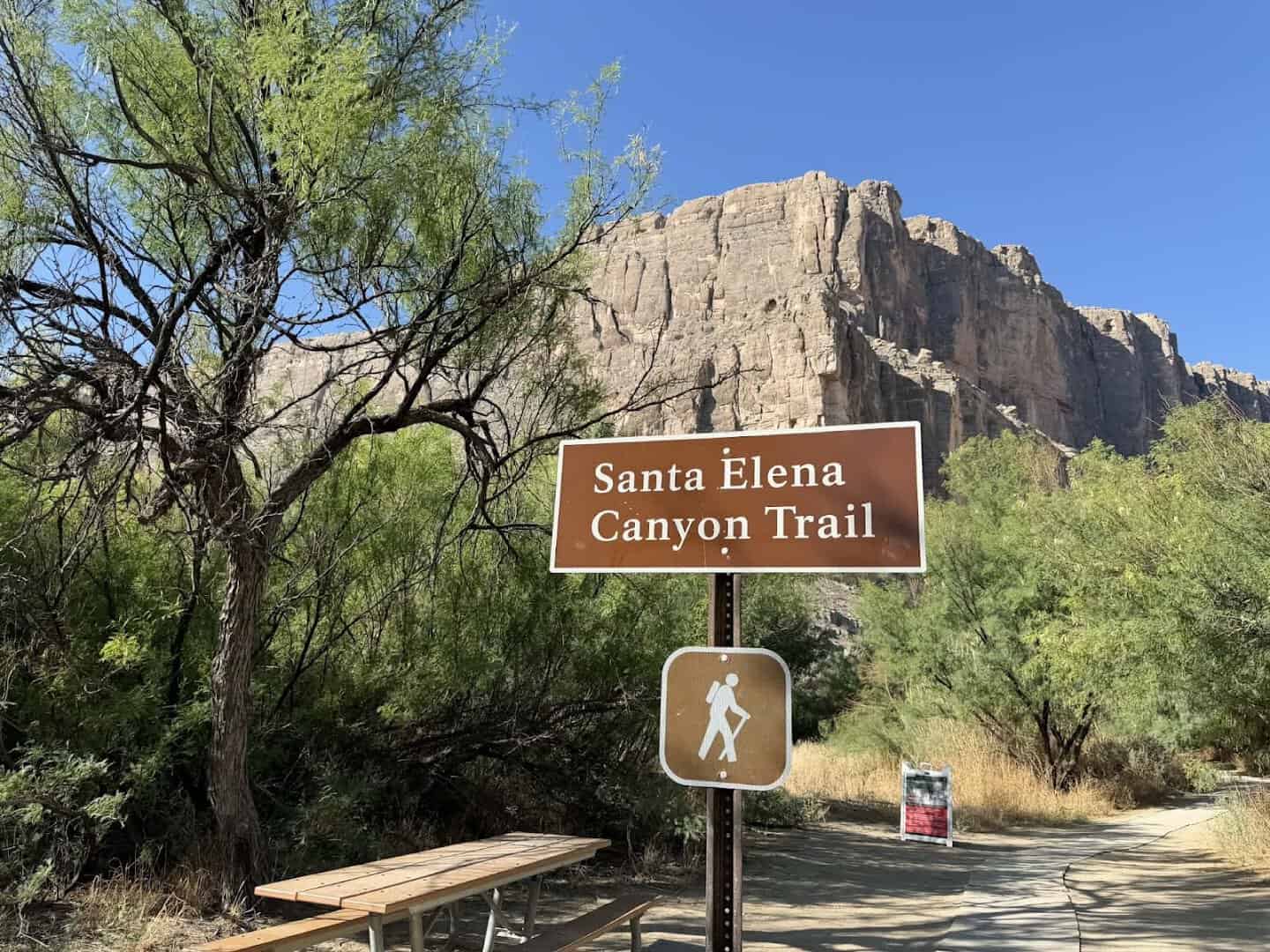
You can reach the trailhead by the paved Ross Maxwell Scenic Drive, or, in dry conditions, the unpaved Old Maverick Road, a rougher but scenic shortcut. Check with rangers for current road and creek conditions before you set out.
Start Planning Your West Texas Escape
Some places live up to their pictures. Santa Elena Canyon blows right past them. It is the kind of spot that rearranges how you think about your own state.
It is a reminder that Texas holds wonders as vast and wild as anywhere on the map. All it asks is that you make the drive.
So fill up the tank, pack the cooler, and point your car toward the far side of Big Bend. Stand on that sandy beach, tilt your head all the way back, and let the canyon do what it does to everyone who visits.
Whether you live in Texas or you are just passing through, this is one journey you will be telling stories about for years. Go see it for yourself.

Stella Raines
Editor-in-Chief
Stella brings over a decade of storytelling experience to TX Headlines. With roots in West Texas and a love for road trips, she leads the editorial team with an eye for the hidden stories that make Texas unforgettable.
More Stories
Tags