Why West Texas Might Have the Best Stargazing in America
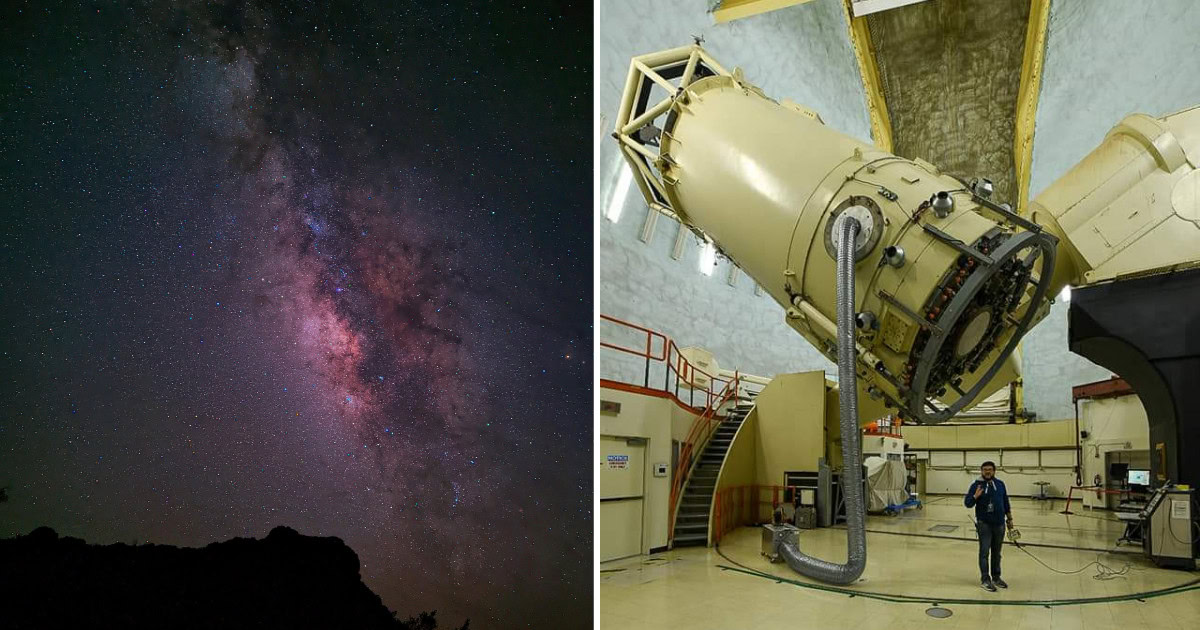
Texas has more than its fair share of “bright lights, big city” energy, with Houston, San Antonio, Dallas, and Austin providing locals and tourists with non-stop action.
But did you know that Texas also offers the exact opposite experience? Quiet, dark, and at a pace so slow, it is nearly glacial? And in true Texas style, the state does it bigger and better than almost anywhere else.
Texas is becoming one of the most extraordinary places in the country to experience not just another booming city, but the night sky itself.
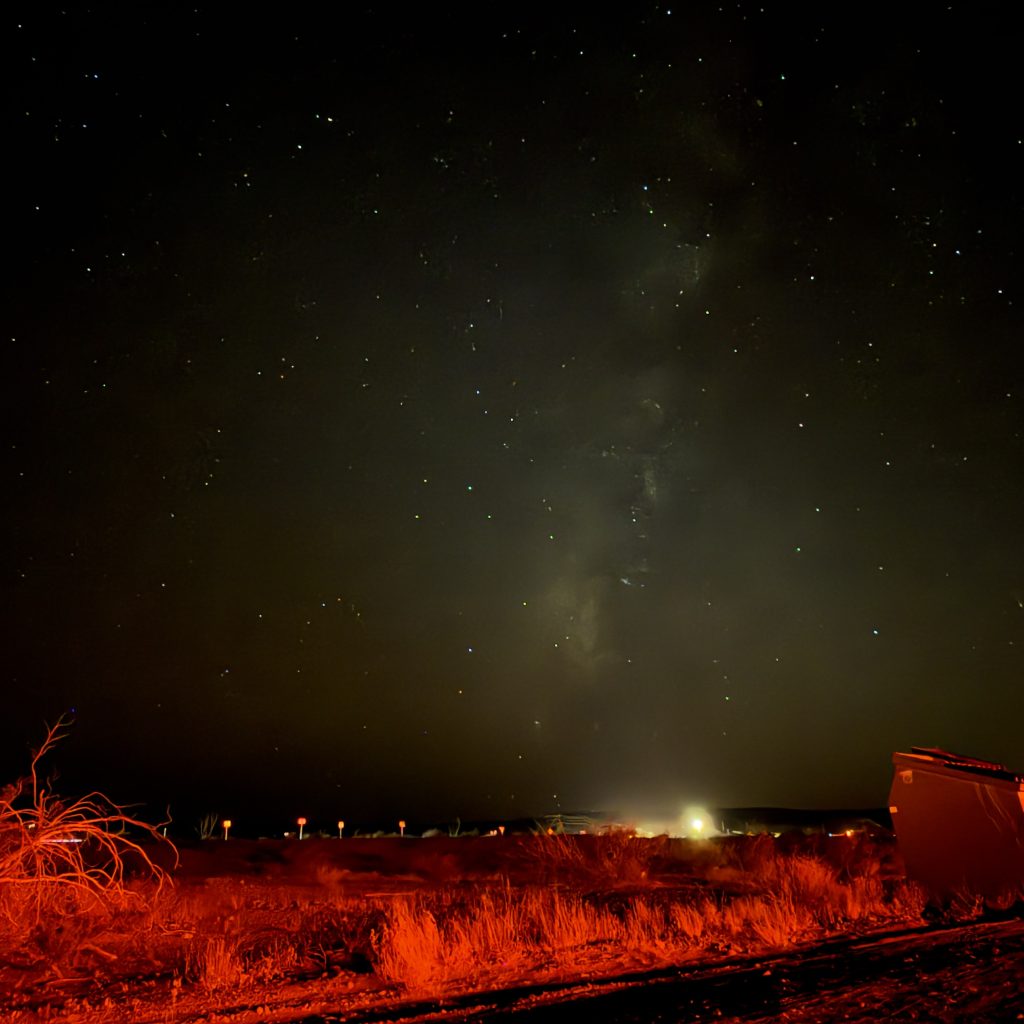
Not because it has the most observatories or the highest mountains, but because parts of the state, especially in the west, still offer something modern life has nearly erased: true darkness.
In much of the United States, darkness no longer fully exists. Cities glow for miles beyond their limits, highways remain illuminated through the night, and even suburban skies carry the haze of artificial light. Many children have no idea that the sky is full of stars, not just the “Big Dipper” or the other few that they may see casually.
People often do not realize how much of the night sky has disappeared until they stand somewhere truly dark again. They take it in and are often so emotionally moved that they begin to understand, at the deepest level, what disconnecting really means.
That emotional tug has helped fuel growing interest in dark-sky travel and slower outdoor experiences.
And they find that they can have this encounter in a pure way in West Texas.
The stars do not simply appear brighter in this part of the state. The entire landscape changes after sunset. The sky becomes enormous. Silence deepens. This is not a scenic stop but a mesmerizing one.
As you stare upward intently, the Milky Way stretches overhead, time itself seems to melt away into meaninglessness.
For some time, people have become increasingly interested in slower, more natural escapes from the technology, and the lights, of modern everyday living. Camping, RV travel, desert road trips, and unplugged evenings outdoors in the backyard have been growing in popularity.
Geography is the reason Far West Texas has become one of the country’s premier dark-sky regions. The area especially offers vast open land, low population density, dry desert air, and dramatically lower levels of light pollution than most of the country.
Protecting the Texas Night Sky
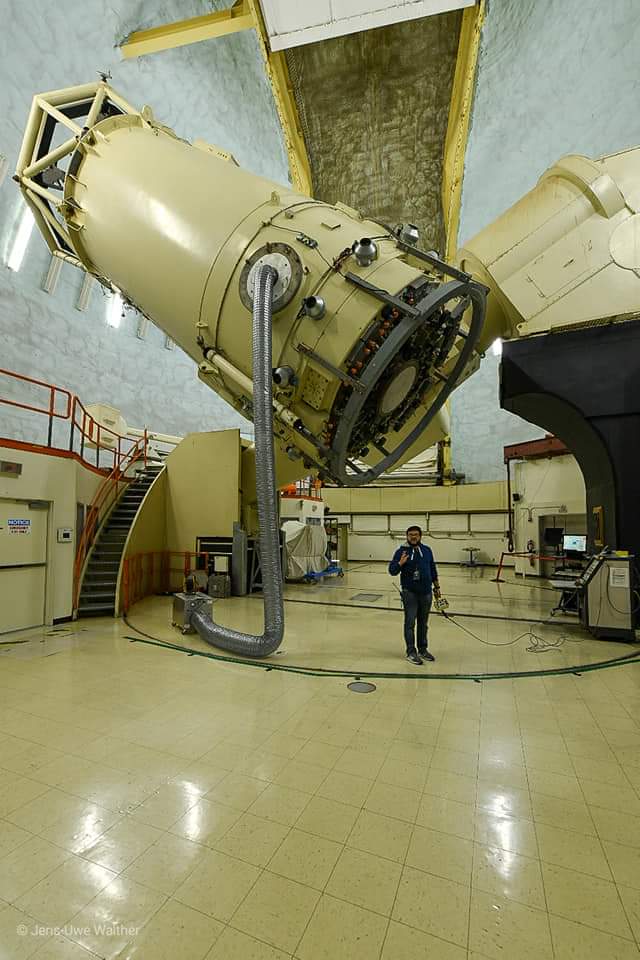
The efforts to protect this astral wilderness began nearly a century ago with a posthumous financial gift from Texan William J. McDonald whose name still graces the observatory. Another citizen, Violet Locke McIvor, generously donated land from her cattle ranch and the local mountain was shortly renamed Mount Locke.
In 1975, the State Legislature of Texas passed House Bill 75, regulating outdoor lighting within a 75-mile radius of the McDonald Observatory. The region continues refining lighting protection guidelines today.
These actions marked the beginning of what is now known as The Greater Big Bend International Dark Sky Reserve, a designation made just in 2022. This area spans more than 15,000 square miles across Texas and Mexico. It is now recognized as the largest certified dark-sky region in the world.
Big Bend National Park
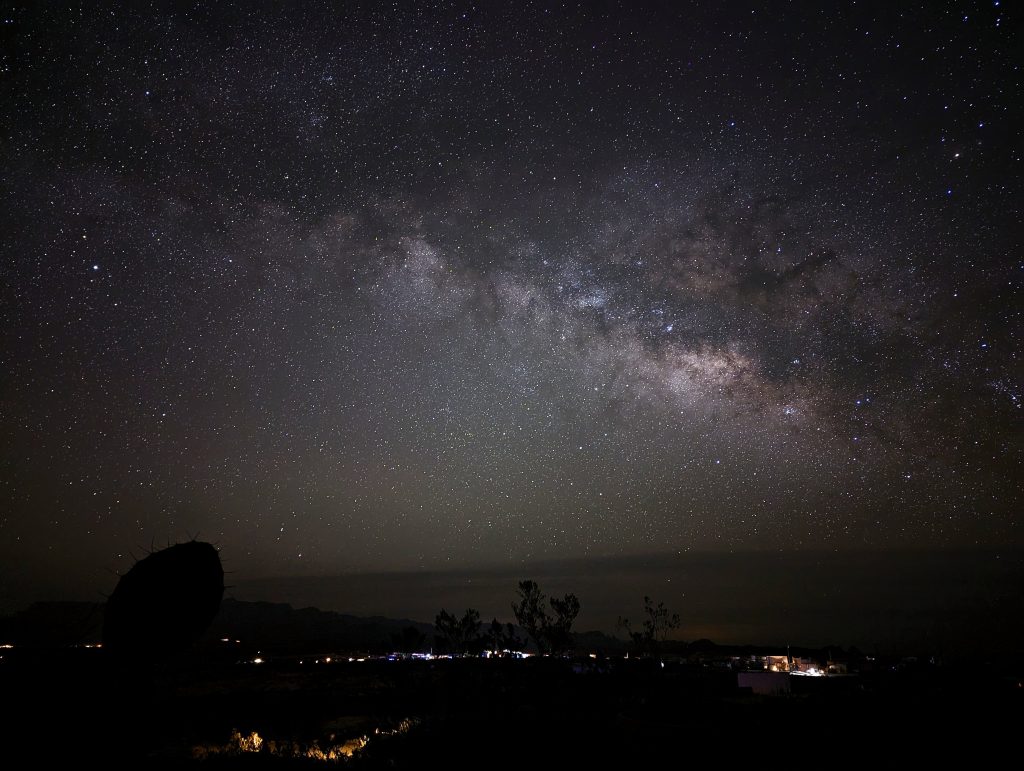
Many visitors seeking a dark sky experience combine it with a trip to Big Bend National Park.
Like other National Parks, travelers can enjoy camping, hiking, and scenic drives during the day. At night, another story is told.
Many first-time visitors are surprised by the density of the sky itself — not just a scattering of stars, but thousands visible at once. The silence also becomes part of the story.
Campers pull folding chairs into the open desert and stay outside long after temperatures begin to drop. Conversations pause repeatedly as new stars emerge overhead, voices drop, almost reverently. The only sounds you may hear are wind moving through the desert and the occasional bird or coyote call. Other than that, you almost feel like you are floating.
Different parts of the park can offer somewhat different experiences. The most atmospheric locations include the Chisos Basin, Santa Elena Canyon, and Rio Grande Village.
In the Chisos Basin, mountains frame the sky and create an almost intimate feeling of the stars being surrounded. Near Santa Elena Canyon, the darkness feels vast and remote, with canyon walls disappearing almost completely after sunset. Rio Grande Village offers broad, open sky views where the Milky Way often becomes visible without any equipment at all.
But after dark, in any area of the park, the lack of city noise or artificial light, allows Big Bend visitors to almost feel physically still; stargazing becomes more than scenery.
And it may be trendy to say it, but people often leave changed. The darkness reshapes their sense of space and scale. Many visitors leave with a new awareness of how much modern life has disconnected people from experiences like this.
McDonald Observatory
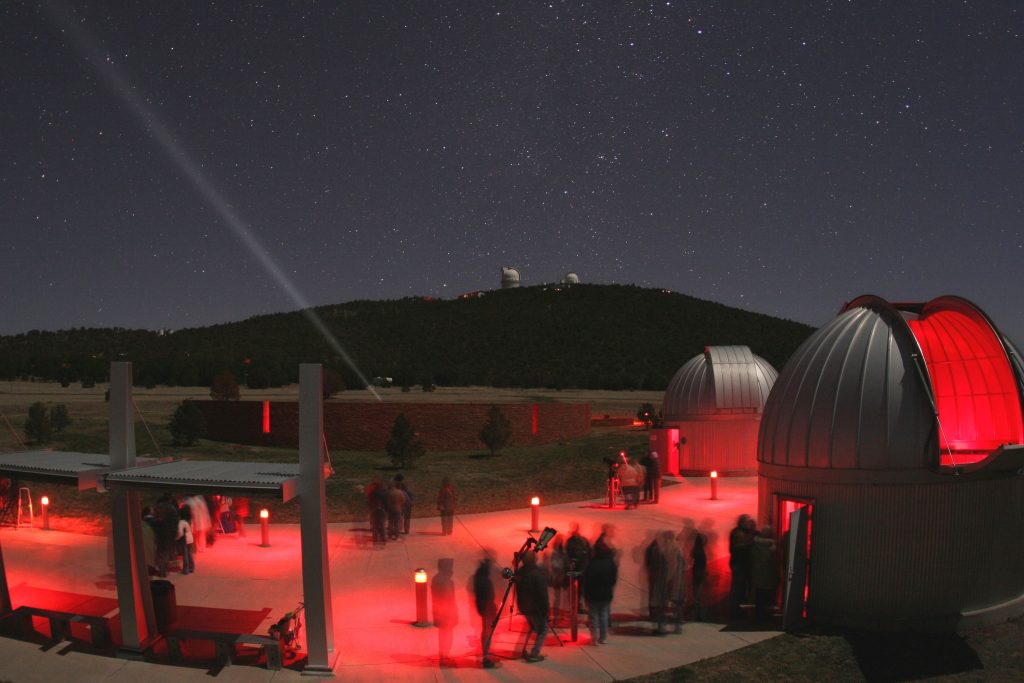
Not every memorable stargazing experience in Texas requires total wilderness isolation.
The McDonald Observatory, located in the Davis Mountains near Fort Davis, makes dark sky viewing more guided and accessible while still maintaining the atmosphere of remote West Texas.
The observatory also broadens the article beyond camping culture and rugged desert travel. It creates an entry point for travelers who may prefer small-town lodging, scenic drives, and more structured experiences.
With its public evening programs and star parties, the observatory makes the dark sky personal and approachable for the more casual traveler. Visitors gather after sunset for constellation tours, telescope viewing, and guided discussions led by observatory staff.
But the impact remains the same. Imagine seeing Saturn’s rings or Jupiter’s moons! “Wows” and shouts are common as well as “come here, you have to see this!”
Enchanted Rock State Natural Area and Beyond
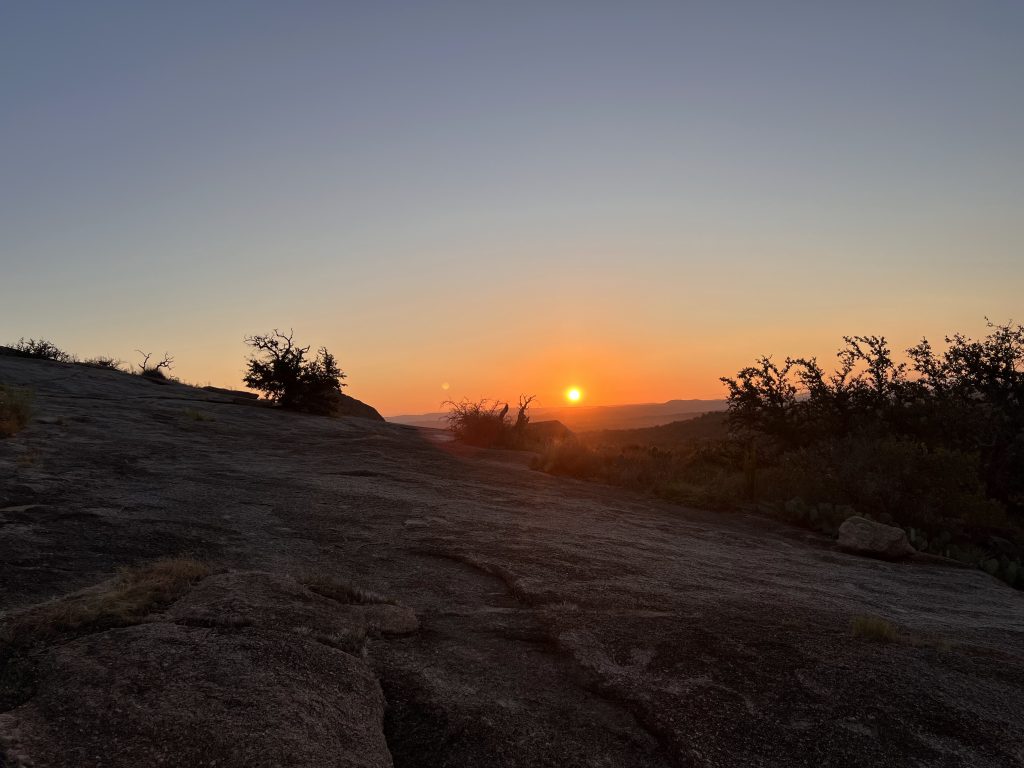
As iconic and renowned as Big Bend is for stargazing, the Texas Hill Country should not be overlooked.
Enchanted Rock State Natural Area, located near Fredericksburg, combines hiking, open landscape, and night-sky viewing in a way that works especially well for weekend travelers from Austin and San Antonio.
For sure, the vibe here feels different from Big Bend. Less remote. Less overwhelming. But still deeply atmospheric.
Fredericksburg enables travelers to pair stargazing with cabins, wineries, restaurants, and slower Hill Country weekends. American history fans can even visit the nearby Lyndon Johnson Historical Park.
This rich menu of options is especially attractive for couples and casual road-trippers who are dark-sky curious but may not feel ready for a full-on wilderness expedition.
Other Texas parks help support awareness of the Texas dark sky movement.
For example, Copper Breaks State Park offers structured monthly star programs, while Devils River State Natural Area represents one of the most pristine night-sky environments in the state with exceptionally low light pollution.
Together, these locations remind us that Texas stargazing is not confined to one famous national park. The state contains an increasingly diverse map of dark-sky experiences for travelers across Texas looking for different kinds of dark-sky experiences.
Stargazing as Slow Travel
Regardless of where you choose to travel to see the Texan sky, astronomy groups recommend red-light flashlights to help preserve night vision, much better than traditional white light. In fact, some parks ban white light flashlights – check before you go.
When it comes to planning, check the moon phase, not just the weather, for the days of your trip. As magnificent as a full moon is, it can actually hurt your dark sky visibility.
And as for your phones, please try leaving them in the car! Chances are you will have limited service anyway but at a minimum screens should be dimmed.
Perhaps that is part of what makes Texas stargazing feel so meaningful right now.
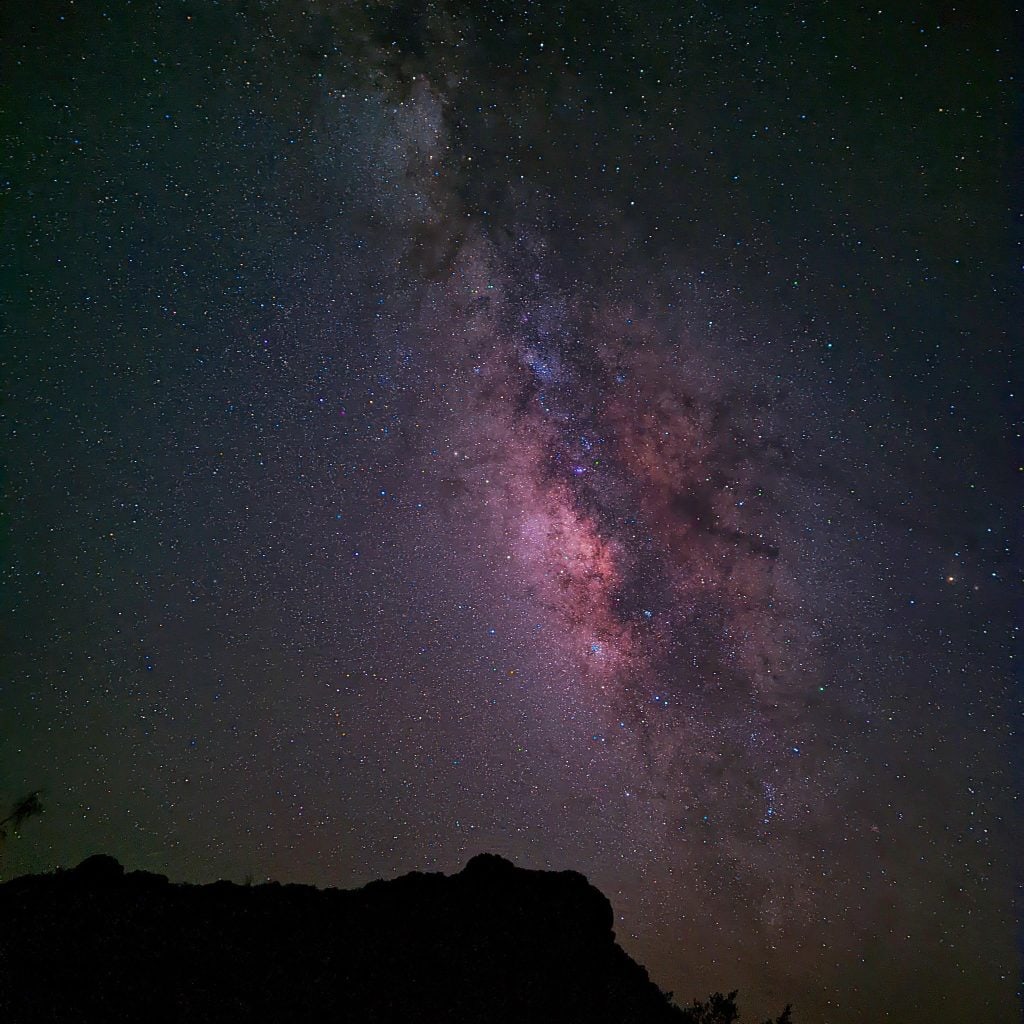
In a world filled with constant alerts, artificial light, and endless distractions, true darkness has become surprisingly rare. In West Texas especially, the night sky still has the power to slow people down completely. Conversations soften. Phones disappear. Travelers stay outside far longer than they intended, staring upward as the Milky Way stretches across the sky.
In the best parts of West Texas, the night sky still has the power to slow people down completely. And in a world filled with constant light and noise, that power may be rarer than people realize. It is about silence, scale, and rediscovering what night used to feel like before artificial light drowned most of it out.
With so many action and site-filled travel options, it is somewhat unusual to decide on a vacation to simply look and feel. Yet, a visit to this beautiful part of the state will reward you on levels you won’t expect. And provide unique experiences and memories not gained from your usual vacation destinations.
As the song goes “The stars are big and bright deep in the heart of Texas.” Let them change you.

Kelly O’Brien
Travel Writer
I love traveling across the U.S. and discovering the kinds of places you don’t always hear about—the hidden gems, scenic drives, and towns with real character. I’m always chasing a mix of beauty, simplicity, and a bit of adventure, whether that’s out in nature or tracking down a great local spot to eat. It’s hard to say whether I’m more drawn to the mountains or the beach, so for now, I keep choosing both.
More Stories

These 10 Texas Spots Bloom Into Seas of Bluebonnets Each Spring

This Enchanting Texas Nature Trail Feels Like Hiking Through a Fairytale Forest

This Underrated Texas State Park Gives You a Full Day of Swimming and Hiking for Just $5
