Ride 13 Miles Through Post Oak Forest On This Secret Equestrian Trail
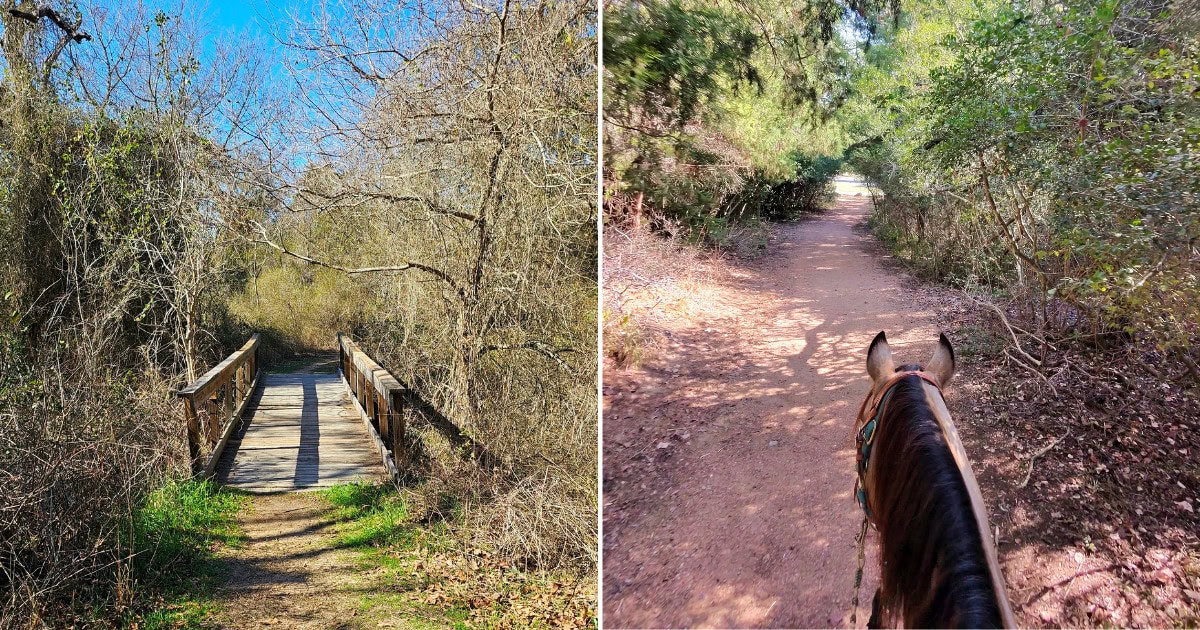
Horseback riding through a forest feels like stepping back in time, when the pace of life was slower, and the world stretched out endlessly beneath the trees.
There is a rhythm to it that you cannot replicate in a car or even on foot—the creak of the saddle, the soft thud of hooves on packed earth, the way the light filters through the canopy overhead.
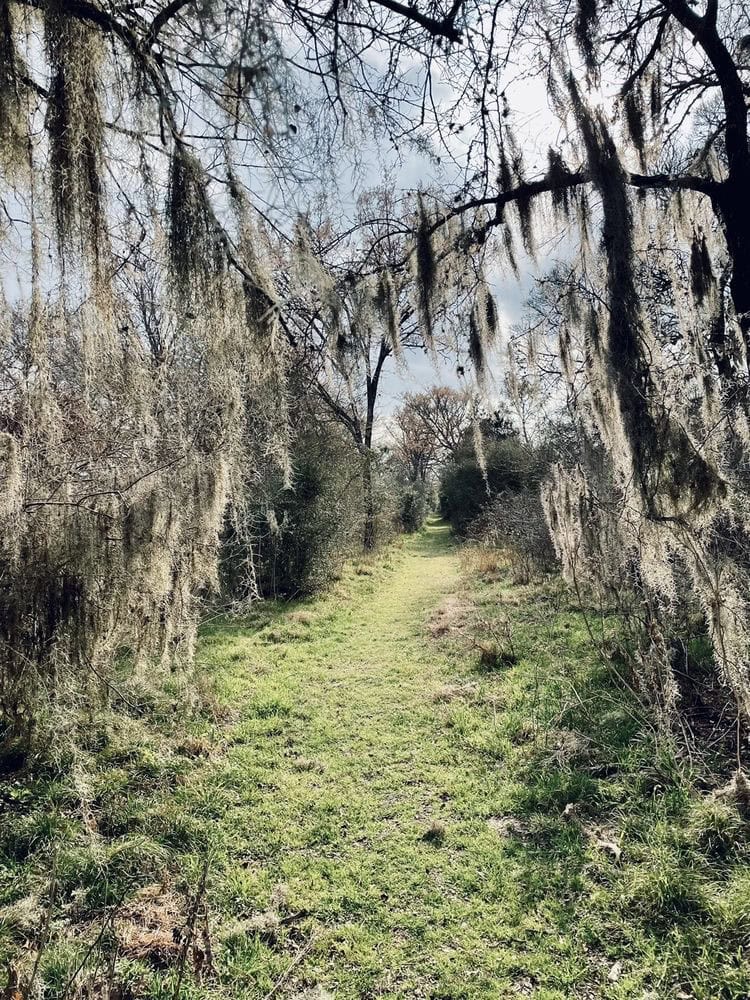
For riders looking for that kind of escape in Central Texas, there is an equestrian trail winding 13 miles through the post oak forest that offers exactly that.
Two Parks, One Trail
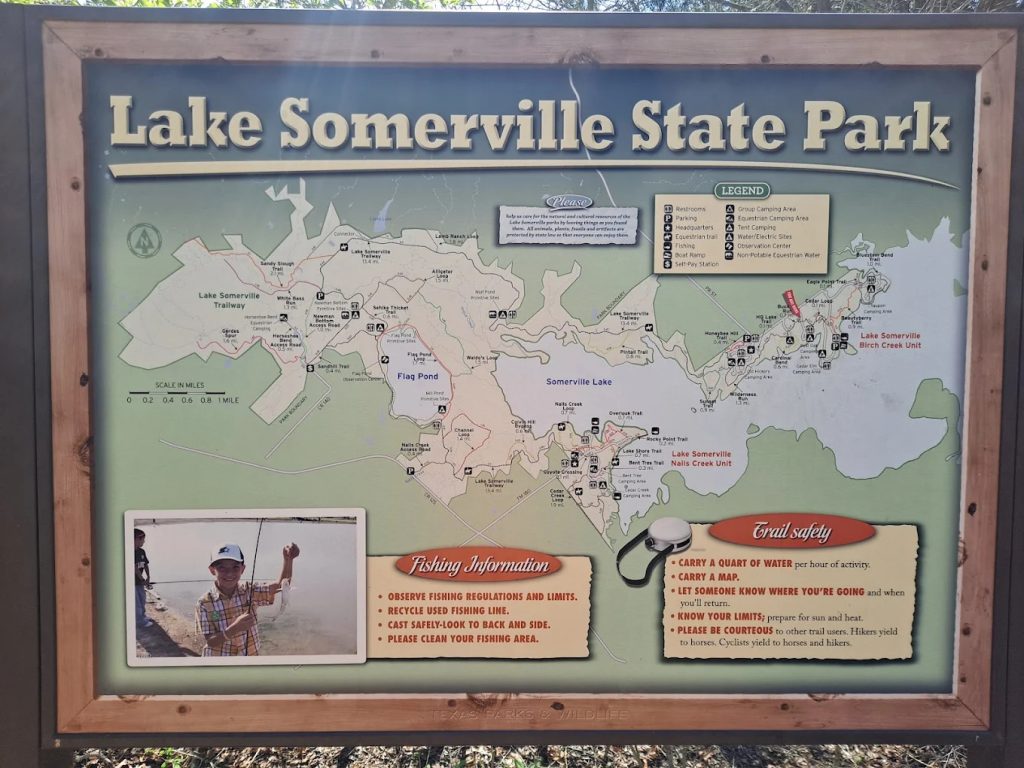
Lake Somerville State Park operates as four units: Birch Creek, Nails Creek, the Trailway, and Somerville Public Hunting Land.
Built by the U.S. Army Corps of Engineers in 1967 and leased to Texas Parks & Wildlife in 1969, the park opened to visitors in 1970.
Birch Creek sits northwest of Brenham off State Highway 36, while Nails Creek lies northeast of Giddings off FM 180—about a 30‑minute drive apart.
The trailway connects them directly for those traveling by hoof, wheel, or foot.
Along the trail, visitors pass through forests of post oak, hickory, blackjack oak, and water oak, with yaupon holly providing shade in summer.
Yaupon is one of only two native U.S. plants containing caffeine—used by Native Americans to brew tea centuries ago.
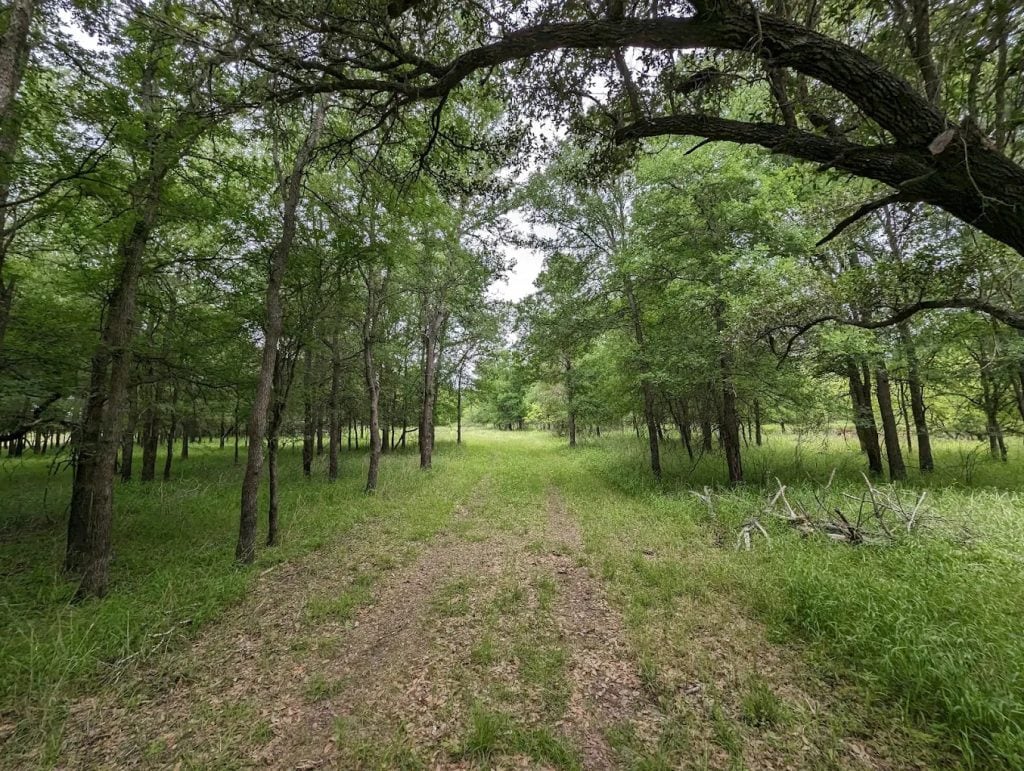
Today, it’s more likely appreciated as a cooling canopy along the path.
Riding the Trail
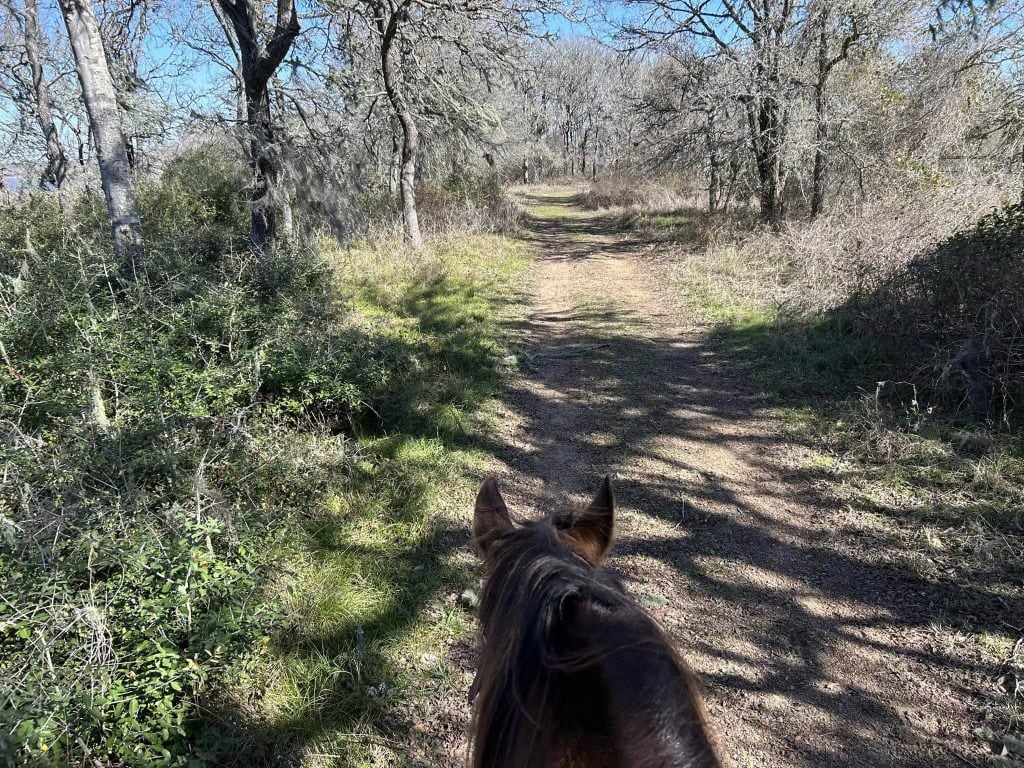
The Trailway’s terrain is gentle by Texas standards, with only about 357 feet of elevation gain across 13 miles.
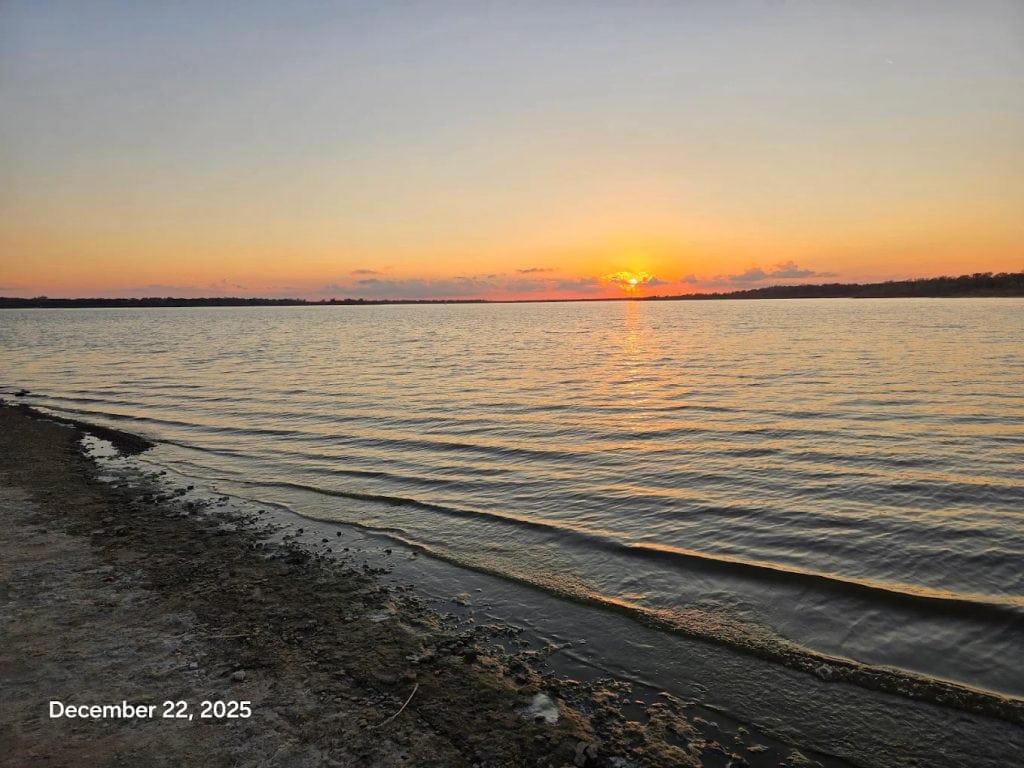
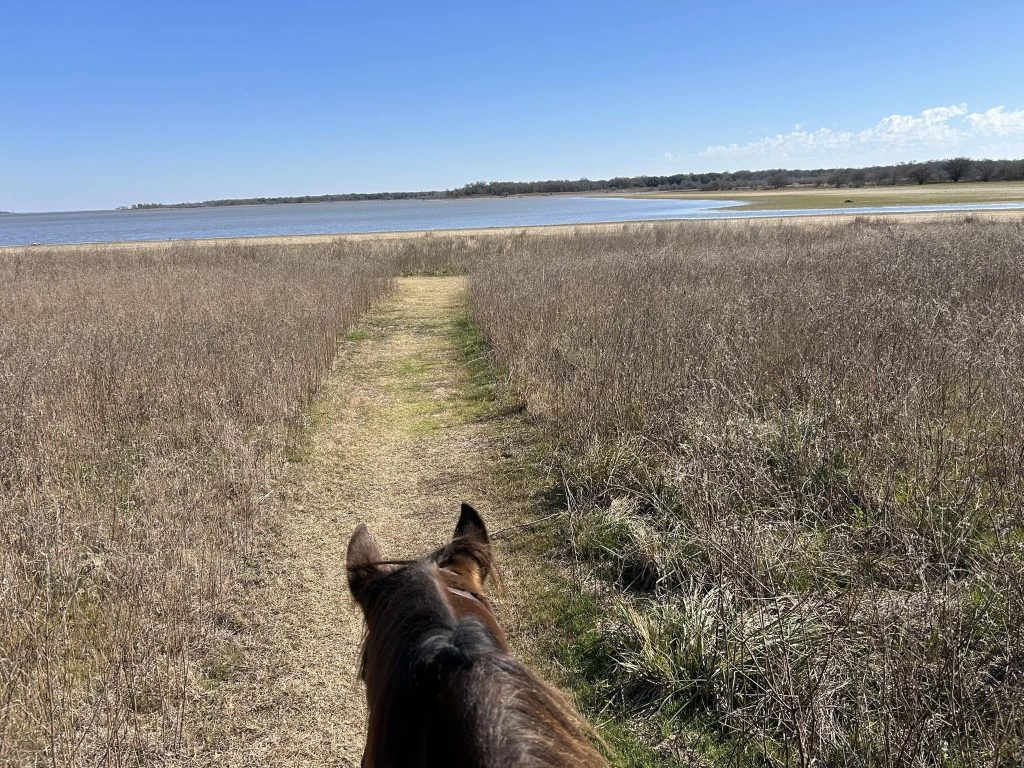
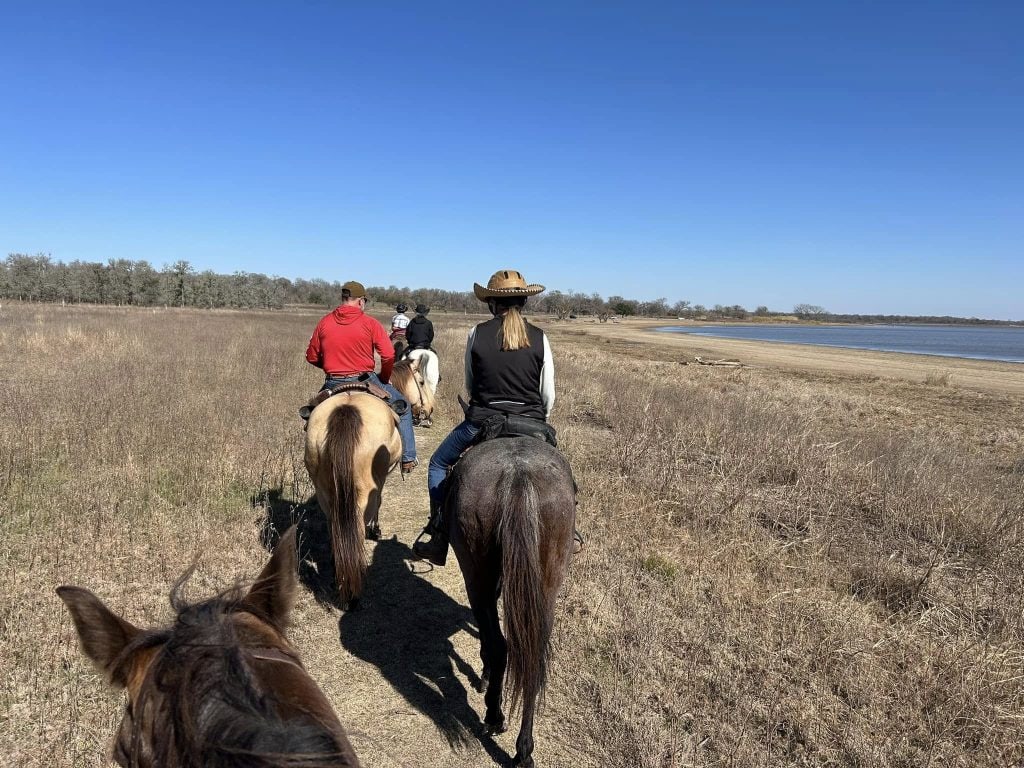
The path crosses creeks that may run dry in drought or swell after heavy rains, and it offers overlooks where Lake Somerville spreads out below.
Equestrian users must check in at park headquarters and present a current negative Coggins test (form VS 10‑11) for each horse.
Parking for trailers is available at gates on County Road 125 and County Road 140, while Newman Bottom provides another access point—though trailers aren’t allowed there.
The single‑lane road narrows in places, so caution is advised.
Visitors should confirm conditions with park headquarters before planning a full traverse.
From Birch Creek, about seven miles of one‑way access to Newman Bottom remain open.
Camping Along the Trail
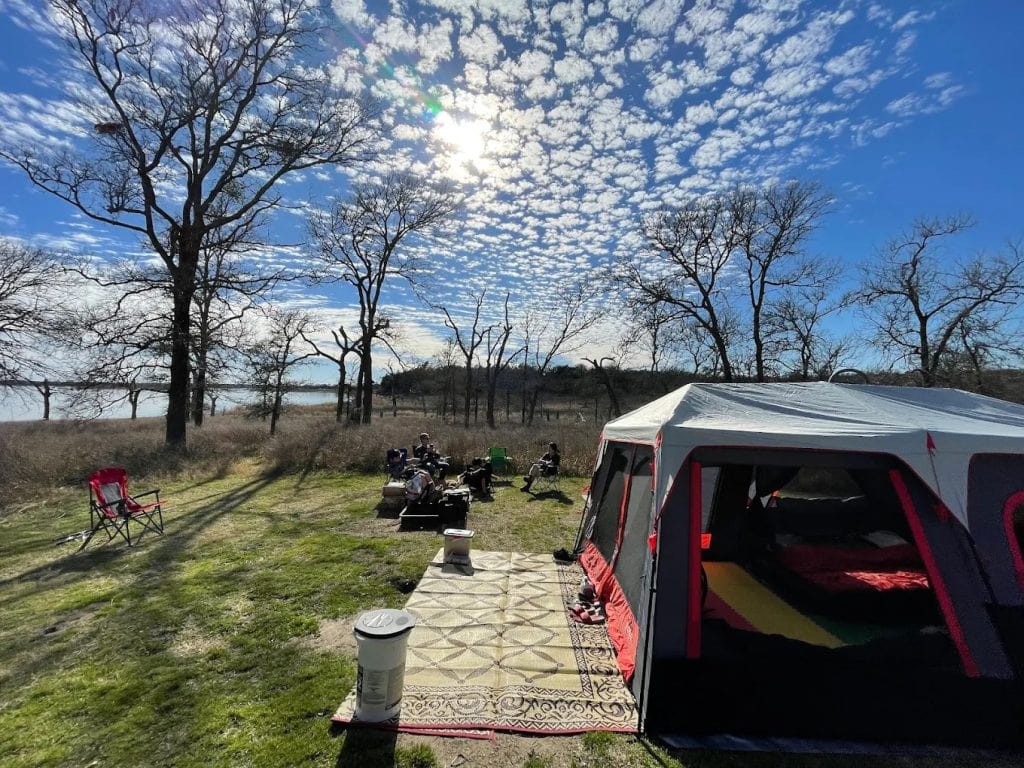
The Trailway shifts from a day ride into a multi‑day adventure thanks to primitive campsites scattered along its length.
These sites are bare‑bones—no potable water, electricity, or flush toilets—but they place riders deep in the wilderness instead of on the edge of a parking lot.
Wolf Pond Group Camp sits four miles from Birch Creek Unit, accessible by foot, bike, or horse, with composting toilets, hitching posts, and a well for non‑potable horse water.
It operates on a walk‑up basis only, with no reservations.
Flag Pond Campsite lies one mile from Newman Bottom and 4.5 miles from Nails Creek Unit, offering similar amenities plus horse‑watering facilities.
Nearby, visitors can spot Texas’ state champion water elm—a massive tree worth the detour.
Fires are allowed in established rings, with ground fires permitted only in designated areas, giving campers a rustic but authentic Hill Country experience.
Equestrian Campsites in the Park Units
Beyond the primitive trailway sites, both park units offer developed equestrian camping with more amenities.
The Nails Creek Unit features the Bent Tree Equestrian Camping Area with approximately 17 sites equipped with electric hookups, horse corrals, and hitching posts.
You don’t need to bring a horse to camp here—the sites are open to anyone, but the facilities are designed with riders in mind.
Birch Creek Unit has around 10 equestrian sites with water hookups, a couple of which are ADA accessible.
Day use fees run $5 per person age 13 and older. Camping rates range from approximately $12-$20 per night for primitive sites up to $25 or more for sites with water and electricity.
Wildlife and Birding
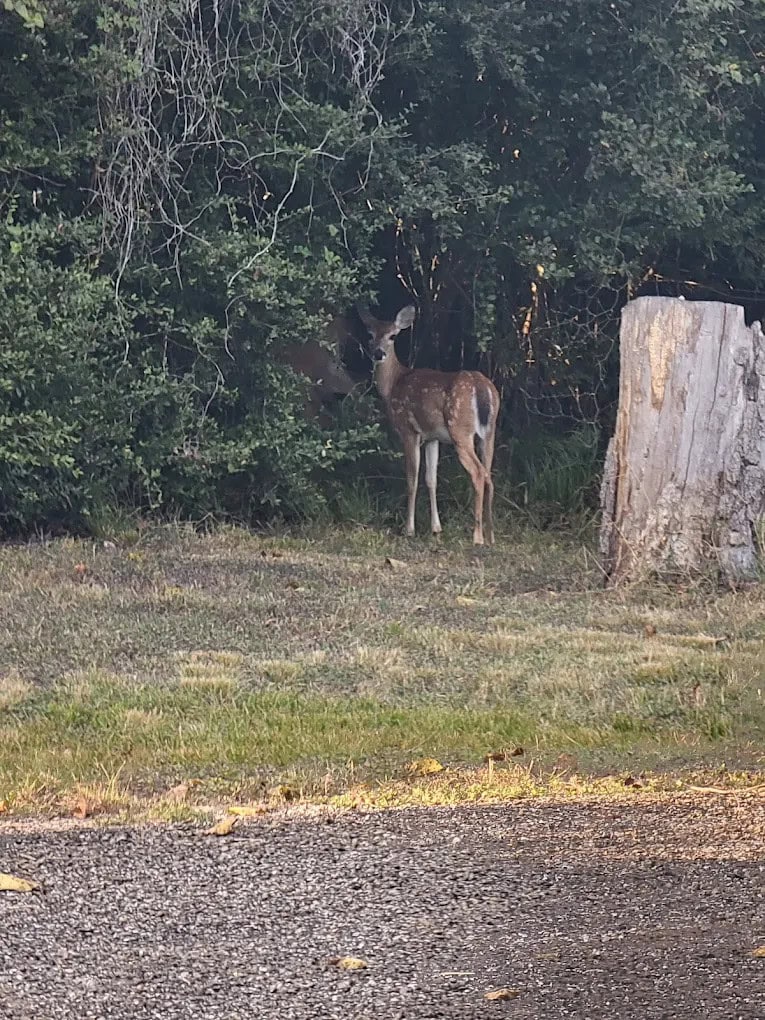
Lake Somerville draws serious birders. Over 200 species have been documented in the park, and a bird checklist is available at both unit headquarters.
Year-round residents include northern cardinals, turkey vultures, black vultures, common grackles, northern mockingbirds, and blue jays.
Beyond birds, the park shelters white-tailed deer, bobcat, coyote, fox, raccoon, river otter, rabbit, and—keep an eye out—alligators in and around the lake. Coyotes are particularly vocal at night; campers often fall asleep to their howling.
In spring, the landscape erupts in wildflowers: bluebonnets, Indian paintbrush, pink evening primrose, phlox, and winecups.
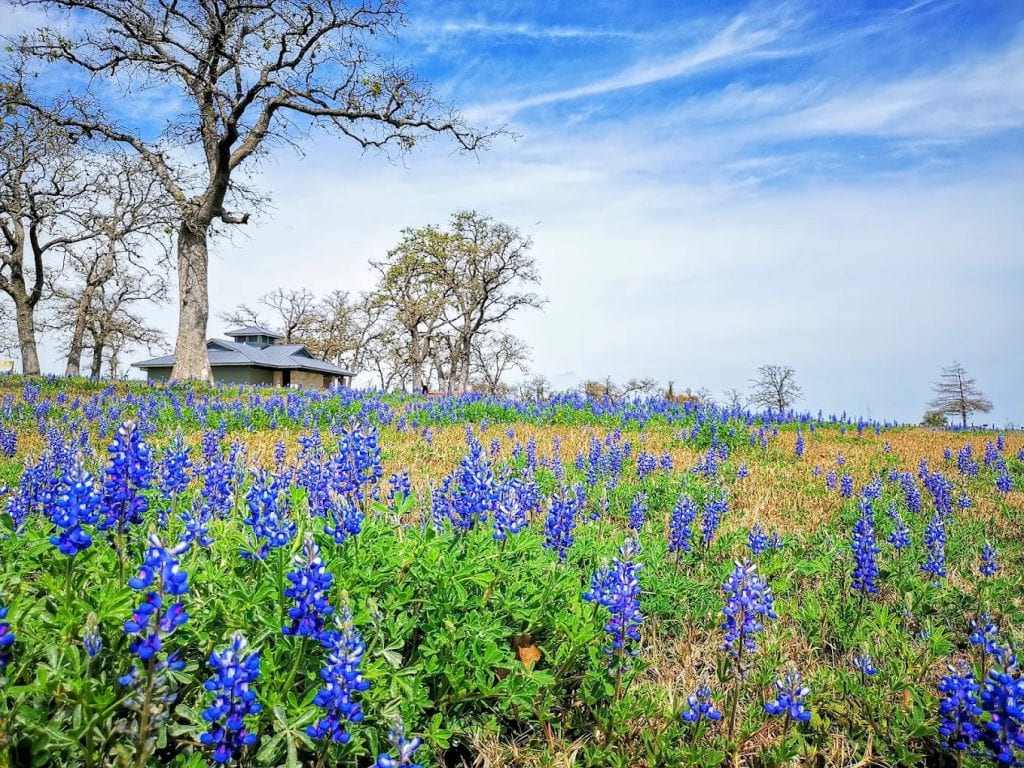
March and April bring the peak bloom. Summer showcases different flora—branched blazing star, woodland spider-lily, and buttonbush.
A Ride Through Texas Wilderness
The Lake Somerville Trailway offers something increasingly rare in Central Texas: genuine distance riding through undeveloped landscape.
Thirteen miles of trail, primitive campsites tucked into the forest, horses drinking from wells under post oak shade—this is the kind of adventure that used to be common in Texas and now requires seeking out.
The trail is here, waiting for anyone willing to saddle up and find it.
For more information about visiting Lake Somerville Trailway, check the Texas Parks & Wildlife Department website for trail maps, conditions, and camping details.
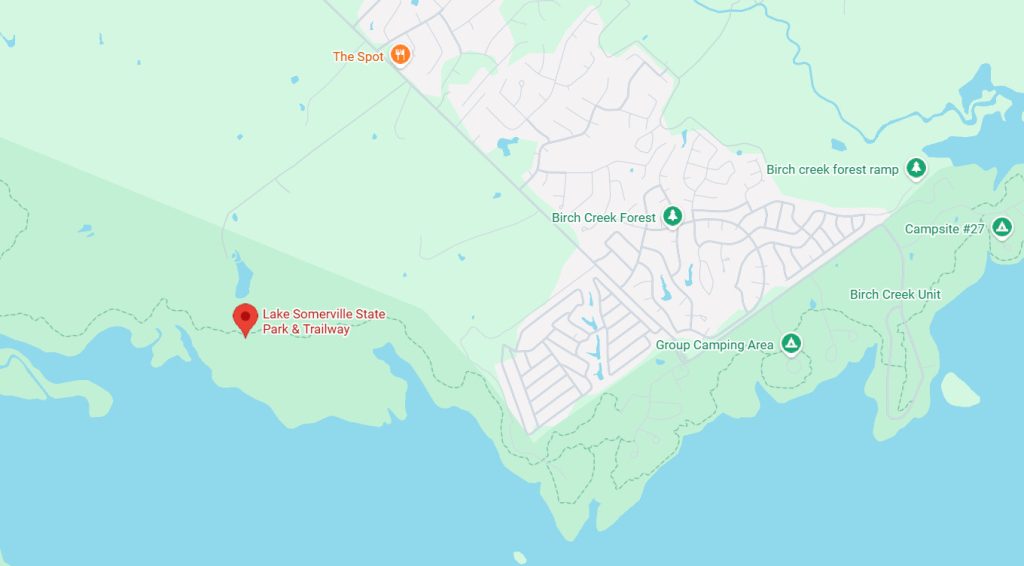
Use the map to plan your route along the trailway, connecting Birch Creek and Nails Creek units, and discover every scenic stop along this 15-mile equestrian path.
Where: Lake Somerville State Park Trailway, Somerville, TX 77879

Stella Raines
Editor-in-Chief
Stella brings over a decade of storytelling experience to TX Headlines. With roots in West Texas and a love for road trips, she leads the editorial team with an eye for the hidden stories that make Texas unforgettable.
More Stories
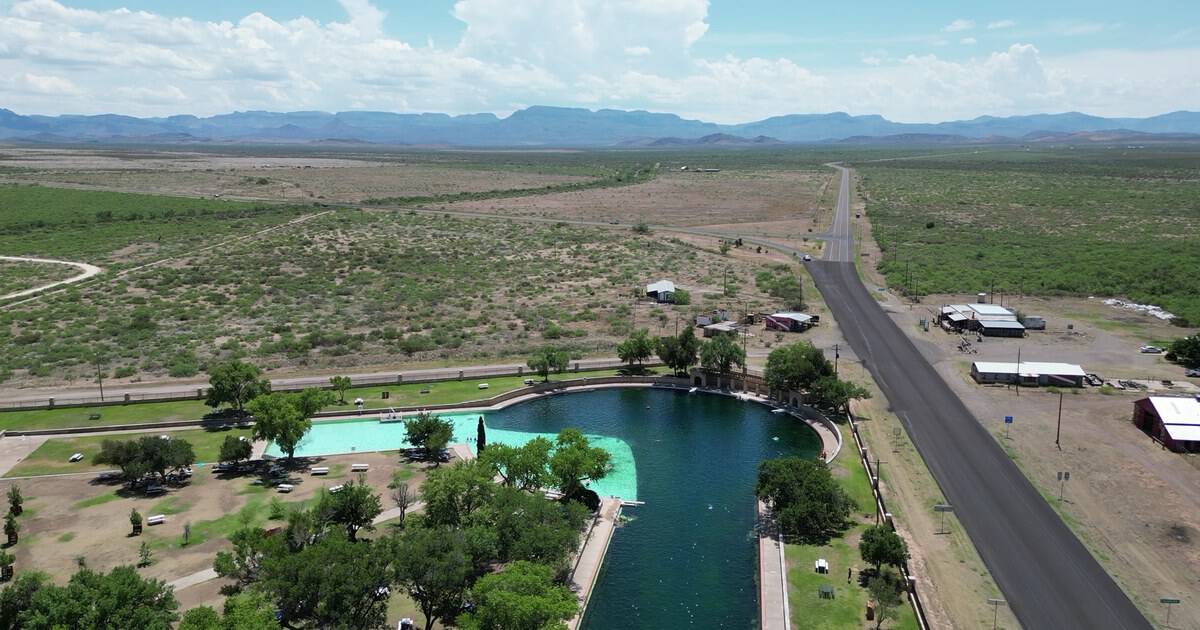
This Crystal-Clear West Texas Pool Is the World’s Largest Spring-Fed Swimming Hole, and It Stays 72 Degrees Year-Round
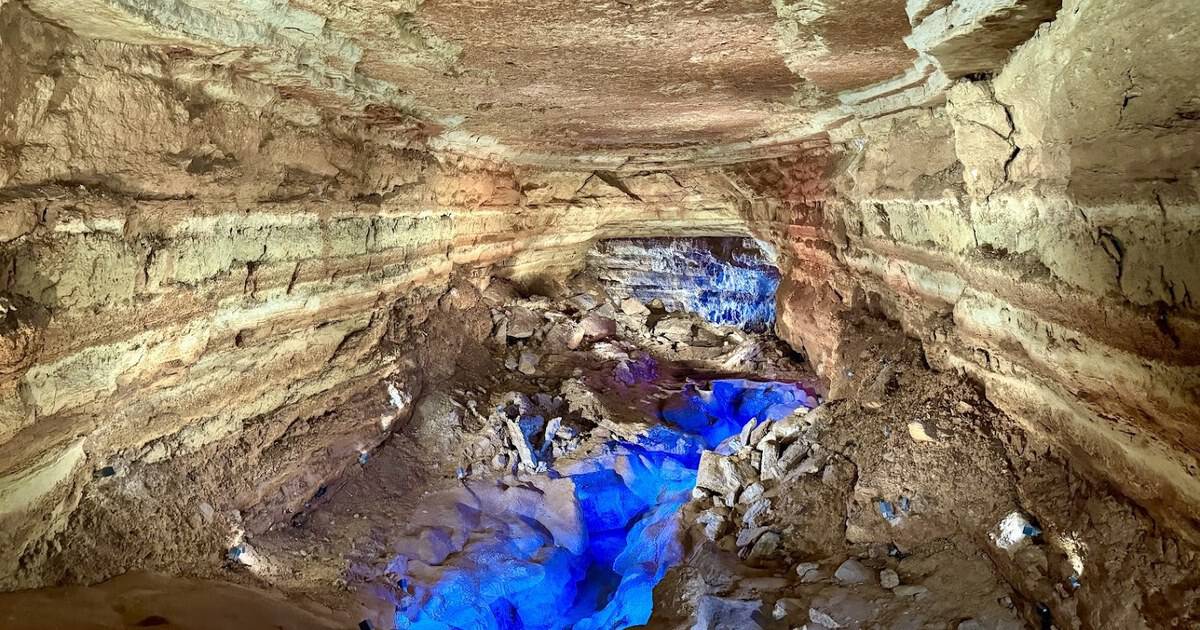
This Adventurous Texas Cavern Hides Glowing Blue Pools 180 Feet Underground
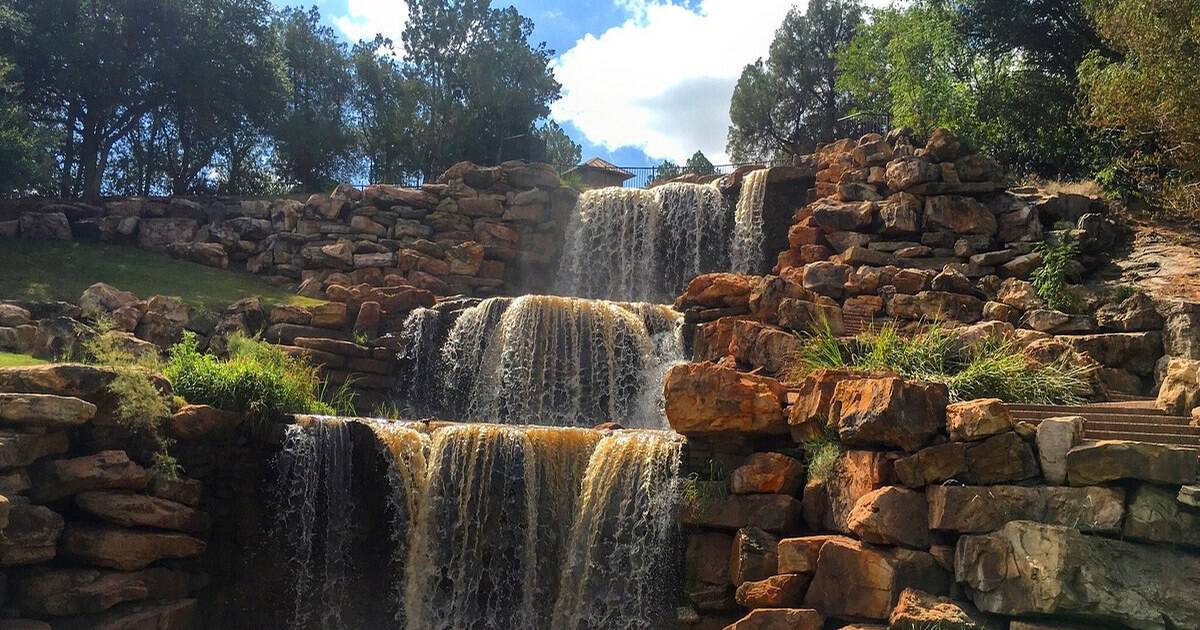
This Quiet North Texas Park Ends a Swaying Bridge at a 54-Foot Waterfall
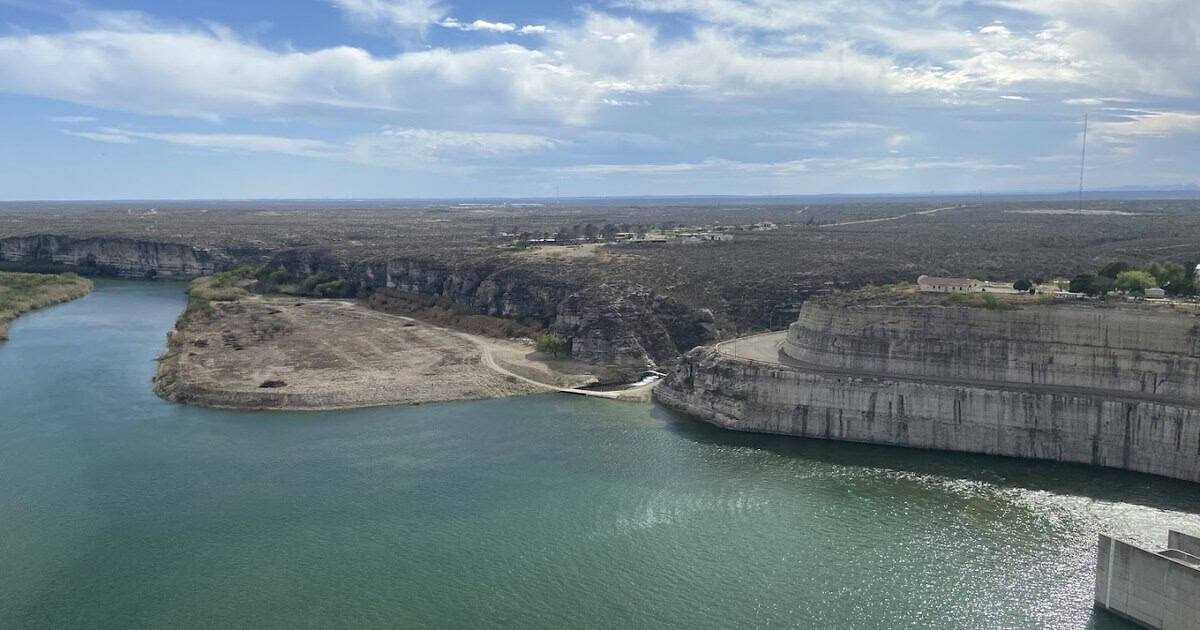
This Crystal-Clear Texas Lake Is the Deepest in the State, and Its Water Is Clear Enough for 100-Foot Dives
Tags