This Abandoned Texas Zoo Closed Nearly 90 Years Ago, and You Can Still Walk Through Its Ruins
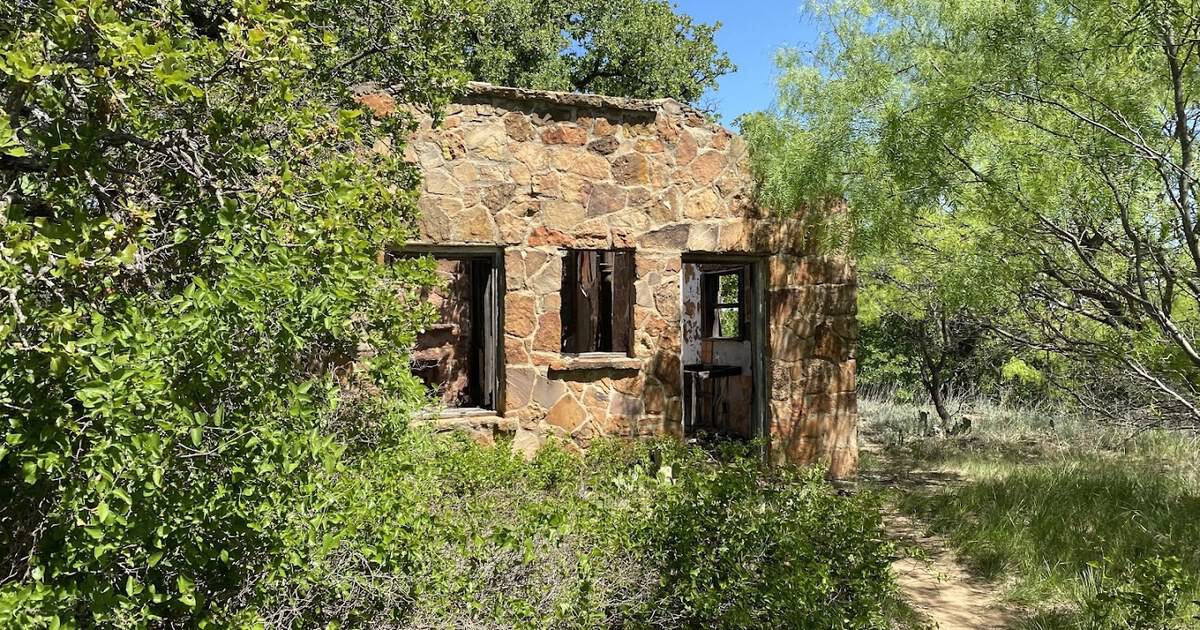
I have a real soft spot for the places time walked away from. Give me a set of stone steps leading nowhere and a rusted gate swallowed by brush, and I am a happy woman for an afternoon.
There is something about ruins that pulls at me. Somebody dreamed this up once. Somebody poured the concrete and hung the gate and then, for one reason or another, walked off and let the woods have it.
Out in West Texas, tucked into the scrubby hills near a lake most road-trippers blow right past, sits one of the best of these forgotten spots. It is the ruins of a 1920s zoo, and the whole place carries a mossy hush the second you step onto the path.
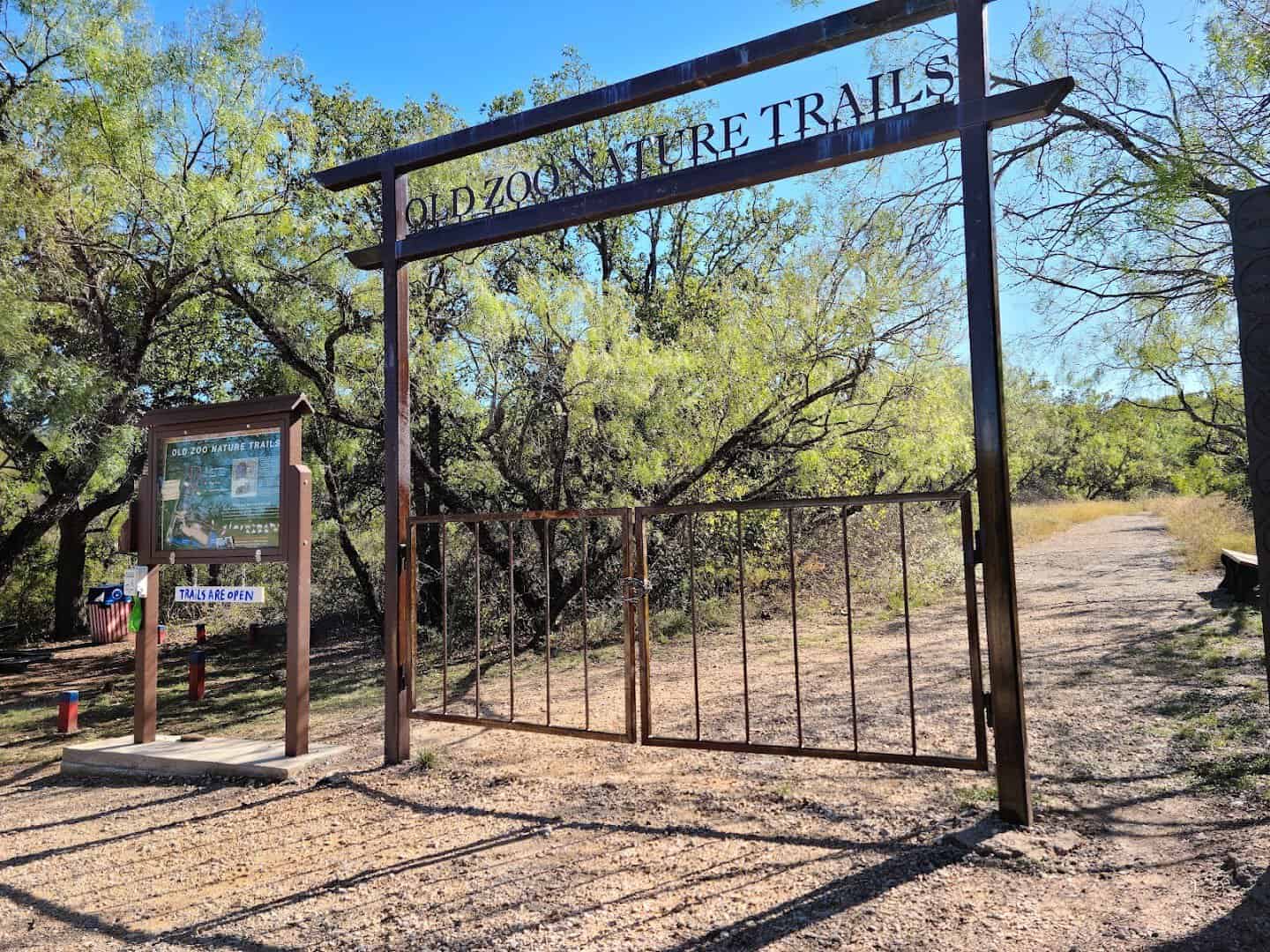
The town is Cisco, about ninety minutes southwest of Fort Worth, and the site is now called the Old Zoo Nature Trails. Here is what you can still walk through, why a small Texas town built a zoo in the first place, and how to plan a morning there yourself.
Walking Into the Woods Where a Zoo Used to Be
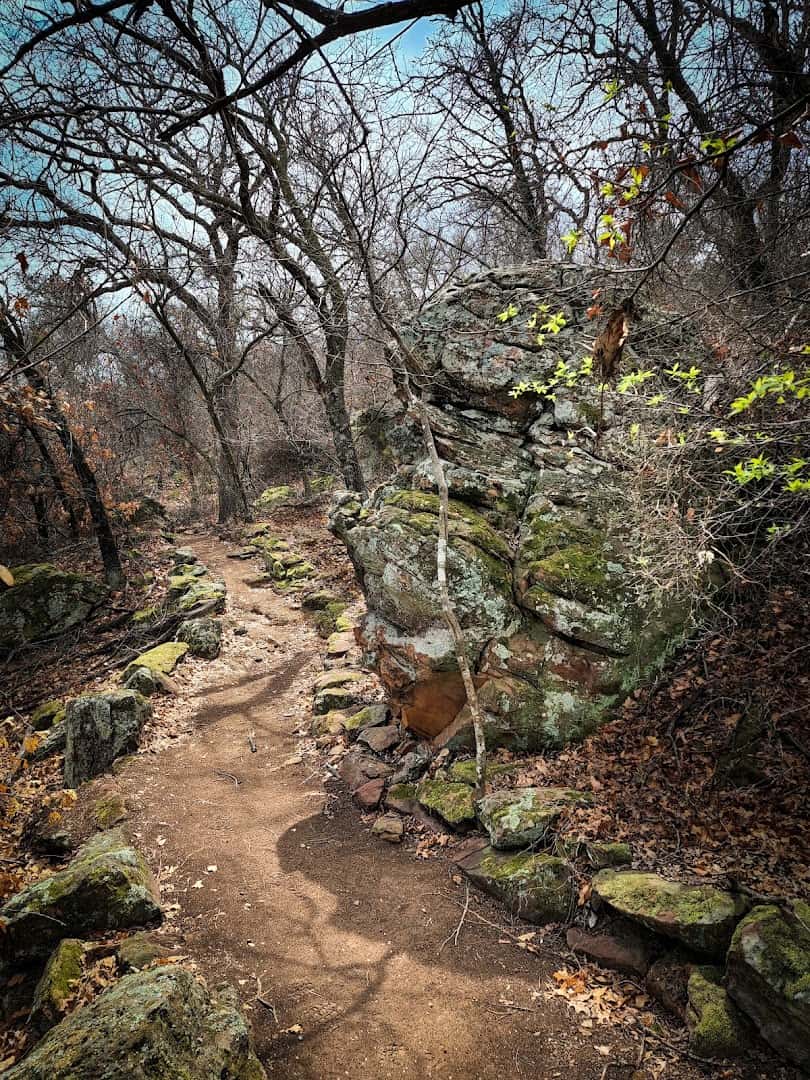
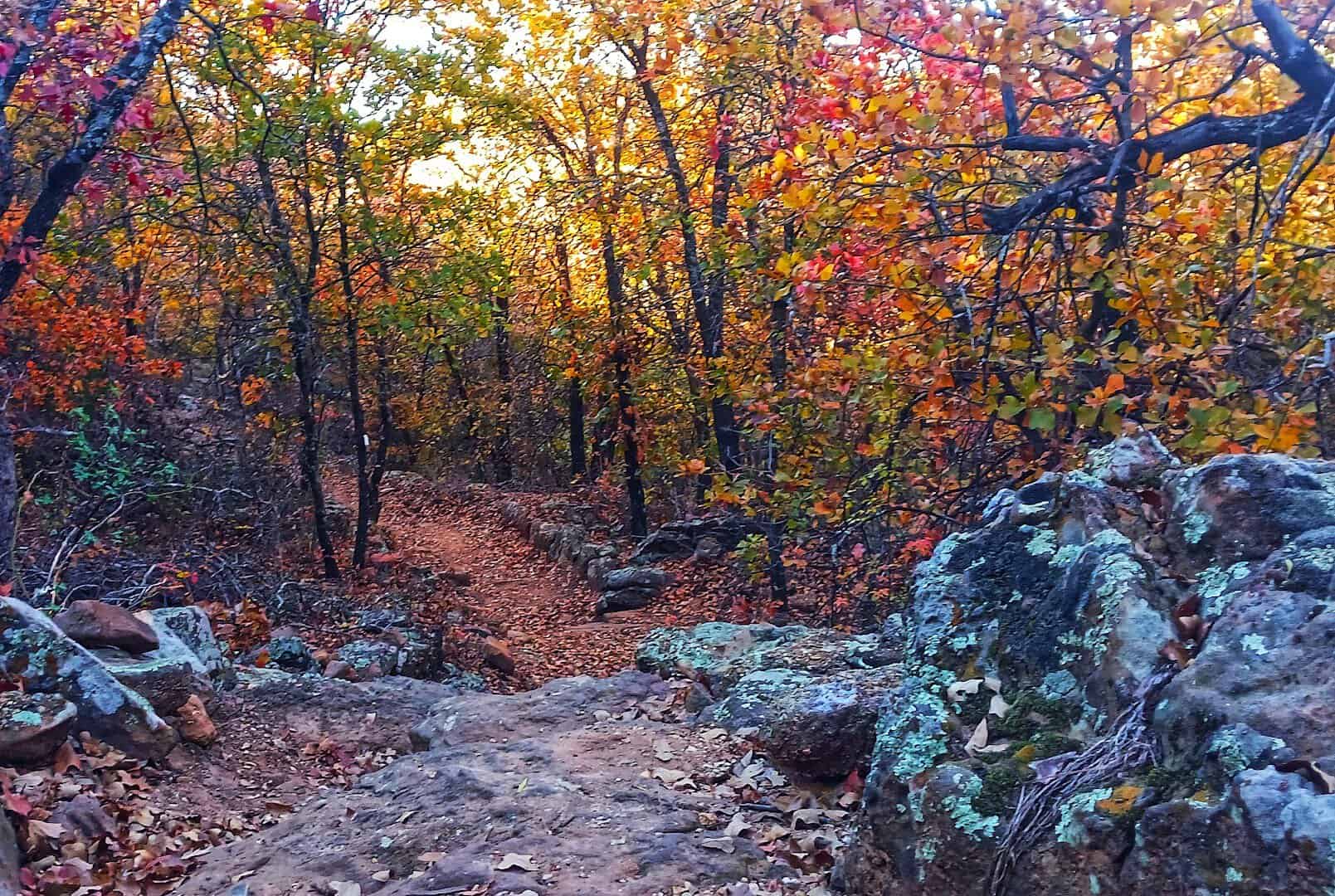
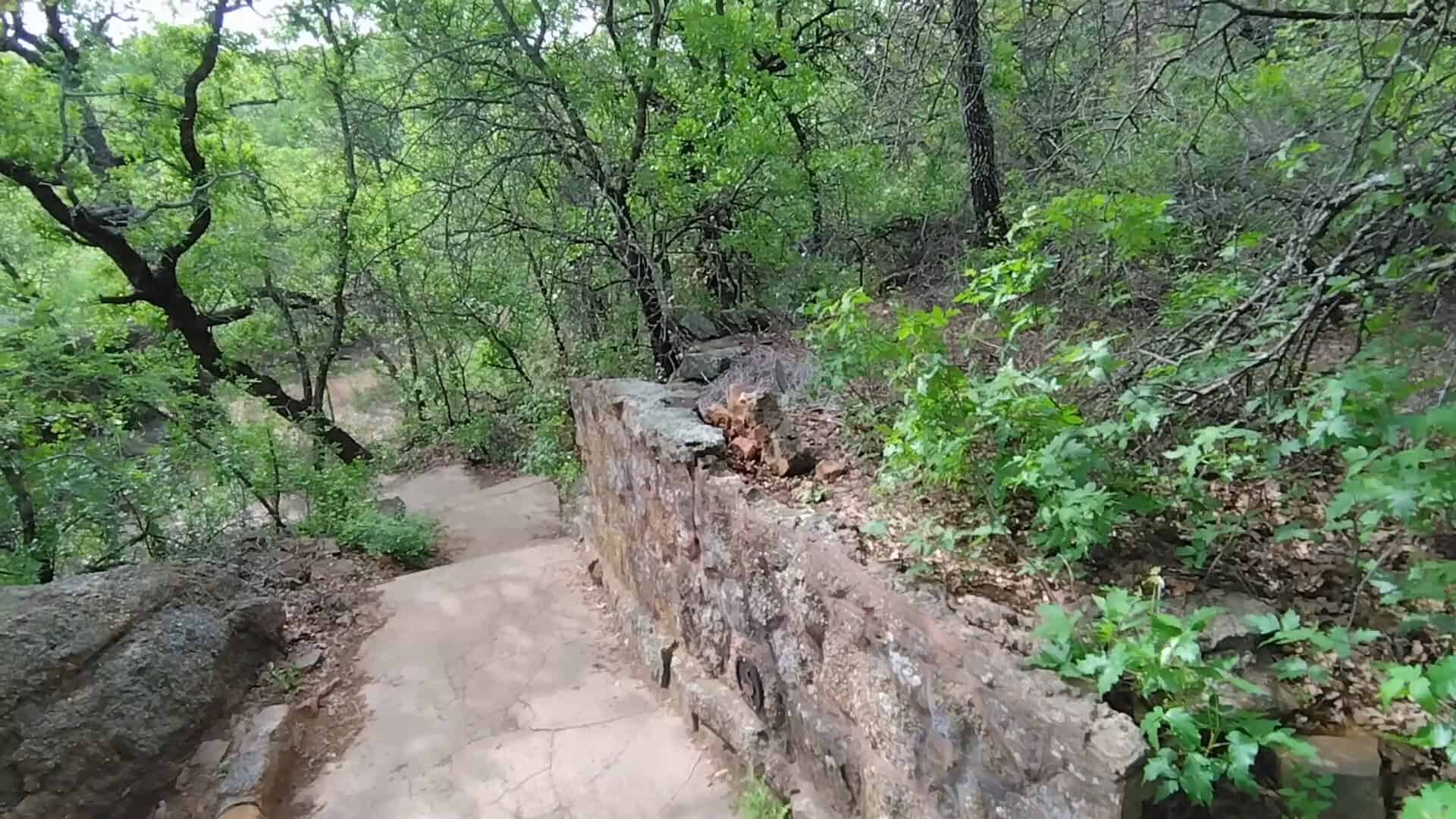
The trail is short and gentle, a little under a mile of packed dirt and old pathways looping through the trees. There are two connected paths, and neither one will wear you out.
Bring the kids. Bring your grandmother. Bring your least favorite pair of shoes, because the fun here is poking around, not power-hiking.
What makes it special is not the distance. It is what keeps appearing beside the path when you least expect it.
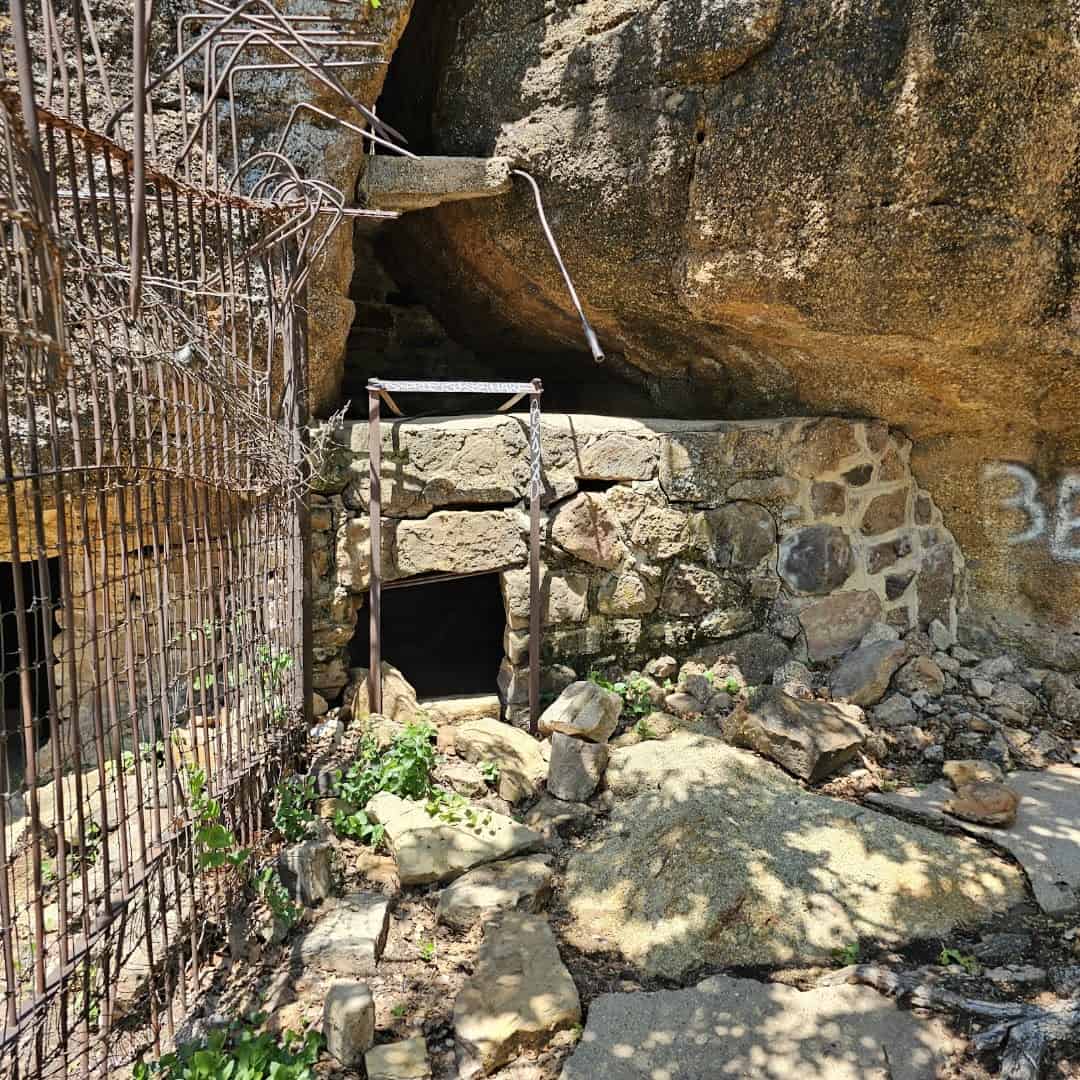
You round a bend and there is a stone enclosure with a rusted metal cage still bolted to it. A few steps later, a concrete staircase climbs a slope toward nothing at all.
The forest has crept over everything. The ruins feel less like a demolition site and more like something the woods quietly took back for themselves, one vine at a time.
I love that the volunteers who cleared these trails did not scrub the place shiny. They cut the paths, uncovered the old benches, and let the rest sit exactly as the decades left it. You get to do the imagining, which is the whole point.
The Animal Pens That Nature Took Back
In its heyday, this little zoo drew people from all over the region to see animals they would never spot on a Texas back road. There were bears. There were monkeys.
There were even flamingos, those flamboyant pink birds, standing around on their skinny legs in the middle of West Texas ranch country.
Picture that for a second. A hardworking railroad town, and yet families were loading up the car on a Sunday to go look at flamingos and bears.
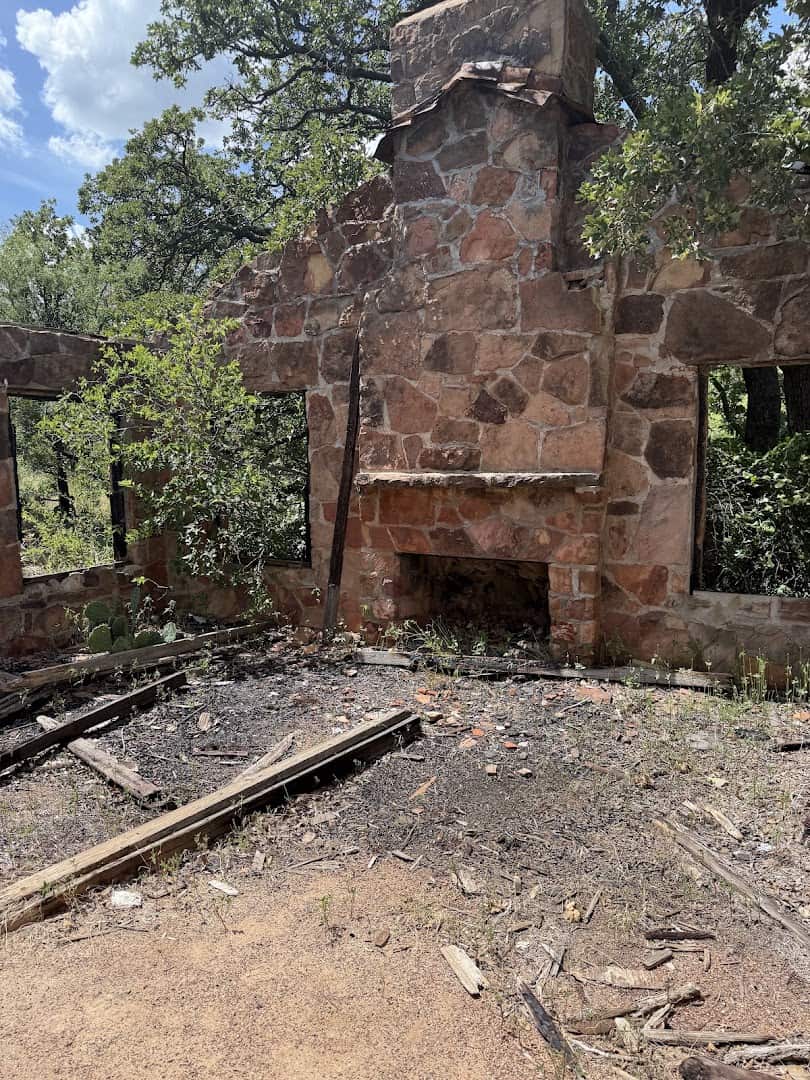
Today the enclosures are the stars of the show. Stone and concrete pens sit in a row, some still holding their metal bars, and you can walk right up and peer inside the way a visitor did a hundred years ago.
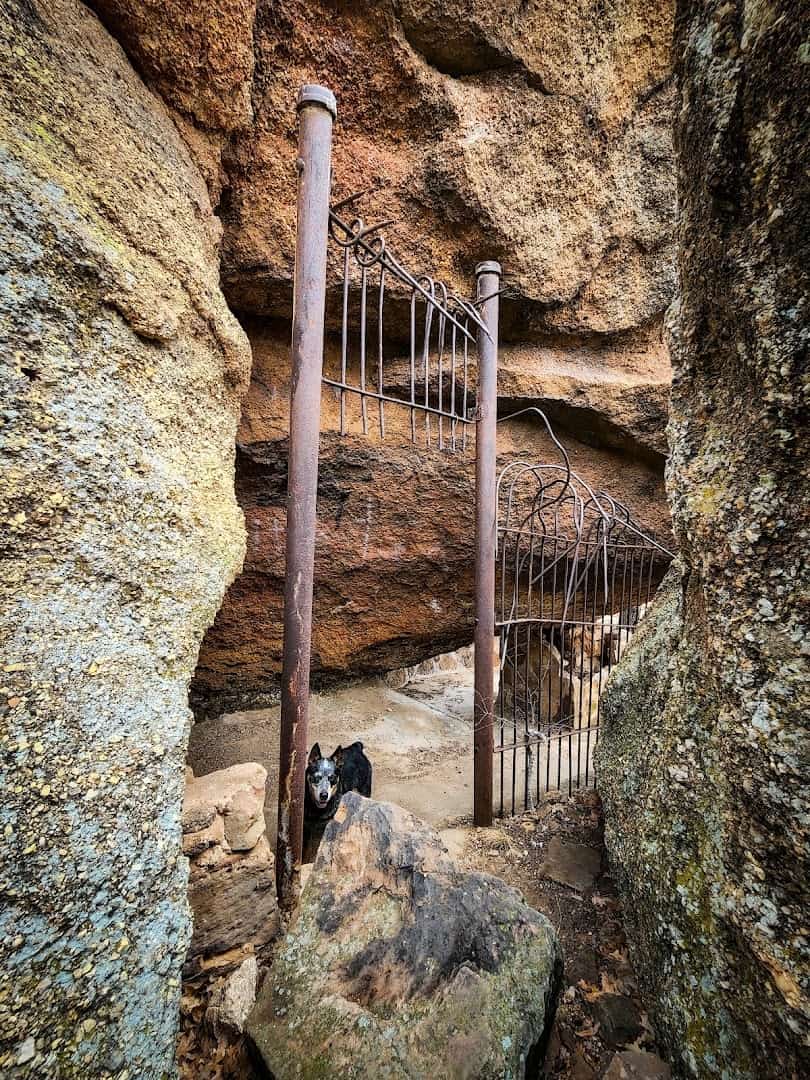
A few of the shelters are intact enough that you can picture exactly where a bear once dozed in the afternoon shade. Others are half-swallowed by roots and time, which is honestly just as good.
Walk it slowly and the scale of the old place starts to sink in. This was not some roadside menagerie in a couple of cages. It was a genuine attraction that a whole region drove out to see.
The trail also hides a game for younger explorers. Ten different animal medallions are tucked along the paths, each one a different creature, and finding all ten turns a quiet walk into a proper treasure hunt.
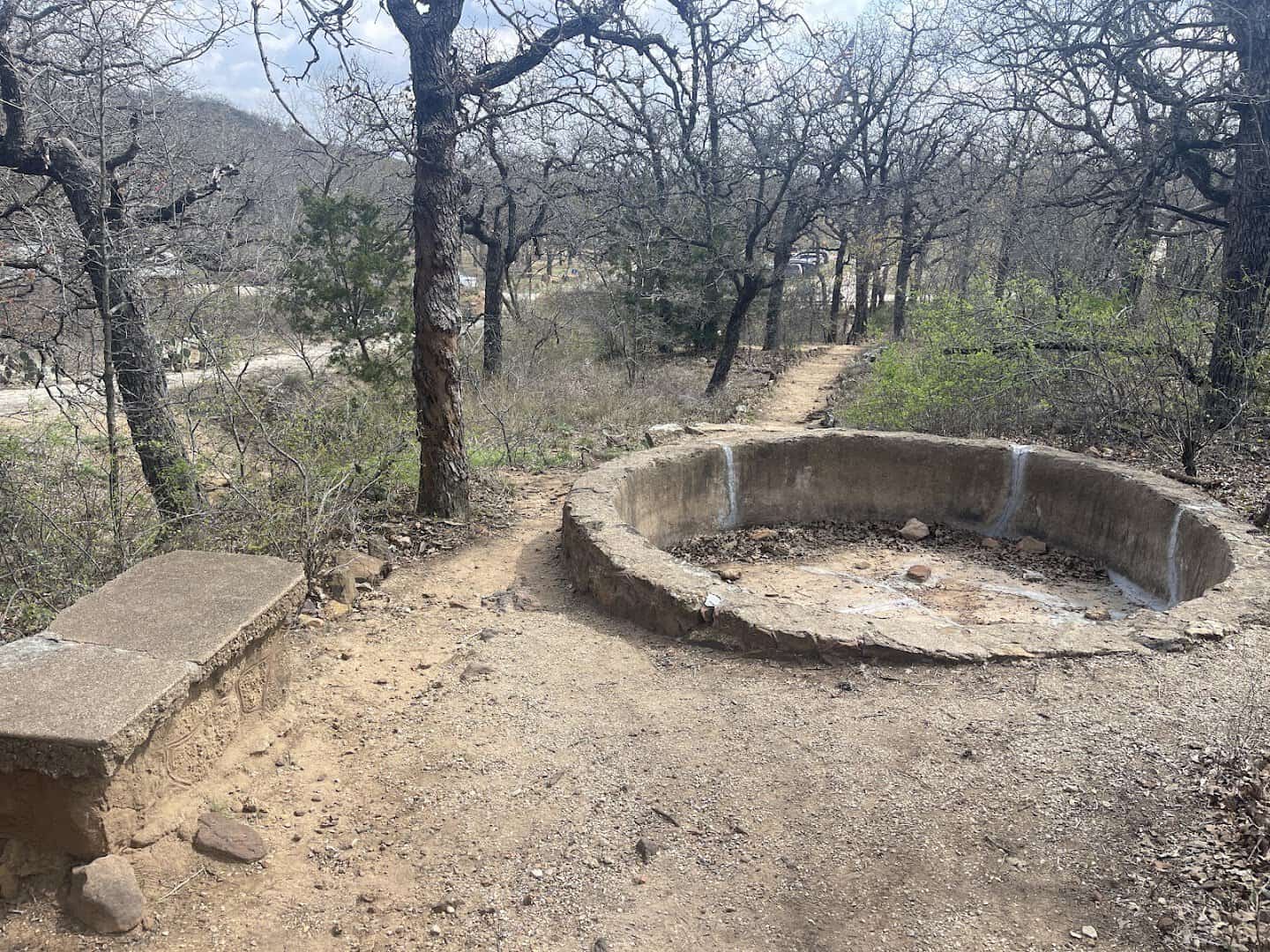
My inner eight-year-old fully approves. So will yours.
The World’s Largest Concrete Swimming Pool
Here is the part that stops people mid-stride. Right beside the old zoo sit the bones of what was once billed as the largest concrete swimming pool on the planet.
This was no backyard rectangle. The deep end dropped a full twenty-five feet, and a forty-foot wooden high dive towered over anybody brave enough to climb it.
A walkway ran out to a little island in the middle of the pool. From that island, a giant slide dumped swimmers straight into the shallow end. There was even a wading section for the little ones.
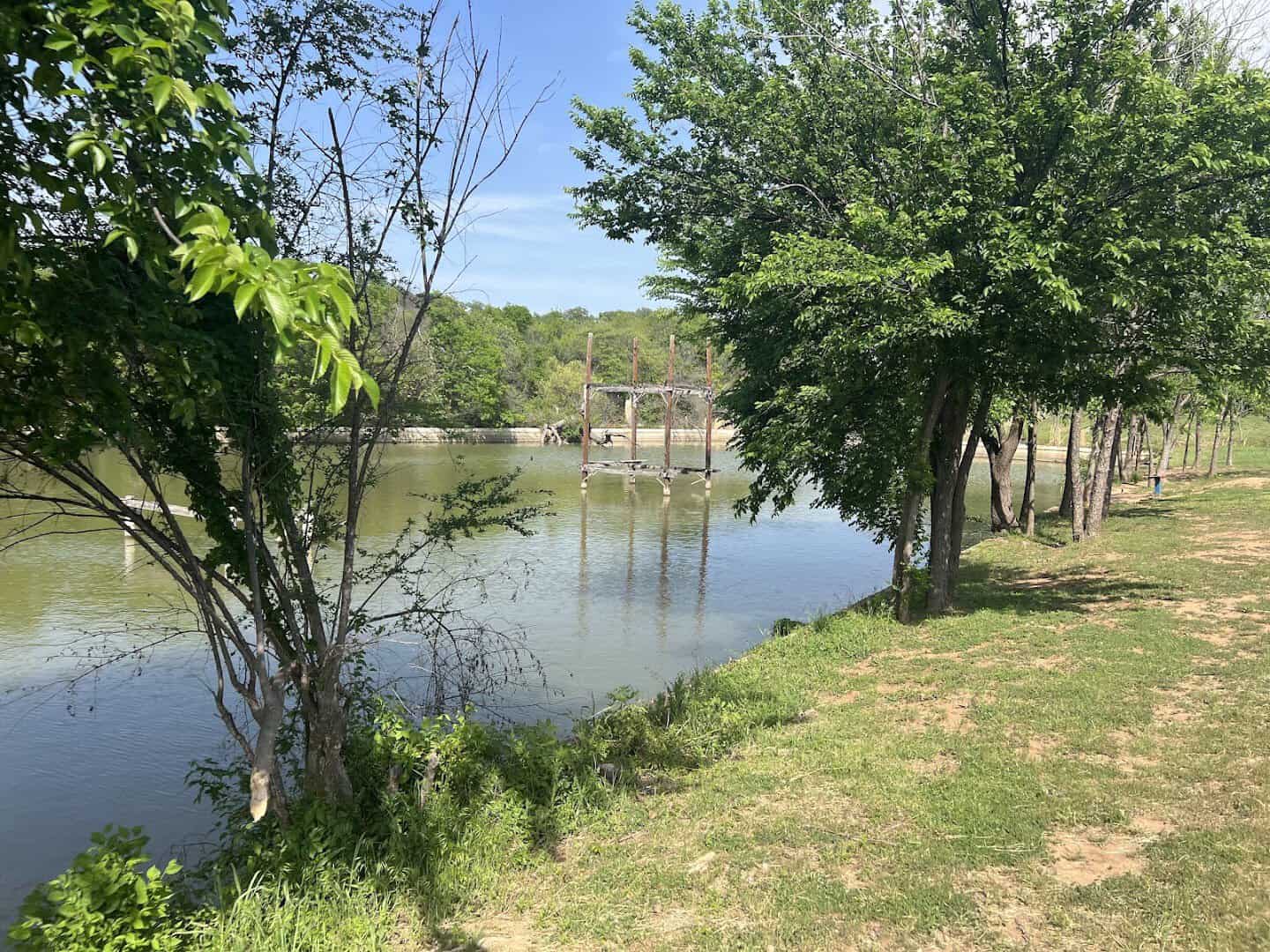
A slide. An island. A four-story diving tower. In the 1920s, in a Texas town most people have never heard of.
Time has softened the great pool into more of a quiet green pond now, but the shape of it is unmistakable. The diving platform still rises from the water like it is waiting for the next swimmer.
Stand at the rim on a still morning and it is not hard to hear the ghost of ten thousand splashing summers. This was the place to be when the West Texas heat rolled in.
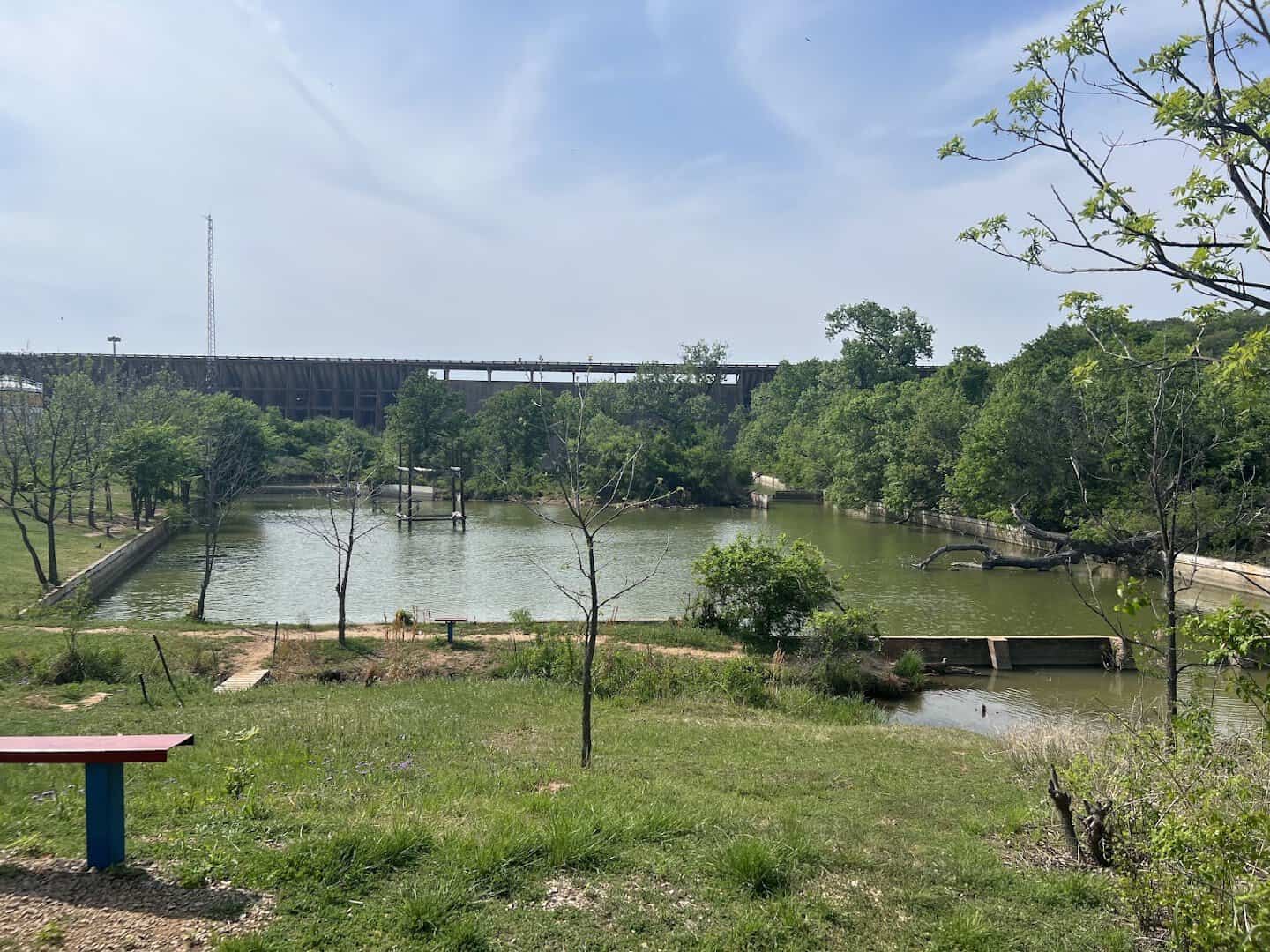
There was more to the old lakeside resort than the pool, too. A skating rink once spun nearby as part of the same playground by the water, though that one is long gone now.
How a Small Town Dreamed Big
None of this happened by accident. It all started with water.
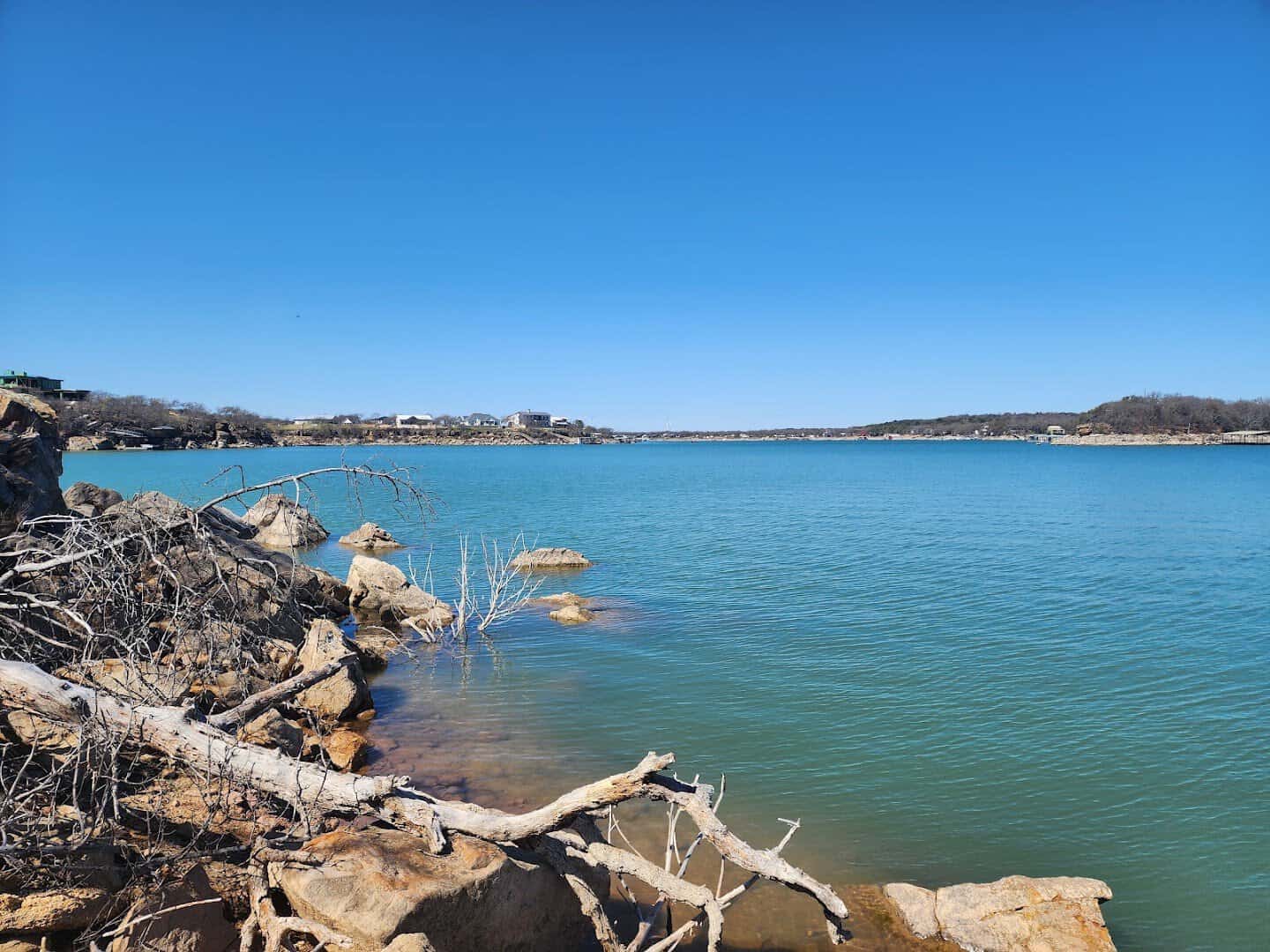
In 1923, Cisco finished the Williamson Dam on Sandy Creek, and the new reservoir behind it became Lake Cisco. With a reliable water supply in hand, the town decided to build something worth driving to.
The dam was dedicated on the Fourth of July in 1925 with a gala that reportedly pulled in around ten thousand people. That is a staggering crowd for a town this size, then or now.
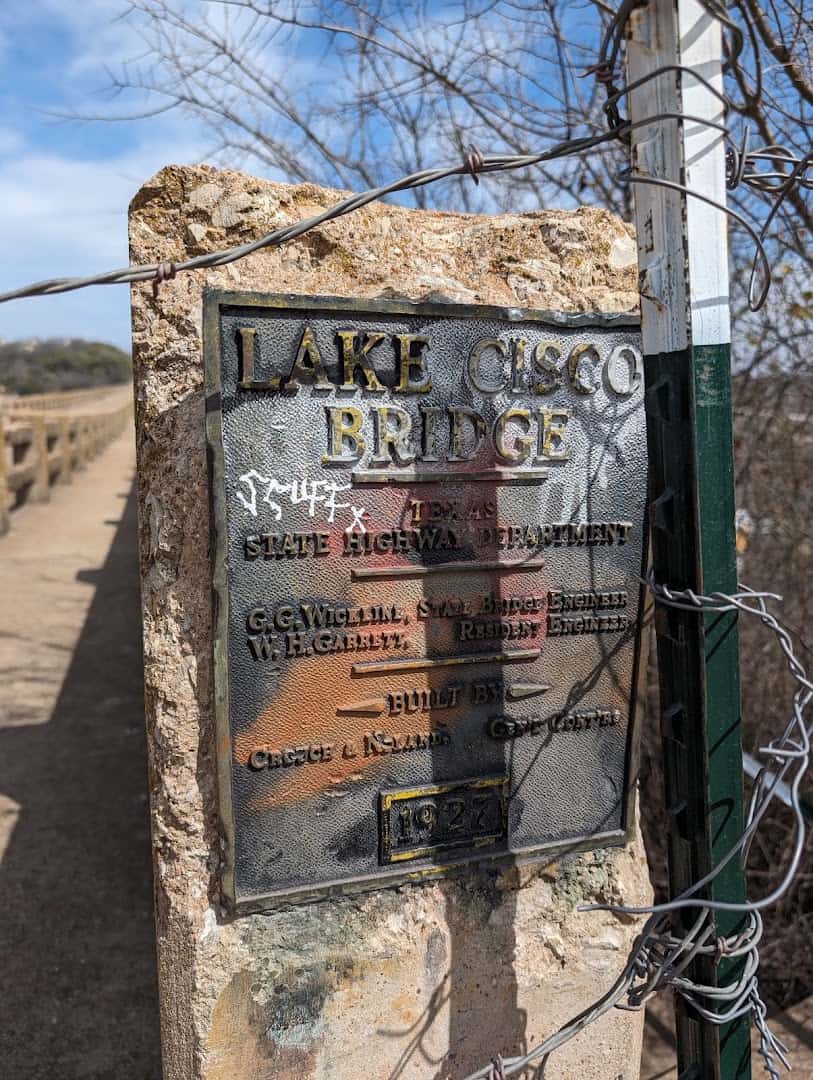
The famous pool followed a couple of years later, and the little zoo grew up right alongside the water as part of the same big recreation dream. For a few shining years, this was the destination in the region.
You could swim in the biggest pool anyone had heard of, then wander over and watch the bears. Not a bad way to spend a Saturday in 1927.
The dream ran a little ahead of the budget, though. The dam had cost far more than a town of Cisco’s size could really carry, and by 1929, as the Depression settled in, the money simply ran out.
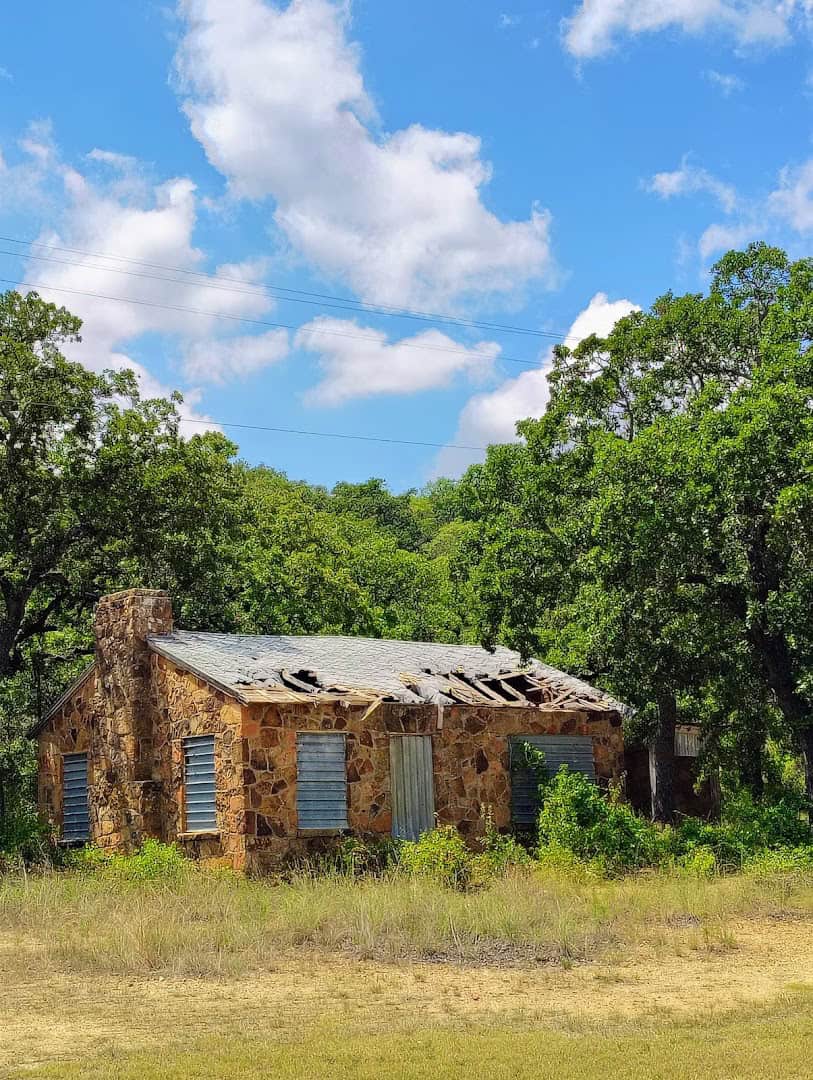
Interest in the zoo faded, the animals moved on to new homes, and by the 1930s the gates had closed for good. The pool hung on longer as a beloved swimming hole before it too went quiet.
For decades the whole complex sat forgotten under the brush. Nearly ninety years slipped by with almost nobody walking these paths.
The Little Texas Town With a Famous First
Cisco itself is worth a slow look while you are out this way. It sits right on Interstate 20, an old railroad and oil-boom town that has more history packed into it than its size suggests.
Here is my favorite piece of trivia. The global hotel empire started by Conrad Hilton began right here in Cisco, when he bought his very first hotel, the Mobley, back in 1919.
He came to town hoping to buy a bank, the story goes, and ended up buying a hotel instead because every room was full and the money looked good. The rest turned into Hilton Hotels.
So the same town that gave the world the largest concrete pool and a flamingo-filled zoo also launched one of the most famous hospitality names on earth. Cisco punches well above its weight.
The old Mobley still stands downtown as the Conrad Hilton Center, so you can pair your zoo ruins with the spot where a hospitality legend got his very first start.
A Trail Built by One Determined Nonprofit
The reason you can visit at all today is a local group with a very Texas can-do streak.
In the spring of 2021, a Cisco nonprofit called SAFE, short for Students, Athletics, Families and Education, got permission to work on the city-owned property.
Volunteers went in with clippers and rakes. They uncovered the original pathways and benches buried under years of growth, then carved out the two trails that visitors follow now.
It is the kind of grassroots project I always root for. No big budget, no corporate sponsor, just neighbors deciding a piece of their history deserved to be seen again.
Because it is a labor of love, a small donation toward upkeep is a genuinely kind thing to leave behind. The people who cleared these paths did it for you.
What to Know Before You Go
The best news first. It is completely free to visit, and it is open year-round. The first question everyone asks is, “Is it really free?” The happy answer is yes, every single time.
Wear real shoes. The paths are uneven in places, with roots, loose stone, and the occasional crumbling step, so this is a closed-toe kind of outing rather than a flip-flop one.
Bring water, and maybe a picnic. There are shaded spots with picnic tables, so packing a lunch and making a slow morning of it is very much the move, especially in the warmer months.
Pro tip: go early in the day, when the light slants low through the trees and the ruins look their most cinematic. It is also the coolest, quietest stretch of the day.
Did you know the pool and the zoo were part of the same recreation complex? Give yourself time to see both. Standing at the empty pool is easily half the reason to come.
One last thing. This is a wild, weathered site, not a manicured city park. The magic is in the overgrowth and the age, so tread lightly and let the next curious traveler find it just as you did.
How to Get There
The Old Zoo Nature Trails sit just outside the town of Cisco, near the shore of Lake Cisco, in the rolling country between Abilene and Fort Worth. Cisco sits right on Interstate 20, which makes it an easy detour on a longer West Texas drive.
Where: County Road 112, Cisco, TX 76437. The trailhead is off Highway 6 near Lake Cisco, so a GPS aimed at the lake will get you close. Watch for the signs that point you in the rest of the way.
Start Planning Your Trip to the Old Zoo
Some road trips are about the big-name attraction with the long line. This one is about the delicious strangeness of finding a bear pen and a lost swimming pool sitting quietly in the West Texas brush.
You get to fill in the rest of the story with your own imagination, which is a rare gift on a day trip.
So pack the water, wear the sturdy shoes, and go find all ten medallions. Then stand at the edge of that great empty pool and try to picture the summer it was the most exciting place in Texas.
I promise you will drive away already planning who to bring next time.
Featured image: Josh Bruno via Old Zoo Nature Trails

Stella Raines
Editor-in-Chief
Stella brings over a decade of storytelling experience to TX Headlines. With roots in West Texas and a love for road trips, she leads the editorial team with an eye for the hidden stories that make Texas unforgettable.
More Stories


Tags