This Cobblestone Texas Village Feels More Like Old Europe Than the Lone Star State
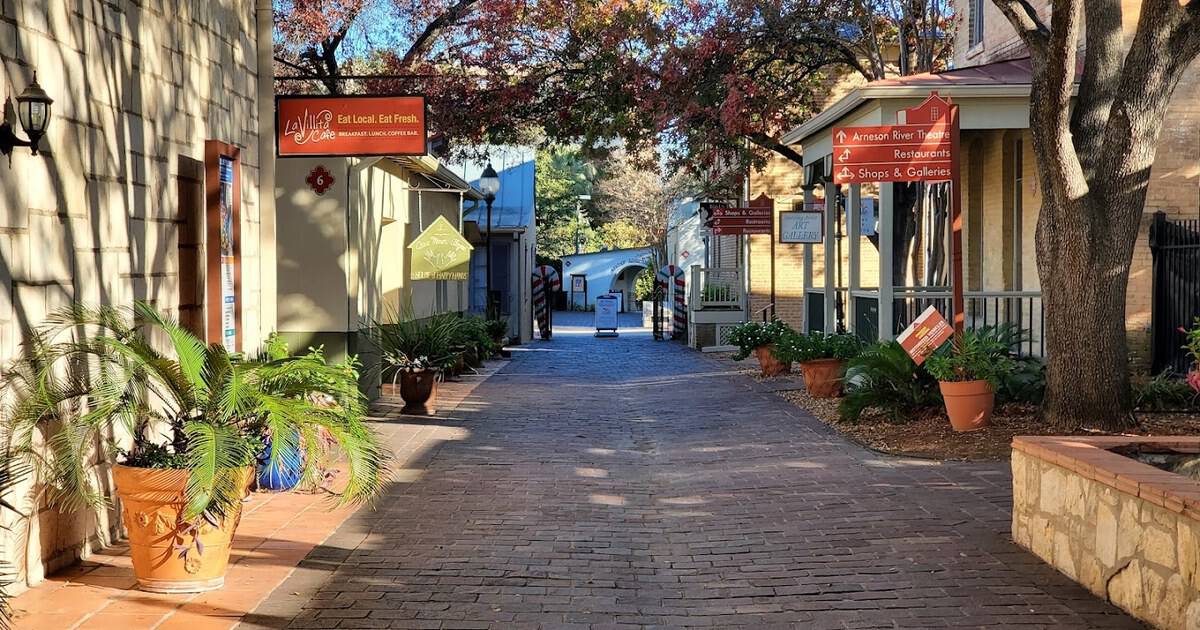
I have a weakness for the kind of old-world corner where the street forgets to be a street. Somewhere the cars stop, the pavement turns to stone, and you slow down without deciding to. I chase that feeling the way some people chase a good meal.
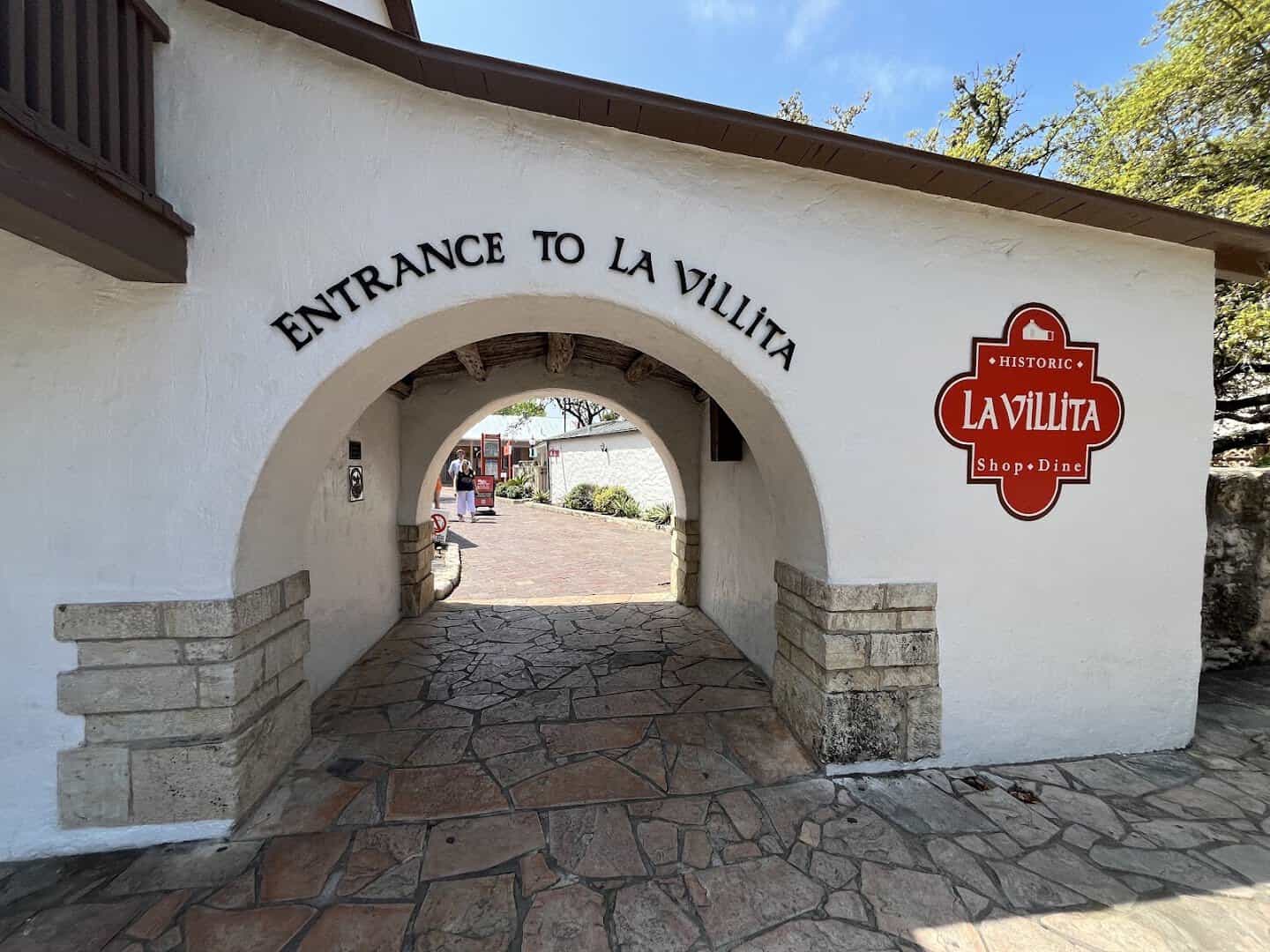
You expect it in a hill town in Provence. You do not expect it three blocks off a downtown convention center in South Texas. Yet there it is, tucked against the San Antonio River, a pocket of cobblestone hush called La Villita Historic Arts Village.
The name means “the little village,” and it earns it. Below, here is why a stroll through these lanes can feel more like a morning in Europe than a day in the Lone Star State, and everything you need to plan the trip yourself.
Where the Pavement Turns to Stone
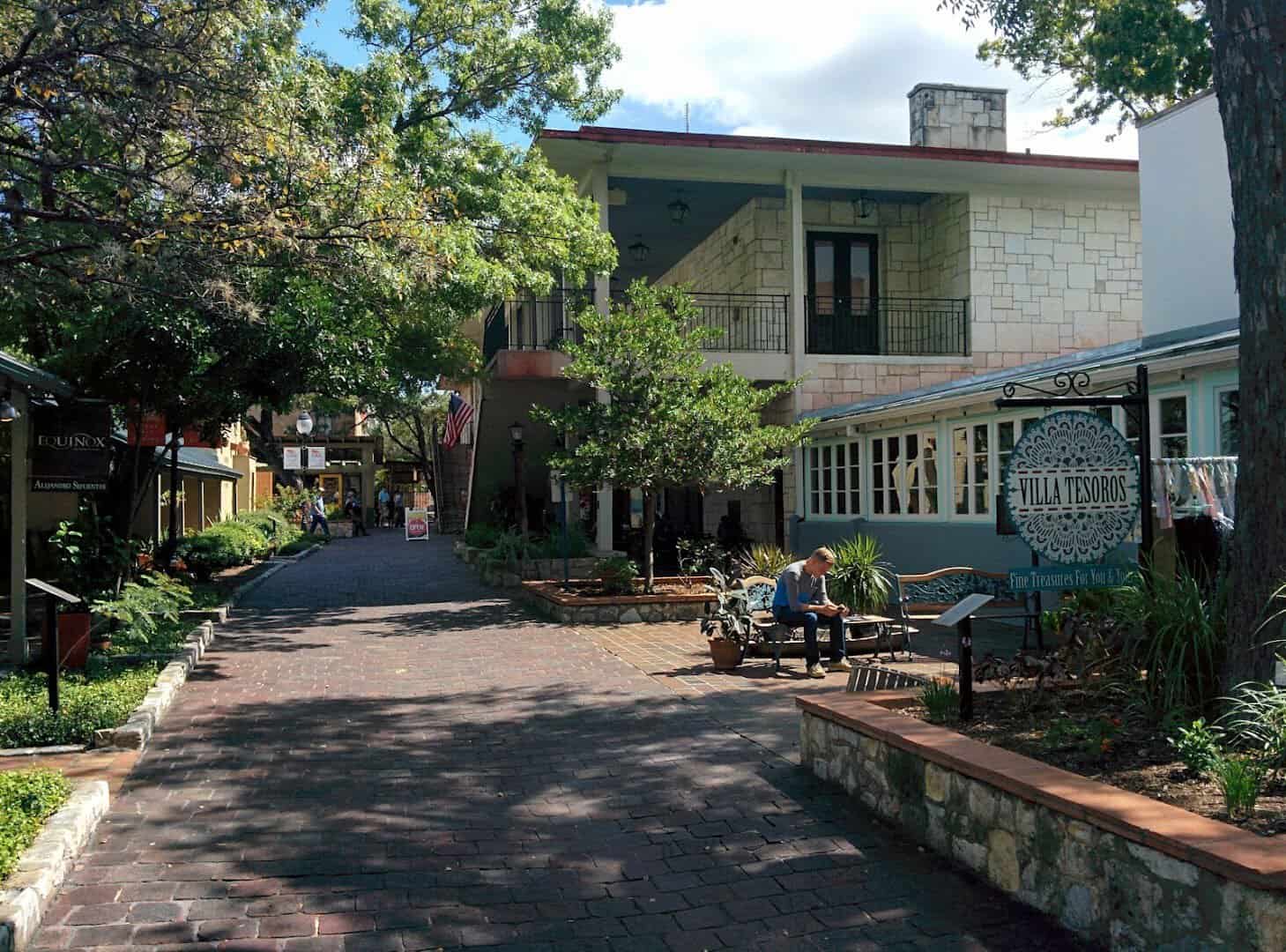
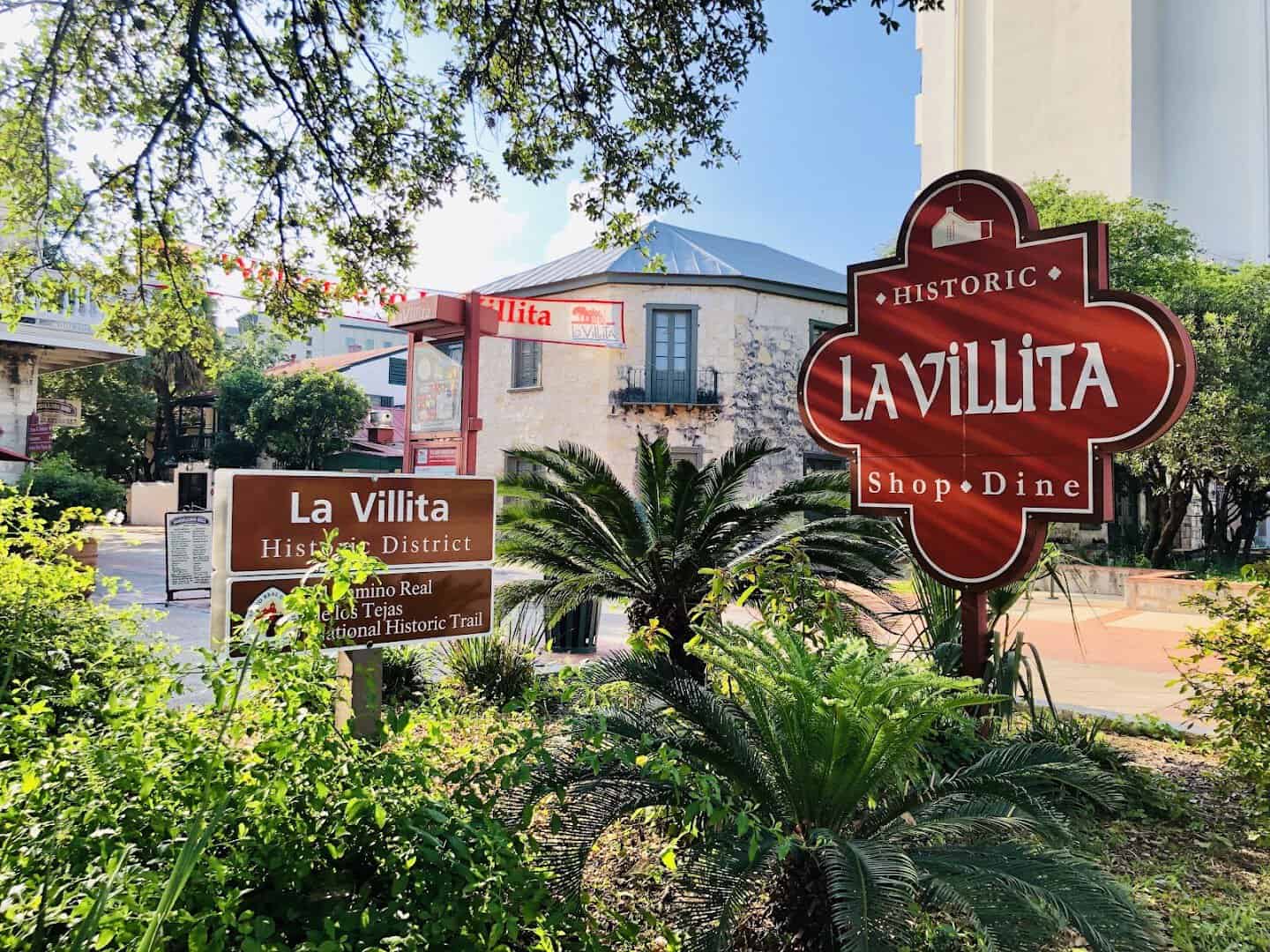
Step off Villita Street and the noise drops. Cobblestone lanes wind between low buildings washed in soft pastels, faded rose, dusty gold, pale adobe brown. Doorways sit open. Window boxes spill over.
This is the European trick the village pulls, and it is not an accident of paint. The architecture here was built by actual Europeans. Late in the 1800s, German, French, and Italian immigrants settled these blocks and put up the houses they knew from home.
So you get thick-walled adobe from the Spanish era standing beside early Victorian trim and cool Texas limestone cottages. Arches frame courtyards. Iron balconies lean over the lanes. It reads as one small old town precisely because so many hands built it.
Come at golden hour and the limestone glows amber. The live oaks throw long shade across the stones. You could be forgiven for reaching for a passport instead of a parking meter.
The scale helps too. Nothing here towers over you. The lanes are narrow, the rooftops sit low, and the whole quarter tucks into a few walkable blocks.
That intimacy is exactly what a big Texas skyline usually trades away. It is what makes the place feel like somewhere much older and much farther from home.
Artisans Behind Every Open Door
La Villita is a working arts village, not a museum you look at from behind a rope. More than 25 galleries, studios, boutiques, and restaurants fill the historic buildings, and most keep their doors propped open so you can wander straight in.
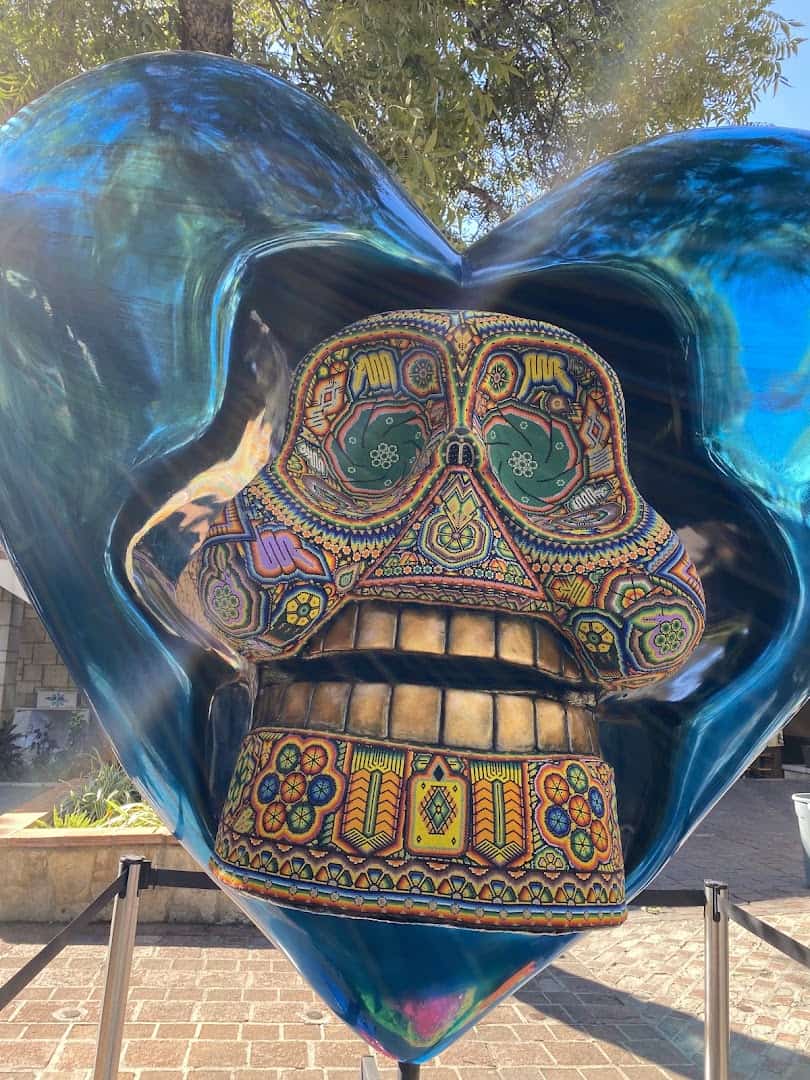
Inside, you find the real thing being made. Jewelers at the bench. Painters at the easel. Potters at the wheel, glassblowers, metalworkers, weavers. The work runs from oil paintings and watercolors to stained glass, copperware, textiles, and regional folk art.
My favorite way to shop a place like this is slowly, with no list. You compliment a piece, the artist tells you how it was made, and an hour disappears. Many will take a commission if you want something built just for you.
It has the rhythm of a European market square, where buying art means talking to the person who made it rather than scanning a barcode. Pro tip: bring a little cash and a lot of patience, because the conversation is half the reason to come.
Some of the studios sit inside buildings older than the state’s statehood. The German-English School, put up in the 1850s and 1860s, now holds galleries, and other shops fill cottages that have watched the river go by for well over a century. You are browsing modern art inside living history.
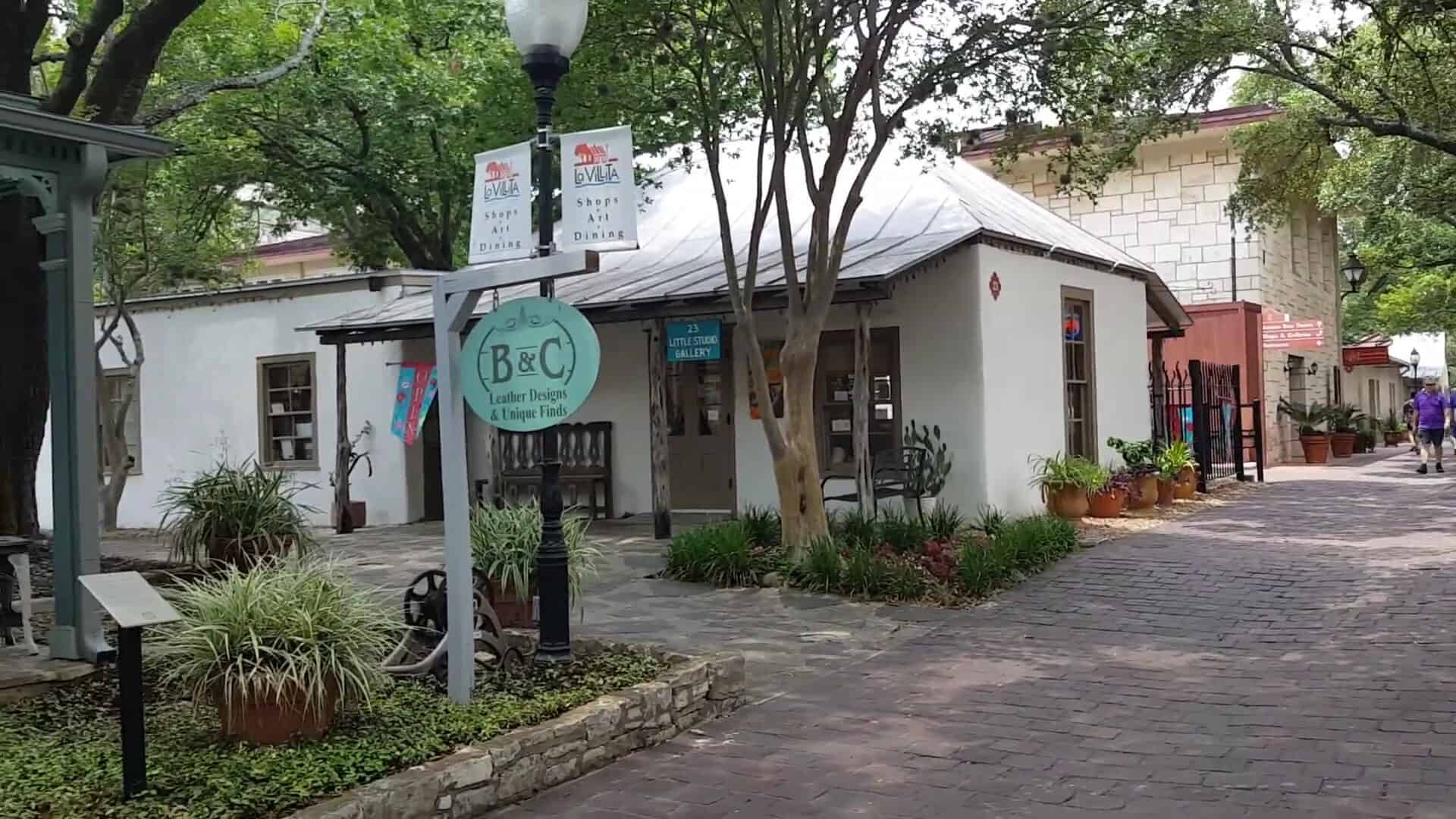
Prices run the full range, from a small print you can slip in your bag to a signed original worth the splurge. There is no pressure to buy anything at all. Half the pleasure is just seeing what human hands can do when they are given the time.
A Theater With a River Running Through It
Walk toward the water and you reach one of the most quietly ingenious stages in the country: the Arneson River Theatre. Here is the twist that makes people grin when they first see it.
The stage sits on one bank of the San Antonio River, and the audience sits on the other. The performance literally happens across the water from you.
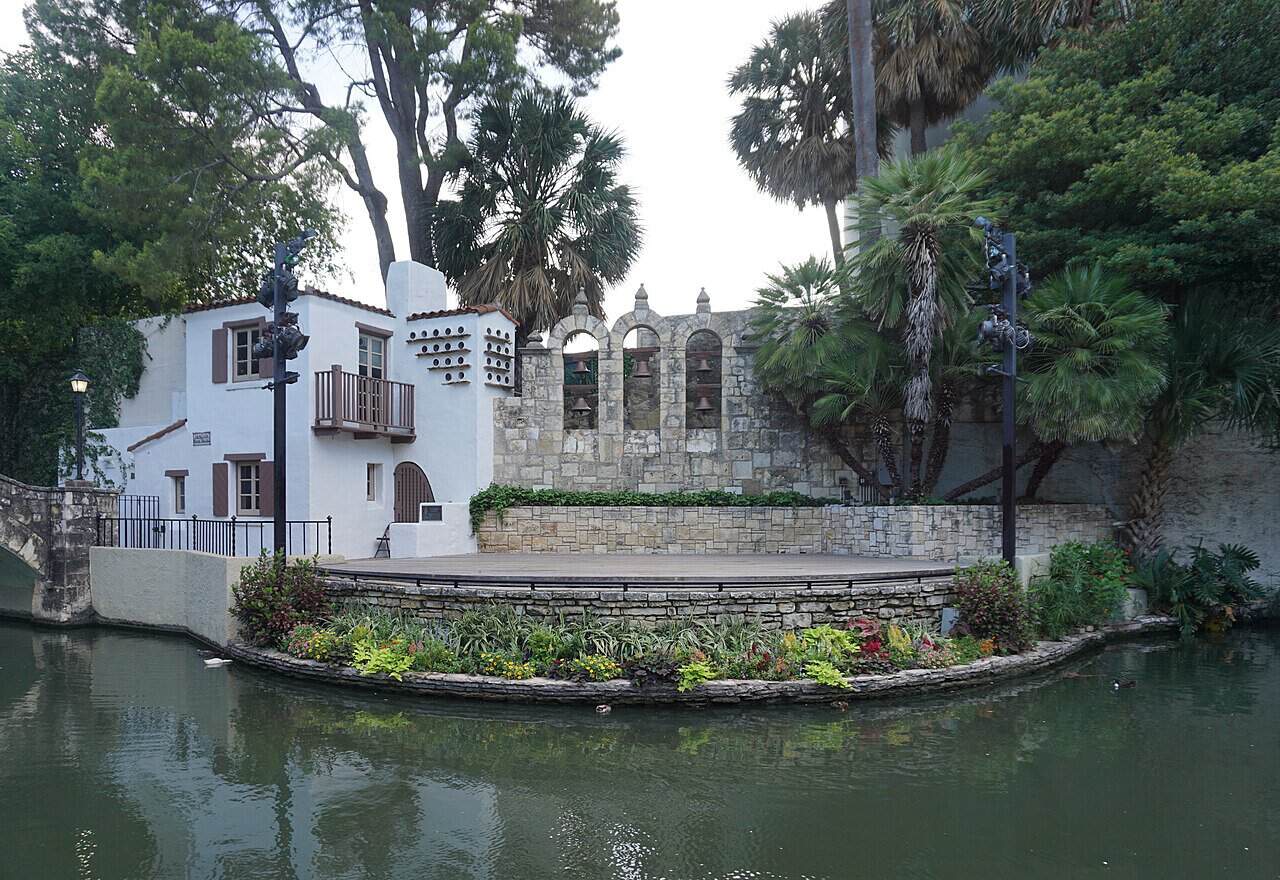
The river runs right between the performers and the crowd. Grass terraces climb the south bank in wide stone steps, seating around 800 people, while the stage waits across the green water on the north side. Boats drift past mid-show, and nobody minds.
It was the vision of architect Robert H. H. Hugman, the same dreamer behind the River Walk itself, and Works Progress Administration crews built it between 1939 and 1941. Hugman wanted the river to be part of the show, not a thing you crossed to get to your seat.
The theater carries the name of Edwin P. Arneson, the engineer who fought to fund the whole river project and died before the first stone was laid. He never saw the venue that would keep his name.
Hugman himself was invited back in 1978 to ring new bells at the stage that now bore his colleague’s name, a small, late thank-you for a very big idea.
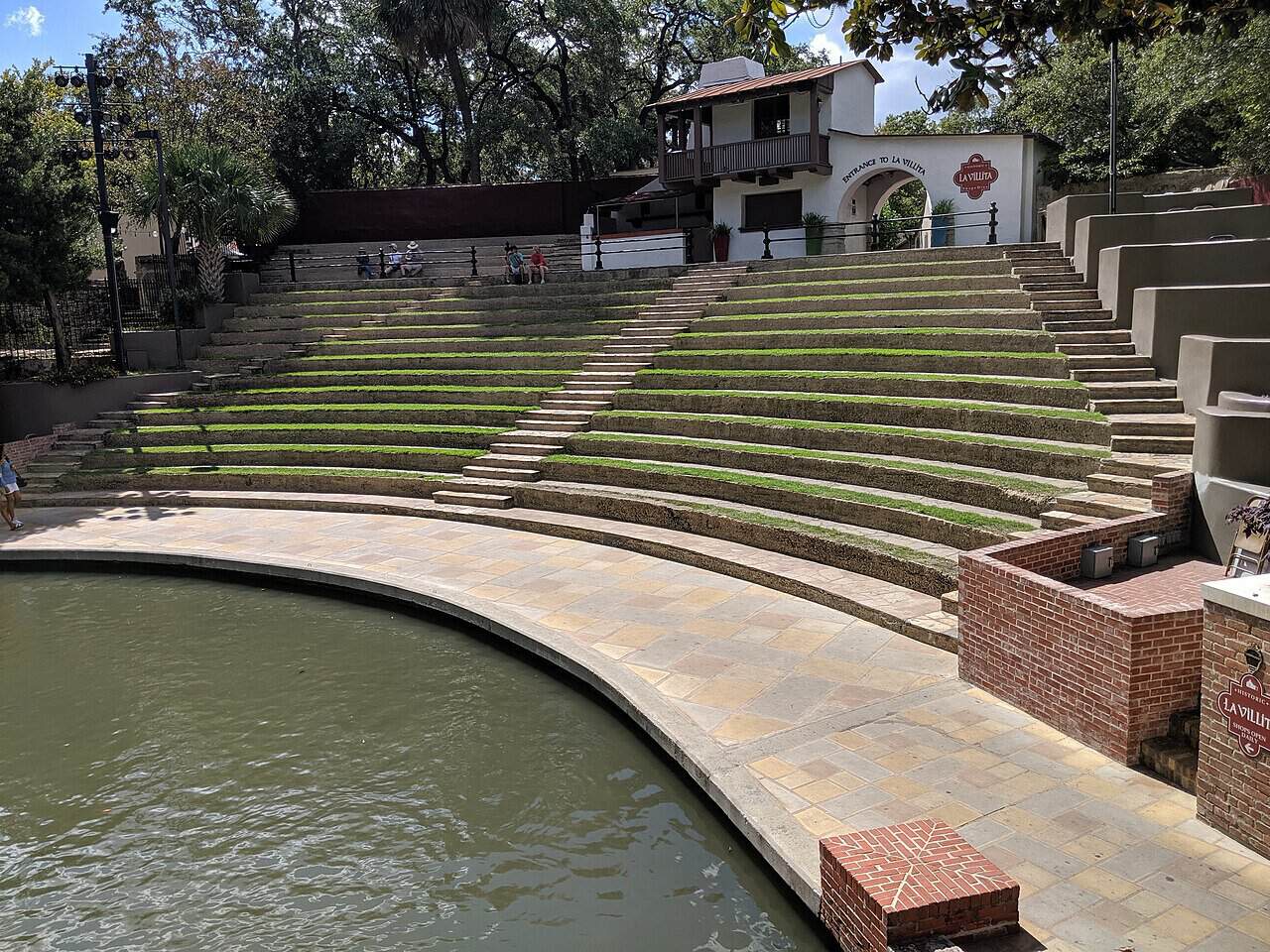
If you catch a music or dance performance here on a warm evening, arrive early. The best sightlines on those terraced steps go first, and watching a show float across a river is the kind of thing you want a clear view of.
Shady Plazas Made for Lingering
Between the shops, the village opens into small plazas, and these are where the European feeling settles in deepest. Fountains murmur. Wrought-iron tables sit under canopies of ancient live oak. The air smells of stone, water, and somebody’s espresso.
This is the part of a trip abroad I always miss most once I am home: the permission to simply sit. Order a coffee, claim a table in the shade, and watch the light move across the old walls. Nothing here is rushing you along.
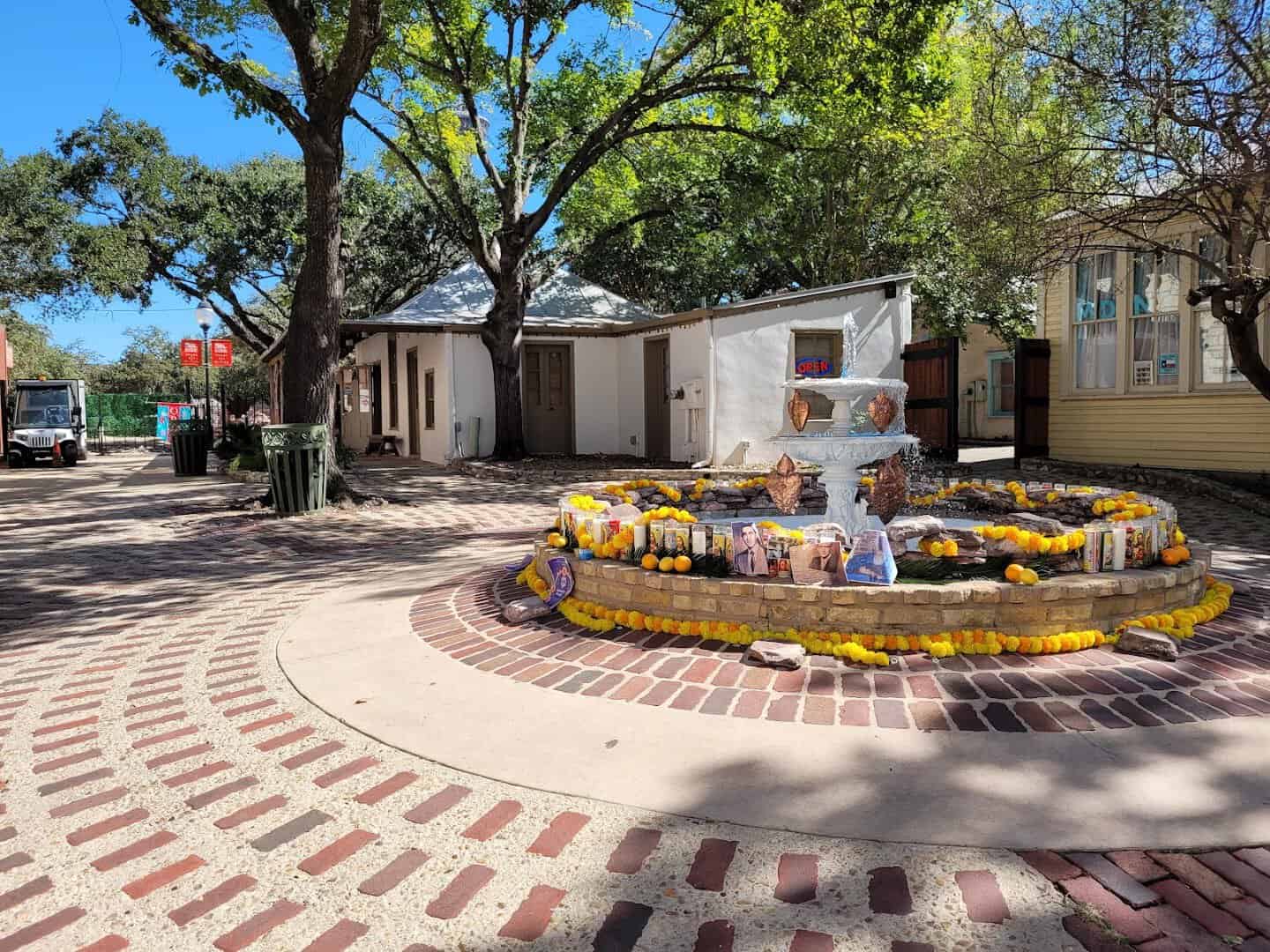
Cafes tucked around the lanes handle the rest. You will find espresso and pastries, sandwiches for a light lunch, and regional sweets when you want a treat. Grab something, find a fountain, and let an afternoon go soft around the edges.
A Little Village With a Long Memory
The reason La Villita feels so lived-in is that it has been lived in for three centuries. It began as a settlement on the south bank of the river, near the water where the earliest San Antonians drew their living.
By the 1700s it held a cluster of humble huts, called jacales, home to Spanish soldiers posted at the nearby Mission San Antonio de Valero, the mission we now call the Alamo. This was the working edge of a frontier town long before it was anyone’s idea of charming.
A flood in 1819 swept the first structures away, and sturdier adobe homes rose in their place. Then came the wave of European immigrants late in the century, who turned a soldiers’ quarter into a neighborhood of retailers, bankers, teachers, and craftsmen.
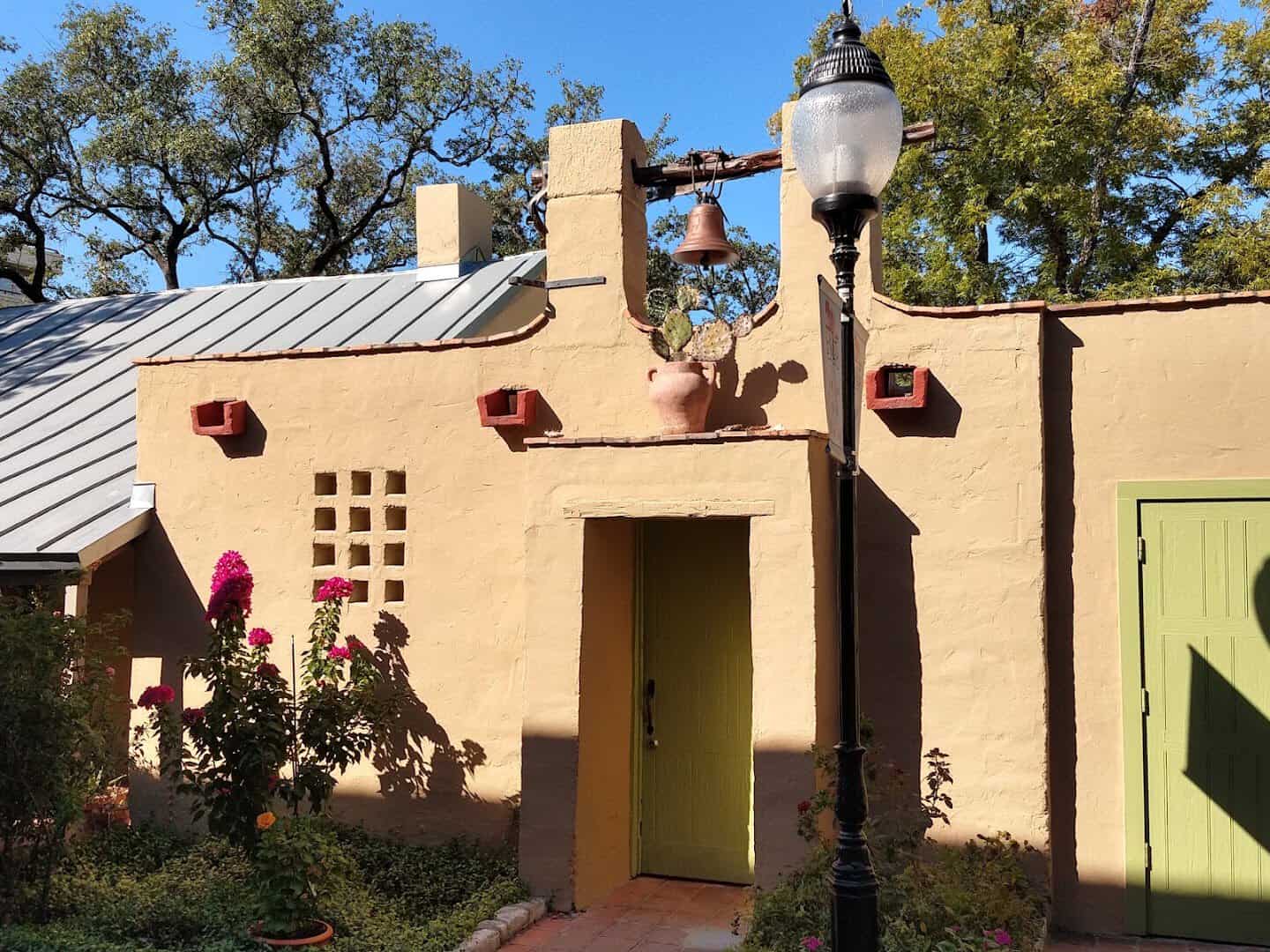
History was made here, too. The small Cos House still stands, and inside it, on December 9, 1835, Mexican General Martín Perfecto de Cos signed the Articles of Capitulation, ending the Siege of Béxar during the Texas Revolution. You can walk past the very walls where it happened.
Did you know the village once fell on hard times? By the early 1900s it had slid into disrepair. During the Great Depression, Mayor Maury Maverick rallied Works Progress Administration crews to restore it, and by 1939 young artists were taking craft classes in its rescued buildings.
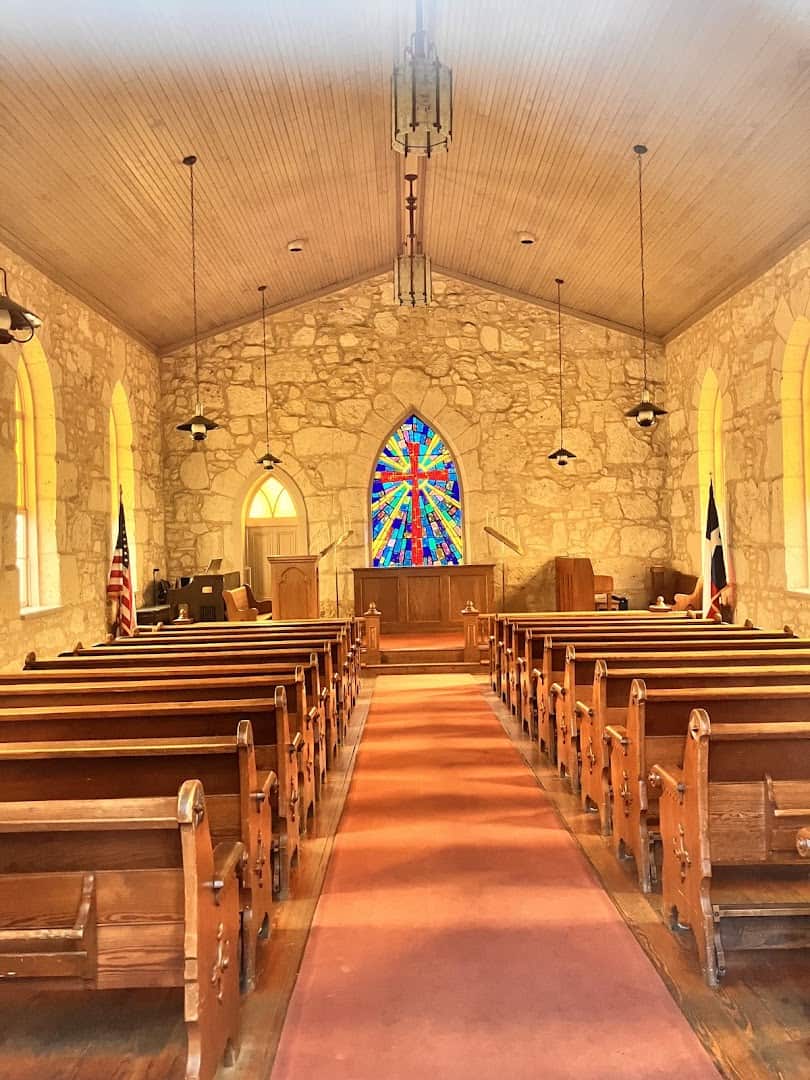
That restoration is why it survives today. La Villita joined the National Register of Historic Places in 1972, and its 27 historic properties, including the Little Church of La Villita from 1876, still anchor the lanes you wander now.
When the Whole Village Throws a Party
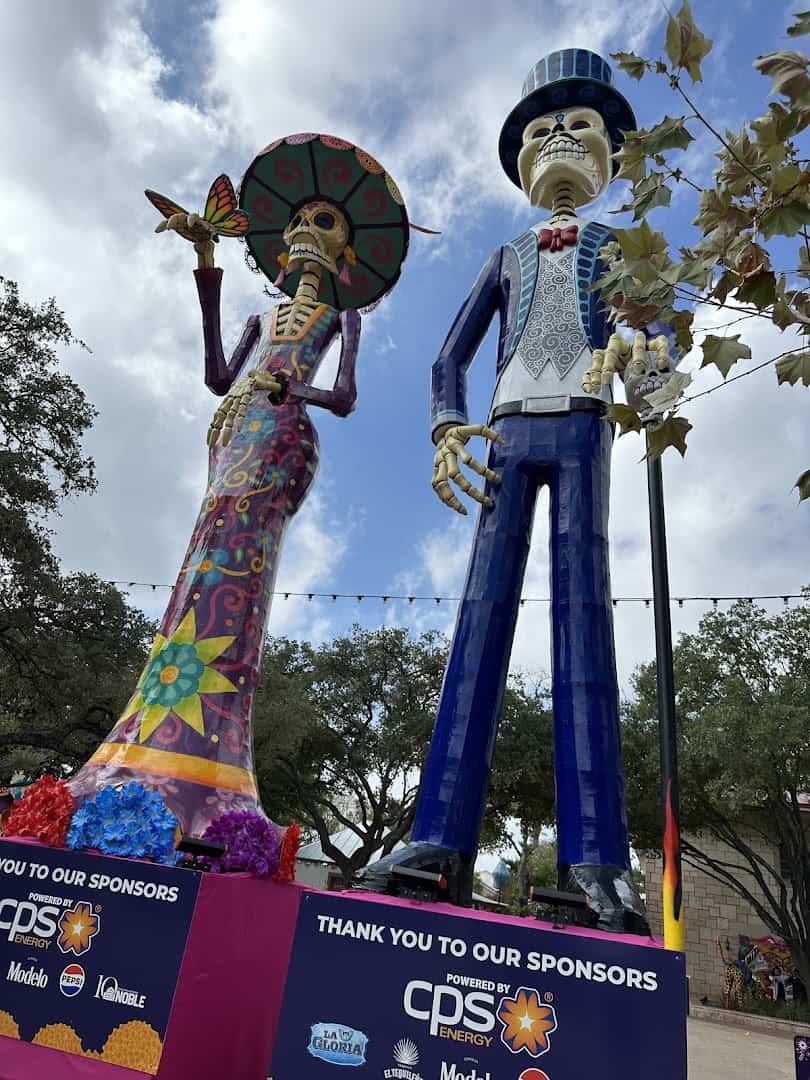
La Villita keeps a calendar full of seasonal festivals, with music, market stalls, food vendors, and performances spilling across the plazas. Check the dates before you go, because the village wears a party well.
The grandest arrives each April during Fiesta San Antonio, when the whole village becomes A Night in Old San Antonio, known to locals as NIOSA. Dozens of booths cluster into themed areas with names like Sauerkraut Bend, Irish Flat, and the Mexican Market, each serving its own food.
It draws around 85,000 revelers over its run and is a major fundraiser for the San Antonio Conservation Society, the group that has long fought to protect the city’s old buildings. It is loud, delicious, and wall-to-wall people, the joyful opposite of a quiet weekday stroll.
So you can visit the same square two ways: hushed and contemplative on an ordinary morning, or roaring with life during Fiesta. Both are worth the trip, and they feel like two different villages.
A Gateway to the River and the Tower
Part of what makes La Villita such an easy day is where it sits. Stone bridges and shaded walkways connect it straight to the wider San Antonio River Walk, so you can drift in from a riverside stroll without ever crossing a busy road.
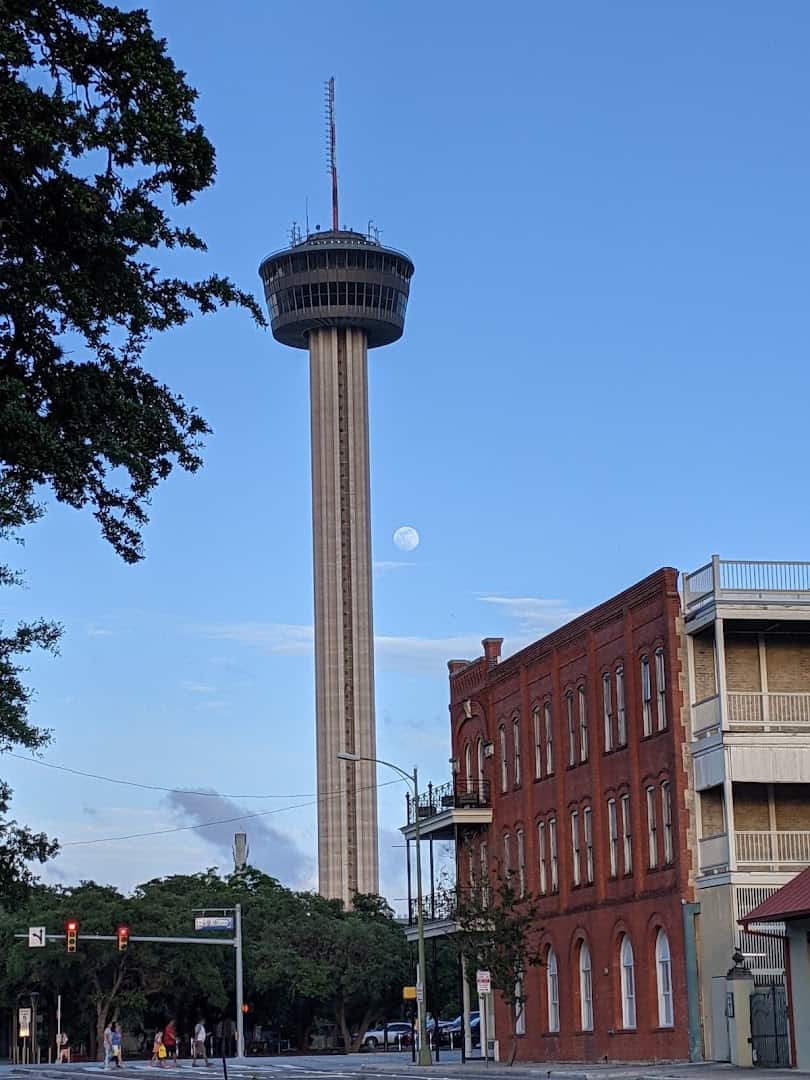
Just to the east lies Hemisfair, a green public park studded with playgrounds and public art, crowned by the Tower of the Americas rising over the skyline. You can pair a slow morning among the artisans with an afternoon in the park and barely touch your car.
That walkable stitching is deeply European in spirit. One quarter flows into the next on foot, and the whole downtown starts to feel like a city built for wandering rather than parking.
How to Get There
La Villita sits right in downtown San Antonio, along the River Walk. General admission to the village is free, and you only pay if you are buying art, a meal, or a ticket to a special event.
Where: La Villita Historic Arts Village, 418 Villita St, San Antonio, TX 78205
The village is generally open Monday through Saturday from 10 a.m. to 6 p.m., and Sunday from 11 a.m. to 4 p.m., though individual shops set their own hours. Hours and event schedules shift, so peek at the official site before you drive over.
There is no dedicated lot for the village itself. The nearby Hemisfair garages are your easiest bet, and it is a short, pretty walk in from there along the river. Wear shoes you can walk cobblestones in, because those pretty stones are not kind to a slick sole.
.jpg)
.jpg)
Plan Your Little Trip to Europe
You do not need a plane ticket or a phrasebook to feel that old-world hush. You need cobblestones, open studio doors, a fountain, and a slow afternoon, and all four are waiting a few blocks off the San Antonio River.
Point the car toward downtown, pack comfortable shoes for those stones, and give yourself far more time than you think you need. This little village has a way of making the rest of the day wait.
Featured image: David Banuelos via La Villita National Historic Village

Stella Raines
Editor-in-Chief
Stella brings over a decade of storytelling experience to TX Headlines. With roots in West Texas and a love for road trips, she leads the editorial team with an eye for the hidden stories that make Texas unforgettable.
More Stories
This Serene Texas Garden Is Completely Free, Yet It Feels Like a Private Retreat

This Gorgeous Texas Library Hides a Byzantine Chapel Almost No One Knows About

This Quiet Texas Park Hides a Legendary WWII Submarine That Sank a Japanese Carrier

This Underrated Texas State Park Gives You a Full Day of Swimming and Hiking for Just $5
Tags