This Bustling Texas Marketplace Hides 300 Shops Under One Roof, From Vintage Finds to Unexpected Deals
I have never once managed to walk past a good treasure hunt. Give me a rack nobody has sorted, a shelf of who-knows-what, a table of odds and ends, and I will lose an entire happy afternoon to it.
That itch has a home in North Texas, and it turns out to be one glorious labyrinth of more than 300 little shops packed under a single Dallas roof.
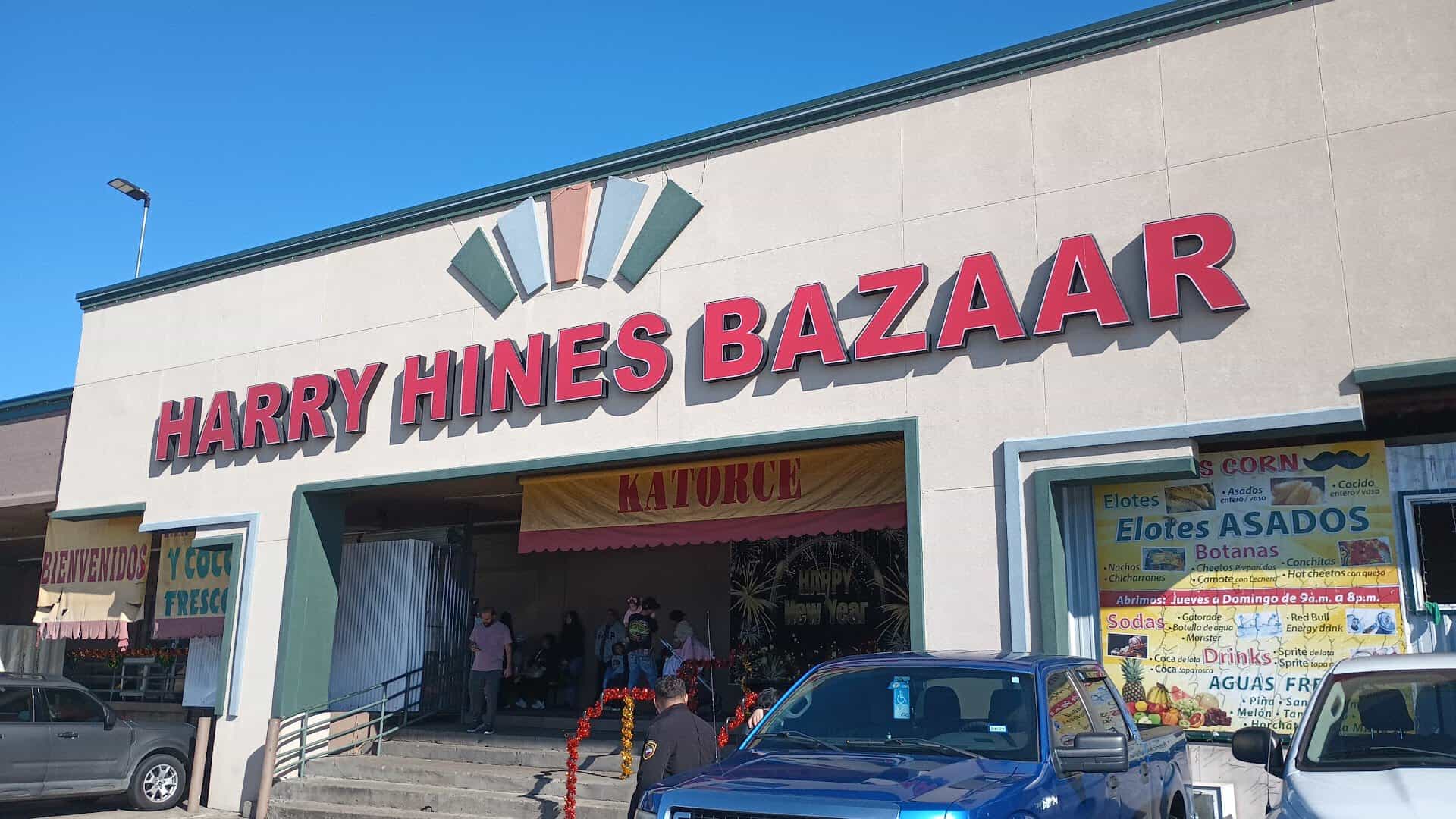
Locals call it the Harry Hines Bazaar. It is exactly the kind of place where you come in for socks and leave with cowboy boots, a beaded gown, and a cup of elote you did not plan on.
Below, we will wander the aisles together, from the boots and the ballgowns to the jewelry cases and the food stalls. I will also tell you how the whole thing came to sit on a boulevard named for a Texas road man.
Three Hundred Shops, One Very Big Roof
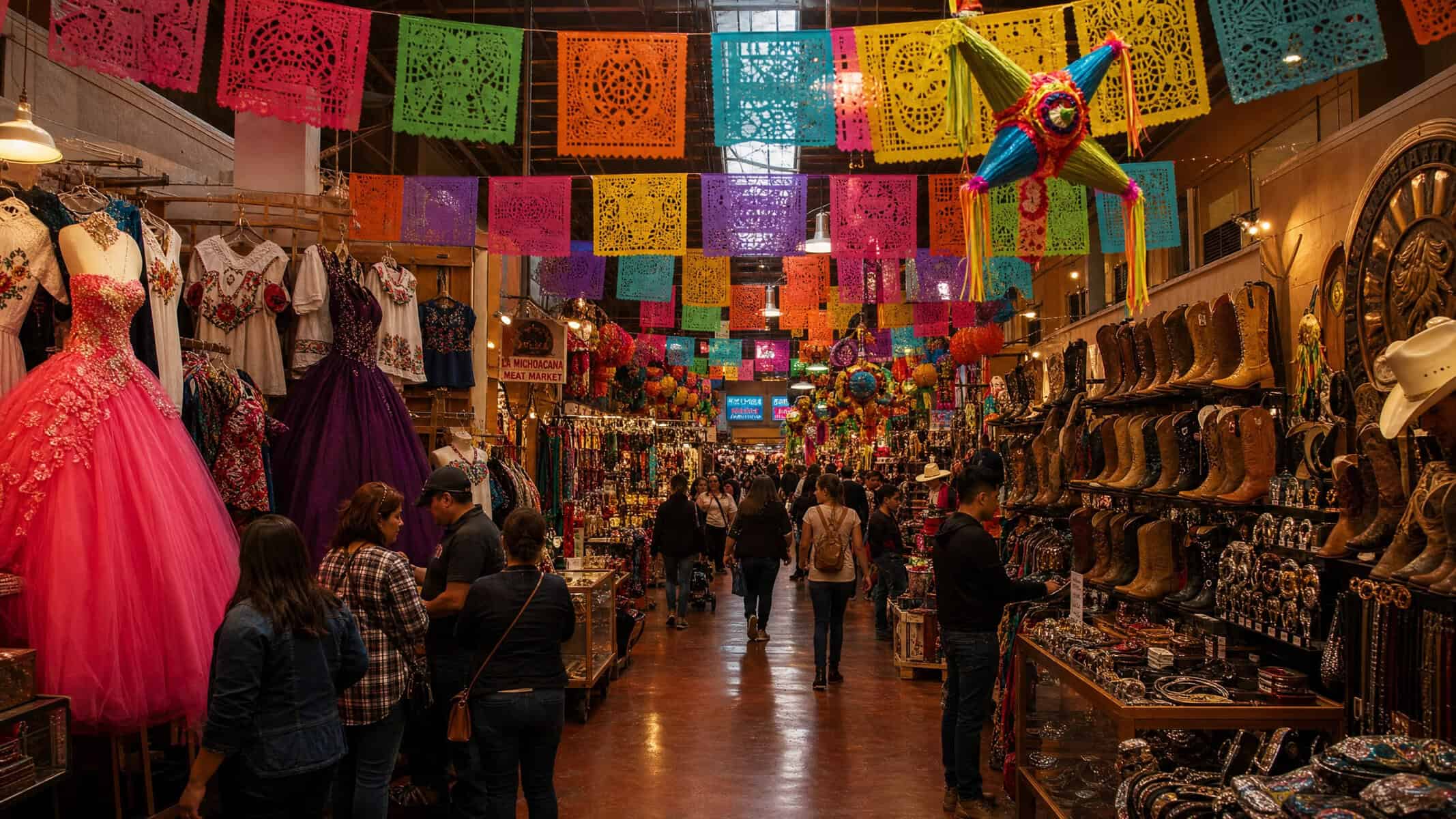
Picture a shopping mall and a flea market that fell in love and had a wonderfully busy child. That is the feeling here. Everything lives indoors, spread across roughly 50,000 square feet, so the Texas heat stays outside where it belongs.
The layout is a friendly grid of small stalls, each one its own little business with its own owner behind the counter. You turn a corner expecting more boots and find a wall of rosaries. Turn again and there is a barber mid-haircut.
It is busy, colorful, and a lot easier to relax into than you would guess. Families push strollers down the aisles, security keeps a calm eye on things, and the floors stay clean enough that you never think twice about them.
One shopper online called it “the cleanest and nicest bazaar” they had been to. Another summed the whole place up in eight words: “Great place to shop! Lots of authentic Mexican shopping and food!”
The crowd is part of the fun. You will hear Spanish and English trading back and forth across the counters, norteño music from one stall bleeding into cumbia from the next, and the steady hum of people actually enjoying their Saturday.
It pulls shoppers from all over the metroplex, from Irving and Carrollton and Garland and well beyond, and on a good weekend it feels less like errands and more like a small town that happens to be indoors.
You can browse for hours and never see the same thing twice. That is the whole promise of the place, and it delivers on it every single day it opens the doors.
Boots, Ballgowns, and Plenty of Bling
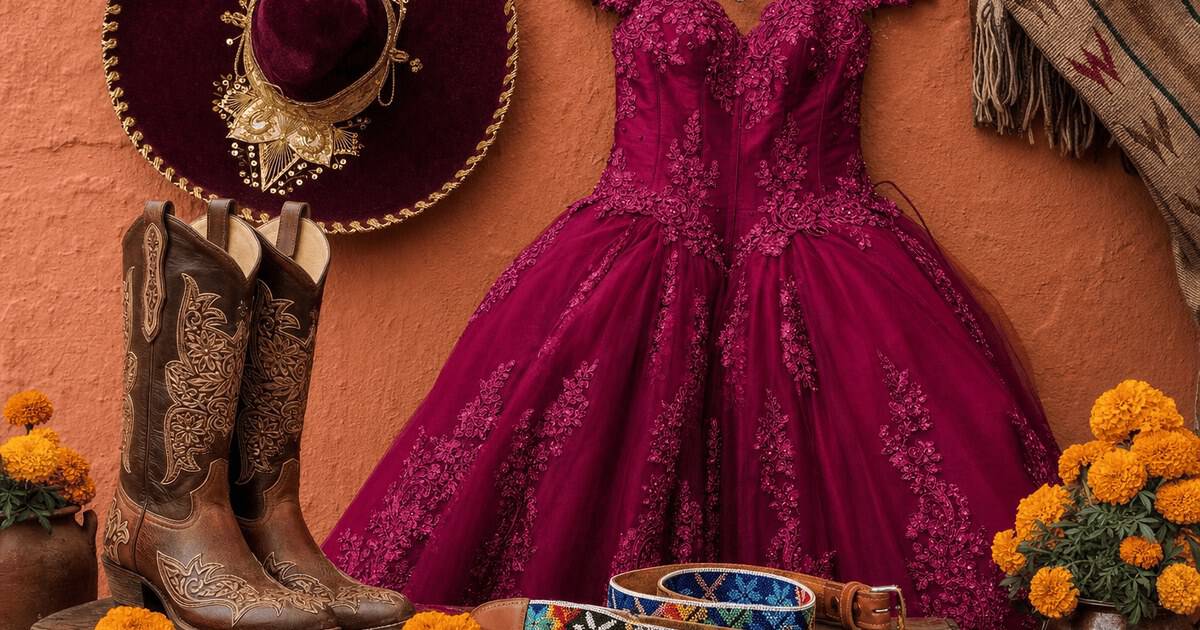
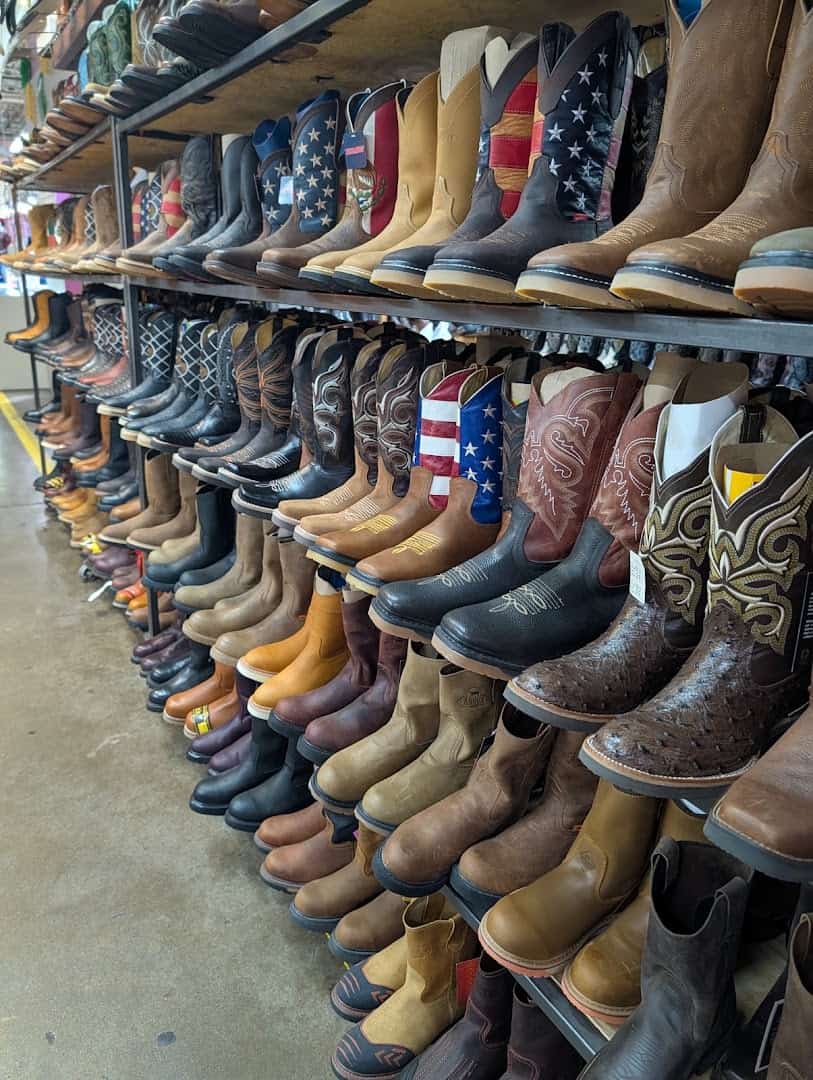
If Texas has a uniform, a good chunk of it is sold right here. Racks of leather cowboy boots stand in rows, tooled and stitched and lined up by size, next to shelves of felt and straw hats waiting to be tried on.
The prices tend to sit well under what a chain western store would ask, which is half the reason people drive in from the suburbs. You can build a full going-out look, hat to heels, and still feel like you got away with something.
Then there are the dresses. Whole storefronts glitter with quinceañera gowns in every shade, the big skirted kind a fifteen-year-old dreams about for a solid year. Embroidered blouses and party outfits hang alongside them, ready for the next celebration on the calendar.
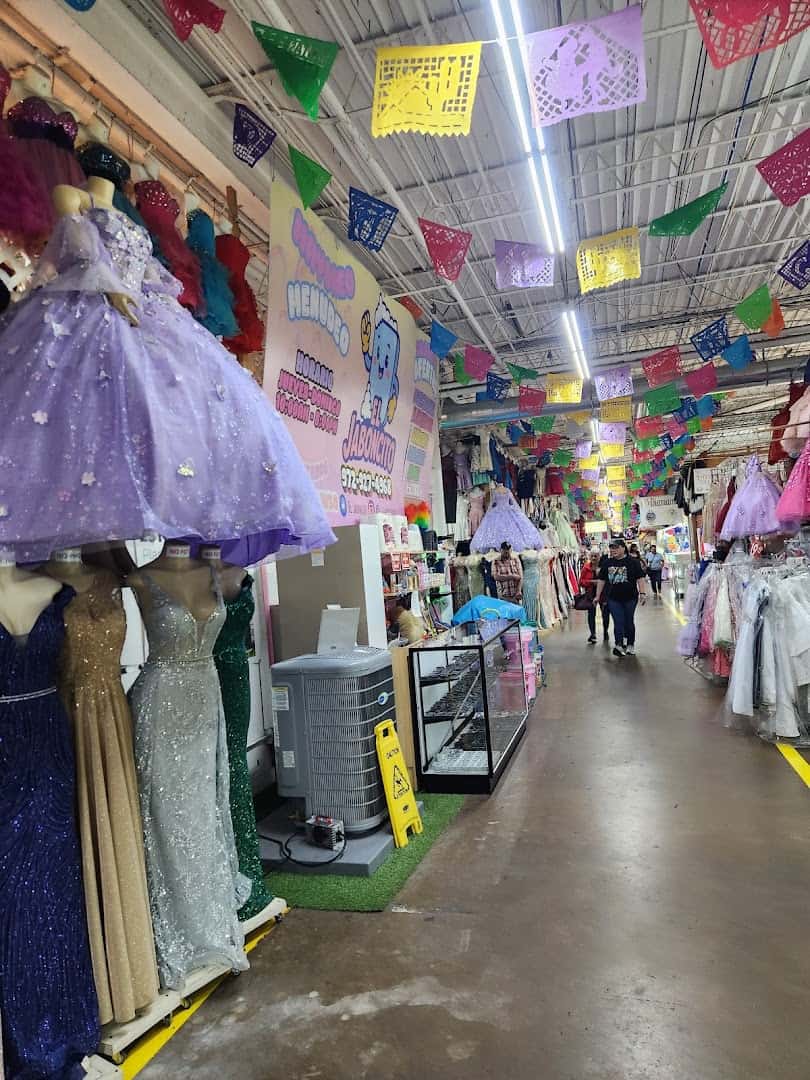
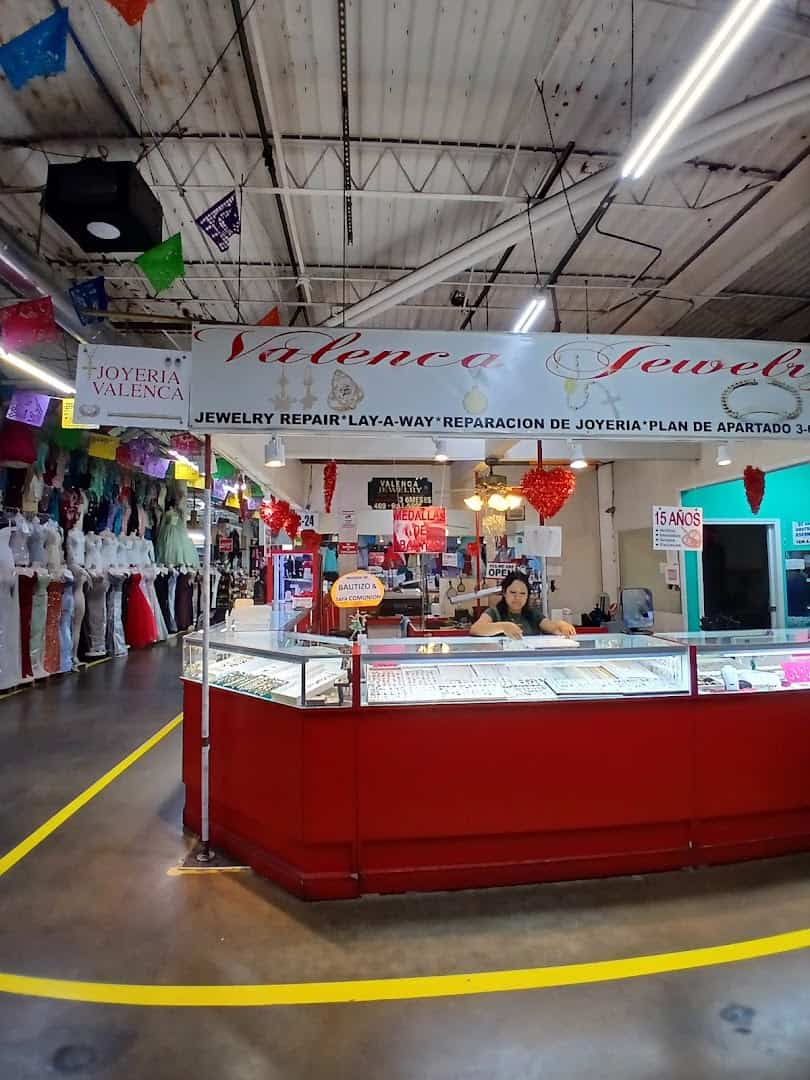
The jewelry cases are their own gravitational pull. Vendors here have a real reputation for fair prices on gold and silver, and many stand behind their repairs, so a broken clasp or a resized ring is an easy fix while you shop the rest of the aisle.
You will also spot rows of embroidered belts, silver buckles, and the kind of tooled leather goods that a mall would sell for triple the price. Everything skews toward celebration, the outfits people buy for a wedding, a baptism, or a big birthday.
My weakness would be the little details, the earrings and the pendants that cost almost nothing and somehow make an outfit. You could dress a whole wedding party in one afternoon here and still have money left over for lunch.
Vintage Finds and Unexpected Deals
This is the part I would drive in for. Between the clothing and the food sits the good stuff, the shops where you actually have to dig, and where the digging is the entire point.
These are the stalls that reward a slow walk and a sharp eye. Rush past and you miss them. Linger, and you start noticing the one shelf, the one bin, the one forgotten corner that turns an ordinary trip into a great one.
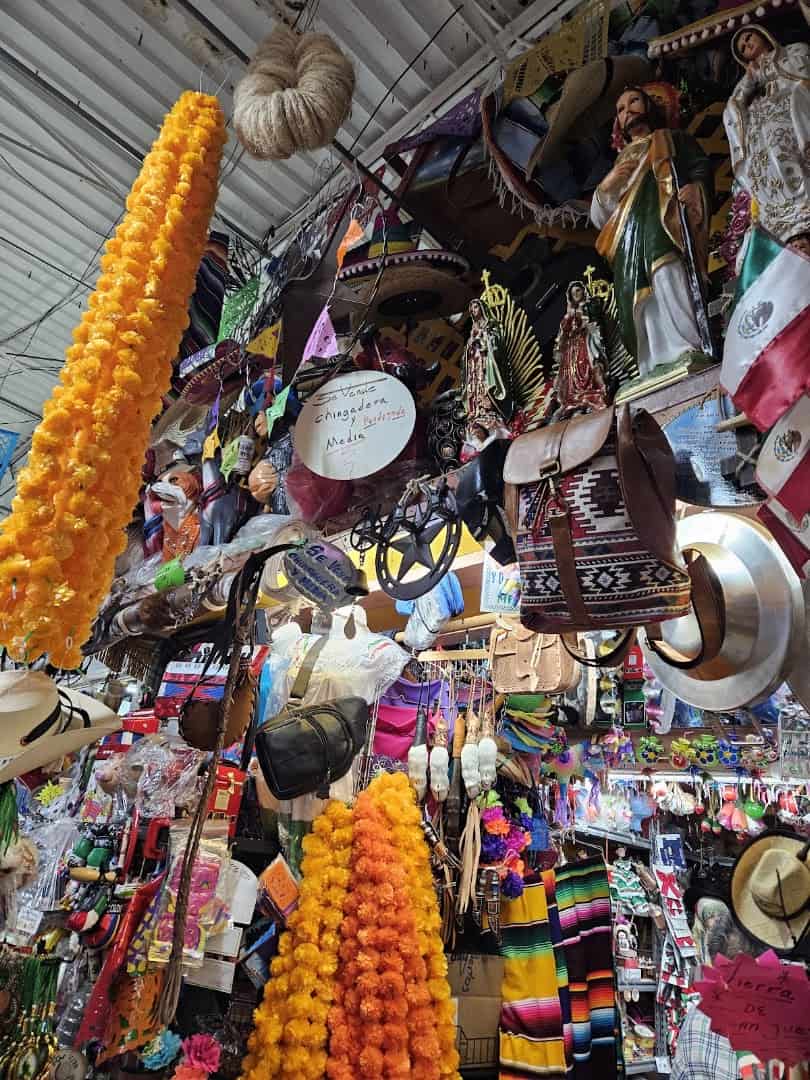
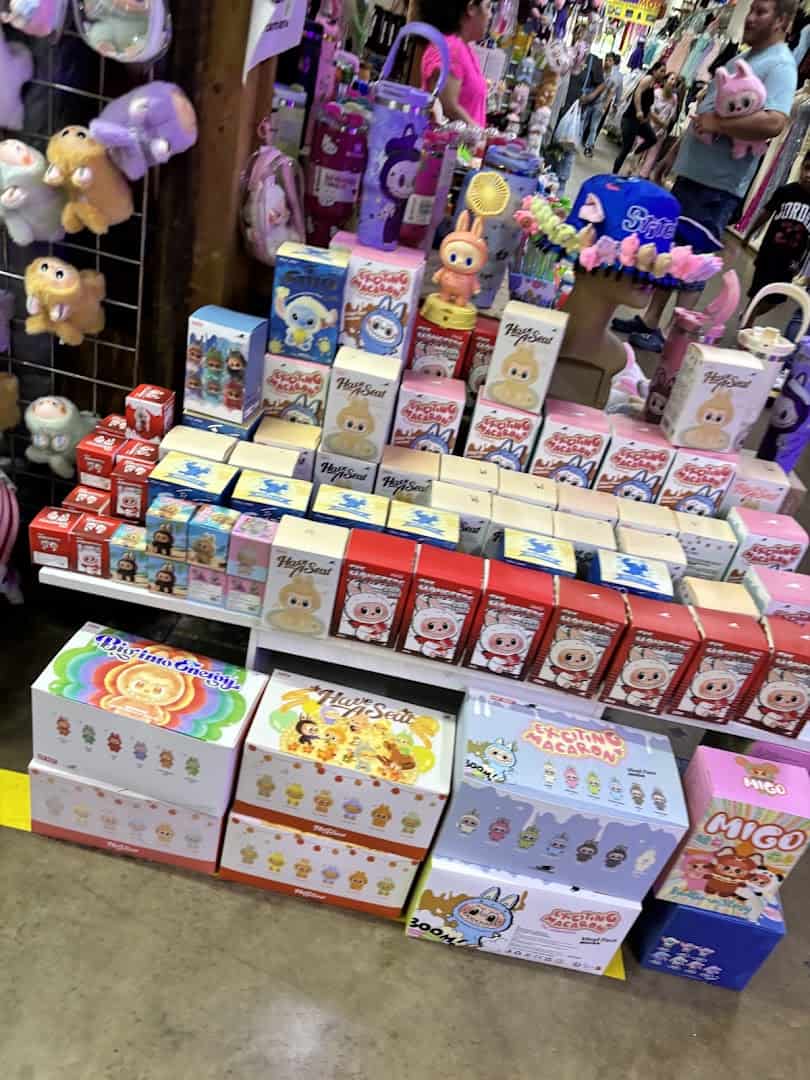
You will find piñatas hanging in bright clusters, toys stacked toward the ceiling, kitchen gadgets, party supplies, and stall after stall of things you did not know you wanted until you saw them. Vintage odds and ends turn up constantly, waiting for the right person to spot them.
There are shops for spiritual and religious goods too, candles and saints and herbal remedies, the kind of old-world corner store that is getting harder to find anywhere else in the city. Every stall is stocked a little differently, so no two visits ever look the same.
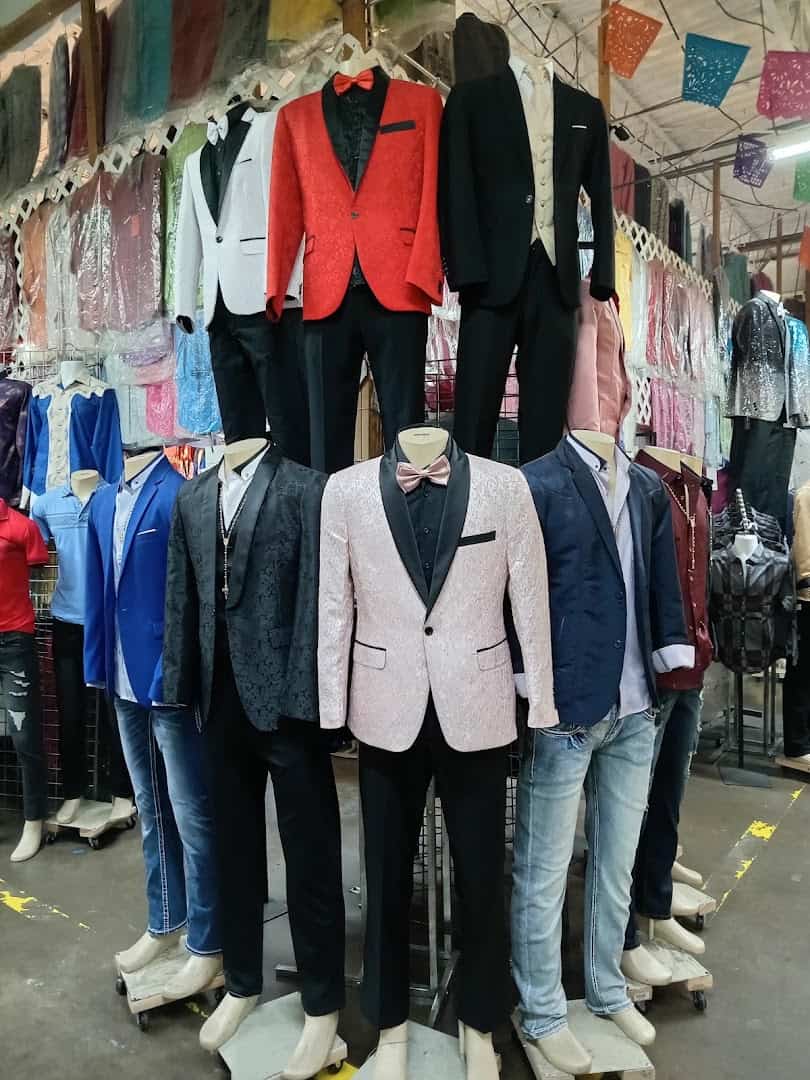
Nothing is polished or heavily curated, and that is exactly why the deals hide here. A store that arranges everything perfectly has already decided what it wants you to buy. A place like this lets you make the discovery yourself.
Because everything is individually owned, prices are not fixed the way they are at a chain, and a friendly bit of back-and-forth is expected. You are talking to the actual owner, not a cashier, so a fair offer often lands.
Pro tip: come with a rough idea and no fixed list. The joy of a market like this is the thing you were not looking for, and half the fun is haggling a little on the price once you finally find it.
The Best Elote in North Texas
You will smell this section before you reach it. Warm corn, lime, chili, and butter drift down the aisles and pull you straight toward the food stalls, which is a trap I would happily fall into every time.
The elote is the headliner, and the vendors here make a genuine claim to the best in North Texas. You can have it on the cob or scooped into a cup with all the toppings, sweet and salty and a little spicy all at once.
Around it you will find mangonadas dripping with chamoy, fresh tacos off the griddle, and tall cups of agua fresca in flavors that change with the day. It is the food of a Mexican street market, made steps from where you are shopping.
The food is a reason to visit on its own, not just fuel for the browsing. Plenty of locals stop in for lunch and a mangonada without buying a single thing from the shops, and nobody minds one bit.
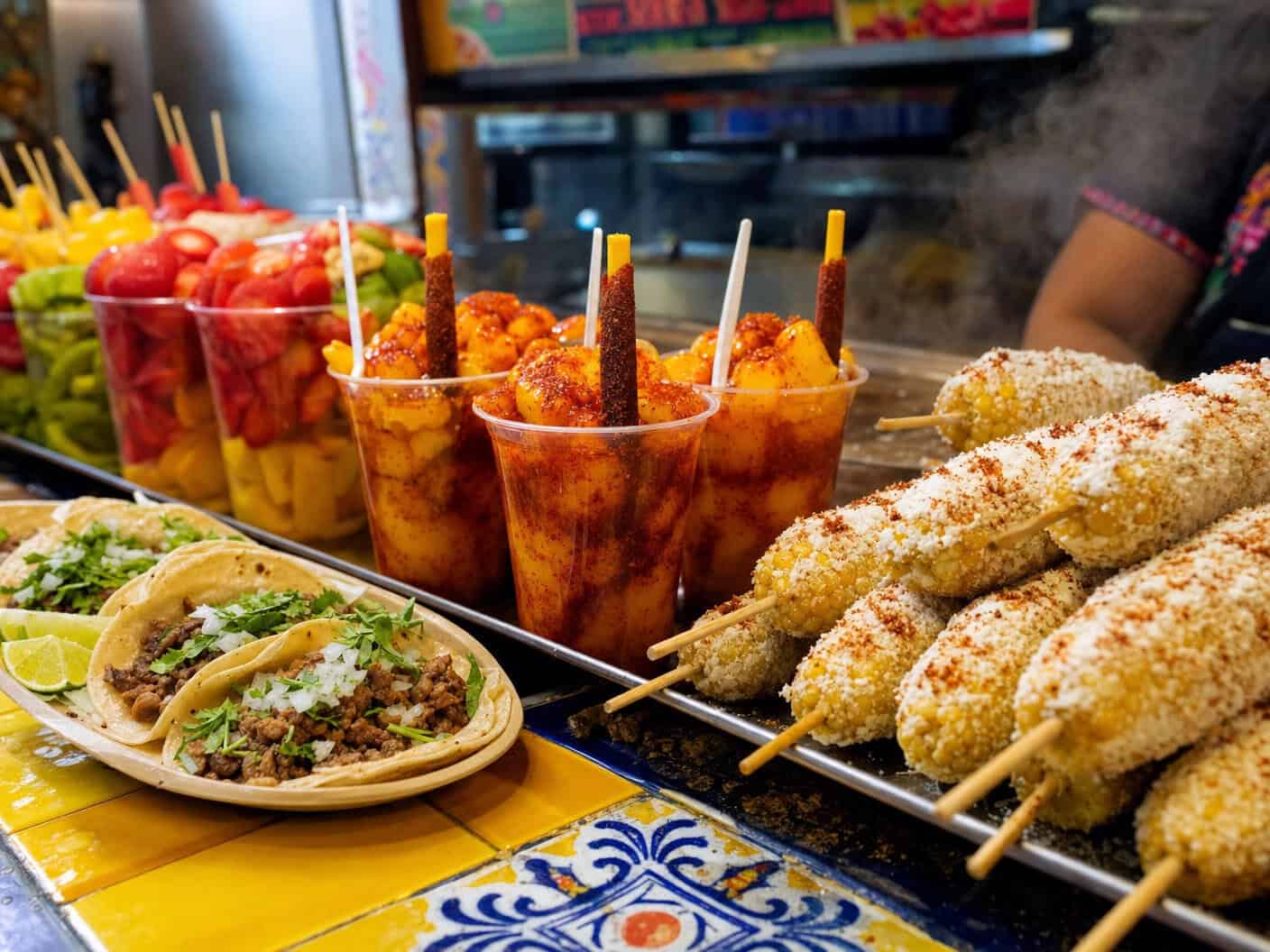
Half the joy is not knowing what you will eat until you are standing in front of it. One stall is griddling something that smells incredible, the next is blending a fruit drink the color of a sunset, and both are calling your name.
Grab something to eat halfway through your visit and keep going. The whole place runs on that easy rhythm: browse a while, snack a while, then browse some more until your feet complain.
How the Bazaar Got Its Name
The boulevard out front carries the name, and it has a story of its own. The road honors a paving campaign started by Harry Hines, an oil man from Wichita Falls who joined the Texas Highway Commission in 1935.
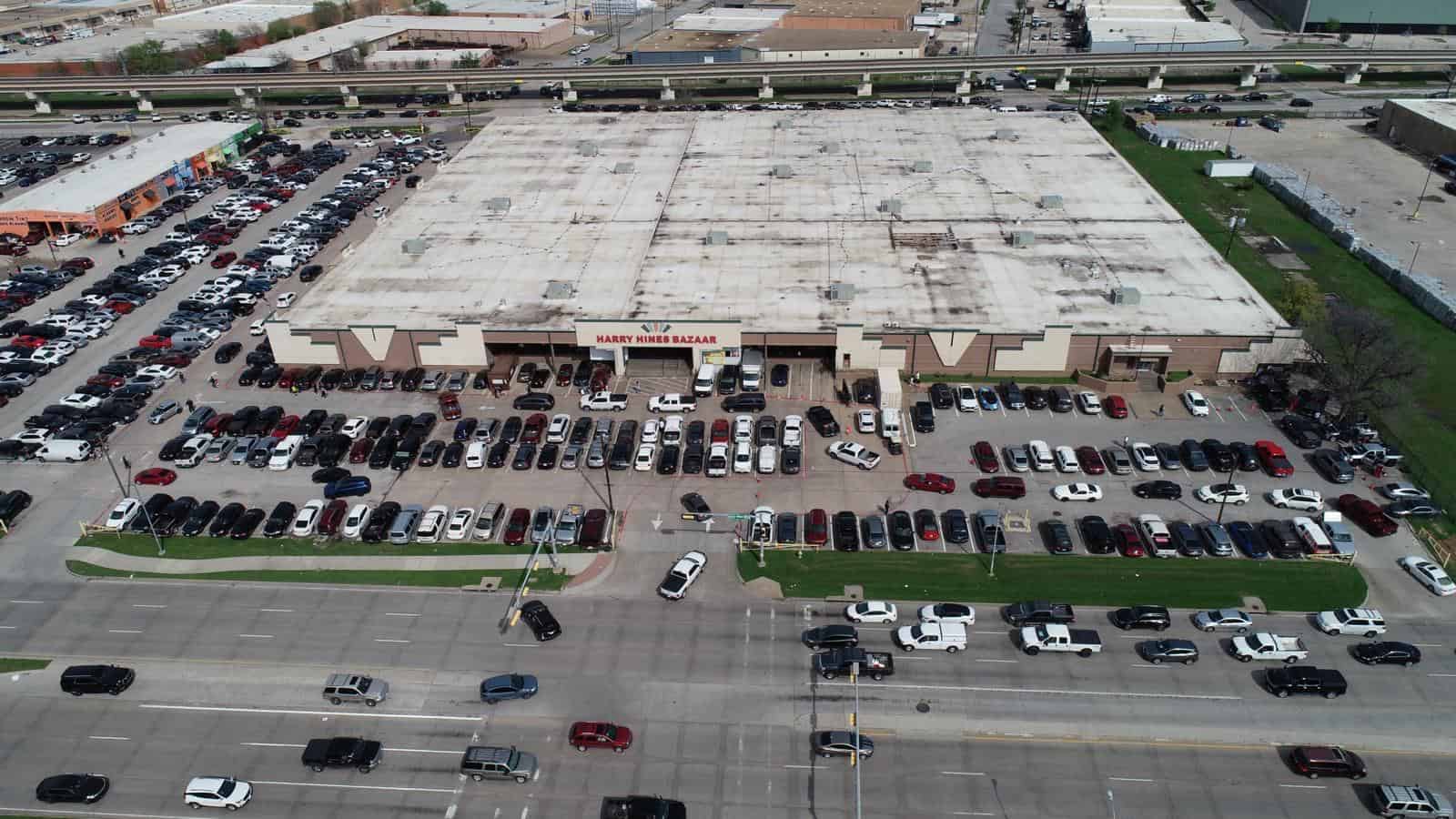
Hines chaired that commission for his first two years and spent the rest getting roads across the state paved and connected. The city thanked him by putting his name on this stretch of pavement, which was inaugurated as Harry Hines Boulevard in 1943.
Hines himself lived from 1886 to 1956, and the corridor that carries his name grew into a working, immigrant-driven part of Dallas, full of small trades and family businesses.
The market that sits here today grew from that same spirit. For years it has served as an economic ladder for immigrant families, a place where someone with a good idea and a little starting stock could open a stall and build something real.
Over the decades that stretch of road became one of the most diverse commercial corridors in Dallas, and the bazaar grew right along with it into the busy, colorful hub it is now.
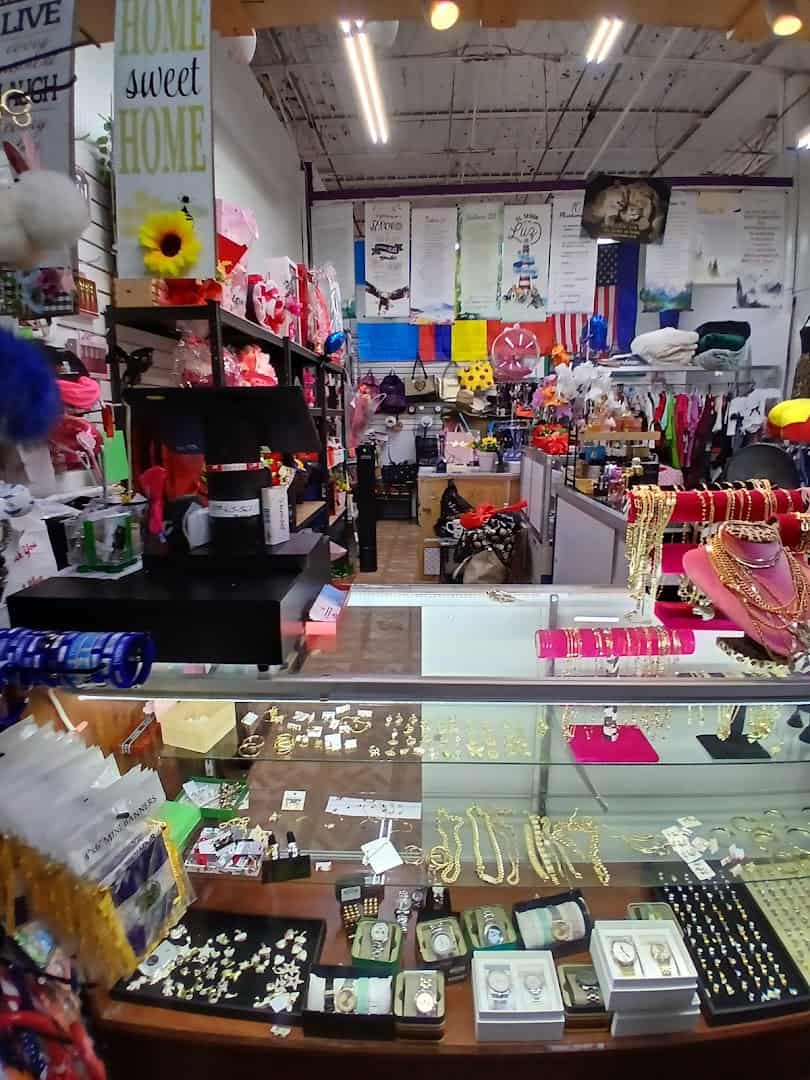
That history is still the heartbeat of the place. Every shop you pass is somebody’s livelihood, most of them family-run, and shopping here quietly puts your money straight into a neighbor’s hands instead of a corporation’s.
A Few Things Worth Knowing
The market is open Monday through Sunday, from 10 in the morning until 8 at night, so there is no truly bad day to go. Weekends bring more vendors and more buzz, while a weekday visit gives you a quieter pace and room to browse.
Bring cash. Many stalls take cards now, but cash moves faster and gives you a little more room to negotiate a friendly deal. Plenty of vendors will meet you partway if you ask with a smile.
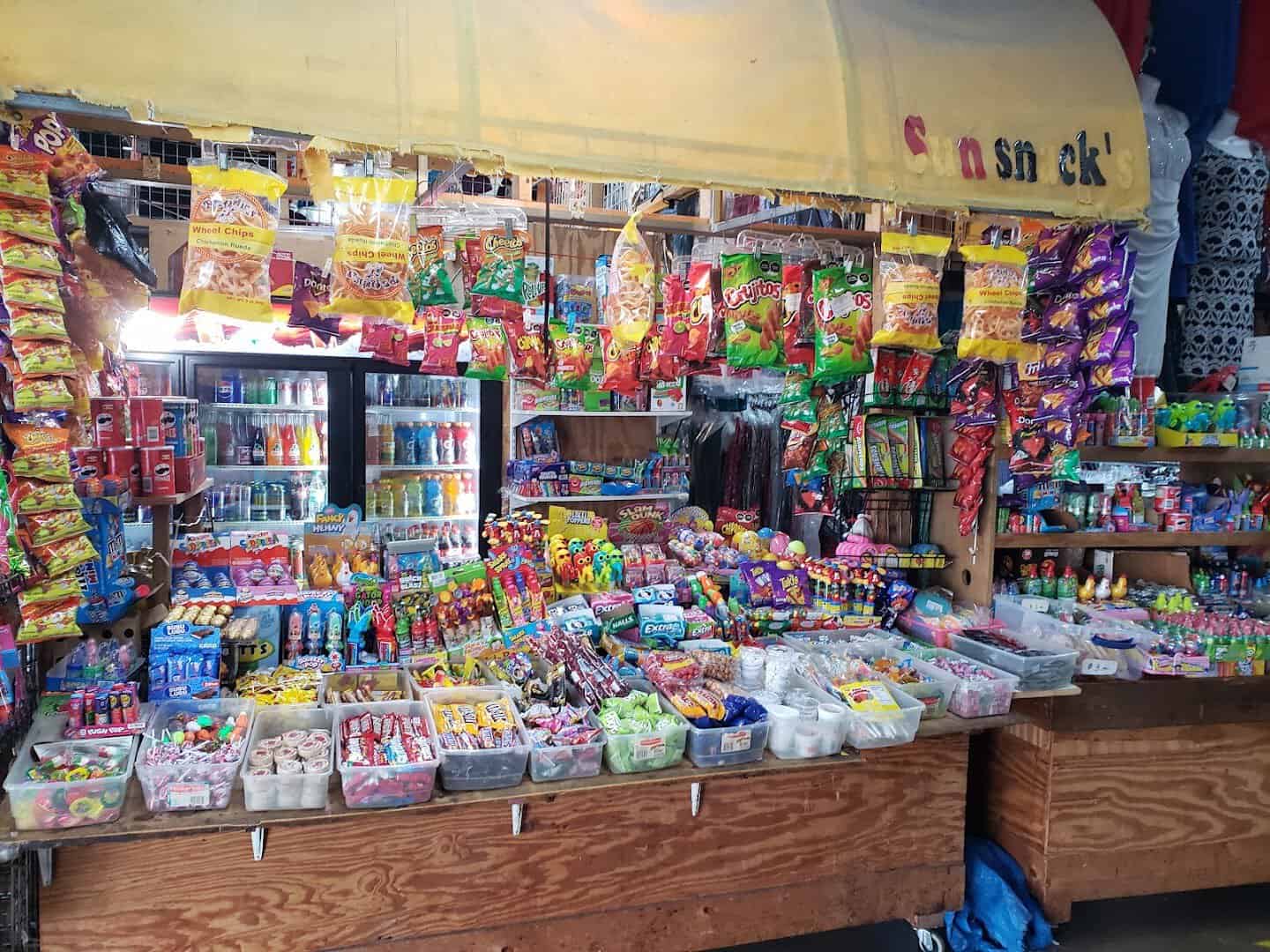
Did you know the bazaar recently expanded its parking? That takes the one real headache out of a busy weekend visit. Admission is free, parking is free, and you can bring the whole family without spending a cent to walk through the door.
It is genuinely family-friendly, too, from the toy stalls to the food, so the kids will find plenty to look at while you dig. Wear comfortable shoes and give yourself more time than you think you need, because 300 shops is a lot of ground to cover.
How to Get There
The market sits just northwest of downtown Dallas, an easy hop off the highway and simple to reach from Irving, Carrollton, Garland, and the rest of the metroplex. If you have never explored this side of the city, the drive alone shows you a Dallas most visitors never see.
Where: 10788 Harry Hines Blvd, Dallas, TX 75220. You can call ahead at (214) 352-2233 if you want to check on a specific vendor before you make the drive across town.
Start Your Own Treasure Hunt
Some trips you plan down to the minute. This is not one of them. You point the car toward Harry Hines Boulevard, you walk in with an open mind, and you let the aisles surprise you.
So clear an afternoon, bring your appetite and a little cash, and go see what you find. Whether you leave with new boots, a bag of small treasures, or just a very good cup of elote, you will already be planning the next trip back.
Featured image: @ Harry Hines Bazaar

Stella Raines
Editor-in-Chief
Stella brings over a decade of storytelling experience to TX Headlines. With roots in West Texas and a love for road trips, she leads the editorial team with an eye for the hidden stories that make Texas unforgettable.
More Stories
These 5 Surreal Texas Places Are So Stunning You Won’t Believe They’re in Texas
5 Abandoned Texas Places That Are Eerie, Empty, and Still Open to Explore
8 Hidden Texas Bookstores That Book Lovers Will Want to Get Lost In
This Abandoned Texas Zoo Closed Nearly 90 Years Ago, and You Can Still Walk Through Its Ruins
Tags