This Serene Texas Garden Is Free to Visit but Somehow Still Feels Exclusive
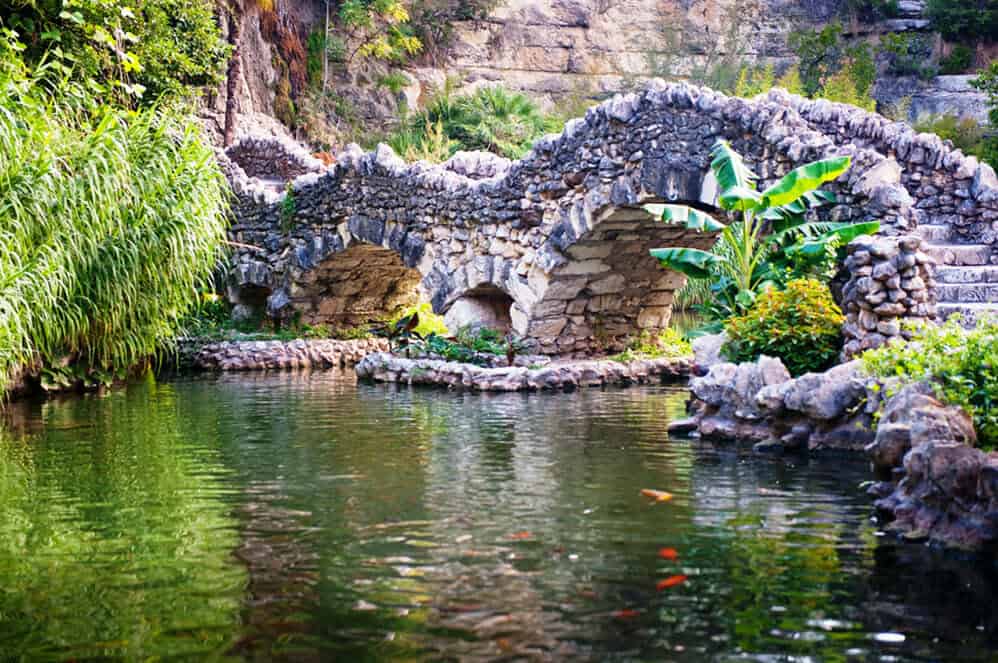
There is a specific kind of hush you only find in a good garden, the kind where the traffic noise drops away one step at a time until all you hear is water. I chase that feeling whenever a city starts to wear me down.
Most places that quiet cost money to get into. This one does not, and that is the part that keeps surprising me.
Tucked into an old rock quarry in San Antonio, the Japanese Tea Garden hands you stone bridges, koi ponds, and a tumbling green waterfall without asking for a dime at the gate. No admission, no parking fee, no catch. And yet it feels like somewhere you had to be invited.
Here is why a free garden manages to feel like a private escape, and everything you need to plan a morning there.
A Secret World Sunk Into the Ground
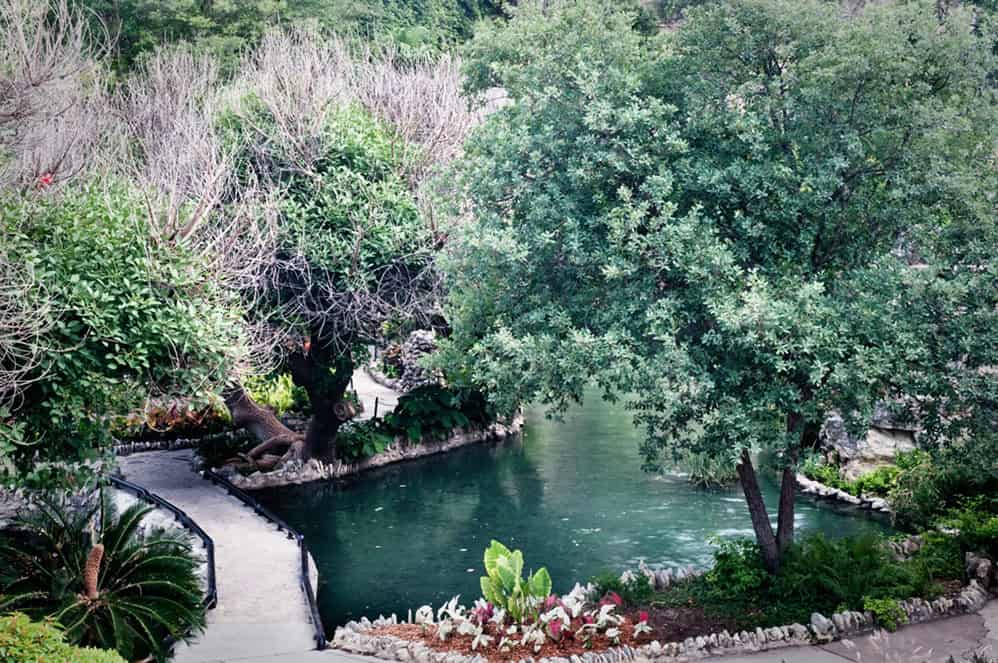
The trick is the quarry. You do not look across this garden, you look down into it.
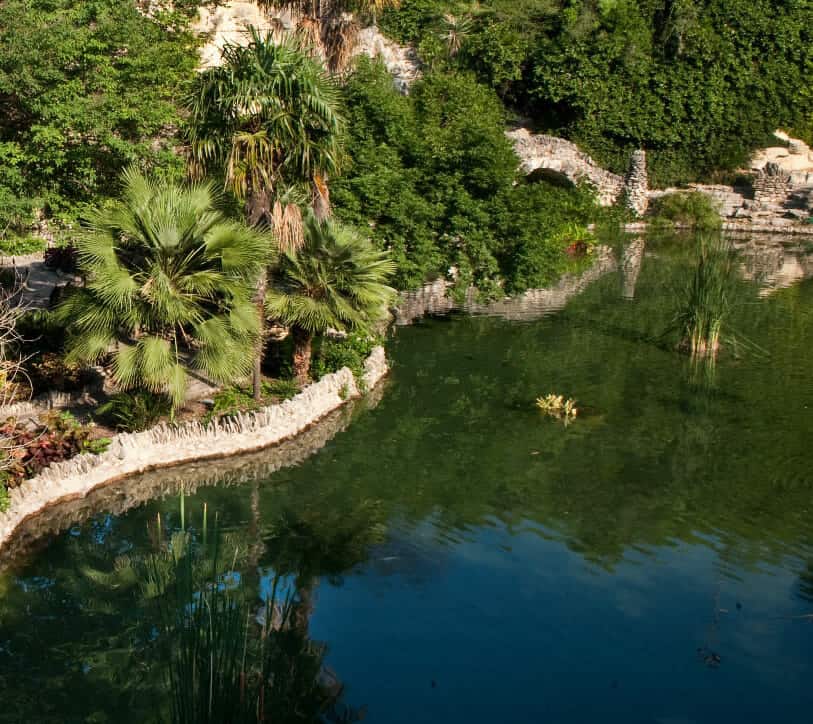
From the upper path the whole scene opens below you at once. Shaded walkways, pools threaded with lily pads, and a stone pavilion sitting out over the water. You descend into it rather than stroll through it.
That small drop in elevation is what makes the noise of the city fall away behind you. The walls of the old quarry wrap around you like a room with no ceiling.
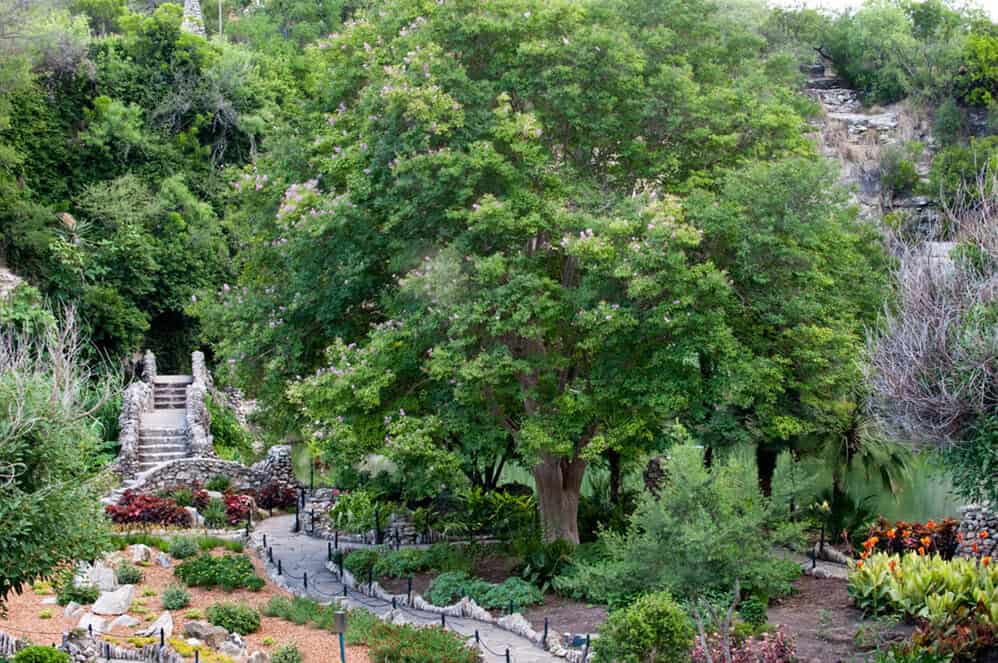
That is why it feels exclusive even when it is busy. You could be a hundred miles from a highway instead of a few hundred feet from one.
Come early and the light does half the work. At 7 a.m. the water is still, the koi are slow, and you can often find a bridge entirely to yourself.
It helps that the whole thing is a surprise. You turn off a normal San Antonio street, walk past the entrance, and the ground simply drops away into something that looks like it belongs on the other side of the world.
The Waterfall and the Koi Below
The garden’s centerpiece is a waterfall that drops roughly 60 feet down the old quarry face. Water spills over the stone, catches the light, and gathers into the ponds at the bottom.
You will hear it before you see it. There is something about moving water against rock that resets your shoulders, and this one runs year round.
Those ponds are full of koi, and they are the reason kids plant themselves on the bridges and refuse to move. The fish drift up in slow ribbons of orange, white, and gold, close enough to count their spots.
Keep an eye out for the garden’s resident cats, too. A small colony lives on the grounds, looked after by a volunteer, and they have a habit of appearing on a warm step exactly when you have stopped looking for them.
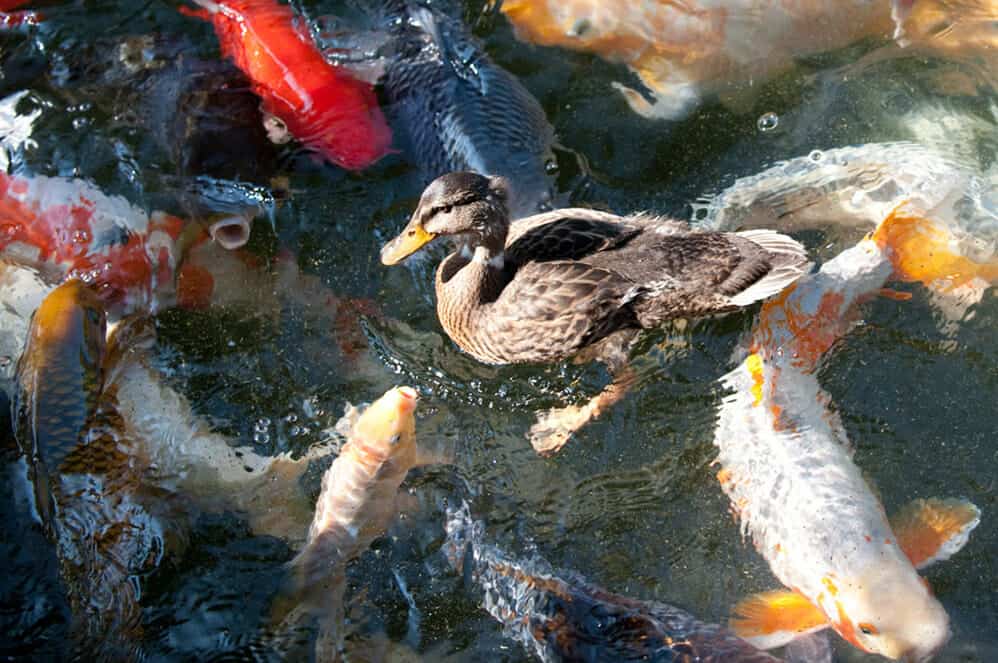
Did you know? The ponds and waterfall you see today were rebuilt during a major restoration finished in 2008, after decades of wear had left the water features struggling.
Stone Bridges and a Pavilion on the Water
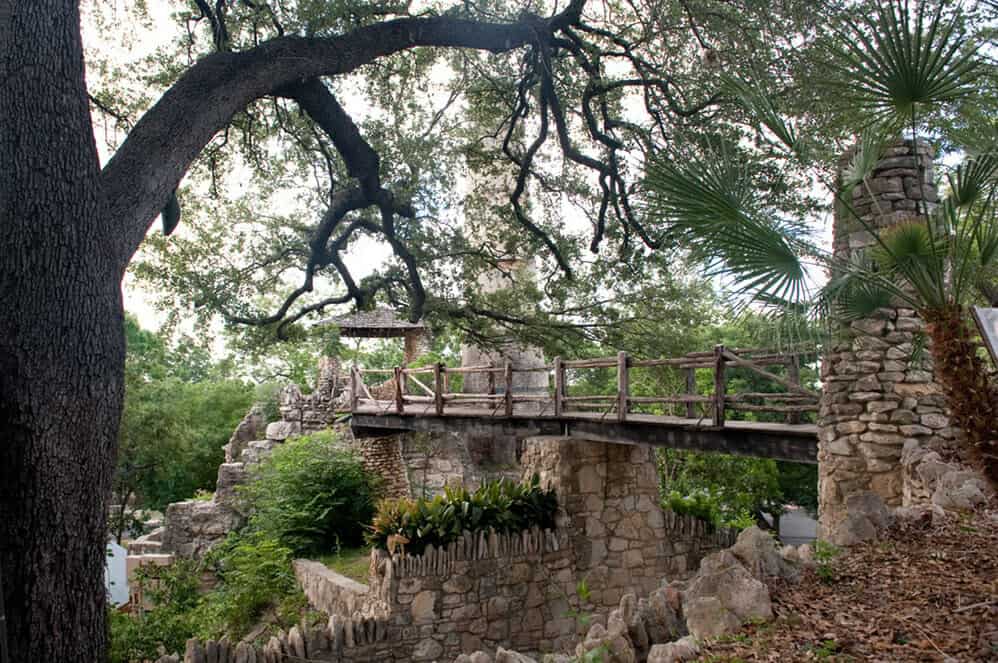
Winding through the garden are arched stone bridges that curve over the ponds. Each one frames a new view of the water and the greenery reflected in it.
The pagoda-style pavilion is the shot everyone stops for. It rises on stone supports out over the pond, open on all sides, roofed in a wide sweeping curve.
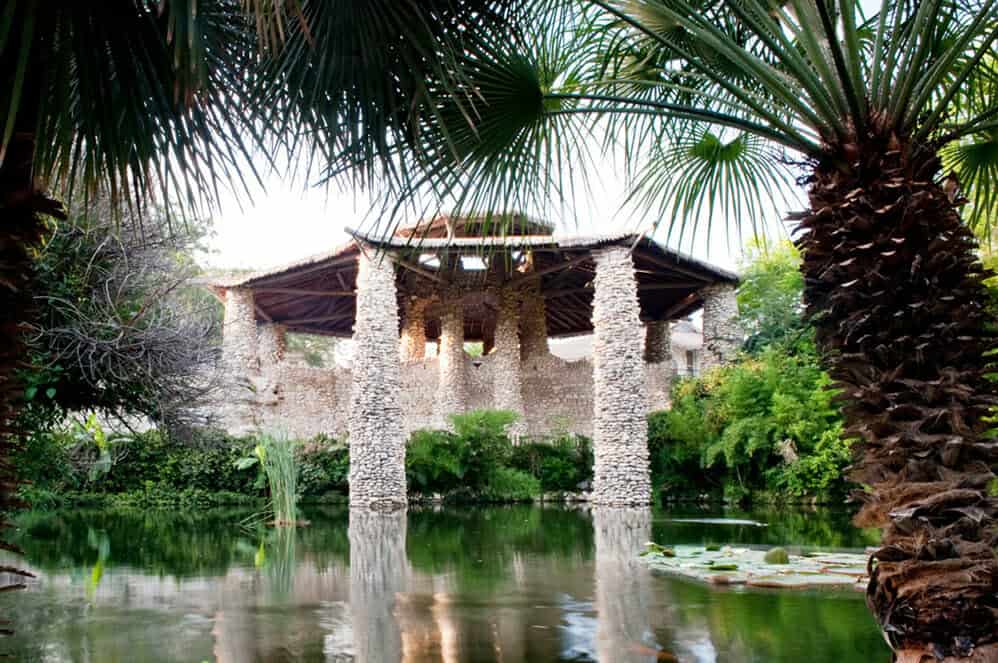
Stand under it and the whole sunken garden fans out in front of you. This pavilion is original to the garden’s early build, part of what the crews finished back in 1919.
More than a century later it is still the spot people mean when they say they want a picture “at the tea garden.”
The planting is layered on purpose. Bamboo, azaleas, and hanging vines soften every hard edge of the old quarry, so the stone never feels like stone for long. Spring brings the most color, but the garden stays green through the whole Texas year.
A Gate That Looks Like Wood but Isn’t
At the entrance stands a torii gate that everyone assumes is timber. It is not. It is concrete, sculpted and colored to imitate wood grain so well that people reach out to touch it just to be sure.
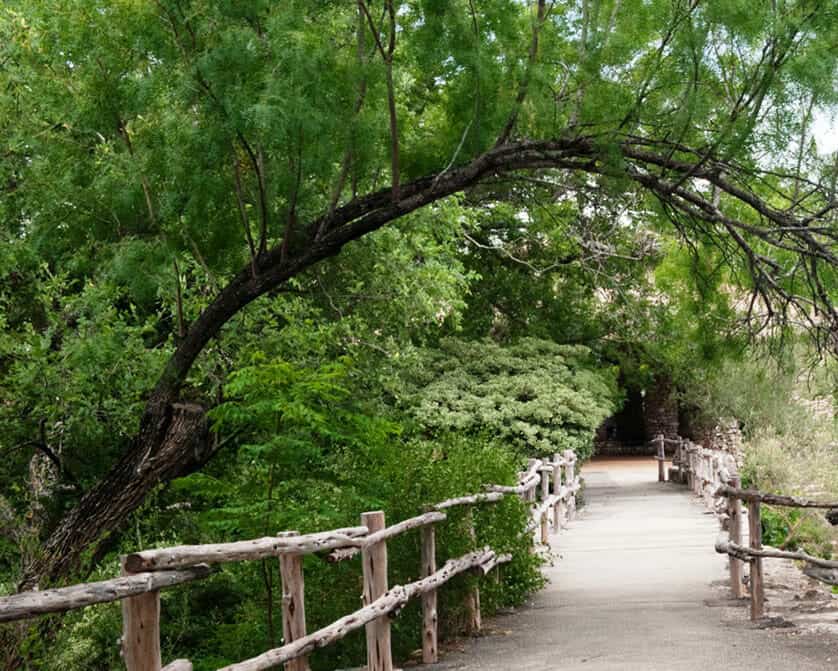
The artist was Dionicio Rodriguez, a Mexican-born sculptor famous for a technique called faux bois, French for “false wood.” He shaped wet cement over metal frames into branches, bark, and logs, then tinted it by hand.
Rodriguez guarded his methods closely and never wrote them down, which is part of why his work is still studied today. The gate went up in 1942, and it has fooled visitors ever since.
Pro tip: look for his faux bois touches beyond the gate. Once you know what to look for, you start spotting “wooden” rails and stumps that are quietly made of stone.
From Rock Quarry to Sunken Garden
None of this started as a garden. It started as a hole in the ground.
German masons were cutting limestone here in the 1840s. In 1880 the Alamo Cement Company built the first cement plant west of the Mississippi on the site.
By 1908 the quarry was worked out and abandoned, leaving a raw cavity near the headwaters of the San Antonio River. For a few years it was just a scar in the ground.
Then in 1915, city parks commissioner Ray Lambert looked at that cavity and saw a sunken garden instead. Park engineer W. S. Delery drew up plans in 1917 for lily ponds, an island, and arched stone bridges.
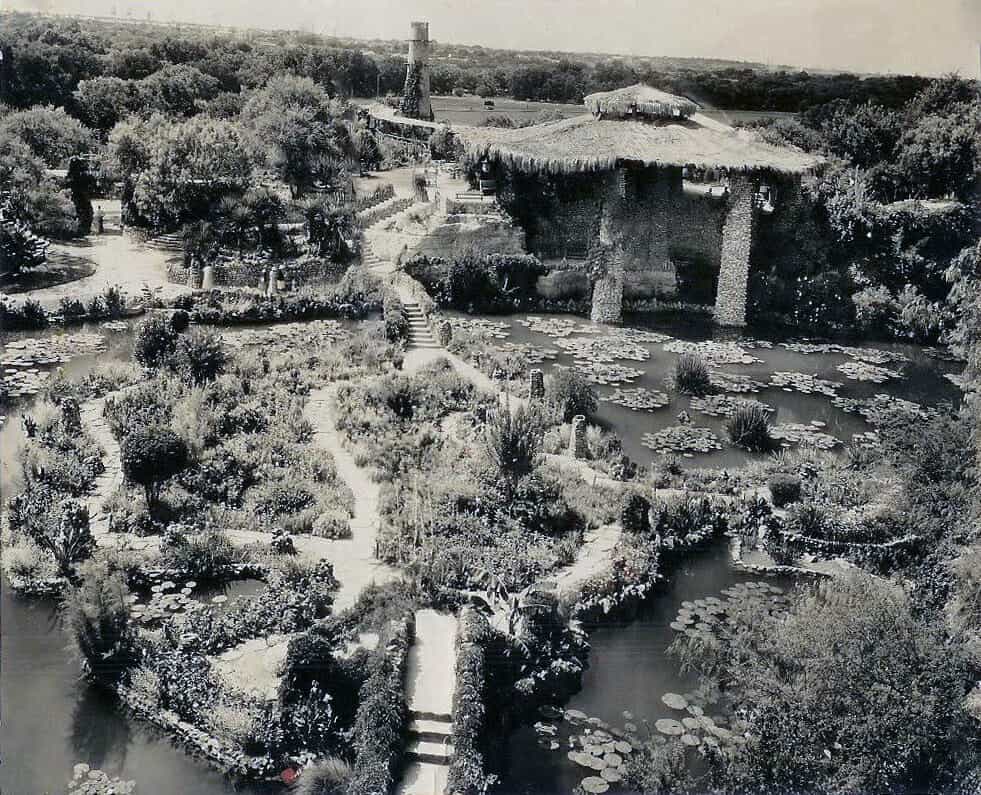
Construction began in July 1918, built largely by prison labor and city crews. The first version was finished by May 1919 for about $7,000. A worked-out rock pit became one of the loveliest corners in Texas for the price of a modest house.
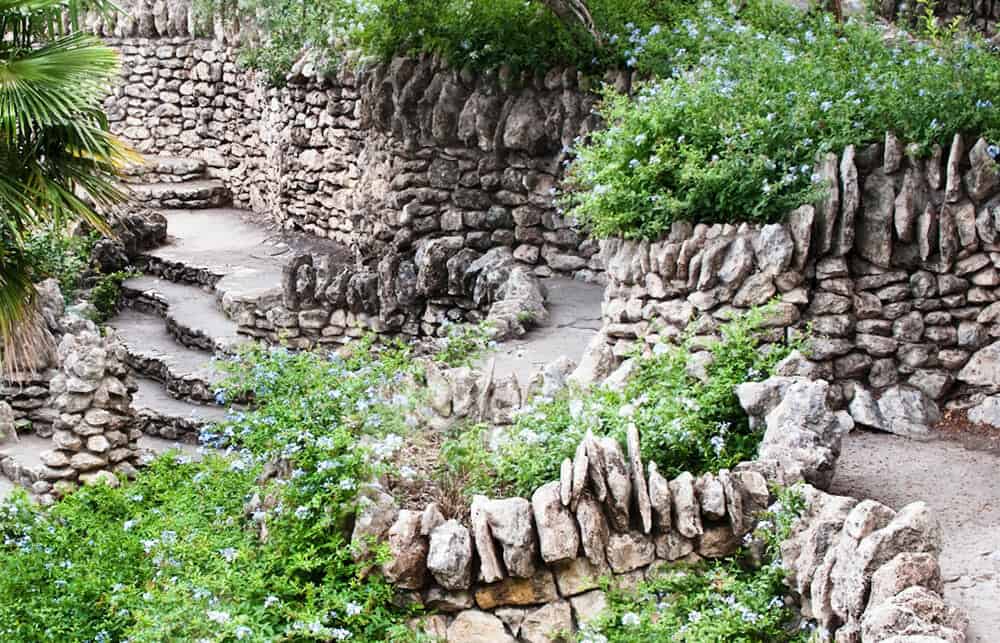
Lambert filled it with plants he brought in specifically for the setting, and the design leaned into the shape of the quarry rather than fighting it. The steep walls that made the site useless for cement made it perfect for a garden you look down into.
The Jingu Family Who Made It Home
The garden’s heart is a family story, and not an easy one.

In 1919, Lambert invited a Japanese American artist named Kimi Eizo Jingu to live on the grounds and care for them. Kimi and his wife Miyoshi moved in and raised eight children there.
One of those children, a daughter named Rae, was born that year and named after Commissioner Lambert himself. The family became part of the garden as much as the stone and the water did.
In 1926, Jingu opened a tea house he called the Bamboo Room, serving light refreshments to visitors. He represented the Shizuoka Tea Association, and he had ideas about how tea should taste in the Texas heat.
His daughter Mabel later recalled how he made a cold iced green tea, sweetened with a spoon of sugar and finished with a slice of lemon. Green tea ice cream, made with help from Borden’s, soon followed.
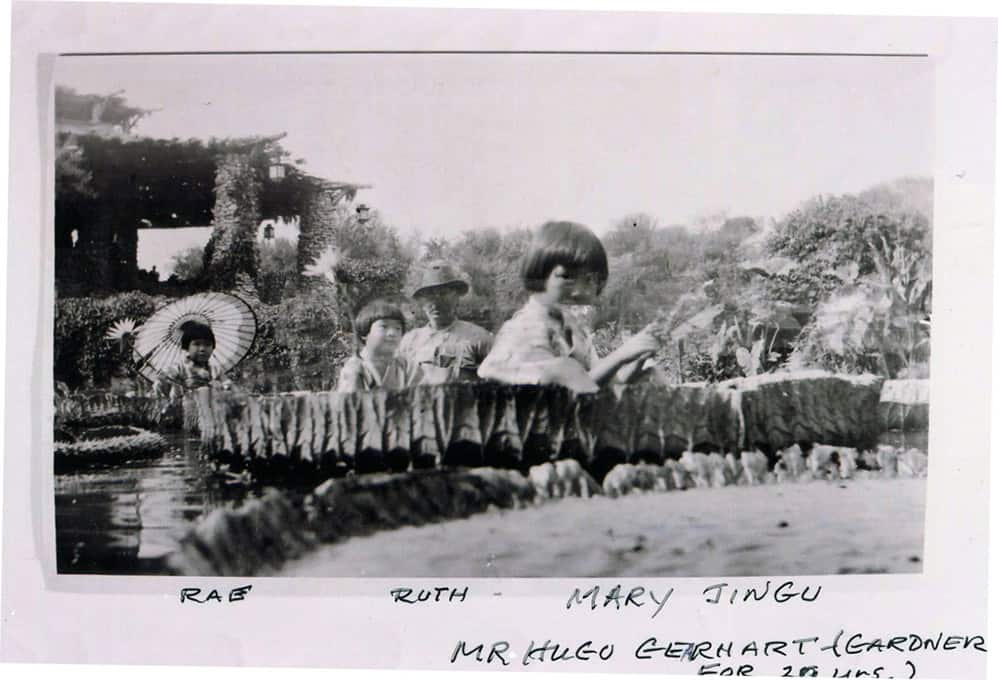
Kimi died in 1938. Then came December 7, 1941, and the bombing of Pearl Harbor.
In the wave of anti-Japanese feeling that followed, the city evicted the Jingu family from the only home the children had known. The garden was renamed the “Chinese Tea Garden,” and it kept that name for decades.
Not until 1984 did the city restore the original name, the Japanese Tea Garden, after a city councilman championed the change. The story of what happened to the family is now told openly rather than tucked away.
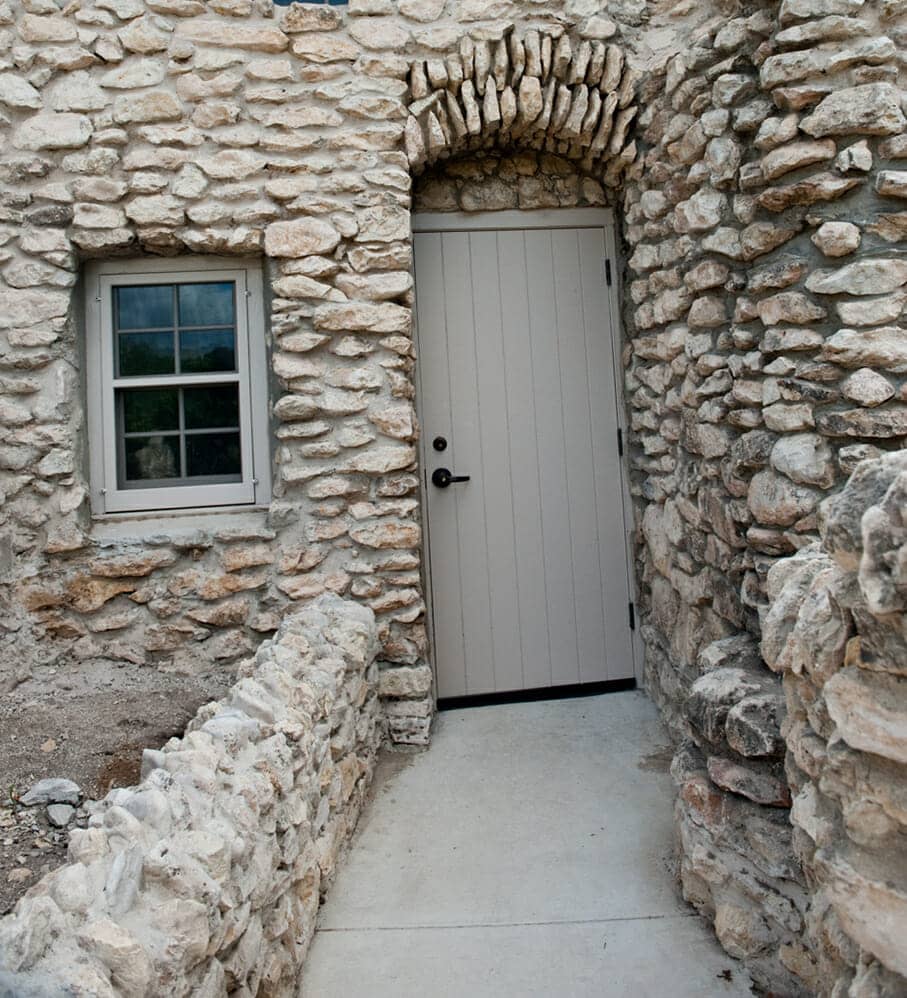
The Jingu House itself was later restored and reopened in 2011, bringing the family’s tea house back to life.
When you walk in today, you are walking through a place that was taken from a family and, eventually, given its name back. That history is quiet, but it is worth carrying with you across the bridges.
Tea, Bubble Tea, and a Bite at Jingu House
The old Bamboo Room lives on as the Jingu House, now a cafe in the upper garden. It serves Asian dishes with a San Antonio twist, plus tea and coffee.
It is the easy answer to “what now?” after a lap of the ponds. Grab a bubble tea, find a seat where you can see the water, and let the afternoon go slow.
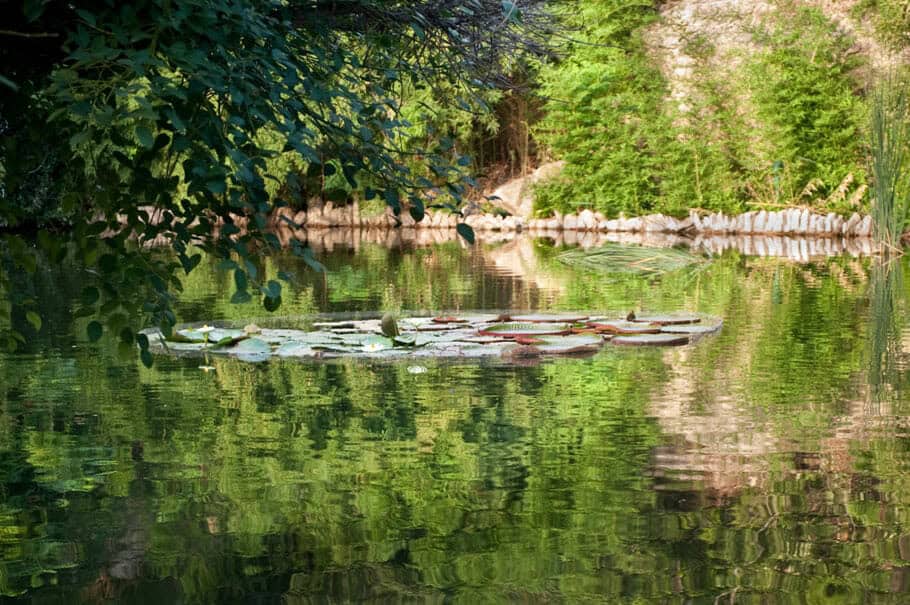
Sitting there with tea while koi drift below is about as close as you can get to the garden the Jingu family once ran. It feels like the right way to end a visit.
The prices are gentle, too, which fits the whole spirit of the place. A bubble tea and a snack will not undo the fact that you got in for free.
What to Know Before You Go
The garden is open 7 a.m. to 5 p.m. daily, and admission and parking are both free. That combination is rare enough in a place this beautiful that it still feels like a mistake in your favor.
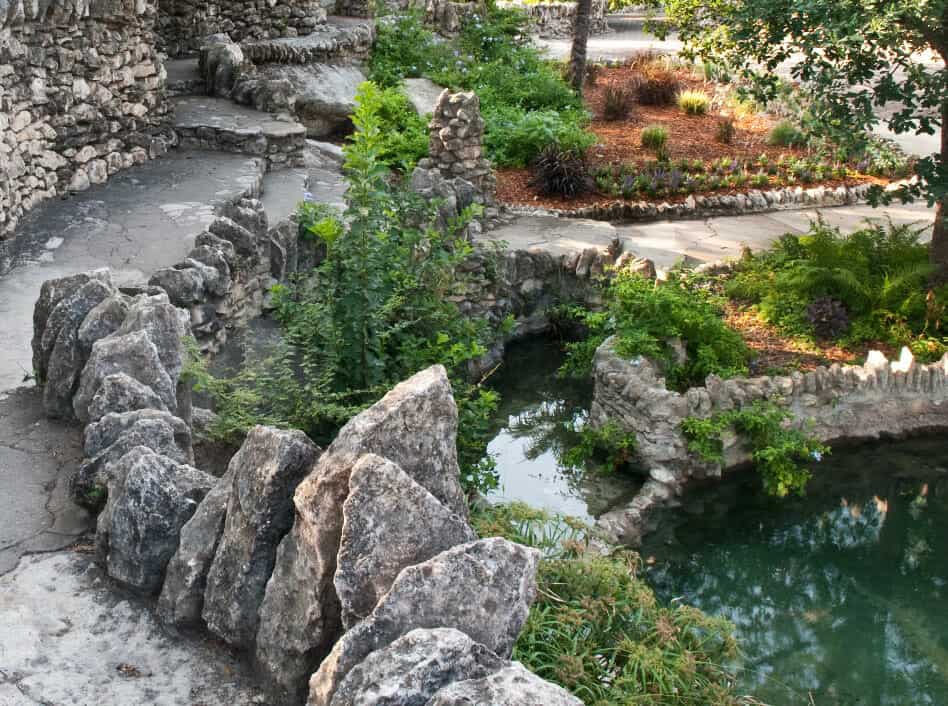
Wear real shoes. Because the garden is built into a quarry, the paths have steps and uneven stone, and some of the bridges have no handrails.
The upper garden and pavilion are reachable by ramp, but the lower garden is stairs only. If steps are a problem, you can still enjoy plenty from the top.
Pro tip: it sits right beside the San Antonio Zoo and Brackenridge Park, so you can fold all three into one easy day out. Morning at the garden, lunch, then the zoo.
With a 4.8-star rating from more than 17,000 reviews, you will not be the only one who found it. But get there early and the quiet is still all yours.
Check the calendar before you go, too. The garden hosts free and low-cost events through the year, from morning yoga and breathwork sessions to jazz evenings and cultural festivals in the pavilion.
Those events turn a quiet garden into a small gathering place without ever losing the calm. If you can time a visit around one, the koi ponds make an unbeatable backdrop for it.
How to Get There
Where: Japanese Tea Garden, 3853 N St Mary’s St, San Antonio, TX 78212
It sits just north of downtown San Antonio inside Brackenridge Park, an easy drive from the River Walk and the museums.
Plan Your Quiet Morning in San Antonio
Some of the best things in Texas cost a fortune. This one costs nothing, sits in the middle of a big city, and still feels like a secret someone quietly let you in on.
Pack a water bottle, get there when the gates open, and give yourself an hour to do nothing but watch the koi and listen to the falls. Then go find a kolache and start planning the next stop.
Featured image: @ Japanese Tea Garden

Stella Raines
Editor-in-Chief
Stella brings over a decade of storytelling experience to TX Headlines. With roots in West Texas and a love for road trips, she leads the editorial team with an eye for the hidden stories that make Texas unforgettable.
More Stories
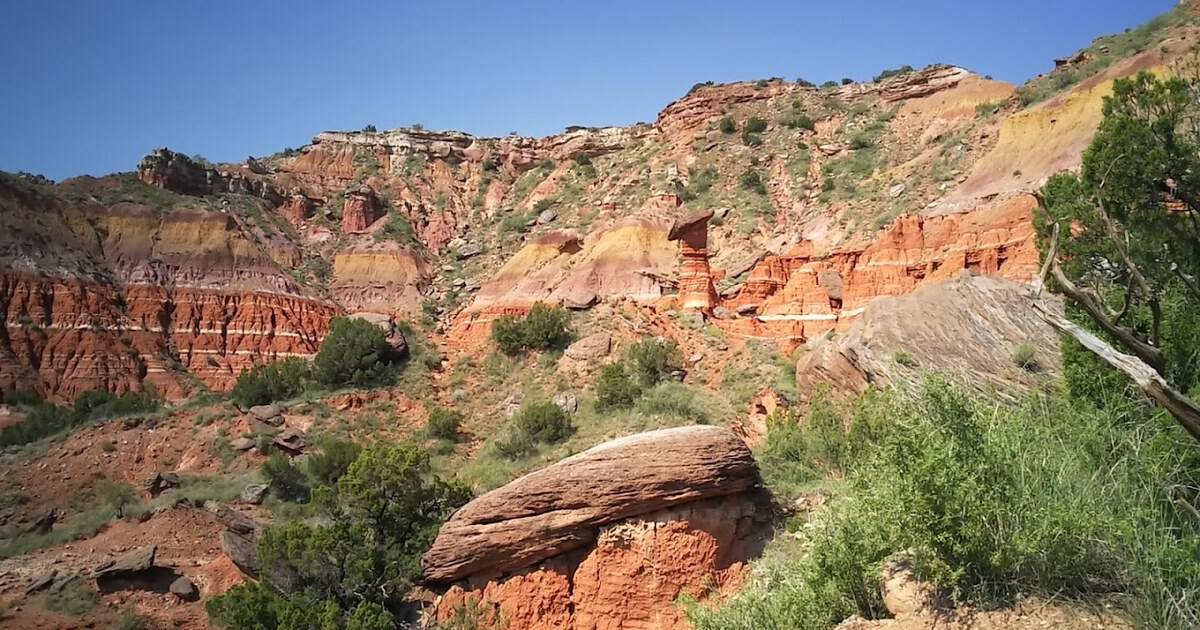
These 5 Surreal Texas Places Are So Stunning You Won’t Believe They’re in Texas
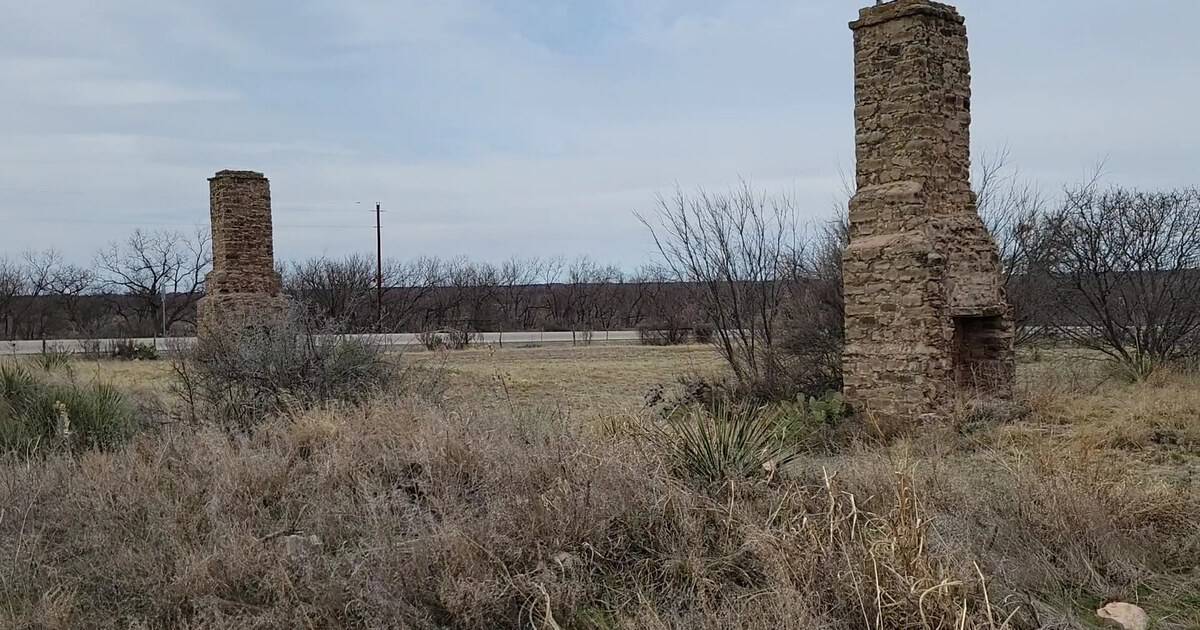
5 Abandoned Texas Places That Are Eerie, Empty, and Still Open to Explore
8 Hidden Texas Bookstores That Book Lovers Will Want to Get Lost In
This Abandoned Texas Zoo Closed Nearly 90 Years Ago, and You Can Still Walk Through Its Ruins
Tags