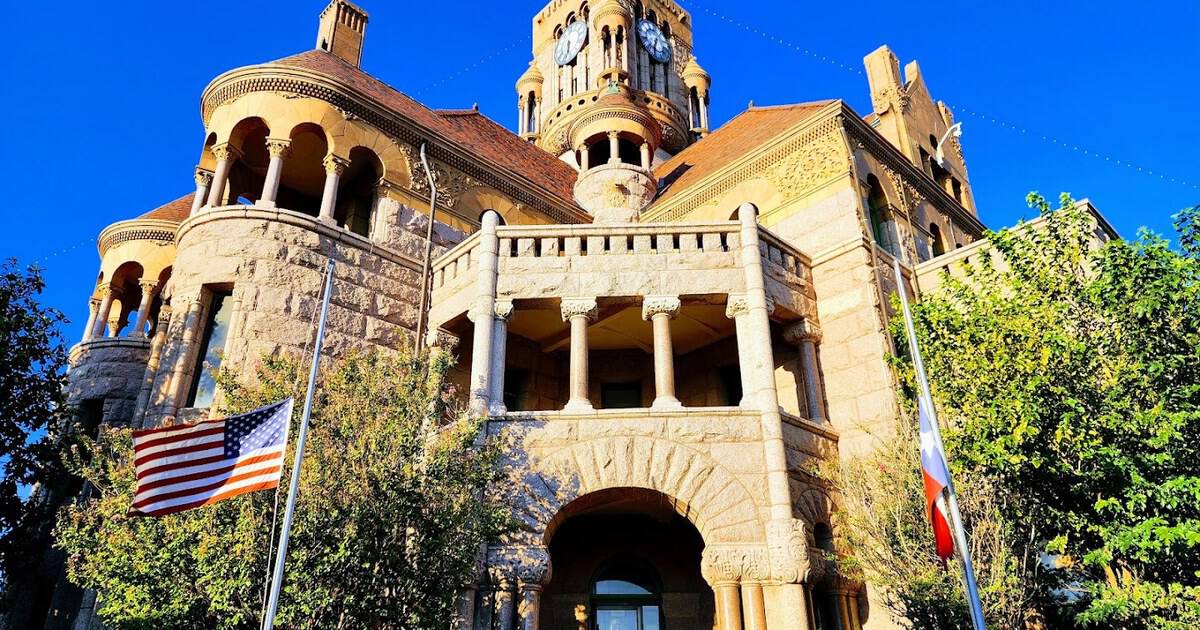
9 Texas Towns So German You’ll Swear You Crossed the Atlantic
I keep a running list of the trips I will take the moment my passport and my bank account finally agree to cooperate. It is all cobblestone squares, half-timbered houses, and a brass band playing somewhere just out of sight.
Here is the happy secret nobody told me sooner. Texas has been quietly keeping a version of that list the whole time. Scattered across the Hill Country and beyond are towns settled by German and Alsatian immigrants who packed their old-world charm into the wagons and never let it fade.
Below, nine Texas towns where the architecture, the accents, and the sausage will have you double-checking which country you woke up in. No overseas flight required.
1. Fredericksburg
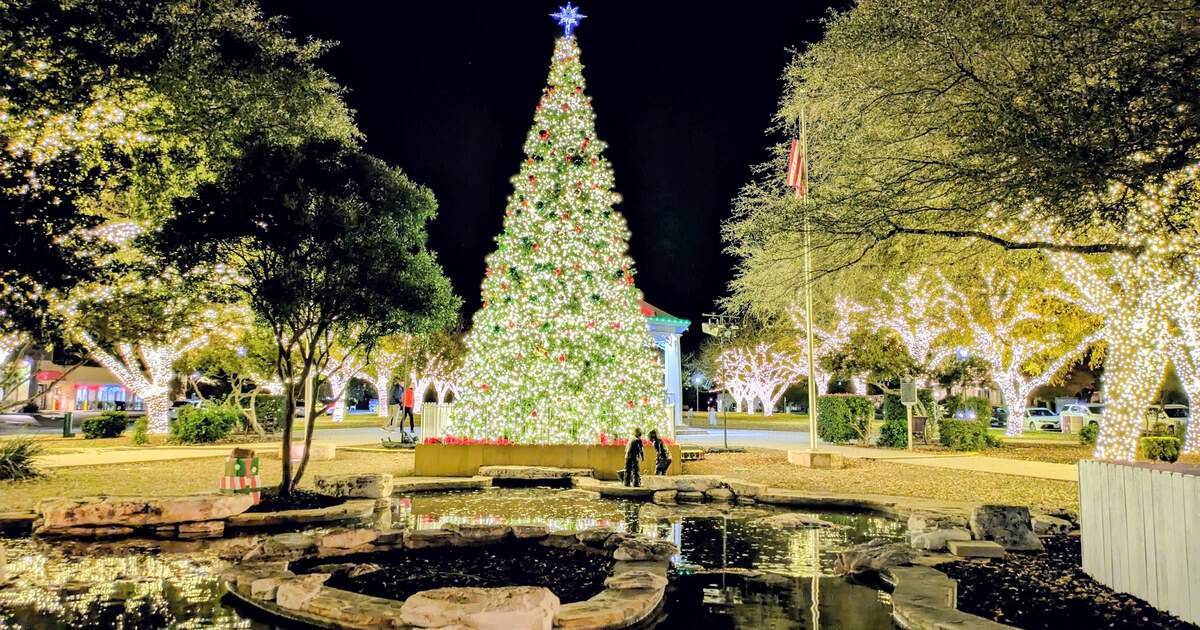
If these towns had a crown jewel, this would be it. The Adelsverein, a society formed to help German immigrants reach Texas, founded the town in 1846. They named it for Prince Frederick of Prussia.
John Meusebach chose the spot between two creeks, and within two years nearly a thousand people called it home. Stroll Main Street today and you get German bakeries dusting kolaches by hand, biergartens pouring cold pints, and a proper Oktoberfest each fall.
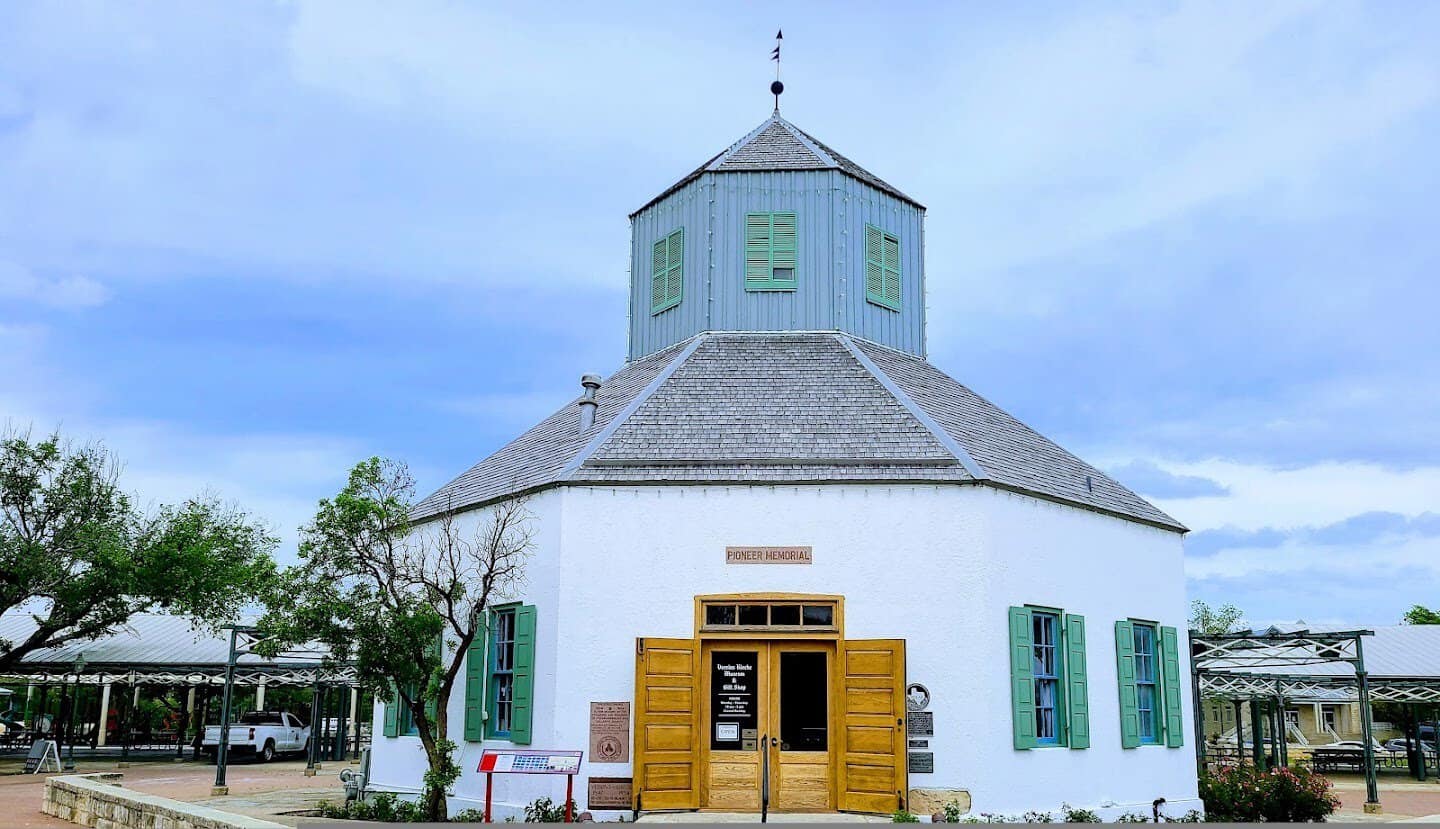
At the center sits the Marktplatz and a replica of the octagonal Vereins Kirche, the little society church that once served as chapel, school, and fortress all at once.
Between the wine tasting rooms, the WWII museum, and the peach stands in summer, you could fill a whole weekend without leaving Main Street. Pro tip: come at dusk, when the limestone glows and the day-trip crowds thin out.
Come hungry, too. The town is known for peach cobbler in summer and hearty schnitzel year round, and the National Museum of the Pacific War honors Chester Nimitz, the Fredericksburg-born admiral who led the fleet. It is history, food, and gemütlichkeit in one walkable stretch.
Where: Marktplatz, 100 W Main St, Fredericksburg, TX 78624
2. New Braunfels
A German nobleman with a very long name gave this river town its start. Prince Carl of Solms-Braunfels led settlers here in 1845 and named the place for his family’s ancestral castle on the Lahn River back home.
The German roots still run loud and proud. Every fall, Wurstfest fills ten days with sausage, polka, and lederhosen, a tradition going strong since a local meat inspector dreamed it up in 1961.
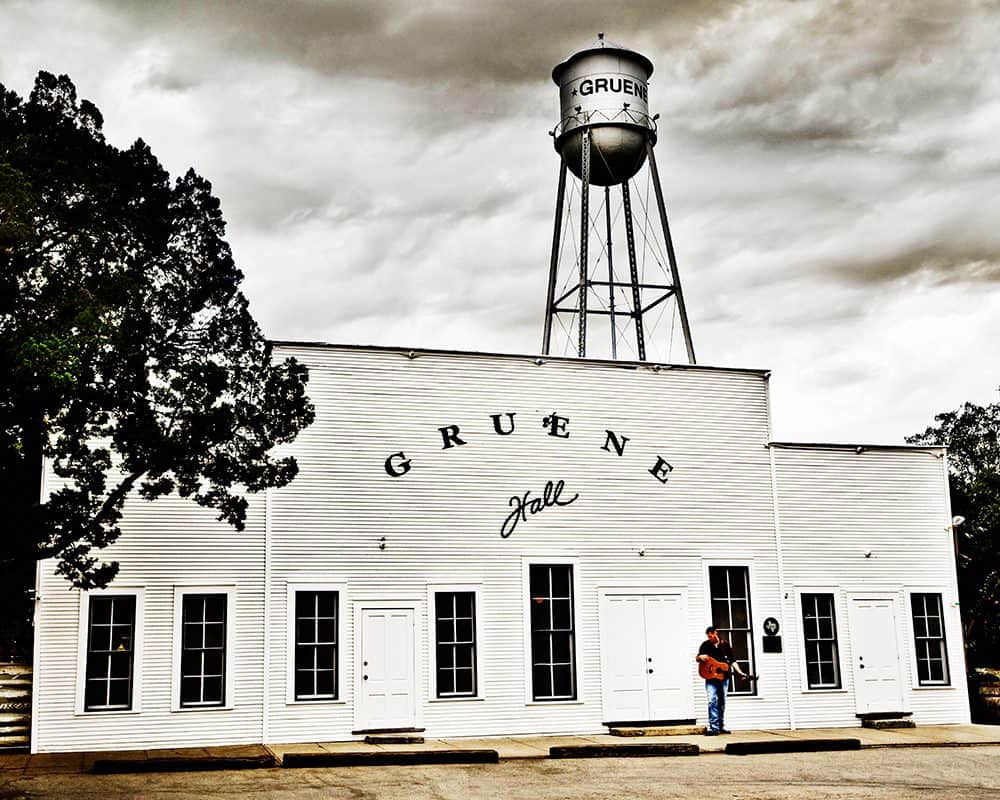
In the Gruene Historic District you will find Gruene Hall, the oldest continually operating dance hall in Texas, with the cool Comal River curling nearby. Two-step inside, then float the river the next morning. That is a very Texan kind of European weekend.
The rest of downtown keeps the theme going, with the Sophienburg Museum telling the founding story and antique shops filling the old storefronts. It is proof that German heritage and Texas river life can share a single main street beautifully.
Beyond Gruene, New Braunfels claims the spring-fed Comal, one of the shortest rivers in the world, plus shady Landa Park for a picnic. German thrift built the town’s waterworks, and German fun keeps the tubes floating happily all summer long.
Where: Gruene Historic District, 1601 Hunter Rd, New Braunfels, TX 78130
3. Boerne
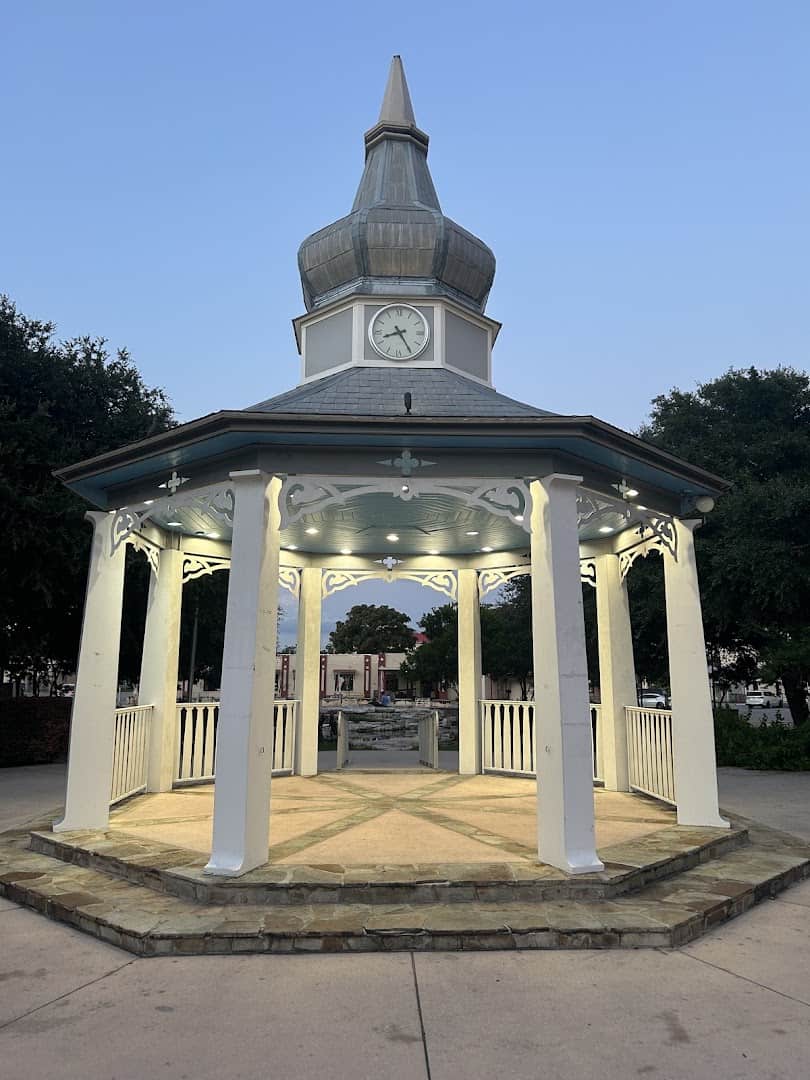
Boerne was laid out in 1852 by John James and Gustav Theissen, who named it for Ludwig Börne, a German writer and satirist. The town started as a colony of German freethinkers, and their fingerprints are everywhere you look.
The main street is literally called Hauptstrasse. It is lined with limestone storefronts, antique shops, and cafes that all but grab your sleeve and beg you to slow down for an afternoon.
Come in June and the whole town throws Berges Fest, a Festival of the Hills that has run every year since 1967. Did you know it includes a dachshund derby? Tiny sausage dogs, sprinting for glory. It is as wonderful as it sounds.
Just outside town, the Cave Without a Name and the Cibolo Nature Center give you an excuse to stretch your legs before dinner. Then it is back to Hauptstrasse for a slow German meal and a cold glass under the string lights.
Foodies find German comfort cooking all along Hauptstrasse, from schnitzel to warm strudel, and Cibolo Creek gives the whole town a green, unhurried edge. It sits close enough to San Antonio for an easy day trip, yet feels a world away.
Where: Hauptstrasse, Boerne, TX 78006
4. Comfort
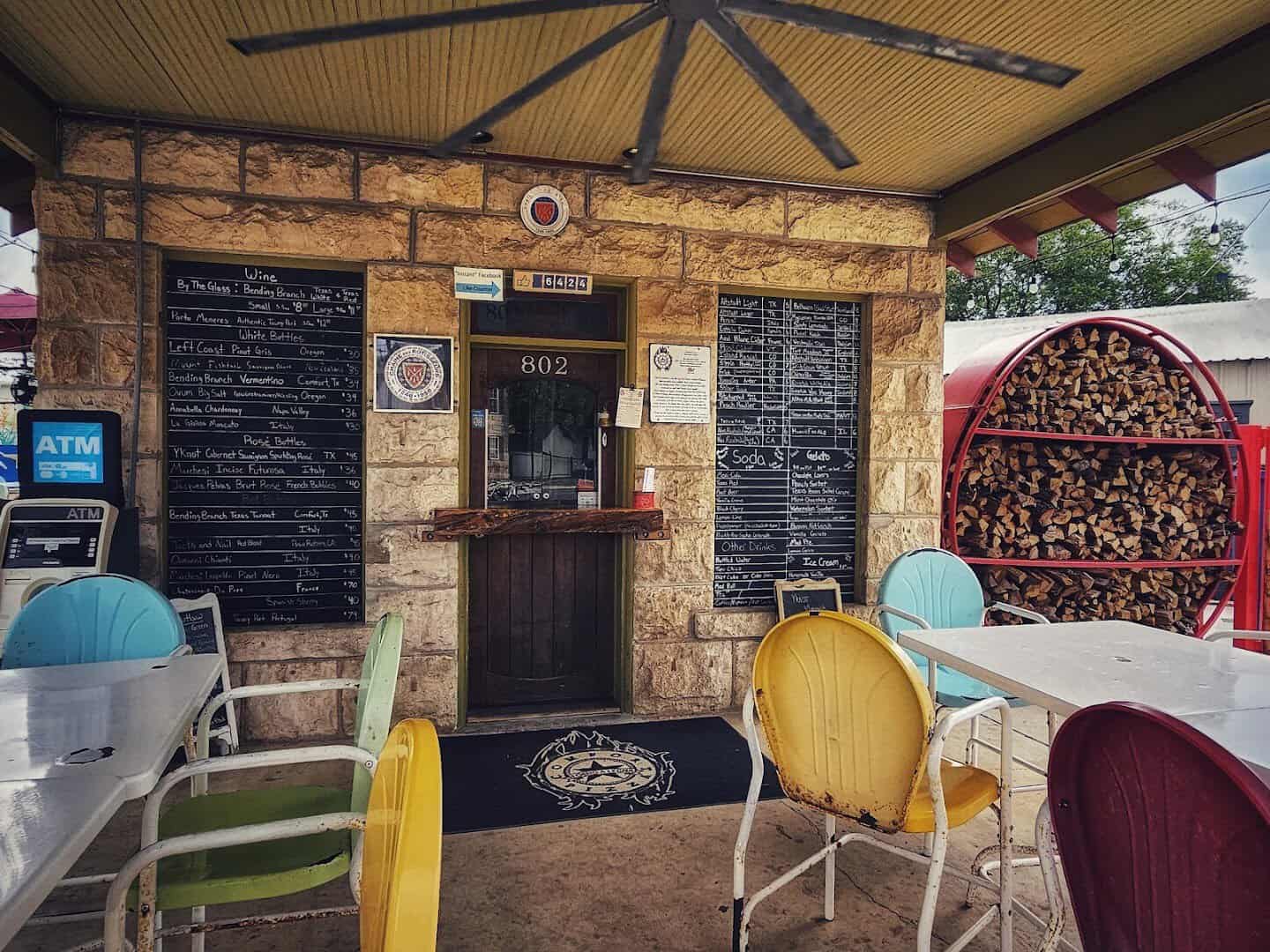
Comfort earns its name. It was founded in 1854 by German intellectuals who had left behind the failed revolutions of 1848, and they built a town that prized books, ideas, and a good long conversation.
What makes it feel so European is the architecture. The historic district holds one of the largest collections of unpainted limestone and fachwerk buildings in Texas, many standing just as the founders left them.
Wander the old town and you get antique stores, cozy wine rooms, and stonework that looks lifted straight from a village along the Rhine. It is small, walkable, and gloriously unhurried. Bring an appetite and no particular plan.
The town also sits at the meeting of the Guadalupe and Cypress Creek, so a lazy afternoon by the water is never far away. Come during the holidays and the historic buildings glow with lights, looking every bit like a European postcard.
Where: Comfort Historic District, High Street, Comfort, TX 78013
5. Luckenbach
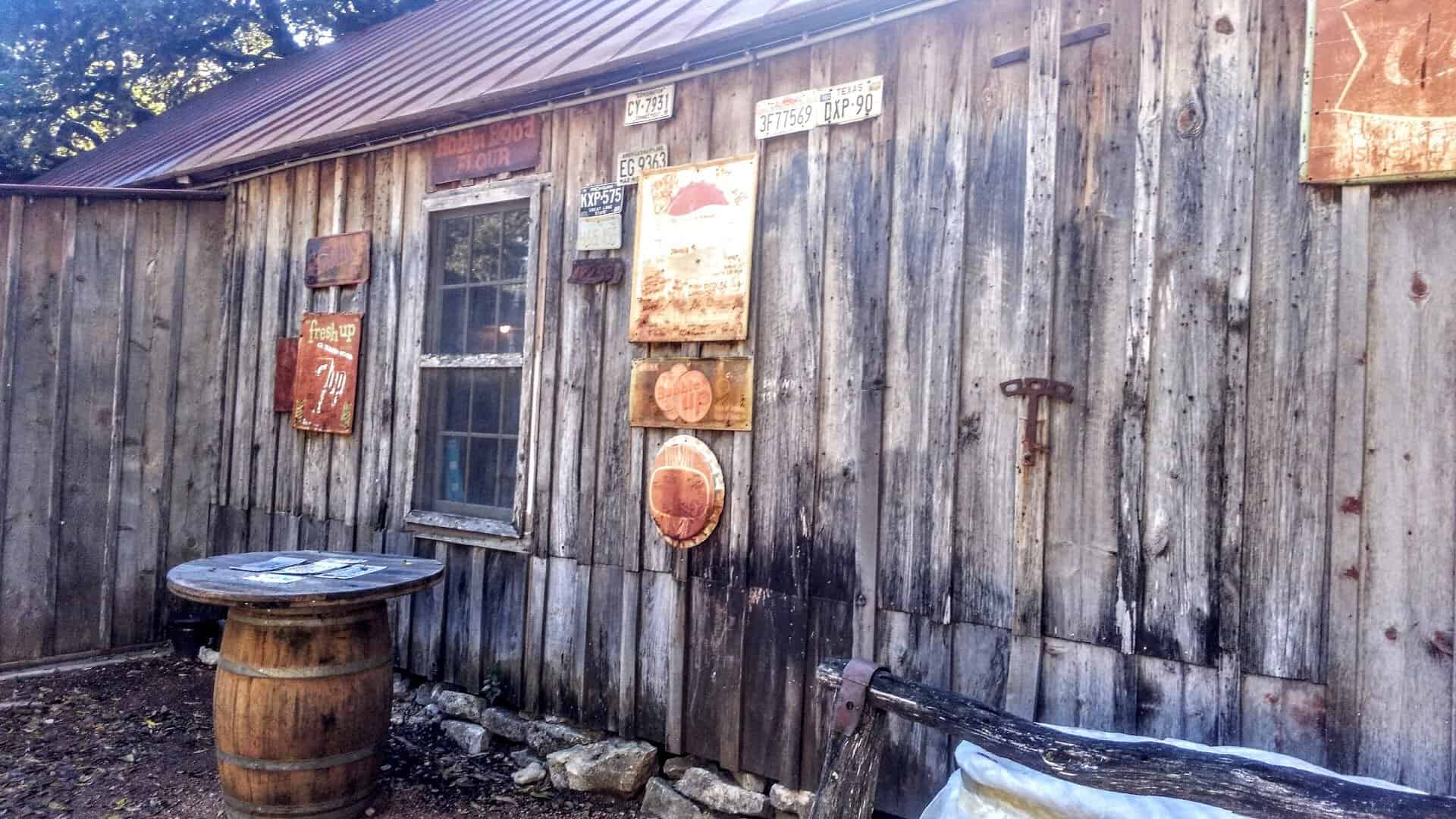
Blink and you will miss it, and that is exactly the point. Founded by brothers August and Jacob Luckenbach, this dot on the map has a population you can count on two hands, plus a rooster or two.
In 1970 rancher and self-appointed clown prince Hondo Crouch bought the place, and it became a country-music legend. Jerry Jeff Walker recorded a live album in the dance hall in 1973, and soon Waylon and Willie were singing its name to the world.
The German bones are still here in the old cotton gin and the general store that doubles as a saloon. Grab a cold one, settle under the oaks, and listen for a guitar. Someone is always picking.
There is no rush here and no dress code, just a slow porch-sitting rhythm that the German founders would probably recognize. The unofficial motto says everybody is somebody in Luckenbach, and after an hour under those trees you start to believe it.
Where: 412 Luckenbach Town Loop, Fredericksburg, TX 78624
6. Muenster
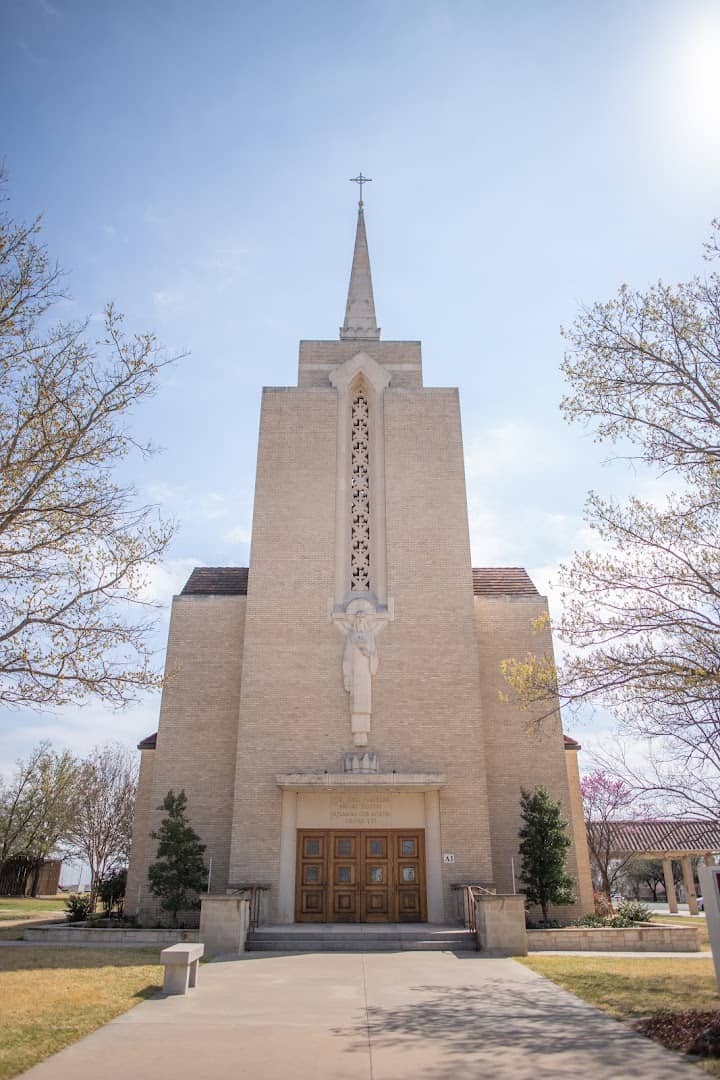
Head up to North Texas and you will find a German pocket most travelers drive right past. The Flusche brothers, land agents, founded Muenster as a German Catholic colony, and the first mass was held in 1889.
Generations later, most residents still trace their roots to those first settlers. The soaring Sacred Heart Catholic Church anchors the town, its steeple visible long before you reach Main Street.
Every spring, Germanfest brings polka bands, a big bike ride, and mountains of sausage and strudel. Locals call this the Fredericksburg of North Texas, and after one plate of schnitzel you will understand why they are not exaggerating.
Because it sits well off the tourist trail near the Oklahoma line, Muenster still feels like a real working town rather than a set piece. That is a big part of its charm. You come for the festival and stay for the small-town warmth.
The town leans into its roots all year, not just at Germanfest. You will find German sausage and smoked meats at the local market, and a warm welcome that makes the long drive up north feel worth every single mile.
Where: 714 N Main St, Muenster, TX 76252
7. Schulenburg
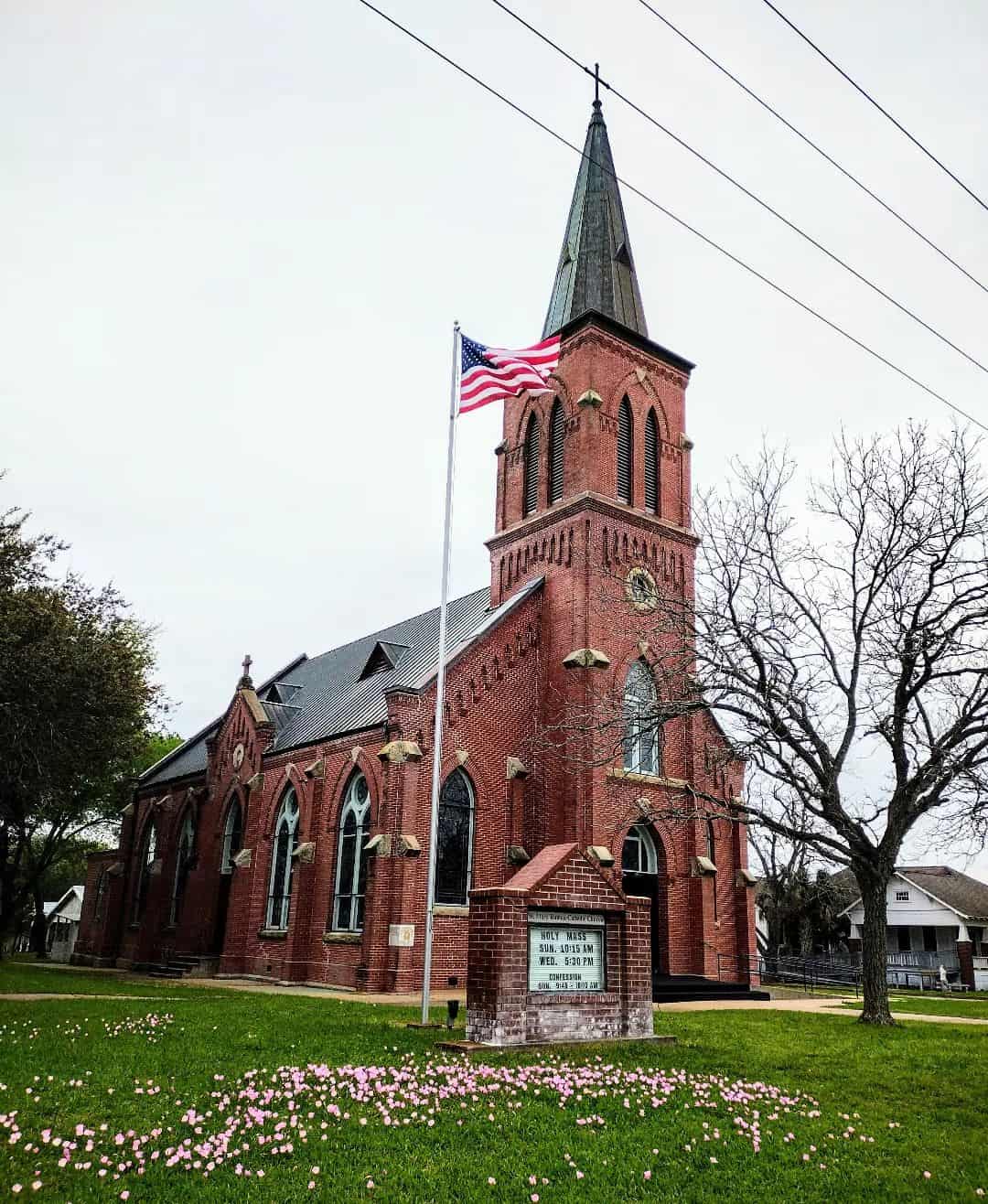
This little Colorado County town hides one of the most jaw-dropping surprises in the state, and it waits quietly inside its churches. German and Czech immigrants who arrived around 1900 painted the interiors like something out of a European cathedral.
The Painted Churches of Schulenburg dazzle with marbled columns, gold stars scattered across blue ceilings, and hand-lettered scripture in the old languages. St. Mary’s in nearby High Hill is nicknamed the Queen of the Painted Churches, and she wears the crown well.
The state made Schulenburg the official home of these treasures in 2005. Guided tours run through the local chamber, and stepping inside feels like slipping into a small chapel in rural Bavaria or Bohemia.
While you are in town, the Schulenburg Historical Museum and the local sausage and meat markets round out the German and Czech story. Did you know this stretch of Texas is sometimes called the Painted Church Trail? Four of them sit within a short drive.
Where: Schulenburg Chamber, 618 N Main St, Schulenburg, TX 78956
8. Castroville
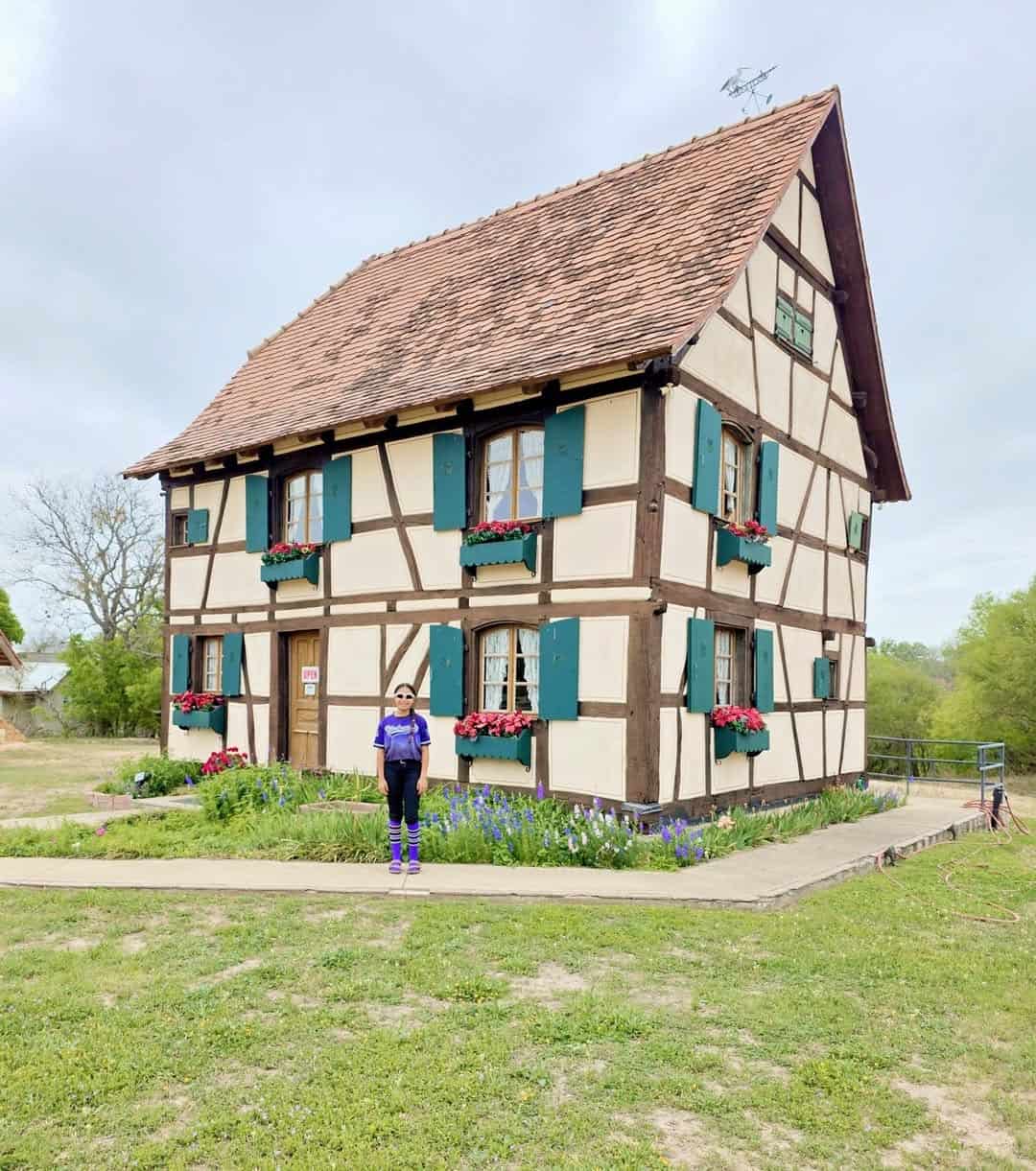
Here the flavor is French as much as German. Nicknamed the Little Alsace of Texas, Castroville was founded in 1844 by Henri Castro and families from the Alsace region along the border of France and Germany.
Those settlers built houses in the old fachwerk style, using native stone, timber, and lime plaster, and many of them still stand along the quiet streets. You can hear echoes of the old Alsatian dialect at the local festivals.
The star is the Steinbach House, an Alsatian home first built in the 1600s. It was shipped over from France as a gift and carefully reassembled here in 1998, and it now welcomes travelers as the town’s front door.
Down by the Medina River, the Landmark Inn tells the story of the frontier traders who once stopped here for water and shade. Time a visit for late summer and you can catch the St. Louis Day celebration, one of the oldest of its kind in Texas.
Where: Steinbach House, 1305 Angelo St, Castroville, TX 78009
9. Walburg
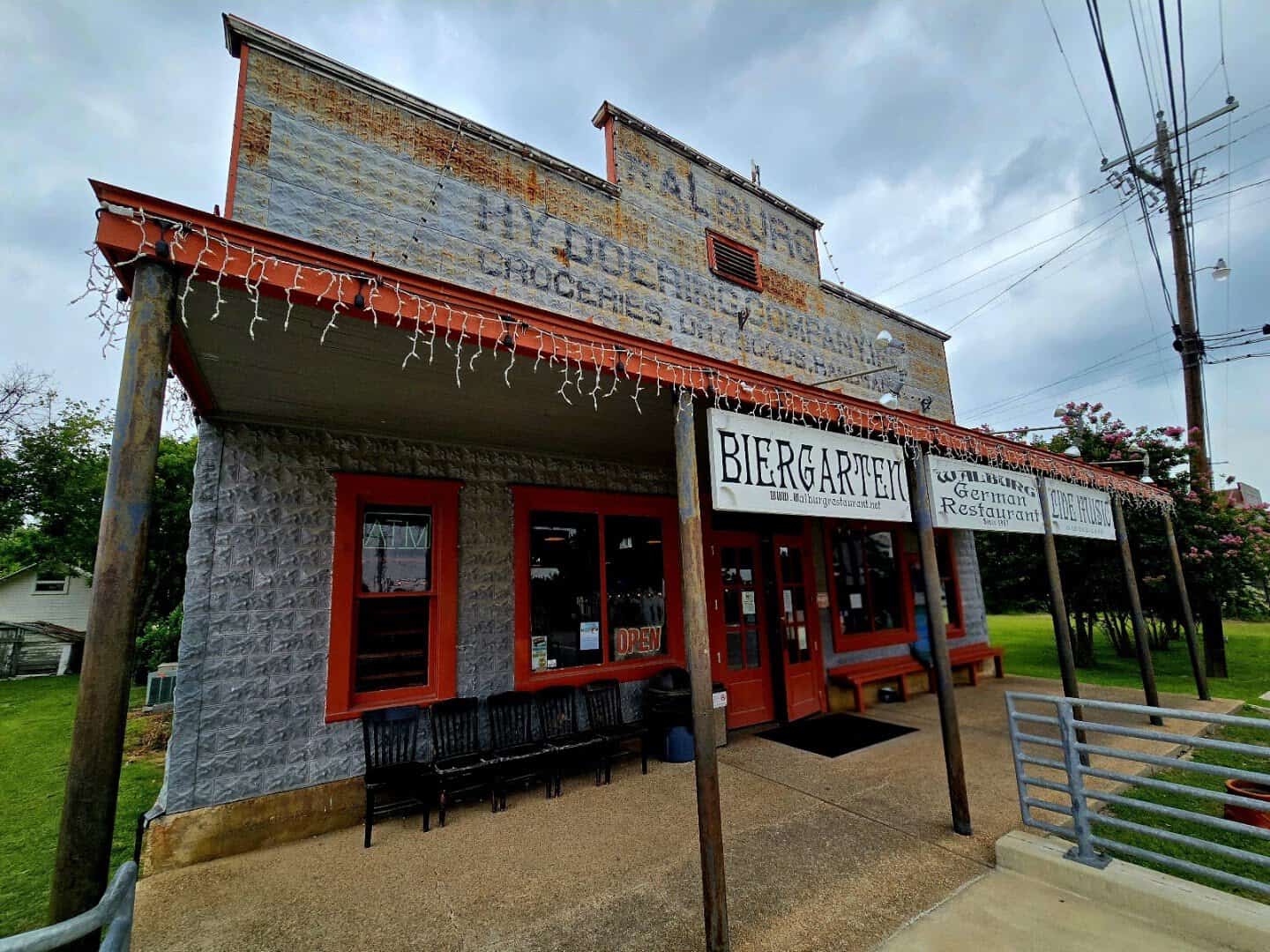
Just north of Georgetown sits a speck of a town with an oversized love of German cooking. Henry Doering, born in Walburg, Germany, built the Walburg Mercantile in 1882 and named the whole town after his hometown.
That 1882 building is now the Walburg Restaurant and Biergarten, where the schnitzel is generous and the oom-pah music is very much live. Out back, an oak-shaded biergarten with two stages keeps the party rolling into the evening.
It is the kind of place where strangers end up singing along by the second round and swapping tables by the third. Order the sausage sampler, raise your stein, and let the accordion do the rest.
The old mercantile still anchors the tiny community around it, a reminder of the days when Doering ran the bank, the store, and half the town from one corner. It is worth the short drive from Georgetown or Austin for a proper German feast.
Where: 3777 FM 972, Walburg, TX 78626
Start Planning Your Texas Trip Abroad
You do not need a plane ticket or a phrasebook to feel like you have crossed the Atlantic. You just need a full tank and a free weekend.
Pick a town, order the sausage, learn a word or two of the toast, and raise a glass with a stranger. Prost, y’all, and safe travels on your very own Texas grand tour.
Featured image: Aude H via Main Plaza

Stella Raines
Editor-in-Chief
Stella brings over a decade of storytelling experience to TX Headlines. With roots in West Texas and a love for road trips, she leads the editorial team with an eye for the hidden stories that make Texas unforgettable.
More Stories

This Tiny-Town Texas Bakery Has Kept Old-World Baking Traditions Alive for Over 80 Years
This Tiny Texas Town Is Quietly Becoming the Hill Country’s Best Weekend Escape for Grown-Ups
This Peaceful Texas Town Comes Alive Every Spring in a Sea of Bluebonnets