This Eerie West Texas Light Show Has Never Been Fully Explained
Some mysteries get solved and lose all their magic the second the answer lands. This one refuses to cooperate, and honestly, I love it for that.
Out in the high desert of West Texas, after the sun drops behind the mountains, a scatter of glowing orbs drifts along the dark horizon. People call them the Marfa Lights.
They have been putting on this restless, flickering glow for well over a century, and nobody has landed an explanation everyone agrees on.
Below, I will walk you through what you actually see out there, the viewing spot where crowds gather every night, the theories that try to pin the lights down, and why people keep driving hundreds of miles into the dark just to stand and stare at a horizon.
What You Actually See Out There
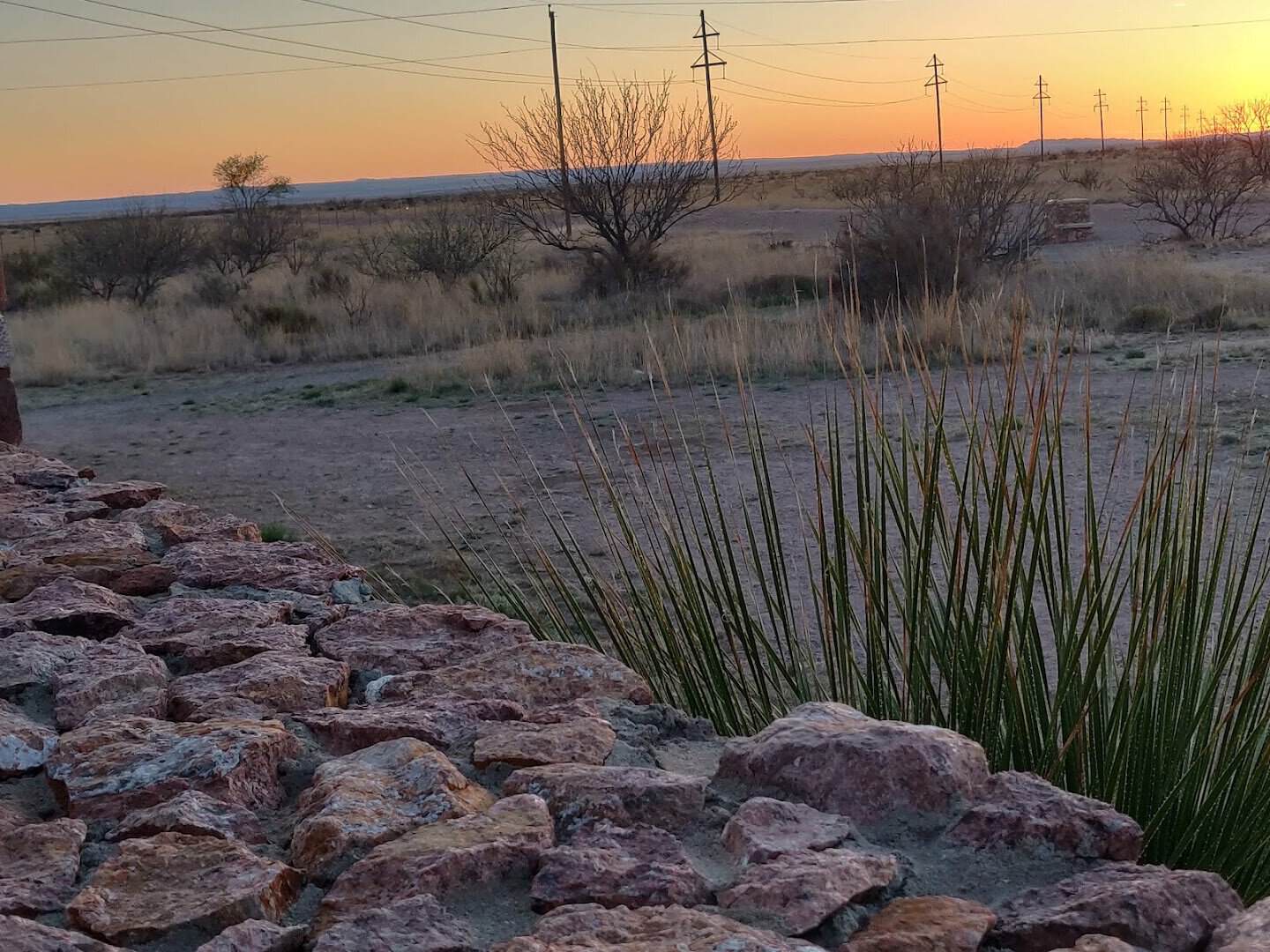
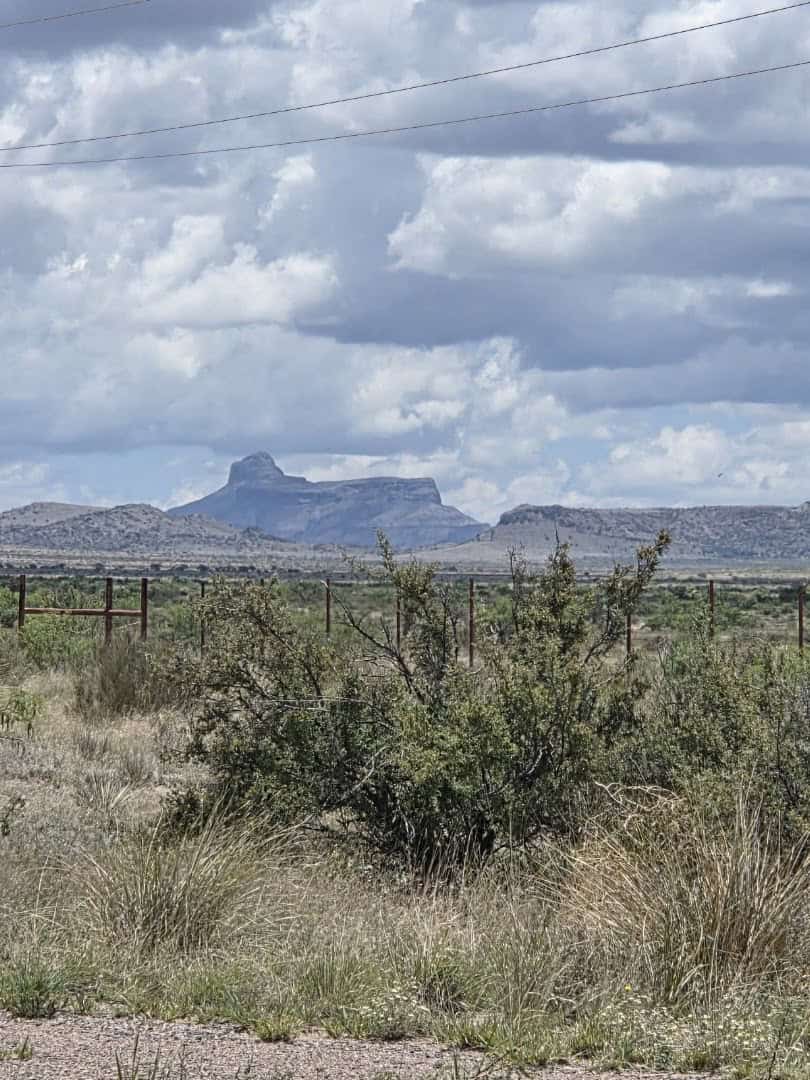
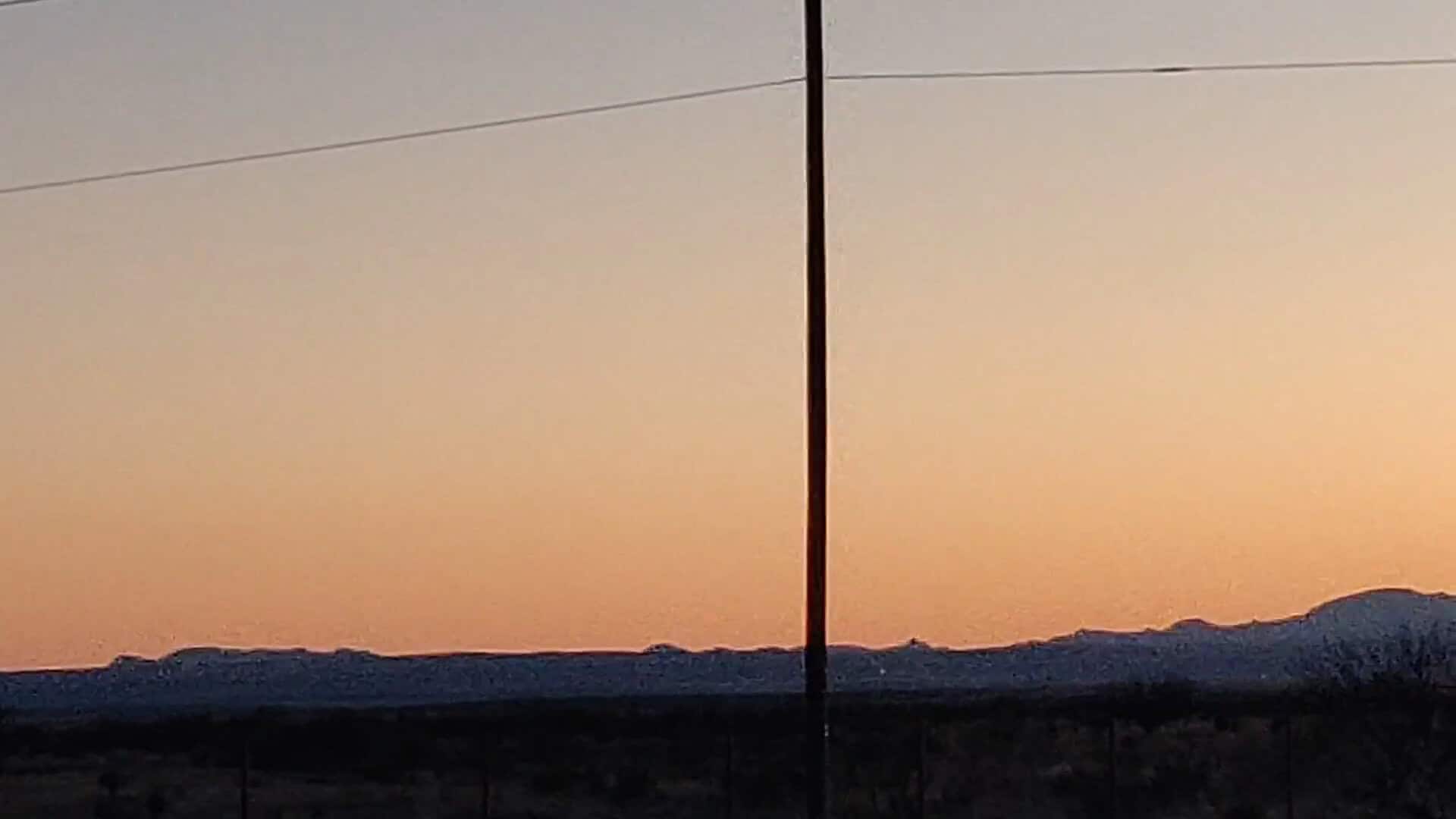
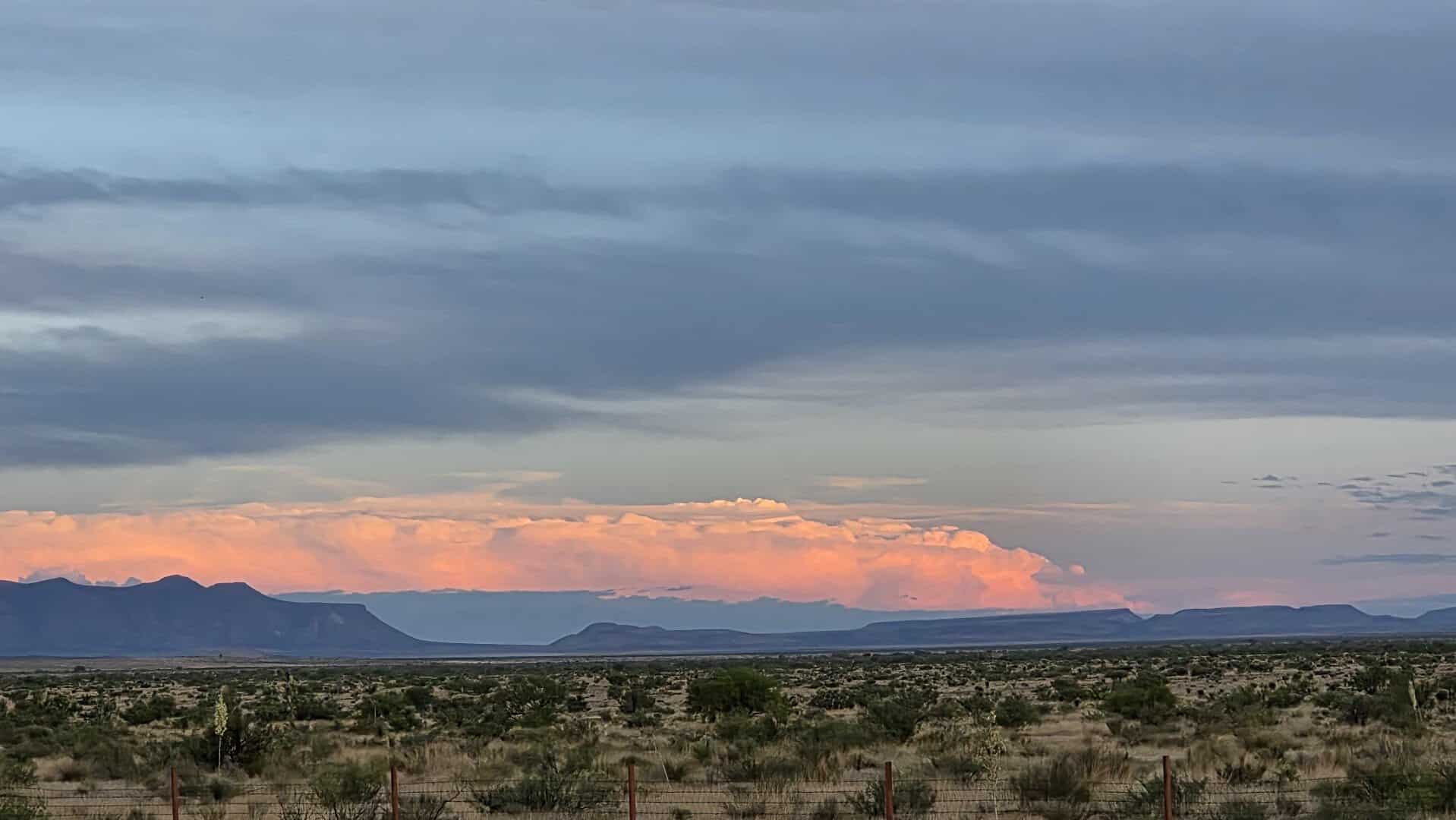
Picture a wide, empty plain called Mitchell Flat, with the Chinati Mountains a low silhouette behind it. You face south, you wait, and the sky goes fully black.
Then a light appears. Sometimes one, sometimes a handful. They hover above the desert floor, roughly the size of a distant campfire, glowing white, yellow, orange, sometimes a quick flash of red or blue.
They do not just sit there. Witnesses describe them splitting apart, melting back together, darting sideways, floating up, then blinking out like someone flipped a switch. A minute later they are back somewhere else.
There is no timetable and no guarantee. Some nights the show is generous, some nights the desert gives you nothing but stars. That uncertainty is a big part of why the lights have held their grip on people for so long.
What throws people is how alive the lights look. They do not drift like reflections or blink like a tower beacon. They seem to make decisions, pausing, doubling back, pairing off and separating again, as if something out there is aware it has an audience.
The Spot Where Everyone Gathers
You do not have to go hunting down back roads to try your luck. The state built a proper place to watch.
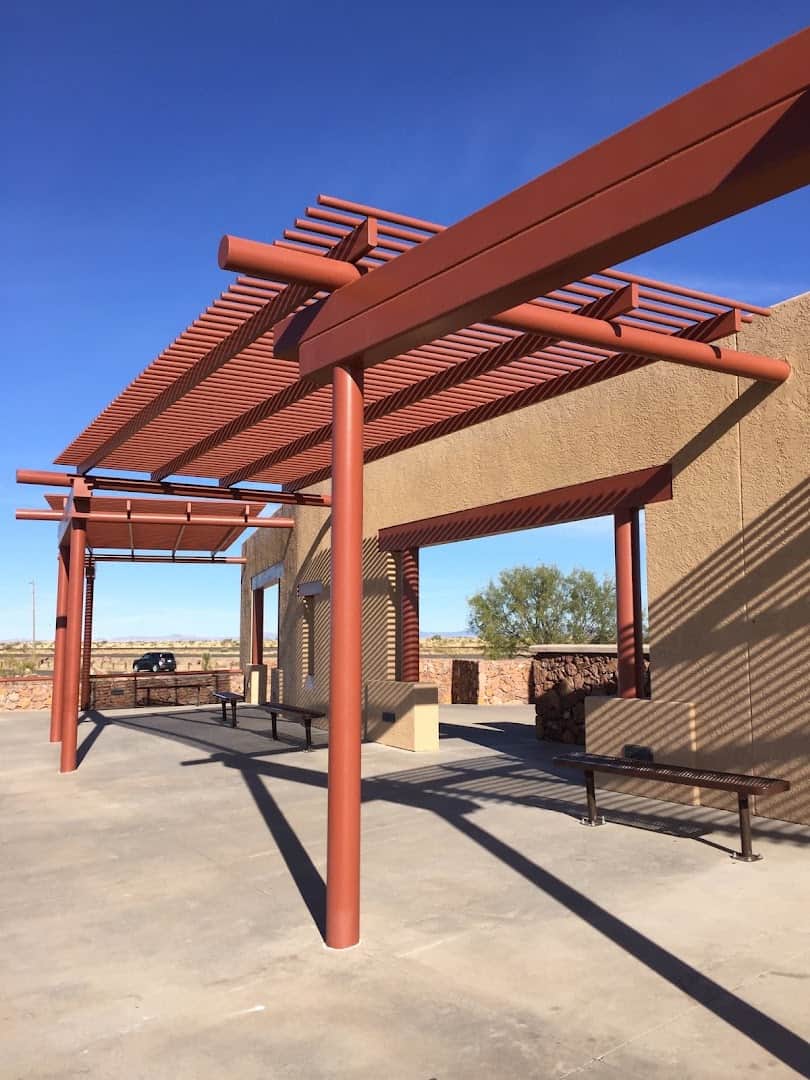
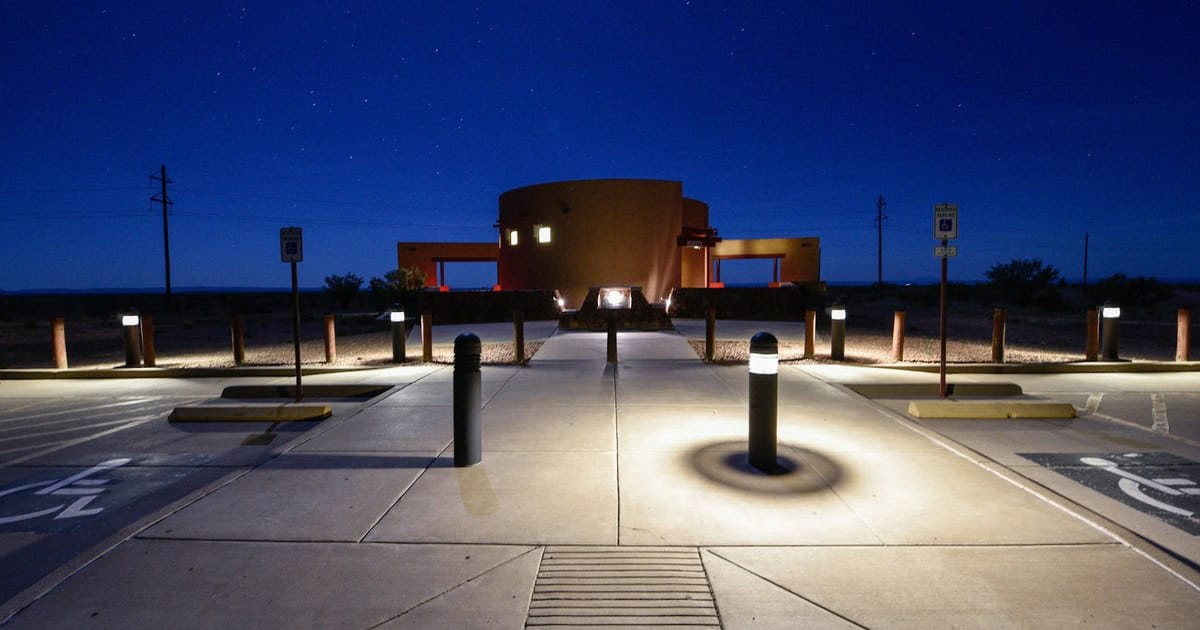
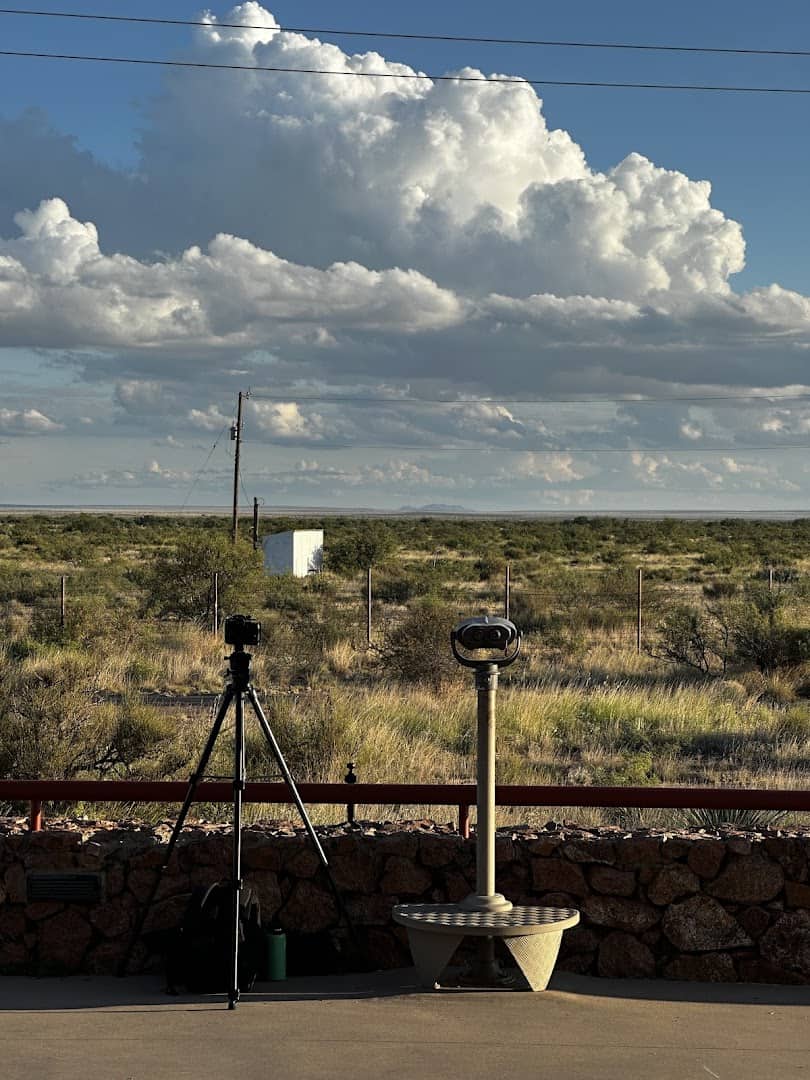
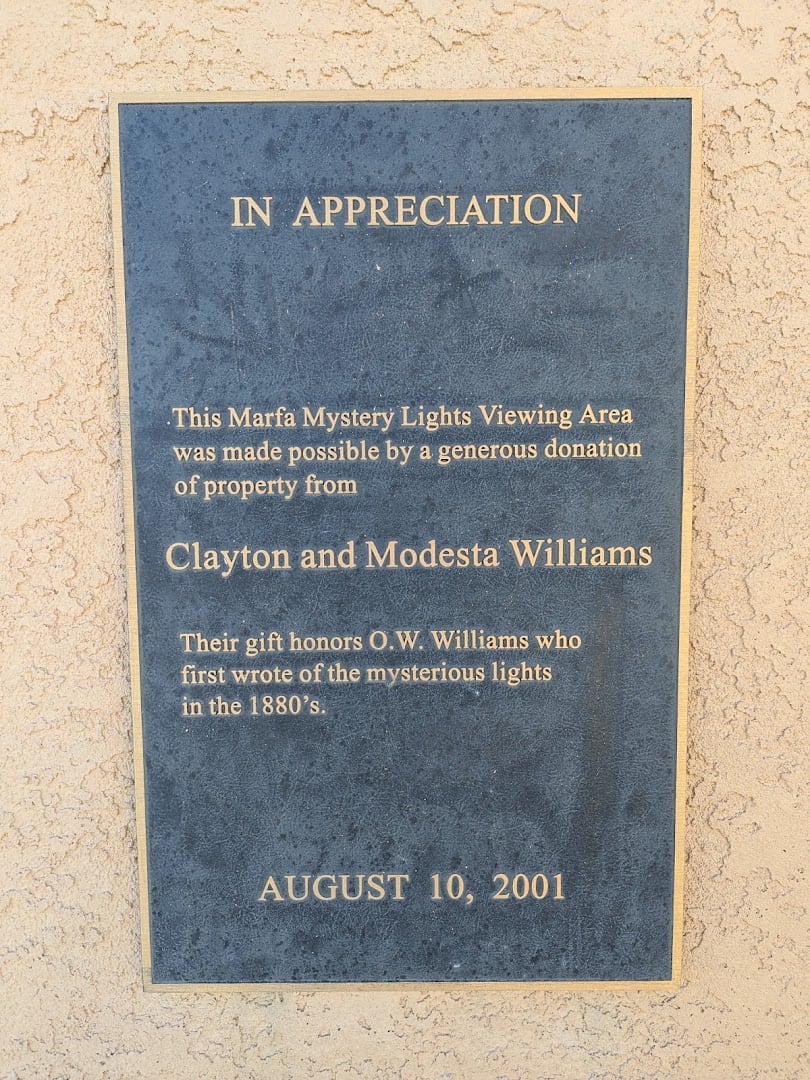
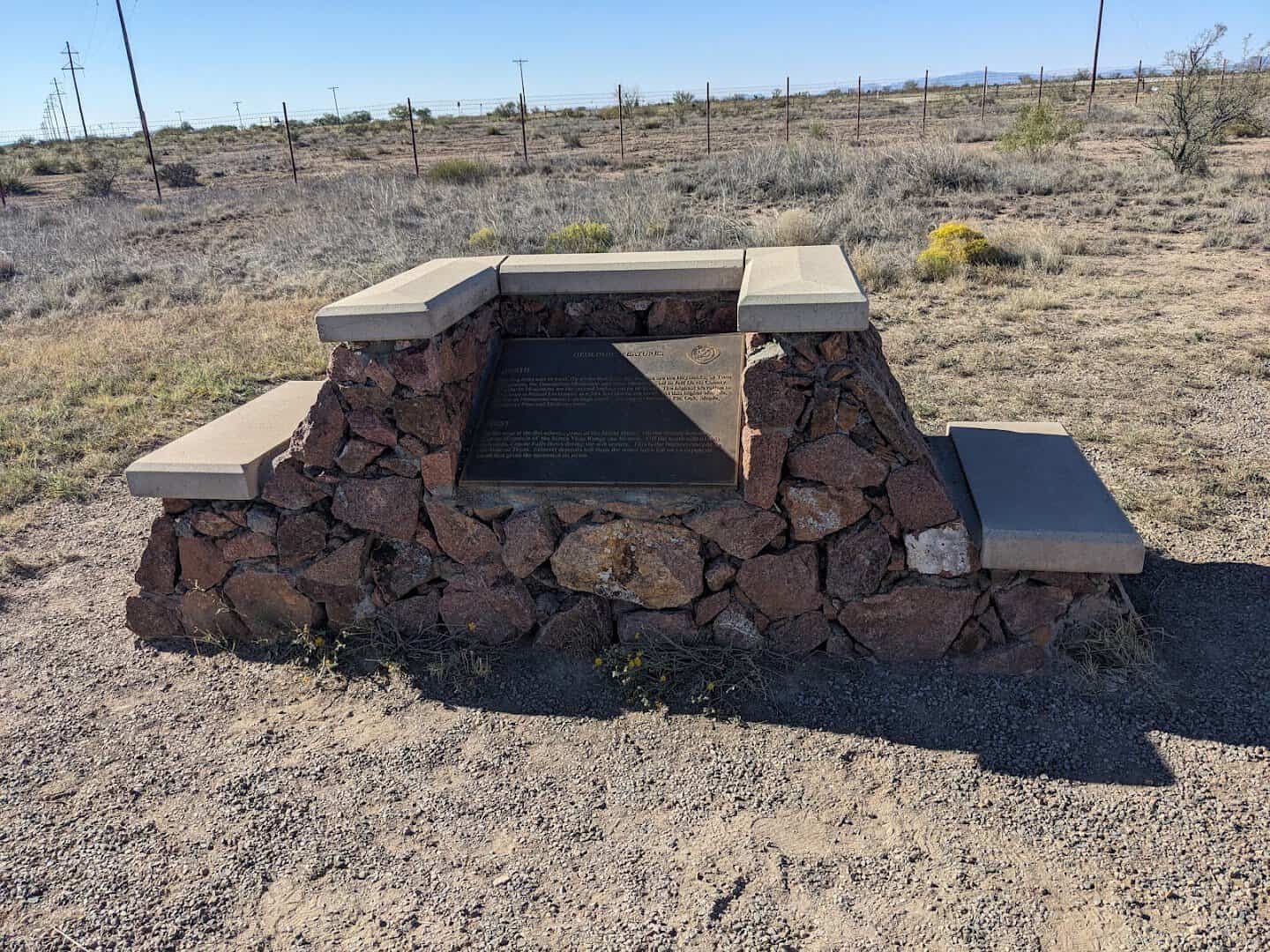
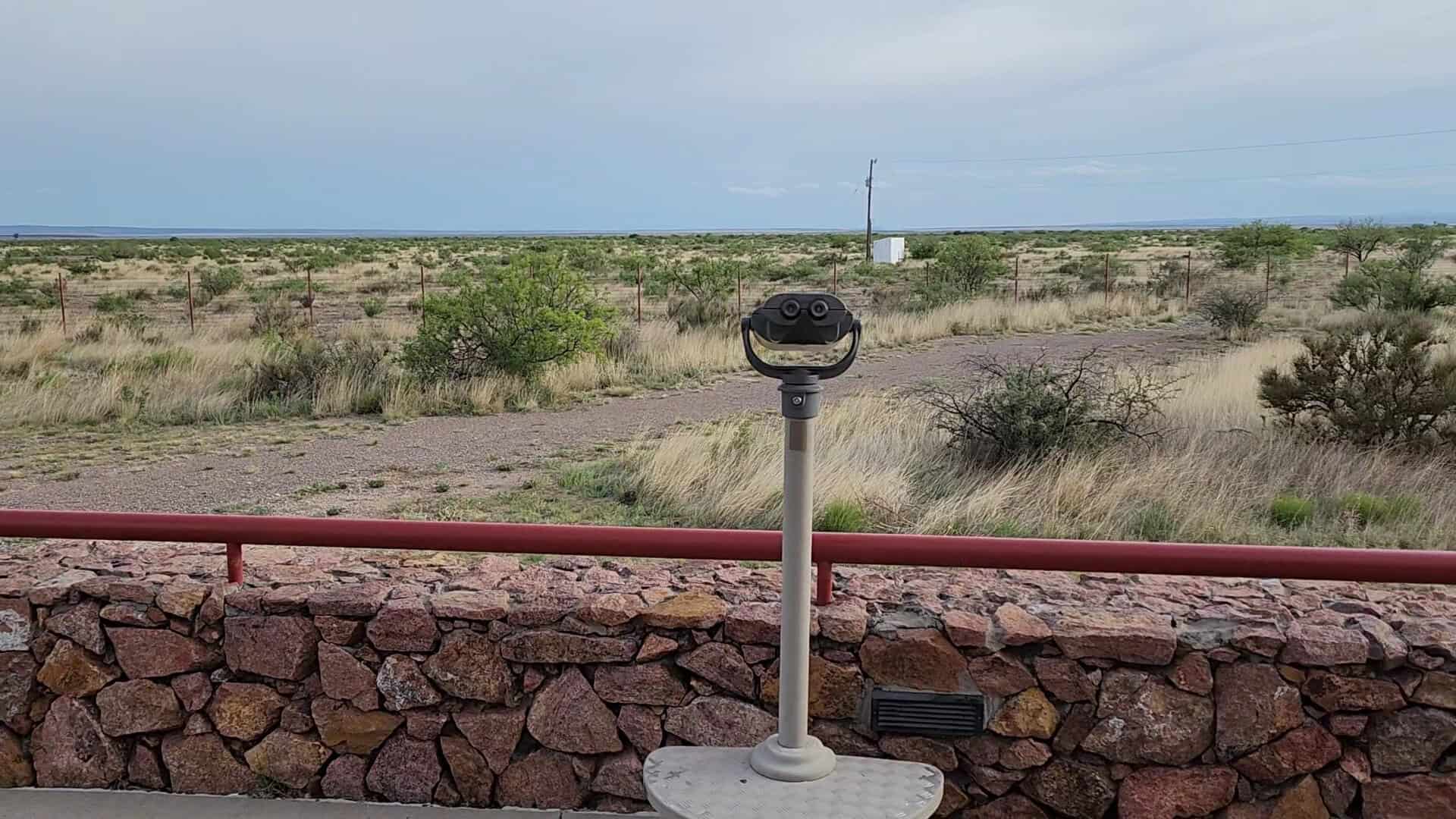
The Marfa Mystery Lights Viewing Center sits about nine miles east of town on U.S. Highway 90, on the stretch running toward Alpine. The Texas Department of Transportation opened it in 2003 on the site of an old roadside pullout that light-watchers had been using for years.
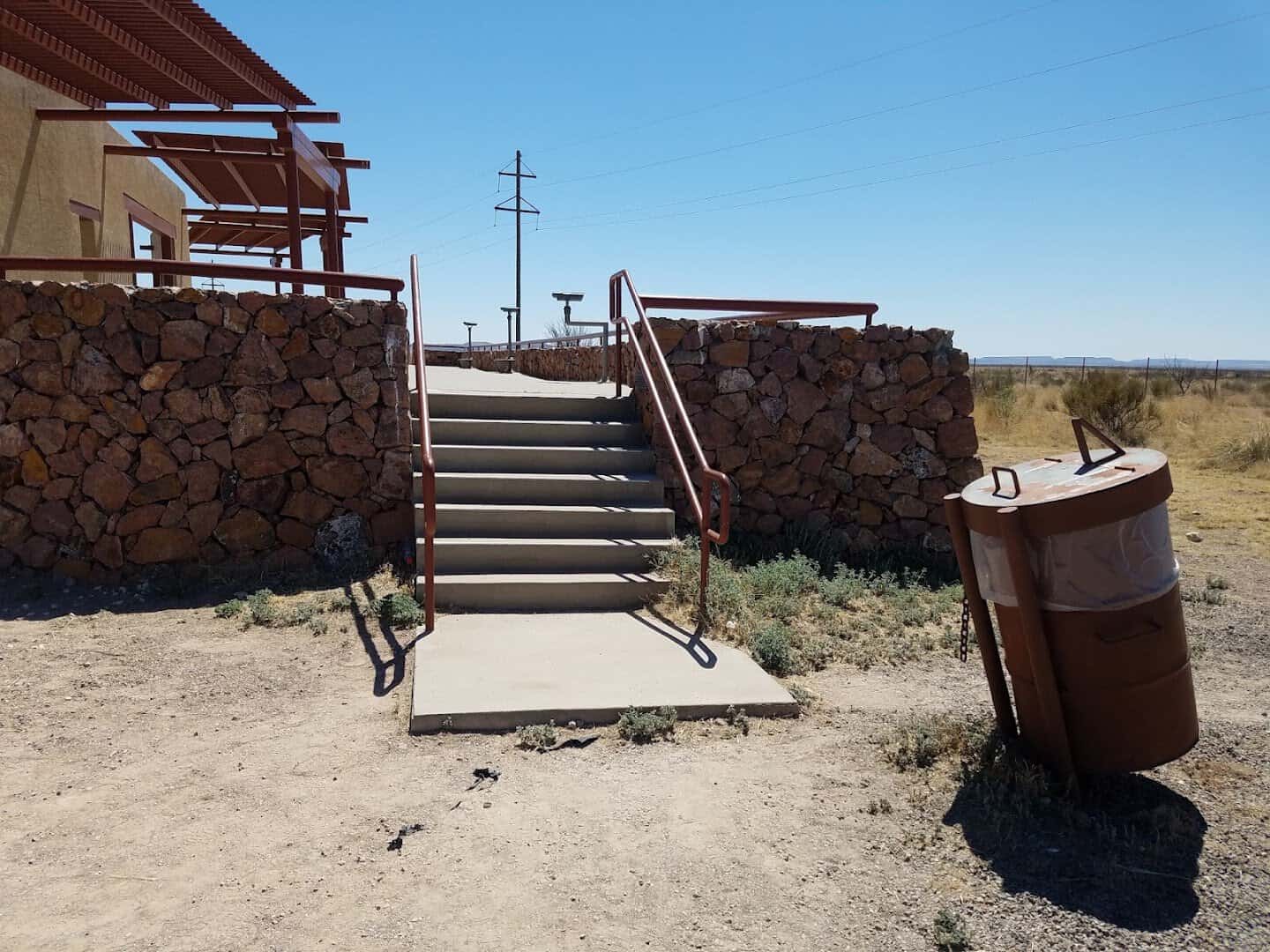
It is simple and it works. There are benches, a low stone wall to lean on, mounted binoculars pointed at the horizon, and restrooms, which matters more than you think when you are settling in for a long, cold wait.
On a good night you will not be alone. Cars roll in from all over, people spread out along the wall, and a hush falls as everyone stares at the same patch of dark, waiting for it to do something.
A Story That Starts in 1883
The first person on record to report the lights was a young cowhand named Robert Reed Ellison. In 1883, he was driving cattle through Paisano Pass when he spotted a flickering glow out on the plain.
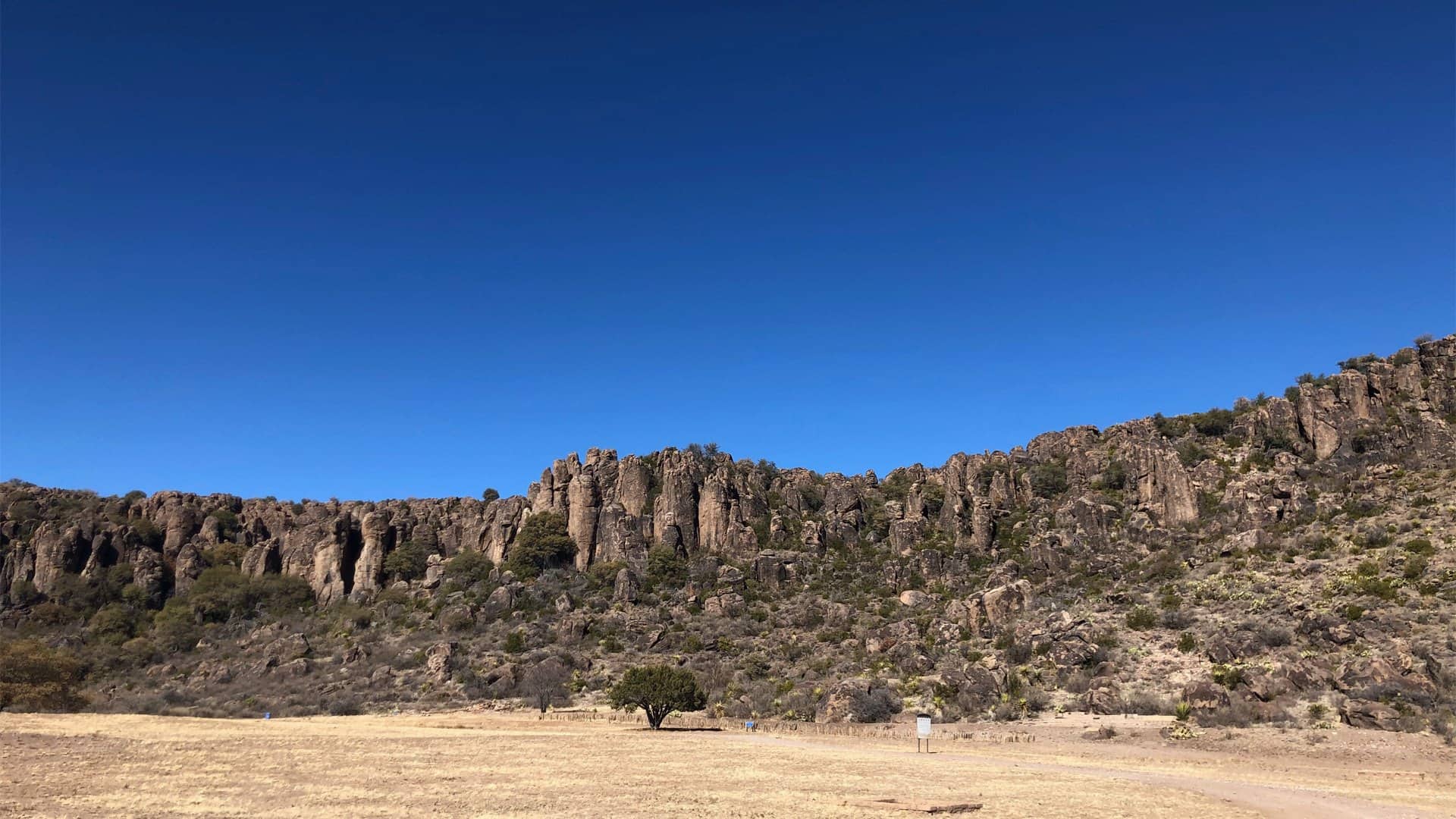
He assumed it was an Apache campfire and kept a wary eye on it. When settlers went looking for the source the next day, they found no ashes, no camp, nothing at all to explain what he had seen.
Ellison was not alone for long. Early settlers Joe and Sally Humphreys logged their own sighting in 1885, and ranching families across the area quietly traded stories about the lights for decades before the rest of the country caught on.
The wider world finally noticed in July 1957, when Coronet magazine ran the first big published account and turned a local curiosity into a national one.
The Pilots Who Chased Them by Air
During World War II, Marfa hosted an Army airfield, and the lights got their most determined chase yet.
Lieutenant Fritz Kahl, a flight instructor stationed there, went up after them in 1943 and again in 1944, flying toward the Chinati Mountains to find the source. From the air, the lights simply were not there. He could see them from the ground and lose them the moment he climbed.
Did you know his account nearly slipped through history? Folklorist Elton Miles tracked Kahl down years later and preserved the story in his 1976 book Tales of the Big Bend, which is a good chunk of why we still have that firsthand record today.
Decades later, researcher Judith Brueske gathered dozens of these accounts into a slim 1988 book simply titled The Marfa Lights, still one of the most careful collections of eyewitness reports anyone has put together.
The Sightings People Can’t Shake
Part of what keeps the legend alive is that the reports do not all read the same. Most people watch the lights from a comfortable distance, but a handful swear they got much closer.
Brueske’s collection is full of these close-up accounts: drivers who say a glowing ball paced their truck along a lonely road, ranch hands who watched one hover just off the ground before it vanished. The details rarely line up, which somehow makes them harder to dismiss.
Ranching families in the area grew up with the lights as a normal fact of life, something you pointed out to visitors the way you would a good fishing spot. That matter-of-fact acceptance, passed down for generations, is its own kind of evidence.
So What Are They, Really?
Here is where it gets fun, because the theories are almost as entertaining as the lights.
The leading scientific explanation is a kind of mirage. On clear nights, the desert air stacks into layers of warm and cold, and those layers can bend distant light so it appears to float and dance far from its actual source.
It is the same physics that makes a road look wet on a hot day, scaled up across miles of open plain.
Another idea, nicknamed earthlights, points to the ground itself. Some researchers suspect that geological stress deep in the rock can release faint electrical energy at the surface, though this one is far harder to prove.
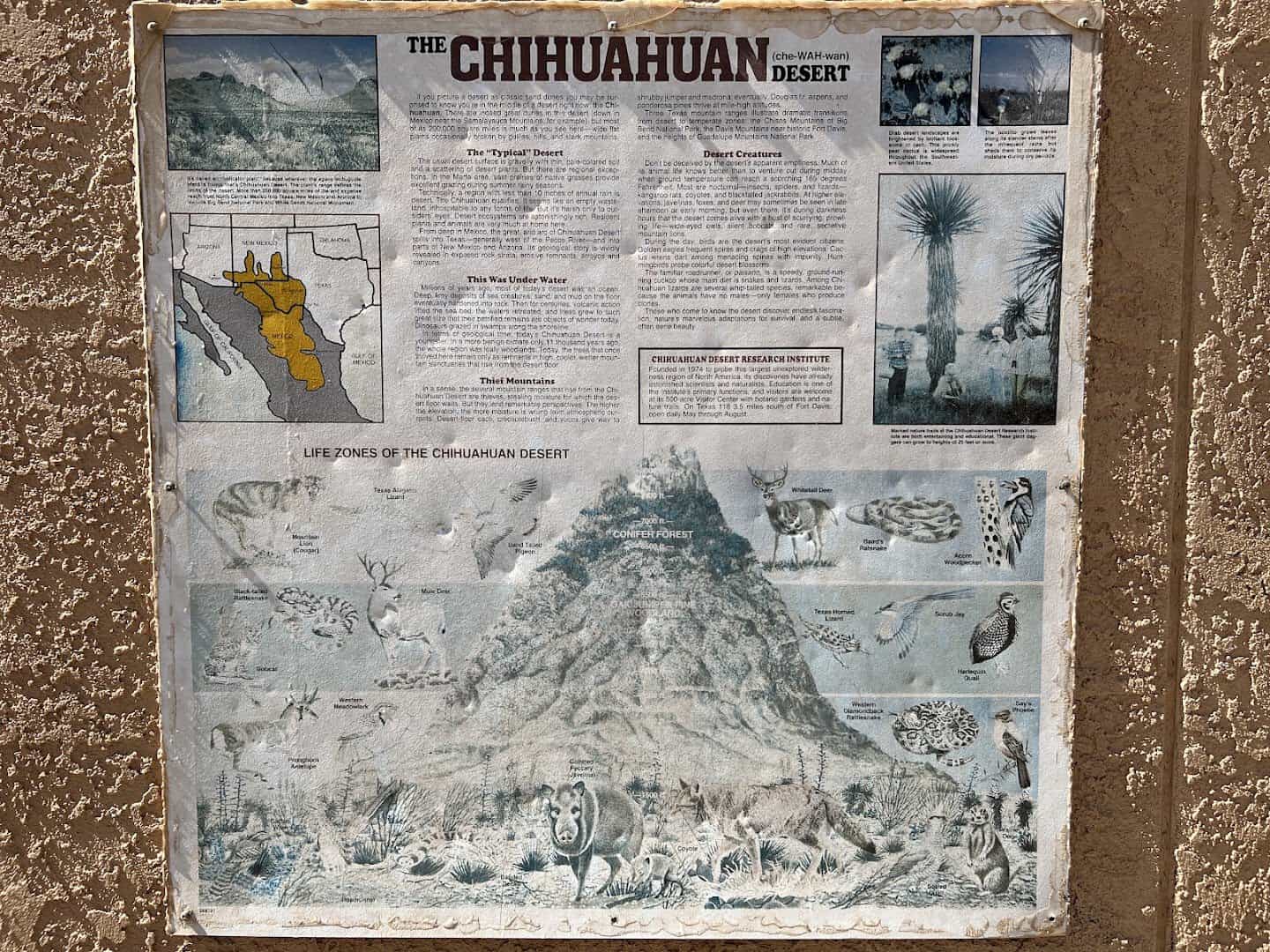
Over the years people have floated plenty of others too. Swamp gas, static electricity in the dry desert air, even moonlight glinting off veins of mica in the hills. Each explains a piece of the puzzle and none of them explains all of it, which is exactly the problem.
Then come the stories people actually love to tell. That the lights are the ghost of Apache chief Alsate, still watching over his mountains. That they are the restless spirits of conquistadors hunting lost gold.
Neither one will survive a physics class. But out there in the dark, they feel a lot more convincing than they do on paper.
The Night Twelve Students Tried to Solve It
In May 2004, a group from the University of Texas at Dallas decided to settle the question for good.
Twelve members of the Society of Physics Students camped nearby at Fort Davis and ran a string of experiments over several nights, wiring up traffic counters, high-speed video, walkie-talkies, and a chase car.
Their conclusion was blunt. The lights they measured lined up almost perfectly with traffic on U.S. Highway 67, the road that runs south from Marfa to Presidio.
When a team member flashed headlights on that highway, watchers back at the viewing area saw a classic Marfa Light appear right on cue.
Case closed? Not quite. The students only claimed the lights they saw during their own study, and the sightings go back to 1883, long before a single car ever crossed that plain. Whatever Robert Reed Ellison watched from his saddle, it was not somebody’s high beams.
Make a Whole Weekend of It
The lights are the headline, but the town that shares their name is worth the drive on its own.
Marfa was born in 1883 as a railroad water stop for the Galveston, Harrisburg and San Antonio line, sitting at a breezy 4,830 feet of elevation. Today only around 1,800 people call it home, which makes what happens here even more surprising.
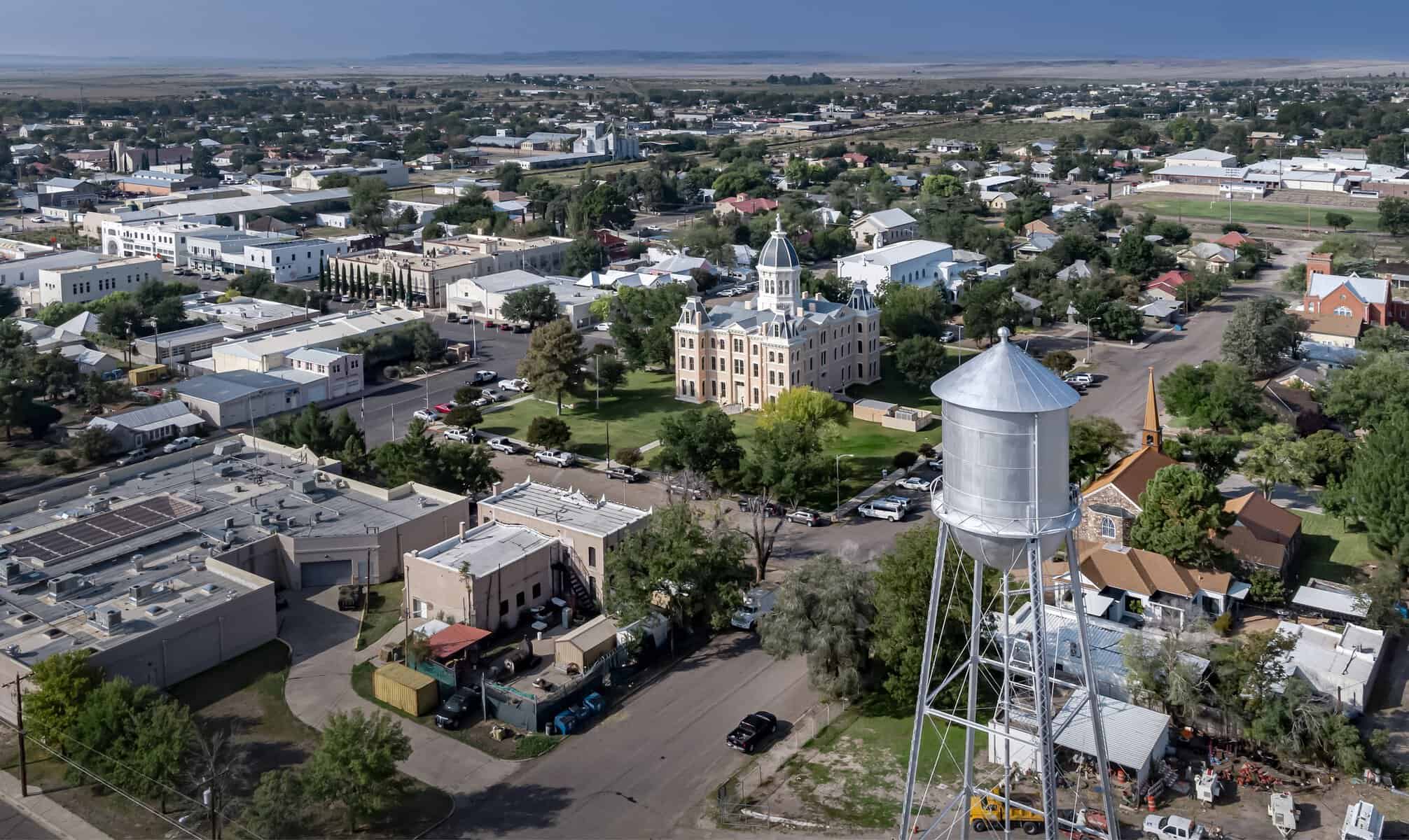
In 1955, Hollywood rolled in to film Giant, and stars like Elizabeth Taylor, Rock Hudson, and James Dean set up base at the historic El Paisano Hotel downtown, a building you can still walk into today.
The town later became an unlikely art capital, drawing minimalist artist Donald Judd, who filled old army buildings with his work and founded what is now the Chinati Foundation. His giant concrete boxes still sit out on the grassland, catching the light.
These days you can browse quiet galleries, chase down a taco from a parked trailer, and drive out to the famous Prada Marfa, a permanent art installation shaped like a tiny luxury storefront stranded on an empty highway.
Between all that and the wide desert quiet, there is plenty to fill the daylight hours while you wait for nightfall.
If you can time it, come over Labor Day weekend for the Marfa Lights Festival, a hometown celebration with a parade, live music, food, and vendors that has anchored the town’s calendar since the 1980s.
How to See the Lights
A little planning turns a coin flip into a decent bet. The lights favor clear, dark nights, so check the forecast and aim for a stretch with little to no moon.
Autumn and winter tend to deliver the crispest viewing, with cleaner air and longer nights. Get there after full dark and give it time, because the lights rarely perform on arrival.
Pro tip: dress far warmer than you expect. The desert dumps its heat fast once the sun sets, and a still, cold wait is a lot more pleasant in a jacket you almost left in the car.
One honest heads-up so you can tell the real thing apart. Steady lights low on the horizon that track in a straight line are usually cars on Highway 67. The ones worth the trip hover, hang, and move in ways headlights simply cannot.
How to Get There
The viewing center is easy to find and open around the clock, free to visit, with parking right off the highway.
Where: Marfa Mystery Lights Viewing Center, U.S. Highway 90, about 9 miles east of Marfa, TX 79843.
Marfa sits in far West Texas, roughly three hours southeast of El Paso and about an hour from Big Bend country, so most visitors fold the lights into a longer desert road trip.
Plan Your Drive Into the Dark
There is something wonderful about a mystery that has outlasted cowboys, fighter pilots, and a team of physicists and still has not given up its secret.
Whether you leave convinced it is atmosphere, headlights, or something the textbooks have not caught yet, you will have watched a real Texas legend flicker to life with your own eyes.
So pack a jacket, point the car west, and give the desert a night to show you what it has been doing since 1883. The lights have waited this long. They can wait for you.
Featured image: Troy Heinemeyer via Marfa Lights Viewing Area

Stella Raines
Editor-in-Chief
Stella brings over a decade of storytelling experience to TX Headlines. With roots in West Texas and a love for road trips, she leads the editorial team with an eye for the hidden stories that make Texas unforgettable.
More Stories
These 5 Surreal Texas Places Are So Stunning You Won’t Believe They’re in Texas
5 Abandoned Texas Places That Are Eerie, Empty, and Still Open to Explore

8 Hidden Texas Bookstores That Book Lovers Will Want to Get Lost In
This Abandoned Texas Zoo Closed Nearly 90 Years Ago, and You Can Still Walk Through Its Ruins
Tags