This Overlooked Texas Museum Honors the 250 Women Who Shaped the American West
I have a bone to pick with every cowboy ballad I have ever loved. The cowboy gets all the songs. He gets the statues, the movies, the whiskey ads, and roughly nine out of every ten Western daydreams.
And every time I hear one more tune about a lonesome drifter, I want to ask the obvious question. Who do you think was breaking the horses, running the ranch, and out-shooting the men the whole time?
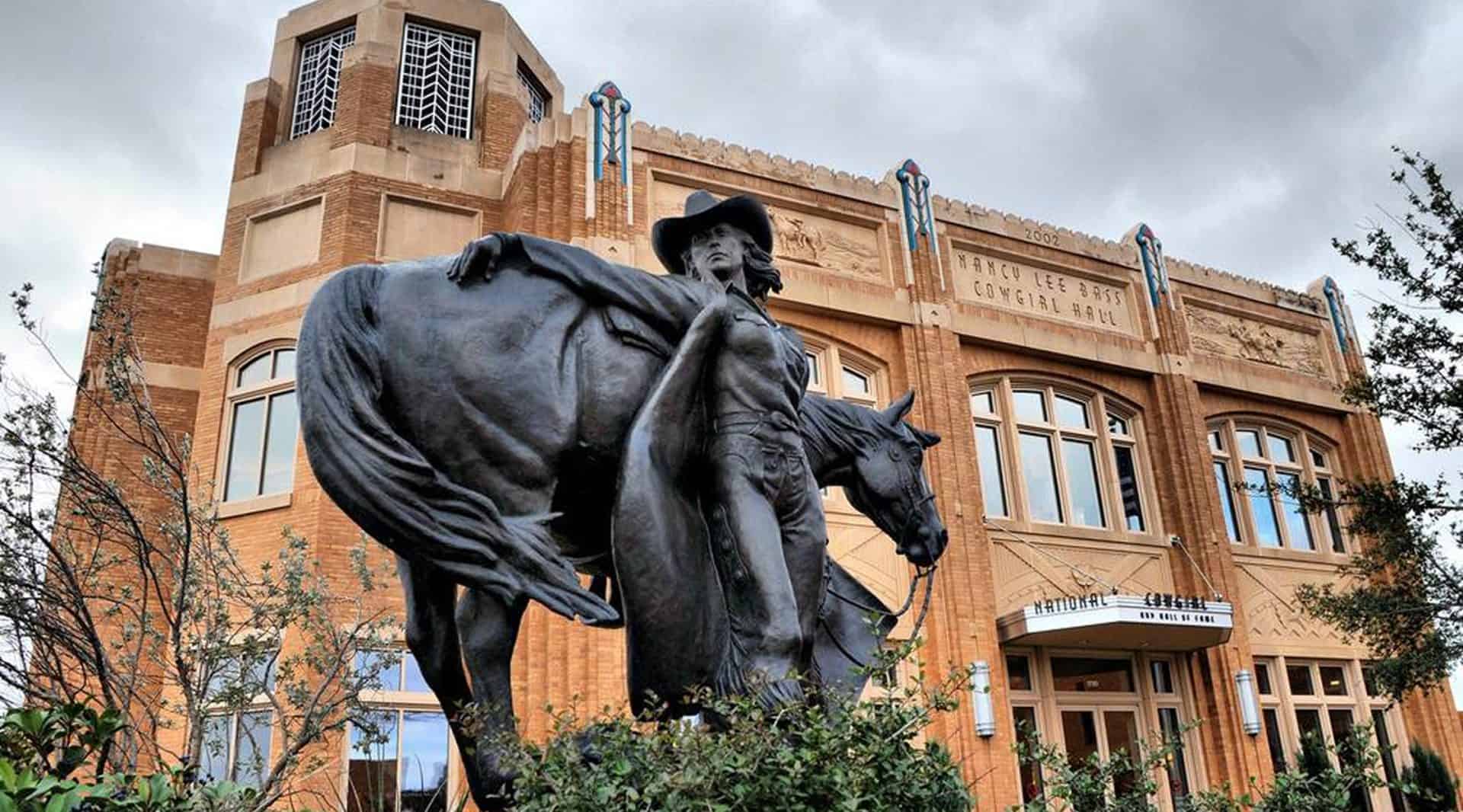
There is exactly one place built to answer that, and it sits in Fort Worth’s Cultural District. This is the only museum on the planet devoted entirely to the women who shaped the American West, a hall of saddle-worn glory where the cowgirl finally gets top billing.
Below, I’ll walk you through what is inside, who is honored here, the interactive stuff you will actually want to try, and the big new chapter opening this winter.
The Only Museum of Its Kind, Anywhere
Let that sink in for a second. Not the biggest, not the oldest. The only one. There is no rival cowgirl museum in Wyoming or Montana or anywhere else. If you want the full story of the women of the West told properly, this is the address.
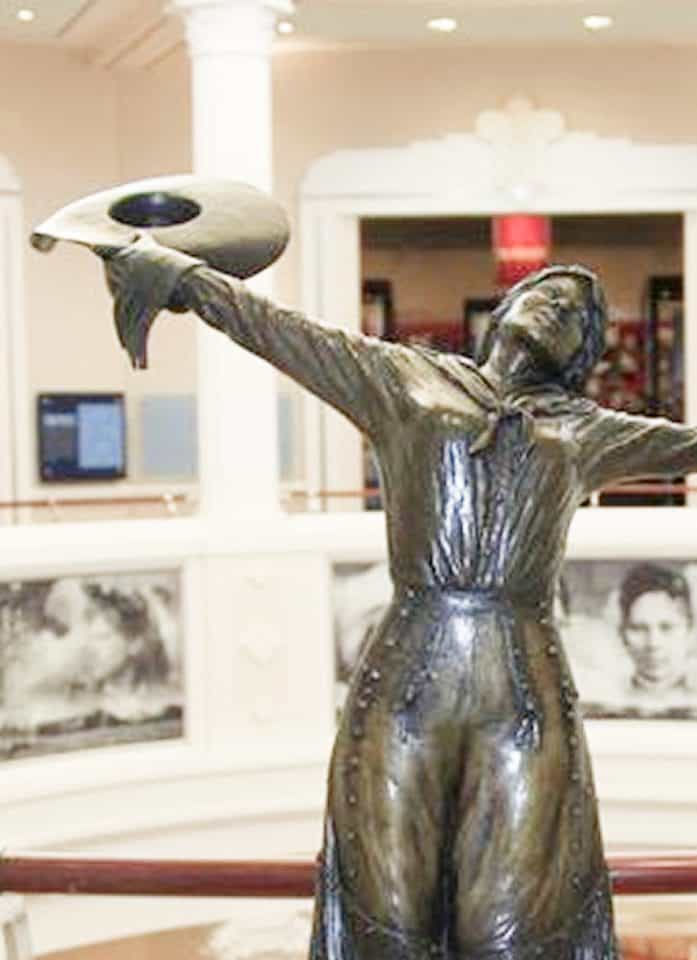
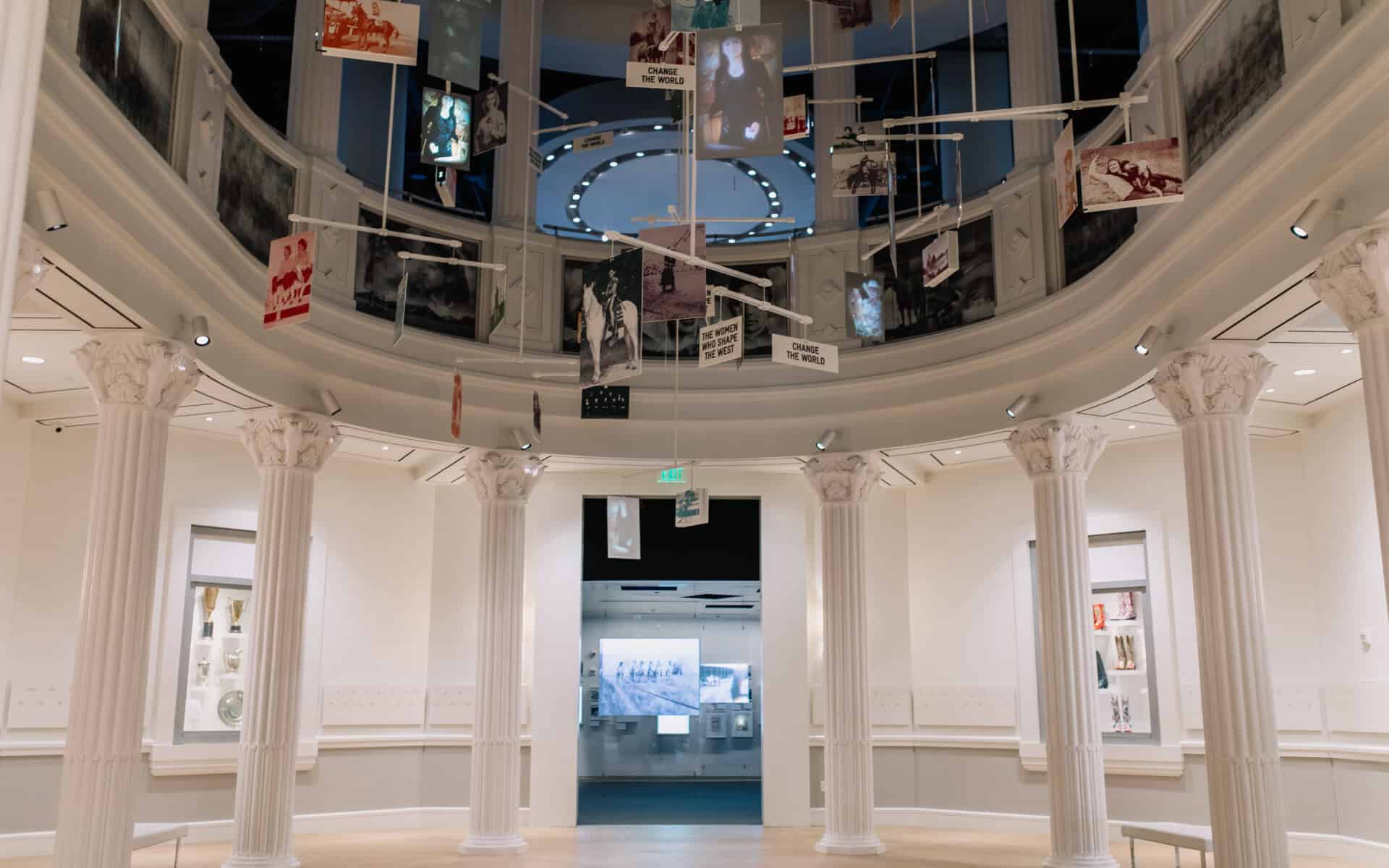
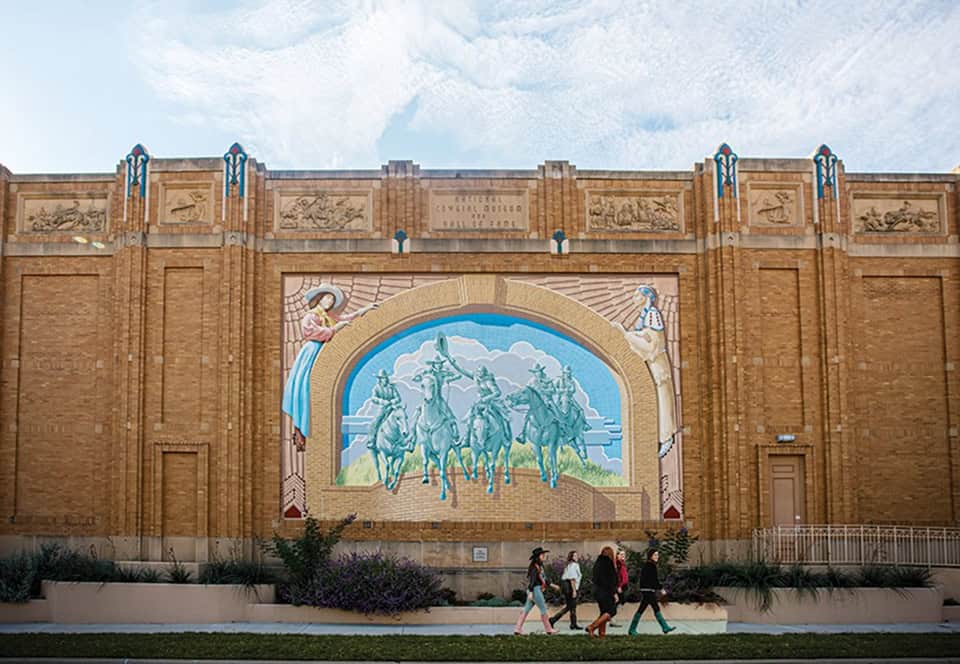
You walk into a soaring domed rotunda that rises 45 feet overhead, ringed by the faces of the honored. Two grand staircases sweep up with art deco railings, and even the exterior carries terracotta finials shaped like wild roses.
It feels less like a county museum and more like a monument someone finally built for the right people.
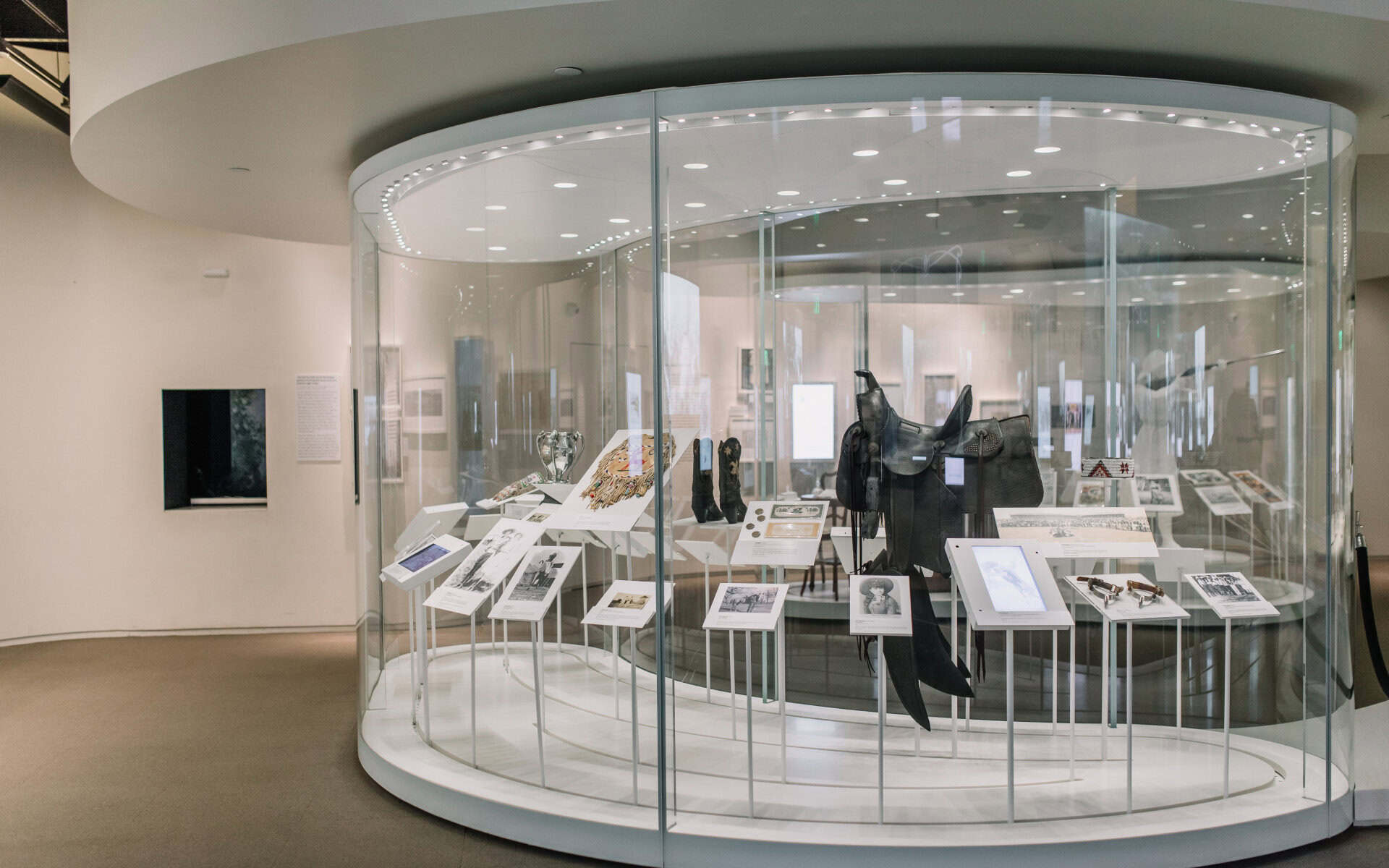
The building holds 33,000 square feet of galleries, and the storytelling is smart. This is not a hallway of dusty saddles behind glass. It is a place that argues, with evidence, that the West was won by women just as much as men.
The rotunda is the shot everyone lines up for. Stand in the center, look up, and the ring of honorees seems to watch over the whole hall. It is the kind of space that makes you lower your voice without being told to.
Into the Arena, Where You Get to Play
My favorite kind of museum is the kind that lets you do something, and this one delivers. The “Into the Arena” gallery tells the story of rodeo and trick riding, the bronc busters and barrel racers who drew crowds long before it was fashionable.
Then there is the mechanical bronc. Yes, a real one. You can climb on and get a taste of what eight seconds actually feels like, which is roughly seven and a half seconds longer than most of us would last.
It is a small thing, but it changes how you read the rest. Once your own body has flailed for a couple of seconds, the photos of women who rode broncs for a living stop being quaint and start being genuinely astonishing.
Pro tip: this is the exhibit kids sprint toward, so if you are traveling with little ones, let them burn that energy first, then wander the quieter galleries in peace.
Elsewhere, “Kinship with the Land” digs into ranching life and the tools of the trade, the women who ran outfits and worked cattle when the world assumed they could not. “Claiming the Spotlight” traces how cowgirls showed up on screen, in Wild West shows, and under the arena lights.
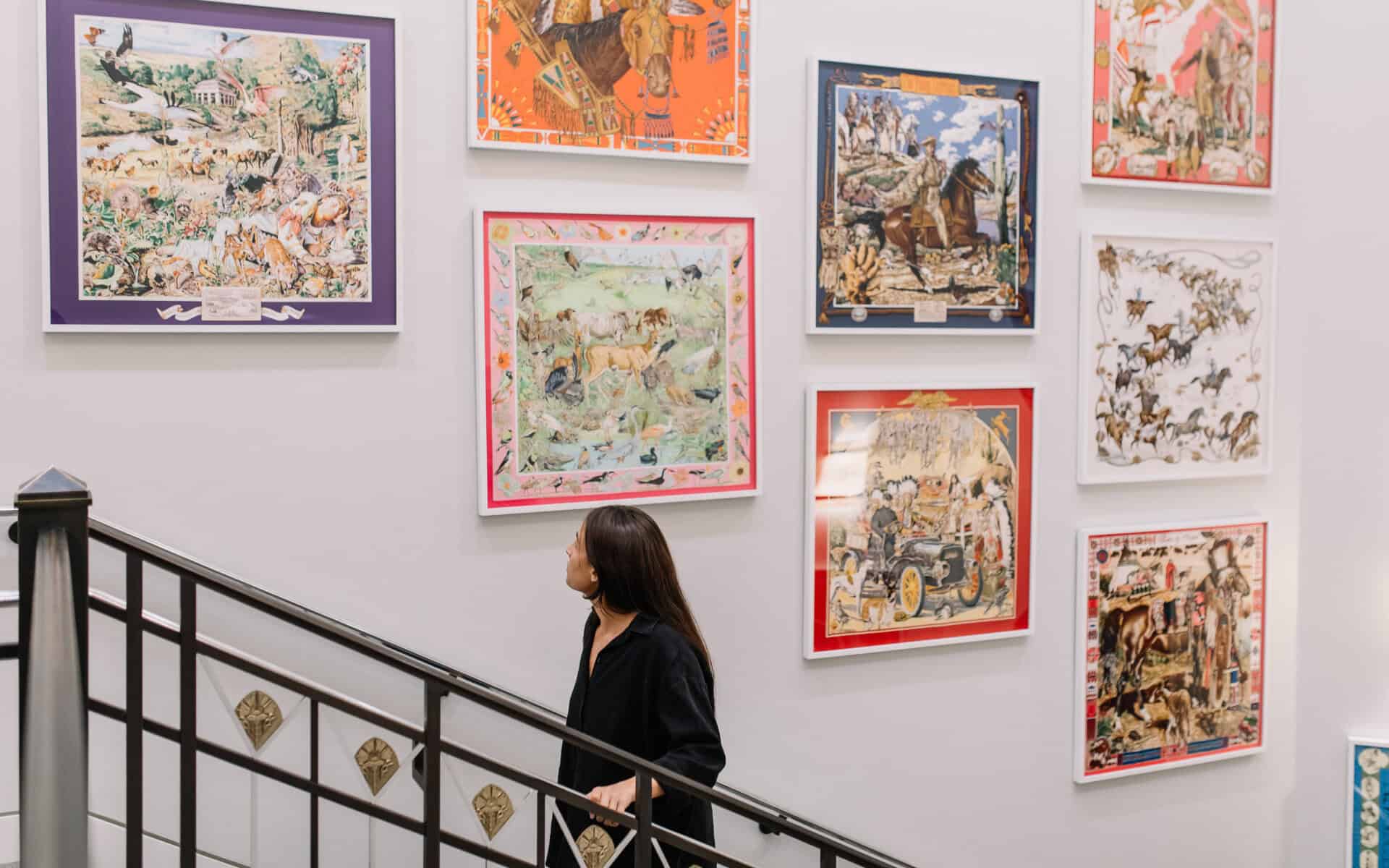
There is a theater that runs a short film on the spirit of the cowgirl, and a Discovery Corral built for the youngest visitors. That last one is a lifesaver on a hot Texas afternoon, when the little ones need to touch and climb rather than read.
More Than 250 Women, and the List Will Stop You
The Hall of Fame is the beating heart of the place, and more than 250 women have now been inducted since it began. What gets you is the range of them.
Georgia O’Keeffe is here. So is Sacagawea. So is Annie Oakley, the sharpshooter who could split a playing card edge-on, and Dale Evans, the singing cowgirl of the silver screen.
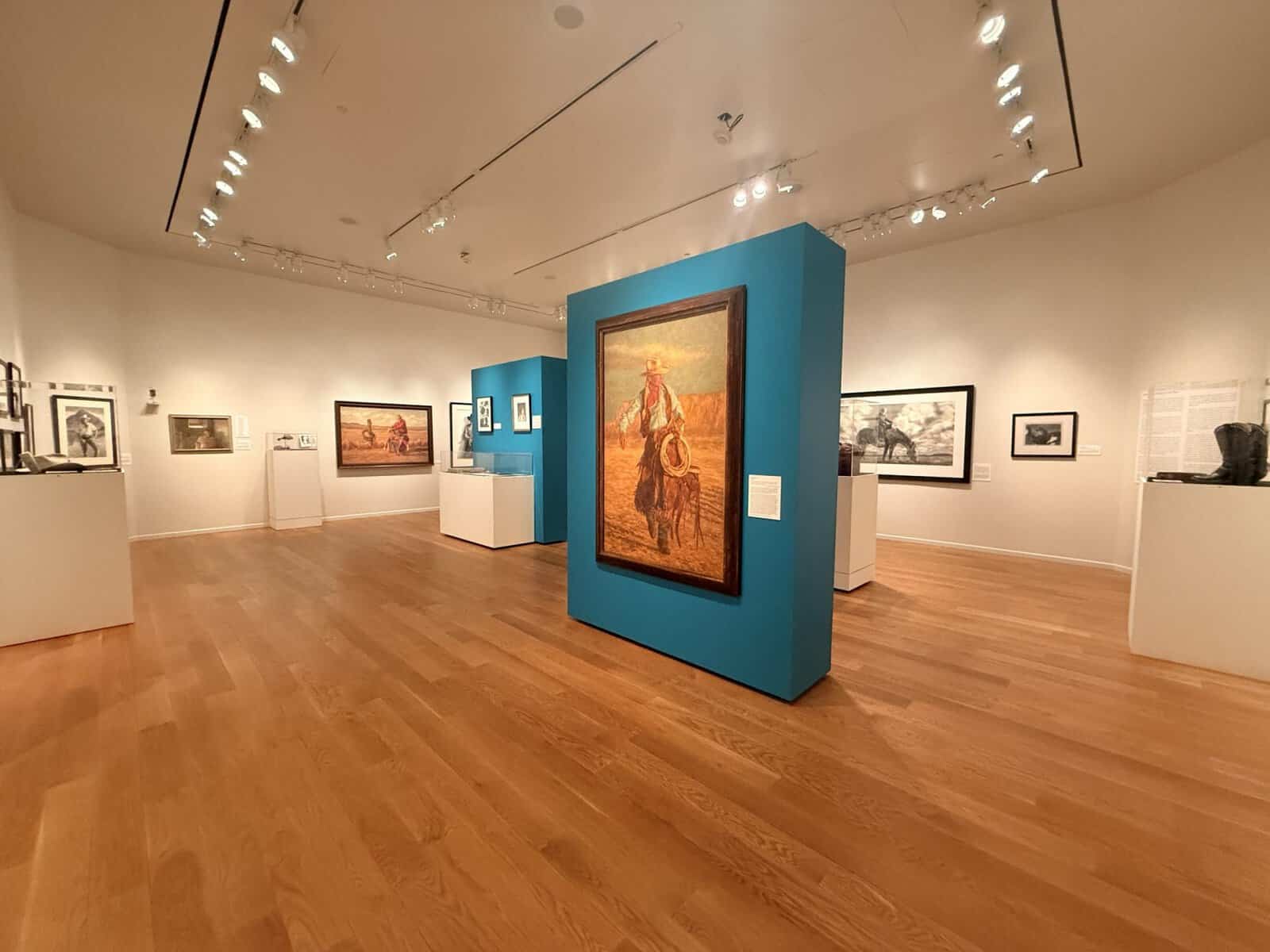
Enid Justin, who built a Texas boot empire, has her place too. And then there are names you might not expect at all, like scientist Temple Grandin and Supreme Court Justice Sandra Day O’Connor.
That is the quiet genius of the definition here. A cowgirl is not just a woman on a horse. She is any woman who lived with grit, independence, and a refusal to be told where her place was.
Enid Justin makes the point well. She founded the Nocona Boot Company in 1925 in a small North Texas town, running a full factory in an era when women rarely ran anything at all.
Set her next to Annie Oakley, who outdrew the men who doubted her, and you start to see the pattern. These stories sit side by side here, decades apart, and somehow rhyme.
The inductions keep coming every year. The 2024 class, honored at the 48th annual ceremony at Dickies Arena, welcomed Beth Cross, who co-founded the boot brand Ariat, and JJ Hampton, a Stephenville girl who rode her first rodeo at four and grew into an 18-time world champion.
They also inducted Kaila Mussell, the first cowgirl to ride saddle bronc against the men since the 1940s, and the Pack Horse Library Project, hundreds of women who delivered books on horseback across 10,000 square miles of Depression-era Kentucky. They were the first whole group ever honored together here.
That last one is my favorite kind of induction. These were not famous names in their day. They were ordinary women who saddled up in bad weather to carry books to isolated families.
Now their courage hangs in a hall of fame, and it tells you just how wide the cowgirl umbrella really stretches.
Fearless Women in Bullet Belts
Did you know the West’s story reaches well past the Rio Grande? The museum’s current special exhibit makes sure you do not forget it.
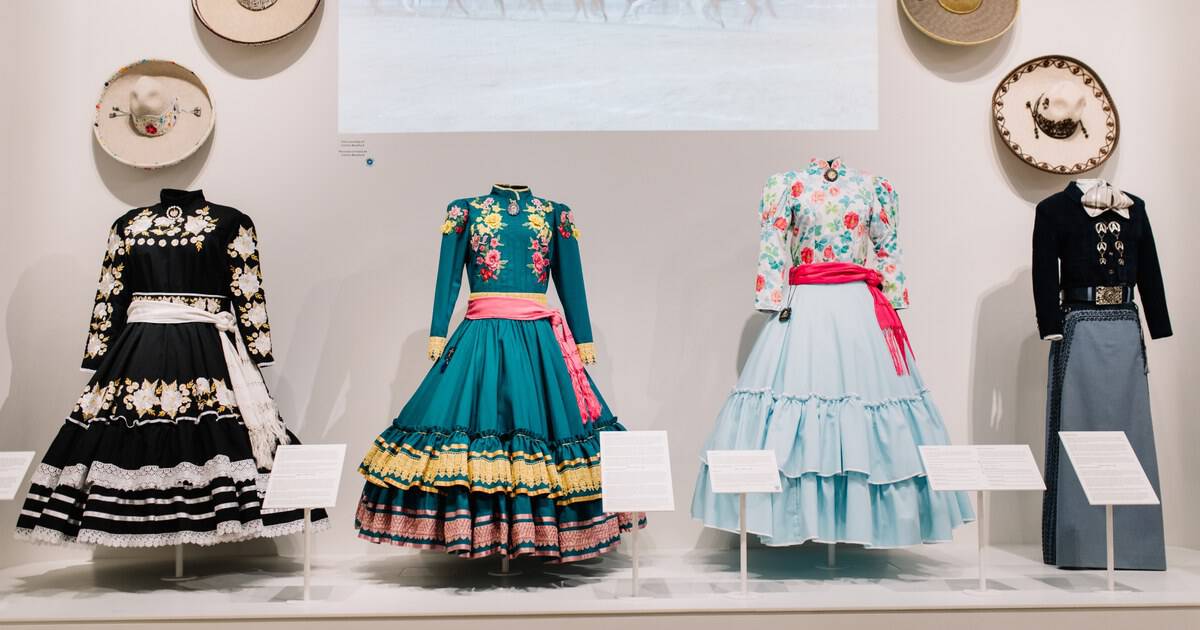
“Soldaderas to Amazonas: Escaramuzas Charras” is a tribute to the fearless women of charrería, the Mexican horsemanship tradition, told through story, sport, and costume.
One display stops nearly everyone. A figure stands dressed in a soldadera’s outfit, a wide sombrero, a ruffled blouse, and a bandolier of cartridges crossed over the chest, set before a sepia photograph of armed revolutionary women.
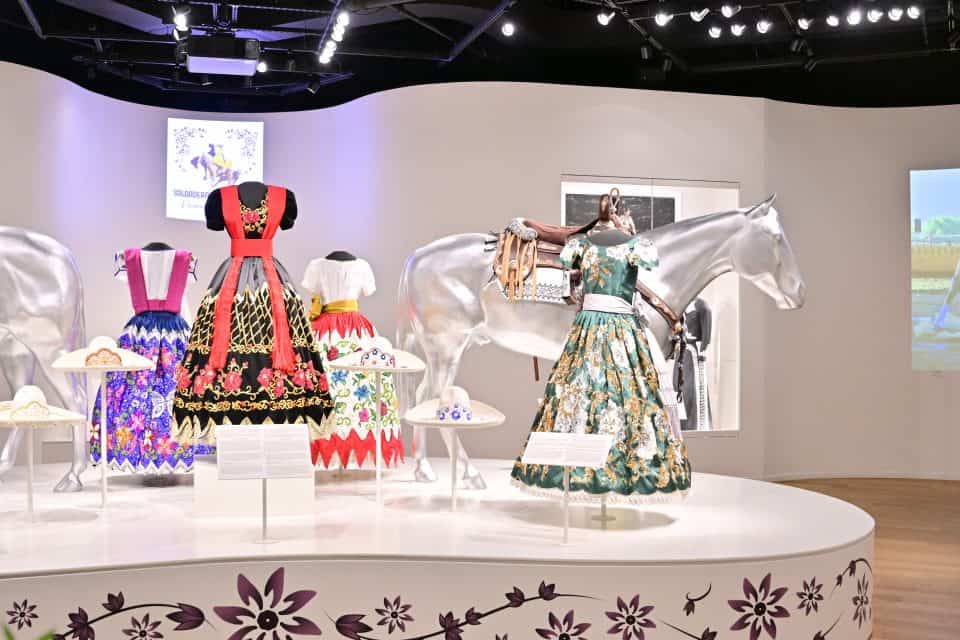
It is a jolt of a thing to stand in front of. These were real women who rode and fought in the Mexican Revolution, the soldaderas who carried rifles and rations into battle when the fighting reached their doorsteps.
The exhibit carries that line forward into escaramuza charra, the modern sport where riders in full skirts and sombreros perform precision maneuvers at a dead run, sidesaddle.
Watching that thread run from the revolution to the arena, all in one room, ties a whole century together. It is a corner of Western history most museums never bother to touch.
From a Library Basement to a Grand Rotunda
Here is the part I love, because every great institution has a humble start and this one is almost too good.
The whole thing began in 1975, not in a gleaming hall but in the basement of the Deaf Smith County Library in the small Panhandle town of Hereford, Texas. A group of locals decided the cowgirl deserved a hall of fame, and they carved one out downstairs.
It outgrew the basement, as good ideas do. The museum moved to Fort Worth in 1994, broke ground on a permanent home in February 2001, and opened the doors of the current building on June 9, 2002.
The architect was David M. Schwarz, whose work you have seen if you have spent any time around Fort Worth.
Schwarz gave it real grandeur, from the domed rotunda to the wild rose motif worked into the terracotta outside. The result reads as a serious institution, not a themed roadside stop, which is exactly the respect the subject was owed.
From a small-town library to a 33,000-square-foot landmark in a major museum district. That climb is, honestly, the most cowgirl story of all.
What It Costs and When to Go
The best surprise here is the price. Admission runs just $10 for adults, $7 for seniors and for military and first responders with ID, and $4 for children ages four to twelve. Kids three and under are free.
Traveling as a crew? The Cowgirl Family Special covers two adults and up to four children for $28, which is a genuine bargain for a full afternoon indoors and out of the Texas heat.
Plan on a couple of hours, more if you have readers who stop at every panel. The museum sits in the Cultural District within easy walking distance of the Kimbell and the Modern, so you can build a whole art-and-history day out of one parking spot.
If you can, come on a weekday morning right at opening. The galleries are quietest then, the light through the rotunda is at its best, and you will have the bronc and the honoree wall largely to yourself before the school groups arrive.
The museum is closed Mondays. It opens Tuesday through Saturday from 10am to 5pm, and Sunday from noon to 5pm.
A Bold New Chapter Opening This Winter
Time your visit right and you will catch history being made. The museum is finishing a $19 million, 16,000-square-foot expansion set to open in November 2026, and it sounds spectacular.
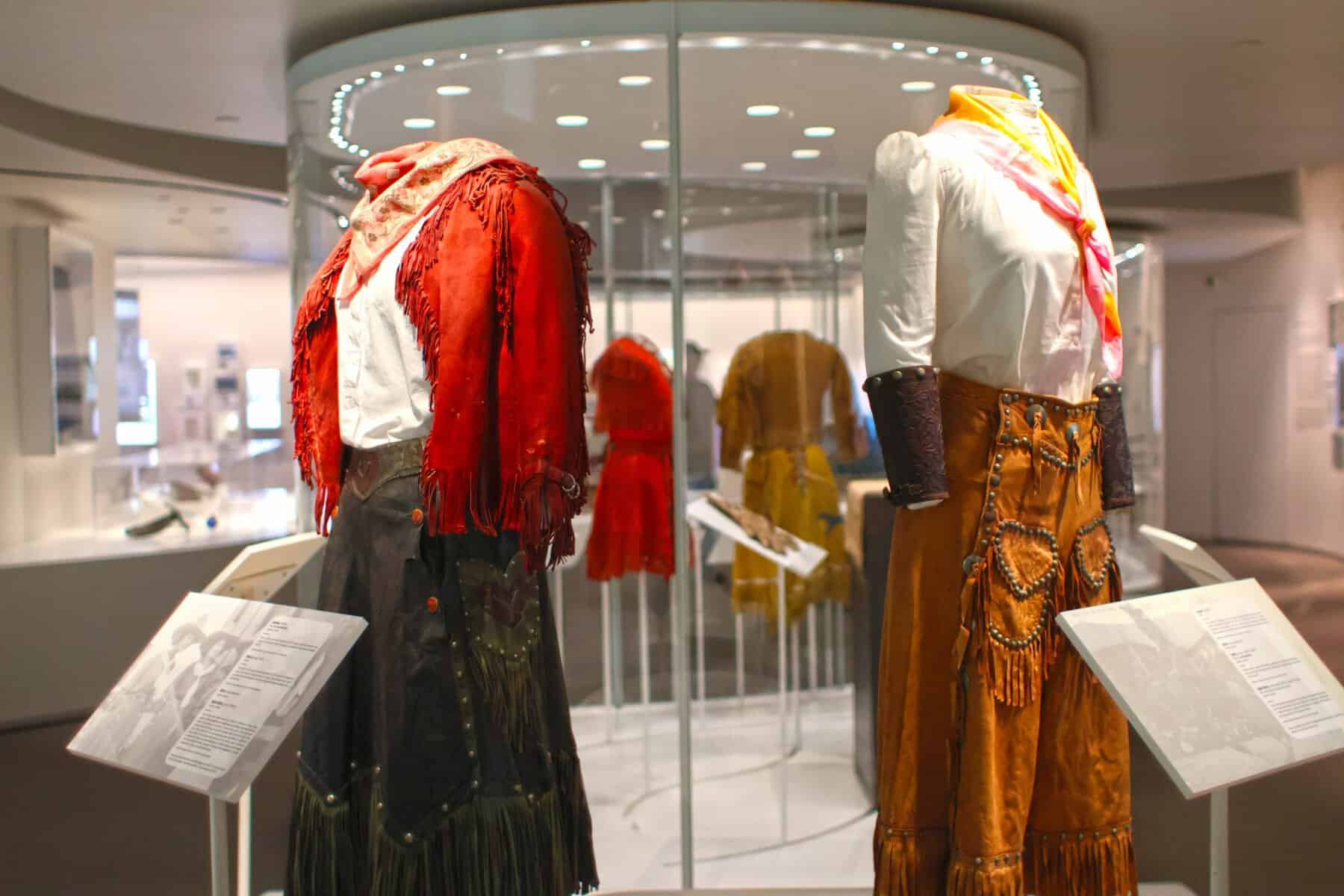
The plans include a brand new entrance facing Dickies Arena, a fashion gallery tracing the evolution of Western style, a photo gallery of cowgirl imagery, and a bigger event space.
The centerpiece is a fully working carousel, which is exactly the kind of joyful, unexpected touch this place does so well.
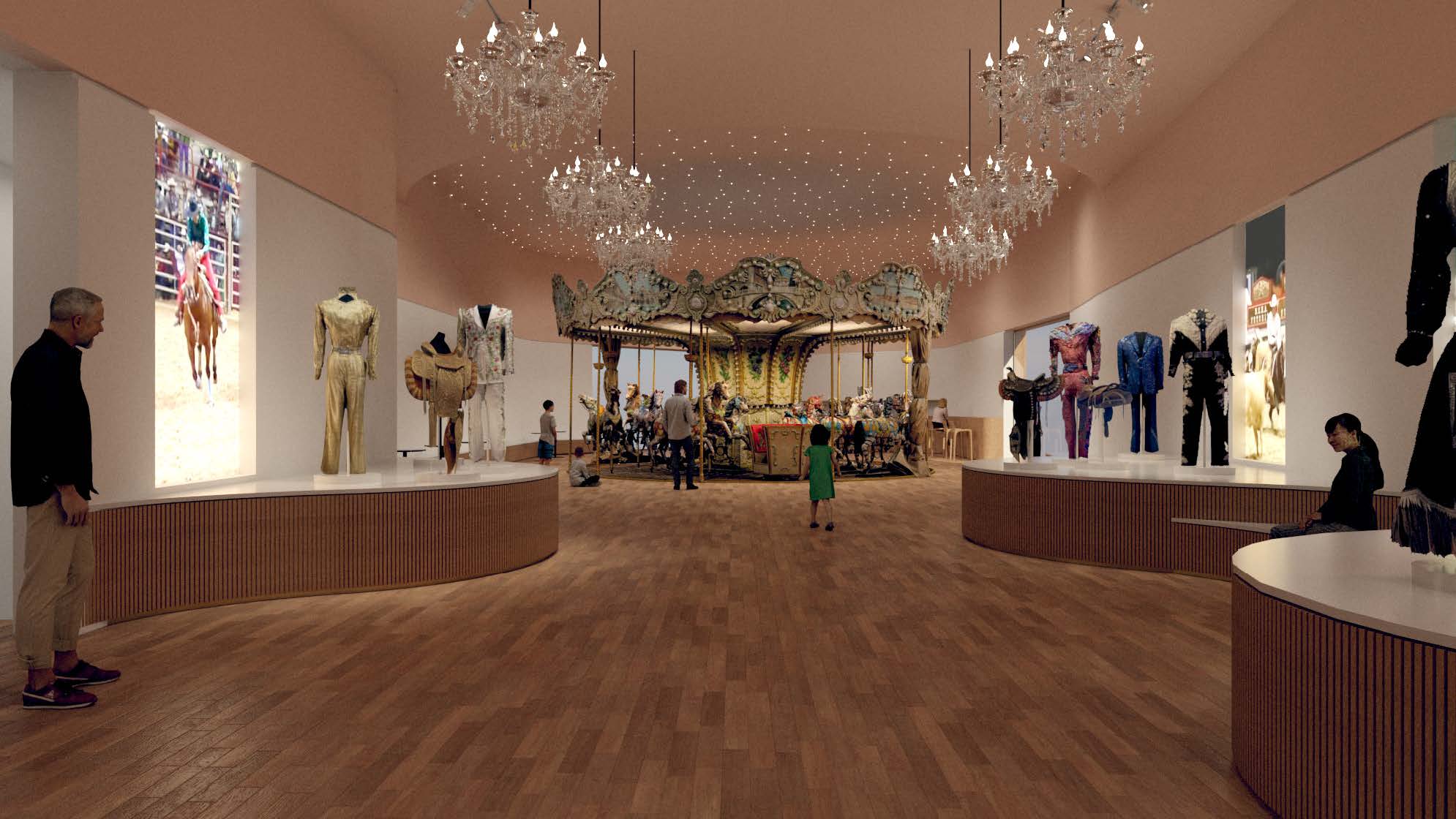
Executive director Pat Riley put it simply, saying the goal is “deepening our storytelling” and honoring “the bold spirit of the cowgirl, innovative, fearless, and inspiring.” The design team even reaches across the Atlantic, with the Paris firm Projectiles leading the concept alongside Fort Worth’s own EwingCole.
How to Get There
Where: National Cowgirl Museum and Hall of Fame, 1720 Gendy Street, Fort Worth, TX 76107
You will find it in Fort Worth’s Cultural District, right by Dickies Arena, with plenty of parking nearby and the city’s other great museums a short stroll away.
Plan Your Trip to Meet the Cowgirls
We hand the cowboy his monuments without thinking twice. This is the one place that does the same for the women who rode just as hard, and it does it with a rotunda, a bronc you can ride, and a hall full of names you will not forget.
So point the car toward Fort Worth, budget an afternoon, and go meet the fearless women the songs somehow forgot. You will walk out standing a little taller, and probably plotting your return once that carousel starts turning.
Featured image: @ National Cowgirl Museum and Hall of Fame

Stella Raines
Editor-in-Chief
Stella brings over a decade of storytelling experience to TX Headlines. With roots in West Texas and a love for road trips, she leads the editorial team with an eye for the hidden stories that make Texas unforgettable.
More Stories
These 5 Surreal Texas Places Are So Stunning You Won’t Believe They’re in Texas
5 Abandoned Texas Places That Are Eerie, Empty, and Still Open to Explore
8 Hidden Texas Bookstores That Book Lovers Will Want to Get Lost In
This Abandoned Texas Zoo Closed Nearly 90 Years Ago, and You Can Still Walk Through Its Ruins
Tags