This Massive Texas Tunnel System Is a Whole Underground City of Shops and Walkways
I have a weakness for the specific relief that only air conditioning delivers in a Texas August. You step out of a 99-degree parking lot, a door sighs shut, and the cool hits like a reward you did not earn. I chase that feeling all summer.
So it delights me to no end that the biggest, strangest version of it in the whole state is hiding twenty feet under a downtown sidewalk. Most people stroll right over the top of it without the faintest clue it is there.
Beneath one big Texas city runs a climate-controlled labyrinth that most visitors walk right over without a clue. It is roughly six miles of tunnels stitching together 95 city blocks, lined with cafes, shops, salons, and lunch counters.
Below, I will show you what is down there, how it grew from a governor’s shortcut into an underground town, and exactly how to find your way in.
A City Beneath the City
The city on top is Houston, all glass towers and shimmering heat. The city below is quieter, cooler, and a little surreal.
Descend an escalator inside almost any downtown high-rise and the temperature drops the moment your foot leaves the last step. It is immediate and almost funny.
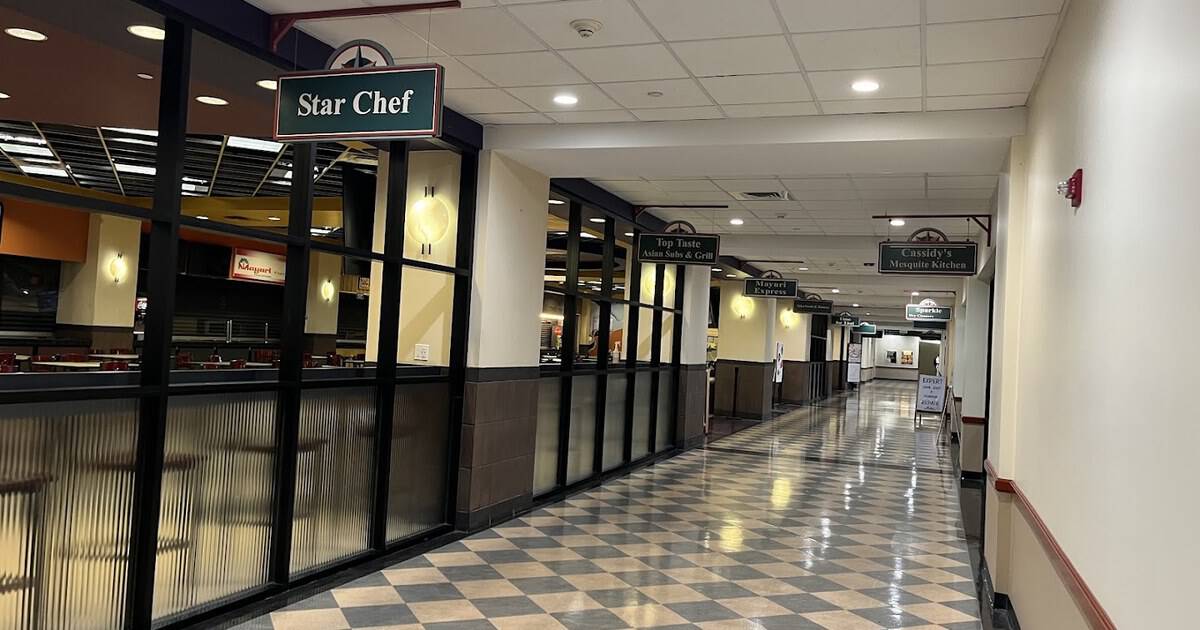
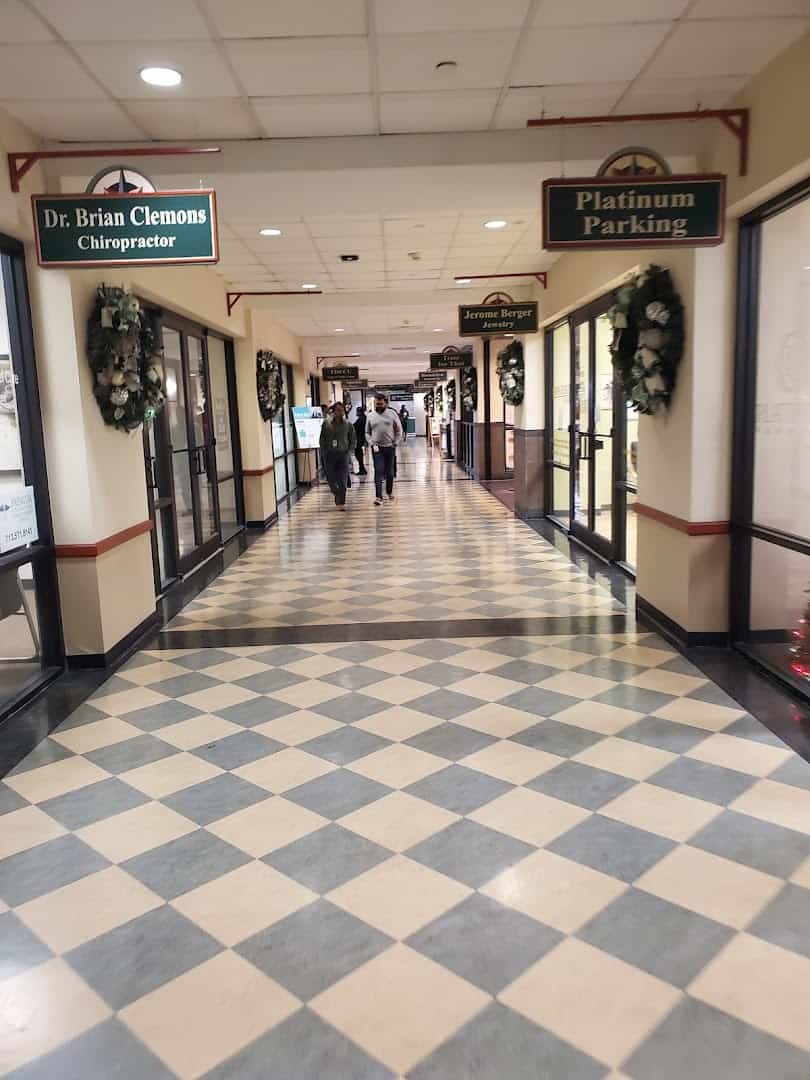
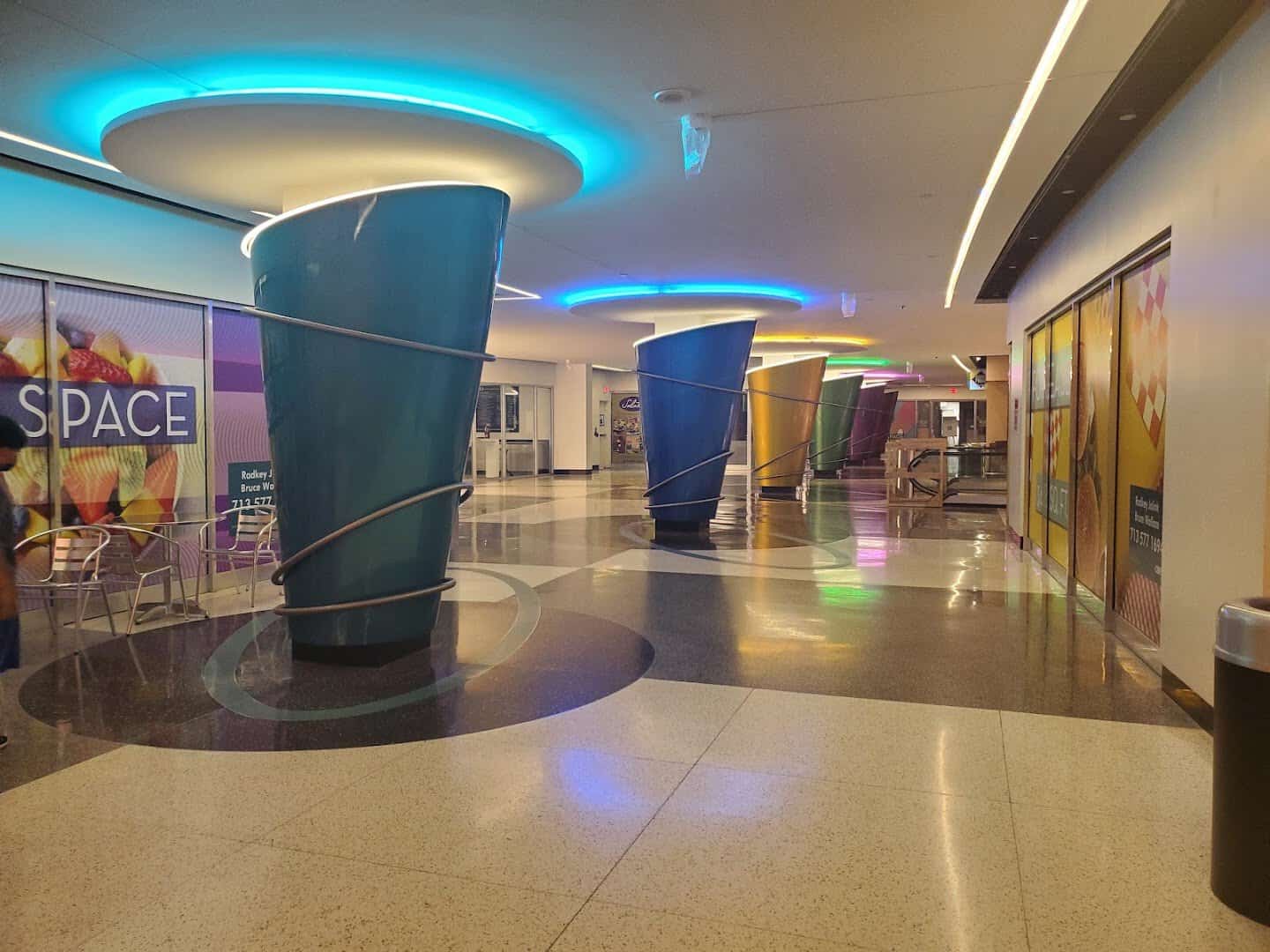
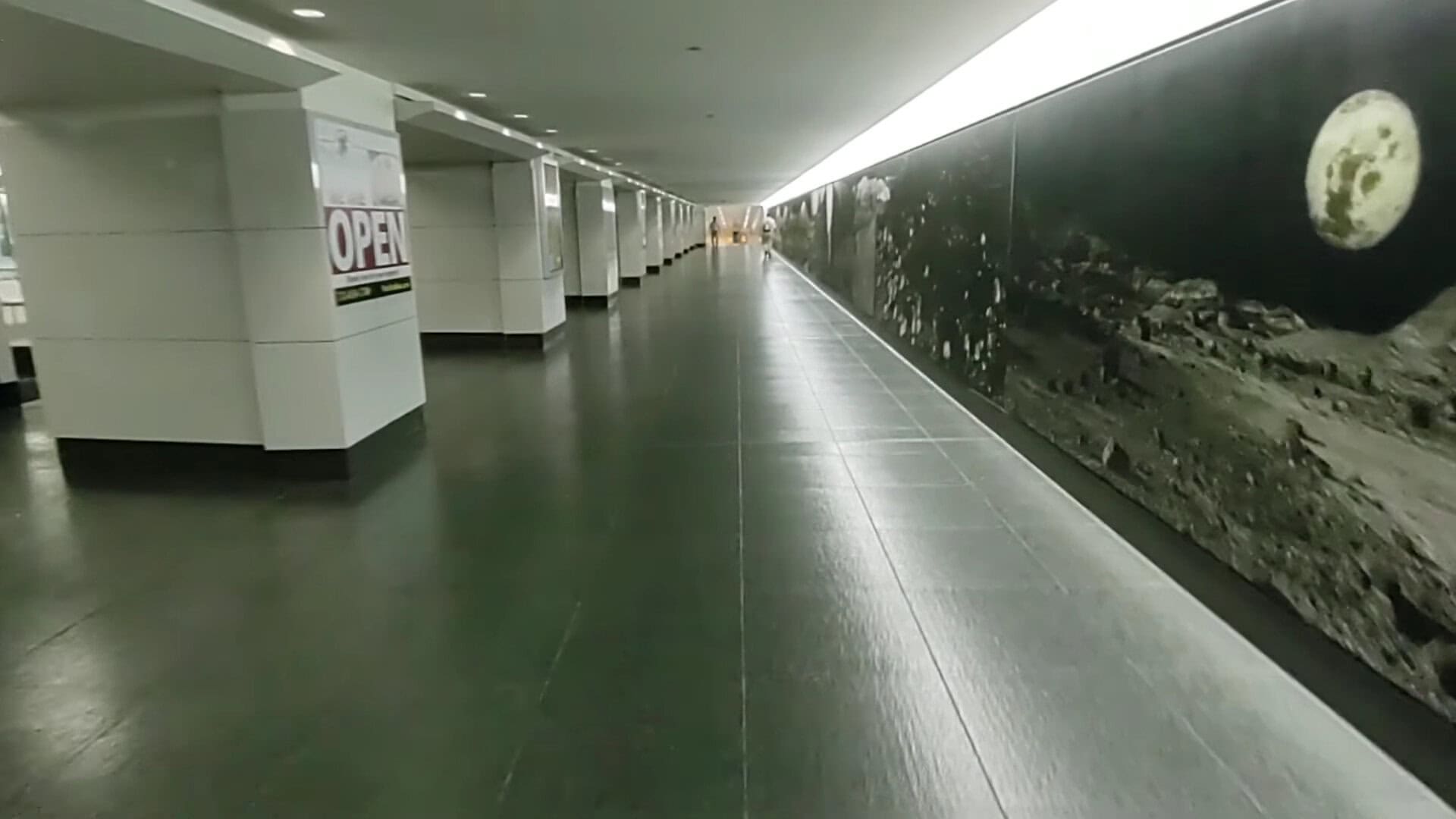
You come out into a corridor of bright overhead light and clean, polished floors. It does not look like a dank basement or a subway. It reads more like a bright airport concourse that goes on and on, one storefront after another.
The tunnels sit about twenty feet under the street and link roughly 80 buildings into one connected warren. On a map it looks like a plate of spaghetti. On foot it feels like a secret that thousands of office workers already share.
The network does not stay strictly underground either. In places it surfaces into above-ground skywalks that bridge the streets, so a single walk can dip below the pavement, pop up over traffic, and drop down again.
It ties together office towers, hotels, banks, government buildings, and the edge of the Houston Theater District. You can cross a huge chunk of downtown and barely touch a crosswalk.
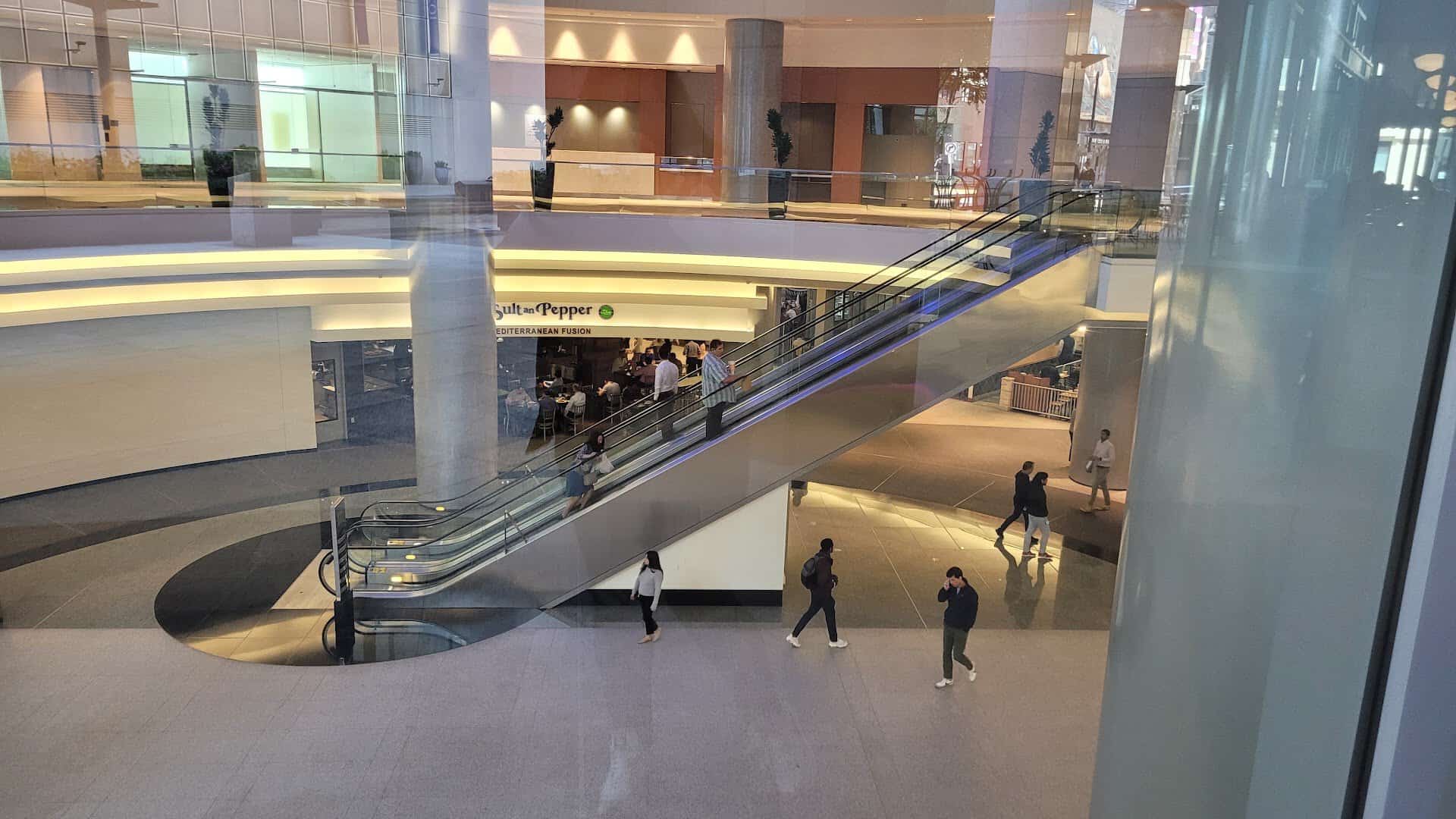
The scale is genuinely rare. Plenty of northern cities built underground concourses to dodge the snow, but a sprawling one built to dodge the heat is a very Texan twist, and this is often described as one of the largest of its kind in the country.
Time it for the middle of a weekday and you will feel the whole thing come alive. Between about 11 in the morning and 1 in the afternoon, the corridors fill with suits and lanyards hunting tacos, sushi, or a quick salad.
Come at 4:30 and the same halls are hushed, with half the gates already rolling down. This is an office crowd’s world, and it keeps office hours.
What You Will Actually Find Down There
Think of it as a shopping mall that decided to go horizontal and hide. The food alone runs the full Houston range.
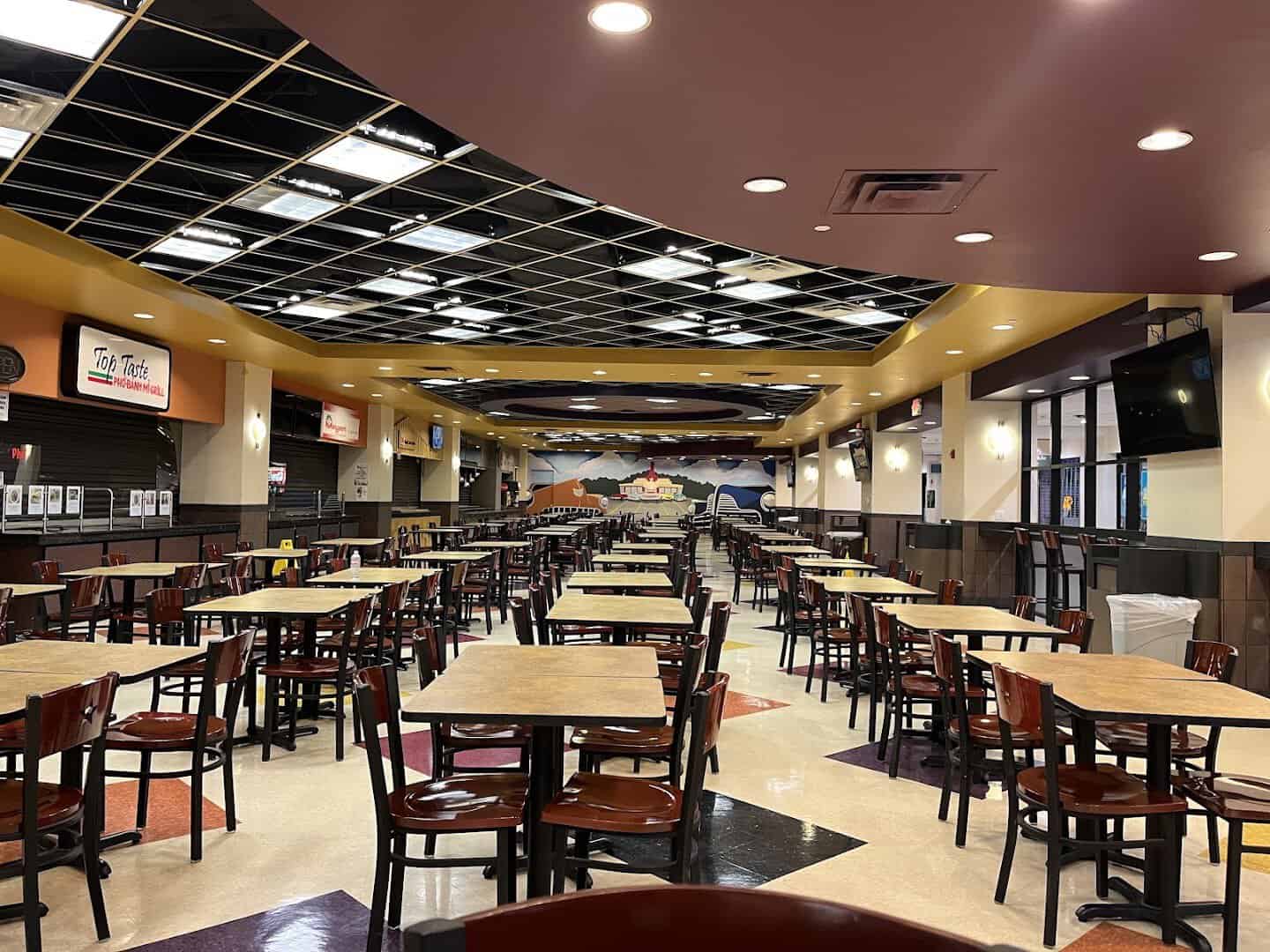
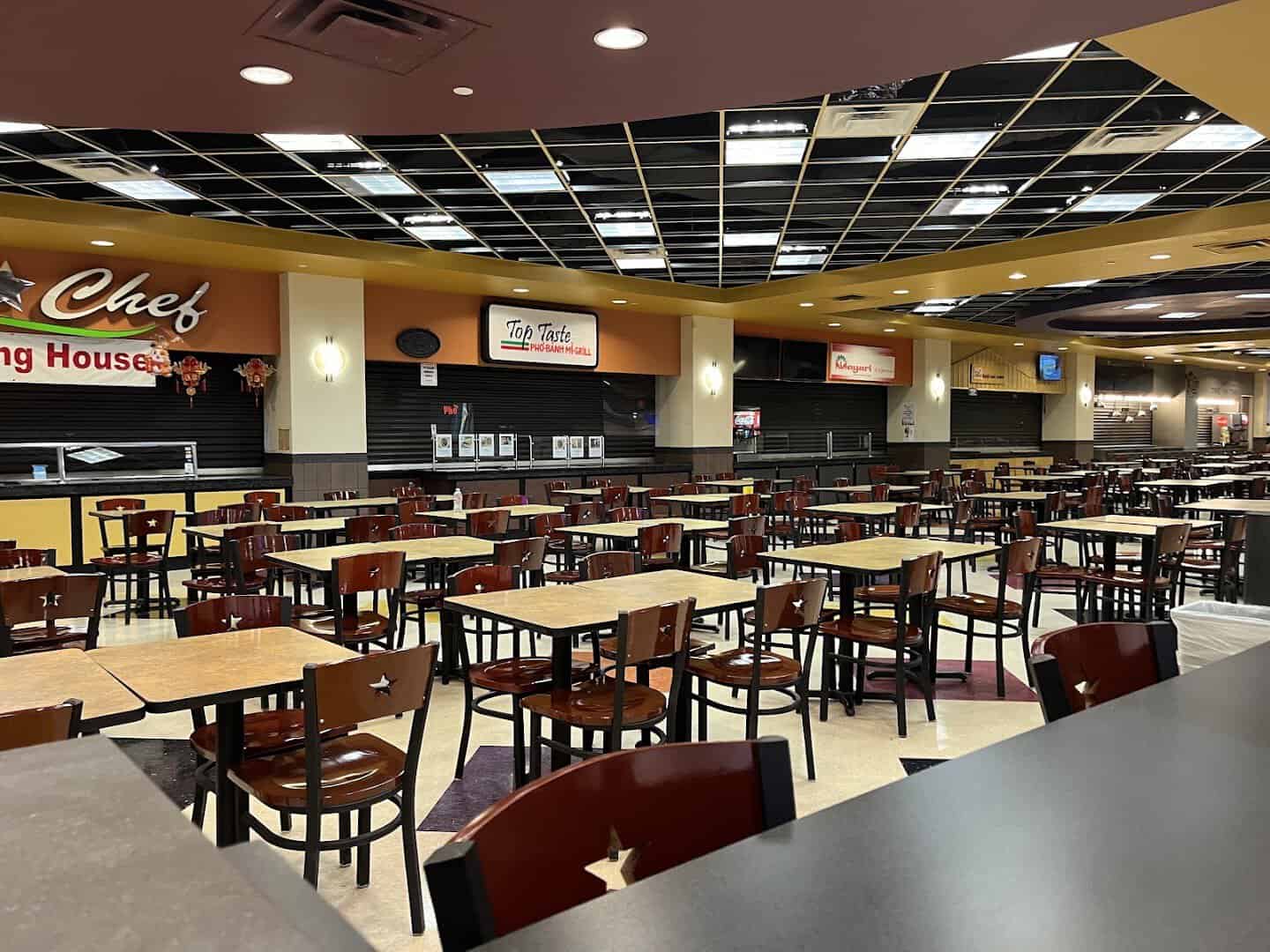
There are sandwich counters, noodle bowls, Thai plates, tacos, sushi spots, and old-school lunch cafes that have fed the same regulars for years. You will not go hungry in any direction you turn.
It is not only food. The tunnels hold flower shops, newsstands, gift shops, pharmacies, dry cleaners, copy centers, and hair salons.
You could get a trim, mail a package, grab a bouquet, and eat a proper lunch without ever seeing the sky. On a brutal August afternoon, that is not a gimmick. It is the smart move.
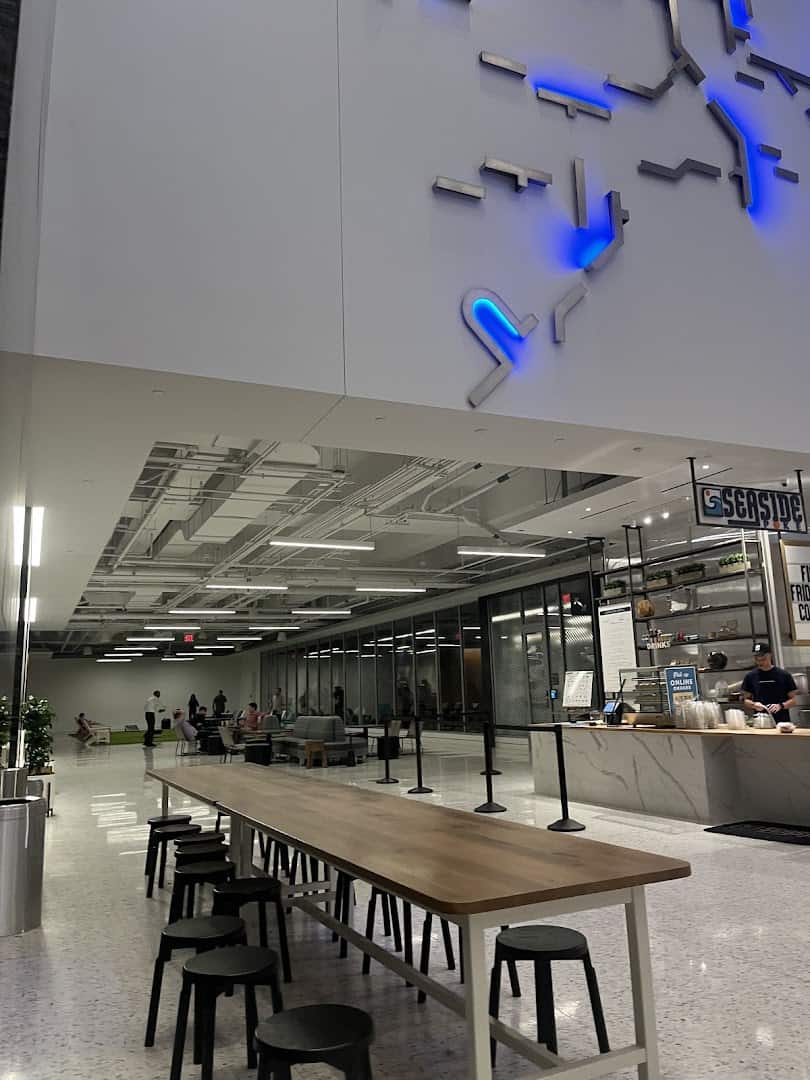
Some corners feel almost like a small-town main street that happens to have a ceiling. Regulars know which counter does the best breakfast taco and which cafe the line is worth.
There is a whole unwritten etiquette down here too. The lunch rush moves fast and purposeful, everyone on the clock, so you learn to read the flow and drift with it rather than stopping dead to gawk at a map.
Wander outside those peak hours and it flips. The corridors go calm and roomy, and you can actually browse a shop window or study the layout without a river of office workers streaming past your elbows.
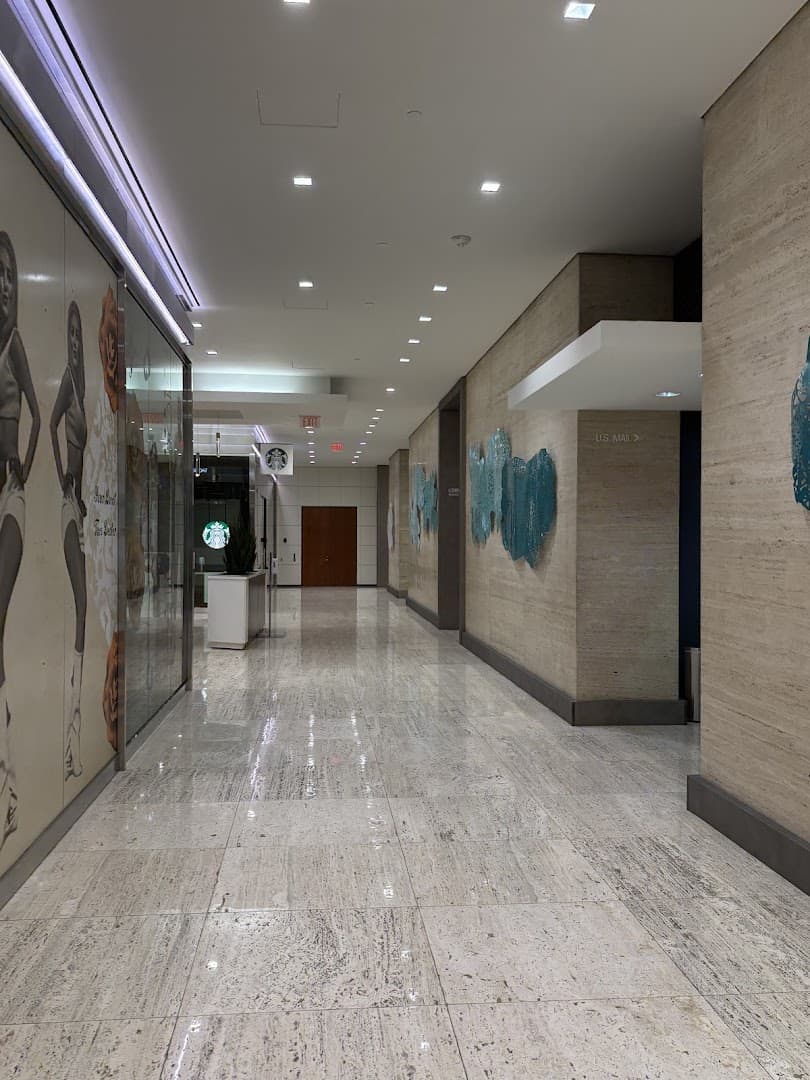
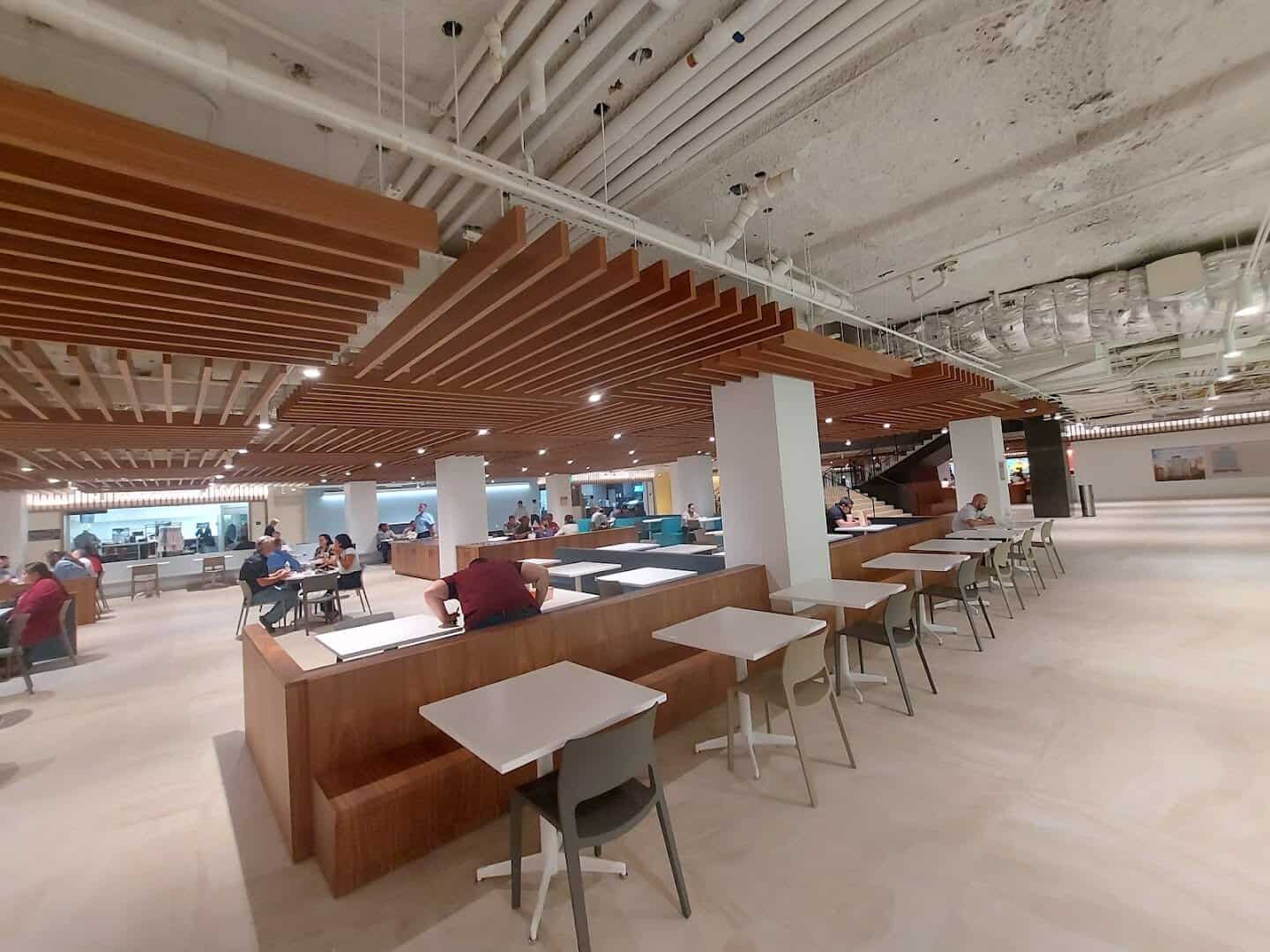
Because each building owner runs their own stretch, the look changes as you walk. One section gleams with marble and corporate polish. Turn a corner and you are in a humbler food court with fluorescent light and plastic trays.
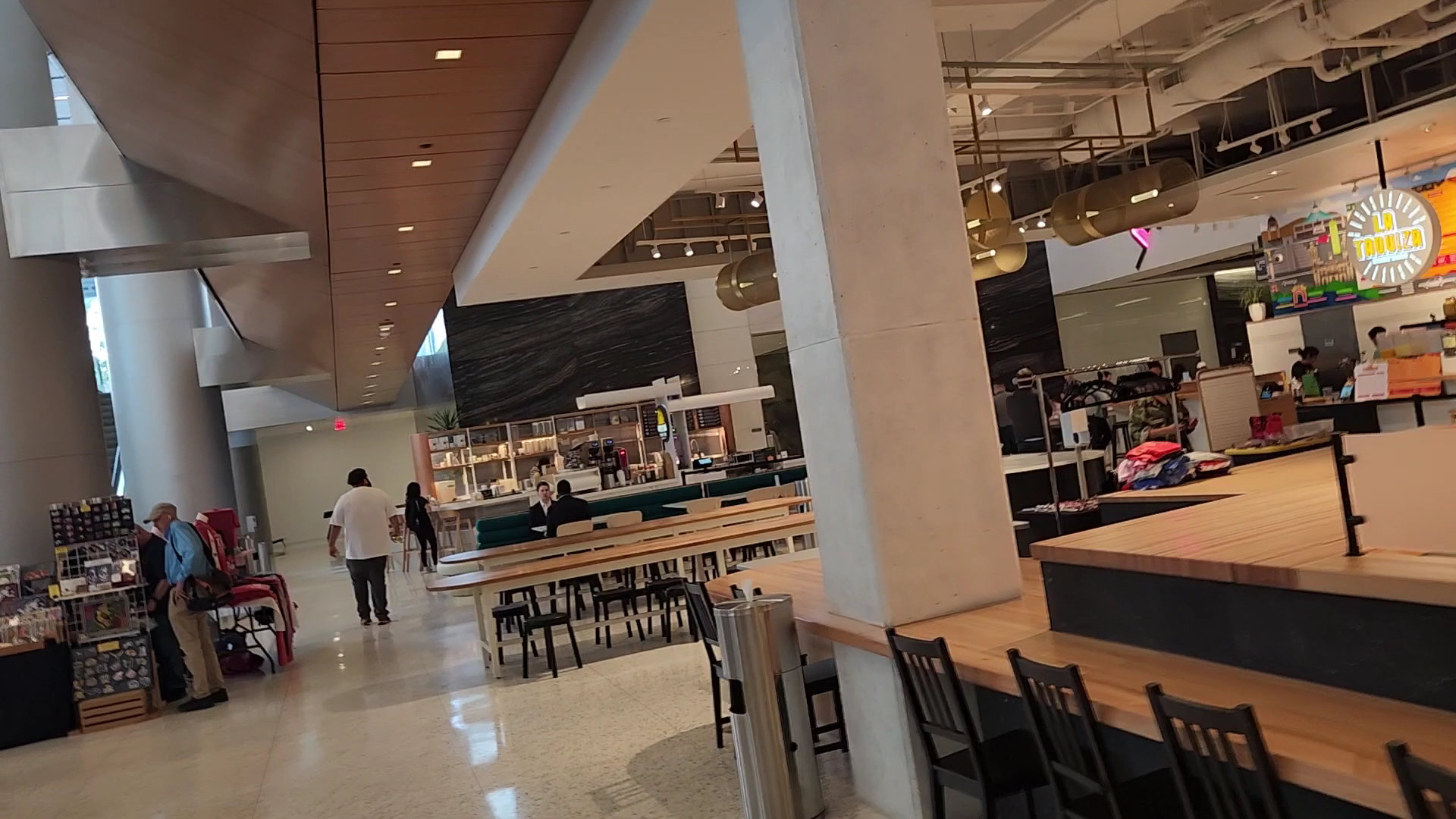
That patchwork is half the charm. You never quite know what the next block holds.
Pro tip: the tunnels are not marked with big neon signs from the street, so first-timers get turned around fast. Grab a tunnel map before you go and pick a landmark tower as your anchor point.
How a Governor and a Showman Dug In
The story starts in the 1930s, and it starts with heat and money.
Ross Sterling, a former Texas governor and oil man, wanted to move between two of his downtown buildings without stepping into the swamp-thick Houston air. His son-in-law, the architect Wyatt C. Hedrick, connected them below ground.
Sterling had reportedly seen the underground passages at New York’s Rockefeller Center and wanted his own version at home.
The idea really caught fire thanks to a showman. Will Horwitz owned a handful of downtown movie theaters and wanted to keep his audiences cool.
His first house was the old Travis Theater, which he bought back in 1919 for a reported 150 dollars and renamed the Iris, after his daughter Ruth Iris.
Horwitz kept building. He opened the Texan in 1925 and later broke ground on the Uptown Theater, tying his properties together underground in what he called the Uptown Theater Project.
Down there he did not just run passages. He ran restaurants, shops, a penny arcade, and even a German wine tavern.
He was also, by all accounts, a big-hearted man. Starting in the 1920s he threw an annual Christmas party for Houston’s poorest children, dressing up as Santa Claus to hand out the gifts himself.
When the Great Depression hit, he opened free soup kitchens he called grubstake restaurants and ran a no-charge employment office for people out of work.
The story goes that at his final Christmas party, Horwitz told the crowd, “The show must go on.” He died of a heart attack that same day, Christmas of 1941.
The underground habit he helped popularize outlived him and kept spreading, building by building. Did you know the network never had a single master planner?
It grew like a coral reef, one owner at a time deciding to link up to the tunnel next door. That is why it wanders and doubles back instead of running in tidy straight lines.
The big leap came in the 1970s. The legendary developer Gerald D. Hines poured a new generation of towers into downtown, adding some 27 major buildings and wiring many of them straight into the growing system.
What began as one governor’s private shortcut had quietly become a genuine underground district.
The Woman Who Knows Every Turn
If the tunnels have a patron saint, it is Sandra Lord. A Pittsburgh transplant, she began leading walking tours of downtown Houston in the early 1990s.
Her groups kept ducking underground to escape the rain and the heat, and the nickname wrote itself: the Tunnel Lady.
Through her company, Discover Houston Tours, she has spent decades guiding people through the miles below the street. She points out the odd corners, the old bones, and the shops that regulars swear by.
For a place with no signs and no single map at street level, having someone who knows every turn is a small miracle.
Her tours are the easiest way to understand how the pieces fit, especially your first time down. Even lifelong Houstonians walk out having learned something about the ground under their own offices.
That is the thing about this place. You can work in a tower above it for years and never think to press the lobby button for the tunnel level, so a good guide is really handing you a door you did not know was there.
The Flood That Almost Sank It
An underground world in a flood-prone city carries an obvious risk, and in June of 2001 that risk arrived.
Tropical Storm Allison dumped staggering amounts of rain on Houston, and water poured down into the tunnels and the basements they connect. The damage was severe.
The system recovered, and the experience changed how downtown protects itself. Many buildings installed floodgates and heavy submarine-style doors at their tunnel entrances.
They are designed to seal the passages off when the bayous rise. It is a quiet piece of engineering most lunch-goers never notice above the smell of fresh coffee.
That mix is the tunnels in a nutshell. Part shopping concourse, part living history, and part serious flood-country infrastructure, all of it tucked out of sight while the city rushes along overhead.
How to Visit Without Getting Lost
Here is the part that trips people up: the tunnels are private property, built for the office crowd, so they keep office hours.
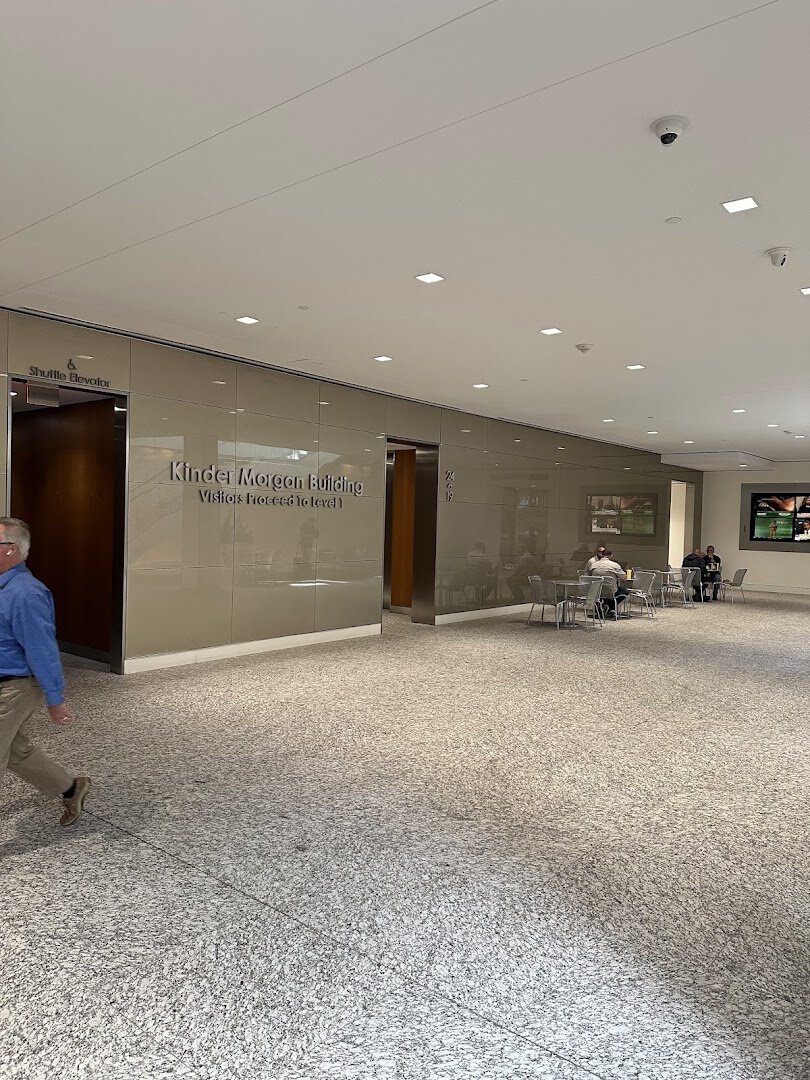
Plan on weekday business hours, roughly 6 in the morning to 6 in the evening, and expect most of it to be shut tight on weekends and holidays.
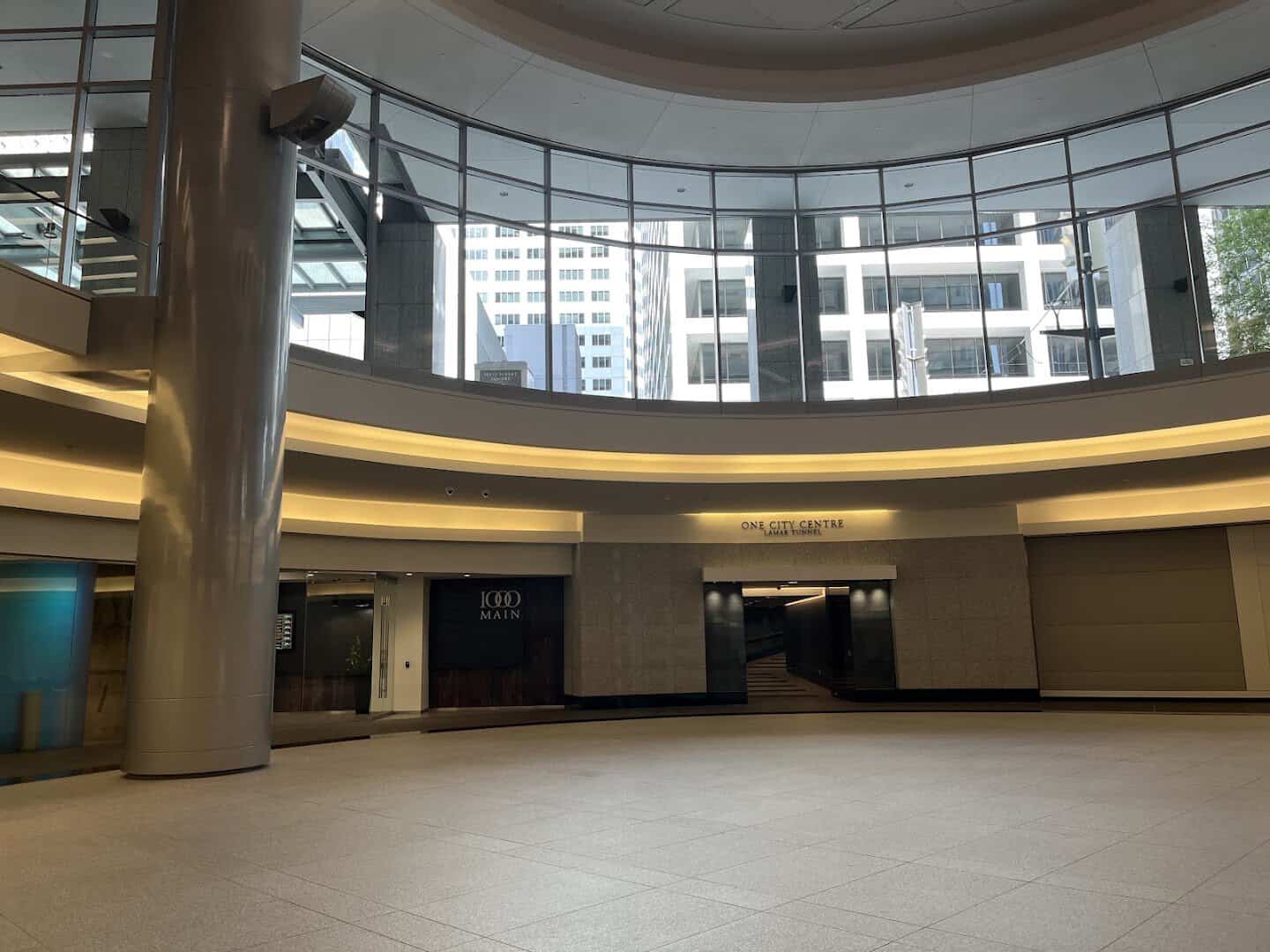
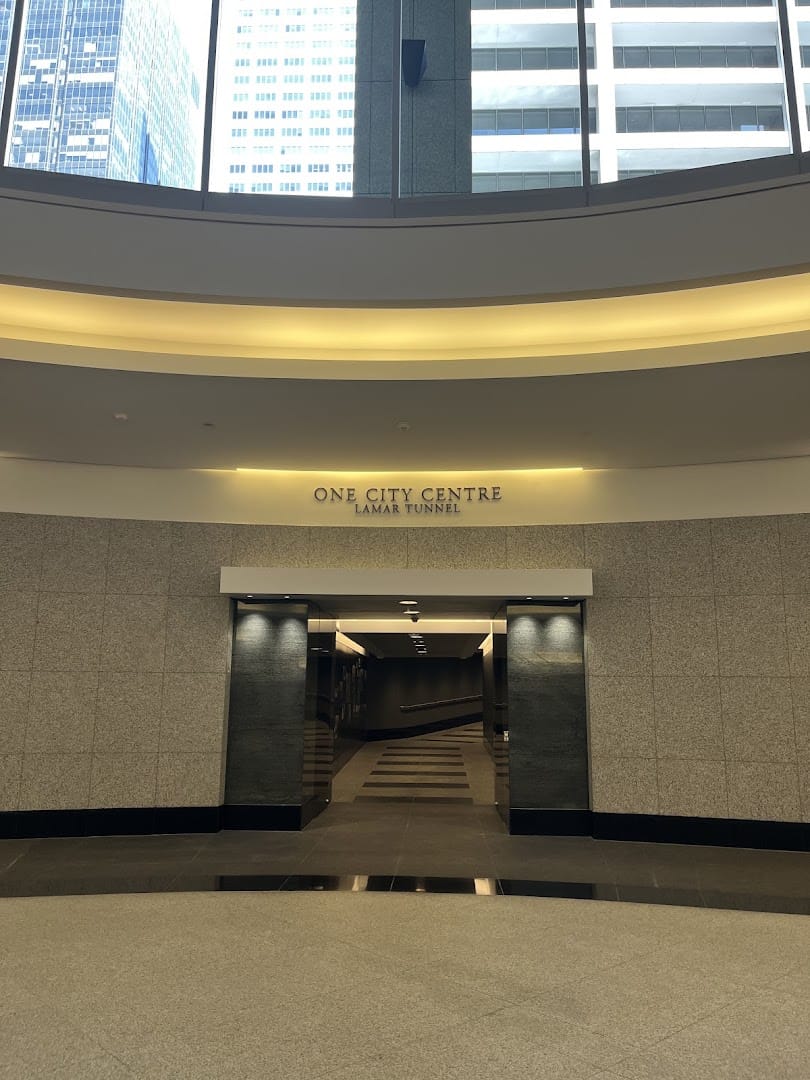
Access is mostly through the lobbies of the connected buildings, by escalator or stairs down to the tunnel level. There are only a couple of true street-level entrances.
Most first-timers walk into a tower lobby and simply head down from there. Once you are in, follow the flow of the lunch crowd and you will not stay lost for long.
One honest heads-up on access: the system leans heavily on stairs and escalators, and a few stretches are tricky for wheelchairs. If that matters for your group, a guided tour or a call ahead can save you some backtracking.
How to Get There
Where: One of the easiest street-level entrances is at Wells Fargo Plaza, 1000 Louisiana Street, Houston, TX 77002. From there you can drop to the tunnel level and connect to the wider network.
For maps and current details, the Downtown Houston management office sits at 909 Fannin Street. Houston is on the Gulf Coast, and downtown is easy to reach off Interstate 45 and Interstate 10, with plenty of public parking garages nearby.
Aim for a weekday around late morning so the shops are open and the corridors are buzzing rather than shuttered.
Plan Your Trip Down Under
The next time a Texas summer has you melting on a downtown sidewalk, remember there is a whole cool, bustling town humming twenty feet below your shoes.
Grab a map, pick a tower, ride the escalator down, and go get lost in the friendliest way. Just try to surface before the gates roll down at five.
Featured image: Holly Williams via Downtown Houston Tunnels

Stella Raines
Editor-in-Chief
Stella brings over a decade of storytelling experience to TX Headlines. With roots in West Texas and a love for road trips, she leads the editorial team with an eye for the hidden stories that make Texas unforgettable.
More Stories
This Cozy Texas Bookshop Has the Kind of Interior That Makes You Want to Stay All Afternoon

This Colorful Texas Fabric Shop Sits Inside a 150-Year-Old Building, and Quilters Drive Hours to Reach It

This Hidden Texas Crystal Shop Is a Sparkling Haven Where the Owner Knows Every Stone by Heart
This Wild Texas Beach Has 58 Miles of Sand and Locals Love How Empty It Stays
Tags