14 Bucket List Trips That Prove You Don’t Need a Passport
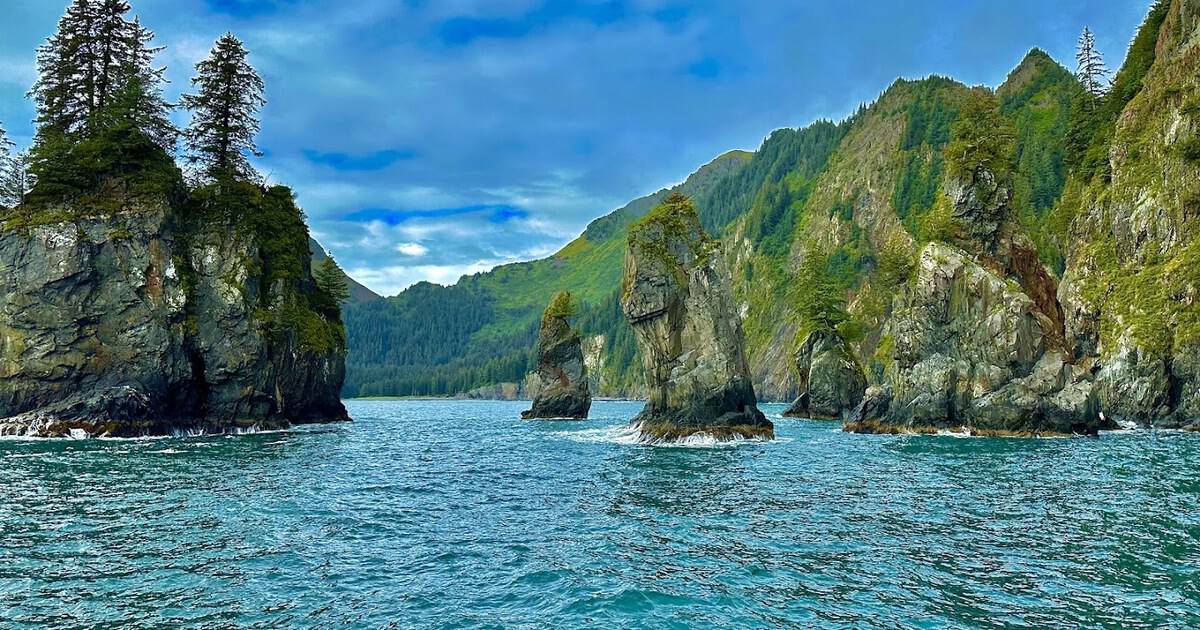
I keep a running list on my phone of trips I swear I will take someday, and for years half of them lived on other continents. Then I actually added up what sits inside our own borders, and my whole list got a serious rethink.
What I found felt like wide-open wonder. America hides slot canyons, glacier fjords, and dune fields that go toe to toe with anything overseas. Below are fourteen bucket-list trips that prove your next great adventure needs a full tank of gas, not a customs line.
1. Antelope Canyon, Arizona
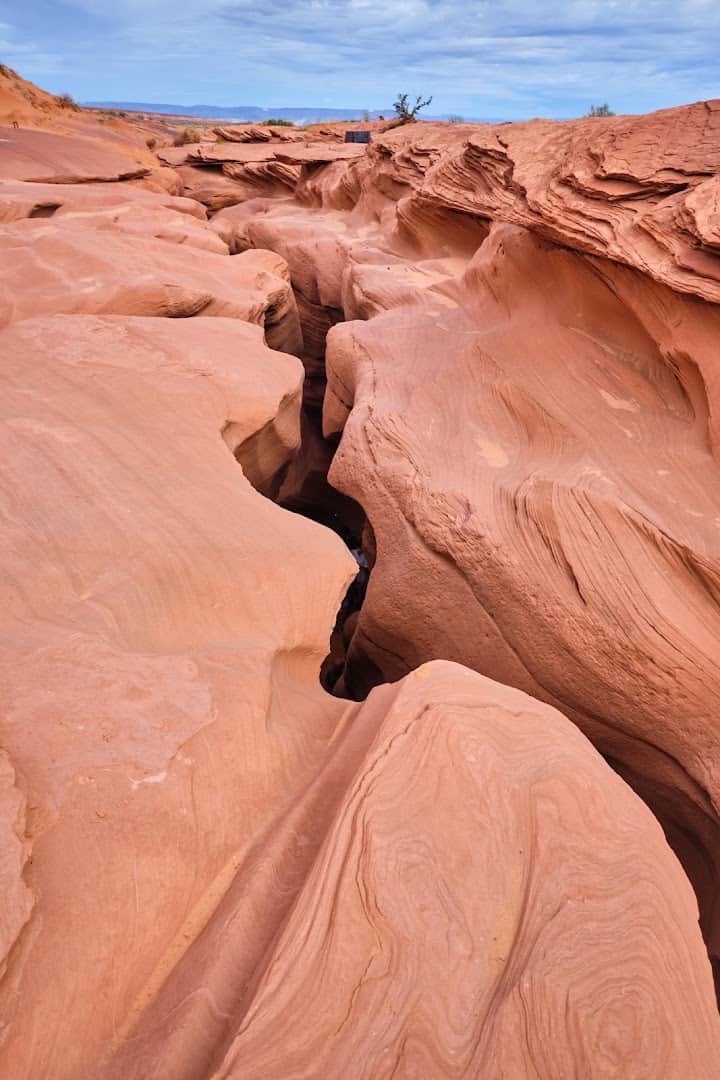
Light does strange and beautiful things inside Antelope Canyon. Around midday, sun drops through the narrow slots overhead and sets the sandstone glowing in ribbons of orange, purple, and gold that seem to shift as you move.
The canyon sits on Navajo Nation land, so you enter only with a Navajo guide, and honestly that is part of the magic. Your guide reads the light, frames your best photos, and shares the stories these walls have held for generations.
Those smooth, wavy walls were carved by flash floods tearing through the slot. Book a midday tour if you want to catch the famous light beams pouring down like spotlights, and wear closed shoes for the fine sand.
Where: Just east of Page, Arizona, off Highway 98. Reserve a Navajo-led tour of Upper or Lower Antelope Canyon well in advance, since slots sell out fast.
2. Road to Hana, Hawaii
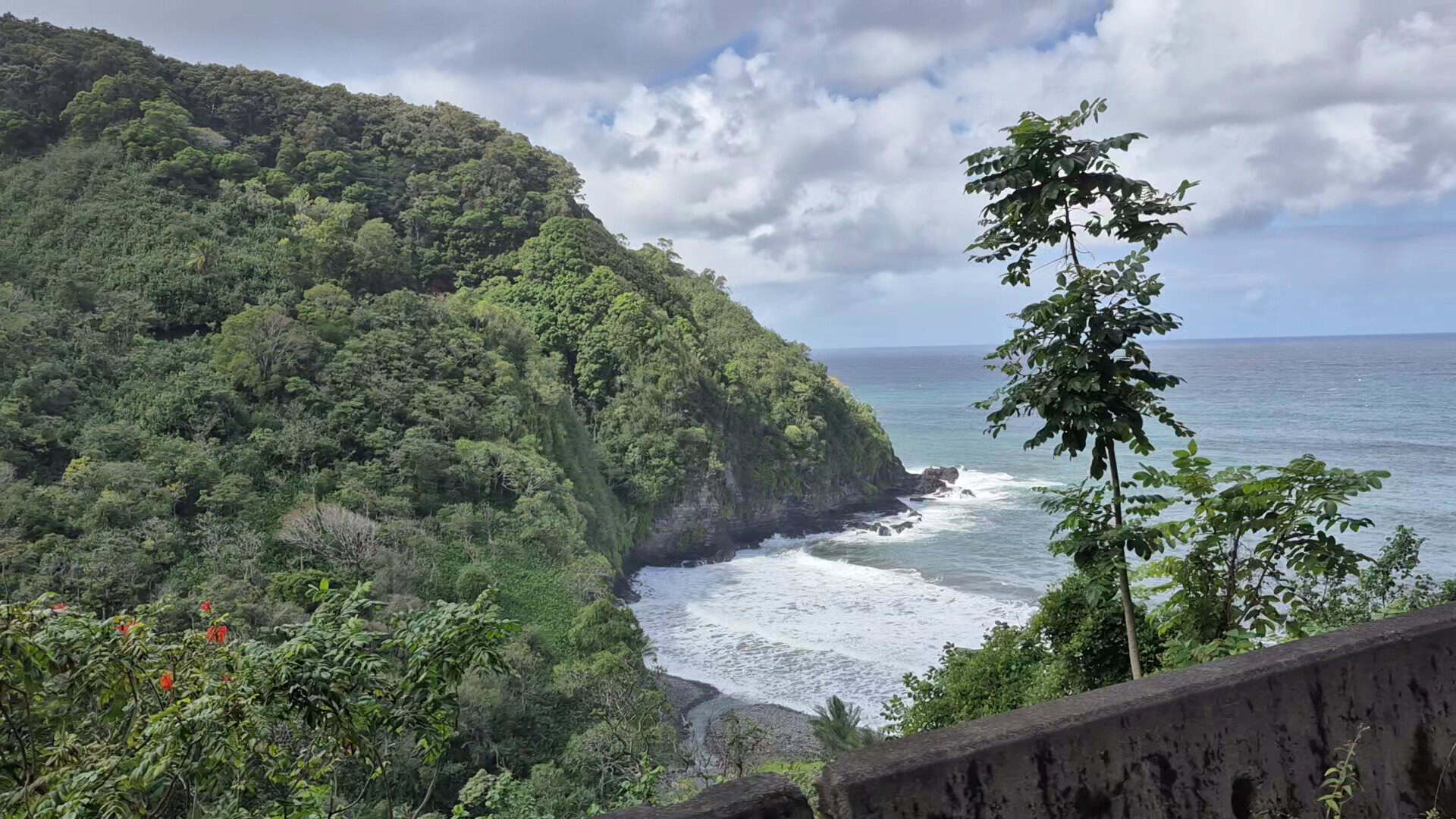
Some drives are the destination. The Road to Hana on Maui bends through 600 curves and over 50 one-lane bridges, past waterfalls, black-sand beaches, and jungle so green it almost hums. Go slow and let the whole day be the point.
Start early, keep the tank full, and pull over often. Every bend seems to open onto another ribbon of water or a stand of rainbow eucalyptus with bark striped like paint. The reward is the pace, not the finish line.
Where: The Hana Highway runs 64 miles east from Kahului on Maui to the town of Hana. Give it a full day, and consider these stops:
- Twin Falls, mile marker 2, an easy first waterfall walk with fruit stands out front
- Wailua Valley State Wayside, mile marker 18, a lookout over the taro fields and coast
- Wai’anapanapa State Park, near Hana, the famous black-sand beach and sea caves, reservation required
- Waimoku Falls, in Haleakala’s Kipahulu district, a 400-foot fall at the end of the Pipiwai bamboo trail
3. Charleston, South Carolina
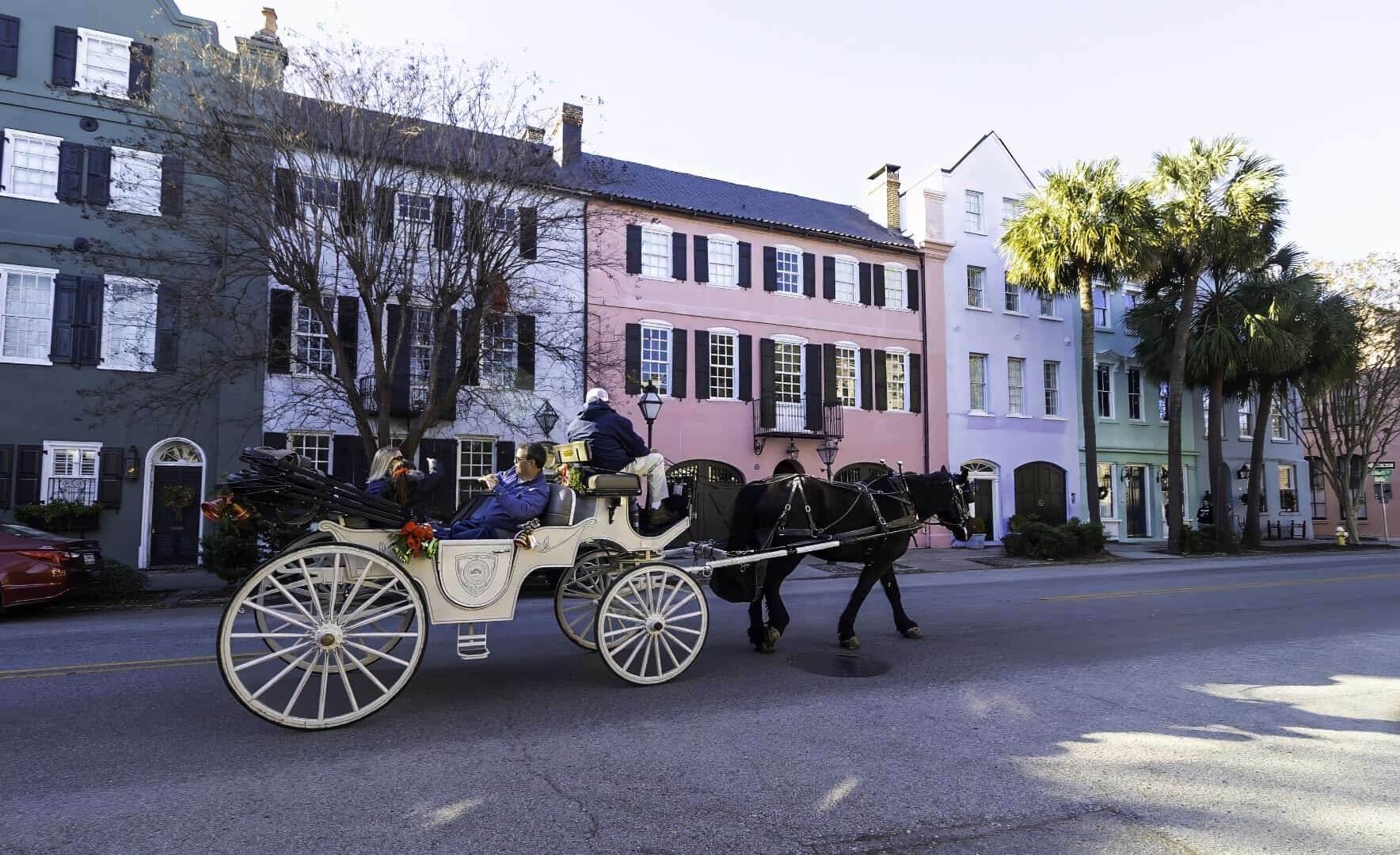
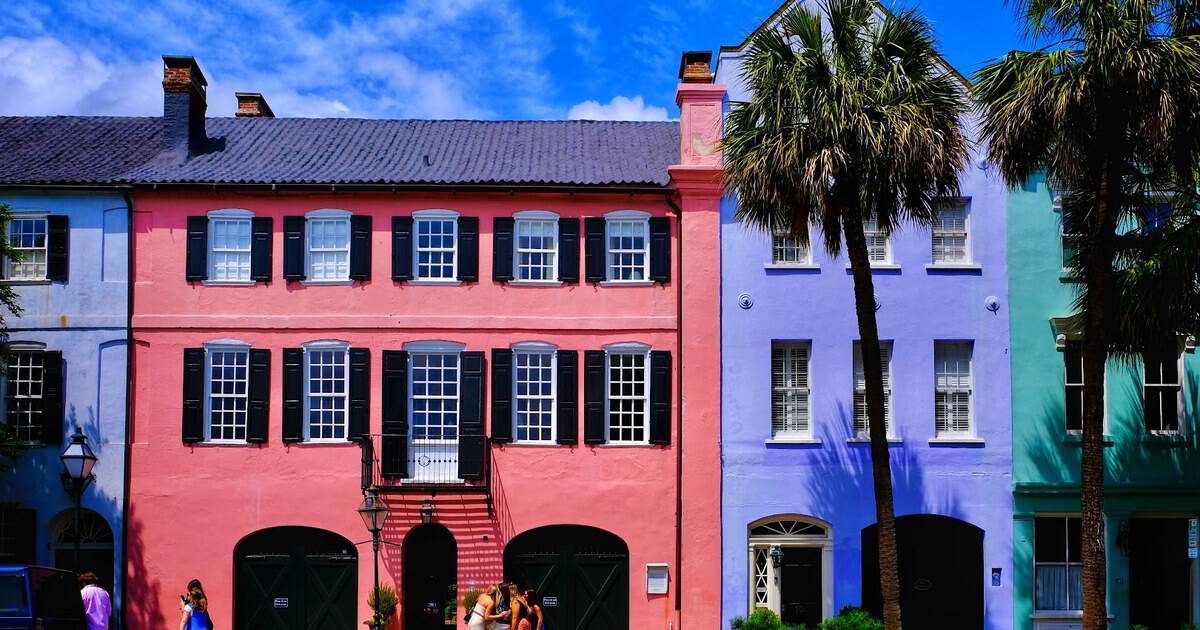
Charleston wears its history lightly and beautifully. Pastel single houses lean into cobblestone lanes, church steeples pin the skyline, and the harbor breeze carries the smell of salt and blooming jasmine down every block.
Walk it slowly. The peninsula rewards wanderers with hidden gardens behind iron gates, a candy-colored row of merchant homes, and porches built sideways to catch the sea air. Then sit down to some of the finest Lowcountry cooking in the South.
Where: On South Carolina’s coast, about 20 minutes from Charleston International Airport. Park once and explore the historic peninsula on foot:
- Rainbow Row, 79 to 107 East Bay Street, the pastel line of 1700s Georgian merchant houses
- The Battery and White Point Garden, a waterfront promenade of oaks and antebellum mansions
- St. Michael’s Church, 71 Broad Street, the oldest church in the city, from 1751
- Charleston City Market, 188 Meeting Street, sweetgrass basket weavers under the long open sheds
4. Kenai Fjords, Alaska
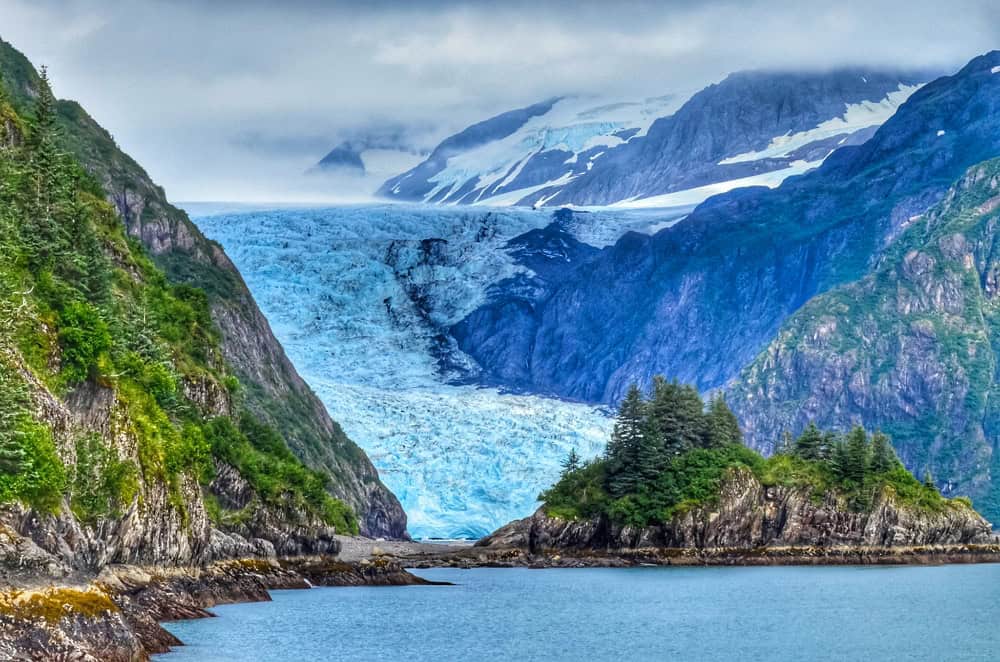
The best way to meet a glacier is from the water. A day cruise out of Seward slips into Kenai Fjords, where tidewater glaciers calve straight into the sea with a crack that echoes off the cliffs.
You share the fjord with the wildlife. Sea otters float on their backs, humpbacks roll and spout, puffins buzz the swells, and sea lions pile onto the rocks. Bring a warm layer and a camera you can hold steady on deck.
On land, you can walk a short trail right up toward Exit Glacier and see how far the ice has pulled back over the years. It is a rare chance to stand beside something so vast and alive.
Where: Out of Seward, Alaska, a 2.5-hour drive south of Anchorage on the Seward Highway. Book a half-day or full-day glacier and wildlife cruise from the small-boat harbor.
5. Palo Duro Canyon, Texas
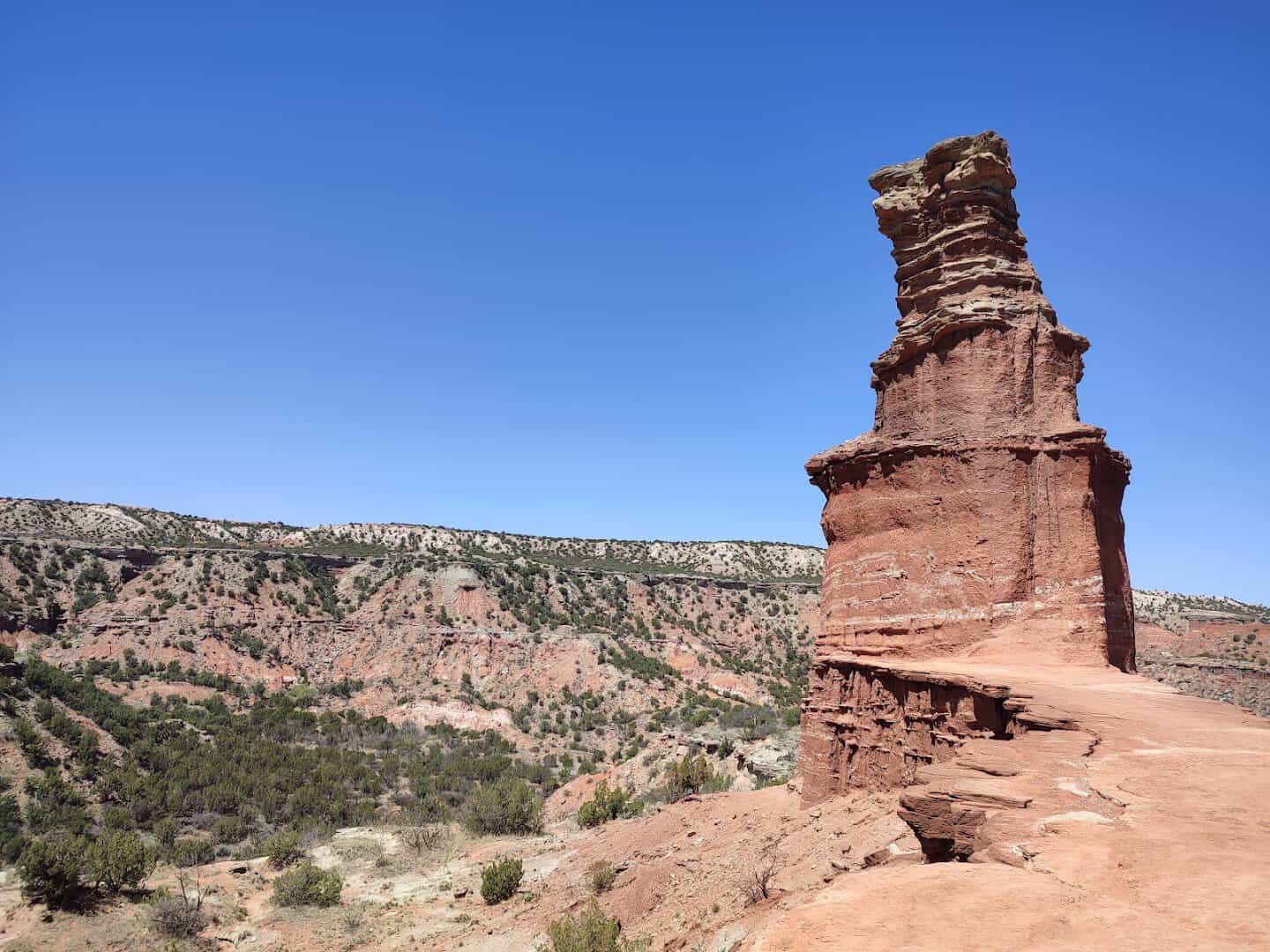
Everyone pictures Texas as flat until they stand on the rim of Palo Duro. It is the second-largest canyon in the country, a red and orange gash roughly 120 miles long that the Prairie Dog Town Fork of the Red River carved over the ages.
Hike down to the Lighthouse, a slender rock spire that has become the canyon’s signature and one of the great payoffs on any Texas trail. The layered cliffs shift color as the sun moves, so no two hours look the same.
On summer nights the park stages the outdoor musical Texas right on the canyon floor, with the cliffs as a backdrop. Drive the scenic road most of the way in, then pick a trail to suit your legs.
Where: 11450 Park Road 5, Canyon, Texas, just south of Amarillo in the Panhandle. Cabins on the rim book out months ahead, so plan early.
6. Garden District, Louisiana
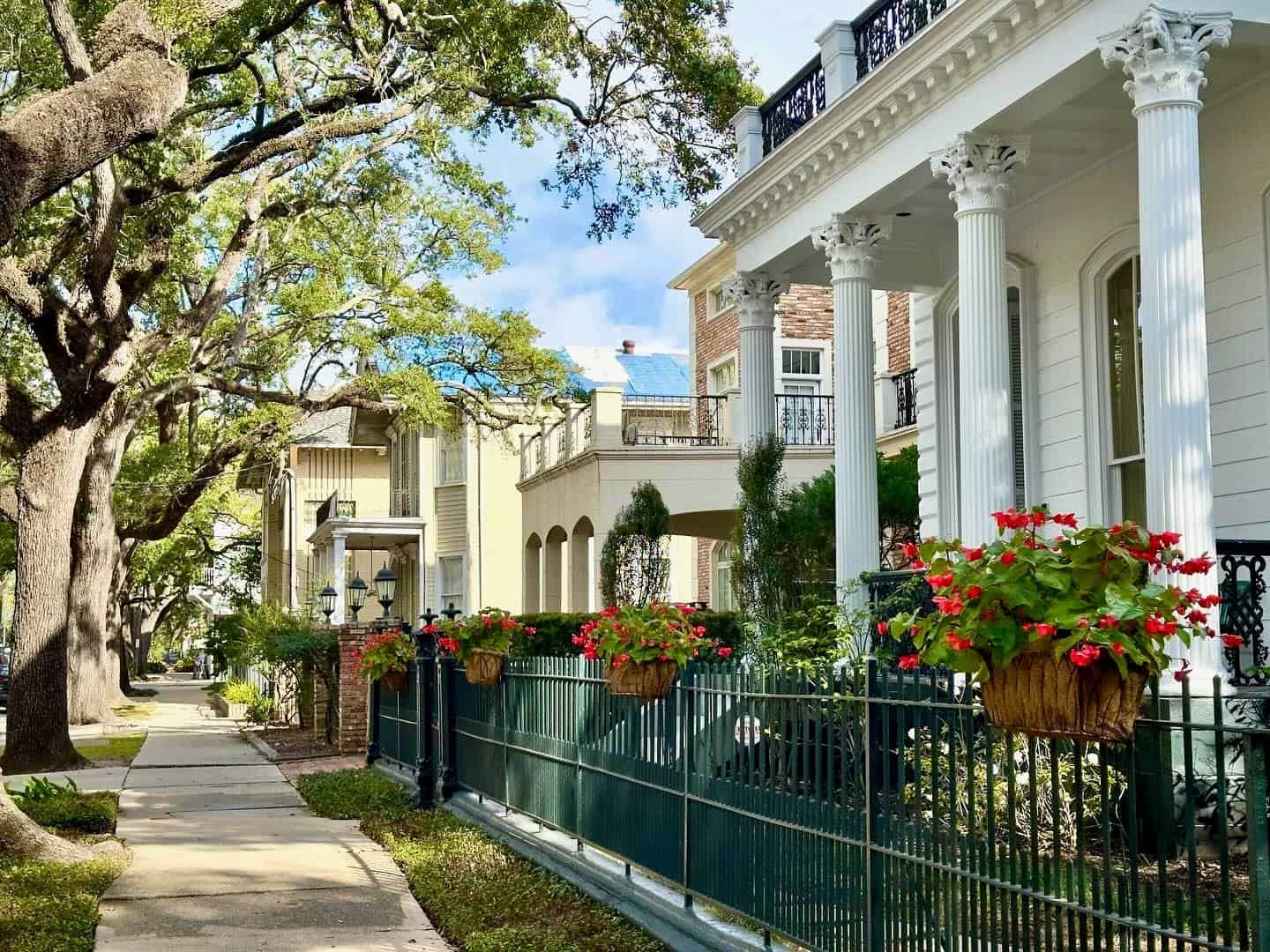
New Orleans has more than one personality, and the Garden District is its most graceful. A green streetcar rattles up St. Charles Avenue past oak canopies and iron fences, and behind them stand some of the grandest homes in the South.
This is a neighborhood built to be strolled. Antebellum and Victorian mansions sit shoulder to shoulder, magnolias perfume the air, and the whole quarter feels a world away from the noise of the French Quarter across town.
Where: Uptown New Orleans, a 15-minute streetcar ride from the French Quarter along the St. Charles line. Get off around Washington Avenue and wander:
- Lafayette Cemetery No. 1, 1400 Washington Avenue, the historic above-ground tombs
- The corner of Prytania and First streets, a block of storybook antebellum mansions
- Commander’s Palace, 1403 Washington Avenue, the turquoise 1893 landmark restaurant
- Colonel Short’s Villa, 1448 Fourth Street, famous for its cast-iron cornstalk fence
7. White Sands, New Mexico
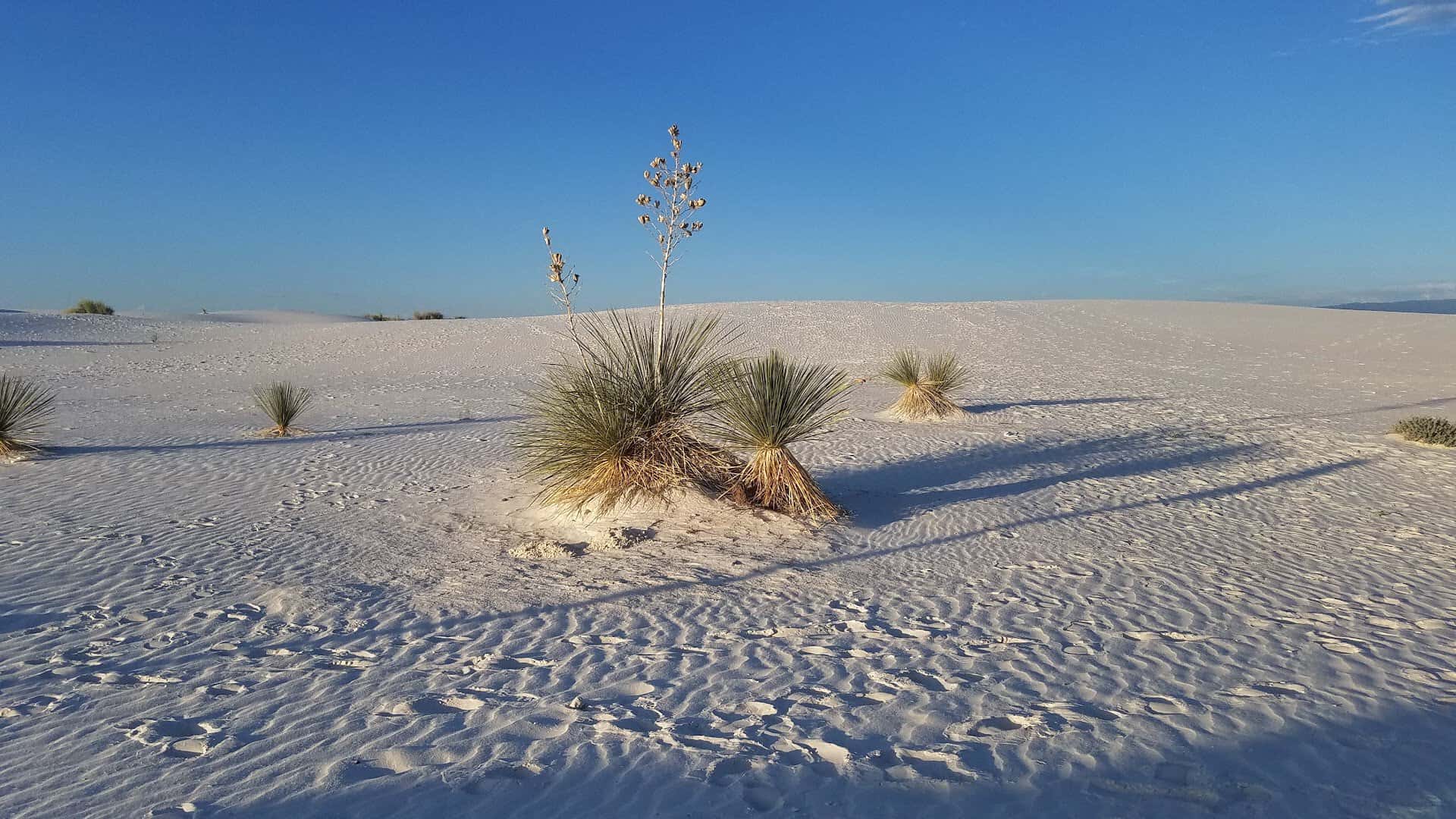
Picture 275 square miles of sand so white it looks like fresh snow, then picture sledding down it under a warm desert sun. That is White Sands, the largest gypsum dune field on the entire planet.
Sunset is the hour you want to be standing in it. The dunes glow pink and gold, the sky goes electric, and the cool sand squeaks softly under your feet. Rent a plastic saucer at the shop, wax the bottom, and fly.
Stay for the stars, too. With almost no city light for miles, the sky over the dunes fills up fast after dark, and rangers run night programs when the moon is new.
Where: 19955 US-70, between Las Cruces and Alamogordo, New Mexico. Check the schedule, since the park closes briefly during nearby missile-range tests.
8. Mackinac Island, Michigan
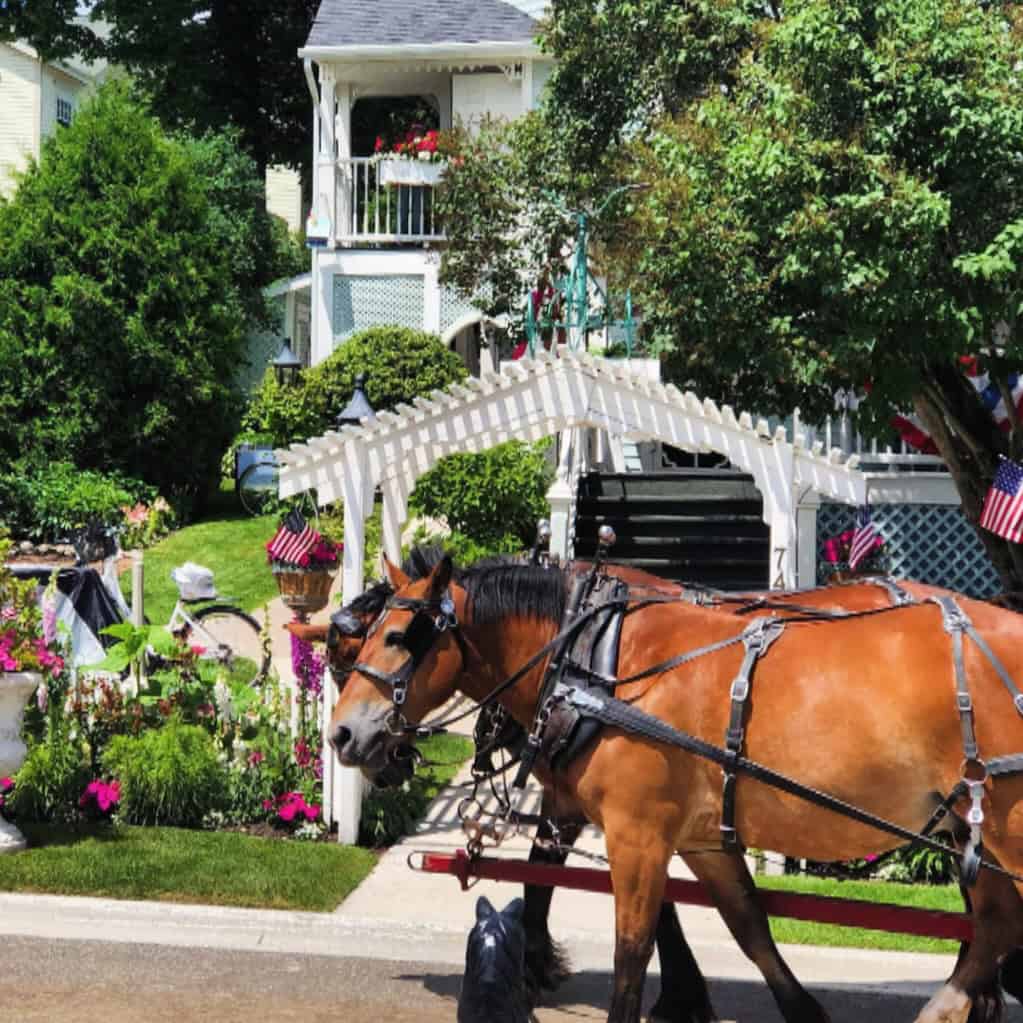
Mackinac Island runs on a rule that changes everything: no cars allowed, and none have been since 1898. You get around by bicycle, on foot, or behind a horse, and the whole island slows to match.
The smell of fudge drifts down a main street lined with Victorian storefronts, a grand white-columned hotel presides over the bluff, and an eight-mile shoreline road circles the entire island with the lake on one side the whole way.
Where: In the Straits of Mackinac between Michigan’s two peninsulas, reached by ferry from Mackinaw City or St. Ignace. Once ashore, make time for:
- Main Street, historic fudge shops and Victorian storefronts by the harbor
- The Grand Hotel, 286 Grand Avenue, its 660-foot porch is said to be the world’s longest
- Arch Rock, on the island’s east side, a natural limestone arch above the water
- M-185, the shore road, the only U.S. state highway with no motor vehicles, an 8-mile loop
9. Nashville’s Broadway, Tennessee
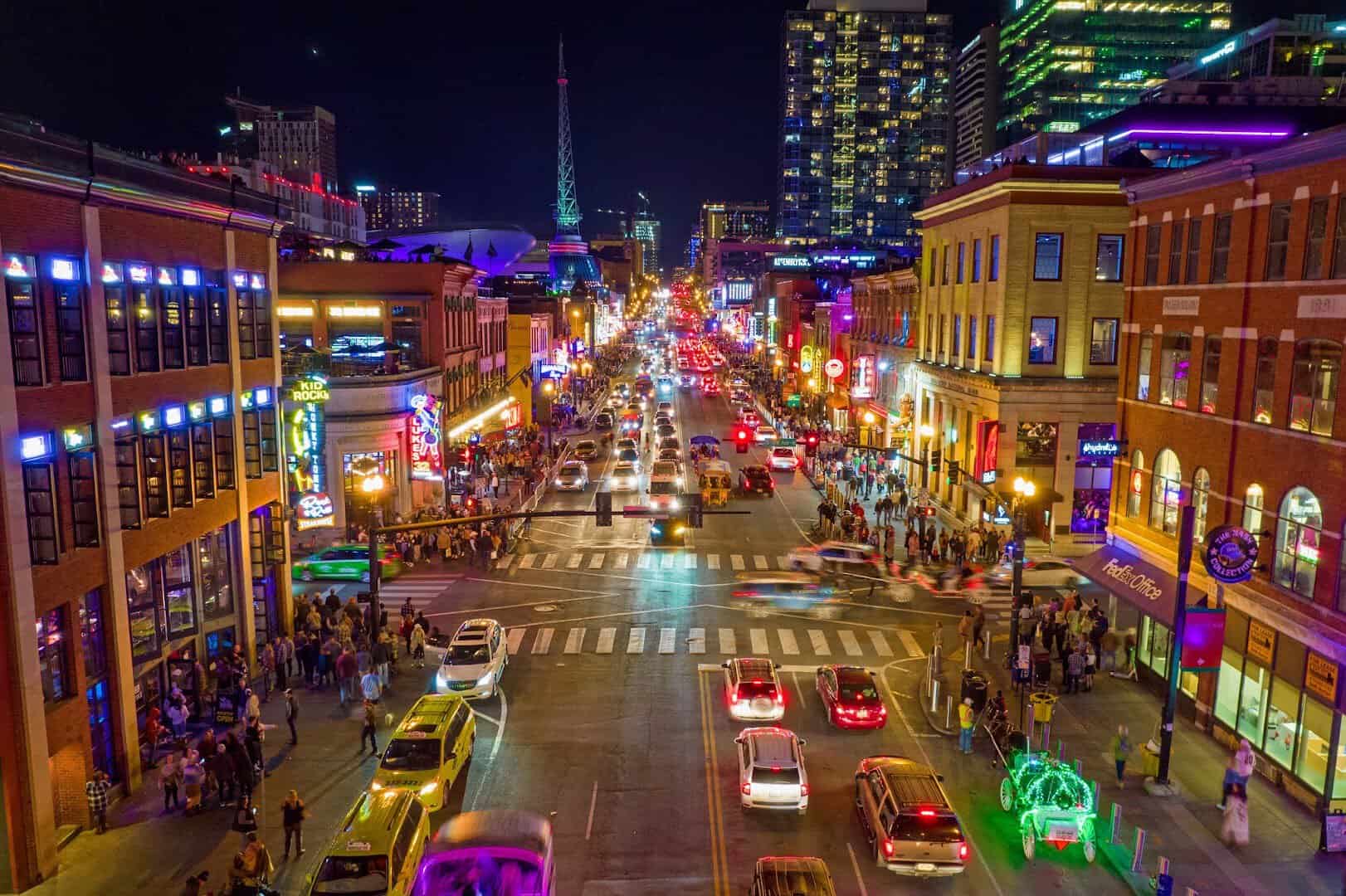
Not every bucket-list trip is a quiet one. Walk down Broadway in Nashville and live music pours out of every open door, sometimes three bands deep in a single building, from noon until well past midnight.
Neon signs stack up the honky-tonk facades in a glorious wall of color. Grab a spot by a stage, tip the band, order the hot chicken, and let the joy of Music City carry you down the street.
Where: Lower Broadway between 1st and 5th Avenues, downtown Nashville, Tennessee. Work your way along:
- The Ryman Auditorium, 116 Rep. John Lewis Way N, the Mother Church of Country Music
- Robert’s Western World, 416 Broadway, a classic honky-tonk with a fried bologna sandwich
- The neon strip between 2nd and 5th, the wall-of-signs photo everyone comes for
- A Broadway rooftop bar, the whole glowing strip laid out below at sunset
10. Napa Valley, California
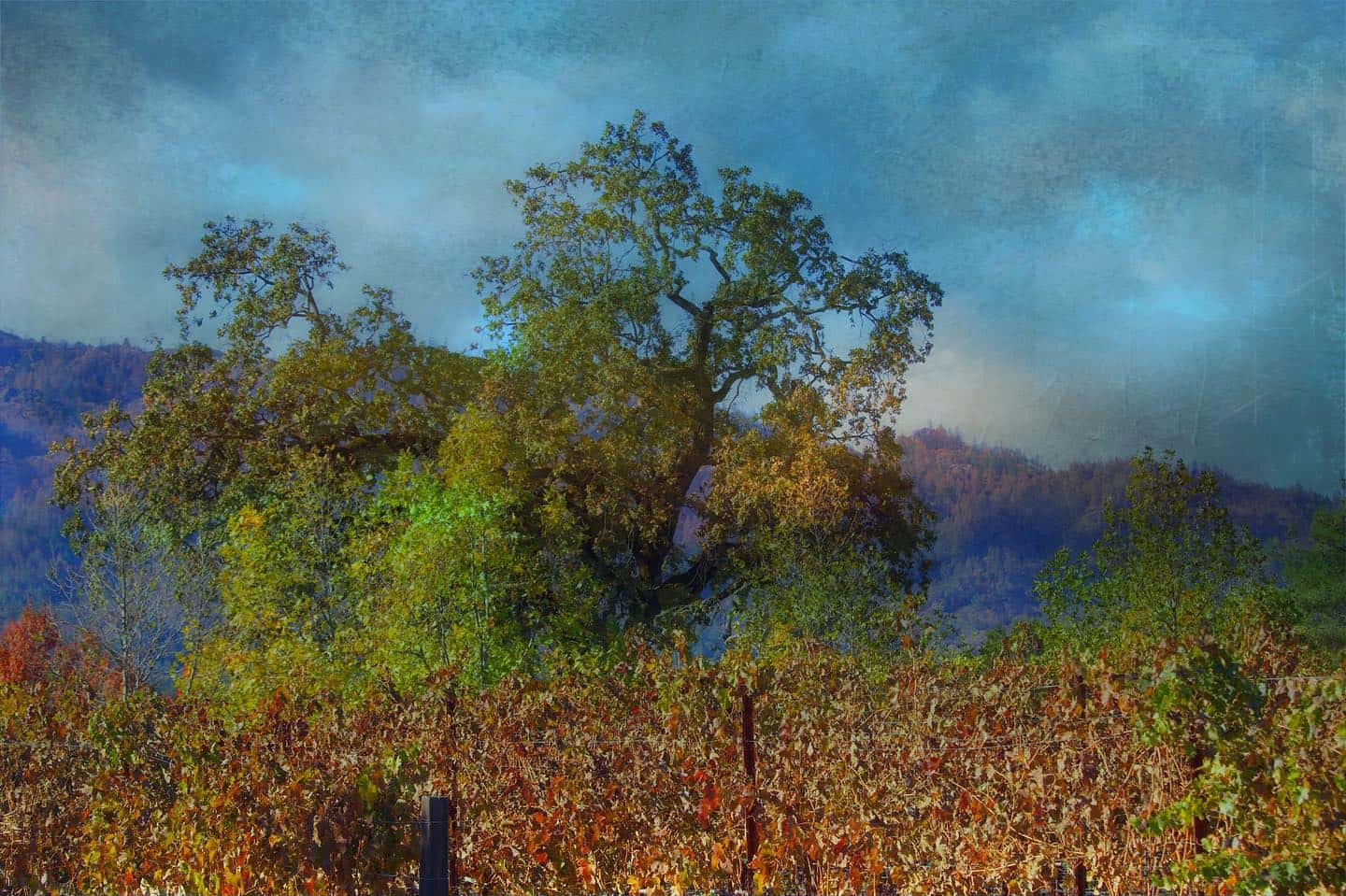
Napa Valley turns a simple glass of wine into a whole day out. Rows of vines run to the hills in tidy green corduroy, and the tasting rooms range from stone châteaus to sunny farmhouse porches with a view.
You do not need to know a thing about wine to love it here. Ride the vintage Wine Train, drift over the valley in a dawn hot-air balloon, and eat like royalty at farm-to-table tables all along the way.
Where: About an hour and 15 minutes north of San Francisco, up Highway 29. The valley threads from Napa to Calistoga, with stops like these:
- Downtown Napa, along the riverfront, tasting rooms, the Oxbow Public Market, and restaurants
- Castello di Amorosa, 4045 St. Helena Highway, a hand-built 13th-century-style Tuscan castle winery
- The Napa Valley Wine Train, from McKinstry Street, a vintage rail lunch through the vineyards
- Old Faithful of California, near Calistoga, a geyser that erupts on its own gentle schedule
11. Mesa Verde, Colorado
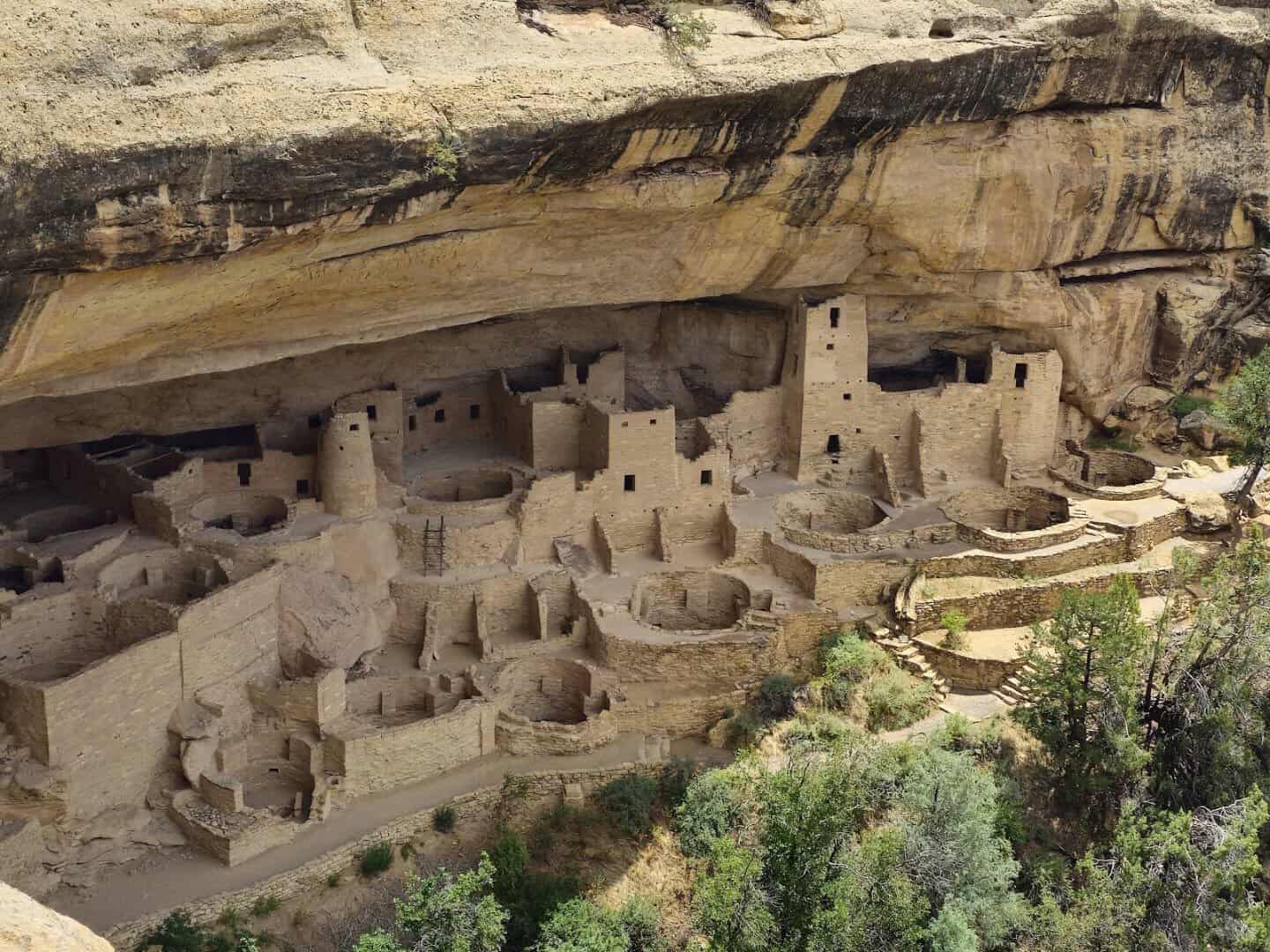
Tucked into the cliffs of southwestern Colorado are whole villages built of stone, centuries before this country existed. The Ancestral Puebloans carved their homes right into the rock, then, around the year 1300, quietly moved on.
Cliff Palace, the largest dwelling here, holds roughly 150 rooms in a single sweeping sandstone alcove. A ranger-led tour, climbing the ladders into those cool, shadowed rooms, still feels like honest time travel to a family’s front porch.
Drive the Mesa Top Loop for pull-offs that look straight across the canyon at dwellings you can spot without a single stair. Sunset paints the whole sandstone bowl a deep amber.
Where: Off US-160 between Cortez and Mancos, Colorado. Guided cliff-dwelling tours run in the warmer months, so reserve your spot ahead of time.
12. Savannah, Georgia
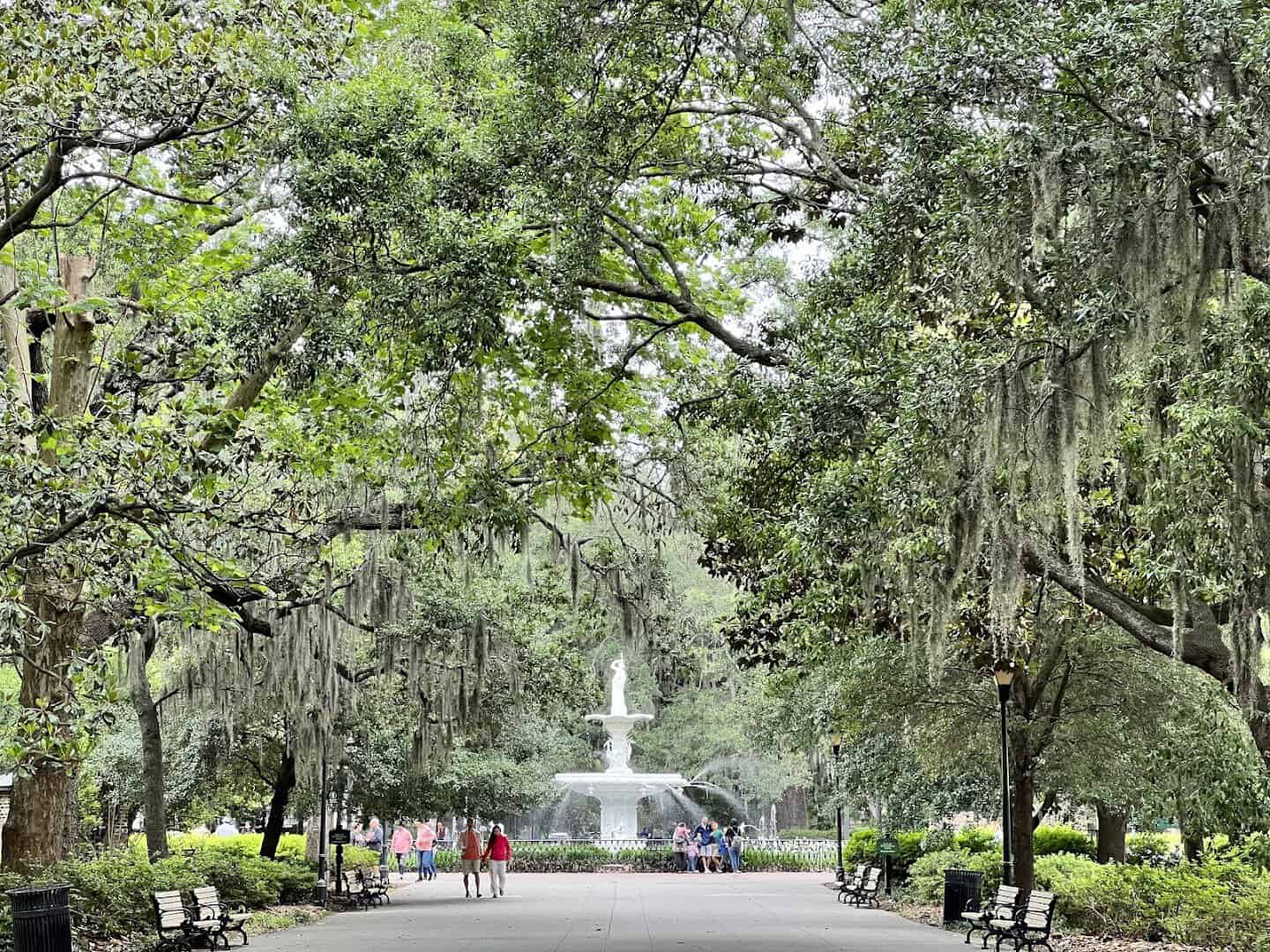
Savannah feels like a city that quietly decided to keep its manners. Twenty-two leafy squares sit stitched through the old downtown, each one shaded by live oaks that drip with silvery Spanish moss.
General James Oglethorpe laid the city out on this tidy grid back in 1733, and walking it today is like reading a history book with an iced coffee in your hand. Come for the squares, stay for the food.
Where: On Georgia’s coast, about 20 minutes from Savannah/Hilton Head International Airport. Park once and explore the Historic District on foot:
- Forsyth Park, the white fountain everyone photographs, at the south end of Bull Street
- Bull Street’s squares, Chippewa, Madison, and Monterey, laid out under the oaks
- River Street, along the water, old cotton warehouses turned into shops and cafes
- Jones Street, often called one of the prettiest streets in America
13. Blue Ridge Parkway, North Carolina
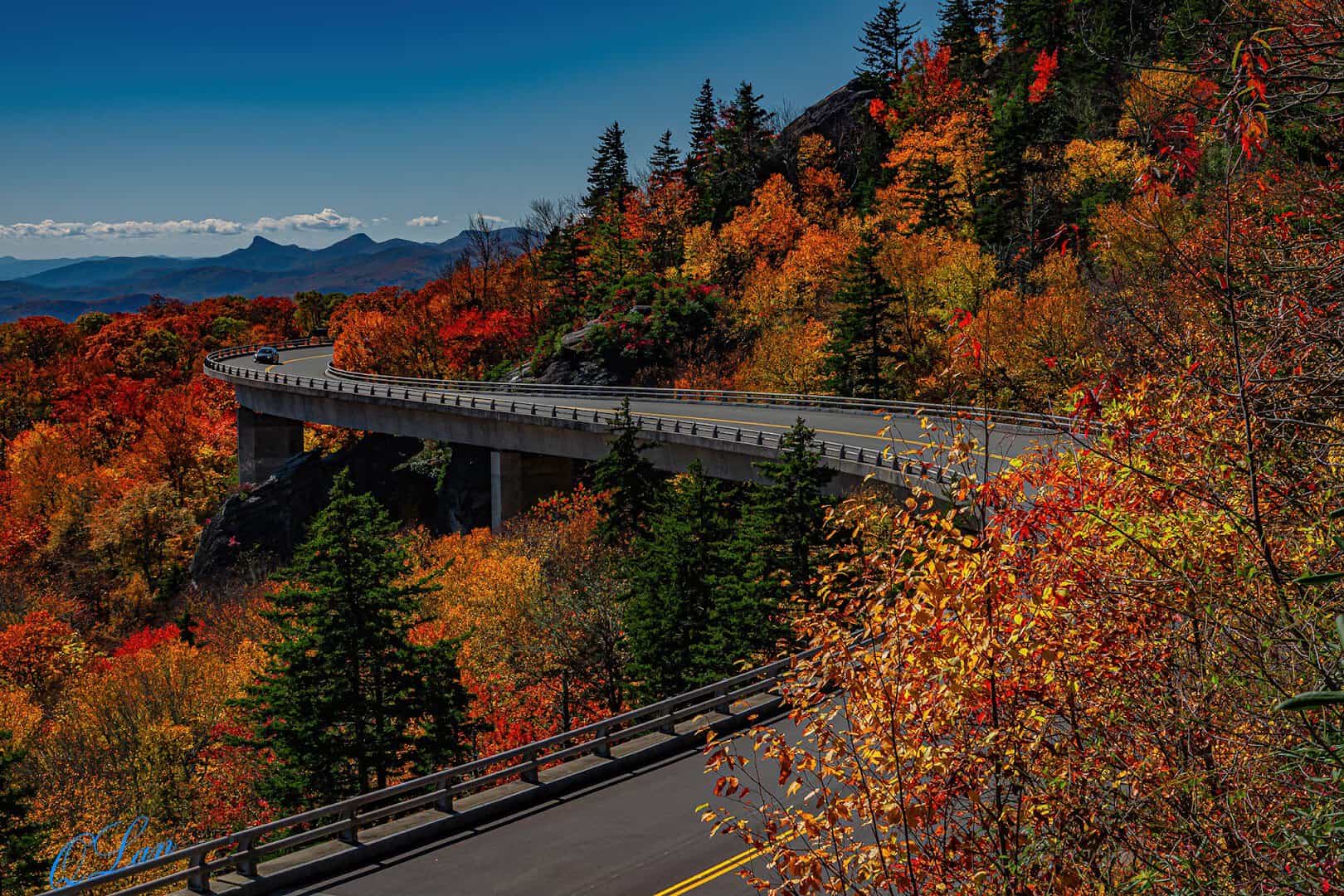
The Blue Ridge Parkway is America at 45 miles an hour. It runs 469 miles along the crest of the Appalachians, and the North Carolina stretch strings together mountain overlooks, split-rail fences, and ridgelines that fade to soft blue in the distance.
There are no billboards and no trucks, just one graceful curve after another. Come in October and the whole corridor turns gold and crimson, with pull-offs every few miles begging you to stop and just look.
Where: The southern parkway winds through the mountains near Asheville, North Carolina, off Interstate 40. Favorite stops along the way:
- The Linn Cove Viaduct, milepost 304, the curving bridge that hugs Grandfather Mountain
- Craggy Gardens, milepost 364, hillsides of wild rhododendron that bloom in June
- Mount Mitchell State Park, milepost 355, the highest peak east of the Mississippi
- Waterrock Knob, milepost 451, a sweeping sunset view over layered ridgelines
14. Florida Keys, Florida
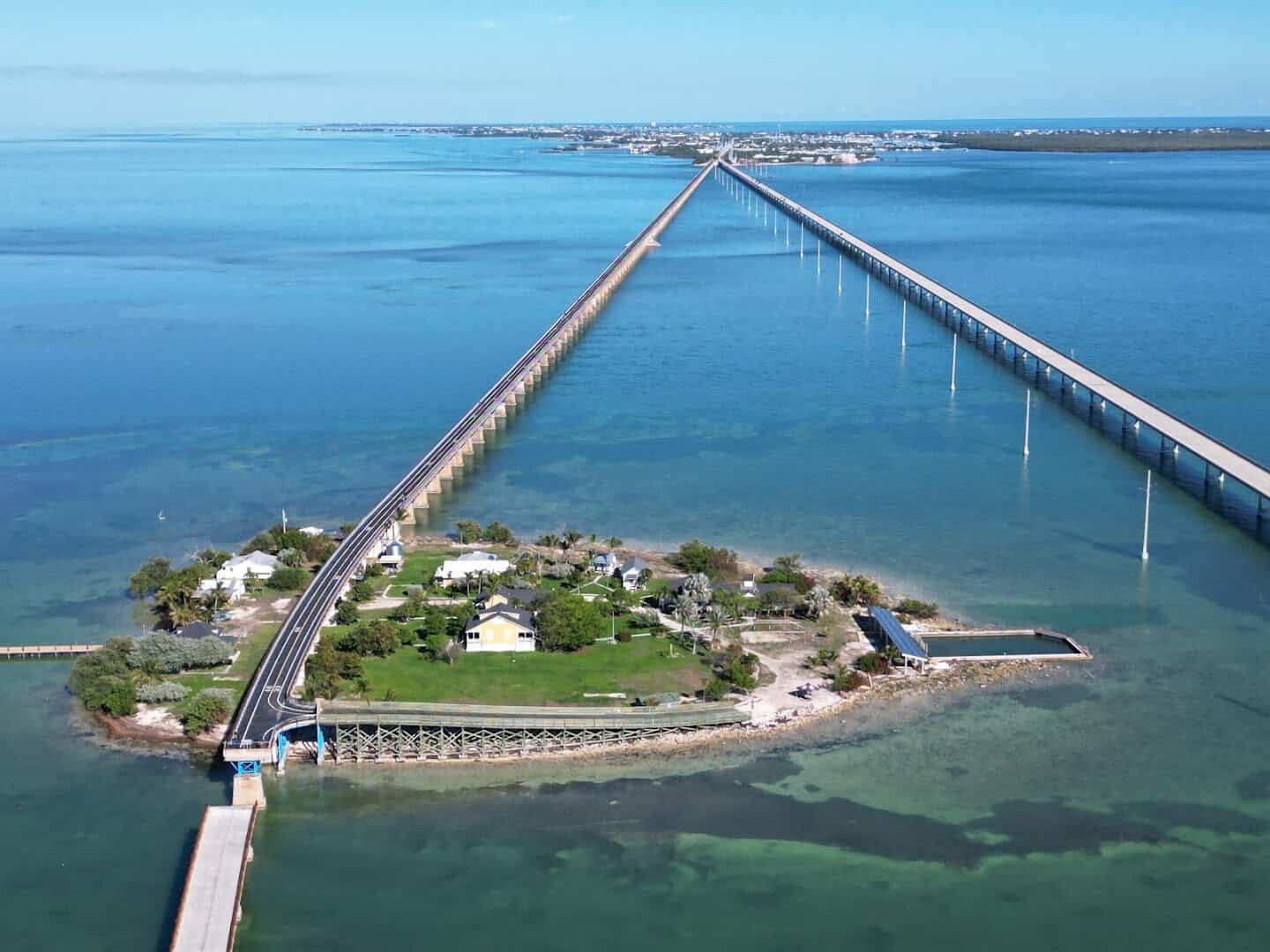
Driving the Florida Keys feels like leaving the mainland behind for good. The Overseas Highway hops from island to island on a chain of bridges, water glowing turquoise on both sides, all the way to Key West at the very end.
Slow down and island-hop. Snorkel a living coral reef, watch the sun sink from a Key West pier while a crowd cheers, and eat key lime pie where it was invented. The road ends at the southernmost point in the continental United States.
Where: U.S. Highway 1 runs 113 miles from Key Largo to Key West, about an hour south of Miami. Stops worth the pause:
- John Pennekamp Coral Reef State Park, mile marker 102, Key Largo, the first undersea park in the country
- The Seven Mile Bridge, near Marathon, the long span made famous on film
- Bahia Honda State Park, mile marker 37, one of the finest beaches in the Keys
- Mallory Square, Key West, the nightly sunset celebration at land’s end
Start Your Own American Bucket List
All fourteen of these share one thing. You can reach every single one on a domestic ticket, a rental car, and a weekend or two of genuine nerve, without ever renewing a passport.
So pick the one that has been tugging at you, whether it is a slot canyon at noon or a dune field at dusk, and put a real date on the calendar. Your passport can keep waiting. The trip of a lifetime is already home.
Featured image: kiran via Kenai Fjords National Park

Stella Raines
Editor-in-Chief
Stella brings over a decade of storytelling experience to TX Headlines. With roots in West Texas and a love for road trips, she leads the editorial team with an eye for the hidden stories that make Texas unforgettable.