15 NYC Bucket List Spots That Live Up to Every Bit of Hype
I keep a running list of places that made me gasp the first time I saw them in a photo, and it turns out half that list sits inside one city. New York does that to a person. It stacks the impossible on every block.
That is the pure electric wonder of a New York City bucket list. Some spots get talked to death and still knock you flat the moment you arrive.
Below are fifteen that reward the trip every single time, from a copper giant in the harbor to a boardwalk crackling with hot dogs and neon.
1. The Statue of Liberty, New York
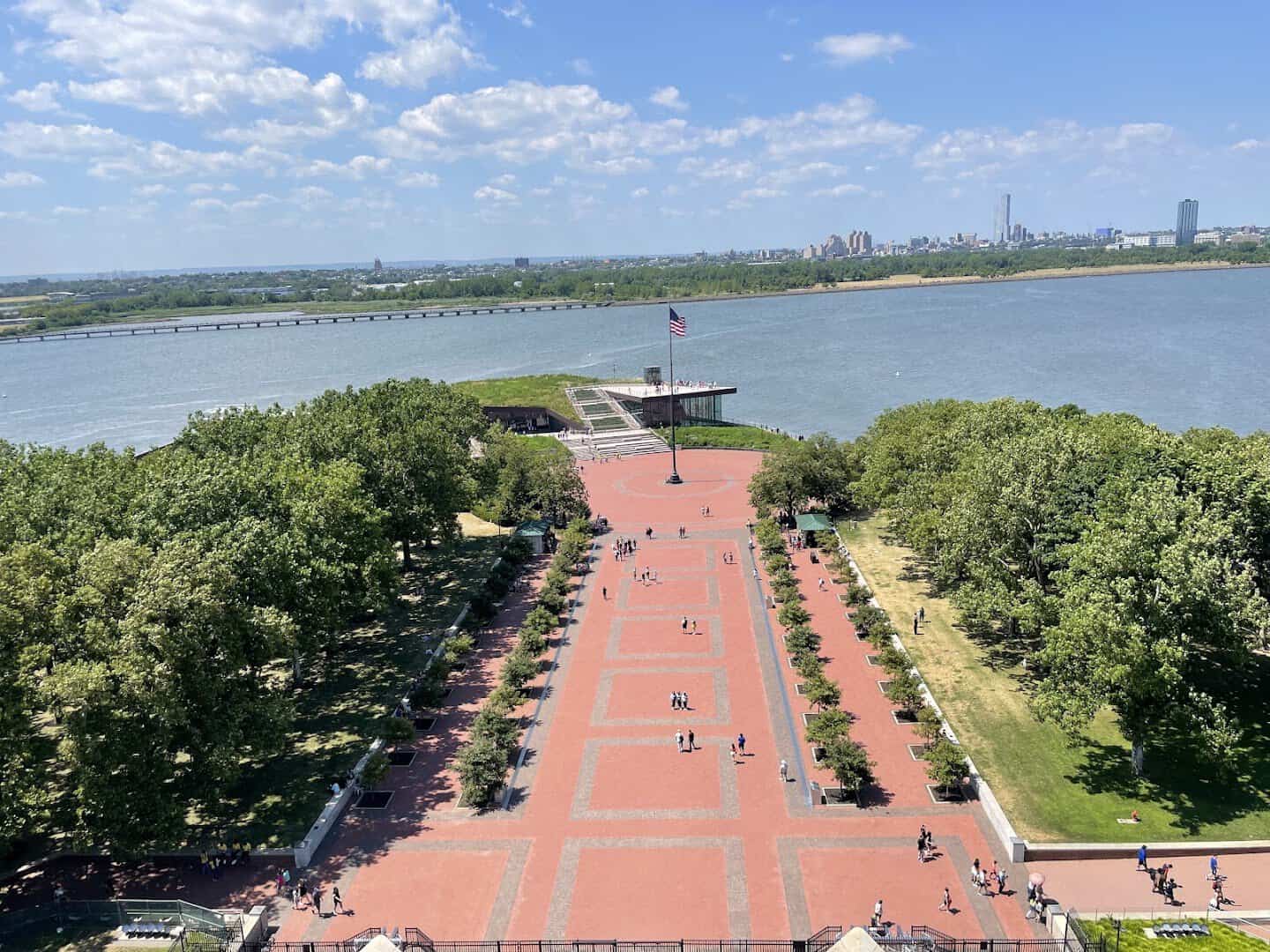
She rises out of the harbor like the whole country cleared its throat and made a statement. Lady Liberty was a gift from France, dedicated in October 1886, and sculptor Frédéric Auguste Bartholdi built her to be met from the water first.
So do it his way. Take the ferry from Battery Park and watch her grow from a green speck into a 305 foot colossus of copper and steel, her torch catching the light long before you can read her face.
Book a crown ticket months ahead and you can climb 162 narrow steps up through her spiral core. Pedestal access is easier to get and still rewards you with the original 1886 torch, now retired and gleaming inside the museum.
Have you ever seen a symbol so large it stops feeling like a statue? Come on the first ferry of the day, when the light is soft and the lines have not yet formed.
Where: Liberty Island, New York Harbor. Ferries board at Castle Clinton in Battery Park, Lower Manhattan. Take the 1 train to South Ferry or the 4 or 5 to Bowling Green, then walk to the dock.
2. Central Park, New York
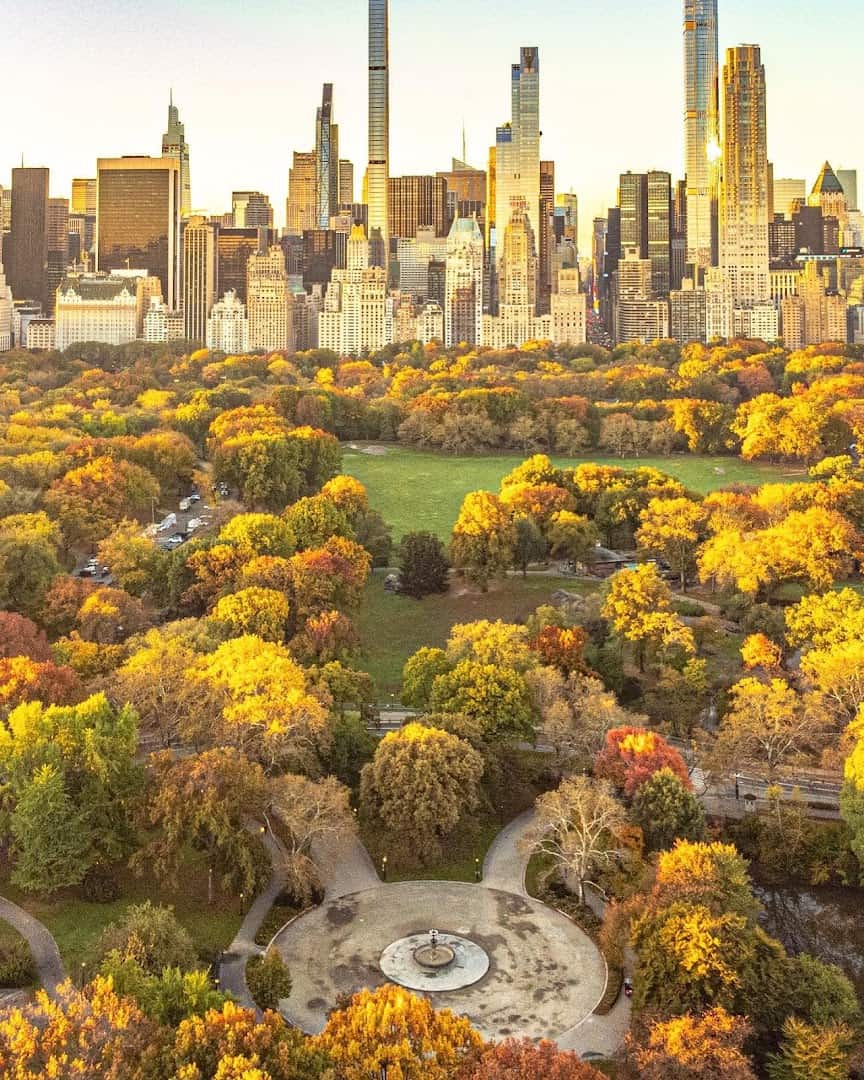
You can stand in the middle of 843 acres of meadow and forest and briefly forget that a city of millions is pressing in on every side. That is the quiet magic Frederick Law Olmsted and Calvert Vaux engineered when the park first opened in 1858.
Row a boat across the lake, cross the cast iron Bow Bridge, then drift down to Bethesda Terrace, where the winged fountain angel has watched over the crowds since 1873.
My advice is to fold up the map and simply wander. You will trip over a carousel, a stone castle, a small zoo, and a hundred film locations you half recognize before you can name them.
In winter the ponds turn into ice rinks, and in summer free Shakespeare fills the open air Delacorte Theater. There is a version of this park waiting for whatever season you show up in.
Pro tip: the northern end above 96th Street stays blissfully calm even on packed summer weekends, so head up there when the south lawns fill.
Where: Central Park, Manhattan. Main entrances line Fifth Avenue and Central Park West between 59th and 110th Streets. Take the A, B, C, D, or 1 to Columbus Circle, or the N, Q, R, W to Fifth Avenue 59th Street.
3. The Empire State Building, New York
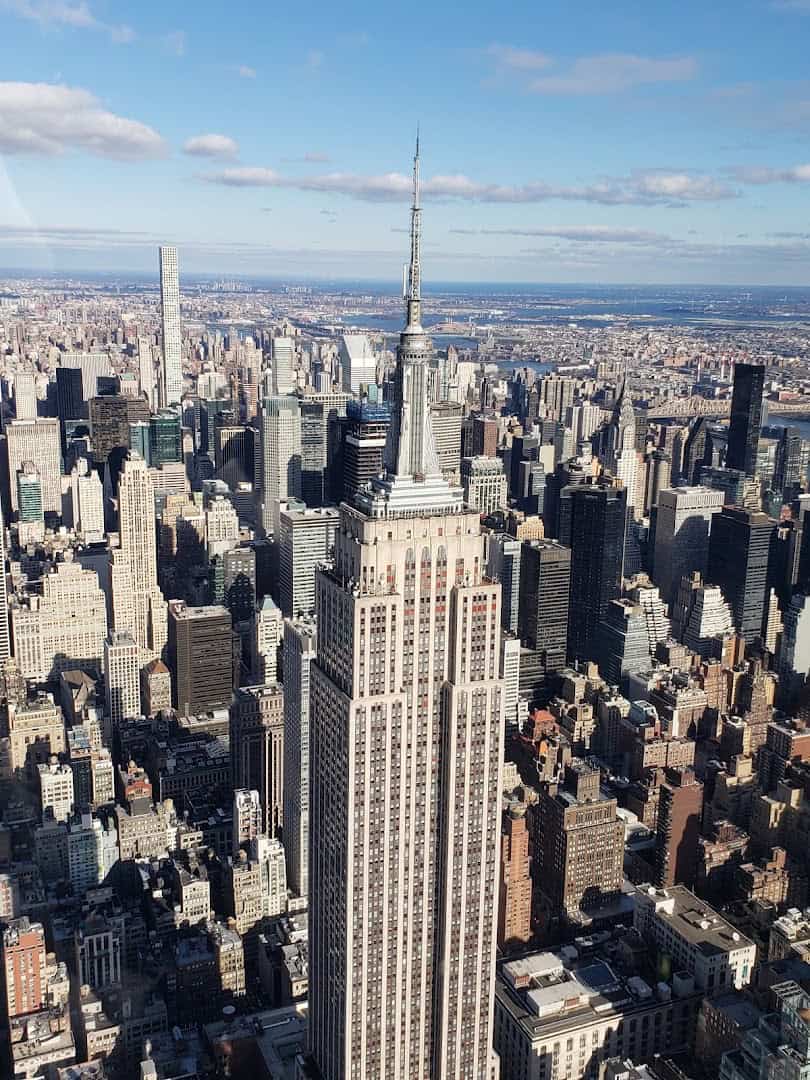
Some buildings are famous. This one is practically the dictionary photo for the word. The Empire State Building topped out in 1931 at 1,454 feet and reigned as the tallest in the world for nearly forty years.
The 86th floor open air deck is the classic, all wind and railings with the whole island unrolling below you. Ride higher to the enclosed 102nd floor and, on a clear day, you can see five states at once.
King Kong climbed it, a hundred films have kissed on it, and the tower still glows nightly in colors that mean something, from pride rainbows to holiday reds and greens.
Come at dusk to catch the city switch from gold to glittering, and buy a timed ticket online so you skip straight past the lobby line.
Where: 20 West 34th Street, Manhattan, between Fifth and Sixth Avenues. Take the B, D, F, M, N, Q, R, or W train to 34th Street Herald Square.
4. Grand Central Terminal, New York
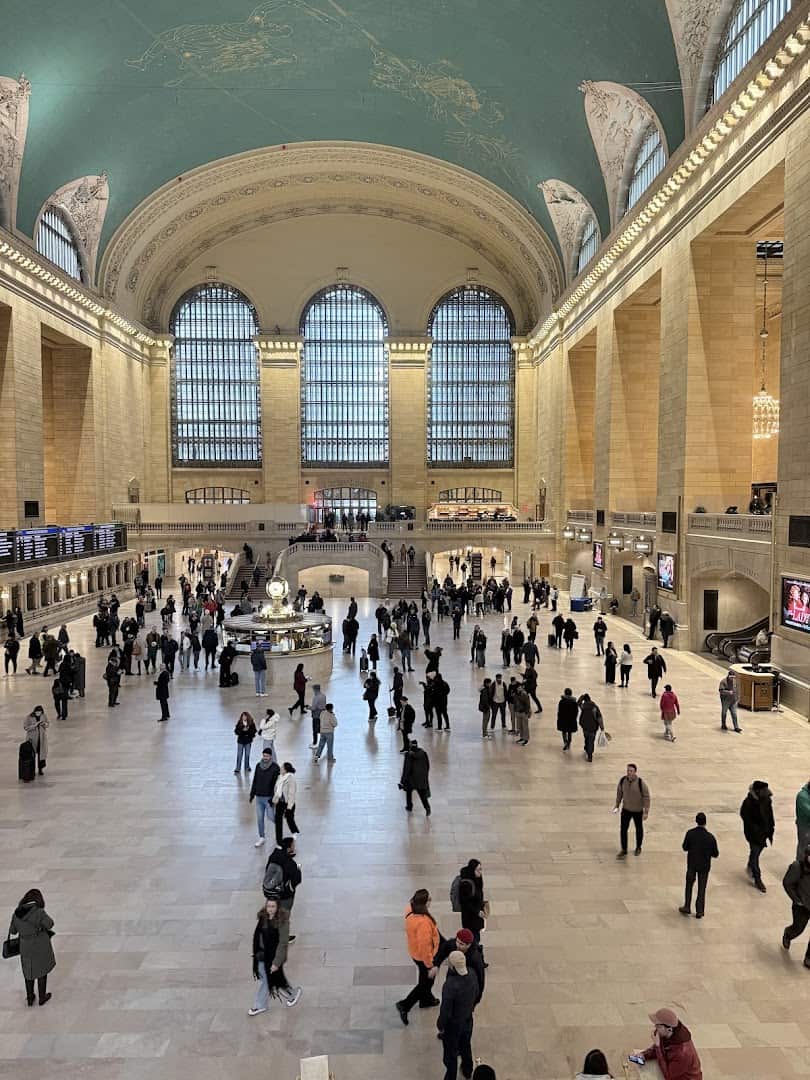
Most train stations move you through. This one begs you to stop and look up. The Beaux Arts hall opened in 1913, and its vaulted turquoise ceiling holds a painted night sky studded with more than 2,500 stars, some of them lit from behind.
Meet someone under the four faced brass clock above the information booth. It is the most famous rendezvous point in the city, and it has been keeping couples on time for over a century.
Then slip down to the Whispering Gallery near the Oyster Bar. Face a corner arch, murmur softly, and a friend at the opposite arch hears you clear as day across the busy hall.
Do not rush it. The marble staircases, the chandeliers, and the great arched windows make this the rare commute anyone would happily photograph.
Head downstairs before you leave. The lower level dining concourse hides some of the best quick eats in Midtown, and one oyster counter down there has been shucking since the terminal opened.
Where: 89 East 42nd Street, Manhattan, at Park Avenue. Take the S, 4, 5, 6, or 7 train to Grand Central 42nd Street.
5. The Brooklyn Bridge, New York
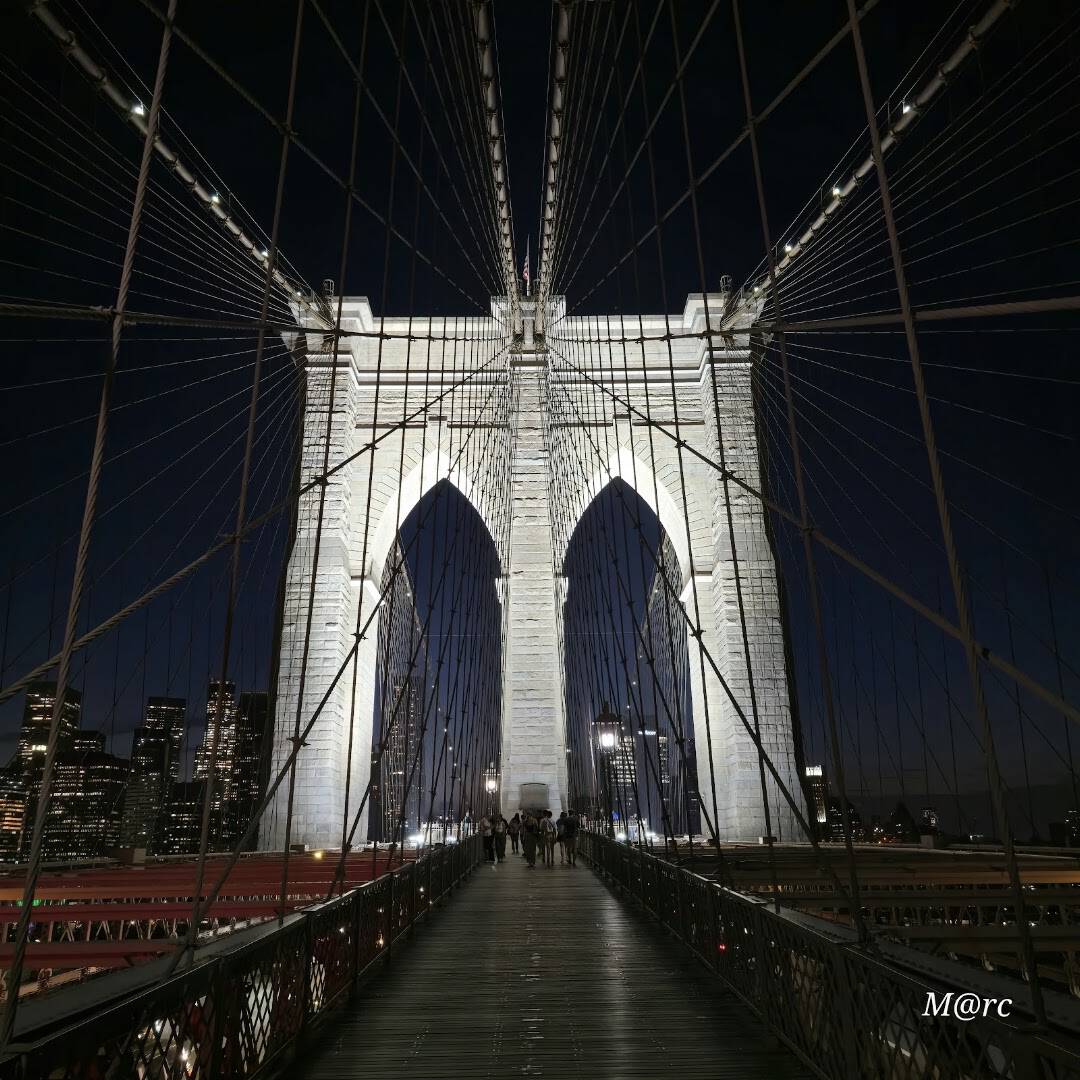
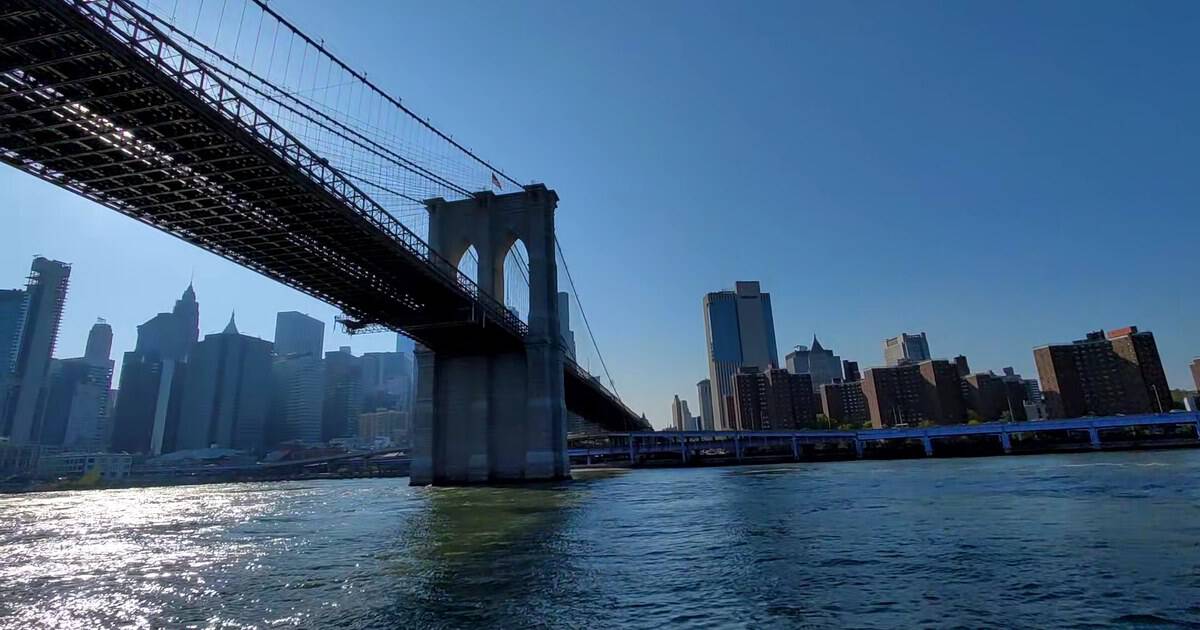
Walking the Brooklyn Bridge shows up on every list for a reason, and it earns the ink. When it opened in 1883 it was the longest suspension bridge in the world, and it still somehow looks like the future.
The wooden pedestrian promenade sits a level above the car traffic. That gives you the Gothic stone towers, the steel cables fanning out like the strings of a giant harp, and the Manhattan skyline sliding steadily into frame.
Start on the Brooklyn side and walk toward Manhattan so the skyscrapers rise in front of you the entire way. Go at sunrise and you might have the whole span nearly to yourself.
Afterward, wander down to Brooklyn Bridge Park for the postcard view looking straight back at where you just crossed.
Where: Pedestrian entrance at Tillary and Adams Streets in Brooklyn, or near City Hall in Lower Manhattan. Take the 4, 5, or 6 to Brooklyn Bridge City Hall, or the A or C to High Street.
6. The High Line, New York
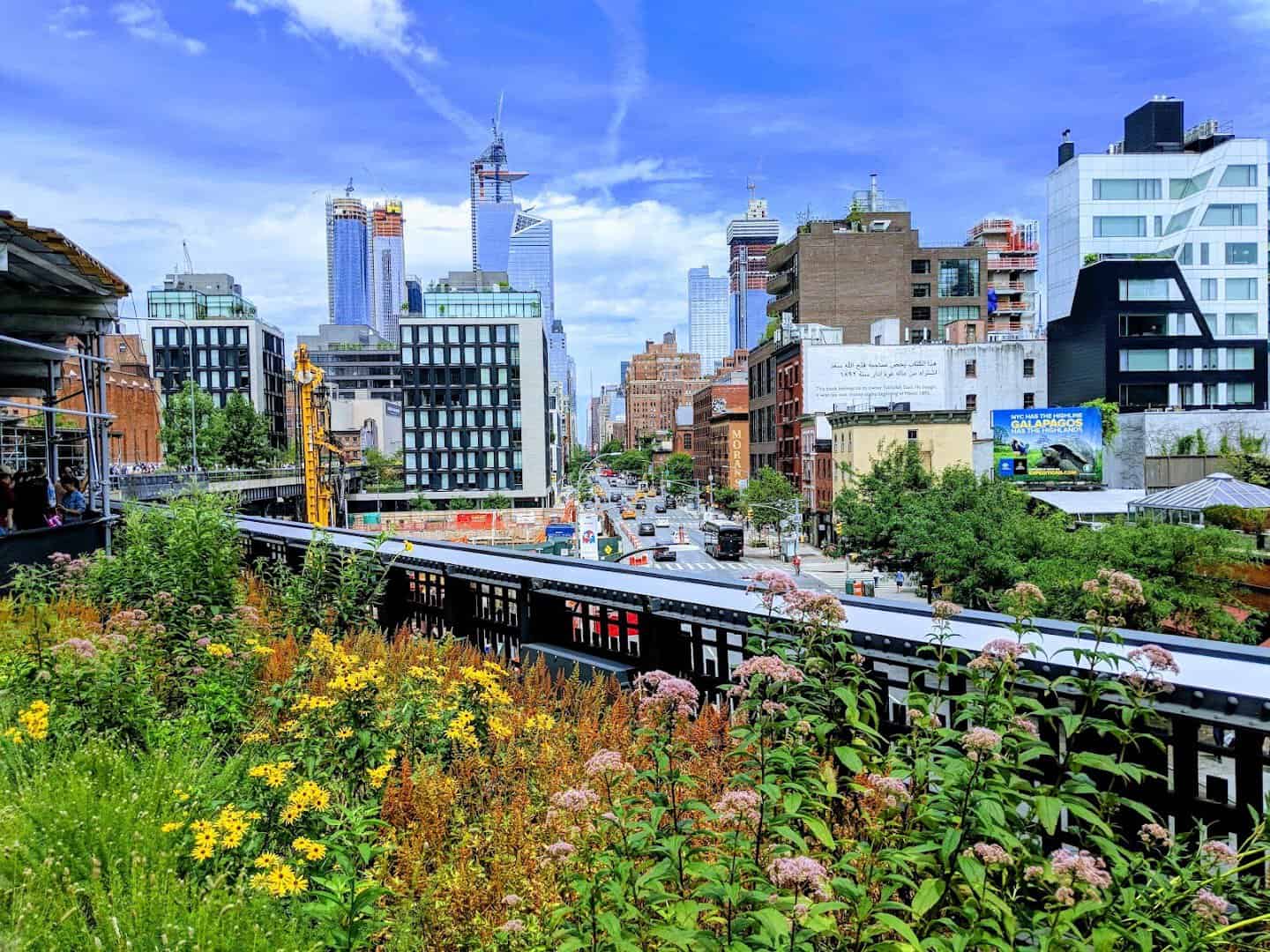
Somebody looked at a rusting freight rail line slated for the wrecking ball and saw a garden floating above the traffic instead. That is the kind of stubborn optimism I cheer for, and the first stretch opened as a public park in 2009.
The path runs a mile and a half over the West Side, from the Meatpacking District up through Chelsea. Wildflowers, grasses, and birch trees grow between the preserved old tracks, and tucked in benches let you rest right where boxcars once rolled.
Rotating art installations keep it fresh through the seasons, and the sightlines over the Hudson River are quietly spectacular. Best of all, it is completely free.
Did you know the whole thing was almost demolished twice before neighbors rallied to save it? Come at golden hour and thank them.
Where: Access points along the West Side from Gansevoort Street to West 34th Street, Manhattan. Take the L or the A, C, E to 14th Street Eighth Avenue for the southern end.
7. Times Square, New York
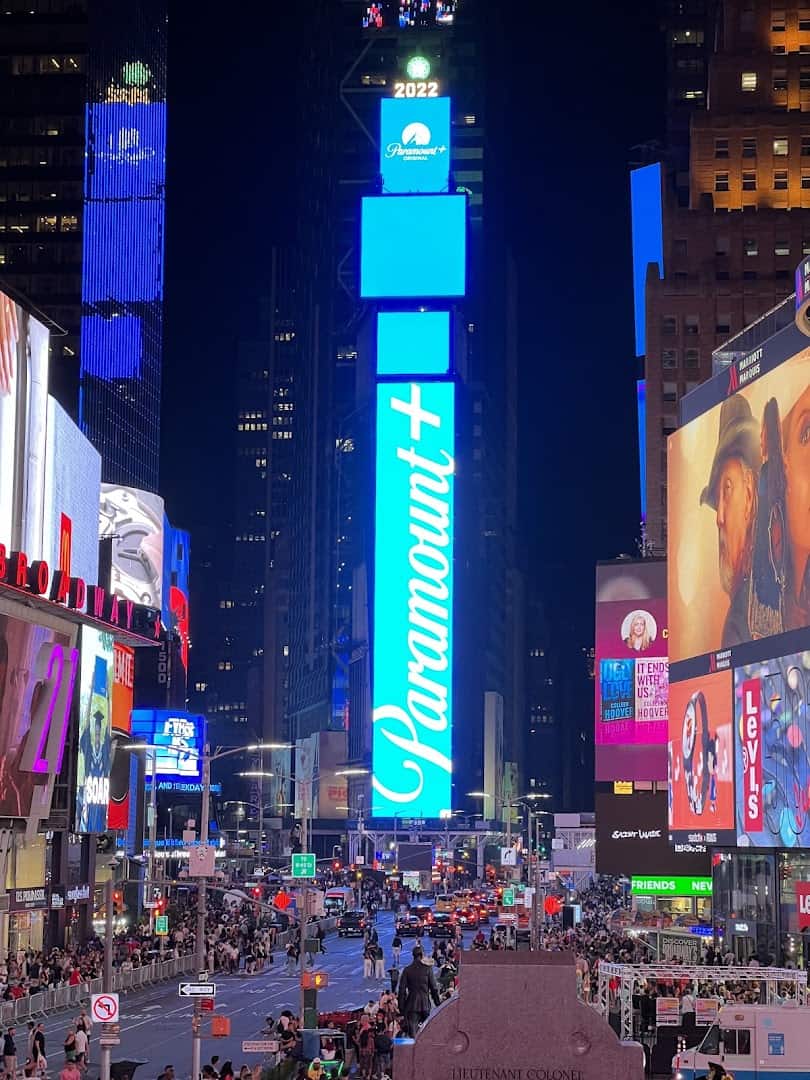
Yes, every local will tell you to skip it. Go once anyway, because nothing on earth prepares you for standing inside a canyon of pure light with the whole world streaming past your shoulders.
The square took the name of The New York Times in 1904, back when the paper moved its headquarters here. It grew into the glowing crossroads you already picture, all seven story screens and blazing Broadway marquees.
Come after dark for the full sensory overload, or arrive at dawn if you want the surreal version, lights still burning and the crowds gone home.
Either way, tip your head back and just take it in. This is the beating, buzzing heart of the tourist city, and it is a spectacle no photo does justice.
While you are here, duck into the TKTS booth under the red steps. Same day Broadway tickets go for a real discount, and a show is the perfect way to end the night.
Where: Broadway at Seventh Avenue, from West 42nd to West 47th Streets, Manhattan. Take the N, Q, R, W, S, 1, 2, 3, or 7 train to Times Square 42nd Street.
8. Broadway, New York
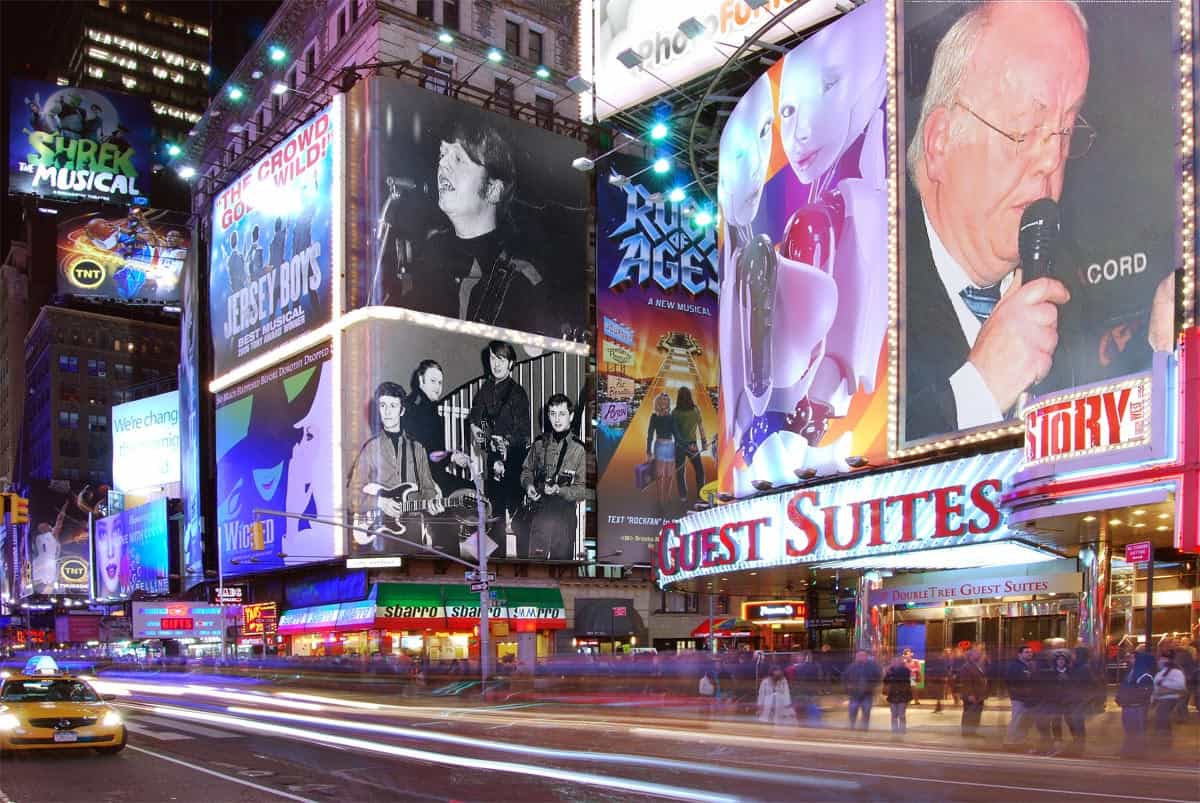
There is theater, and then there is Broadway, where the marquees have been pulling people in since the late 1800s and the lights never really go dark.
The district packs 41 professional theaters into a few blocks around Times Square. A blockbuster musical, a starry revival, a play that sweeps every award, it is all playing on the same handful of streets on any given night.
You do not need a fortune to go. Grab discounted same day seats at the TKTS booth, or line up for a rush ticket at the box office. A last minute balcony seat still counts as a Broadway night.
Where: The Theater District clusters around Times Square, from West 41st to West 54th Streets, Manhattan. Take the N, Q, R, W, S, 1, 2, 3, or 7 train to Times Square 42nd Street. Worth booking:
- The Majestic Theatre, 245 West 44th Street, longtime home to record breaking musicals
- The New Amsterdam Theatre, 214 West 42nd Street, a restored 1903 jewel on the strip
- The TKTS booth under the red steps, Duffy Square at 47th Street, for same day discount tickets
9. The Metropolitan Museum of Art, New York
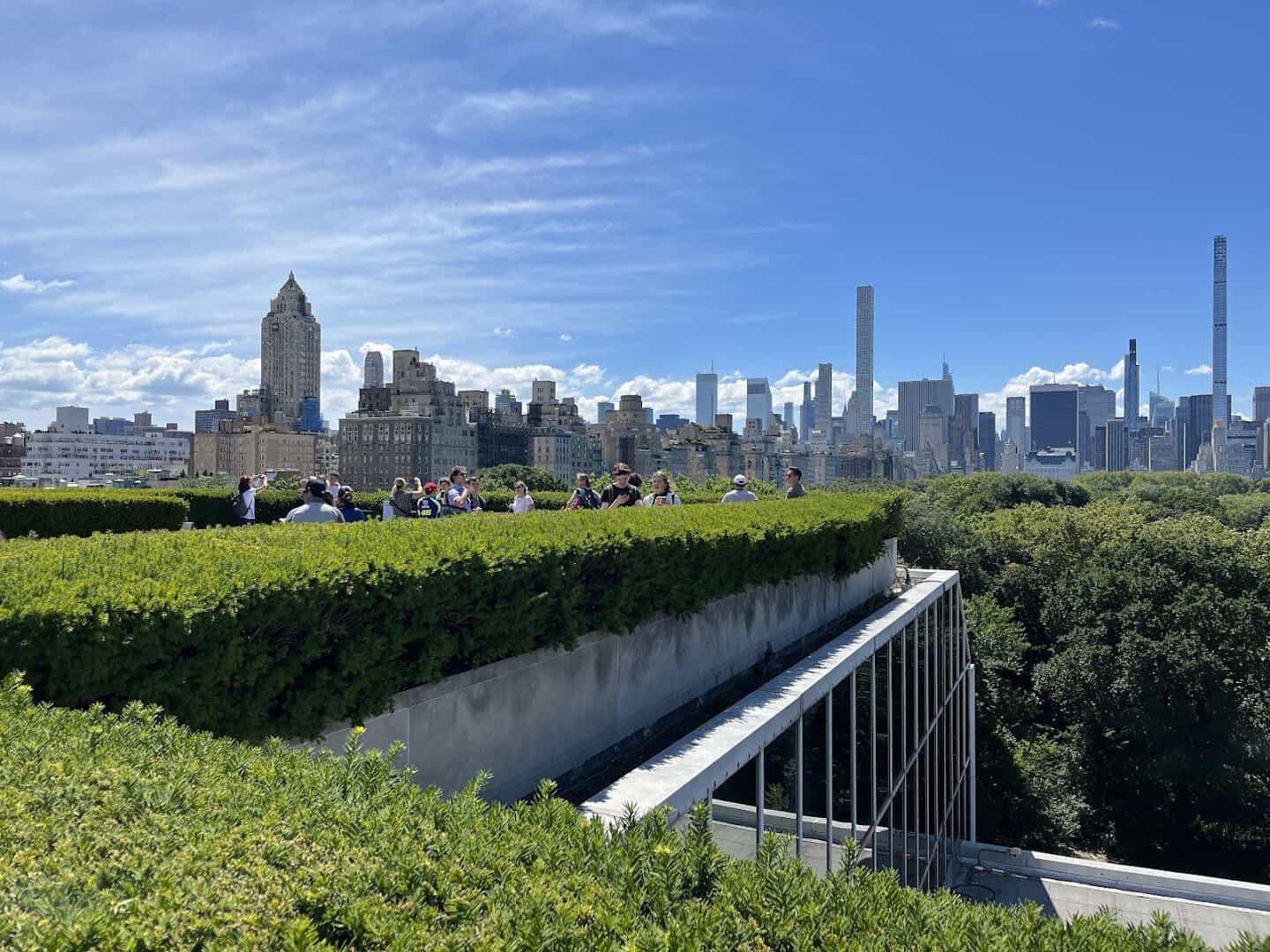
You could visit the Met every day for a month and still round a corner into something you have never seen. It holds more than two million works and has been collecting since it was founded in 1870.
An entire Egyptian temple, halls of European masters, a room of gleaming armor, and a rooftop garden with a skyline view all live under one roof.
My move is to pick two wings and let the rest go, because trying to see it all is how you end up seeing none of it. Rushing the Met is the one regret almost every first timer mentions.
Do not miss the Temple of Dendur, a real ancient Egyptian shrine reassembled behind a wall of glass beside a reflecting pool.
General admission is a suggested donation for New York State residents, so bring proof of address if that is you.
Where: 1000 Fifth Avenue at 82nd Street, Manhattan. Take the 4, 5, or 6 train to 86th Street, then walk three blocks west.
10. Top of the Rock, New York
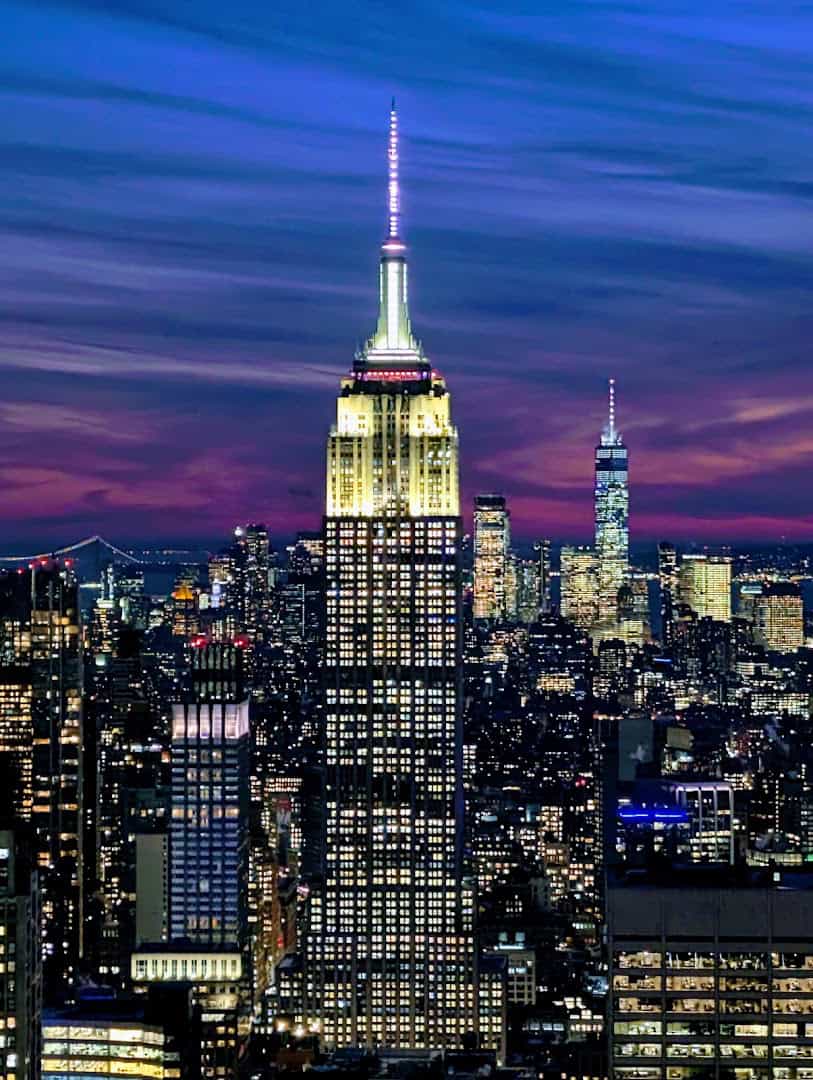
Here is a hot take that most locals will quietly back me on. The best skyline view is not from the tallest building. It is from Top of the Rock, because it is the only high perch that puts the Empire State Building squarely in your photo.
The observation deck crowns 30 Rockefeller Plaza and first opened in 1933. Three floors of open air platforms look south across a forest of skyscrapers and north over the full green rectangle of Central Park.
Time your visit for sunset, then wait twenty patient minutes. You get the golden hour glow, the blue hush that follows, and the moment the entire grid switches on beneath your feet.
Buy timed tickets online so you walk straight up instead of standing in the lobby line.
Where: 30 Rockefeller Plaza, Manhattan. Entrance on West 50th Street between Fifth and Sixth Avenues. Take the B, D, F, or M train to 47th 50th Streets Rockefeller Center.
11. Fifth Avenue, New York
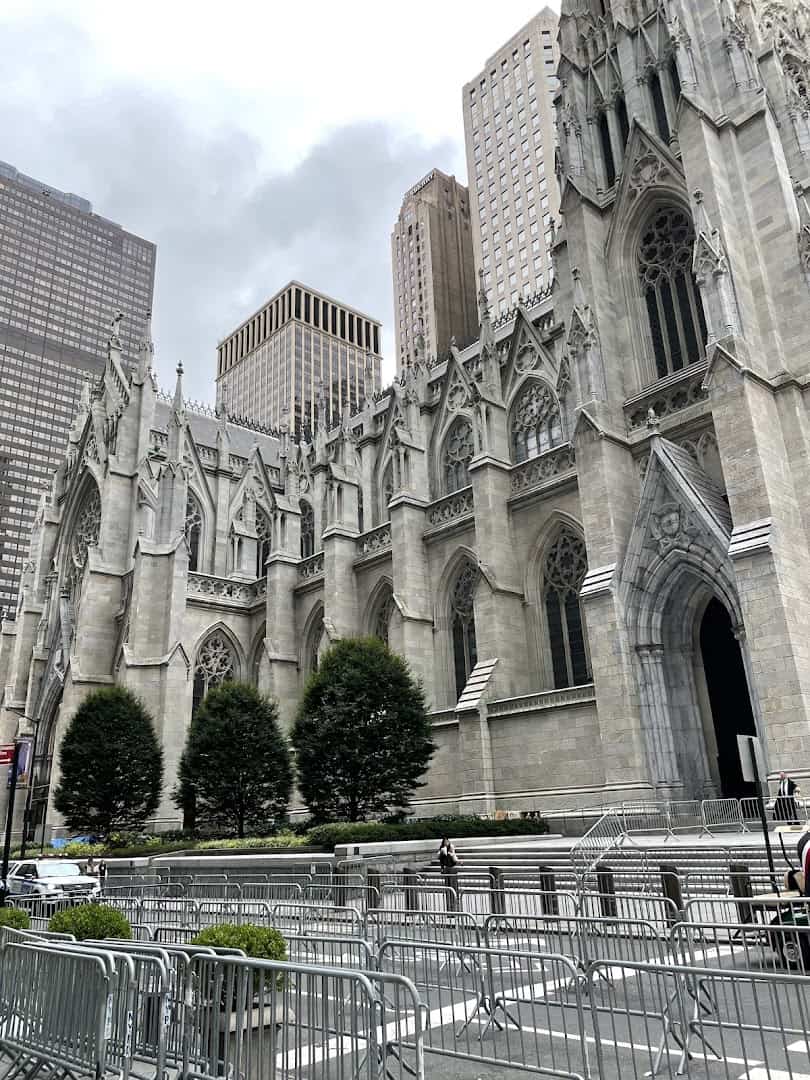
Fifth Avenue is the spine of Manhattan, the street where window shopping becomes a sport and half the city’s landmarks line up shoulder to shoulder.
Stroll the Midtown stretch and you pass flagship stores, a soaring Gothic cathedral, stone library lions, and a glowing glass cube of an Apple store, all inside a mile.
Come in December and the whole avenue turns into a light show, with the Rockefeller Center tree, the holiday windows, and skaters gliding below street level.
Where: Midtown Fifth Avenue runs from the New York Public Library at 42nd Street up to Central Park at 59th Street, Manhattan. Take the E or M train to Fifth Avenue 53rd Street. Do not miss:
- Rockefeller Center, 45 Rockefeller Plaza, with the winter ice rink and the famous tree
- St. Patrick’s Cathedral, Fifth Avenue at 50th Street, a 1878 Gothic landmark
- The New York Public Library, 476 Fifth Avenue at 42nd Street, guarded by its marble lions
12. SoHo, New York
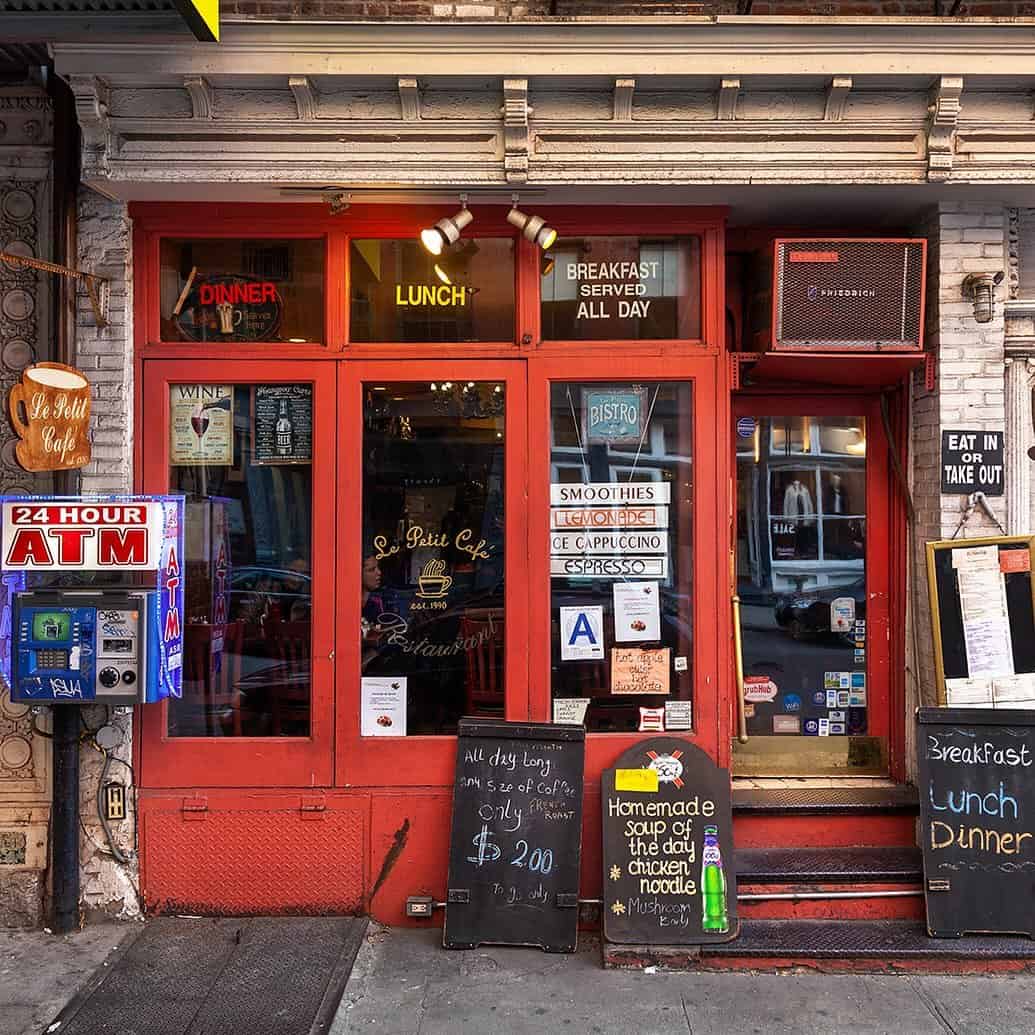
Cobblestone streets, cast iron facades, and boutiques tucked into old factory lofts, SoHo turns a simple walk into the best kind of afternoon.
The name is short for South of Houston Street, and in the 1970s artists filled these industrial buildings with lofts and galleries. Today it is flagship fashion, design shops, and some of the finest people watching in the city.
Wander Greene and Mercer Streets for the fullest run of cast iron architecture, then duck into a gallery or a cafe when your feet ask for a break.
Where: SoHo sits south of Houston Street in Lower Manhattan, bounded roughly by Canal Street, Lafayette Street, and Sixth Avenue. Take the N, Q, R, or W train to Prince Street. Worth a wander:
- Greene Street, the longest stretch of cast iron facades in the city
- The Haughwout Building, 488 Broadway, home to the first commercial passenger elevator
- Prince and Spring Streets, lined with flagship boutiques and weekend art vendors
13. Chinatown, New York
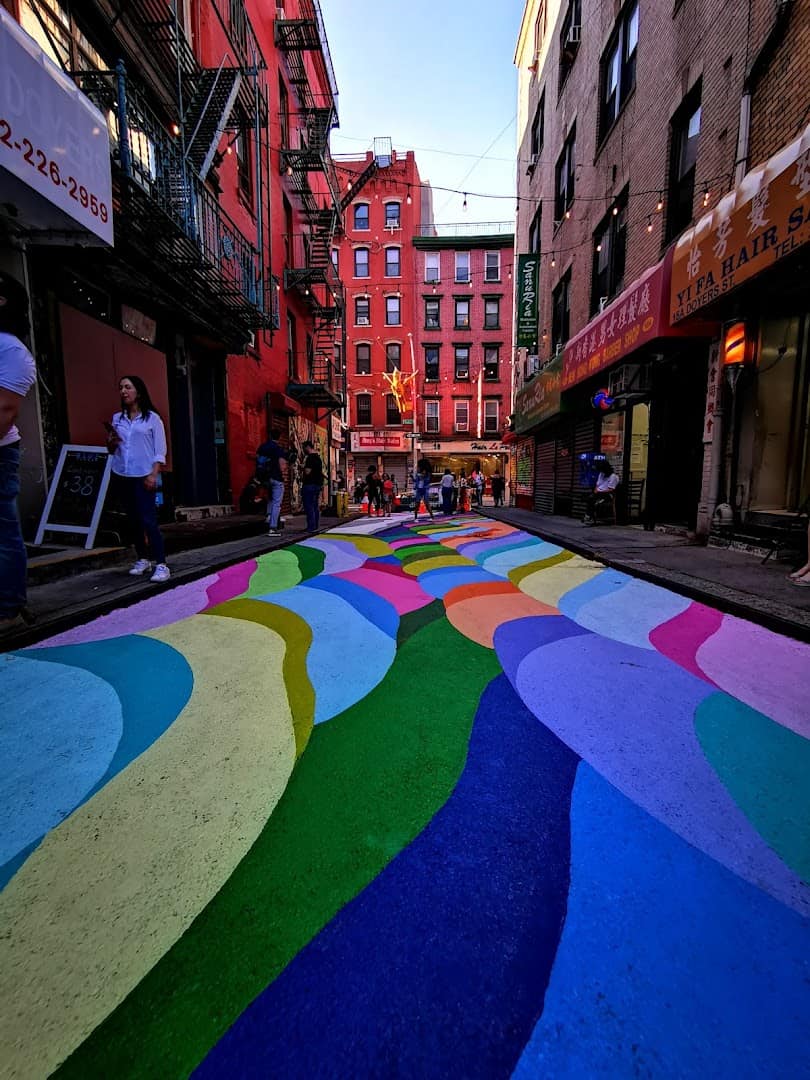
If you want to eat your way through one neighborhood, make it Chinatown, where the dumplings are cheap, the produce spills onto the sidewalk, and every block smells like something worth stopping for.
One of the largest Chinese communities in the Western Hemisphere fills these streets. Bakeries sell warm egg tarts and pork buns, tea shops hold down the corners, and roast duck hangs gleaming in the windows.
Come hungry and go small, sharing soup dumplings at one spot and hand pulled noodles at the next. Mott Street is the historic heart, busy from morning right through the night.
Where: Chinatown spreads around Mott, Mulberry, and Canal Streets in Lower Manhattan. Take the B or D train to Grand Street, or the N, Q, R, W, J, Z, or 6 to Canal Street. Worth a stop:
- Mott Street, the historic main artery lined with restaurants and bakeries
- Columbus Park, Bayard Street, where locals play cards and practice tai chi
- Canal Street, the bustling market spine of the neighborhood
14. The 9/11 Memorial, New York
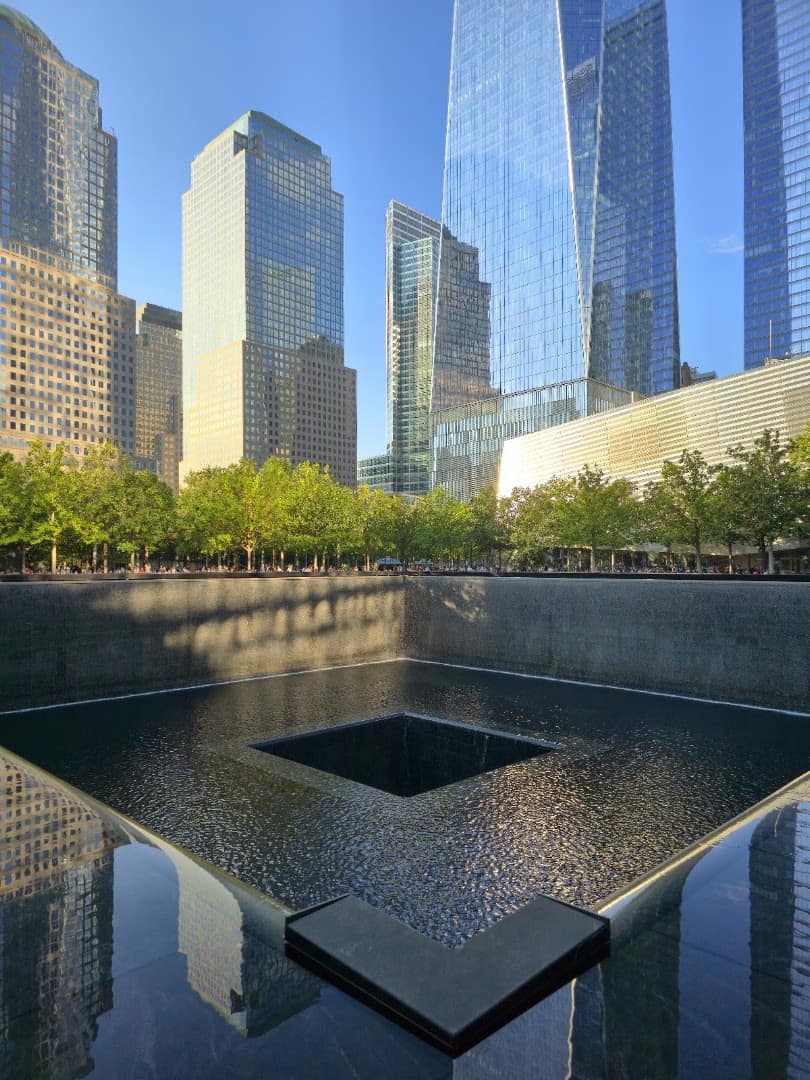
Some places on a bucket list are not about fun. They are about paying respect, and this one asks for a slow, quiet hour of your day.
Two enormous reflecting pools sit in the exact footprints of the Twin Towers, water sliding down into a center void that never fills. The names of nearly 3,000 people are cut into the bronze parapets that ring both pools.
The design, titled Reflecting Absence and created by Michael Arad and Peter Walker, opened in 2011. Walk slowly, trace a name with your fingers, and let the surrounding plaza of swamp white oaks settle you afterward.
It is a moving, grounding stop, and it reminds you why the resilient city around it keeps rising.
Where: 180 Greenwich Street, Lower Manhattan, in the Financial District. Take the E train to World Trade Center or the R or W to Cortlandt Street.
15. Coney Island, New York
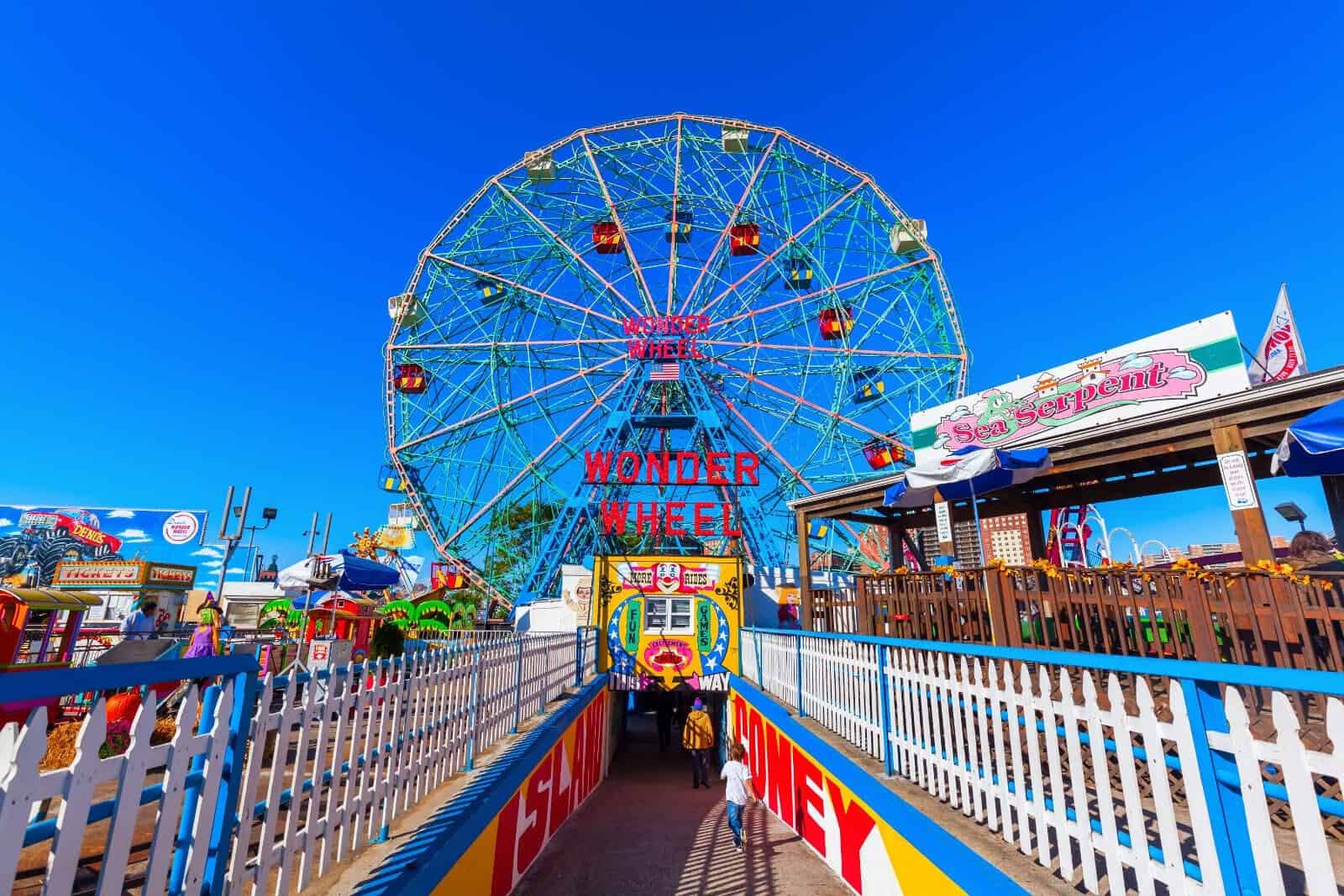
End your list with salt air, fried everything, and a wooden roller coaster that has been rattling brave riders since 1927. Coney Island is New York with its shoes kicked off and its sunglasses on.
Ride the legendary Cyclone, spin the century old Wonder Wheel high over the shore, then settle a hunger you did not know you had at Nathan’s Famous, slinging hot dogs on this boardwalk since 1916.
The beach is wide, the boardwalk stretches for blocks, and the whole strip glows with a happy, slightly weathered charm that no polished attraction can fake.
Come on a warm evening when the rides light up and the smell of funnel cake drifts down the sand. Time it for a summer Friday and you can catch free fireworks bursting right over the ocean.
Where: Along Surf Avenue and the boardwalk, Coney Island, Brooklyn. Take the D, F, N, or Q train to the Coney Island Stillwell Avenue stop.
Start Planning Your New York Trip
Here is the beautiful problem with New York. You will not clear this list in one visit, and honestly, you are not meant to.
Pick three or four that pull at you, leave room to get gloriously lost between them, and let the city hand you the rest for free. Grab a slice, ride the subway one stop the wrong way on purpose, and you will come home already plotting the trip back.
Featured image: Lorant Orban via Brooklyn Bridge

Stella Raines
Editor-in-Chief
Stella brings over a decade of storytelling experience to TX Headlines. With roots in West Texas and a love for road trips, she leads the editorial team with an eye for the hidden stories that make Texas unforgettable.