15 Underrated US Destinations That Outshine the Famous Ones
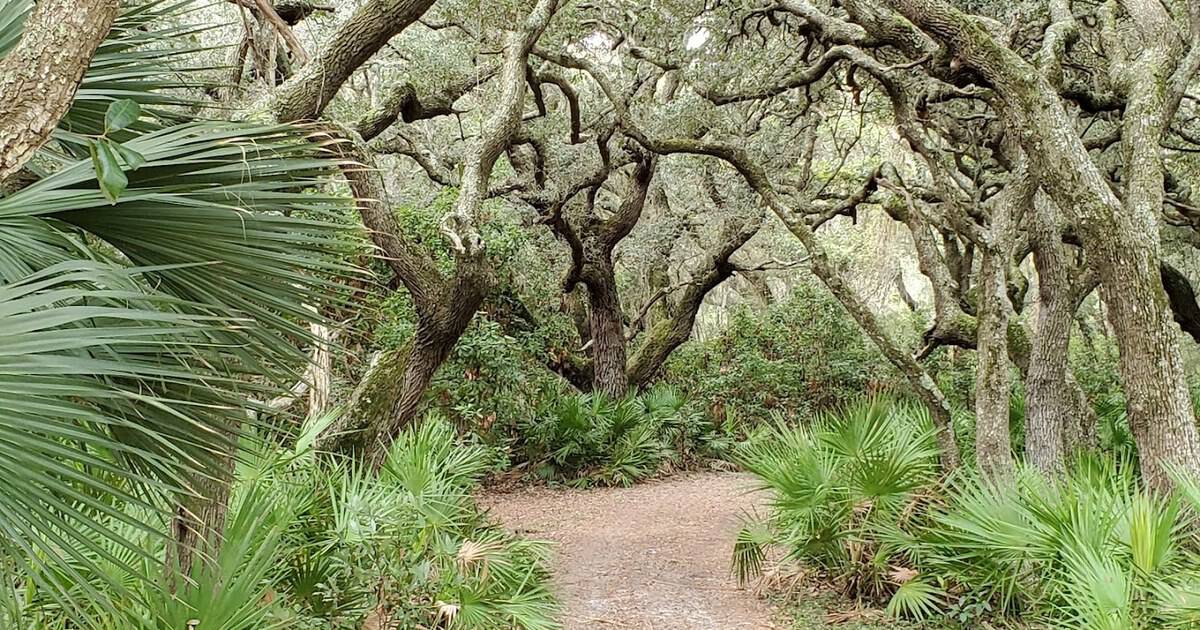
I have a theory about travel: the trips that stick with you are almost never the ones on the postcard rack. My best road-trip memories all come from towns nobody told me to visit, the ones I found because a back road looked interesting.
That is the quiet magic of an underrated destination. It hands you the scenery, the history, and the good food without a crowd elbowing in for the same photo. America is stuffed with them, hiding in plain sight between the famous names everyone knows.
Below are fifteen spots that quietly outshine the headliners, spread from a Maine lighthouse to a New Mexico pueblo. Pack light, keep an open mind, and let’s go find the good stuff.
1. Taos, New Mexico
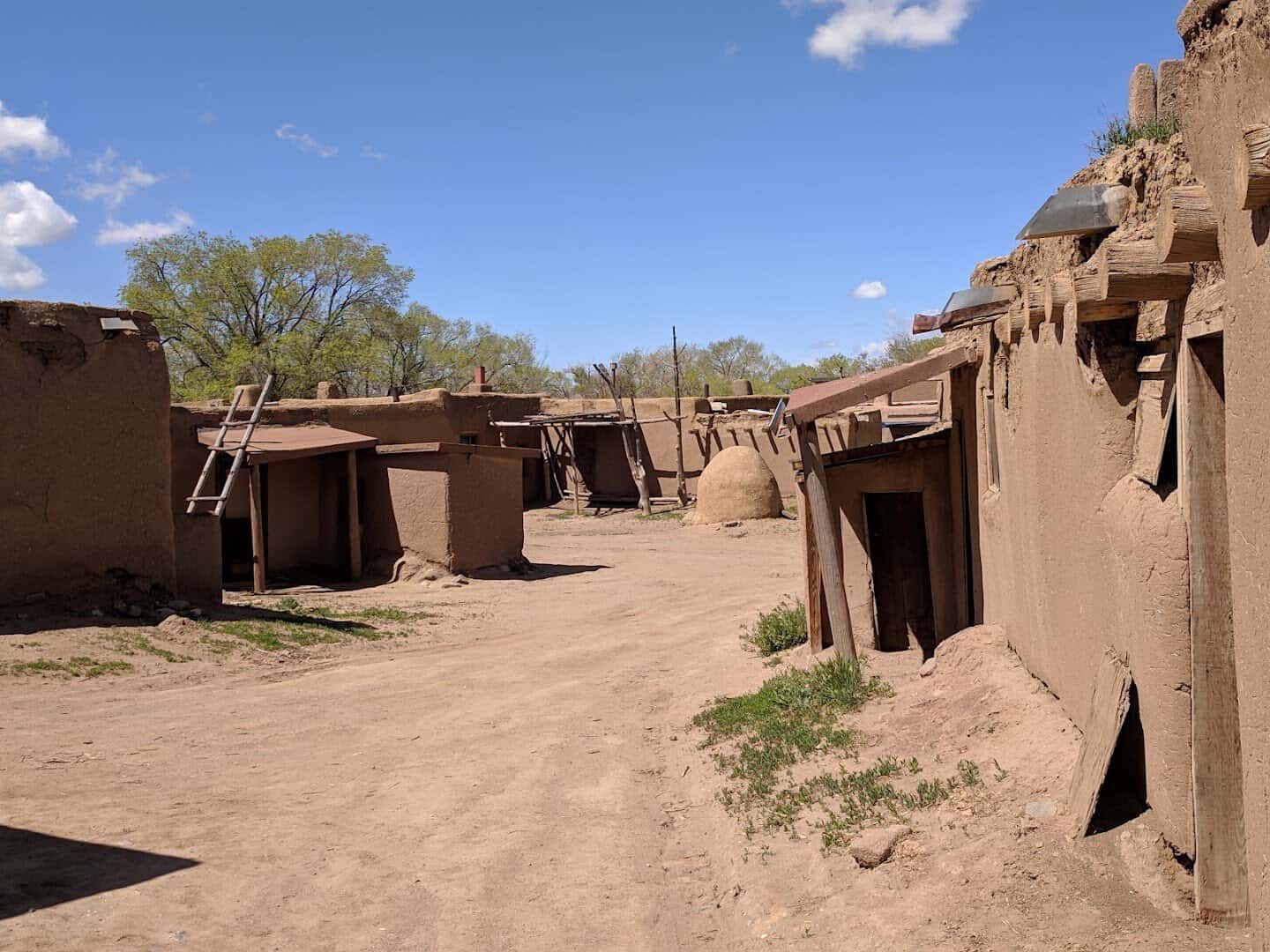
Start high in the desert, where adobe walls glow pink at sunrise. Taos Pueblo has been continuously inhabited for more than 1,000 years, its multi-story earthen homes still lived in today. It is a UNESCO World Heritage Site and a National Historic Landmark.
The rest of Taos runs on art galleries, green chile, and thin mountain air. The town has drawn painters and writers for over a century, and that creative streak still shapes its plaza and side streets.
Drive west to the Rio Grande Gorge Bridge and peer down about 600 feet to the river cutting through black rock. I get a little dizzy just picturing it, and I mean that as a compliment.
Where: Taos sits on US-64 in northern New Mexico, about 70 miles north of Santa Fe. Worth your time:
- Taos Pueblo, 120 Veterans Highway – the thousand-year-old adobe village and World Heritage Site
- Rio Grande Gorge Bridge, US-64 west of town – a 600-foot drop to the river
- Taos Plaza – galleries, shops, and green chile around the old square
- Taos Ski Valley, 19 miles northeast – steep runs and thin, clear mountain air
2. Beaufort, South Carolina
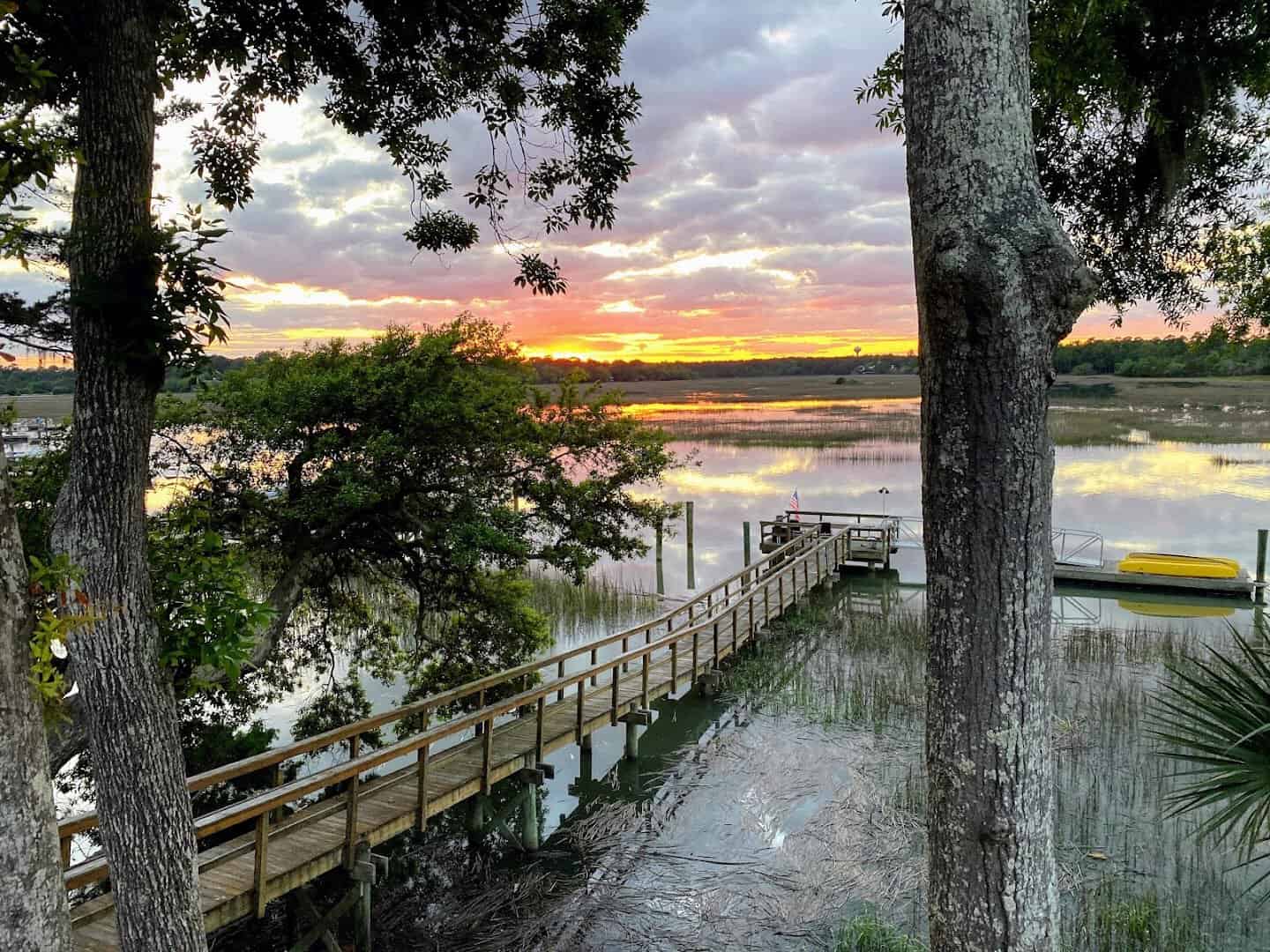
Down in the Lowcountry, Spanish moss drapes from oaks older than the country itself. Beaufort, chartered in 1711, is South Carolina’s second-oldest town, and its historic district looks like a movie set.
That is no accident. Both The Big Chill and Forrest Gump filmed here, drawn by the antebellum homes and the wide, water-fringed streets built for a slow afternoon walk.
Stroll Bay Street, watch shrimp boats work the water, and order something fried and local. This is Gullah Geechee country, and the food and history here run generations deep.
Where: Beaufort sits on Port Royal Island along US-21, about an hour northeast of Savannah, Georgia. Worth a stop:
- Bay Street – the waterfront main drag of shops, cafes, and porches
- Henry C. Chambers Waterfront Park – lawns and porch swings over the river
- The Point neighborhood – antebellum mansions under live oaks
- St. Helena Island, 20 minutes east – Gullah Geechee heritage at Penn Center
3. Astoria, Oregon
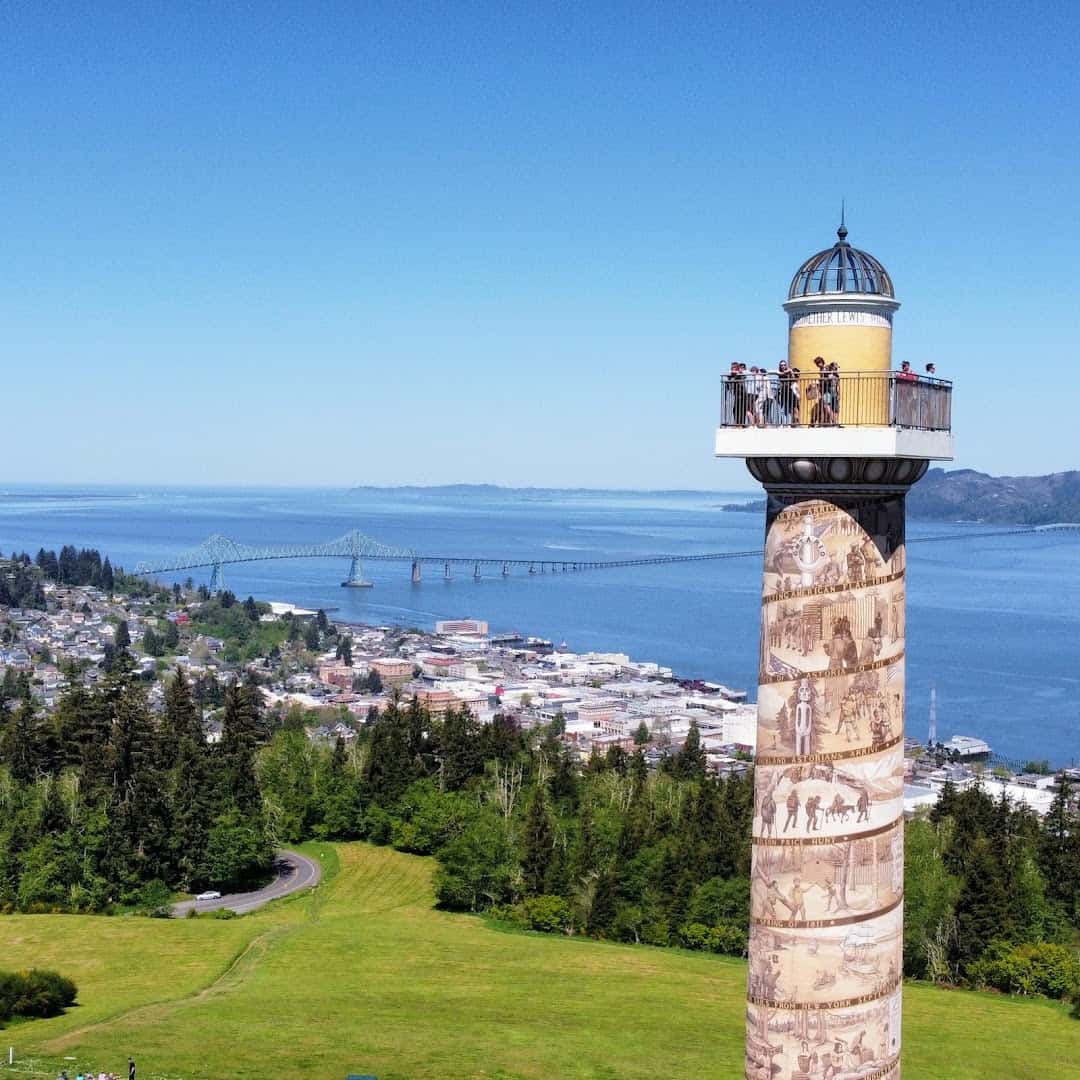
At the mouth of the Columbia River, fog rolls past Victorian houses stacked up the hillside. Astoria, founded in 1811, bills itself as the oldest American settlement west of the Rockies.
If those steep streets look familiar, you probably grew up watching The Goonies, which filmed right here. Fans still track down the old house from the movie among the gingerbread rooftops.
This is a working town of fishing boats and old canneries, and it wears that salty history without ever feeling staged. Sea lions bark from the docks, uninvited and entirely unbothered.
Where: Astoria sits at the mouth of the Columbia on US-101, about two hours northwest of Portland. Worth your time:
- Astoria Column, 1 Coxcomb Drive – 125 steps up to where the river meets the sea
- Columbia River Maritime Museum, 1792 Marine Drive – shipwrecks and the treacherous bar
- The Goonies house, 368 38th Street – the hillside cottage from the film
- The Riverwalk – a vintage trolley and breweries along the working waterfront
4. Sandpoint, Idaho
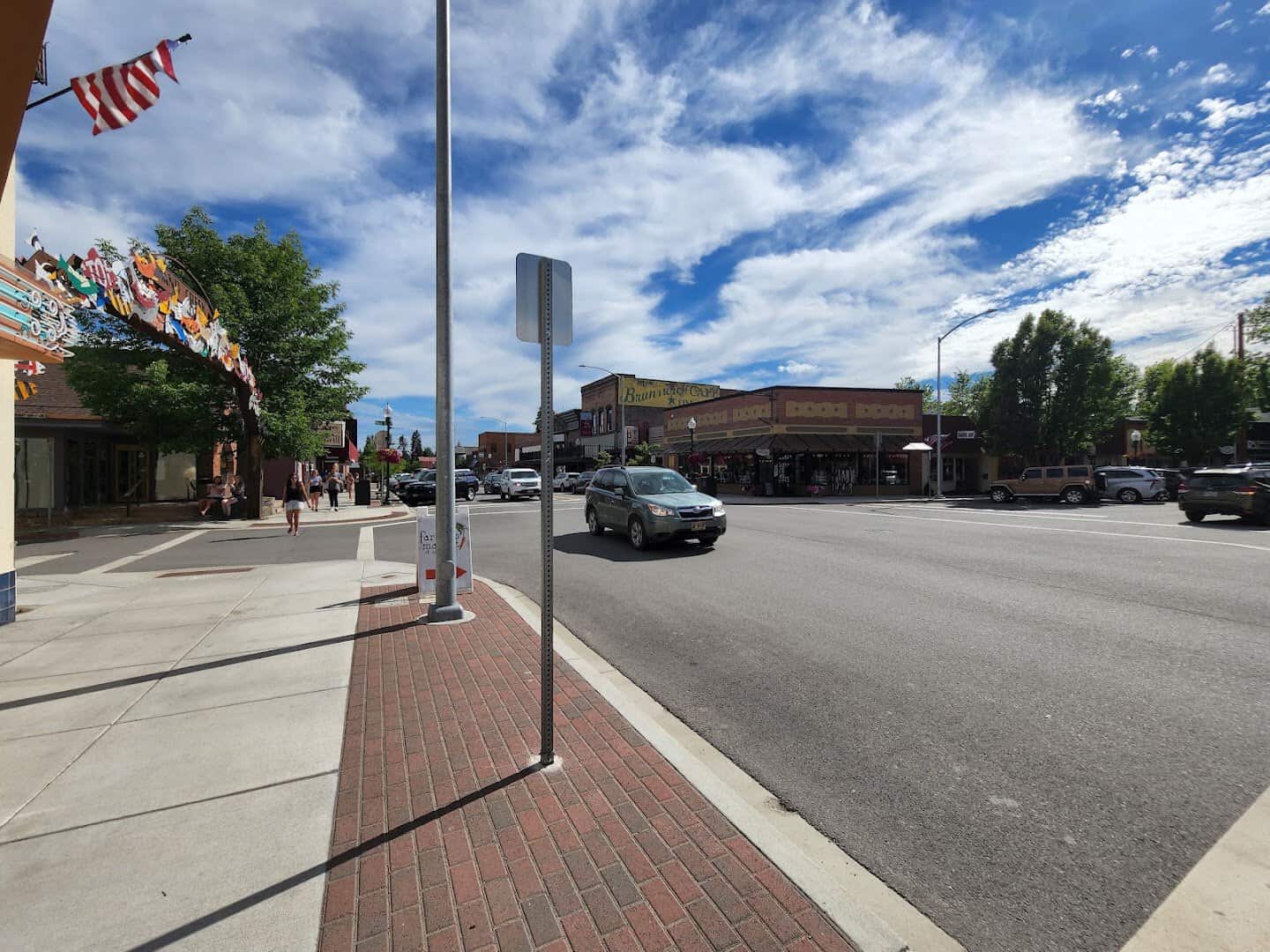
Tucked in the Idaho Panhandle, Sandpoint wraps around Lake Pend Oreille, the state’s largest and deepest lake. Mountains rise on every side, and the water is so clear it looks lifted from a travel poster.
Downtown is walkable and easygoing, full of bookstores, coffee roasters, and a covered marketplace built right across a creek. It feels like a mountain town that never got the memo to become a resort cliche.
Come summer, the lake is the whole point: swimming, sailing, and a mile-long bridge made for sunset strolls. In winter, Schweitzer’s slopes sit just up the hill, big and gloriously uncrowded.
Where: Sandpoint is on US-95 in northern Idaho, about an hour north of Coeur d’Alene. Worth your time:
- City Beach – swimming, sand, and lake views at the edge of downtown
- Cedar Street Bridge Public Market – a market built across the creek
- The Long Bridge – a walkable span with sunset views over the water
- Schweitzer, 11 miles north – skiing in winter, wildflower hikes in summer
5. Paducah, Kentucky
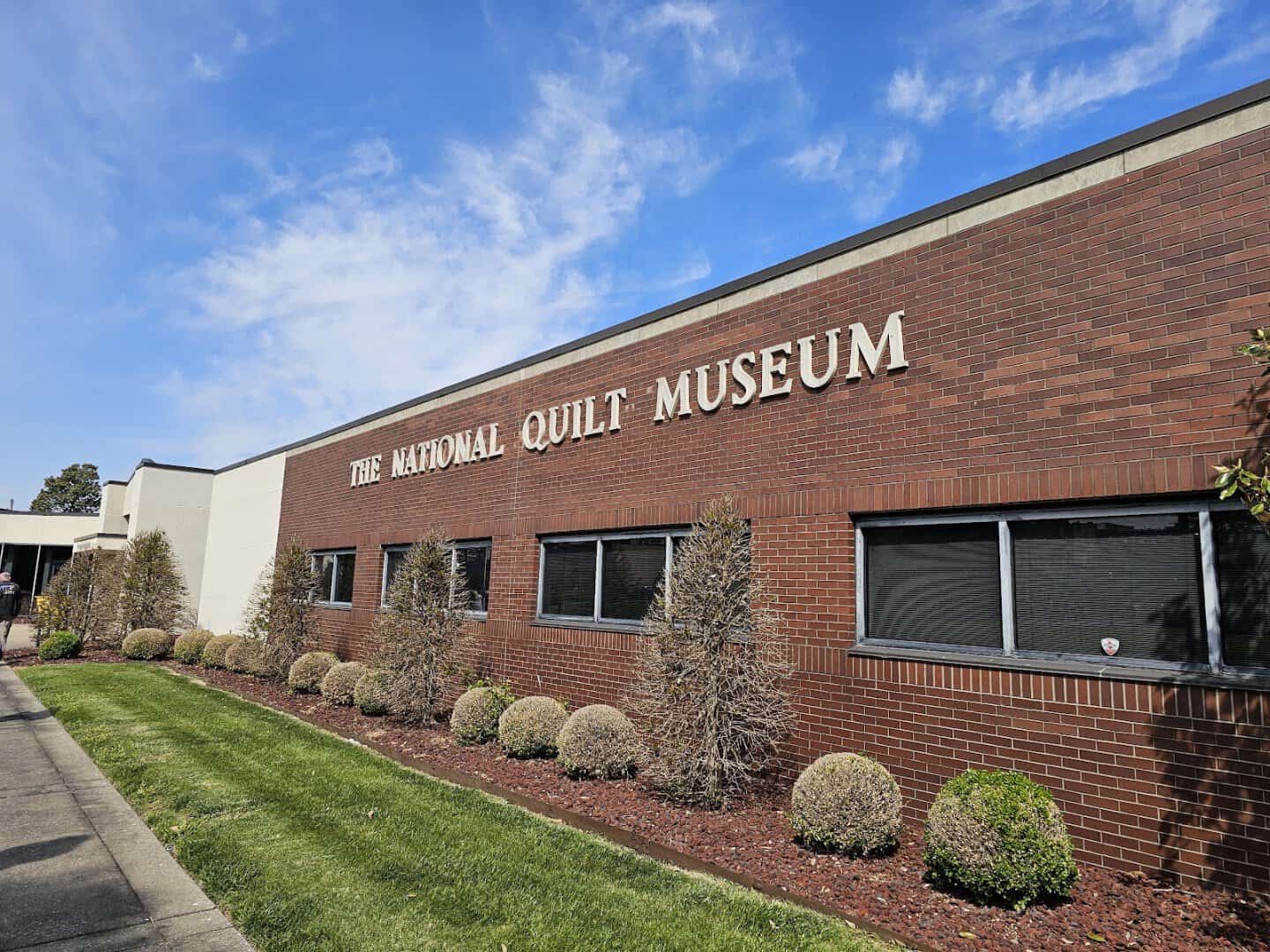
Where the Tennessee and Ohio rivers meet, a small city reinvented itself around art. More than 50 murals stretch across its riverfront floodwall, painting out local history one panel at a time.
In 2013, UNESCO named Paducah a Creative City of Crafts and Folk Art, one of only a handful in the country. The city famously lured artists by selling them houses for next to nothing.
The National Quilt Museum, the largest of its kind on earth, anchors a downtown full of galleries. Even if you have never held a needle, the craftsmanship is stunning enough to turn skeptics into believers.
Where: Paducah sits at the confluence of the Tennessee and Ohio rivers off I-24 in western Kentucky. Worth a stop:
- Floodwall Murals, Water Street – 50-plus painted panels of local history
- National Quilt Museum, 215 Jefferson Street – the largest quilt museum on earth
- LowerTown Arts District – galleries in restored Victorian homes
- The riverfront – where two great rivers meet downtown
6. Galena, Illinois
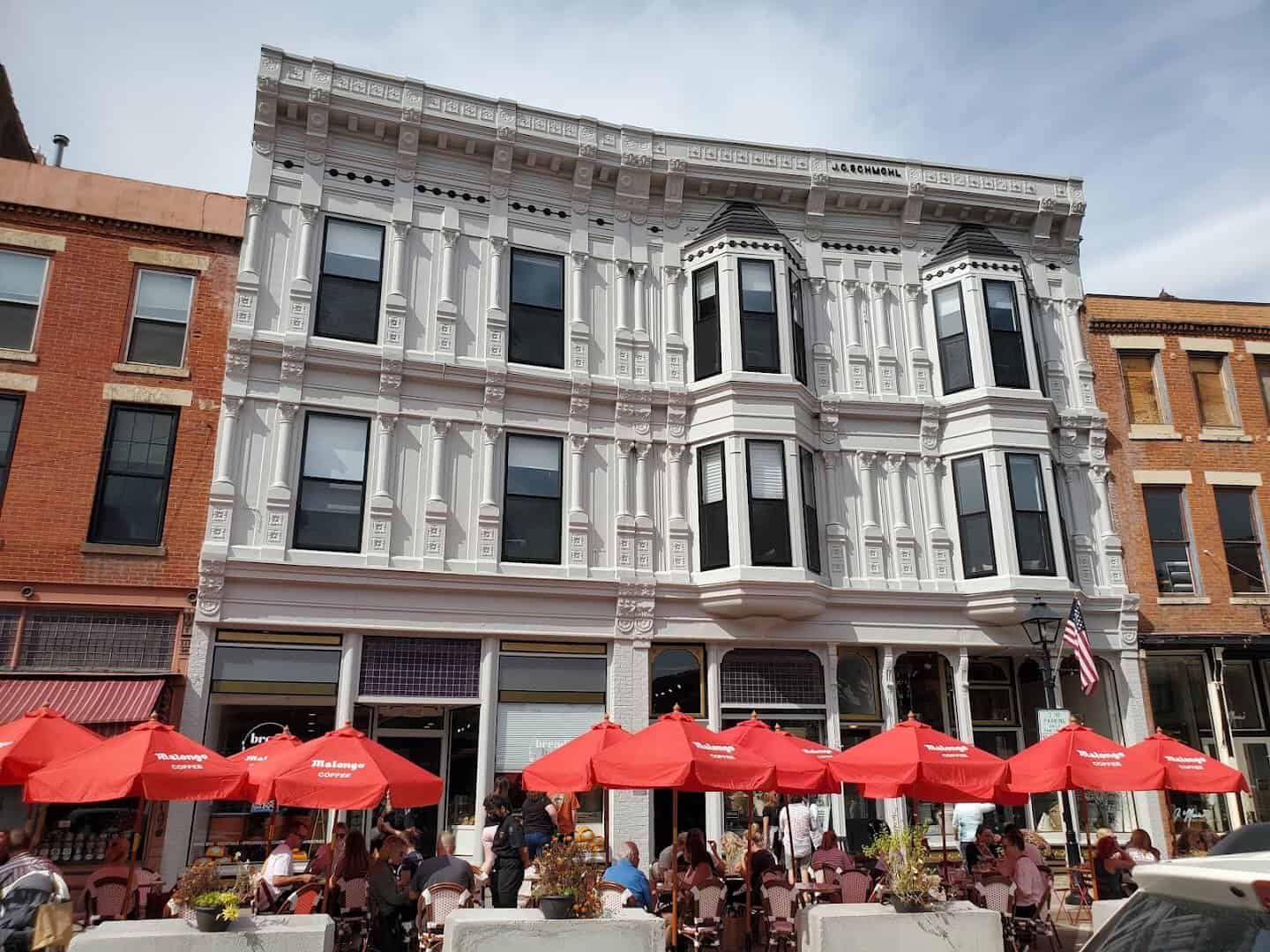
Tucked in Illinois’s hilly northwest corner, red-brick Main Street looks frozen in the 1850s, and that is deliberate. Roughly 85 percent of Galena sits inside a historic district, more than 800 preserved buildings in all.
During its lead-mining boom it was the busiest river port north of St. Louis, and the wealth of that era still lines the streets in Federal-style storefronts and grand old homes.
Ulysses S. Grant lived here before the Civil War, and his home is open to visitors. These days the town runs on antiques, wine bars, and rolling hills that surprise anyone who assumes Illinois is all flat cornfield.
Where: Galena is off US-20 in northwest Illinois, about 15 miles east of Dubuque, Iowa. Worth your time:
- Main Street – a preserved 1850s row of shops, chocolatiers, and tasting rooms
- Ulysses S. Grant Home, 500 Bouthillier Street – the general’s postwar house
- Belvedere Mansion, 1008 Park Avenue – a grand 1857 Italianate home
- The town trolley – the backstory of the hills and the lead mines
7. Marathon, Texas
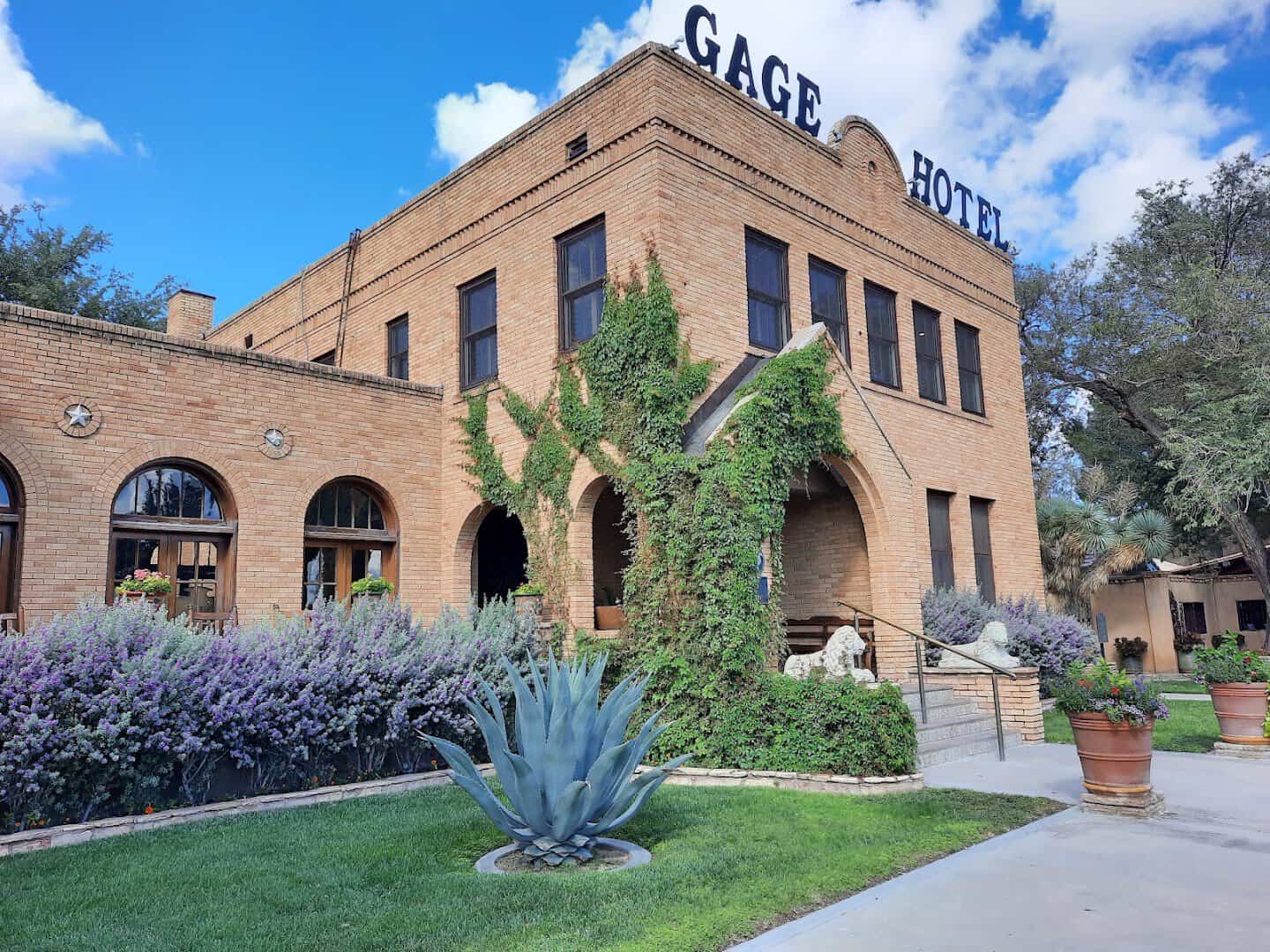
My one Texas pick skips the Hill Country everyone expects. Marathon is a speck on the high desert, the last real town before the wide-open wilds of Big Bend, and it makes all that emptiness feel like a gift.
The whole place orbits the Gage Hotel, a 1927 landmark of adobe and dark wood with a garden courtyard that appears out of the scrub like a mirage. Ranchers and road-trippers share the porch at dusk.
What really sells Marathon is the sky. With almost no light for a hundred miles, the stars come out in numbers most of us forgot existed. Big Bend National Park waits just down the road.
Where: Marathon sits at the junction of US-90 and US-385 in far West Texas, about three hours southeast of El Paso. Worth your time:
- The Gage Hotel, 102 NW 1st Street – the 1927 adobe landmark and its gardens
- Marathon Motel Sky Park, US-90 west – dark-sky stargazing on the edge of town
- Post Park, 5 miles south – a spring-fed oasis with a shady pond
- Big Bend National Park, 40 miles south – canyons, desert, and the Rio Grande
8. Marquette, Michigan
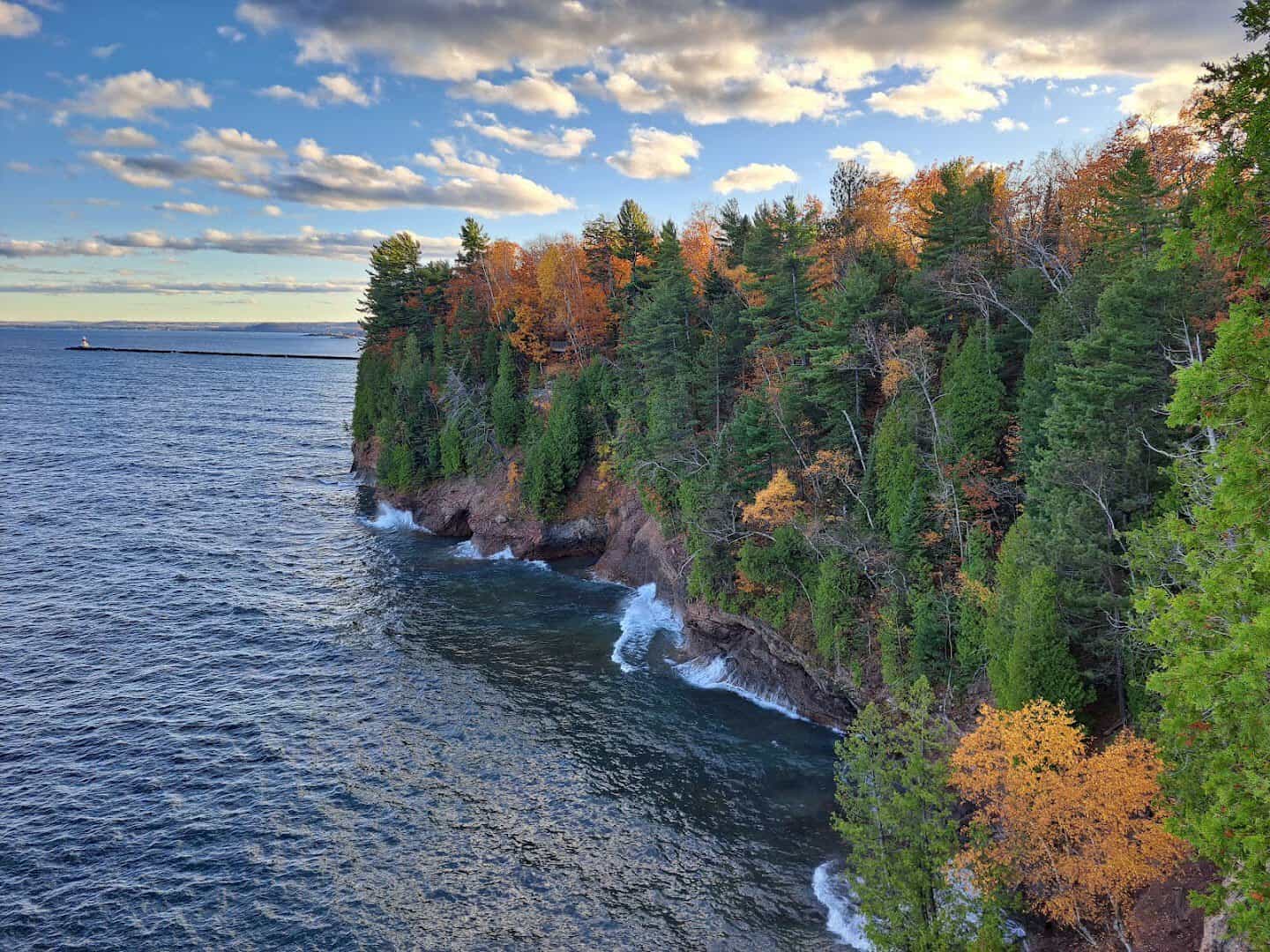
Up in Michigan’s Upper Peninsula, Lake Superior behaves like an ocean. Cold, impossibly blue water wraps Marquette, the U.P.’s largest city, founded in 1849 on the iron trade.
Locals leap off the Black Rocks at Presque Isle Park, a peninsula stitched with trails and Superior overlooks. Hike Sugarloaf Mountain for a sweeping view of lake and forest.
Down at the harbor, the red Marquette Harbor Lighthouse has guided ships since 1866, and a towering old ore dock still juts into the water. Summer here is glorious and short, which somehow makes it sweeter.
Where: Marquette is on Lake Superior along US-41 in Michigan’s Upper Peninsula, about 160 miles east of Duluth, Minnesota. Worth your time:
- Marquette Harbor Lighthouse, 300 Lakeshore Boulevard – the red 1866 light on the point
- Presque Isle Park – Black Rocks cliffs and Superior trails north of downtown
- Sugarloaf Mountain, 6 miles north – a short climb to a big lake view
- Lower Harbor Ore Dock – the towering relic of the iron trade
9. Fayetteville, West Virginia
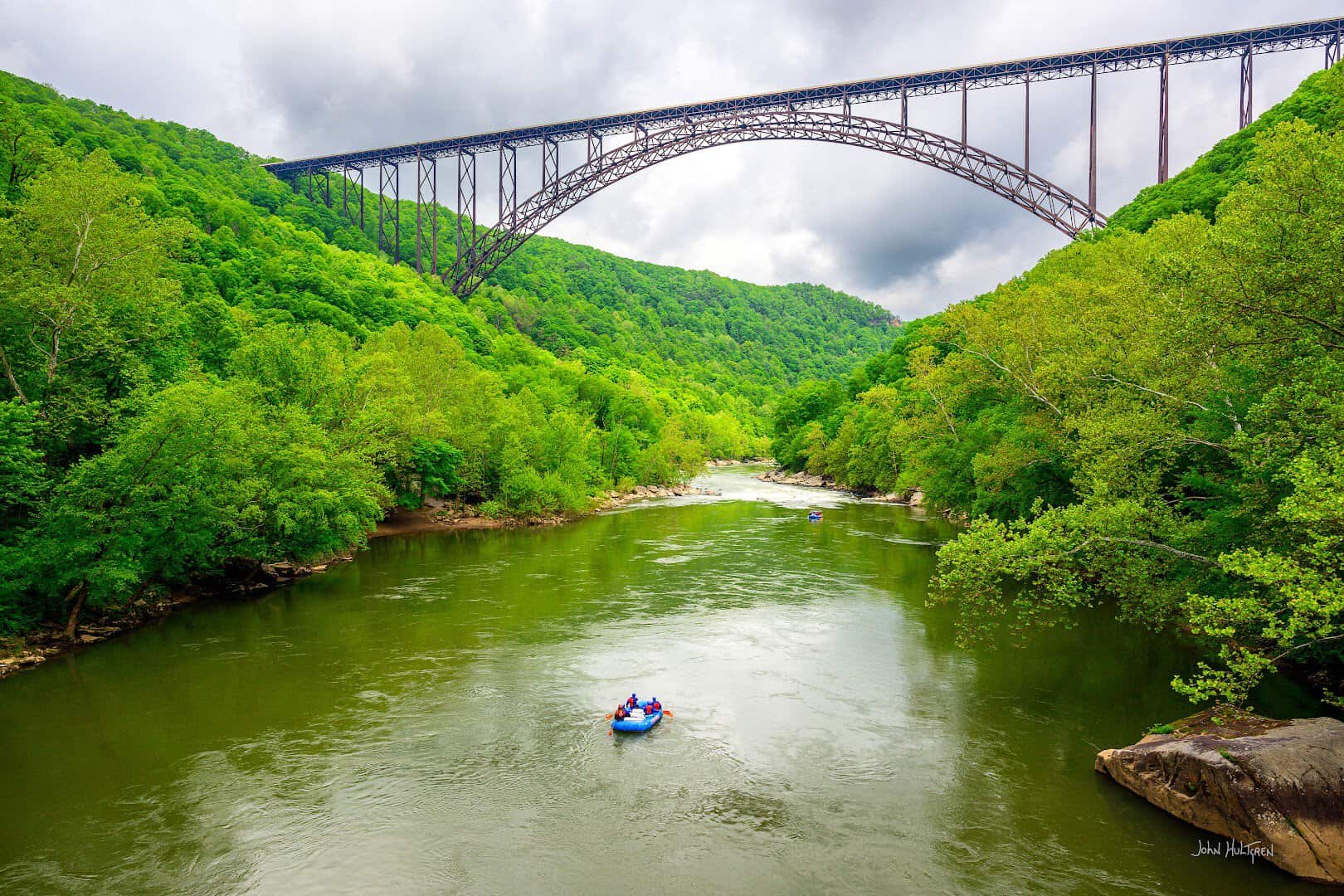
Deep in the Appalachian hills, one of the country’s newest national parks hides in plain sight. Fayetteville is the friendly little town that guards the rim of the New River Gorge, and outdoor lovers adore it.
The star is the New River Gorge Bridge, a steel arch soaring 876 feet above the water. One Saturday each October, on Bridge Day, people legally leap off it with parachutes while a whole festival cheers.
Below, the New River churns through some of the best whitewater in the East. Back in town, a small, artsy main street serves up coffee, gear shops, and mountain-town hospitality.
Where: Fayetteville sits off US-19 in southern West Virginia, about an hour southeast of Charleston. Worth your time:
- New River Gorge Bridge – the 876-foot steel arch over the gorge
- Canyon Rim Visitor Center, 162 Visitor Center Road – the classic bridge view
- Long Point Trail – a 3-mile walk to a cliff facing the bridge
- Downtown Fayetteville – coffee, outfitters, and rafting outposts
10. Eureka Springs, Arkansas
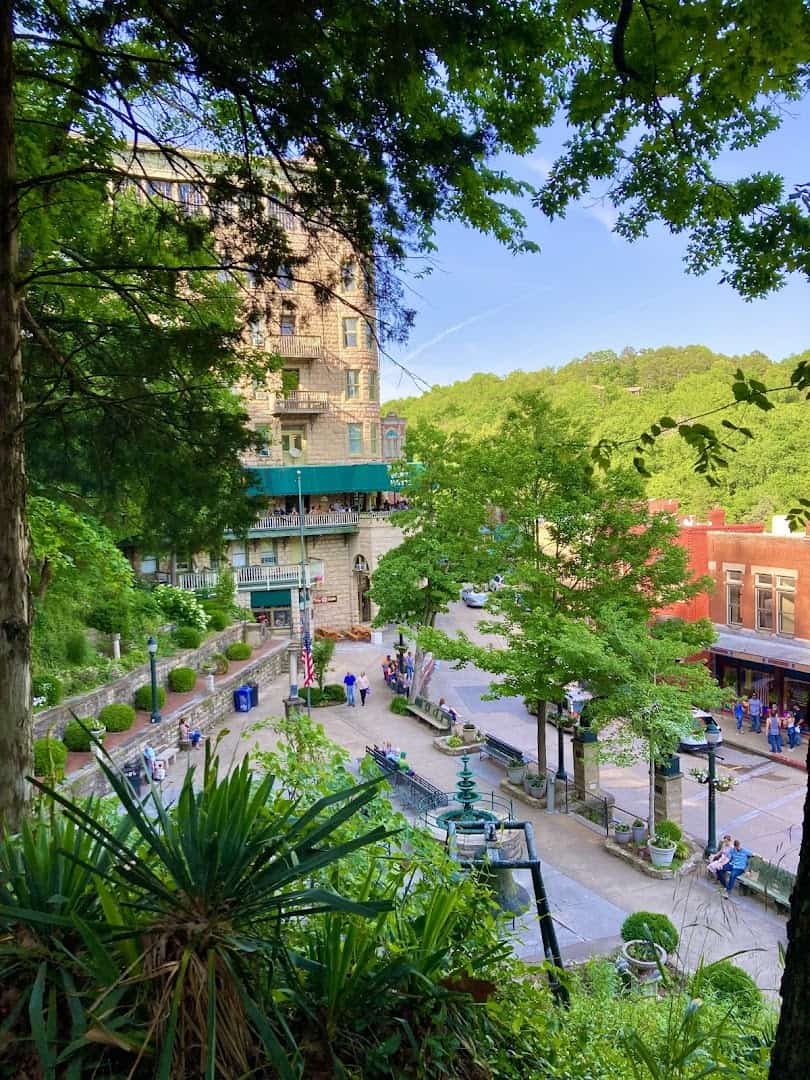
In the Ozarks, an entire town clings to a mountainside. The streets of Eureka Springs loop so oddly that, as locals like to say, they meet at a right angle only once.
Founded in 1879 around springs people believed could heal, it drew health-seekers from across the country and kept nearly every Victorian building they left behind. The whole downtown sits on the National Register.
In places, stairways stand in for sidewalks, and live music spills out of the taverns. It is delightfully strange, with an artsy, free-spirited streak you feel the moment you arrive.
Where: Eureka Springs is on US-62 in the Ozark Mountains of northwest Arkansas, near the Missouri line. Worth your time:
- Historic Downtown – a Victorian loop of shops built into the hillside
- 1886 Crescent Hotel, 75 Prospect Avenue – the grand limestone landmark on the ridge
- Thorncrown Chapel, 12968 US-62 – a glass chapel tucked in the trees
- Basin Spring Park – the downtown spring the whole town grew around
11. Port Townsend, Washington
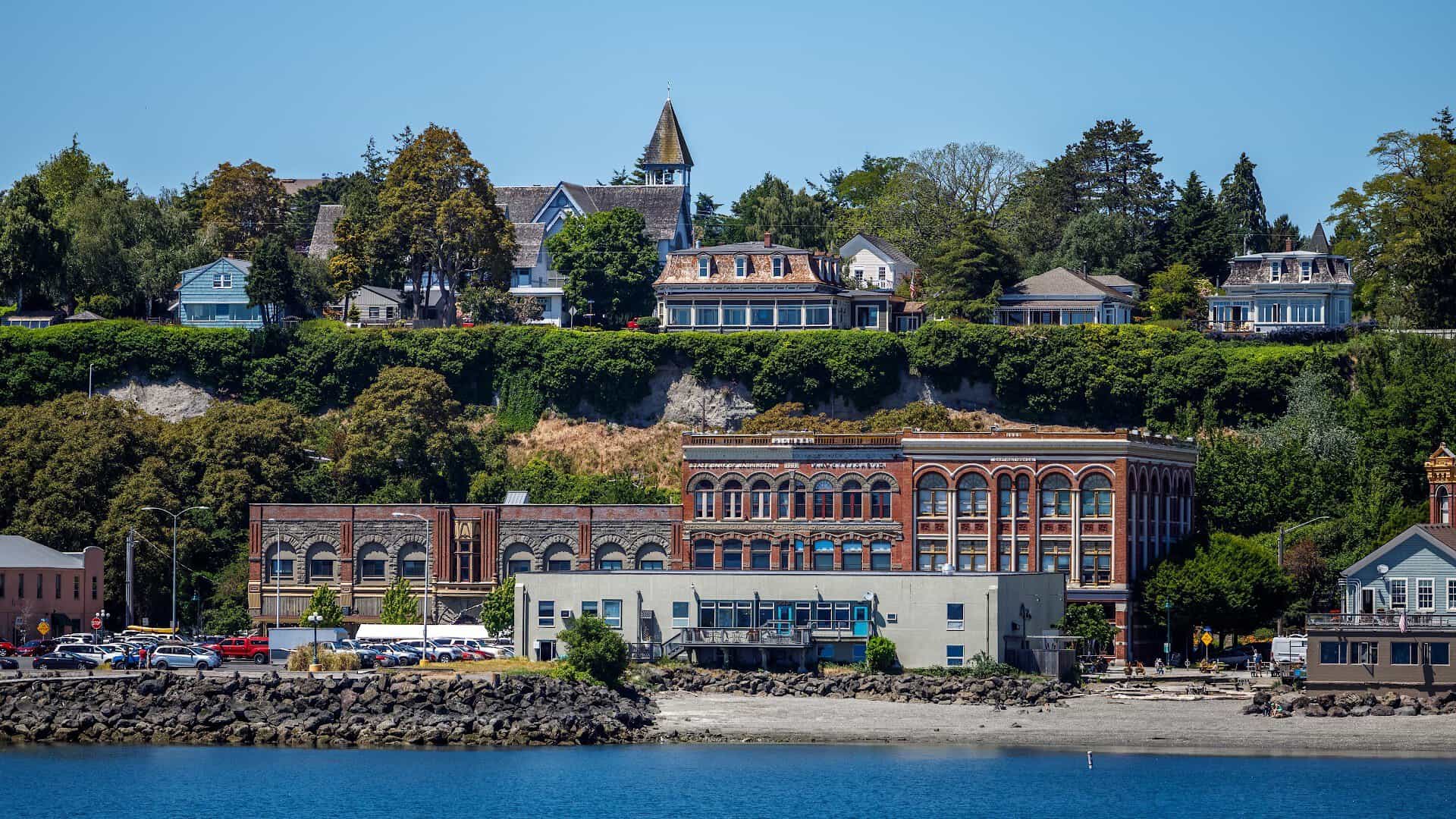
Out on the tip of the Olympic Peninsula, a whole Victorian seaport survived by accident. Port Townsend expected to become the region’s big city, the railroad never came, and the 1890s downtown simply stayed put.
Today those brick storefronts and clifftop mansions make one of the finest Victorian streetscapes on the West Coast. The town leans nautical, hosting a famous wooden boat festival every September.
Water wraps three sides, so there are always sails on the horizon and snowy peaks beyond. Ferries, bookshops, and salt air give it the feel of a place happily out of step with the hurry.
Where: Port Townsend sits at the northeast tip of the Olympic Peninsula, reached by US-101 and a ferry, about two hours from Seattle. Worth your time:
- Downtown Historic District, Water Street – 1890s brick storefronts by the harbor
- Fort Worden State Park – a 1900s coastal fort with beaches and a lighthouse
- Chetzemoka Park – bluff-top gardens over Admiralty Inlet
- Point Wilson Lighthouse – the white tower where the strait meets the bay
12. Truth or Consequences, New Mexico
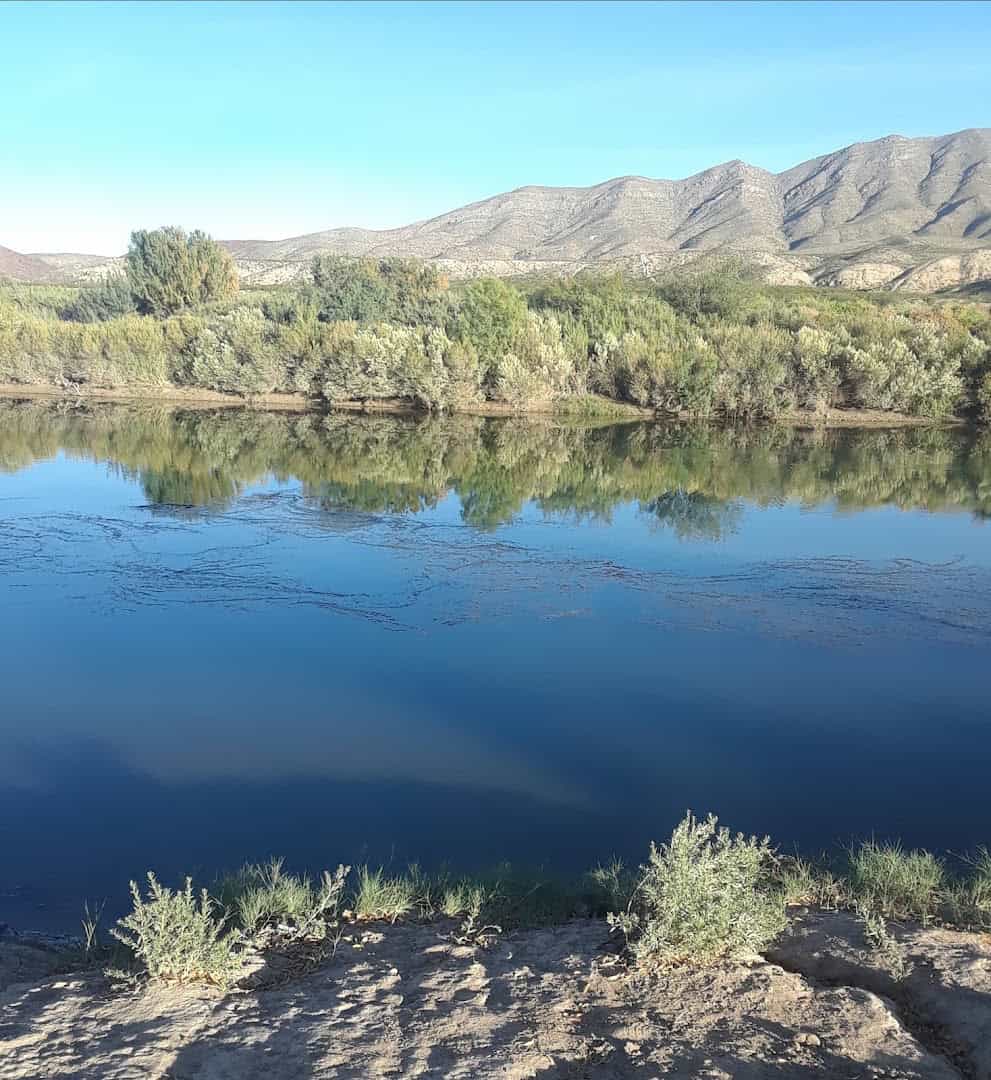
Yes, that is really the name. This little desert town rebranded itself in 1950 to win a radio contest, and the quirky spirit behind that stunt still runs the whole place today.
Long before the new name, people came for the geothermal springs bubbling up along the Rio Grande. You can still soak in them, in low-key bathhouses where a private tub costs about the price of a movie ticket.
The downtown is a happy jumble of art galleries, murals, and vintage neon. Nearby, a giant lake and a real commercial spaceport make this one of the most unexpected corners of the Southwest.
Where: Truth or Consequences sits off I-25 in southern New Mexico, about two hours south of Albuquerque. Worth your time:
- The Bathhouse District, Broadway – soaking pools fed by hot mineral springs
- Downtown galleries and murals – the town’s artsy, offbeat core
- Elephant Butte Lake State Park, 5 miles north – the state’s largest lake
- Spaceport America, 55 miles southeast – tours of the commercial spaceport
13. Cumberland Island, Georgia
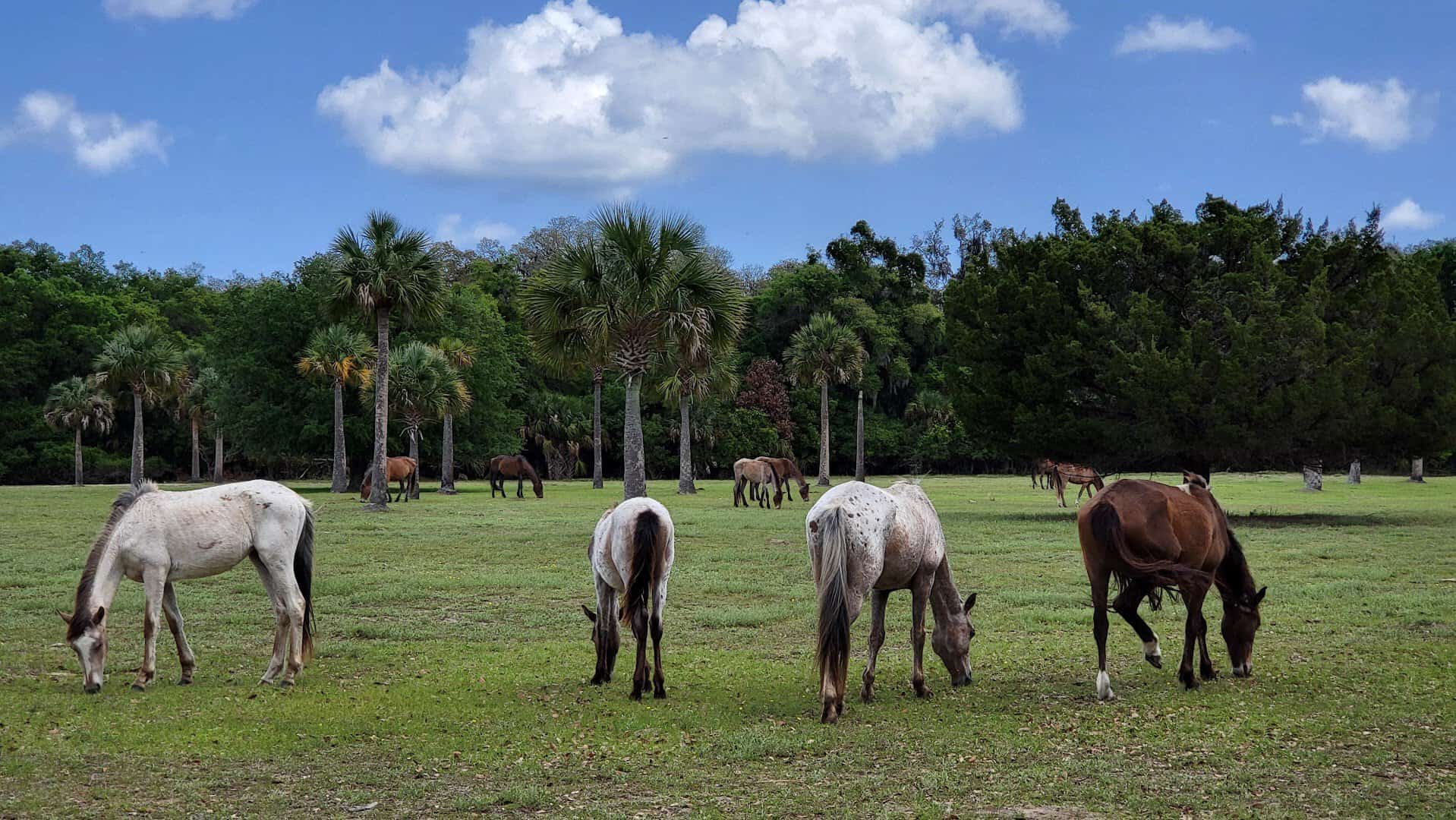
For something wilder, catch a ferry off the Georgia coast. Wild horses roam Cumberland Island, the state’s largest barrier island, grazing among live oaks and the ruins of a Carnegie mansion.
There are no bridges here and no crowds, just 17 miles of empty white-sand beach and salt marsh. Only a few hundred visitors are allowed each day, so it stays quiet and a little magical.
Pack everything in and out, because there are no shops on the island. Spend the day beachcombing for sharks’ teeth, then watch the horses graze as the evening light turns gold.
Where: Cumberland Island is reached only by ferry from St. Marys, Georgia, off I-95 near the Florida line. Worth your time:
- The Sea Camp dock – where the ferry lands and the trails begin
- Dungeness Ruins – a Gilded Age Carnegie estate the wild horses wander through
- The Atlantic beach – 17 miles of empty white sand and shark teeth
- The live oak trails – moss-draped paths linking the island’s ends
14. Abingdon, Virginia
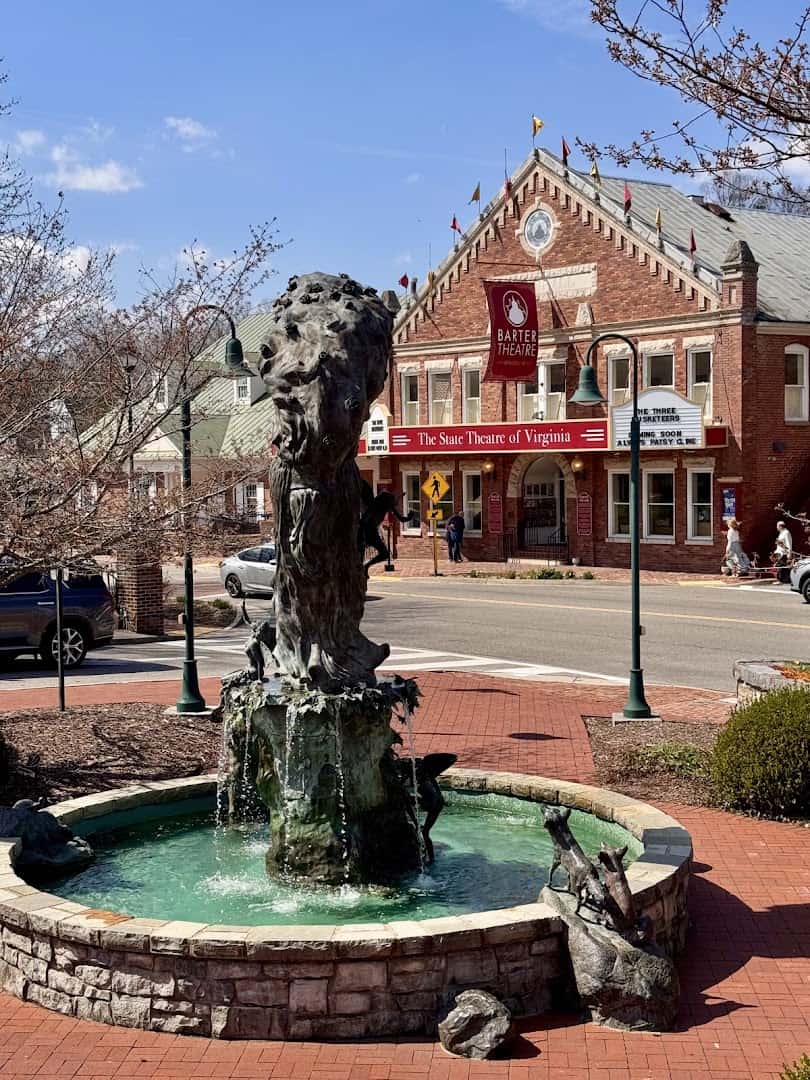
In the far southwest corner of Virginia, the Blue Ridge gives way to a graceful old town. Abingdon has been a stop on the road west since the 1700s, and its brick Main Street wears that history beautifully.
Its crown jewel is the Barter Theatre, born in 1933 when actors accepted produce for tickets during the Depression. Now the State Theatre of Virginia, it still draws crowds to the same historic stage.
The town is also the trailhead for the Virginia Creeper Trail, a 34-mile rail-trail that coasts downhill through the mountains. Cyclists finish grinning, then wander back for dinner on Main Street.
Where: Abingdon sits off I-81 in far southwest Virginia, about 15 miles northeast of Bristol. Worth your time:
- Barter Theatre, 127 W Main Street – the 1933 State Theatre of Virginia
- Main Street Historic District – brick sidewalks, inns, and galleries
- The Martha Washington Inn, 150 W Main Street – a grand 1832 mansion hotel
- Virginia Creeper Trail – a 34-mile downhill rail-trail from the mountains
15. Lubec, Maine
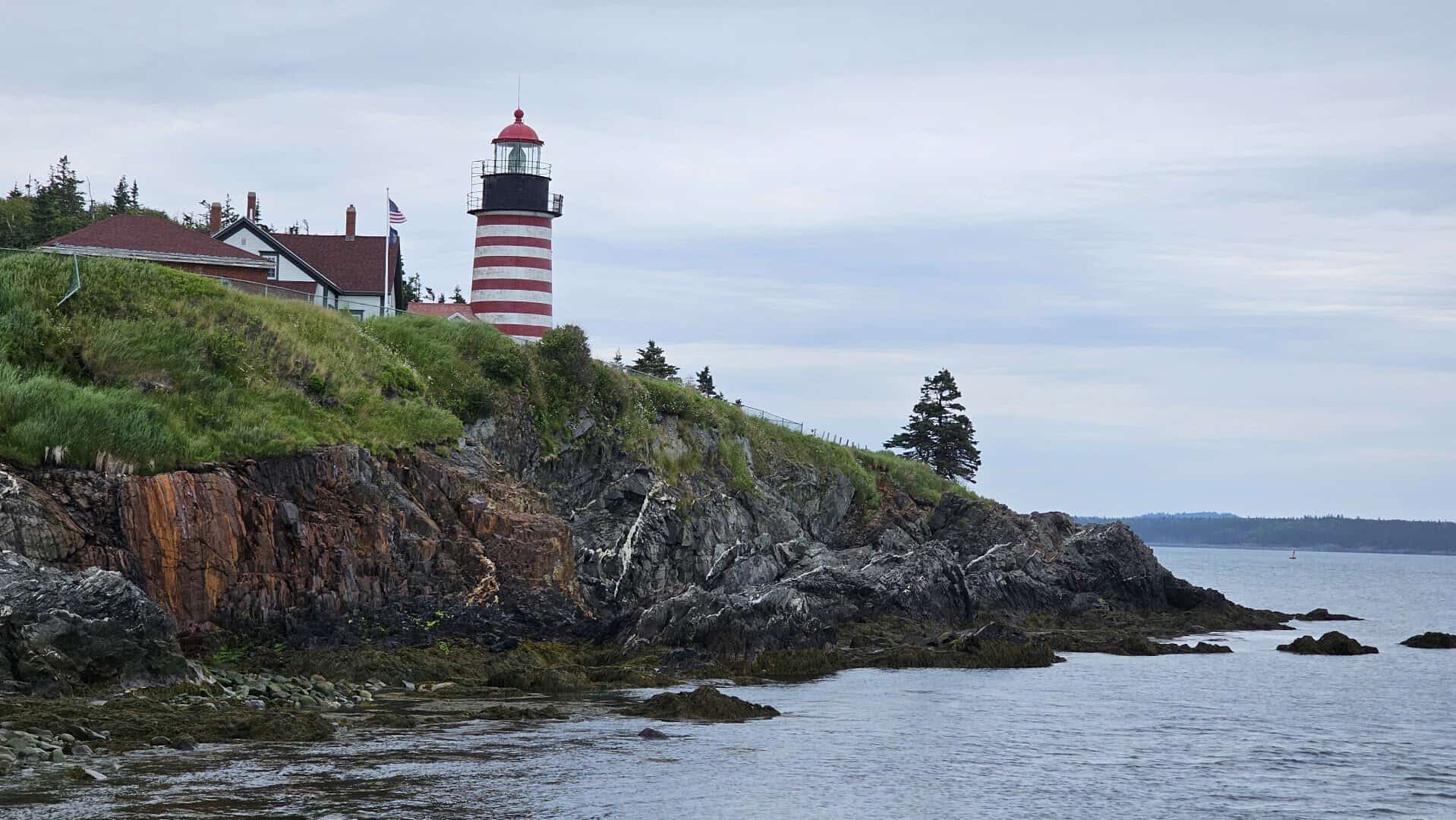
Finish at the very edge of the map. West Quoddy Head Light marks the easternmost point of the continental United States, in tiny Lubec, Maine.
It is the only candy-striped lighthouse in the state, its bold red and white bands first raised in 1858 to guide ships through the fog and the fierce local tides.
Quoddy Head State Park unfolds across cliffs, bogs, and spruce, with trails hugging the Bay of Fundy. This is where America sees the sunrise first, and the next landfall is Canada. It feels like both an ending and a beginning.
Where: West Quoddy Head Light is at 973 South Lubec Road in Quoddy Head State Park, at the end of SR-189 off US-1 in Downeast Maine, about two hours east of Bangor.
Go Find Your Own Underrated Corner
The fun of a list like this is that it is really an invitation. None of these fifteen will stay under the radar forever, so the smart move is to go now, while the streets are quiet and, on one island, the horses still outnumber the tourists.
Pick the one that tugs at you, whether that is a thousand-year-old pueblo or a striped lighthouse at the end of Maine, and point your car toward it. The famous places will always be waiting. The underrated ones are just more fun to brag about later.
Featured image: Paul via Cumberland Island National Seashore

Stella Raines
Editor-in-Chief
Stella brings over a decade of storytelling experience to TX Headlines. With roots in West Texas and a love for road trips, she leads the editorial team with an eye for the hidden stories that make Texas unforgettable.