14 Things to Do in Durango, Colorado That Go Beyond the Famous Train
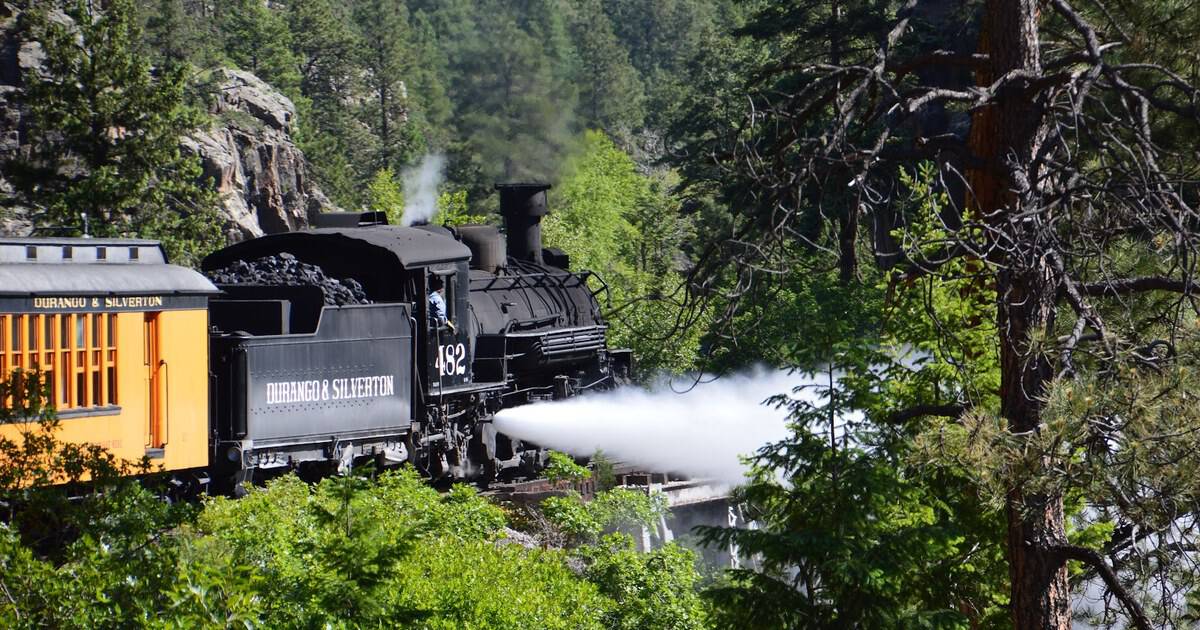
The first time I heard a real steam whistle echo off a canyon wall, something in my chest went quiet. That sound belongs to another century, and I have been chasing it ever since.
Durango, Colorado, is where that whistle still runs on time. Tucked deep in the San Juan Mountains, this old mining and railroad town trades in high-country wonder, and its famous train is only the opening act. Below, fourteen reasons to point the car west and stay a while.
1. Durango & Silverton Narrow Gauge Railroad, Colorado

Yes, start with the train. It has run on coal-fired steam since 1882, hauling passengers 45.4 miles up to Silverton along the same three-foot tracks that once carried gold and silver ore down out of the mountains.
The route hugs the Animas River, then climbs to ledges blasted into sheer rock where the drop-off below will make you grip your armrest. It is a National Historic Landmark, and the crews still stop to take on coal and water like it is 1900.
Plan on a full day for the round trip, or ride one way and shuttle back to save your afternoon. In winter the same line runs holiday trains up snowy Cascade Canyon, so that whistle echoes off the peaks in every season.
The most spectacular stretch is the Highline, where the track runs on a narrow shelf carved hundreds of feet above the river. Book an open-air gondola car in summer and you will feel every inch of that drop in your stomach.
Where: 479 Main Avenue, Durango, Colorado.
2. Historic Downtown Durango, Colorado
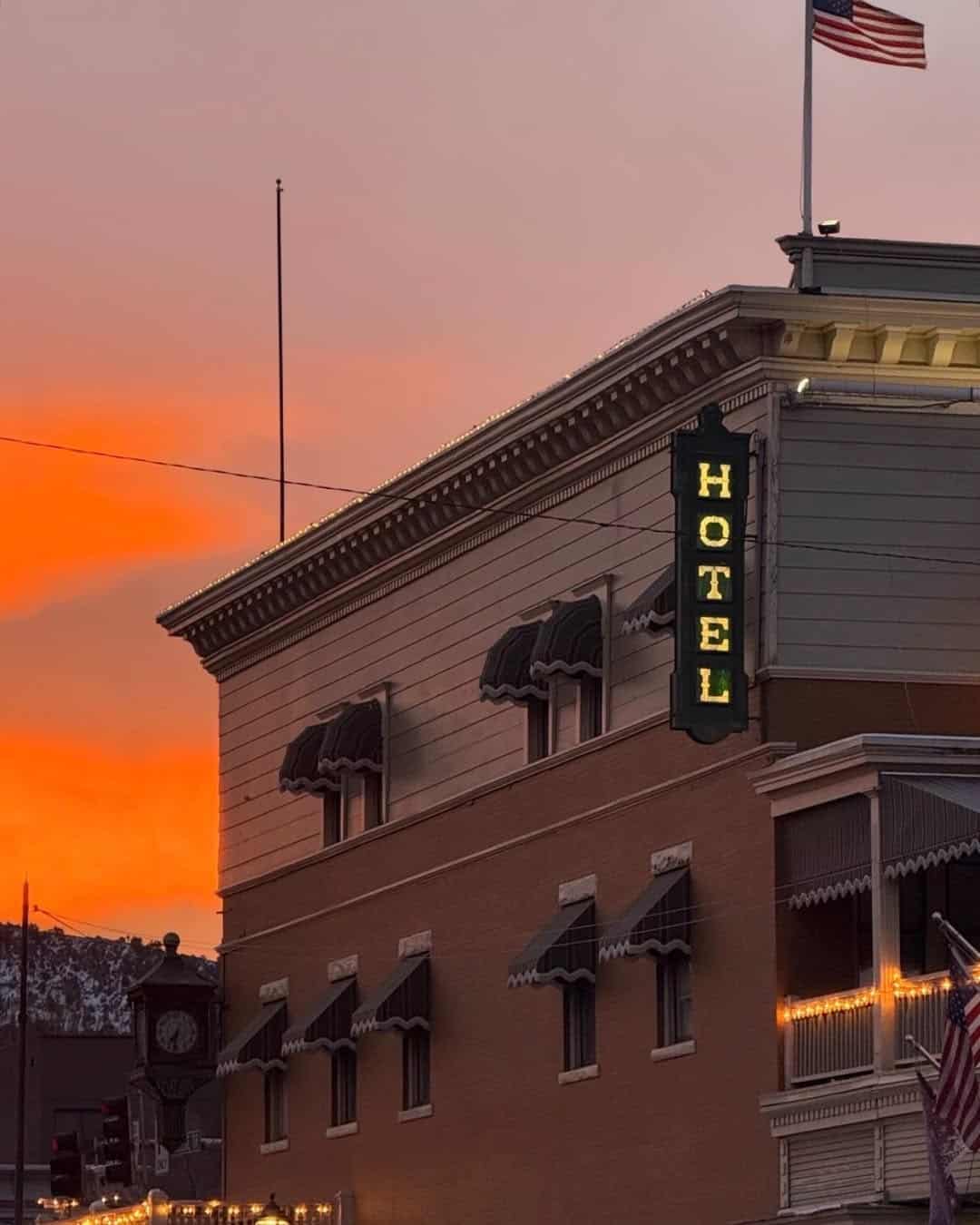
Before you leave town, give Durango’s Main Avenue a slow afternoon. The whole downtown is a National Historic District, thirty-some blocks of red-brick Victorian storefronts, cast-iron balconies, and old hotel signs that have glowed since the railroad boom of the 1880s.
The grand old Strater Hotel has anchored the corner of Seventh and Main since 1887, its rooms still full of walnut antiques and its saloon still ringing with honky-tonk piano most nights of the week.
Between the galleries, gear shops, coffee roasters, and breweries, you can lose a whole afternoon just window-shopping under the mountains. Time it right and the steam train rolls in and out right at the foot of the street.
Come in early December for the parade of lights, when the whole avenue glows and horse-drawn wagons clip along the brick. It is a town that wears its history proudly and still feels wide awake.
Where: Downtown Durango centers on Main Avenue, reached off US 550 and US 160 at the south end of town. Worth a wander:
- The Strater Hotel, 699 Main Avenue, the 1887 Victorian landmark with the Diamond Belle Saloon
- Main Avenue Historic District, roughly 5th to 12th streets, the brick-front heart of the shops and galleries
- Durango train depot, 479 Main Avenue, where the narrow-gauge steam train arrives and departs
3. Mesa Verde National Park, Colorado
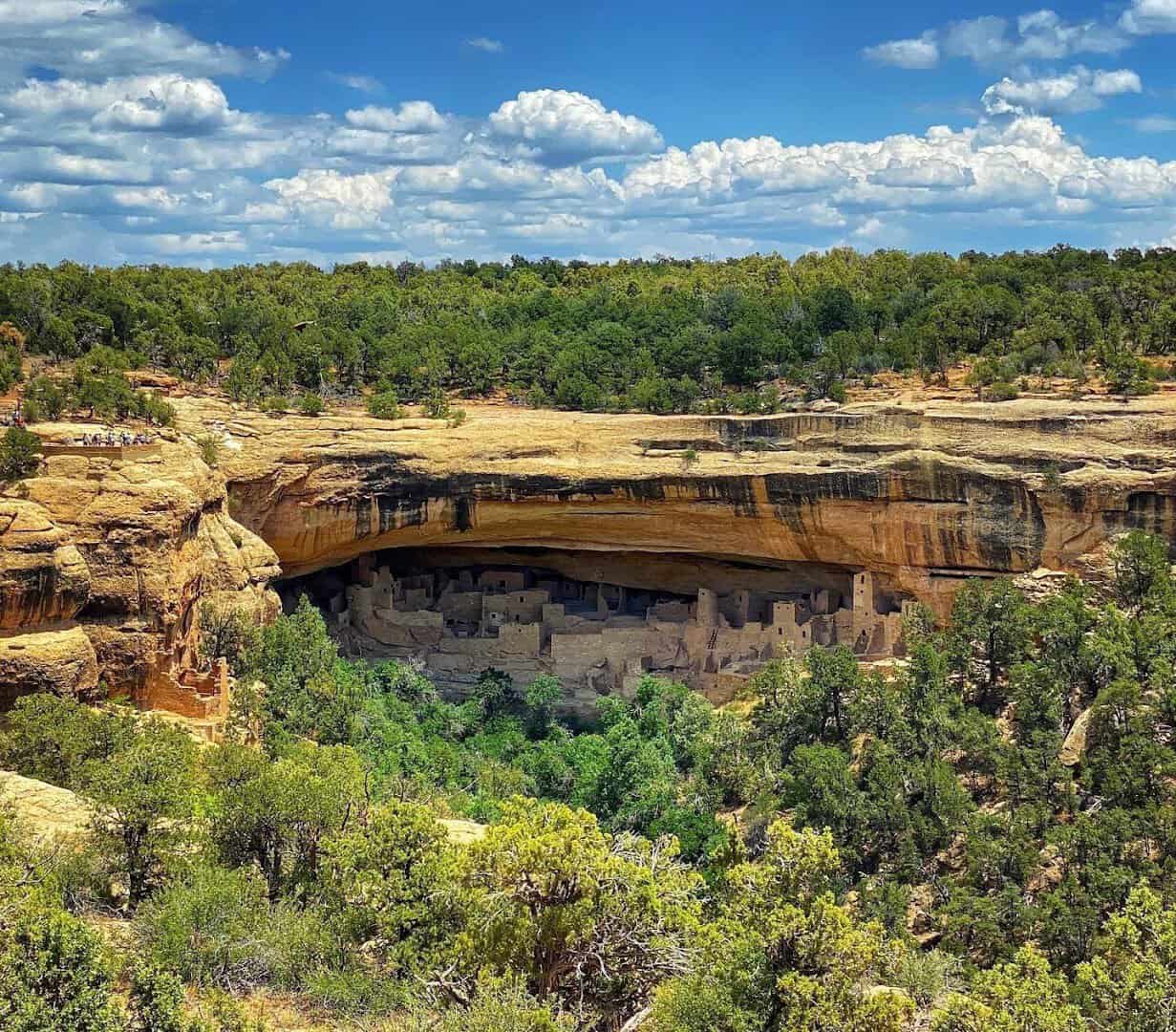
About 35 miles west of Durango, the mesa hides one of the most astonishing places I know of anywhere in this country. Cliff Palace, tucked into a sandstone alcove, holds around 150 rooms and 23 ceremonial kivas, built by Ancestral Puebloan people who lived here for more than 700 years.
Theodore Roosevelt made this the first national park created to protect human history rather than scenery, back in 1906. UNESCO named it a World Heritage Site in 1978, and the park now guards thousands of archaeological sites across the green tabletop.
Book a ranger-led tour and climb the wooden ladders into the dwellings yourself. Pro tip: reserve tickets early, because the popular tours to Cliff Palace and Balcony House sell out fast in summer.
The drive up onto the mesa is half the experience, switchbacking to overlooks where the whole Four Corners country spreads out below you. Give yourself the better part of a day here and do not rush it.
Where: Mesa Verde National Park, main entrance on US 160, about 35 miles west of Durango between Mancos and Cortez, Colorado.
4. The Animas River, Colorado
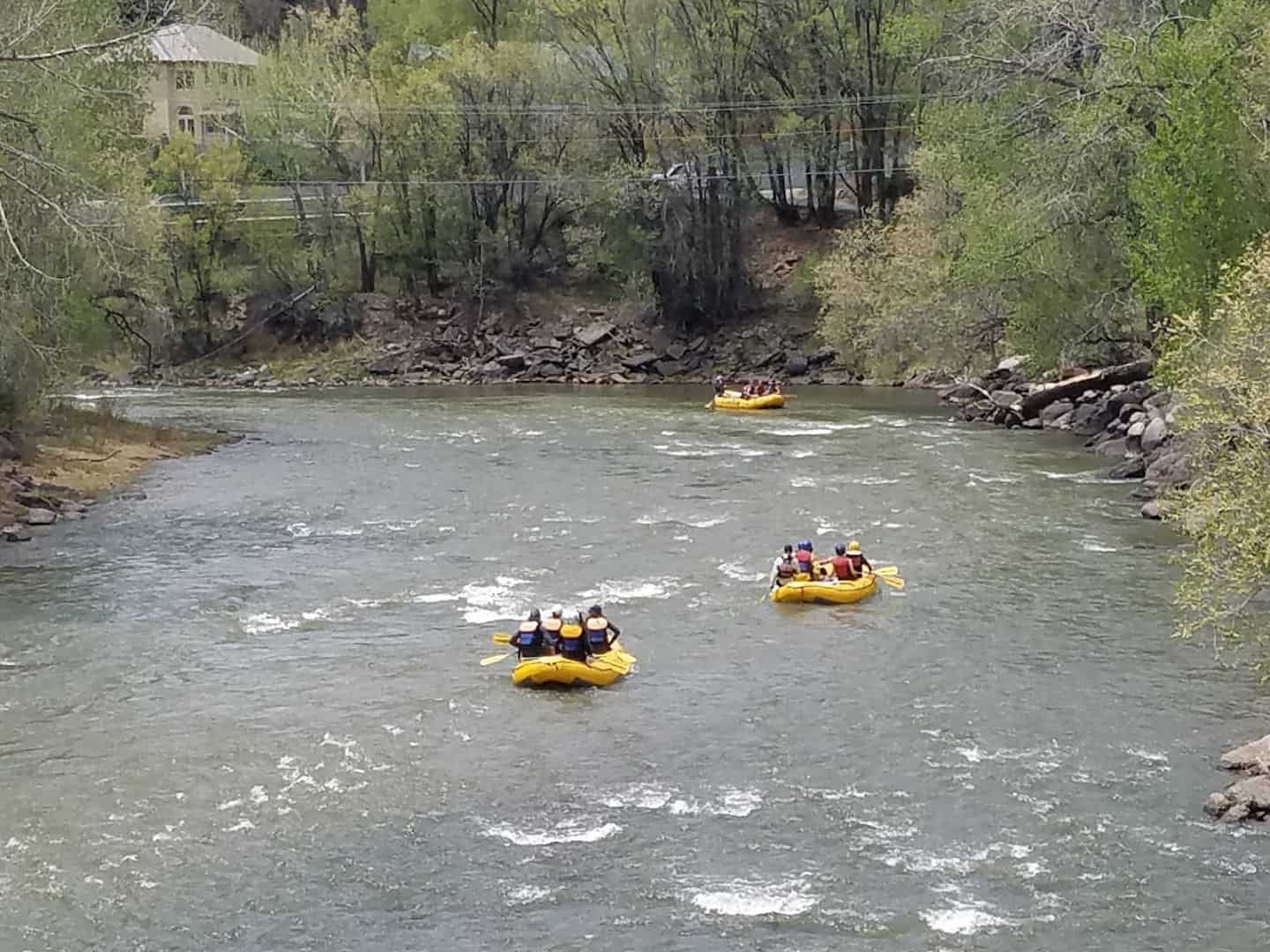
Durango grew up around this river, and it is still the heart of the place. The paved Animas River Trail runs more than seven miles right through town, flat and free, perfect for a slow morning walk or a bike ride with the current on your shoulder.
Want more adrenaline? Local outfitters run rafting trips all summer long. In late May and June the snowmelt turns the water big and pushy for thrill-seekers, and by July and August it mellows into something the whole family can float.
Right in the middle of town there is even a whitewater park where kayakers surf the standing waves. Bring a tube on a hot afternoon and drift past the old brick backs of Main Avenue.
The Animas is also a fine trout river, and you will spot fly-fishers casting from the gravel bars and the banks right below the footbridges downtown. Few towns let you fish, float, and window-shop on the same block.
Where: The Animas River runs straight through the middle of Durango, paralleled by the free paved River Trail. Best access points:
- Santa Rita Park, 149 S Camino del Rio, the south-end trailhead, parking, and float put-in
- Smelter Rapid whitewater park, just below Santa Rita Park, where kayakers surf the standing waves
- Rotary Park, off East 2nd Avenue at 9th Street, easy north-end trail access near downtown
5. Million Dollar Highway, Colorado
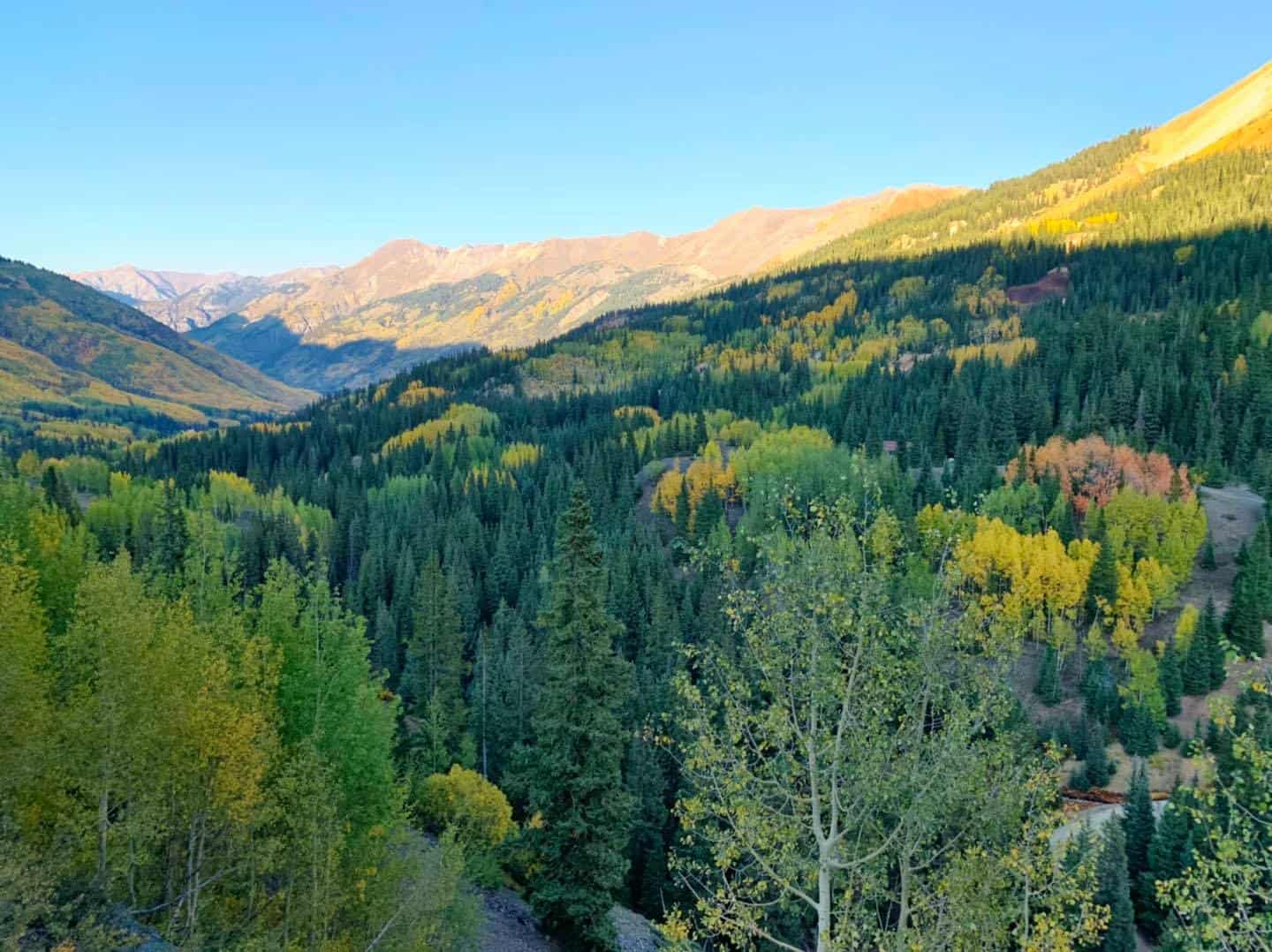
I have a theory that everyone should drive one truly nerve-testing mountain road in their life, and this is the one. The famous stretch of US 550 runs 25 miles from Silverton to Ouray, climbing over Red Mountain Pass above 11,000 feet.
There are almost no guardrails. The pavement clings to the cliff, the valley falls away hundreds of feet below your tires, and the old mine tailings glow rust-red on the slopes above you.
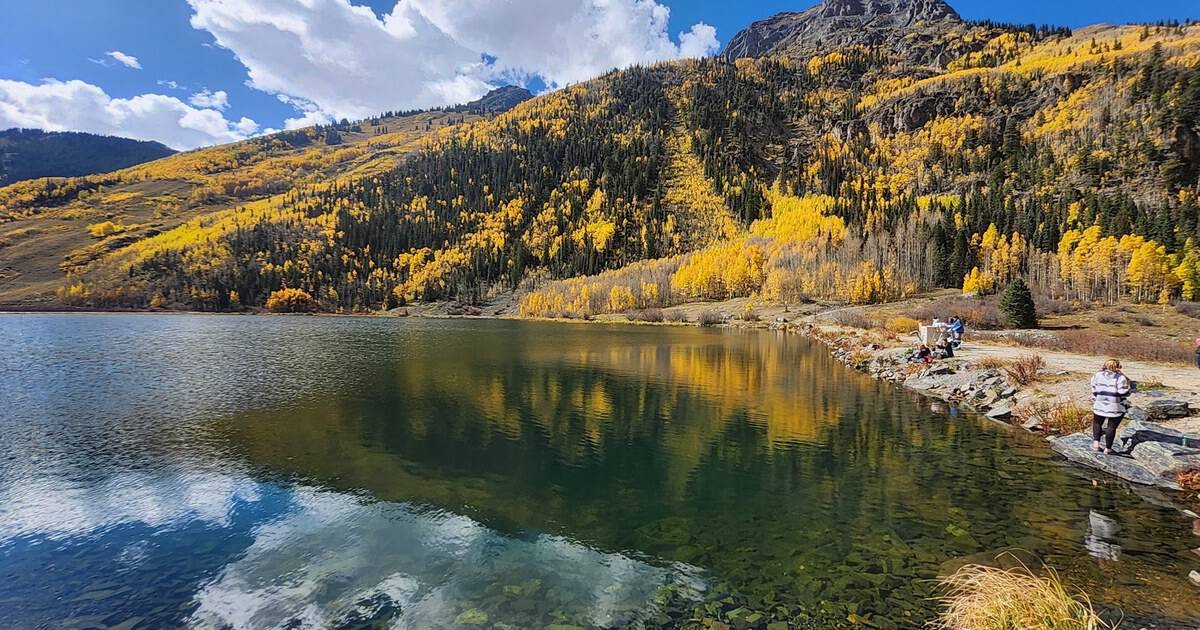
Nobody agrees on where the name came from, whether it was the cost per mile to build or the gold said to be in the roadbed fill. Drive it slow, pull over often, and in autumn watch the whole basin turn gold with aspens.
In summer the wildflowers spill right up to the shoulder and marmots sun themselves on the warm rock. It is only 25 miles, but you will want a couple of hours to do it justice, camera stops and all.
Where: US 550 between Silverton and Ouray; head north from Durango to begin.
6. Silverton, Colorado

At the top of the train line and the bottom of Red Mountain Pass sits Silverton, perched at 9,318 feet. It grew from a scatter of gold-rush shacks in the early 1870s into a proper Victorian town, and most of those handsome old buildings are still standing.
The main street is paved and the side lanes are famously not. Wander storied Blair Street, duck into a saloon that has poured drinks for well over a century, and picture the miners who came down off the peaks with silver in their pockets.
Time your visit for when the train pulls in around midday and the whole town wakes up. If you want the full mining story, the Old Hundred Gold Mine tour just outside town takes you deep into the mountain on a rail tram.
Autumn is the sweetest time to come. The aspens on the surrounding peaks turn molten gold, the summer crowds thin out, and the crisp air carries woodsmoke from the old stovepipes. Grab a green chile burger and watch the light move across the high ridgelines.
Where: Silverton sits on US 550 about 50 miles north of Durango, at the top of the train line. Don’t miss:
- Greene Street, the paved main drag lined with Victorian storefronts and cafes
- Blair Street, the famously unpaved side lane of old saloons one block over
- Old Hundred Gold Mine, 721 County Road 4A, for a rail-tram tour deep into the mountain
- San Juan County Historical Society Mining Heritage Center, 1557 Greene Street
7. Bar D Chuckwagon, Durango, Colorado

I have a soft spot for any dinner that comes with a show, and the Bar D has been serving both since 1969. It sits in the Animas Valley north of town, an old-west village of little shops and a miniature railroad tucked under the red cliffs.
The routine is a proper chuckwagon supper, barbecue beef or sliced brisket on a tin plate, biscuits, beans, and a spiced apple, all served up fast to a long line of happy families.
Then the Bar D Wranglers take the stage. They have harmonized cowboy songs, western swing, and cornball comedy for decades, and the little ones are usually up dancing before the last number.
Come early to browse the blacksmith and the leather shop and ride the miniature train before the dinner bell. It runs Memorial Day weekend through late September, so it is a summer-evening tradition worth planning around.
Where: 8080 County Road 250, Durango, Colorado, about eight miles north of town off US 550.
8. Purgatory Resort, Colorado

Twenty-five miles north of town, Purgatory is the kind of ski hill that families come back to for decades. It spreads across 1,525 acres with more than 92 runs and five terrain parks, and the lift lines never feel like the big-name resorts.
Come in summer and the mountain flips into a playground. The alpine slide, the ropes courses, and lift-served mountain biking trails run from gentle to expert, all with the San Juans stacked up behind them.
My kind of resort is one that gives you something to do in every season, and this one does. Ride the chairlift to the top just for the view, even if you never point a ski downhill.
In winter the snow piles up deep and dry, and there is a tubing hill for anyone who would rather slide than carve. The base village keeps the apres-ski going with fire pits and warm drinks once the lifts close.
Where: 1 Skier Place, Durango, Colorado, 25 miles north on US 550.
9. Chimney Rock National Monument, Colorado

Between Durango and Pagosa Springs, two stone spires rise at 7,600 feet against the sky, and the Ancestral Puebloans built an entire community up there to watch them. Chimney Rock was one of the largest Pueblo settlements in the region, a far-flung outpost of the great Chaco culture.
Here is the part that gives me chills: the twin pinnacles frame the moon at its northern standstill, an event that happens only once every 18.6 years. The people who lived here tracked it with the naked eye and built their great house to face it.
President Obama named it a national monument in 2012, and two dozen tribes still hold it sacred. Come for a ranger-led walk, and if you can, catch one of the special sunrise or full-moon programs.
The half-mile climb up to the great house is short but steep at this altitude, so take it slow and let your lungs catch up. The reward waiting at the top is a sweeping view over the Piedra River valley below.
Where: Highway 151, off US 160, about 17 miles west of Pagosa Springs, Colorado.
10. Ouray, Colorado
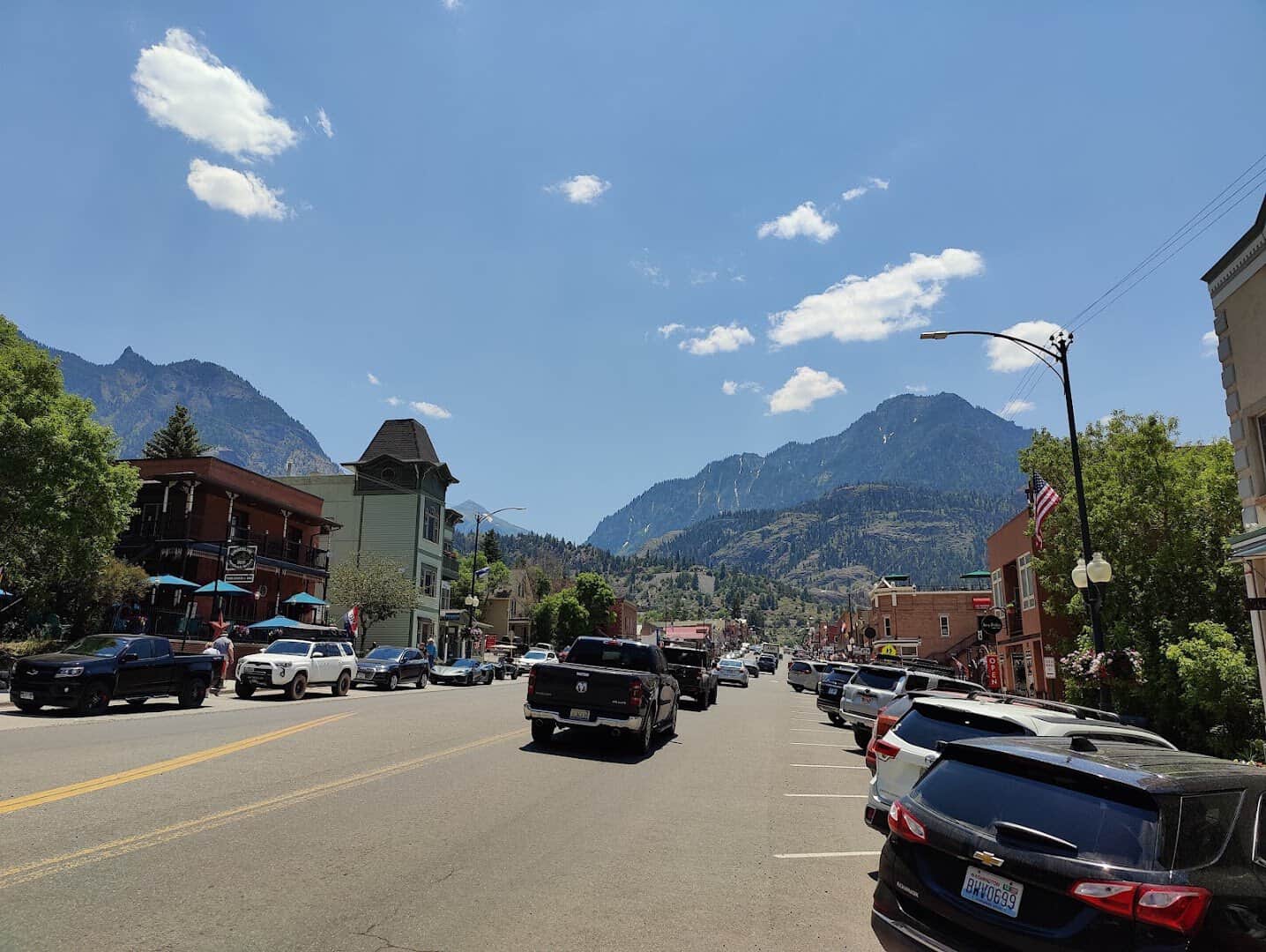
They call Ouray the Switzerland of America, and for once the nickname earns it. The tiny town sits in a bowl ringed by peaks that climb toward 13,000 feet, and in autumn the whole basin blazes gold with turning aspens.
Walk the short trail into Box Canyon Falls, where snowmelt roars 285 feet down a slot gorge so narrow the walls nearly touch overhead. The sound alone is worth the stop, a low thunder you feel in your ribs.
Then soak in the town hot springs and let the mountains do the rest. In winter, Ouray freezes its gorge into a world-famous ice park where climbers hang from blue-green pillars of ice.
Ouray rewards anyone who lingers past the falls. Poke through the little shops along Main Street, tip your head back at the peaks pressing in on every side, and stay for sunset, when the last light turns the high cliffs a warm rose.
Where: Ouray sits in a bowl of peaks on US 550, about 70 miles north of Durango over the Million Dollar Highway. Don’t miss:
- Box Canyon Falls, 325 County Road 361, where snowmelt roars down a narrow slot gorge
- Ouray Hot Springs Pool, 1220 Main Street, a big mineral pool ringed by mountains
- Ouray Ice Park, off Camp Bird Road, the winter climbing gorge just south of town
- Main Street, the compact historic district of shops and 1880s brick buildings
11. Lake Nighthorse, Durango, Colorado
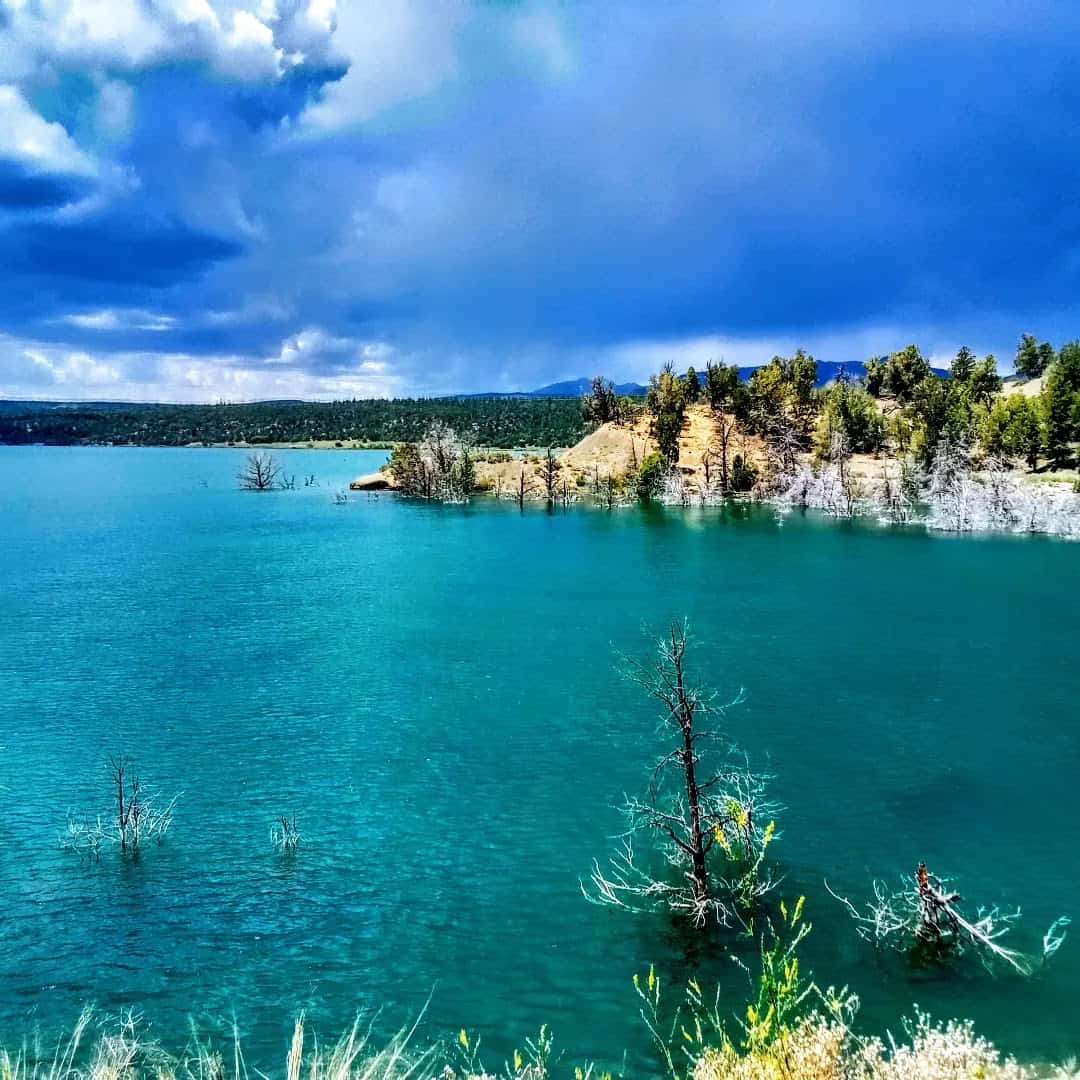
Durango’s newest playground is a big blue reservoir just south of downtown, and it only opened to the public in 2018. Named for former Senator Ben Nighthorse Campbell, it spreads across roughly 1,500 acres of clear mountain water.
On a hot afternoon this is where locals go to cool off. There is a real swim beach, and you can rent a kayak, canoe, or paddleboard and slip out onto water so still it mirrors the ridgelines.
Motorboats and wakeboarders share the far coves once the season warms up, and anglers work the shoreline for trout, bass, and kokanee salmon. Miles of trail loop the water for walkers and mountain bikers.
It is open from spring through late fall, and mornings are the sweetest, when the lake is glassy and the crowds have not arrived. Few cities keep a lake this pretty just minutes from Main Street.
Where: Lake Nighthorse Recreation Area, off County Road 210 (La Posta Road), about three miles south of downtown Durango, Colorado.
12. Molas Lake, Colorado
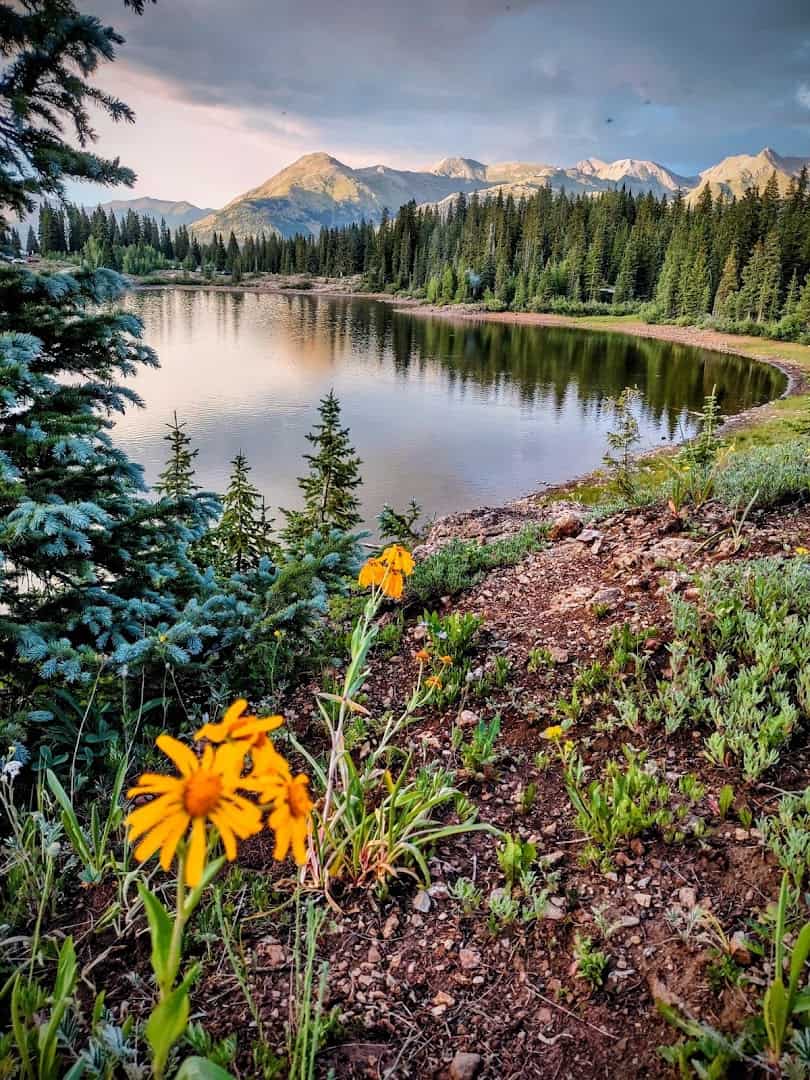
Between Durango and Silverton, US 550 climbs to nearly 11,000 feet and passes one of the prettiest alpine lakes in the state. Molas Lake sits in a high meadow with the jagged Grenadier Range mirrored in its surface.
This is the postcard the whole drive builds toward. Pull off at the overlook, or drop down to the little town-run park and campground on the shore, where the water turns cobalt under a big mountain sky.
You can rent a paddleboard or kayak at the camp store and drift across the coldest, clearest water imaginable, or cast for trout from the bank. The Colorado Trail runs right through, so hikers pass by all summer.
At this altitude the season is short, roughly June through September, and even July mornings can be crisp. Bring a jacket, come at first light, and watch the peaks catch fire above the still water.
Where: Molas Lake Park, on US 550 about six miles south of Silverton, near the top of Molas Pass, Colorado.
13. Treasure Falls, Colorado
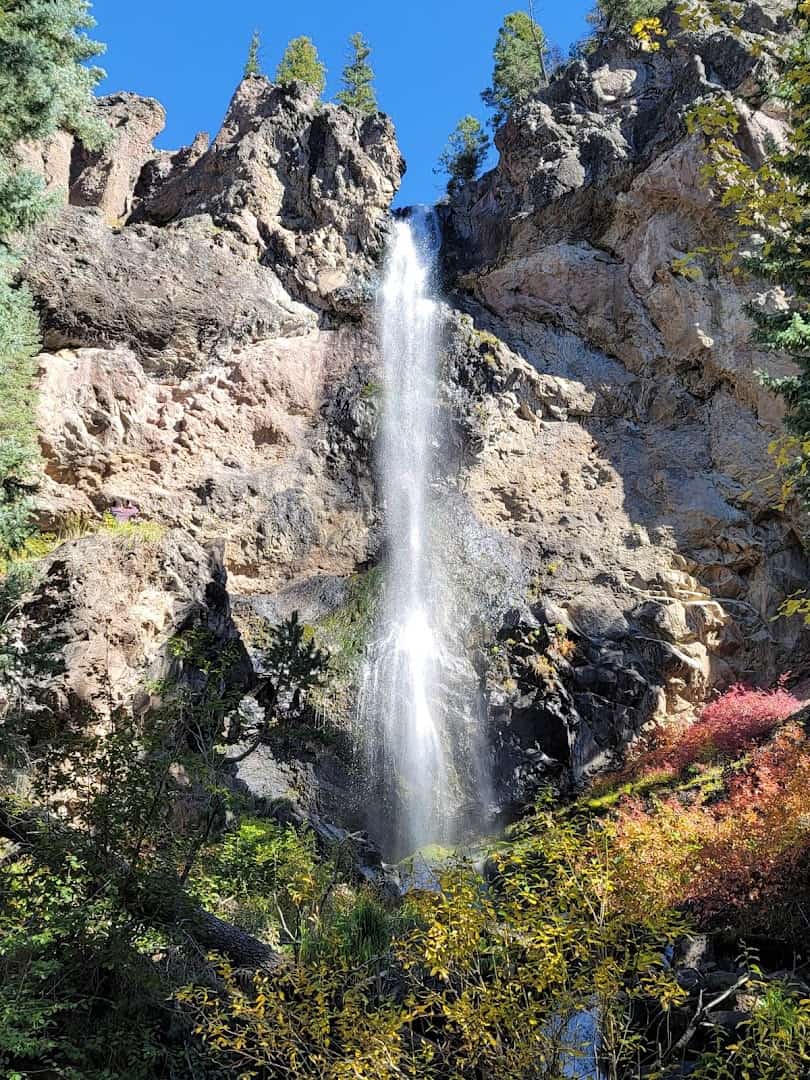
On the drive up toward Wolf Creek Pass, a slender ribbon of water drops 105 feet down a cliff in plain view of the highway. Treasure Falls is the kind of stop you can see from the parking lot and still want to climb closer to.
A short half-mile trail switchbacks up to a viewing deck they call the Spray Park, and it earns the name. Stand there on a warm day and the mist drifts right over you, cool and welcome after the little climb.
The falls are named for a legend of gold said to be buried on the mountain above, which no one has ever found. The water runs biggest in late spring and early summer when the high snow lets go.
It is an easy, family-friendly stretch of the legs on a longer drive, with a restroom and parking right off the road. Wear real shoes for the trail, because the steps stay slick with spray.
Where: Treasure Falls trailhead, on US 160 about 15 miles northeast of Pagosa Springs, at the base of Wolf Creek Pass, Colorado.
14. The Springs Resort, Pagosa Springs, Colorado

End the trip the way your legs will be begging you to. Pagosa Springs is home to the world’s deepest geothermal hot spring, verified by Guinness at more than 1,002 feet, and honestly no one has ever found the bottom of it.
That mineral water rises into the Mother Spring, a turquoise pool about 35 feet across, and feeds more than 50 soaking pools stepped down along the San Juan River. Pick a pool, sink to your chin, and watch the steam curl up into the cold mountain air.
Some pools sit right at the river’s edge, some are quiet and adults-only, and the whole place stays open late. Did you know the water carries more than a dozen minerals on its long climb up from underground?
Between soaks, wander the walkable little town along the river and pick up a bite at a local cafe. The mineral water leaves your skin soft and your shoulders loose, and the whole place quietly invites you to slow all the way down.
Where: 323 Hot Springs Boulevard, Pagosa Springs, Colorado.
Start Planning Your Southwest Colorado Run
Durango’s train earns every bit of its fame, but it is the doorway, not the whole house. String these fourteen stops together and you get ancient cliff cities, a road that will test your nerve, Victorian saloons, and a hot spring nobody has ever measured to the bottom.
So book the train, sure. Then give yourself a few extra days, fill the tank, and let Southwest Colorado show you everything waiting just past the depot. Trust me on this, you will already be planning your next trip before you even hit the highway home.
Featured image: Michael Haglöf via Durango & Silverton Narrow Gauge Railroad

Stella Raines
Editor-in-Chief
Stella brings over a decade of storytelling experience to TX Headlines. With roots in West Texas and a love for road trips, she leads the editorial team with an eye for the hidden stories that make Texas unforgettable.