This Secret Texas Swimming Hole Is Where Two Waterfalls Spill Into One Cool Pool
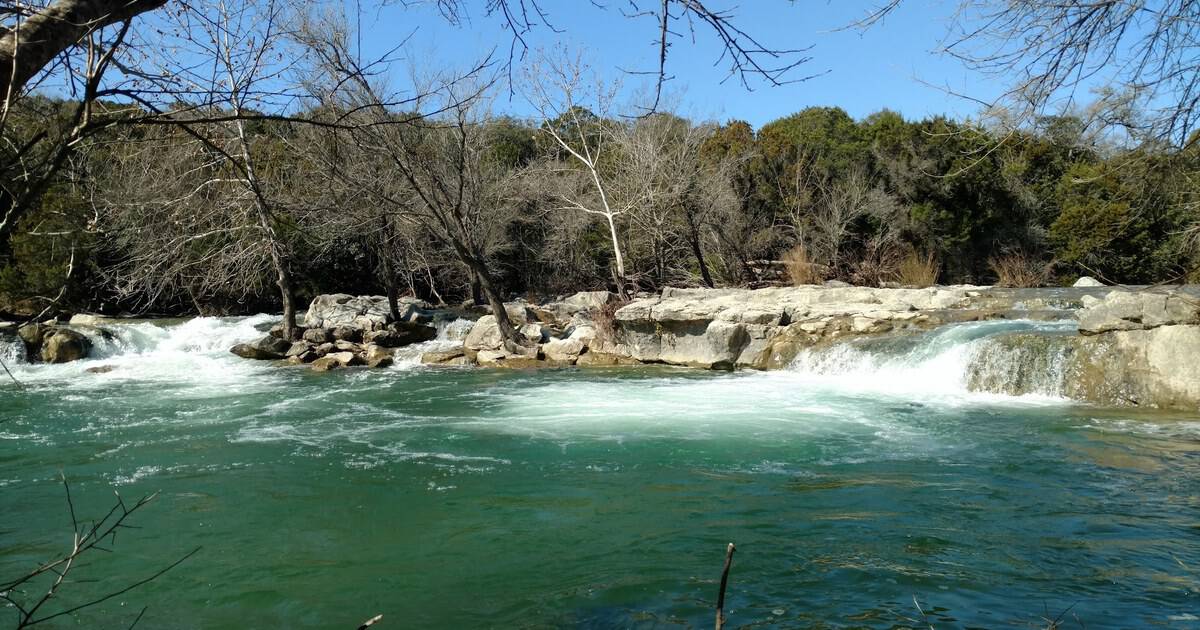
My favorite Texas swimming spots are never the ones with a parking lot and a gift shop. They are the ones a friend mentions to me in a low voice, the kind that come with a promise not to post the exact directions.
That is how the good ones stay good, passed hand to hand instead of splashed across a map. This one has earned that kind of loyalty.
I love that a place like that still hides a short walk from one of the busiest highways in Austin. Twin Falls sits inside the Barton Creek Greenbelt, and its trick is right there in the name.
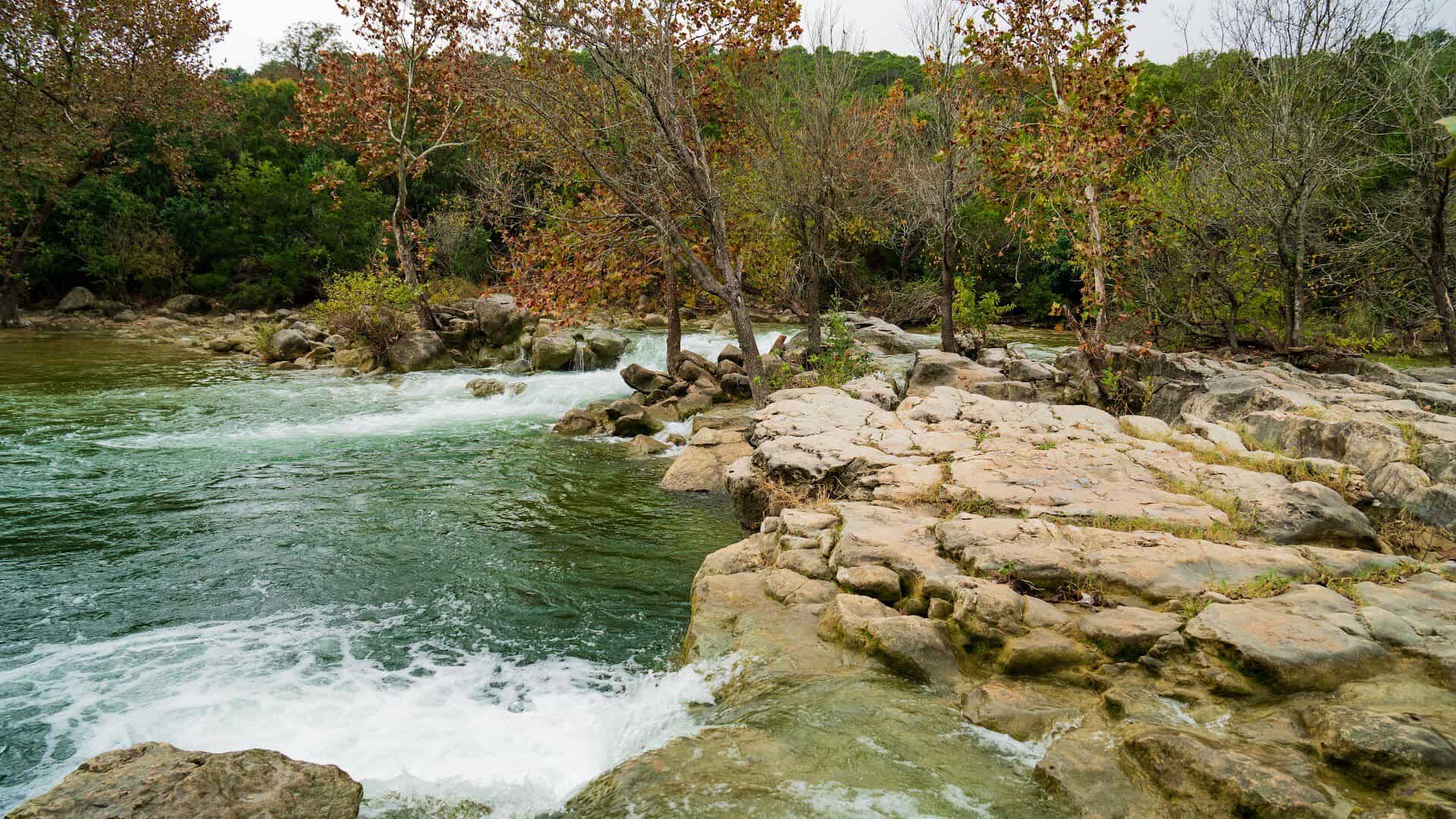
Two ribbons of water pour over the limestone from different directions and land in the same cool pool. The whole scene feels like a small secret the city forgot to advertise.
Below, here is why locals guard it, how the water stays cold in a Texas summer, and everything you need to find it yourself.
Two Falls, One Pool, Zero Crowds If You Time It
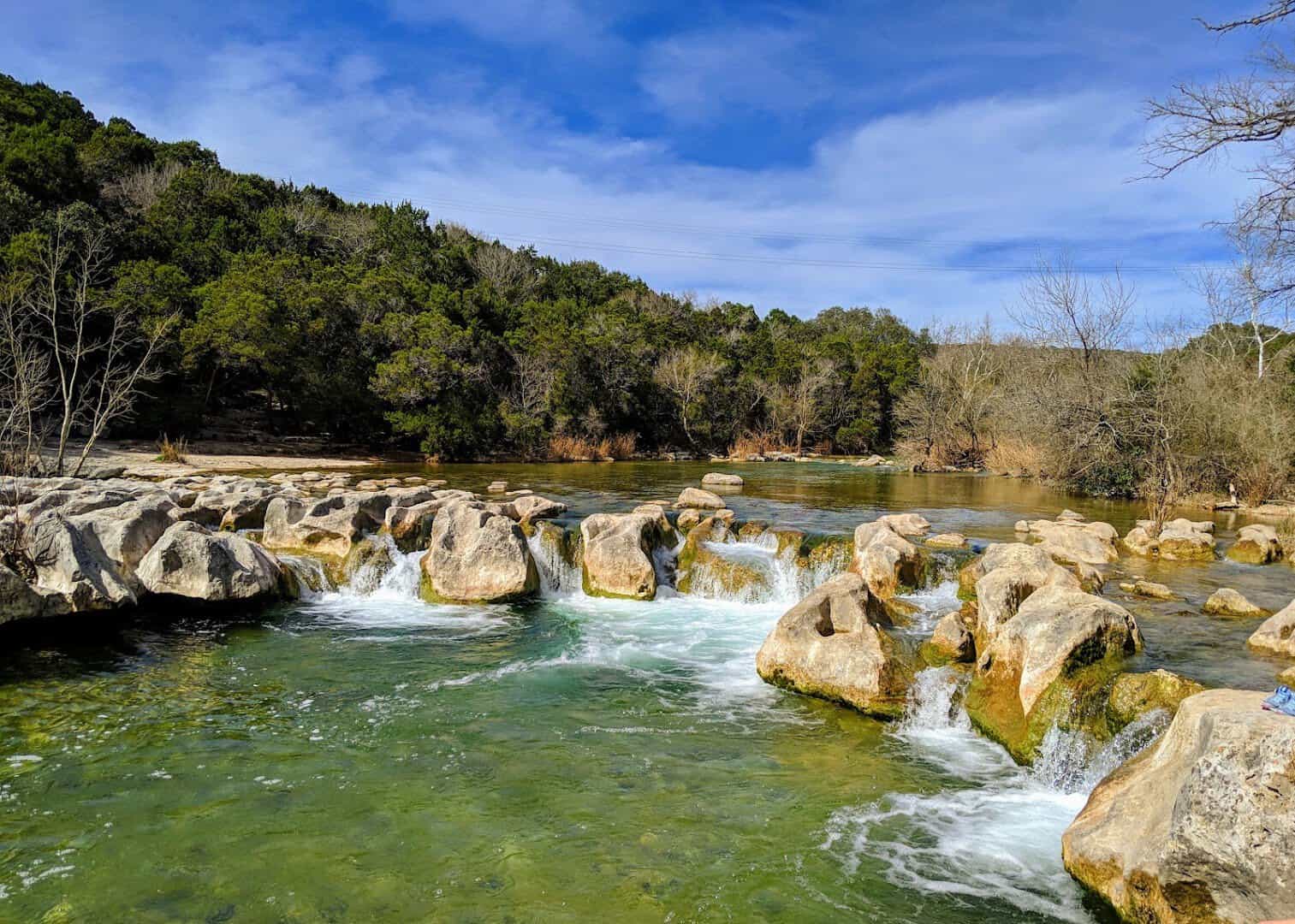
The magic of this spot is simple geometry. Water slides over flat limestone ledges in twin streams, meets in the middle, and gathers into a pool ringed by slabs of rock.
Those slabs seem built for sitting, and people spread out on them like they have box seats at a very slow show. Sun on the rock, cold water at your feet, and not much reason to check your phone.
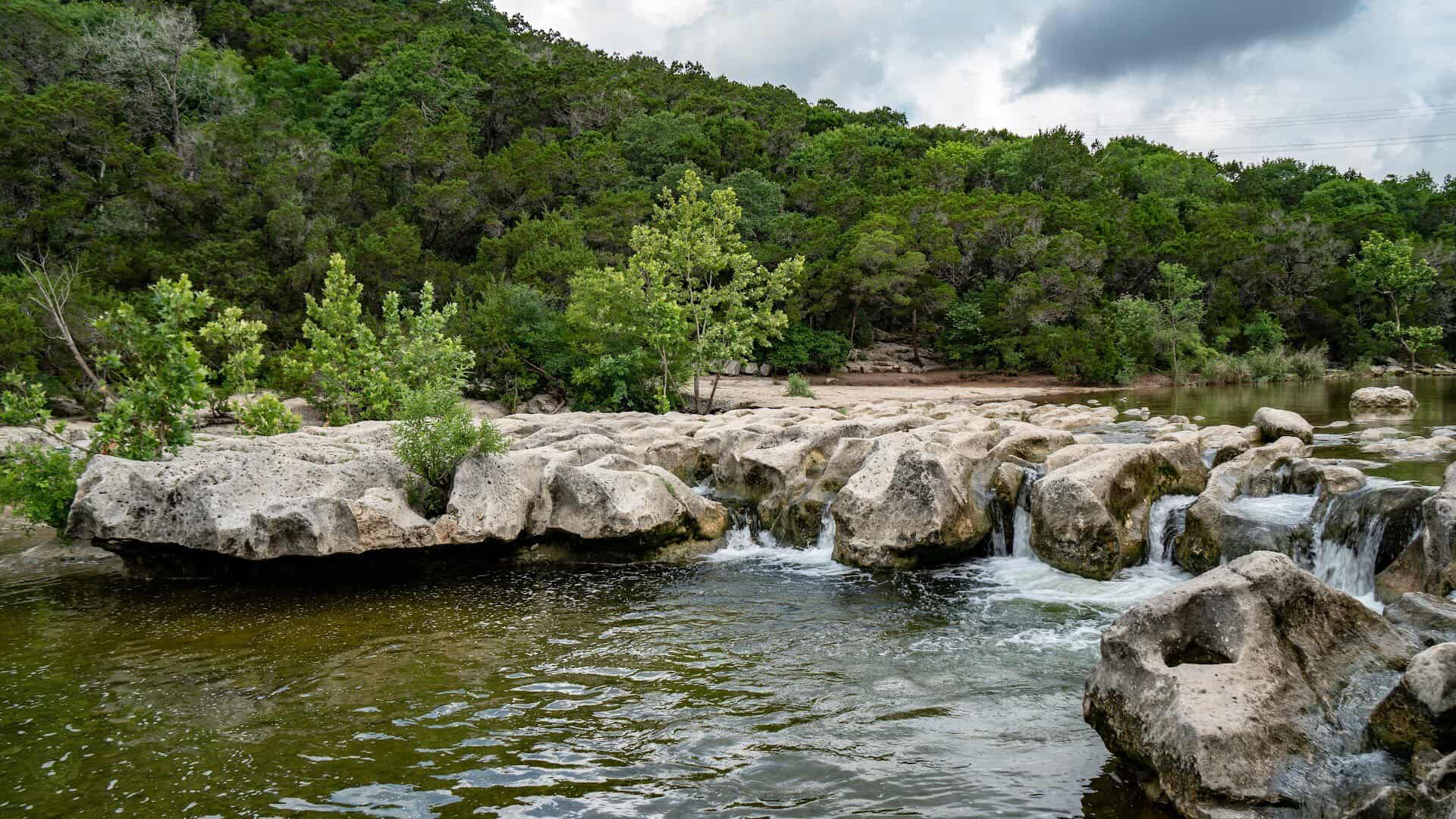
The pool below the falls is shallow in places and deep in others. There is room to actually swim, to float on your back and stare up at the cedar and oak leaning over the canyon.
On a good flow day, the falls make just enough noise to blur out the highway you left ten minutes ago. Close your eyes and you could be a hundred miles from any city.
There is a rope swing that draws a steady rotation of brave souls, kids and grown adults alike. In the deeper sections, the water rises high enough that people jump from an upper ledge into the pool below, then climb back up to do it again.
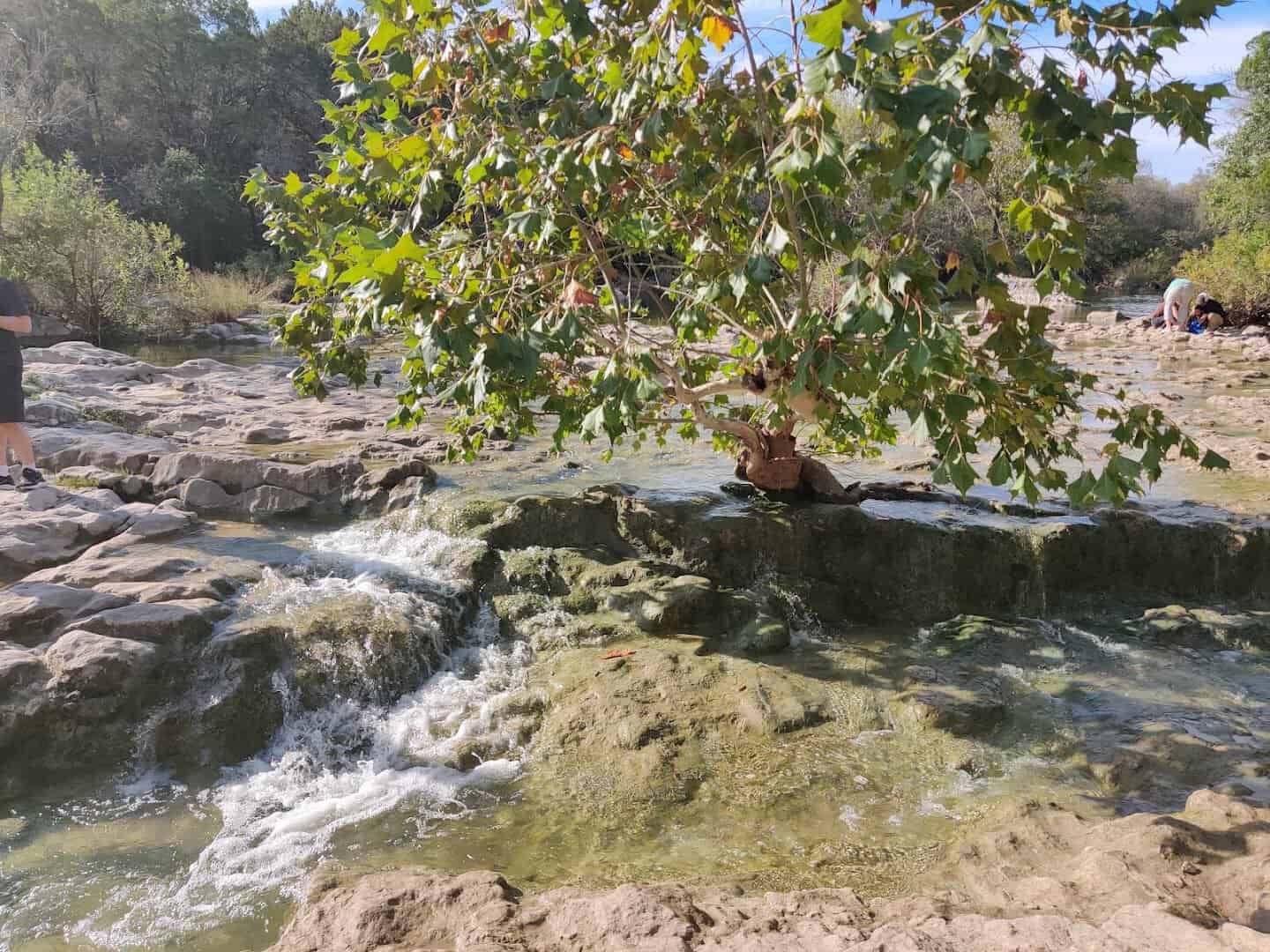
What surprises first-timers is how fast the noise of Austin falls away. The trail drops down through trees and rock, and by the time you reach the creek bed, the traffic is a memory.
That contrast, freeway to forest in half a mile, is a big part of why the spot feels like a find. You walk in a commuter and come out a little more relaxed than you have any right to be.
One visitor summed up the mood better than I could, writing that “cooling off in the clean water at Twin Falls was amazing and the place is very picturesque.” That is the whole pitch in a sentence.
Why the Water Stays Cold When Everything Else Is Melting
Most Central Texas creeks live and die by the last rain. They roar for a few days, then thin to a trickle and finally vanish into the rock. Twin Falls has a quieter engine underneath it.
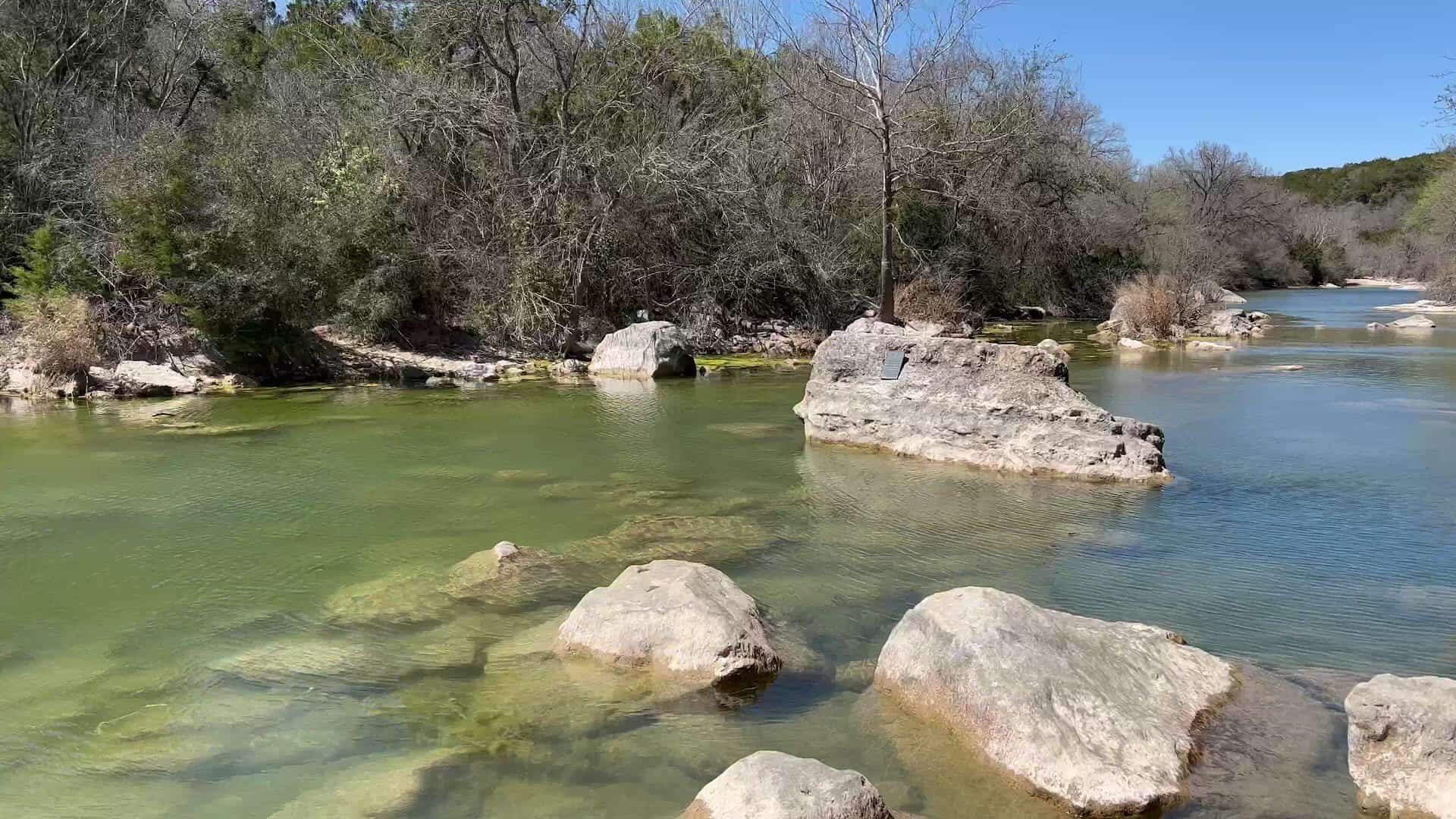
The falls here are spring-fed, not just rain-fed. That means the flow tends to hold better than a rain-only creek, and the water comes out genuinely cool. On a hundred-degree afternoon, that cold is the whole point. You step in expecting bathwater and get a jolt of spring water instead.
All of this water is carving a canyon in slow motion. Barton Creek runs over a bed of soft limestone, and limestone is easy for moving water to shape. Over a very long time the creek has cut valleys, ledges, and small underground caves.
The twin ledges at this spot are one chapter of that same story. And here is the part most visitors never think about while floating on their backs.
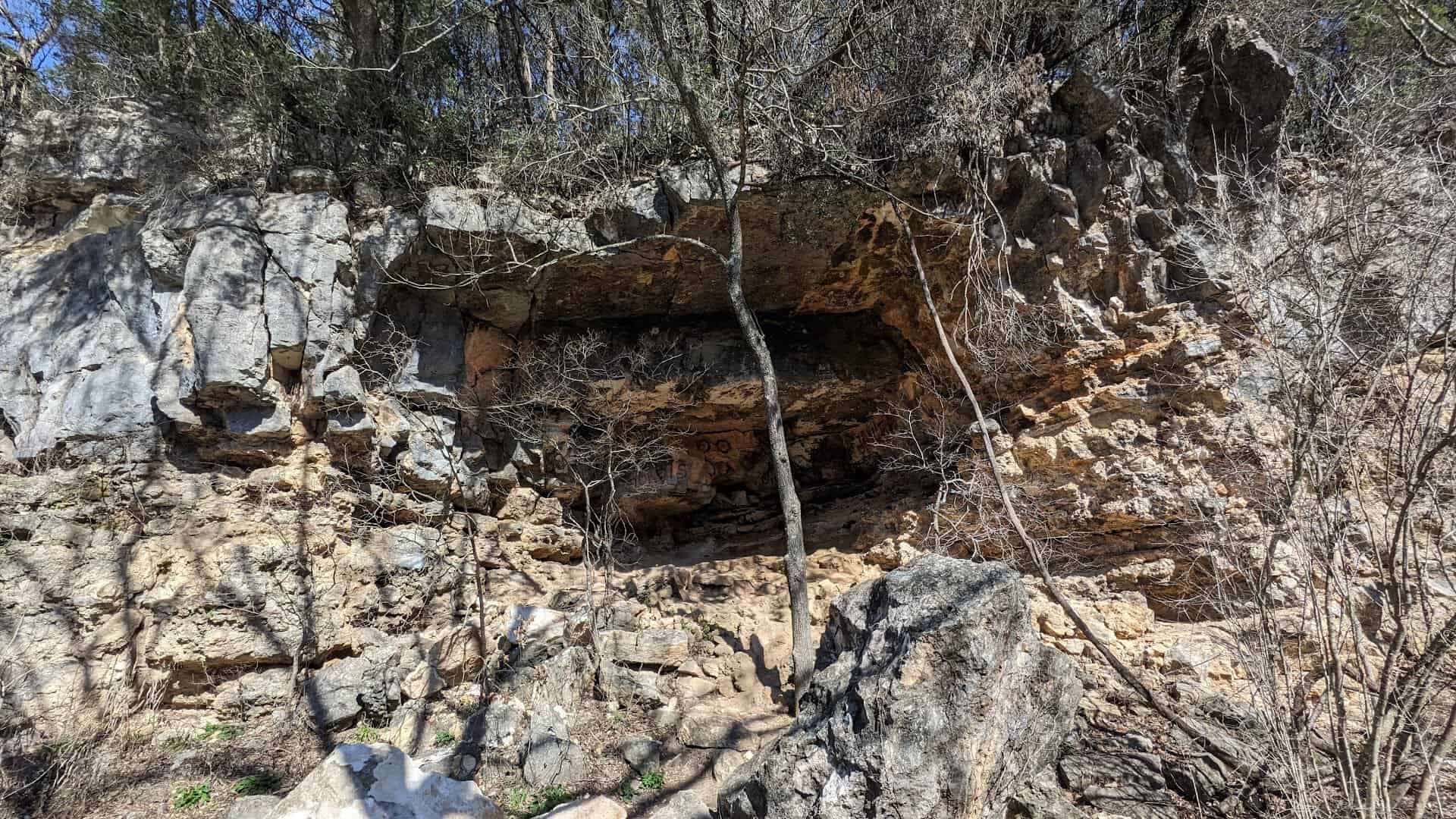
This creek sits over the Edwards Aquifer, the porous rock that supplies drinking water to a huge slice of the region and feeds the famous Barton Springs downstream. The greenbelt around you is not just pretty. It is a filter.
A Salamander You Will Probably Never See, But Should Root For
The clean water here is home to some very particular neighbors. The Barton Springs salamander lives in this system and essentially nowhere else on the planet, which makes it one of the rarest amphibians in the country.
It shares the neighborhood with the golden-cheeked warbler, a songbird that nests only in the cedar and oak woods of Central Texas. Nearby lives the Austin blind salamander, another creature built for a life spent in aquifer-fed water.
You are unlikely to spot any of them, but they are why so many people fought to keep this land wild. Their survival is tied to the same clear water you came to swim in.
Did you know? The health of that little salamander is one way scientists measure whether the aquifer is clean. A clear pool with a thriving salamander population is a sign the water under the city is doing well. Worth remembering before you toss anything into the creek.
A Brief History of How Austin Refused to Pave This
The greenbelt exists because a lot of people said no at exactly the right time. Starting in the early 1980s, Austin began writing rules to protect the creek. The city passed a Barton Creek watershed ordinance in 1980 and a broader watersheds ordinance in 1986.
Then came 1990, and a wave of proposals to develop the land in the watershed. What followed became local legend. Citizens packed a City Council meeting and spoke through the night.
The outcry helped launch the Save Our Springs initiative, which voters passed in 1992 to protect the water quality of the creek and its springs. It remains one of the proudest chapters in Austin’s environmental story.
The land itself was rescued in pieces. Between 1992 and 1999, the Trust for Public Land bought nearly 1,000 acres in the Barton Creek watershed and stitched it into the public green space Austinites love today.
Bit by bit, a canyon that could have become another subdivision became a place anyone can walk into for free. Today the wider effort is enormous, with more than 35,000 acres permanently protected across the region to keep the aquifer, and pools like this one, clean.
The Walk In: Short, Sweet, and a Little Rocky
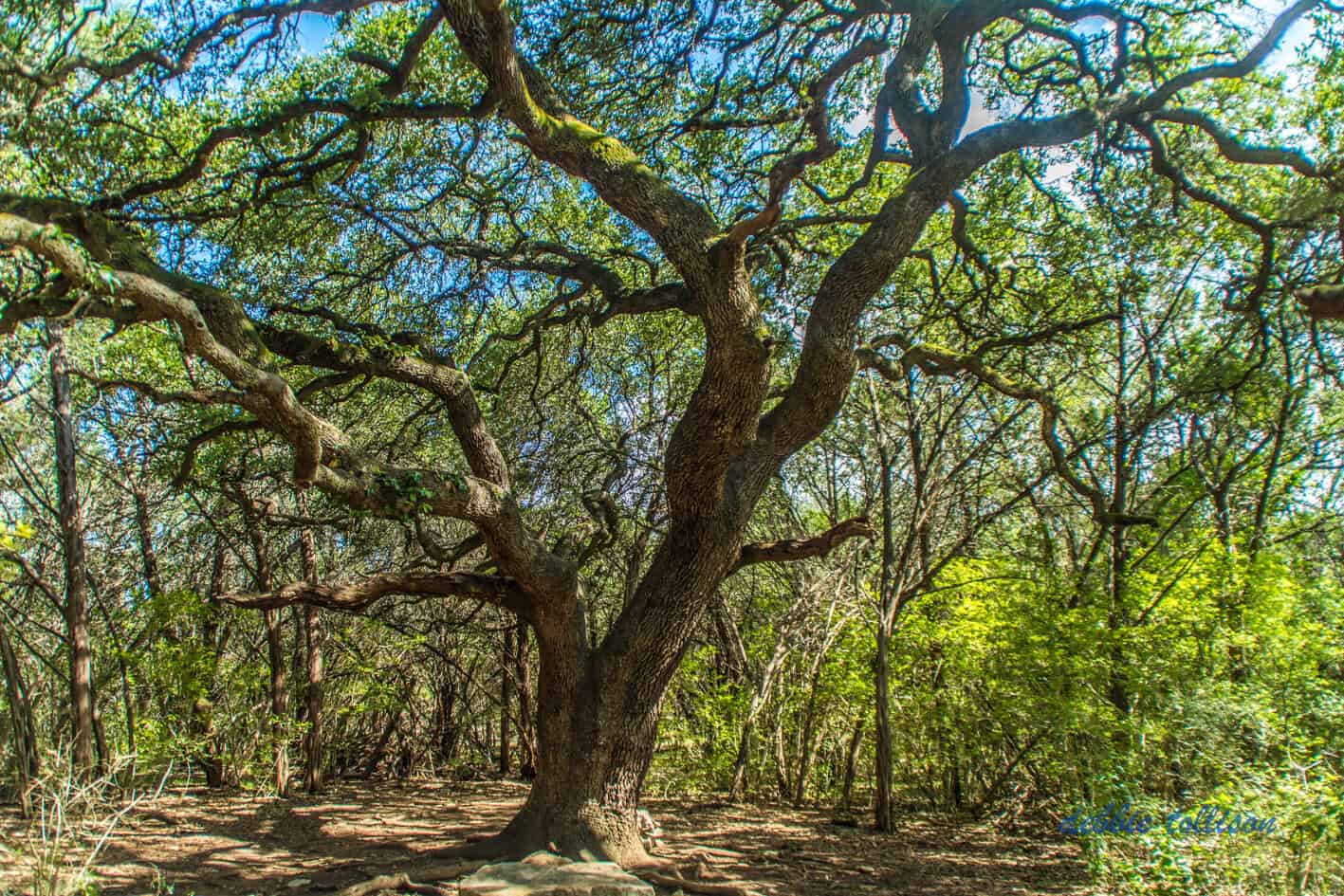
Getting to the falls is part of the fun, and it is not a punishing hike. From the closest access, the walk runs somewhere around ten to fifteen minutes, roughly half a mile of trail that descends through cedar and oak before flattening out along the creek bed.
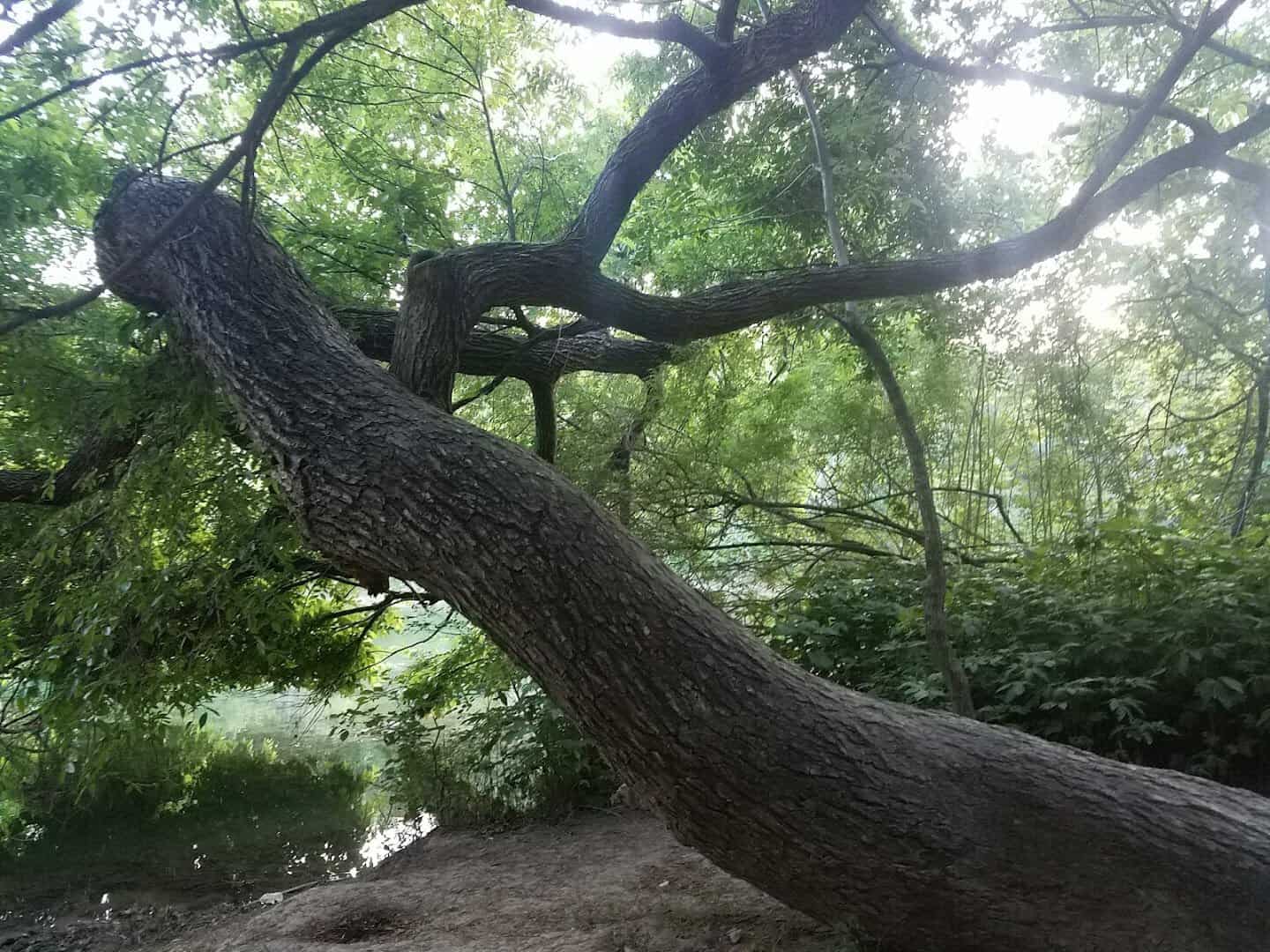
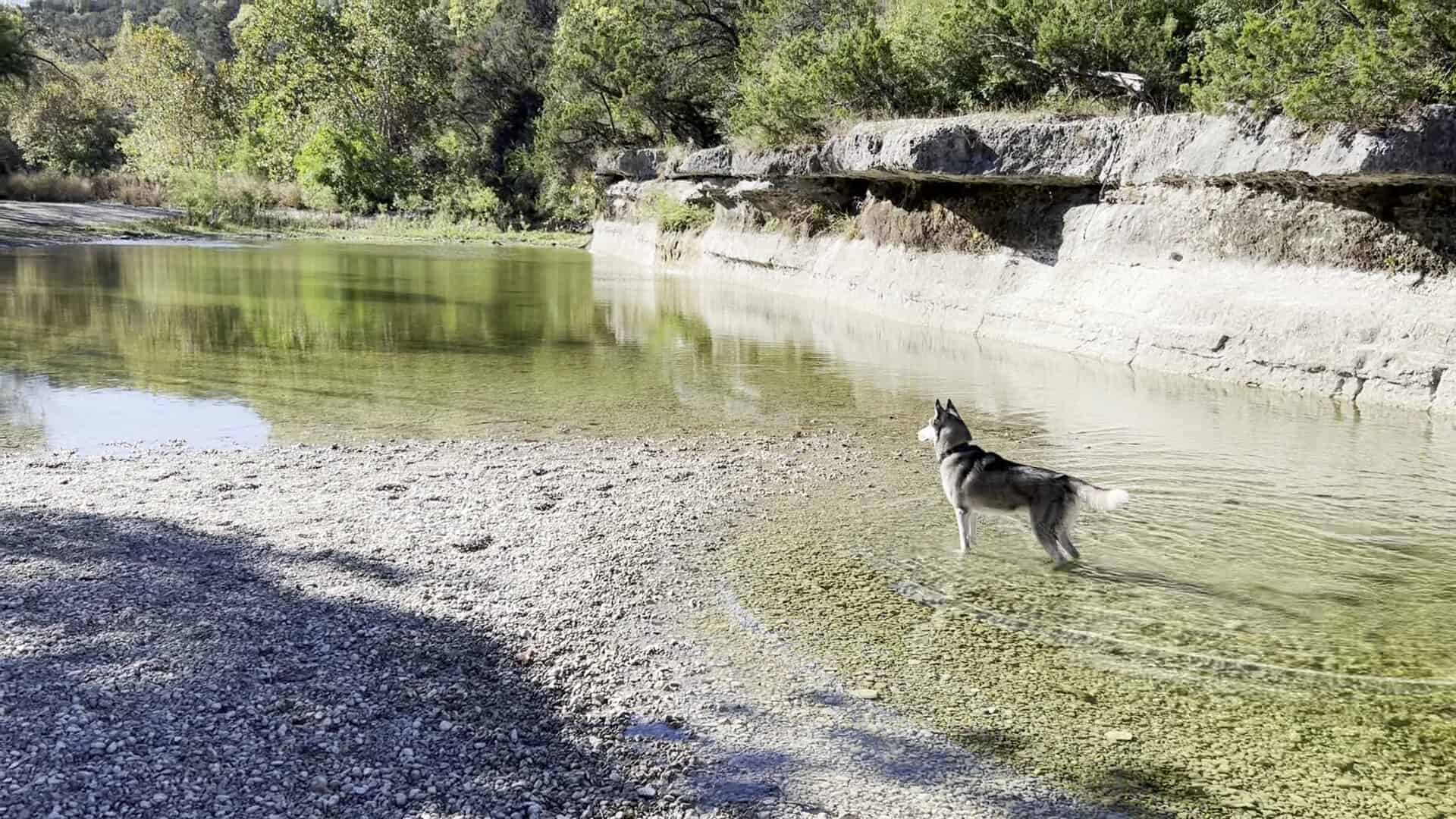
The path is manageable for most people, and you will pass families and leashed dogs doing the same route. That said, the limestone gets slick where the water runs over it, and the creek rocks can be uneven, so this is not a flip-flop situation.
Pro tip: wear closed-toe shoes for the trail and pack a pair of water shoes with grip for the falls themselves. The rock under the pool is slippery, and good traction turns a nervous shuffle into an easy afternoon.
There are no facilities out here, which is part of the deal. No restrooms, no water fountains, no snack stand. Bring at least a liter of water per person, sunscreen, and a dry bag if you want your phone to survive the day.
When to Go for the Best Flow
Timing is everything at a spring-fed swimming hole, and locals plan around the weather. The sweet spot is a couple of days after a good rain, when the creek is full and flowing but the water has had time to settle and clear.
Spring, roughly March through May, is the golden window. Winter rains have topped up the flow, the falls run strong, and the brutal heat has not arrived yet. Summer brings the biggest crowds, so a weekday morning is your friend if you want the pool closer to yourself.
One honest heads-up that has nothing to do with the water. Car break-ins have been a problem at the trailheads, so leave valuables at home and keep your car looking empty. Tuck any bags in the trunk before you arrive, not once you are in the lot.
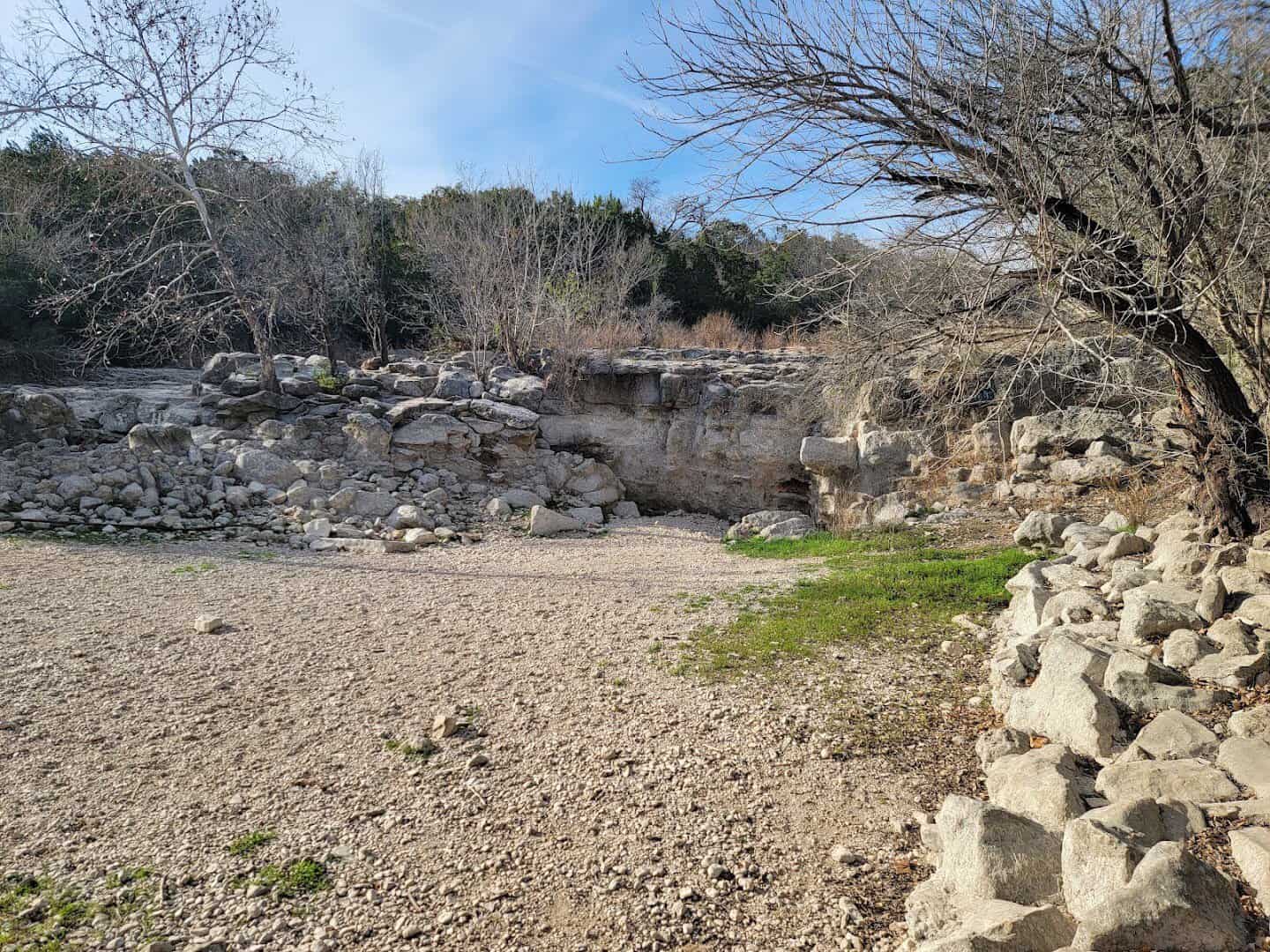
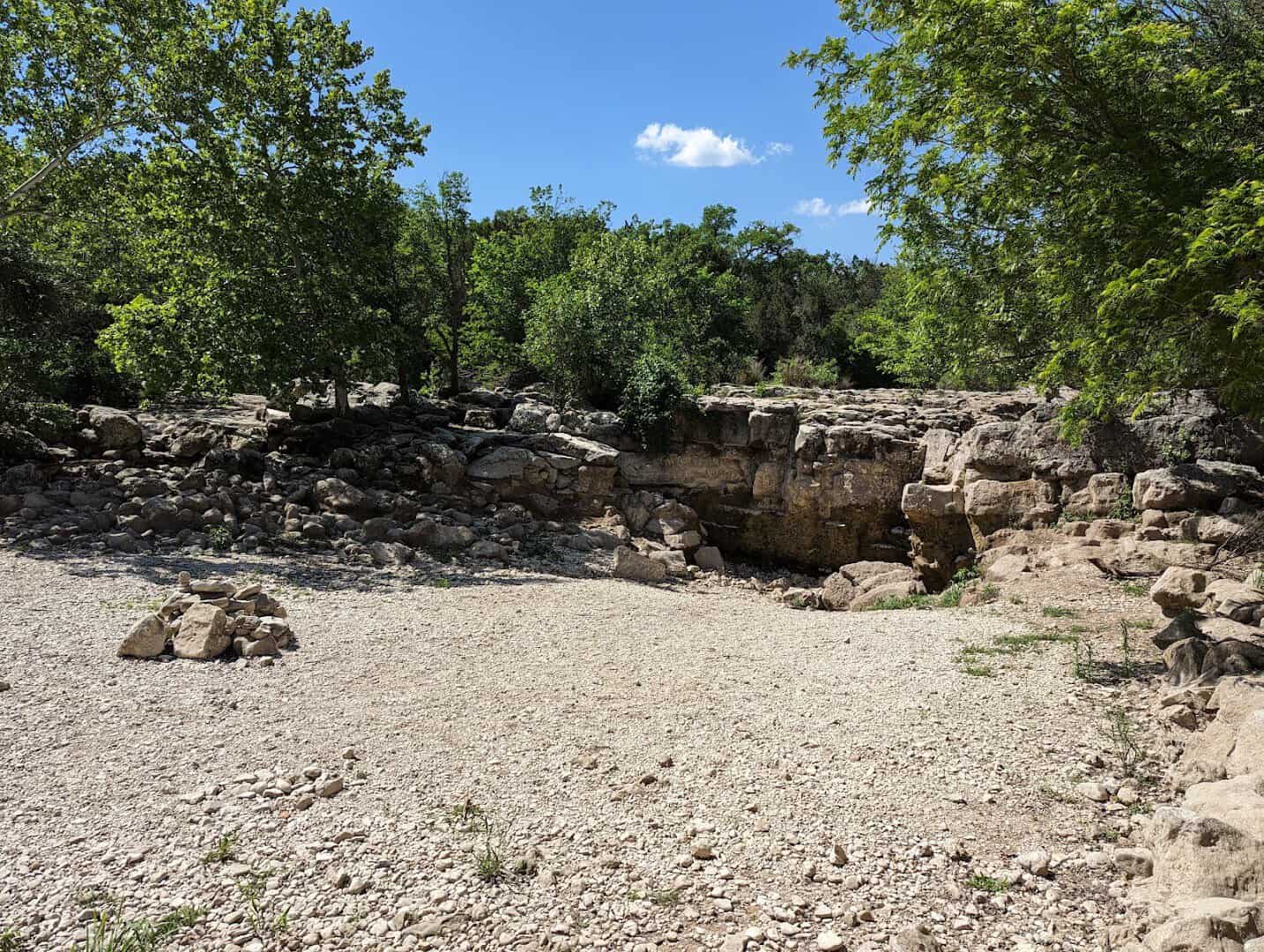
Because the flow depends on rain, it is worth a quick check before you drive out. Austin posts creek conditions and the occasional water-quality advisory, and glancing at the latest flow reading saves you from hiking down to a dry ledge.
Why Locals Keep It to Themselves
It is not really about gatekeeping. The people who love this spot love it because it still feels wild, a pocket of canyon where the city noise disappears and the water runs cold and clear. Crowds and litter are the two things that can take that away.
So the quiet is a kind of care. Pack out everything you pack in, since the only trash cans are back at the trailheads. Keep dogs leashed, stay on the established trail, and let the salamanders keep their clean water.
Cooling off with two waterfalls chattering into one pool and the canyon walls holding the heat at bay is the kind of simple, free Texas afternoon that is getting harder to find. Once you have had one, you understand the whisper network completely.
How to Get There
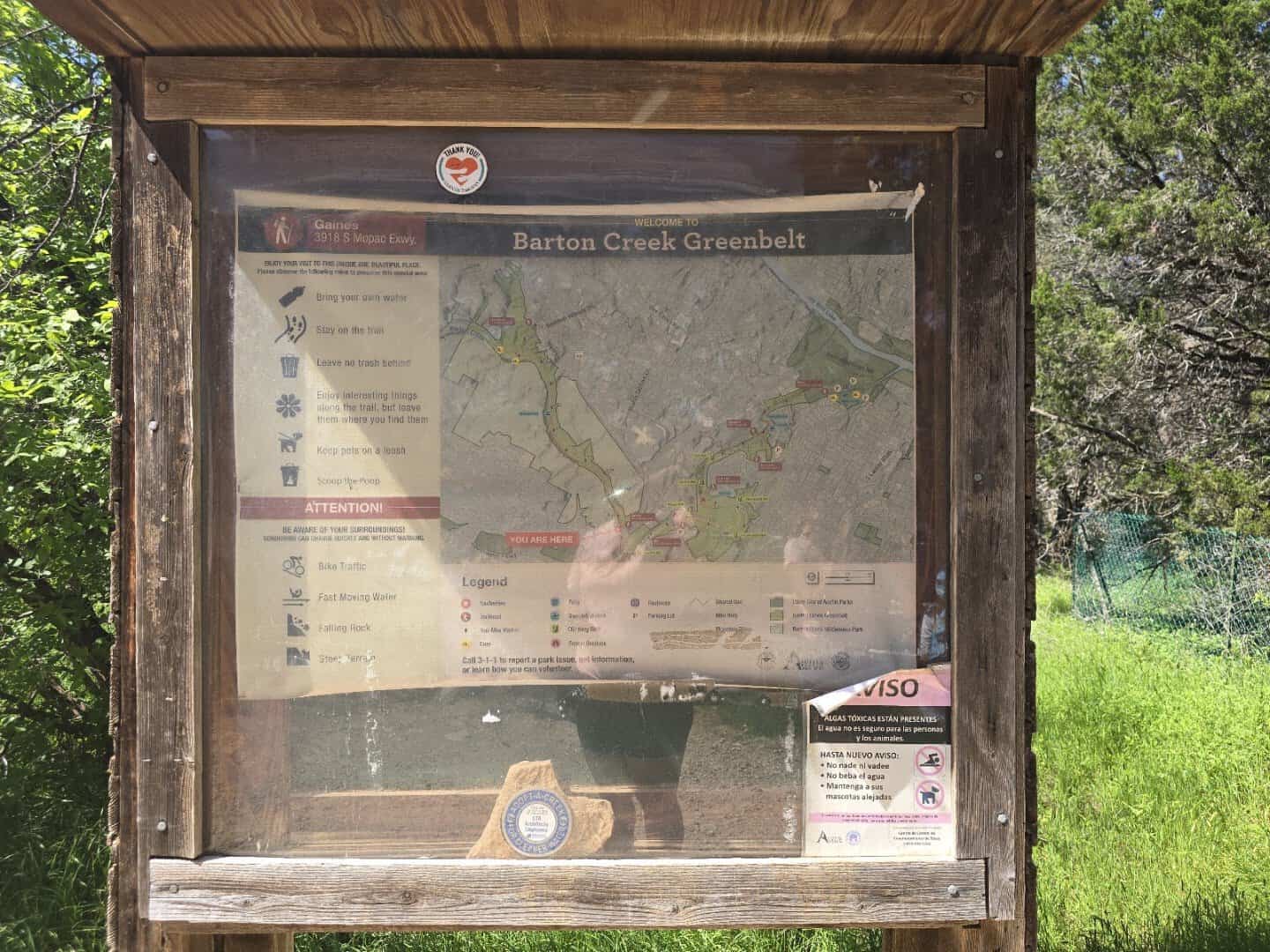
The falls sit inside the Barton Creek Greenbelt on the west side of Austin. The most direct access is the Twin Falls entry point off the MoPac frontage road, just south of Loop 360.
Where: Twin Falls Access, 3918 S MoPac Expy, Austin, TX 78746. A calmer alternative is the Gaines/Twin Falls trailhead at 1712 Camp Craft Rd, West Lake Hills, TX 78746, which also reaches Twin Falls and continues on to Sculpture Falls.
The greenbelt offers more than twelve miles of trail in total, with a main route around seven and a half miles. That makes it easy to turn a quick swim into a longer ramble.
City ordinance closes greenbelt facilities after 10 p.m., and there is no lighting on the trail, so plan to be out before dark. A headlamp is smart if you linger for a sunset dip.
Feeling ambitious? Push on another mile or so past Twin Falls and you will hit Sculpture Falls, a wider, shallower set of cascades spilling over limestone shelves. Two swimming holes, one trail, and a very good excuse to spend the whole day in the canyon.
Go Find Your Cool Spot
Pack a dry bag, lace up shoes you do not mind getting wet, and point the car toward the greenbelt on the next hot afternoon. Twin Falls rewards the people who bother to walk the half mile down, and the reward is cold, clear, and completely free.
Just do the rest of us a favor and keep it as clean and quiet as you found it. The whisper network only works if the whisper stays kind.
Featured image: Jessica Galfas via Twin Falls

Stella Raines
Editor-in-Chief
Stella brings over a decade of storytelling experience to TX Headlines. With roots in West Texas and a love for road trips, she leads the editorial team with an eye for the hidden stories that make Texas unforgettable.
More Stories
Tags