This Dreamy Texas Garden Is a Hidden Paradise Almost Nobody Knows About
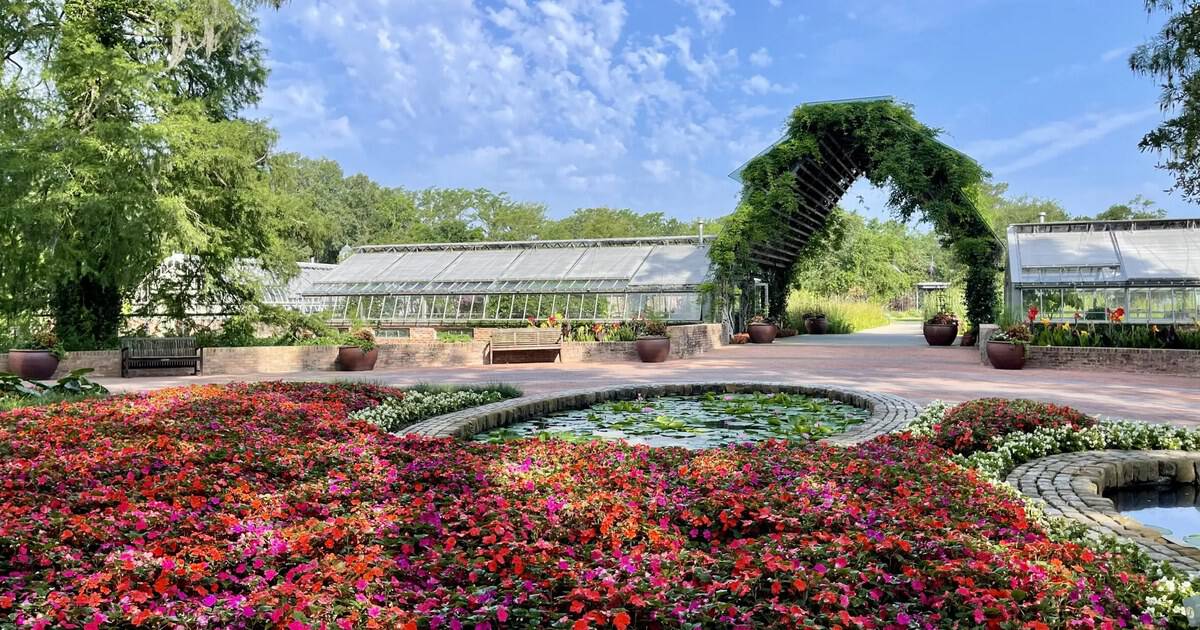
I have a soft spot for places that feel like a secret you were let in on by accident. Not the headline attractions with the packed parking lots, but the ones where you can wander for an hour and hear more birds than people.
Down in the far southeast corner of Texas, almost close enough to wave at Louisiana, there is a garden exactly like that. It carries a storybook name for a reason.
Shangri La Botanical Gardens and Nature Center, in the little city of Orange, is a hushed green paradise that most Texans have somehow never heard of. And it is one of the finest gardens in the state.
Below, let me walk you through the garden rooms, the swamp boardwalks, the free boat ride, and the quietly remarkable story of how this whole place came back from the dead.
Five Garden Rooms and a Pond That Doubles the Sky
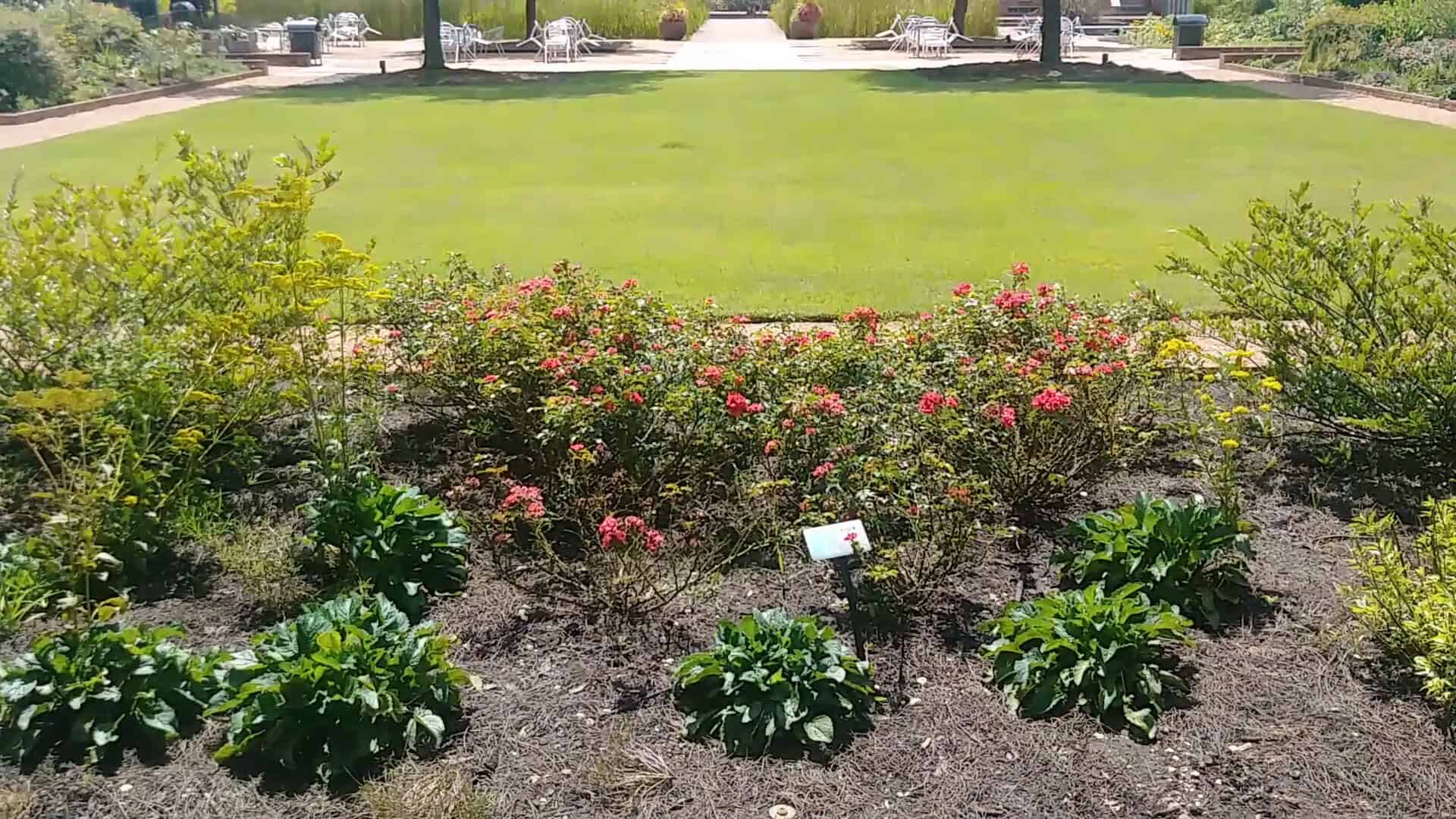
The formal heart of Shangri La is a set of five garden rooms, each one styled around a different mood and color. The horticulture team resets the plantings four times a year, so the palette shifts with the seasons.
Winter leans into cool blues and silvers. Spring softens into pastels. Summer turns up the heat with bold reds and oranges, and fall settles into harvest golds. Come back in a different season and you are essentially visiting a different garden.
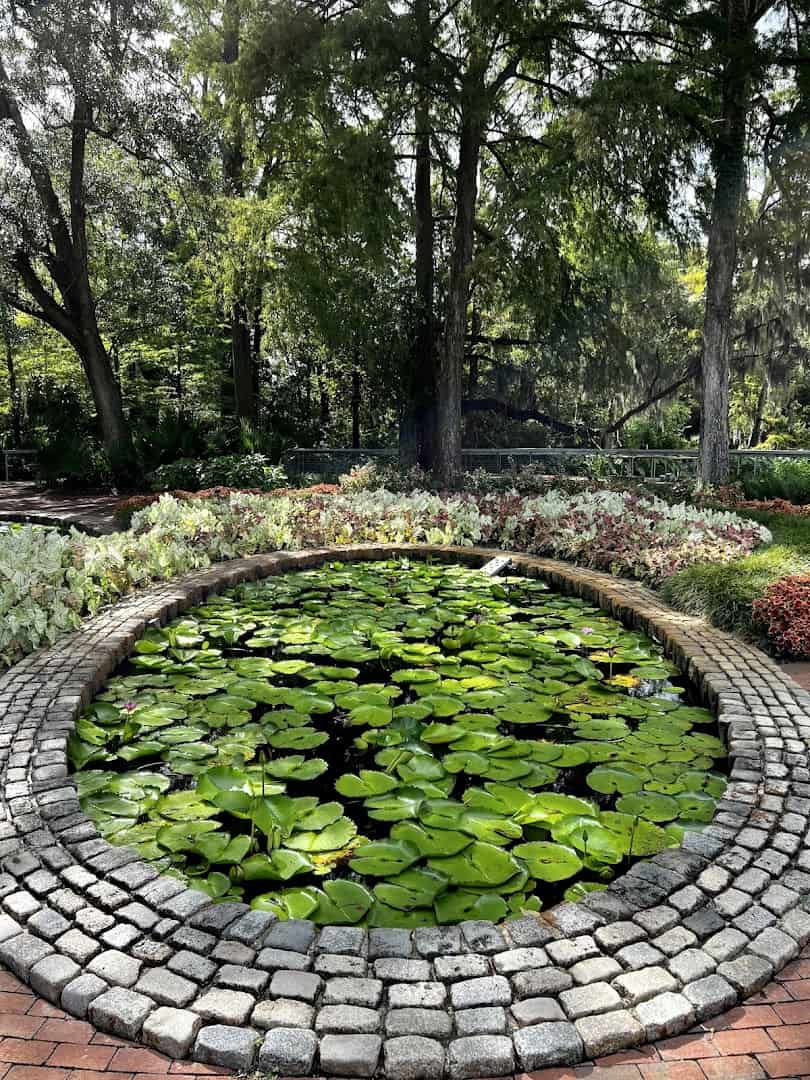
The showpiece is the Pond of the Blue Moon. On a still morning the water goes glassy and mirror-flat, and the cypress trees, the sky, and the flowers all double themselves on the surface. You will want your camera out before you finish the first path.
With more than 300 plant species spread across the grounds, there is always something opening or fruiting or turning color. The design rewards slow walking, so let yourself slow down and actually look.
Where the Azaleas Started It All
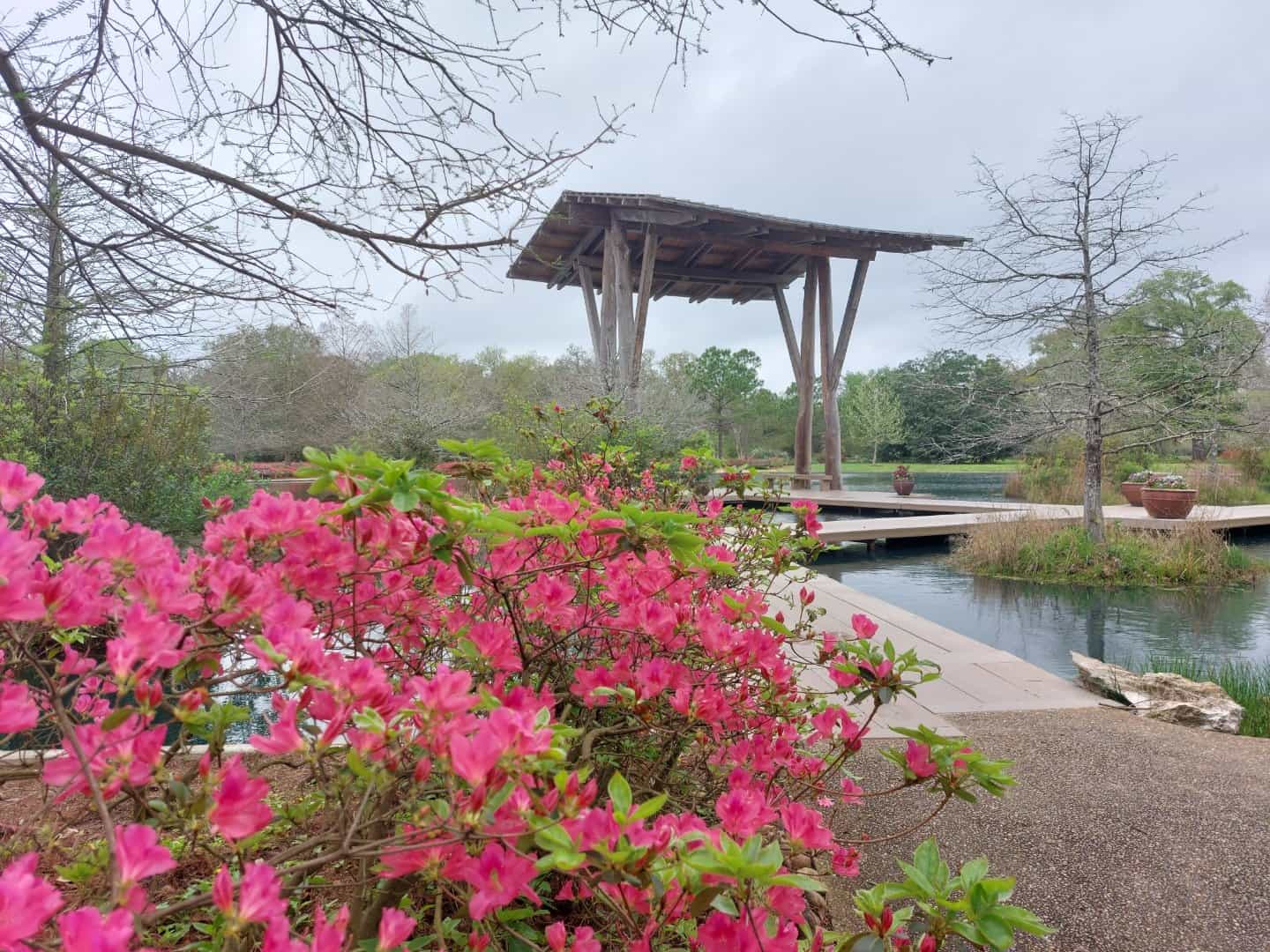
Long before the sculptures and the boardwalks, Shangri La was an azalea garden, and spring is still when it shows off hardest. When the azaleas peak, the paths blaze pink and coral and white in every direction.
Those original azalea plantings are the reason the garden exists at all, the passion project that grew into everything around it. If you can time a visit to that first warm stretch of spring, do it. You will understand instantly why a man decided to build a paradise here.
The camellias earn their own quiet fanfare in the cooler months, and there is always a bed of something in bloom to lead you to the next one. This is a garden that refuses to have a dull season.
Into the Cypress Swamp
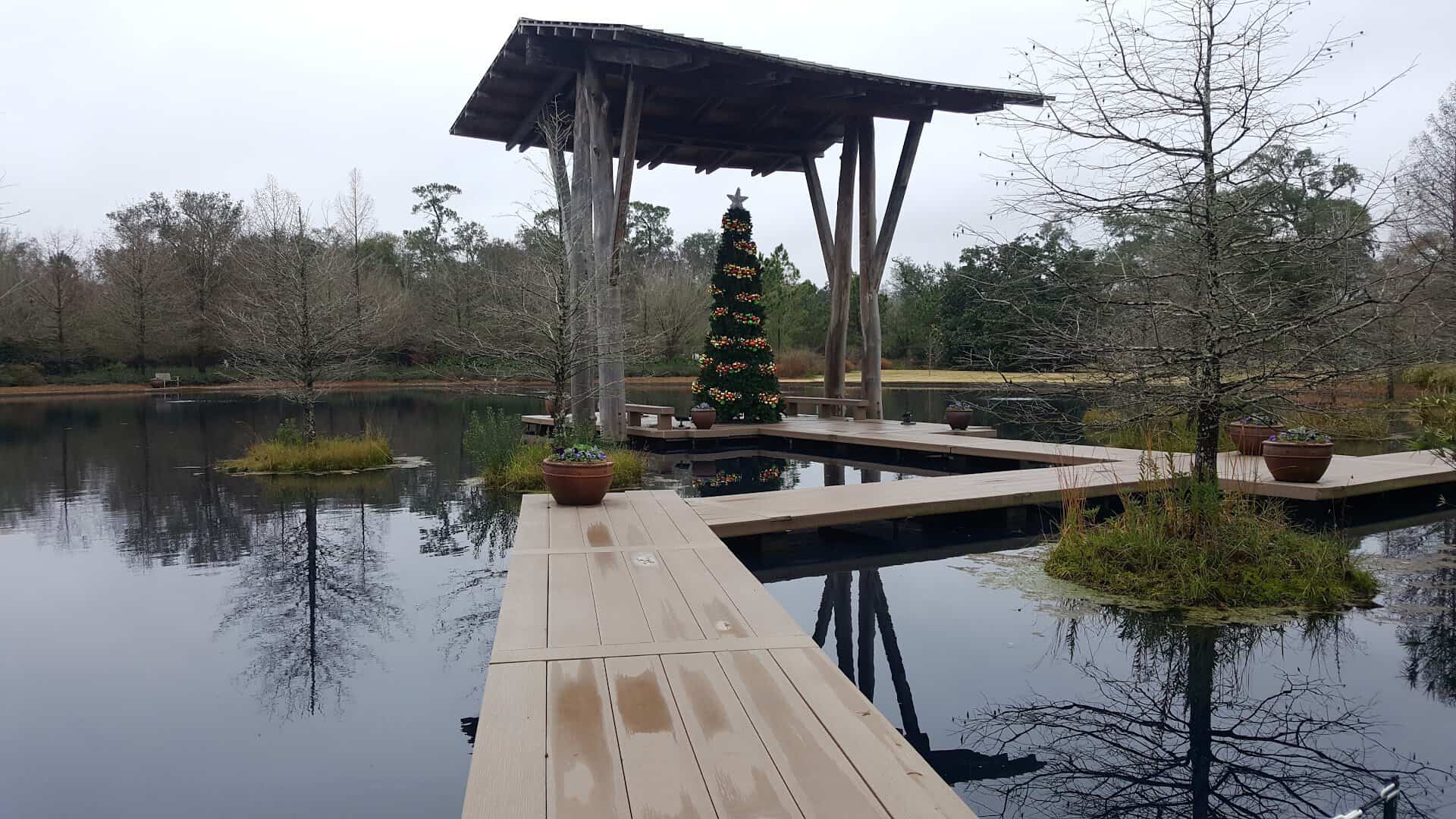
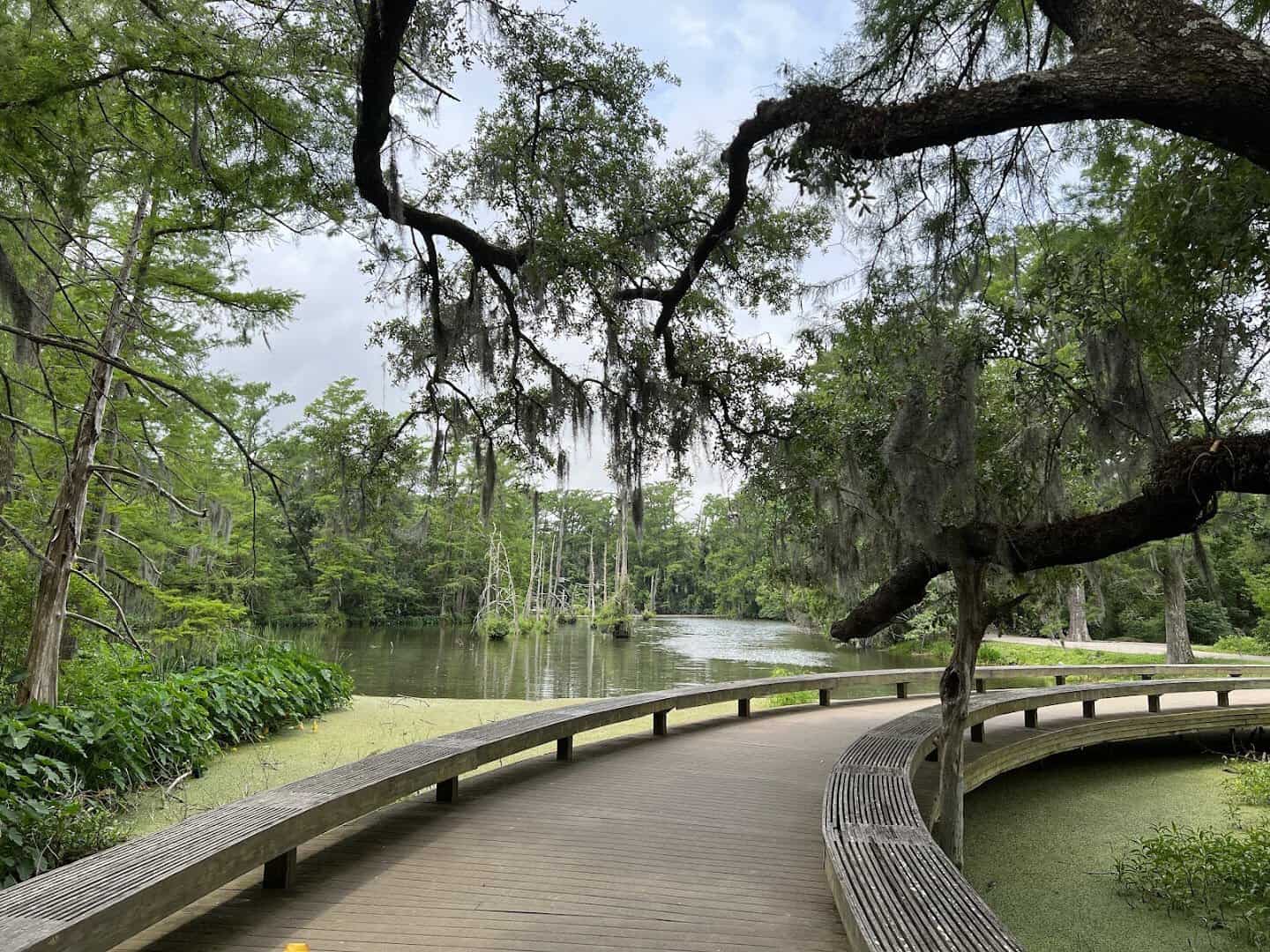
Here is where Shangri La stops being a pretty garden and becomes something wilder. Past the formal rooms, boardwalks carry you out over a cypress and tupelo swamp, the kind of ancient wetland that feels like it has been here far longer than any of us.
The air changes out there. It smells like wet earth and green leaves and something older than the city behind you. Turtles line the logs, herons stalk the shallows, and yes, there is at least one resident alligator that regulars love to point out to first-timers.
The garden sits on Adams Bayou, and one of the best things it offers costs nothing extra: a guided Outpost Tour on a pontoon boat. A naturalist takes you out onto the bayou and explains the wetland habitat as you drift along the dark water.
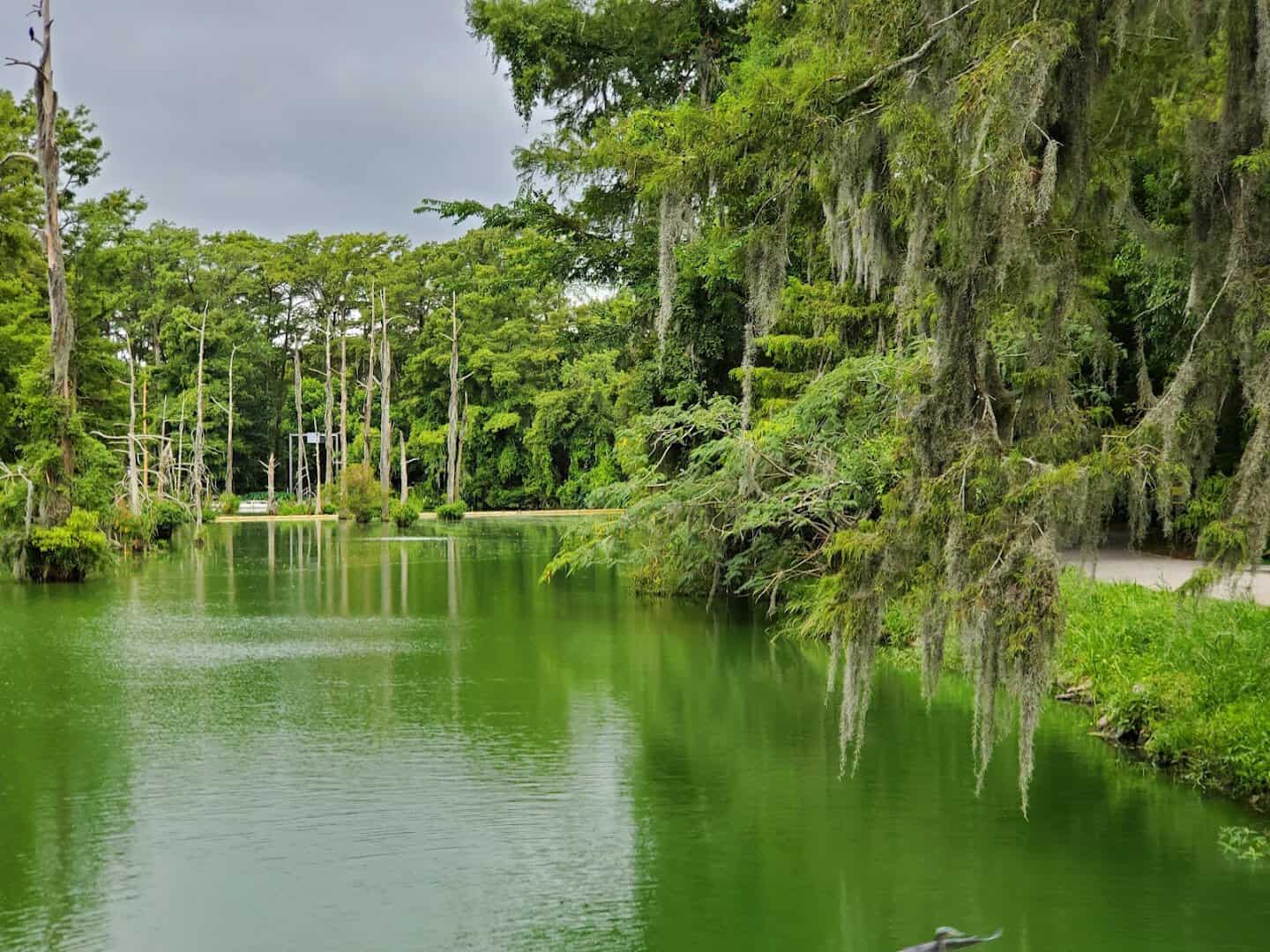
One visitor summed the boat ride up simply, calling it “a super interesting boat tour.” It is exactly the sort of thing you would expect to pay good money for, handed to you for free with a smile.
There is also a bird blind set up over a heronry near Ruby Lake, where you can watch nesting wading birds without disturbing them. Bring binoculars if you have them, and a little patience. The stillness is the whole point.
Serious birders come here on purpose, and the volunteers love pointing out what is roosting where. On a good spring morning the heronry is loud with activity, a reminder that this manicured garden is stitched right into a living wetland.
Sculptures, Orchids, and a House Full of Air Plants
Shangri La is not only plants. Woven through the grounds are four sculpture rooms, where art and landscape share the same space and the greenery frames each piece like a living gallery wall.
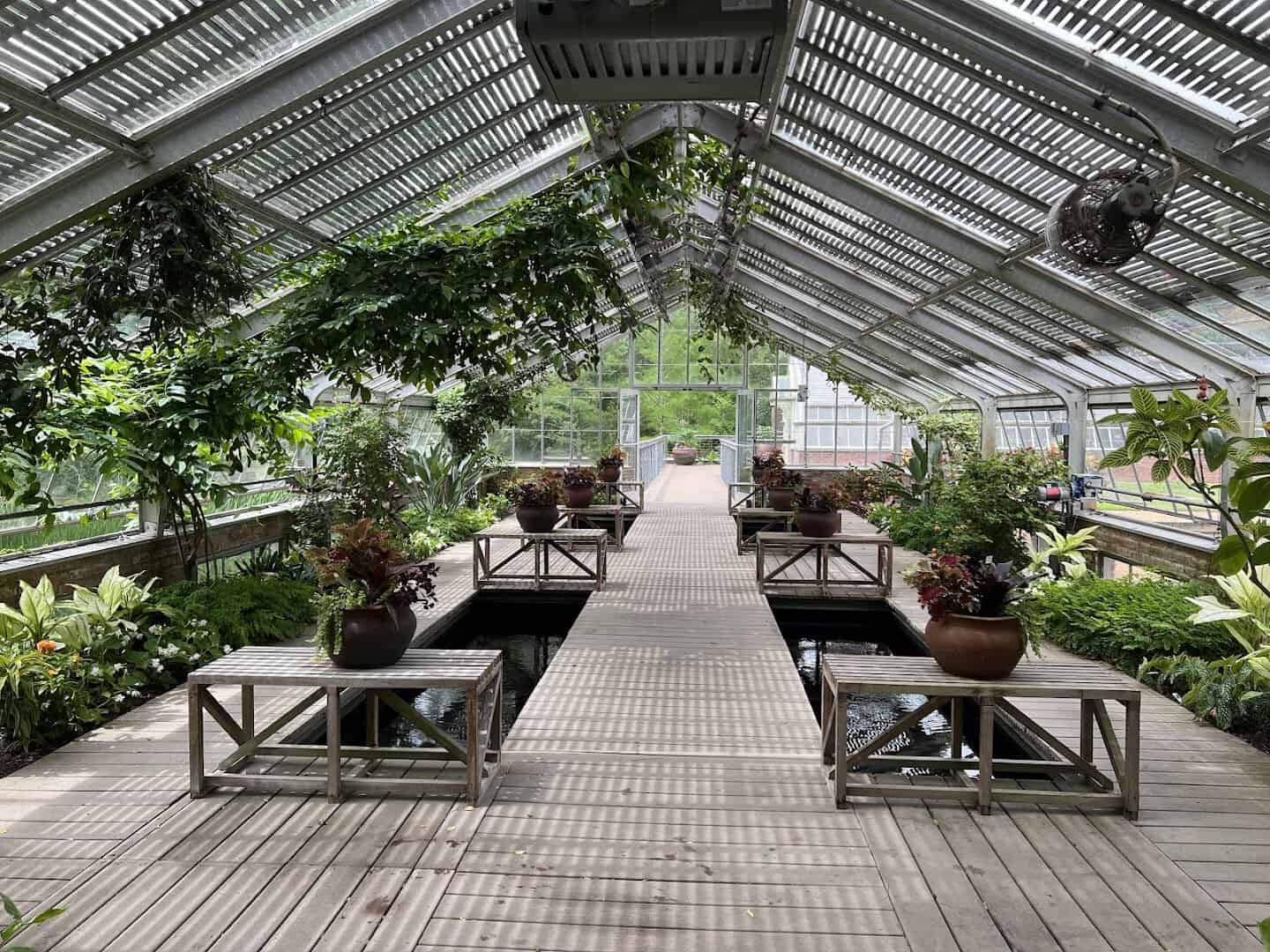
Then there is the Epiphyte House, a real treat for anyone who loves the strange corners of the plant world. Epiphytes are the plants that grow on other plants, orchids and air plants and their odd cousins, drawing what they need straight from the air and the rain.
Every March the gardens lean into that passion with Celebrate Orchids, a bloom-filled event that turns the greenhouses into a riot of color. If orchids are your particular weakness, plan your whole trip around it.
The exhibition greenhouses keep something interesting going the entire year, so even on a gray winter day there is warmth and green and the smell of soil to step into. You are never quite at the mercy of the weather here.
A Garden Built for Kids, Too
If you are bringing little ones, Shangri La thought of them. The children’s garden, cheerfully named “Here We Grow,” is built for small hands and short attention spans, all discovery and touch and wonder.
The Nature Discovery Center runs educational programs that make the wetland make sense, turning a walk in the swamp into a lesson kids actually remember. It is the rare attraction that entertains a four-year-old and a grandparent in the same afternoon.
The event calendar keeps families coming back all year. Fall brings a beloved Scarecrow Festival in October. Spring brings the Davis Rogers Big Bugs exhibition, with oversized insect sculptures scattered through the gardens, plus an Eco-Fest complete with a butterfly release.
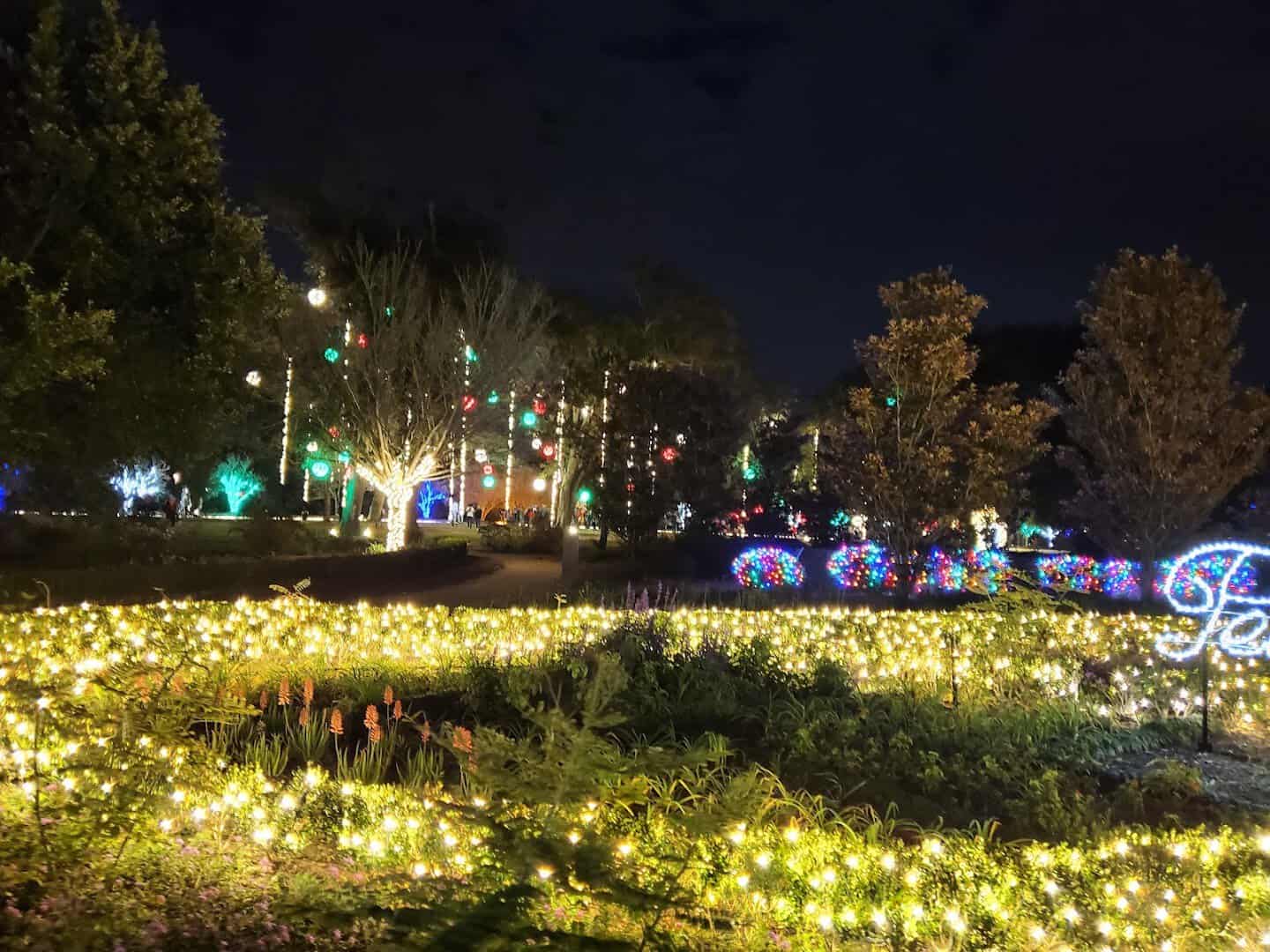
And in December the place transforms for the Christmas Strolls, the one time of year the gardens light up after dark. That is also the one event that carries a ticket, so it is worth checking ahead before you load up the car.
How a Lost Garden Came Back to Life
Now for the story, because it is a good one. Shangri La was the dream of H.J. Lutcher Stark, a wealthy Orange philanthropist who began developing the grounds in 1942 and opened his azalea gardens to the public in 1946.
He named it for the hidden earthly paradise in James Hilton’s 1933 novel Lost Horizon, a place tucked away from the world where nothing ages and nothing spoils. A fitting name for a garden nobody could find.
Then, in the mid-1950s, a brutal cold snap swept through Southeast Texas and destroyed the gardens. Stark closed Shangri La to the public, and for roughly half a century it sat quiet, cared for privately but hidden away again, just like its namesake.
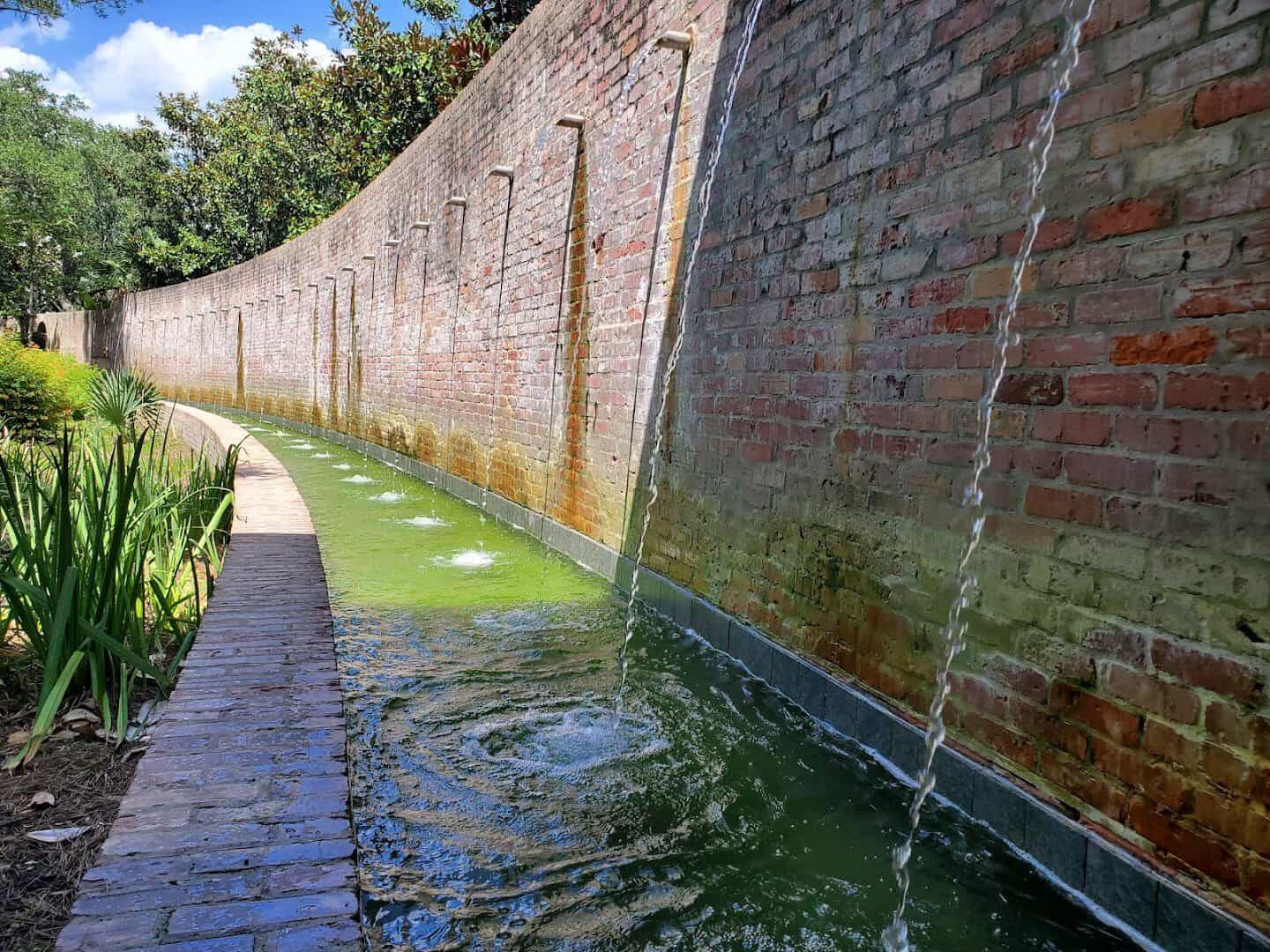
The Nelda C. and H.J. Lutcher Stark Foundation, established in 1961, eventually took on the enormous job of bringing it back to life. Hurricanes complicated the effort more than once, but the gardens finally reopened to the public in the spring of 2008.
Then Hurricane Ike struck that September and forced yet another closure. Shangri La reopened for good on March 7, 2009, and this time it has stayed open. A place named for a paradise you lose and find again could hardly have scripted itself a better ending.
A Green Building in a Genuinely Green Place
Here is a detail that surprises people. When Shangri La rebuilt, it did so as one of the most environmentally serious projects in the state. Its facilities became the first project in Texas, and the 50th in the entire world, to earn LEED Platinum certification.
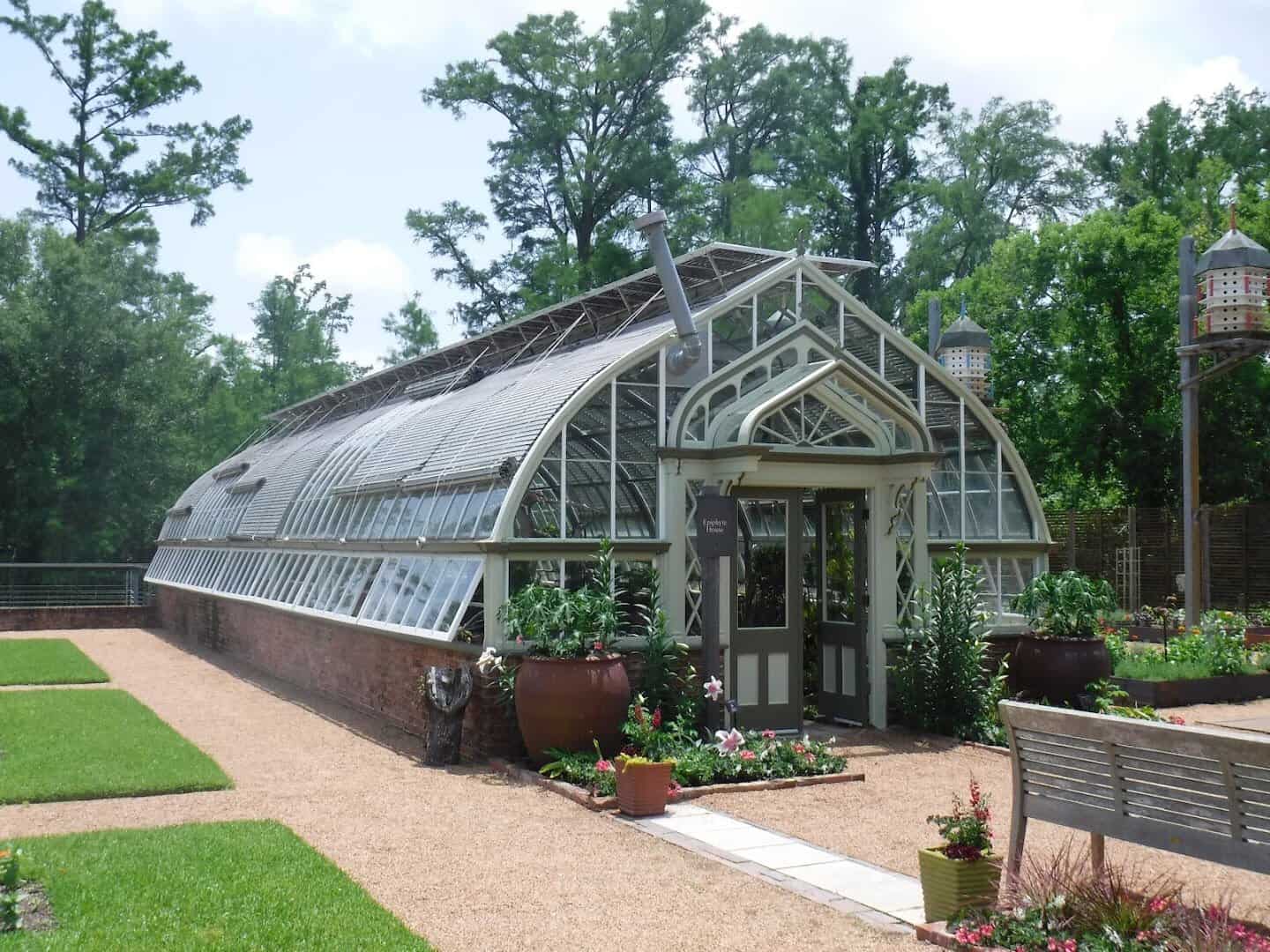
That is the highest green-building rating there is, and it is not just a plaque on a wall. It means solar power, geothermal systems, rainwater cisterns, and recycled materials threaded through the buildings, so the place that celebrates nature is genuinely built to protect it.
Did you know? The whole property spans 252 acres, even though the polished gardens you actually walk are only a small, carefully tended slice of that. The rest is the wild wetland the boat tour glides you through.
Plan Your Visit
The best part for your wallet: general admission to Shangri La is free. You read that right. A garden of this caliber asks nothing at all at the gate during regular hours.
It is open Tuesday through Saturday, from 9 a.m. to 5 p.m., with the last entry at 4:30. It closes Sundays and Mondays, so plan your road trip around a weekday or a Saturday and you will be fine.
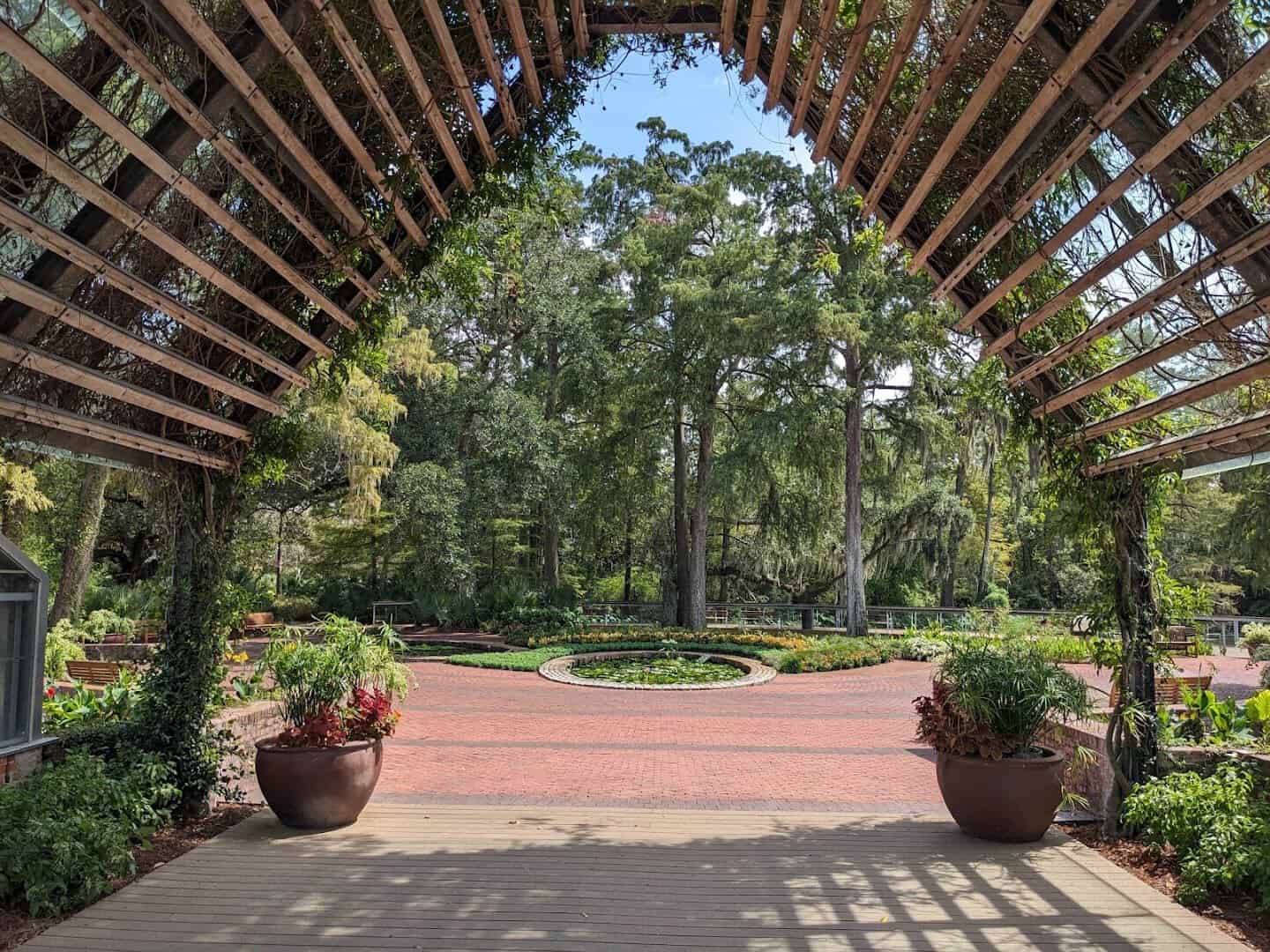
Pro tip: go early on a cool, still morning. That is when the Pond of the Blue Moon is most mirror-like, the birds are most active, and you will have long stretches of quiet boardwalk entirely to yourself.
The gardens are wheelchair accessible, and much of the property is walkable at an easy pace, so it suits nearly every kind of visitor. Wear comfortable shoes, bring water in summer, and give yourself at least two hours.
Make a Day of It in Orange
The Stark family left more than a garden behind in Orange, so it is worth building a whole day around the trip. The same philanthropic streak that created Shangri La also gave the town a cluster of first-rate attractions within a few minutes of one another.
The Stark Museum of Art holds one of the country’s finest collections of Western American art, from Audubon prints to Taos-school paintings. Just down the block, the restored W.H. Stark House offers a look inside a grand 1894 Victorian home, all carved wood and period detail.
Round it out with a show at the Lutcher Theater if the calendar lines up. Between the garden and those stops, Orange turns from a highway blur into a genuinely worthwhile detour, the kind of small Texas town that quietly overdelivers.
How to Get There
Shangri La sits in Orange, right off Interstate 10 near the Louisiana border, about two hours east of Houston and only a few minutes from the Sabine River. It makes an easy detour on any drive between Texas and New Orleans.
Where: Shangri La Botanical Gardens and Nature Center, 2111 W. Park Ave, Orange, TX 77630. Phone 409.670.9113.
Go Find Your Own Shangri La
Some of the best places in Texas are the ones hiding in plain sight, off the interstate, in a town most people only pass through on their way somewhere louder. This is one of them, and now you know it is here.
So point your car toward Orange, pack a little patience and a good camera, and go wander a paradise that somehow stayed a secret. Just promise me you will not keep it to yourself for too long.
Featured image: @ Shangri La Botanical Gardens and Nature Center

Stella Raines
Editor-in-Chief
Stella brings over a decade of storytelling experience to TX Headlines. With roots in West Texas and a love for road trips, she leads the editorial team with an eye for the hidden stories that make Texas unforgettable.
More Stories

These Little-Known Texas Beaches Are So Good Locals Almost Kept Them Secret
This Wild Texas Beach Has 58 Miles of Sand and Locals Love How Empty It Stays
This Hidden Texas River Park Is the Coolest Place to Beat the Summer Heat
This Secret Texas Swimming Hole Is Where Two Waterfalls Spill Into One Cool Pool
Tags