This Gorgeous Texas Waterfall Hides in Plain Sight Inside a Small Town Park
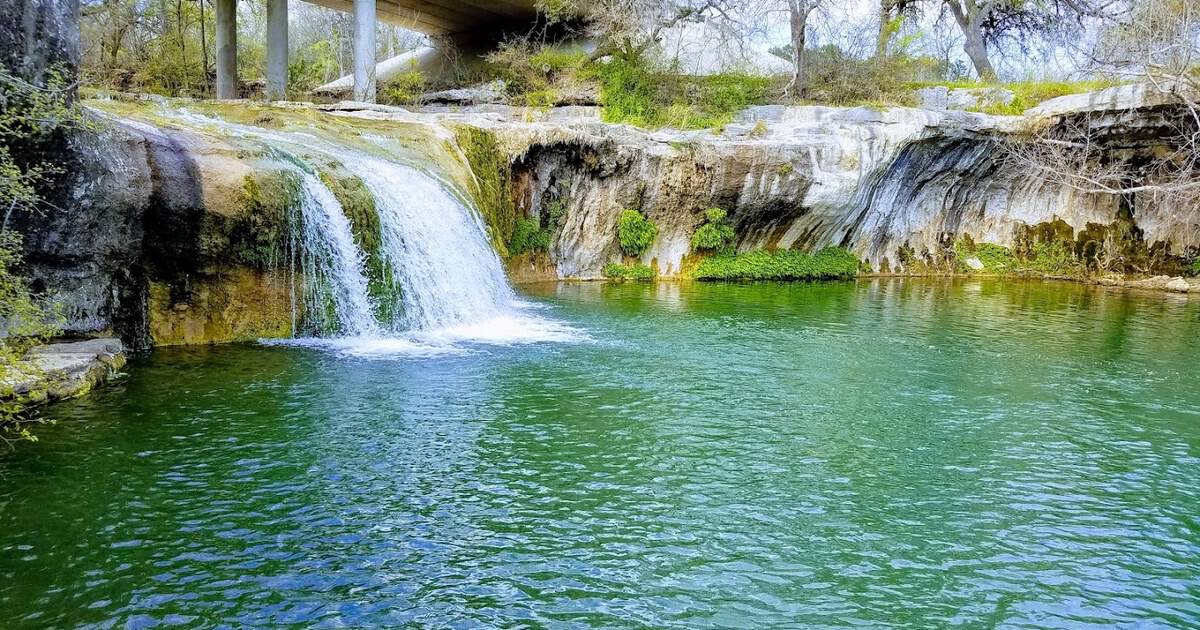
Nobody expects a real waterfall to be sitting behind a high school football stadium. Yet that is exactly the deal in one Central Texas town of about 700 people, and I think it might be the best kept swimming secret within an hour of Waco.
Tonkawa Falls City Park in Crawford is where Tonk Creek spills off a rock shelf into a wide limestone bowl, and the whole thing smells like sun-warmed limestone and cold creek water. It is a city park. It has a playground. It also has a waterfall.
Below, I will walk you through the falls, the swimming hole, the 35 acres of park around it, the ancient carvings hiding in the creek bed, and how a Depression-era town chose this place over a sewer plant. Then the practical stuff, so you can go.
The Waterfall That Fills a Limestone Bowl
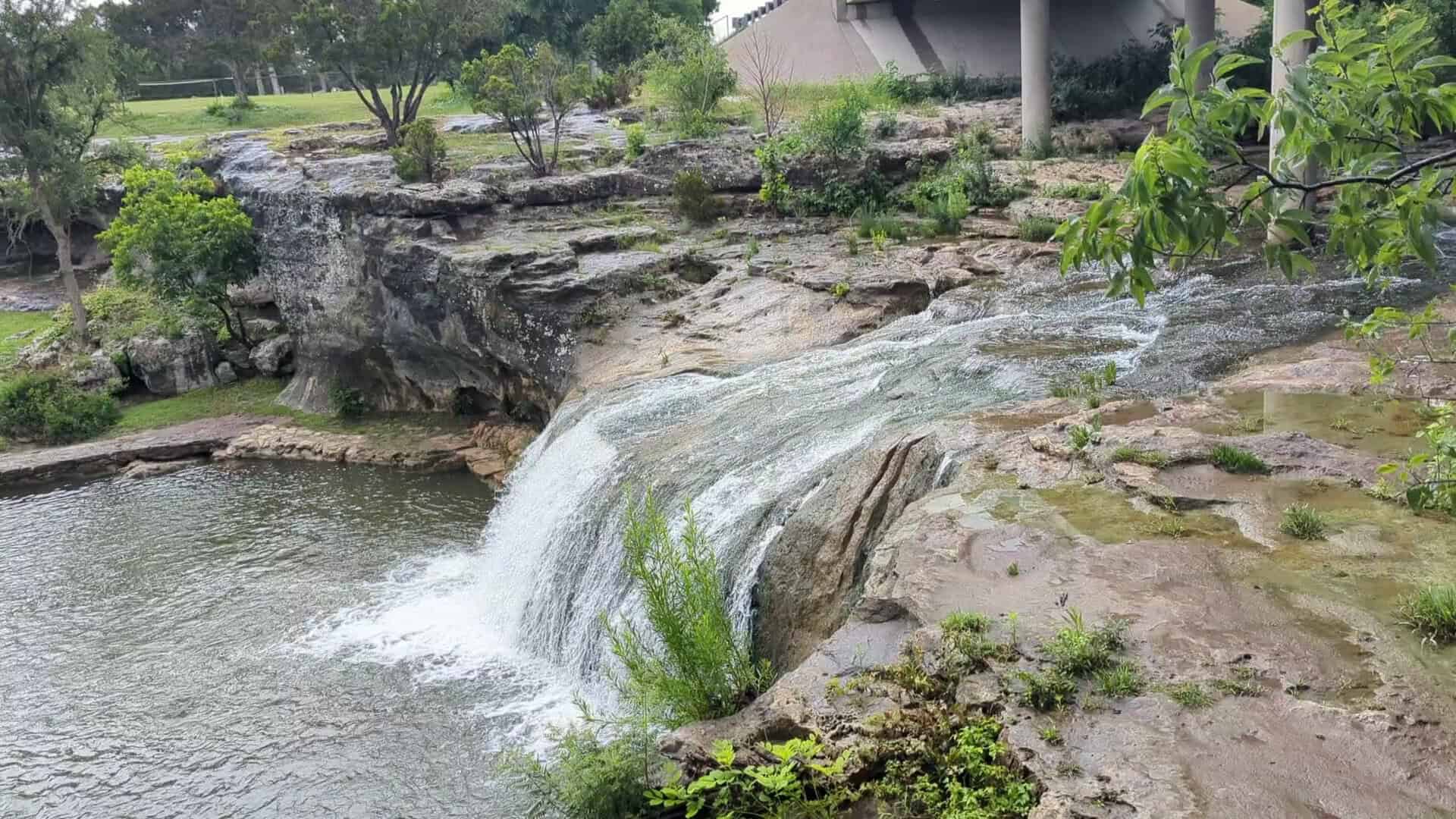
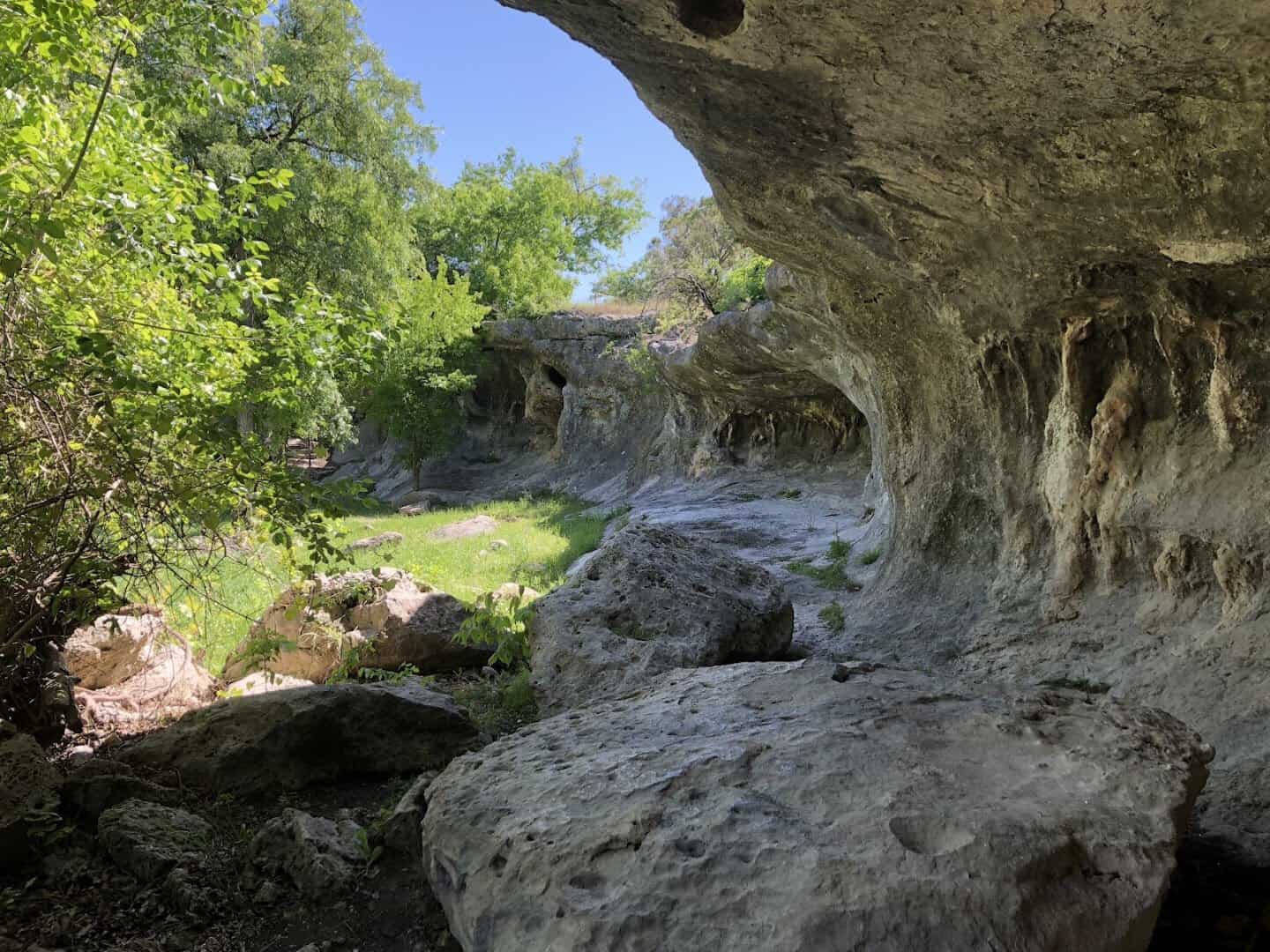
Start with the star. Tonk Creek runs across a flat shelf of rock, then drops somewhere between 15 and 20 feet, depending on who is doing the measuring, into a natural pool. The water lands in a basin of pale limestone that looks scooped out on purpose.
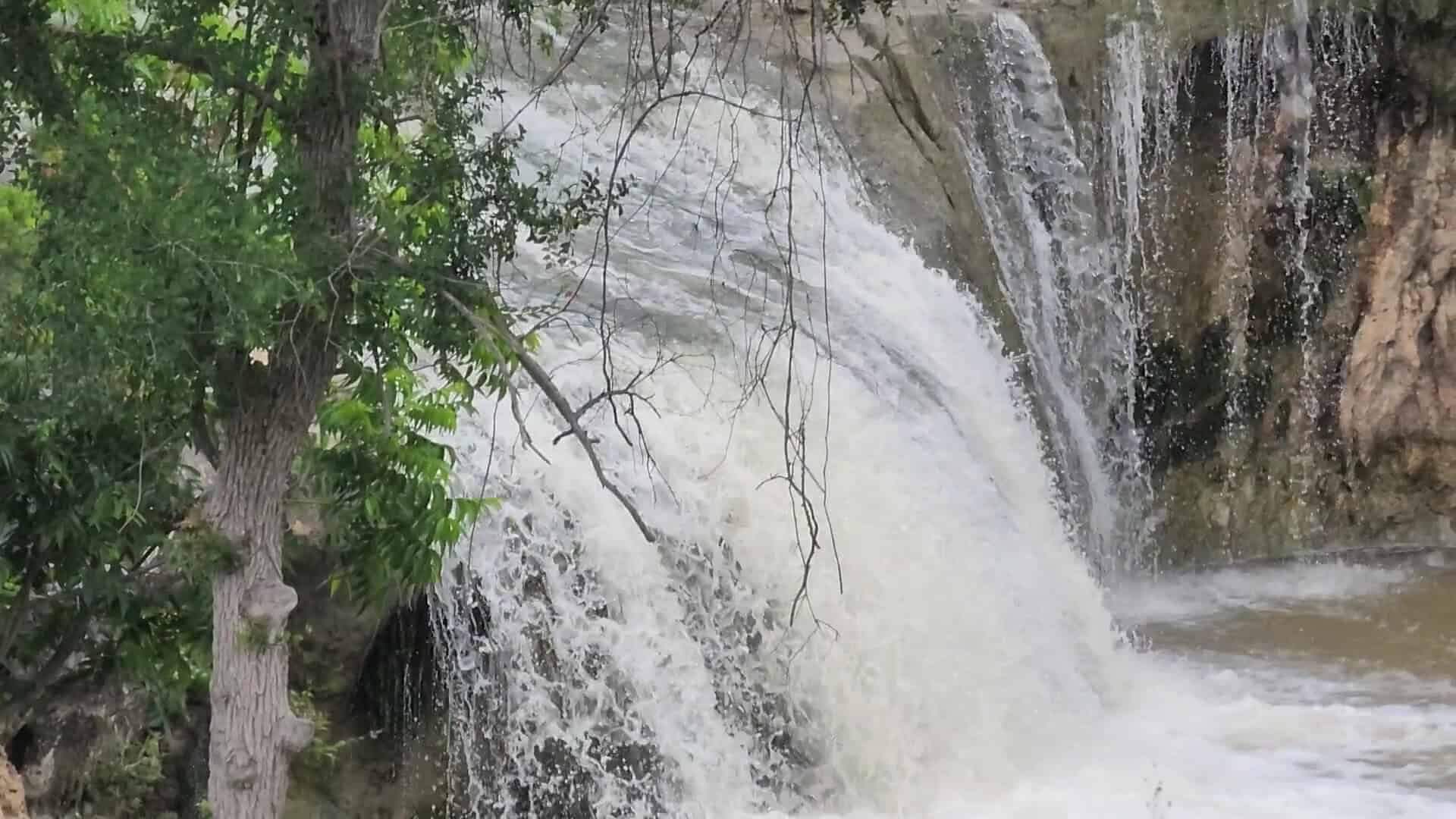
After a good rain, the falls run wide and loud, a curtain of white water pouring over the lip. In a drier stretch, they thin to a few clear ribbons that trace the rock face. Both versions are worth the drive, just for different reasons.
About half the basin is water and the other half is grass, which is a gift. You can spread a blanket close enough to feel the spray drift over on a breezy afternoon. Kids swim, grown-ups float, and everybody keeps one eye on the falls.
The pool is deeper than it looks. One family blogger who took her older kids swimming here wrote that they could barely touch the bottom in the middle. So it is a proper swimming hole, not a splash pad.
Steps in the Stone, Ledges for Leaping
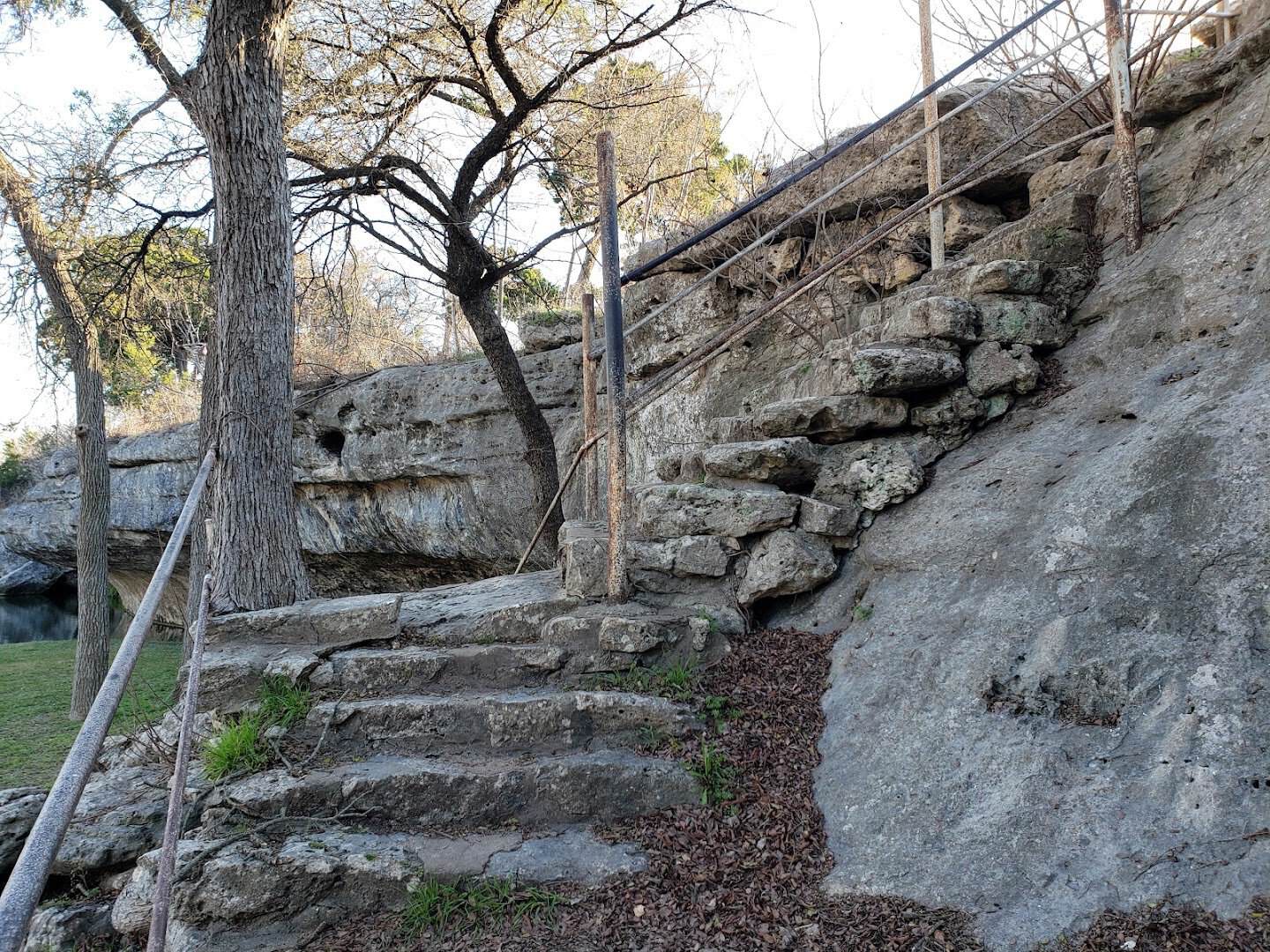
Getting down to the water is half the charm. In the 1930s, workers cut a staircase straight into the rock wall, and those same stone steps still carry you to the water’s edge today.
They are worn smooth in the middle from ninety years of bare feet. Go slowly on the way down. Everyone does.
Along one side of the pool runs a low rock ledge, which is where most people sit, dangle their legs, and work up the nerve to jump. On the opposite side rises a taller cliff wall. That is where the brave ones go.
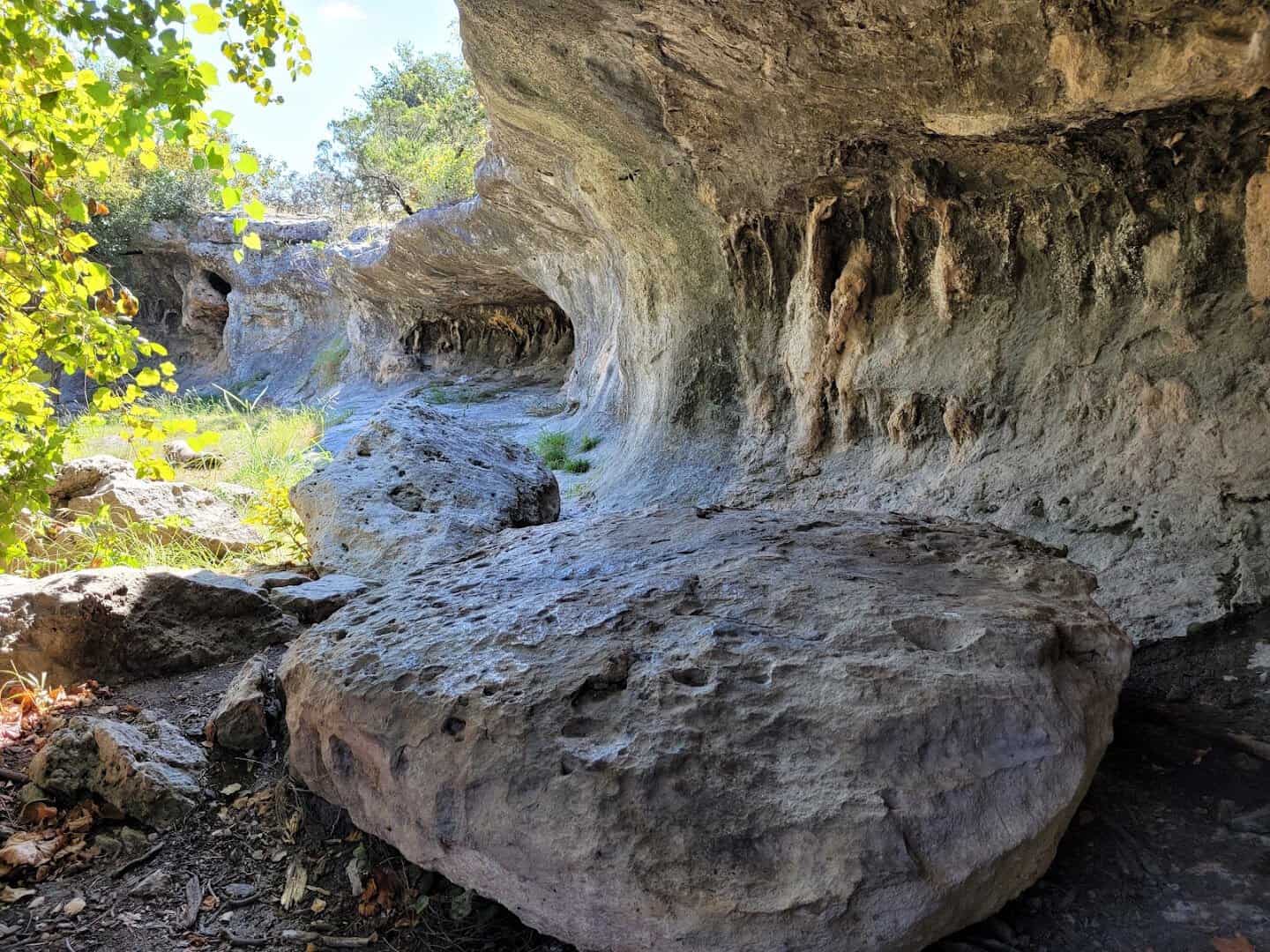
Rock climbers know this place for a different reason. The bluffs around the falls are pocketed limestone, and boulderers have mapped problems here from easy V1 climbs up to V6 and beyond. Jeff Jackson’s guidebook, Texas Limestone Bouldering, is the one climbers recommend if you want the routes.
I love that one small park serves swimmers, climbers, and blanket-sitters all at once. My vote goes to the blanket. Bring a book and let the falls do the talking.
Creek, Trails, Bridges, and Picnic Tables
The waterfall gets the photos, but the park around it is what turns a quick stop into a full afternoon. From the gravel parking lot on the north side, you cross a bridge over the creek and follow the path to a covered pavilion at the top of the bluff.
From there, stone stairs head down toward the swimming and climbing areas. Above and below the falls, Tonk Creek winds through the trees, and short trails follow it. Benches and picnic tables are scattered along the way, some of them the original rock tables built in the 1930s.
Beyond the creek you will find the rest of a proper small-town park. There is a playground with climbing and sliding equipment, a set of swings, two sand volleyball courts, and a half basketball court.
Restrooms are on site, which matters more than it sounds after a day in the water. Picnic tables sit up top and down in the parking area too, so you never have to carry lunch far.
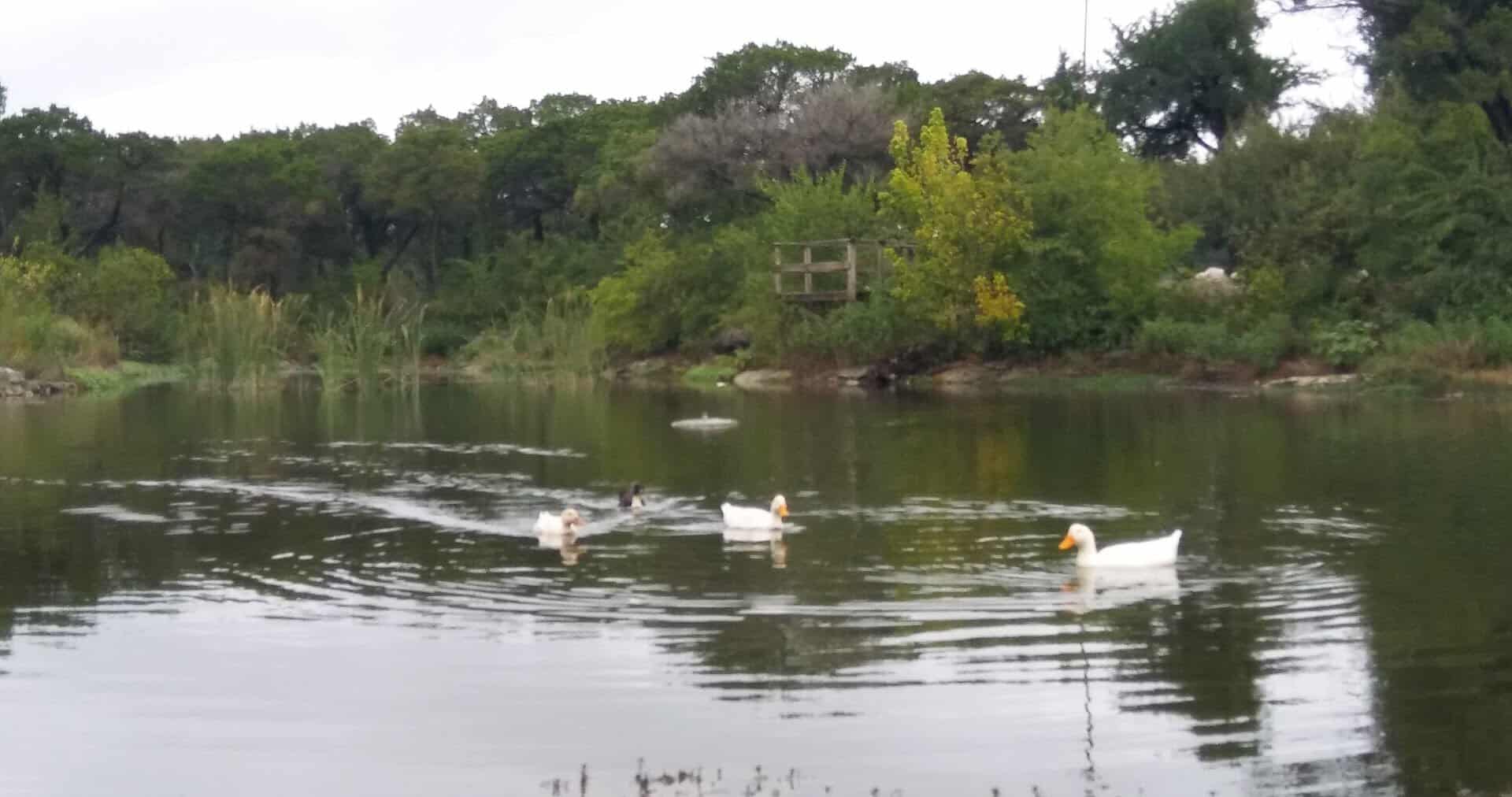
Dogs are welcome on a leash throughout the park. Did you know the city’s own website advertises the geese? A pair of them, plus their goslings, have become unofficial mascots, and the site notes that “Local Wildlife Abounds.” Watch your sandwich.
Where the Tonkawa Camped
The park takes its name from the people who camped here long before Crawford existed. The Tonkawa called themselves Tickanwatic, which means “real people.” The name we use comes from the Waco language and translates roughly to “they all stay together.”
They were semi-nomadic hunters and growers who ate buffalo and deer and raised beans and squash. Spanish explorers first met them around 1690.
A loose confederation of clans, the Tonkawa were, in the Austin Chronicle’s words, “sworn enemies of the Comanche.” They allied with the Texans and later served as scouts for the U.S. Army and the Texas Rangers.
The Tonkawa were moved onto reservations in 1855 and relocated to Oklahoma in 1884. But for hundreds of years before that, this creek and this waterfall were their permanent campground, and they left their mark in the rock. Literally, as you will see below.
A Park Instead of a Sewer Plant
Here is my favorite piece of Crawford history. During the Great Depression, when the town had roughly 500 residents, the Civil Works Administration offered federal money for one project. The choice was a park or a sewage plant. Crawford picked the park.
Local men who badly needed a paycheck cleared the brush from the 35 wooded acres by hand. Waco History records that they earned $1.25 an hour and worked three ten-hour days each week. The stone for everything they built came straight out of the creek.
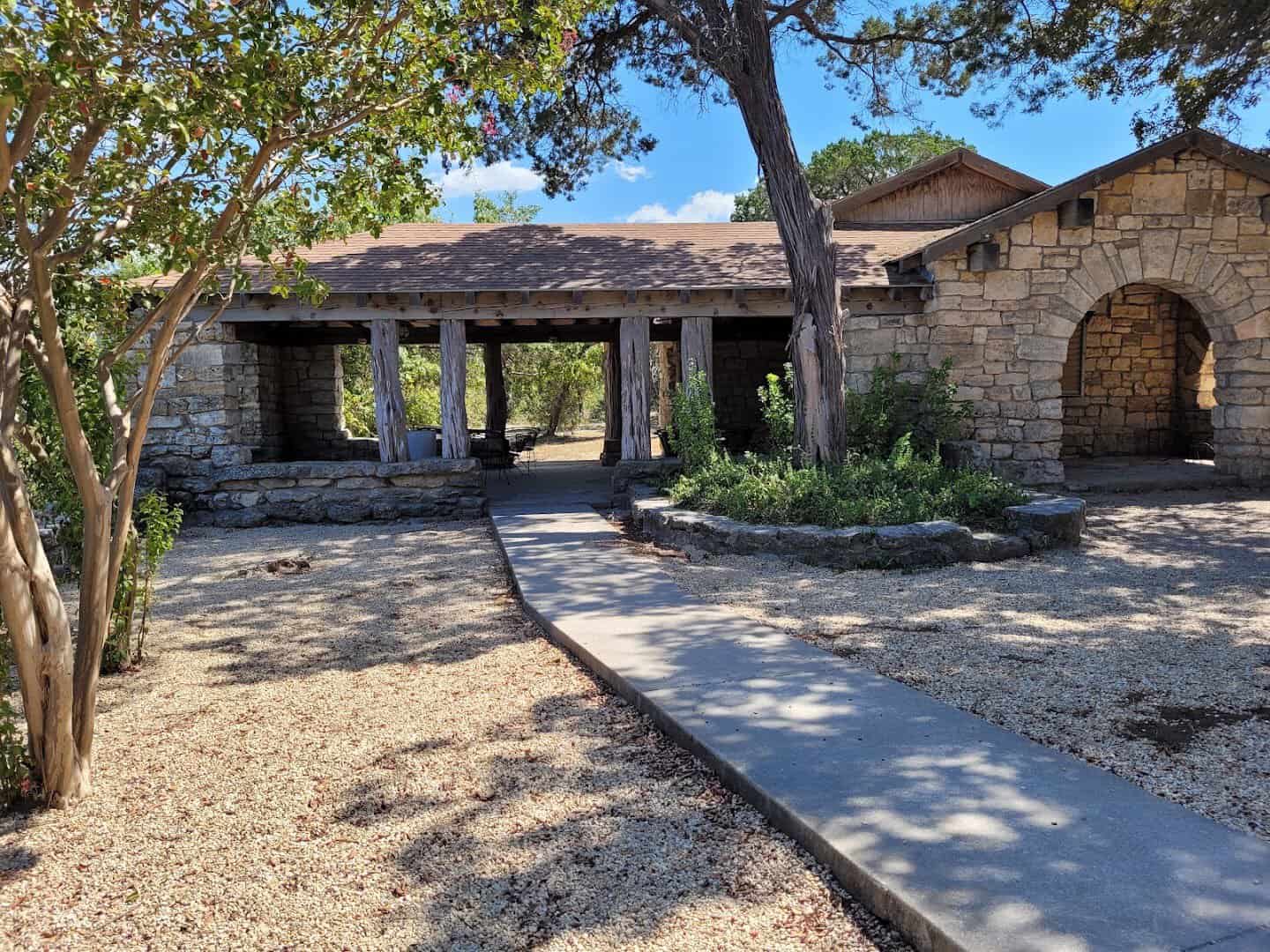
What they built is still here. A clubhouse, a caretaker’s house, stone picnic tables, barbecue pits, and those steps down the rock wall. They also poured a concrete driveway across the top of the falls, a low-water crossing locals nicknamed “The Dip.”
The park kept growing after that. In the early 1940s the Waco Camp Fire Girls ran summer camps here and added cabins and a shower house.
A rodeo arena and a saddle club followed, then the Crawford High School football field, then the RV park. In the 1980s the old clubhouse even housed a seafood restaurant. A newer community center is the latest addition.
Petroglyphs at Low Water
Now for the part that gives me chills. While those workers were clearing debris around the falls, they found burial sites and rock carvings left by the Tonkawa.
In 1934 they uncovered the remains of a woman and a child pinned beneath a slab of rock. That slab sits in the park today as a bench. Think about that the next time you sit down to tie your shoes.
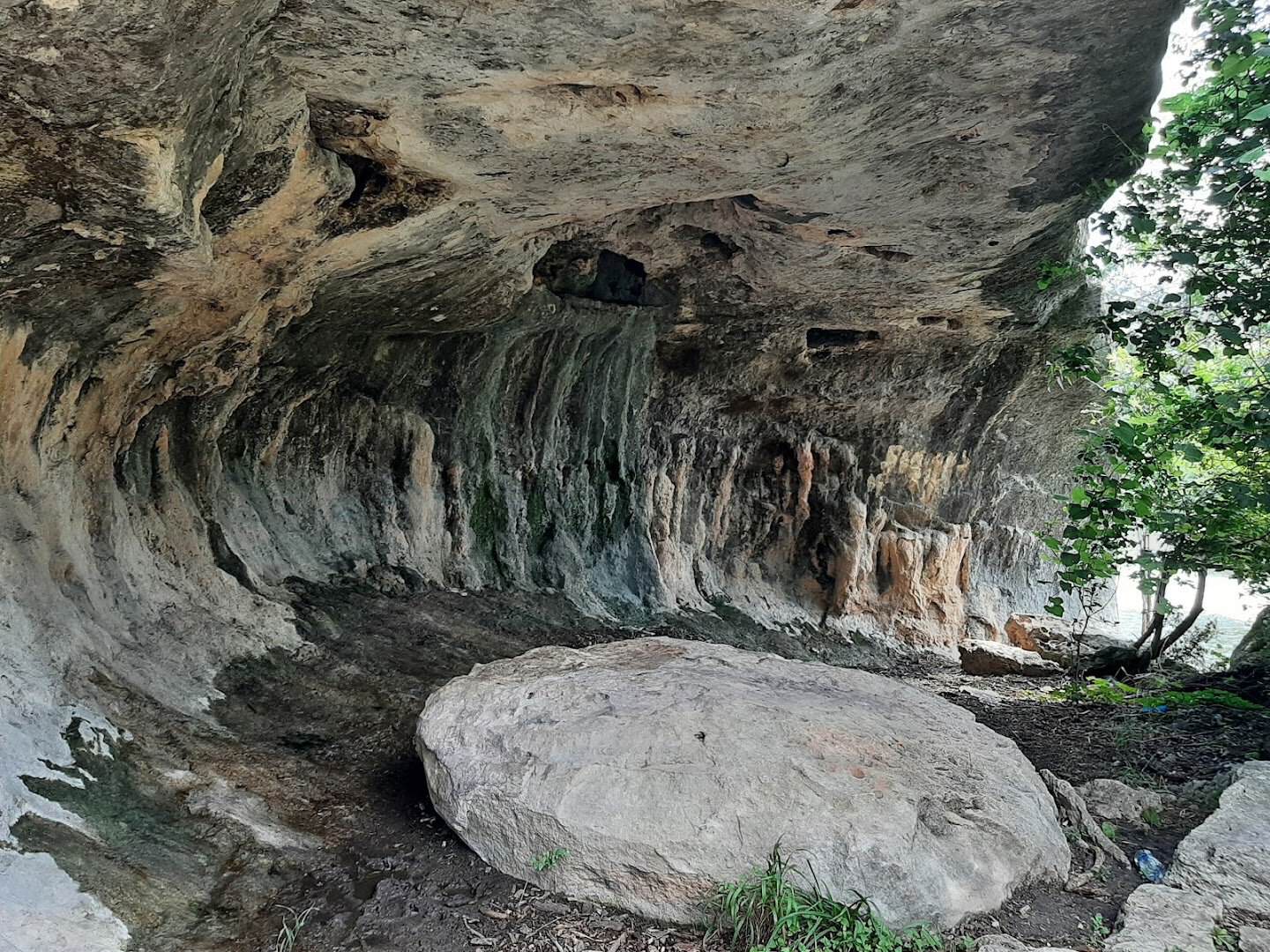
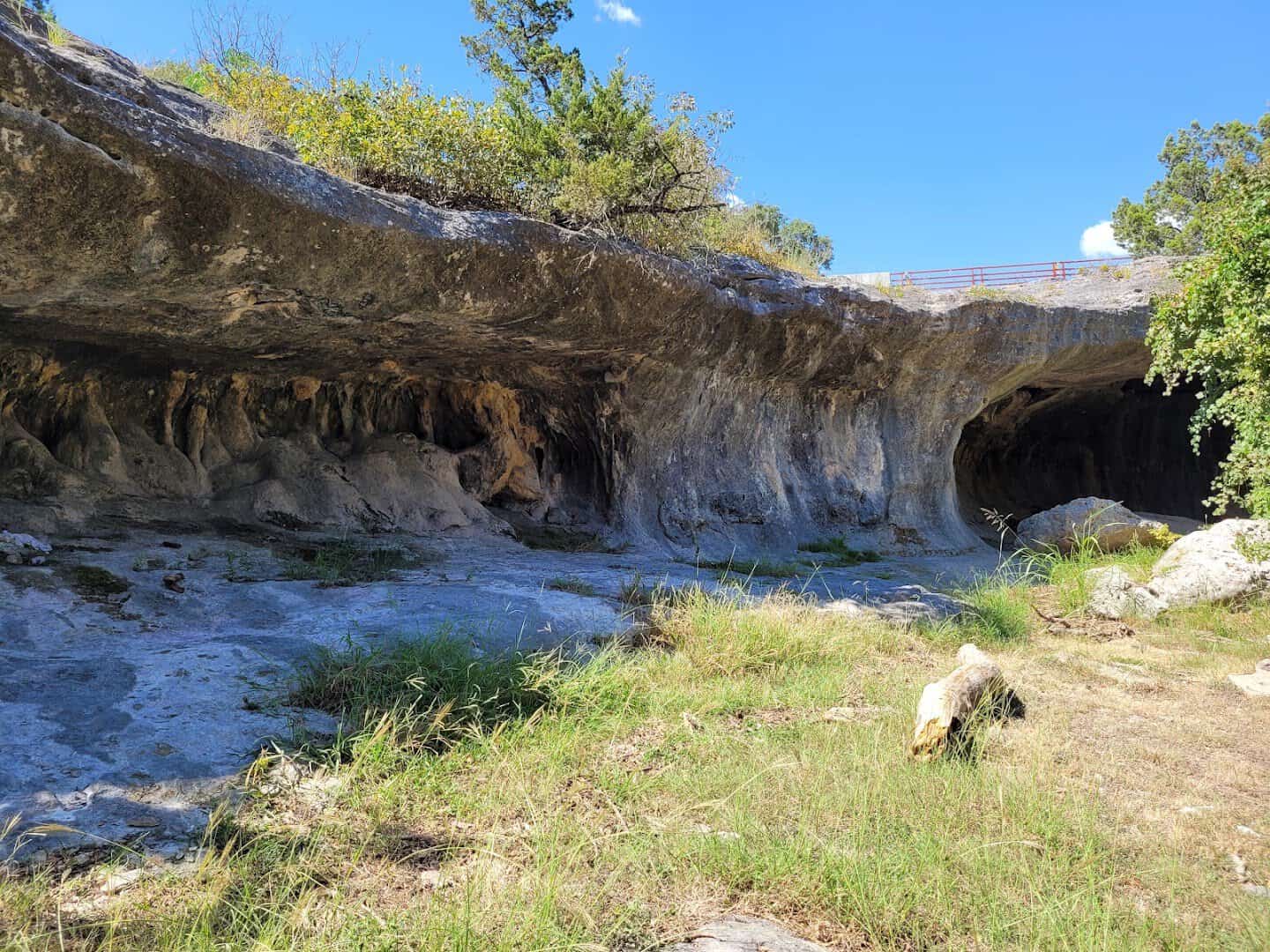
The petroglyphs are the real prize. About 100 of them were documented at Tonkawa Falls in the 1950s, carved into the creek bed and the limestone walls.
Some of the etchings show Native American designs, and some appear to carry Spanish influence. That hints at how long people have been passing through this one bend in the creek.
You cannot see them just any day. The carvings live below the waterline for most of the year and only show themselves when Tonk Creek shrinks to a trickle in late summer and early fall.
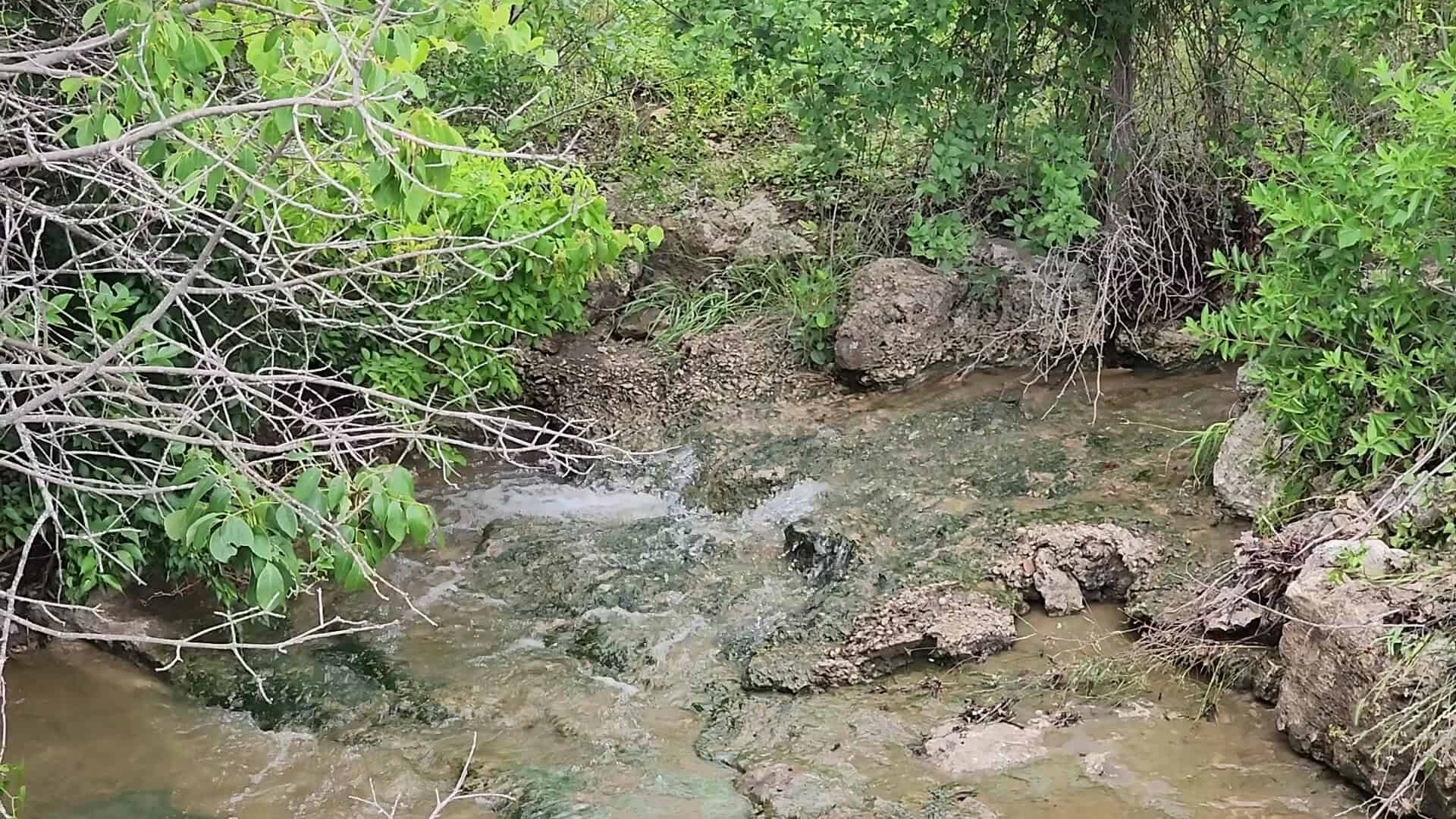
So a dry September, the one time the falls are quiet, is the one time the oldest art in the park comes out. I find that a lovely trade. The water rests, and the rock talks.
Pro tip: if you visit during low water, walk slowly along the exposed rock and look for shallow, deliberate lines. Do not touch or trace them. They have lasted centuries. Let them last a few more.
Camping Under the Trees
If one afternoon is not enough, you do not have to leave. Tonkawa Falls RV Park sits inside the city park, with sites that have electrical and water hookups, plus tent camping for anyone who prefers canvas. Campers can stay up to two weeks at a stretch.
Booking runs through Crawford City Hall. You call 254-486-2125 or fill out the registration form and email it to the city office. It is a small-town process, and it works. The same office rents out the clubhouse and the Tonkawa Falls Event Center for weddings, reunions, and graduation parties.
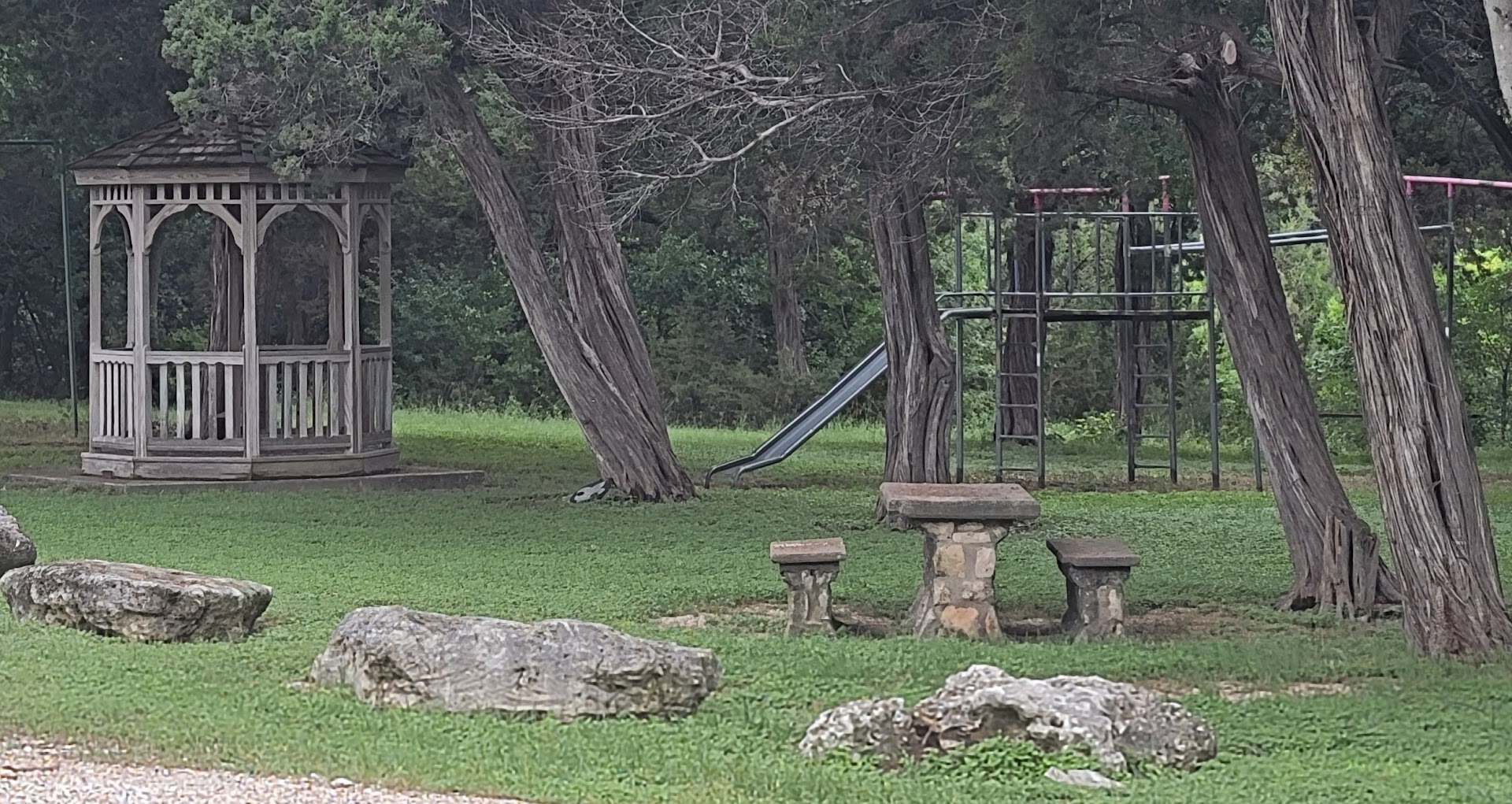
Picture waking up in a camper, walking a few hundred feet with a coffee mug, and having the waterfall to yourself before the day crowd arrives. That is the whole pitch. I would take that over a hotel any weekend of the summer.
When to Go and What to Bring
Timing is everything at a rain-fed waterfall. Spring and early summer usually bring the strongest flow and the fullest pool. Late summer can go dry, and when the creek stops running, the city closes swimming until the water comes back.
Check the park’s Facebook page before you drive out. The city posts water level and safety notices there, and a quick look saves you a dry trip.
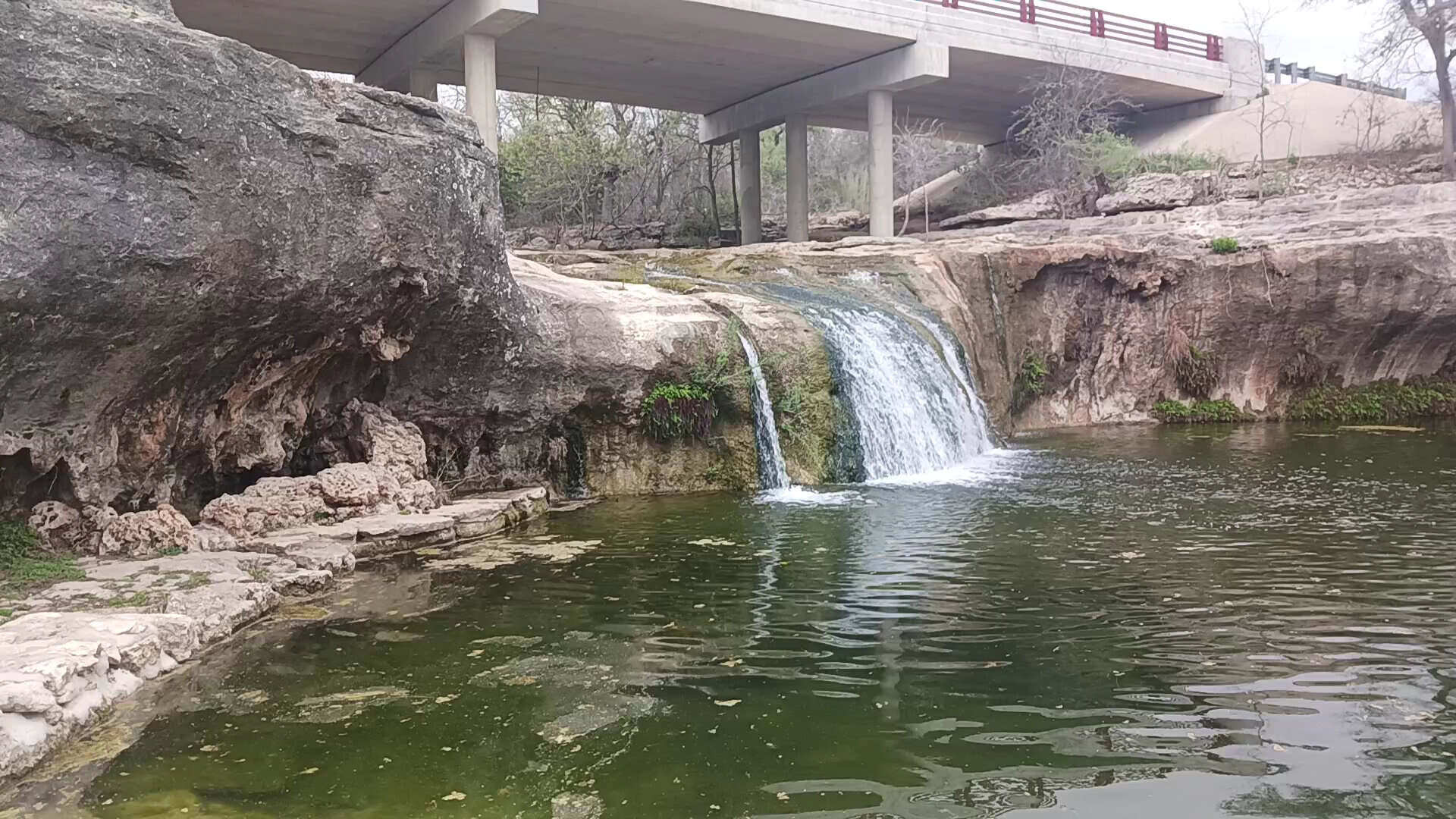
Swimming hours are 10:00 a.m. to 7:30 p.m. Parking is free on weekdays and $10 per car on weekends. If you live inside Crawford’s city limits, you can pick up a free armband at City Hall and park for free.
There are no lifeguards, so bring life jackets for weaker swimmers and keep the little ones close. Water shoes are a smart call. The rock gets hot under bare feet on a July afternoon, and the ledges can be slick.
Pack a cooler and a blanket, because the grassy half of the basin is the best seat in the house. Bring a camera for the falls and a towel for the drive home.
And if you have climbing shoes, throw them in the trunk. You will want them once you see the bluffs.
How to Get There
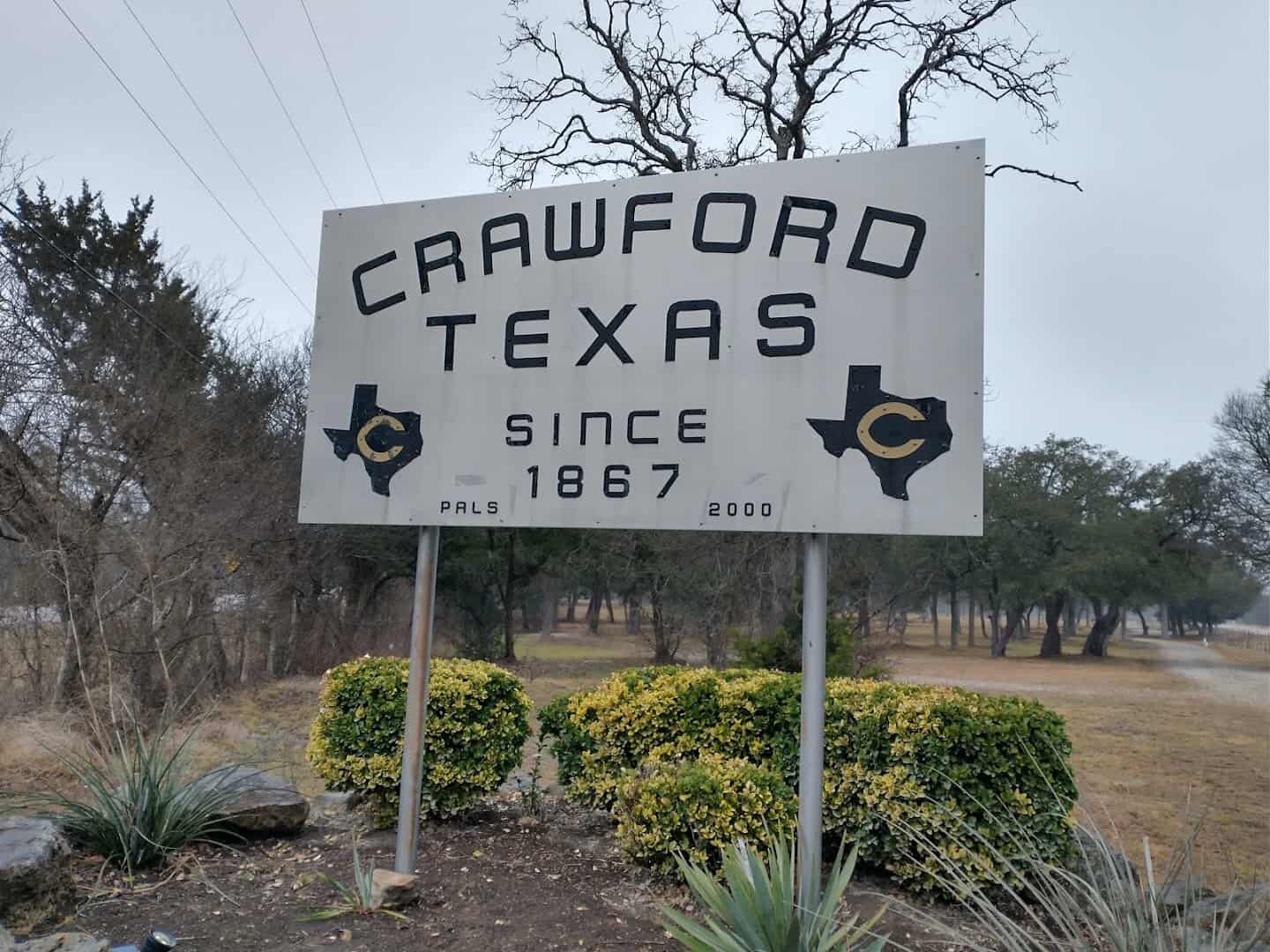
Crawford sits about 20 miles west of Waco, roughly a 30-minute drive. From Austin, plan on two hours, and from Dallas closer to three.
The park is on the east side of town off FM 185, tucked beside the high school stadium. You will spot the gravel lot before you spot the water, and that is part of the surprise.
Where: Tonkawa Falls City Park, 8540 E. 5th St., Crawford, TX 76638
It pairs easily with a Waco day of Magnolia, the Dr Pepper Museum, and Cameron Park, or makes a cool stop on the way to the Hill Country.
Start Planning Your Crawford Day Trip
The best places in Texas are rarely the ones with billboards. This one has a stadium on one side, a playground on the other, and a waterfall in the middle that a whole town chose over indoor plumbing. That is the kind of decision I can get behind.
So pick a weekend after a good rain, load up the car, and point it toward Crawford. Take the stone steps down slowly and find your spot on the ledge.
Then let Tonk Creek pour over the rock the way it has for centuries. You are going to want to come back.
Featured image: Joey Clearman via Tonkawa Falls City Park

Stella Raines
Editor-in-Chief
Stella brings over a decade of storytelling experience to TX Headlines. With roots in West Texas and a love for road trips, she leads the editorial team with an eye for the hidden stories that make Texas unforgettable.
More Stories
These 5 Surreal Texas Places Are So Stunning You Won’t Believe They’re in Texas
5 Abandoned Texas Places That Are Eerie, Empty, and Still Open to Explore
8 Hidden Texas Bookstores That Book Lovers Will Want to Get Lost In
This Abandoned Texas Zoo Closed Nearly 90 Years Ago, and You Can Still Walk Through Its Ruins
Tags