There’s a Hidden Canyon in Texas Most People Never Visit
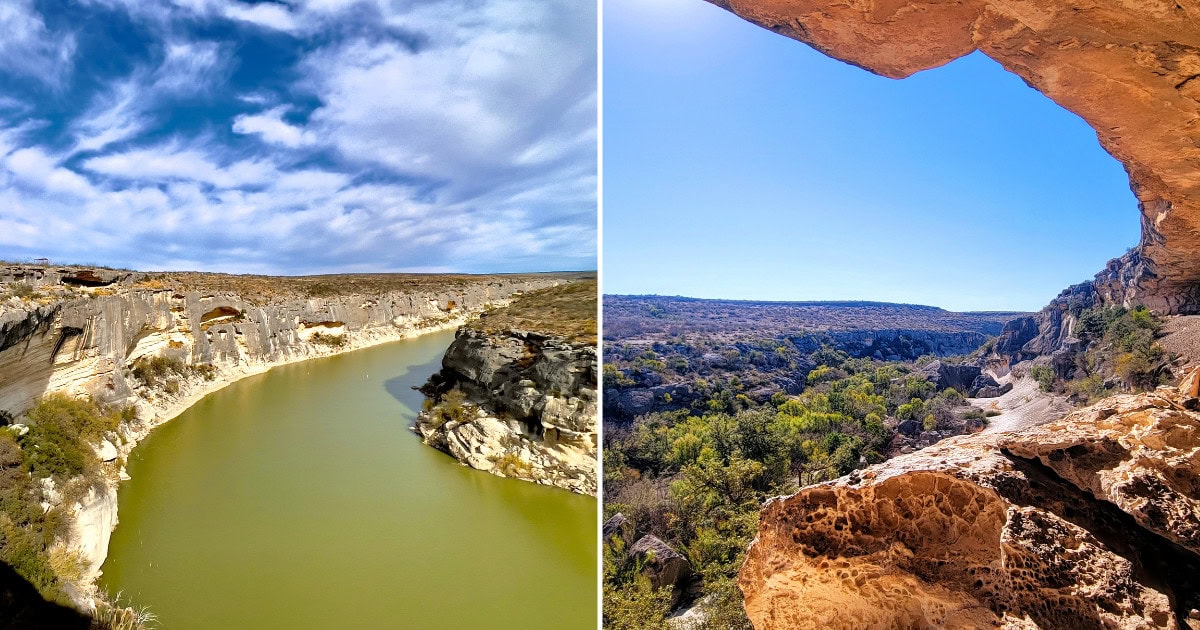
On the rugged Texas-Mexico border, where the Chihuahuan Desert meets the Rio Grande, a 2,172-acre state park holds one of North America’s most significant archaeological treasures.
Seminole Canyon State Park and Historic Site, located nine miles west of Comstock in Val Verde County, protects rock art that predates the Egyptian pyramids—vivid pictographs painted by indigenous peoples.
This is Texas at its most elemental—a place where 12,000 years of human history are written on stone, and where the present feels very far away.
The Landscape of Seminole Canyon
Canyon Geography and Terrain
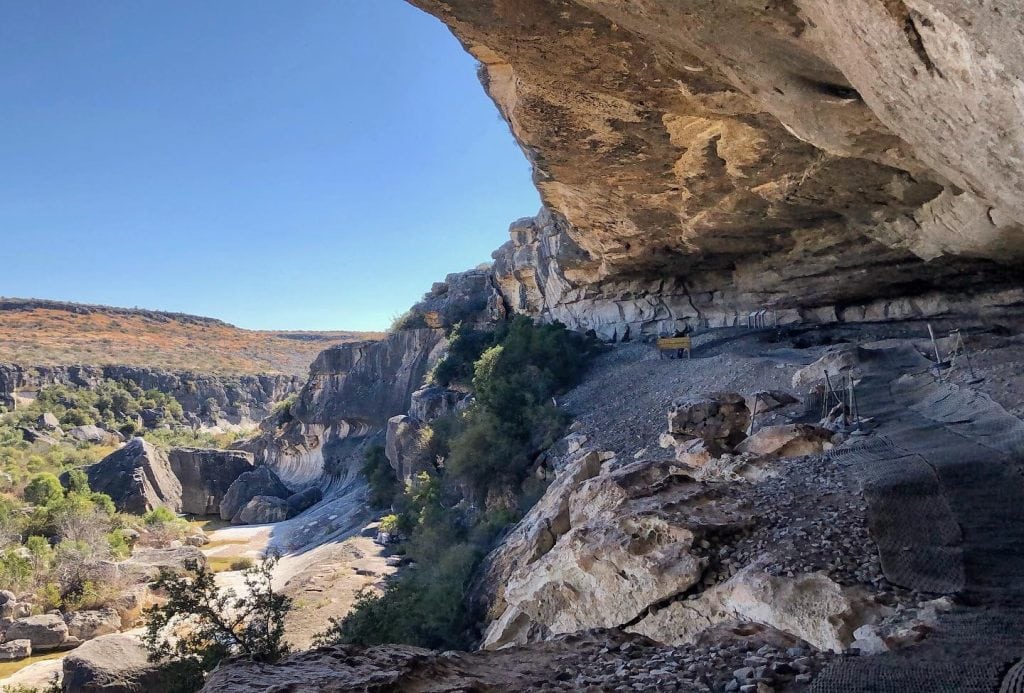
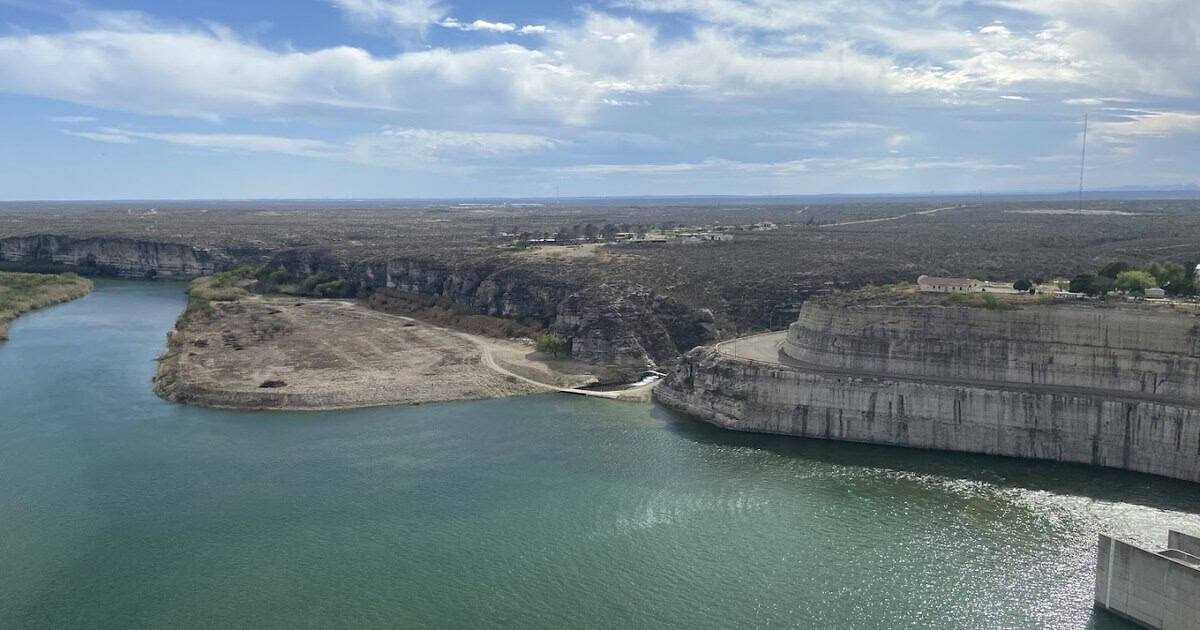
Seminole Canyon was carved over millions of years by seasonal floods. The limestone walls expose rock deposited up to 100 million years ago, during the Age of Dinosaurs, when ancient seas repeatedly flooded the region.
Look closely at the canyon walls, and you’ll see alternating layers of clay and lime—a geological record of land and ocean trading places across deep time.
The terrain is Chihuahuan Desert: sparse vegetation, rocky ground, and deep canyons.
Sotol, lechuguilla, yucca, prickly pear, and cenizo dot the landscape. Today, the environment is harsh but beautiful—an arid expanse where every drop of water matters.
The Role of the Rio Grande
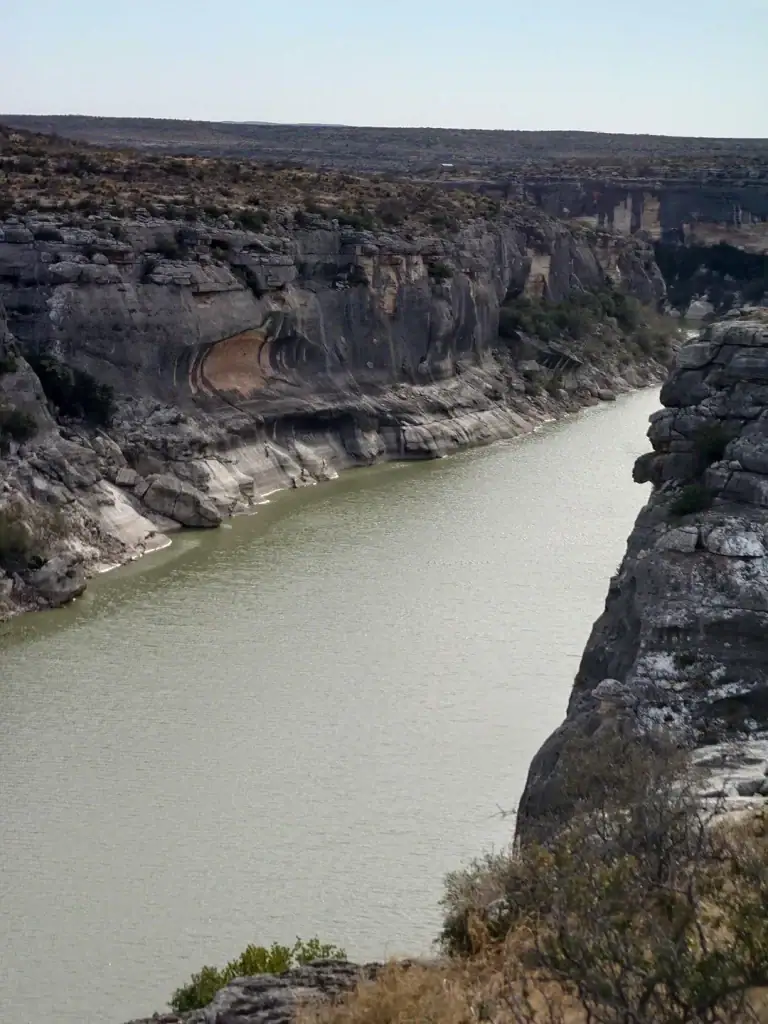
The Rio Grande lies just a mile to the south, and several trails lead to overlooks with sweeping views of the waterway and Mexico beyond.
The confluence of the Rio Grande, Pecos River, and Devils River created the Lower Pecos Canyonlands—a region that has drawn humans for millennia, where rivers provided water and canyon shelters offered protection from the elements.
Ancient Rock Art and Human History
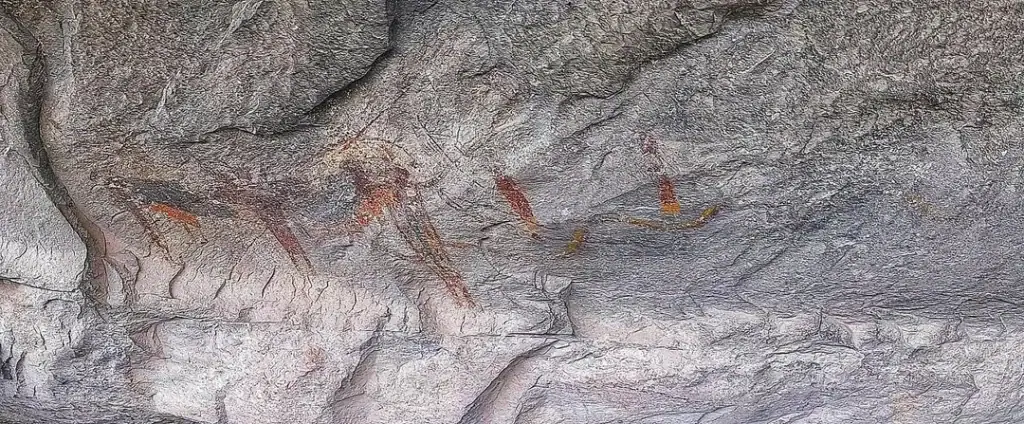
The pictographs at Seminole Canyon belong to one of the most significant rock art traditions in North America.
The Lower Pecos Canyonlands contain more than 350 known pictograph sites within a 60-mile radius of where the Pecos River meets the Rio Grande. Experts have called this region “the oldest library in North America.”
Human habitation began approximately 10,000-12,000 years ago. Around 5,000 years ago, people began painting on limestone walls.
The Pecos River Style, dating from roughly 4,200 to 2,750 years ago, is the most elaborate: polychrome images in red, black, yellow, and white depicting shamans, anthropomorphic figures, animals, and enigmatic symbols.
Things to Do at Seminole Canyon State Park
Hiking Trails
The park has nearly 10 miles of trails open for self-guided hiking and mountain biking. You may only enter the canyon itself with a guide, but the rim trails offer spectacular views and desert exploration.
The Canyon Rim Trail is the highlight—a 4.9-mile route that follows the edge of Seminole Canyon to overlooks of the Rio Grande and views across to Panther Cave.
The trail crosses an old Southern Pacific Railroad bed from the 1880s and passes circular stone foundations from Native American wikiup structures over 1,000 years old.
The Rio Grande Trail (2.3 miles) leads from the campground to views of the river. Combined with the Canyon Rim Trail, it forms a 6-7 mile loop.
Shorter options include the Presa Overlook Trail (0.6 miles) and the Windmill Nature Trail (0.5 miles) near the entrance.
Desert hiking conditions apply: there’s little shade, the terrain is rocky, and summer temperatures regularly exceed 100 degrees. Bring at least two quarts of water per person.
Wildlife Viewing and Photography
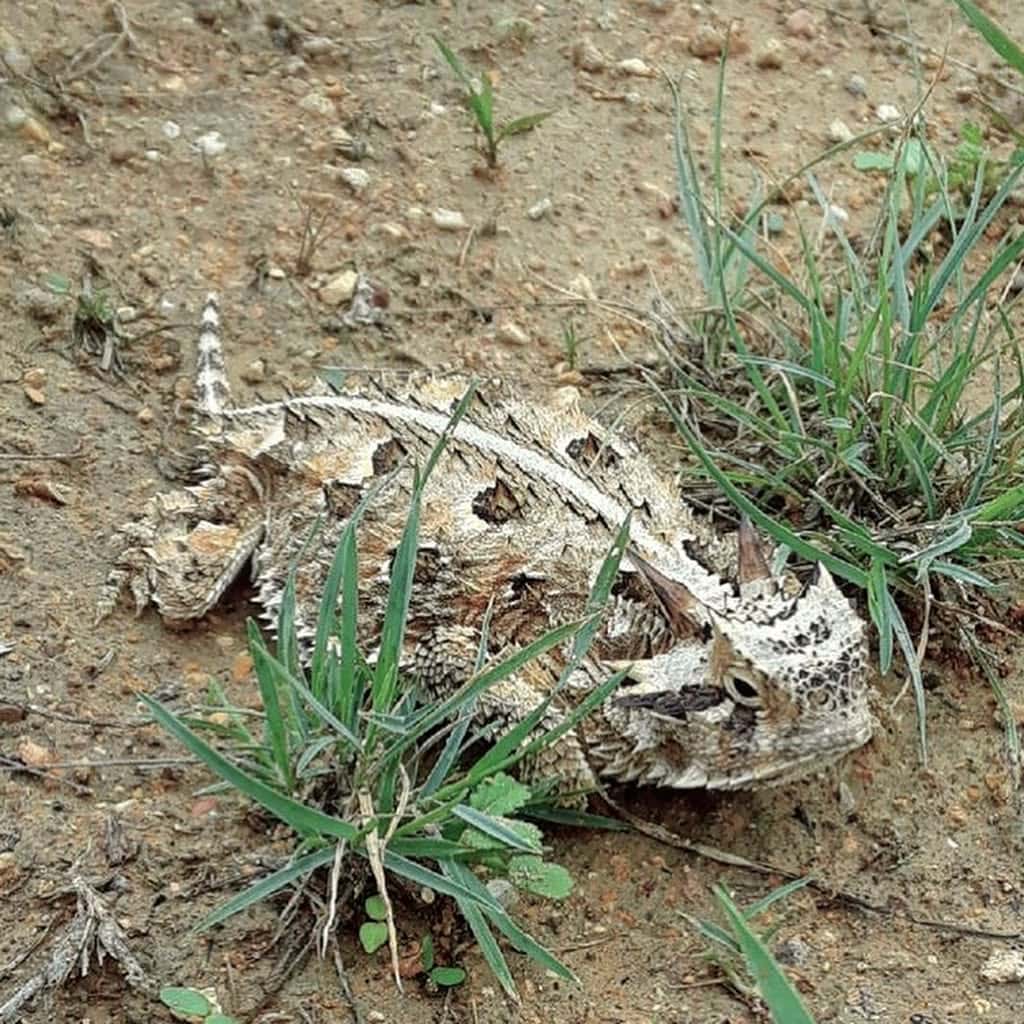
The park sits at the intersection of three ecological regions—the Trans-Pecos, Edwards Plateau, and South Texas Plains.
Commonly spotted wildlife includes white-tailed deer, javelina, armadillos, raccoons, and jackrabbits. Roadrunners and scaled quail are frequent sights.
Birding is excellent, with canyon wrens, painted buntings, red-tailed hawks, and hooded orioles among the species. Photography opportunities abound at canyon overlooks during golden hour and (with proper tour access) at the pictograph sites.
Planning Your Visit
Seminole Canyon State Park is located on U.S. Highway 90, nine miles west of Comstock and about 45 miles west of Del Rio. From San Antonio, it’s approximately a 3.5-hour drive west.
The park is open daily except Thanksgiving and Christmas. The Visitor Center opens at 8:15 a.m. and features excellent interpretive exhibits.
Entry fee is $4 per person for ages 13 and older; children 12 and under enter free. Cell service is unreliable. Camping options include 46 sites ranging from primitive to sites with water and electricity.
Where Time Stands Still
Seminole Canyon isn’t a park you stumble upon.
You have to want to be here—to drive the empty miles of Highway 90, to stand at the edge of a limestone canyon, to look at paintings made by hands that reached out 4,000 years ago.
For travelers interested in archaeology, desert landscapes, and genuine solitude, this is one of Texas’s most significant state parks.
The pictographs alone make it worth the journey.
But there’s something more: a sense that in this remote canyon, surrounded by the same stark beauty that drew humans here for millennia, you’re touching something older and larger than yourself.

Stella Raines
Editor-in-Chief
Stella brings over a decade of storytelling experience to TX Headlines. With roots in West Texas and a love for road trips, she leads the editorial team with an eye for the hidden stories that make Texas unforgettable.
More Stories
This Crystal-Clear West Texas Pool Is the World’s Largest Spring-Fed Swimming Hole, and It Stays 72 Degrees Year-Round
This Adventurous Texas Cavern Hides Glowing Blue Pools 180 Feet Underground
This Quiet North Texas Park Ends a Swaying Bridge at a 54-Foot Waterfall
This Crystal-Clear Texas Lake Is the Deepest in the State, and Its Water Is Clear Enough for 100-Foot Dives
Tags
1 Comment
I moved to Pecos, Texas to teach school in 1974. It rained 19 inches in September 74 and the Pecos river flowed through down town Pecos. I traveled to the High Bridge where the Pecos flows into the Rio Grande and we put the boat in the Pecos there and went up the Pecos for about 25 miles. The canyon walls get high several miles upriver and the walls are slick so you can not get out of the boat. Every few miles there is a cave in the wall where you might get out. There was a steady flow of water downstream. The water was light green. About 25 miles upriver the canyon walls diminished and the river widened and got shallow. We turned around and floated back down river.