10 Hidden Gem Lakes in America for a Quiet Escape
Ask me to name a perfect day and I will not describe a crowded beach or a theme park line. I will describe still water, a shoreline of dark trees, and the sound of a paddle dipping in and out while nobody else is around.
That is the whole appeal of a quiet lake. The famous ones, Tahoe and Powell, are wonderful and packed. The lakes below are their shy cousins, the ones that reward a longer drive with clear coves, mirror mornings, and room to breathe.
None of these are secrets, exactly. Locals adore every one of them. But they sit off the main tourist track, so a weekday morning can feel like the water belongs to you alone. Below, ten hidden gem lakes across the country where you can hear yourself think again.
1. Lake Jocassee, South Carolina
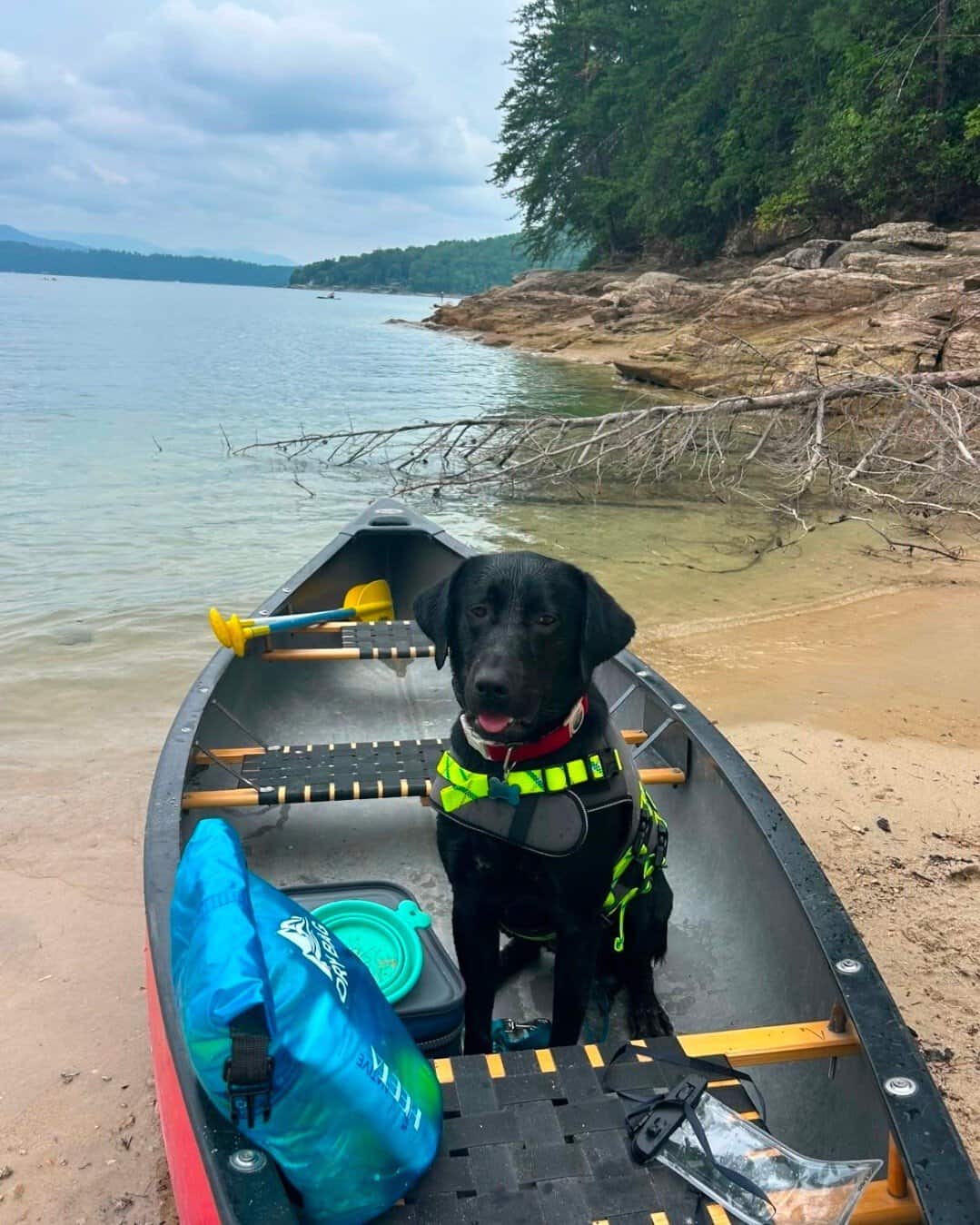
Tucked into the Blue Ridge foothills, Lake Jocassee is spring-fed and startlingly clear. On calm days you can peer 50 feet down into it. National Geographic once named it one of the world’s last great places, and one look at that green water tells you why.
Four mountain streams and a string of waterfalls tumble straight into the lake. You can paddle a kayak right up to Laurel Fork Falls and sit under the spray. Some cascades were even flooded when the lake was formed in 1973, so they now fall in secret beneath the surface.
That clarity makes it a favorite of scuba divers, who drift over a drowned landscape most people never see. Above the water, Devils Fork State Park is the only public way in, with lakeside villas and a trail where the rare Oconee bell wildflower blooms each spring.
Where: Devils Fork State Park, 161 Holcombe Circle, Salem, South Carolina. It is the lake’s only public access point.
2. Flathead Lake, Montana
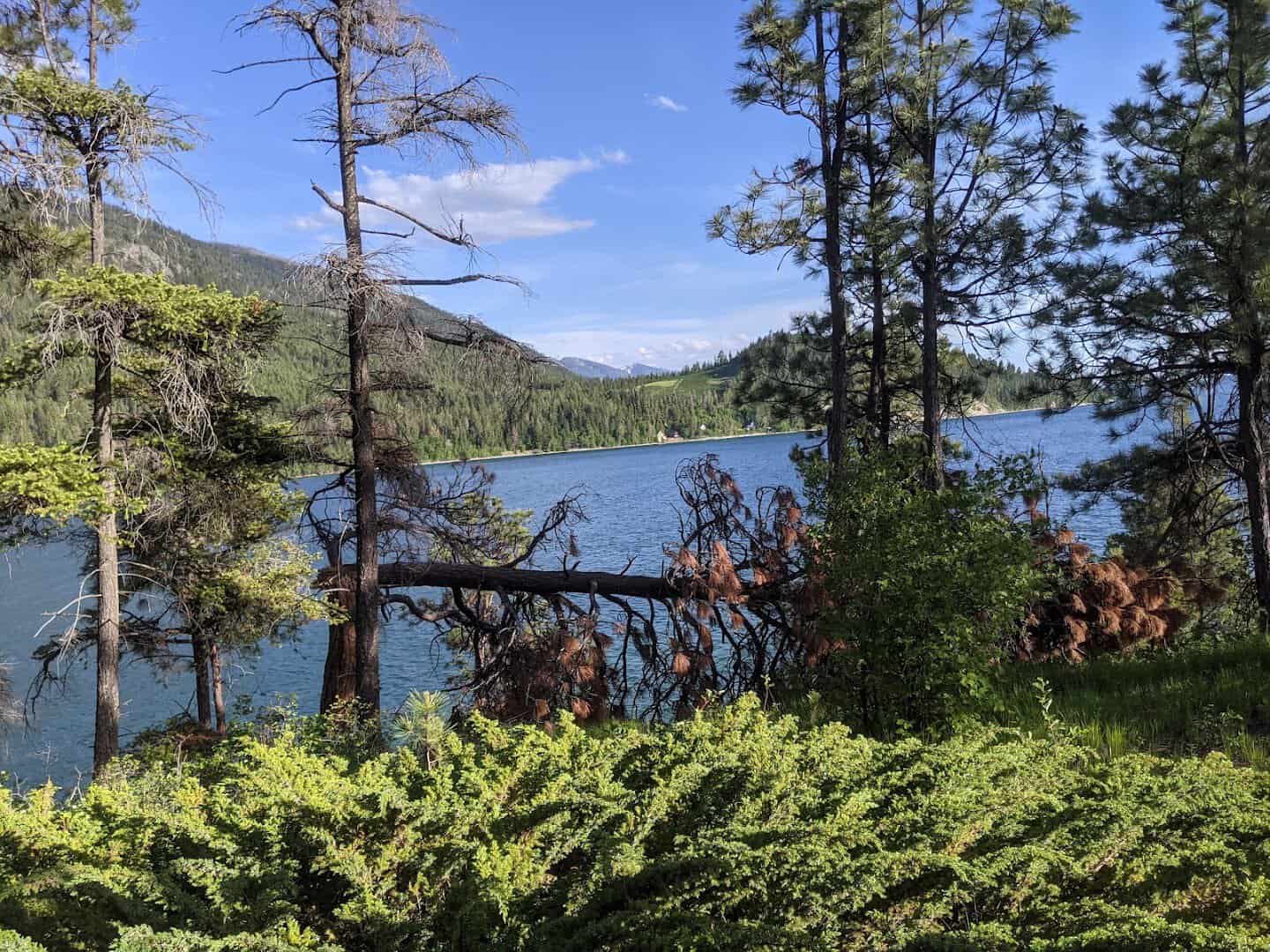
Flathead Lake is the biggest natural freshwater lake west of the Mississippi in the lower 48, over 200 square miles of glowing blue-green water. Scientists at the on-site biological station rank its water quality among the best in the world.
You can see 30 feet down on a still morning, which is startling for a lake this size. The town of Polson sits in a natural amphitheater at the south shore.
Rent a boat and point it toward Wild Horse Island, a 2,164-acre state park in the middle of the lake reachable only by water. Bighorn sheep, deer, and wild horses roam it, and more than 75 bird species nest there.
If you come in late summer, watch the roadside stands for Flathead cherries. The orchards that ring the lake are famous, and a paper bag of them is the right snack for a slow afternoon on the water.
Where: Flathead Lake, along US-93 near Polson, Montana, about an hour south of Glacier National Park.
3. Lake Willoughby, Vermont
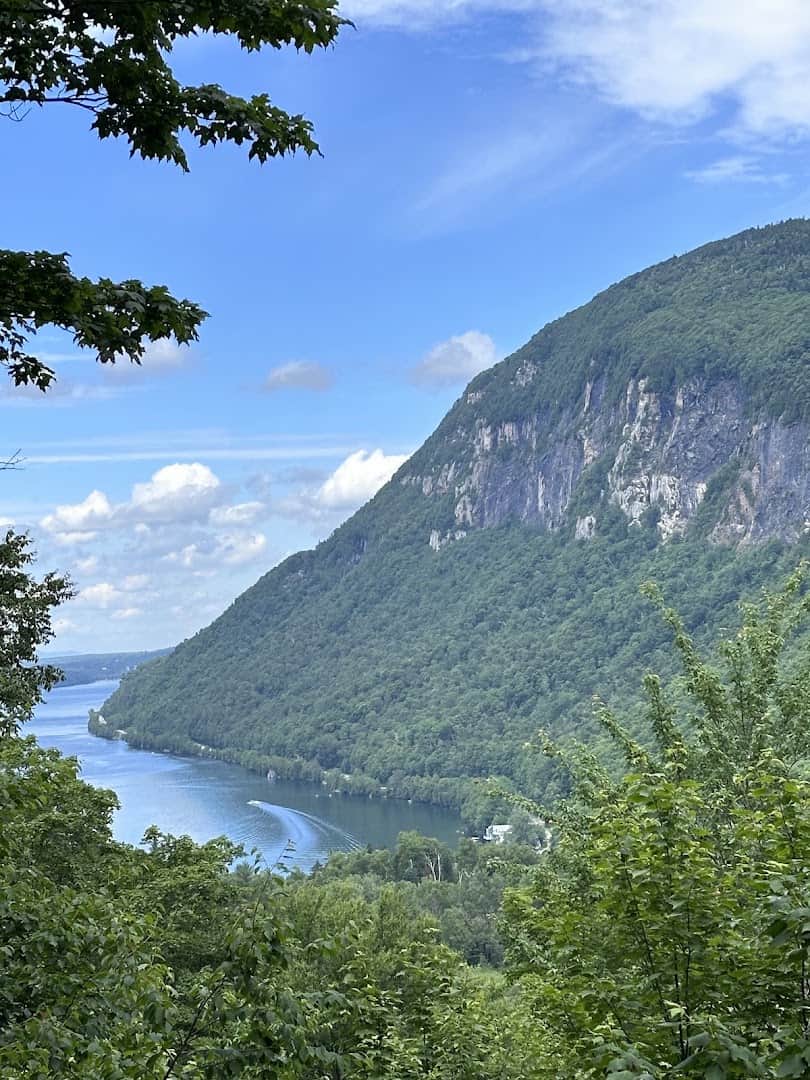
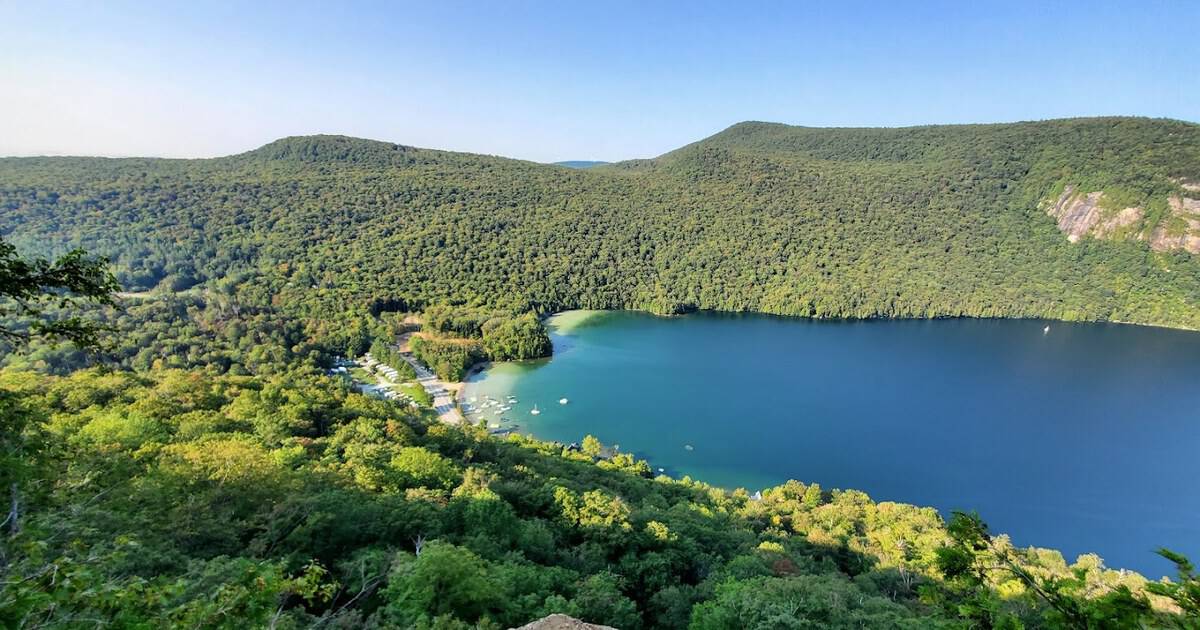
Way up in Vermont’s Northeast Kingdom, Lake Willoughby looks like someone dropped a Norwegian fjord into New England. Two mountains, Pisgah and Hor, rise straight from the water on either side, their cliffs squeezing the lake into a five-mile ribbon.
Glaciers carved this basin more than 12,000 years ago, and it went deep: over 300 feet in places, likely the deepest lake fully inside New England. The cliffs and water together are a designated National Natural Landmark, and Yankee magazine once ranked it among the best lakes in the region.
Hike the Mount Pisgah trail for the view everyone comes for, with the whole blue ribbon spread out far below. Peregrine falcons nest on those cliffs, so keep an eye on the sky.
Then cool off at the sandy beaches at either end. It is the kind of place that stays quiet even in leaf season.
Where: Lake Willoughby, along Route 5A in Westmore, Vermont, in the Northeast Kingdom.
4. Caddo Lake, Texas
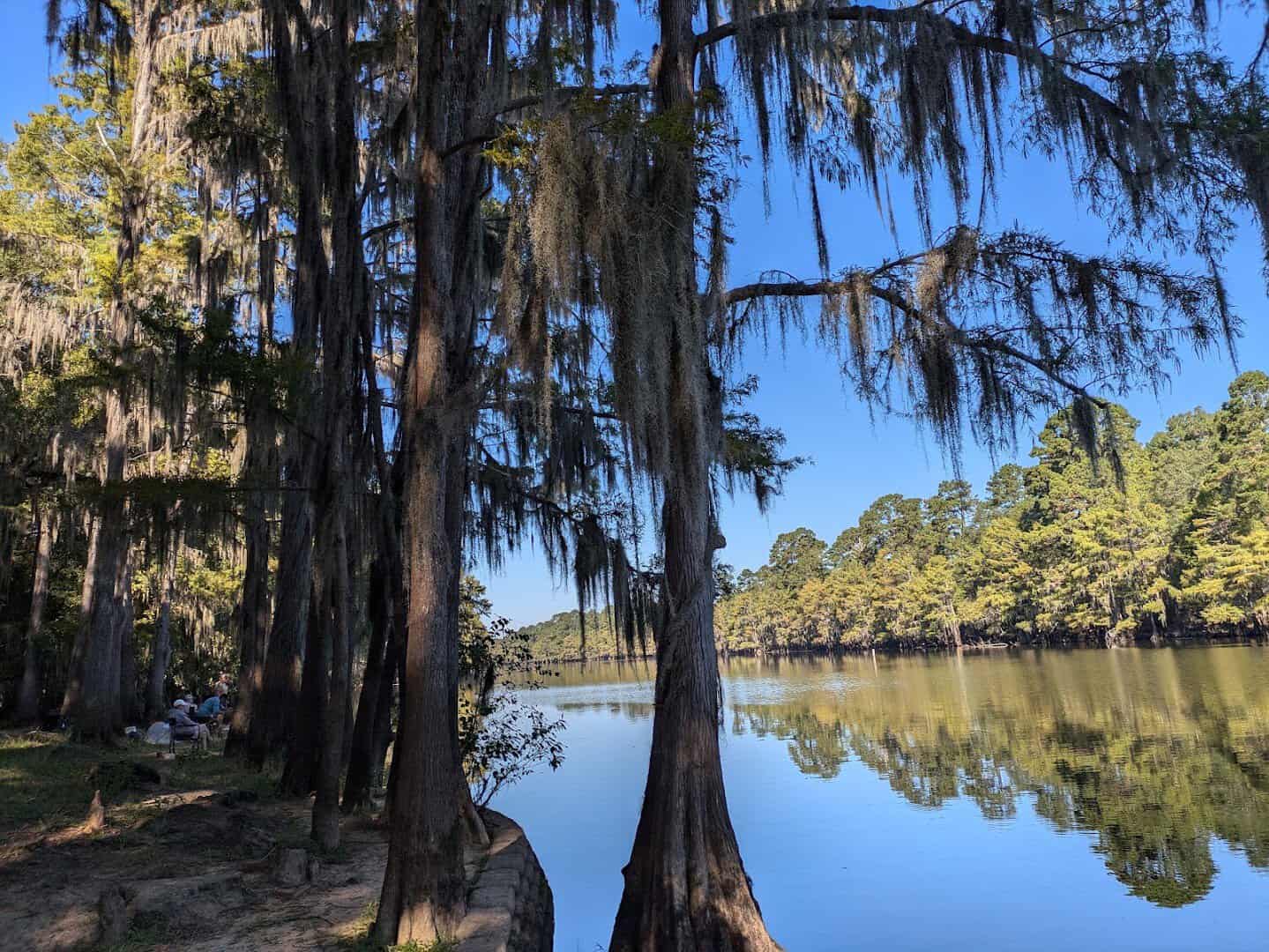
Caddo Lake is East Texas doing its best Louisiana impression, and doing it beautifully. Bald cypress trees stand knee-deep in the water, draped in Spanish moss, forming the largest cypress forest in the world. Paddle in at dawn and the fog sits on the water like a held breath.
This is the largest naturally formed lake in Texas, and folks believe it was born from the New Madrid earthquakes around 1811. More than 50 miles of marked canoe trails wind through a maze of sloughs and bayous.
Over 225 kinds of birds live here, along with alligators and enough swampy mystery to fuel local Bigfoot legends. It is easy to lose your bearings, which is half the fun.
Rent a canoe near the tiny town of Uncertain, pick a quiet slough, and let the herons show you around. Few places in Texas feel this far from everything.
Where: Caddo Lake State Park, 245 Park Road 2, Karnack, Texas, right next to the town of Uncertain.
5. Bear Lake, Utah
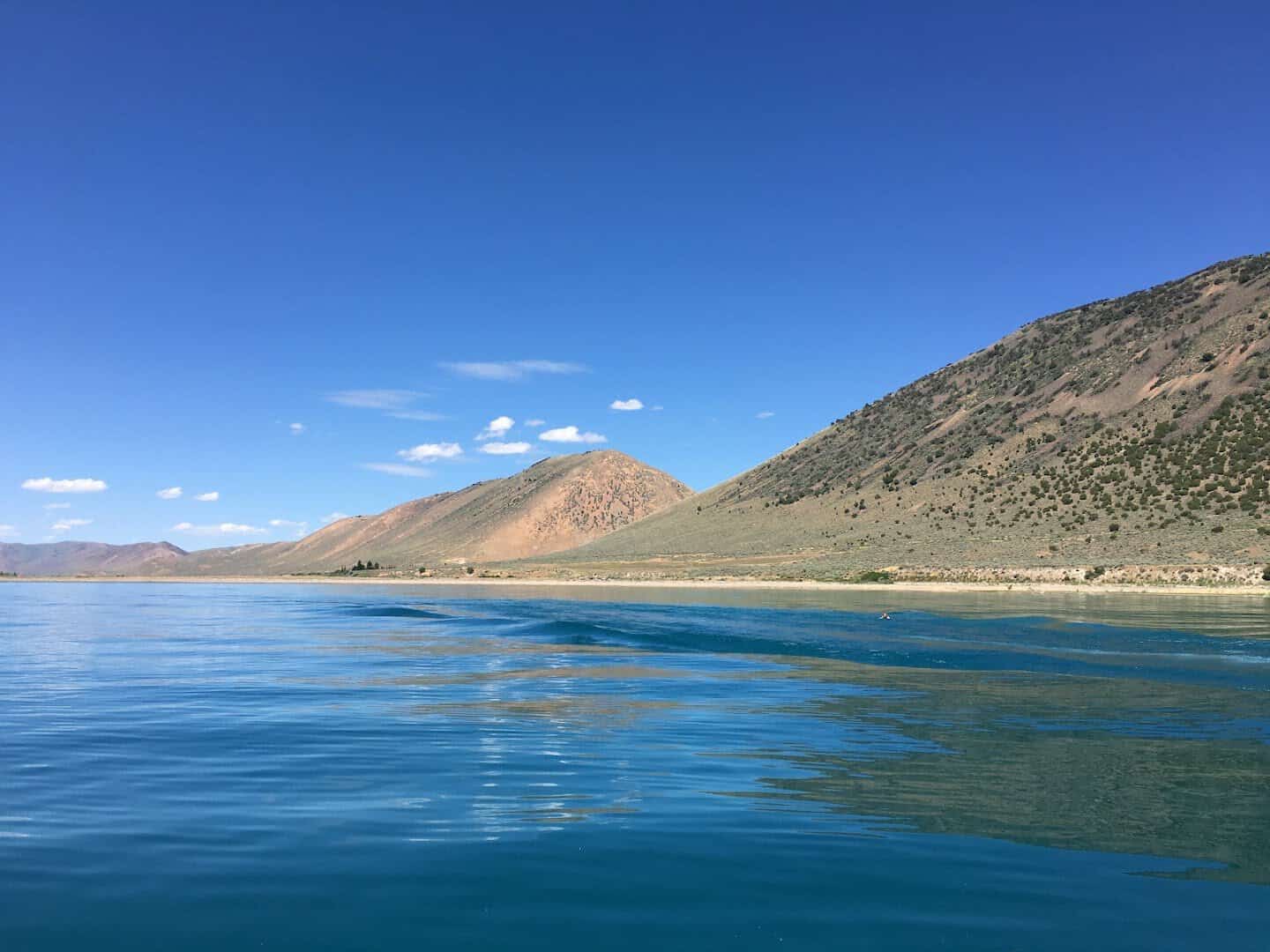
They call Bear Lake the Caribbean of the Rockies, and it is not marketing hype. Limestone particles suspended in the deep water scatter the light into an unreal turquoise blue you expect from a tropical island, not a mountain lake straddling the Utah and Idaho line.
Garden City sits on the Utah shore, about two hours north of Salt Lake City. The wide, sandy beaches make it a proper swimming lake, and Rendezvous Beach on the south end is the spot to plant an umbrella for the day.
The town also has a delicious tradition worth planning around: raspberries. Nearly every cafe serves a fresh raspberry shake, and August brings Raspberry Days with a parade and a pie contest. Float in the blue all morning, then reward yourself. Simple math.
Where: Bear Lake State Park, Garden City, Utah, off US-89 about two hours north of Salt Lake City.
6. Lake of the Clouds, Michigan
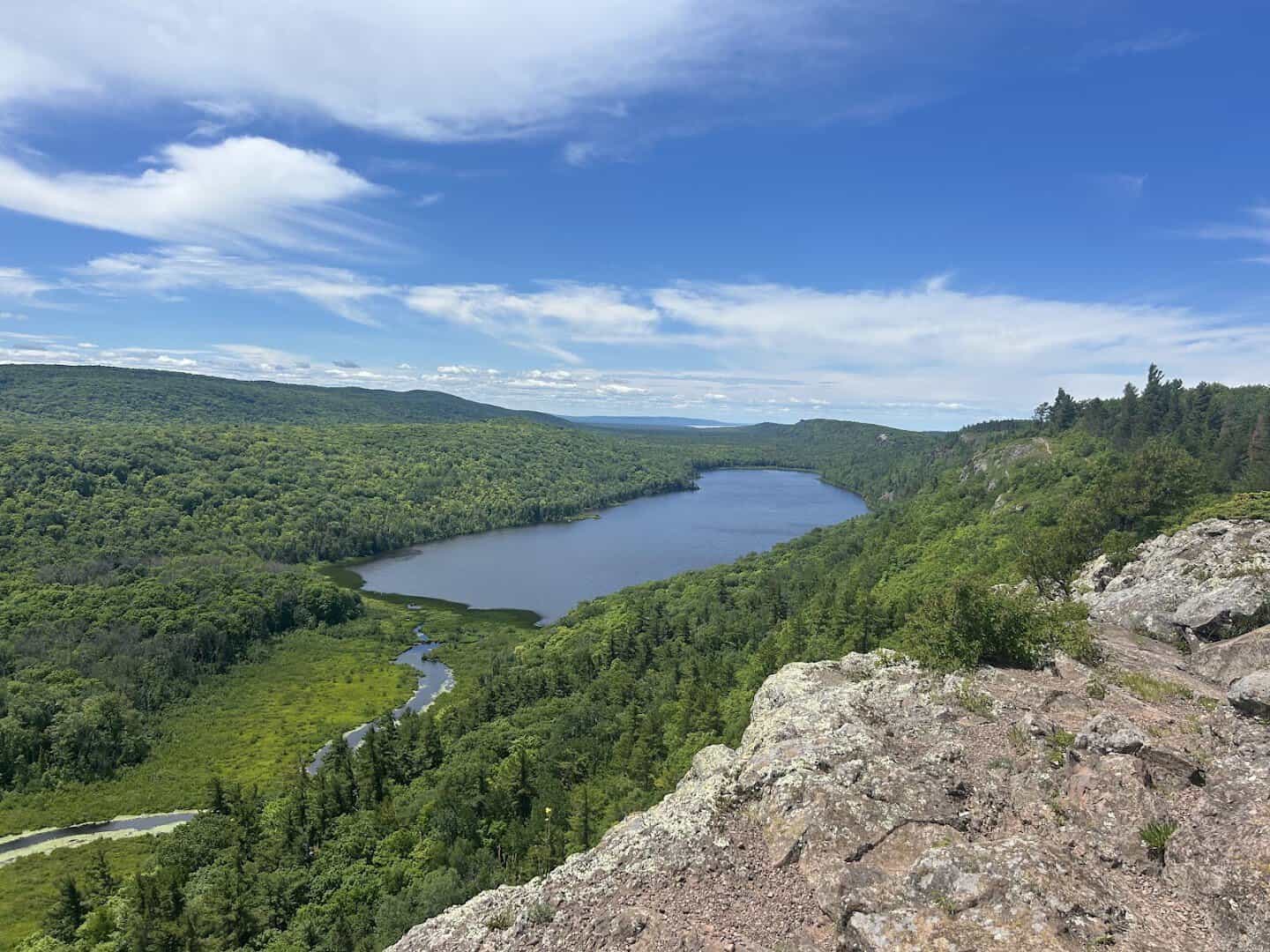
In Michigan’s Upper Peninsula, the Porcupine Mountains hide one of the best views in the state. From the Lake of the Clouds overlook you gaze down on a long silver lake cradled between forested ridges, with nothing built in sight.
The Porkies protect 60,000 acres of old-growth forest, the last big stand left in Michigan, set aside back in 1944. The overlook sits at the end of M-107, and a short paved path and boardwalk make the famous vista easy for nearly everyone to reach.
Come at sunrise when mist rolls off the water, or in October when the whole valley turns gold and red below you. There are even special viewers at the railing that let colorblind visitors see the fall palette in full.
Where: Lake of the Clouds Overlook, Porcupine Mountains Wilderness State Park, end of M-107 near Ontonagon, Michigan.
7. Sparks Lake, Oregon
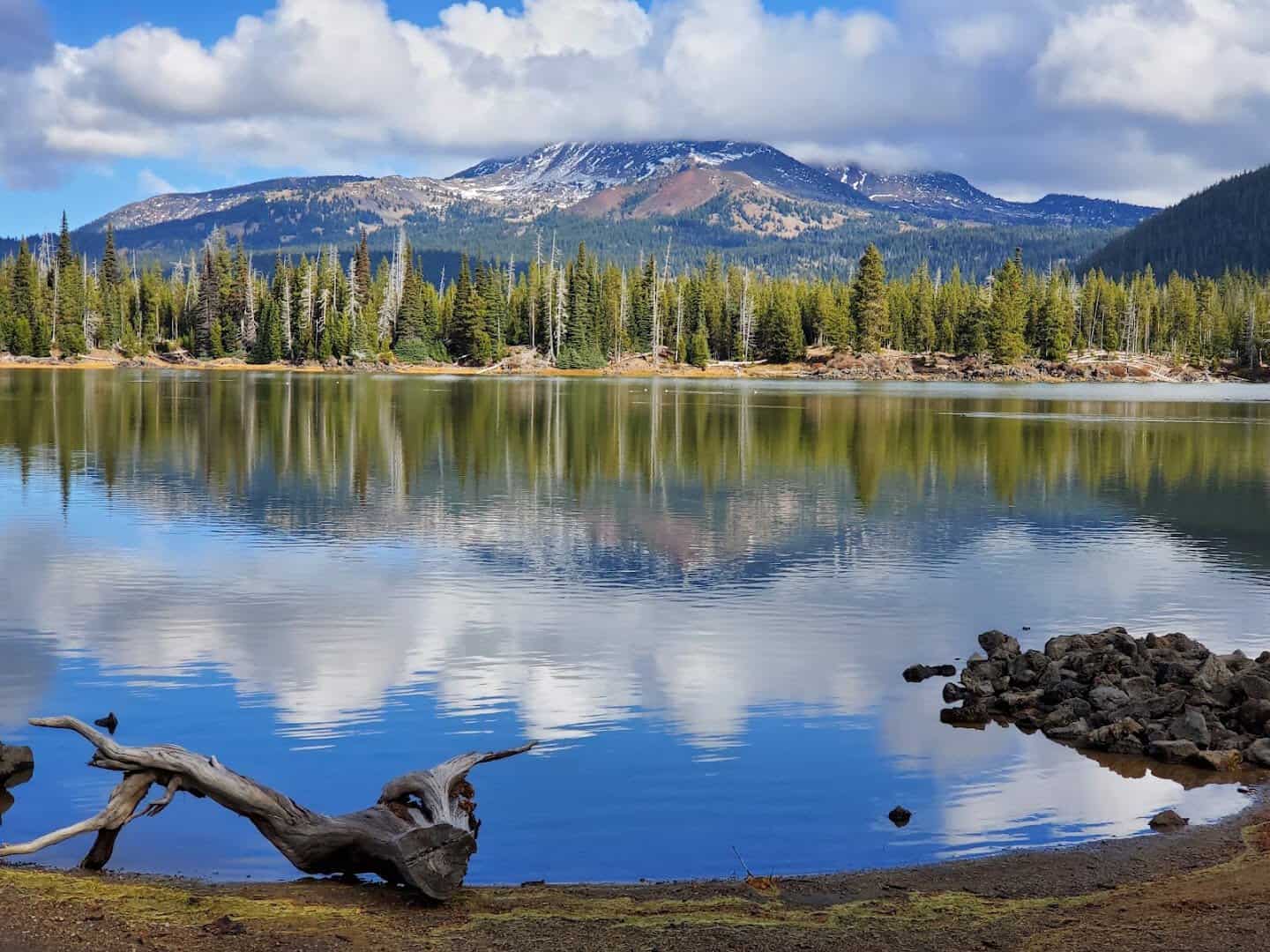
Sparks Lake is the reflection photographers dream about. On a windless morning, the towering peak of South Sister and the jagged crown of Broken Top lay themselves perfectly across the glassy surface, doubled and gleaming.
It sits about 26 miles west of Bend along the Cascade Lakes Scenic Byway, ringed by black lava rock from an eruption that dammed the Deschutes River around 10,000 years ago.
That volcanic past gives the shoreline its wild, sculpted edges, and the shallow water spreads into quiet meadows and wetlands at the far end.
Bring a paddleboard and glide out over the still water at first light. Kayakers, campers, and sunrise chasers all quietly agree this is one of Oregon’s finest.
Where: Sparks Lake, along the Cascade Lakes Scenic Byway about 26 miles west of Bend, Oregon.
8. Fontana Lake, North Carolina
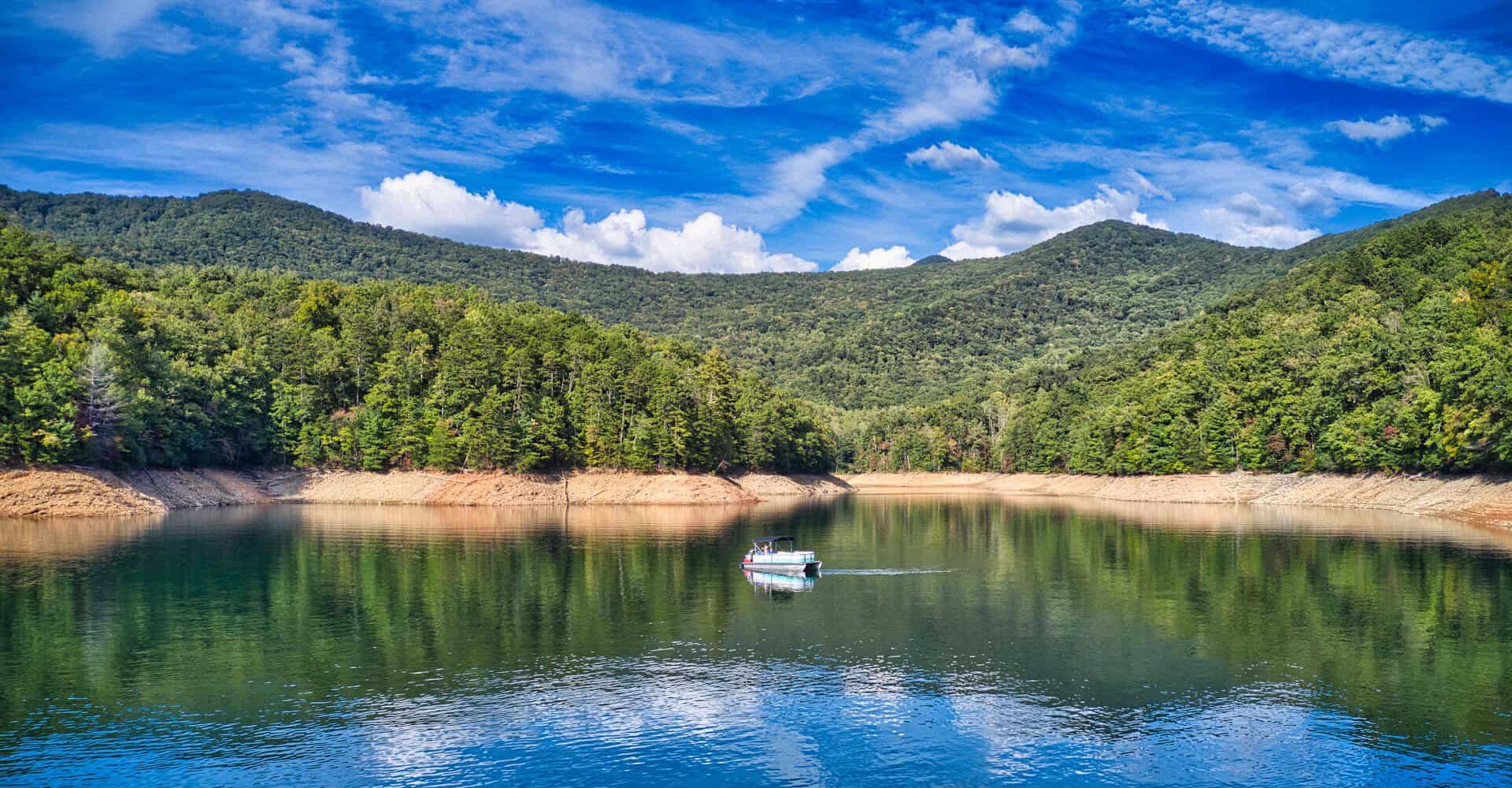
Fontana Lake forms the southern border of Great Smoky Mountains National Park, and it feels wonderfully forgotten. Around 90 percent of its 238 miles of meandering shoreline is protected by national park or forest, so most of what you see from a boat is pure green wilderness.
The lake was created in 1944 when Fontana Dam rose on the Little Tennessee River, built in just 36 months for wartime power. It is the tallest dam east of the Rockies, and you can walk right across the top for a dizzying look down.
Rent a boat near Bryson City and disappear up a quiet inlet for the afternoon, or bring a bike for the Tsali trails that hug the shore. The Smokies stand guard the whole time.
Where: Fontana Lake, near Bryson City, North Carolina, along the southern edge of Great Smoky Mountains National Park.
9. Lake Chelan, Washington
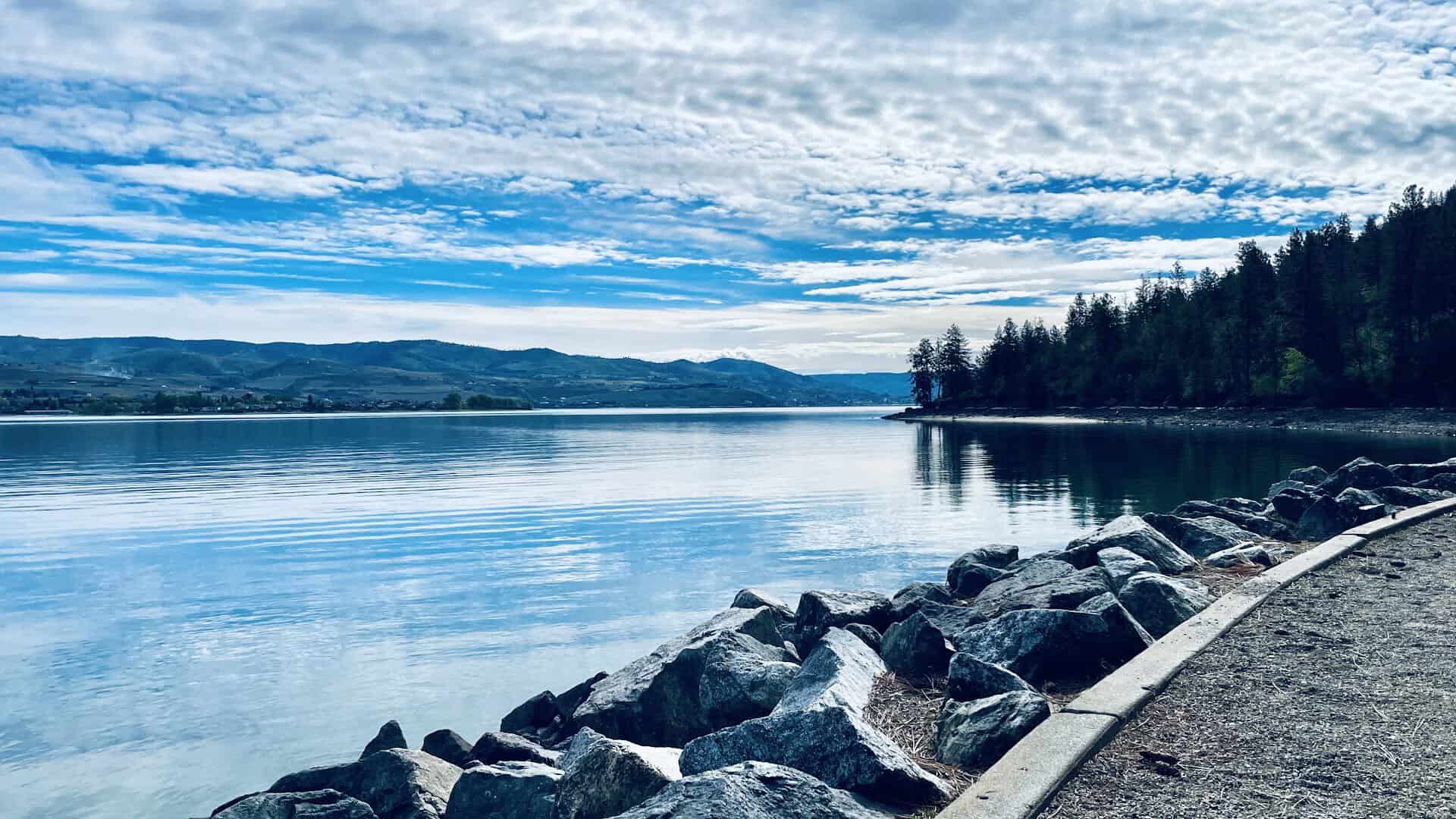
Lake Chelan is a 55-mile sliver of water that snakes deep into the North Cascades, so narrow and steep-walled it reads as a fjord. It is the third deepest lake in the country, plunging nearly 1,500 feet, with parts of the bottom sitting below sea level.
The far northwest end holds Stehekin, a tiny village with no roads in or out. You reach it only by boat, floatplane, or your own two feet. That contrast, a sunny wine-country town at one end and roadless wilderness at the other, is what makes Chelan special.
Ride the passenger ferry up the lake and watch the brown hills give way to snowcapped peaks as the mountains close in around you. Few boat rides in the country change scenery so completely.
The town end is dotted with vineyards, too, which make an easy stop on the way home.
Where: Lake Chelan, at Chelan, Washington; the roadless village of Stehekin sits at the far end, reached only by boat or floatplane.
10. Redfish Lake, Idaho
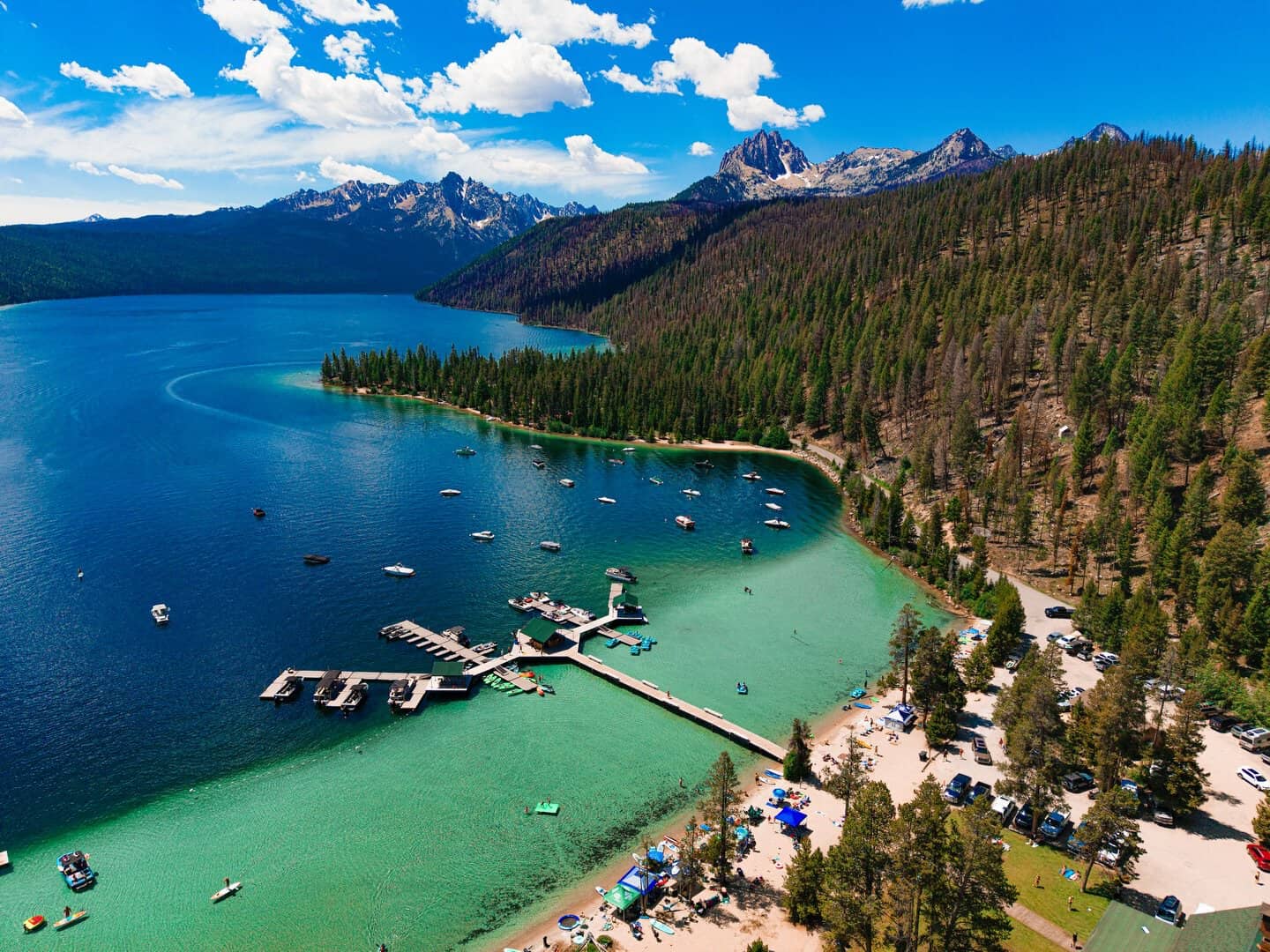
Redfish Lake might be the most photogenic lake almost nobody outside Idaho talks about. The rugged Sawtooth peaks, Mount Heyburn and Grand Mogul, rise straight from its southern shore and pour their reflection into water so clear it looks like glass.
Sitting at 6,547 feet, it is the biggest lake in the Sawtooth National Recreation Area, over four miles long and framed by thick pine and spruce.
It was named for the sockeye salmon that once turned its shallows red, and beavers, mule deer, and mountain goats still work the surrounding forest.
The little town of Stanley is your basecamp, one of the coldest spots in the lower 48 on a winter night and one of the prettiest on a summer one. Swim off the sandy beach, then catch a boat shuttle across the water to a trailhead deeper in the wilderness.
Where: Redfish Lake, near Stanley, Idaho, in the Sawtooth National Recreation Area off Highway 75.
Pack the Cooler and Point the Car
The best lakes are rarely the ones on the billboard. They ask for a map, a slower morning, and a willingness to drive past the crowded exit to the quiet one. Every lake here pays that patience back in still water and open shoreline.
So pick one, load the kayak, and go find your own perfect day. Pack a cooler, leave early, and give yourself permission to do nothing but watch the light move across the water. The herons, the mist, and the mountains are already there waiting for you.
Featured image: Mathieu Vallee via Willoughby State Forest

Stella Raines
Editor-in-Chief
Stella brings over a decade of storytelling experience to TX Headlines. With roots in West Texas and a love for road trips, she leads the editorial team with an eye for the hidden stories that make Texas unforgettable.