10 Secret Small Towns in the Southwest
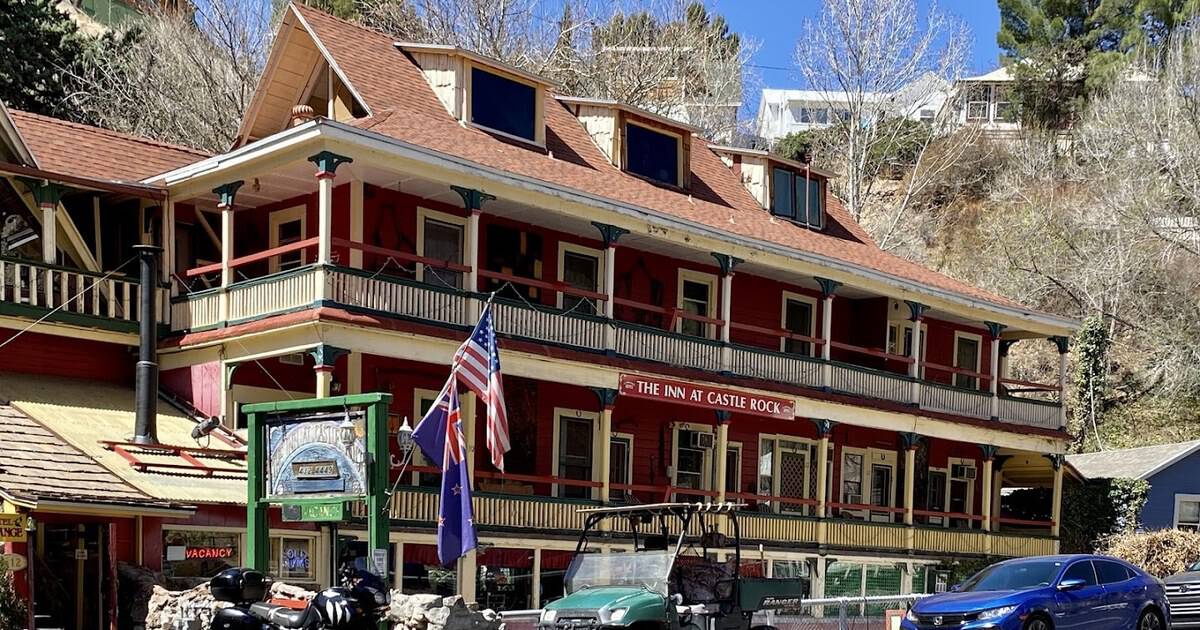
I keep a running list in my phone of towns nobody warns you about. Not the resort names everyone already knows, but the little places where a copper baron’s mansion is now a coffee shop and the whole town fits in one photo. My list just keeps getting longer.
Every time a friend comes back from the desert raving about somewhere I have never heard of, another name gets added. The Southwest, it turns out, hides more of these than any road-trip guide will ever tell you.
Most of them are old mining camps that emptied out, got cheap, and quietly filled back up with artists, soakers, hikers, and folks who wanted a slower Main Street. That mix gives them a lived-in magic you cannot fake.
Below, ten secret small towns across Arizona, New Mexico, Colorado, Utah, Nevada, and West Texas. Every one of them is worth pointing the car toward, and most of them you have probably never heard a friend mention.
1. Bisbee, Arizona
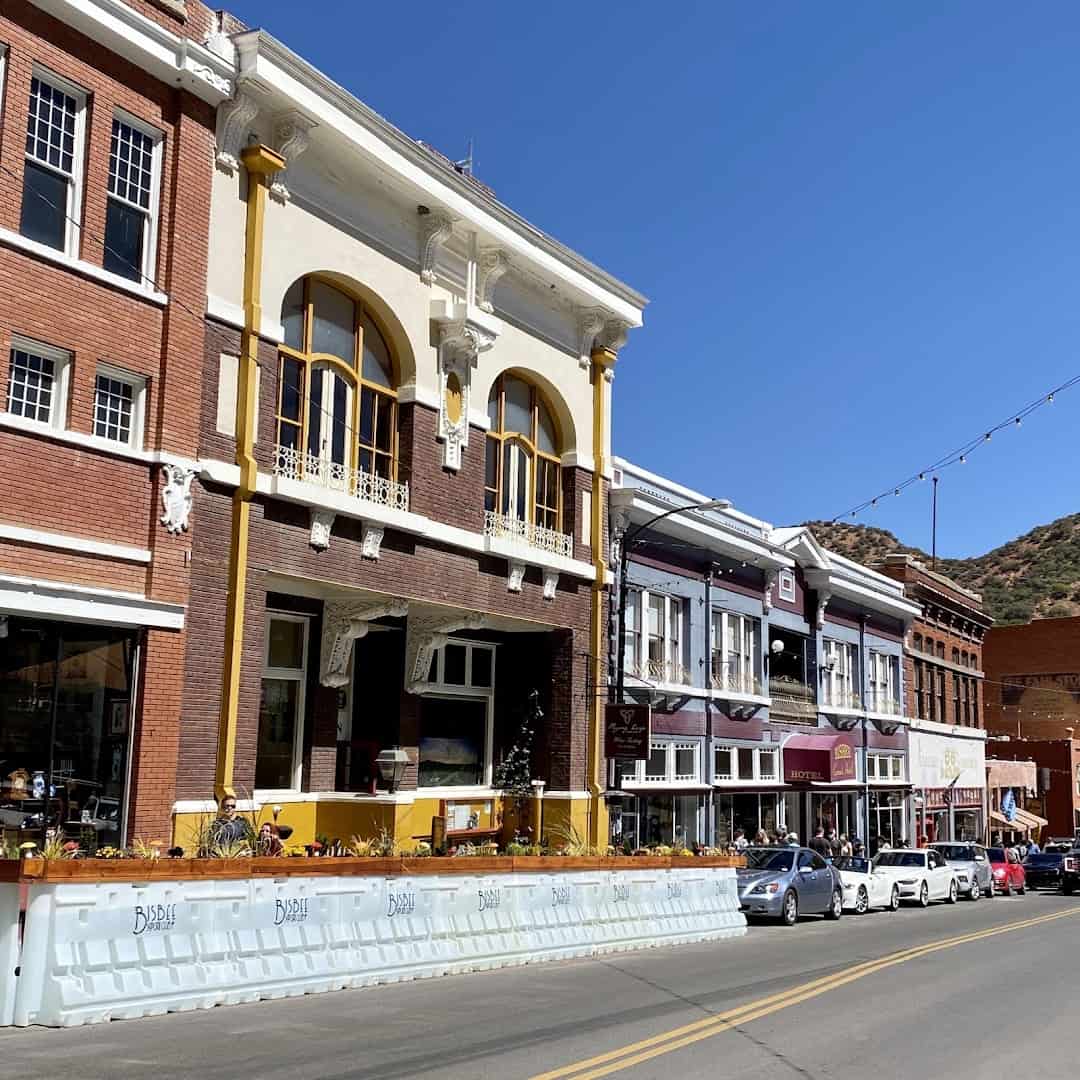
Tucked into the Mule Mountains near the Mexico border, Bisbee grew up around the Copper Queen Mine after ore was struck in 1877. At its peak it was the biggest city between Houston and Los Angeles, with Brewery Gulch alone holding dozens of saloons.
When the mining stopped in the 1970s, the houses got cheap and artists and free spirits moved into the tall Victorians stacked up the canyon walls. They never left.
Today those steep staircase streets, the copper-era hotels, and more than a dozen galleries make Bisbee one of the most charming towns in the state. The old Copper Queen Hotel still runs, and locals swear it comes with a ghost or two.
You can even ride an old ore cart deep into the Queen Mine on a guided tour, hard hat and all. It is the kind of place where a whole afternoon disappears before you have finished one hillside.
Where: Bisbee, Arizona, about 90 minutes southeast of Tucson on Highway 80.
2. Madrid, New Mexico
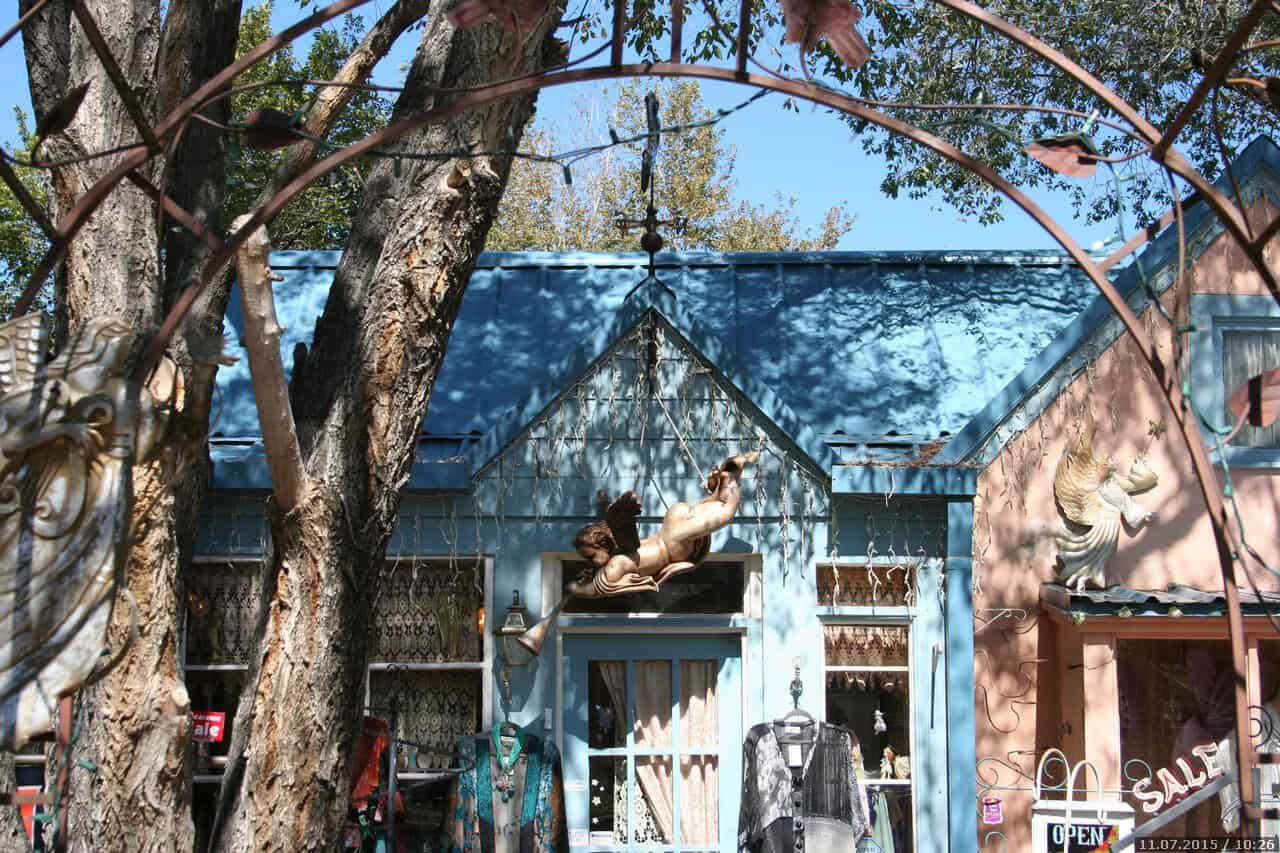
Say it MAD-rid, with the accent up front, and you already sound like a local. This former coal town sits on the Turquoise Trail between Santa Fe and Albuquerque, and it emptied out almost completely after World War II.
Then artists reclaimed the abandoned miners’ cabins in the 1970s and slowly brought the whole place back. Now more than 40 galleries, cafes, and shops line the little Main Street.
Fans of the movie Wild Hogs will spot Maggie’s Diner, built as a set and now a souvenir stop. The old Coal Town Museum out back keeps a 1901 steam locomotive and weekend theater shows.
The Mine Shaft Tavern has been pouring since 1947 and pairs a famous green-chile cheeseburger with live music every weekend. Come for the art, stay for the chile.
Where: Madrid, New Mexico, on Highway 14, about 30 minutes south of Santa Fe.
3. Ouray, Colorado
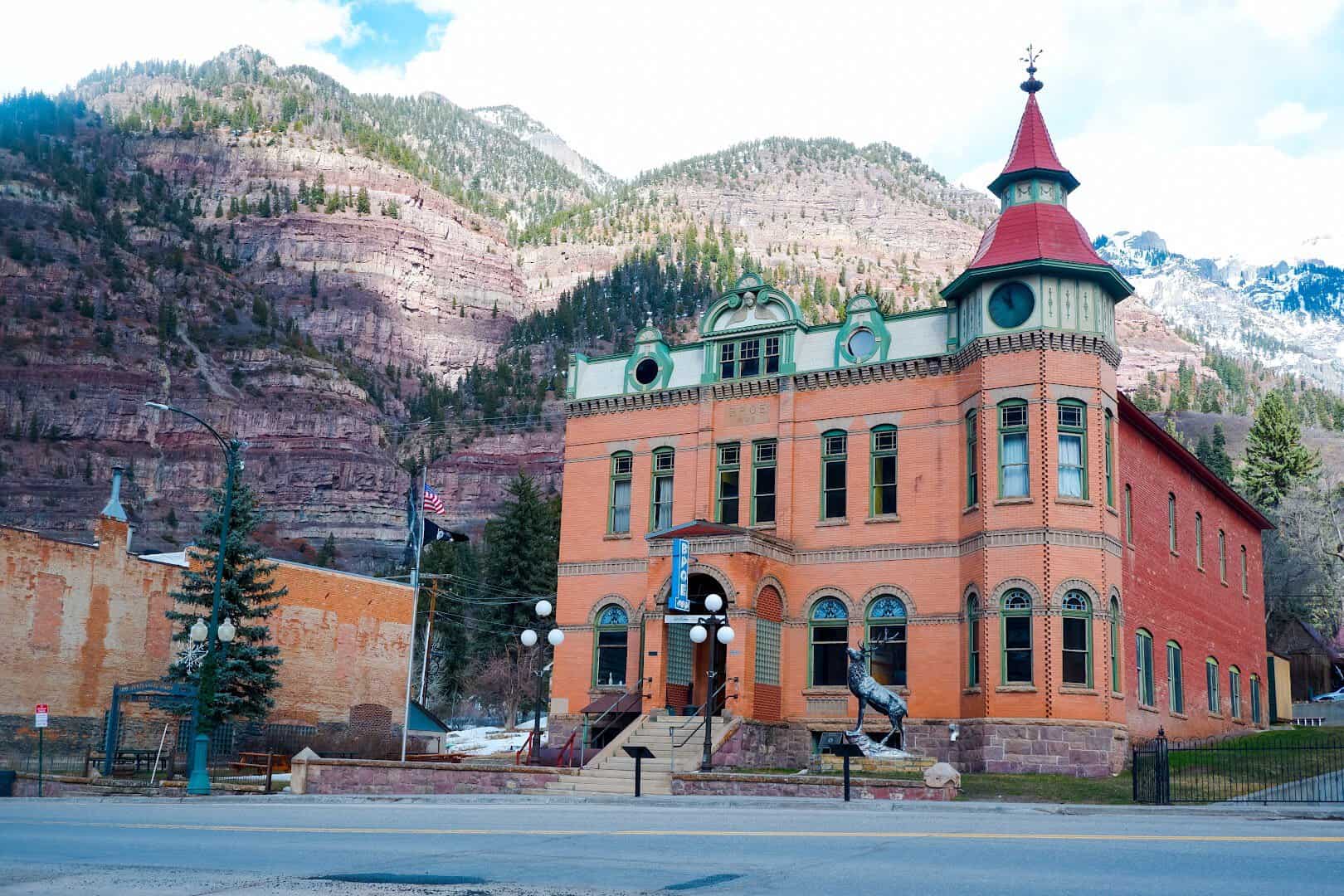
They call Ouray the Switzerland of America, and standing in the middle of town at nearly 7,800 feet, ringed by snowcapped San Juan peaks, you understand why. The whole place sits inside a natural rock amphitheater.
Founded in 1875 on a silver and gold strike and named for a Ute chief, Ouray traded pickaxes for hot springs long ago. Soak in the big municipal pool, then walk a few minutes to the 285-foot Box Canyon Falls thundering through a slot in the rock.
In winter the town freezes its canyon walls on purpose and becomes one of the best ice-climbing parks anywhere. Summer brings jeep tours up into old mining country and wildflowers on the high passes. Summer or snow, it is a stunner.
Where: Ouray, Colorado, on the Million Dollar Highway (US 550) in the southwest corner of the state.
4. Terlingua, Texas
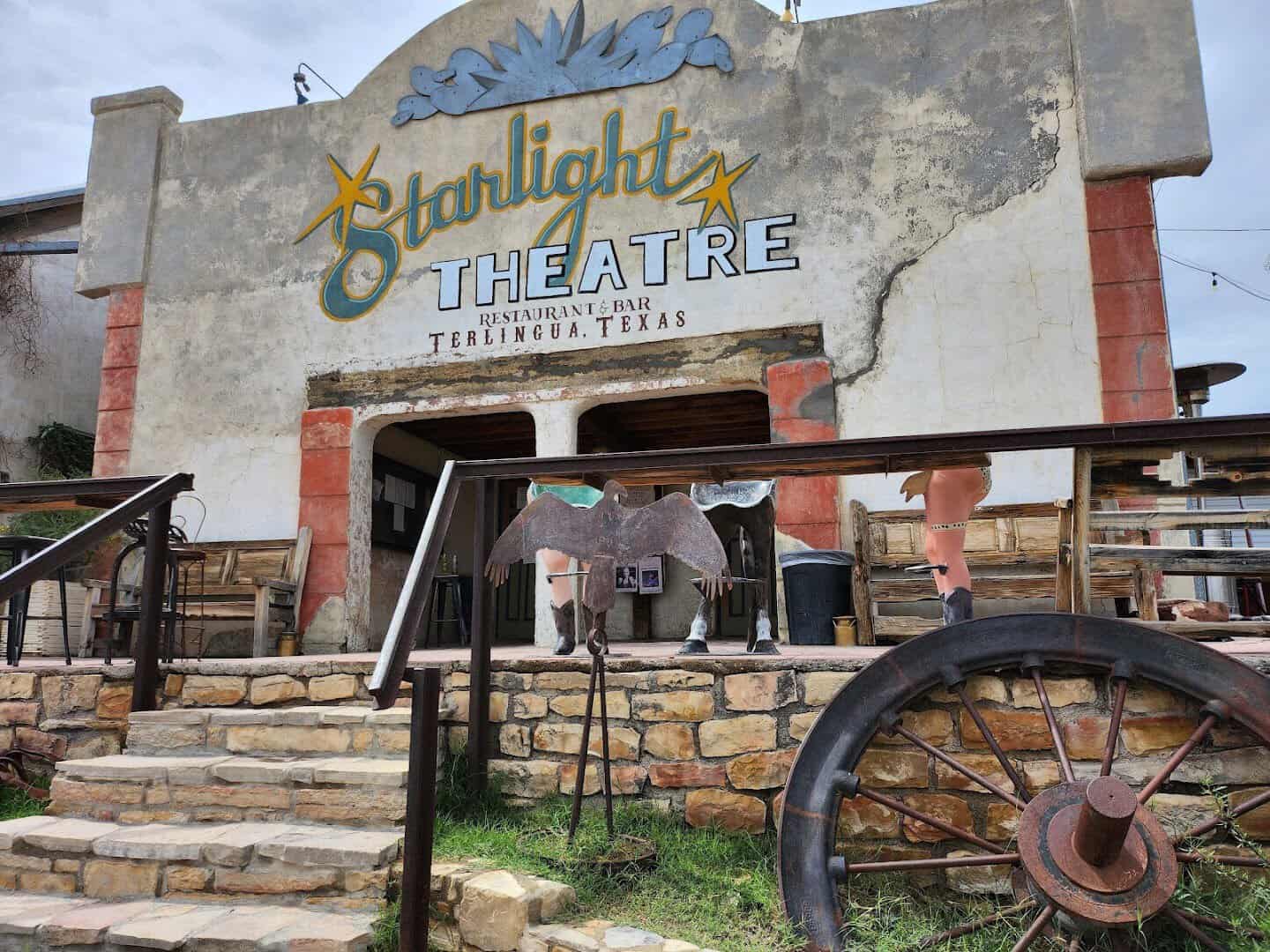
Way out in West Texas, between Big Bend National Park and the state park, sits the most visited ghost town in Texas. Terlingua boomed on cinnabar, the ore that mercury comes from, and drew about 2,000 people by 1900 before the mines finally went quiet.
People trickled back in the 1960s, and in 1967 the town hosted the world’s very first chili cookoff. It still throws two competing cookoffs every fall.
Now the old stone cemetery, the Starlight Theatre, and that famous trading-post porch where everyone gathers at sunset make it a bucket-list stop for anyone who loves the desert. Cold drinks, live guitar, and the Chisos Mountains glowing pink across the way. The sky out here goes on forever.
Where: Terlingua, Texas, on FM 170 just west of Big Bend National Park.
5. Torrey, Utah
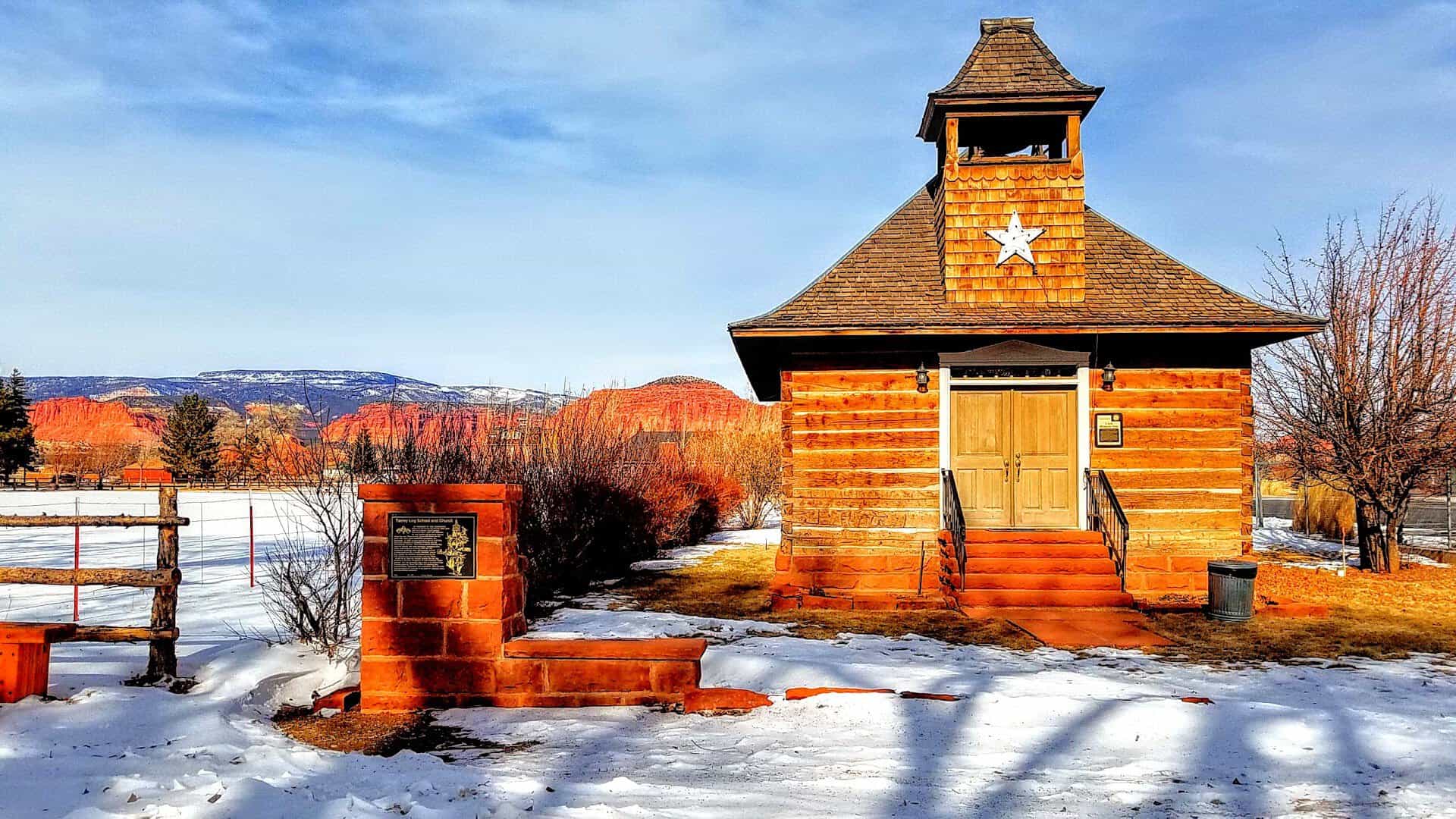
Torrey is the tiny town most people blow right through on the way to Capitol Reef National Park, which is exactly why I love it. Barely 300 people live here, eight miles from the park’s west entrance, surrounded by red cliffs and sandstone domes.
Mormon pioneers settled it in the 1880s, and the little 1898 log schoolhouse still stands on the main road. The pace has stayed slow ever since.
In 2018 Torrey became Utah’s first International Dark Sky Community, so the star show at night rivals the red rock by day. On a clear evening the Milky Way spills right across the sky.
A handful of good little restaurants and inns line the main road, and Capitol Reef sits nearly empty compared to Utah’s famous parks. It makes the calmest, quietest basecamp in all of canyon country.
Where: Torrey, Utah, at the junction of Highways 24 and 12, gateway to Capitol Reef.
6. Truth or Consequences, New Mexico
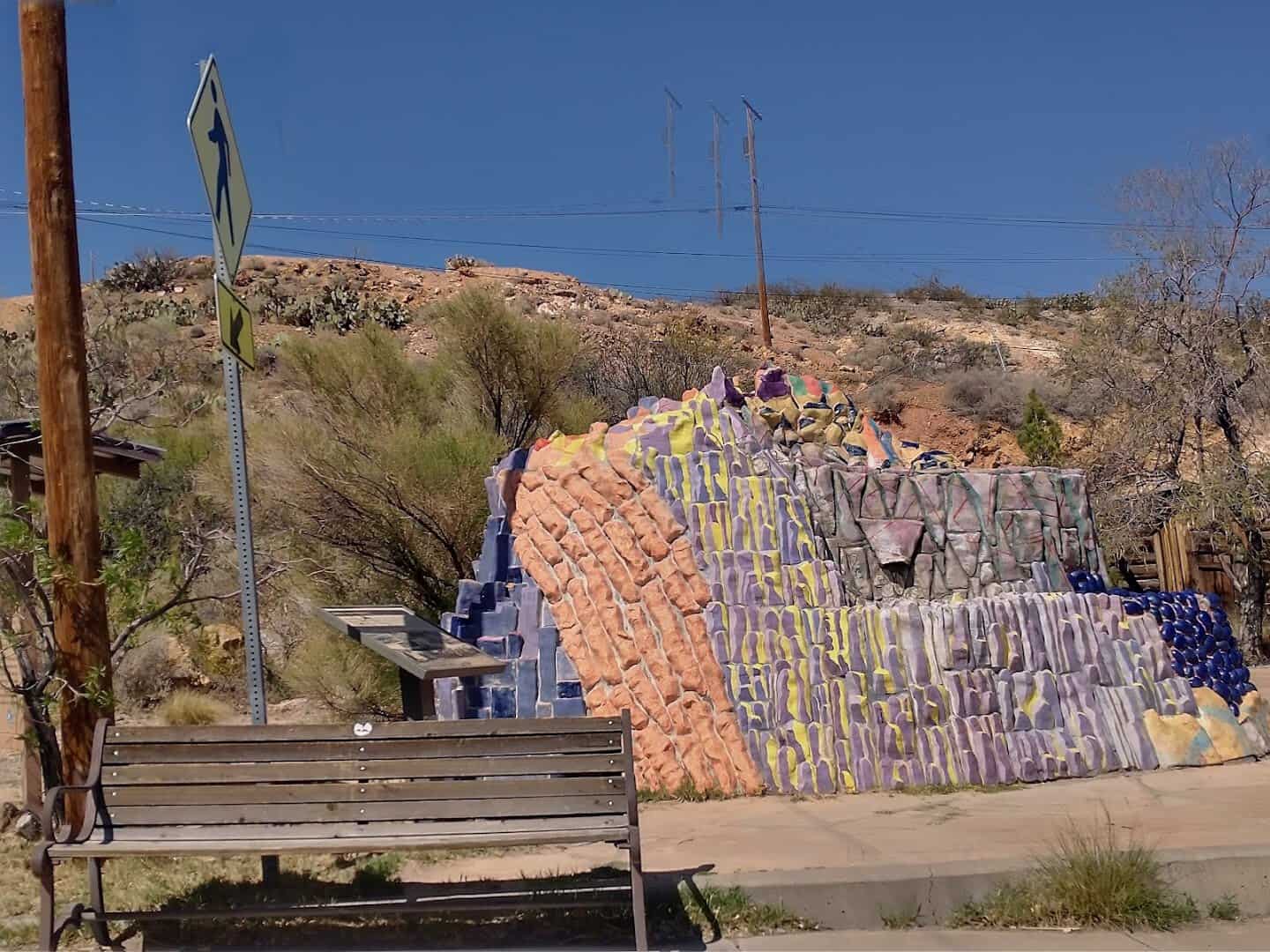
Yes, that is the real name. This laid-back town along the Rio Grande was called Hot Springs until 1950, when a radio quiz show promised to broadcast from the first town that renamed itself after the program. The people voted yes, and the name stuck for good.
The reason to come is right under your feet. Dozens of natural hot springs bubble up here, and a row of cozy little bathhouses lets you soak the afternoon away for very little money.
Add a walkable downtown full of art galleries, thrift shops, and retro neon, and you have one of the quirkiest, friendliest getaways in the state. Everyone just calls it T or C.
It even sits at the doorstep of Spaceport America, so you can soak in century-old mineral water in the morning and read about rocket launches over lunch. Not many small towns pull off that range.
Where: Truth or Consequences, New Mexico, off Interstate 25 about two hours south of Albuquerque.
7. Pioche, Nevada
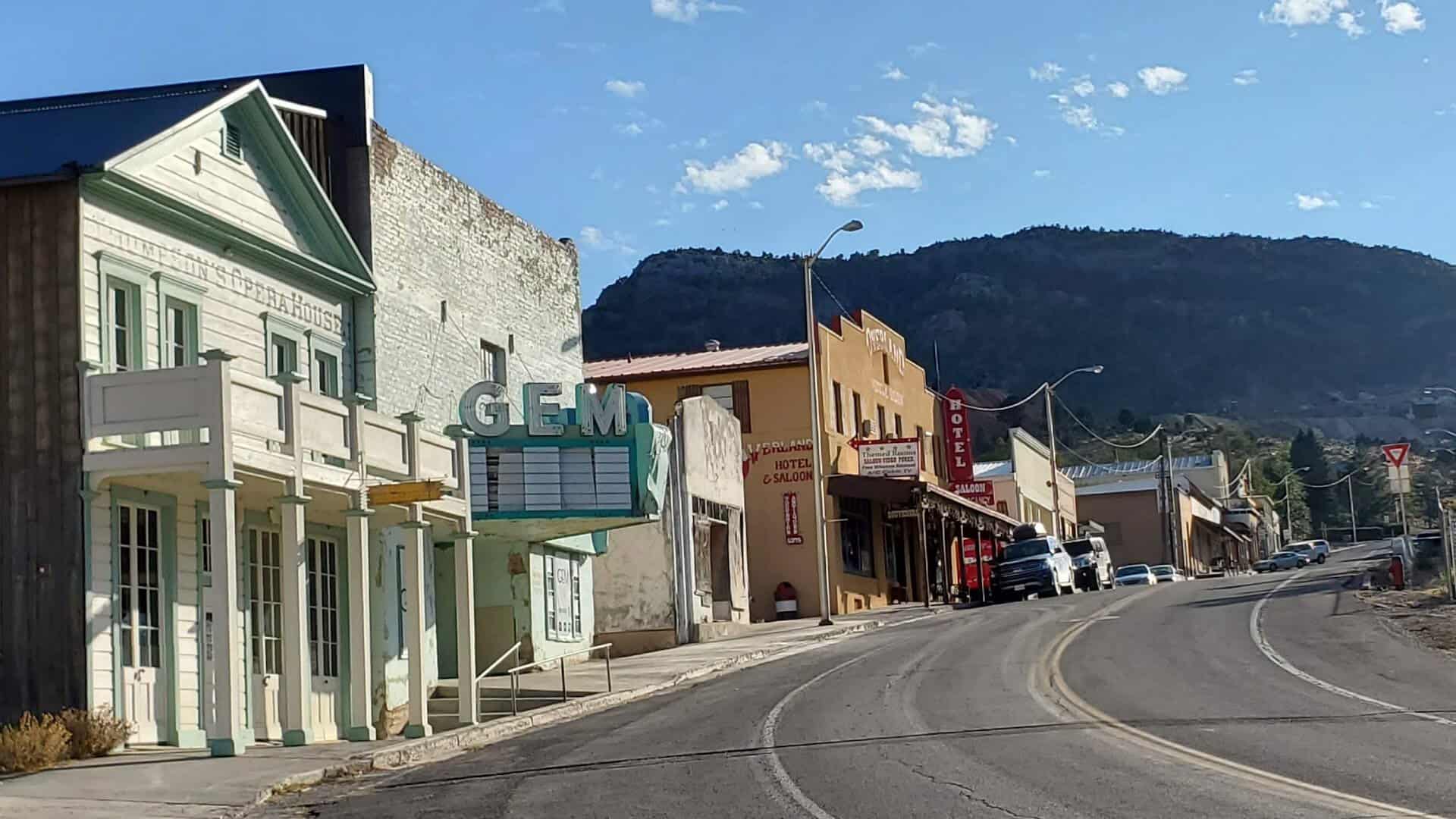
If you want a town that still feels like a Western movie set, aim for Pioche in the high desert of eastern Nevada. Silver was struck here in the 1860s, and the camp exploded to around 10,000 people almost overnight.
It was gloriously rowdy in those days, and it kept the buildings to prove it: an Opera House from 1873, and the only aerial tramway still standing in the state. The old ore buckets still hang on their cables above town.
Do not miss the Million Dollar Courthouse, so named because delays and interest ballooned its cost from $26,000 to roughly a million. Wander up to the old Boot Hill cemetery too, where the epitaphs tell better stories than most novels. Today Pioche is a friendly, photogenic time capsule.
Where: Pioche, Nevada, on Highway 93 in Lincoln County, north of Caliente.
8. Jerome, Arizona
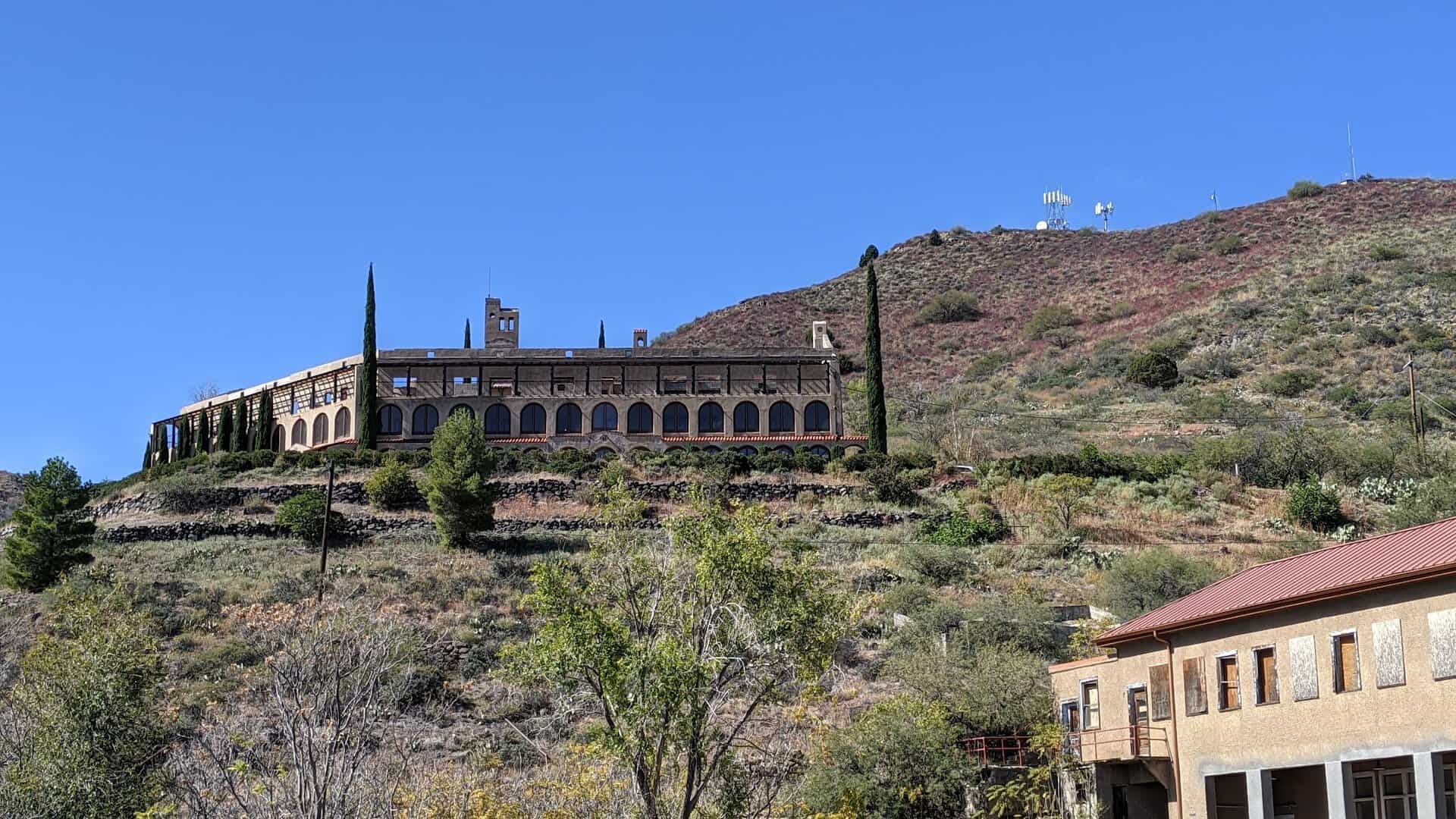
Jerome clings to the side of Cleopatra Hill above the Verde Valley, and the whole town tilts at an angle that will make your calves burn in the best way. Copper made it a boomtown of 15,000 people in the early 1900s.
When the mines closed in 1953, fewer than 100 people stayed, and Jerome earned its ghost-town nickname. Then artists rolled in during the 1960s and 1970s and refused to let it fade.
Now this National Historic Landmark is packed with galleries, wine-tasting rooms, and quirky little shops, all with valley views that go for miles at over 5,000 feet. Park at the top and let gravity walk you down.
Where: Jerome, Arizona, on Highway 89A between Prescott and Sedona.
9. Creede, Colorado
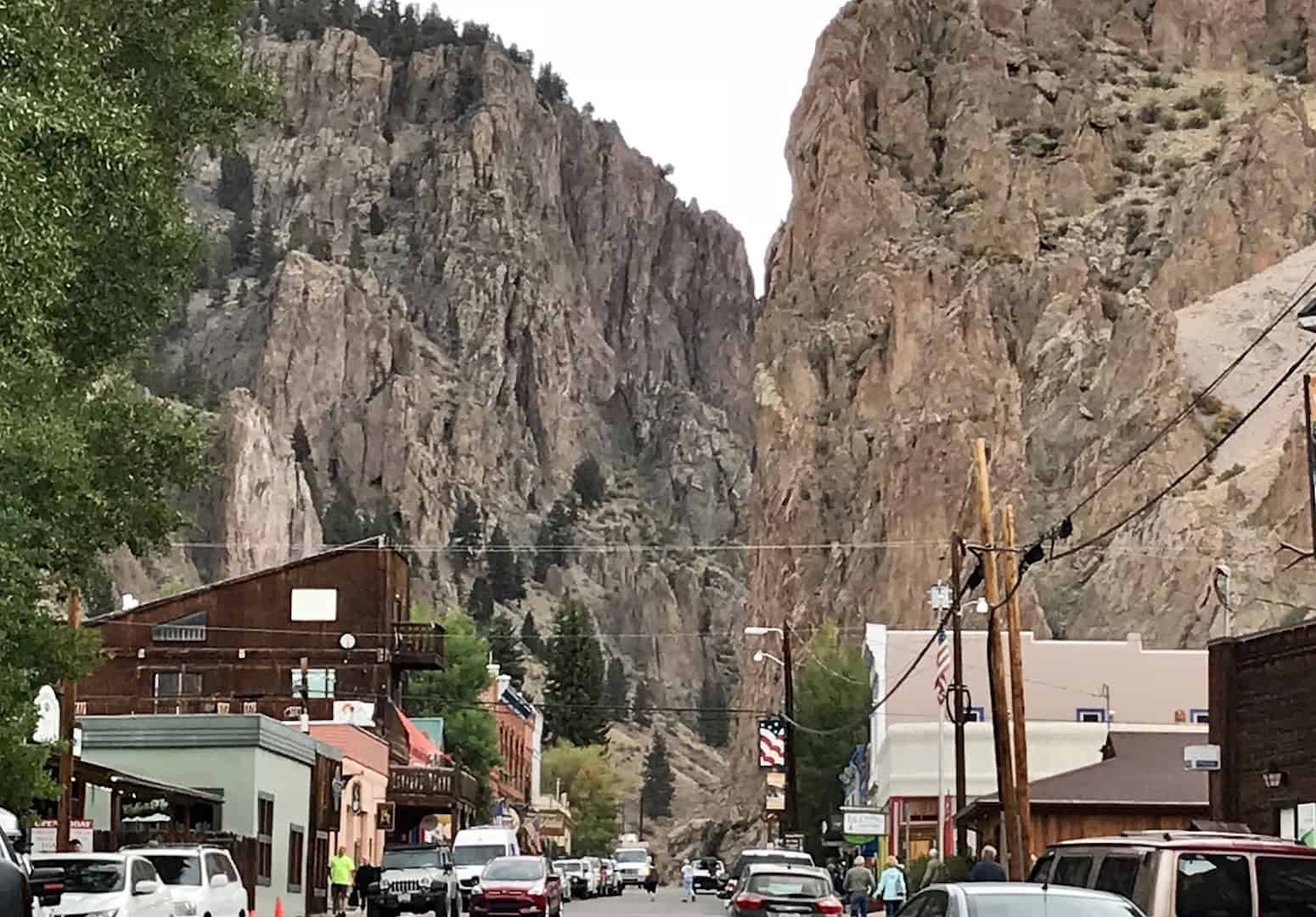
Deep in a narrow box canyon in the San Juan Mountains, Creede was Colorado’s last great silver boomtown. Nicholas Creede struck it rich in 1889, and 10,000 fortune seekers poured into the tight little valley almost overnight.
Unlike so many camps, Creede never fully died, and about 280 people still call it home. The main street runs right up into the cliffs, where the rock walls close in around you.
Drive the 17-mile Bachelor Loop past old mine works, catch a show at the celebrated Creede Repertory Theatre, and visit the world’s only underground firehouse, blasted right into the mountainside. The mining museum next door runs guided tours deep inside the drift. Few towns pack this much into one canyon.
Where: Creede, Colorado, at the end of Highway 149 on the Silver Thread Scenic Byway.
10. Silver City, New Mexico
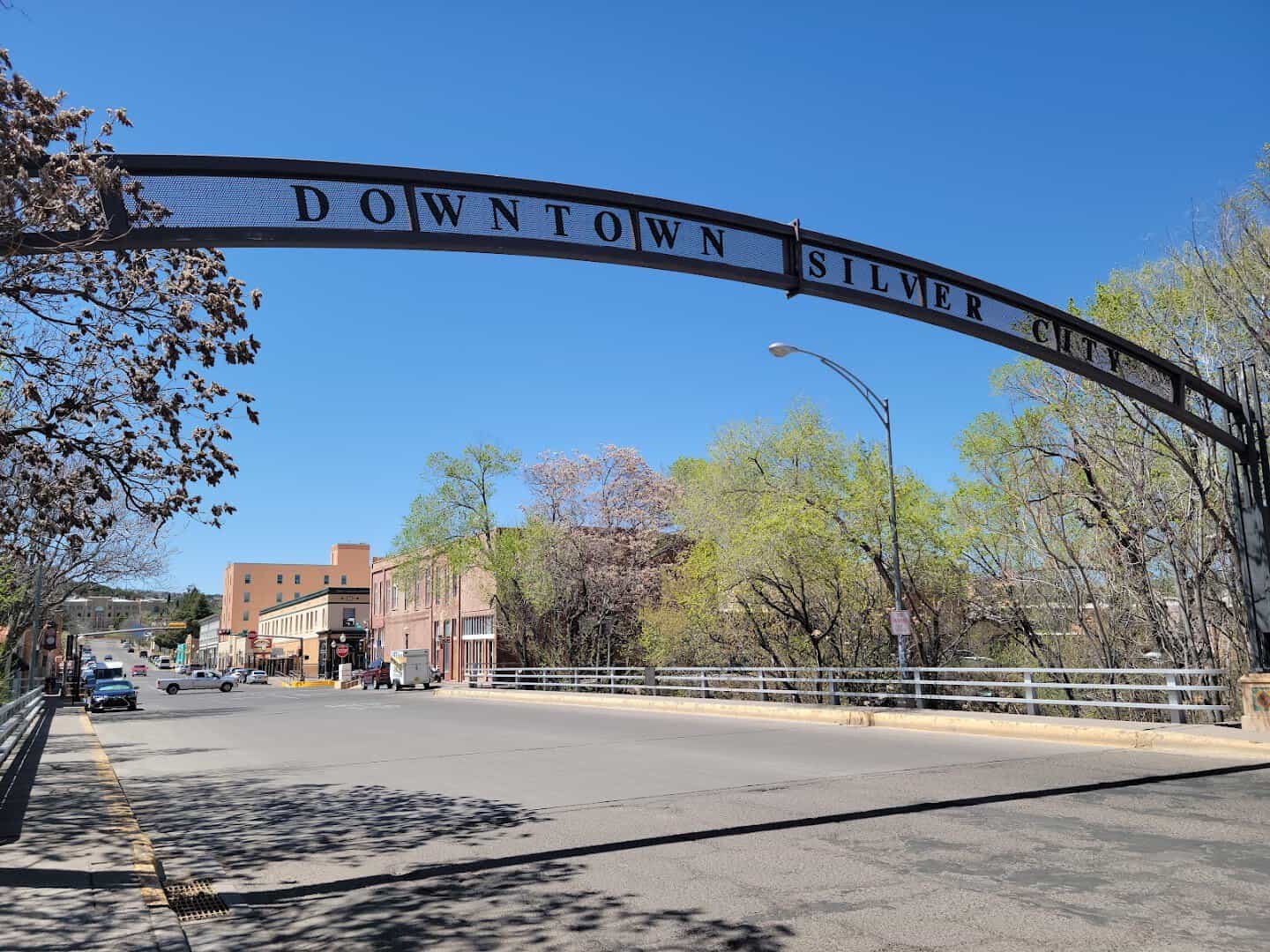
Silver City had every reason to become a ghost town and simply refused. Instead the old mining hub near the Gila Wilderness grew into one of the liveliest arts towns in the Southwest, with more than 30 galleries and mosaic murals splashed all over downtown.
The quirkiest feature is the Big Ditch, a green sunken park that sits 55 feet below the sidewalks. That gully is where Main Street used to be, until a run of floods a century ago washed the whole road clean away.
A young Billy the Kid lived here too, back before his outlaw days, and the town leans into every bit of its history. Victorian storefronts, good food, and mountain trails right out the back door round it out.
Just up the road sit the Gila Cliff Dwellings, where the Mogollon people built stone homes into the canyon walls more than 700 years ago. Silver City makes the perfect base for exploring all of it.
Where: Silver City, New Mexico, on Highway 90 in the southwest corner of the state.
Start Planning Your Southwest Detour
The best part about these ten towns is how neatly they string together. Bisbee and Jerome make a classic Arizona loop, Madrid and Silver City anchor a New Mexico run, and Ouray and Creede sit close enough for one glorious San Juan swing.
You could spend a long weekend on any one of them and come home with stories. String two or three together and you have the kind of road trip you will be telling people about for years.
So gas up, pick a direction, and go see the Southwest the way it feels best: slow, sunlit, and gloriously off the beaten path. Just try not to fall so hard for one of these towns that you start browsing the real estate before you leave.
Featured image: Josep Cors via Bisbee

Stella Raines
Editor-in-Chief
Stella brings over a decade of storytelling experience to TX Headlines. With roots in West Texas and a love for road trips, she leads the editorial team with an eye for the hidden stories that make Texas unforgettable.