12 Little-Known State Parks Worth the Trip
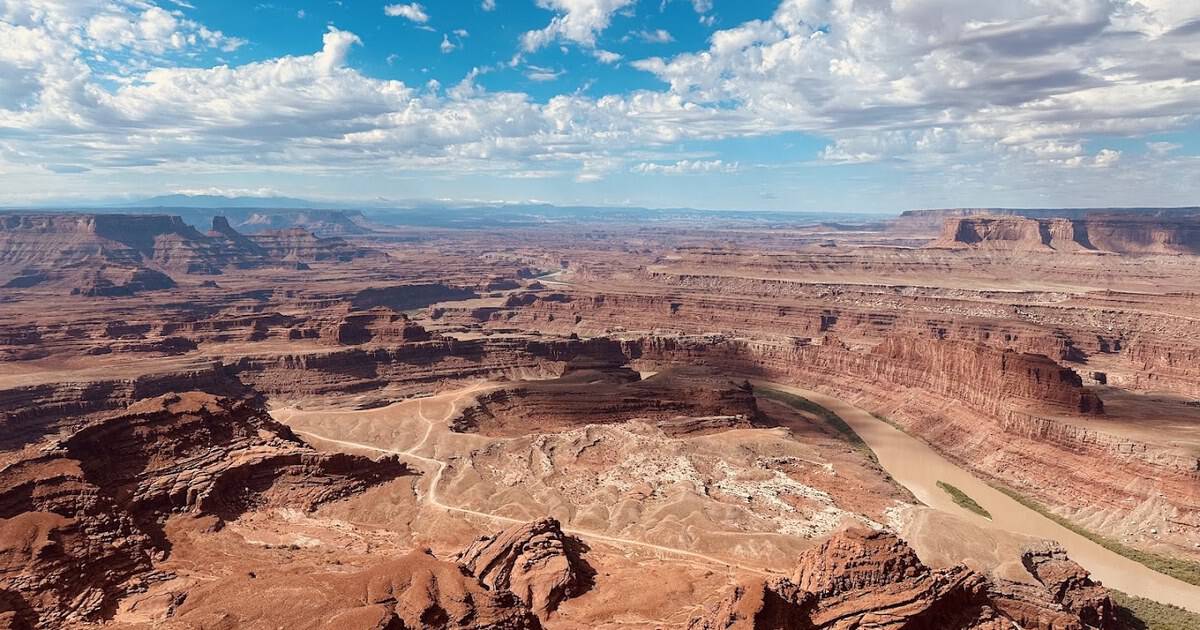
I keep a running list of parks I mean to see someday, and for years it was all the household names: Yellowstone, the Grand Canyon, Yosemite. Then I started noticing how often my favorite photos came from places I had never heard of.
Here is what nobody tells you at the trailhead: some of the most jaw-dropping scenery in the country sits inside quiet state parks most travelers drive right past. Smaller crowds, gentler fees, and views that rival anything with a federal sign out front.
Below, twelve little-known state parks worth pointing the car toward, spread from the Nevada desert to the Maine north woods. Each one delivers a signature view you would expect from a place three times as crowded. Pack a lunch and pick one.
1. Valley of Fire State Park, Nevada
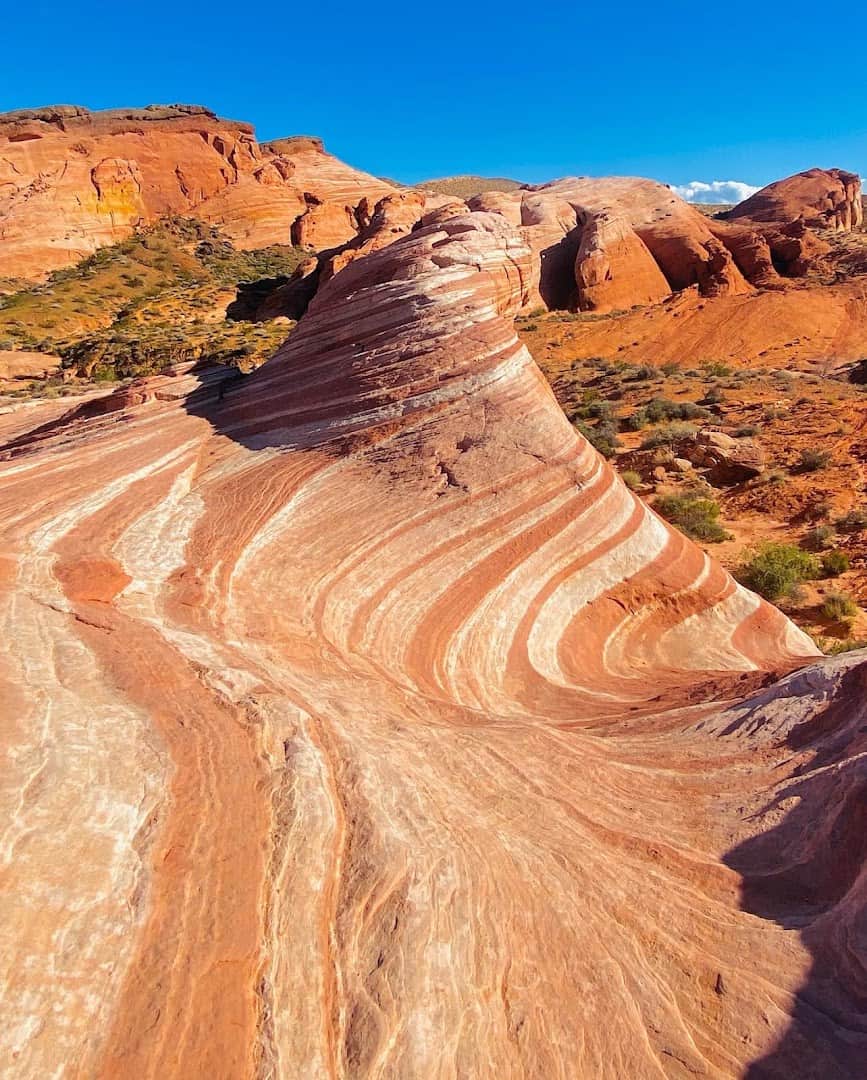
An hour northeast of the Las Vegas noise, the desert turns the color of a struck match. Valley of Fire, dedicated in 1935 and Nevada’s oldest state park, is roughly 40,000 acres of Aztec sandstone glowing red and orange at sunrise.
Walk out to the Fire Wave, a swirl of pink and cream rock that looks poured rather than carved. Ancient petroglyphs cover the boulders at Atlatl Rock, left by people who passed through more than a thousand years ago.
The scenery is so otherworldly that filmmakers keep using it for distant planets. Come early: the marquee trails close midday in the fierce summer heat, and golden hour makes the stone burn. Fall and winter are the sweet spot for a visit.
Where: Valley of Fire Highway, near Overton, Nevada, about 50 miles northeast of Las Vegas off Interstate 15.
2. Hocking Hills State Park, Ohio
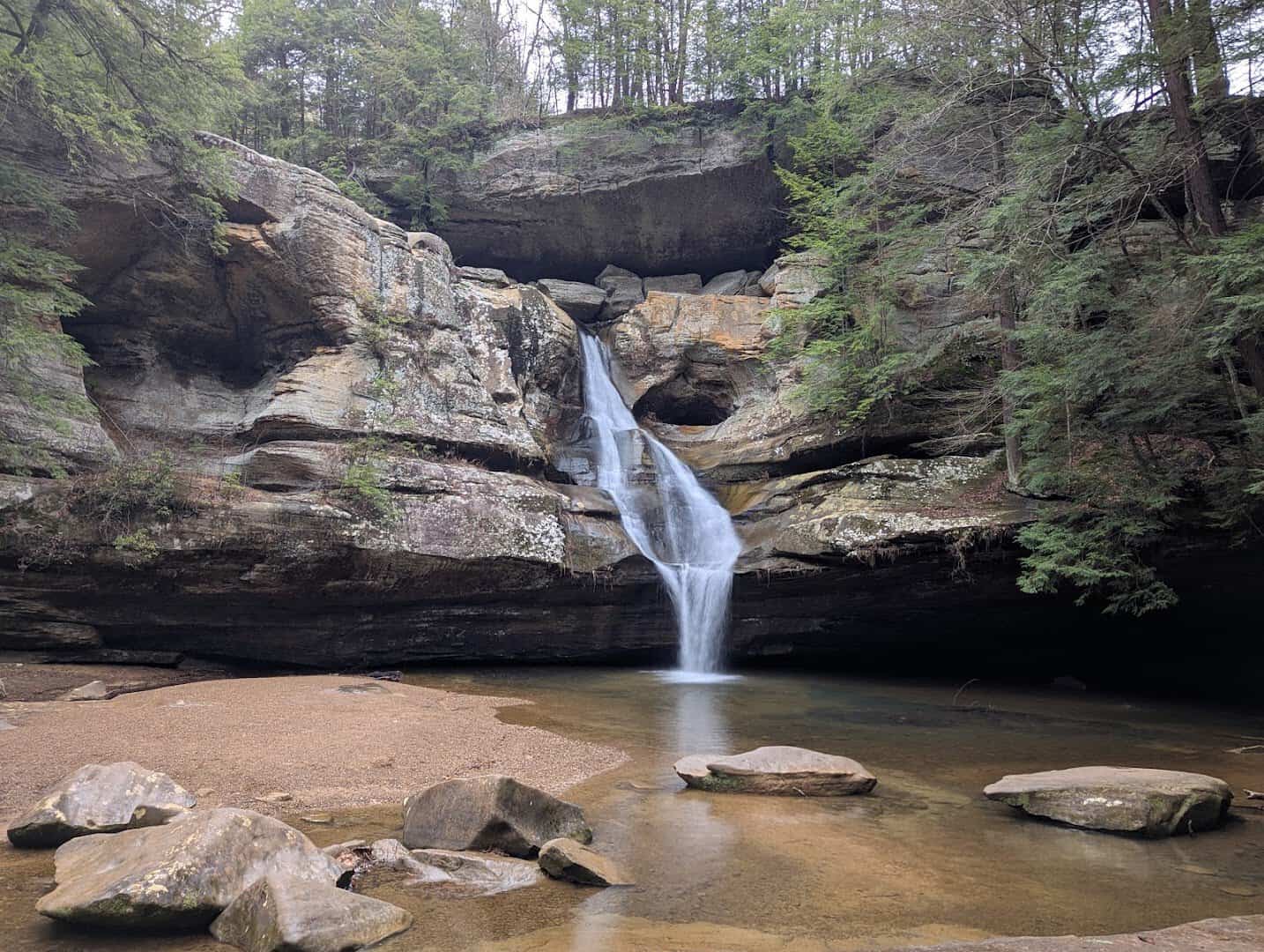
Ohio hides a green, dripping wonderland in its southeastern hills. Hocking Hills is a chain of Blackhand sandstone gorges, recessed caves, and waterfalls that feel a world away from cornfield country.
Old Man’s Cave is the star, a mossy chasm you follow past waterfalls and stone bridges. Ash Cave, the largest recess cave in the state, curves like an amphitheater and once sheltered travelers from the rain.
In winter the falls freeze into pale blue columns that draw ice climbers from across the Midwest. Go on a weekday and the trails feel like your own private canyon.
Where: 19852 State Route 664 South, near Logan, Ohio, about an hour southeast of Columbus.
3. Dead Horse Point State Park, Utah
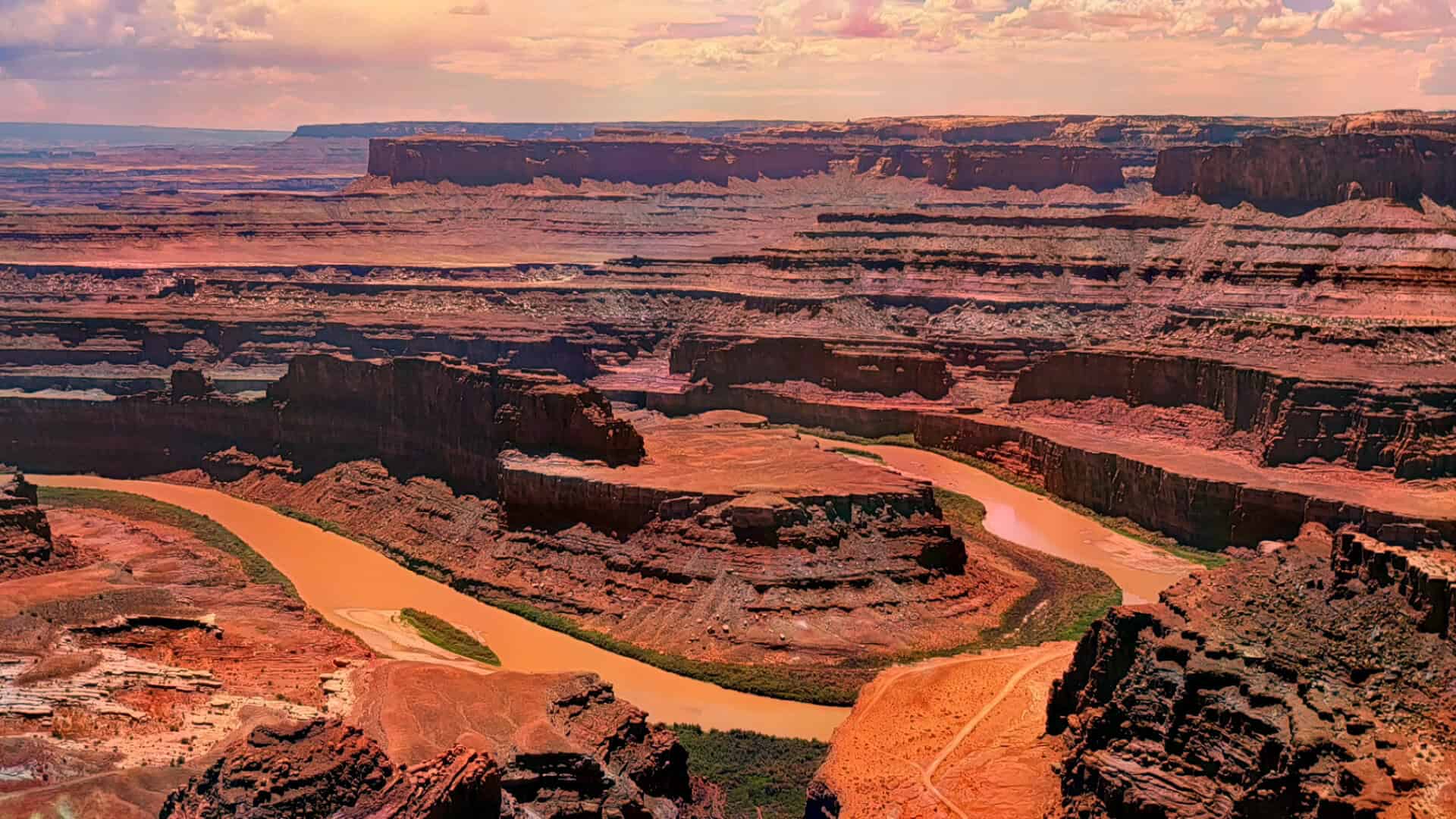
Right next door to famous Canyonlands, this overlook stops conversation cold. From the point, the land drops 2,000 feet to a gooseneck bend in the Colorado River, striped canyon walls glowing in the low sun.
It is one of the most photographed vistas on earth, yet it stays calmer than its national-park neighbor. The park opened in 1959 and covers 5,362 acres of high desert at nearly 6,000 feet.
A paved rim trail makes the big view easy for everyone, and the sunrise here is the kind you remember for years. Stay past dark too: it is a certified dark-sky park, and on a clear night the stars pour out over the canyon rim.
Where: Utah State Route 313, about 32 miles from Moab, Utah.
4. Caprock Canyons State Park, Texas
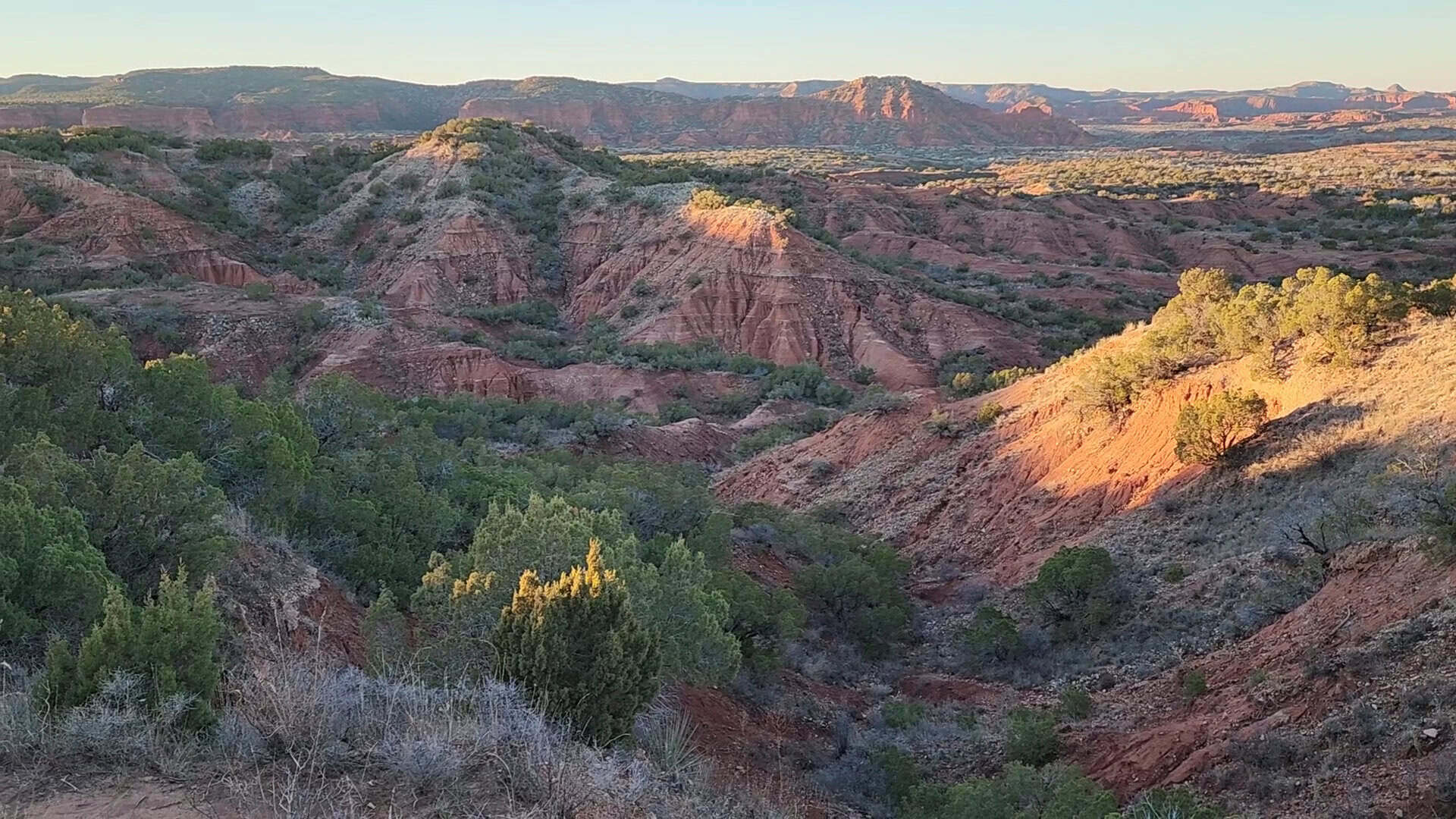
The Panhandle looks flat until the ground splits open into red rock canyons. Caprock Canyons, 15,314 acres near tiny Quitaque, is where the plains crack into ravines the color of rust and salmon.
The real thrill roams free here: the official Texas State Bison Herd, descended from animals cattleman Charles Goodnight saved in 1878. Around 300 bison wander more than 10,000 acres, and they often amble right through the campground.
Watch them from a respectful distance, then hike the Upper Canyon trail for the park’s most dramatic rock. Cave swallows swirl overhead, and the caprock walls turn fiery at sunset. It is the third-largest state park in Texas, so there is room to roam.
Where: 850 Caprock Canyon Park Road, near Quitaque, Texas, about two hours southeast of Amarillo.
5. Watkins Glen State Park, New York
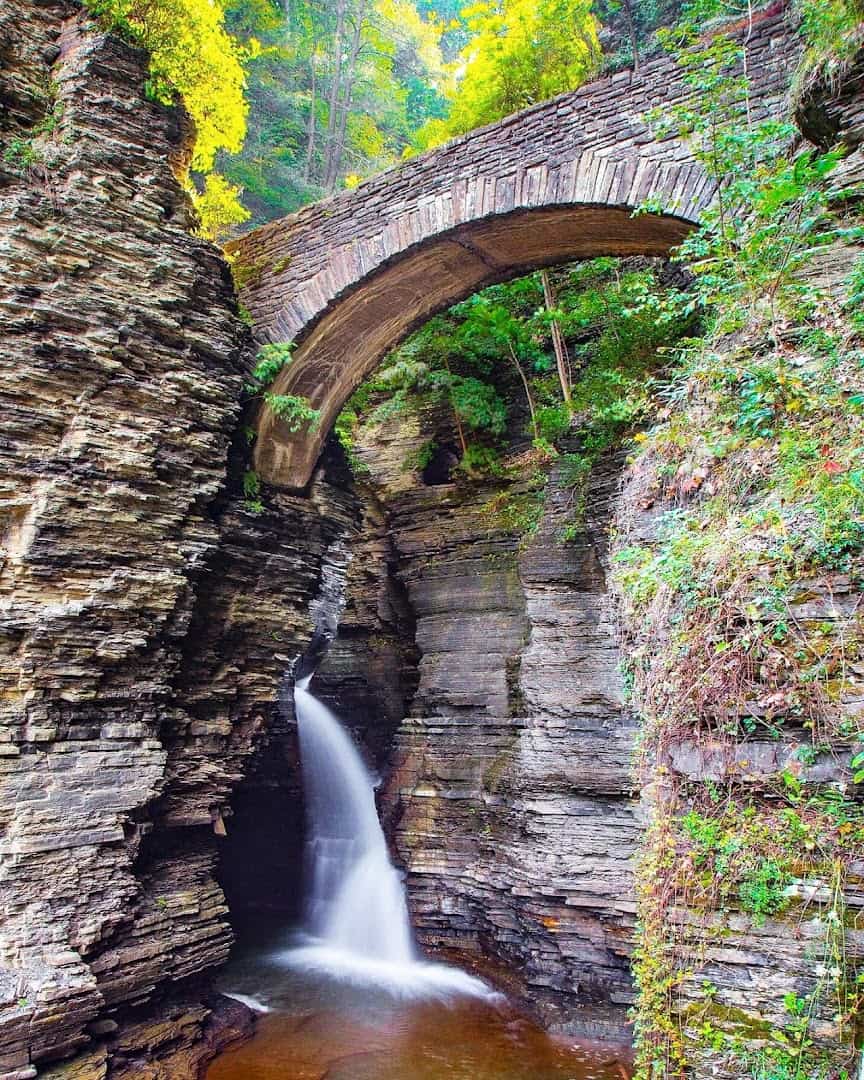
In the Finger Lakes, a two-mile stream carved a gorge that belongs in a fairy tale. Watkins Glen packs 19 waterfalls into that stretch, the creek dropping 400 feet past cliffs draped in green.
The Gorge Trail is the payoff: more than 800 stone steps, arched bridges, and a stretch that walks you right behind the spray of Cavern Cascade. Stonework crews shaped the whole path by hand nearly a century ago.
Bring a rain layer, because you will get misted, and that is half the fun. The park sits at the edge of town, so lunch and a Seneca Lake winery afternoon are minutes away. It makes a perfect day.
Where: 1009 North Franklin Street, Watkins Glen, New York, at the south end of Seneca Lake.
6. Smith Rock State Park, Oregon
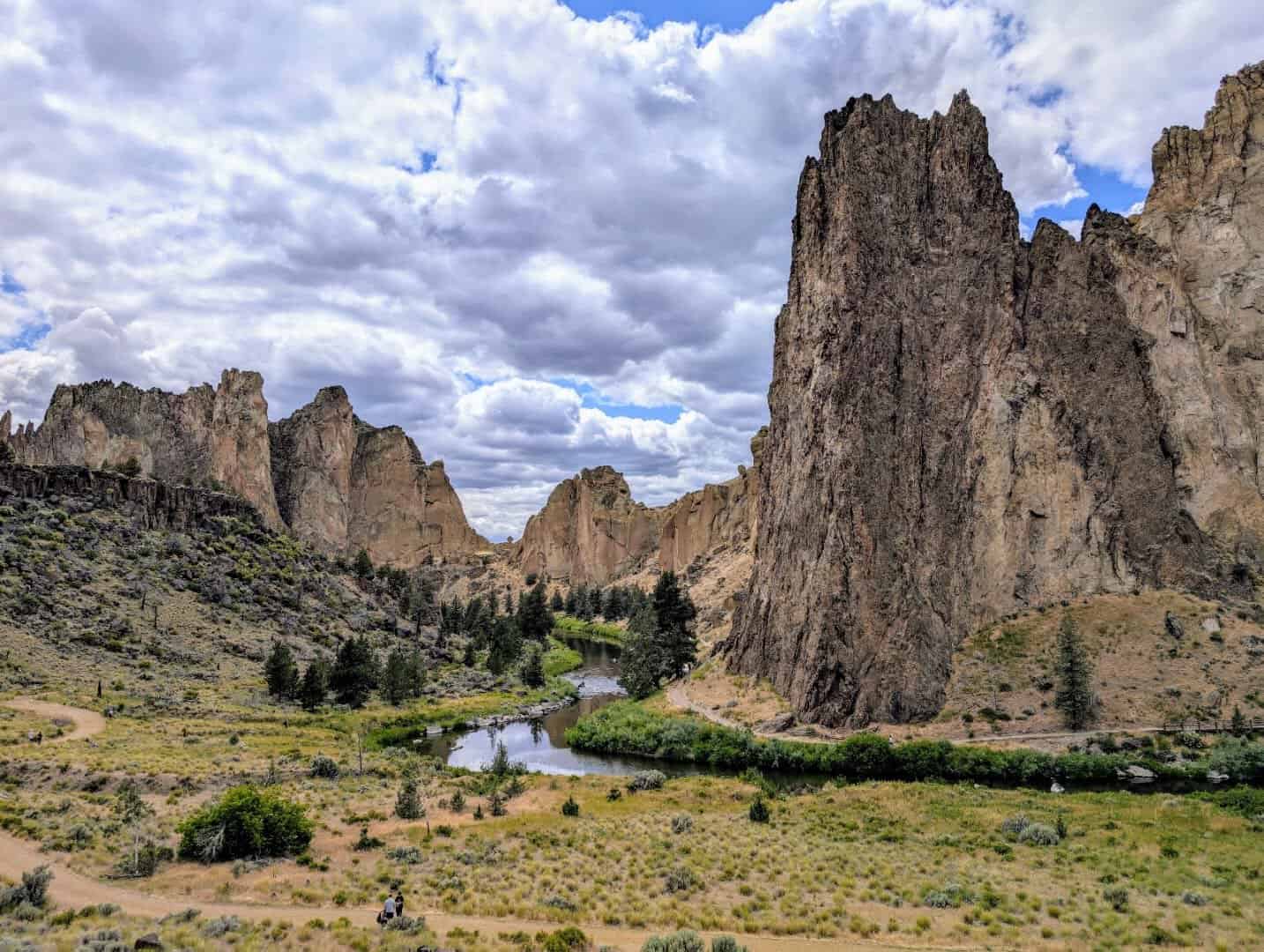
Central Oregon’s high desert throws up a wall of golden rock, and climbers treat it like holy ground. Smith Rock is widely called the birthplace of American sport climbing, its cliffs rising more than 600 feet above the Crooked River.
You do not need a rope to love it. The Misery Ridge trail climbs to a knockout view of Monkey Face, a 350-foot pillar shaped like a simian profile that draws climbers from around the world.
Golden eagles nest in the walls and river otters play in the water below. Spring paints the desert floor in wildflowers, and the whole basin glows amber at dawn. Come at sunrise and you may share the trail with only a handful of climbers.
Where: 10260 NE Crooked River Drive, Terrebonne, Oregon, about 30 minutes north of Bend.
7. Providence Canyon State Park, Georgia
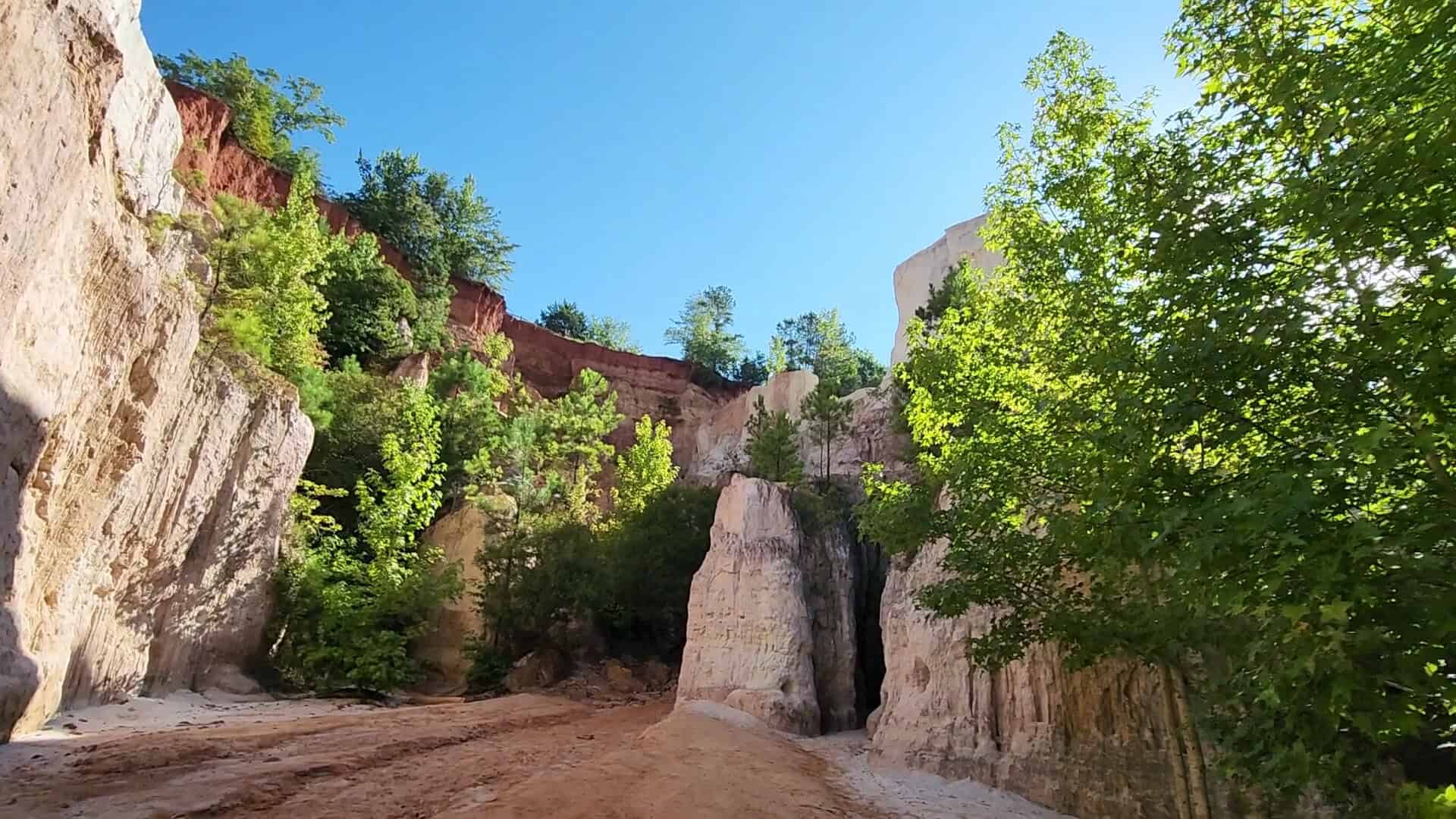
Georgia calls it the Little Grand Canyon, and the nickname earns itself. Providence Canyon is a maze of gullies where the soil glows in bands of orange, pink, purple, and white, deep enough to swallow the treetops.
What makes it wilder is the origin story: sloppy farming in the 1800s let rain carve these canyons in barely a century. Nature turned a mistake into something genuinely beautiful.
Follow the rim trail for the overviews, then drop to the canyon floor and walk between the striped walls. Rare plumleaf azaleas bloom flame-orange here in summer, and the soft ground feels cool underfoot even in the Georgia heat.
Where: 8930 Canyon Road, near Lumpkin, Georgia, about 45 minutes south of Columbus.
8. Custer State Park, South Dakota
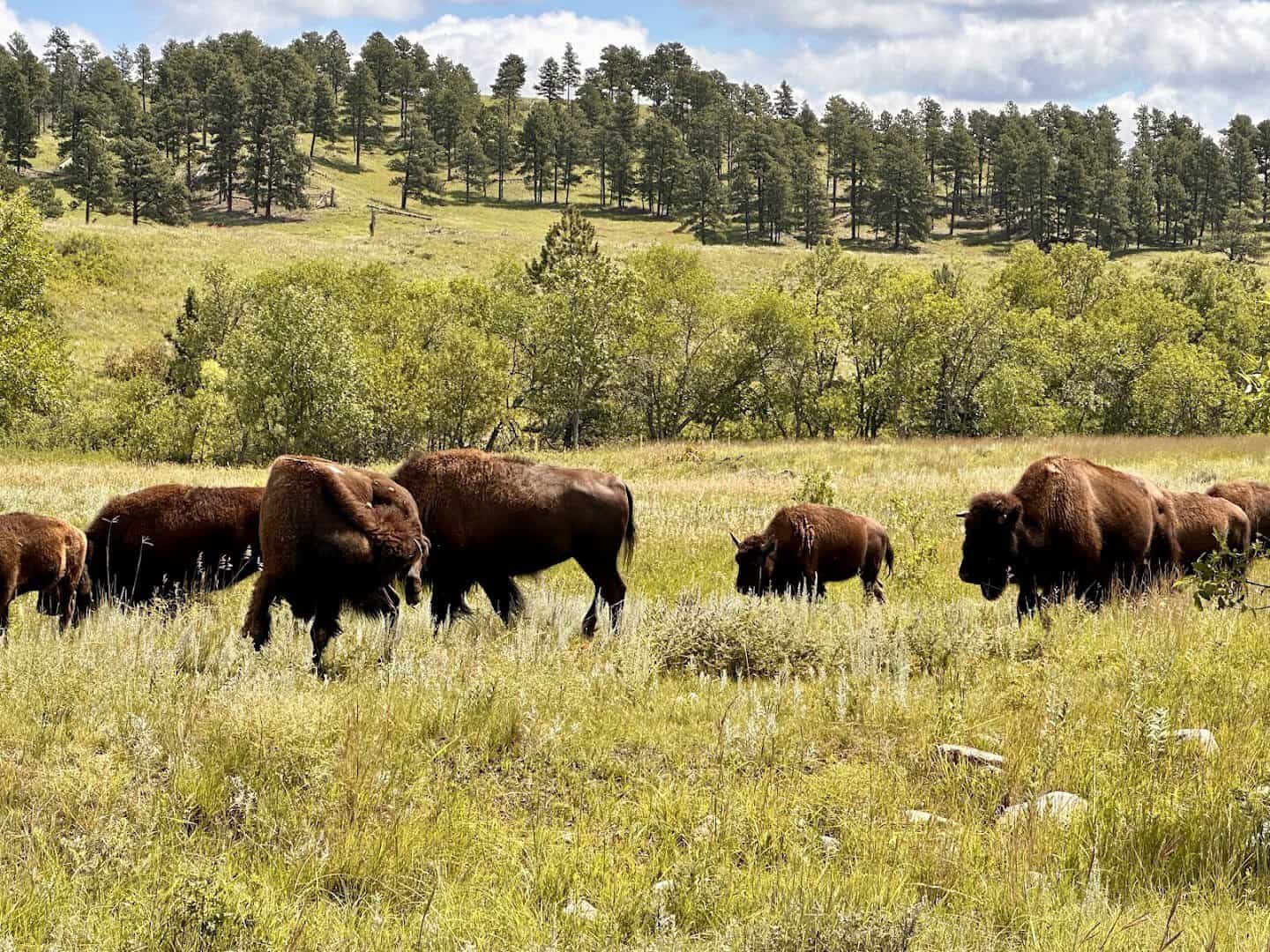
Tucked into the Black Hills, Custer feels like a national park that forgot to charge national-park crowds. Its 71,000 acres hold granite spires, glassy Sylvan Lake, and one of the country’s largest publicly owned bison herds.
Drive the 18-mile Wildlife Loop Road at dawn and you will meet pronghorn, bighorn sheep, and the park’s famous begging burros that poke their heads right in your car window.
The Needles Highway threads between rock pinnacles so narrow the tunnels barely fit a vehicle. Every turn earns a gasp, and Sylvan Lake makes the ideal picnic finish. Autumn brings a bison roundup that draws visitors from around the world.
Where: 13329 US Highway 16A, near Custer, South Dakota, about 40 miles southwest of Rapid City.
9. Gooseberry Falls State Park, Minnesota
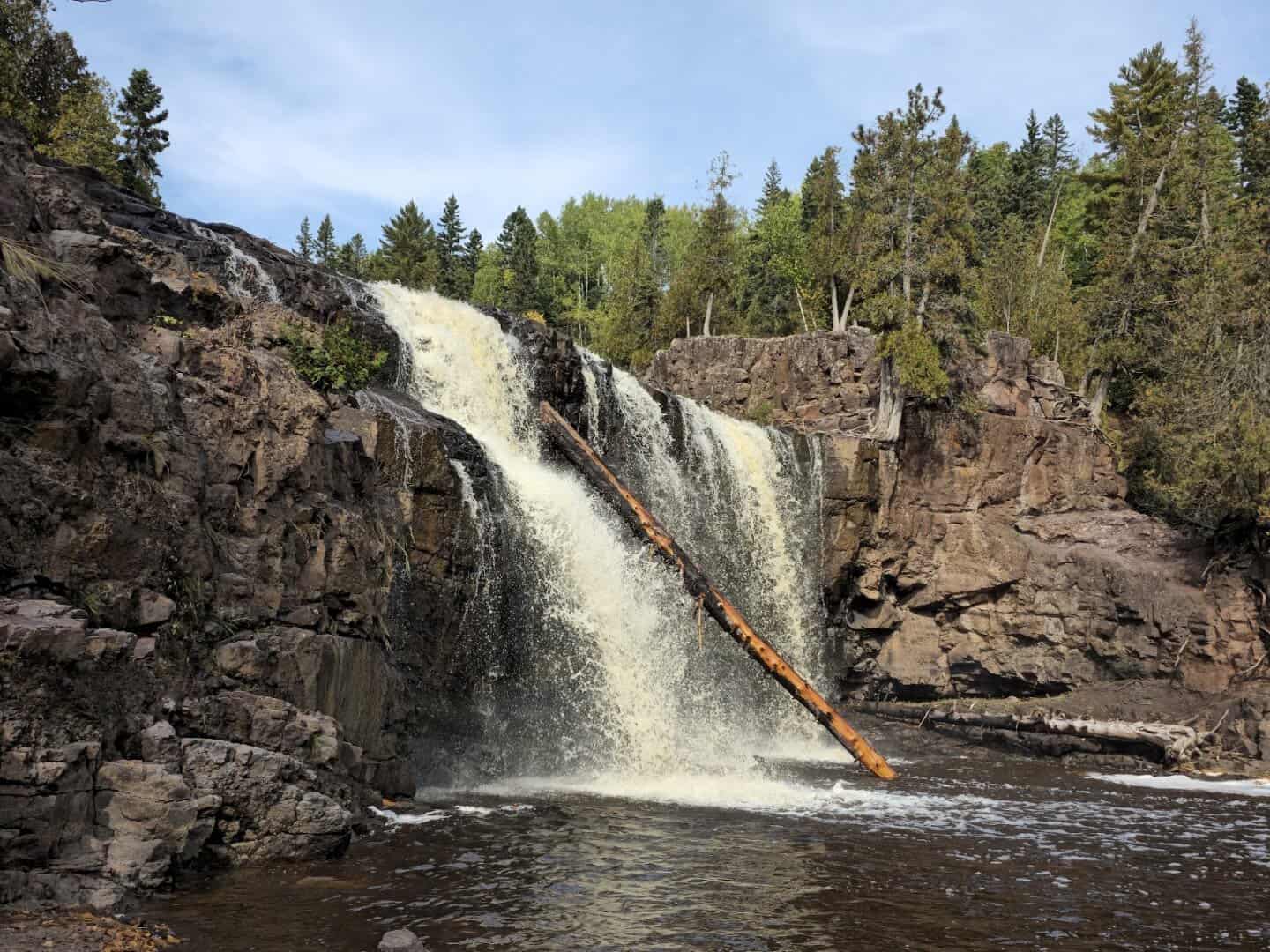
The North Shore of Lake Superior stacks its best scenery close together, and Gooseberry Falls is the friendly front door. The Gooseberry River tumbles over Upper, Middle, and Lower falls within an easy walk of the parking lot.
The stonework is half the charm. Civilian Conservation Corps crews built the log and granite lodges and a 300-foot retaining wall between 1934 and 1941, and it all still stands beautifully.
Follow the river down to where it meets the big lake’s rocky shore, then watch the water crash against the basalt. In autumn the maples along the gorge light up gold and red. Snowshoes turn it into a quiet winter wonderland.
Where: 3206 Highway 61 East, about 13 miles northeast of Two Harbors, Minnesota.
10. Palouse Falls State Park, Washington
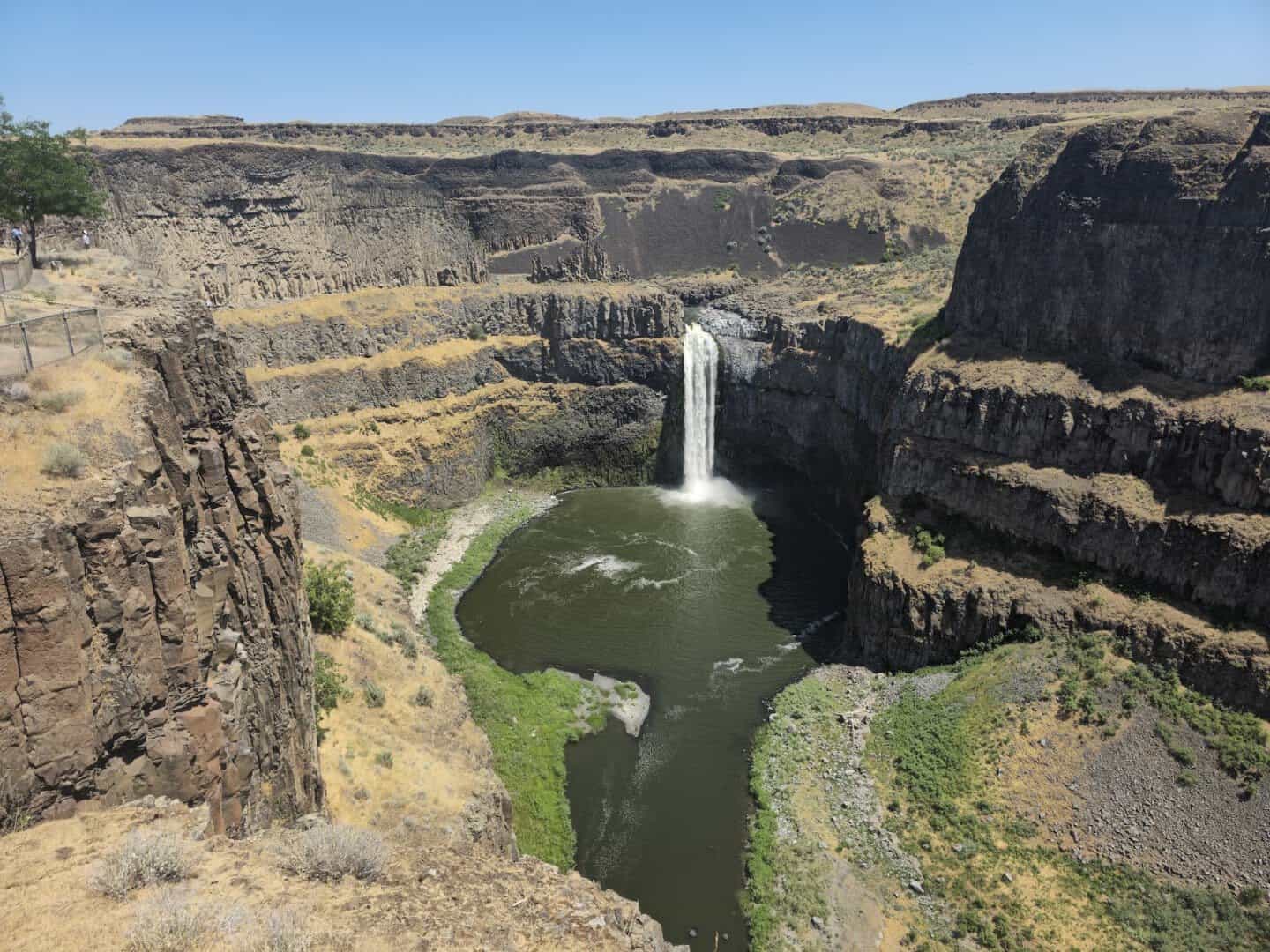
Out in the wheat country of southeast Washington, the ground opens without warning and a river leaps off a cliff. Palouse Falls plunges 198 feet into a basalt bowl carved by Ice Age megafloods, and it is the official state waterfall.
The overlook sits a short stroll from the lot, so the huge view comes cheap. Spring runoff makes the falls thunder loudest, sending mist and the occasional rainbow up the canyon.
The surrounding rimrock glows gold at sunset, and it is remote enough that you may have the railing to yourself. Bring water and a full tank; this corner of the state is delightfully empty.
Where: Palouse Falls Road, near LaCrosse, Washington, with the nearest services in Washtucna about 20 minutes away.
11. Chugach State Park, Alaska
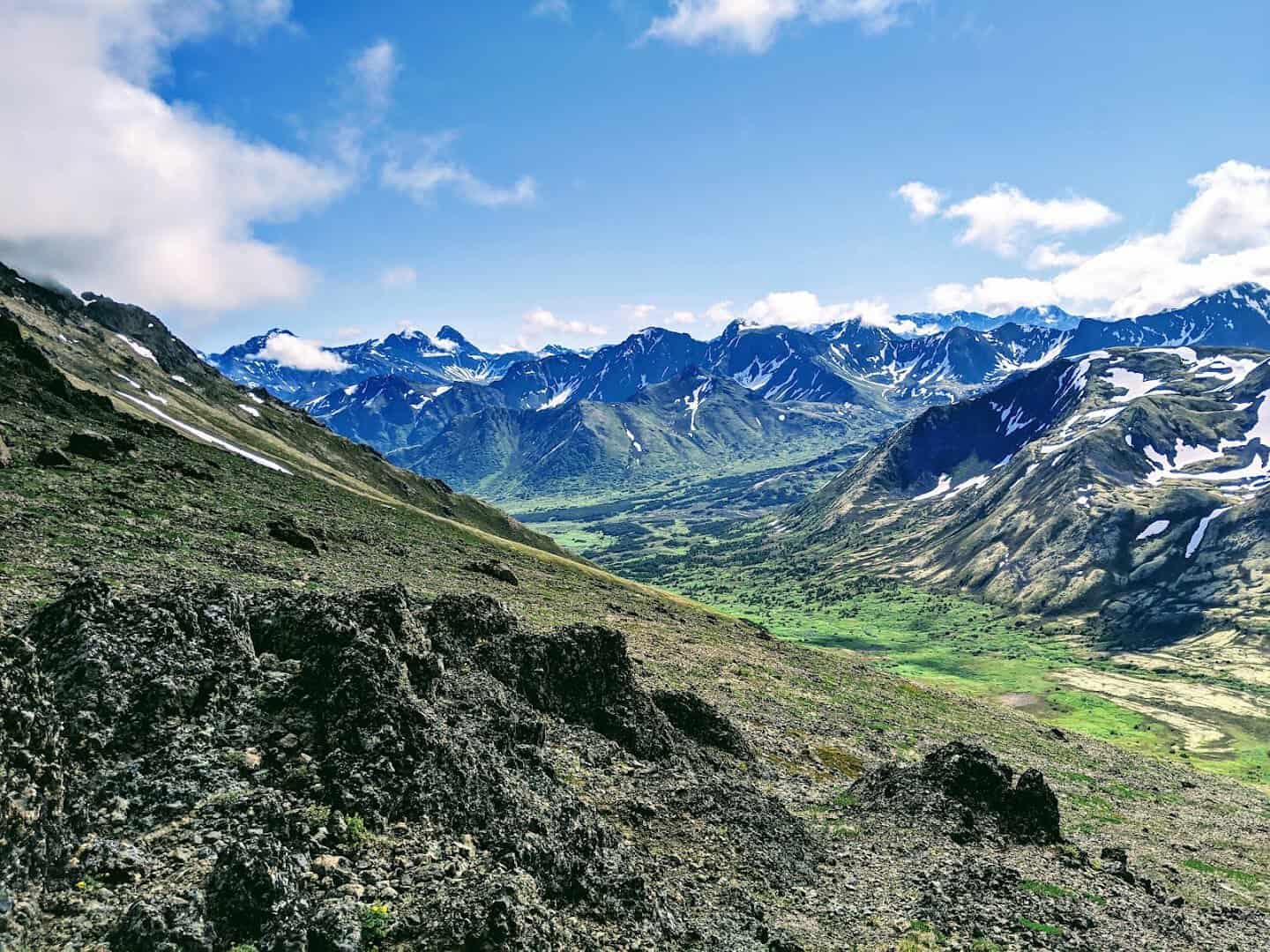
Half a million acres of mountains, glaciers, and alpine lakes start at the eastern edge of Anchorage. Chugach is one of the largest state parks in the country, and much of it is reachable in a short drive from town.
Flattop Mountain is Alaska’s most-climbed peak, a stout hike from the Glen Alps trailhead that rewards you with Cook Inlet and the Alaska Range spread below. On a clear day you can see for a hundred miles.
Rent a bike for the shore of turquoise Eklutna Lake, and watch for moose and Dall sheep along the way. In late summer the tundra blushes red and gold, and the low Alaskan light lingers for hours. Few big-city parks feel this genuinely wild.
Where: Trailheads ring the park; the popular Glen Alps access sits about 20 minutes from downtown Anchorage, Alaska.
12. Baxter State Park, Maine
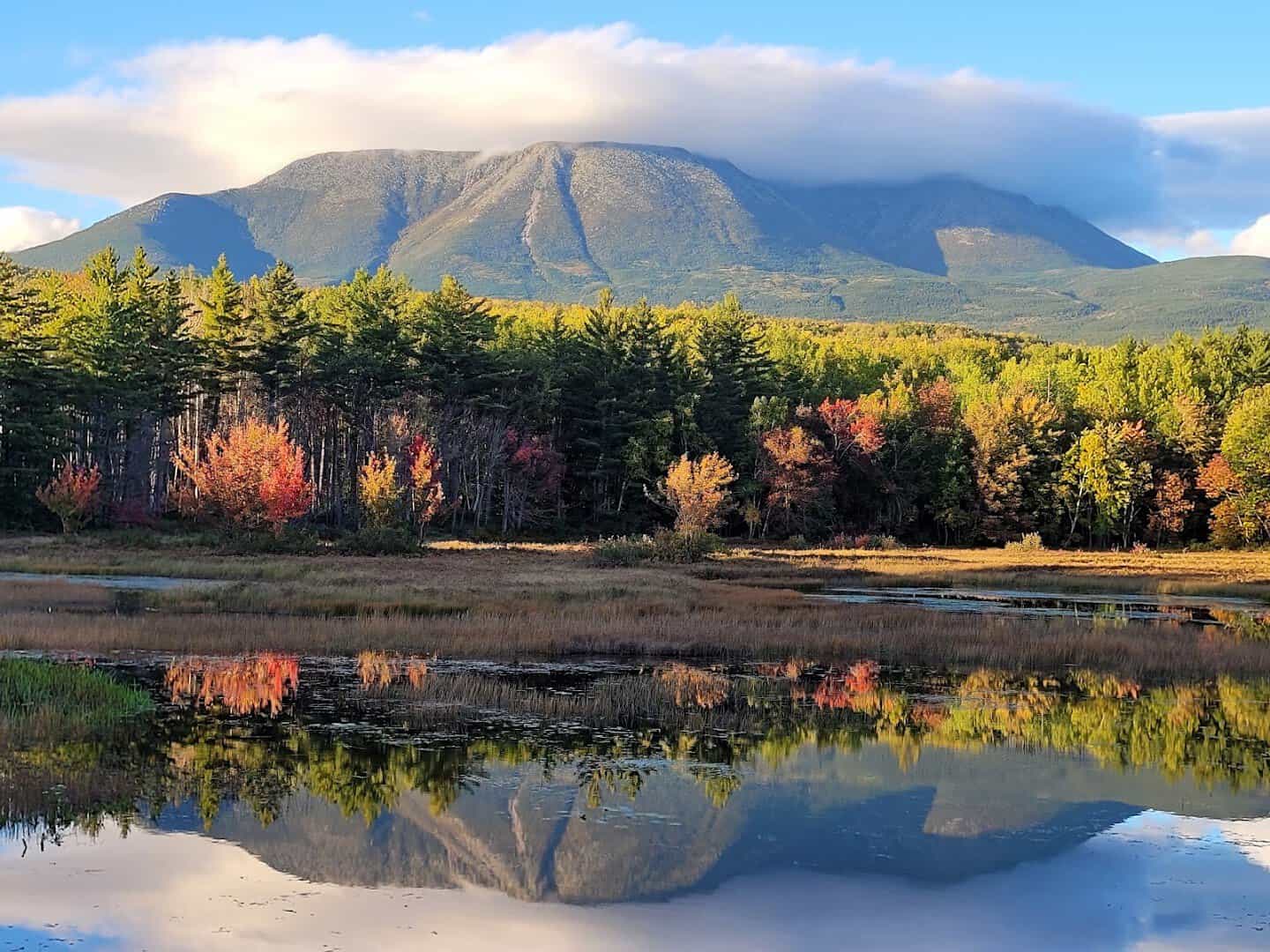
Deep in Maine’s north woods stands a wilderness a governor bought and gave to the people. Baxter State Park protects more than 200,000 acres and crowns them with Mount Katahdin, the state’s highest peak and the northern finish of the Appalachian Trail.
Governor Percival Baxter assembled the land piece by piece and asked that it stay forever wild, so there are no paved roads or cell towers to break the spell.
Ponds mirror the mountains, moose feed at dusk, and the fall color runs riot across the ridgelines. Reserve ahead in peak season, because this quiet giant fills up fast. Sunrise on Katahdin, with a still pond in the foreground, is a view you will not forget.
Where: 64 Balsam Drive, near Millinocket, Maine, the main gateway town on the park’s south side.
Start Planning Your Next Getaway
The best trips are often the ones you have never heard of. Any one of these parks can anchor a weekend, and none of them will cost you a national-park headache to enjoy.
So pick a corner of the map, fill the cooler, and go find the view before everybody else does. Your future self, standing at some quiet overlook with the whole scene to yourself, will thank you for it.
Featured image: Olivier Blaser via Dead Horse Point State Park

Stella Raines
Editor-in-Chief
Stella brings over a decade of storytelling experience to TX Headlines. With roots in West Texas and a love for road trips, she leads the editorial team with an eye for the hidden stories that make Texas unforgettable.