12 Hidden Natural Wonders Across the USA
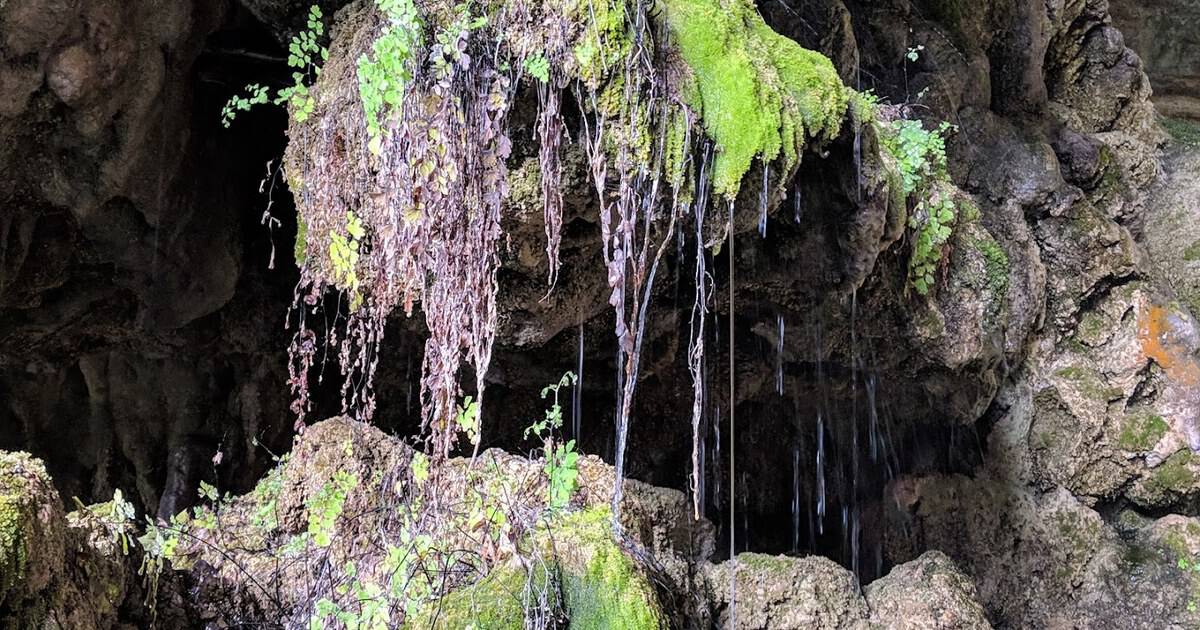
Everybody has a mental list of the big American landmarks, and I love those too. But the places that stick with me are the ones nobody put on a postcard. The ones you only hear about from a friend who swears you have to see it.
This is a road trip through the country’s quiet marvels. Twelve natural wonders that sit far from the crowds, hidden down a dirt road or a forest trail, and reward the traveler willing to look past the usual icons.
Below, you’ll find where each one hides, what makes it worth the detour, and exactly how to reach it. Pack a full water bottle and keep going.
1. Fly Geyser, Nevada
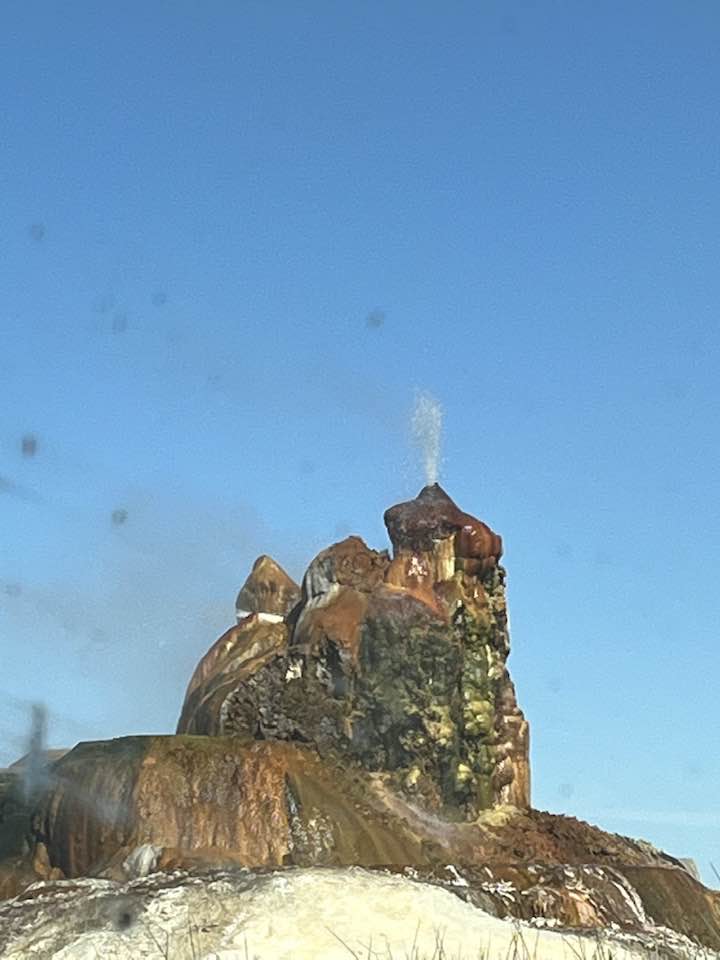
Picture a five-foot mound of rock erupting in spouts of water, streaked green and red like something from another planet. Fly Geyser is a happy accident, born from a well drilled back in the 1960s that was never capped.
Minerals kept building the travertine mound taller, and heat-loving algae painted its terraces in wild color. It spouts year-round on private ranch land, so you reach it on a guided nature walk rather than a quick pullover, which keeps it wonderfully unspoiled.
The guided visit turns a photo op into a small adventure, out across open high desert to a spouting rock that looks engineered by nobody. That scarcity is the point.
Where: Fly Ranch, near Gerlach, Nevada. Book a Fly Ranch Nature Walk through Friends of Black Rock-High Rock and meet at their Gerlach visitor center; walks run in the warmer months.
2. Watkins Glen State Park, New York
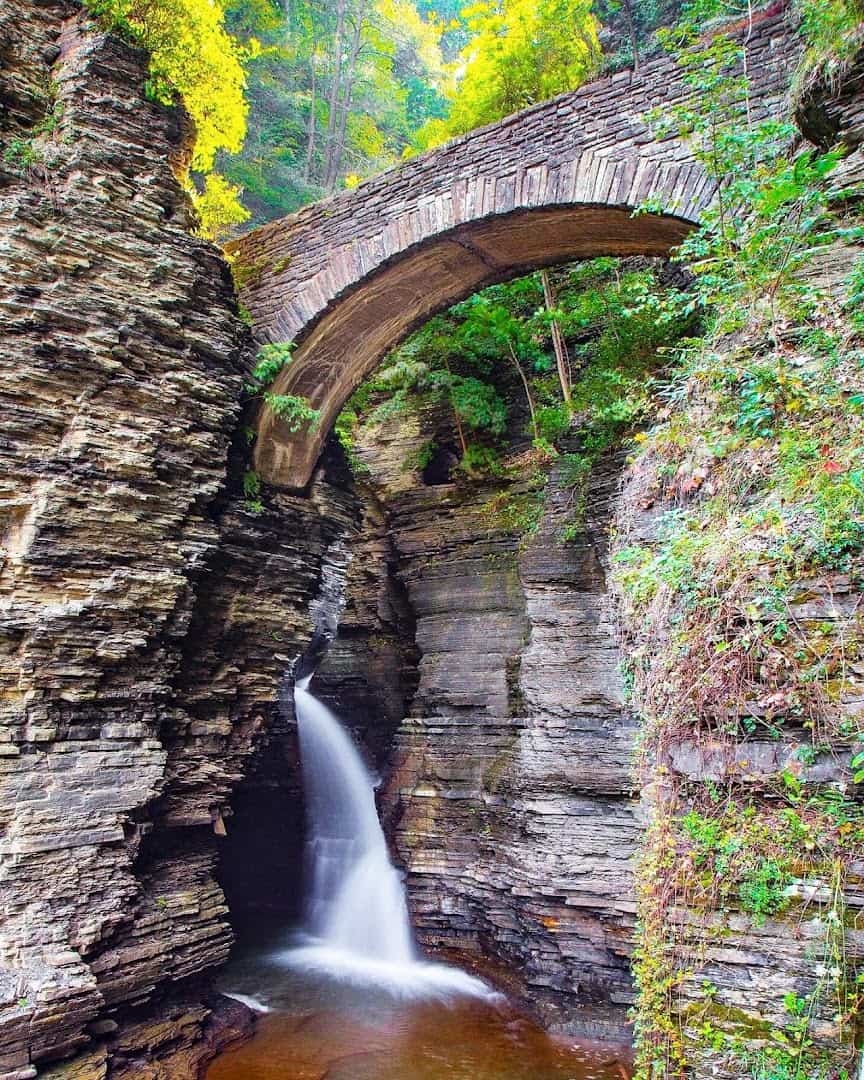
Some places make you feel like you shrank down and wandered into a fairy tale. Watkins Glen is one of them. Its Gorge Trail threads past nineteen waterfalls in about a mile and a half, ducking behind cascades and climbing hundreds of stone steps.
Stone bridges arc overhead, mist hangs in the air, and the creek has spent thousands of years carving this narrow chasm. Every turn opens onto another falls you did not expect, which is exactly why photographers keep coming back.
Bring shoes with grip and a light jacket, since the gorge stays cool and damp even on a summer afternoon. The spray alone is worth the walk.
Where: Watkins Glen State Park, Watkins Glen, New York, at the south end of Seneca Lake. Check current trail access before you go, as sections see seasonal work into 2026.
3. Bisti/De-Na-Zin Badlands, New Mexico
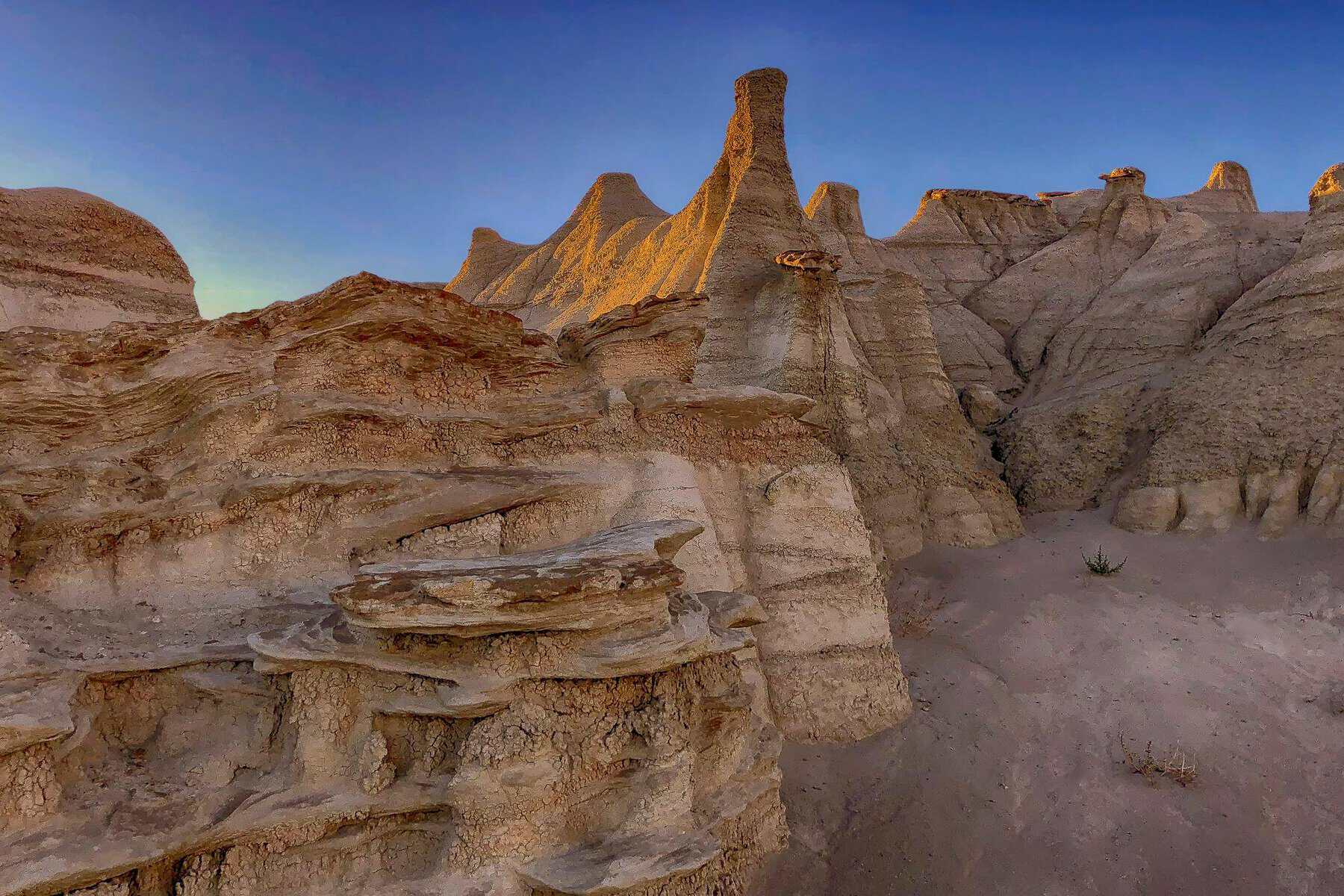
Step out here and you could swear you left Earth entirely. The Bisti Badlands sprawl across 45,000 acres of eroded clay, sculpted into hoodoos, mushroom-shaped rocks, and cracked spires the color of bone and rust.
There are no marked trails, so you simply wander, which is the whole thrill of it. Petrified wood and ancient fossils turn up underfoot in this old seabed. Come at sunrise or sunset, when low light sets the formations glowing.
Download an offline map before you lose signal, then pick a landmark and roam toward it. Half the fun is stumbling onto a formation nobody named.
Where: Bisti/De-Na-Zin Wilderness, about 40 miles south of Farmington, New Mexico. Two dirt trailheads sit off NM-371; the Bisti Access has a kiosk and vault toilet. Carry all your own water.
4. Hamilton Pool Preserve, Texas
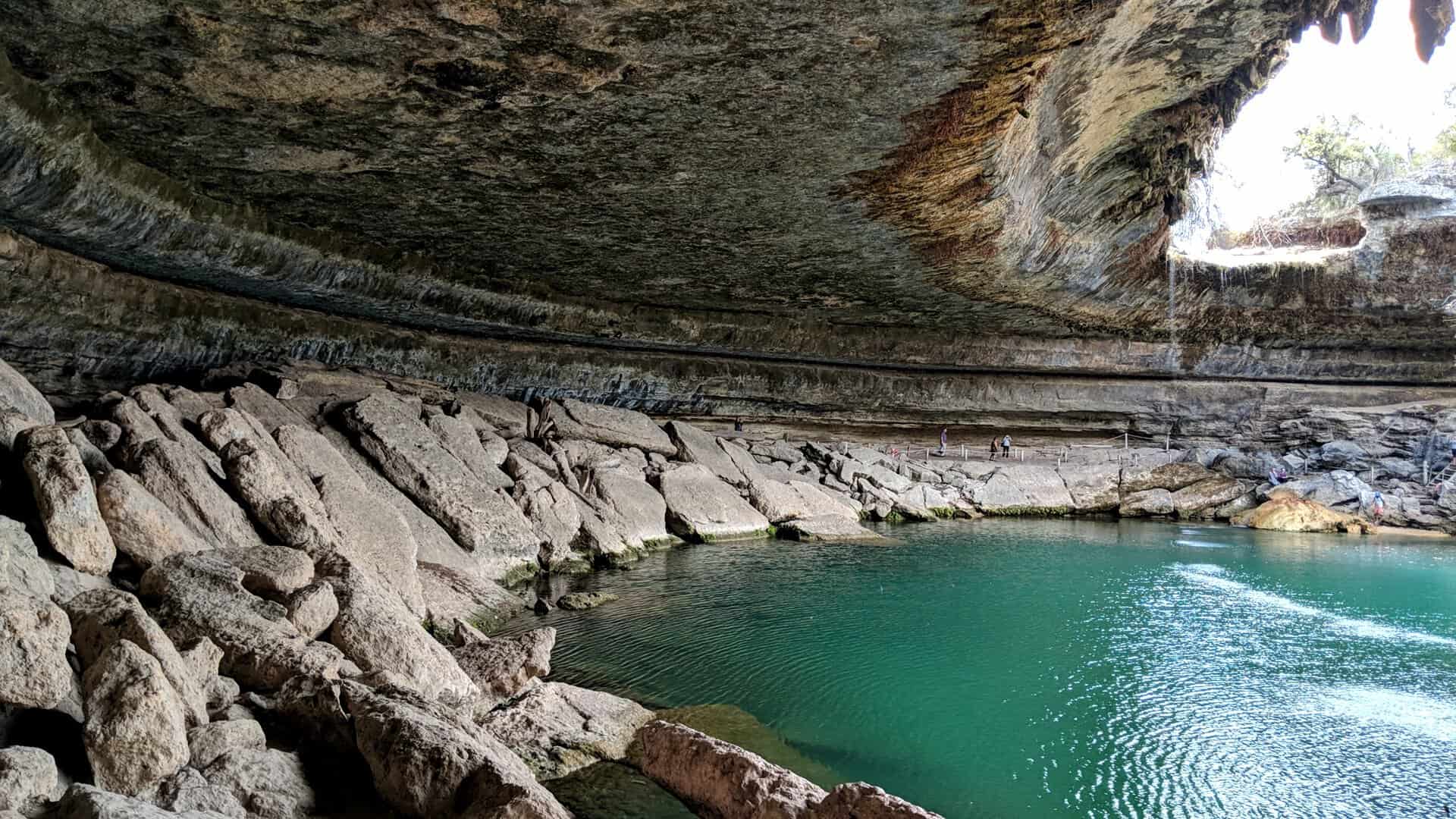
I have a real soft spot for a swimming hole that feels like a secret, and this one is a jaw-dropper. Thousands of years ago an underground river collapsed here and left a natural grotto in the hills near Austin.
A fifty-foot waterfall spills over the limestone dome into a jade-green pool, with ferns and stalactites clinging to the overhang. On a hot Texas afternoon, few places feel this cool or this magical, and swimming is often allowed when conditions cooperate.
Wear water shoes for the short, rocky walk down from the parking area, and arrive early in summer when slots go fast. The grotto rewards the planners.
Where: Hamilton Pool Preserve, near Dripping Springs, Texas. Reservations are required daily through Travis County Parks; book your parking slot online before you drive out.
5. Fern Canyon, California
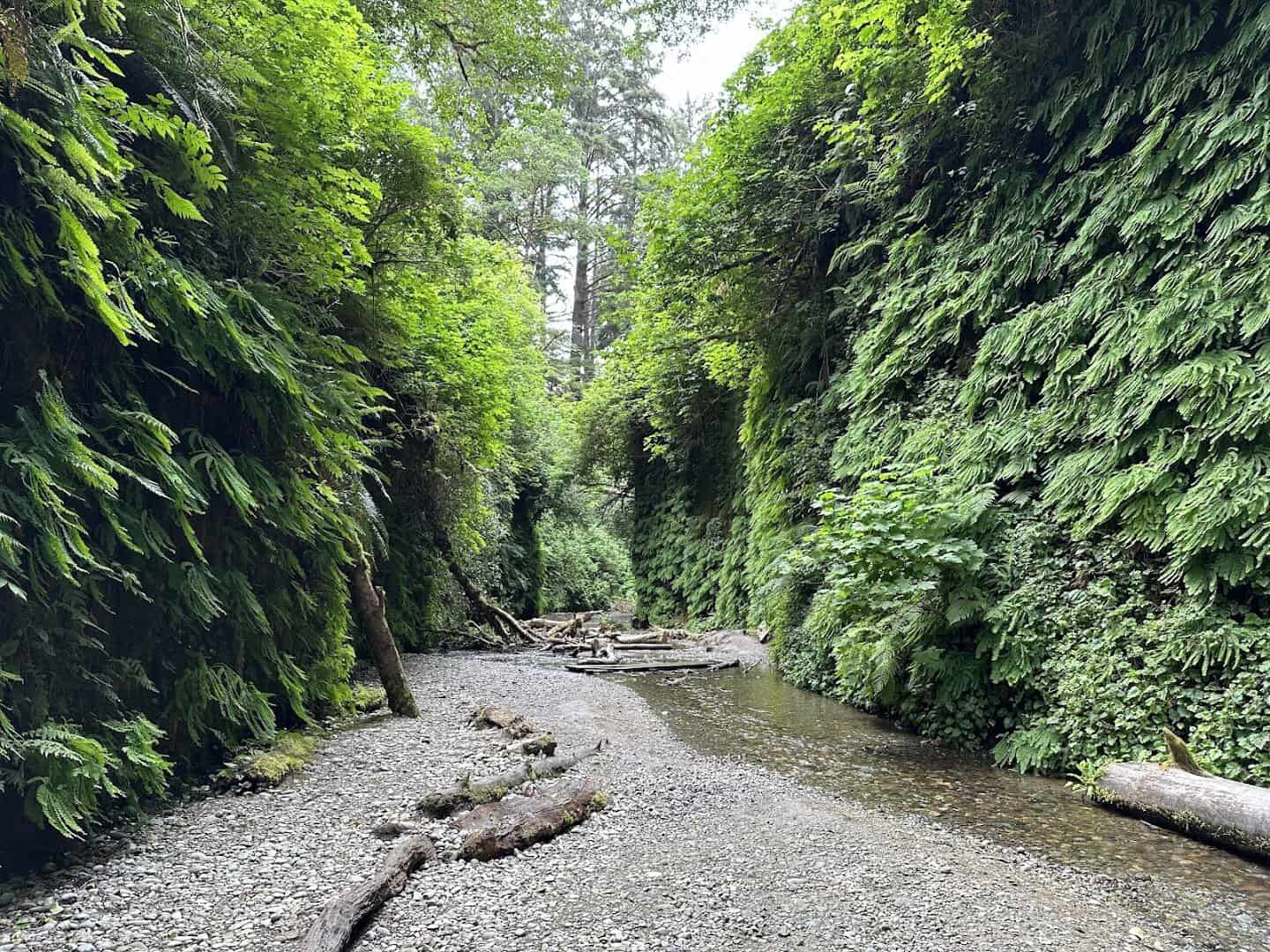
Walk into Fern Canyon and you understand instantly why a film crew chose it for a dinosaur movie. Green walls rise up to fifty feet on either side, dripping with five kinds of fern and looking utterly prehistoric.
A shallow creek runs along the canyon floor, so plan on wet feet and grin about it. Ancient redwoods tower just beyond the rim, which makes the whole place feel tucked inside a much bigger, far older forest.
The drive in follows Gold Bluffs Beach, so you get ocean, elk meadows, and fern walls in one short outing. It stacks three landscapes into an afternoon.
Where: Fern Canyon, in Prairie Creek Redwoods State Park near Orick, California. From mid-May to mid-September a day-use permit is required at the Gold Bluffs Beach entrance kiosk.
6. Thor’s Well, Oregon
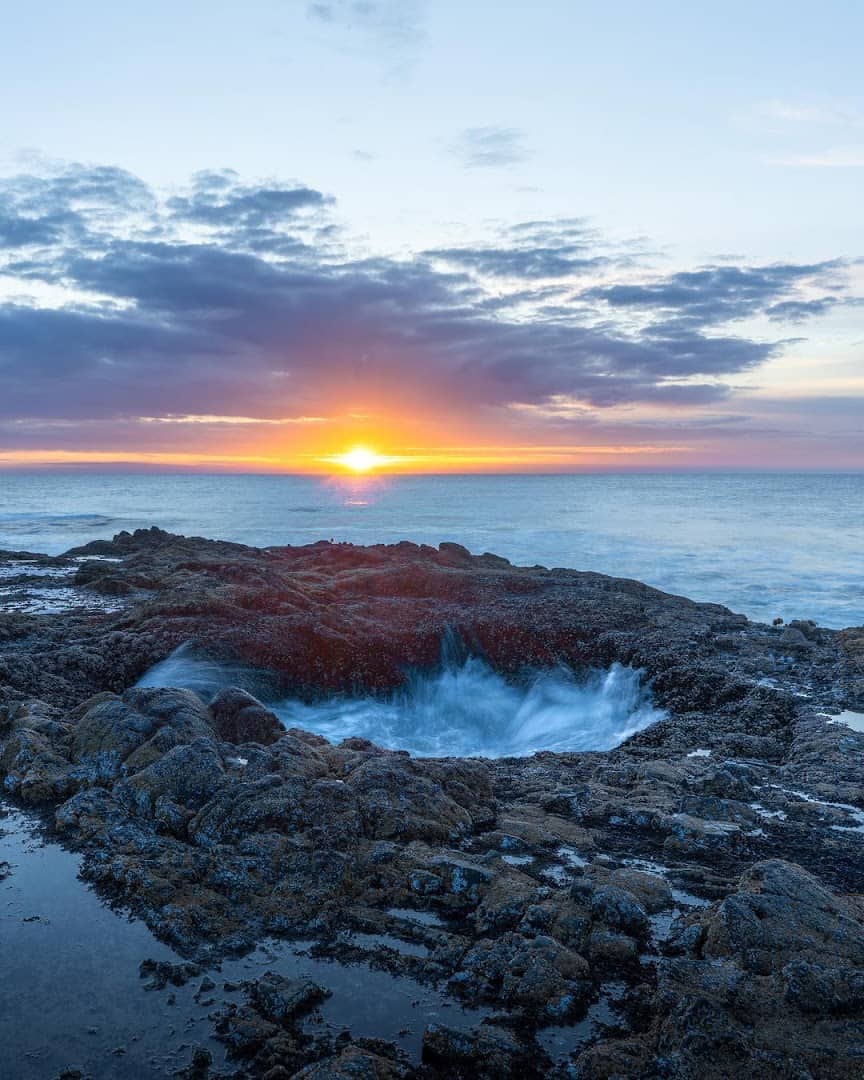
The Oregon coast has plenty of drama, but Thor’s Well turns it up to legend. This gaping hole in the rocky shoreline swallows and spits seawater like a giant drain, churning hardest as the tide rolls in.
Time it for about an hour before high tide and you’ll catch the full show of water pouring in and geysering back out. A short trail from the visitor center leads down to the shelf, so stay well back and let the ocean perform.
Winter storms make the biggest spectacle, when heavy swells send the well roaring. A long lens and a safe perch on the higher rocks are your best friends here.
Where: Thor’s Well, at Cape Perpetua about five miles south of Yachats, Oregon. Park at the Cape Perpetua visitor center and follow the short trail down to the shore.
7. Providence Canyon, Georgia
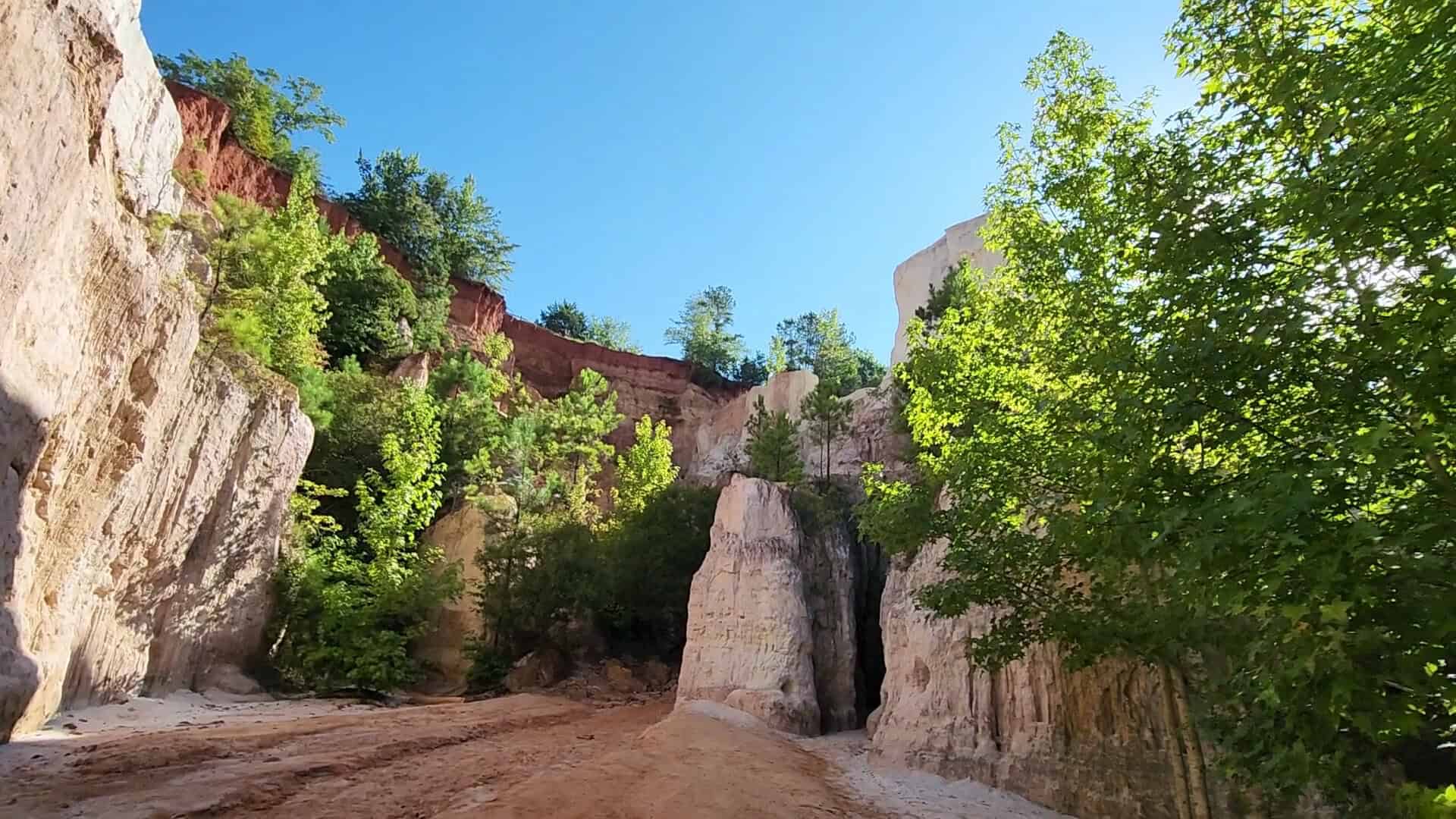
Georgia keeps a canyon of pink and orange cliffs that most people never expect to find in the Deep South. Locals call it the Little Grand Canyon, and the nickname earns itself the moment you see the walls.
Gullies plunge up to 150 feet, banded in soft rose, red, and purple soil. The Canyon Loop Trail is an easy 2.6 miles down into the floor, where you walk between the colored bluffs and look straight up in wonder.
What makes it wilder is the backstory: these ravines were carved by poor farming practices in the 1800s, and nature turned the accident into art. Spring and fall show the color best.
Where: Providence Canyon State Park, near Lumpkin, Georgia. A small parking pass covers entry, and the visitor center sits right at the trailhead with maps and overlooks.
8. Dry Falls, Washington
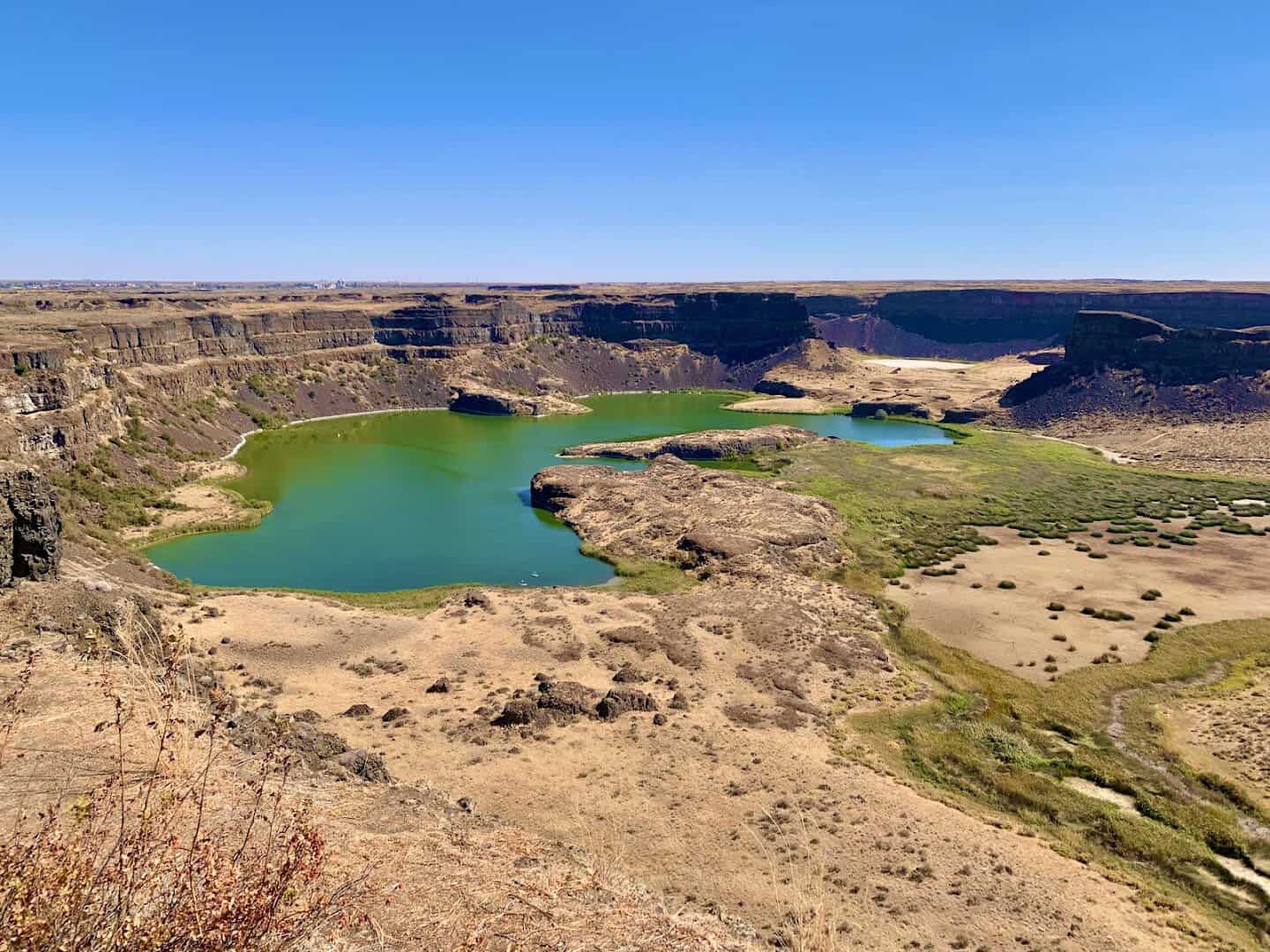
Here is a waterfall with no water, and it might be the most staggering cliff on this list. Ice Age floods once roared over this precipice, a wall three and a half miles wide and 400 feet tall, five times the width of Niagara.
The floods drained away thousands of years ago and left a scalloped cliff frozen in stone. Stand at the overlook and try to picture the sheer volume that once thundered off this edge; it reorders your sense of scale entirely.
The surrounding park adds lakes, trails, and camping, so the geology lesson comes with a proper day outdoors. Clear afternoons light up the full scalloped rim.
Where: Dry Falls, in Sun Lakes-Dry Falls State Park near Coulee City, Washington. The visitor center perches on the cliff edge along Route 17 with panoramic windows over the drop.
9. Devil’s Bathtub, Virginia
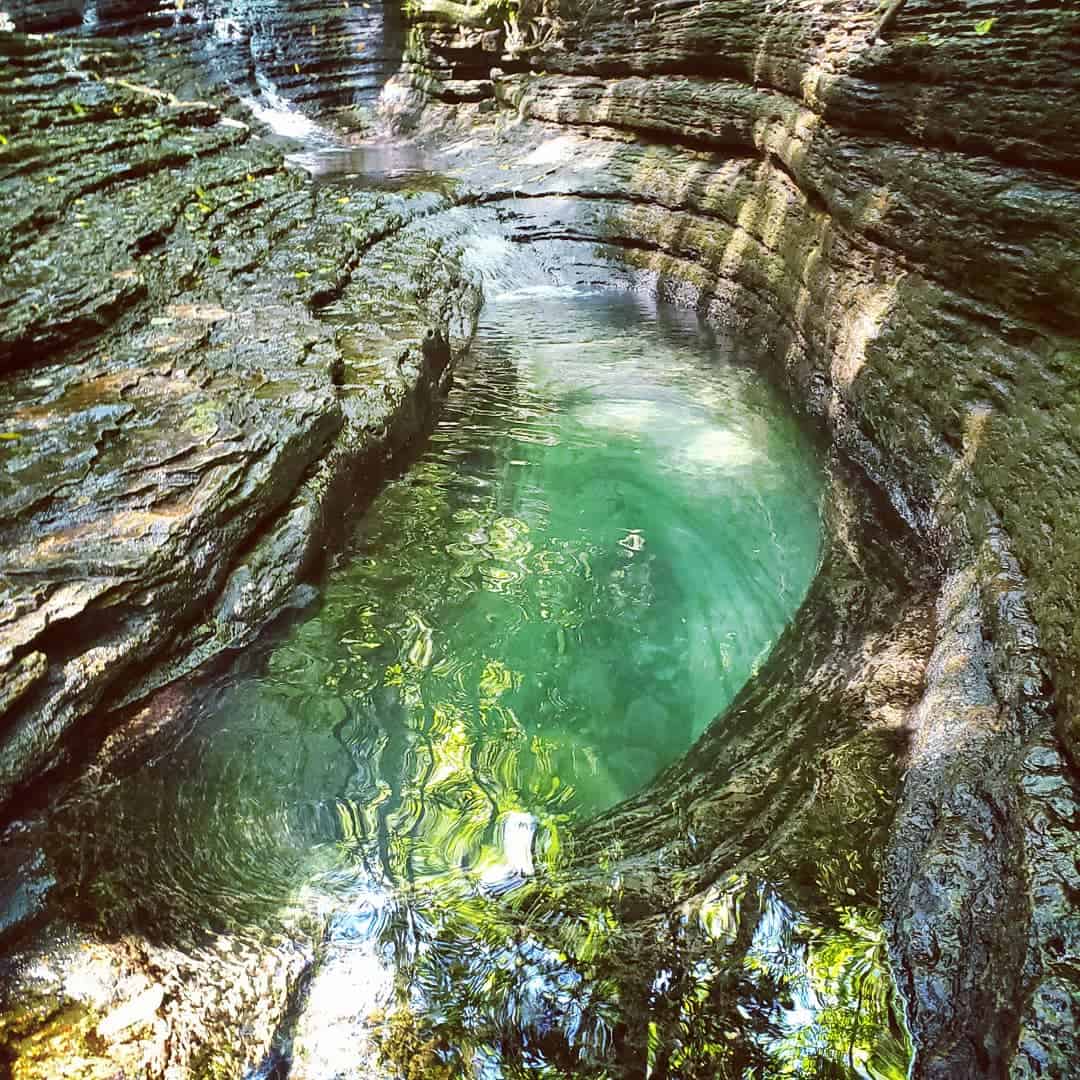
Tucked in the mountains of far southwest Virginia is a swimming hole worth every step of the hike. Devil’s Bathtub is a smooth chute worn into blue-green rock, so clear and so oddly shaped it looks carved on purpose.
A small waterfall feeds it, and the trail crosses the creek several times on the way in. The reward is that impossible teal water sitting in a stone tub, deep in the Jefferson National Forest, best enjoyed in warmer months.
The hike keeps you honest with rocky footing and repeated stream crossings, so pack sturdy shoes and a little patience. That effort is exactly why it stays quiet.
Where: Devil’s Bathtub, reached by the Devils Fork trail near Fort Blackmore, Virginia. It’s a roughly four-mile out-and-back; park only in the signed trailhead lot.
10. Blanchard Springs Caverns, Arkansas
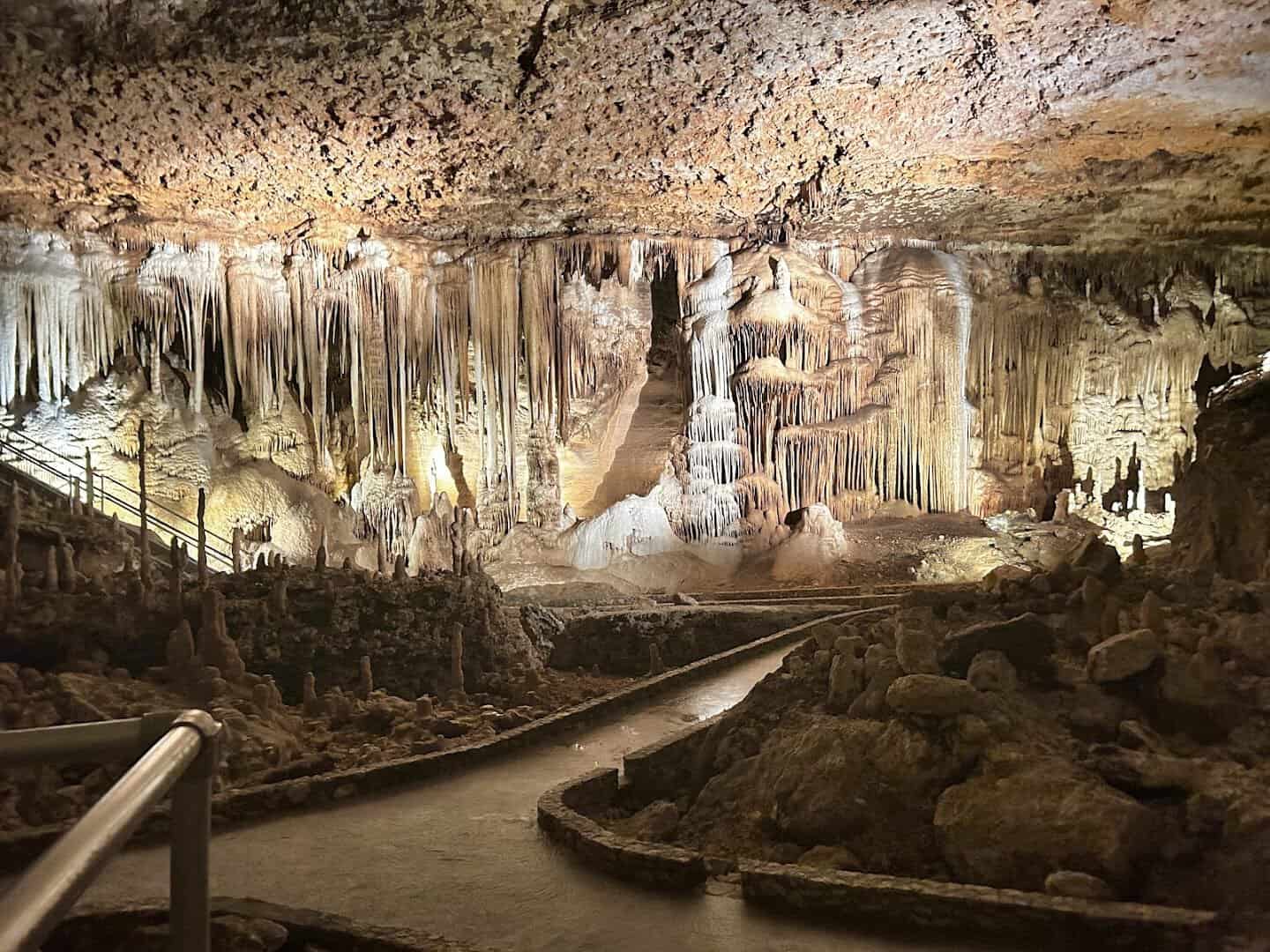
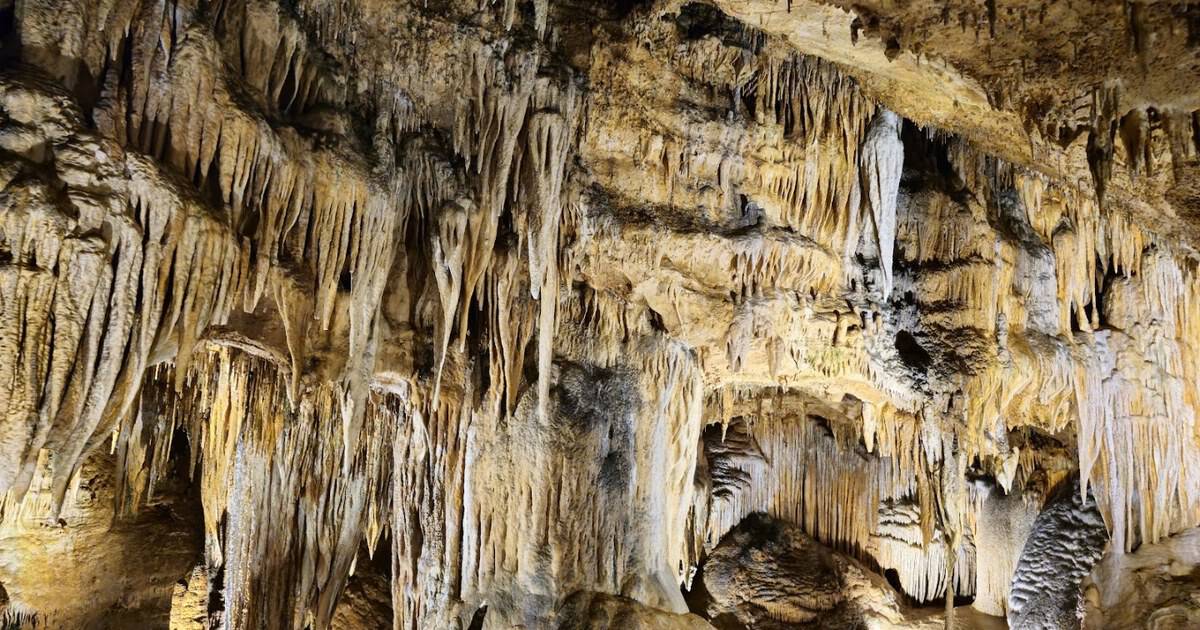
Deep under the Ozarks sits a cave that is still very much alive. Water drips through Blanchard Springs Caverns to this day, slowly growing glittering columns, flowstone, and delicate dripstone that catch the guide’s lamps.
The Dripstone Discovery tour walks you through chambers that stay in the low fifties no matter the season, so it’s cool in summer and cozy in winter. It feels like stepping inside a slow, sparkling work in progress that took ages to build.
Rangers lead the way and point out formations you would walk right past on your own, from soaring columns to fragile soda straws. Mountain View’s folk music scene makes a fine bookend.
Where: Blanchard Springs Caverns, near Mountain View, Arkansas, in the Ozark-St. Francis National Forest. Guided tours are booked through Recreation.gov during the open season, roughly May through October.
11. Pictured Rocks, Michigan
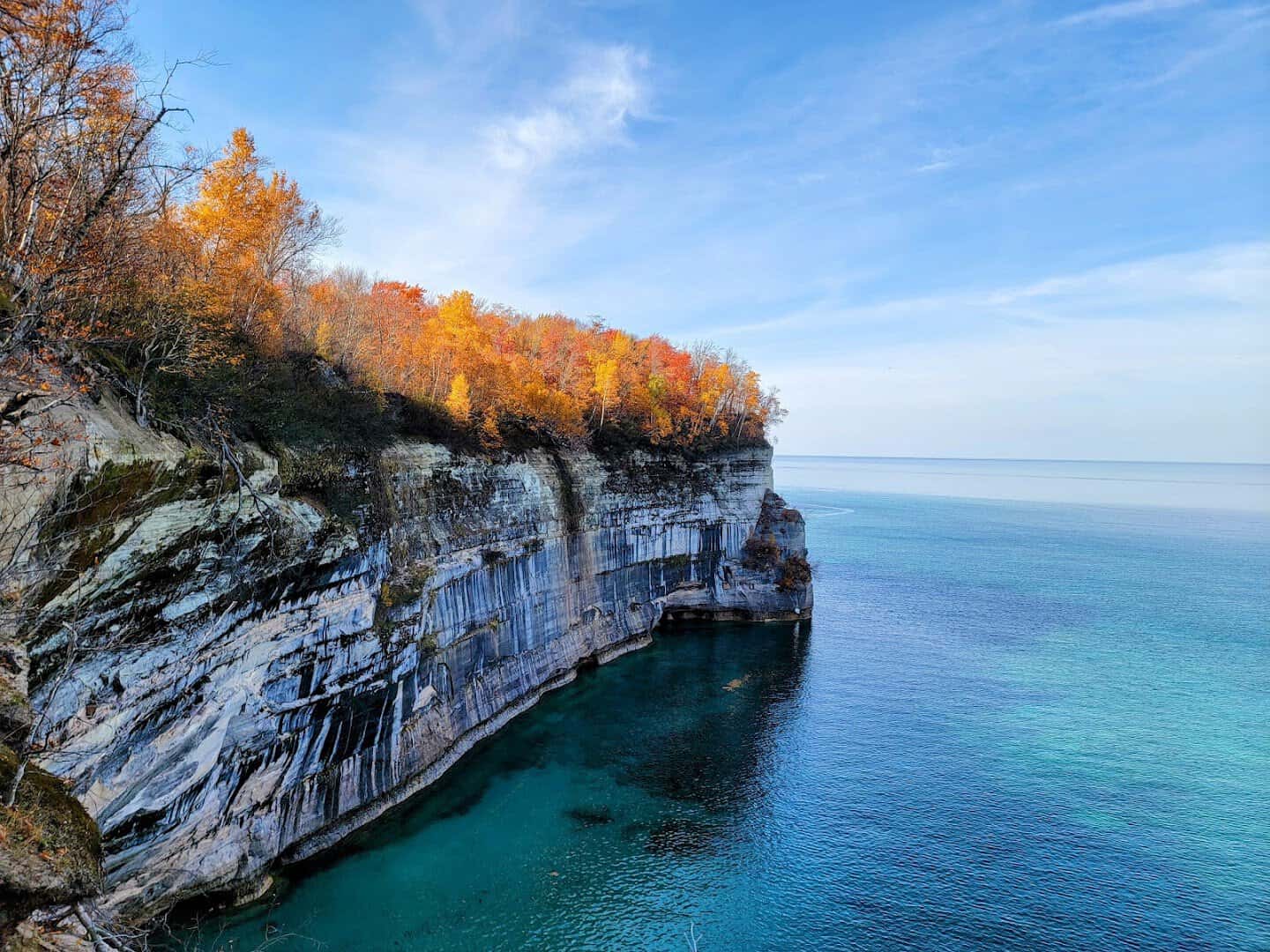
Lake Superior hides a stretch of cliffs so colorful they look painted. The Pictured Rocks run for 42 miles, their sandstone streaked in red, green, and copper where mineral-rich water has stained the stone for ages.
The best view is from the water. A boat cruise out of Munising Bay glides past landmarks like Miners Castle and Chapel Rock, with the cliffs rising up to 200 feet straight out of the lake. Kayakers get an even closer look.
Late afternoon light warms the mineral streaks to their richest, so a sunset cruise is the one to book. Fall adds forest color along the clifftops for good measure.
Where: Pictured Rocks National Lakeshore, near Munising, Michigan. Cruises depart from Munising Bay and run daily from roughly mid-May through mid-October.
12. Mendenhall Glacier, Alaska
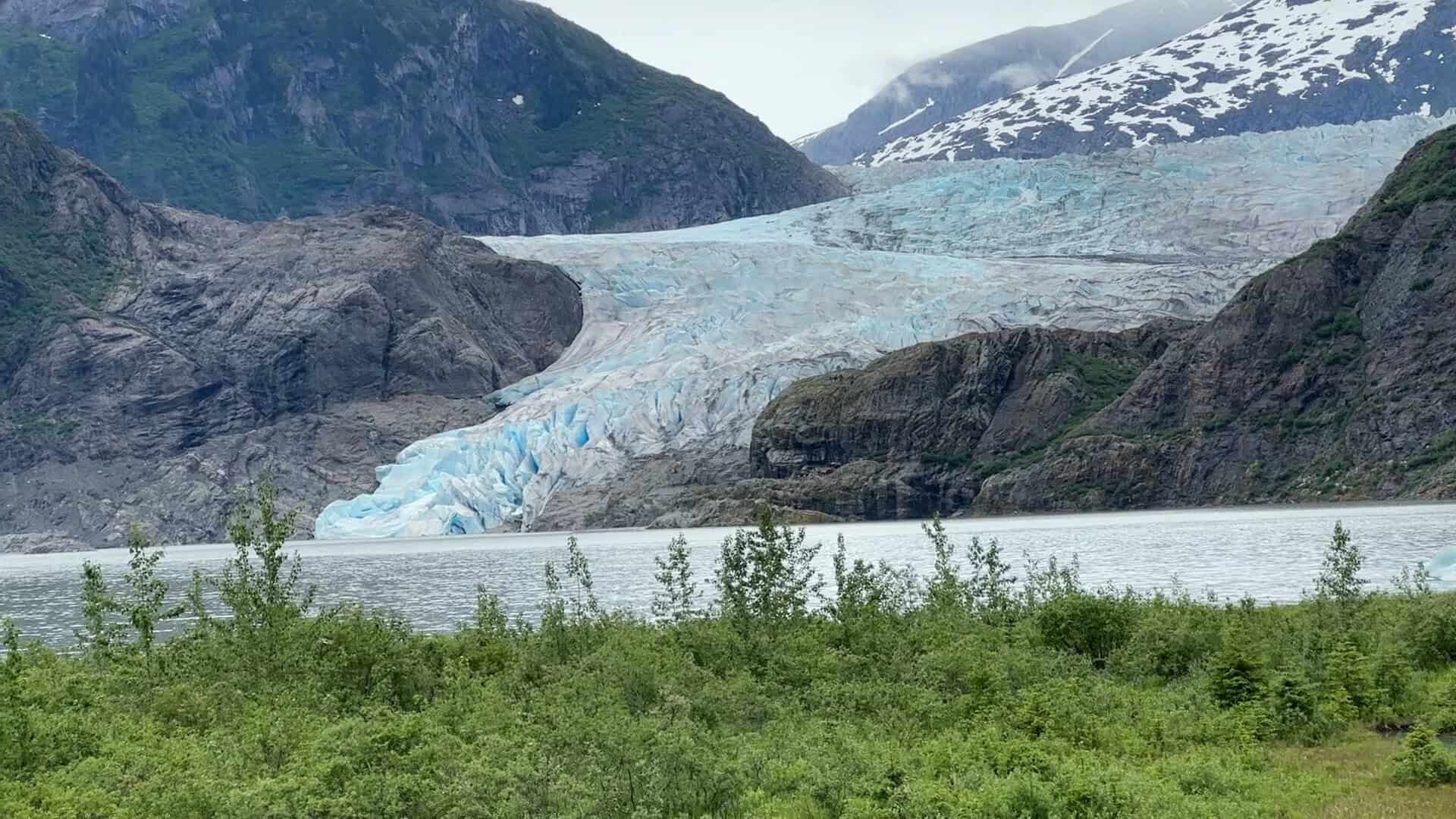
Just outside Juneau, a river of ancient blue ice pours down from the mountains right to the edge of a lake. The Mendenhall Glacier is close enough to visit on a day trip, yet it feels like the wild, frozen edge of the continent.
Nearby, Nugget Falls thunders off a cliff beside the ice, and the glacier’s face glows an unreal shade of blue on a bright day. Kayak across the lake or hike the shoreline trails for a view that never quite feels real.
The easy Nugget Falls trail delivers the postcard view without a hard climb, which makes this one of the most approachable glaciers in the country. Summer opens up boat and kayak tours too.
Where: Mendenhall Glacier, about 12 miles from downtown Juneau, Alaska. The visitor center offers glacier views and trail access, including the popular Nugget Falls path.
Start Mapping Your Next Detour
The best trips are stitched together from places like these, the ones that make you feel like you found something. Pick one that pulls at you, point the car toward it, and let the ordinary route wait for another day.
Fill up the tank, charge the camera, and go chase a wonder that most travelers drive right past. The country is bigger and stranger and more beautiful than any highlight reel ever lets on.
Featured image: Ariel Heaton via Hamilton Pool Preserve

Stella Raines
Editor-in-Chief
Stella brings over a decade of storytelling experience to TX Headlines. With roots in West Texas and a love for road trips, she leads the editorial team with an eye for the hidden stories that make Texas unforgettable.